Explore our premium component line engineering top-tier torque, rotation stability, and custom shaft outputs for modern home automation and ventilating structures.
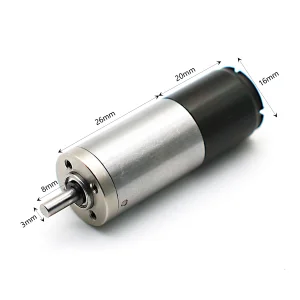
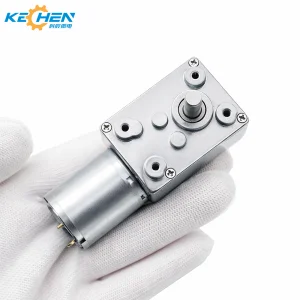
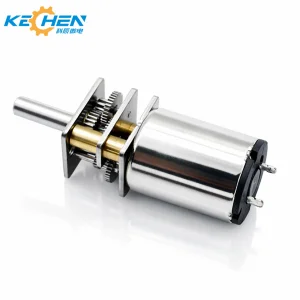
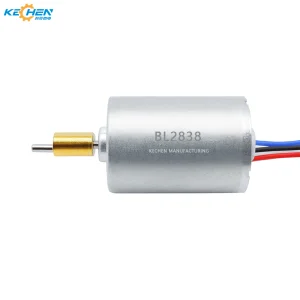
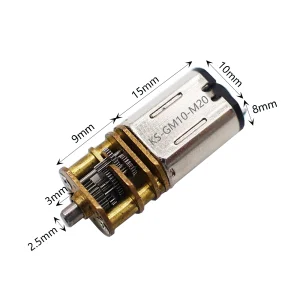
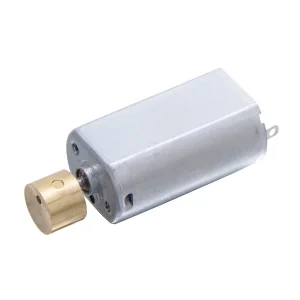
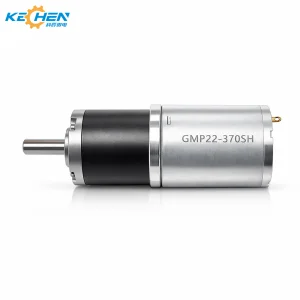
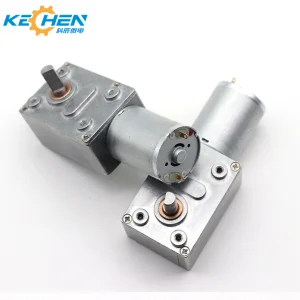
Brea Tech Micro Motor is a forward-thinking Chinese manufacturer redefining precision motion control in the micro-drive industry. We design and build high-efficiency micro DC and BLDC motors that power next-generation technologies worldwide. Driven by our core philosophy—Top Quality & Customization—we combine advanced manufacturing tech with flexible engineering to provide global B2B clients with the transparency of a local partner and the cost benefits of a premier Chinese factory. Built to last. Engineered to fit.
By extending our high-efficiency motor architecture to custom solutions for HVAC dampers, smart ventilation systems, and specialized home appliances, we deliver a technical roadmap that bridges the gap between raw power and silent, efficient control. Whether you require robust torque profiles, compliance with strict international energy directives, or structural durability in volatile climates, Brea Tech integrates the entire lifecycle of industrial motor design.
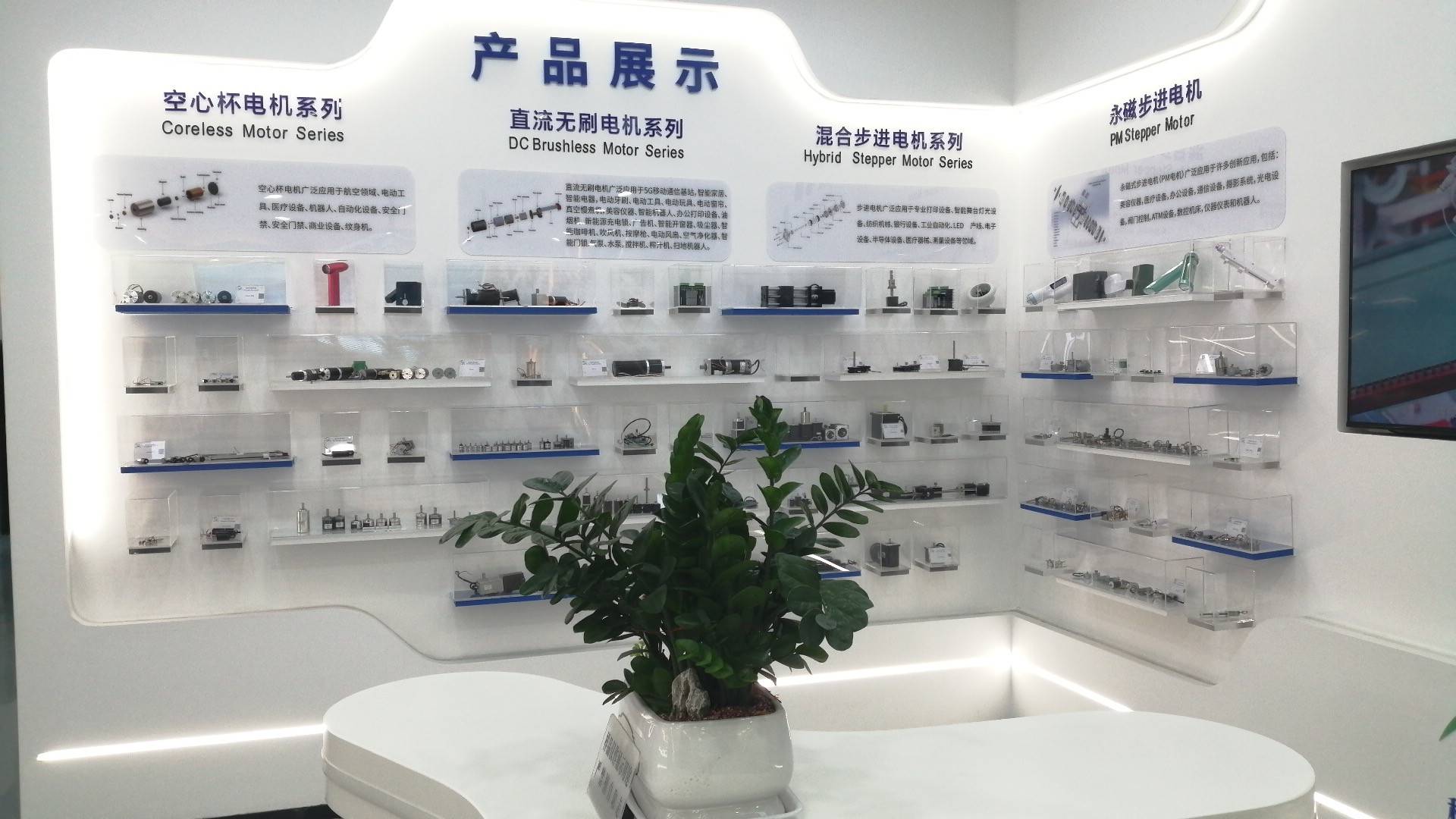
An in-depth structural overview of motor topologies, winding architectures, and magnetic pole optimization shaping the ceiling fan industry.
The global HVAC and smart home industry is witnessing a structural shift from legacy alternating current (AC) induction motors to brushless direct current (BLDC) architectures. Traditional AC motors operate at roughly 40-50% electrical-to-mechanical efficiency due to continuous slip loss and copper losses within the rotor cage.
Conversely, BLDC motors utilize high-grade permanent neodymium magnets (NdFeB) mounted directly on the outer rotor structure, removing the necessity of electric current excitation in the rotor. This fundamental design reduces temperature escalation, achieves up to 85-90% system efficiency, and enables variable-speed control via microcontrollers.
Precision performance requires advanced control systems. Leading Chinese exporters are shifting away from traditional square-wave (trapezoidal) commutation toward Field-Oriented Control (FOC) sine-wave driving circuits. FOC monitors current phases in real-time, providing smooth transitions between stator poles.
This technology minimizes "cogging torque" (the mechanical ripple felt during rotation) and suppresses high-frequency harmonics, effectively bringing motor noise down to sub-30 decibel ranges. By embedding FOC micro-drives directly into the motor housing, manufacturers can support intelligent IoT ecosystems.
The next generation of ceiling fan motors will feature bidirectional communication interfaces, integrating with Matter, Zigbee, and Wi-Fi networks. Predictive diagnostics will utilize real-time current analytics to identify bearing wear or winding degradation before a mechanical failure occurs.
Furthermore, direct compatibility with low-voltage DC microgrids (fed by solar panels or local energy storage systems) bypasses the need for AC-to-DC rectification steps, achieving an additional 5-10% in system-wide energy savings.
Solving structural, thermal, and regulatory challenges for global building developers, smart home brands, and commercial projects.
Ceiling fans used in outdoor patios, coastal resorts, or tropical regions must withstand continuous exposure to salt spray, humidity, and fine dust particles. Leading manufacturers address this issue by coating stator windings with dual-insulation epoxy resins via vacuum pressure impregnation (VPI).
Furthermore, critical mechanical interfaces are fitted with dual-lip synthetic rubber oil seals, and the outer casing is fabricated from anti-corrosive powder-coated aluminum or marine-grade stainless steel. These engineering measures ensure that motors meet IP55 or higher water and dust resistance standards, preventing electrical leakage.
In warehouses, distribution hubs, and agricultural facilities, airflow regulation is critical for worker productivity and safety. Traditional high-speed fan solutions consume excessive energy and generate disruptive noise levels.
Our motor technology is engineered to scale for HVLS applications, supplying high torque output at low RPMs (typically 50-100 RPM). By utilizing high-fill factor copper windings and optimized stator laminations, these large-scale BLDC drive systems maintain thermal stability under continuous 24/7 duty cycles.
A transparent look at Brea Tech's end-to-end automated manufacturing processes, precision metrology equipment, and robust quality control checkpoints.
 Design & Blueprinting
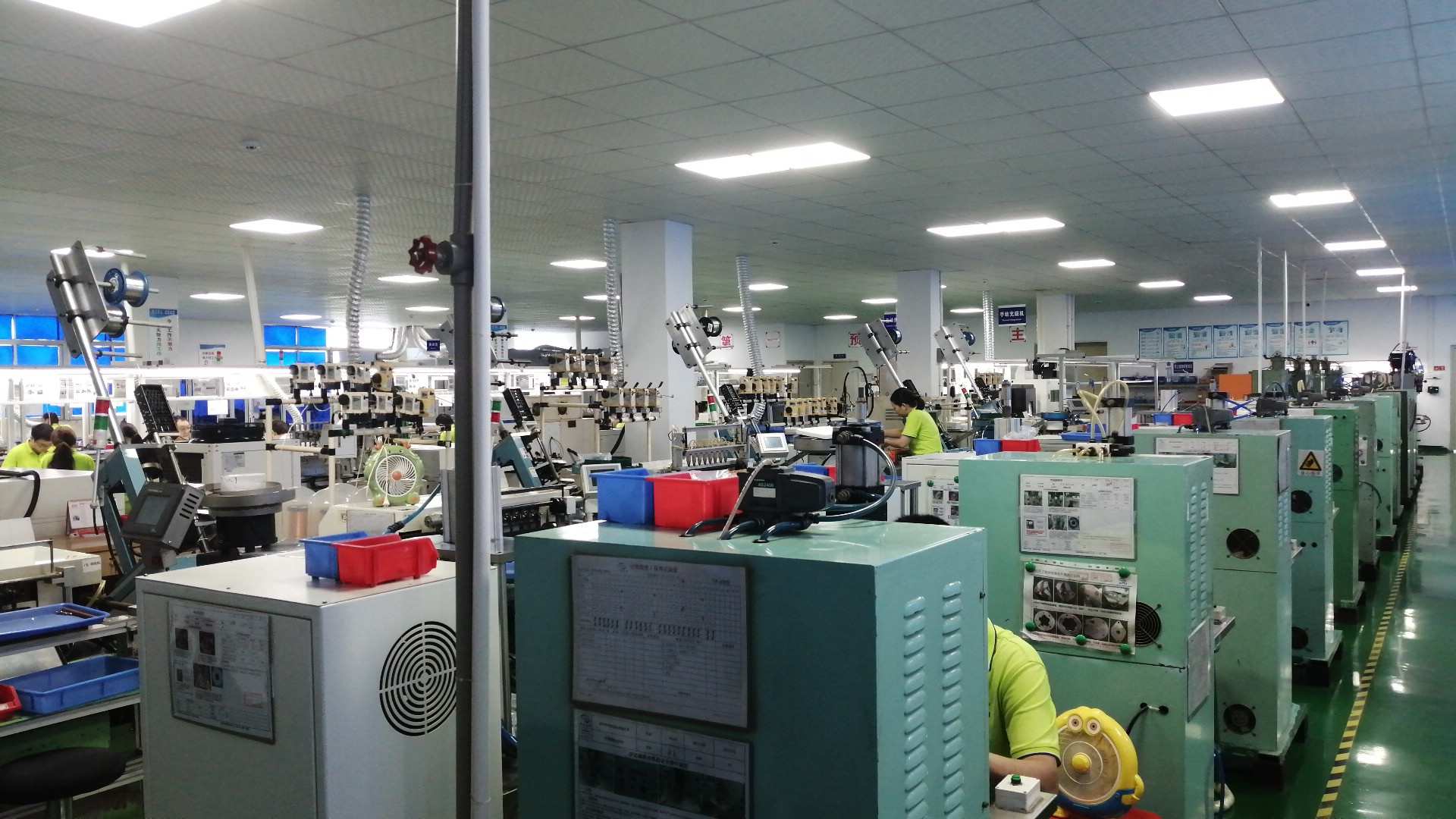 Raw Component Inspection
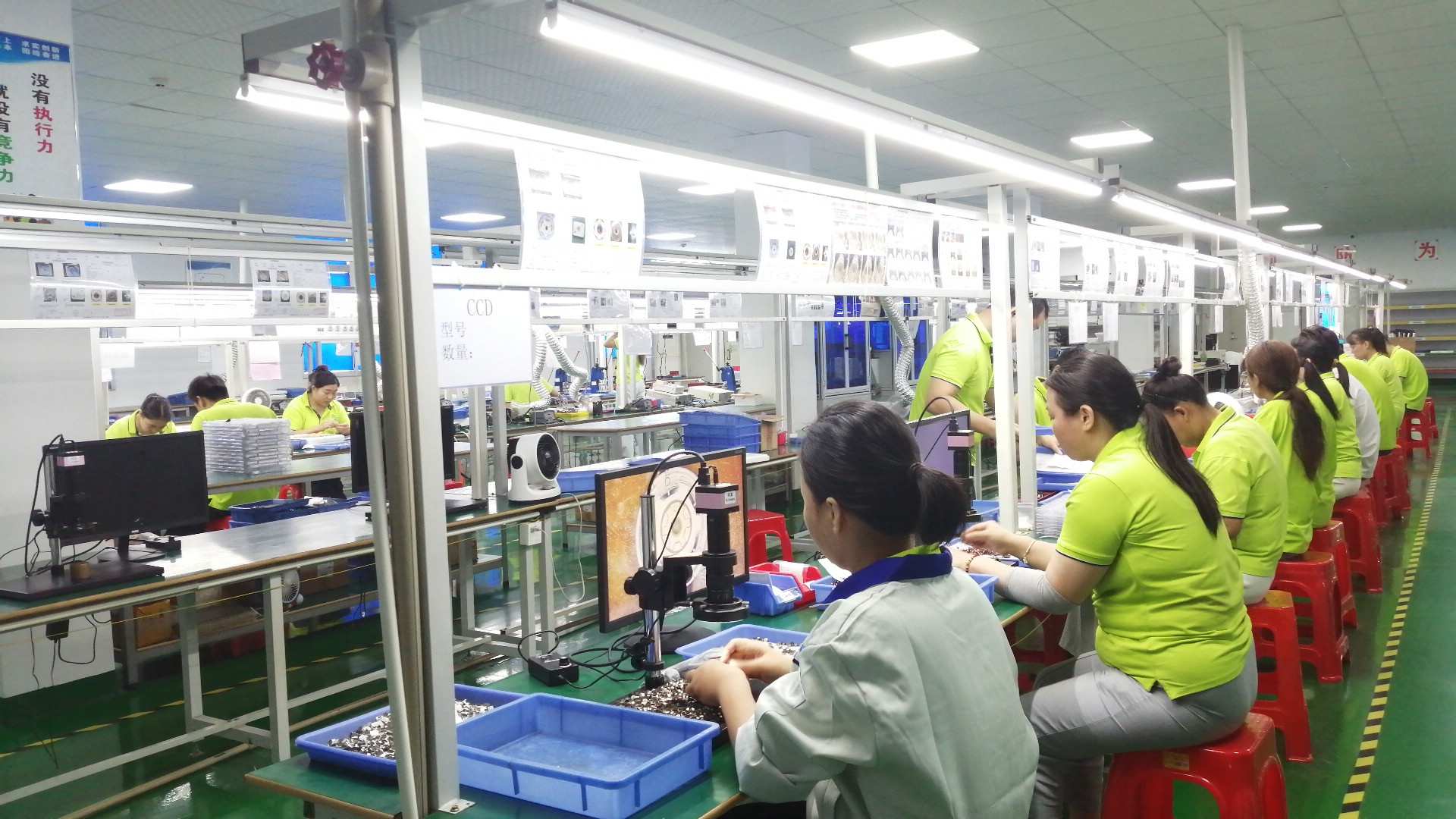 Stator Coil Winding
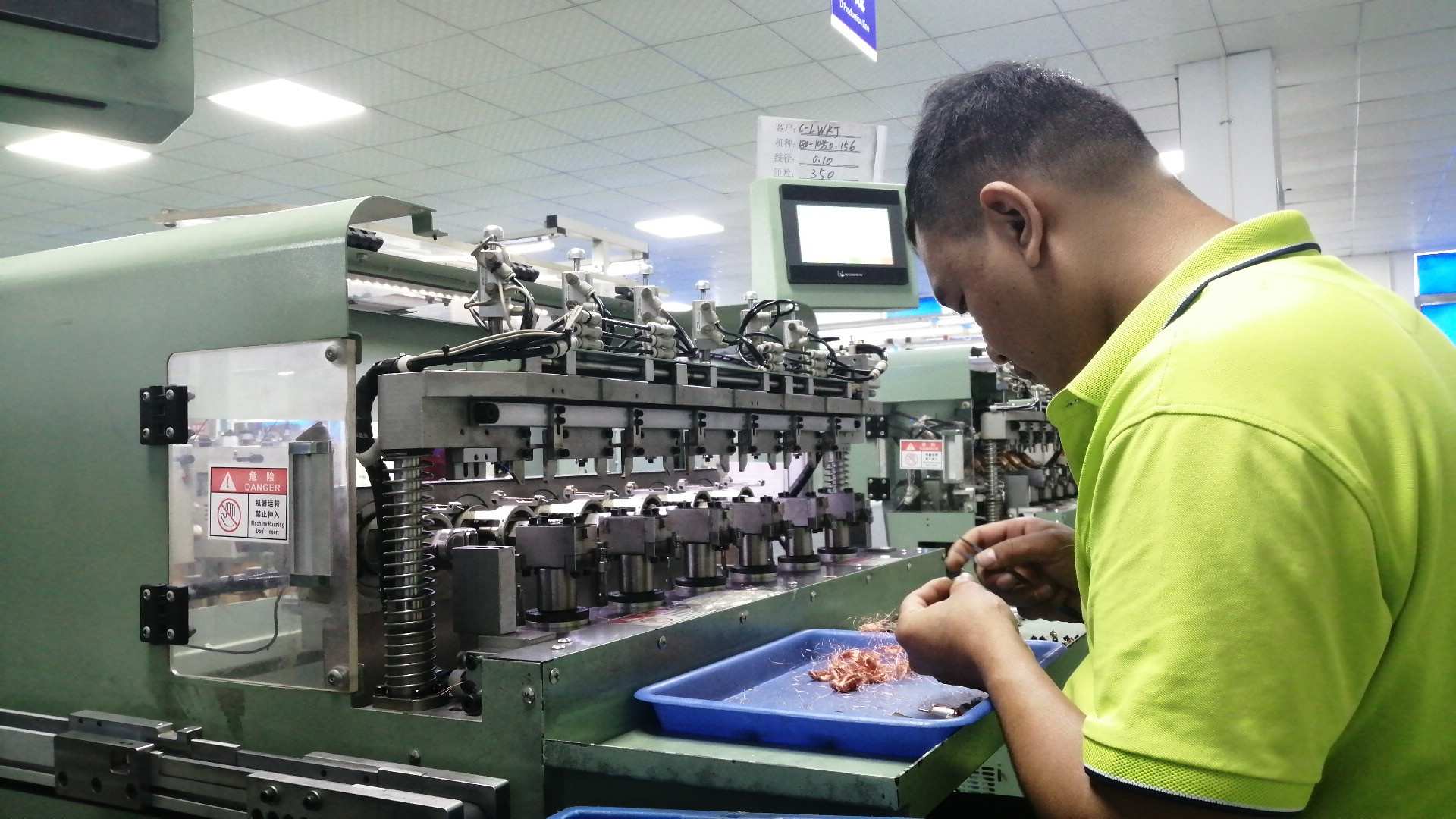 Automated Winding Line
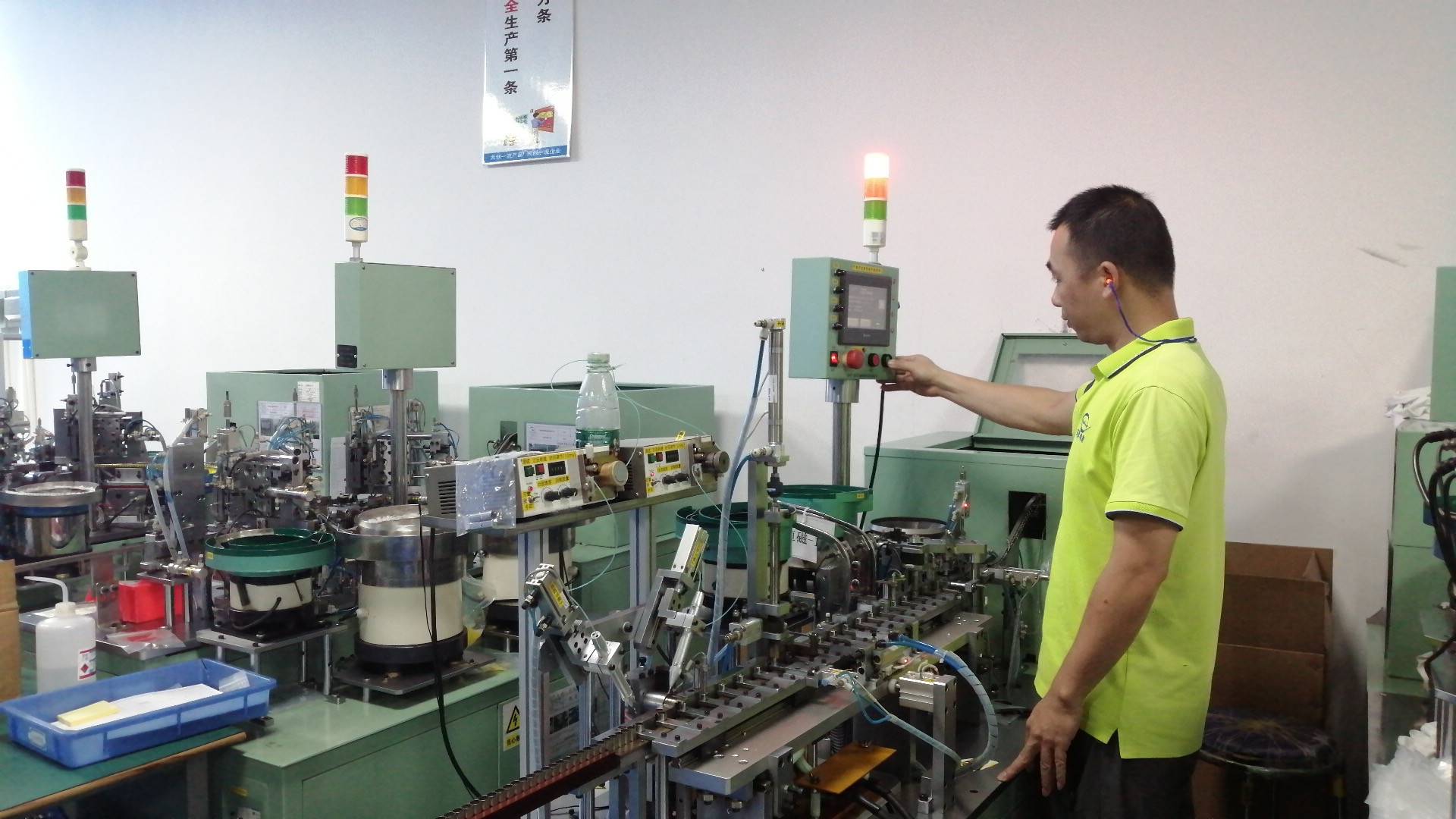 Magnet Assembling
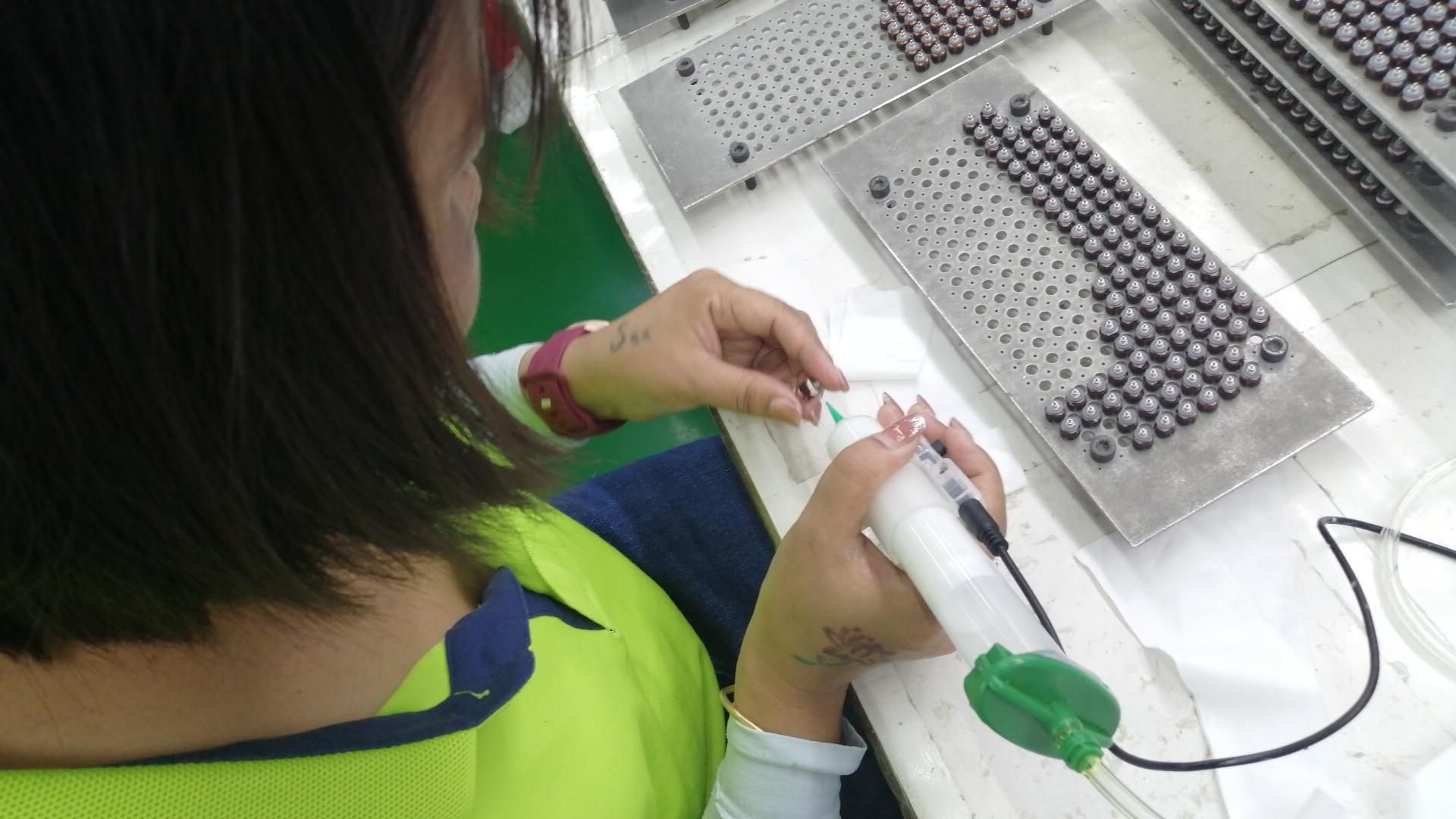 Rotor Magnet Gluing
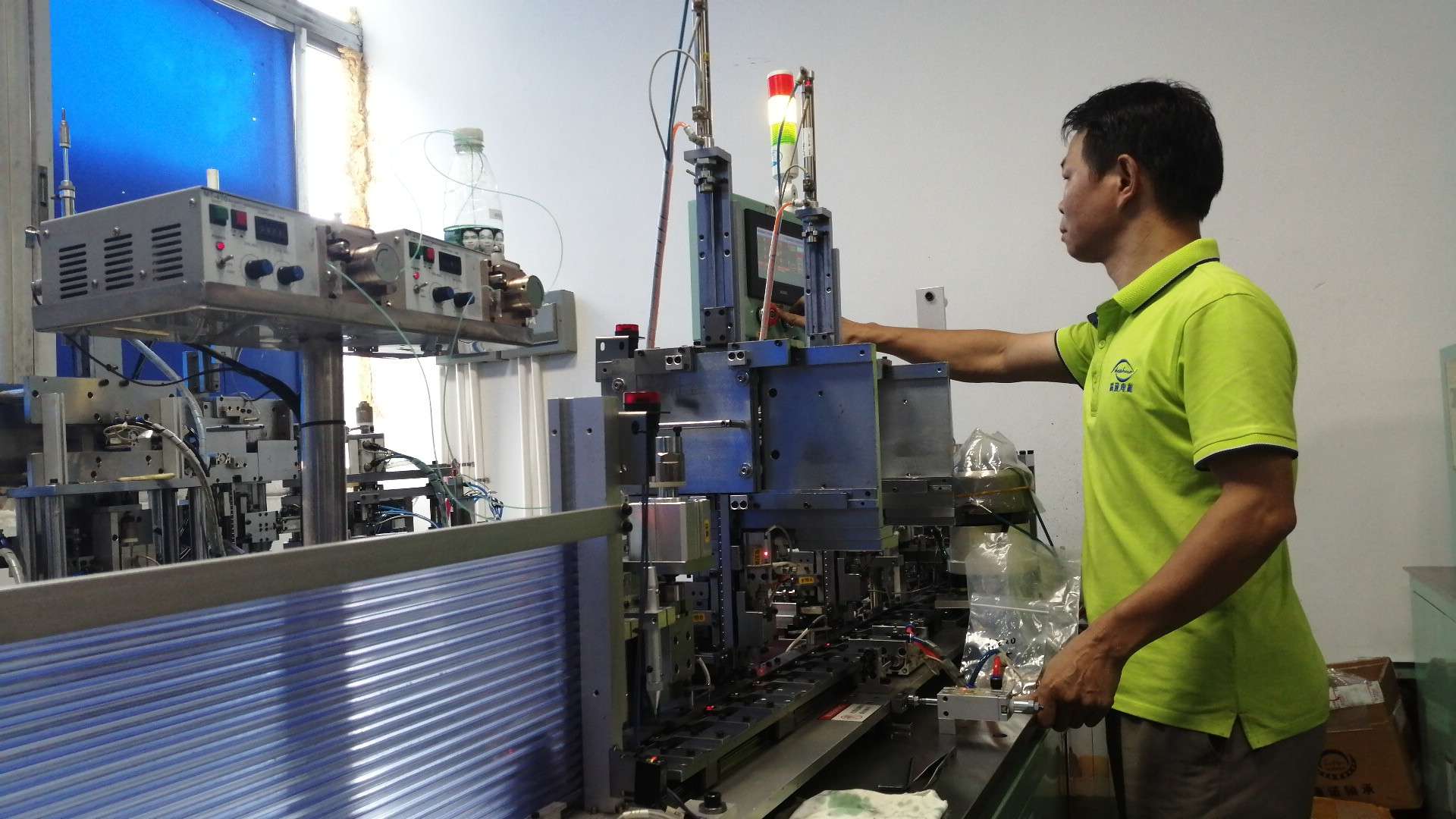 End-cap Assembling
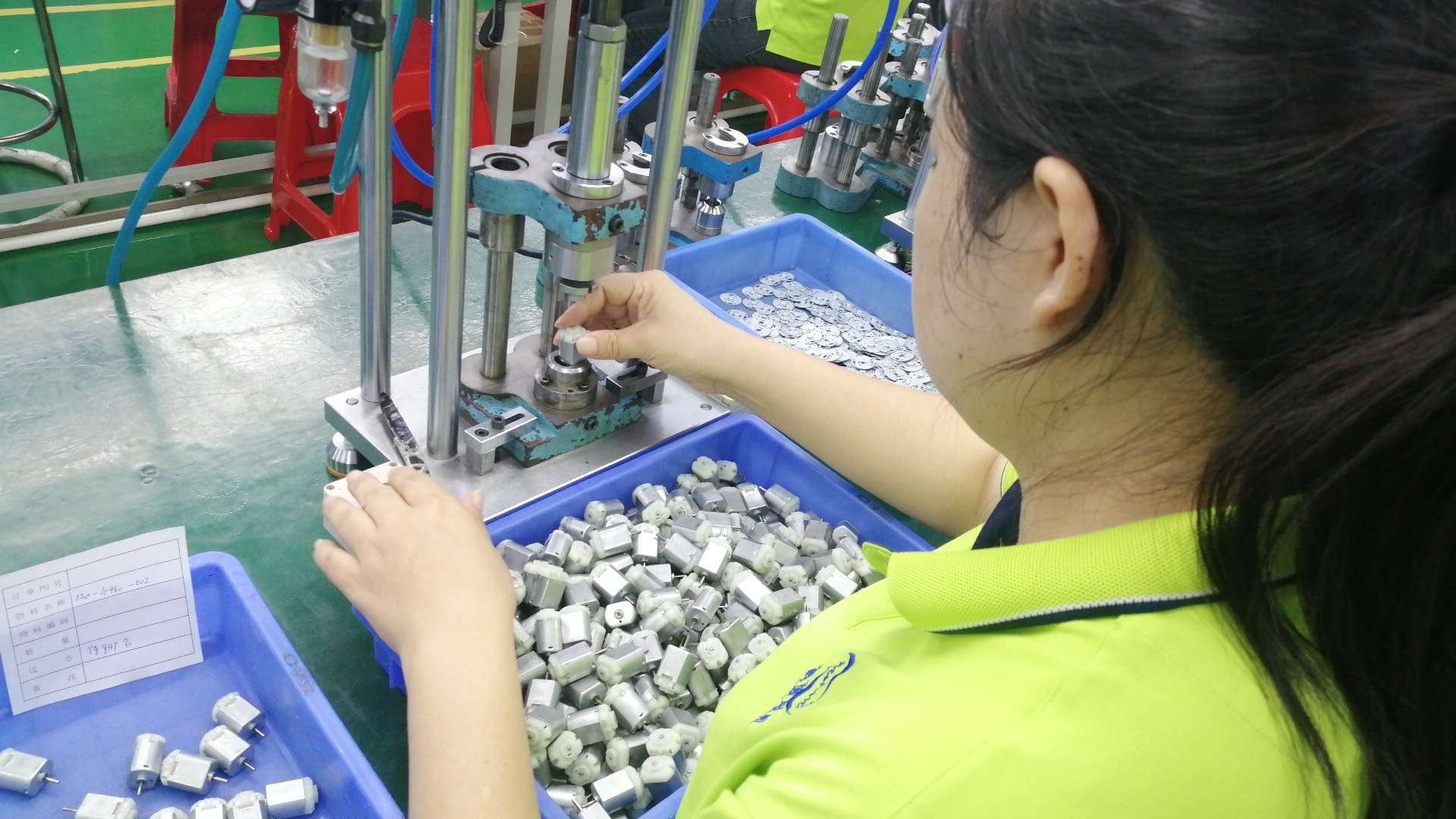 Magnetic Axis Assembling
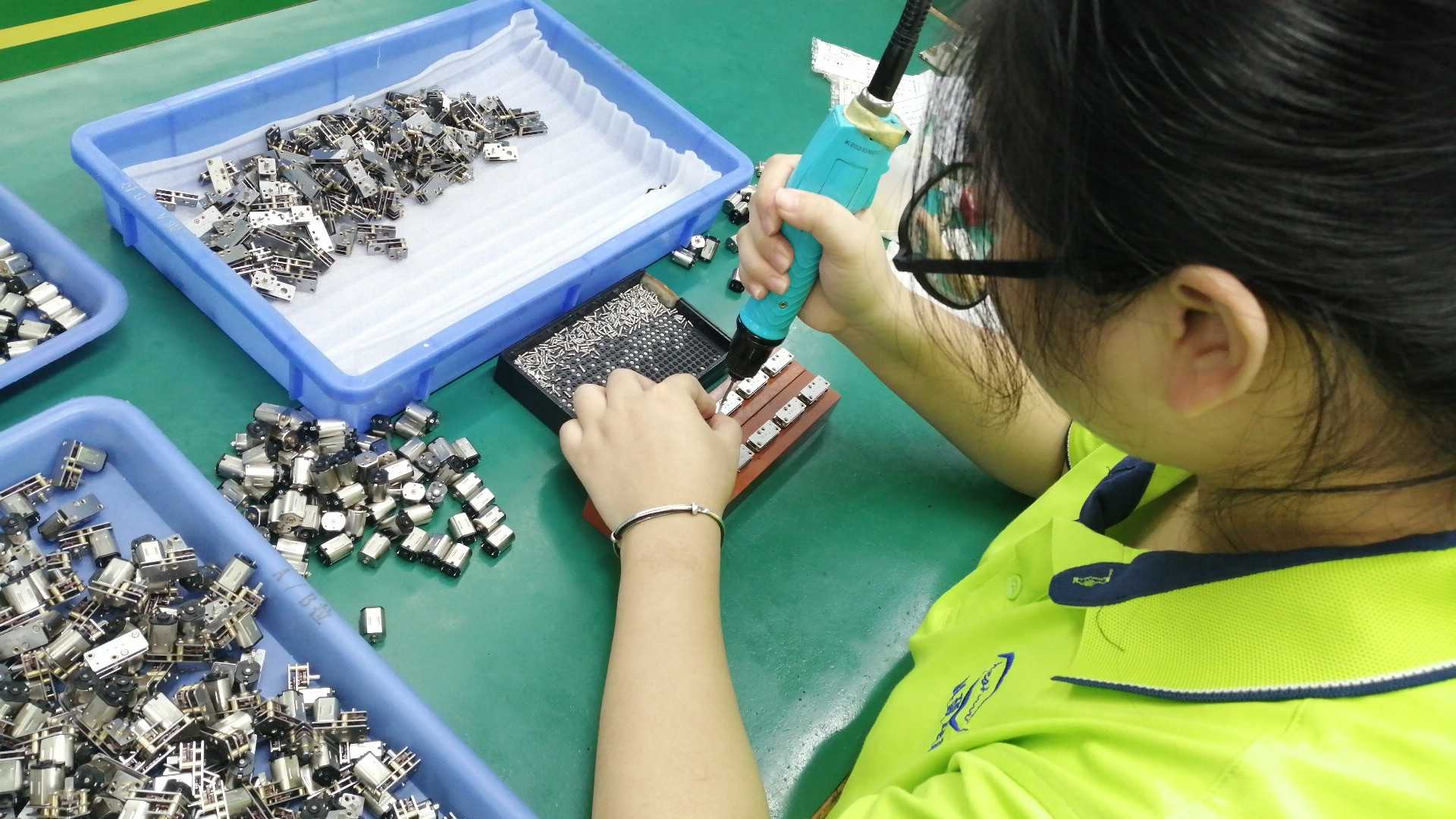 Precision Screwing
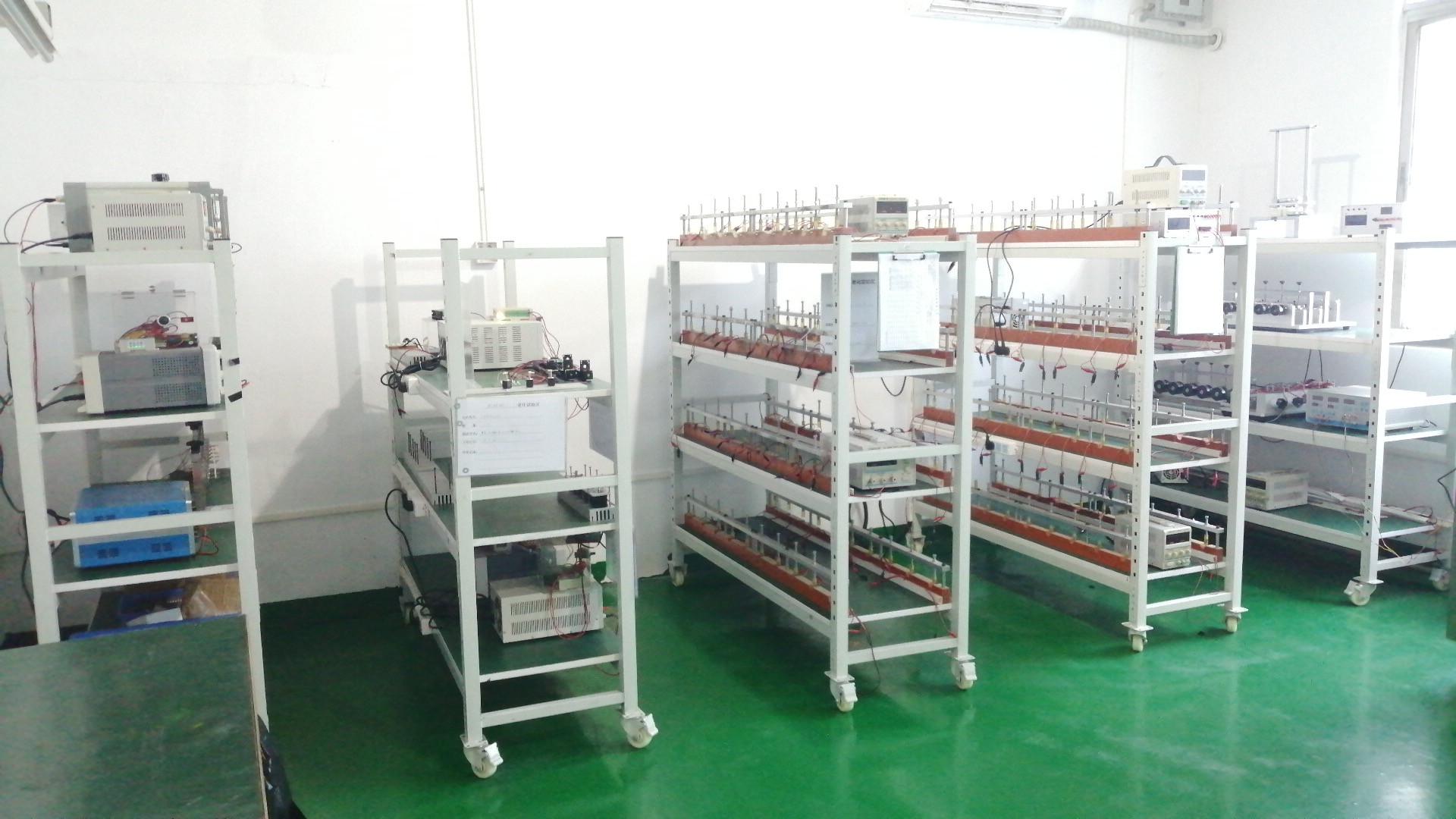 Stress & Thermal Aging
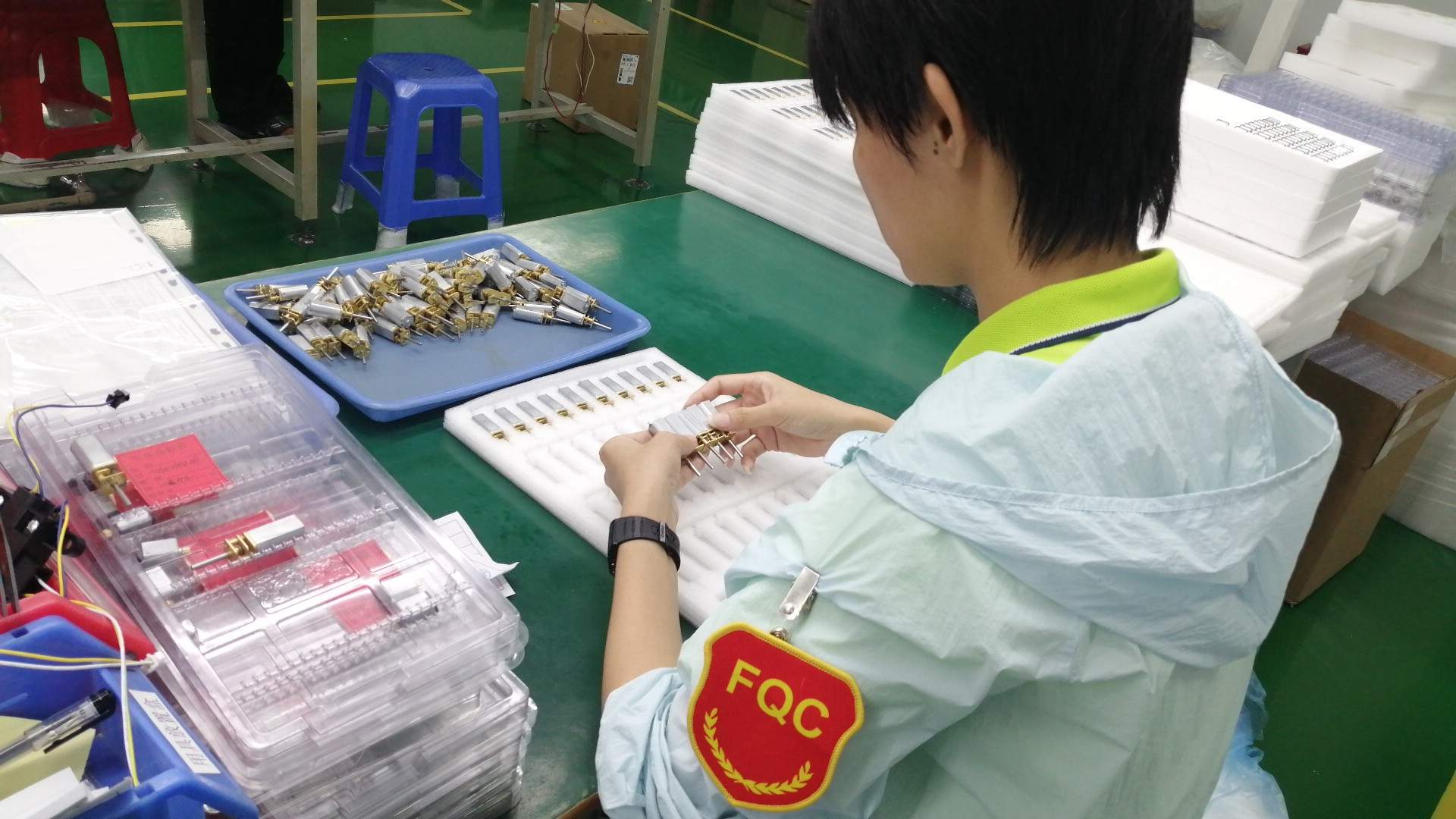 Optoelectronic Inspection
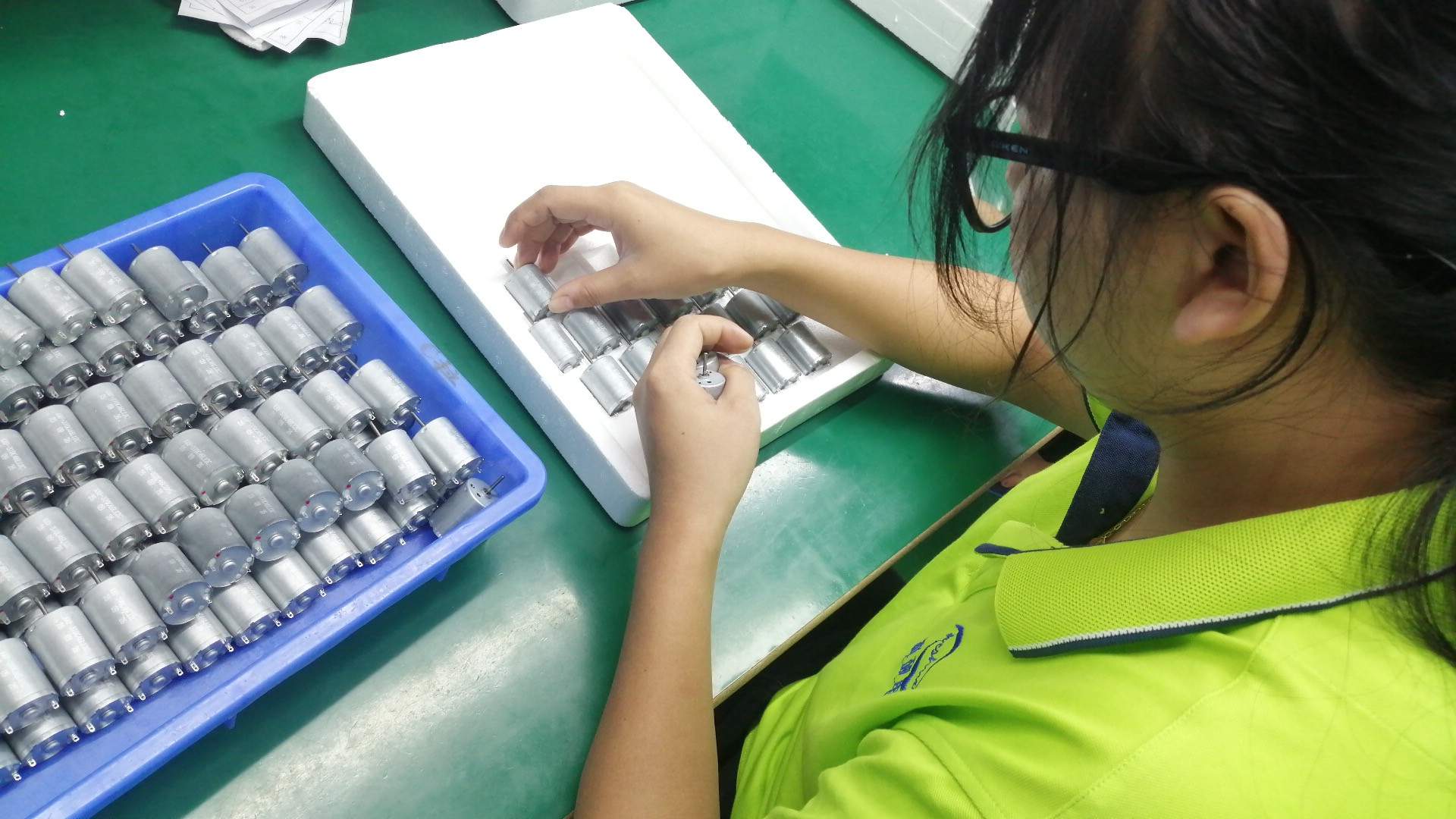 Standardized Export Packing
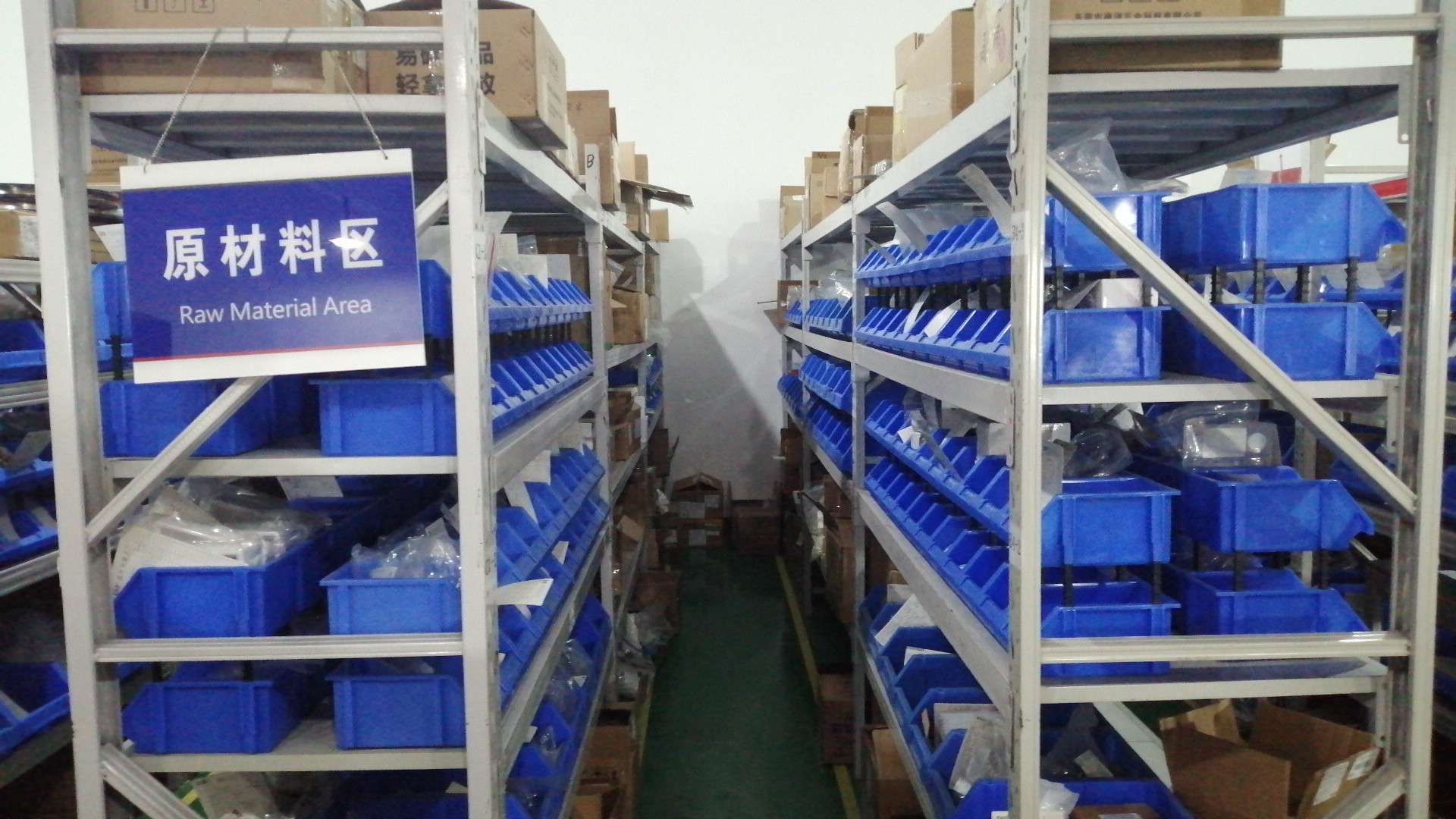 Warehouse Raw Materials
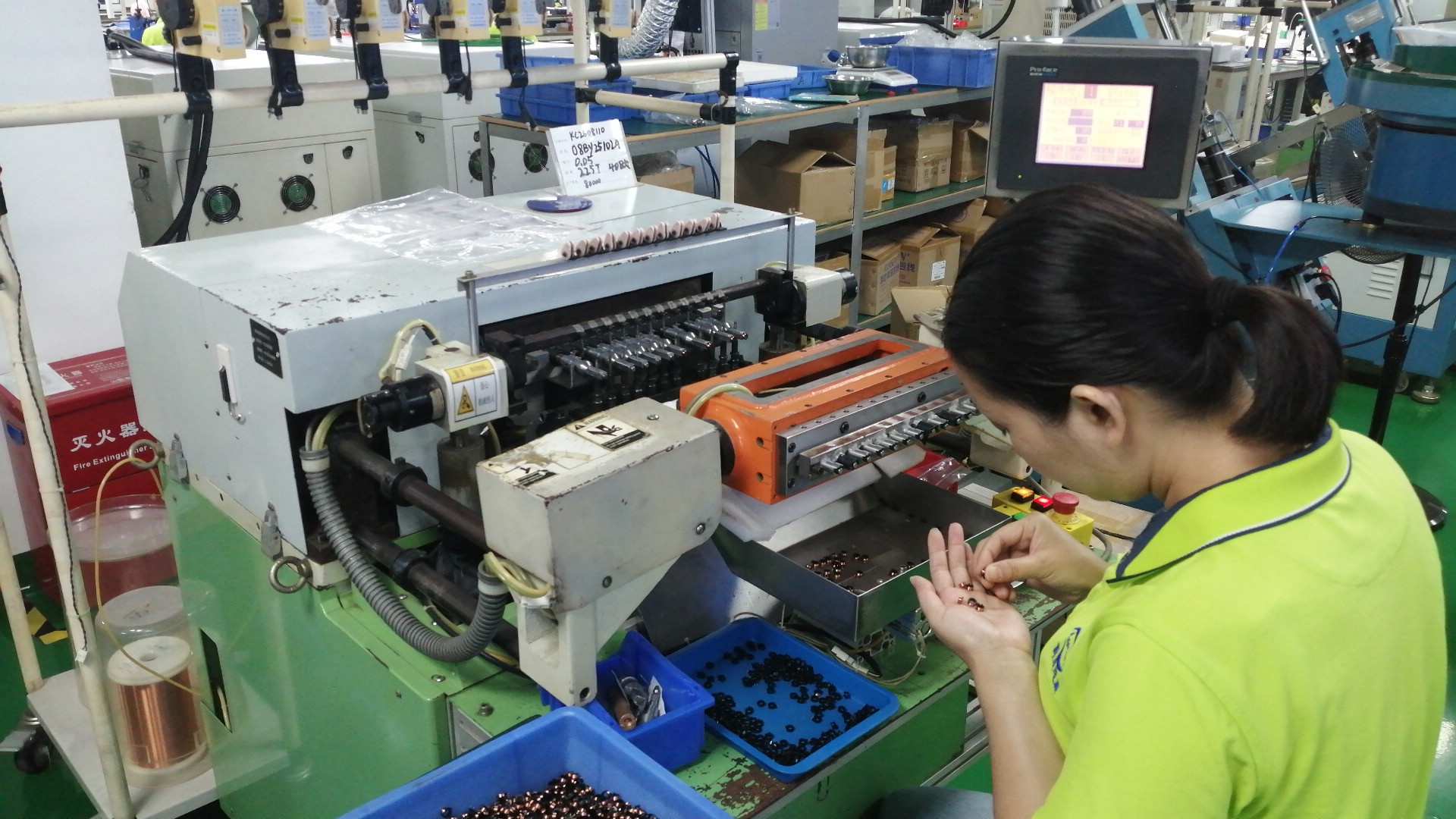 Advanced Coil Winding
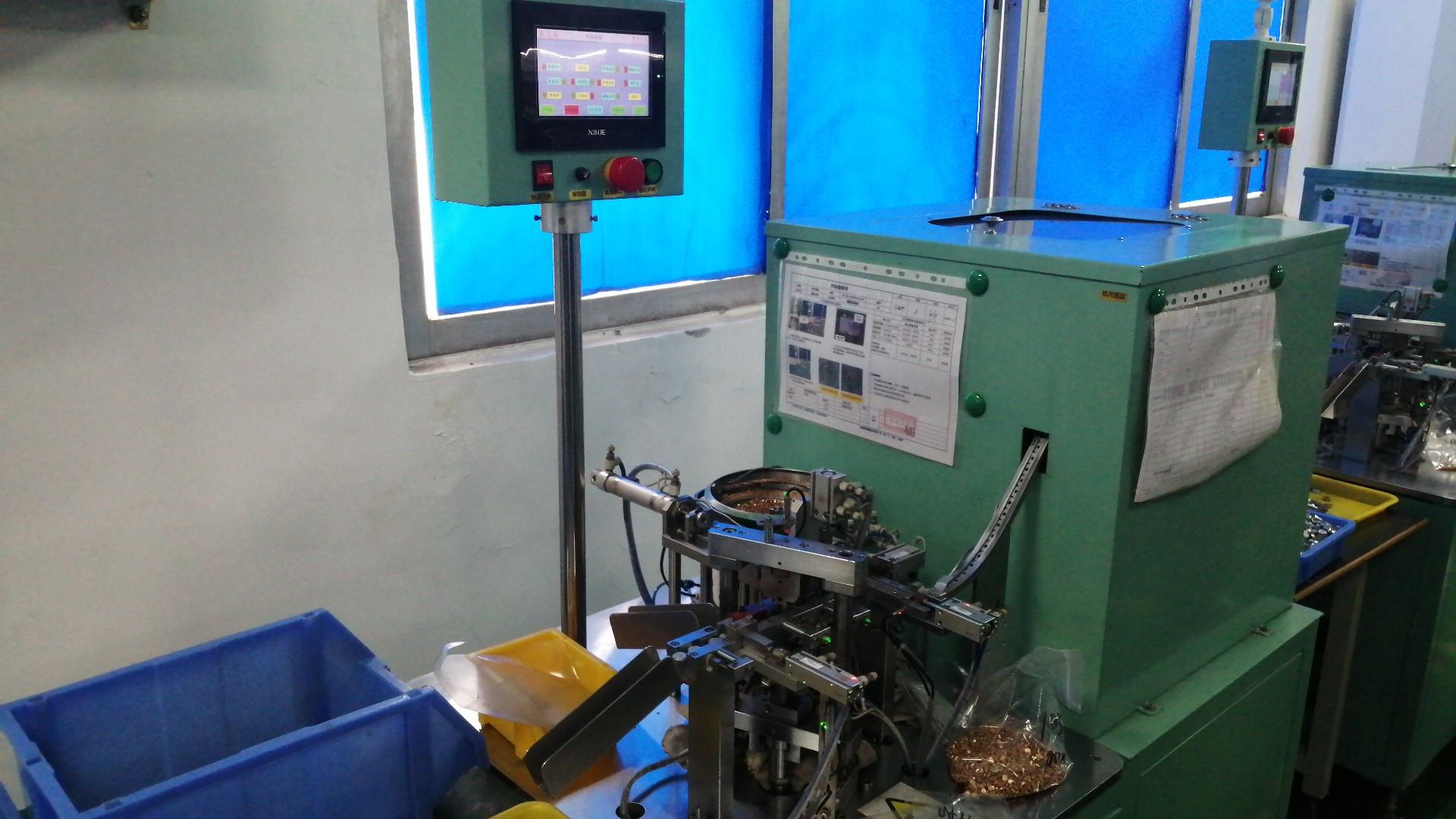 Automatic Pressure Bearing
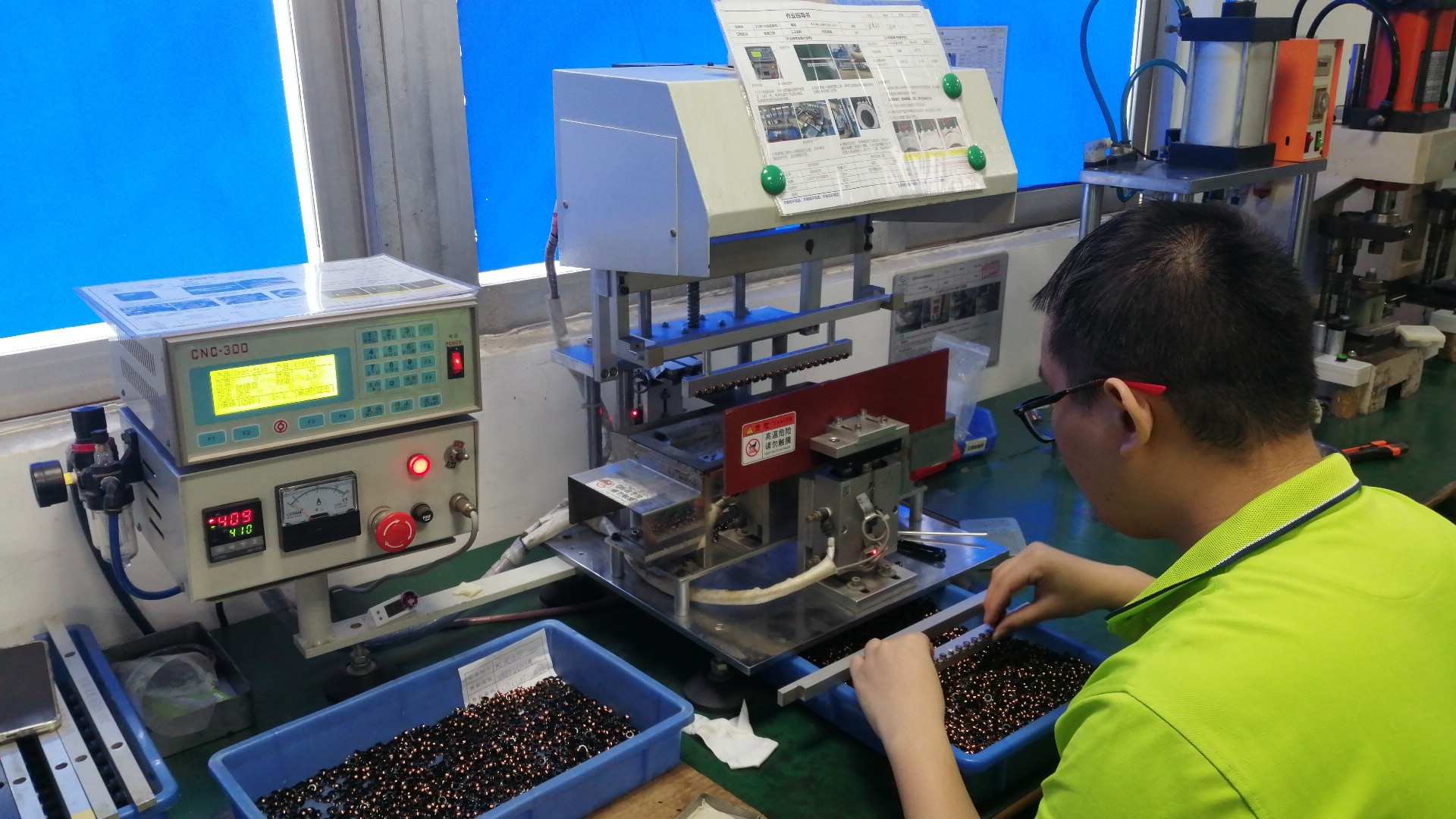 Automatic PCB Soldering
 Shaft Cutting Precision
 Ultrasonic Degreasing
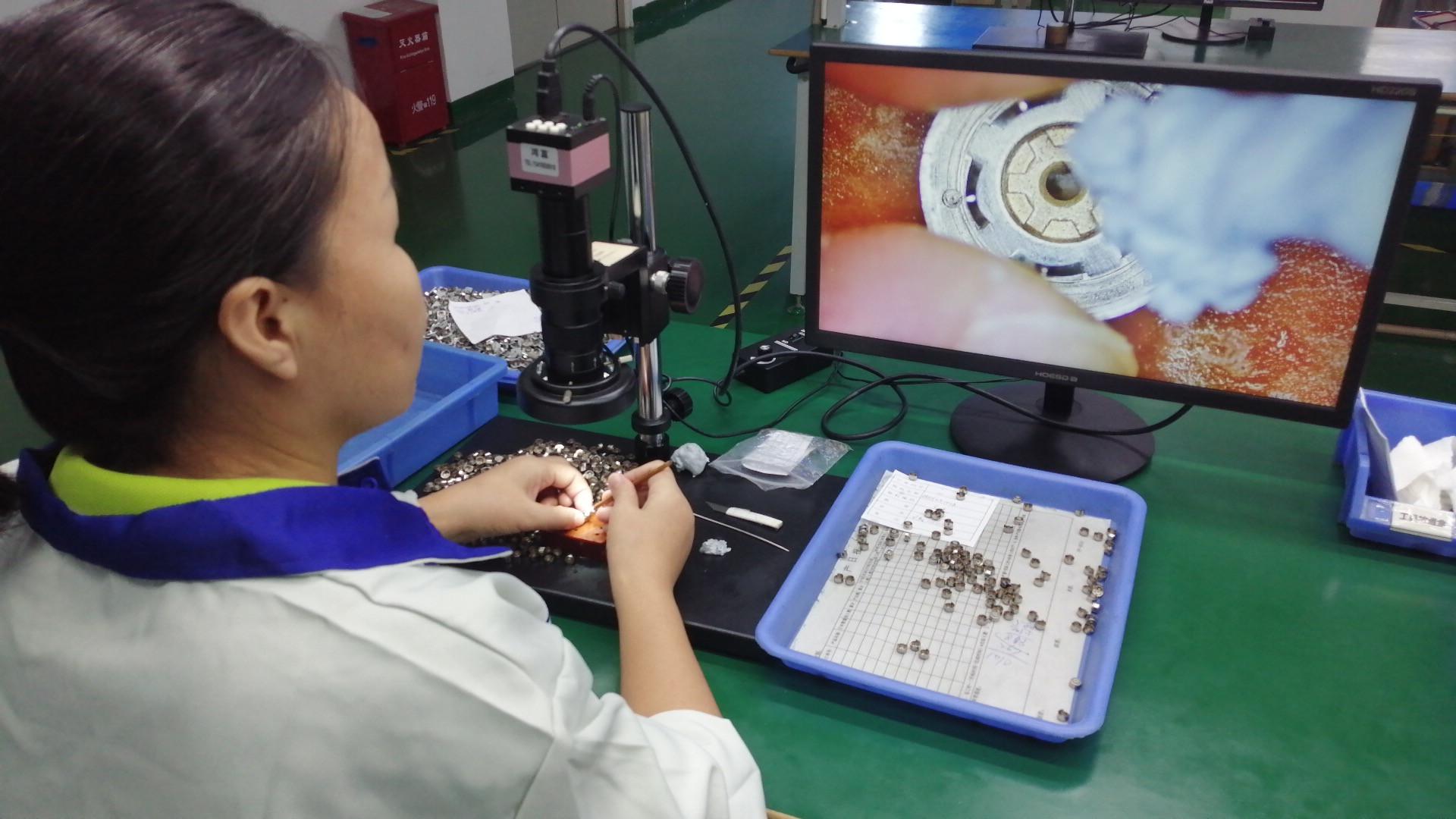
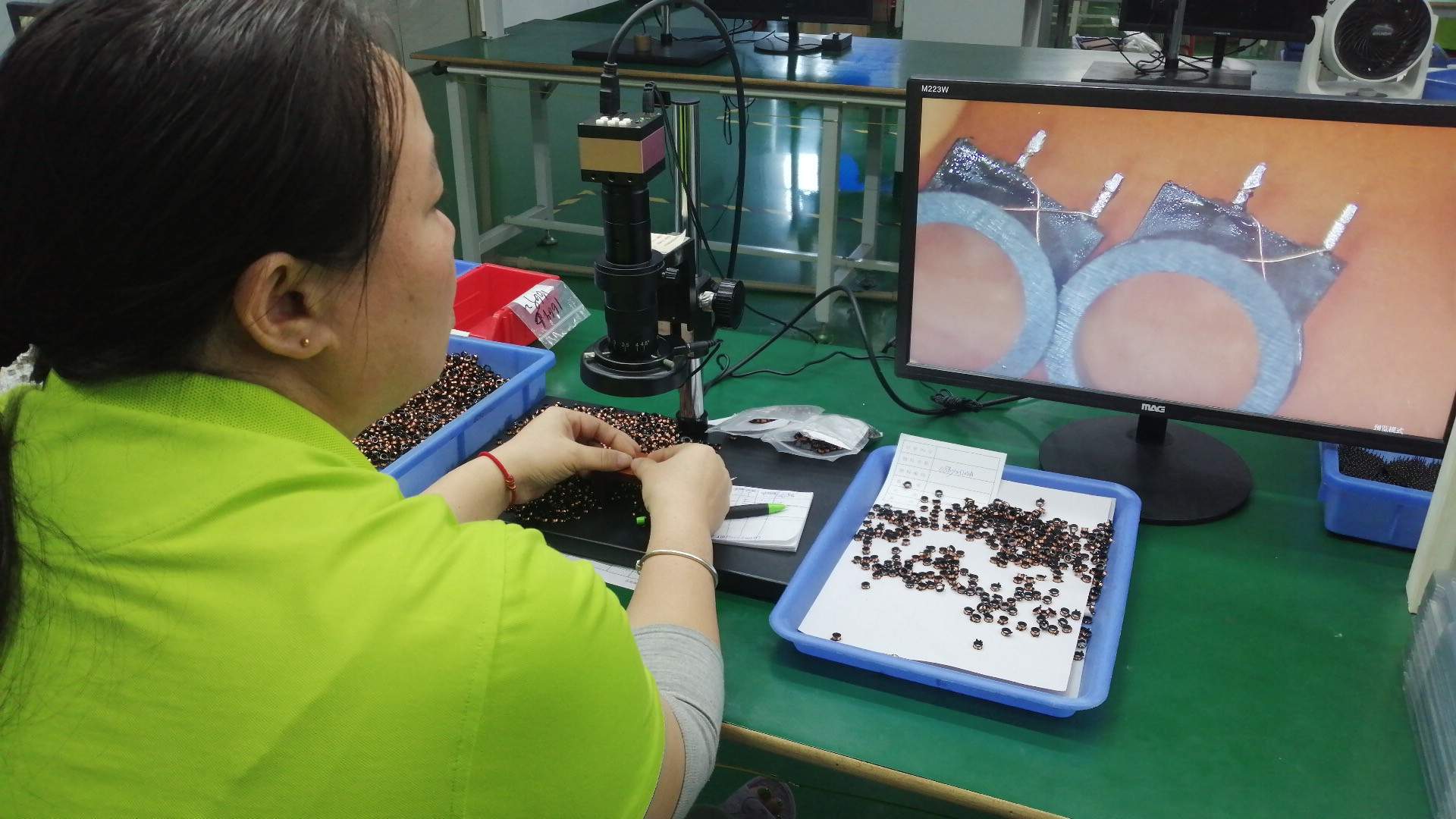 Process-Intermediary Inspection
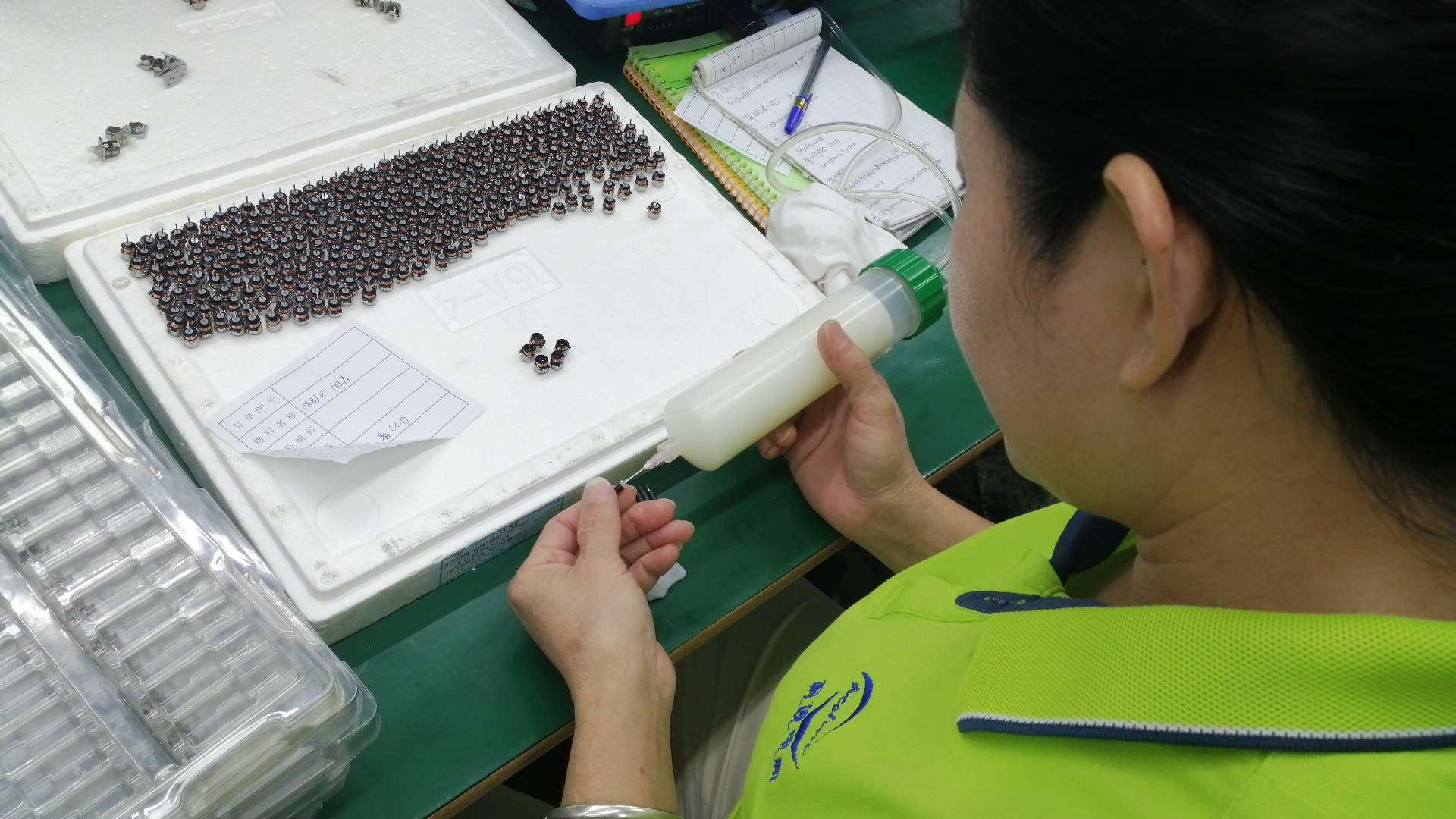 Anaerobic Threadlocking
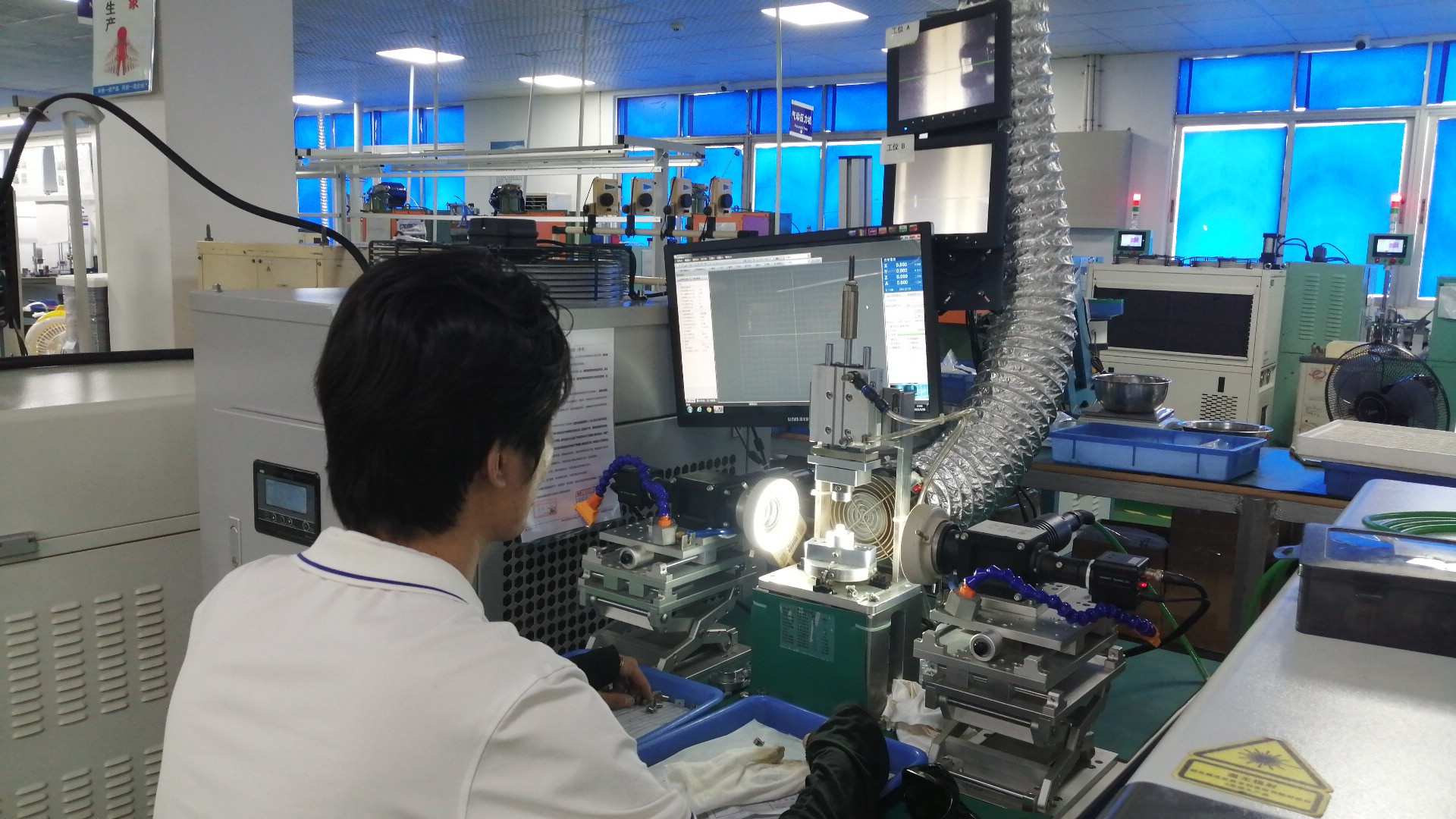 Laser Spot Welding
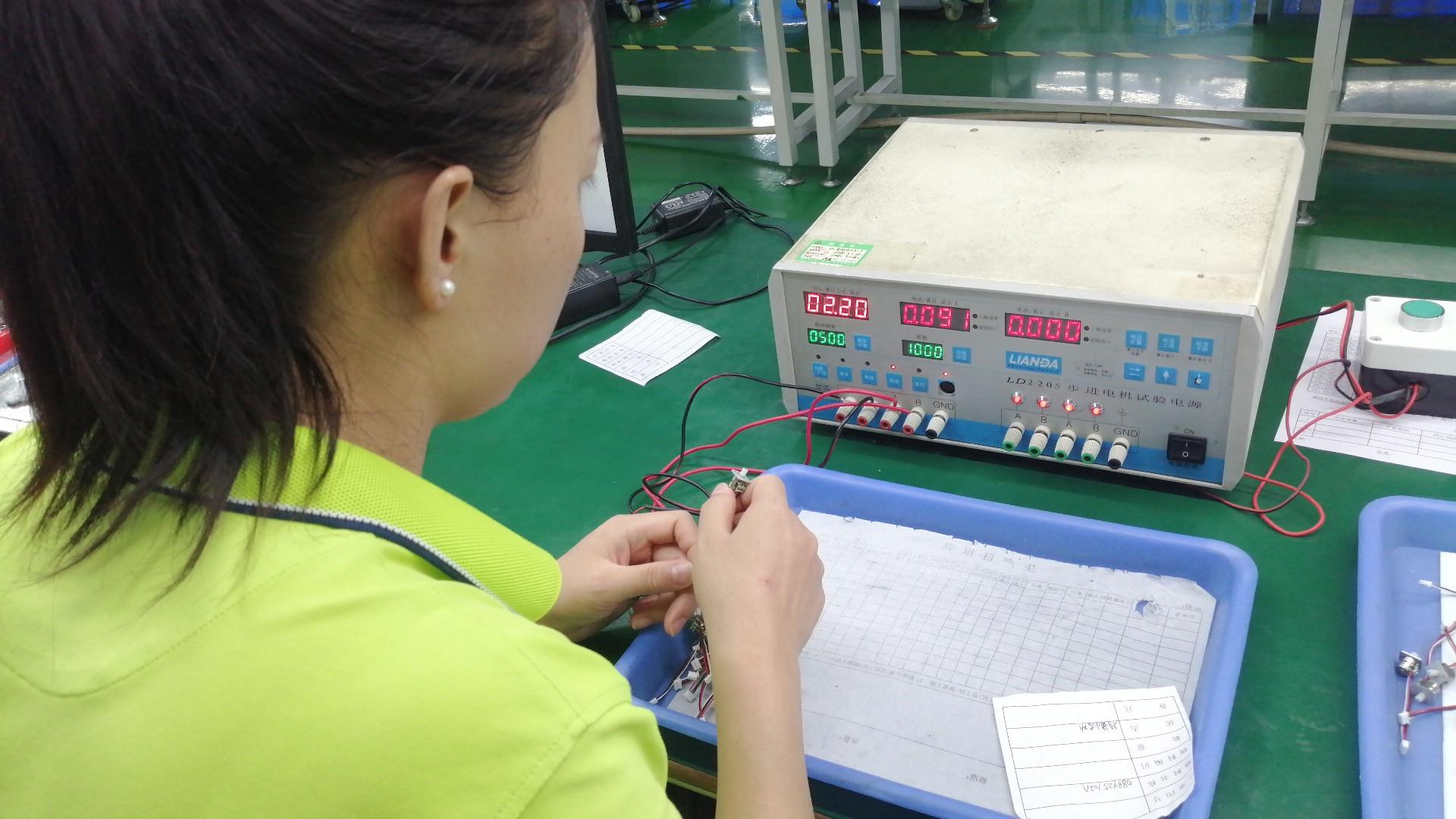 Post-Welding Inspection
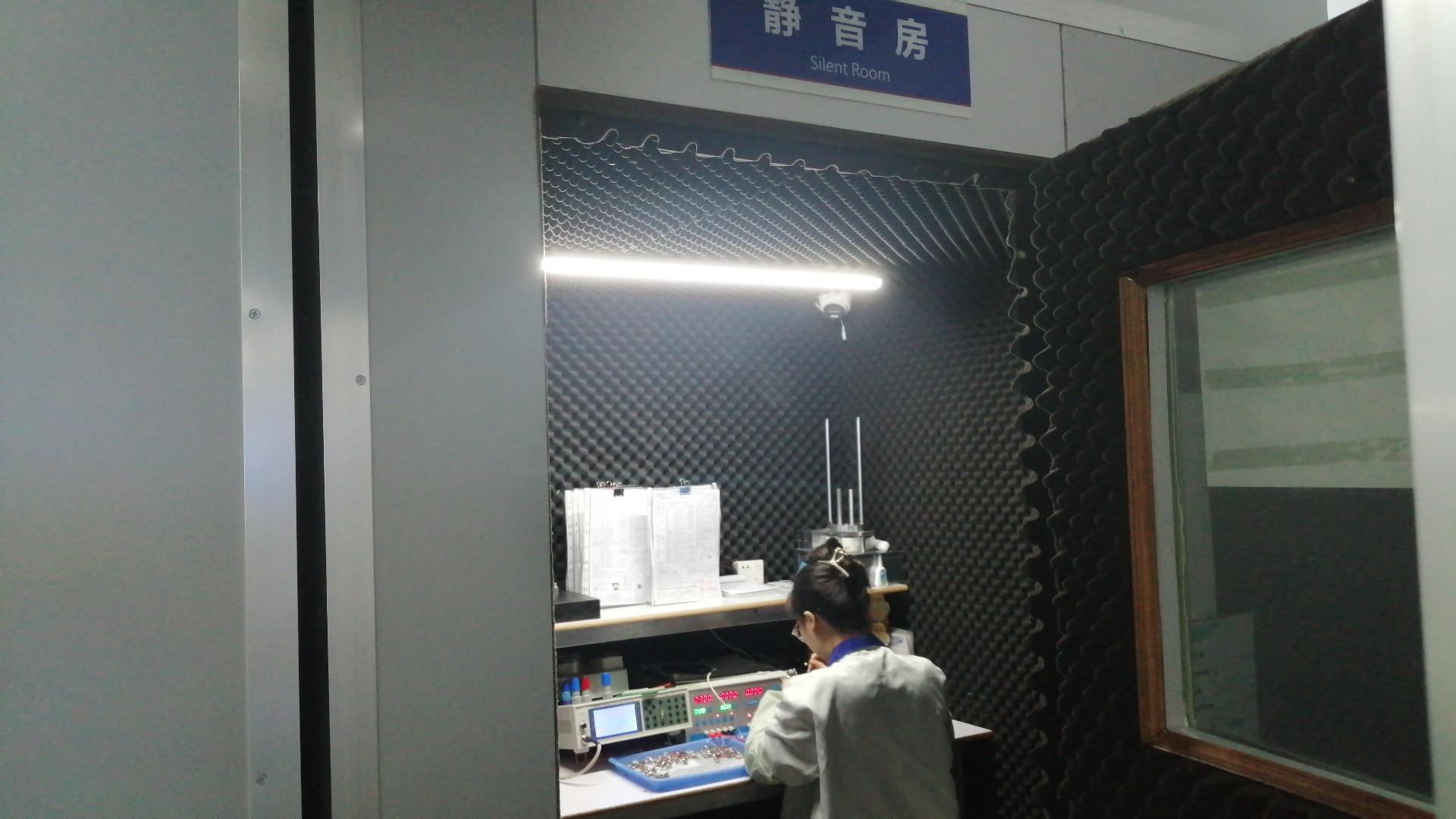 Acoustic Silent Testing
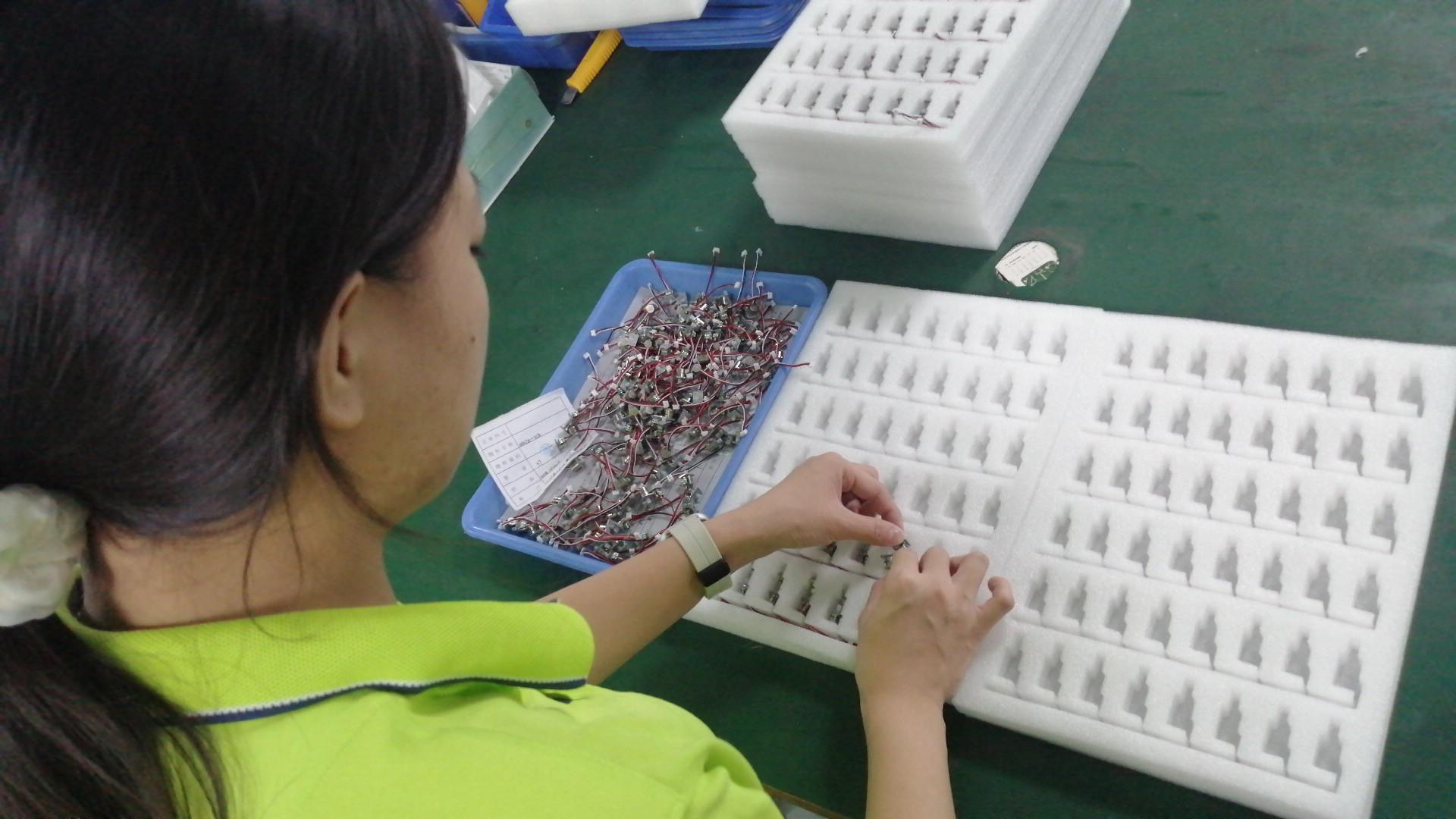 Anti-Static Packing
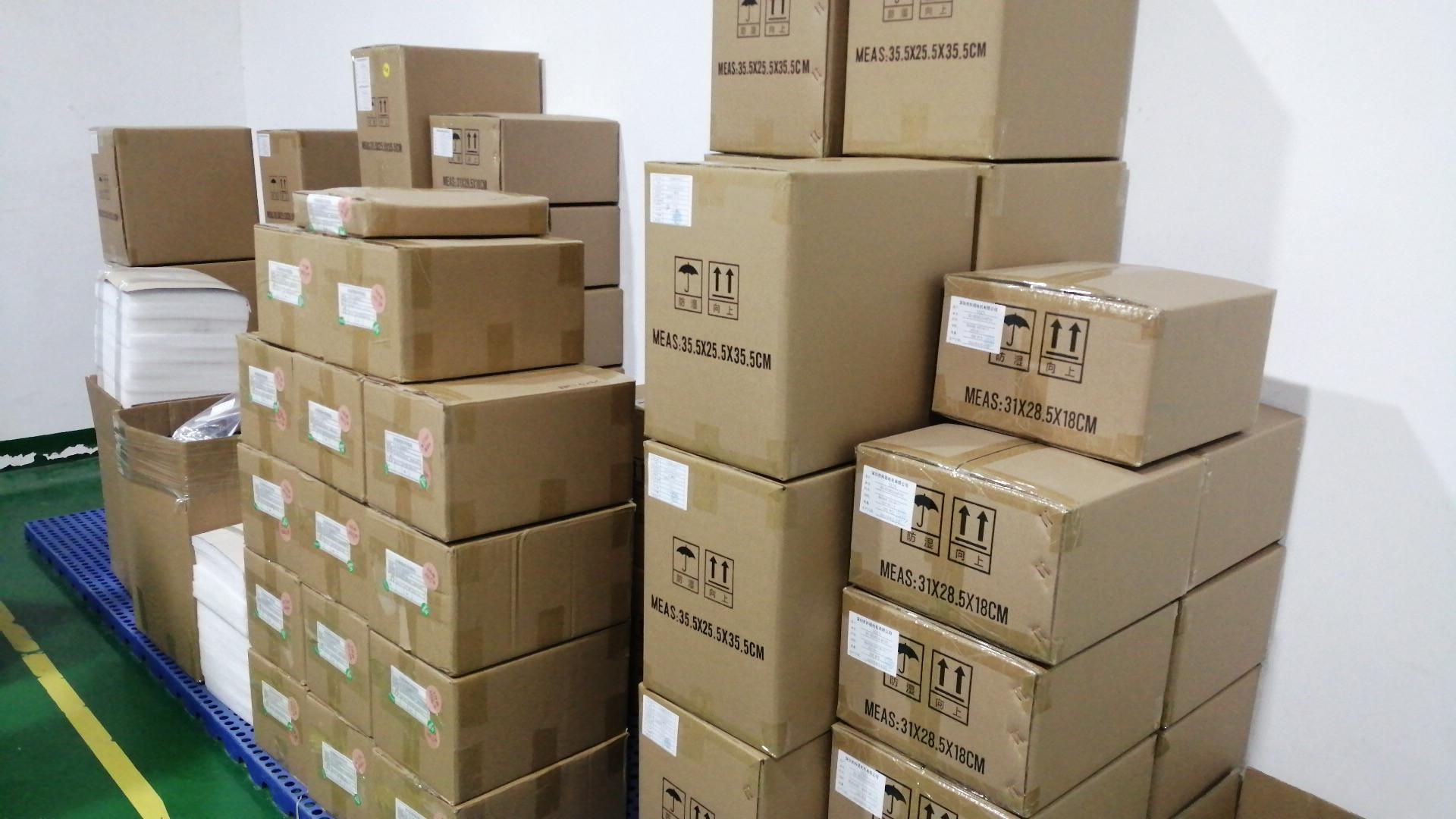 Finished Goods Inventory
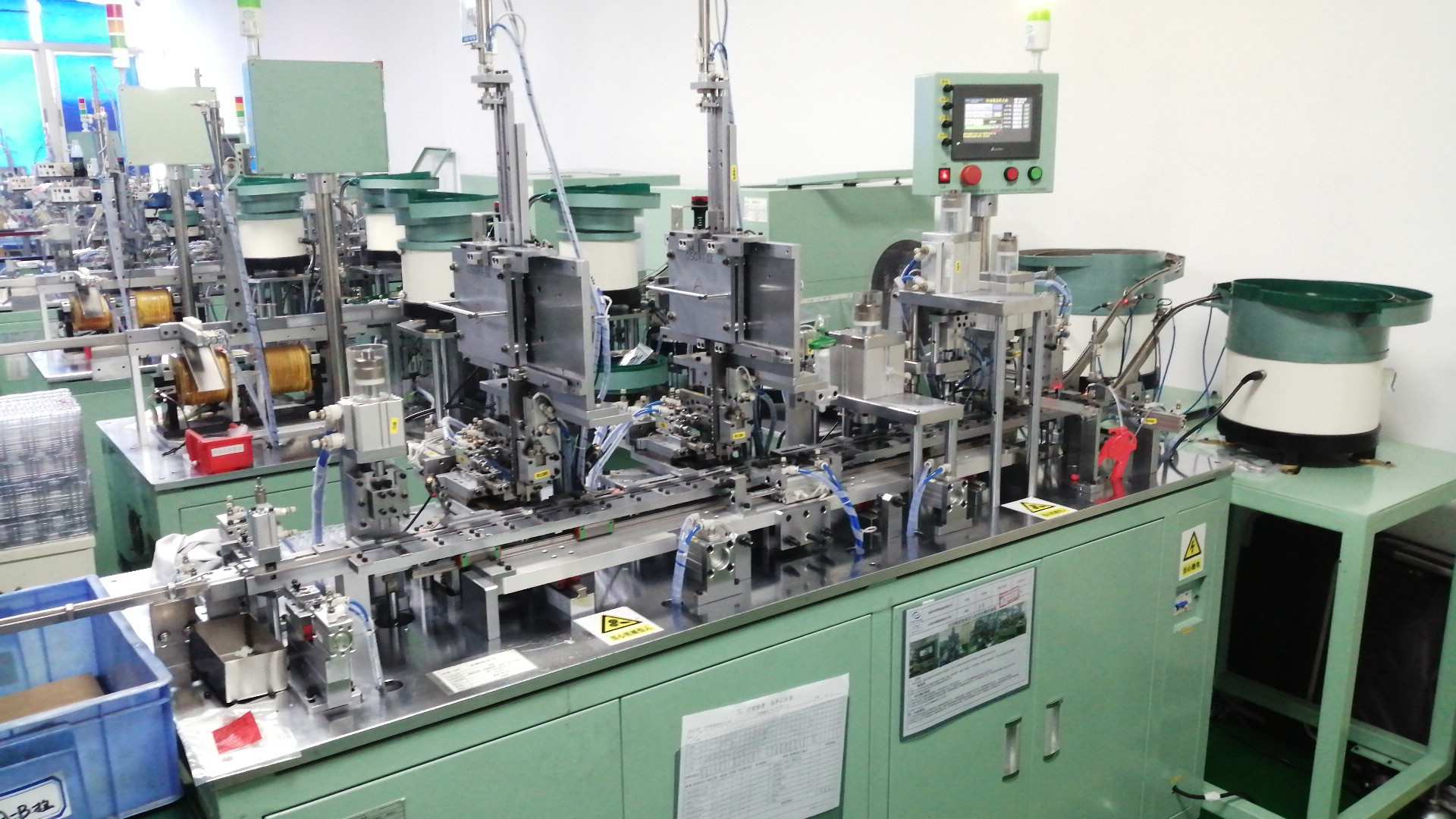 High-Speed Automated Assembly
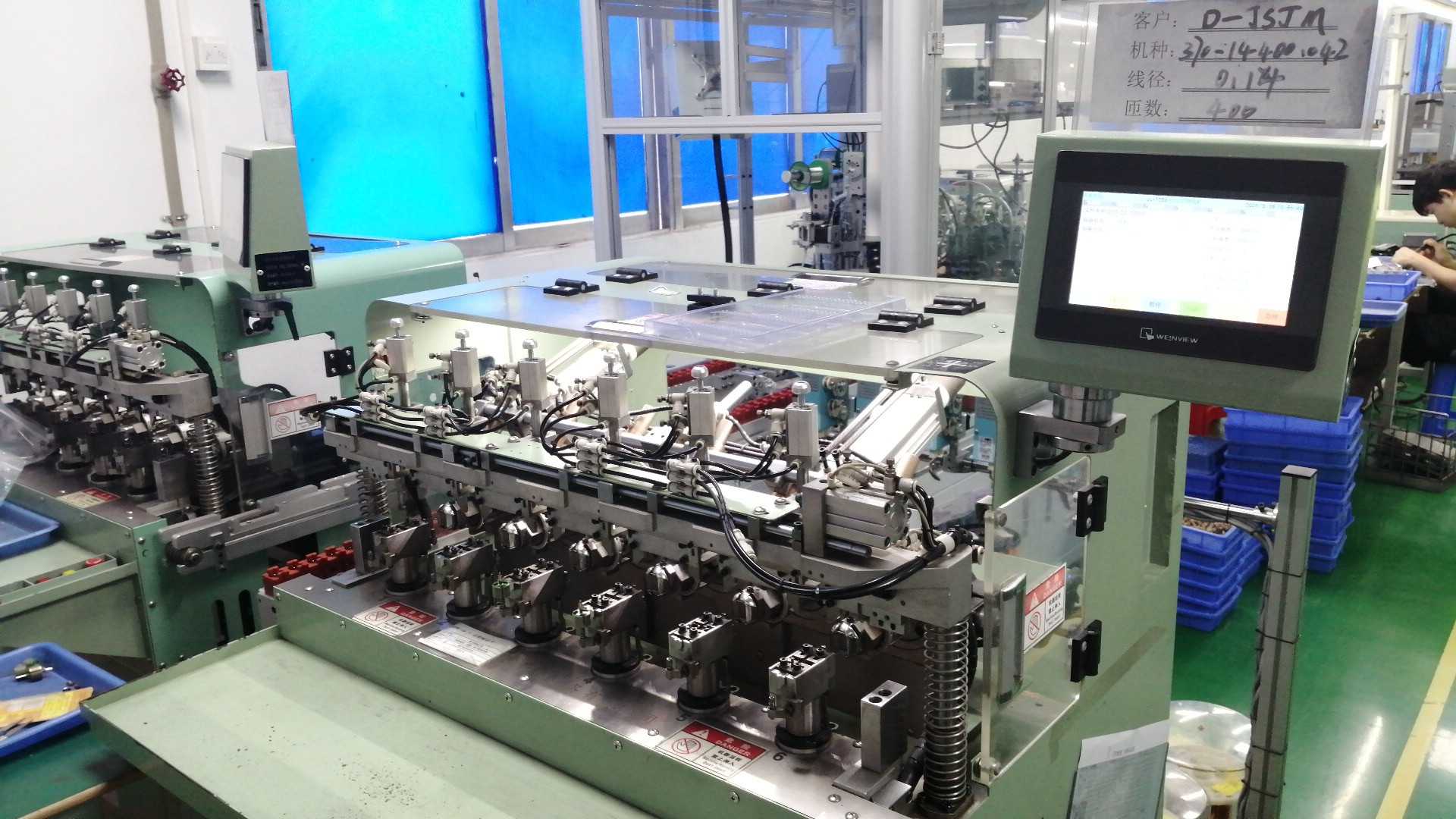 Automatic CNC Winding Station
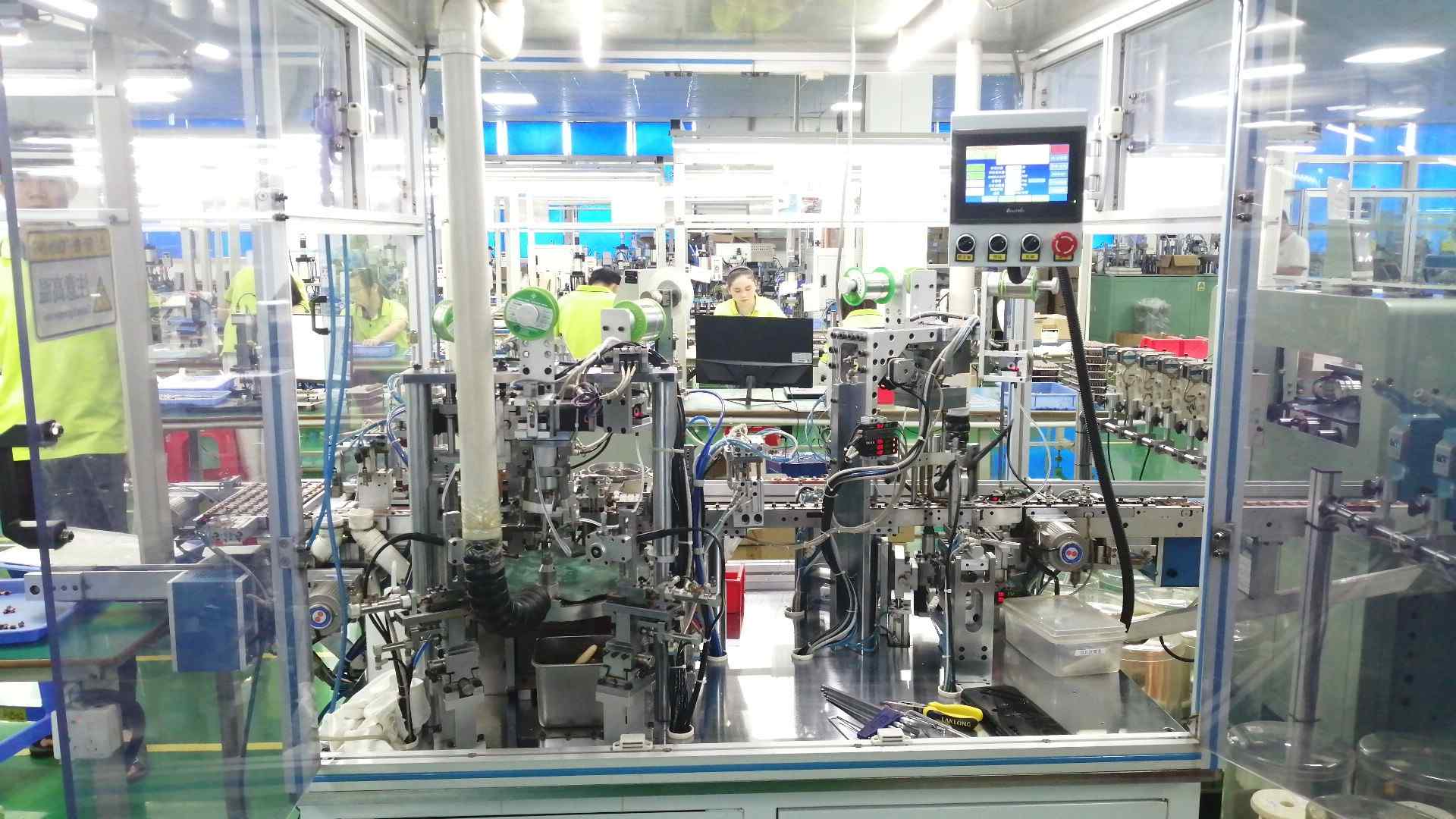 Selective Automated Soldering
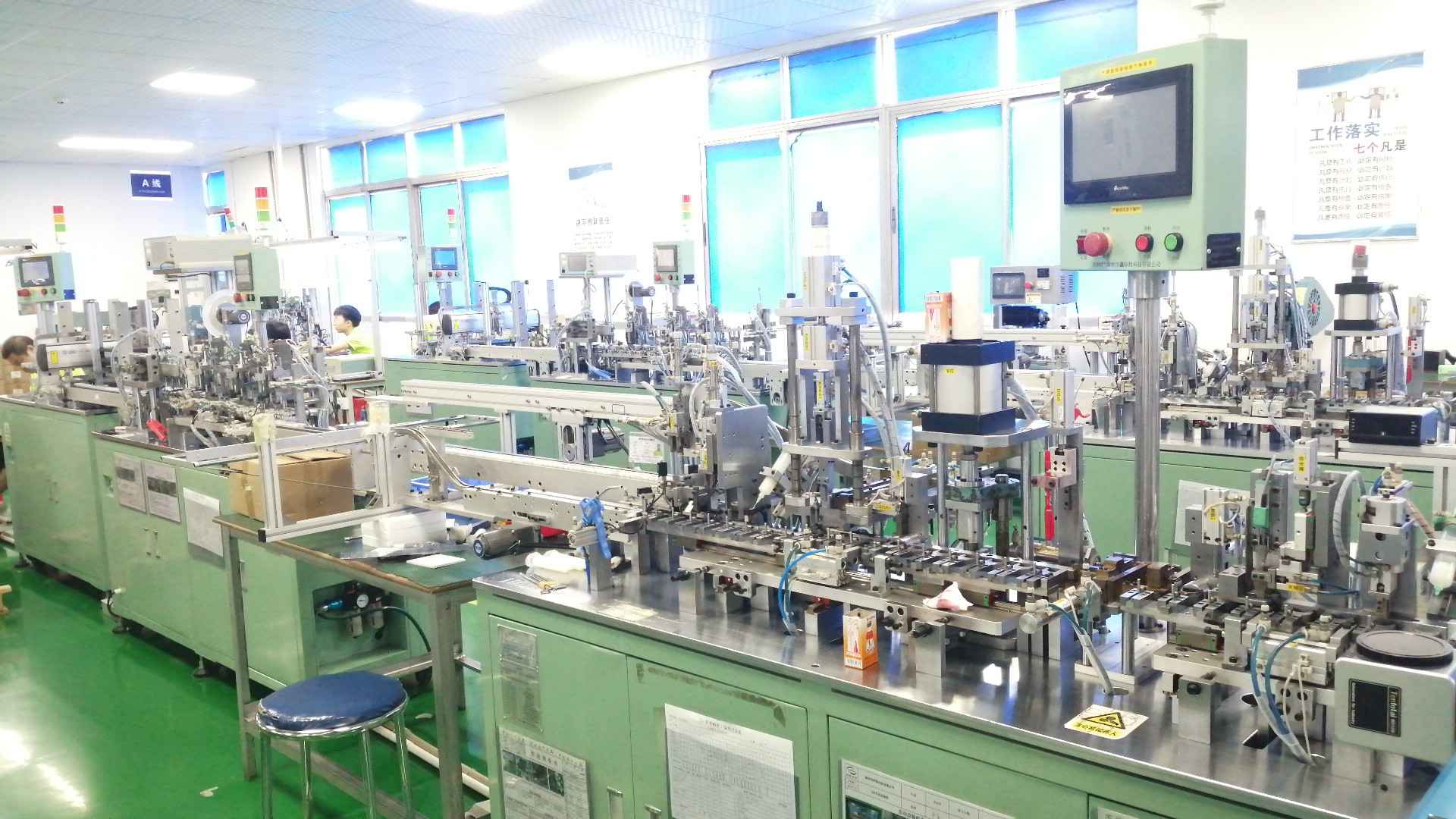 Integrated Assembly Infrastructure
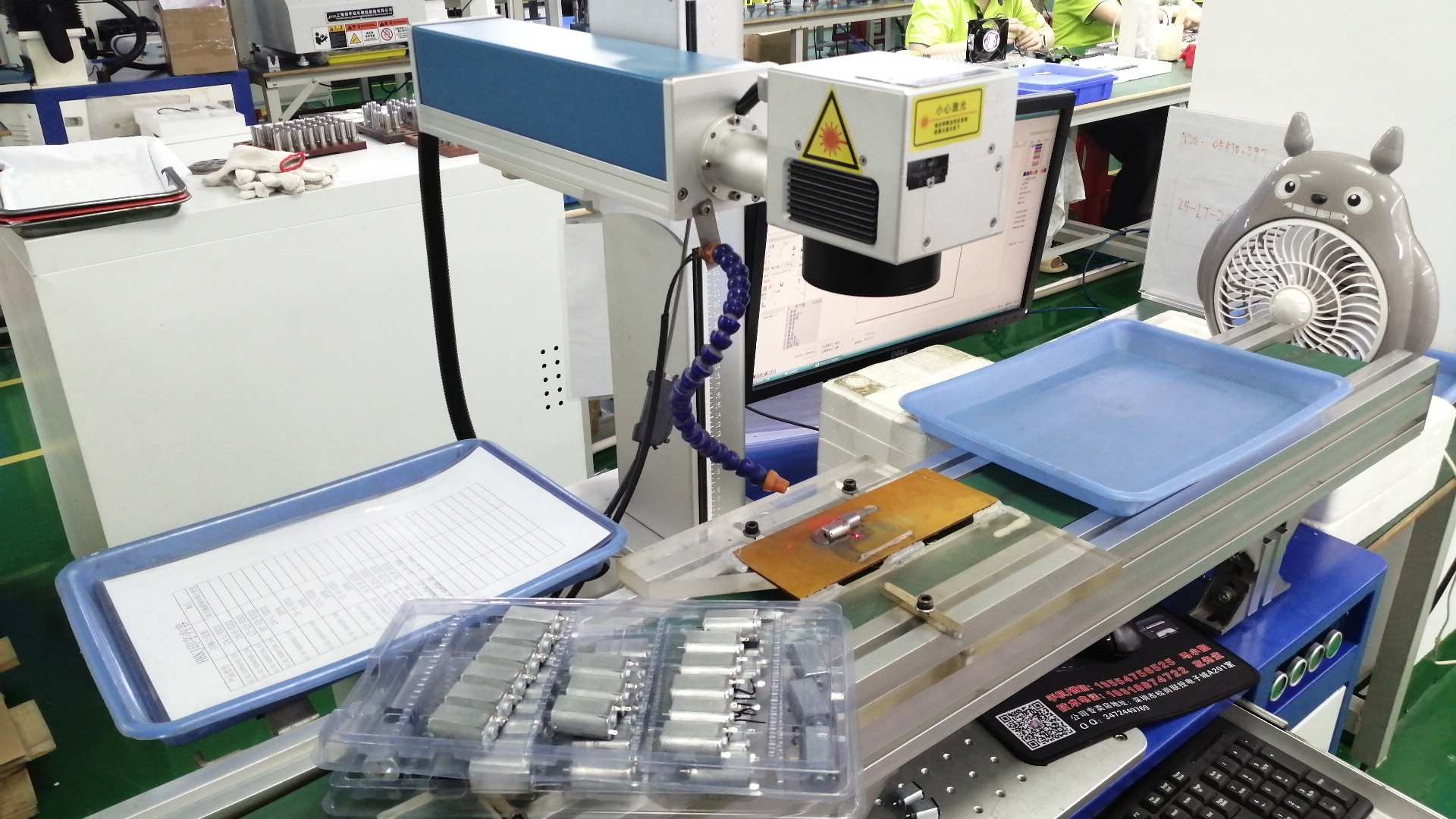 Traceability Laser Engraving
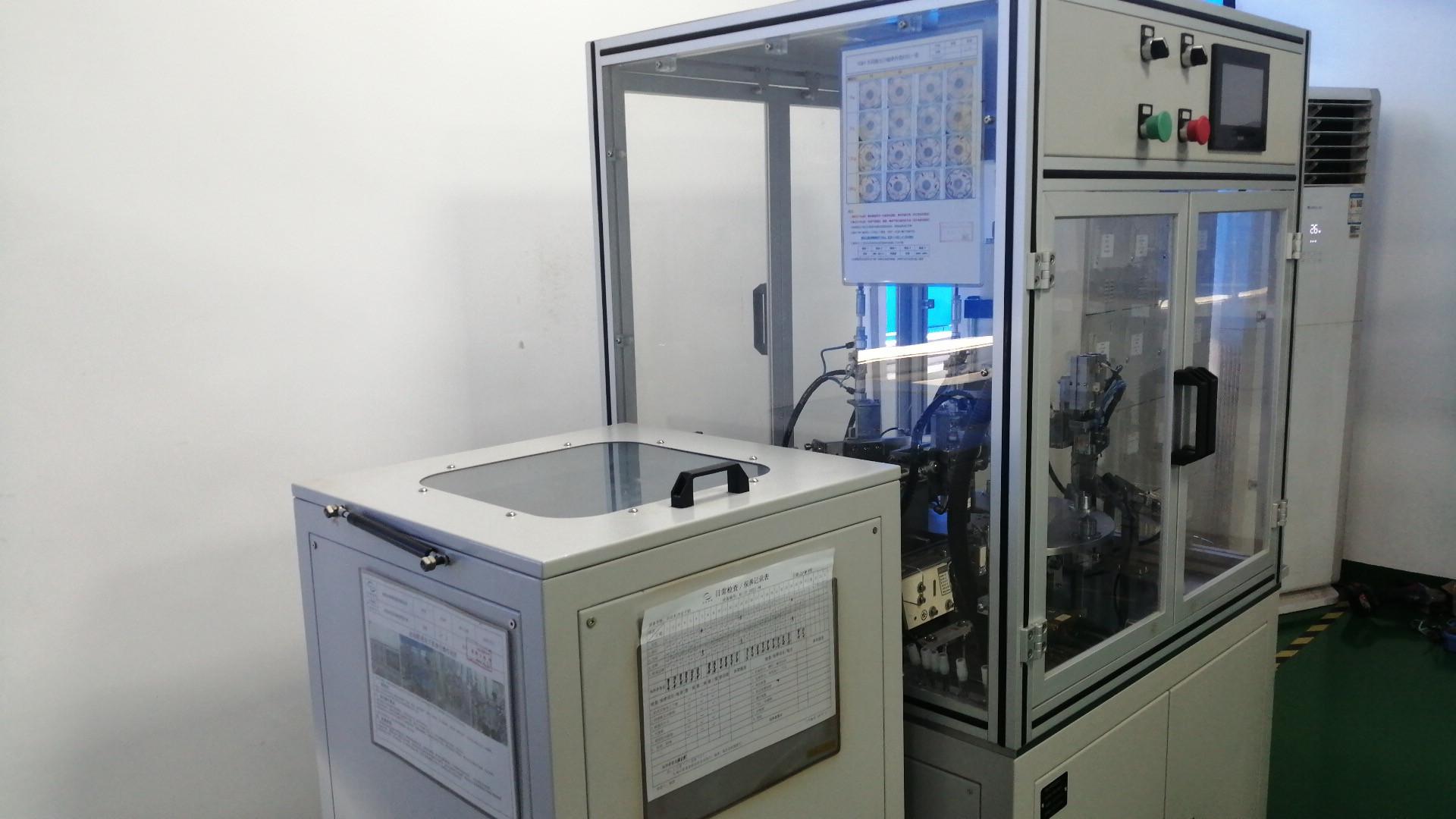 Bearing Press-Fit Automation
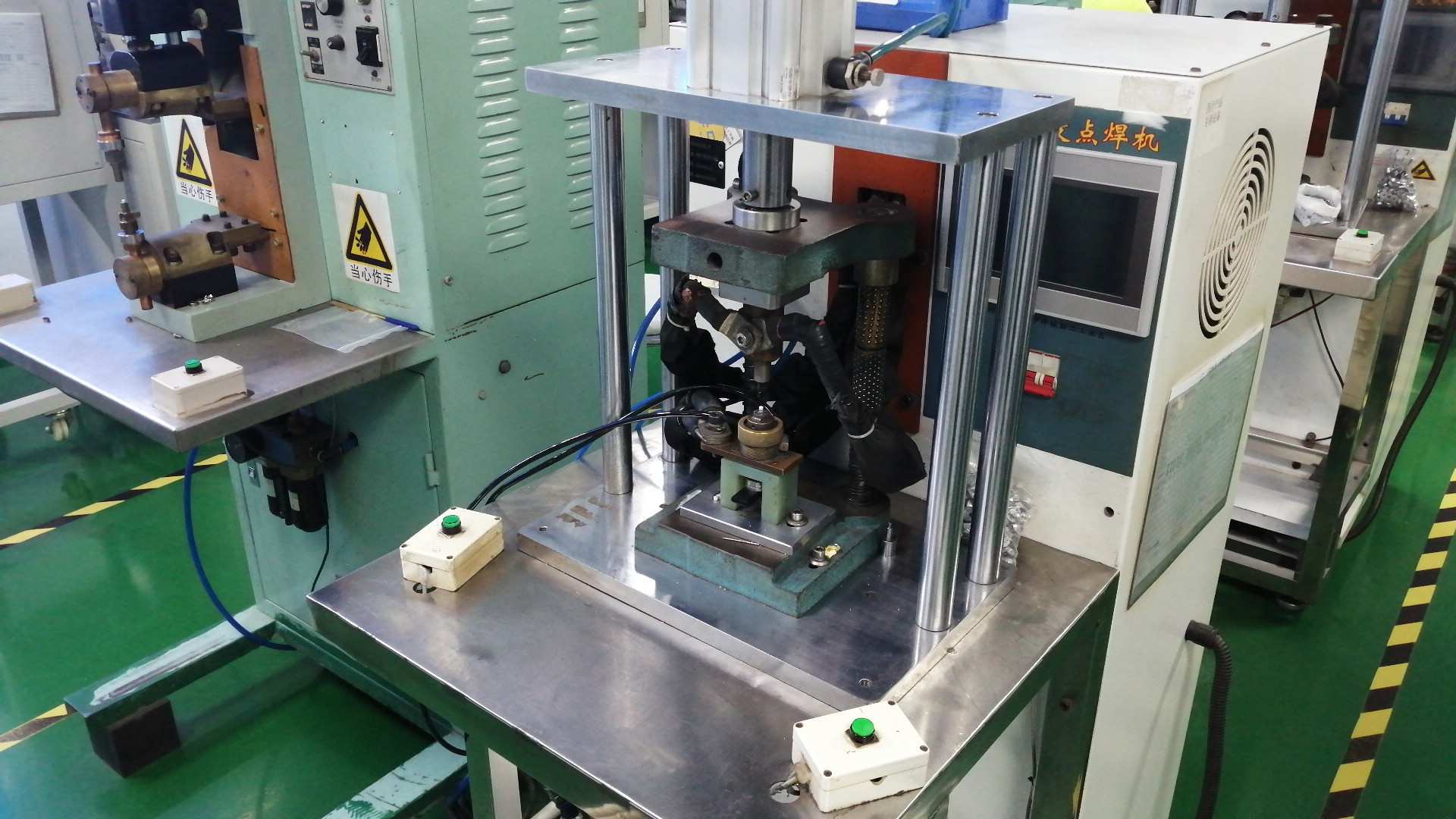 Manual Spot Welding Lab
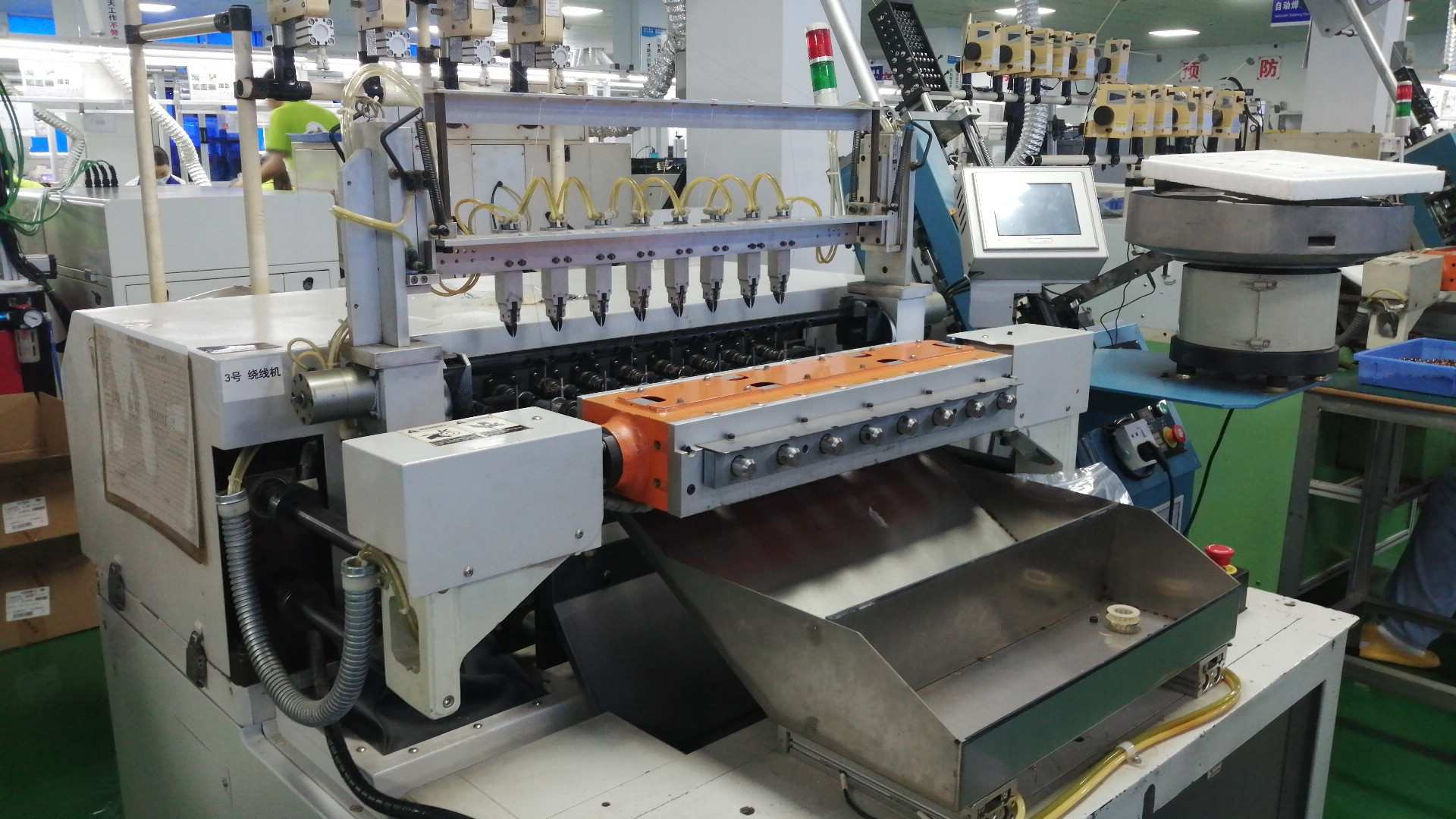 High-Tension Wire Winding
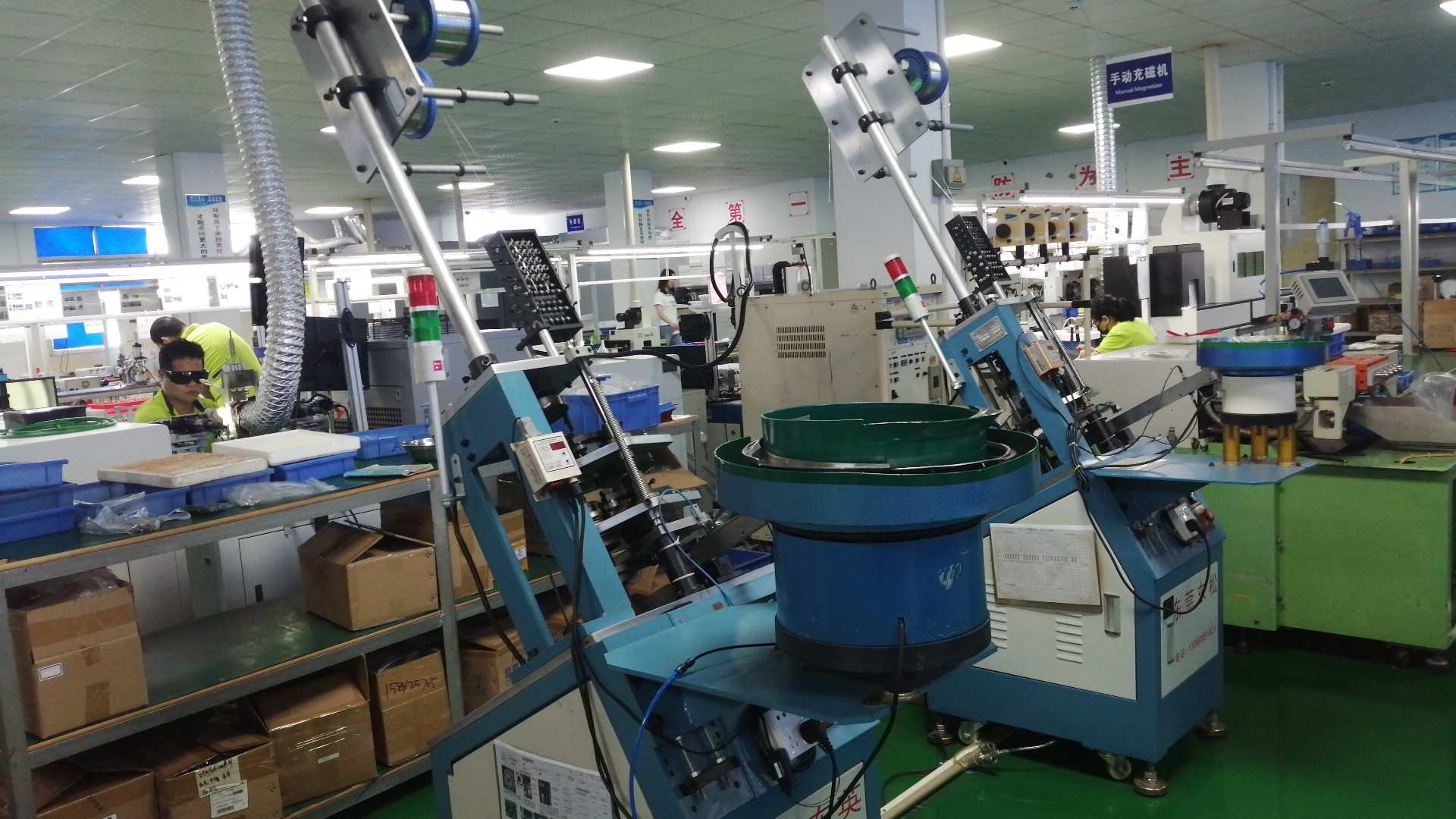 Automatic Terminal Insertion
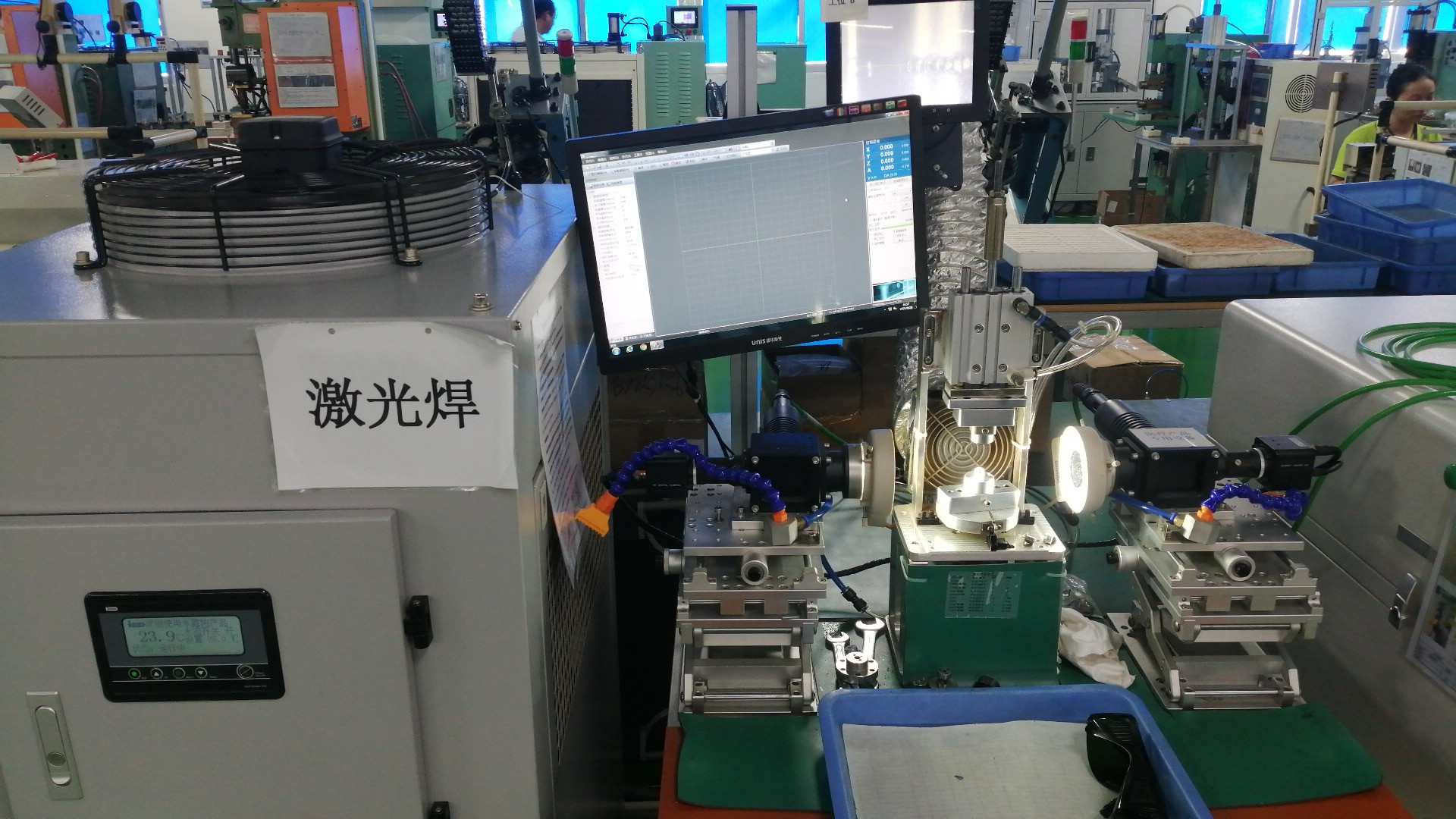 High-Precision Fiber Laser Welder
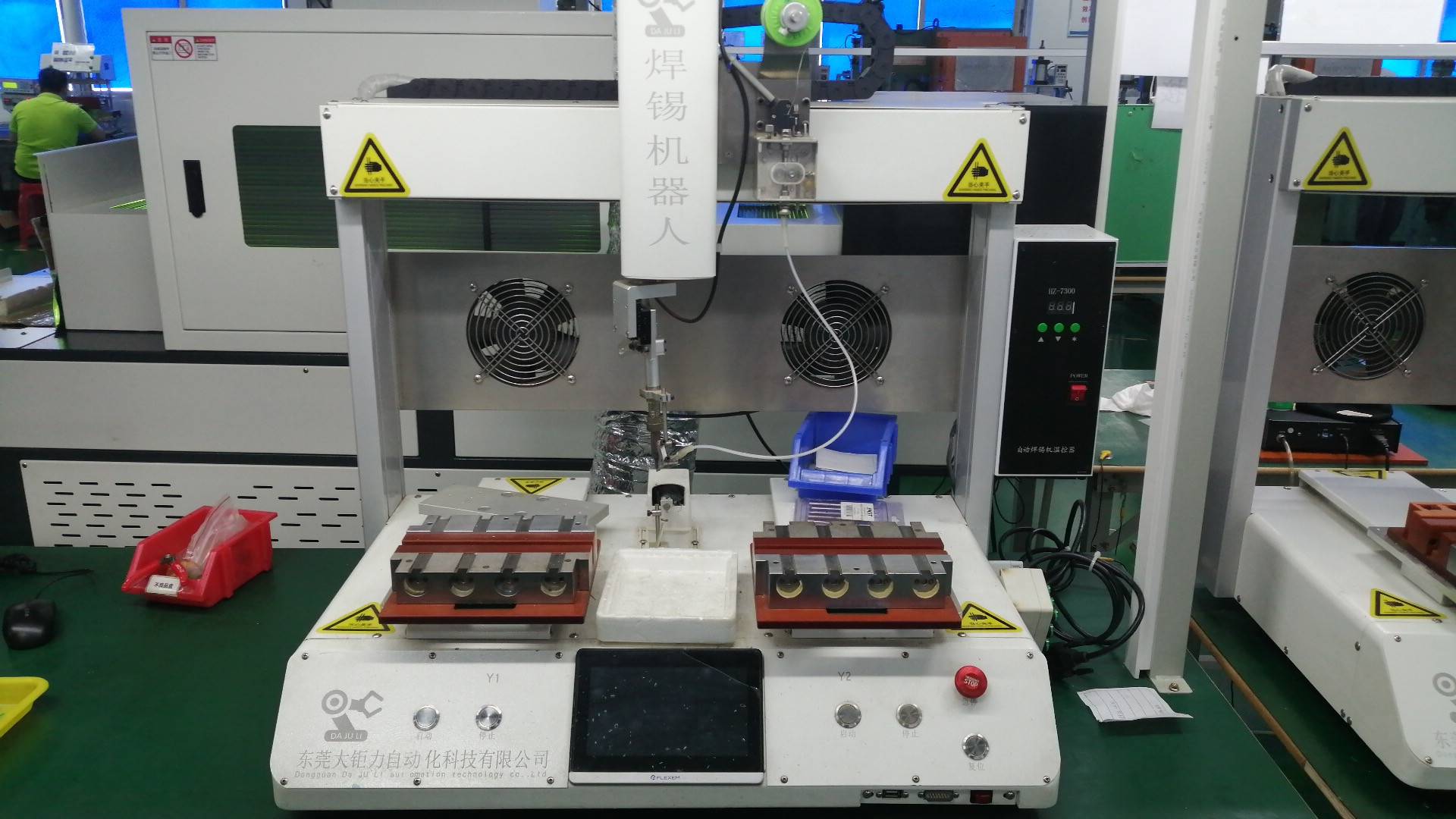 Wave Soldering Monitoring
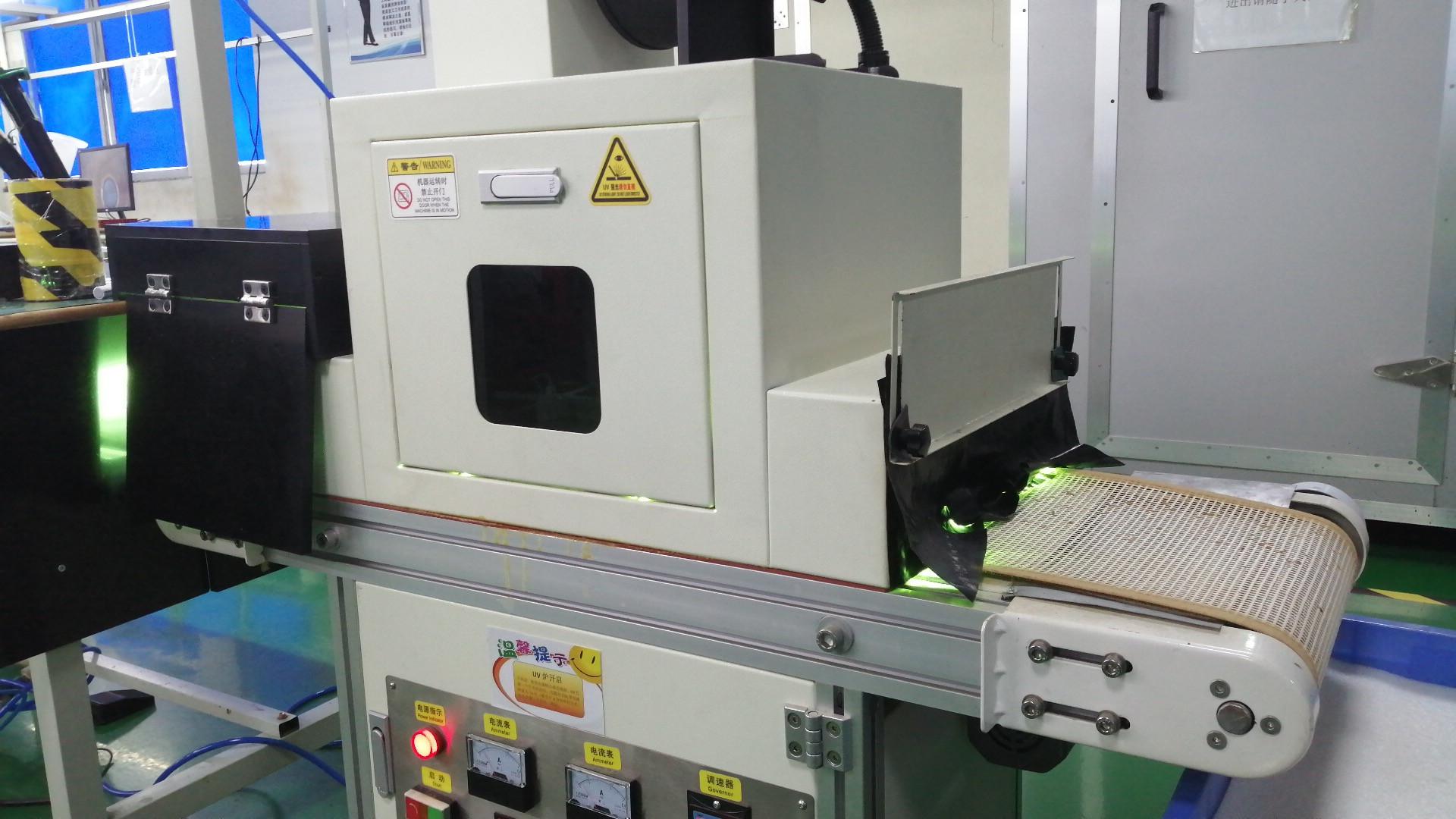 Low Temperature Curing Furnace
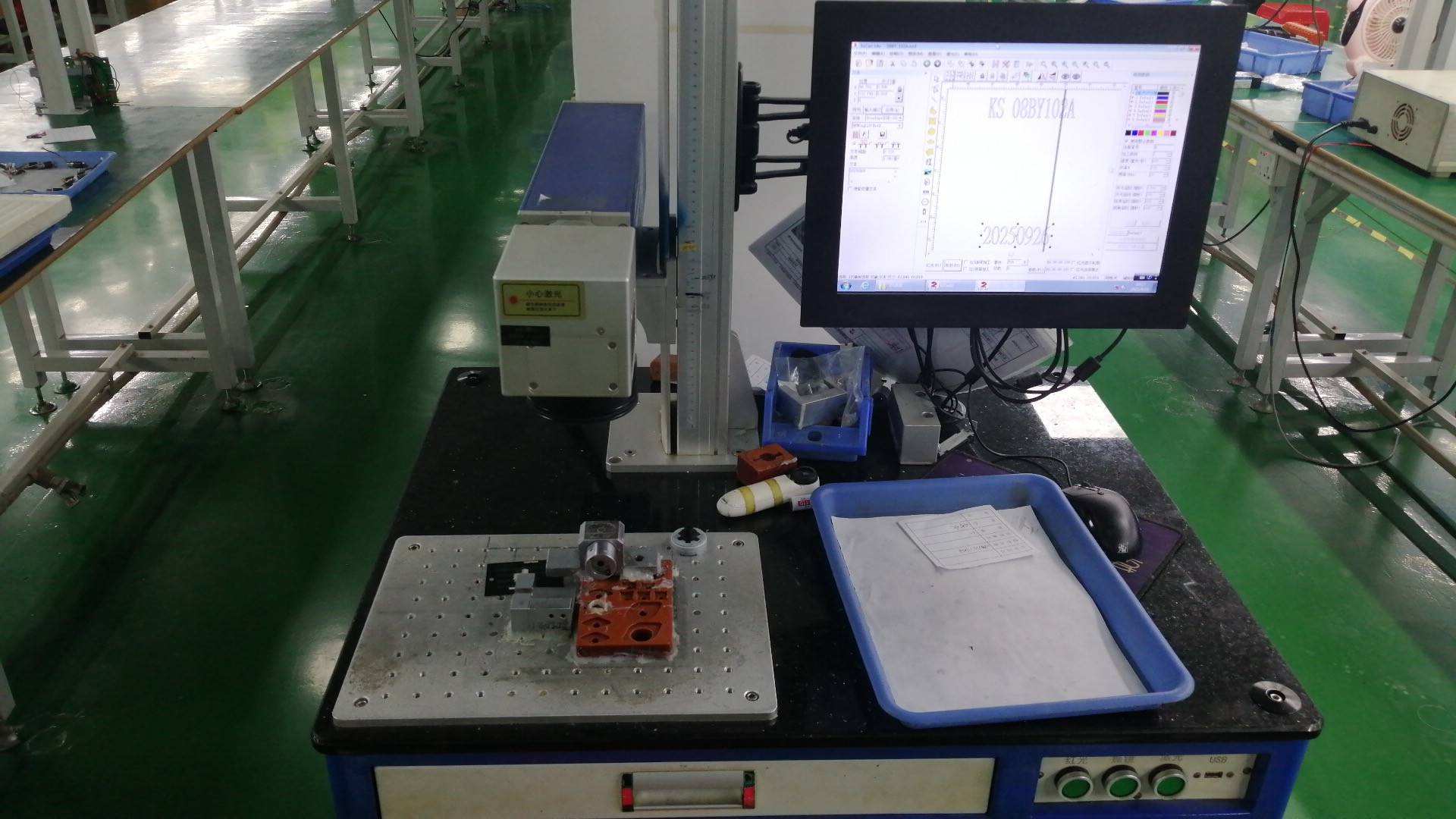 Serial Identification Engraver
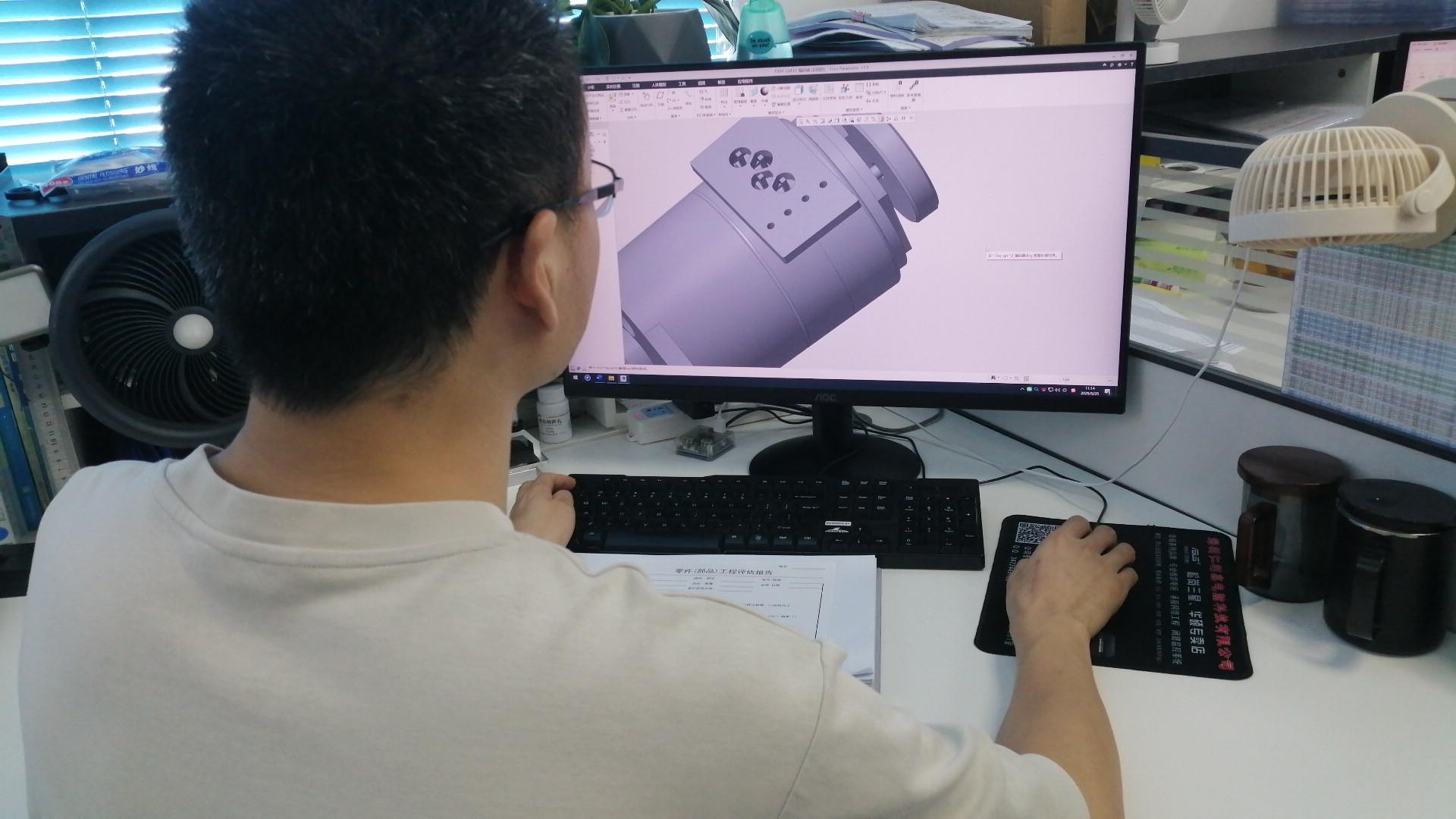 CAD/CAM Structural Design Lab
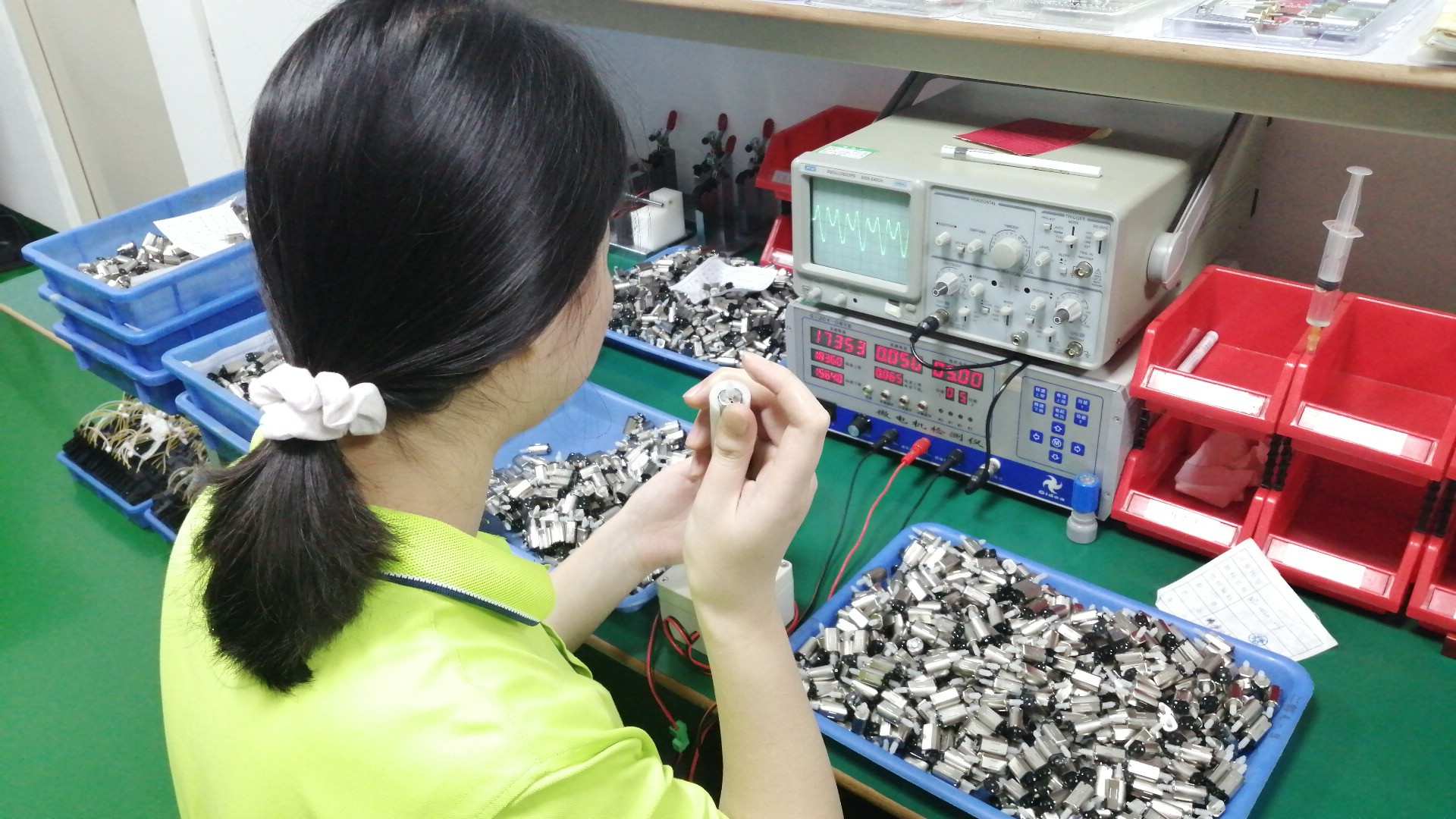 Stator Magnetic Flux Inspection
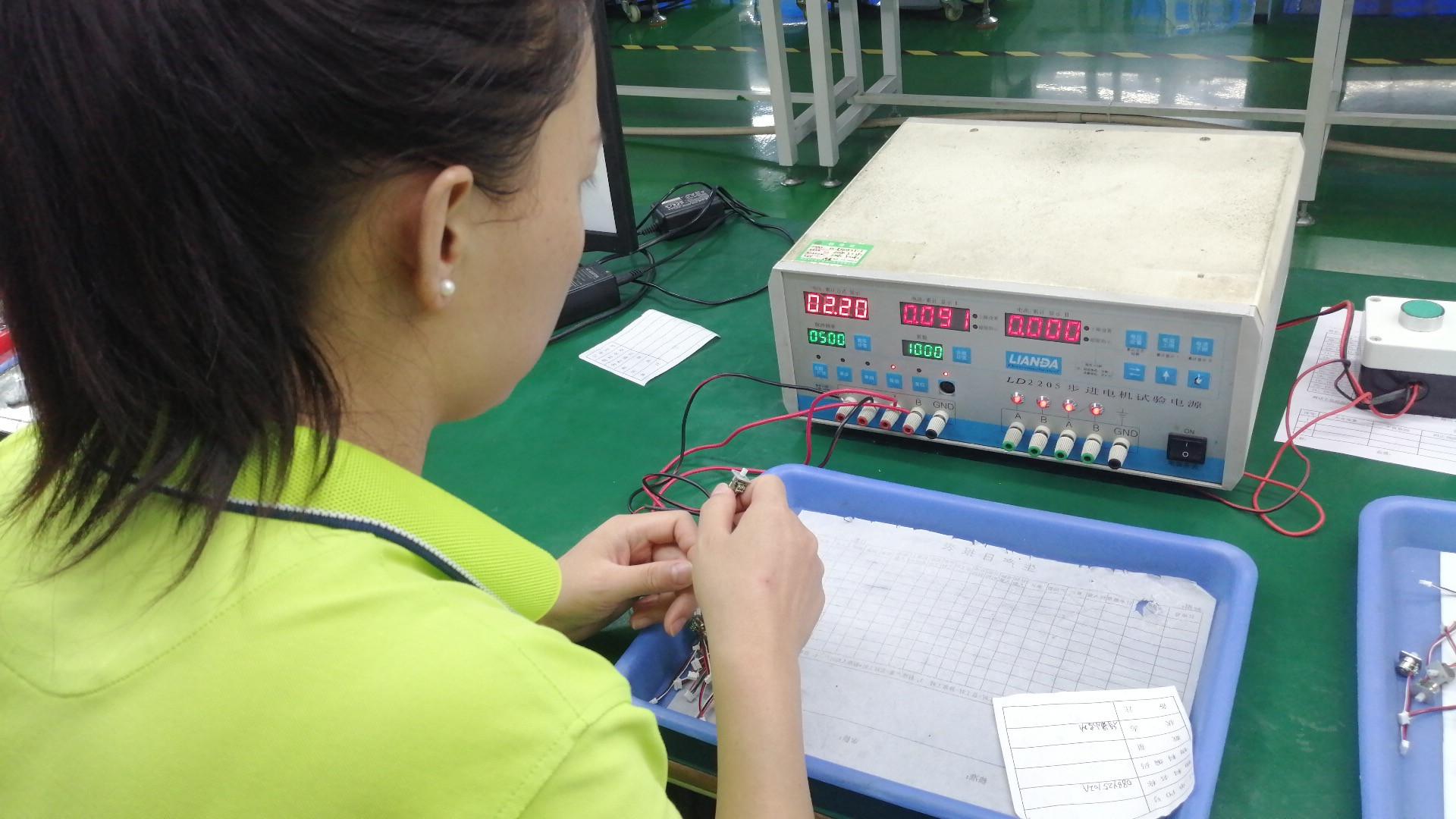 Outgoing Quality Verification
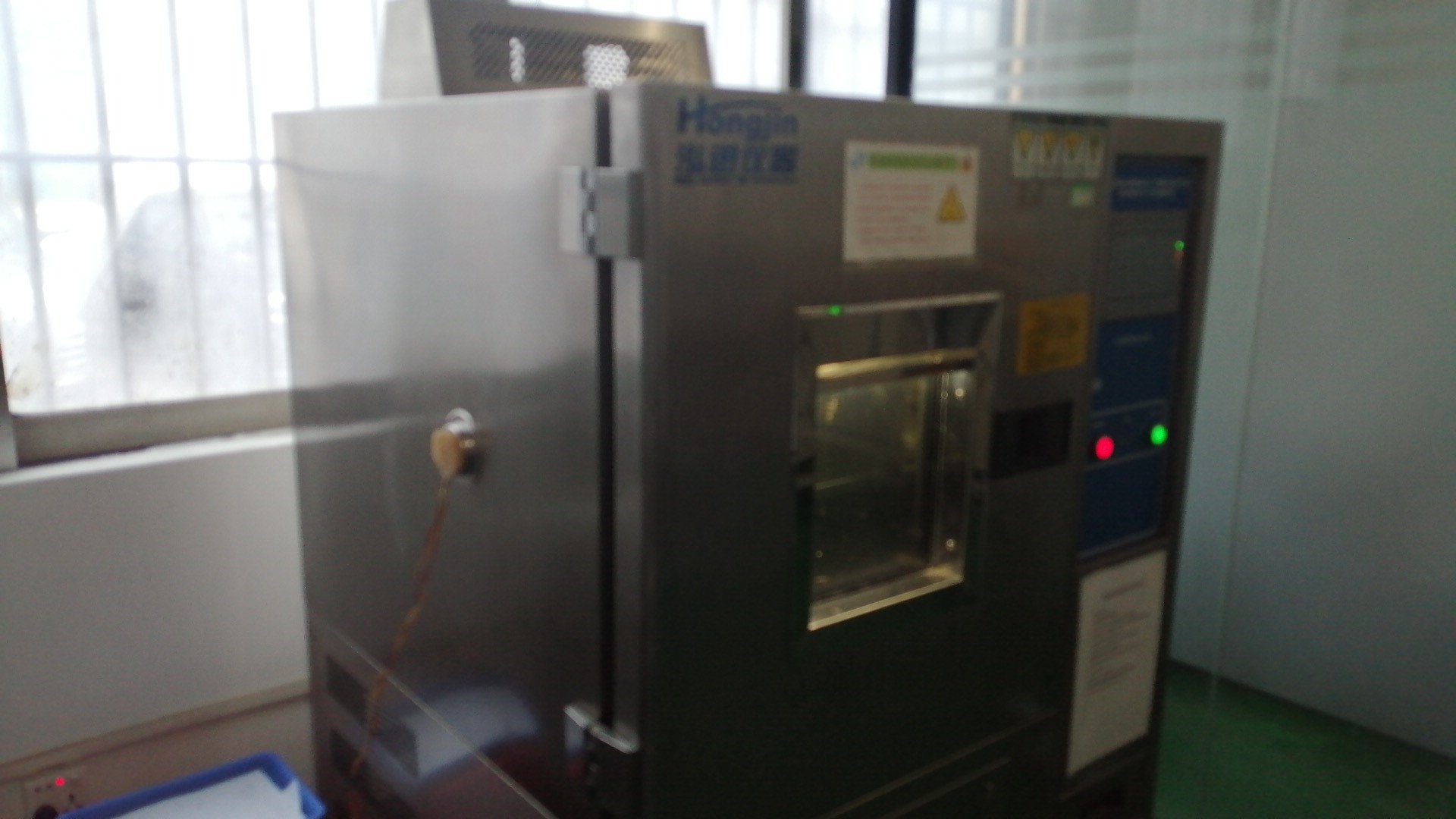 Constant Temp & Humidity Chamber
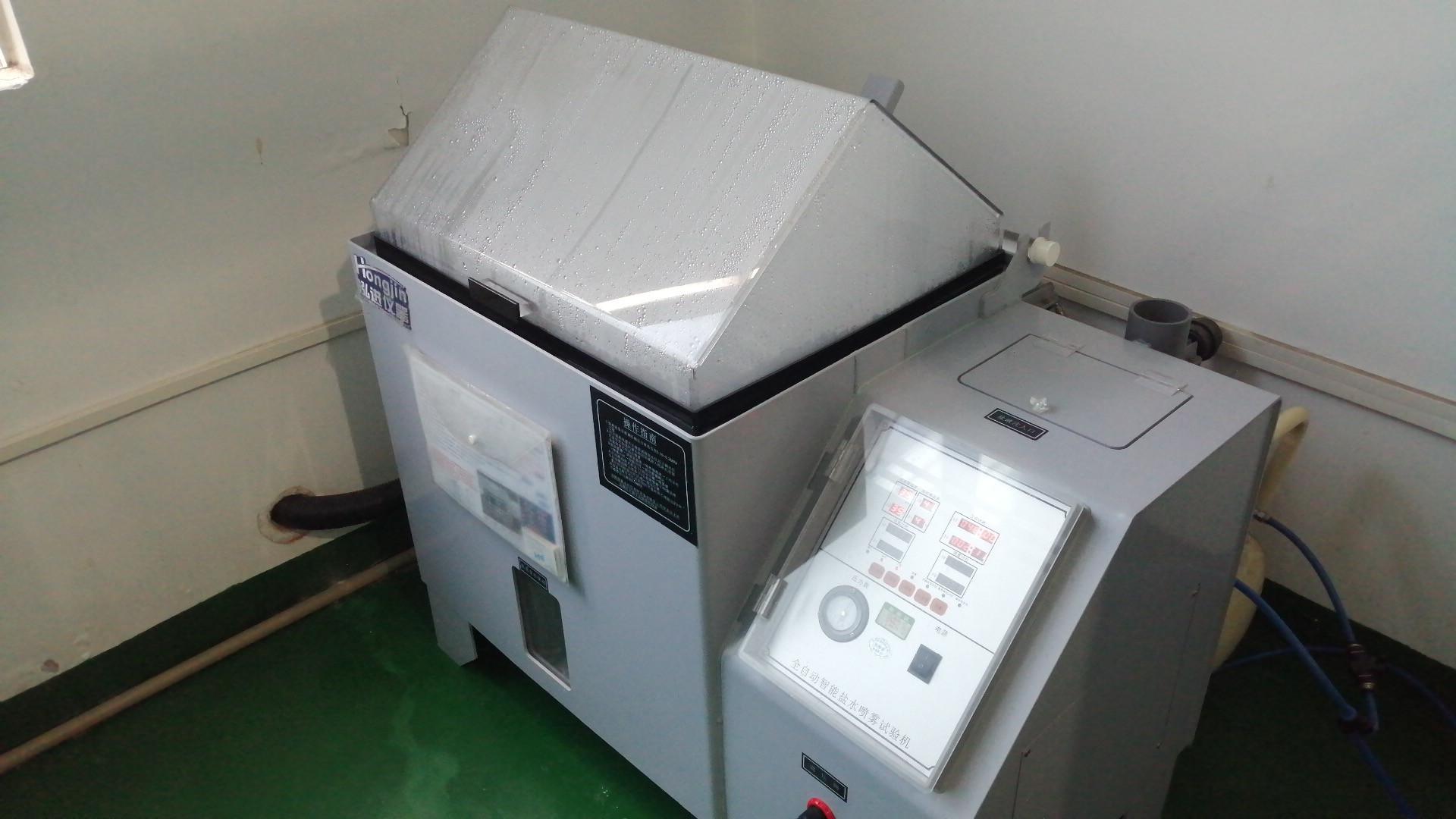 Withstanding Voltage dielectric Tester
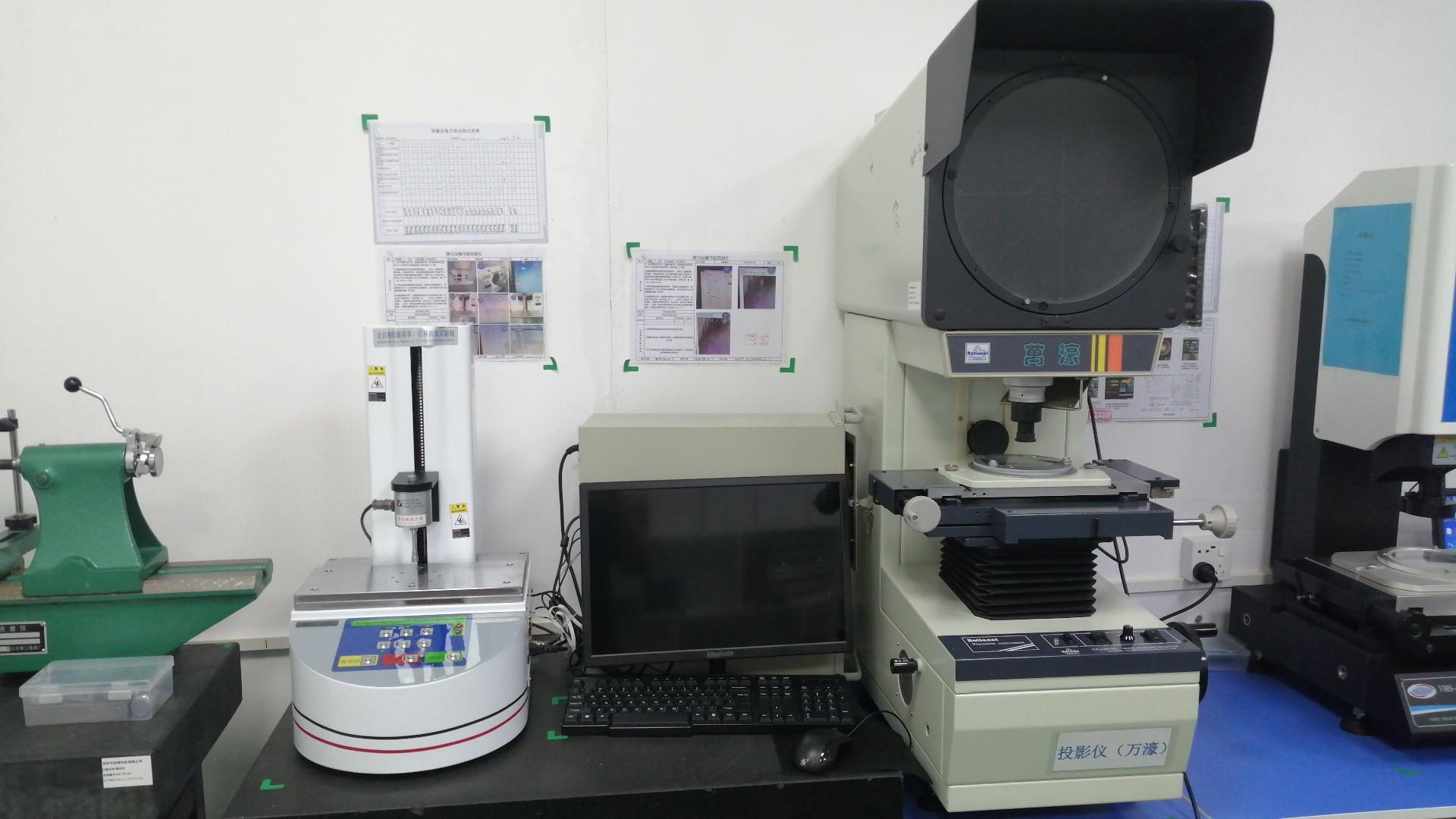 Optical Comparator Profile Projector
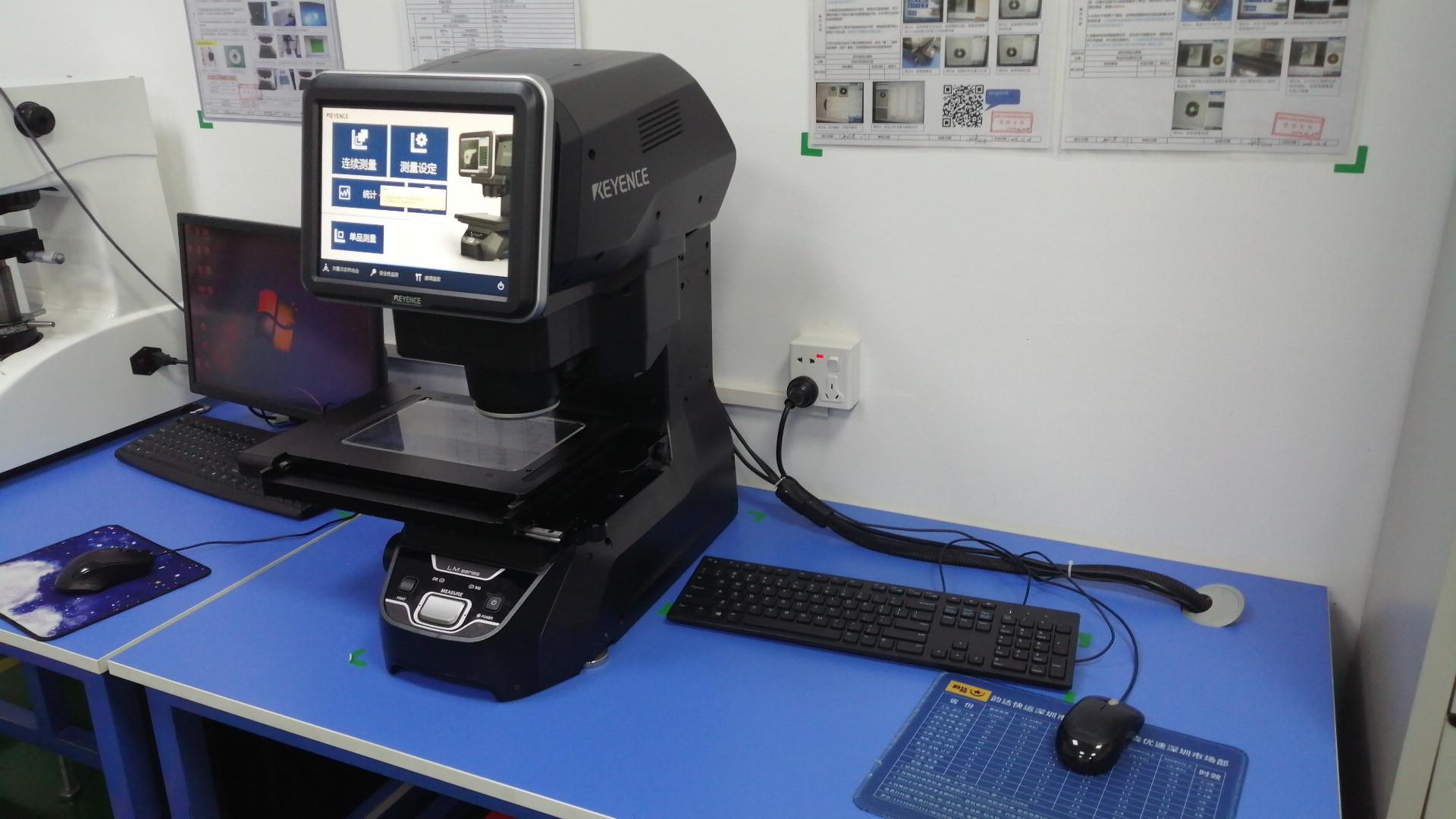 2D Optoelectronic Measuring System
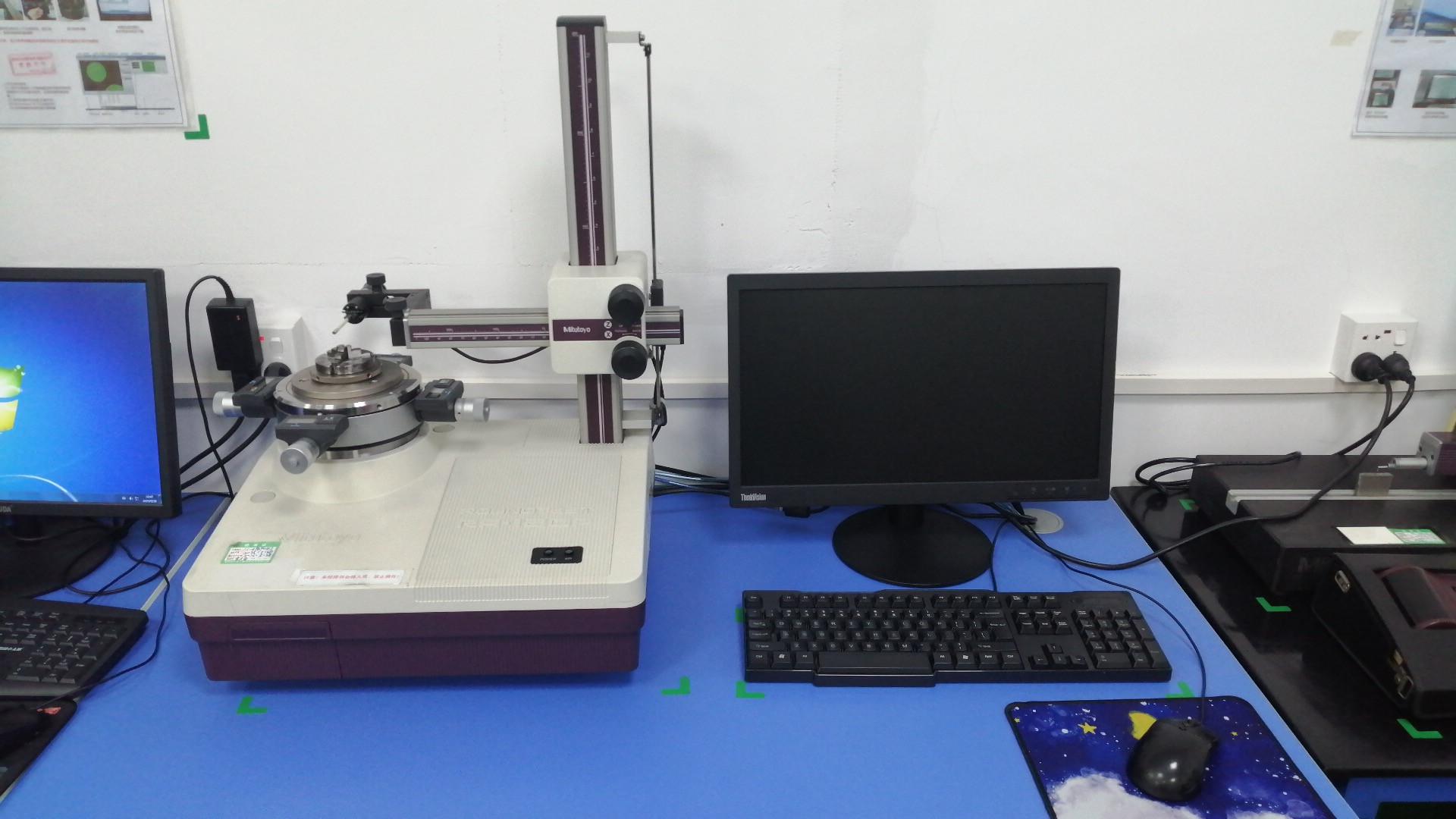 Mitutoyo True Roundness Tester
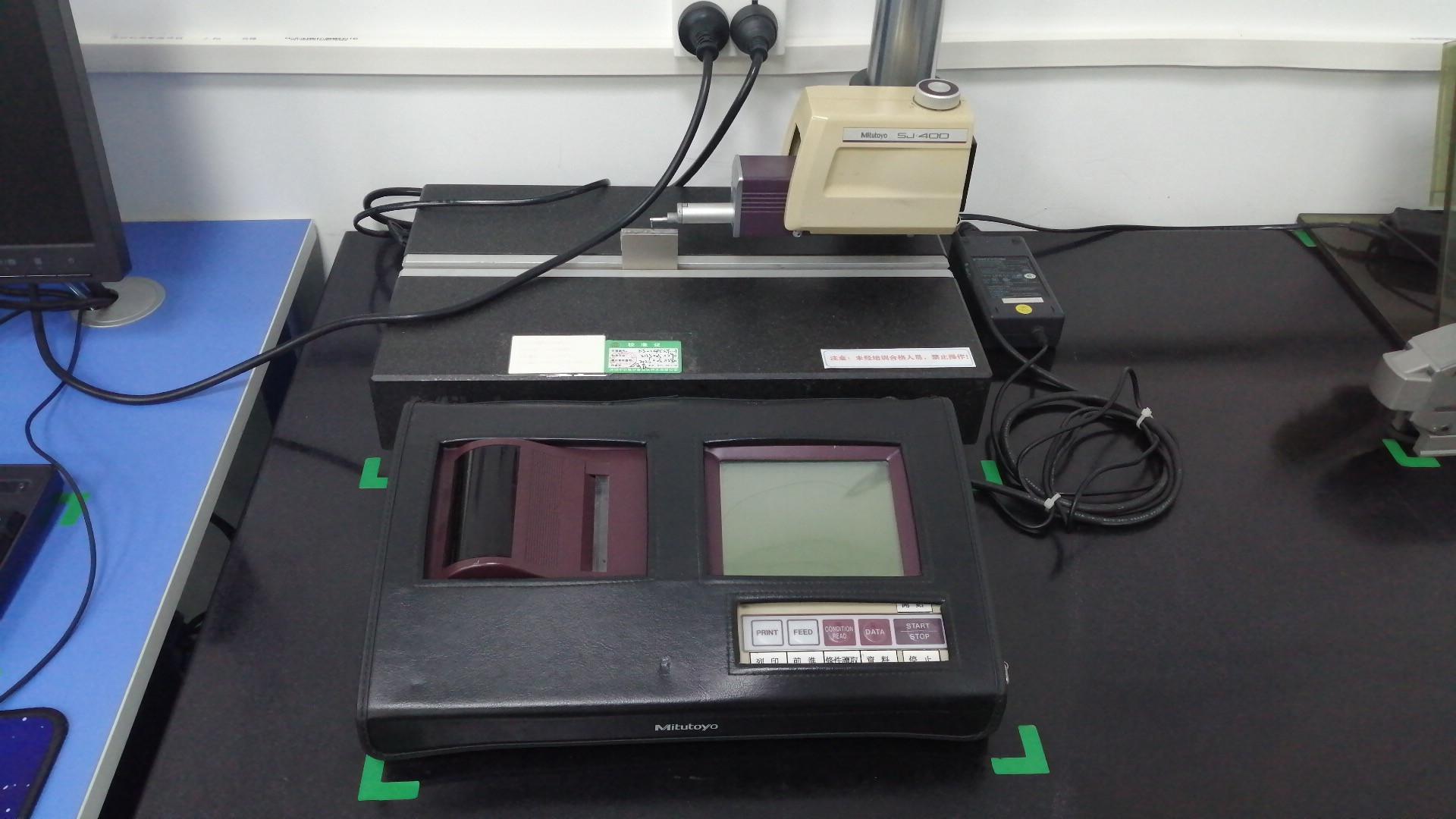 Mitutoyo Surface Roughness Meter
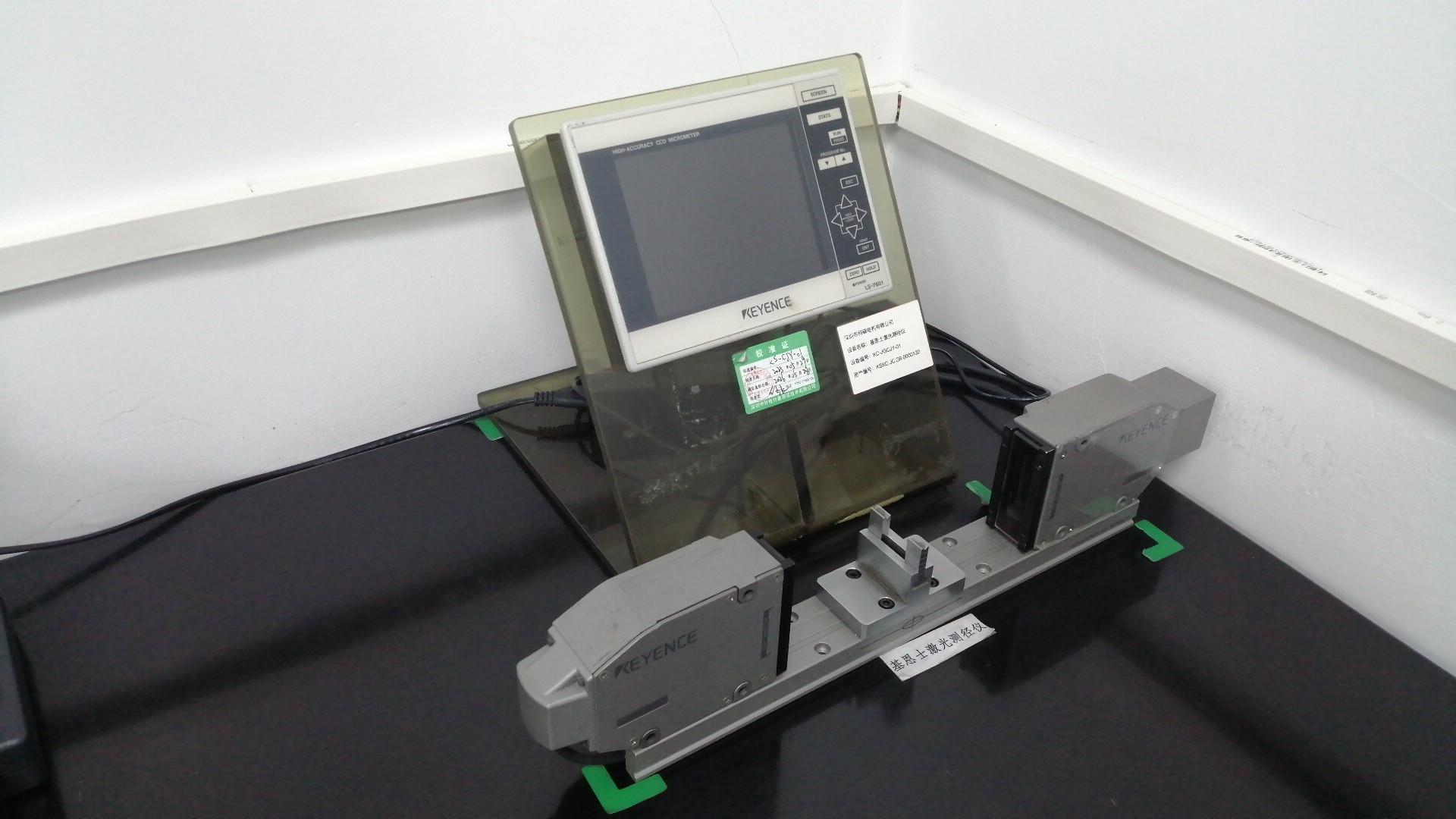 Keyence High-Speed Laser Caliper
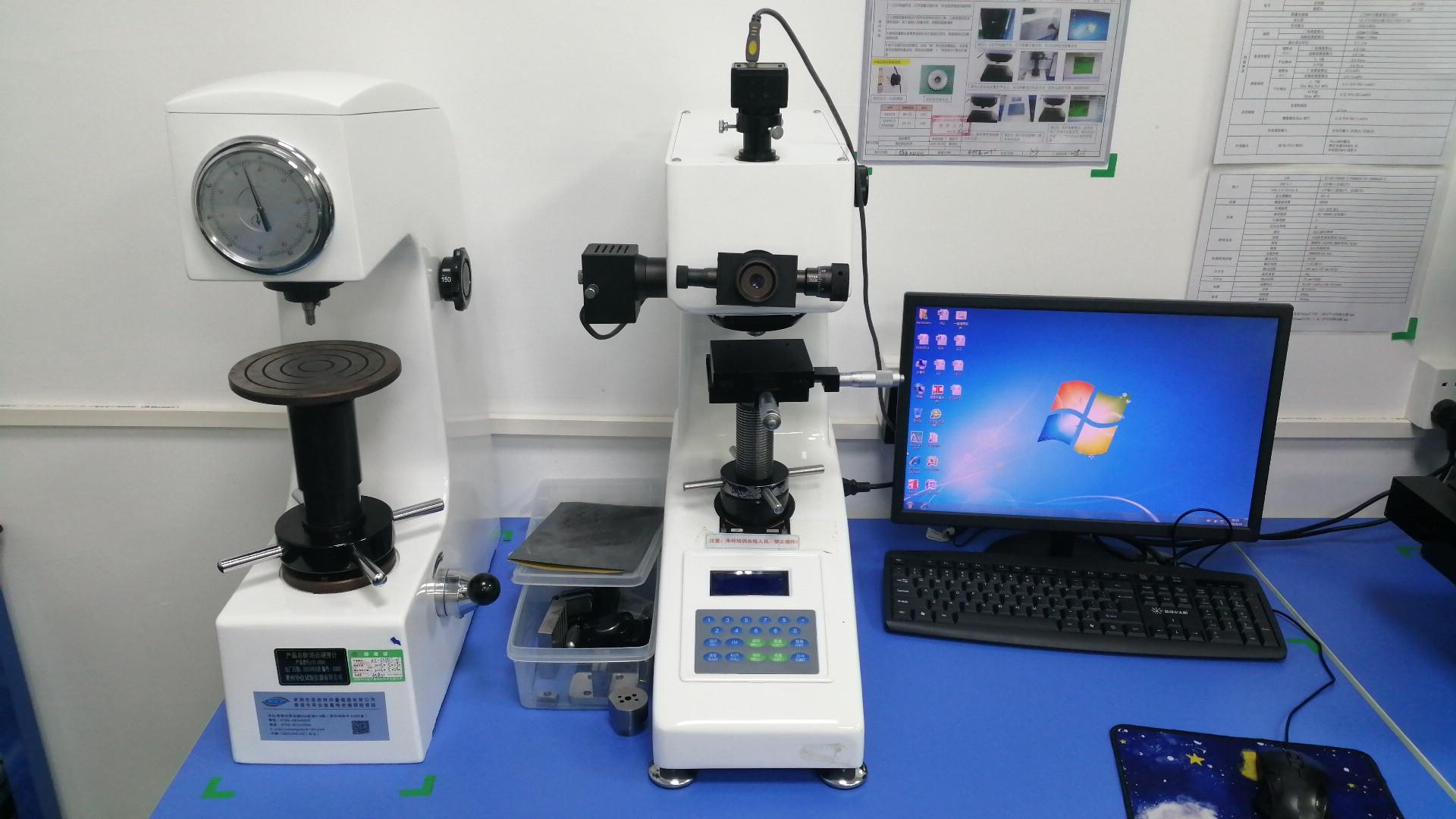 Vickers Microhardness Tester
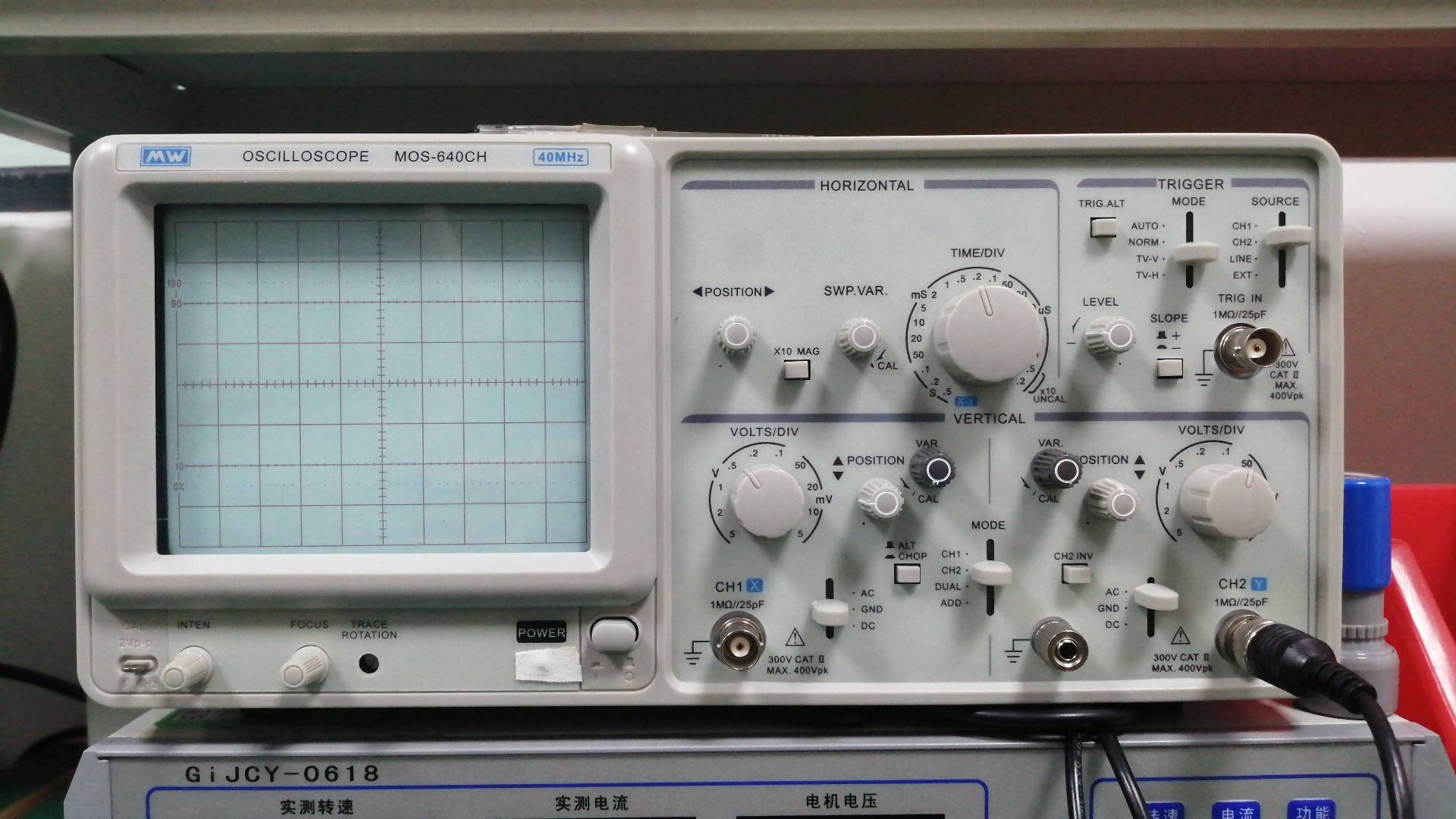 Digital Storage Oscilloscope
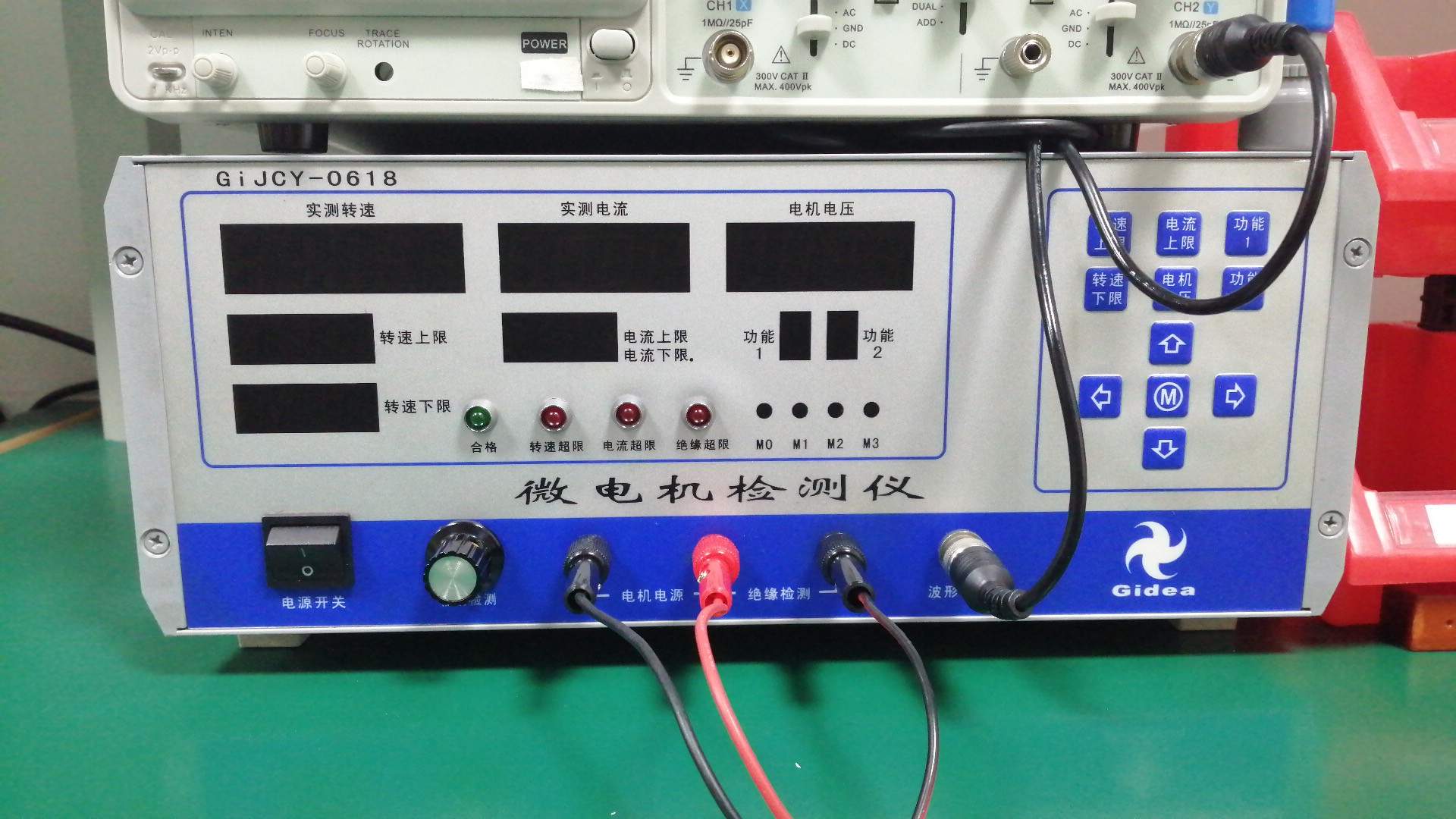 Dynamometer & Motor Analyzer
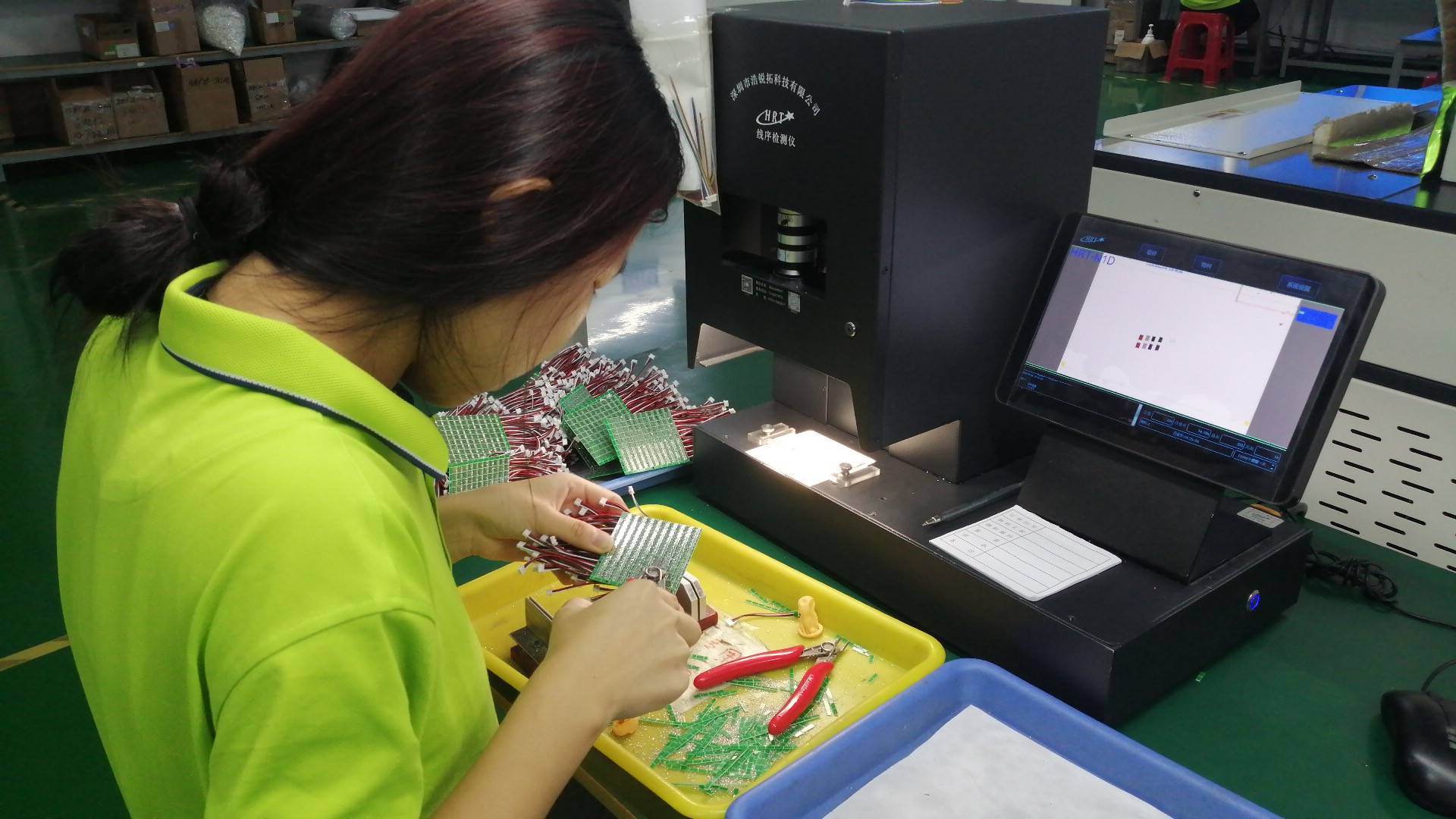
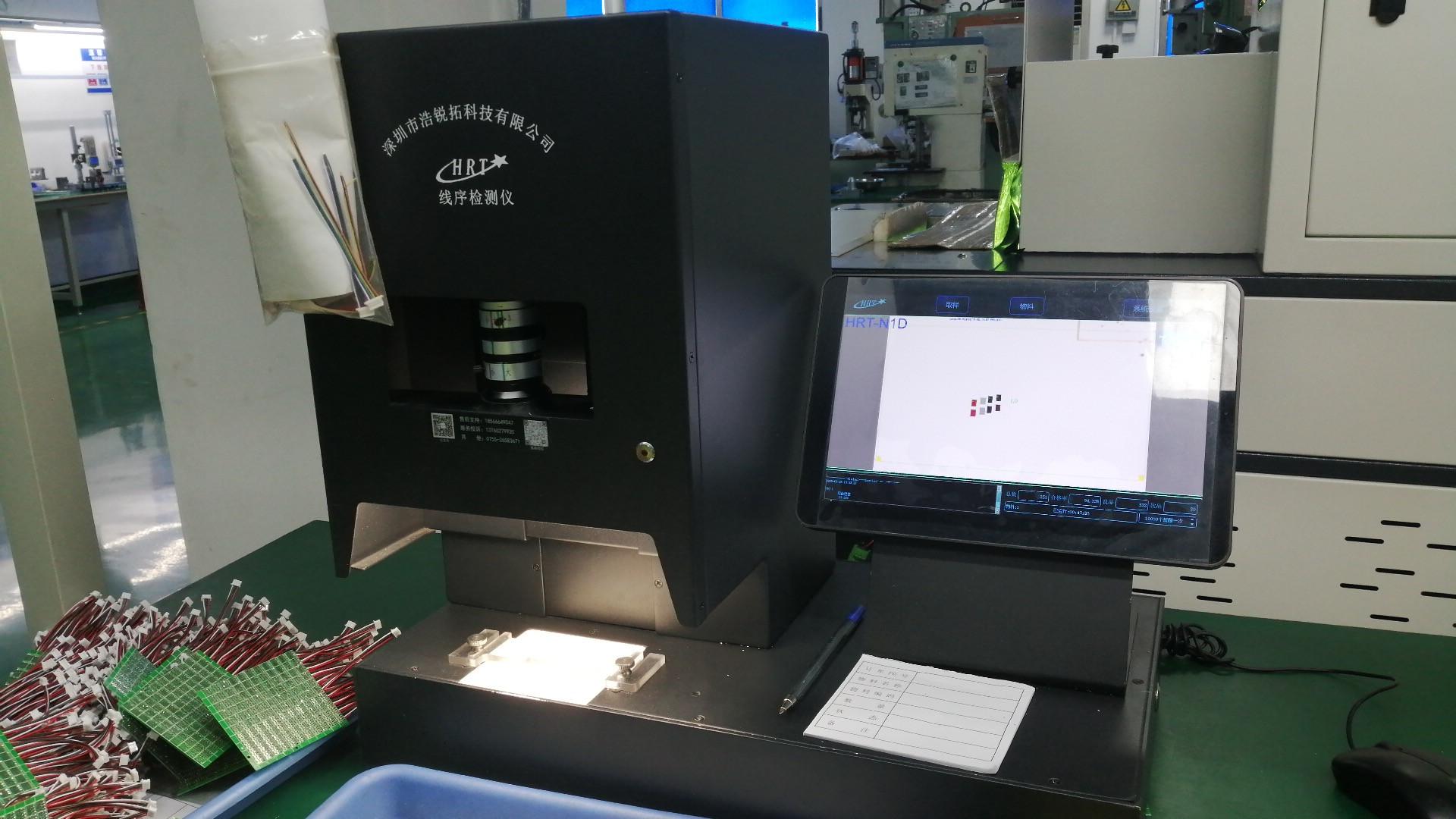 Wire Harness Line Sequence Detector
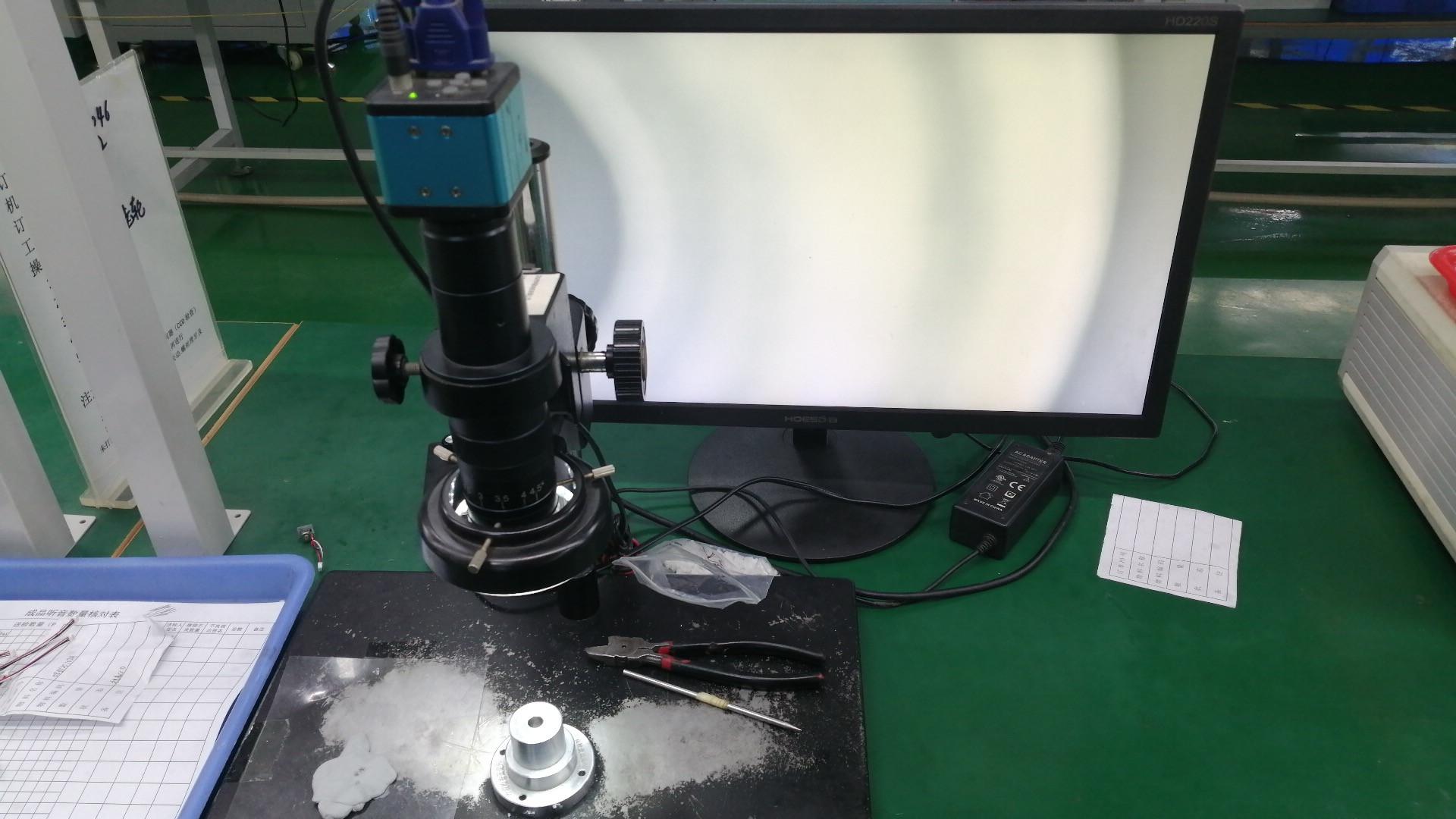 CCD Visual Sorting & Inspection
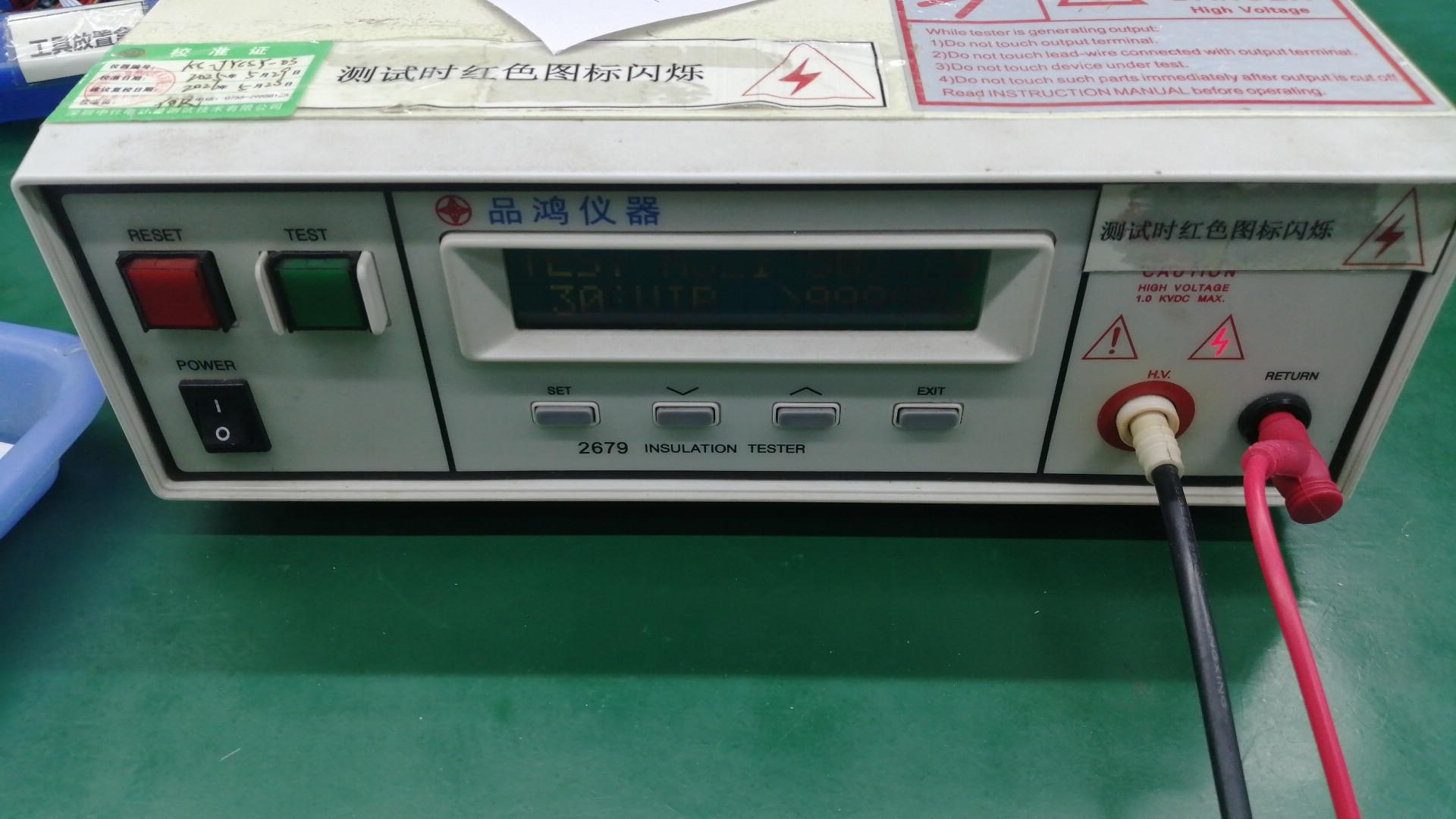 Insulation Resistance Tester
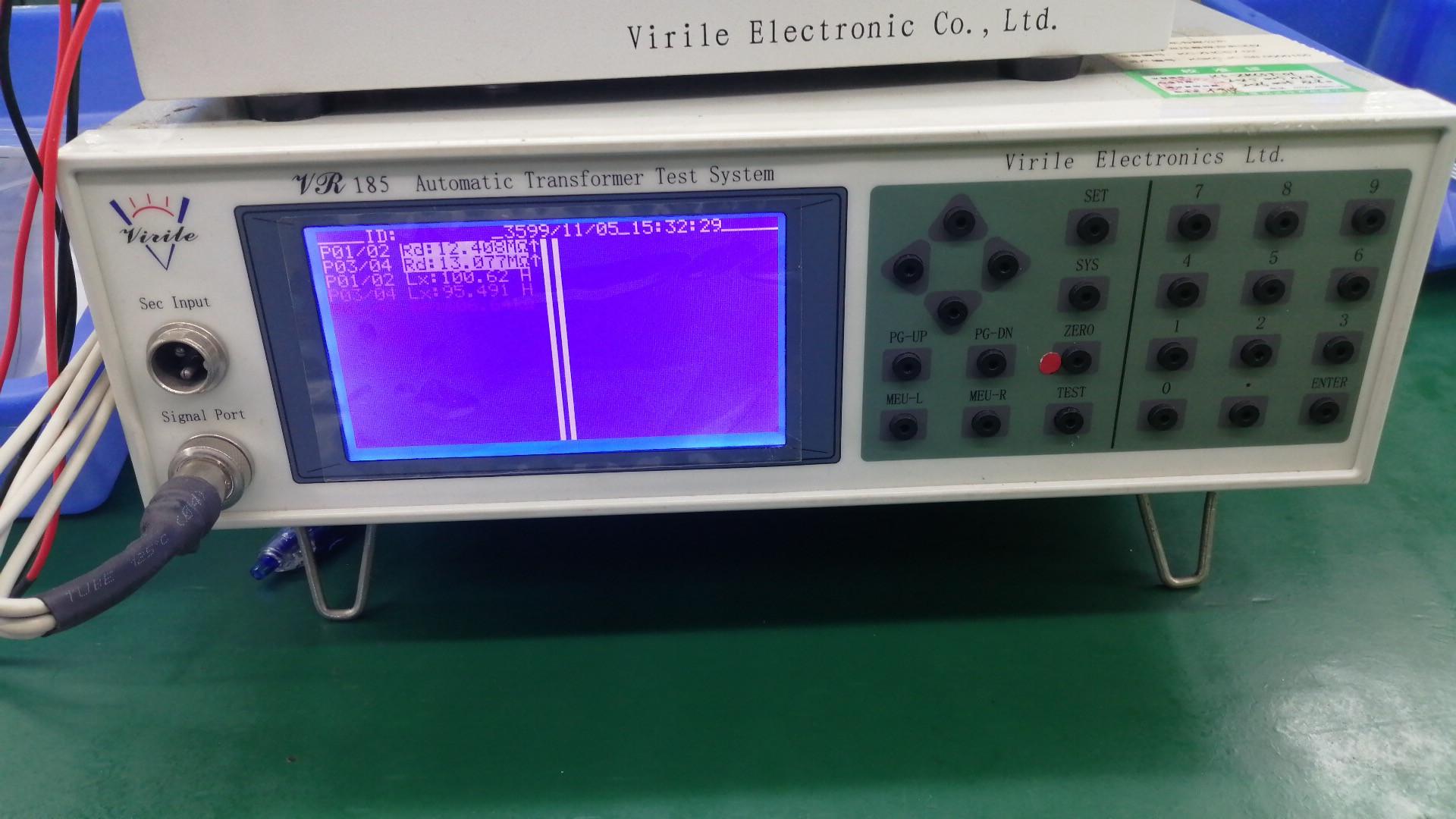 Automated Coiling Transformer Tester
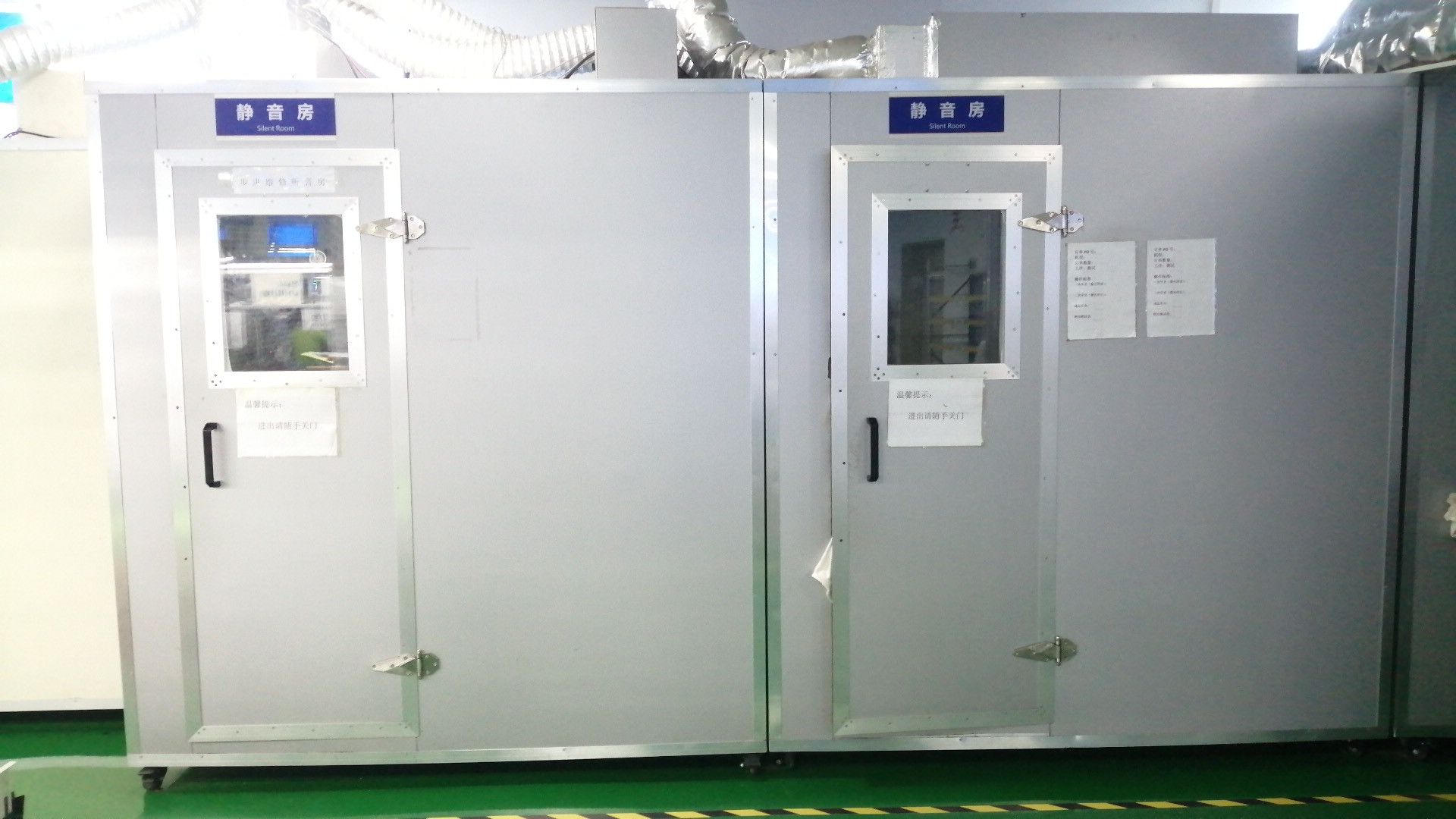 Acoustic Isolation Soundproof Room
Aligning manufacturing outputs with global directives to ensure rapid market entry, electrical safety, and sustainable operations.
Exporting electrical machinery requires adherence to strict safety frameworks. Brea Tech products undergo rigorous audits to maintain CE, RoHS, and UL compliance. High-potency testing, ground continuity tests, and thermal cutoff controls are integrated directly into the product line to satisfy European and North American building code requirements.
No two ventilator designs are identical. We provide bespoke engineering services that cover custom shaft lengths, specialized lead wire termination (including Molex and JST connector series), specific mounting brackets, and tailored voltage calibrations (from 3V micro units up to standard grid-compatible 24V inputs).
From the initial raw material check of silicon steel laminations to the final dynamic balance validation in our specialized acoustic lab, our QA loop relies on Mitutoyo roundness testers, Keyence laser calipers, and automated diagnostic benches to verify that every batch meets the designated torque-speed requirements.
A data-driven breakdown of what technical procurement agents must analyze when evaluating motor manufacturing partners in China.
Procuring industrial-grade motors at scale involves metrics beyond unit pricing. B2B buyers must evaluate:
Brea Tech offers pre-production sample evaluation programs, full component material certificates (MTRs), and transparent factory tours (including virtual inspections via video links) to simplify verification for global procurement teams.
Addressing the key technical queries and operational concerns of engineers, designers, and procurement managers.
BLDC motors achieve typical operating efficiency of 80% to 90%, whereas traditional AC induction motors range between 40% and 55%. This difference stems from the BLDC's use of permanent magnets on the rotor, which eliminates rotor losses. In commercial applications, transitioning to BLDC technology can reduce fan power consumption by up to 60%.
We minimize acoustic emissions below 30dB through a multi-step process: utilizing high-precision balancing machines to align the rotor assembly, employing selective NSK/NMB bearings, and using Field-Oriented Control (FOC) drivers. This design produces smooth sinusoidal phase currents and reduces electromagnetic cogging forces.
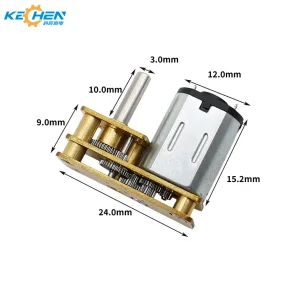
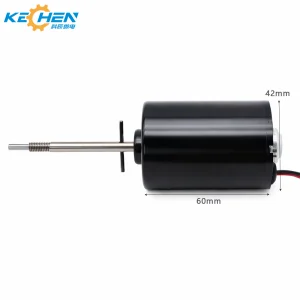
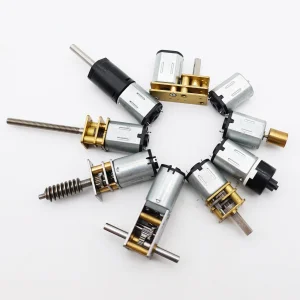
Yes. We offer customization options that include custom shaft configurations (D-cut, cross-drilled, splined, or threaded), custom mounting brackets, and specialized wire harnesses with OEM-specified connectors.
Our motors are designed with low-loss stator cores and dynamic external ventilation fins to manage thermal buildup. Additionally, the integrated drive circuit features built-in thermal sensors that initiate a soft shutdown if internal operating temperatures exceed safety thresholds, protecting the copper windings.
All our manufacturing processes and final product assemblies comply with CE, RoHS, and REACH directives. When requested, we can also supply UL and CSA certified configurations for industrial, commercial, and residential applications in North America.
Standard OEM production runs are typically completed within 30 to 45 days of design approval and payment confirmation. Customized designs requiring new injection tooling, extrusion molds, or complex shaft configurations may require an additional 15 to 20 days.
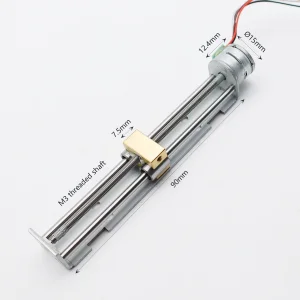
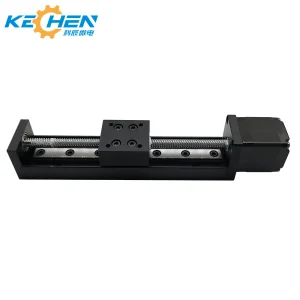
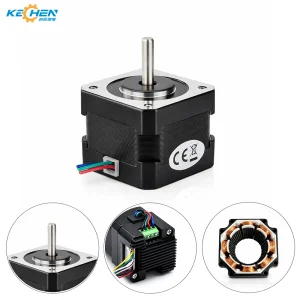
Explore our secondary catalog of micro-stepping actuators, linear drives, and smart toilet control systems engineered for clean integration.
 Brea Tech Micro Motor