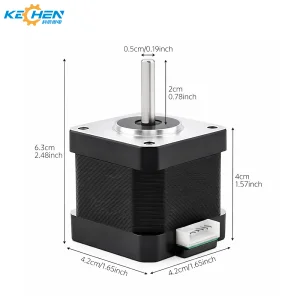
Engineered with low rotor inertia and maximum flux density to provide superior dynamic torque and precise phase resolution.
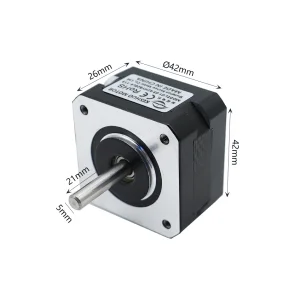
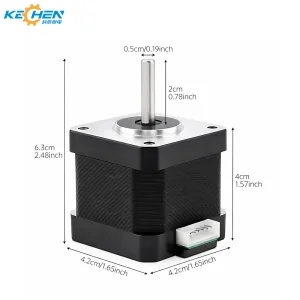
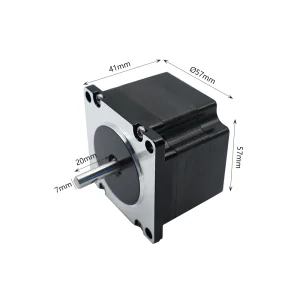
In the rapidly changing world of precision motion systems, the hybrid stepper motor serves as a key building block for automated machinery, scientific instrumentation, medical equipment, and consumer manufacturing setups. Integrating elements from both permanent magnet (PM) and variable reluctance (VR) designs, hybrid motors provide high torque density, outstanding angular accuracy (usually 1.8° or 0.9° per step), and exceptional holding torque at zero speed.
Currently, global industrial automation demands highly robust movement solutions that can easily integrate with smart control systems. Designers are prioritizing dynamic efficiency and thermal endurance. Consequently, leading factories are updating materials—such as high-grade rare-earth magnets (NdFeB) and optimized silicon steel laminations—to reduce eddy currents and core losses. This technical development helps system developers run motors closer to their physical limits without running into thermal issues.
For decades, China has served as a central hub for the production of precision motors. Leading factories, including Brea Tech Micro Motor, offer a balance of scale, rapid product customization, and solid engineering reliability. This ecosystem stands out due to three main factors:
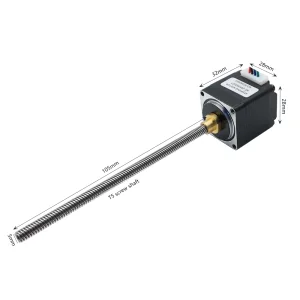
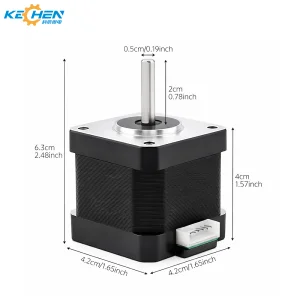
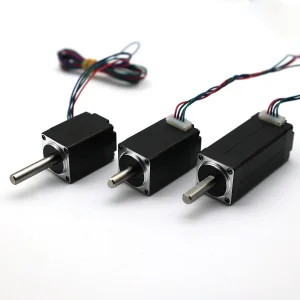
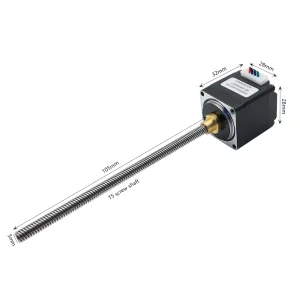
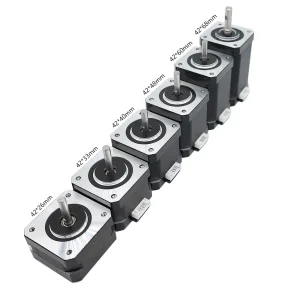
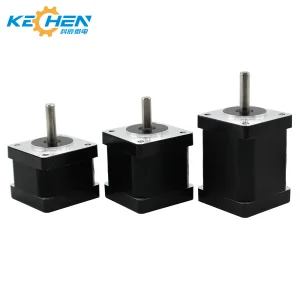
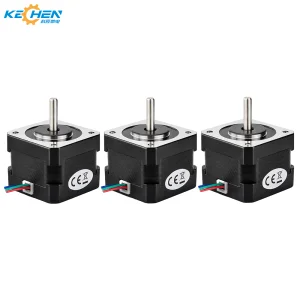
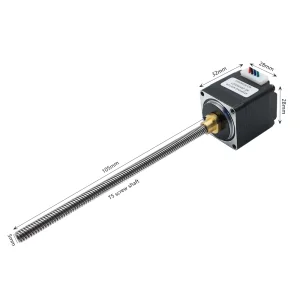
Today's machines require specialized motor configurations. Standard sizes like the NEMA 17 Bipolar Stepper are widely used in 3D printing and laser engravers. At the same time, smaller motors like the NEMA 8 and NEMA 11 with integrated linear lead screws are vital for compact medical equipment such as peristaltic pumps, clinical chemistry analyzers, and laboratory liquid handlers. Larger configurations, such as the NEMA 23 double-shaft hybrid stepper, supply the necessary holding torque and dual-axis drive setups for packaging machinery and multi-axis CNC machines.
Understanding the key technical features that ensure consistent performance, durability, and reliable positioning accuracy.
Lower inductance winding layouts allow faster current rise times, helping maintain high dynamic torque outputs at higher operating speeds.
Directly coupling T5 or standard trapezoidal lead screws to the rotor hub minimizes backlash and simplifies mechanical configurations.
Using Class B (130°C) and Class F (155°C) copper wire and double-shielded ball bearings keeps motor systems running reliably over time.
Brea Tech Micro Motor is a forward-thinking Chinese manufacturer redefining precision motion control in the micro-drive industry. We design and build high-efficiency micro DC and BLDC motors that power next-generation technologies worldwide. Driven by our core philosophy—Top Quality & Customization—we combine advanced manufacturing tech with flexible engineering to provide global B2B clients with the transparency of a local partner and the cost benefits of a premier Chinese factory. Built to last. Engineered to fit.
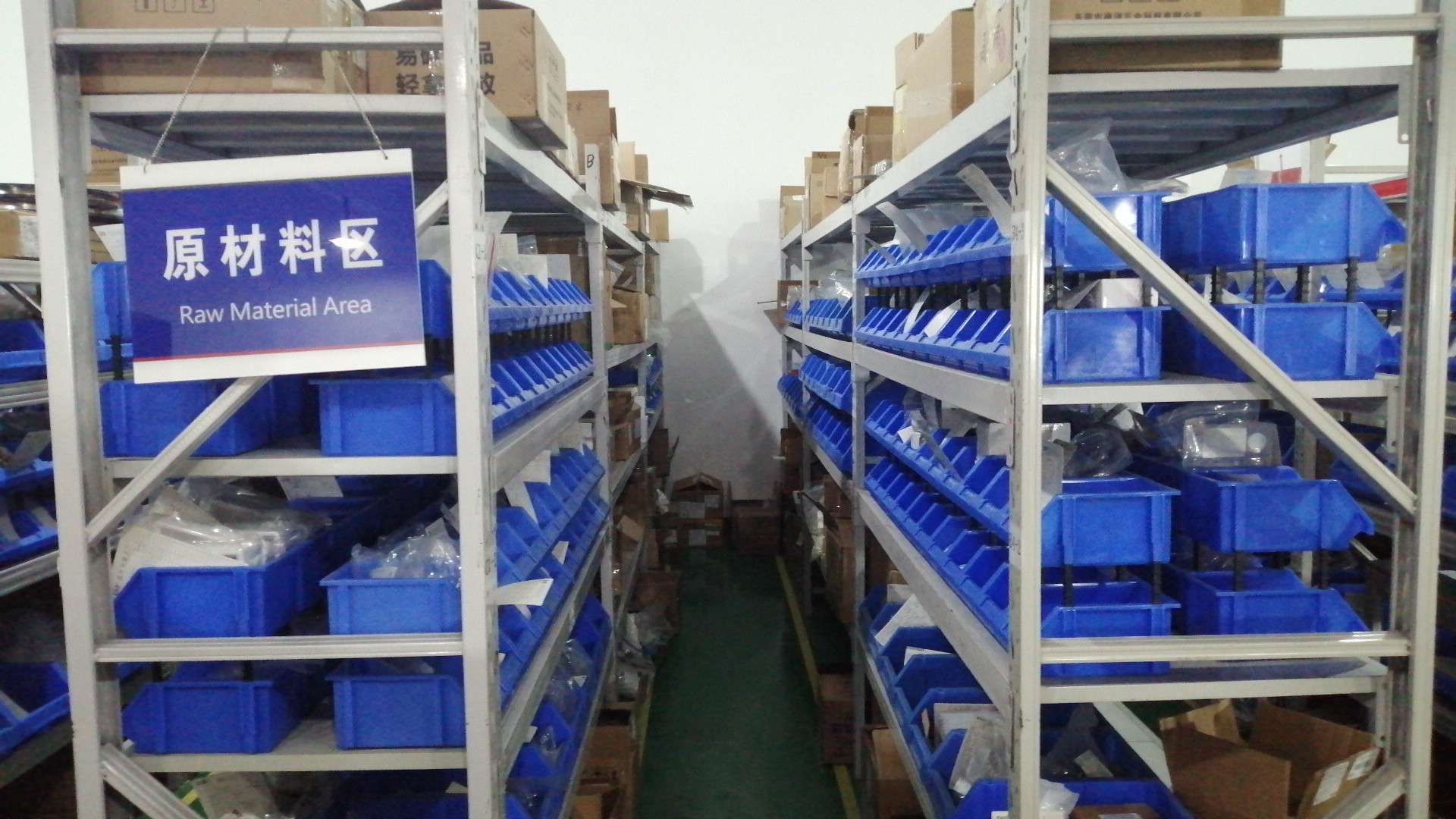
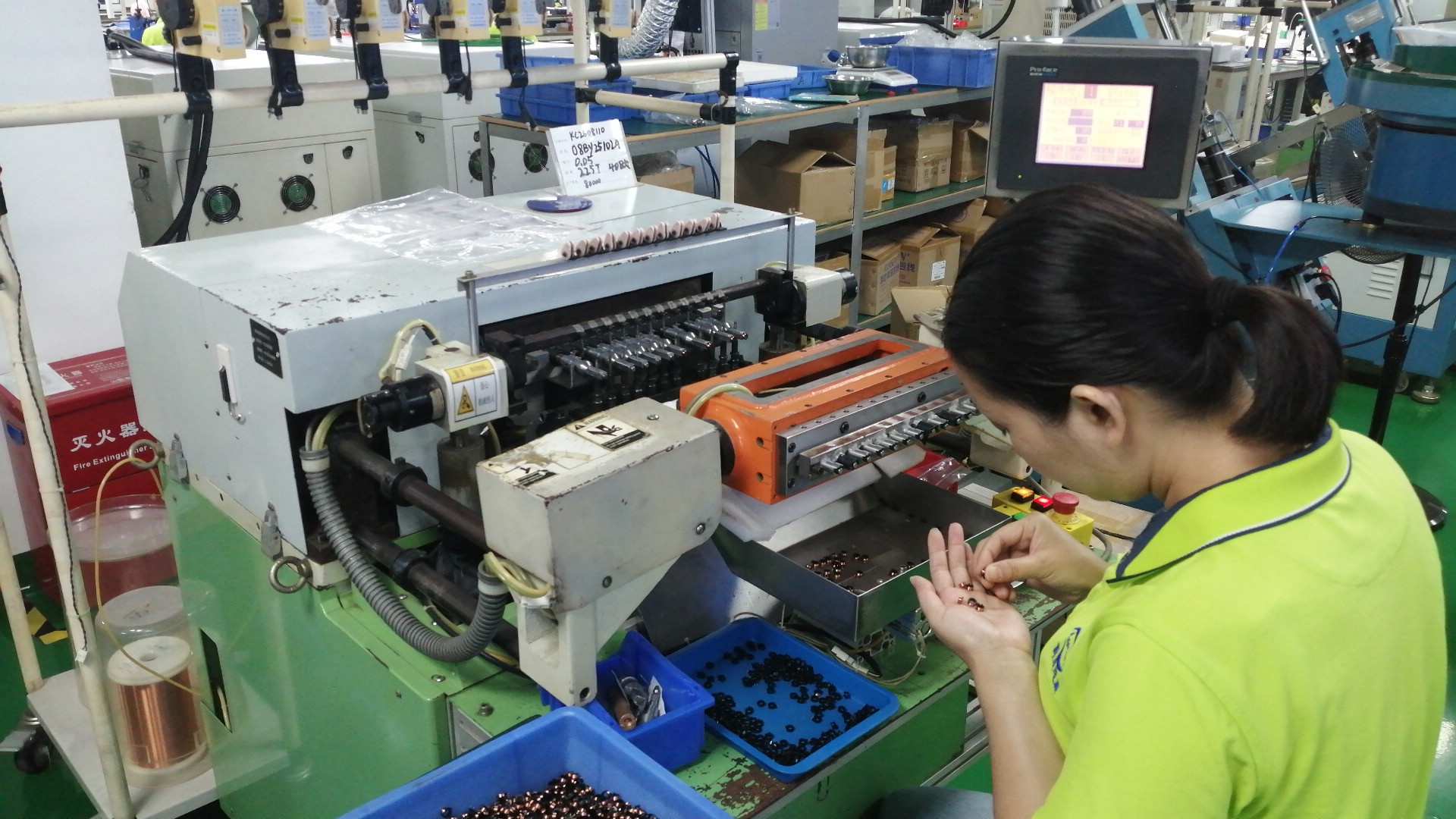
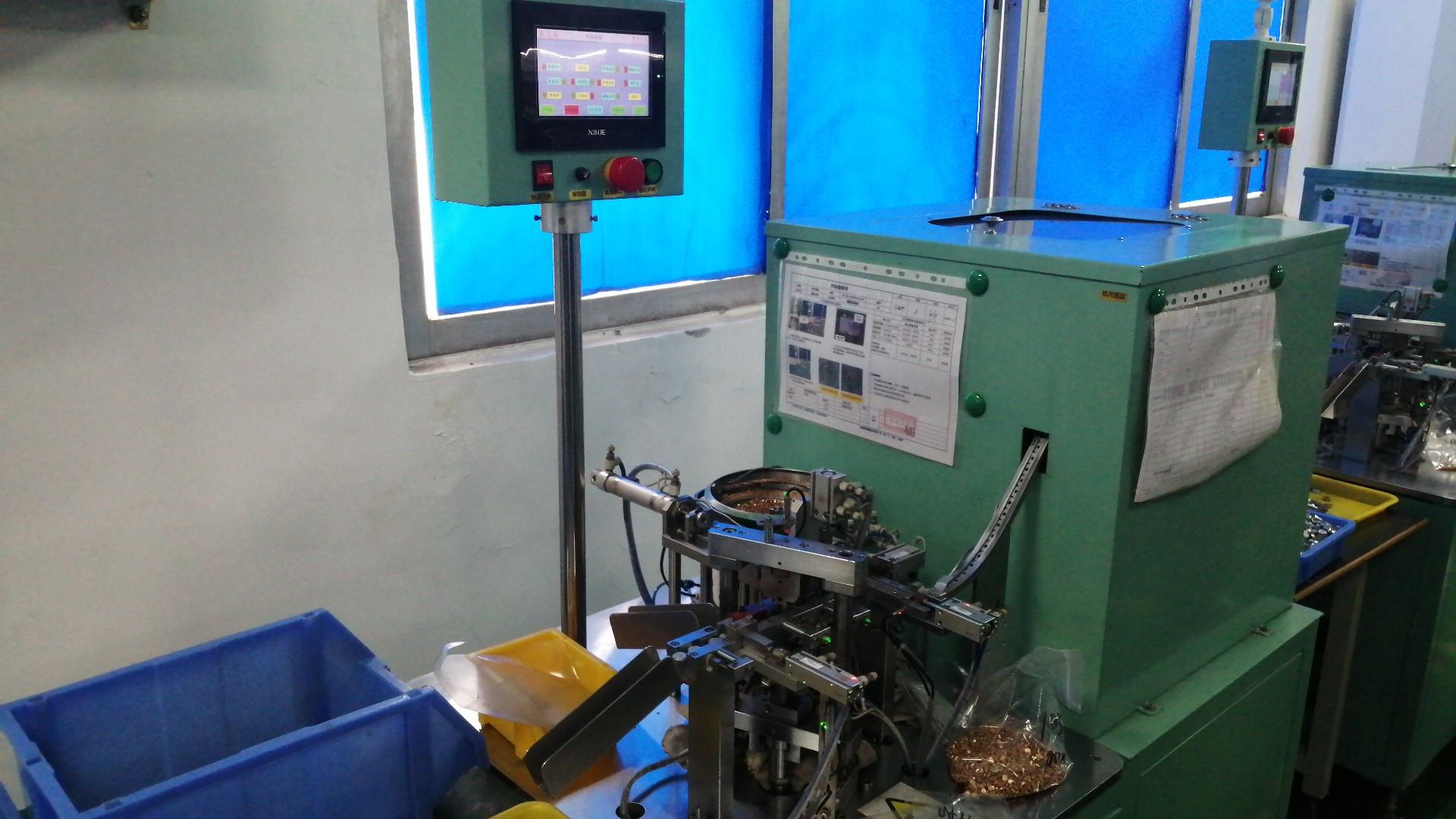
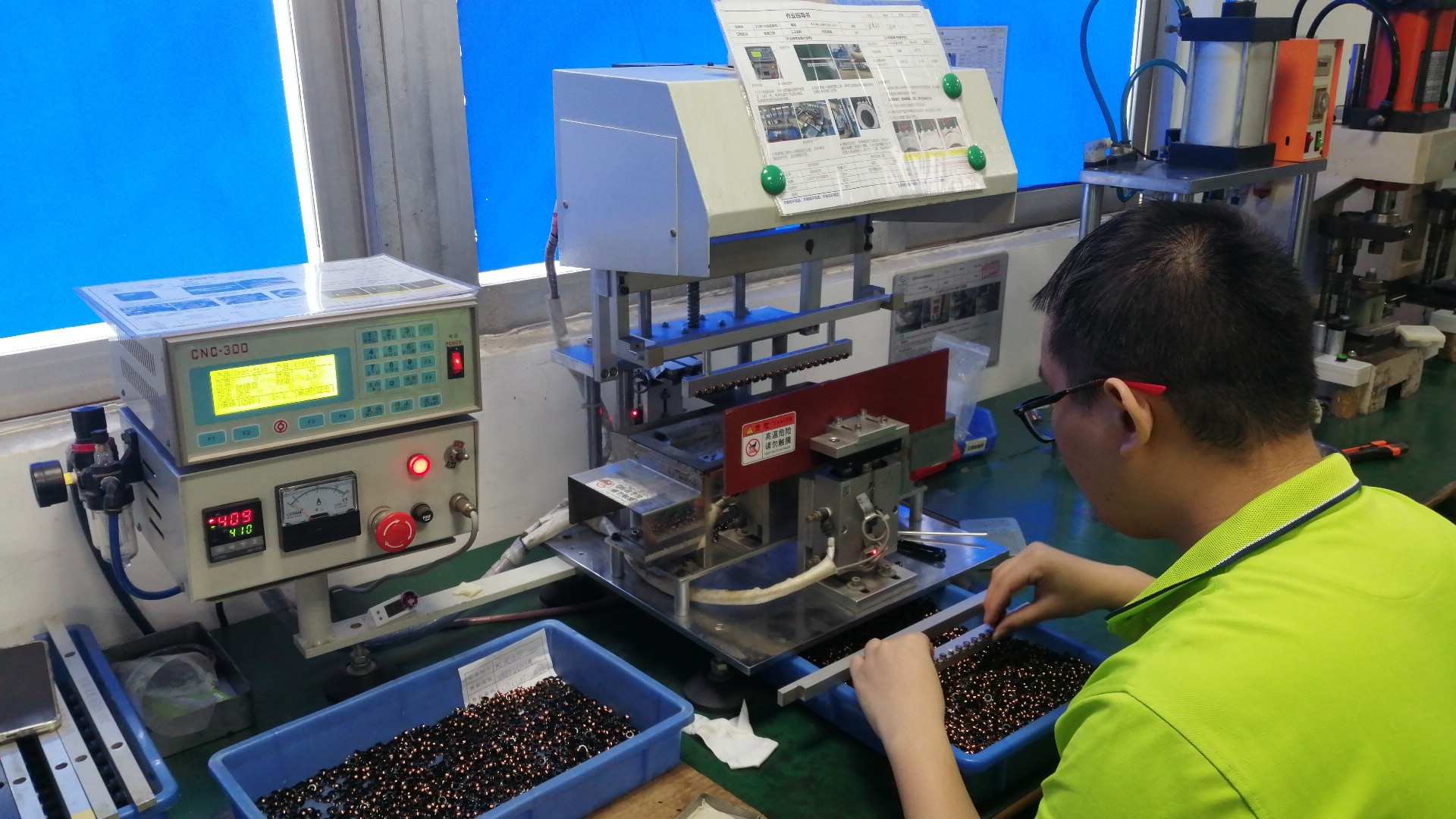
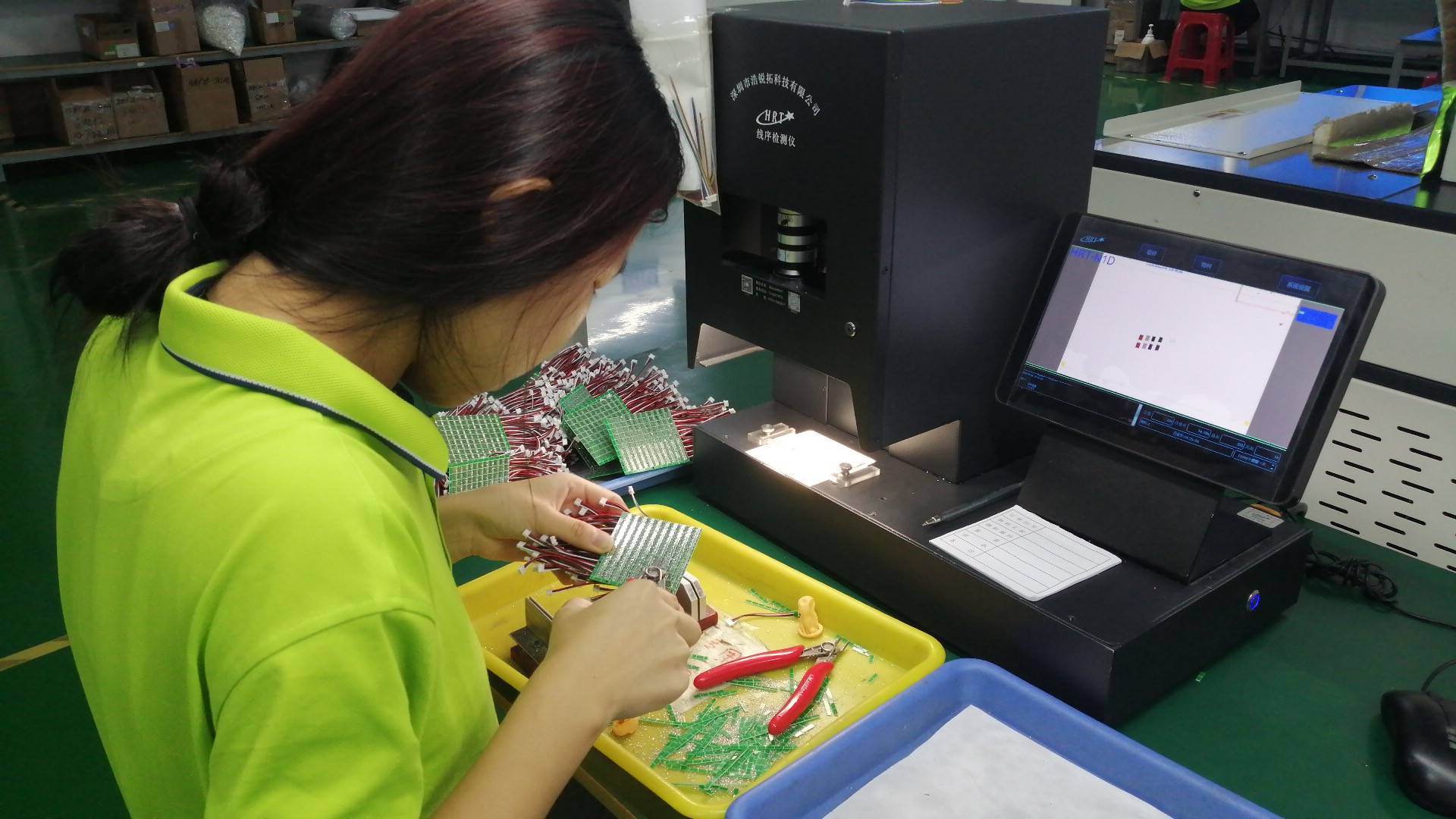
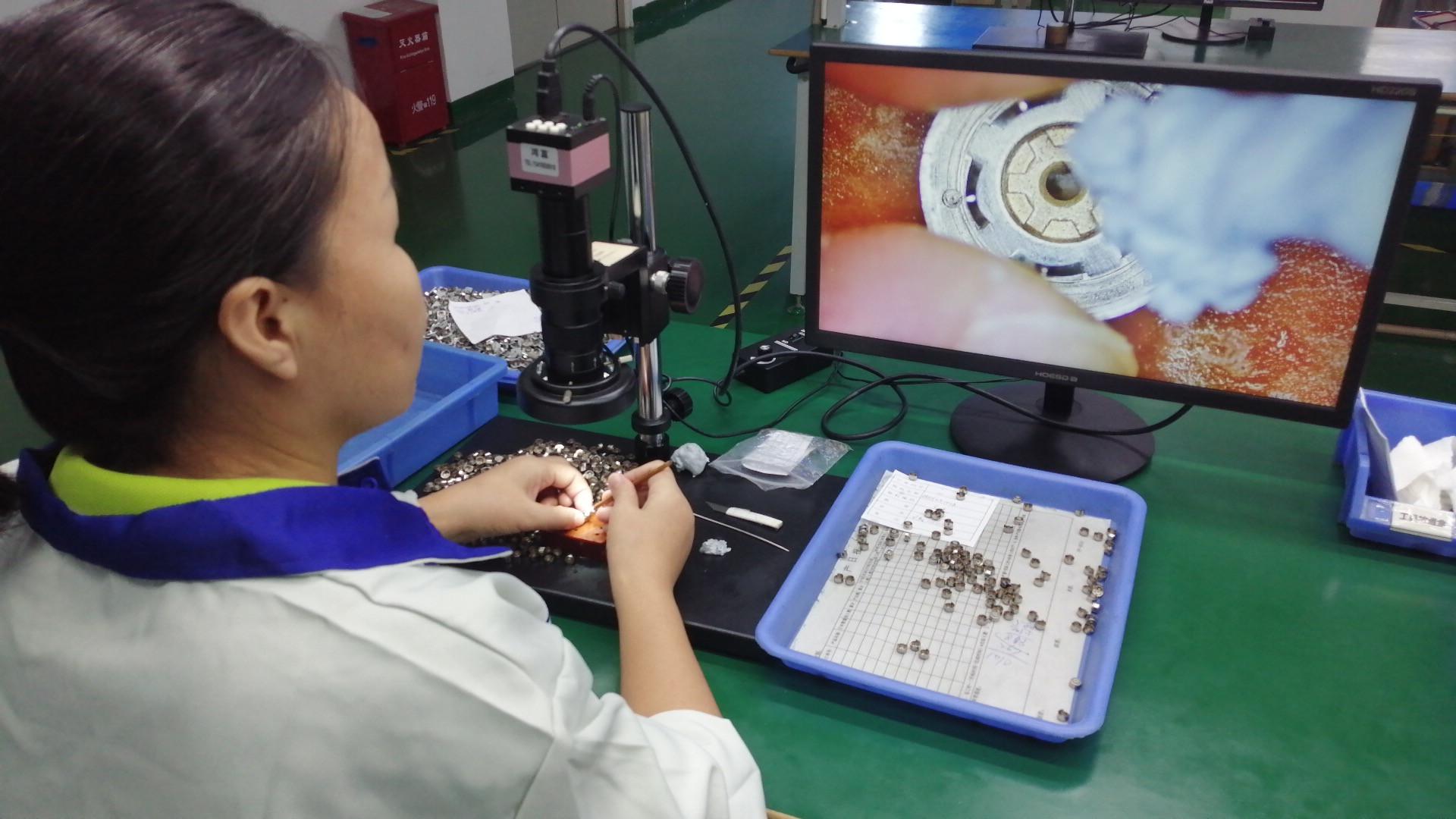
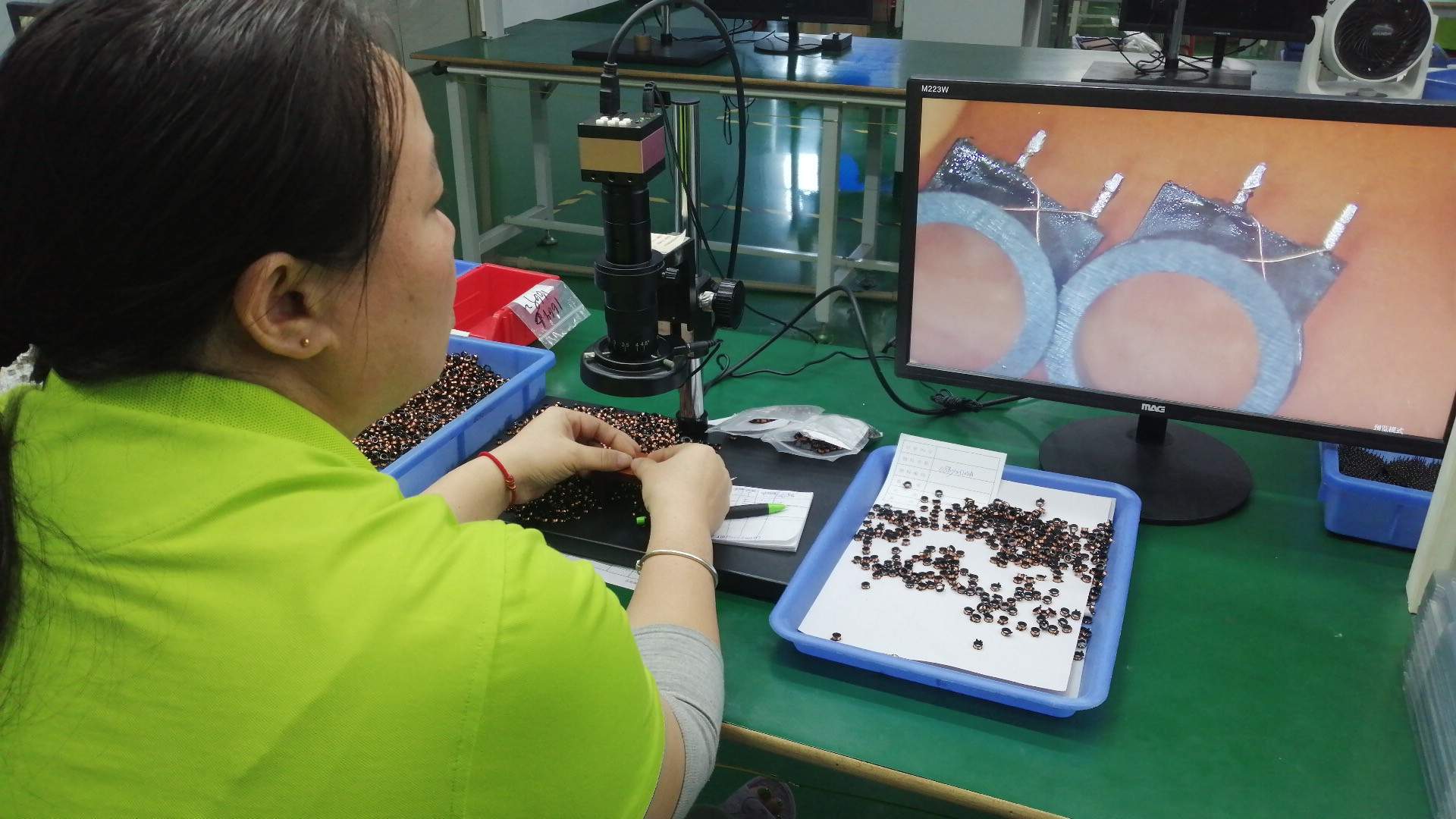
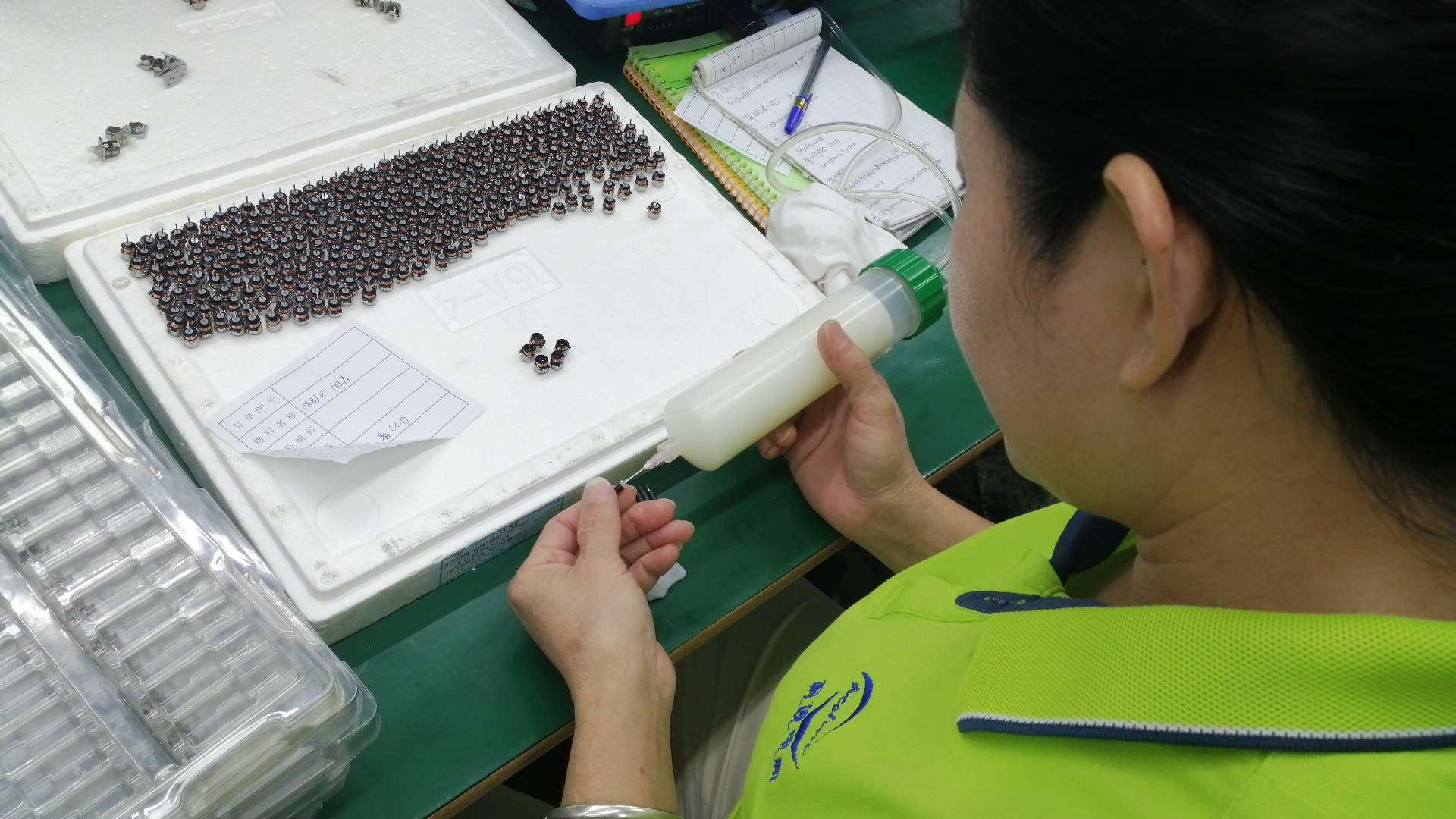
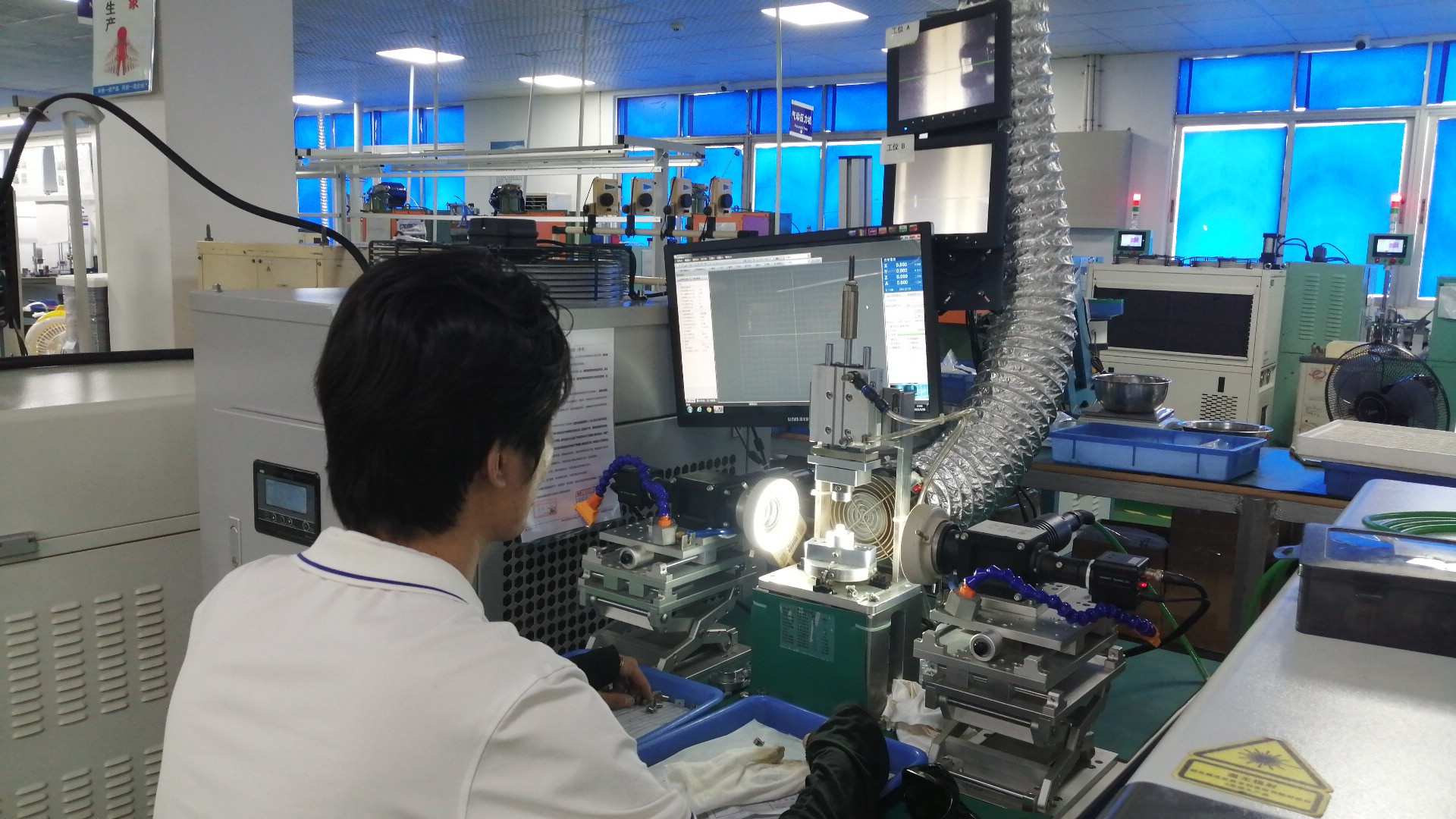
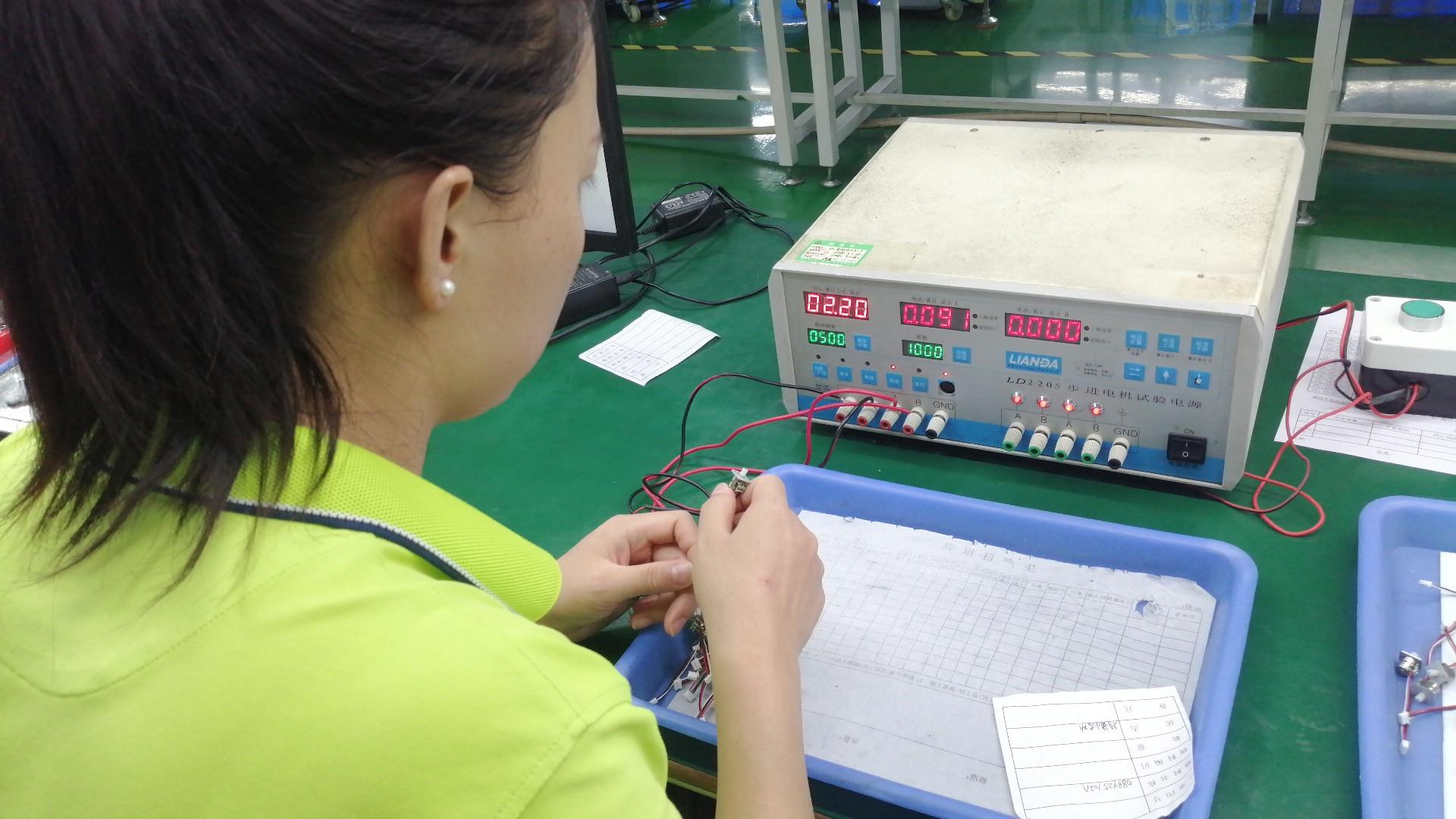
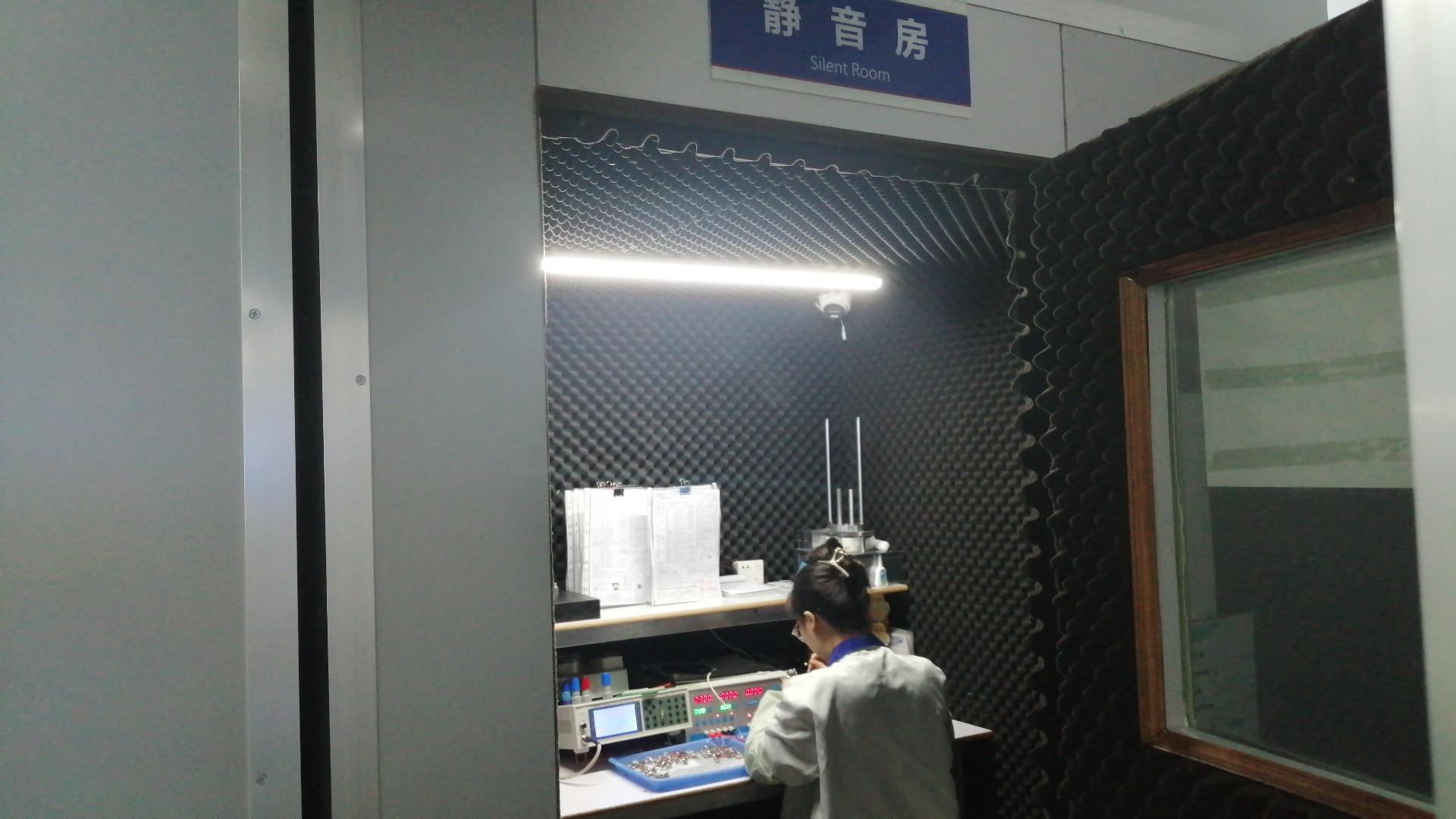
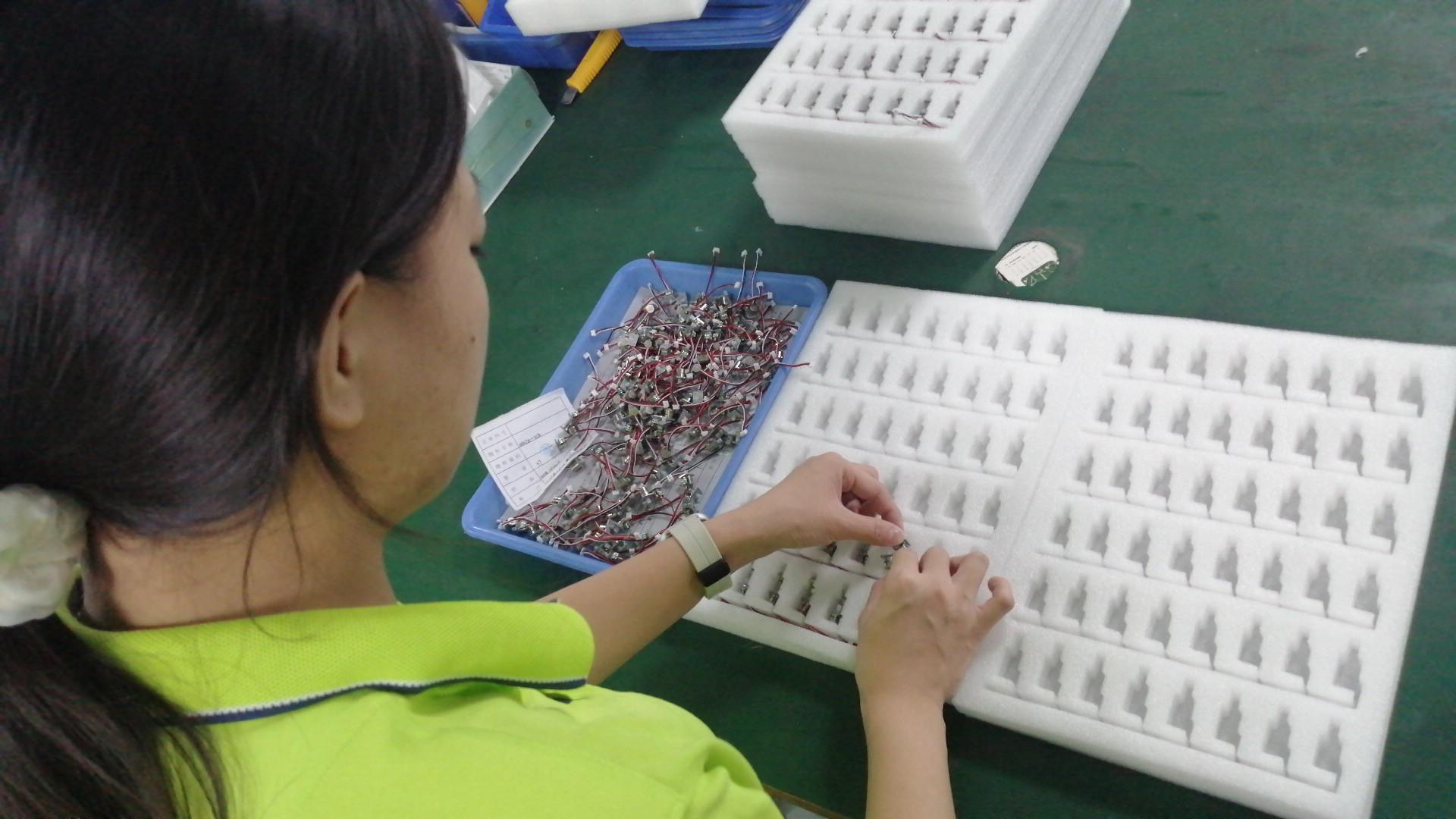
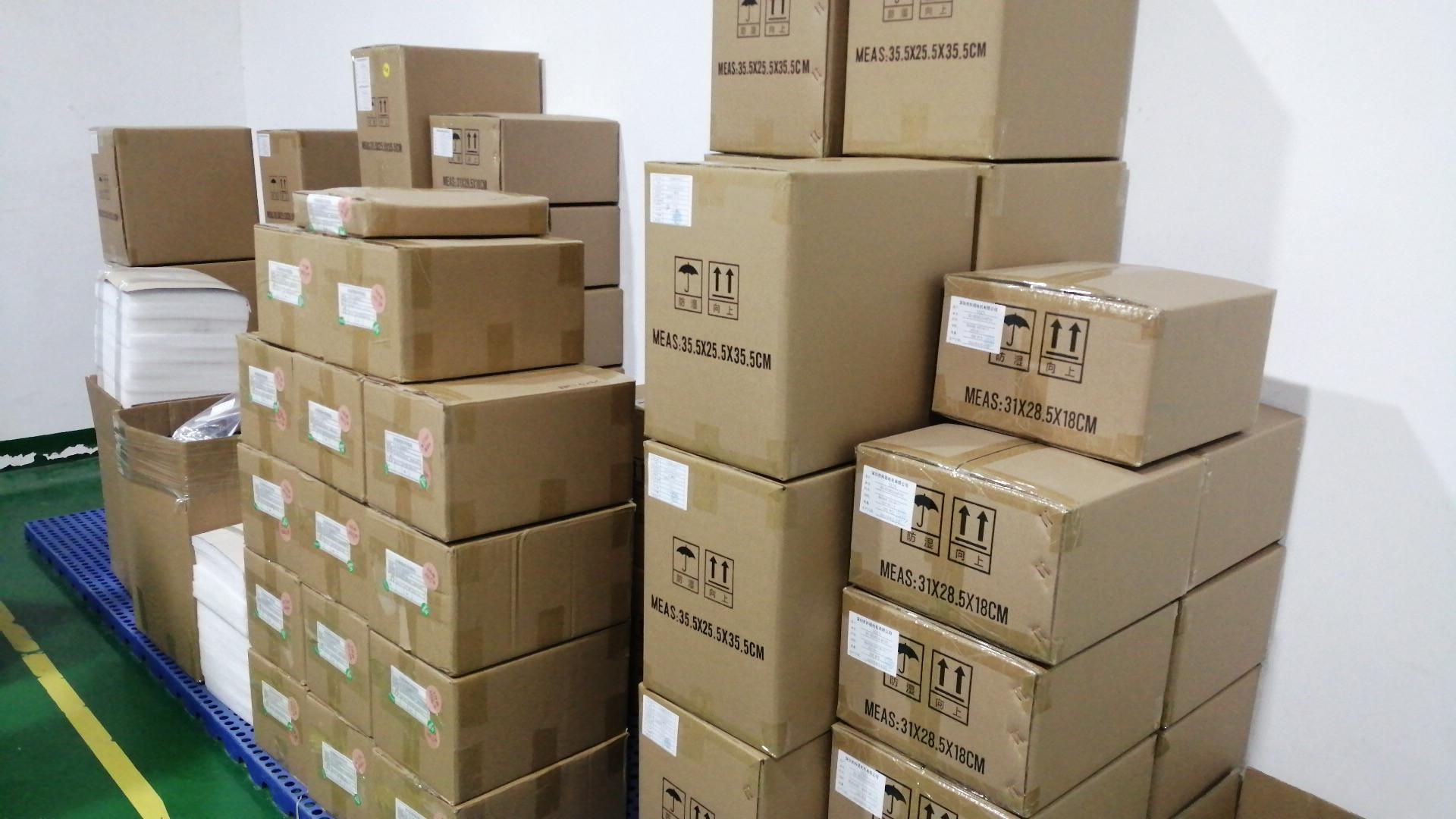
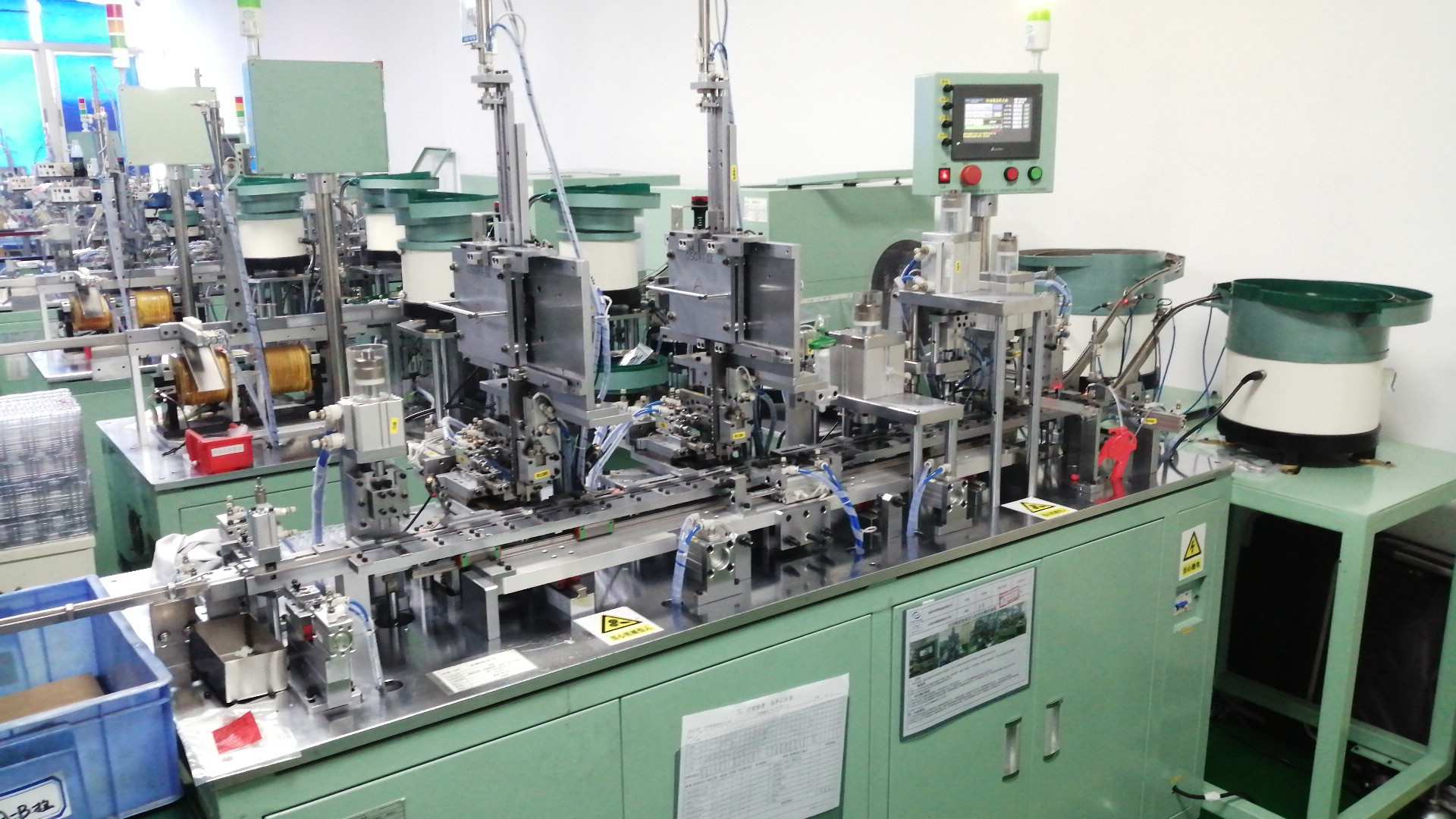
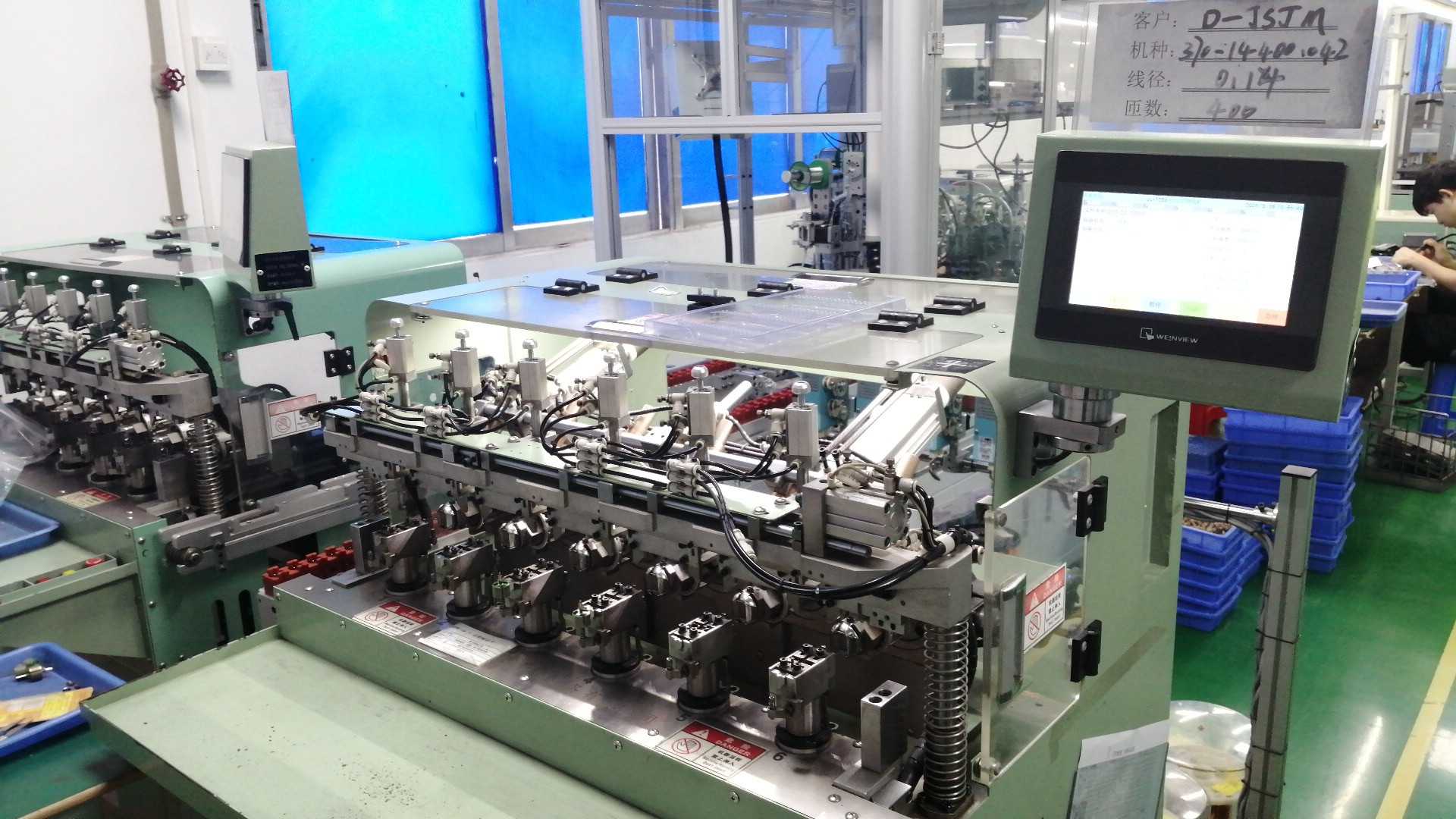
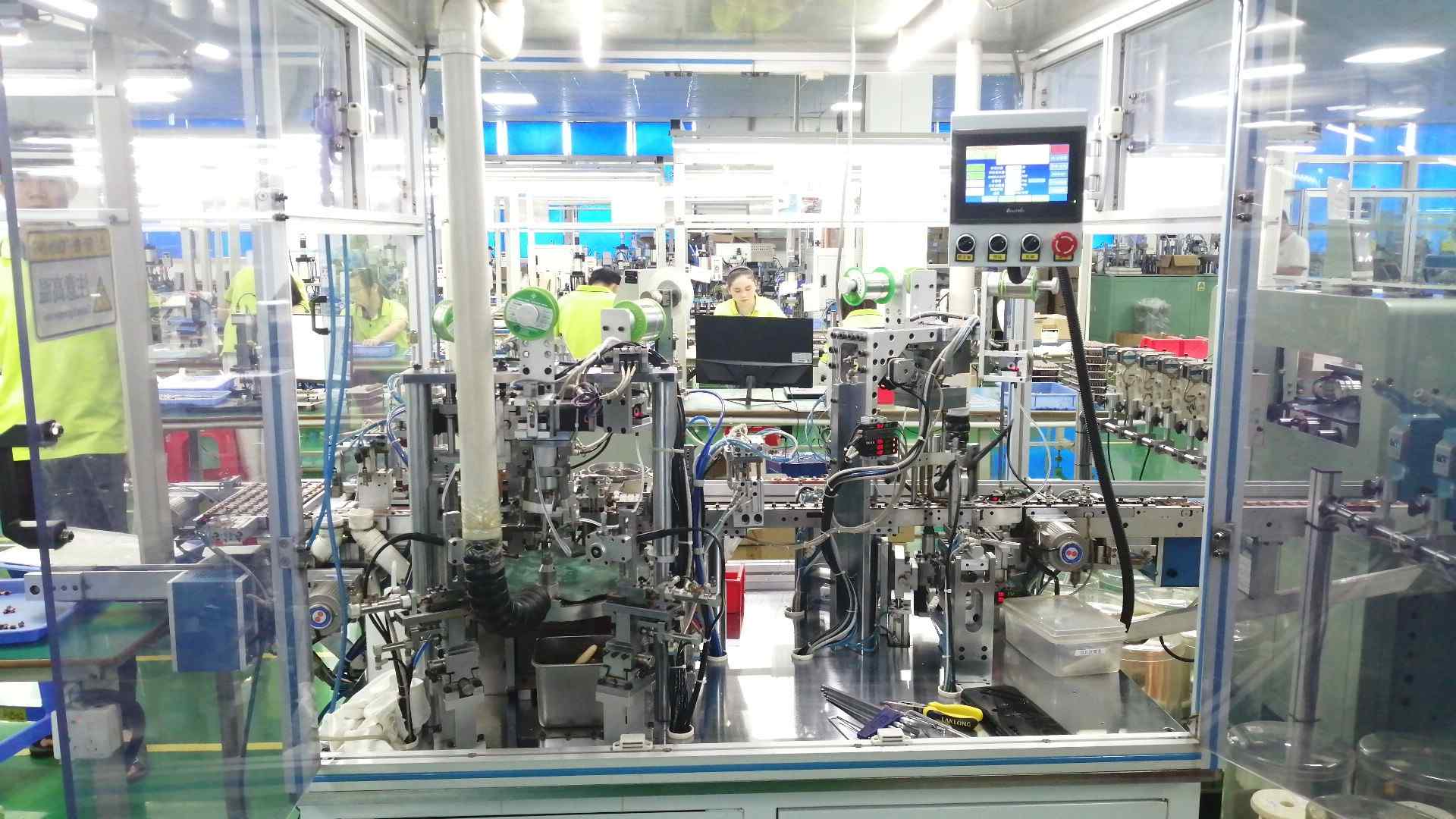
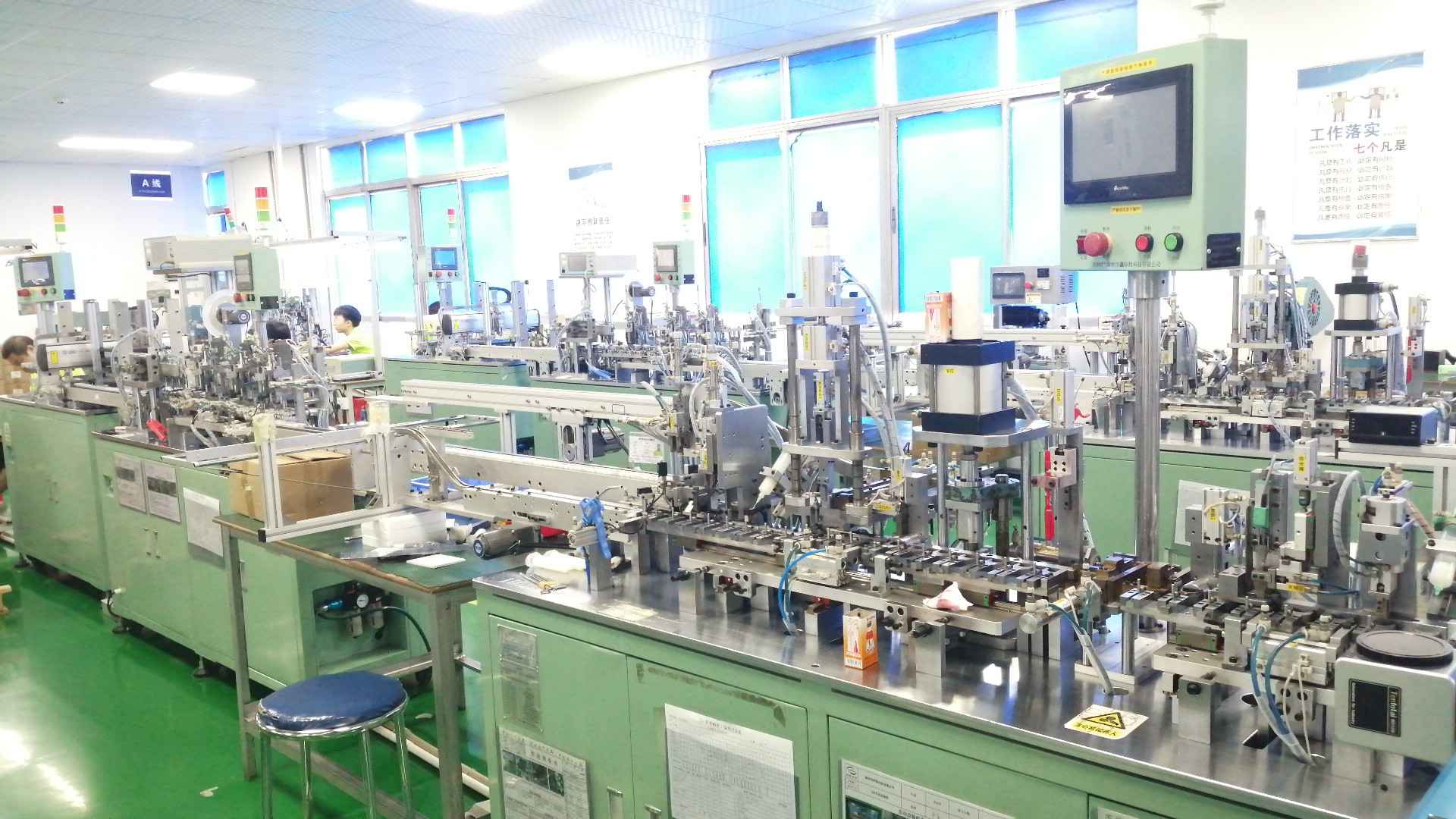
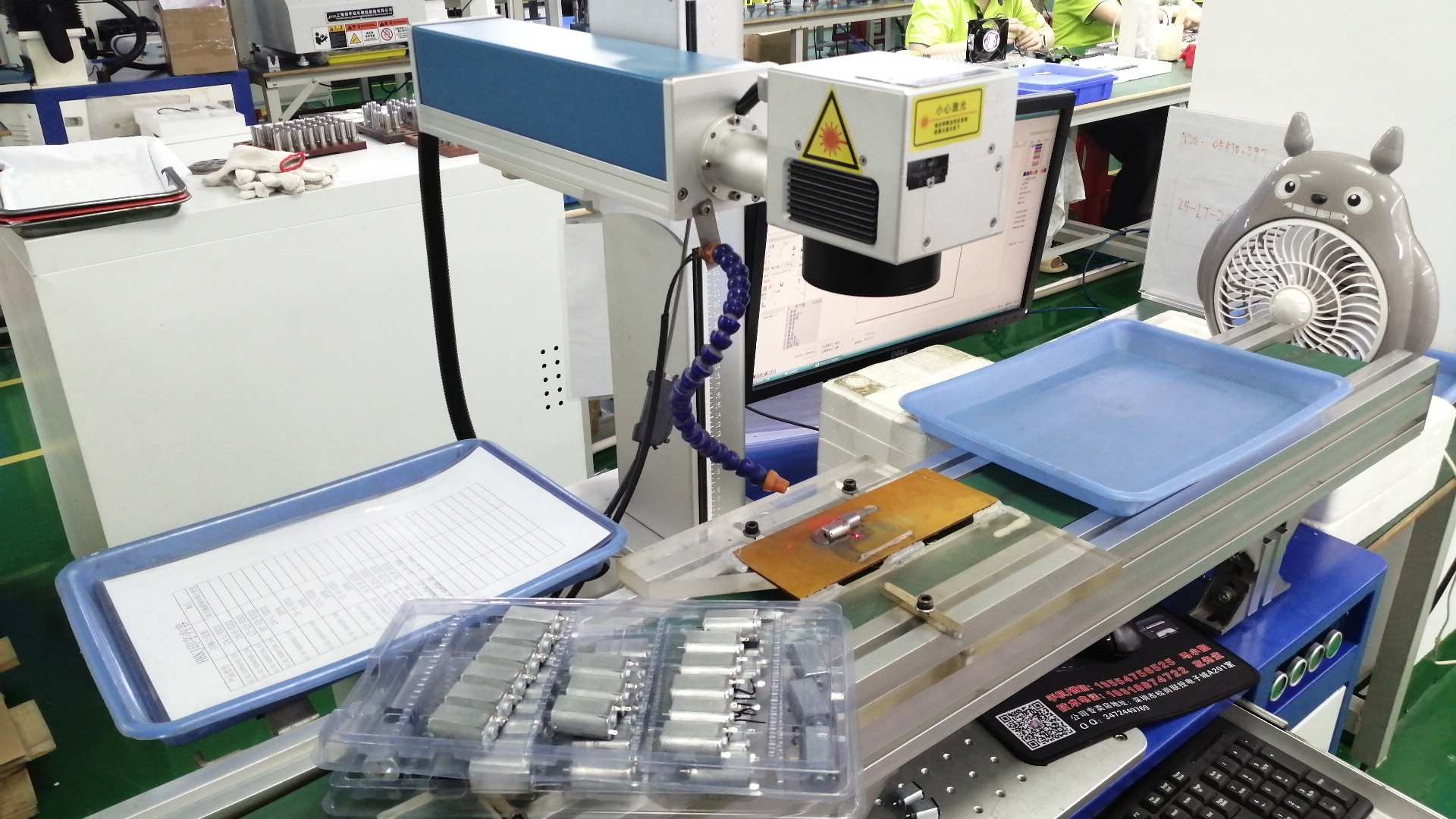
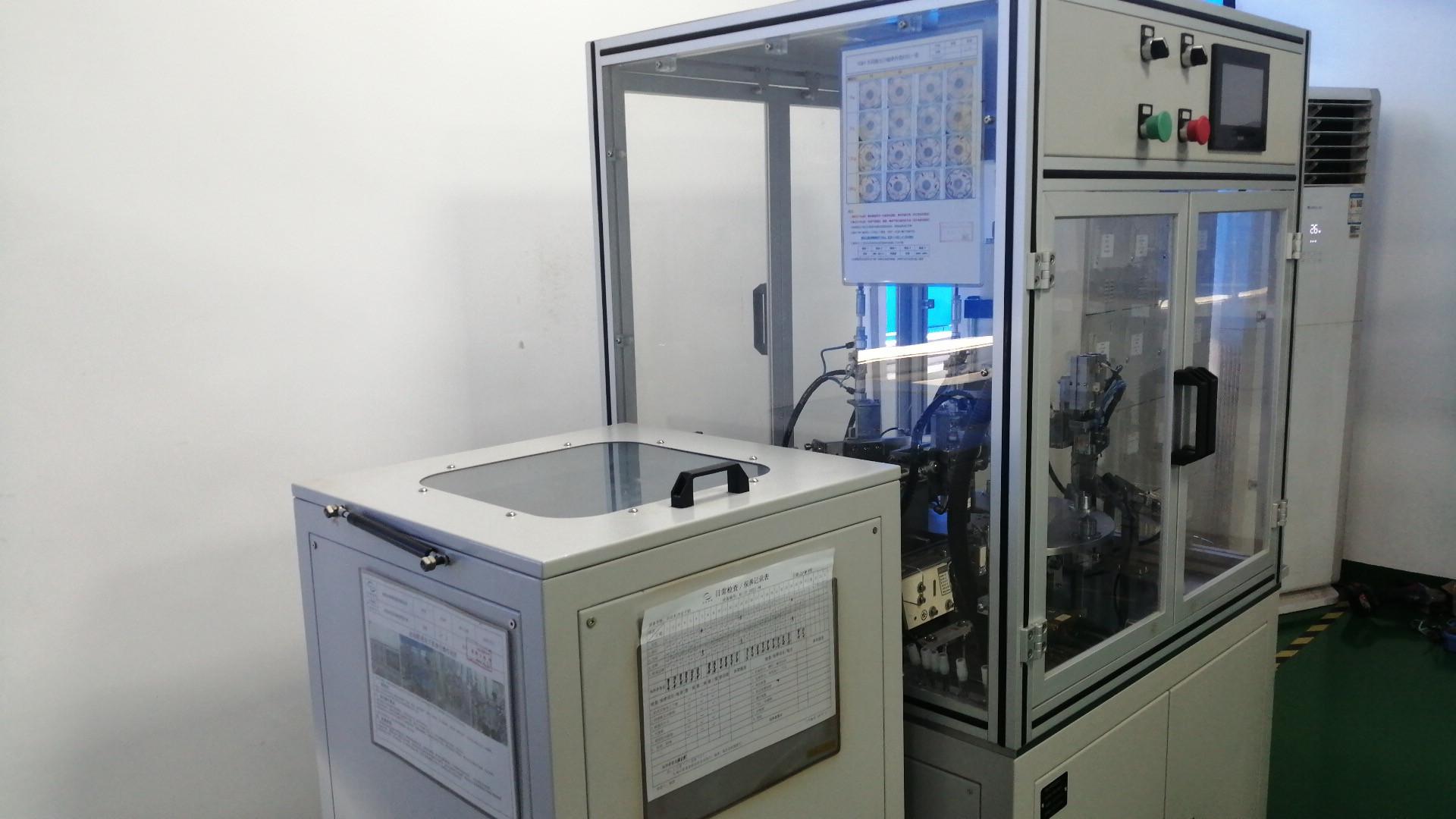
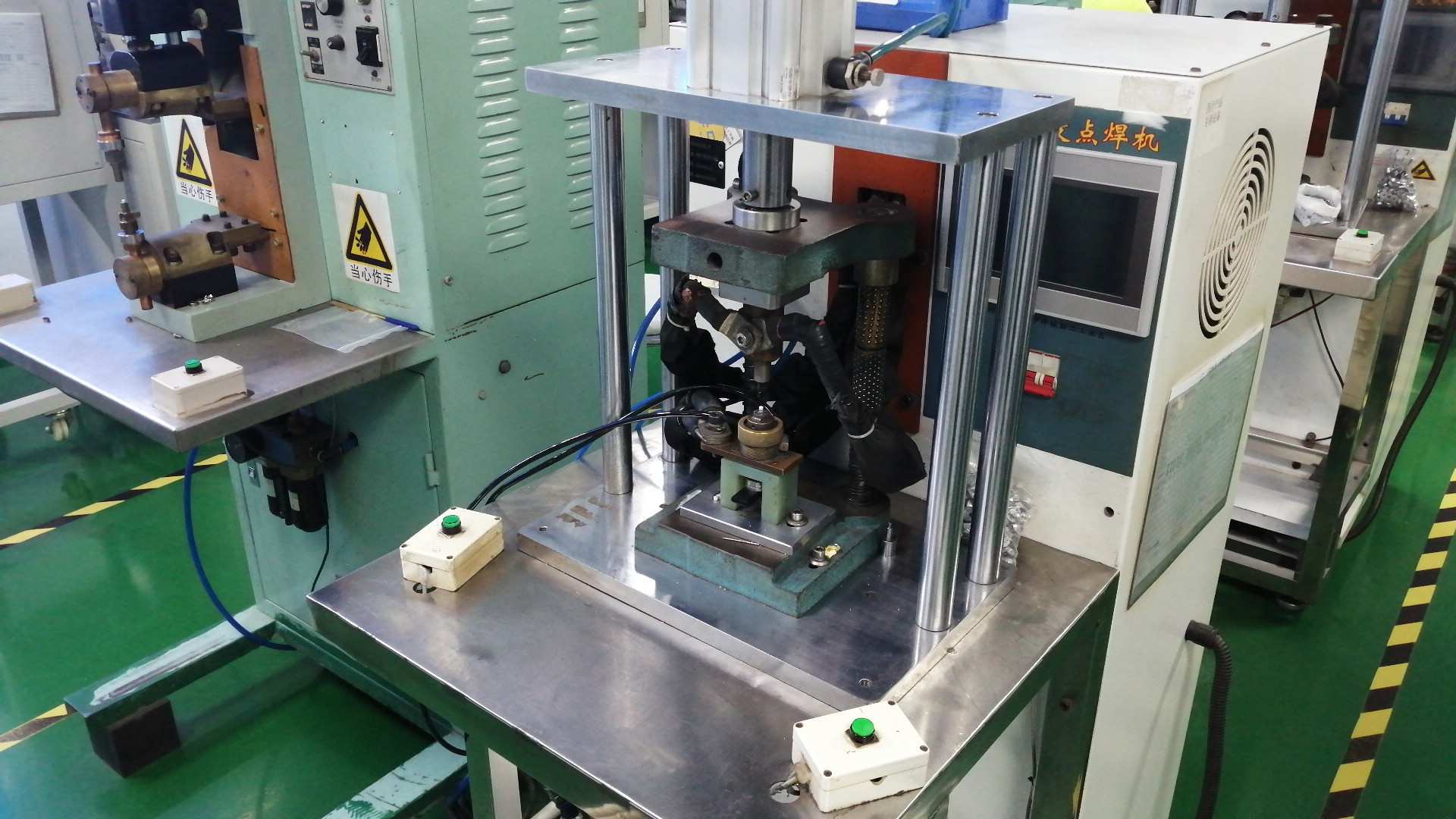
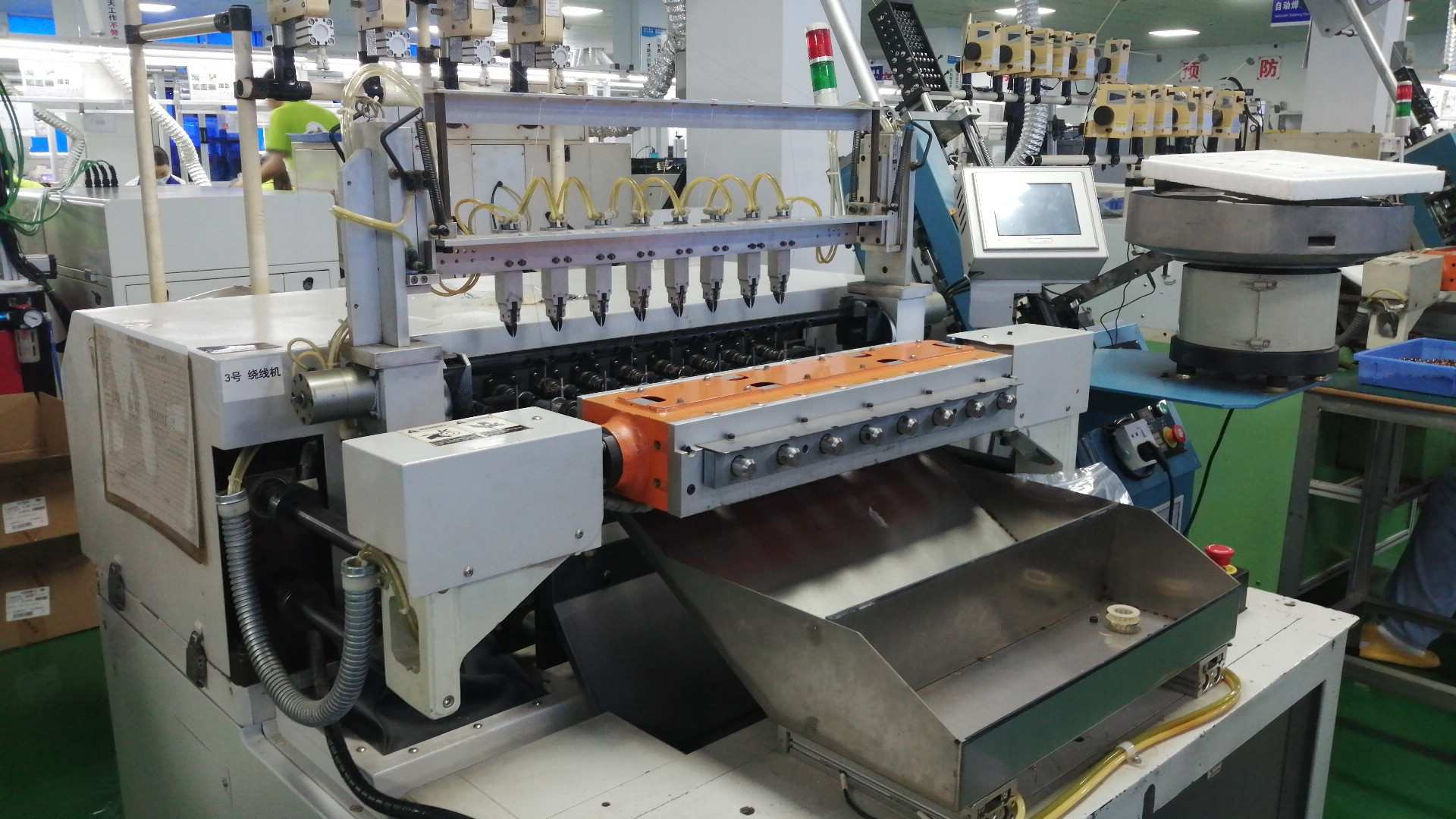
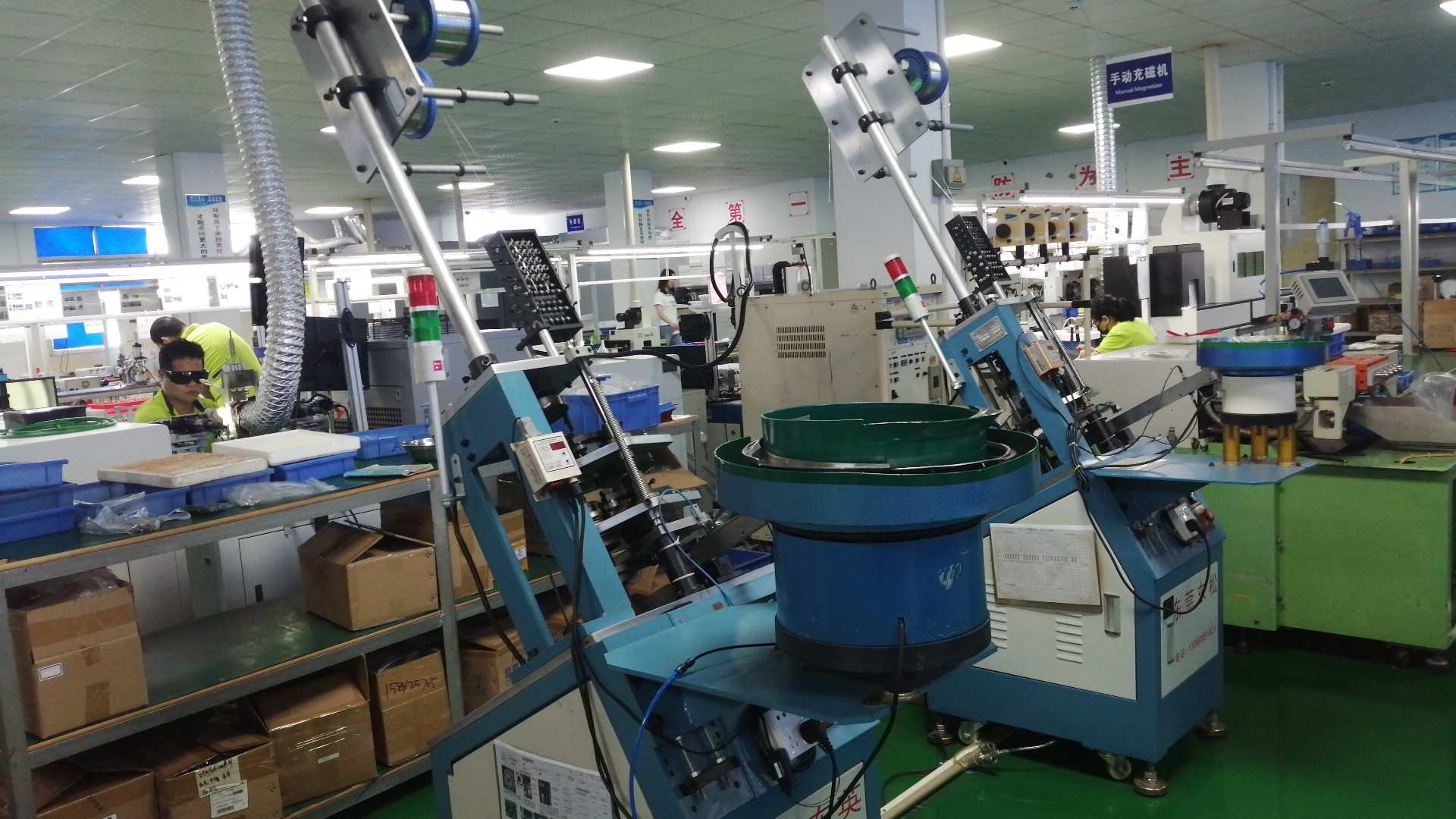
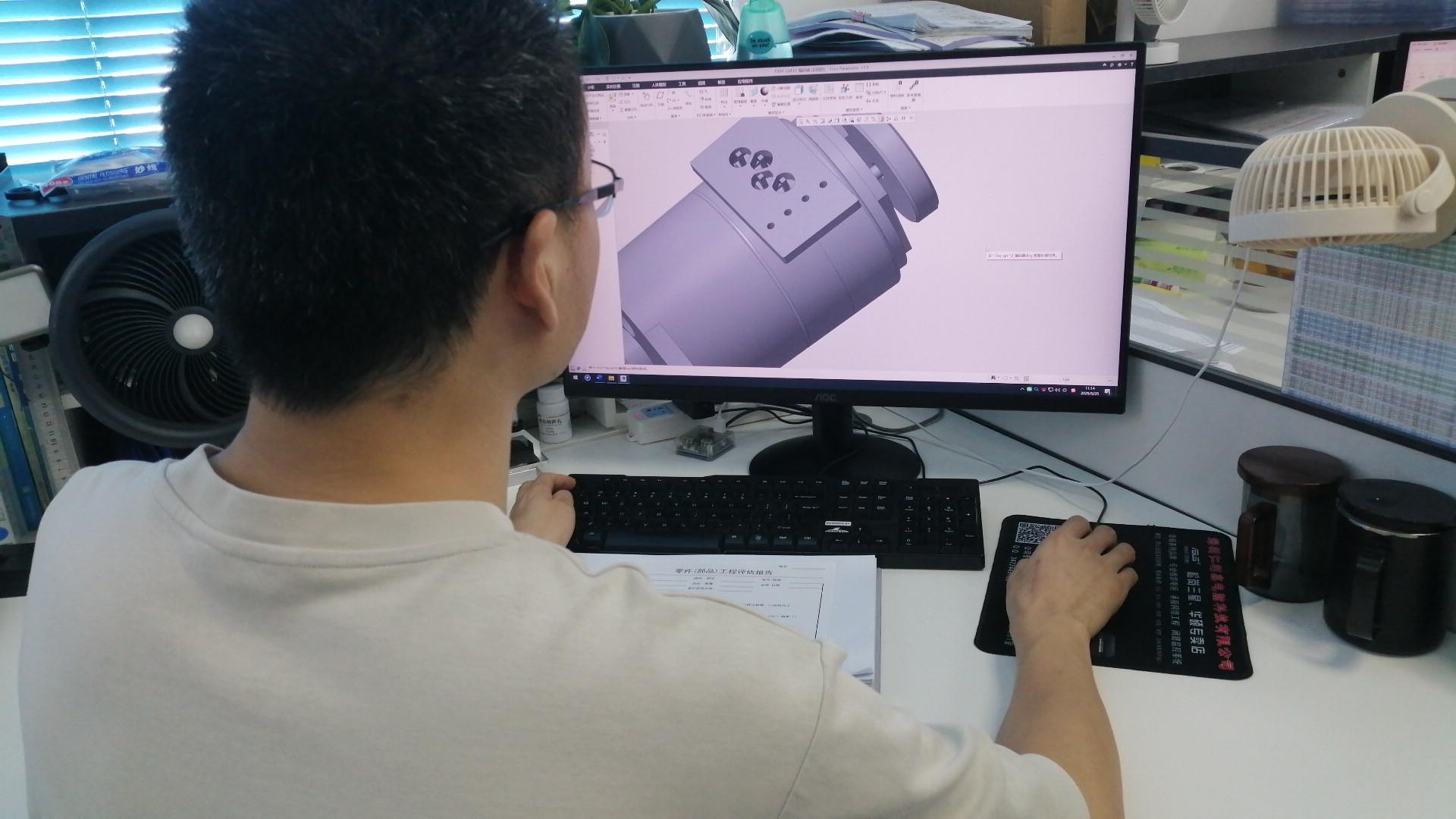
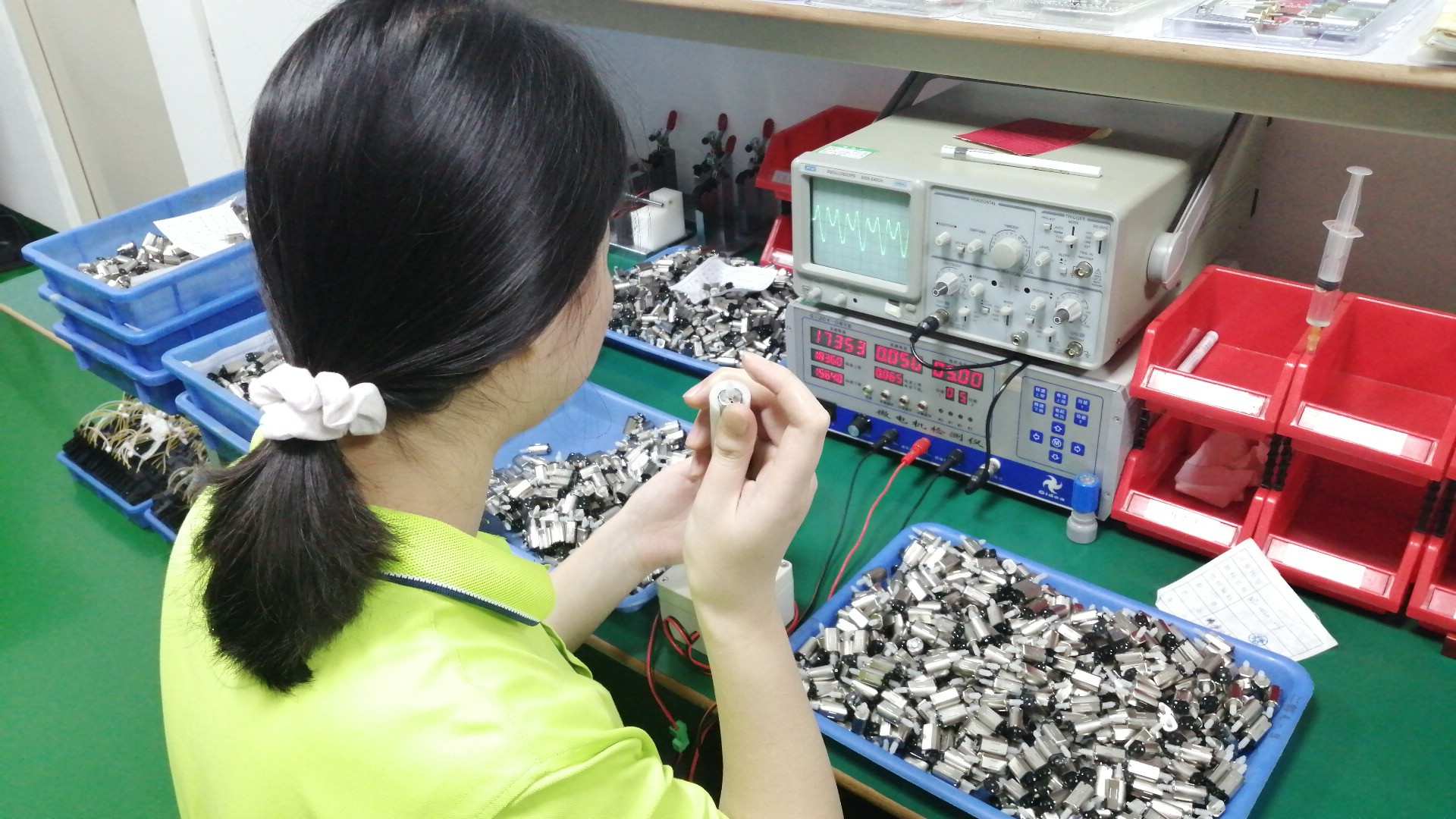
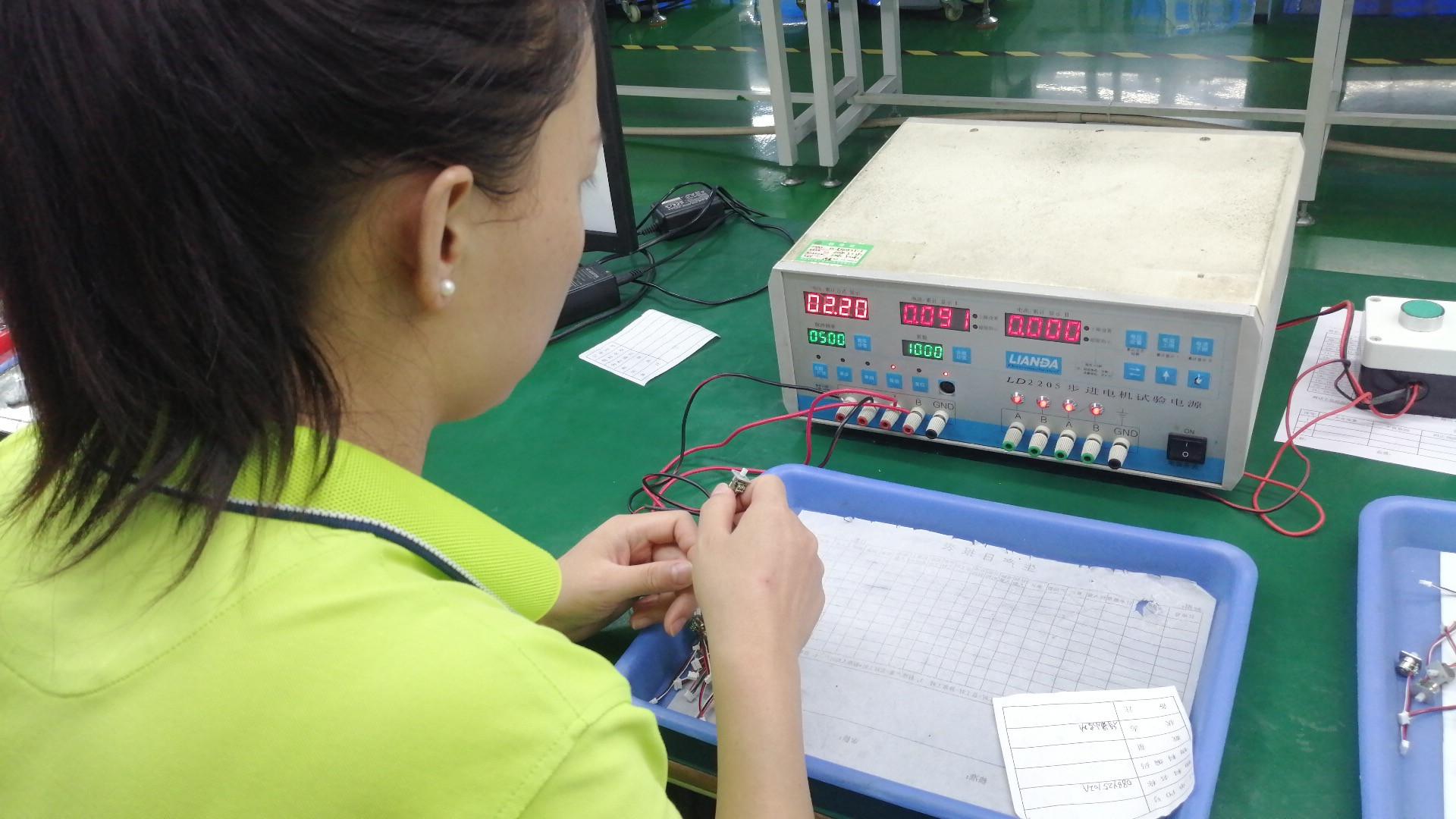
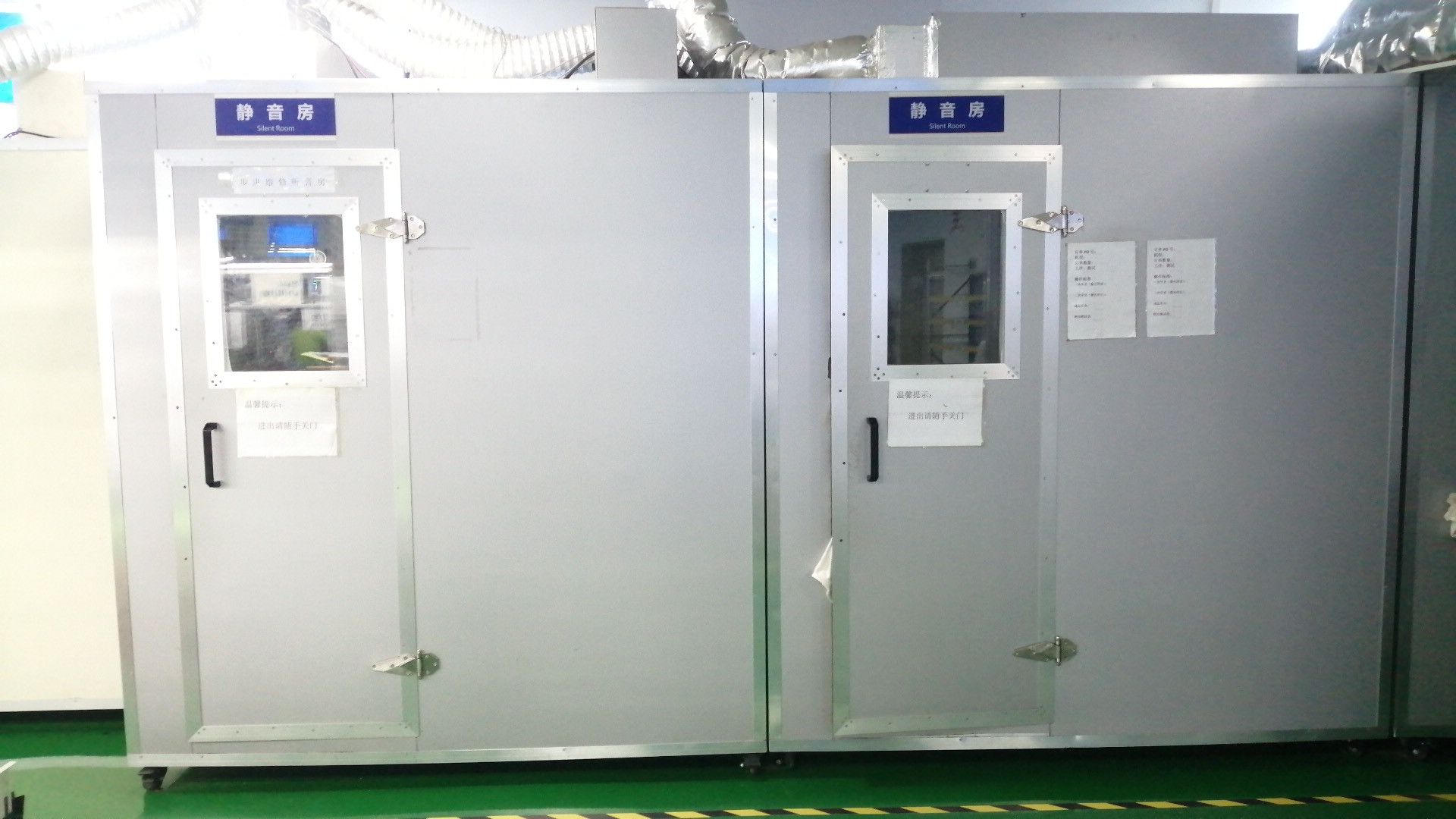
Take a look inside our ISO-certified facilities and clean assembly areas, where advanced machinery and strict quality control come together.
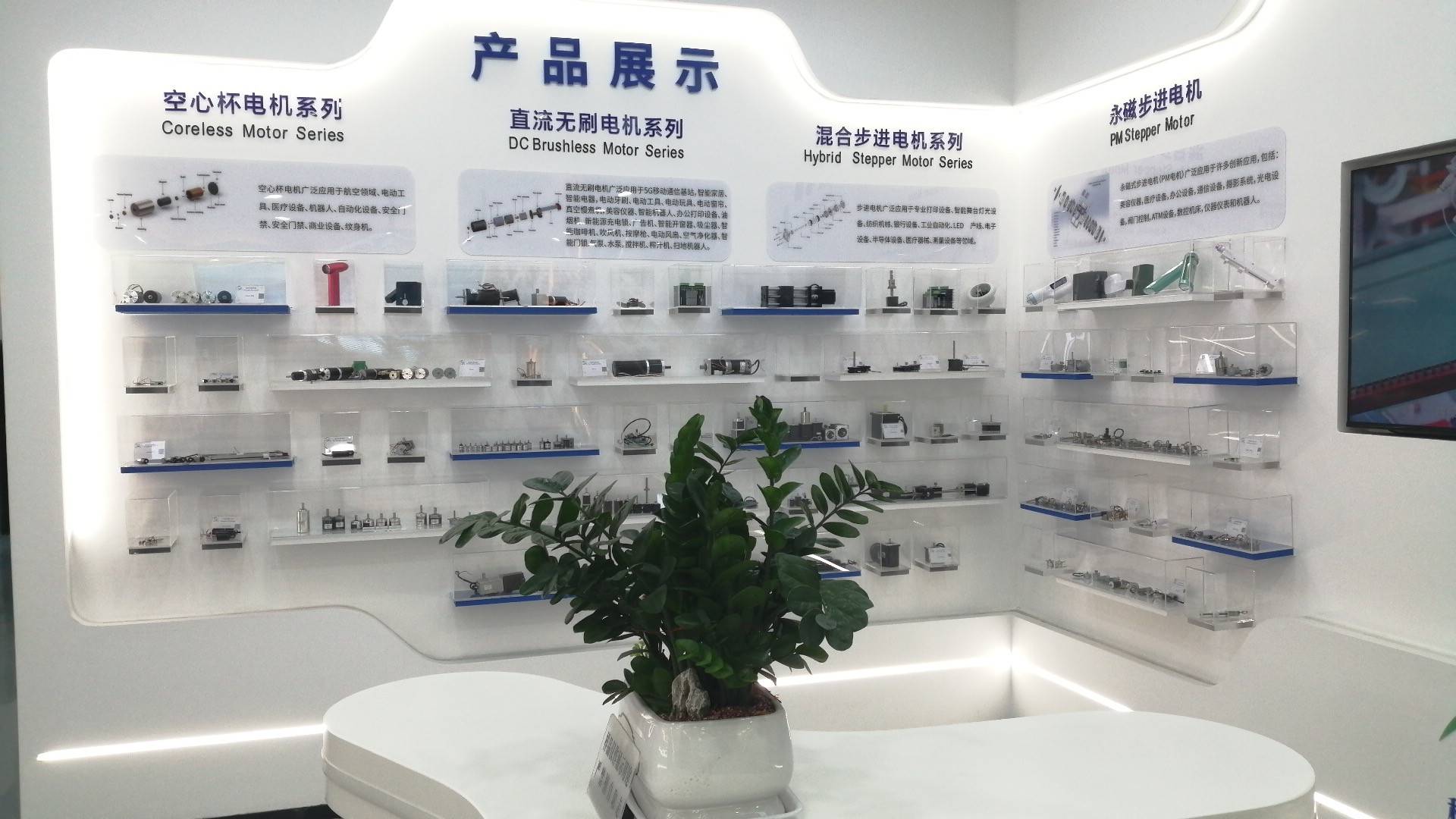

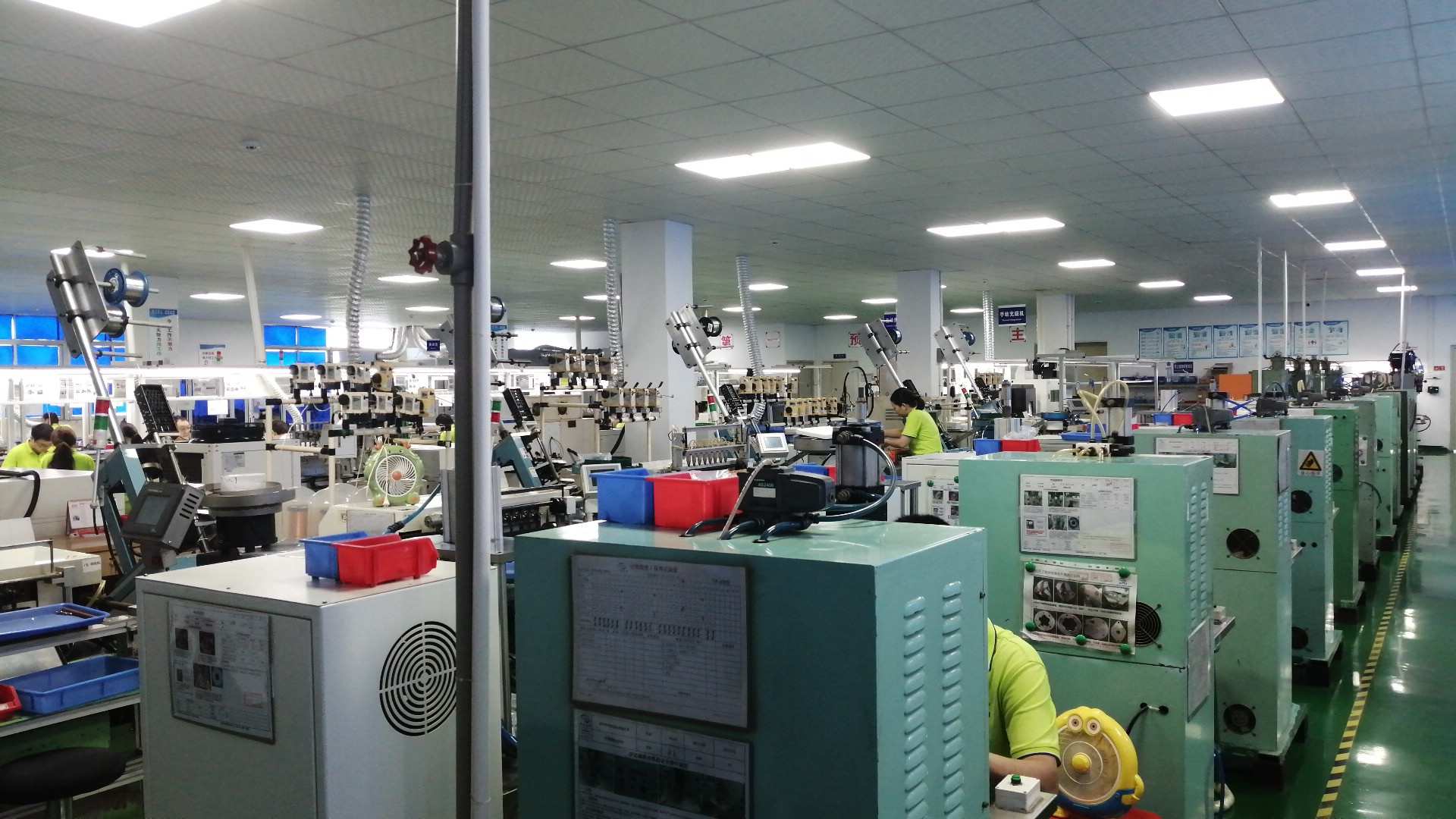
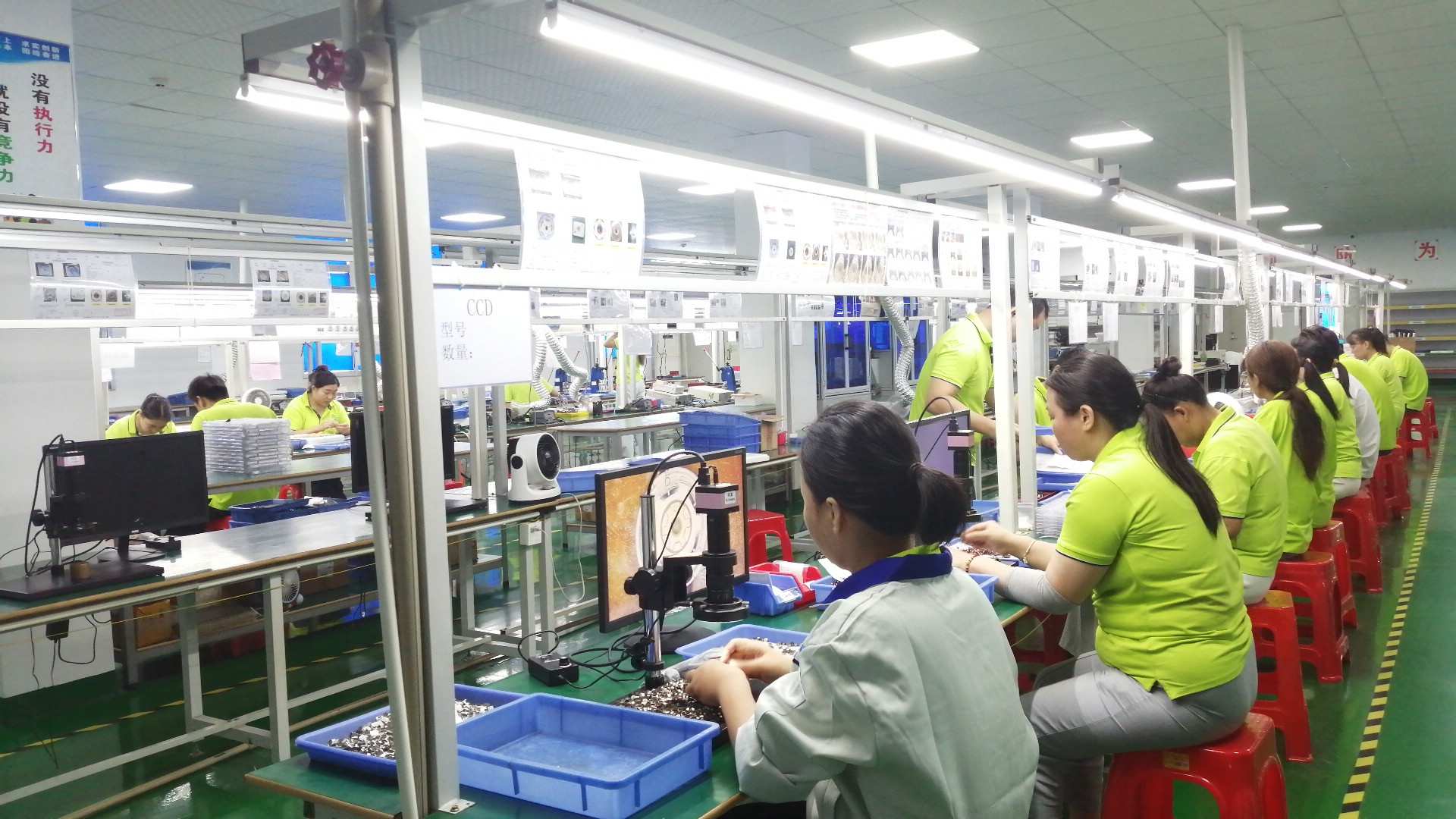
From raw coils to dynamic testing—step-by-step documentation of quality manufacturing standards.
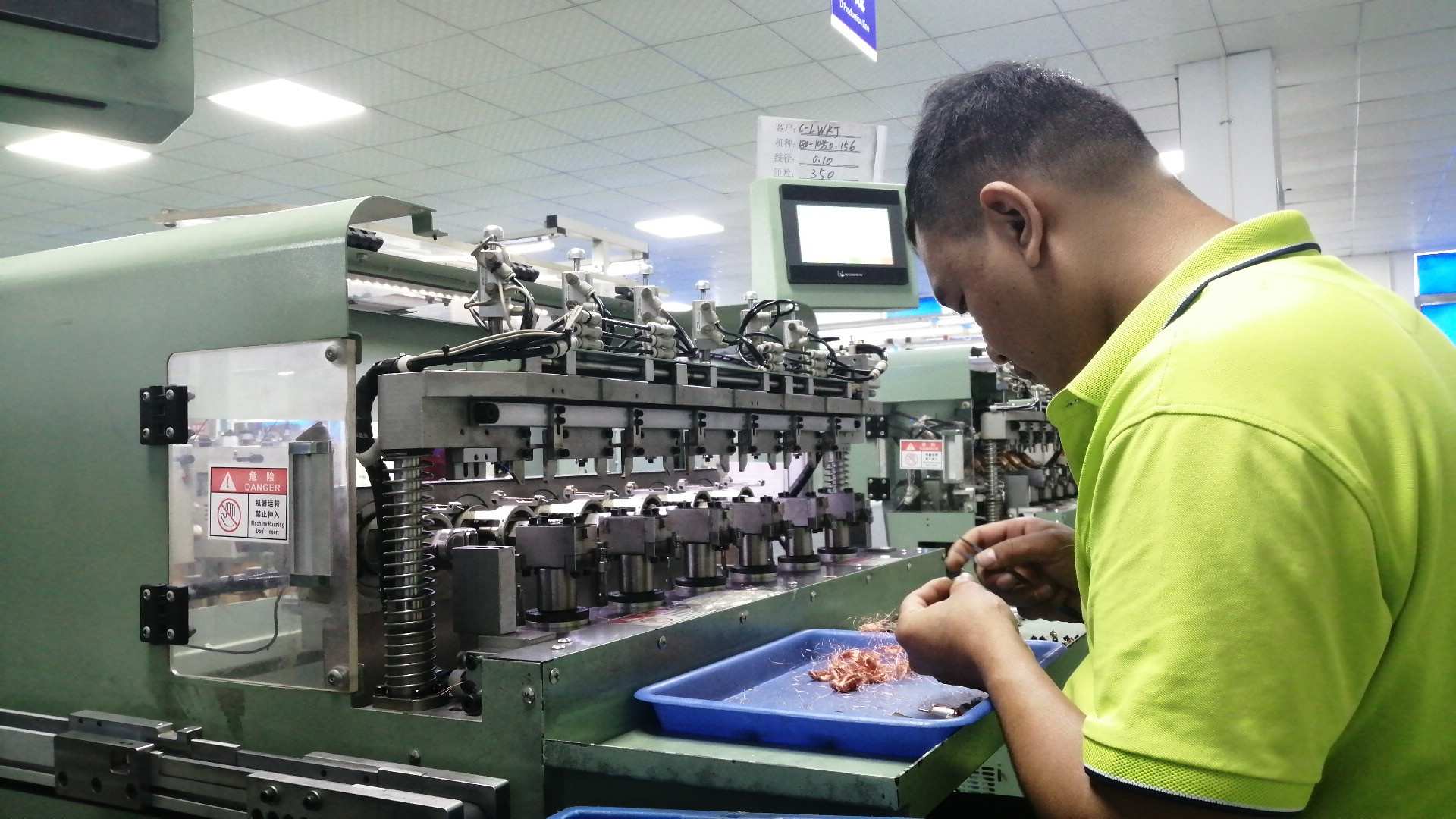
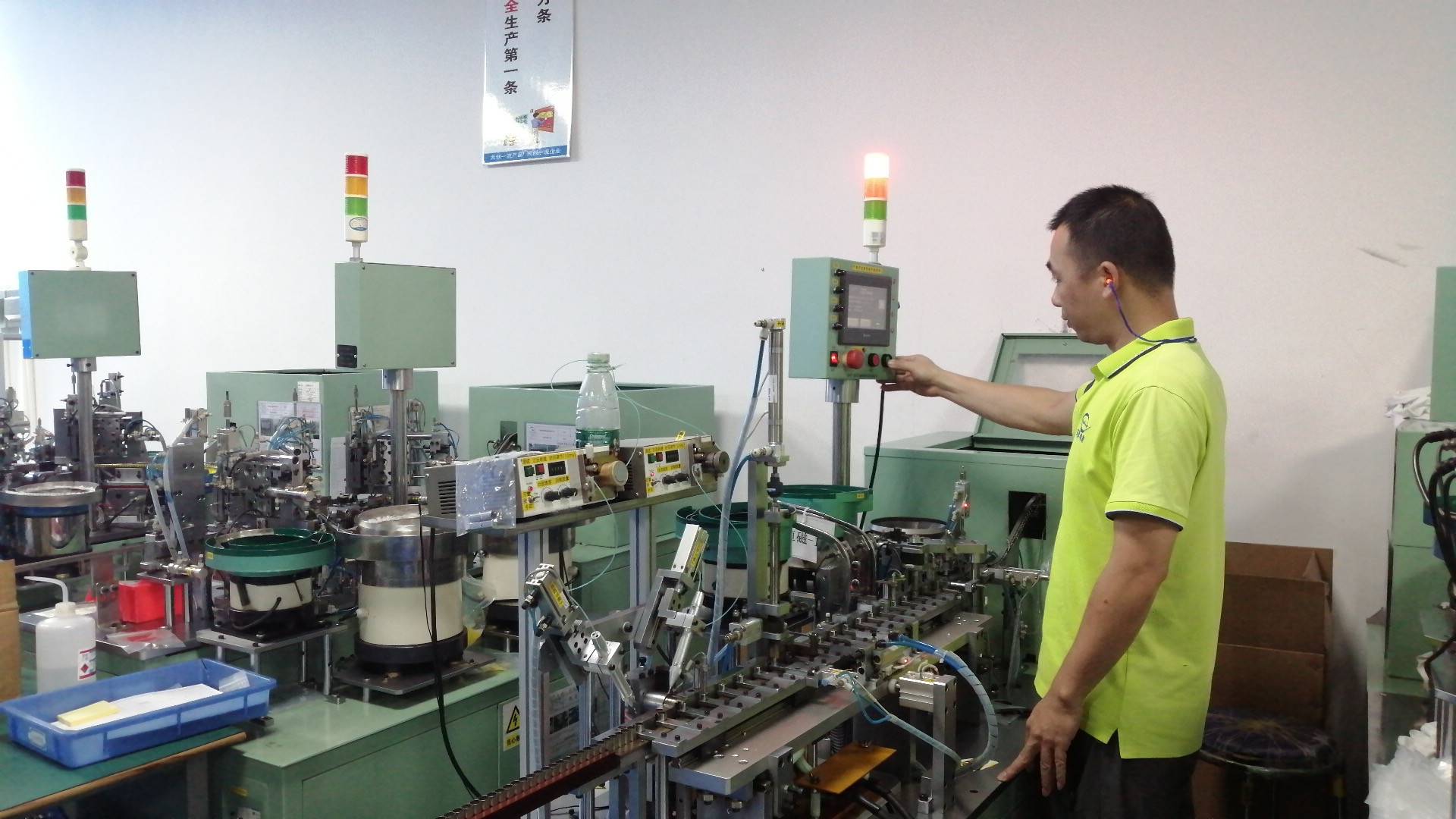
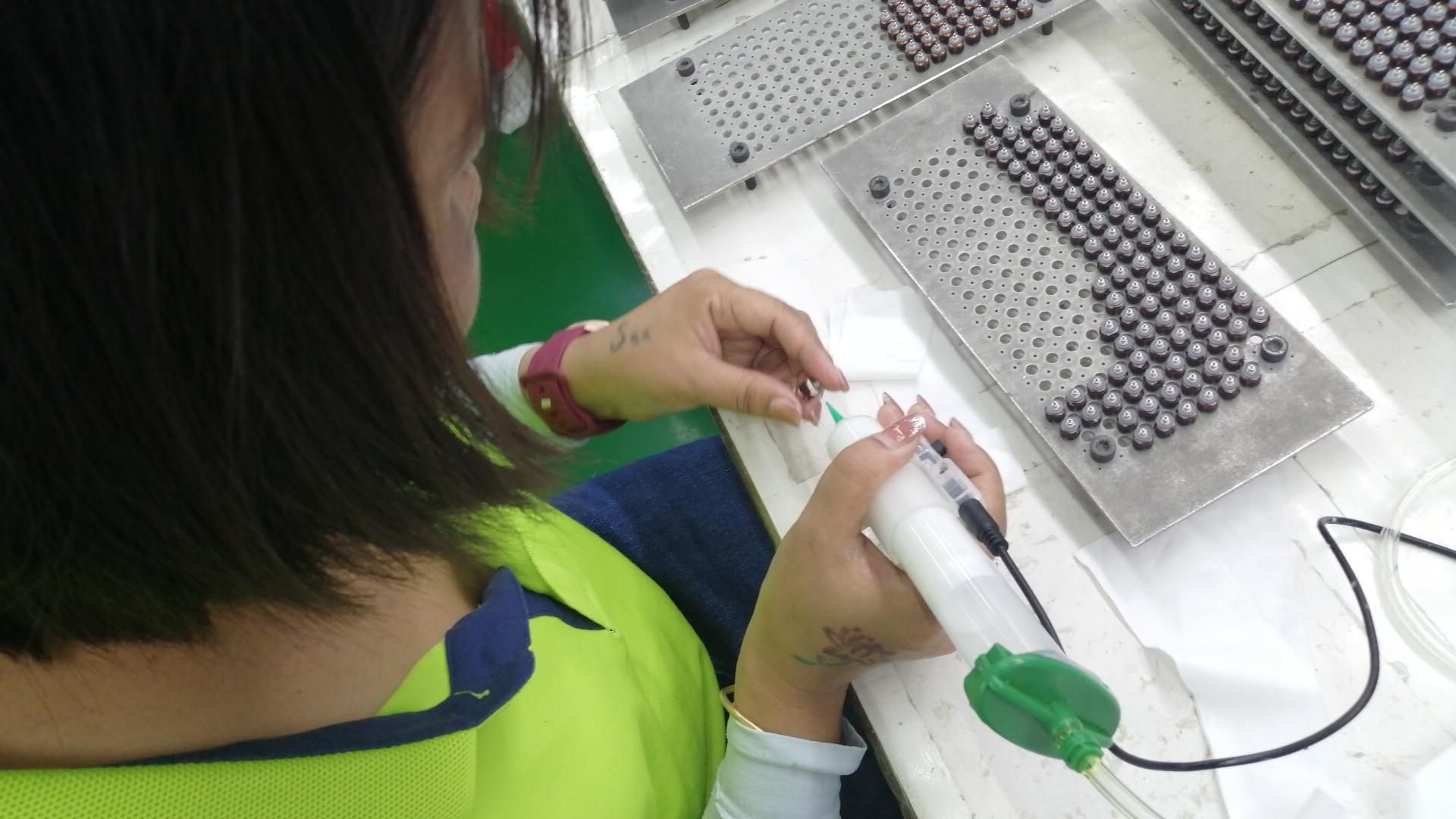
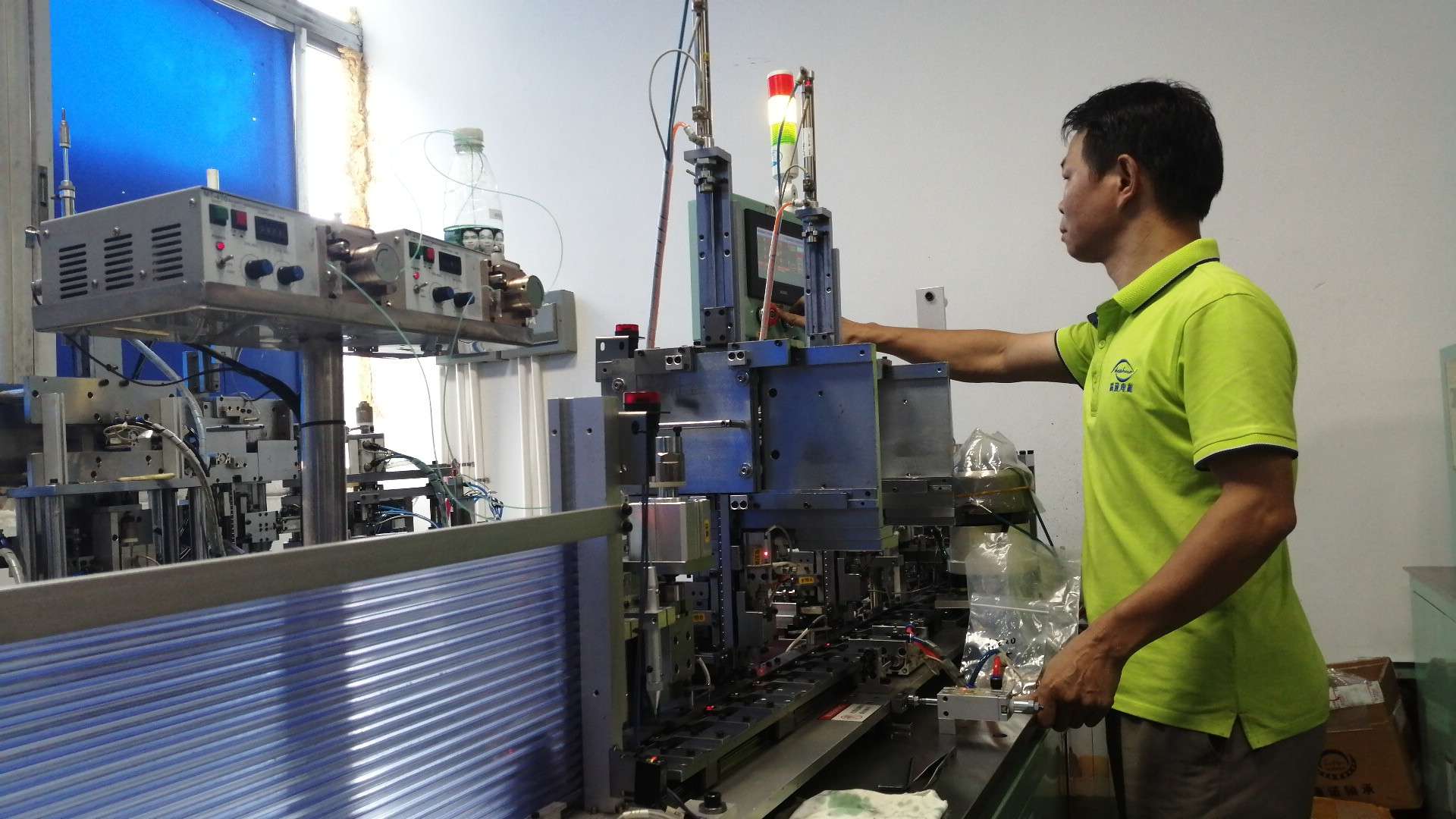
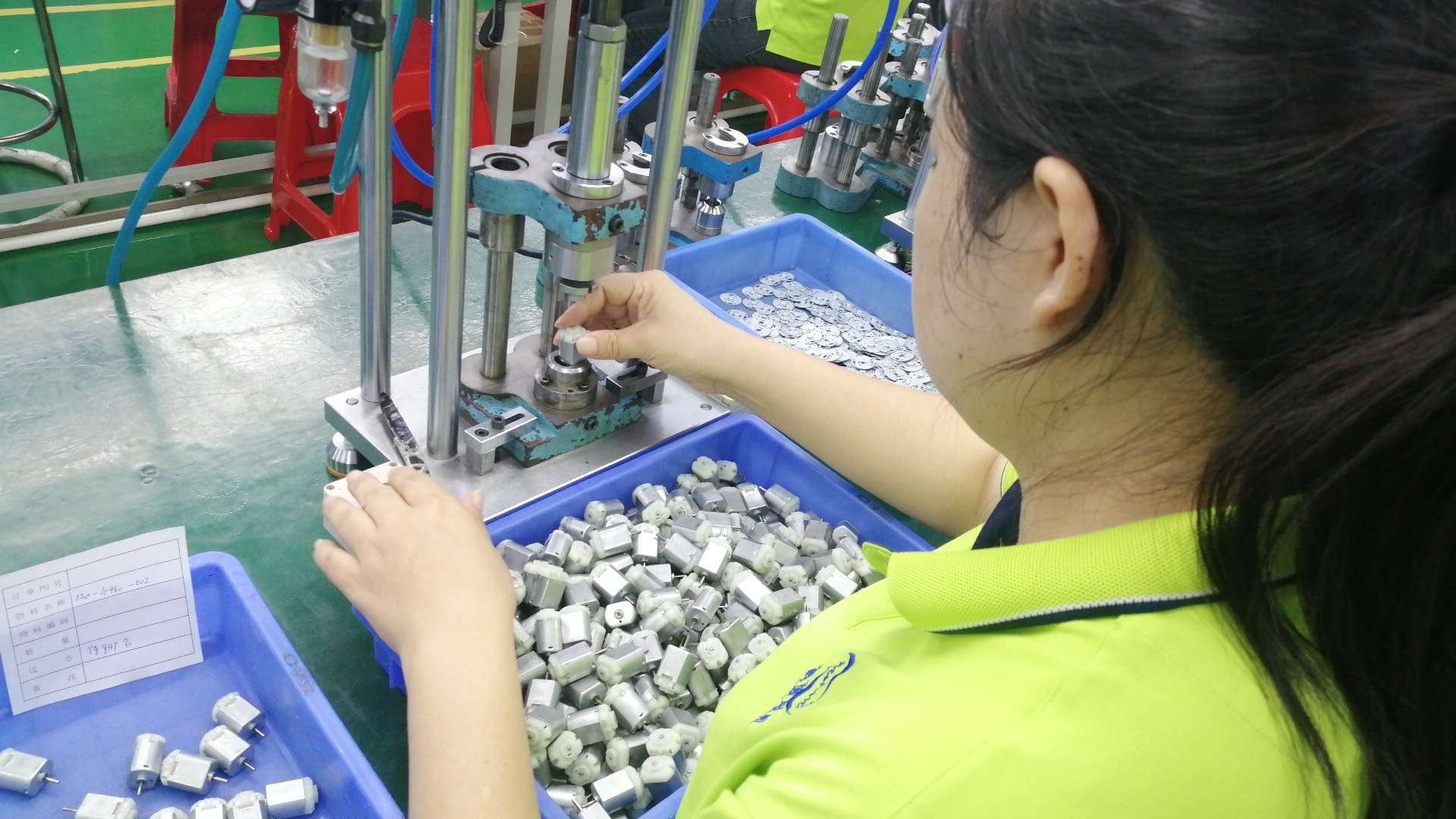
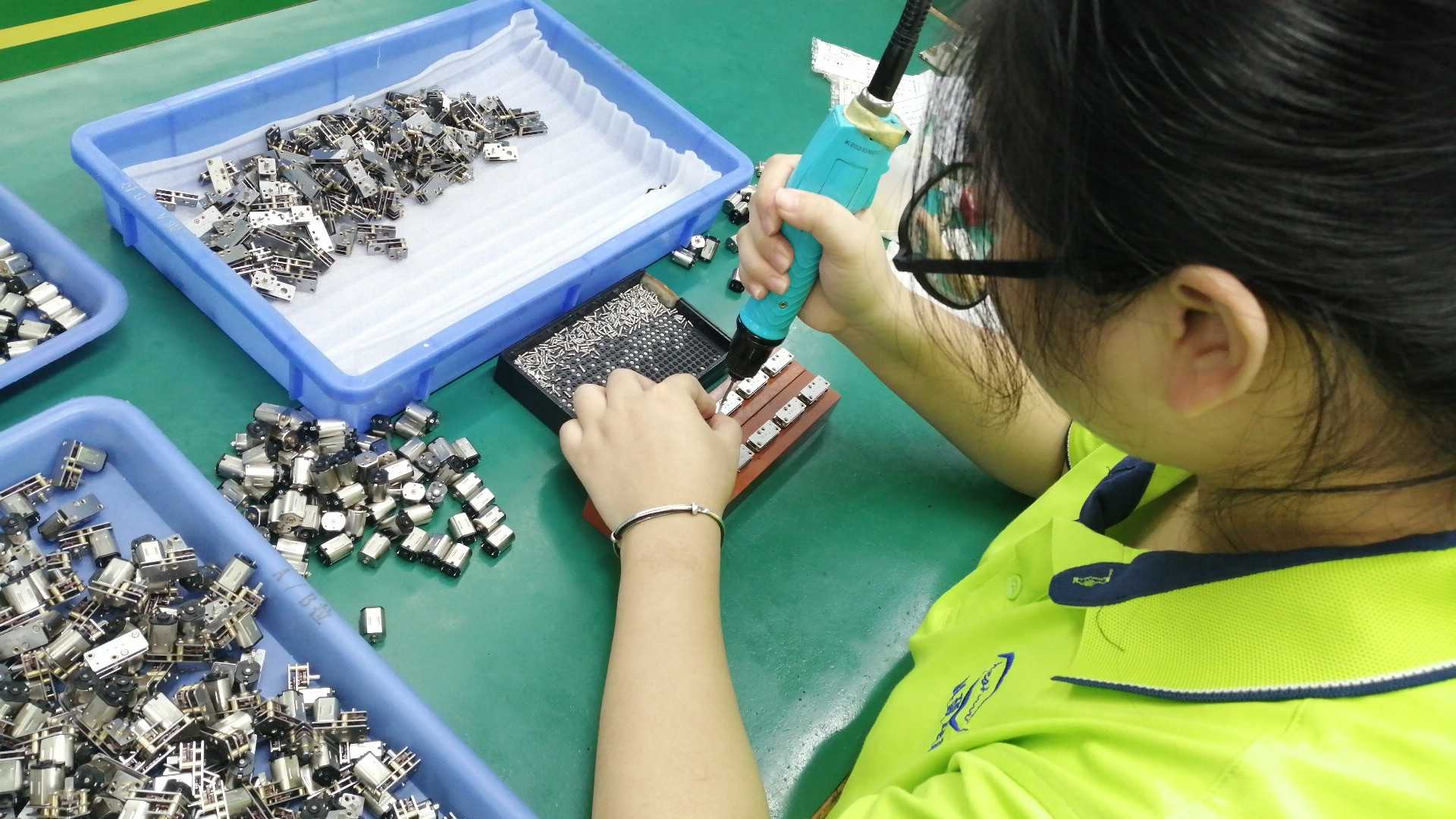
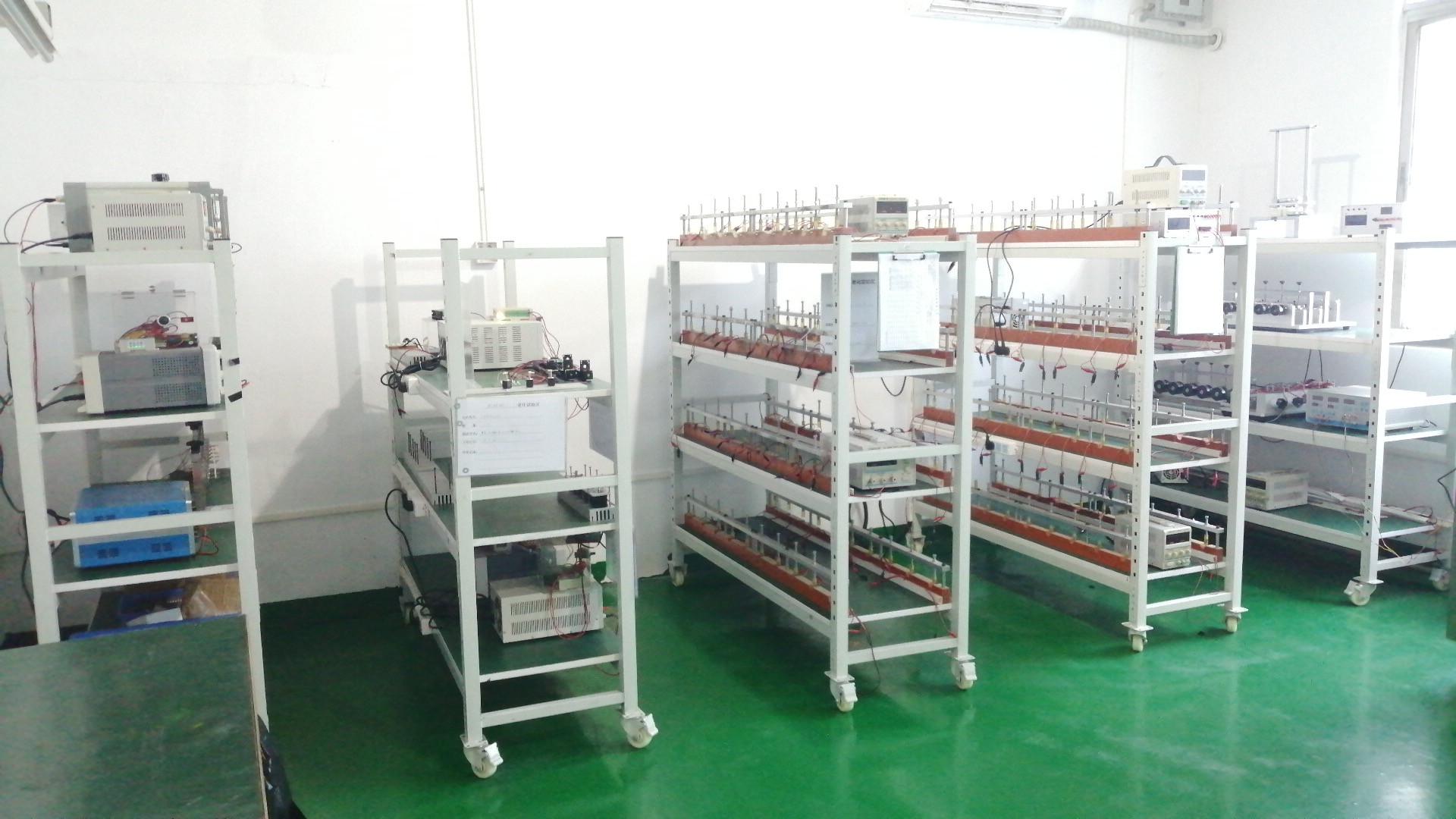
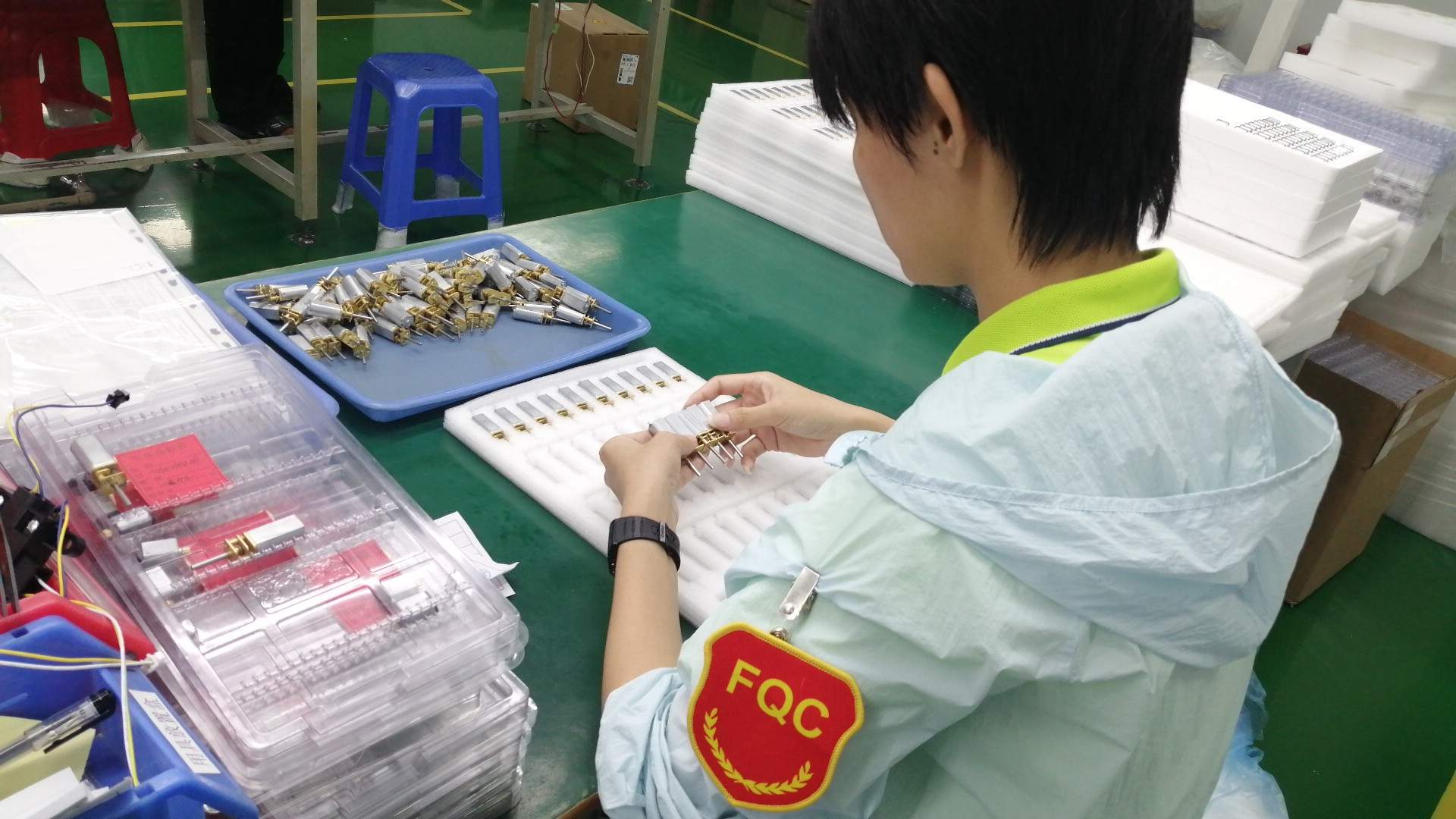
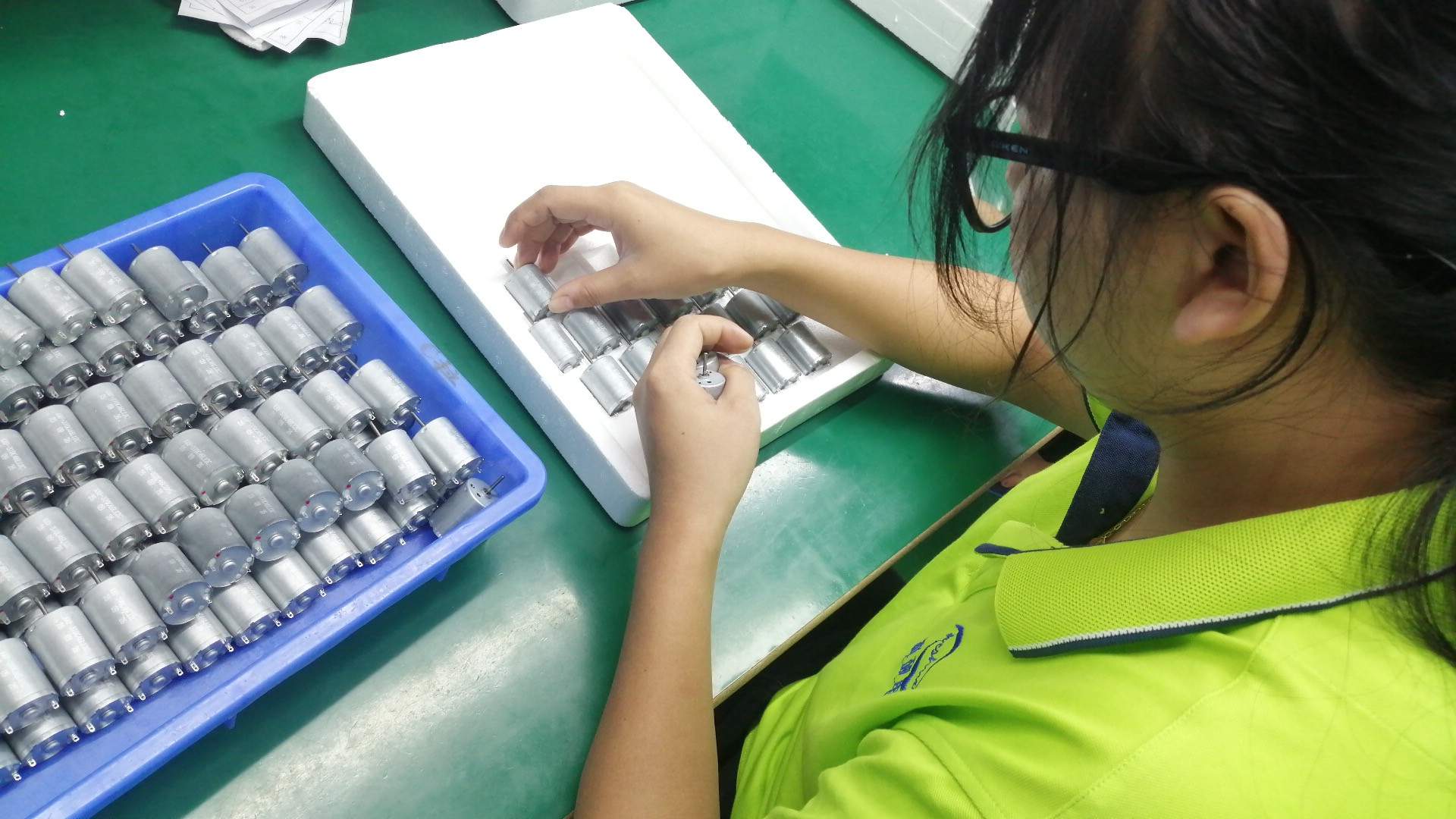
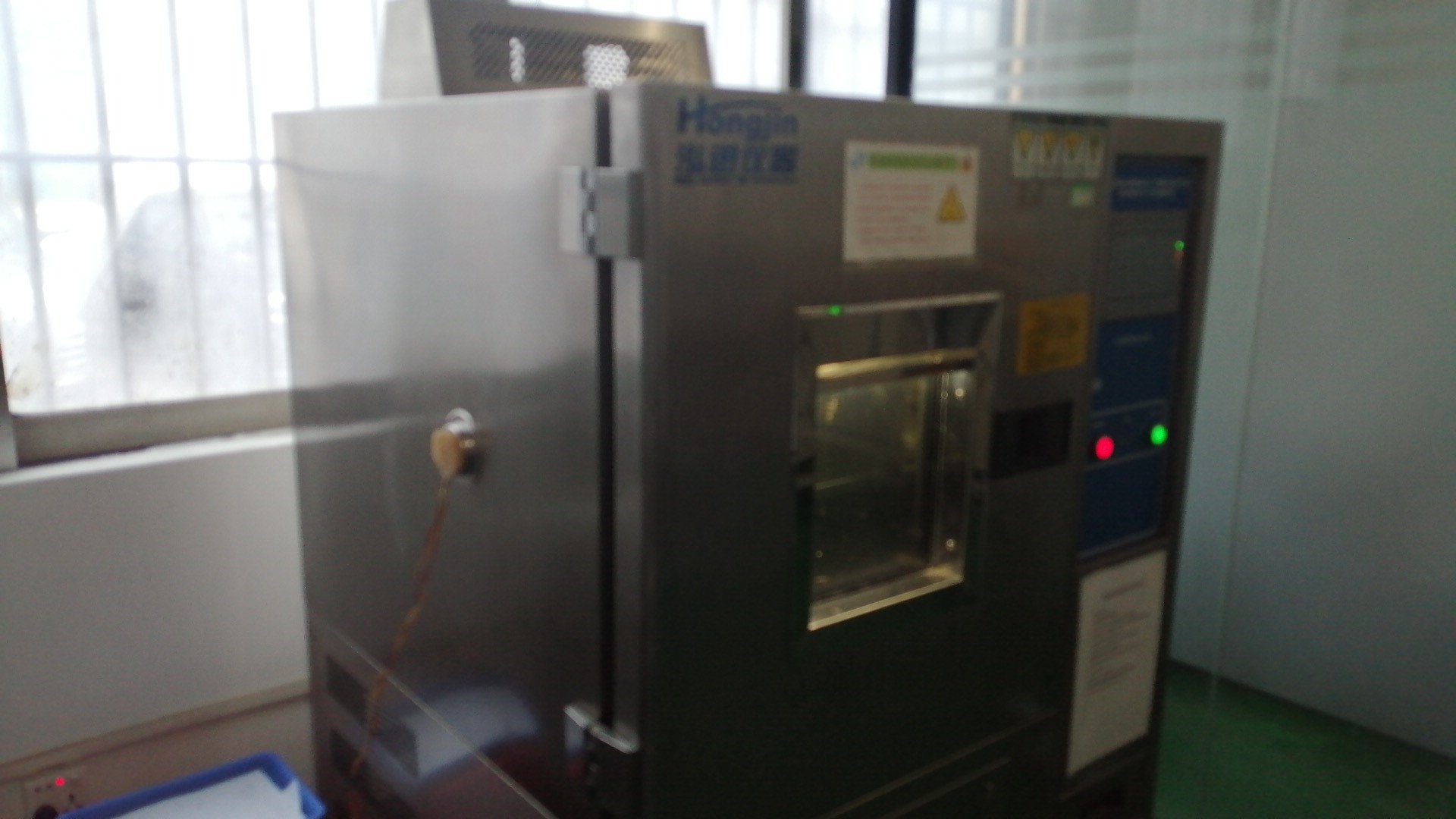
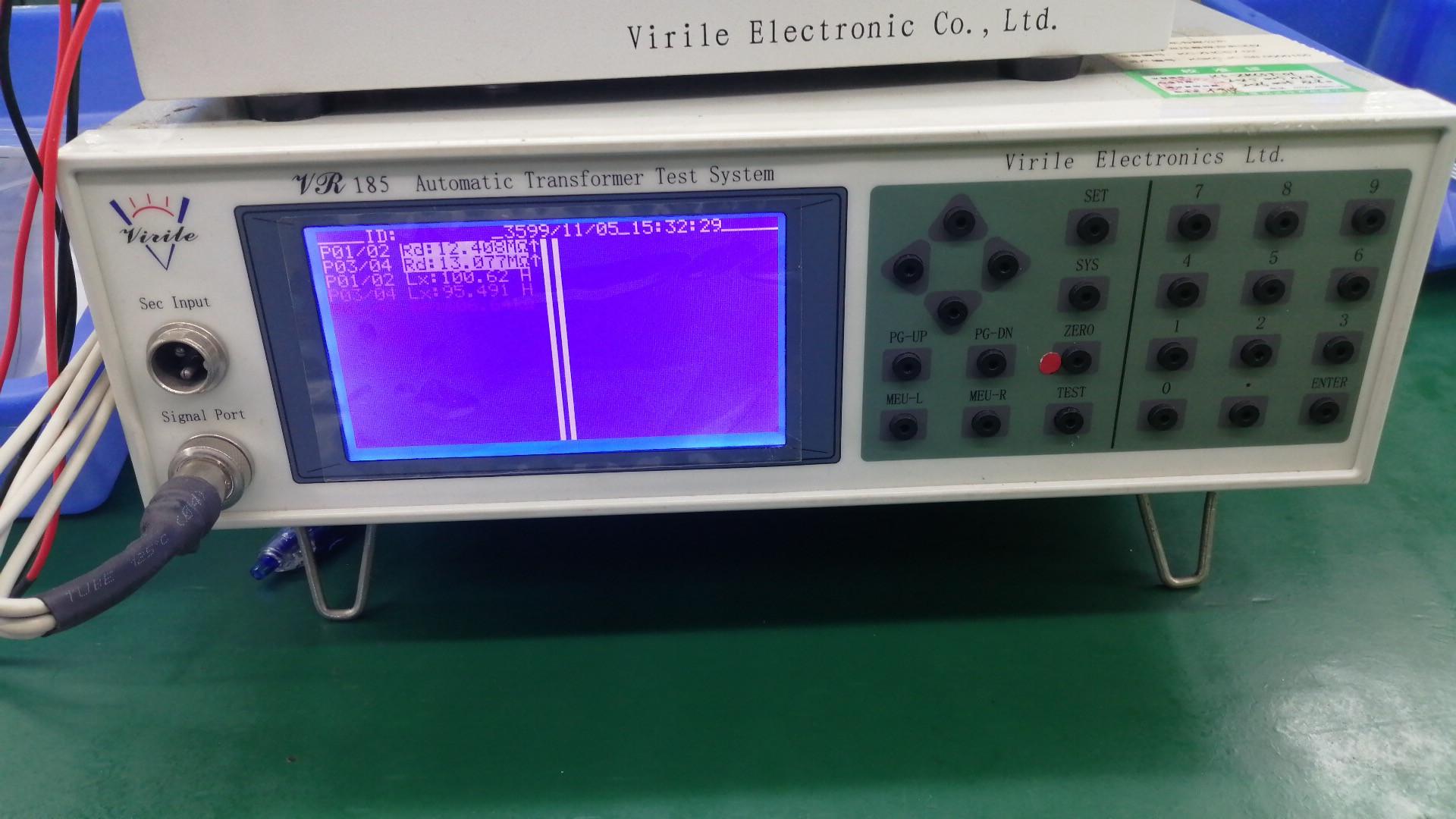
An overview of our production machinery and laboratory testing instruments.
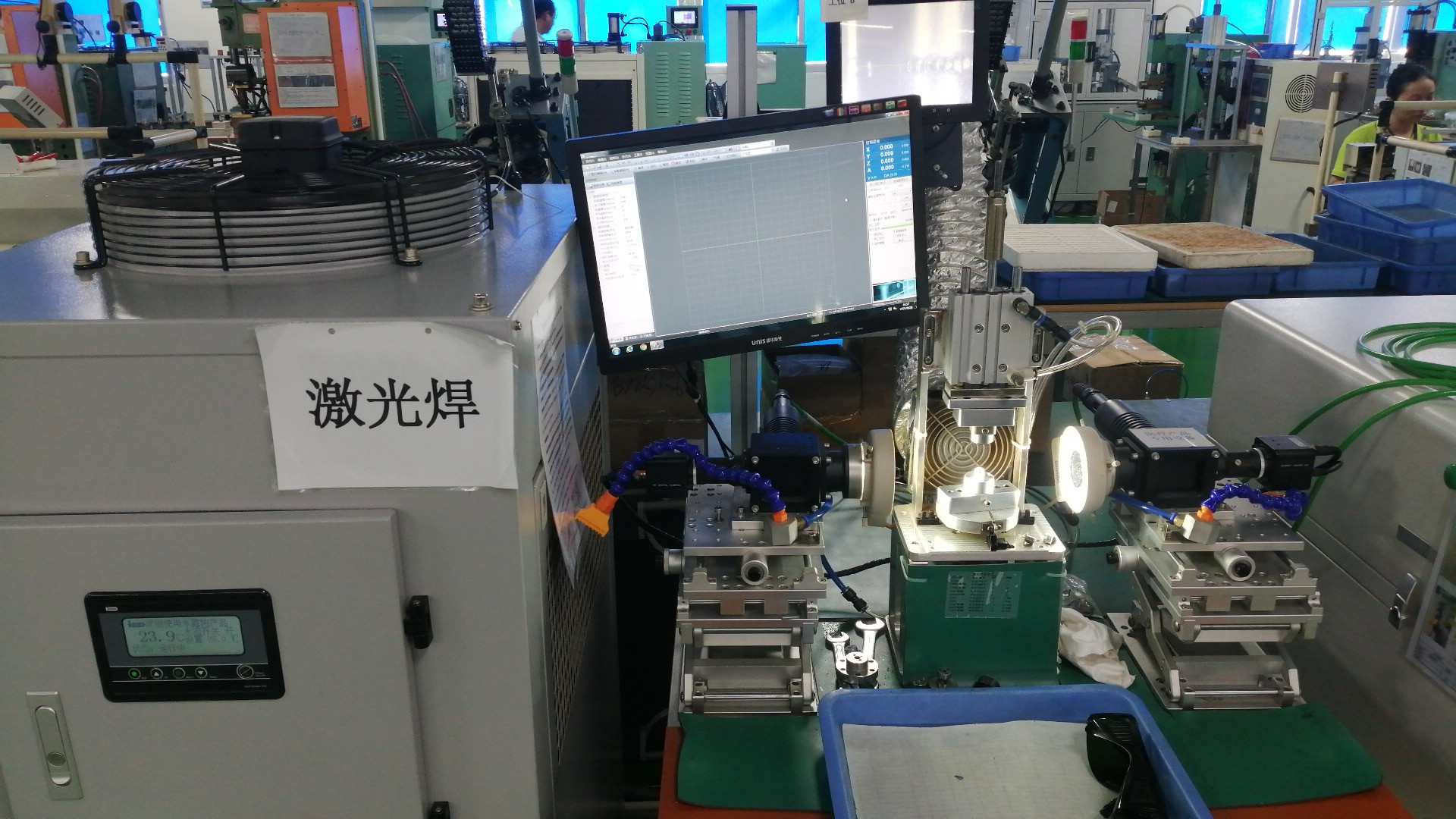
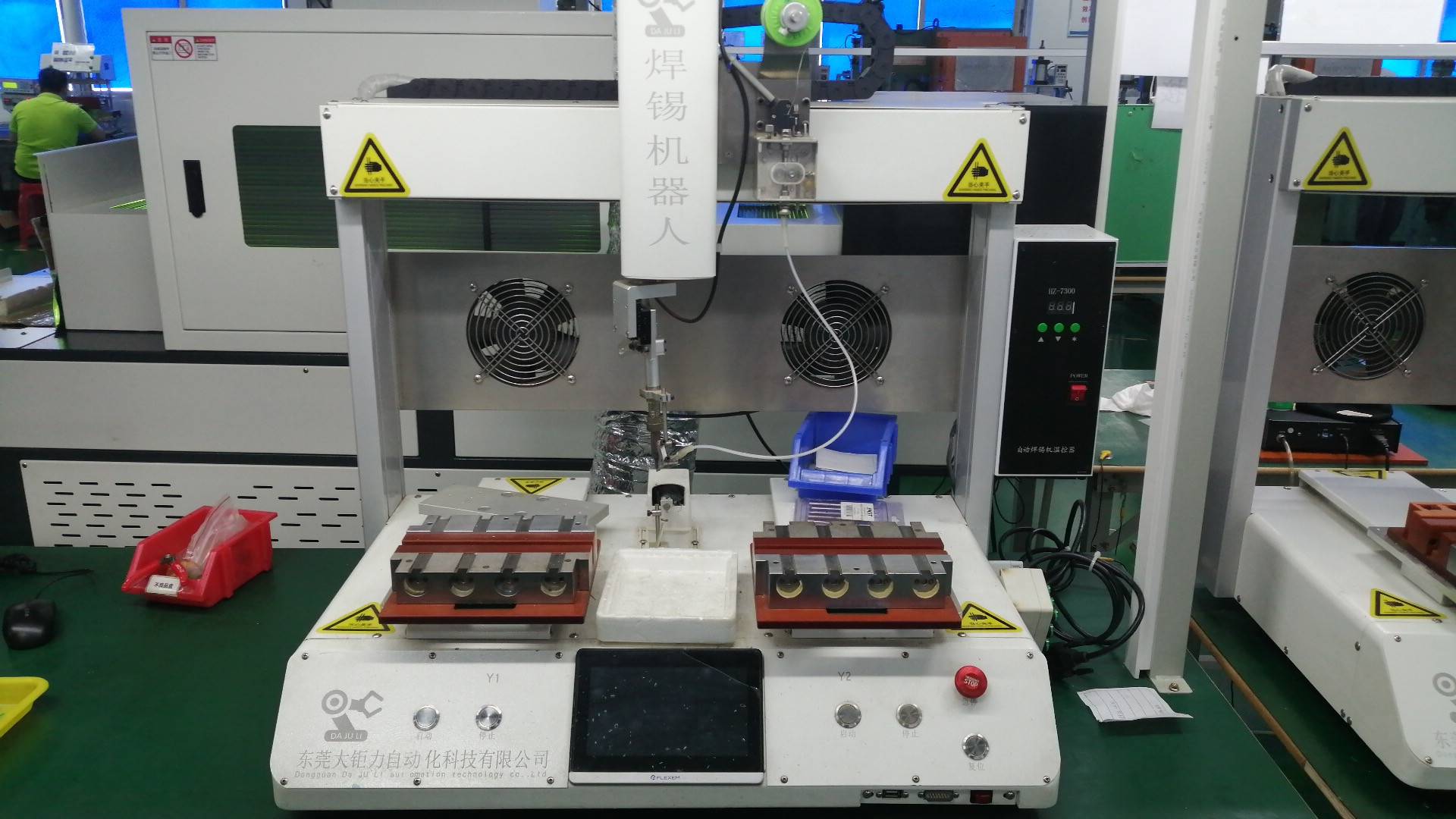
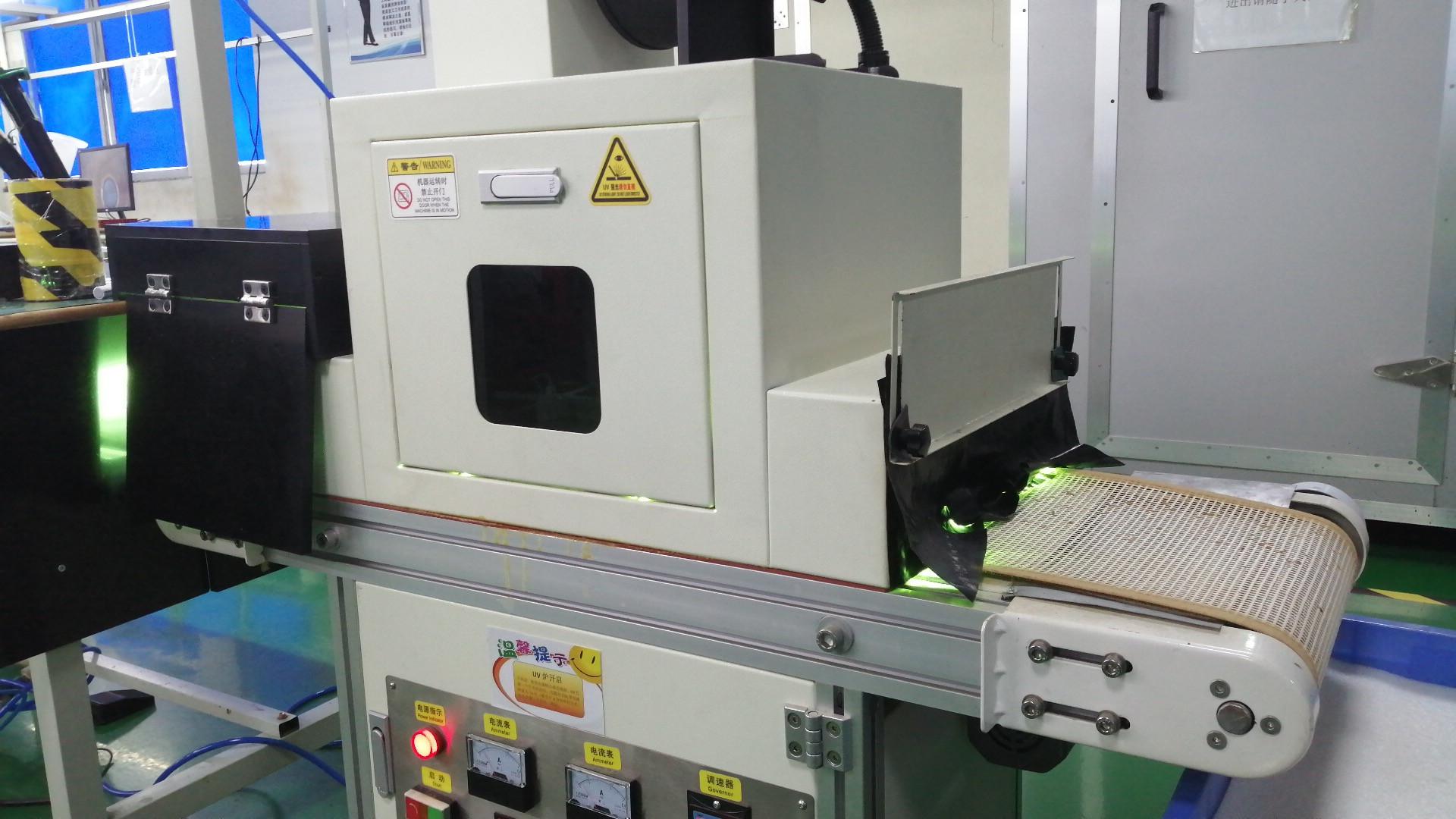
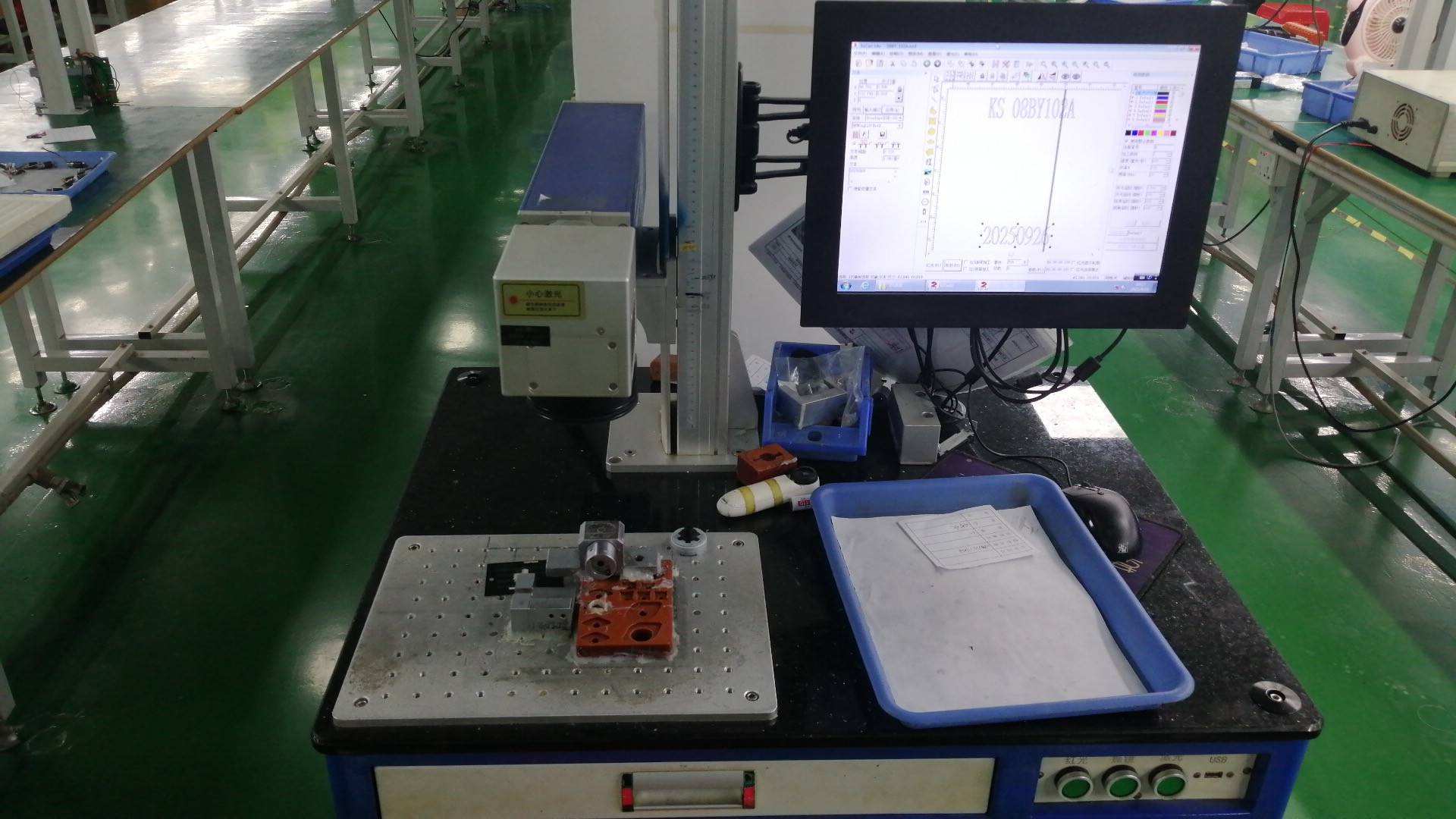
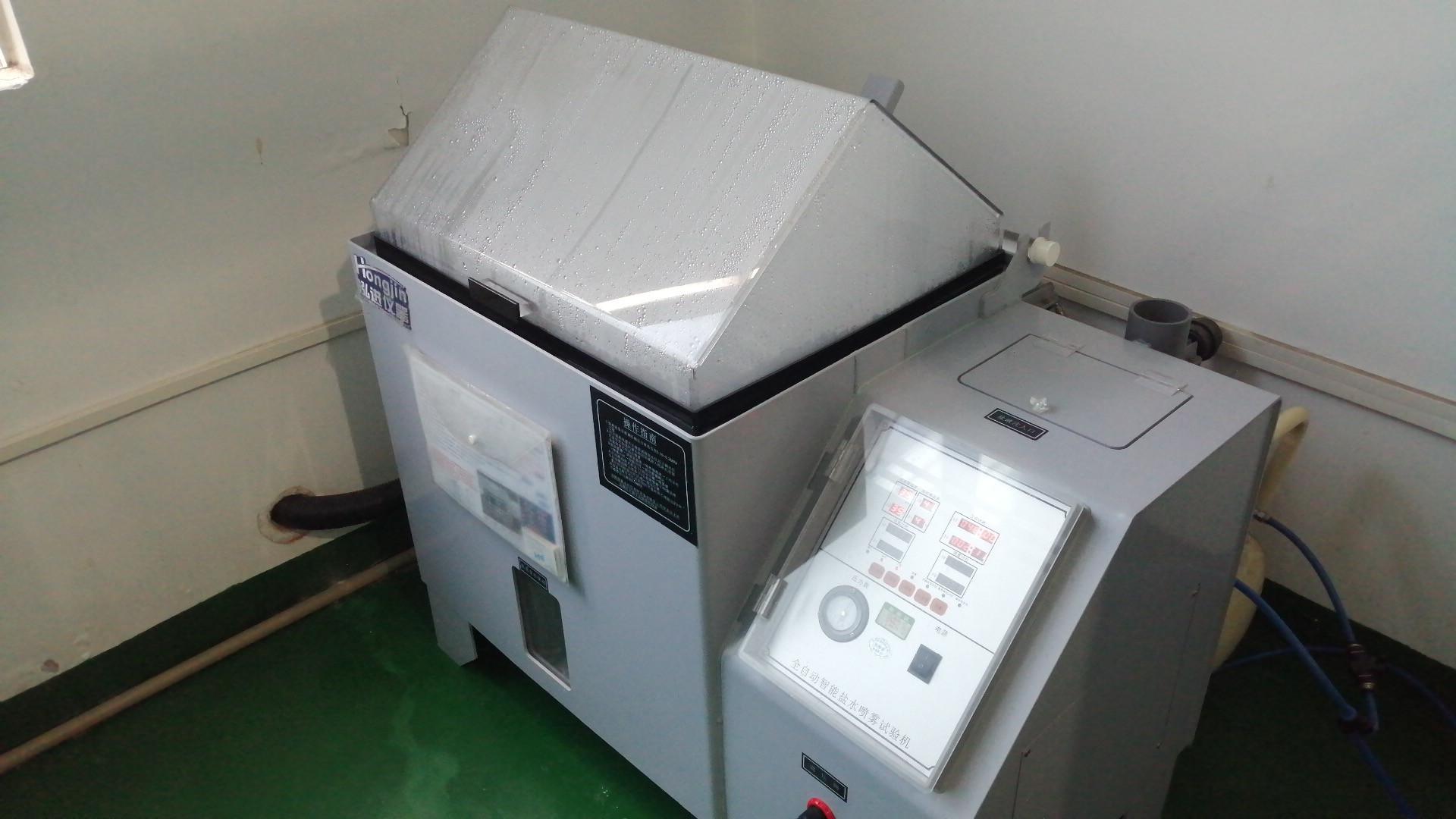
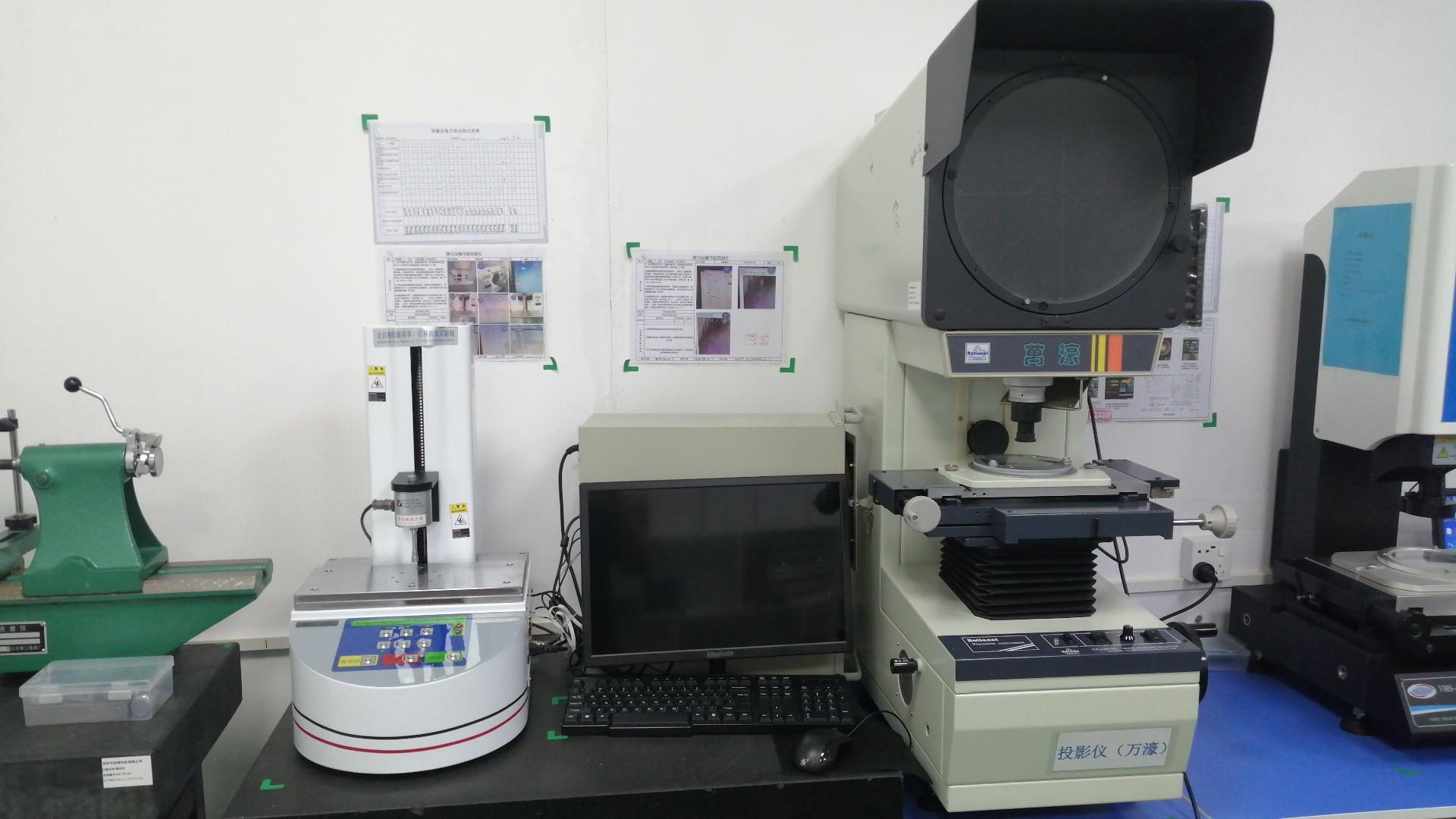
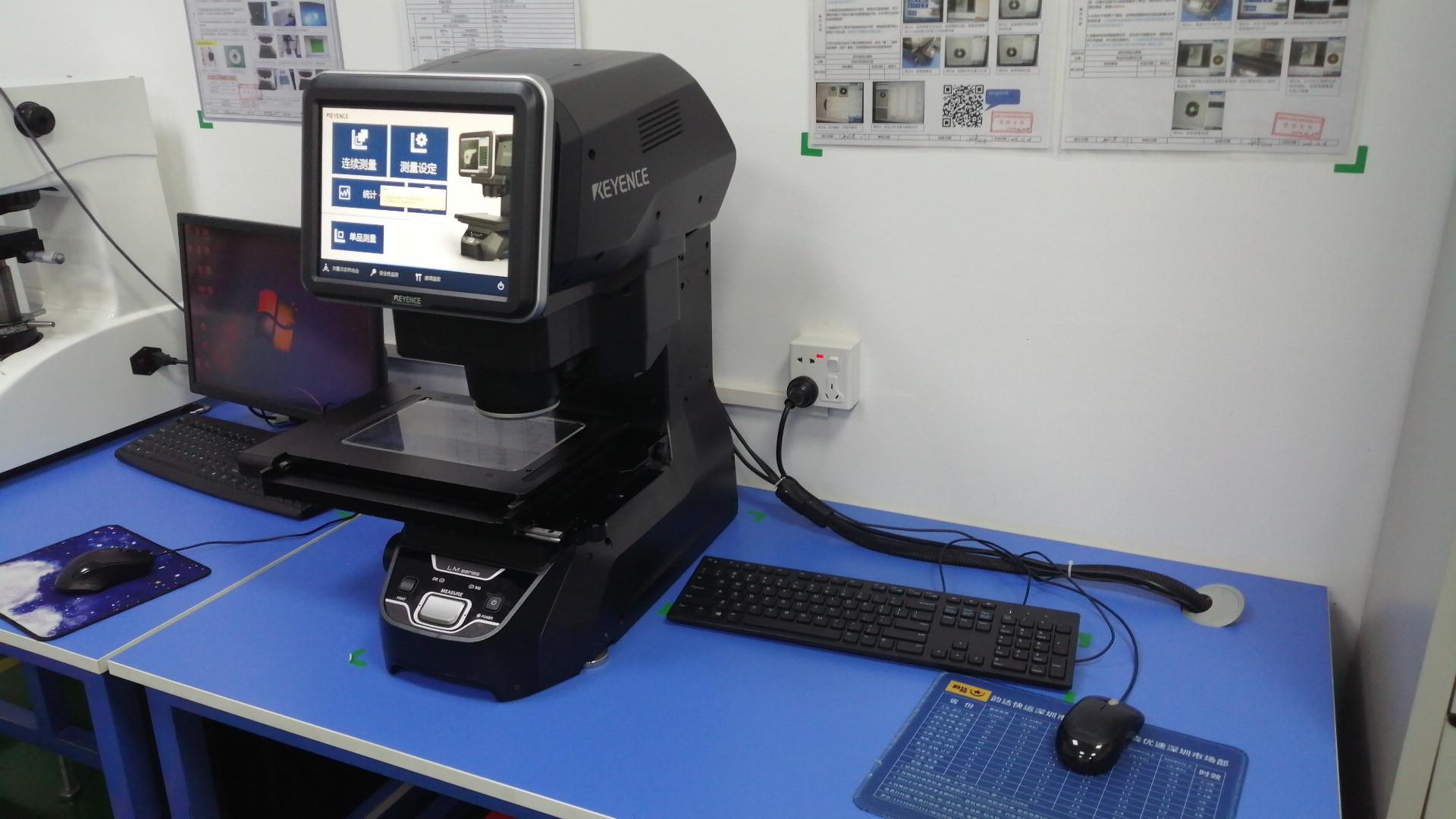
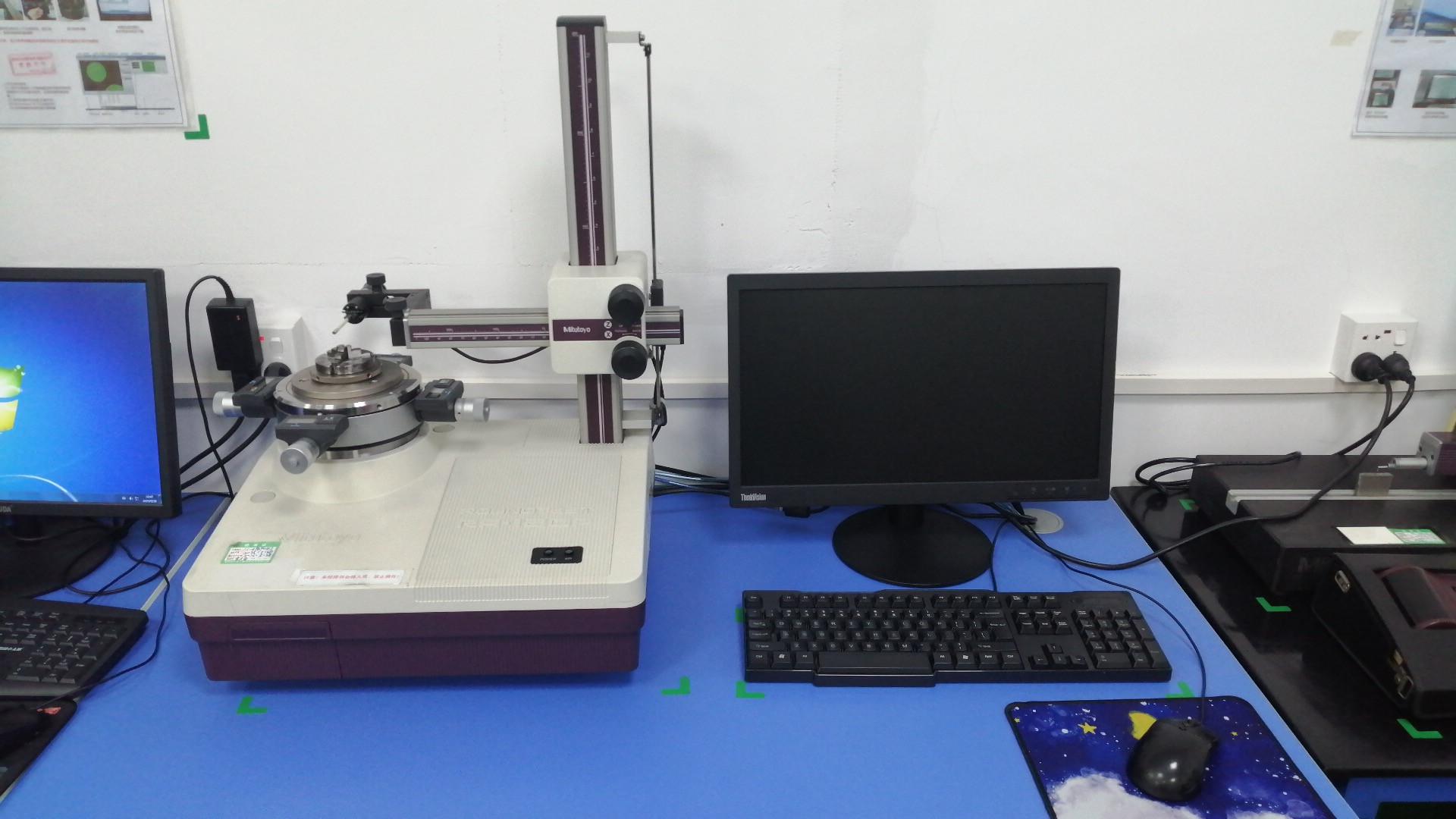
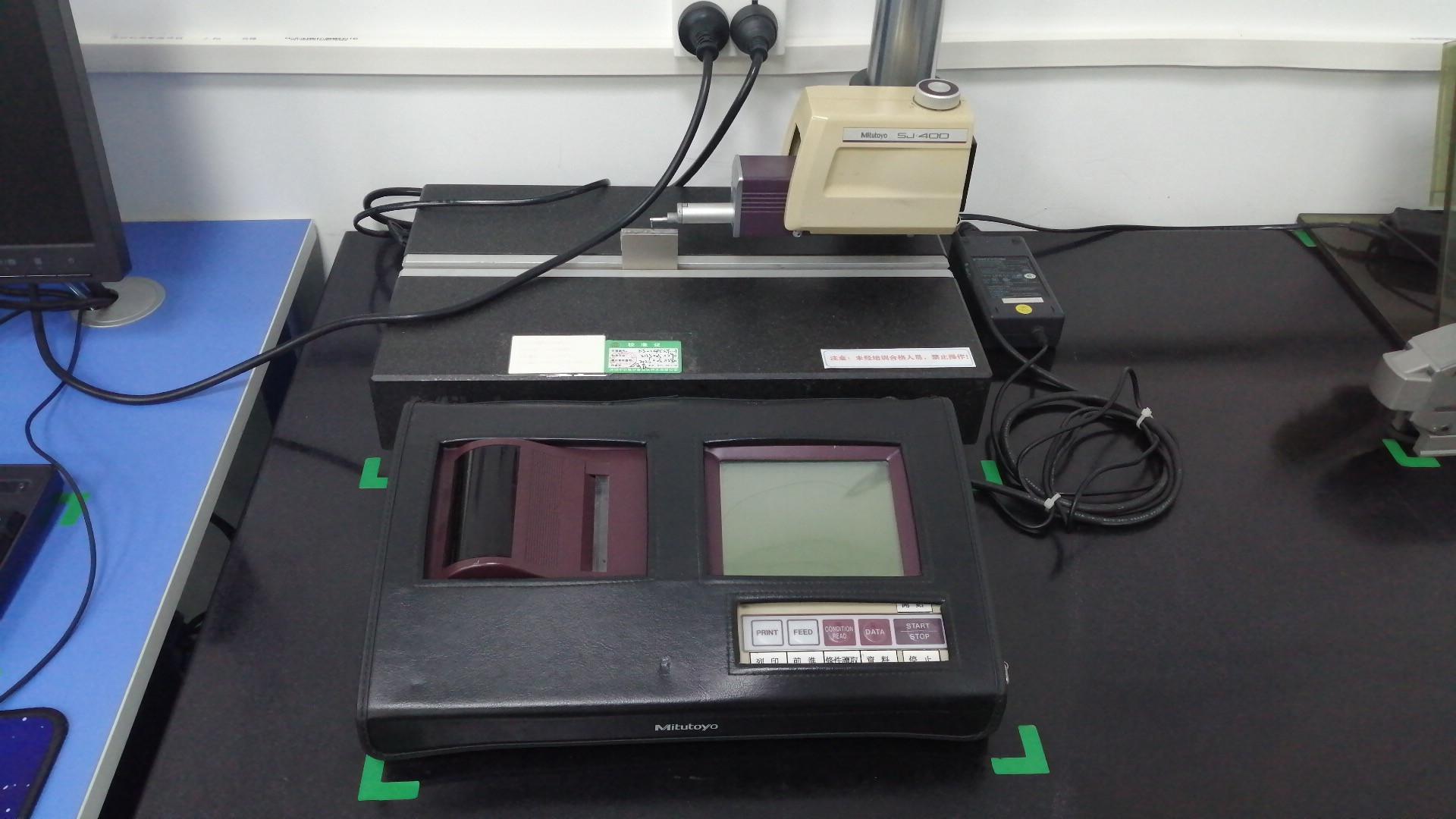
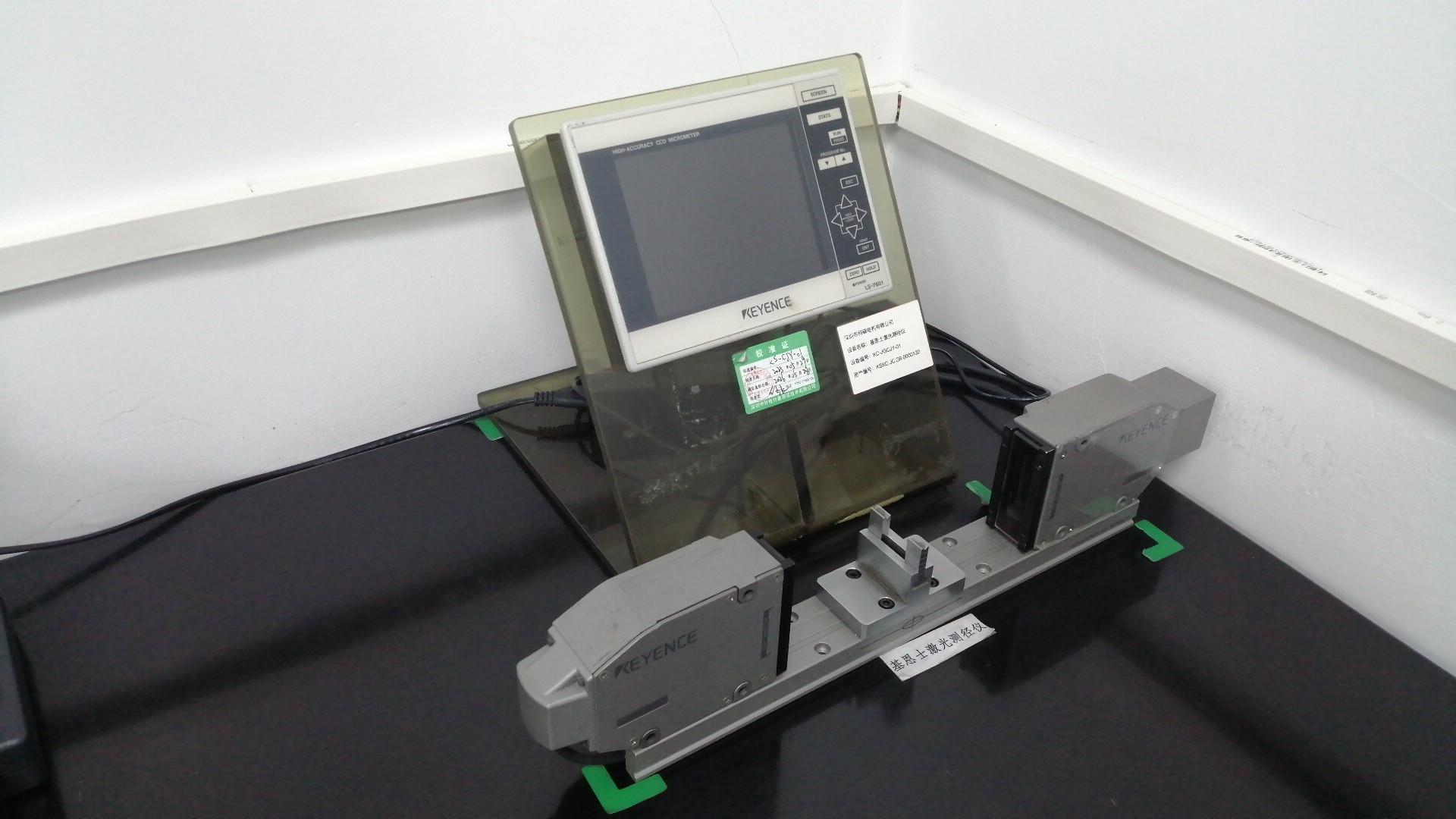
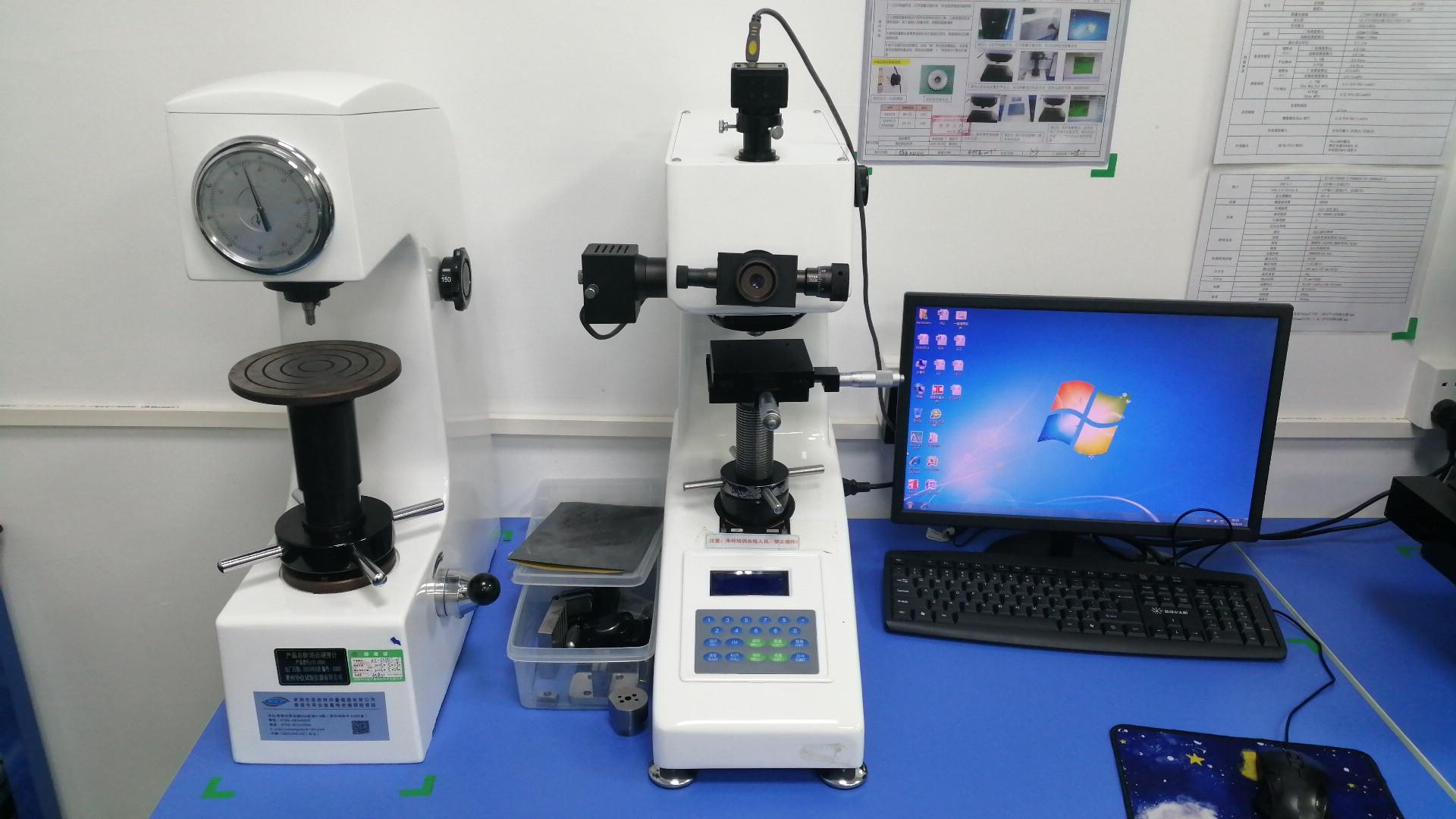
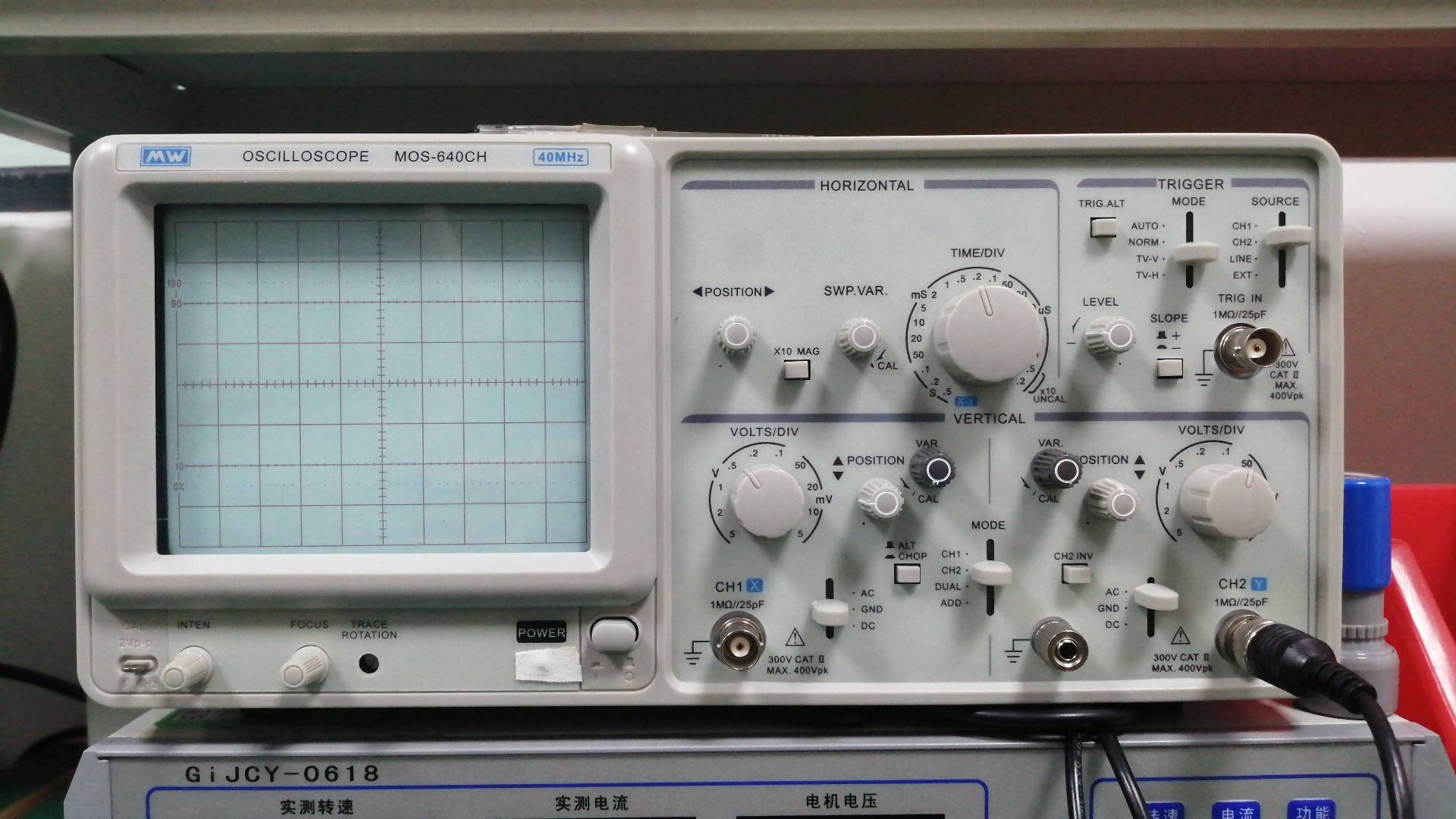
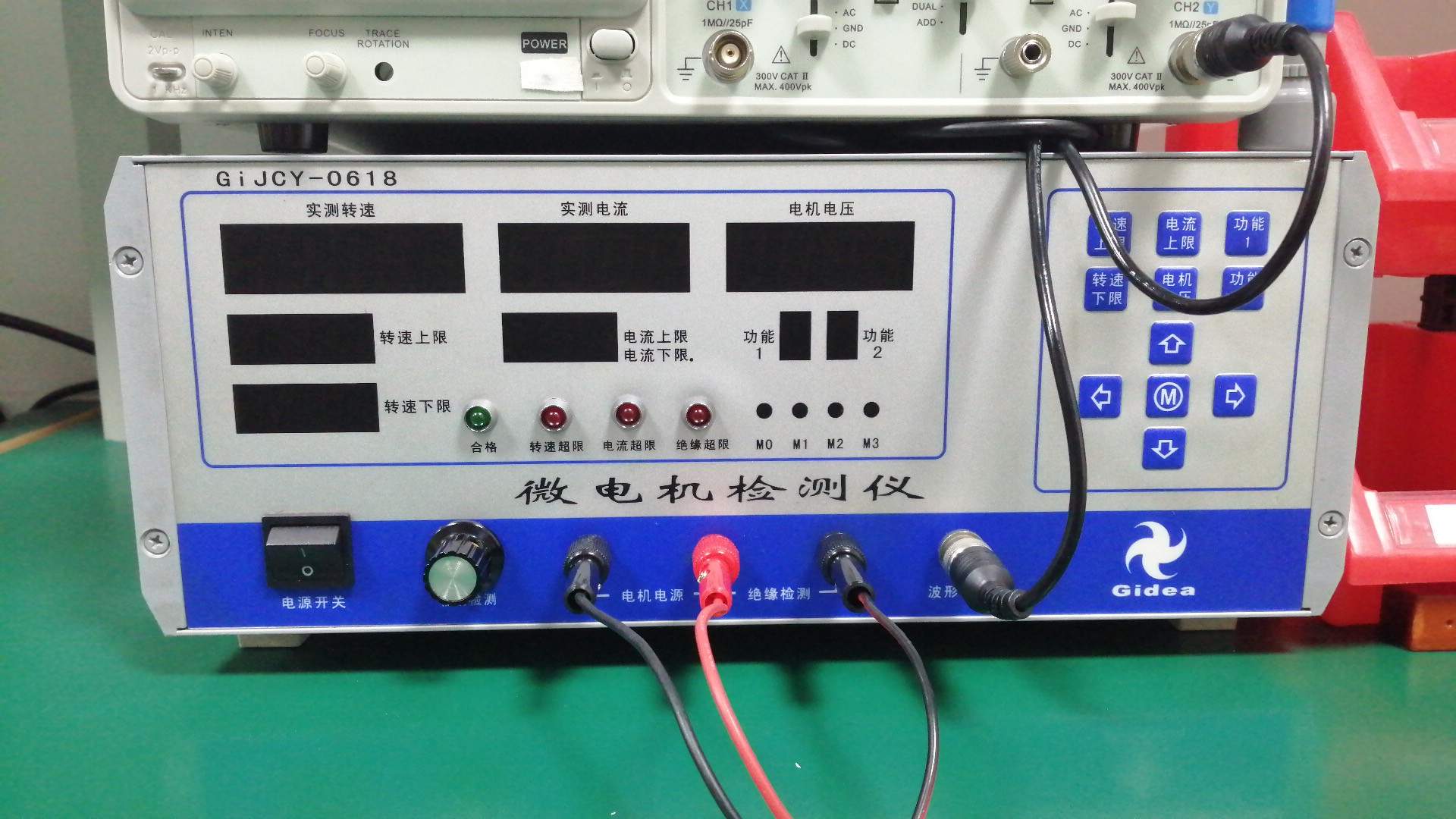
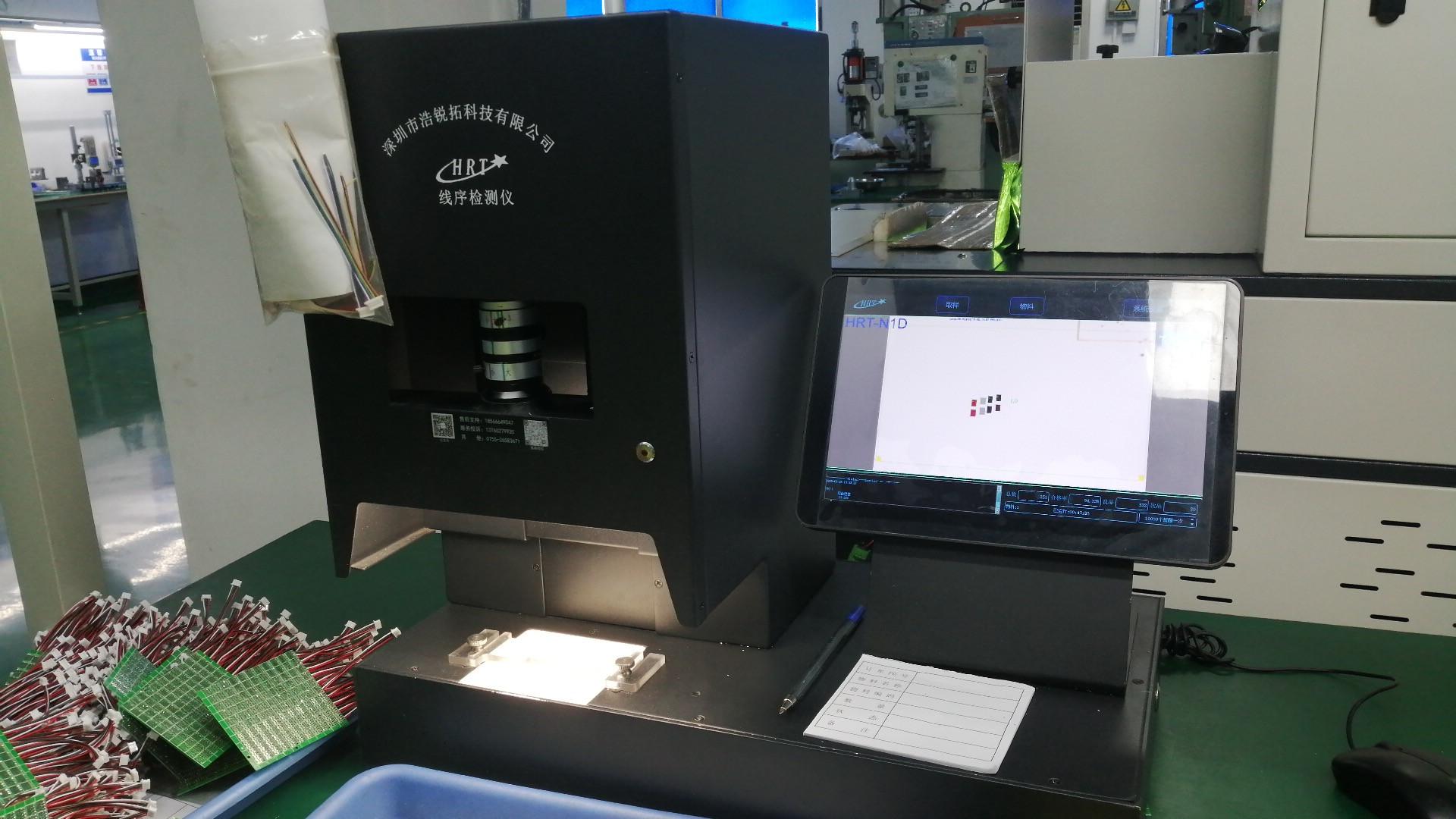
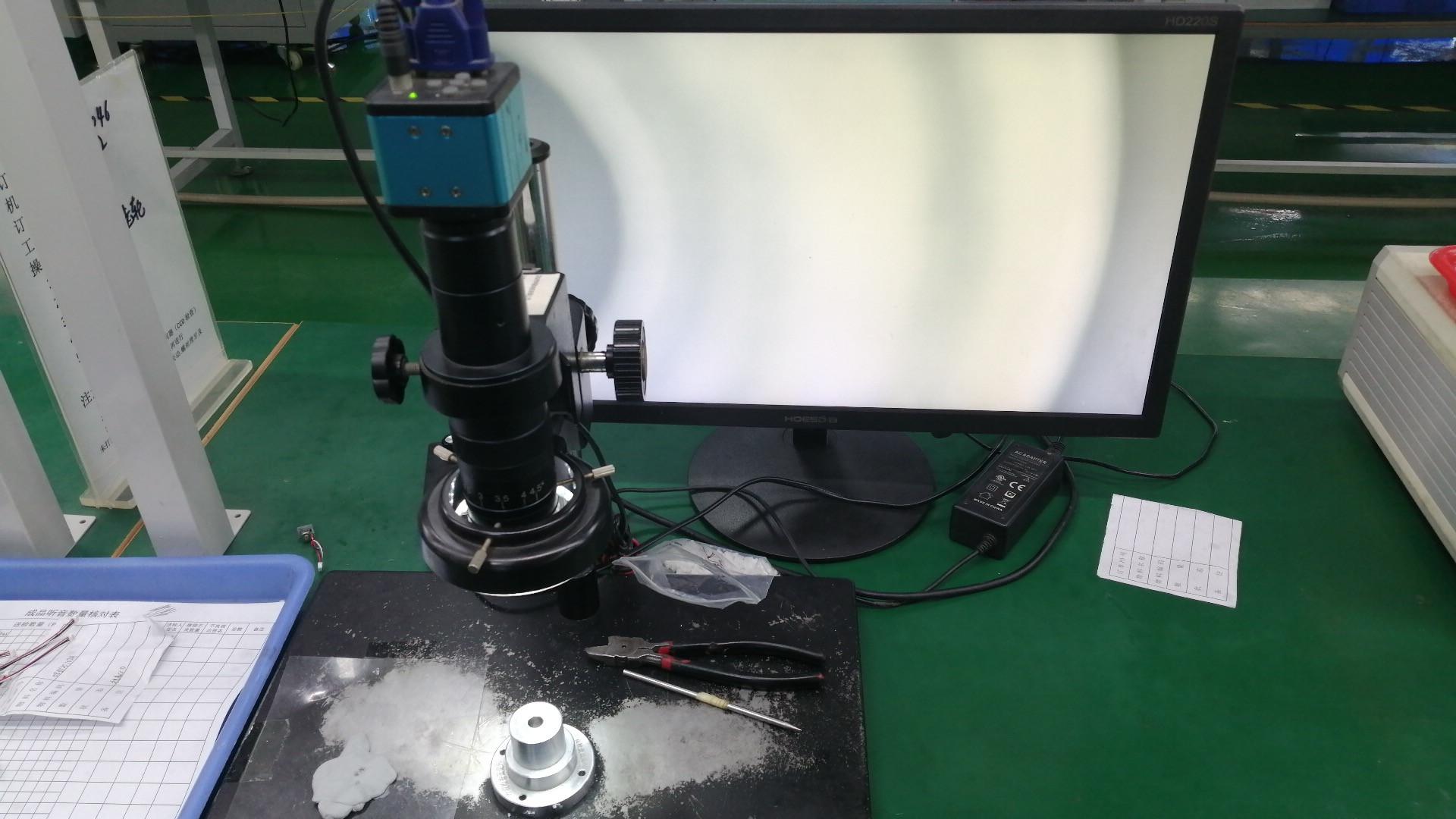
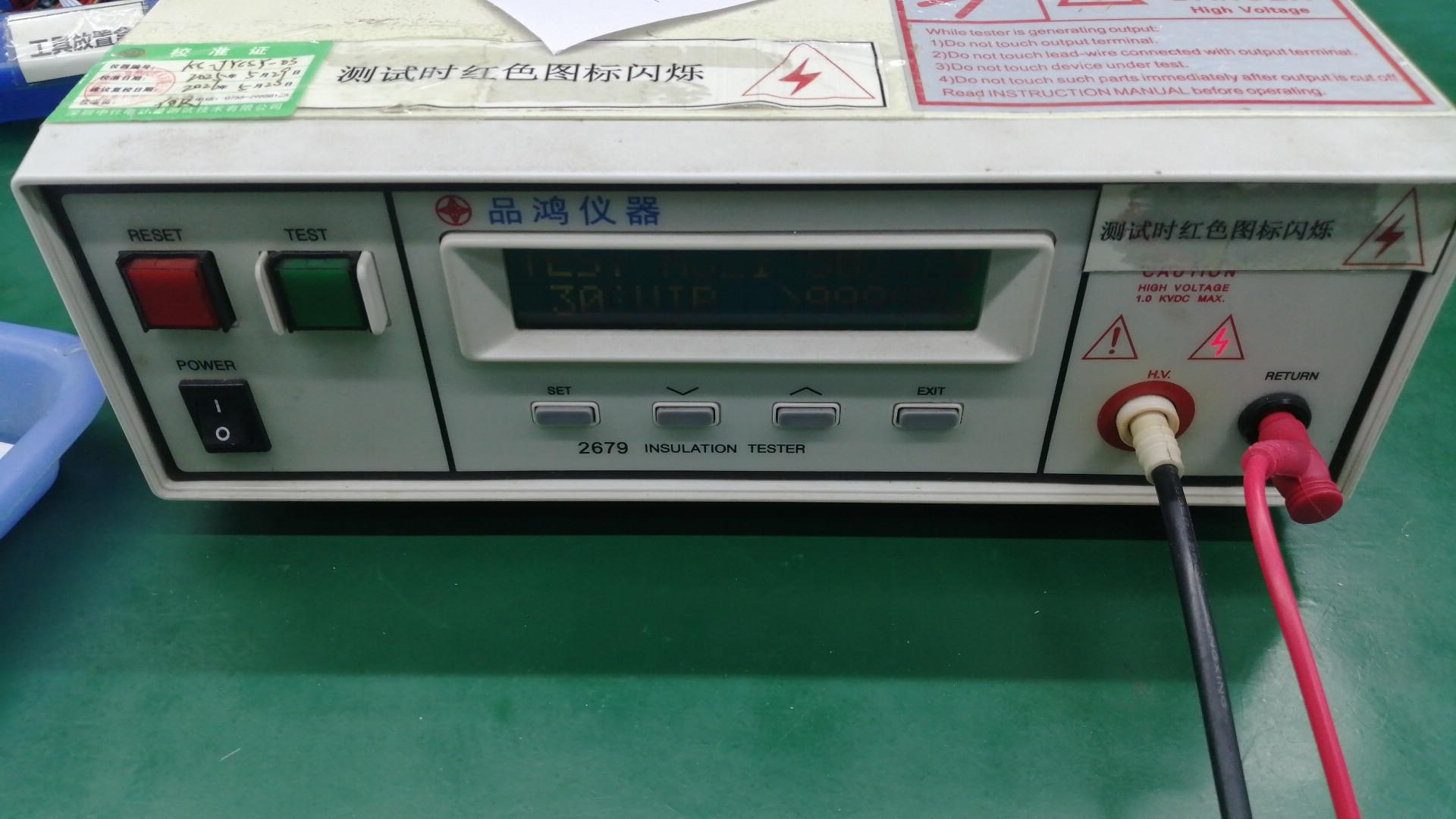
Technical answers regarding hybrid stepper motors, engineering designs, and global sourcing processes.
Hybrid stepper motors combine the design elements of both Permanent Magnet (PM) and Variable Reluctance (VR) motors. The rotor contains a permanent magnet cap with cut teeth, which aligns with matching teeth on the stator. This configuration allows for smaller step angles (typically 1.8° or 0.9°) compared to PM motors (typically 7.5° or 15°). This design provides higher detent torque, holding torque, and overall positioning accuracy.
Bipolar stepper motors utilize the entire coil winding per phase, which typically provides about 30% to 40% more torque than a similarly sized unipolar stepper motor. Unipolar motors use half the coil winding at a time, simplifying the driver circuit but reducing torque density. With modern H-bridge drivers readily available and cost-effective, bipolar setups are now the standard for most automated and high-precision systems.
By directly integrating a lead screw (such as a T5, T8, or customized thread) into the rotor hub, you eliminate the need for an external mechanical coupling. This configuration reduces overall system length, minimizes mechanical backlash, and cuts assembly complexity. It is commonly used in space-constrained layouts like medical syringe pumps, small 3D printers, and lab testing machines.
Operating temperature directly affects the life of the internal ball bearing grease and winding insulation. Standard stepper motors typically feature Class B insulation (rated up to 130°C). For higher temperature environments, factories can upgrade to Class F or Class H. For dusty or wet environments, motors can be built with IP65-rated enclosures, using shaft seals and custom terminal boxes to prevent damage to the internal stator and rotor teeth.
To customize a motor effectively, you should specify the required holding torque, target running speed, input voltage, and driver current limits. Additionally, provide details on mechanical requirements, such as shaft dimensions (flat D-cut, keyway, or integrated screw), winding resistance/inductance targets, cable length, and terminal connector types.
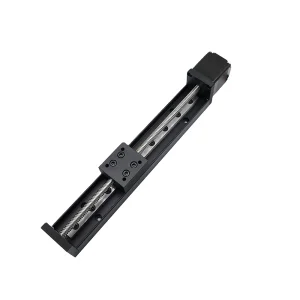
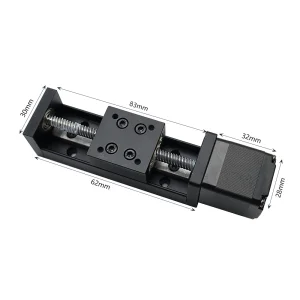
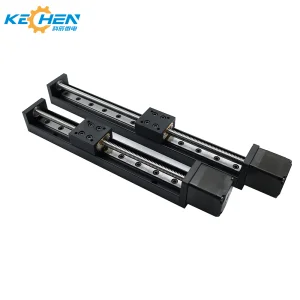
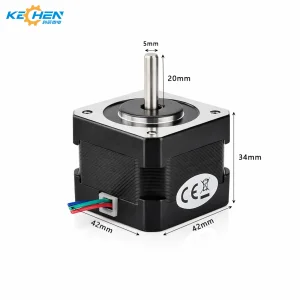
Extended product range including linear actuators, custom frames, and mini stepper motors for specialized applications.
 Brea Tech Micro Motor