Explore our high-performance miniature micro-drive actuators engineered for precise displacement, robust linear thrust, and long-term durability in space-constrained applications.
Analyzing global demand, technology integration, and quality-driven manufacturing in linear stepper motor design.
In modern high-tech sectors—ranging from advanced biomedical instrumentation to consumer electronics like smart wearable glasses—the demand for ultra-compact, high-accuracy motion control mechanisms has escalated exponentially. The linear stepper motor stands at the nexus of this revolution. By eliminating traditional mechanical linkages (such as belts, pulleys, and rotary-to-linear conversion systems), direct-drive linear stepper actuators integrate the lead screw directly into the rotor. This design paradigm effectively minimizes mechanical backlash, reduces system volume, and enhances overall mechanical efficiency.
For B2B procurement officers, systems engineers, and product development managers, selecting the right manufacturing partner is a critical step in establishing a robust product life cycle. Under the E-E-A-T (Experience, Expertise, Authoritativeness, and Trustworthiness) guidance, this whitepaper provides an authoritative overview of linear stepper motor architecture, manufacturing tolerances, supply chain logistics, and verification methodologies necessary to assure consistent global quality.
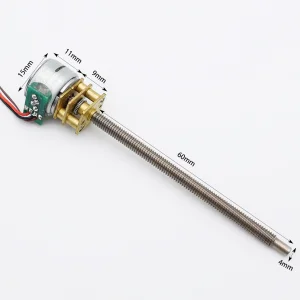
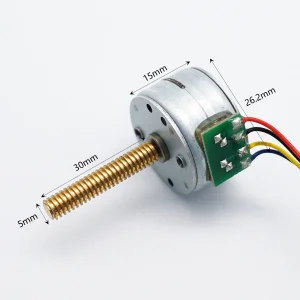
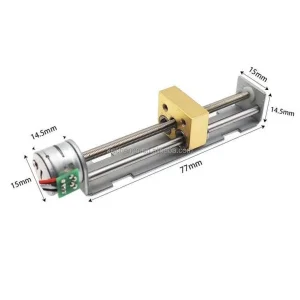
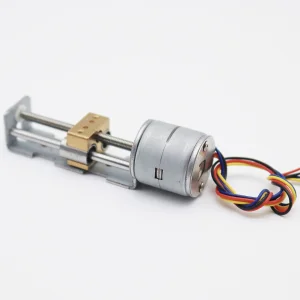
Traditional rotary motors requiring separate external ballscrews introduce cumulative mechanical tolerances, contributing to structural play. Direct-drive permanent magnet (PM) linear stepper motors, such as our 15mm slider and 20mm NEMA 8 assemblies, utilize internal or external threaded configurations to resolve positional offsets directly at the actuator face. When operating under strict current and duty cycle profiles, these motors provide nanometer-scale incremental resolutions suitable for high-precision microfluidic pipettes, surgical optical lenses, and micro-lithography stages.
A rigorous engineering breakdown of motor topologies, custom lead screw implementations, and material properties.
Utilizing a cylindrical permanent magnet rotor interacting with stamped stator claws, PM linear stepping motors (e.g., 10mm, 15mm, and 25mm variants) provide cost-effective, high-force-to-volume ratios. They are optimal for lightweight designs such as smart glasses and miniature autofocus optical modules.
Combining the high torque density of variable reluctance motors with the permanent magnet design, hybrid actuators (like the NEMA 11 with 1.8° or 0.9° step angles) integrate laminated steel rotors and high-coercivity NdFeB magnets. These systems provide exceptional hold torque and linear resolutions down to micrometers per microstep.
Efficiency relies on the interface between the precision-rolled stainless steel lead screw (M3, M4, or Tr5 threads) and the customized copper/polymer nut. Copper nuts offer robust wear resistance under continuous thrust loads, while engineered polymer nuts provide self-lubricating properties, crucial for maintenance-free operations.
When selecting a linear stepper motor, system architects must balance dynamic thrust, velocity limitations, and thermal dissipation capabilities. PM motors are highly sensitive to load-inertia mismatches; hence, engineering teams must evaluate the pull-in and pull-out torque curves against system frictional loads. Our micro motors, such as the 10mm KC-10BY, generate up to 160g.cm of torque which translates to powerful linear push force at low DC voltages (e.g., 5V DC), making them ideal for battery-operated medical and consumer applications.
Brea Tech Micro Motor is a forward-thinking Chinese manufacturer redefining precision motion control in the micro-drive industry. We design and build high-efficiency micro DC and BLDC motors that power next-generation technologies worldwide. Driven by our core philosophy—Top Quality & Customization—we combine advanced manufacturing tech with flexible engineering to provide global B2B clients with the transparency of a local partner and the cost benefits of a premier Chinese factory. Built to last. Engineered to fit.
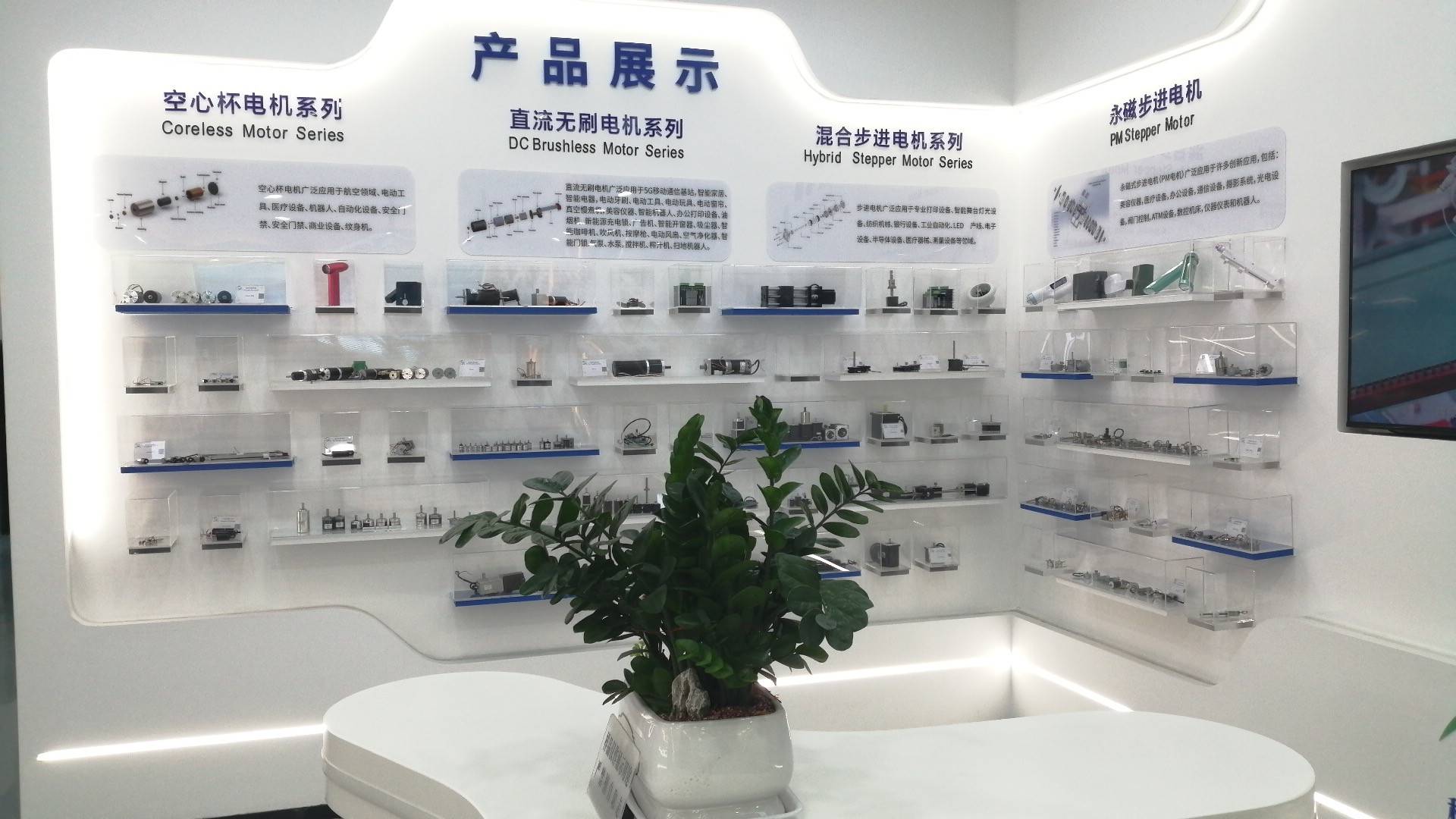
A transparent view of our specialized fabrication, assembly, and testing workflows to ensure zero-defect output.
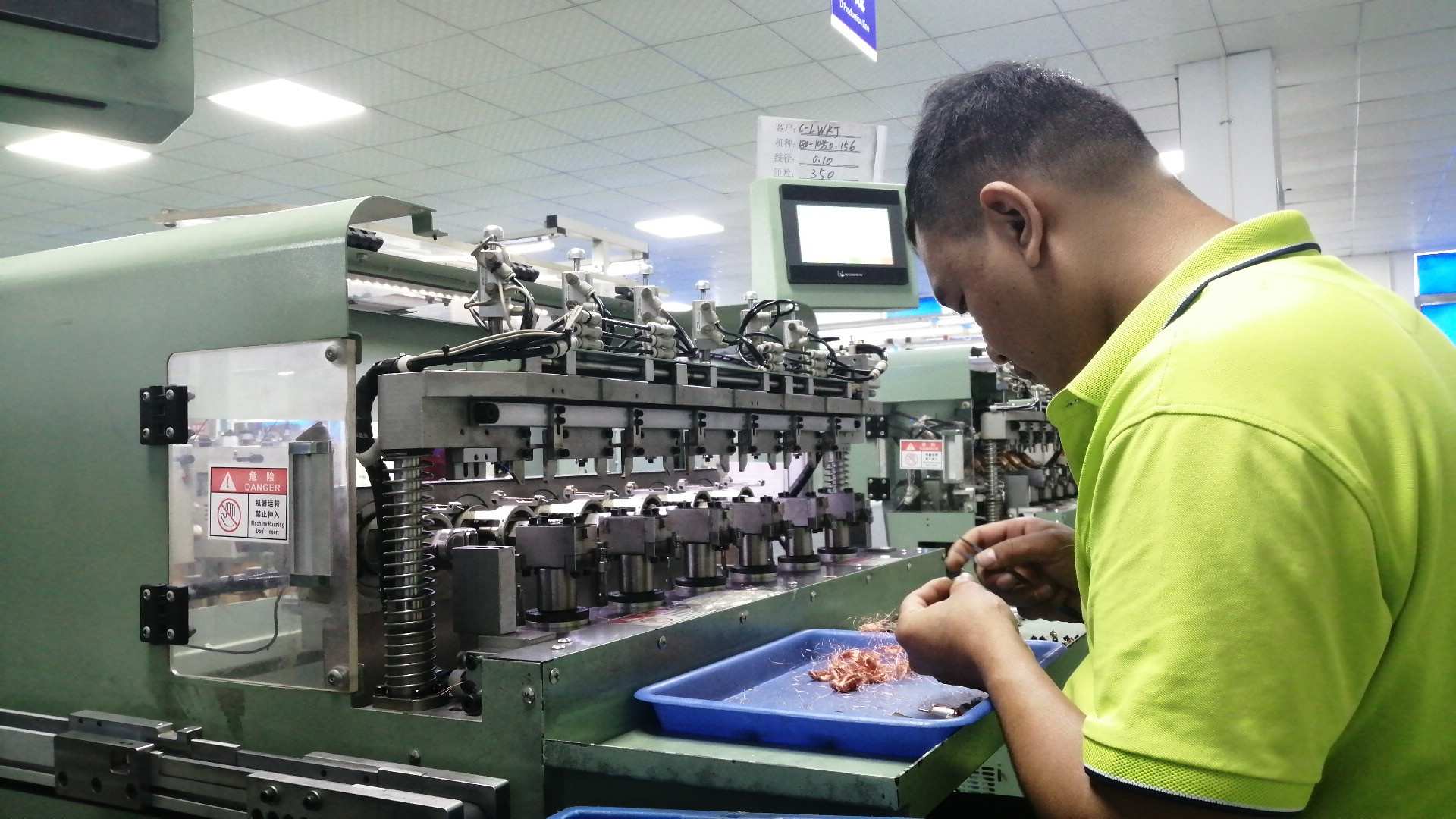 Winding
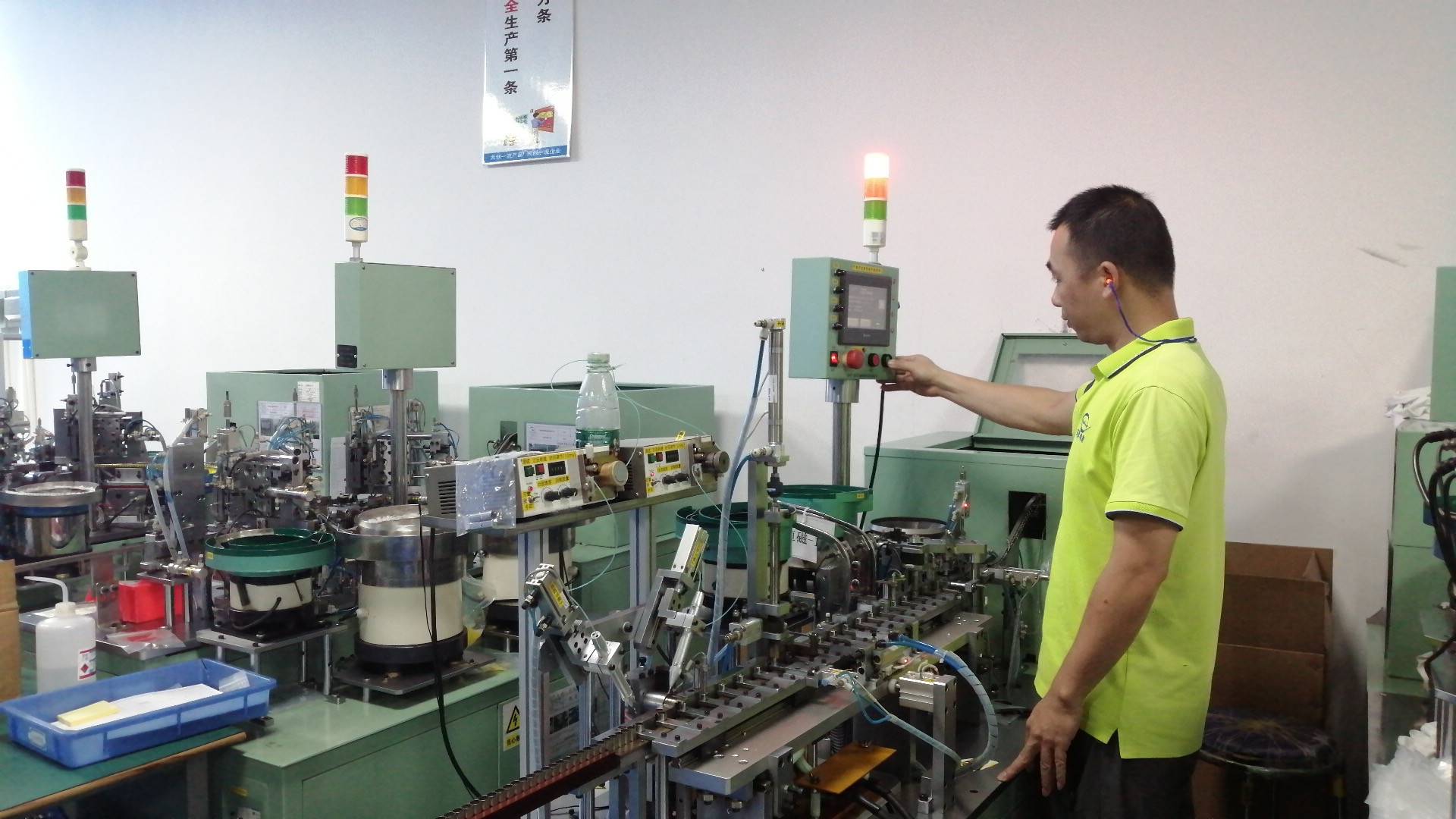 Magnet Assembling
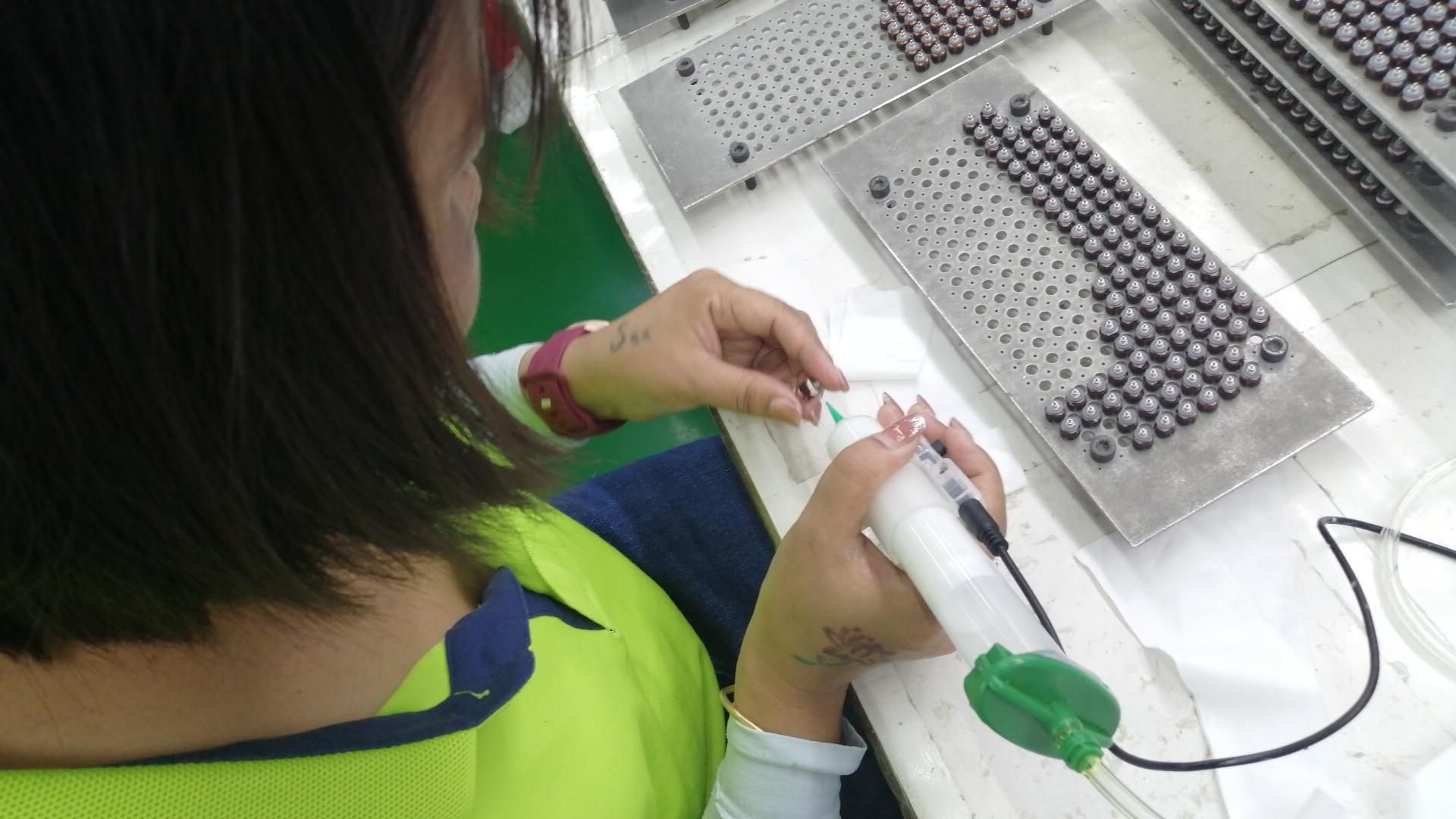 Gluing
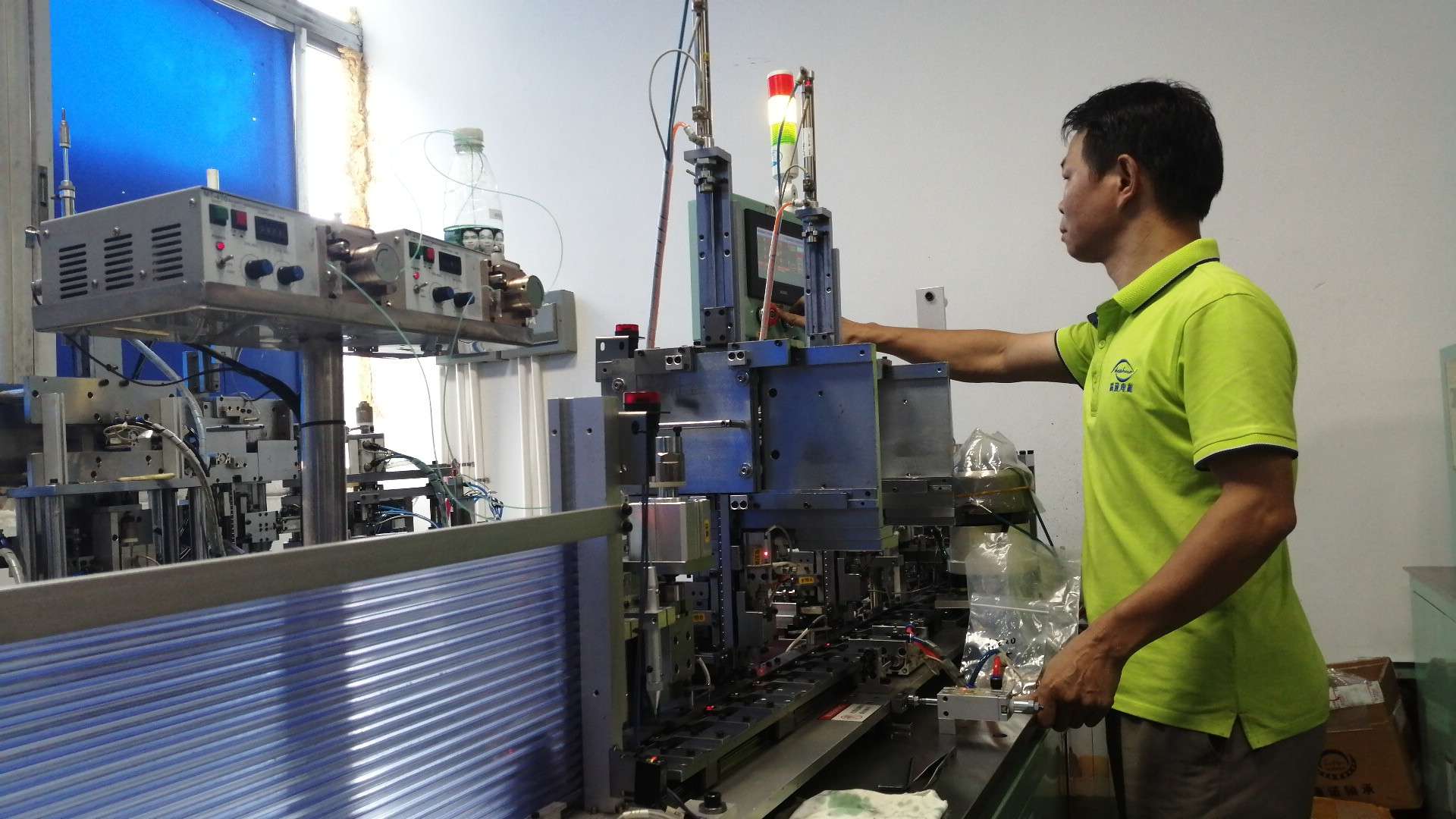 End-cap Assembling
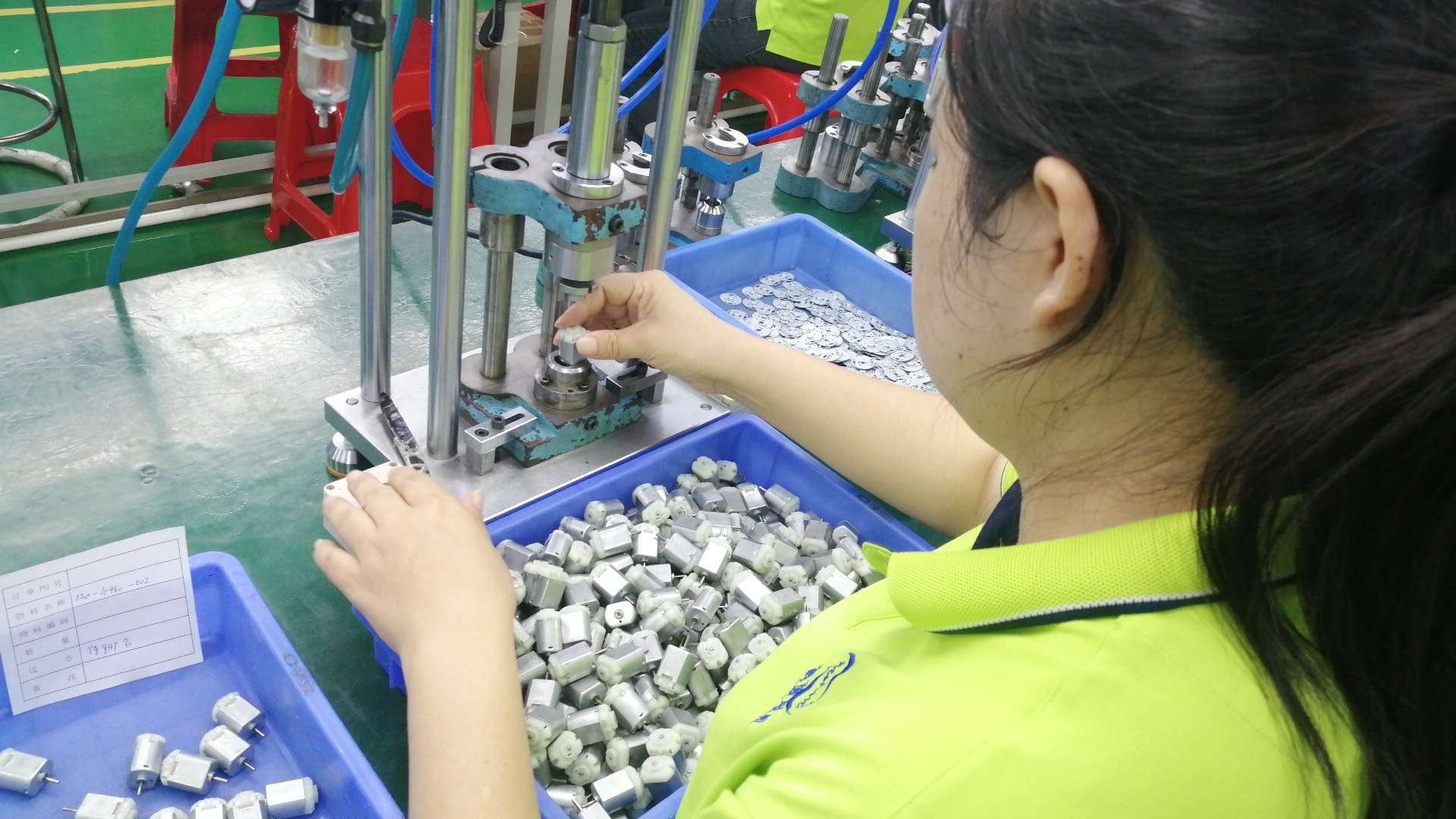 Magnetic Axis Assembling
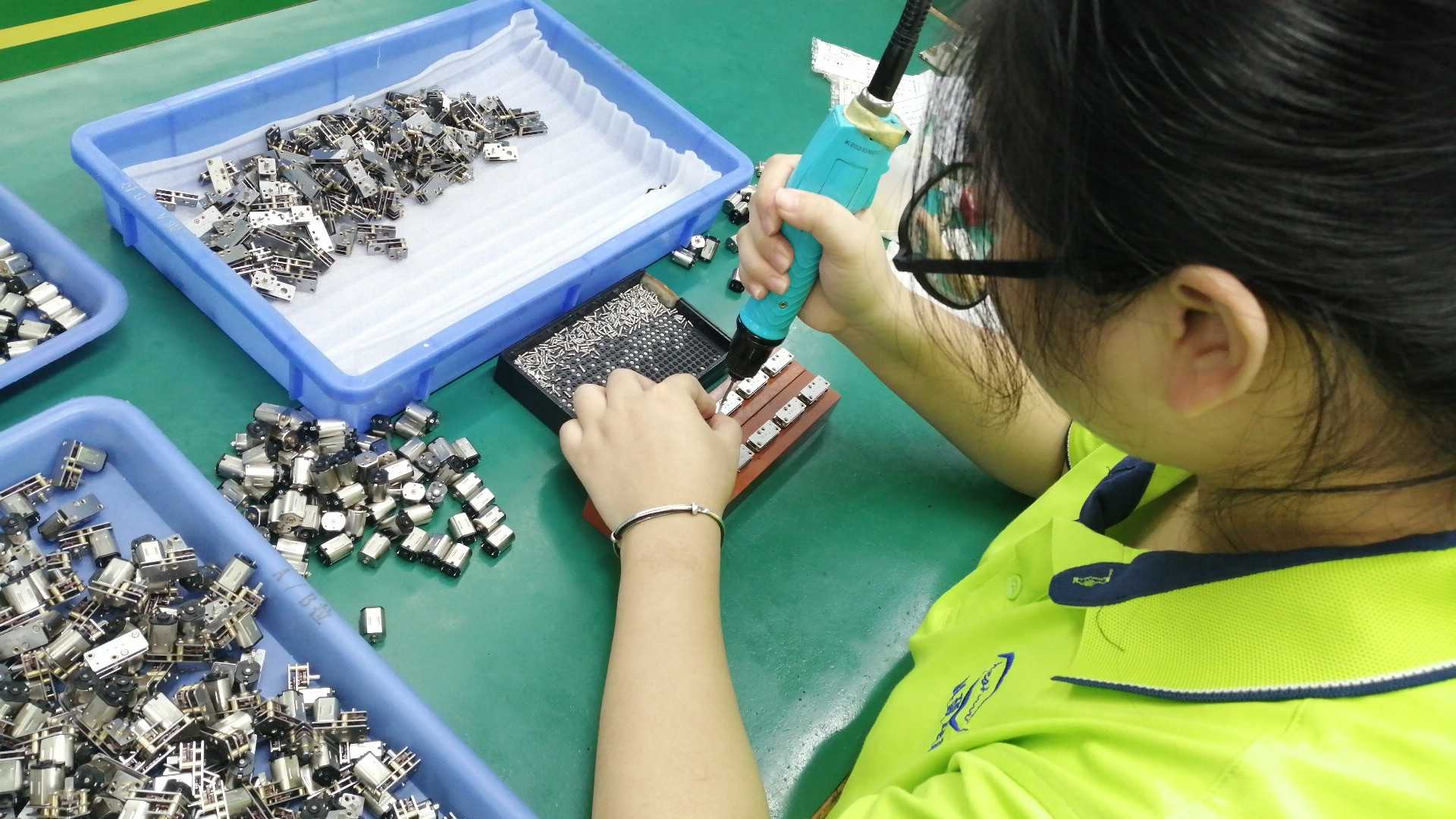 Screwing
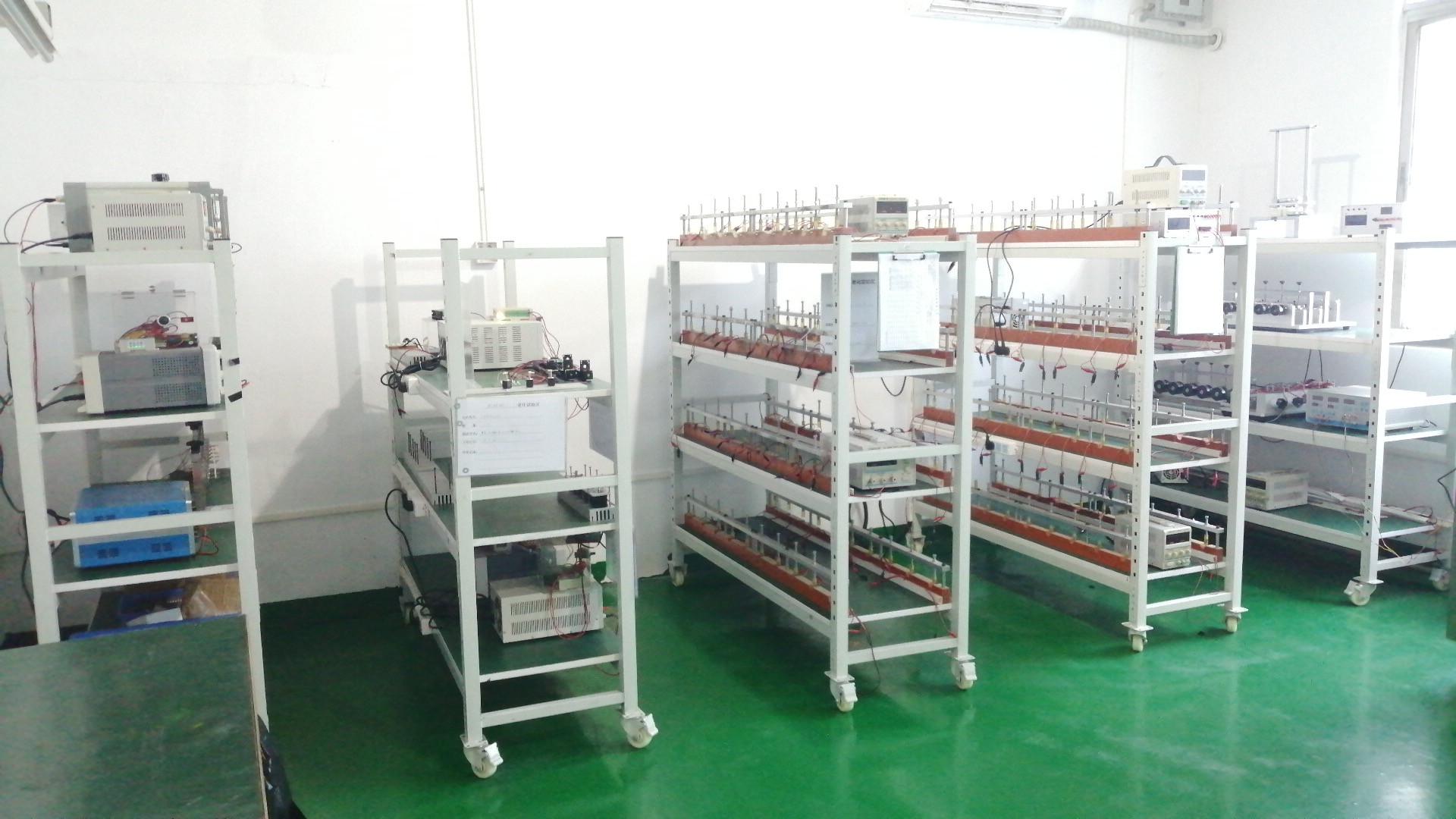 Aging
Aging
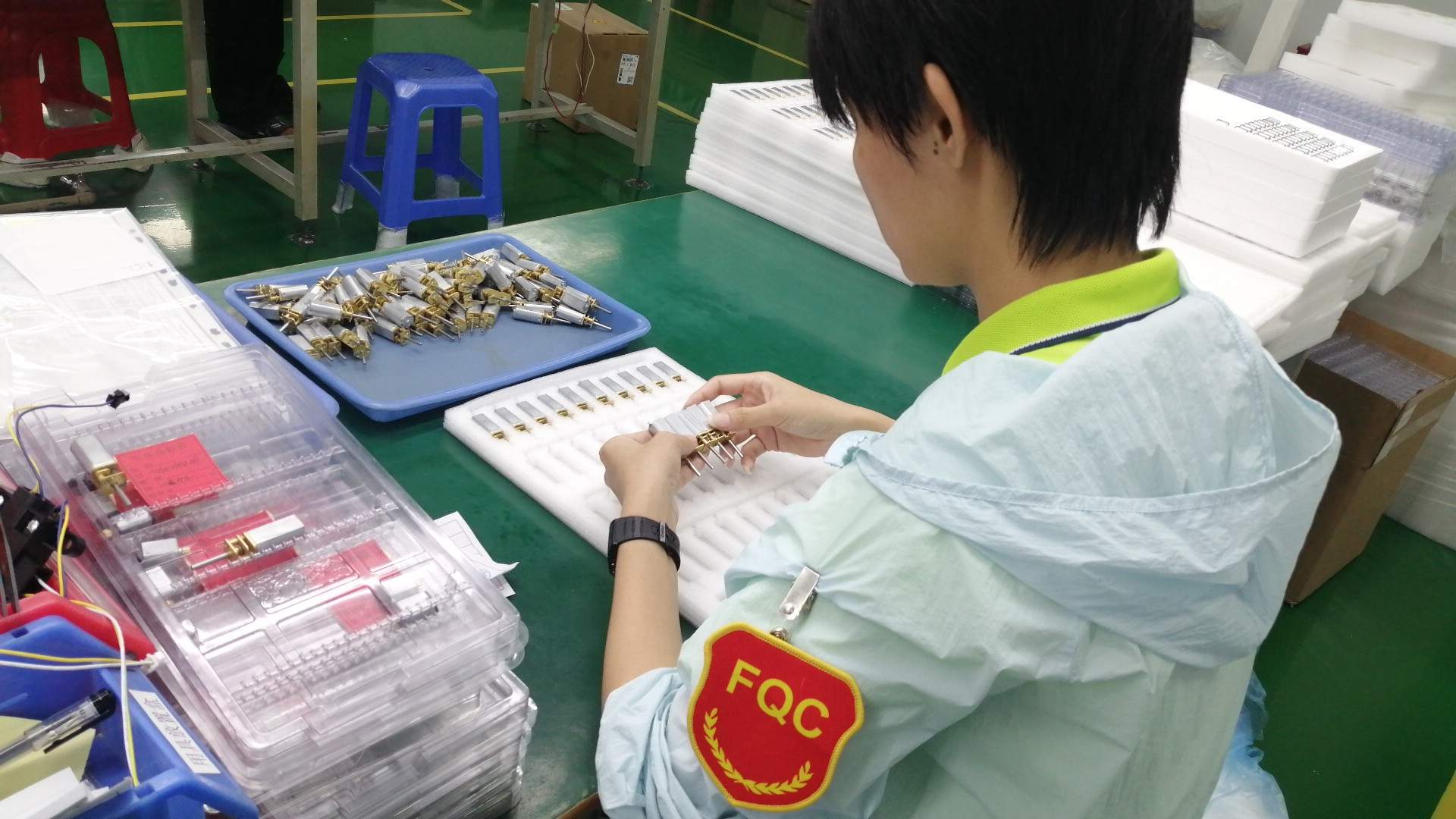 Inspection
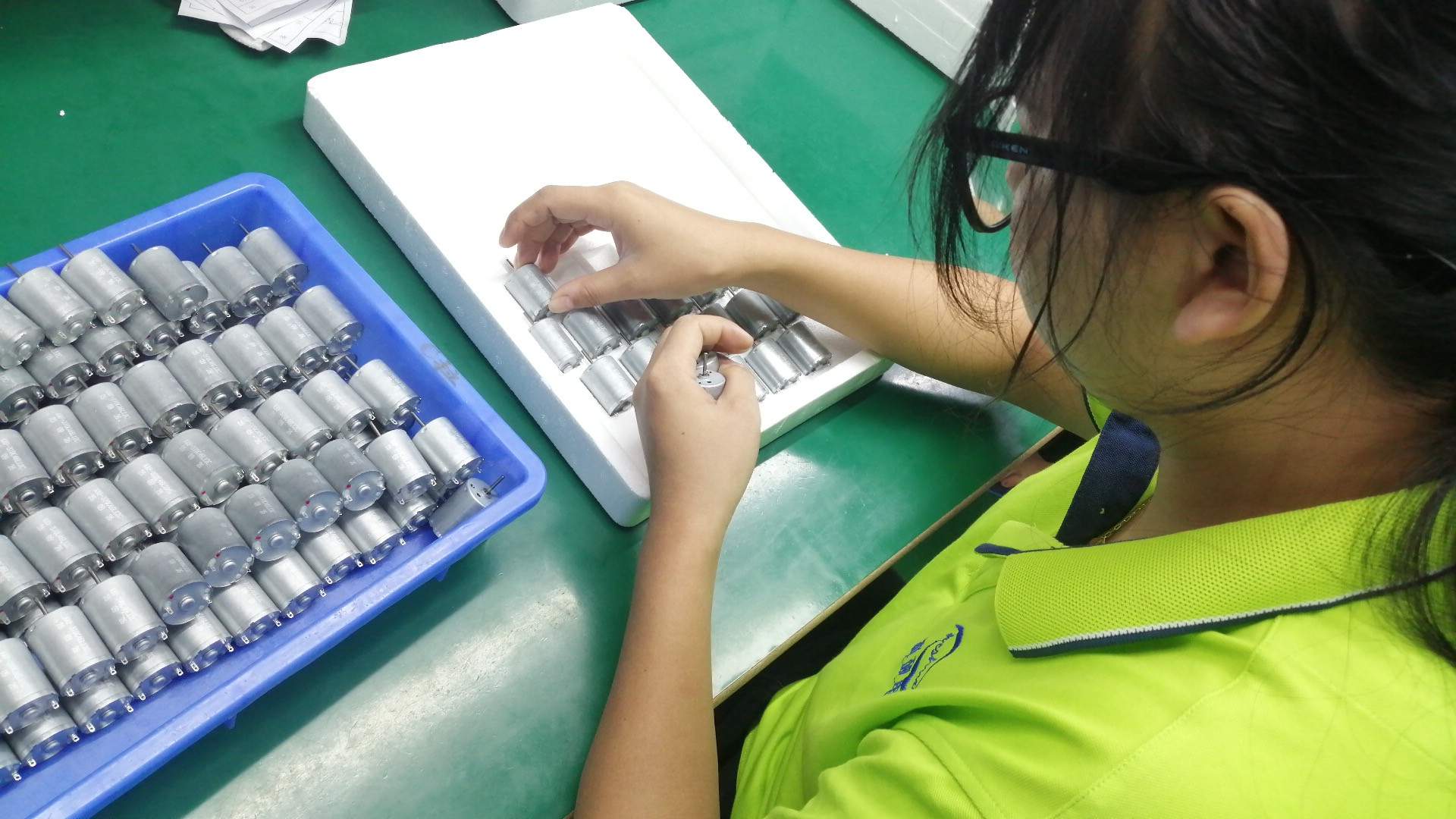 Packing
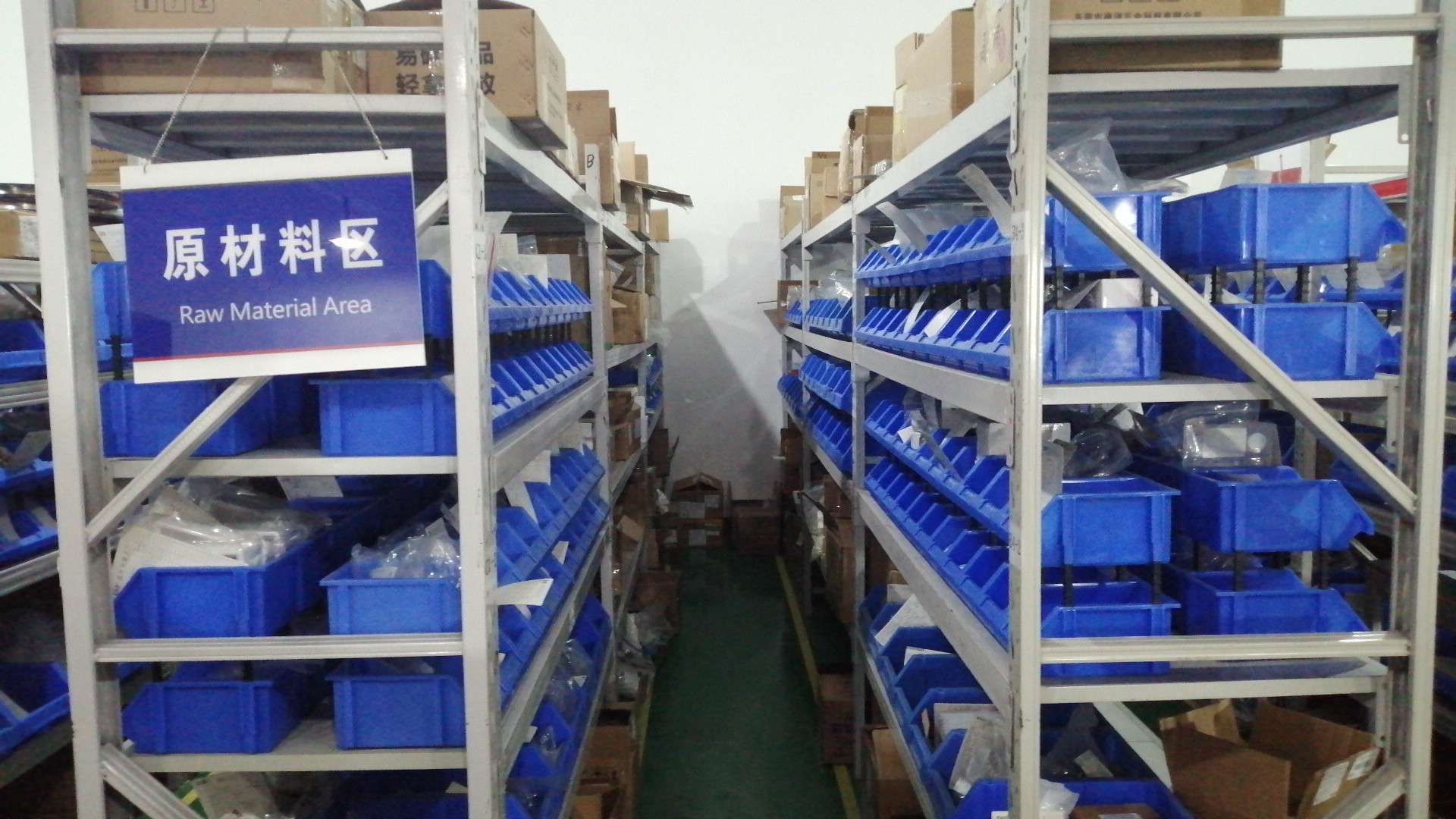 Raw Materials
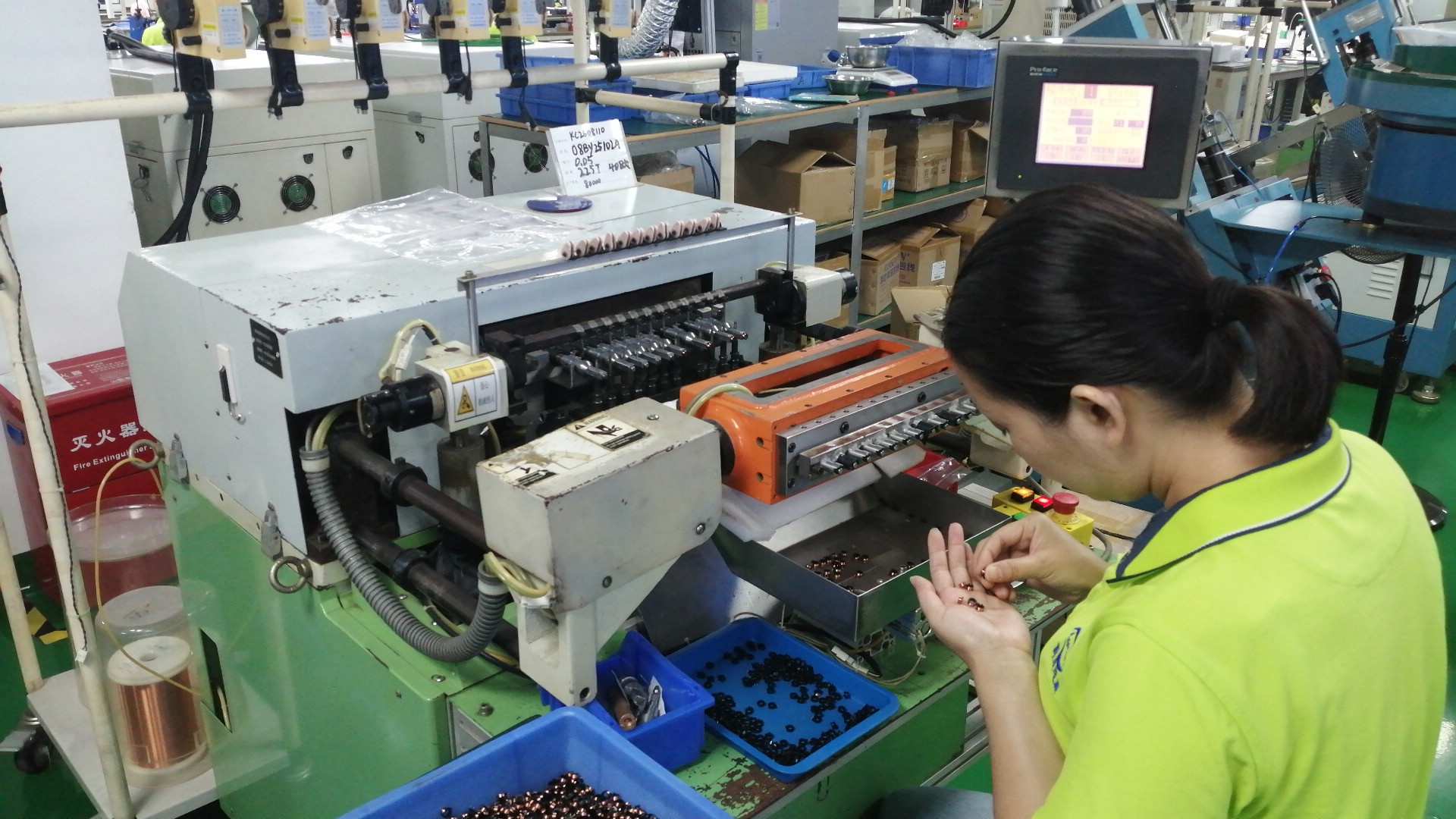 Coil Winding
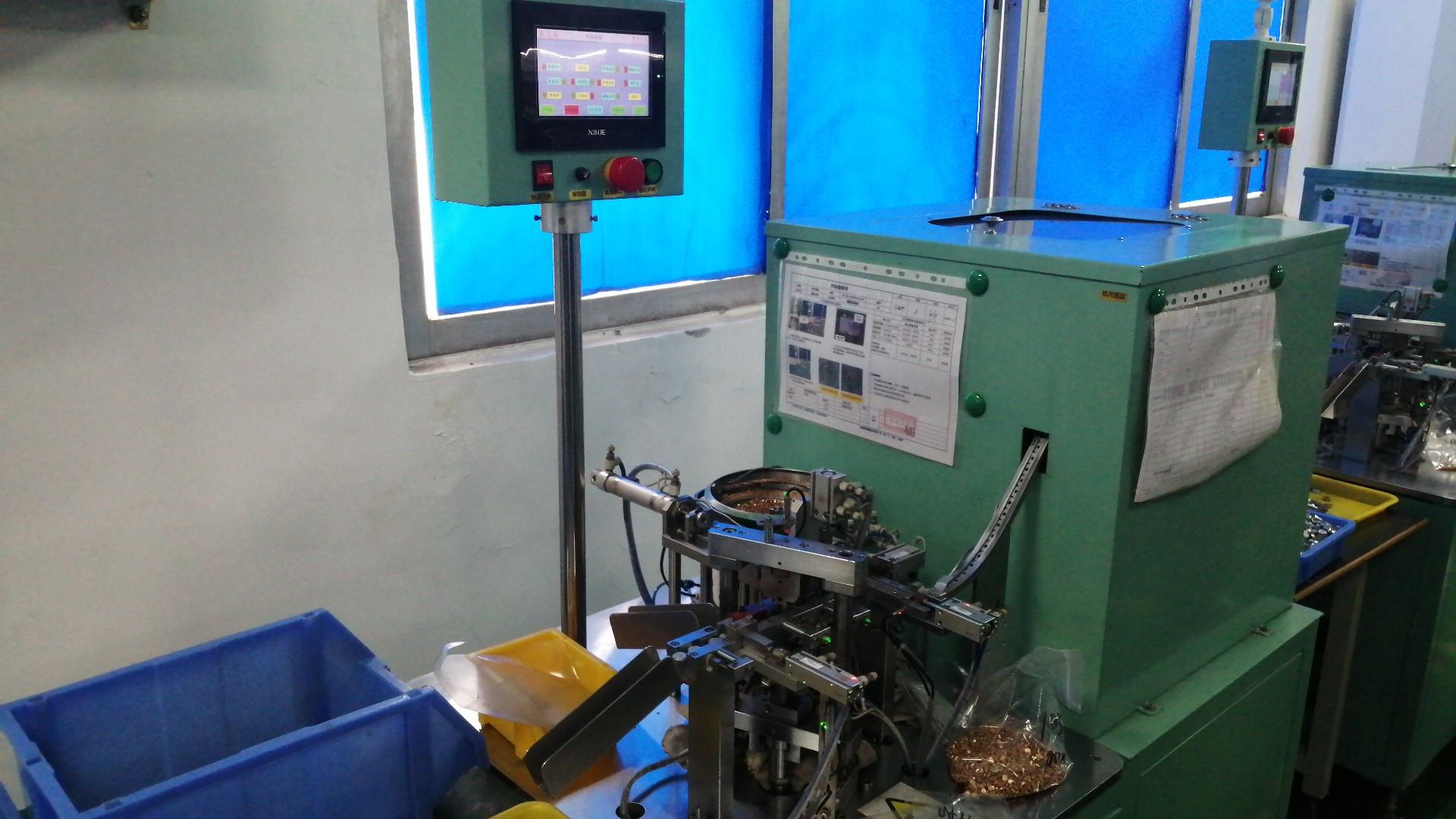 Automatic Pressure Bearing
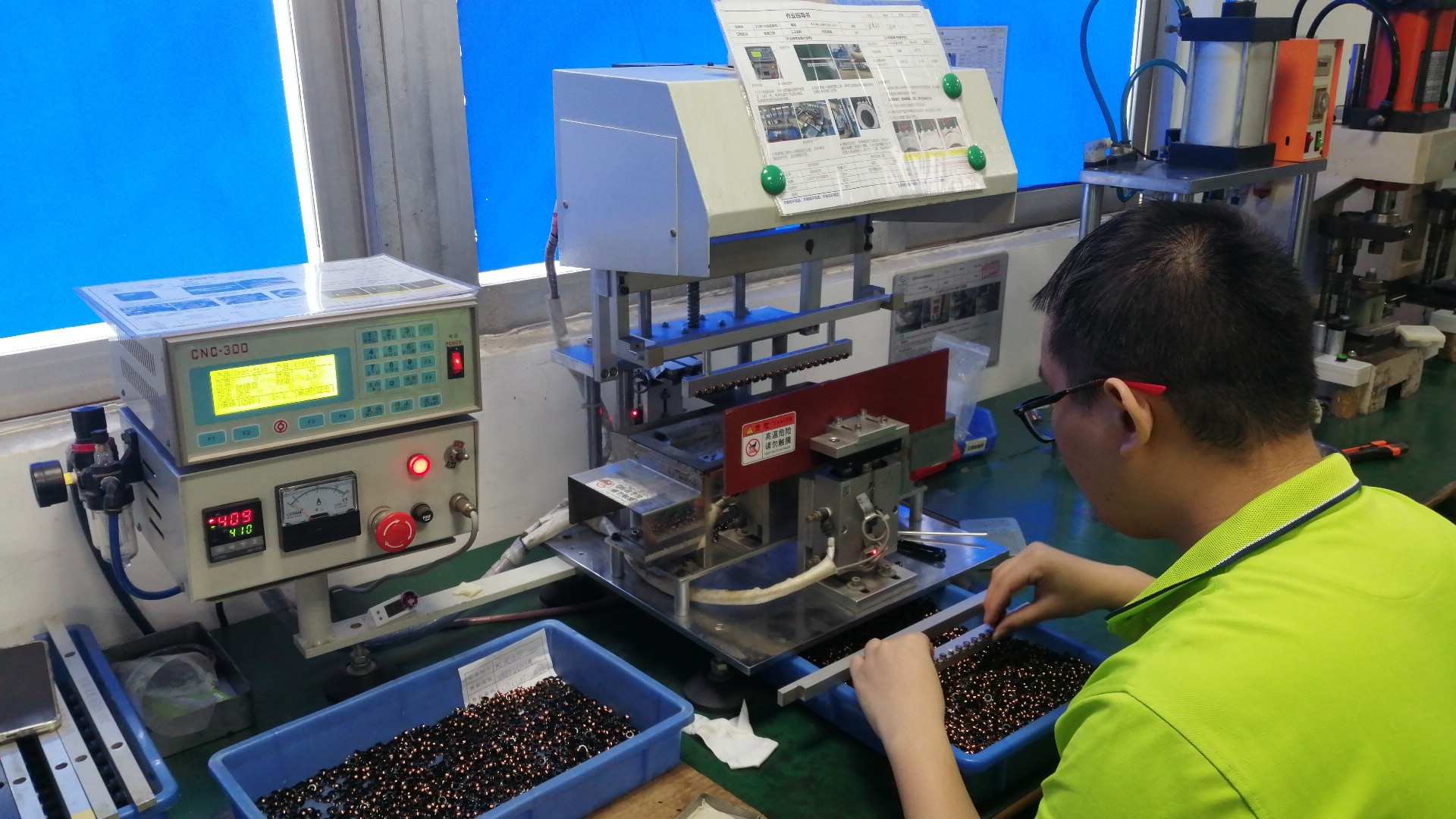 Automatic Soldering
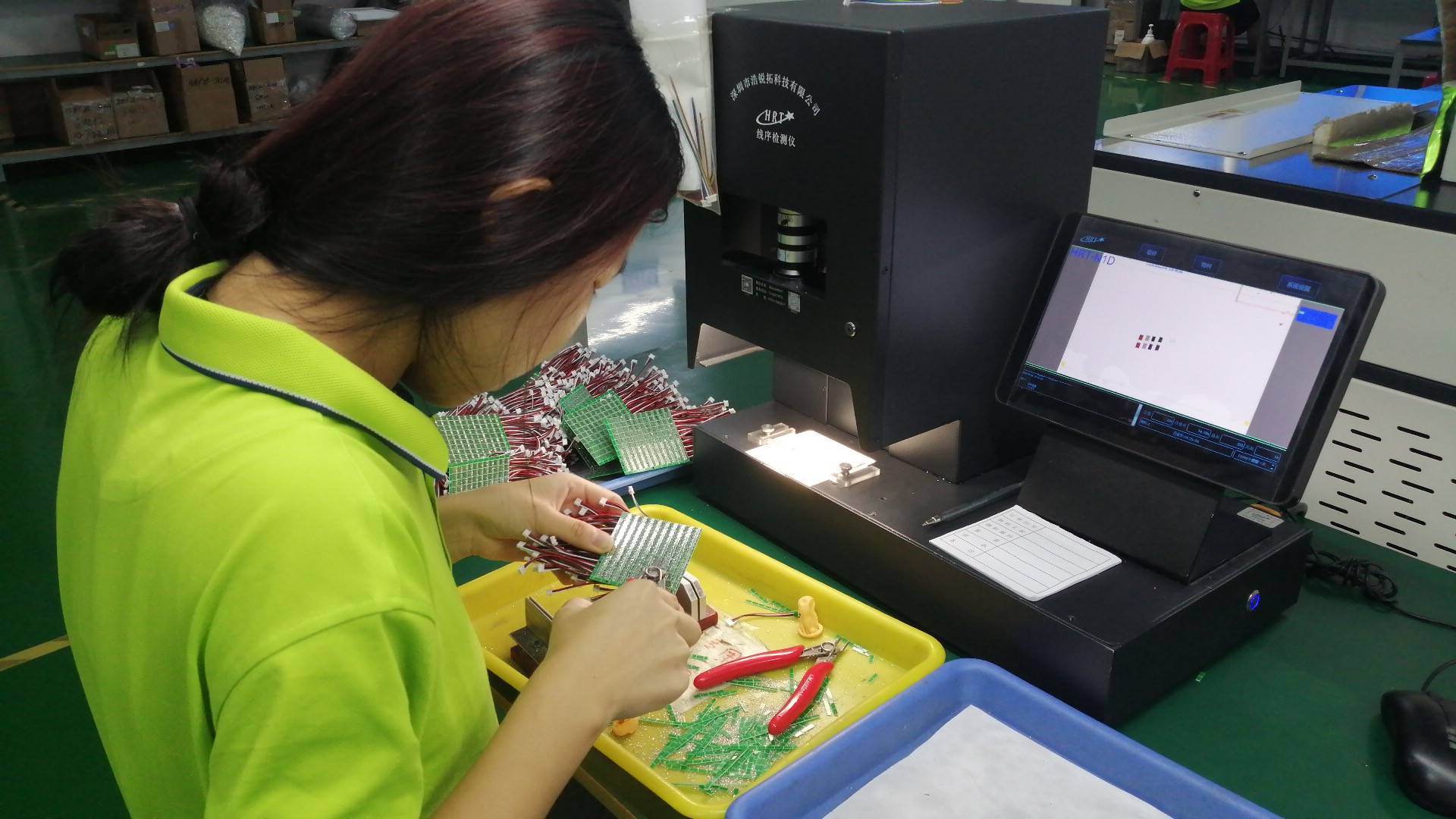 Cutting
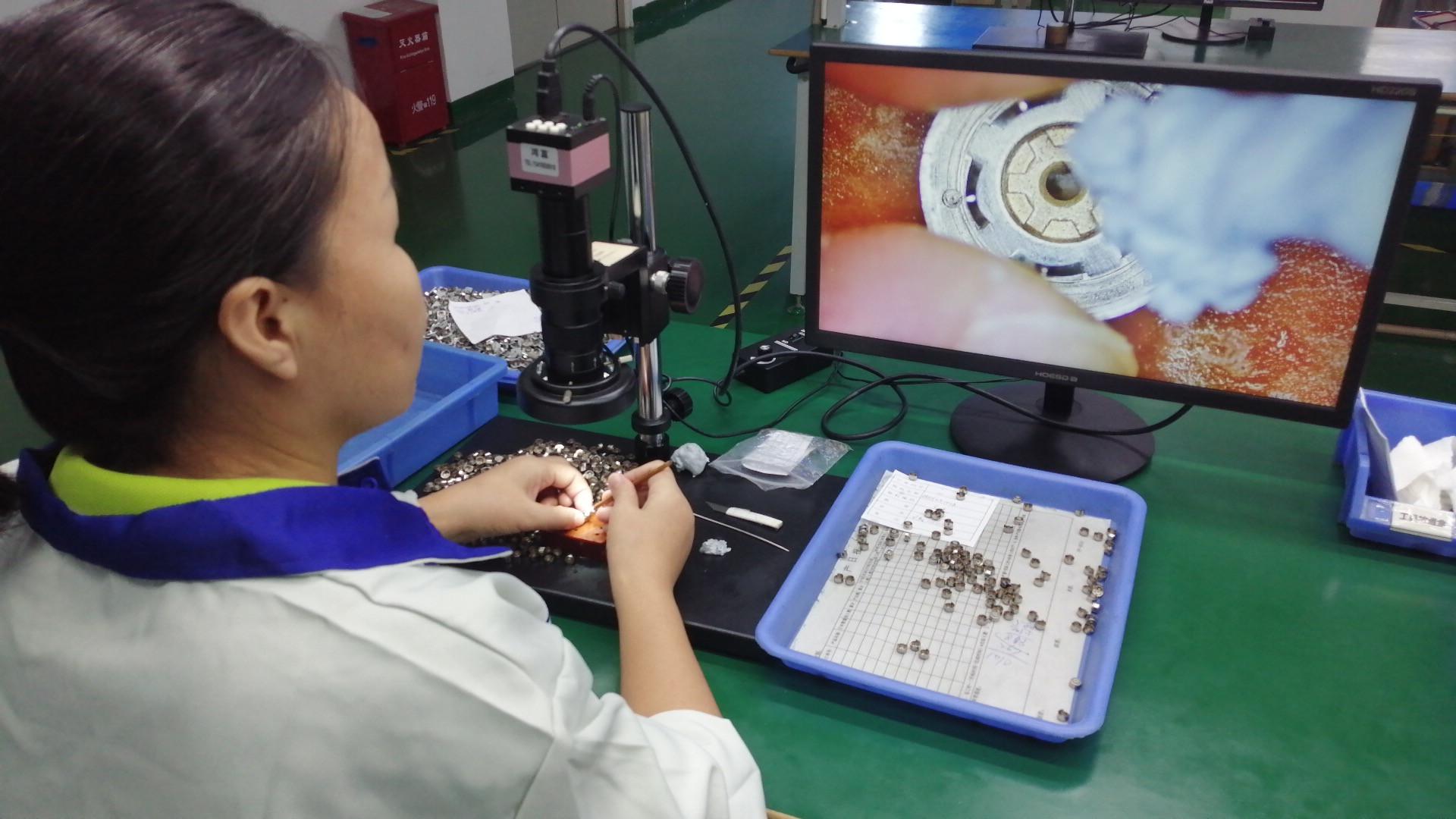 Cleaning
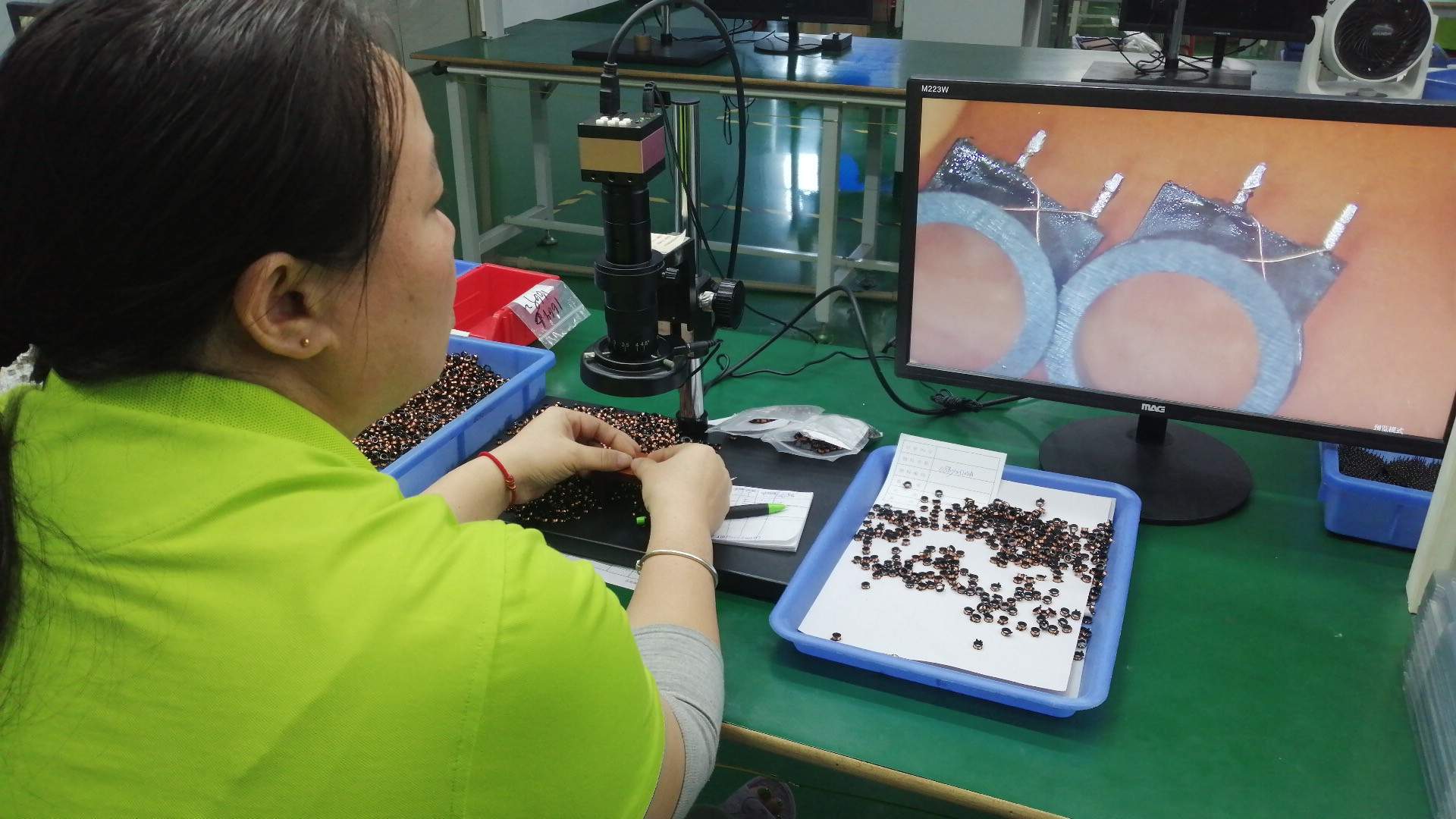 Inspection 1
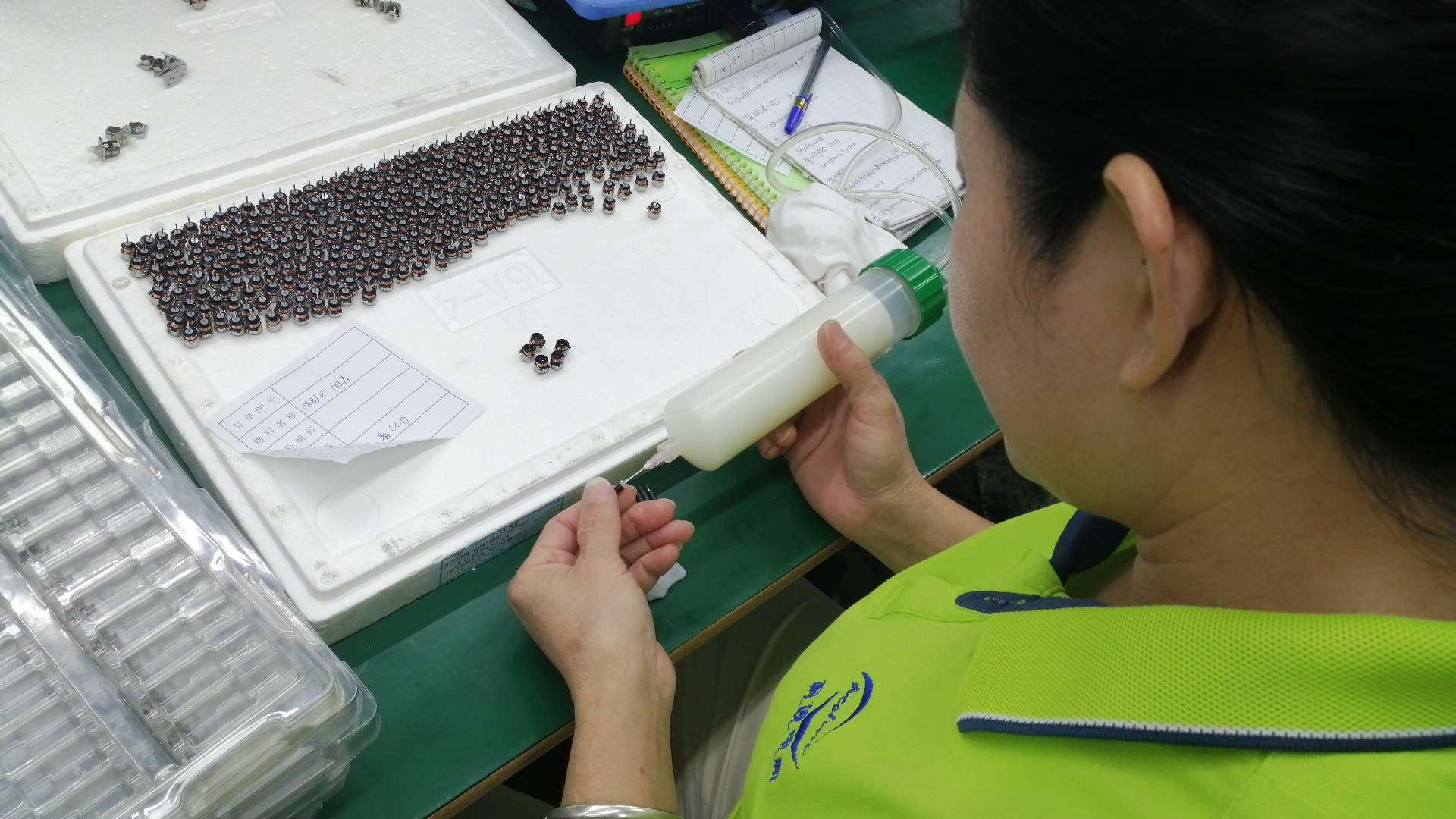 Gluing
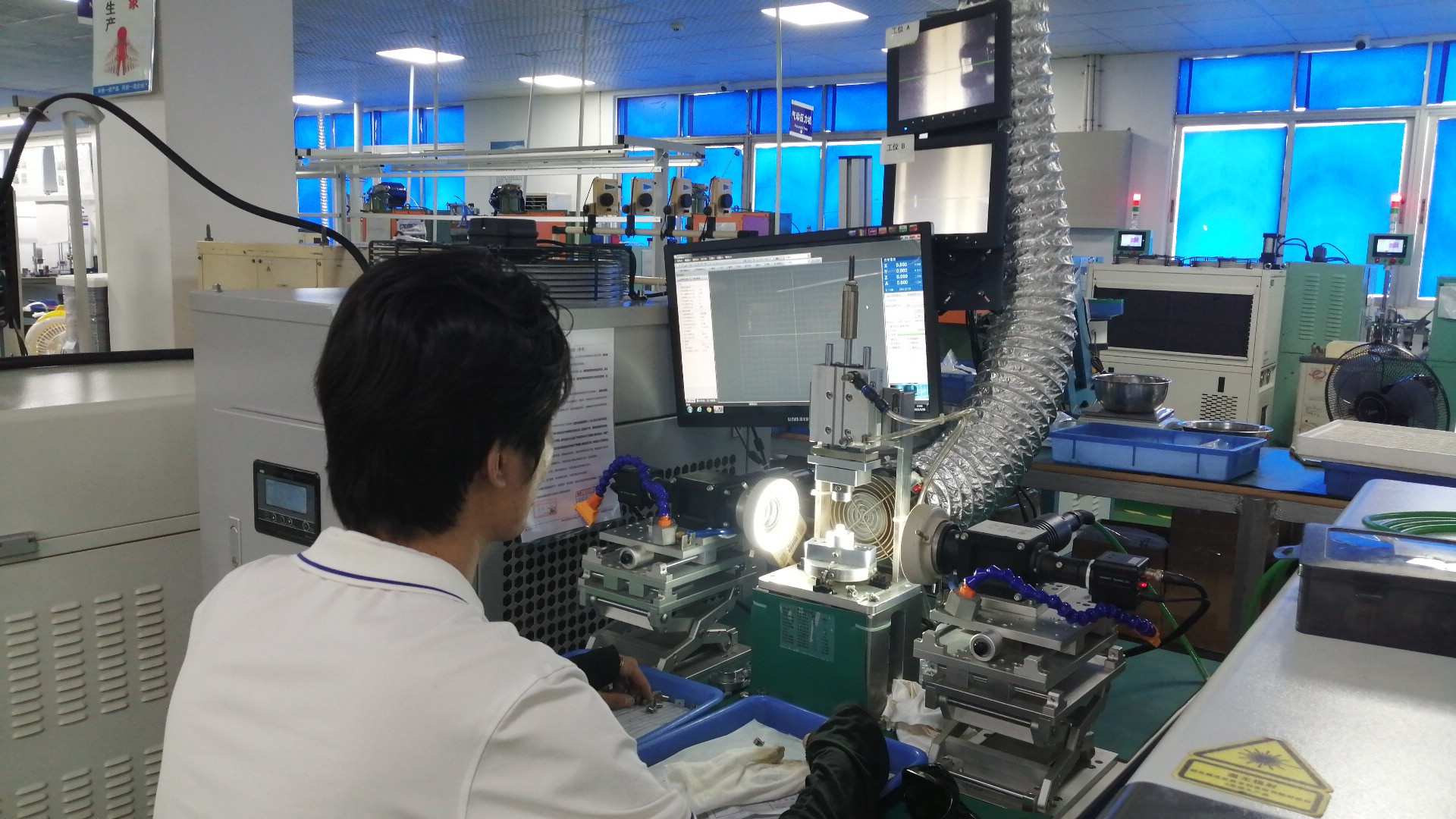 Laser Spotwelder
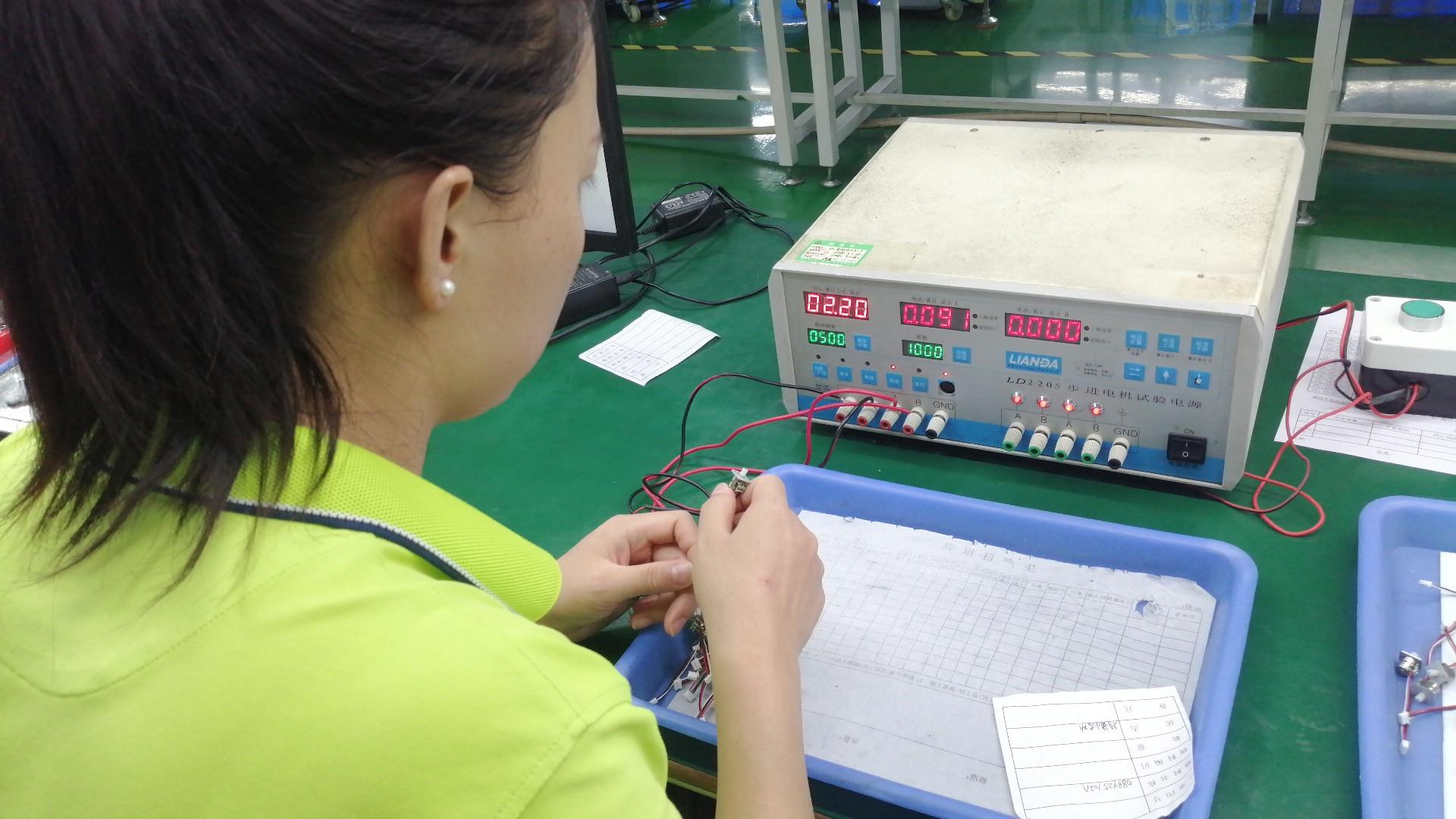 Inspection 2
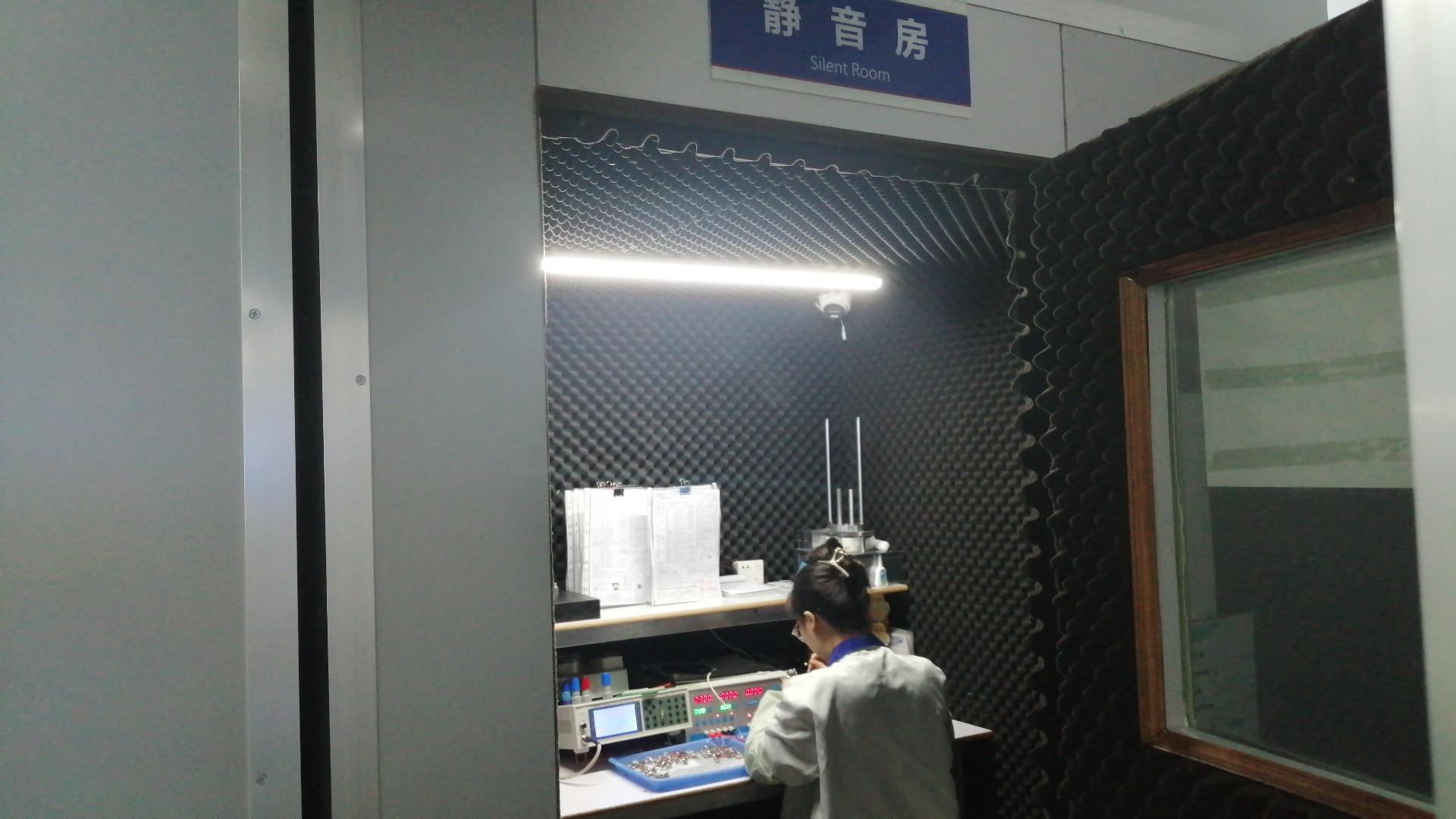 Silent Testing
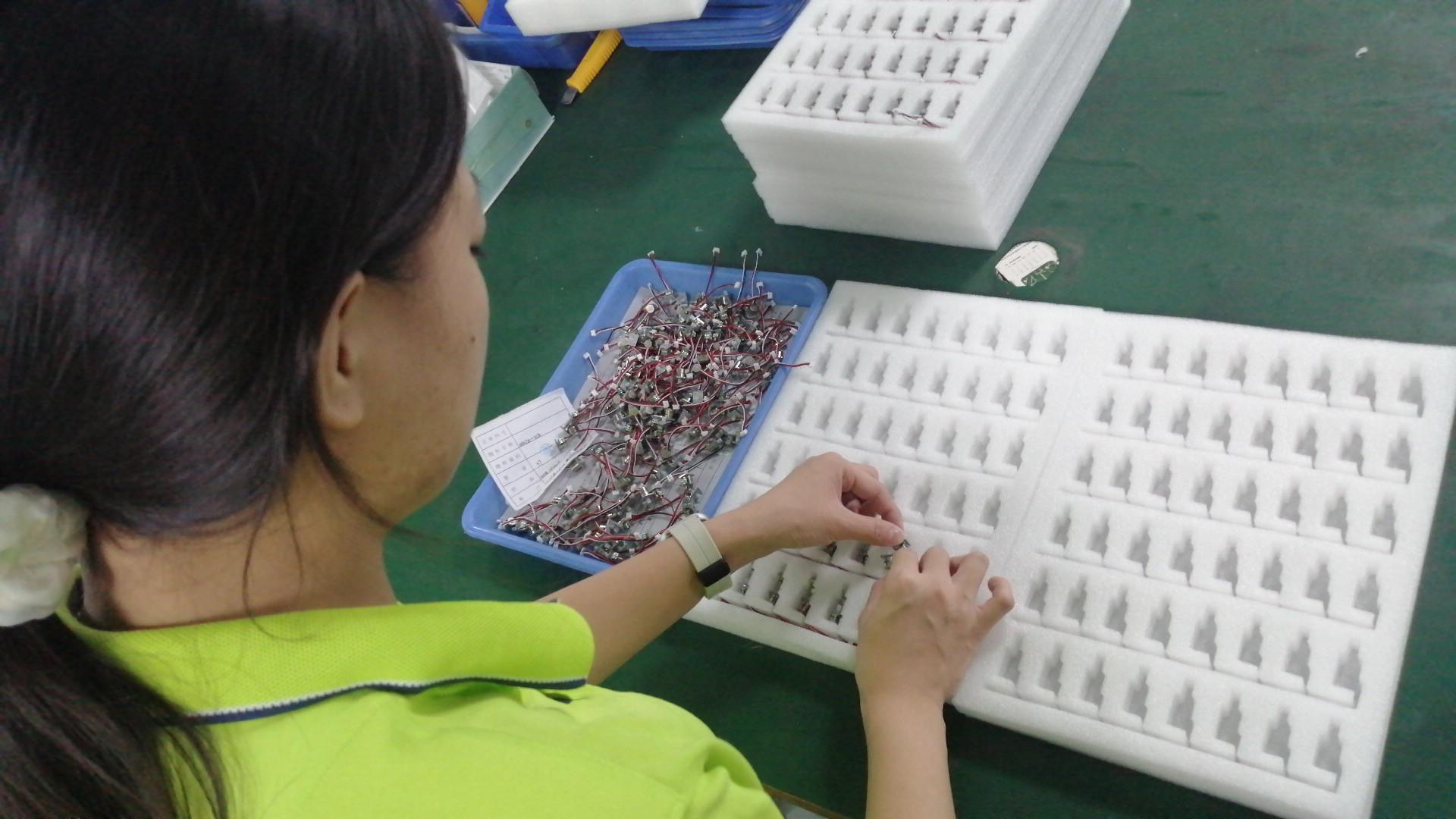 Packing
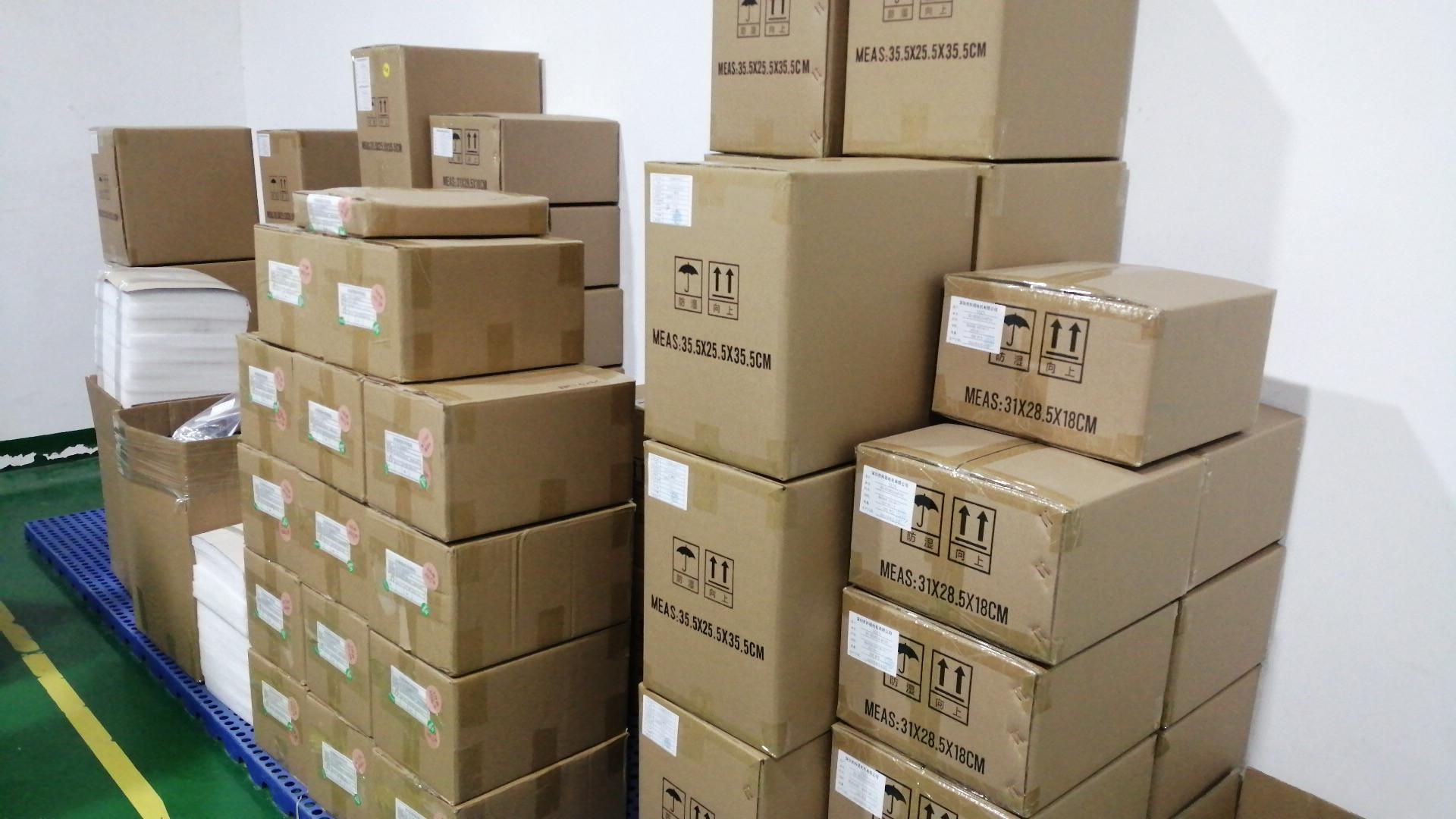 Finished Goods
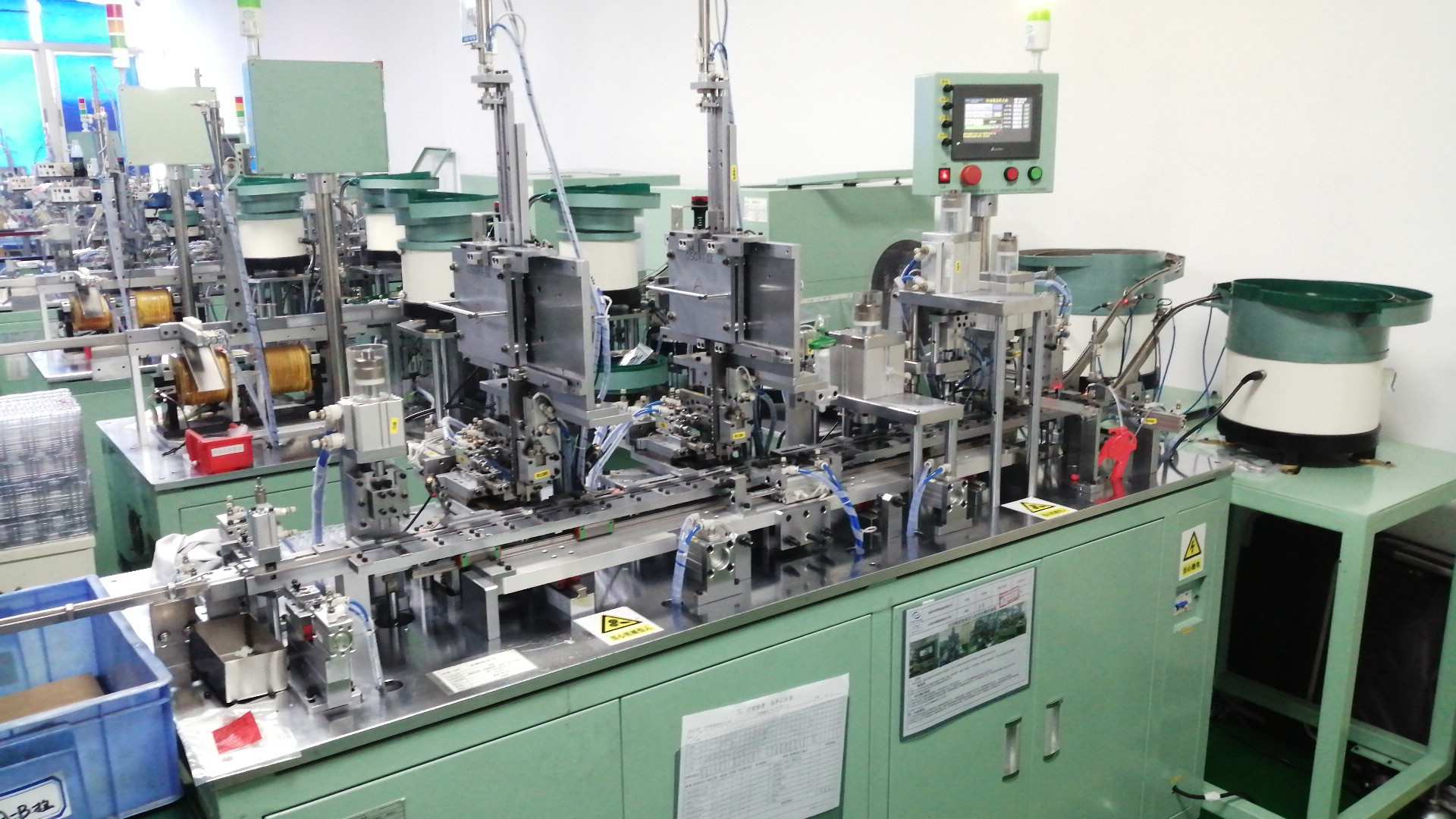 Automatic Assembly Machine
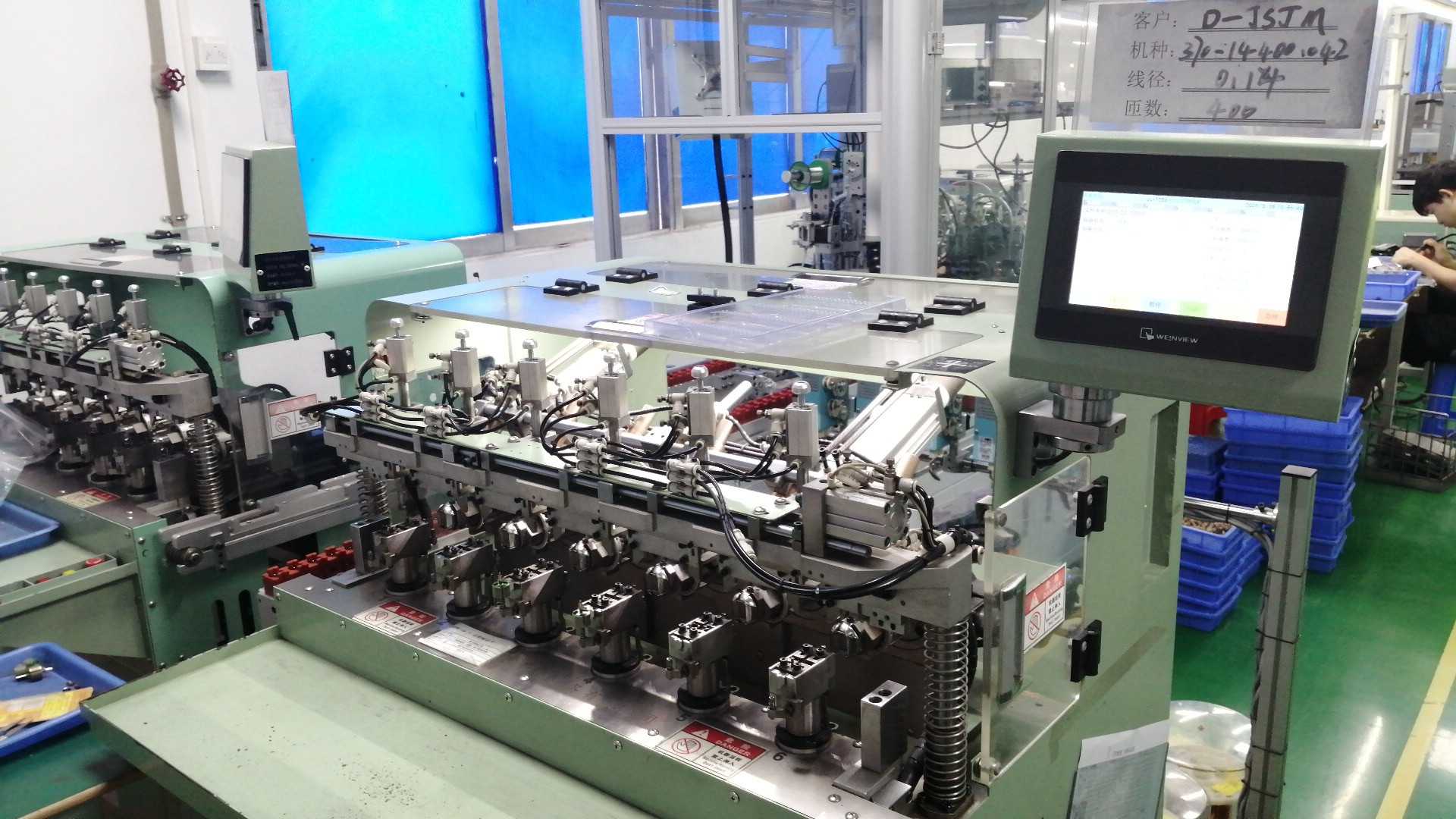 Automatic Coil Winding Machine
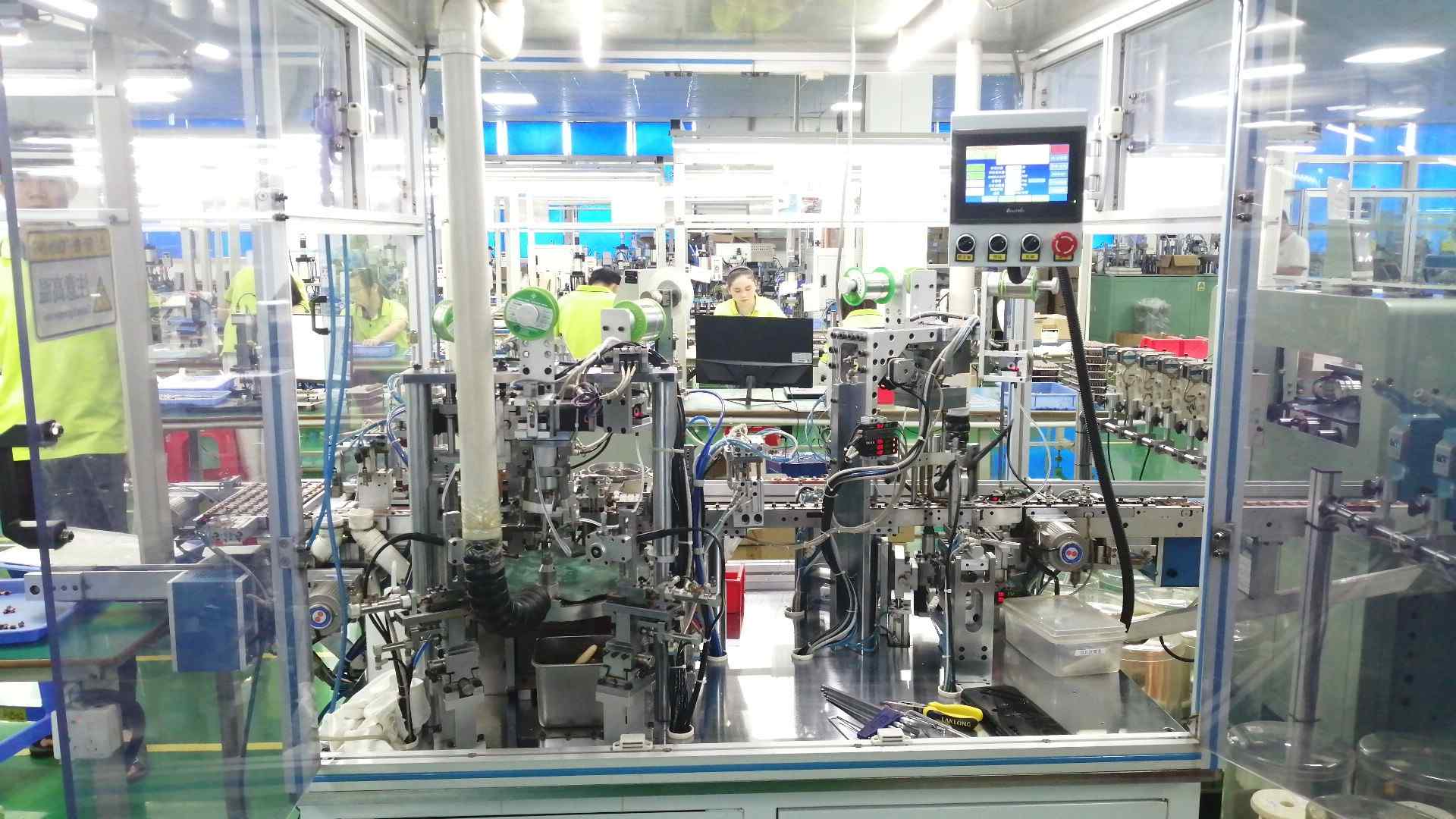 Automatic Soldering Machine
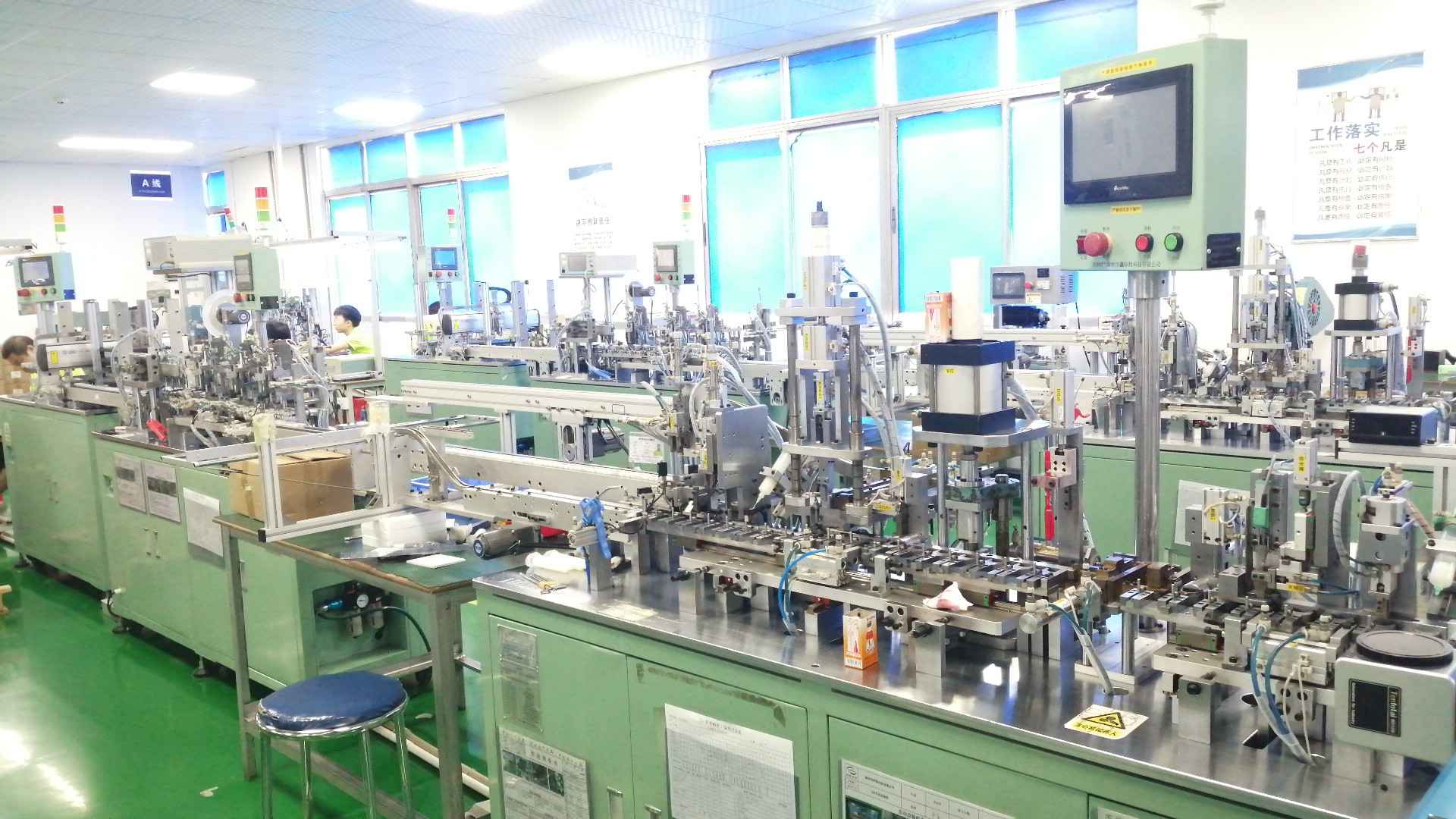 Automatic Assembly Line
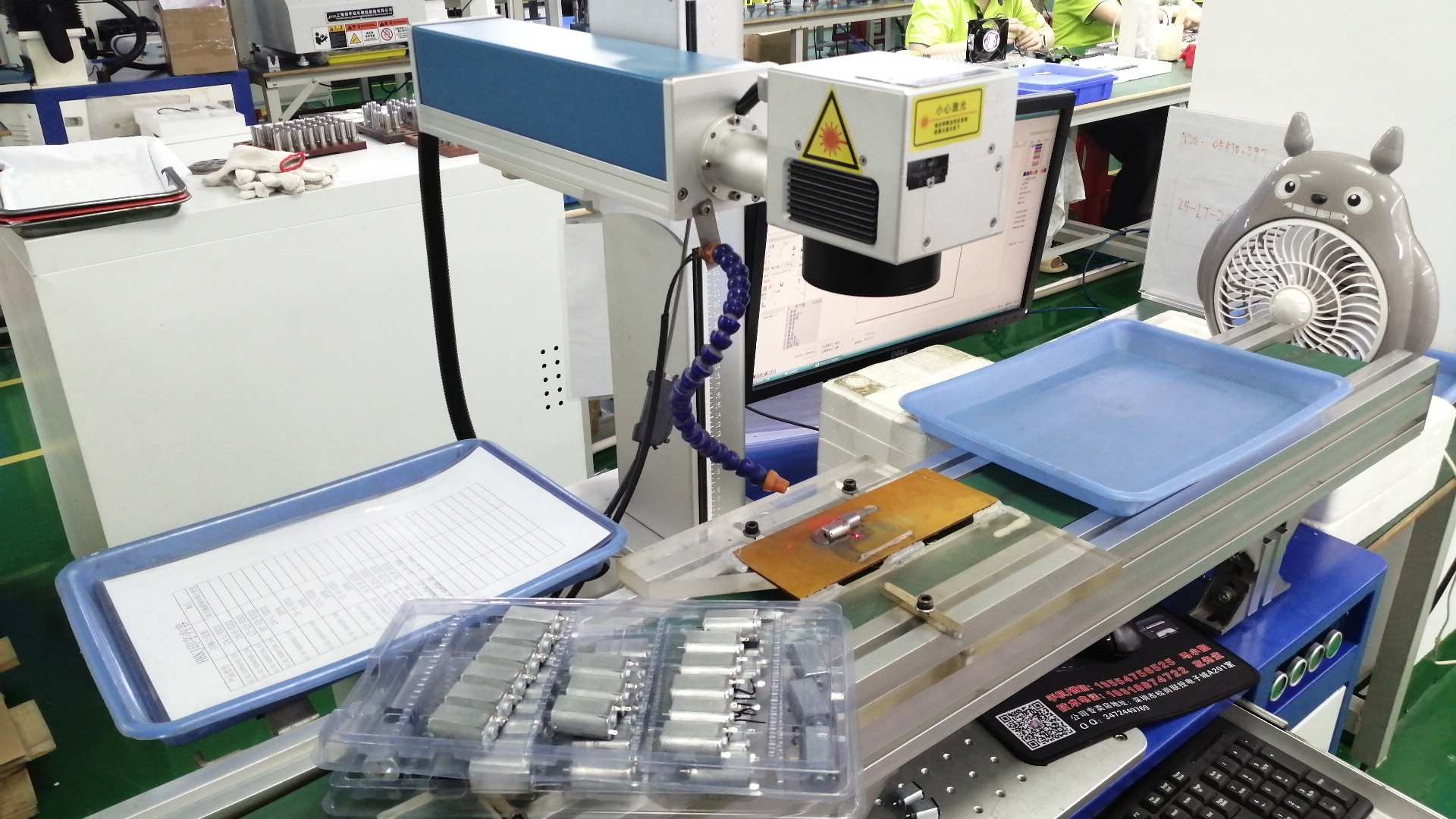 Laser Engraving Machine
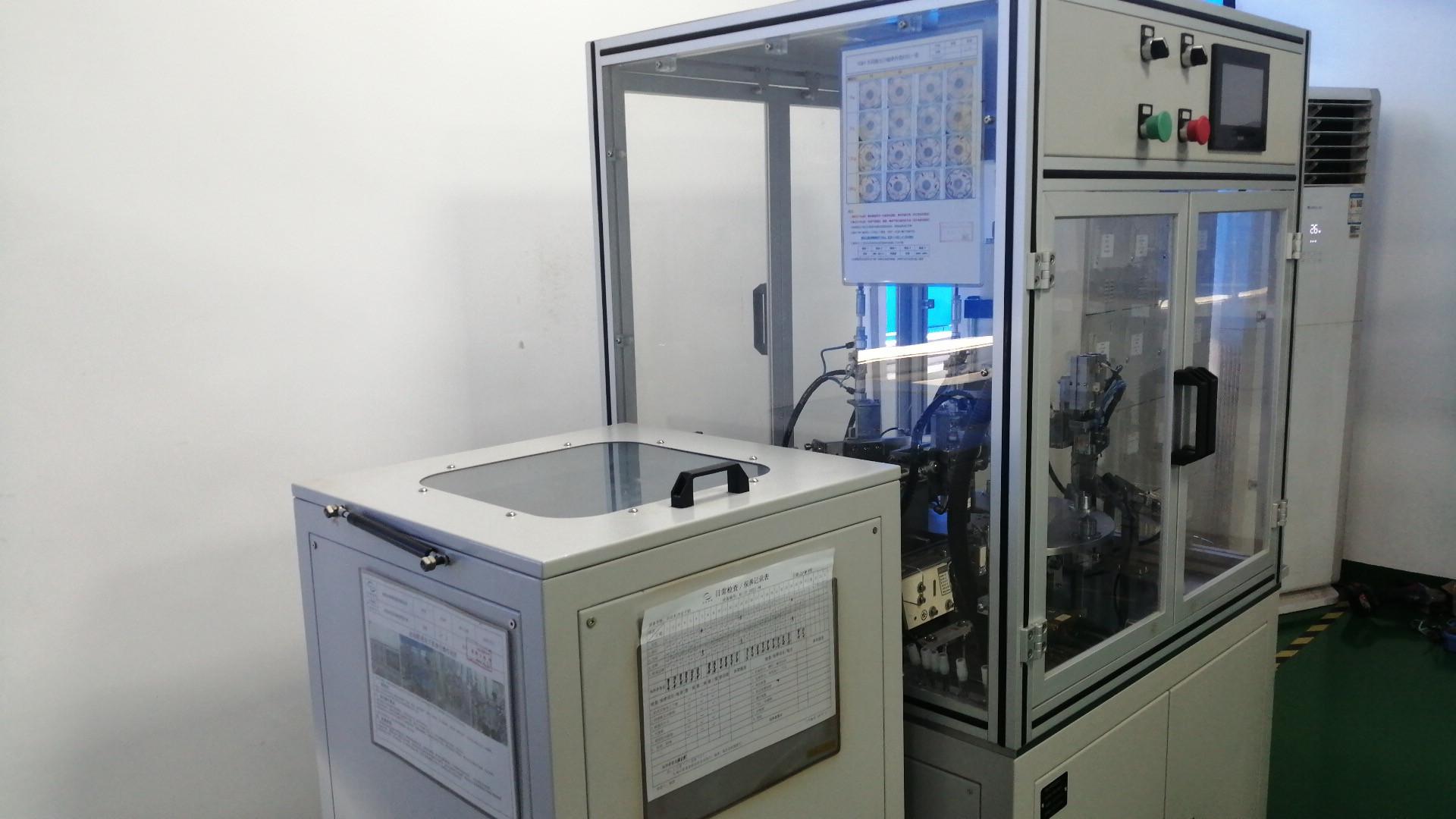 Automatic Pressure Bearing Machine
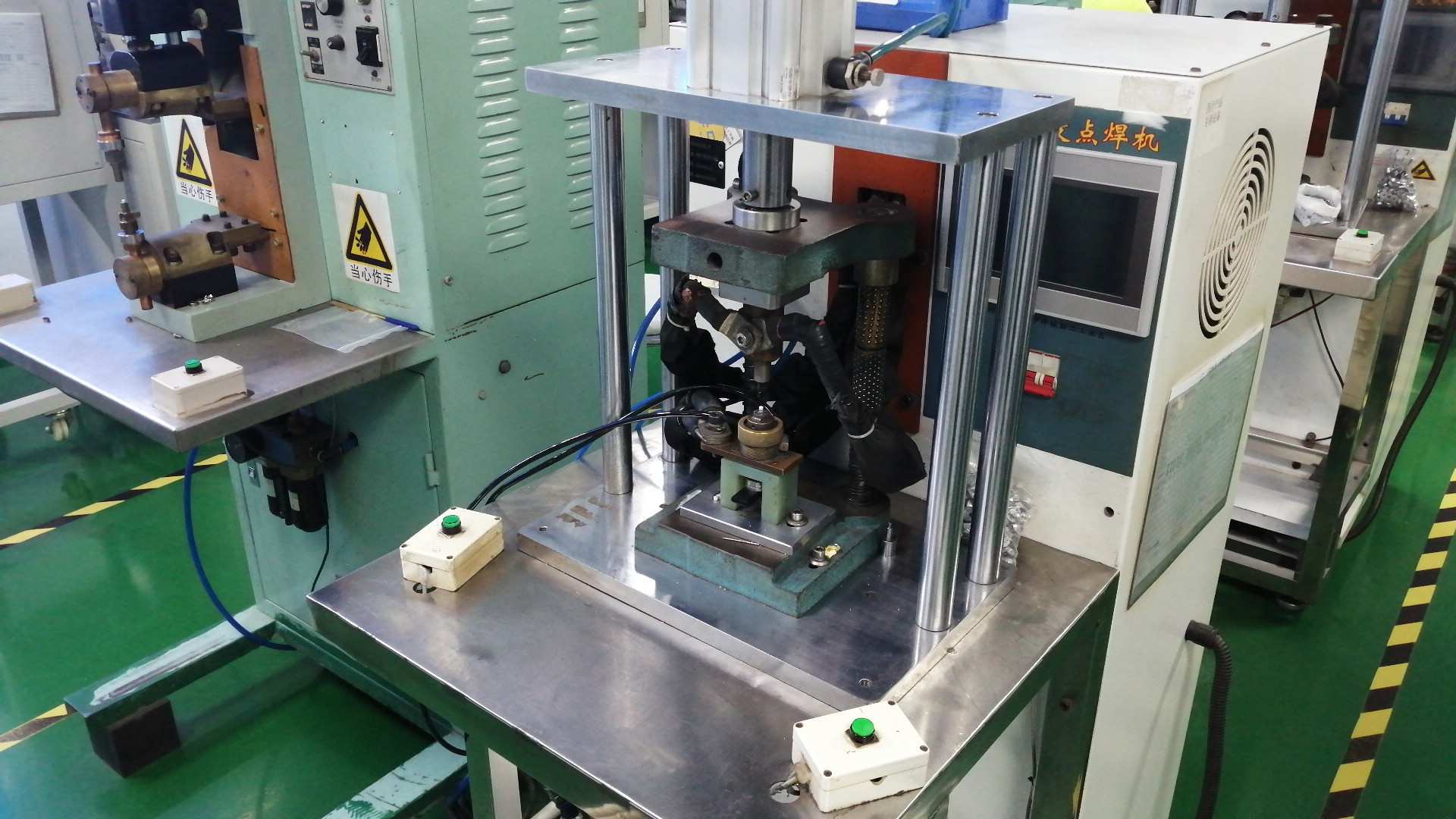 Spotwelder
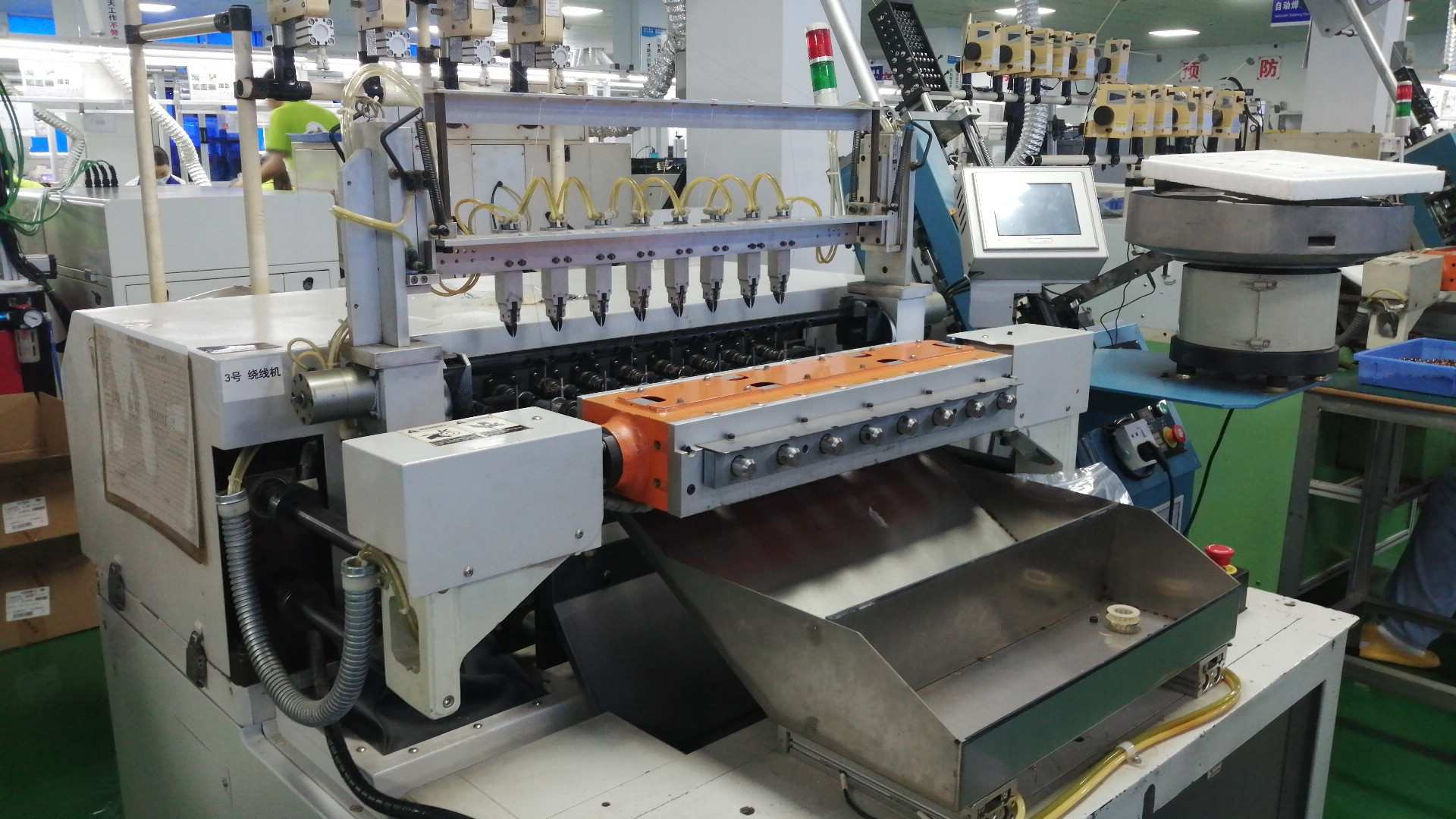 Automatic Coil Winding Machine
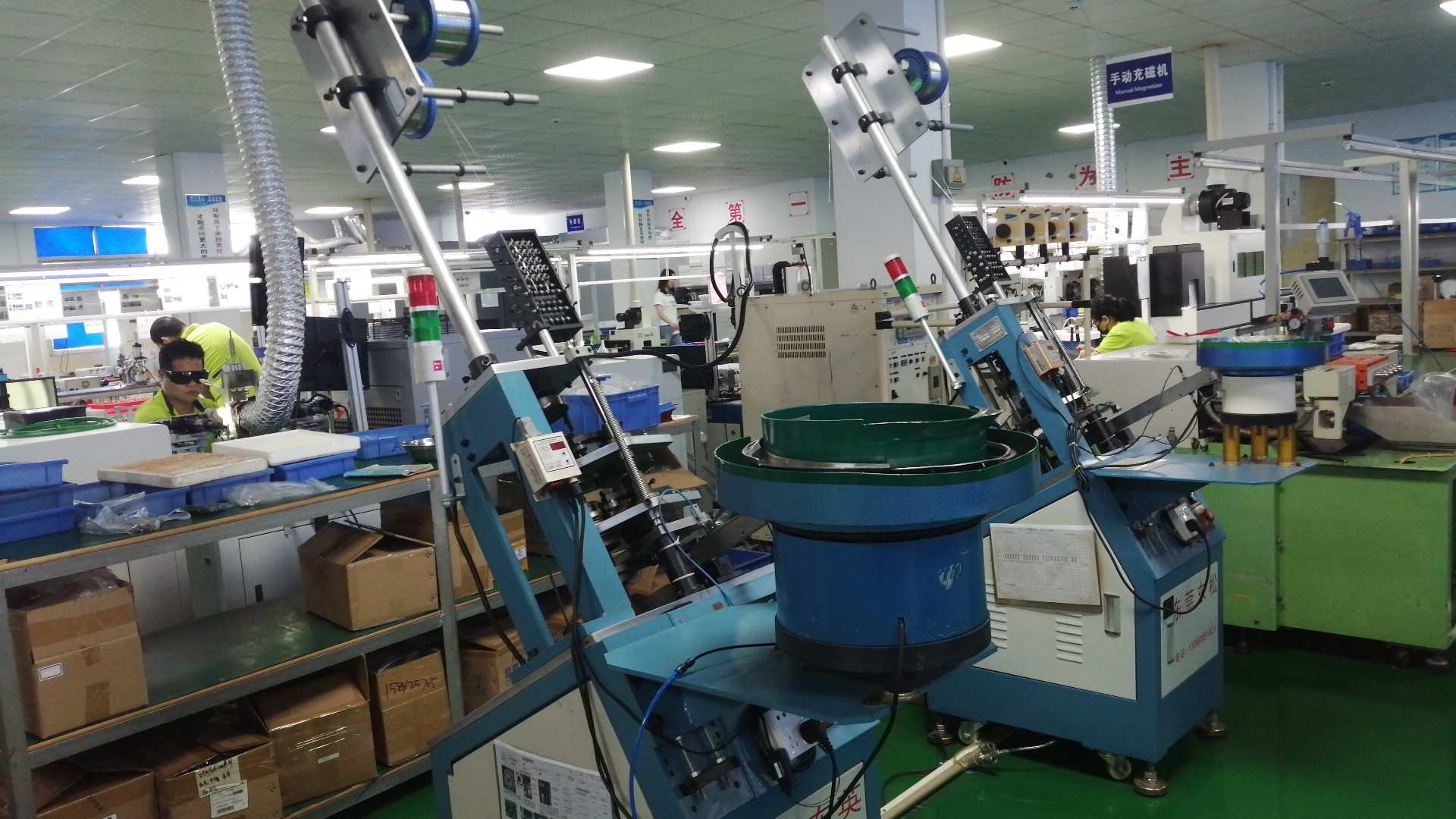 Pin Inserting Machine
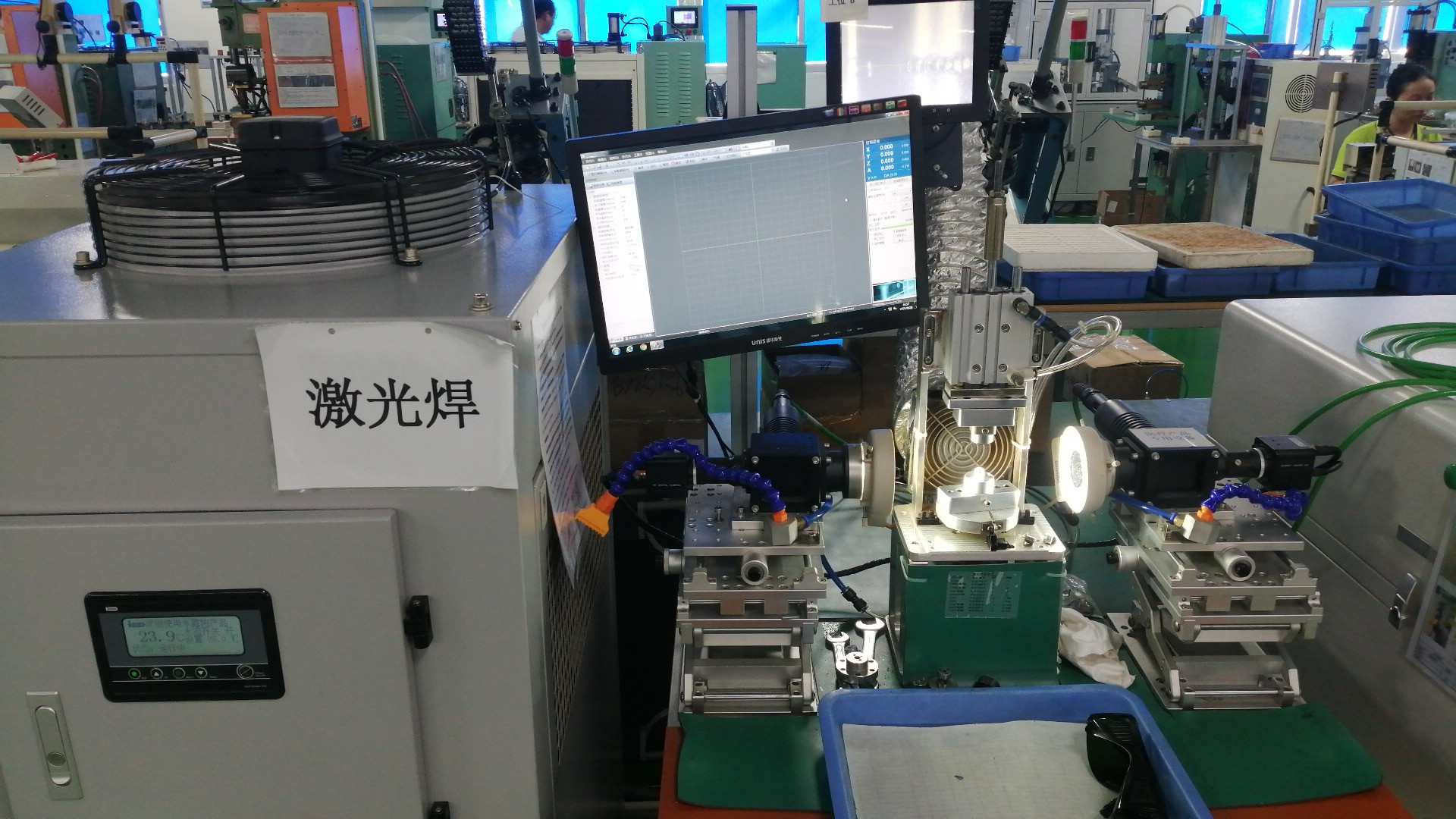 Laser Spotwelder
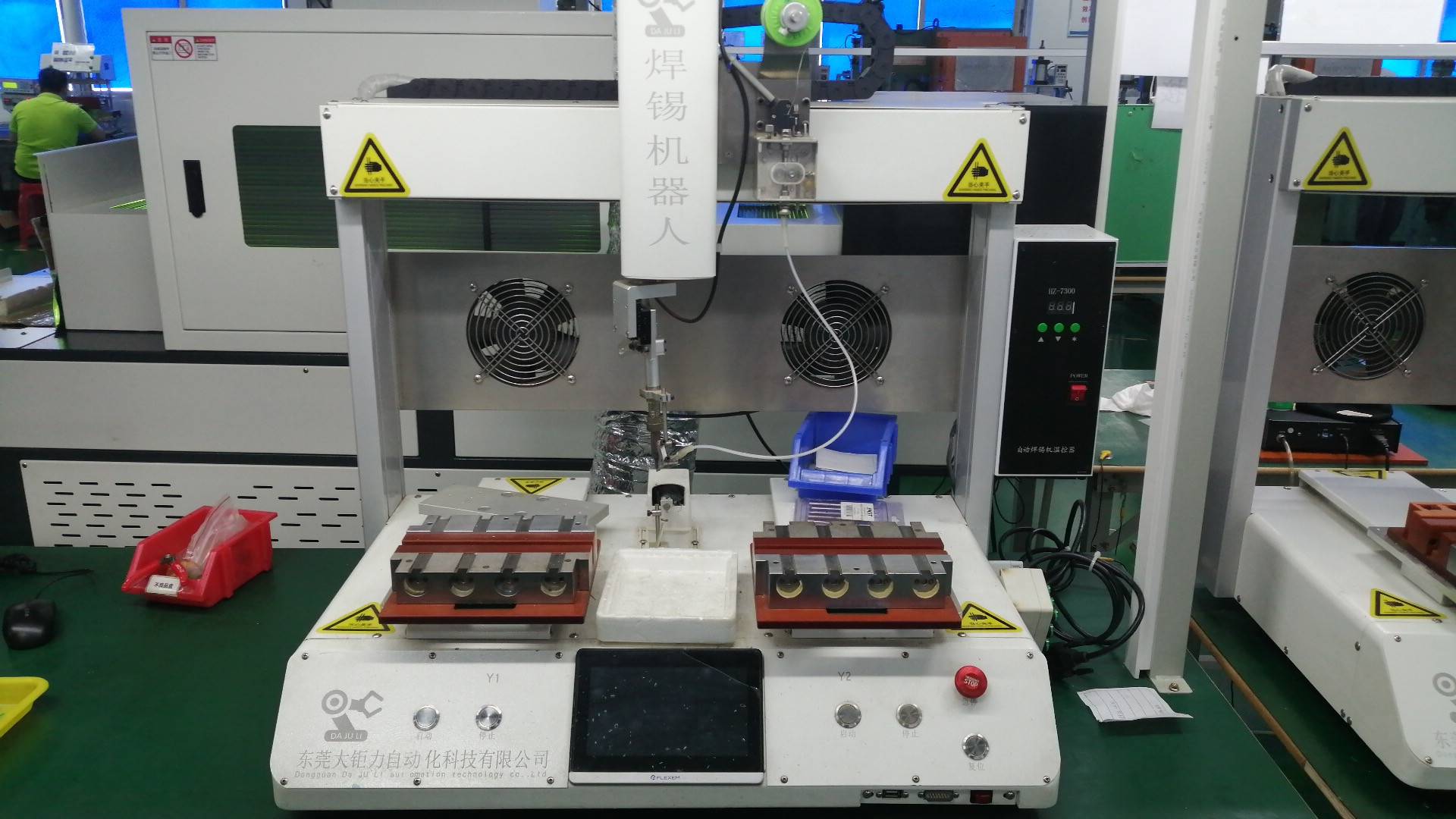 Automatic Soldering Machine
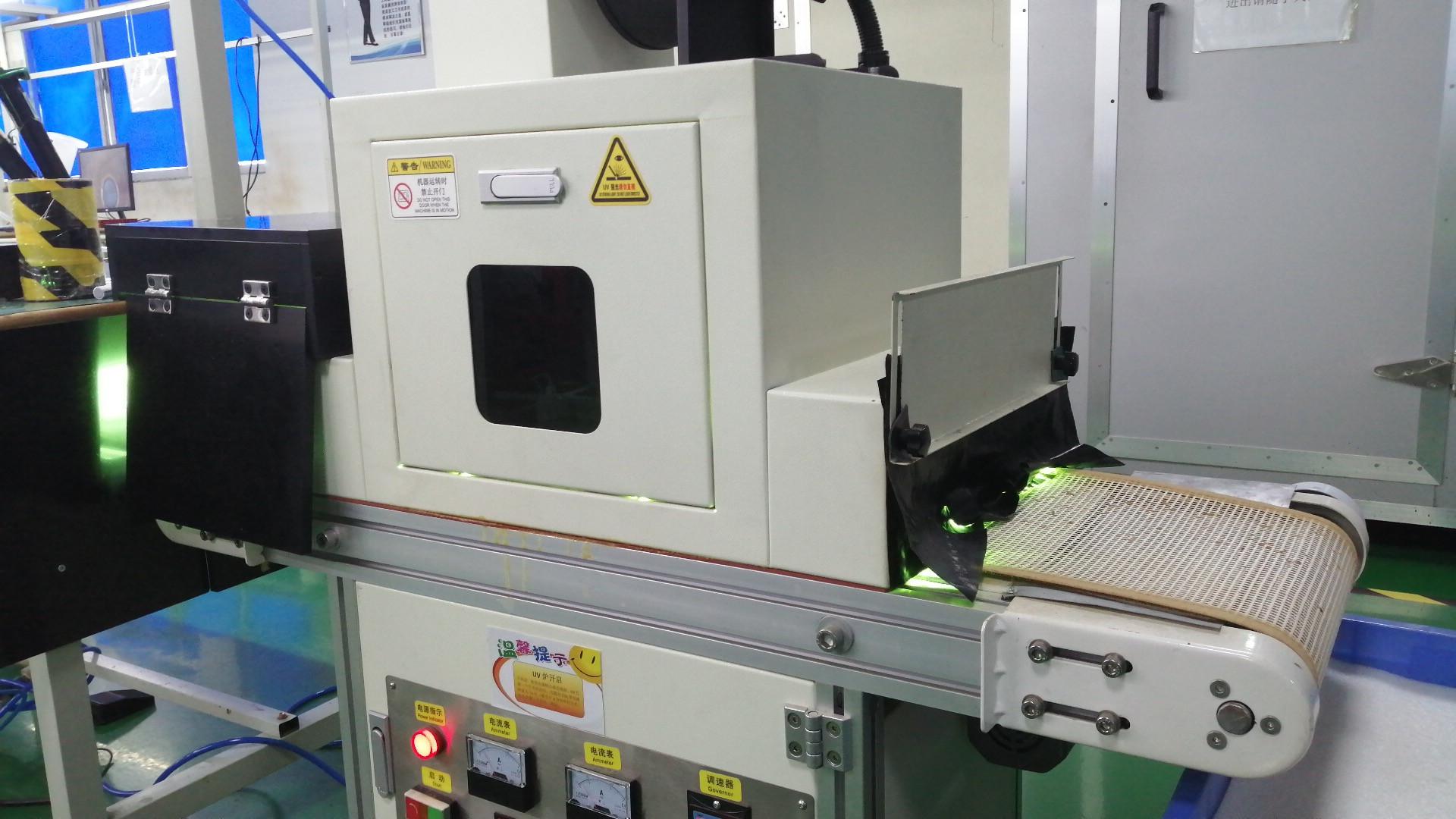 Low Temperature Furnace
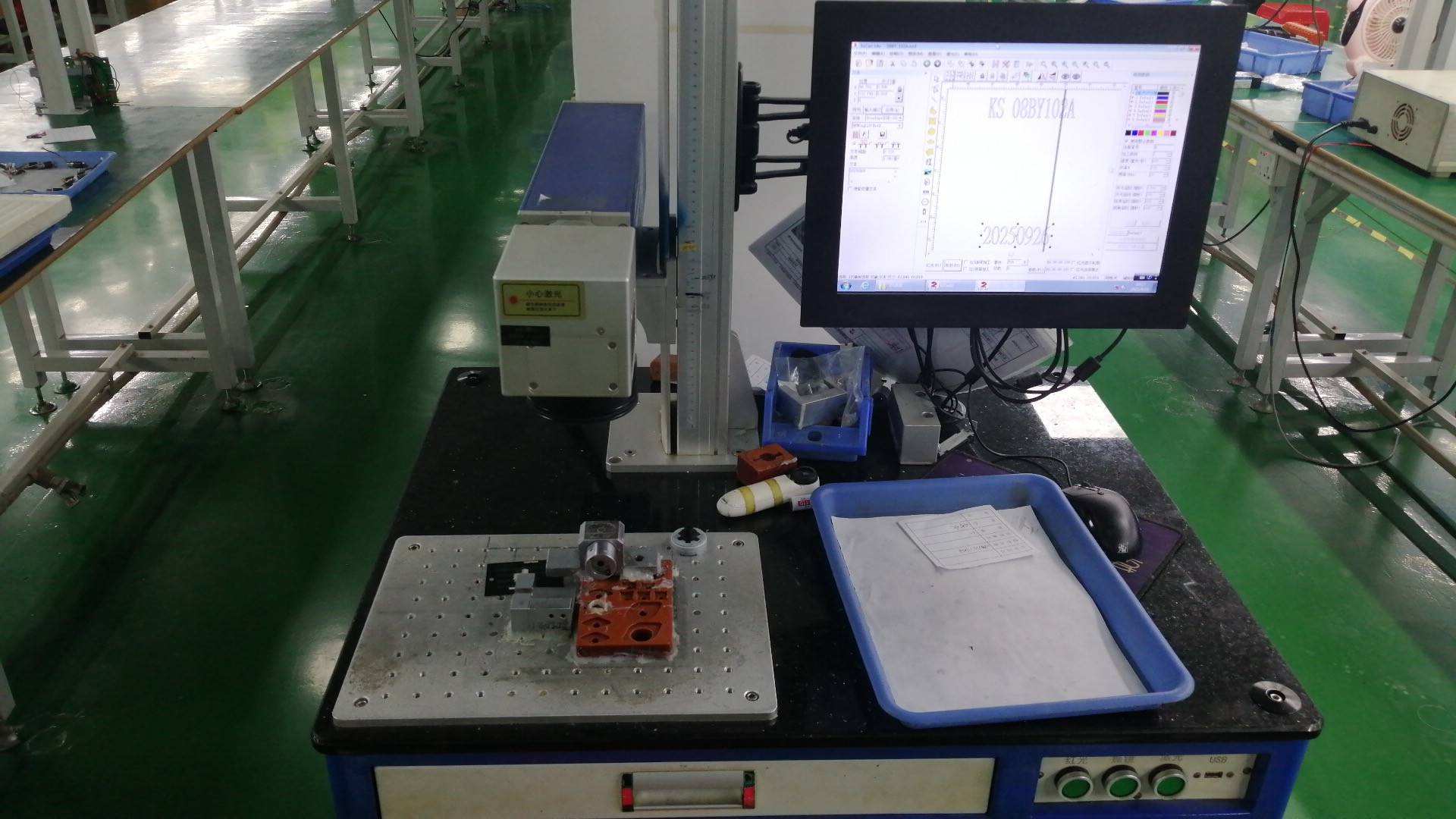 Laser Engraving Machine

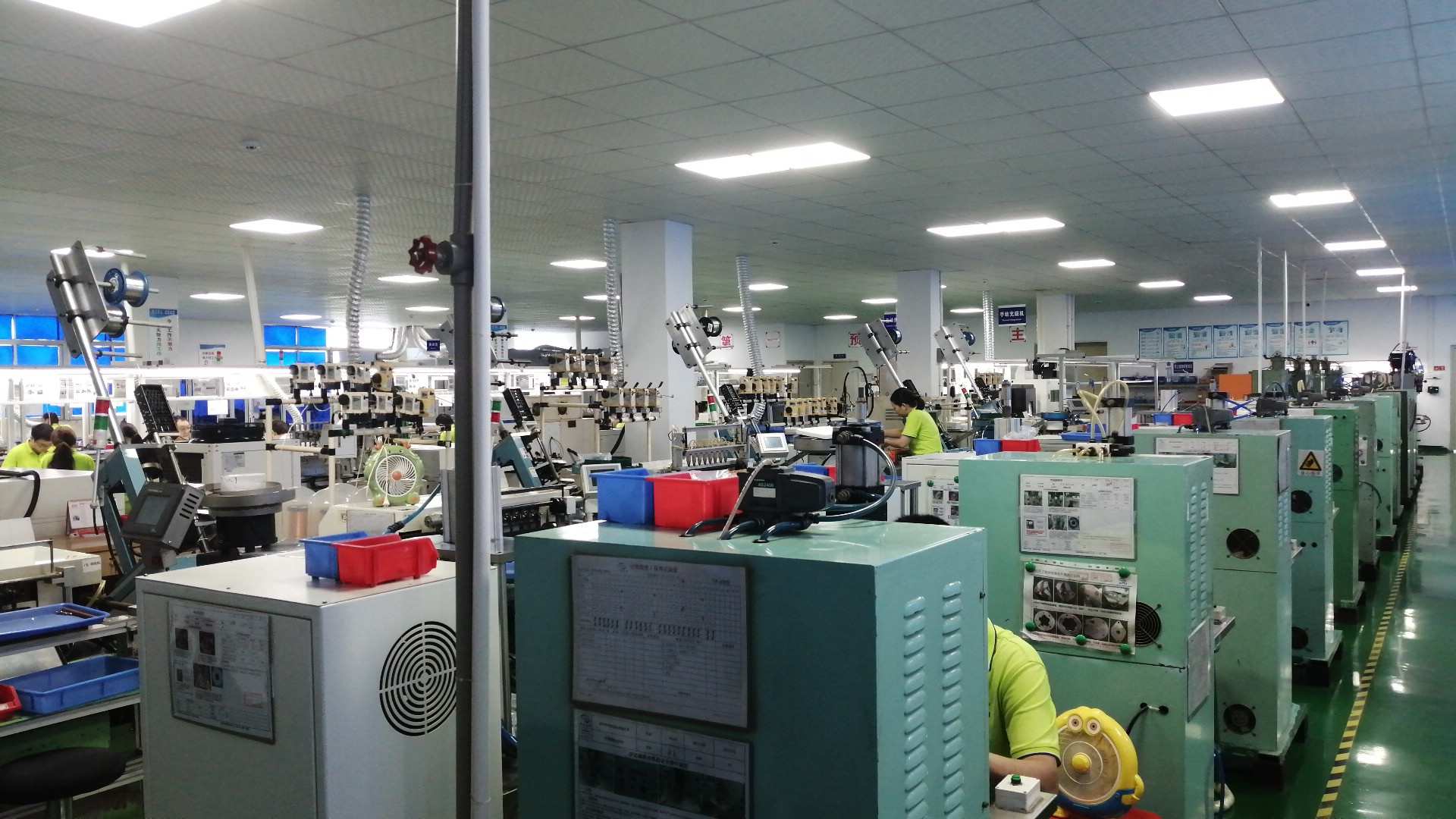
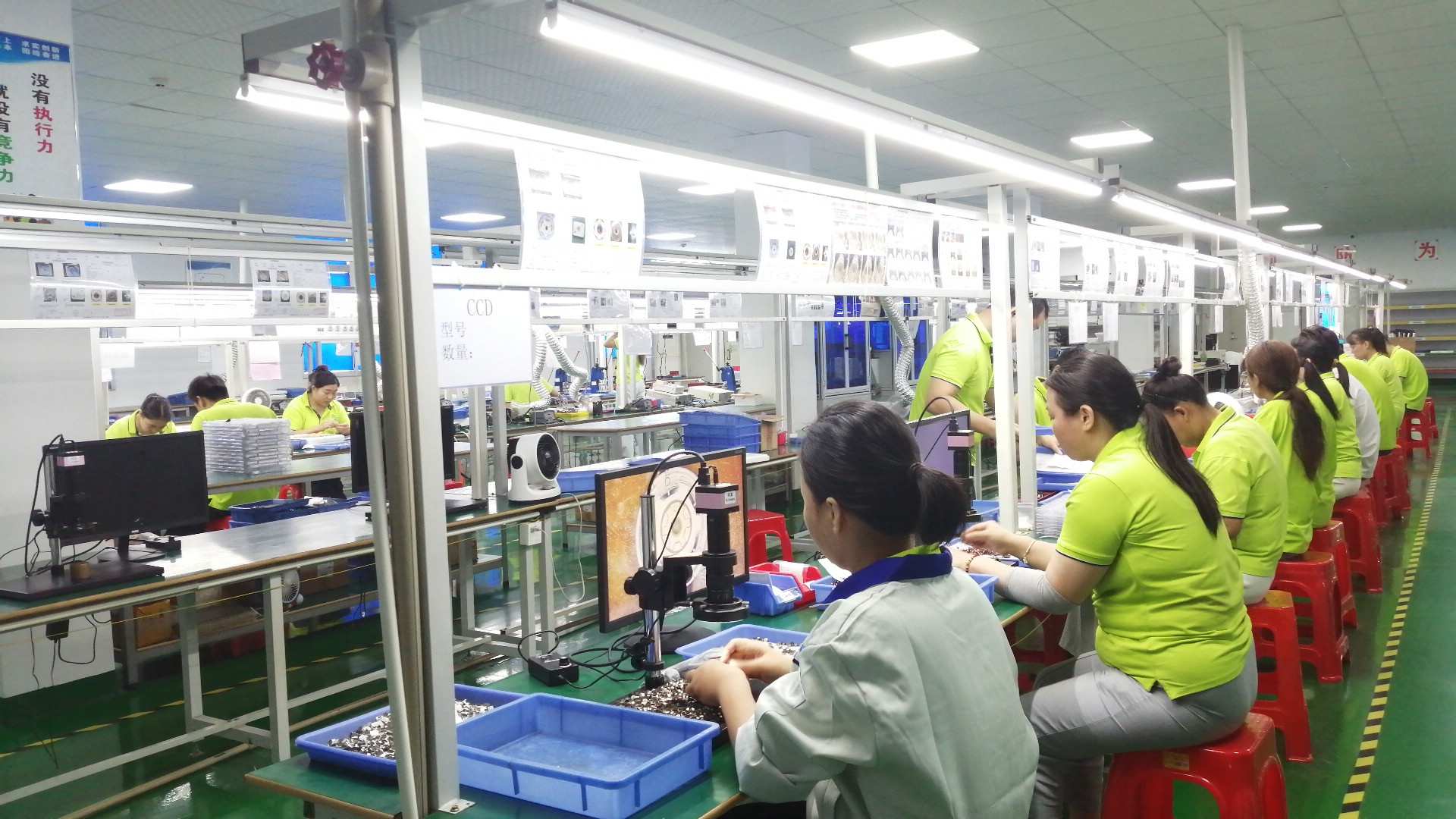
A deep look into our zero-defect verification framework. Certified and reliable laboratory environments guarantee precision.
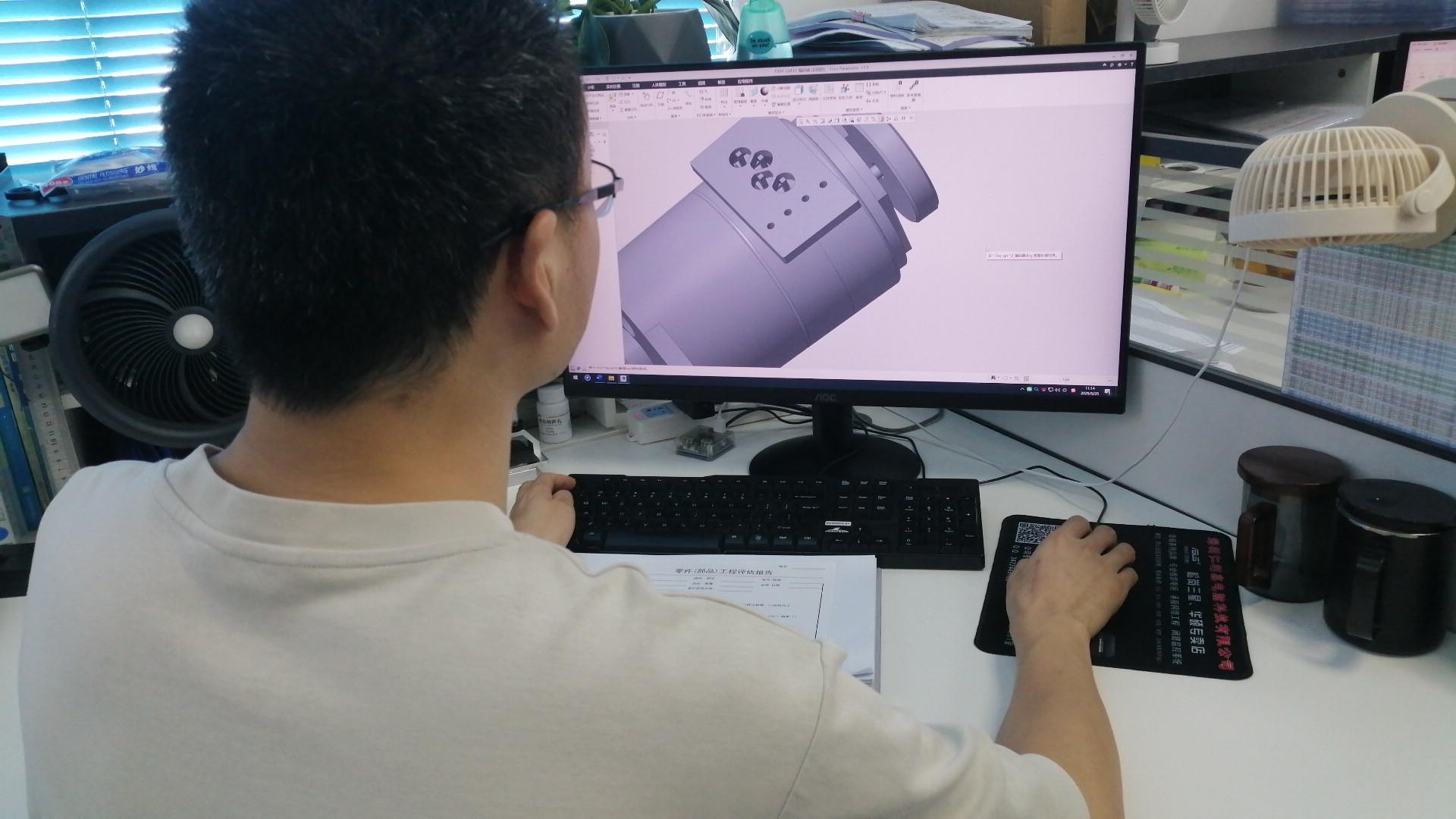 Design
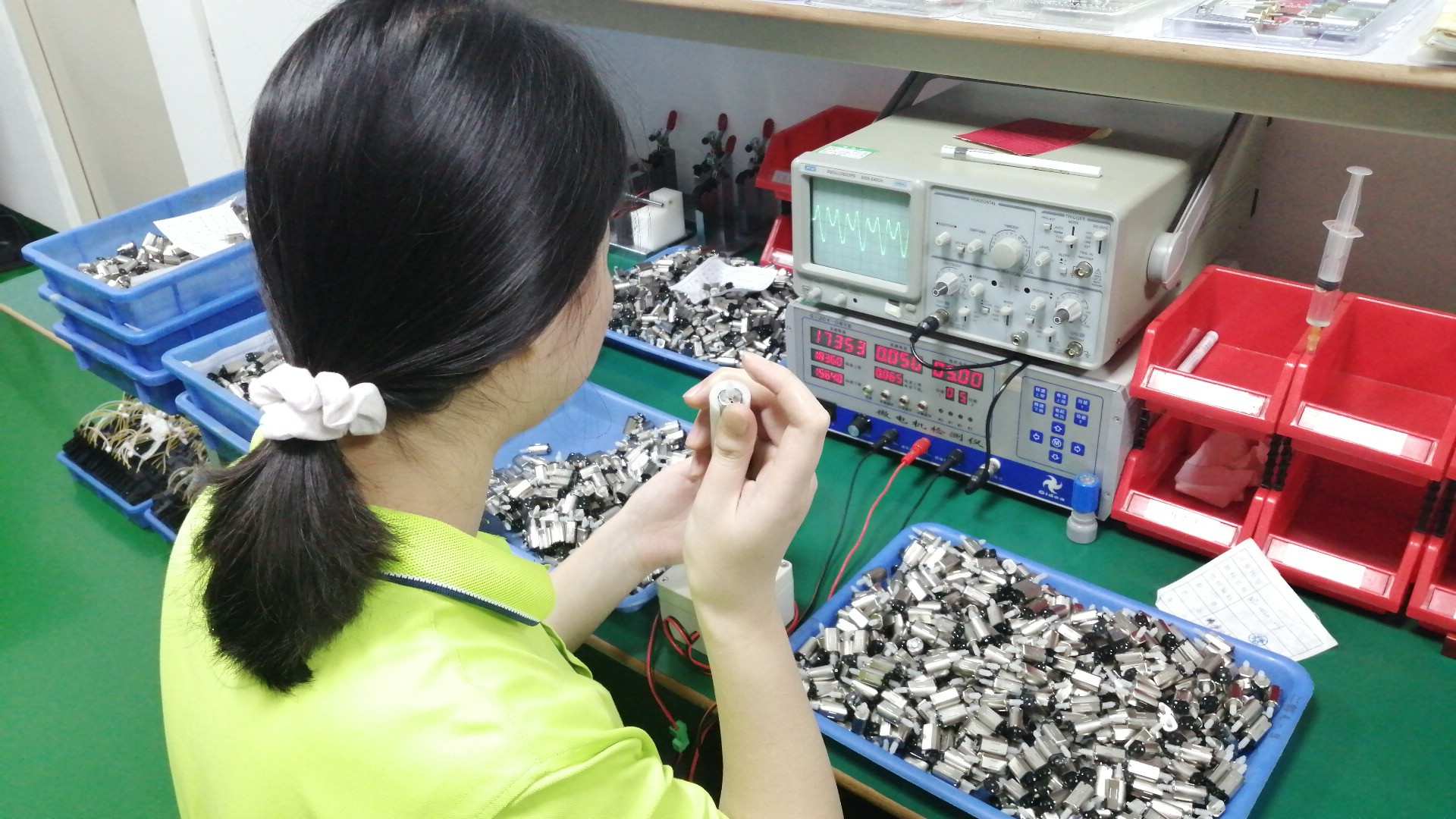 Inspection
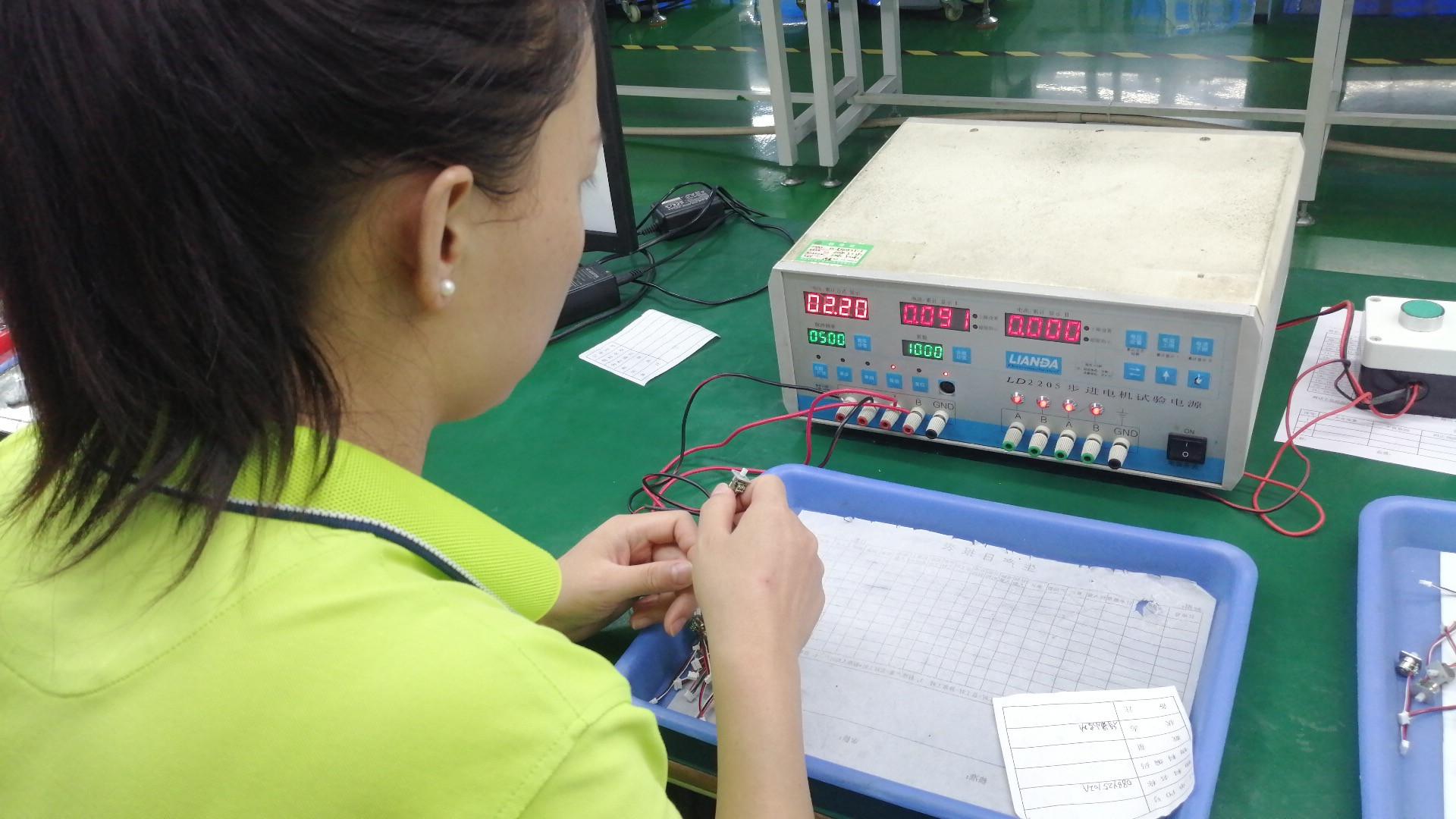 Inspection
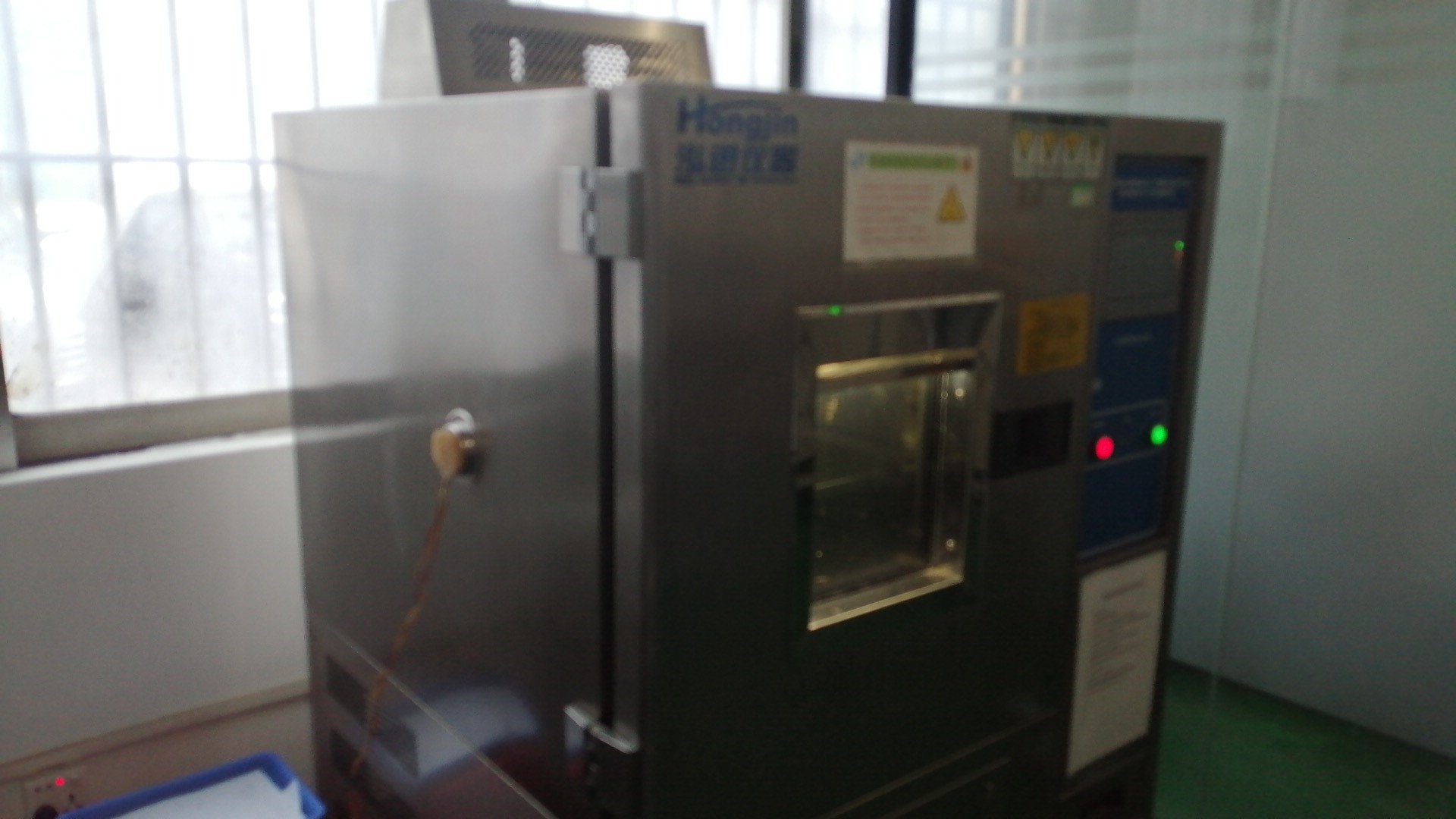 Constant Temp & Humidity Box
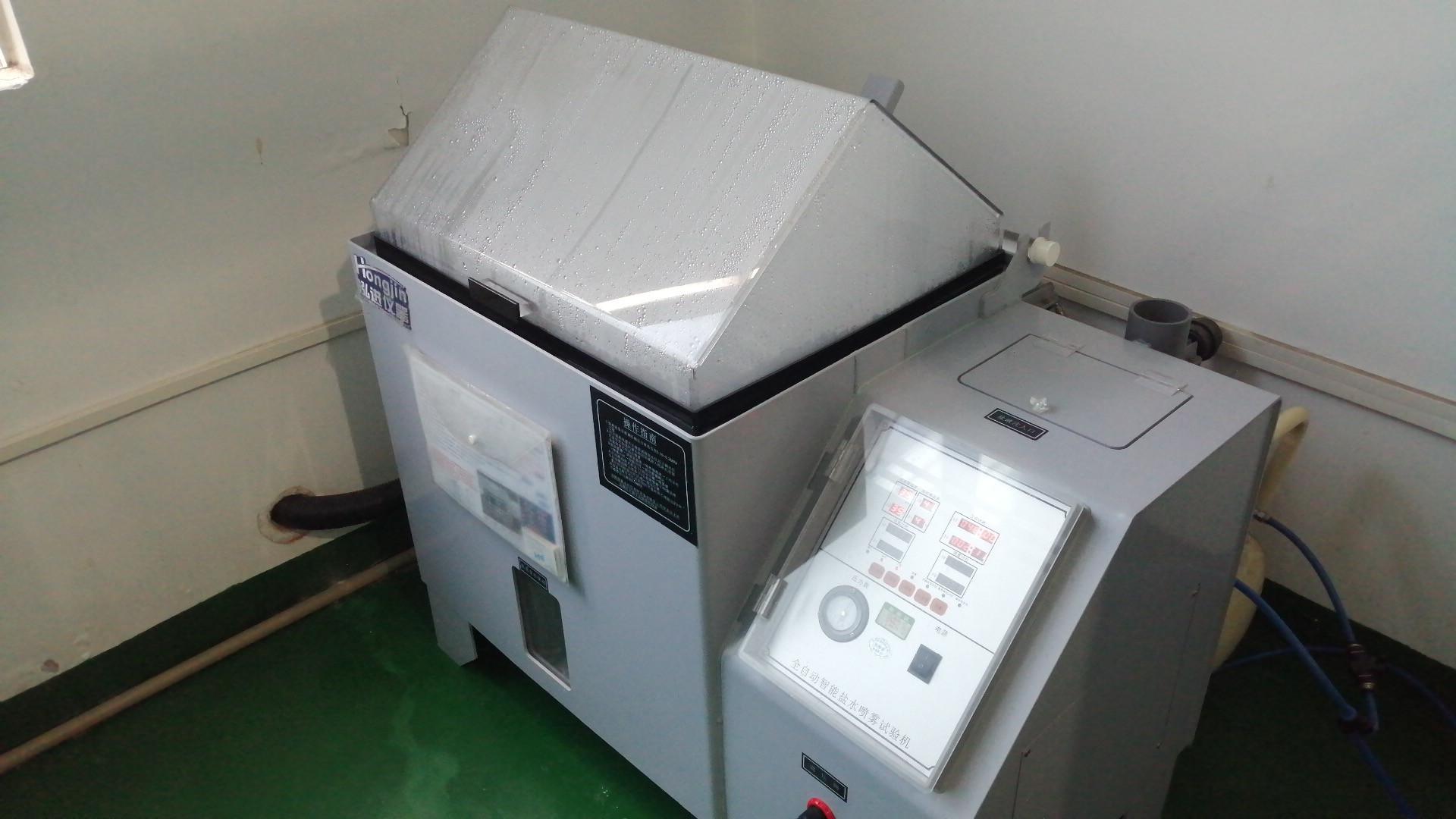 Withstanding Voltage Tester
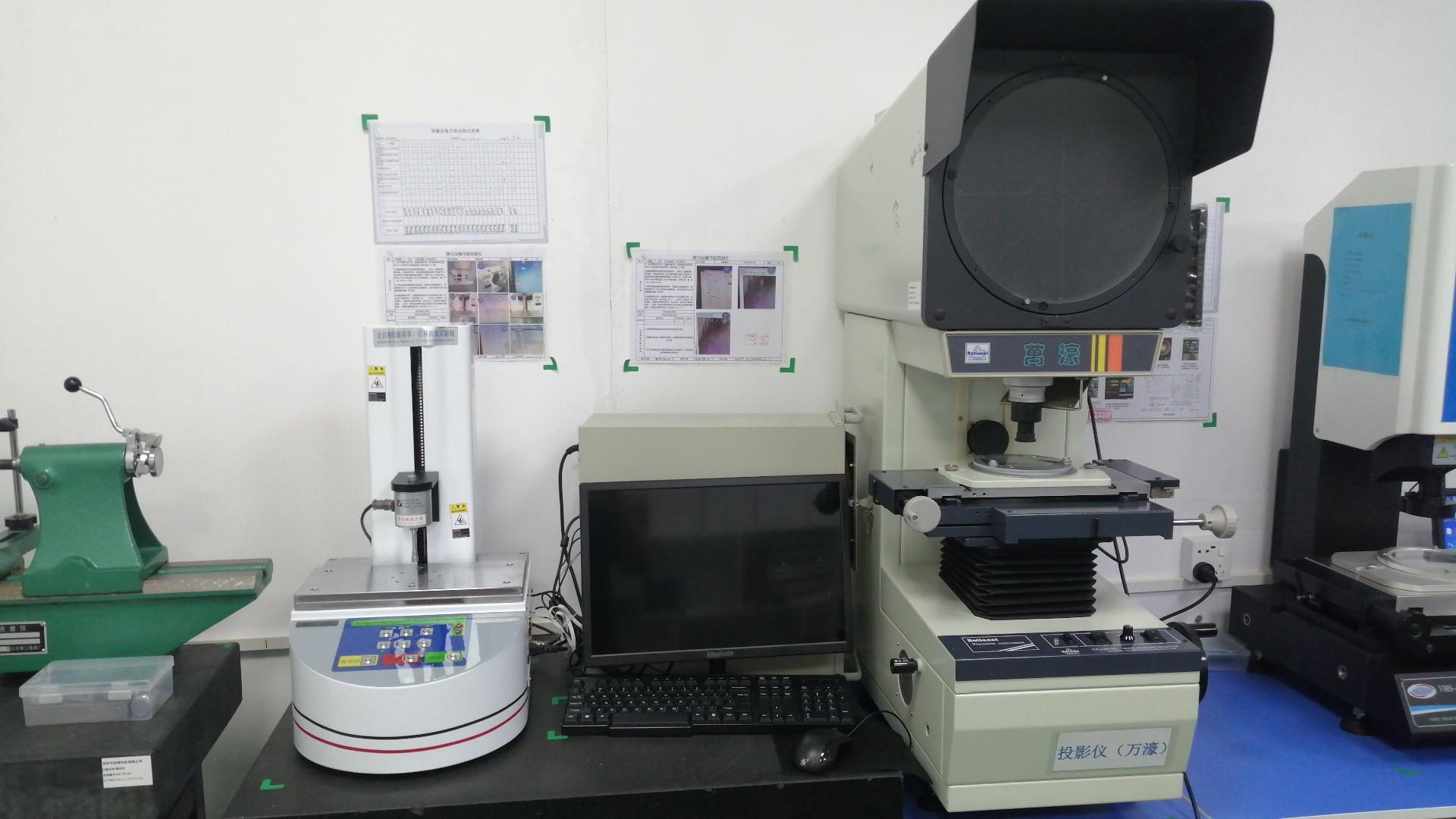 Projector
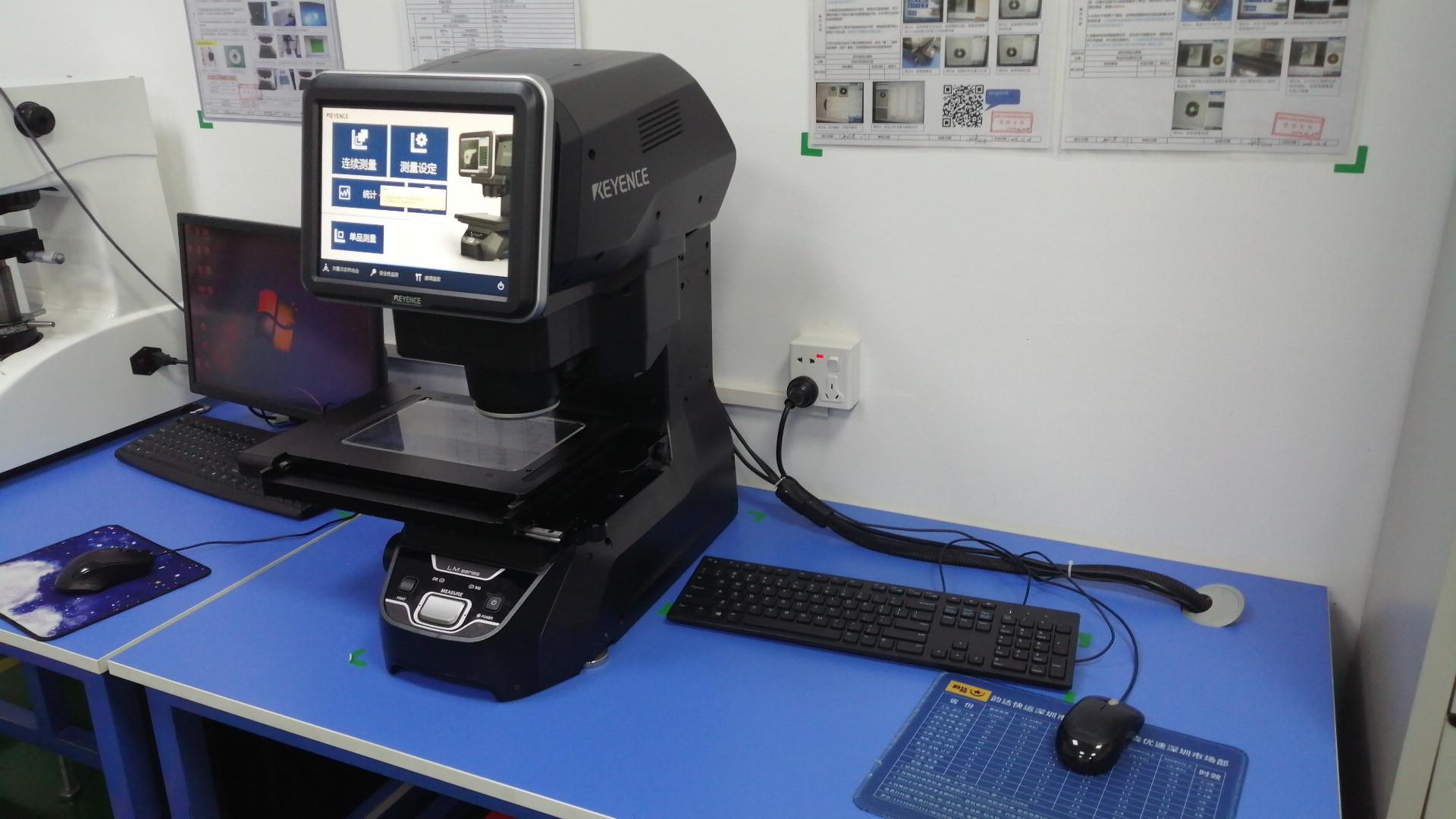 Two-dimensional Projector
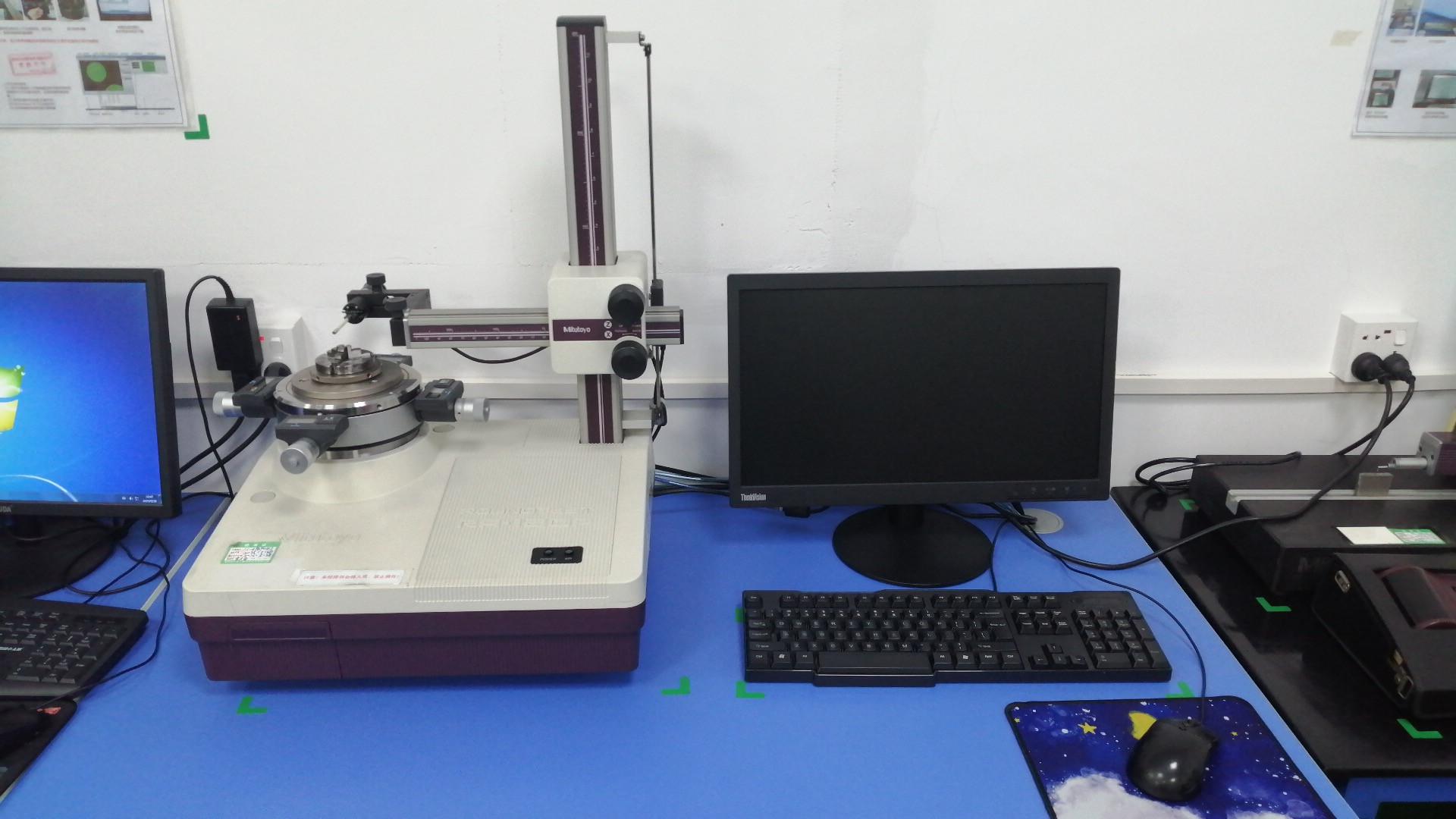 Sanfeng True Roundness Tester
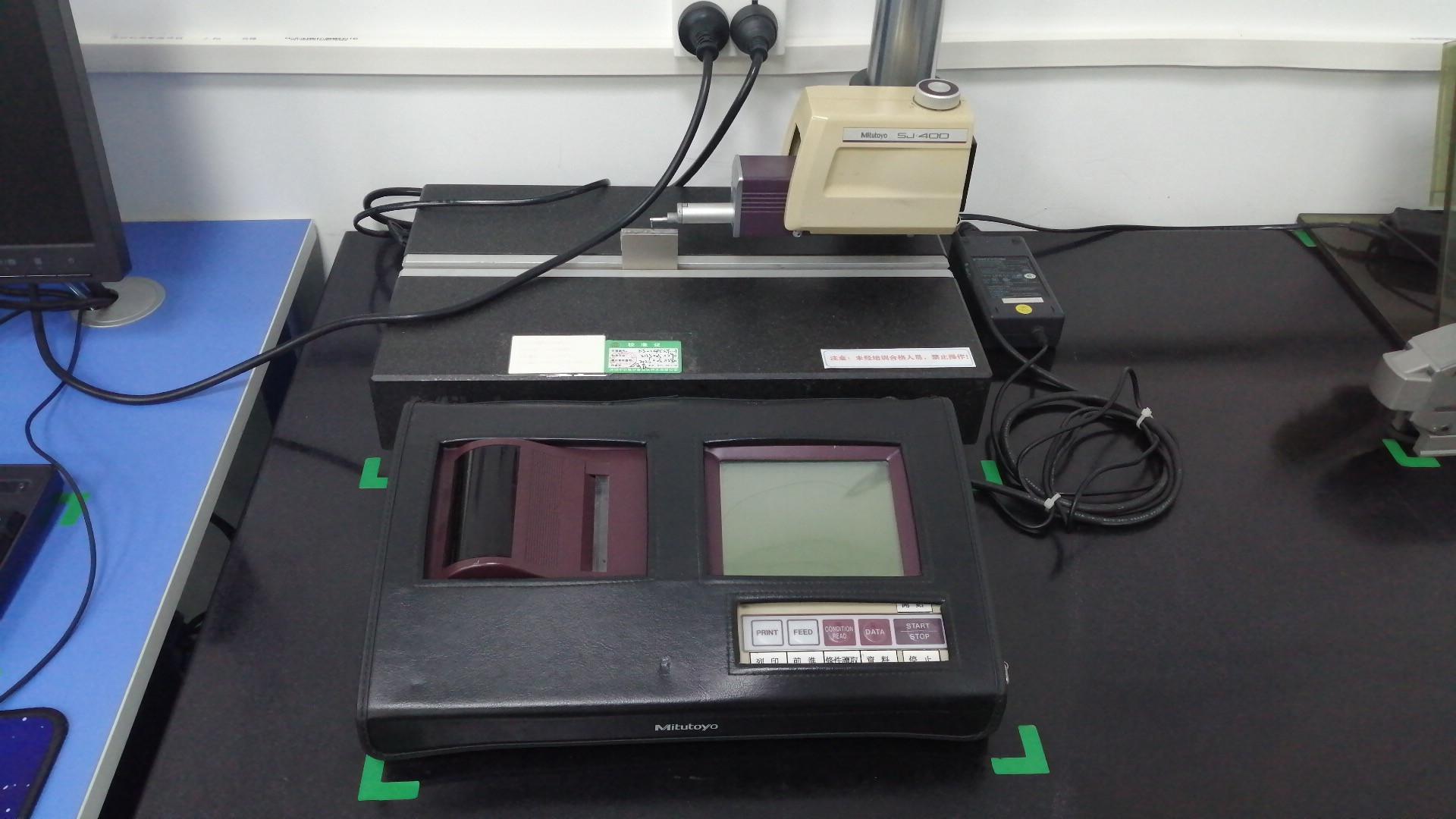 Sanfeng Roughness Meter
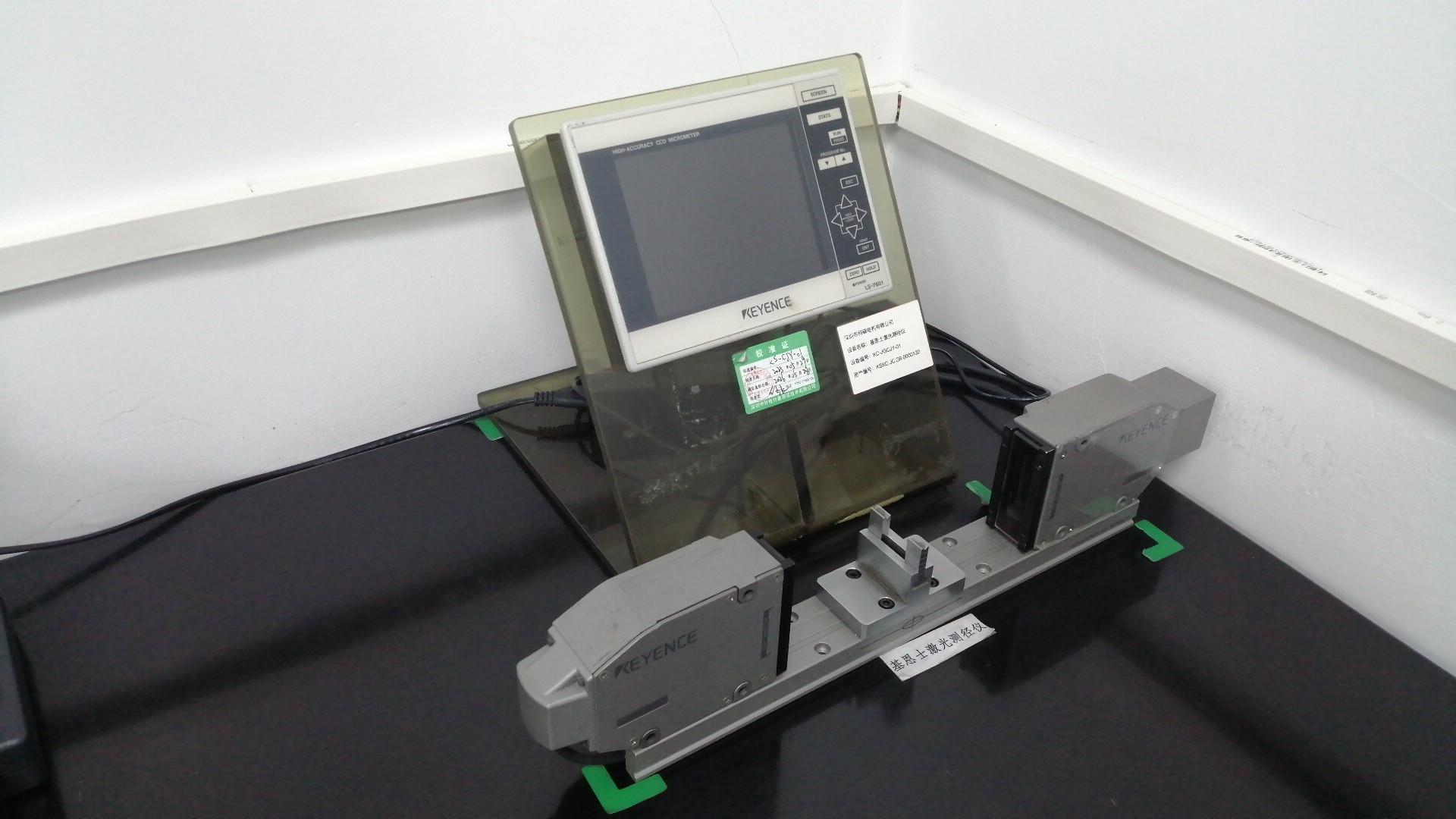 Keyence Laser Caliper
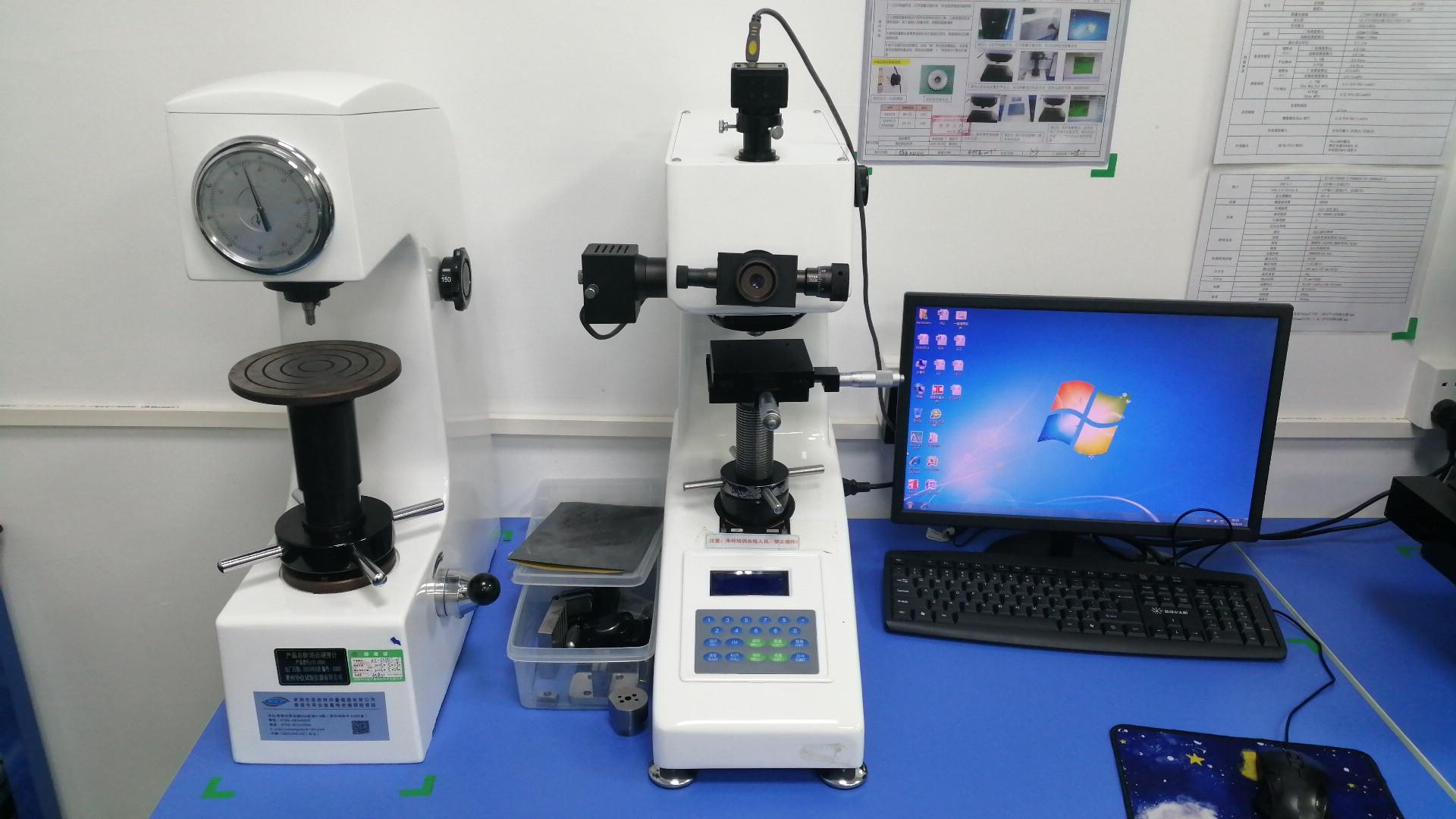 Vickers Hardness Tester
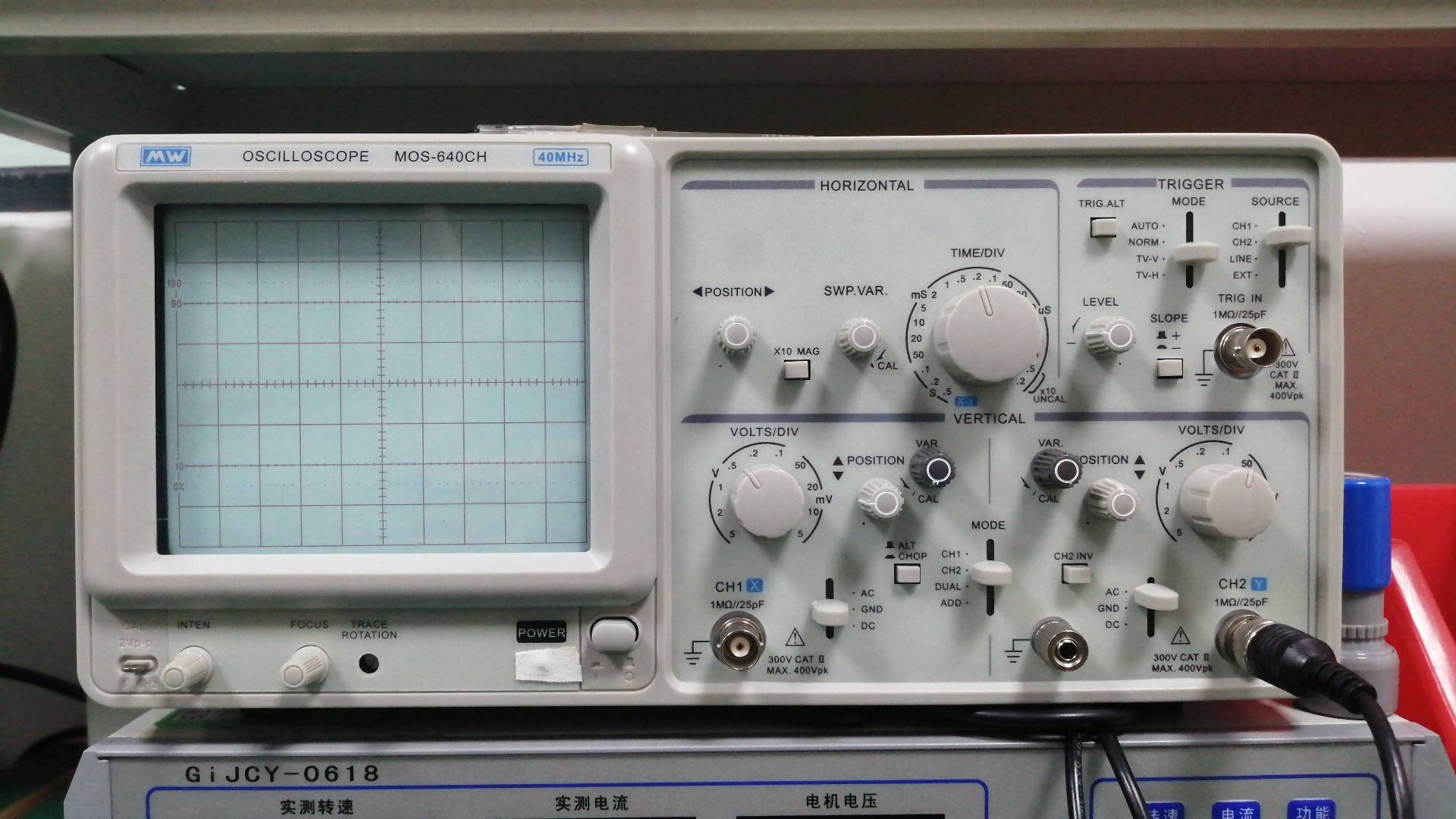 Oscilloscope
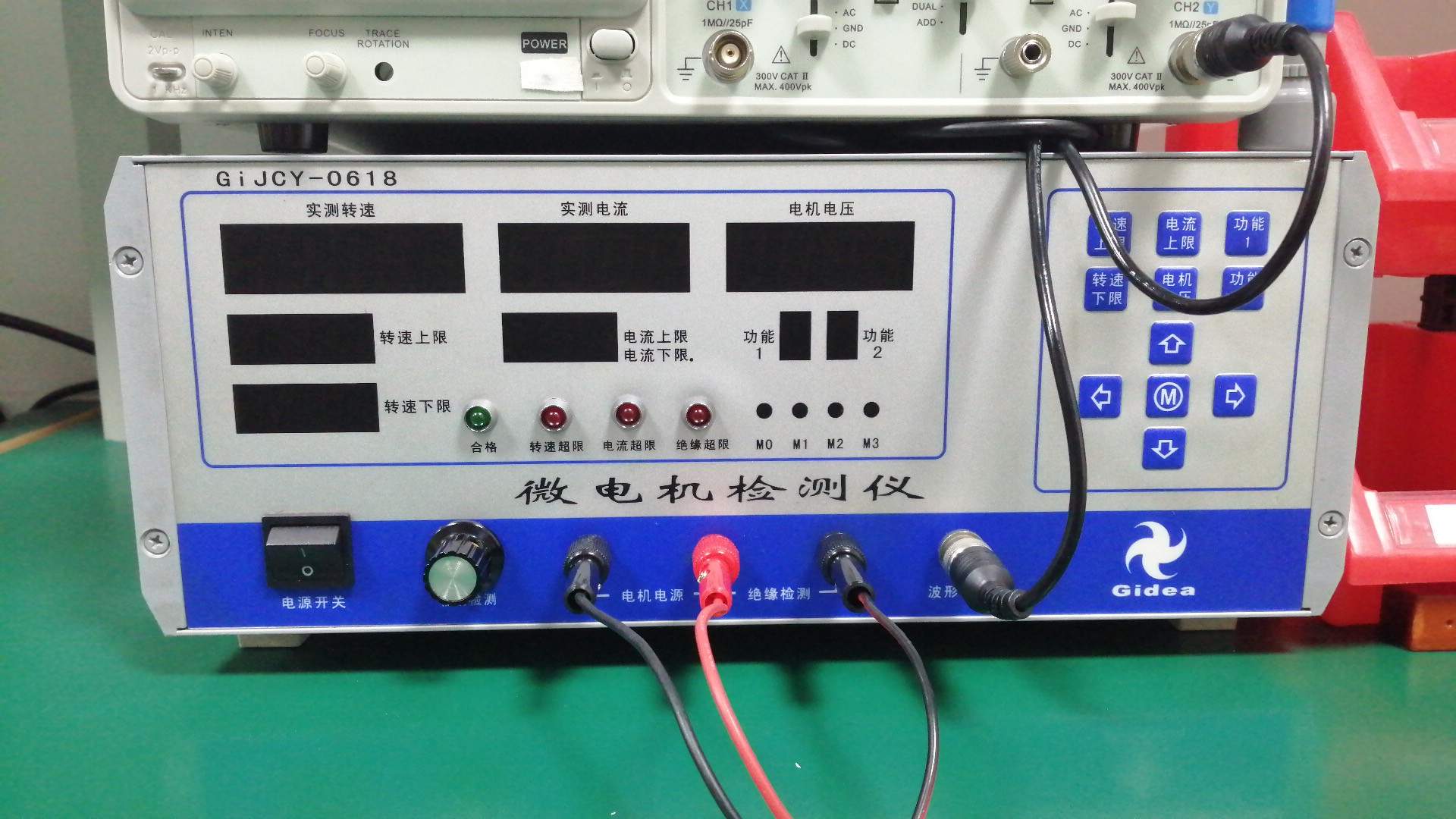 Motor Tester
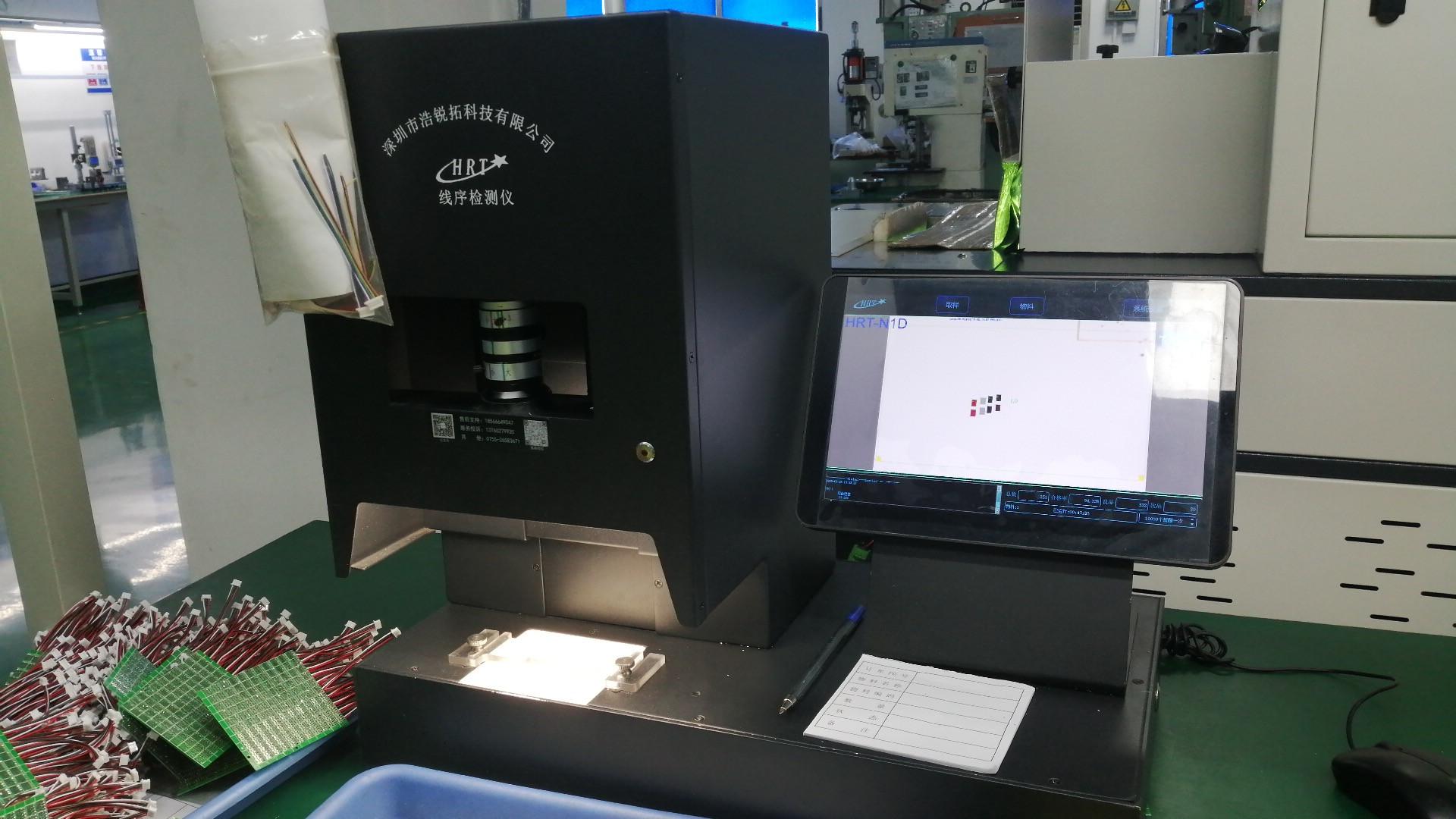 Line Sequence Detector
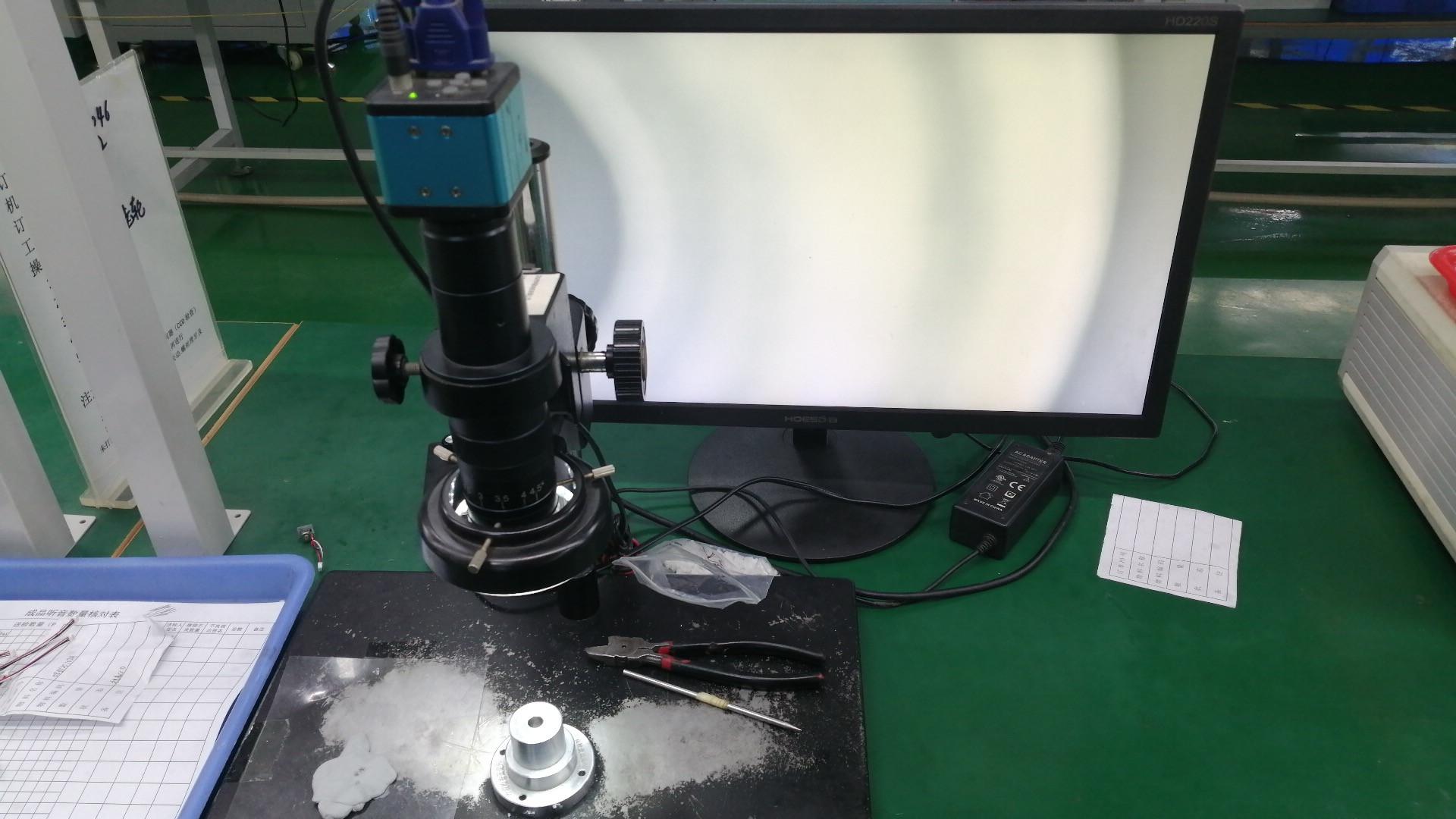 CCD Detector
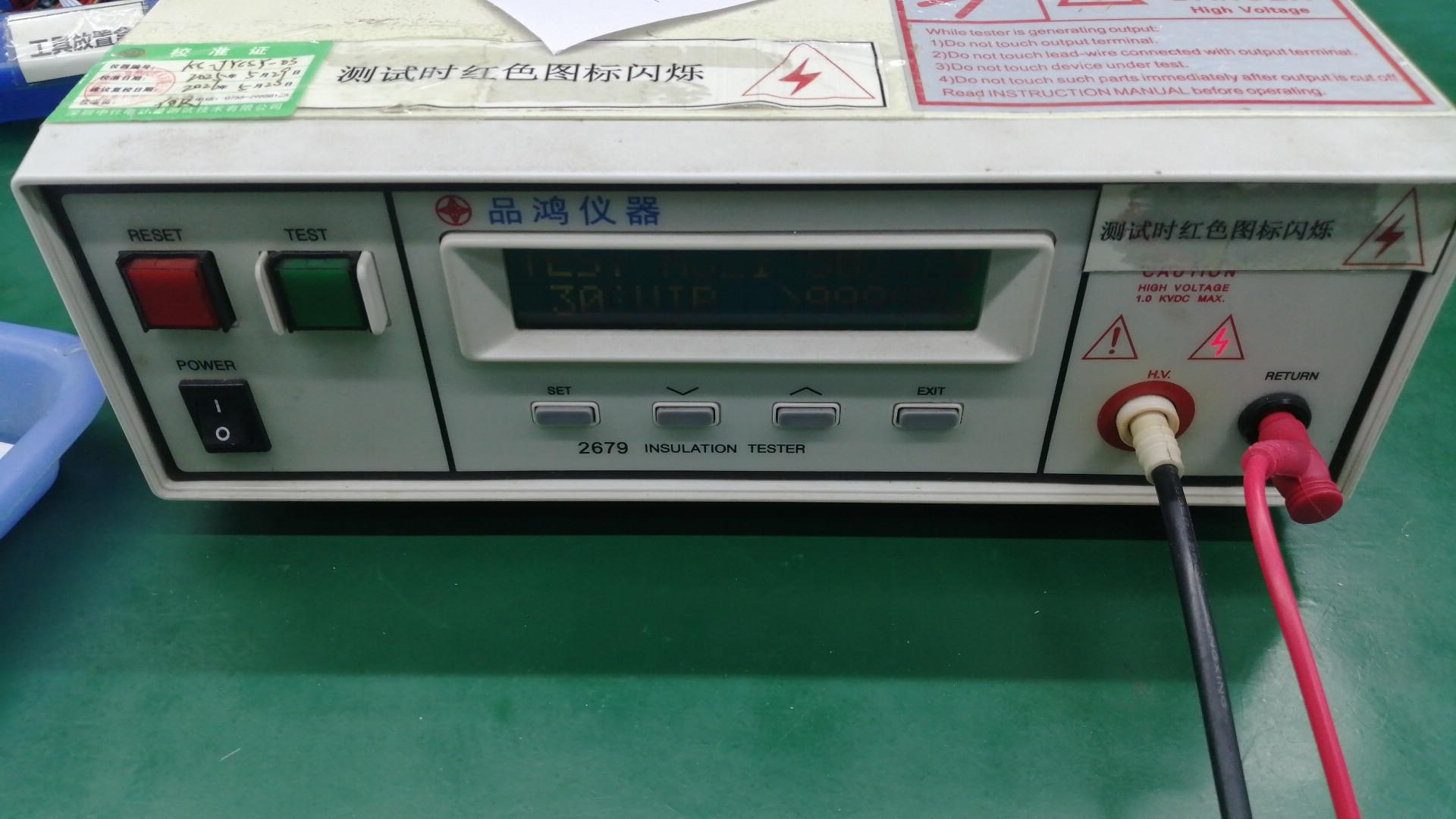 Insulation Tester
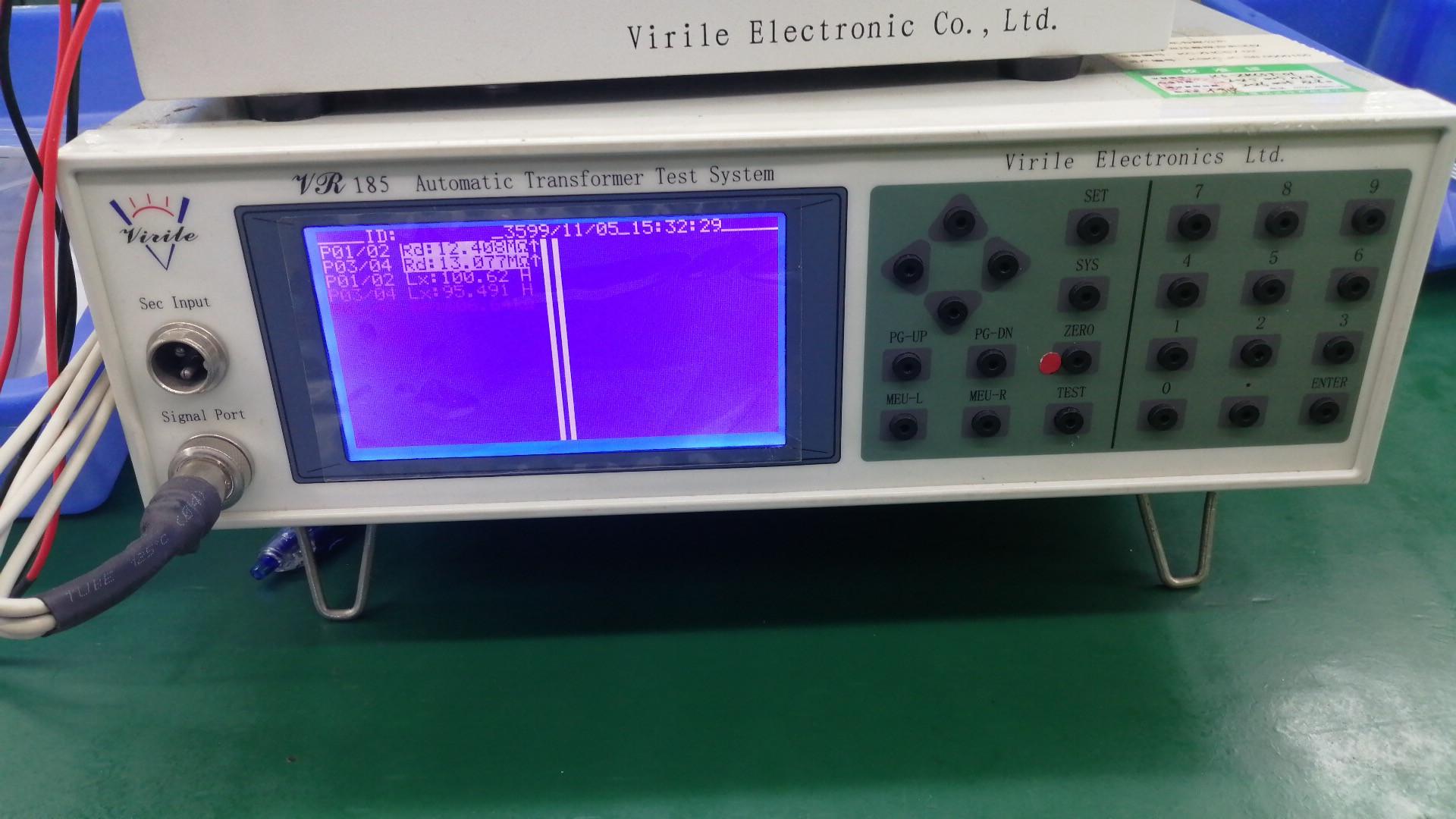 Automated Transformer Tester
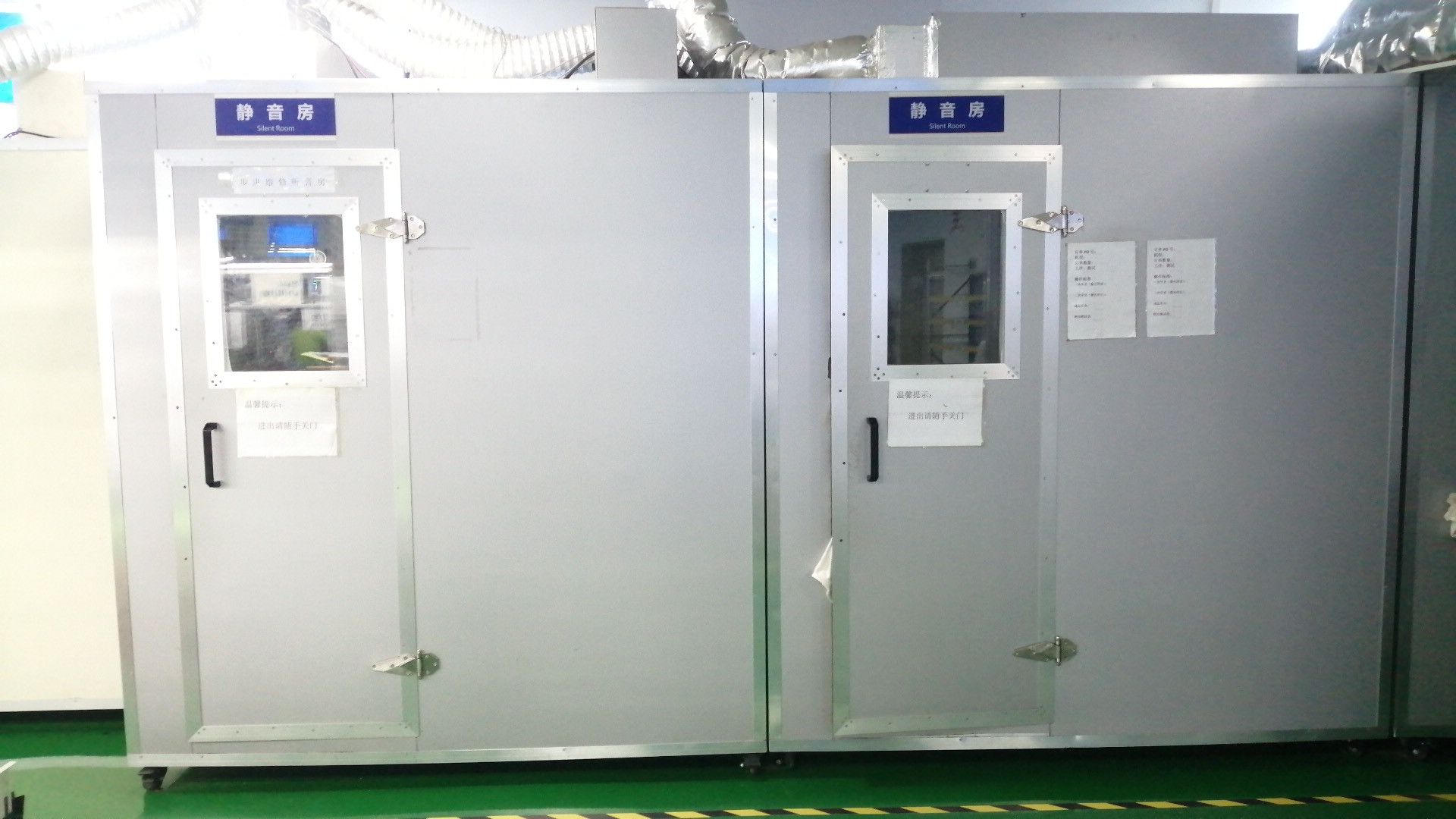 Soundproof Room
Why sourcing from a vertically integrated Chinese factory optimizes lead times and component reliability.
In the global B2B landscape, sourcing and procurement pipelines must withstand macroeconomic fluctuations. Direct integration of localized raw material suppliers is a core strength of the Chinese motor manufacturing ecosystem. At Brea Tech Micro Motor, we secure high-grade permanent magnets, specialized copper wire, and precision stainless steel shafts directly from audited, nearby refineries and component producers. This minimizes logistics overheads and insulates our international clients from supply shortages.
Furthermore, our engineering capabilities allow us to translate client-supplied specifications into rapid prototypes within days rather than weeks. Our design environment integrates advanced computer-aided design (CAD) software with physical verification equipment like the Sanfeng True Roundness Tester and Keyence Laser Calipers. This rapid-turnaround capability reduces the development cycle of medical instrumentation and optical equipment by up to 40%.
Reliability requires compliance. Our entire linear stepper motor lineup satisfies strict regulatory requirements. For medical, commercial, and consumer wear applications (like smart glasses), our motors comply with RoHS and REACH standards. Materials are tested in our specialized laboratory using Insulation Testers, Withstanding Voltage Testers, and Constant Temperature and Humidity Chambers to guarantee performance under harsh operating conditions.
From healthcare diagnostics to high-end wearables: how micro linear actuators shape industries.
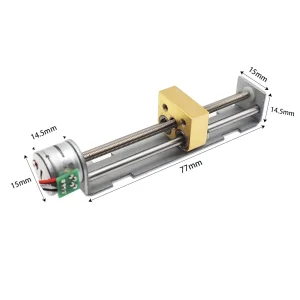
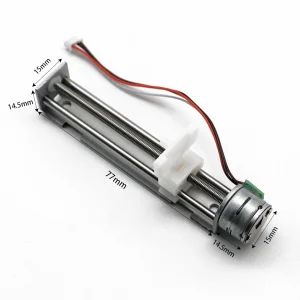
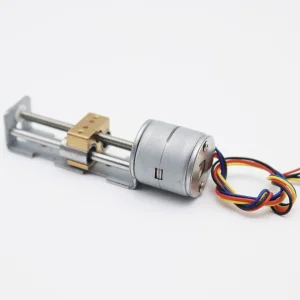
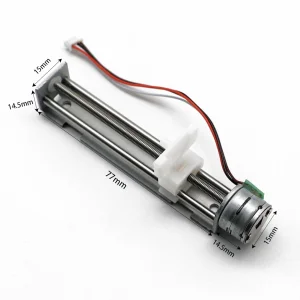
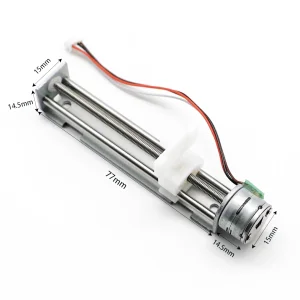
Syringe pumps, liquid handling systems, and microfluidic analyzers require precise, non-pulsating fluid delivery. Linear actuators with integrated guide rails (such as our 15mm 77mm guide rail systems) prevent dosing errors, ensuring patient safety.
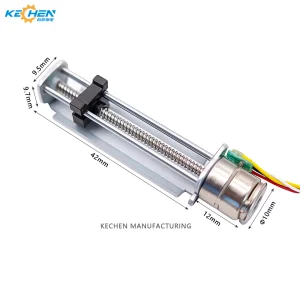
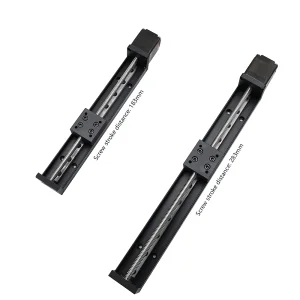
Optical adjustments in smart glasses require extremely light actuators with high holding force. Our 10mm micro linear stepping motors with custom stroke lengths (e.g., 32mm) enable automated pupil distance adjustments in minimal footprints.
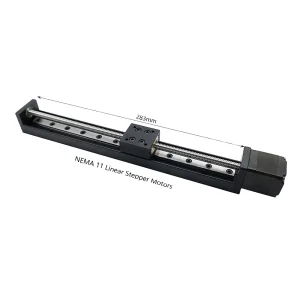
For high-precision additive manufacturing, NEMA 11 hybrid linear stepper motors deliver the axial stiffness and microstepping resolution required to eliminate layering defects and stabilize extruder travel profiles.
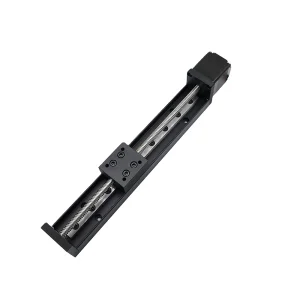
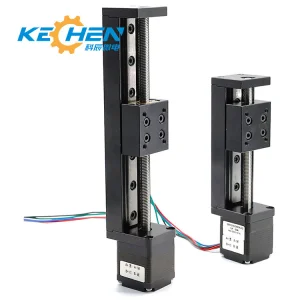
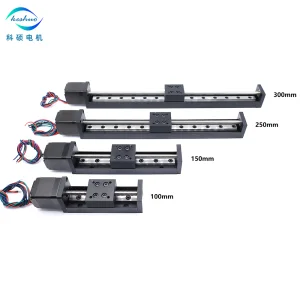
Browse our industrial-grade hybrid and permanent magnet linear actuators built to custom stroke, voltage, and screw profiles.
Get professional, authoritative answers to common design, sourcing, and implementation questions.
PM (Permanent Magnet) linear stepper motors utilize a simpler magnetic architecture, consisting of a radially magnetized permanent magnet rotor and stamped claw-pole stators. This makes them compact (e.g., 10mm to 25mm diameters) and highly cost-effective, but with limited step resolution. Hybrid linear stepper motors combine features of both PM and variable reluctance motors, utilizing a laminated, toothed rotor. Hybrid motors (like NEMA 8 and NEMA 11 designs) offer much higher step resolution (typically 1.8° or 0.9° per step), higher holding torque, and better dynamic response, making them suitable for complex microstepping applications.
The lead screw pitch directly governs the relationship between rotational motion and linear translation. A finer thread pitch (such as an M3 or M4 thread) reduces the linear travel per revolution, which mathematically increases the positional resolution (micrometers per step) and mechanical leverage, resulting in a higher linear thrust force for a given motor torque. Conversely, a coarser pitch (like Tr5 or multi-start threads) increases the linear travel per step, enabling higher linear speeds at the expense of thrust force and positioning resolution.
Backlash typically occurs due to axial play between the lead screw threads and the mating nut. To combat this, factories use high-precision rolled or ground screws matching customized bronze or high-performance thermoplastic (POM/PEEK) nuts with tight tolerances. For applications requiring zero backlash, spring-loaded anti-backlash nuts or split-nut designs are deployed. Additionally, maintaining a constant axial preload within the internal rotor bearing system minimizes axial play during direction reversals.
Miniature linear stepper motors generate heat due to copper losses in the stator windings, particularly when holding position under current. In enclosed spaces like medical diagnostic systems or smart glasses, thermal management is handled by utilizing specialized class-F or class-H insulated wire, thermal interface materials (TIMs), and programming the drive controller to reduce current (hold current reduction) when the motor is stationary. In-factory validation using a Constant Temperature and Humidity Box ensures that materials maintain insulation integrity across operational extremes.
A localized supply chain in China offers significant advantages, including immediate access to rare-earth raw materials (NdFeB magnets), specialized tooling resources, and custom machining workshops within the same industrial zone. This vertical integration allows manufacturers like Brea Tech to manage everything from raw winding, automatic soldering, and laser spot welding, to final inspection on-site. This leads to shorter manufacturing cycles, reduced freight overheads, and the flexibility to accommodate custom modifications (e.g., custom shaft lengths, specific electrical connectors, or specialized guide rails) with low minimum order quantities (MOQs).
Concentricity and roundness are vital to prevent rotational binding and premature wear on the threaded nut. Brea Tech utilizes precision centerless grinding machines for shaft fabrication, followed by verification using the Sanfeng True Roundness Tester and Keyence Laser Caliper. These instruments detect deviations down to the sub-micron level, ensuring that the linear guide path remains coaxial with the rotor axis, which minimizes dynamic noise and ensures smooth linear travel.
 Brea Tech Micro Motor