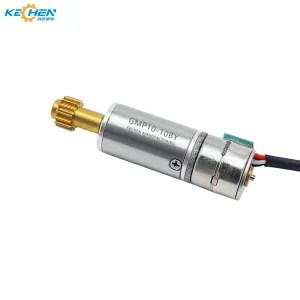
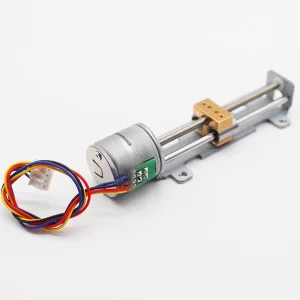
Explore our high-performance micro motors engineered for demanding applications. Direct factory pricing with advanced technical customization support.
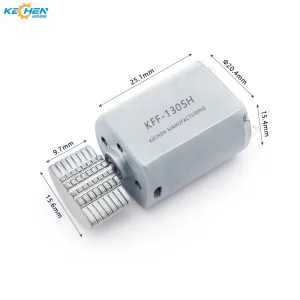
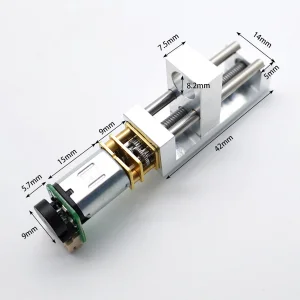
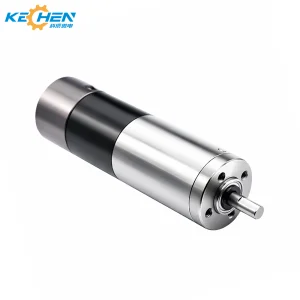
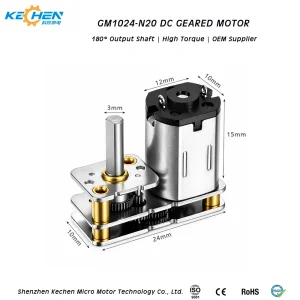
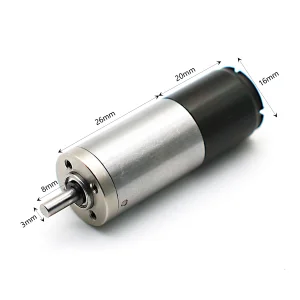
Brea Tech Micro Motor is a forward-thinking Chinese manufacturer redefining precision motion control in the micro-drive industry. We design and build high-efficiency micro DC, BLDC, and Switched Reluctance Motors (SRMs) that power next-generation technologies worldwide.
Driven by our core philosophy—Top Quality & Customization—we combine advanced manufacturing tech with flexible engineering to provide global B2B clients with the transparency of a local partner and the cost benefits of a premier Chinese factory. Built to last. Engineered to fit.
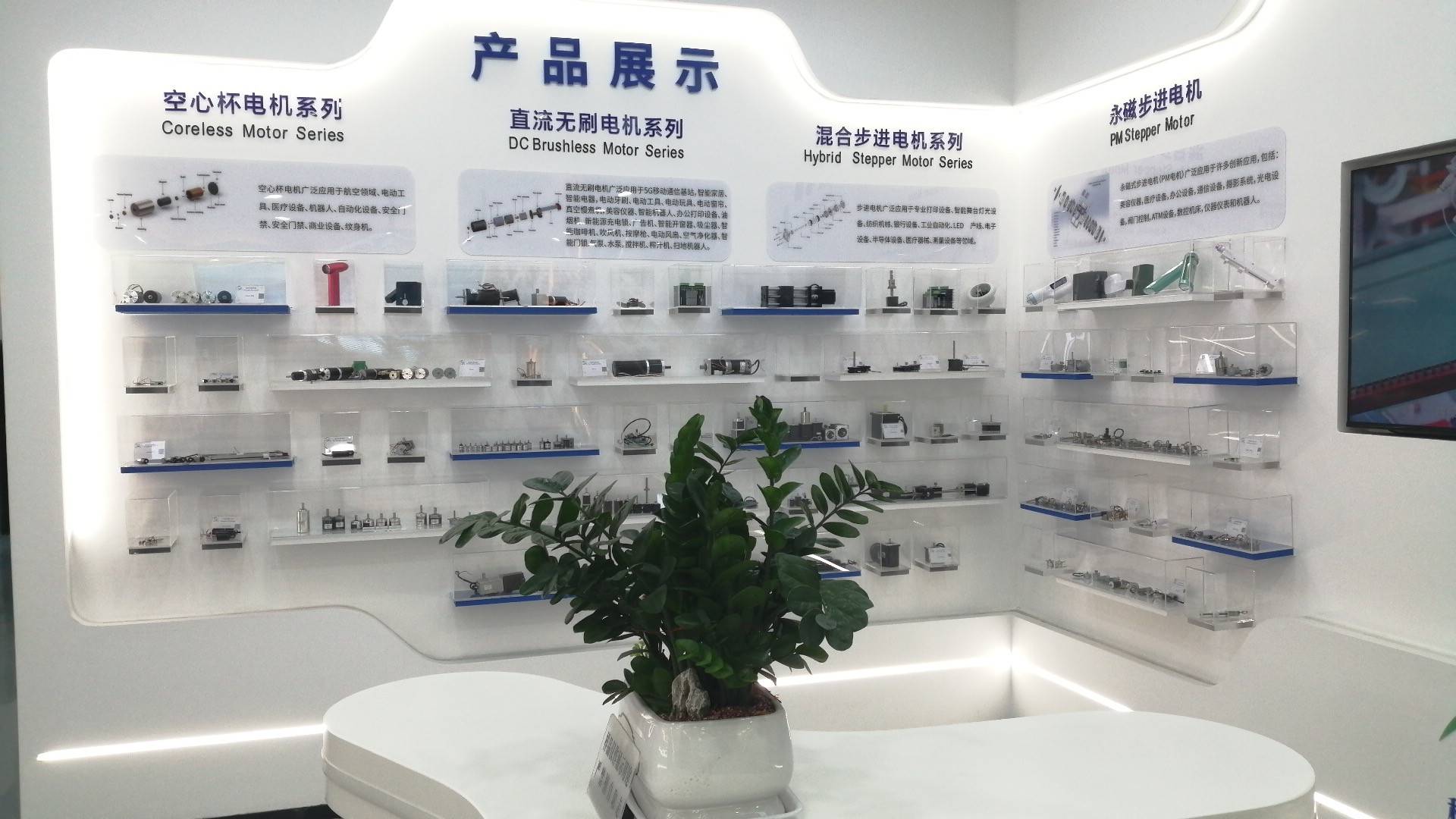
A deep-dive technical overview of Switched Reluctance Motor performance compared to traditional permanent magnet systems.
In the modern industrial and automation ecosystem, energy efficiency, system reliability, and supply chain security have emerged as key priorities. While Permanent Magnet Synchronous Motors (PMSMs) have dominated high-efficiency drive applications for years, their dependency on rare earth materials (such as Neodymium and Dysprosium) creates substantial geopolitical and economic risks. This vulnerability has accelerated interest in Switched Reluctance Motor (SRM) technology.
Unlike conventional motors, Switched Reluctance Motors operate without permanent magnets on the rotor and feature no rotor windings. The stator contains concentrated windings, while the rotor is composed of laminated magnetic steel with projecting poles. Rotation is generated through the principle of magnetic reluctance: when a stator phase is energized, the rotor experiences a torque that aligns the nearest rotor pole with the energized stator phase.
Without permanent magnets on the rotor, there is no risk of demagnetization at high temperatures. SRMs operate safely at elevated thermal levels that would cause PMSMs to fail instantly, making them ideal for heavy industrial operations.
The solid-steel rotor configuration provides superior mechanical strength. This allows for extremely high-speed rotation, making SRMs excellent drive mechanisms for aerospace compressors, centrifugal pumps, and EV drivetrains.
Each phase of an SRM is electrically and magnetically independent. If a phase failure occurs due to winding damage or controller fault, the motor continues to operate at reduced output rather than stopping abruptly.
Why international B2B procurement professionals trust China's specialized micro-motor industrial clusters.
China's Yangtze River Delta and Pearl River Delta regions house the most integrated micro-motor supply chains in the world. By sourcing raw materials locally—ranging from high-grade silicon steel laminations to specialized copper wire—Brea Tech ensures rapid lead times and unmatched cost efficiency. However, the true Chinese manufacturing advantage is no longer just cost; it is scale-driven precision automation.
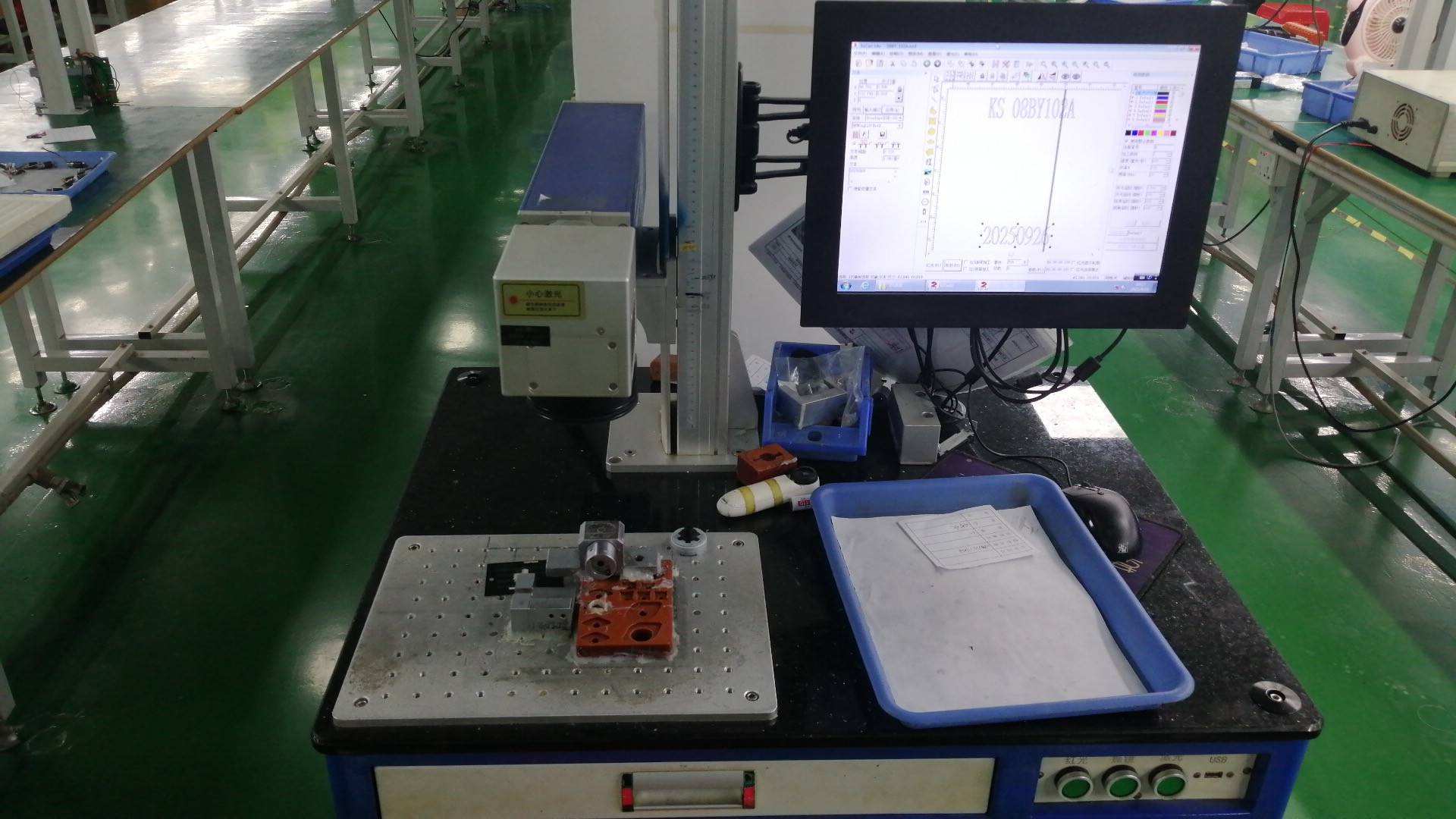
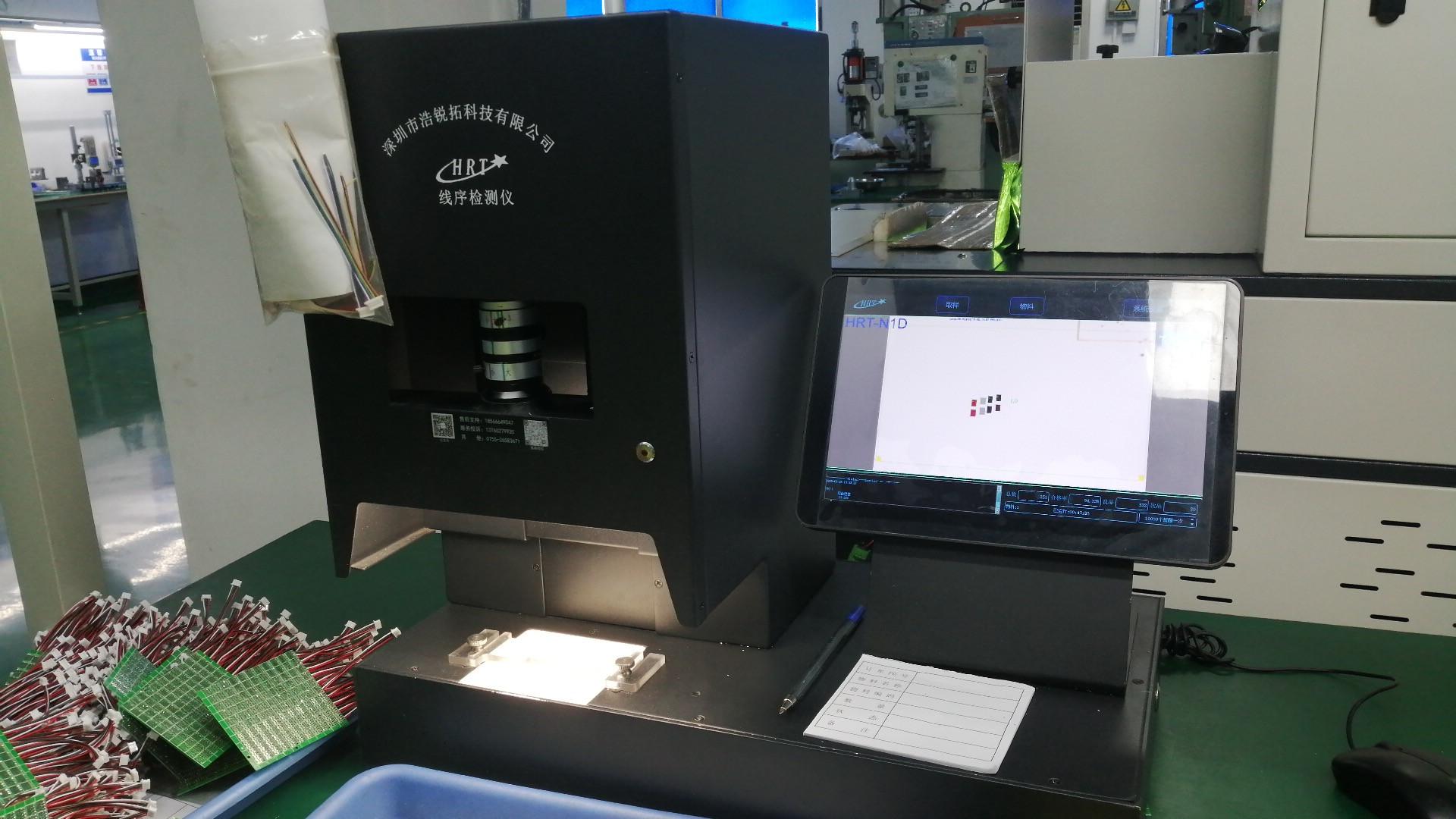
By using automated pressure bearing, CNC coil winding, laser spot welding, and advanced digital inspection systems, our production lines achieve quality standards that rival Western and Japanese competitors, at a fraction of the capital expenditure. This enables us to pass direct savings to our partners while maintaining ISO-compliant quality tracking.
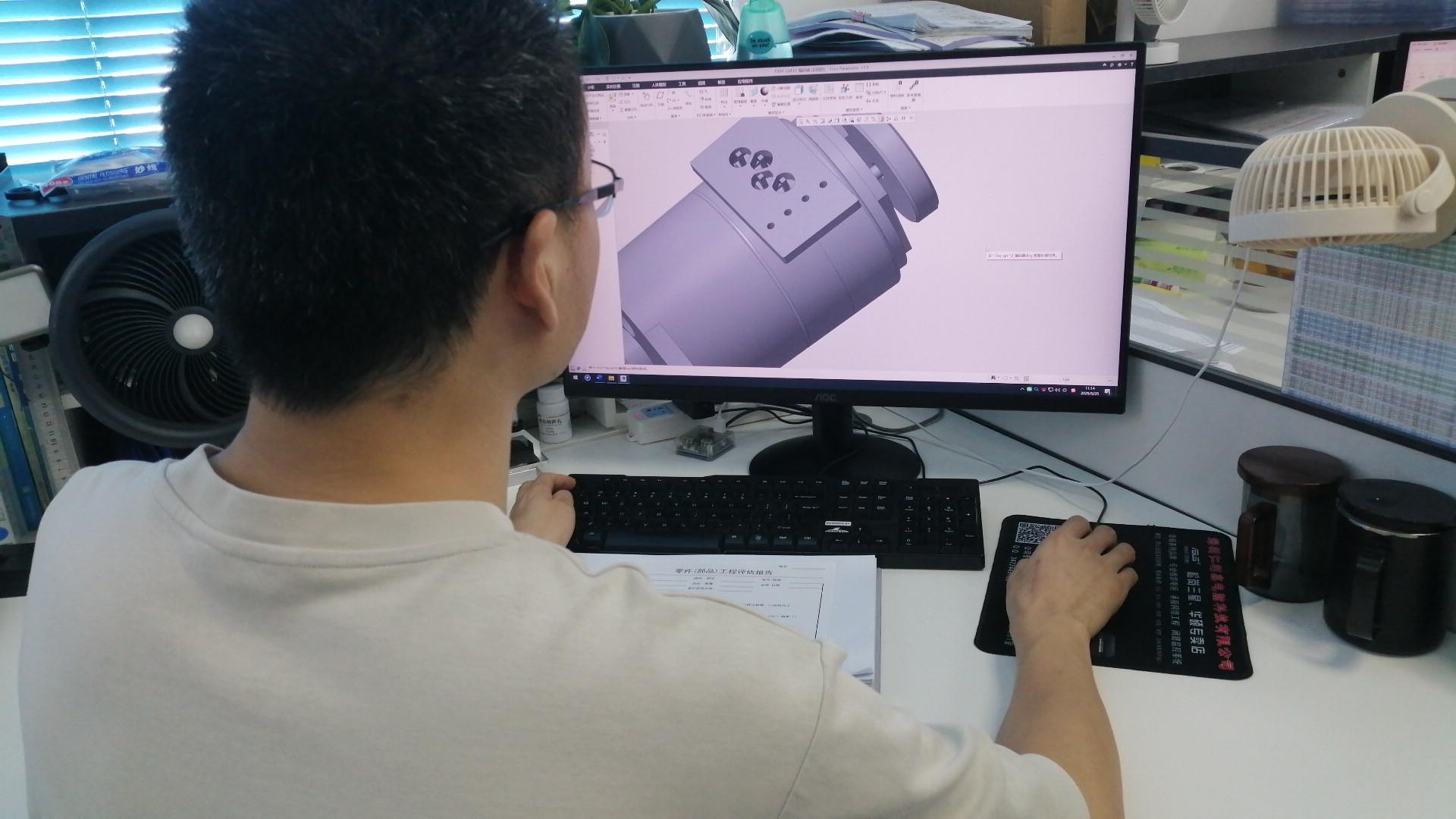
Customized shafts, specialized winding profiles, and interface brackets can be designed, modeled, and manufactured in our facility in under 10 business days.
From initial winding and magnet assembly to silent room testing, human contact is minimized to reduce assembly variance and prevent operational failures.
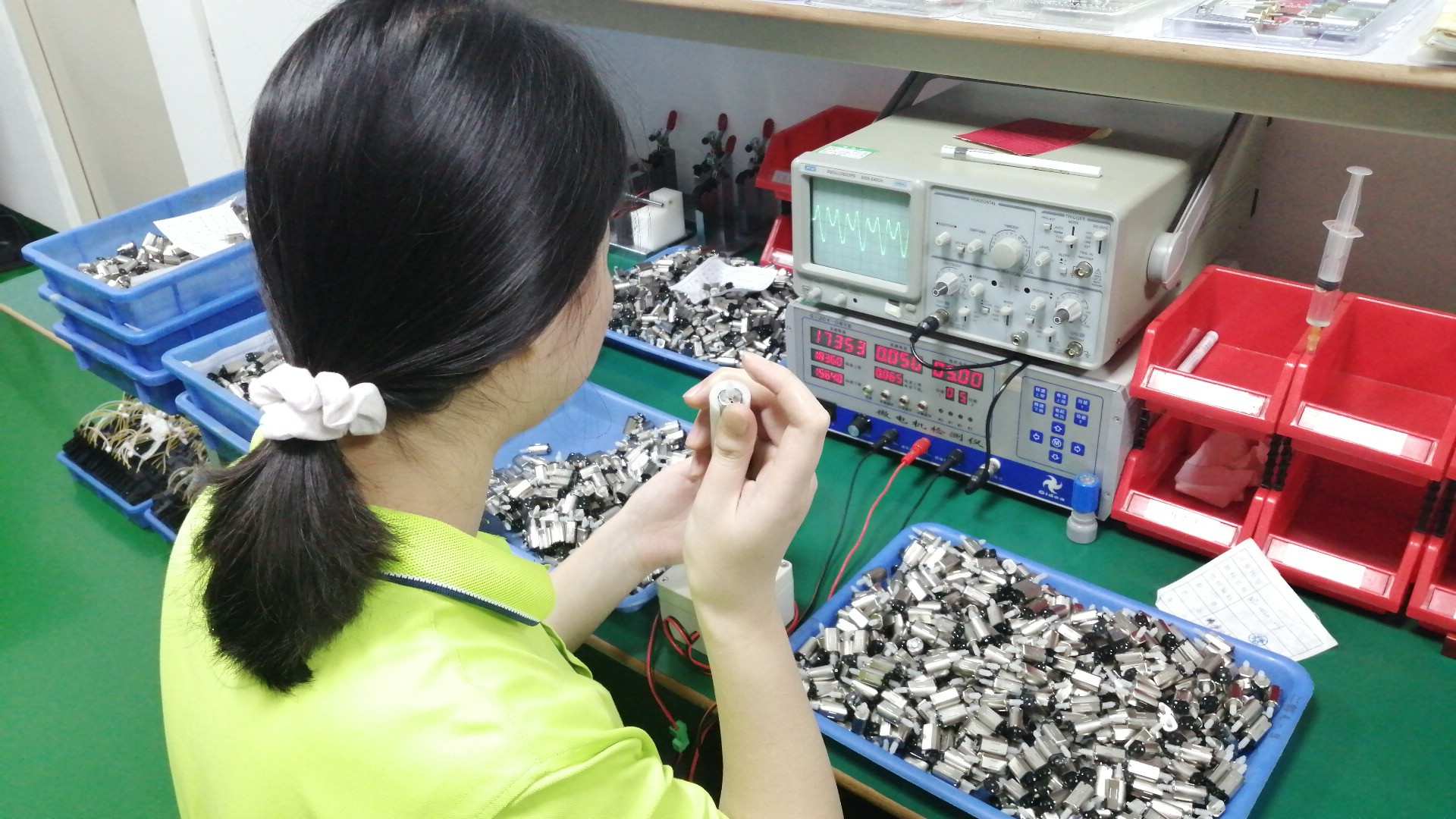
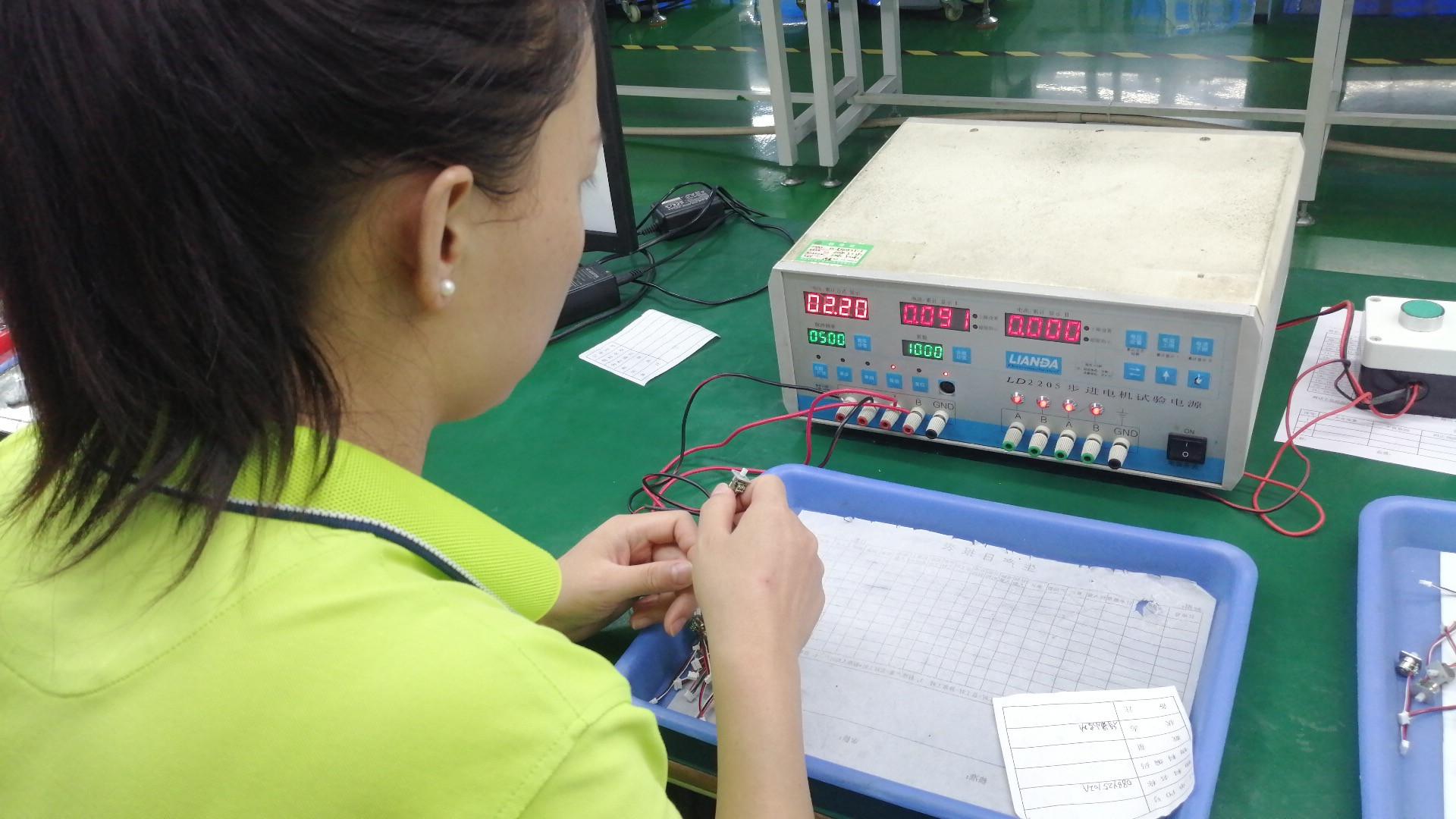
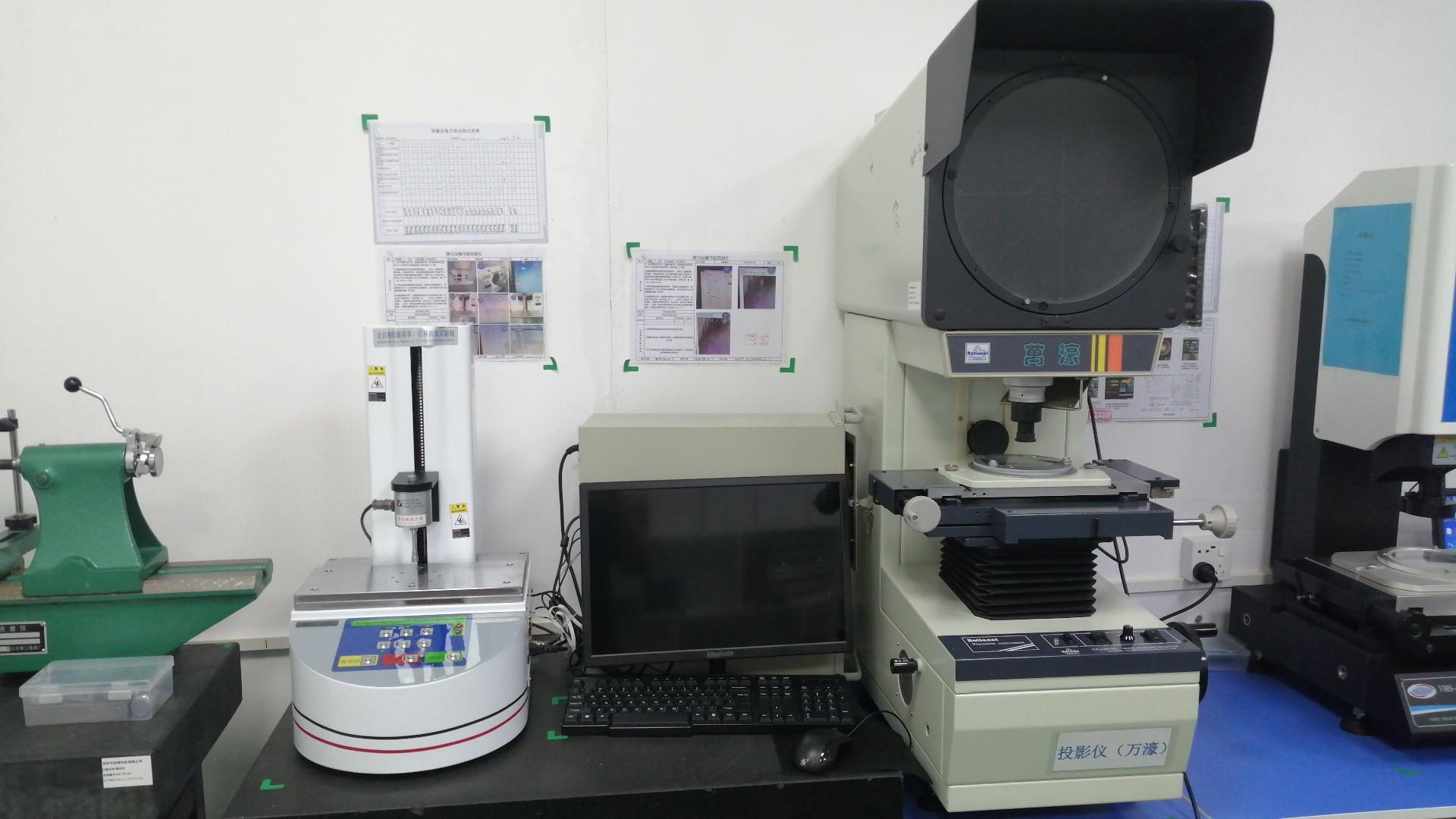
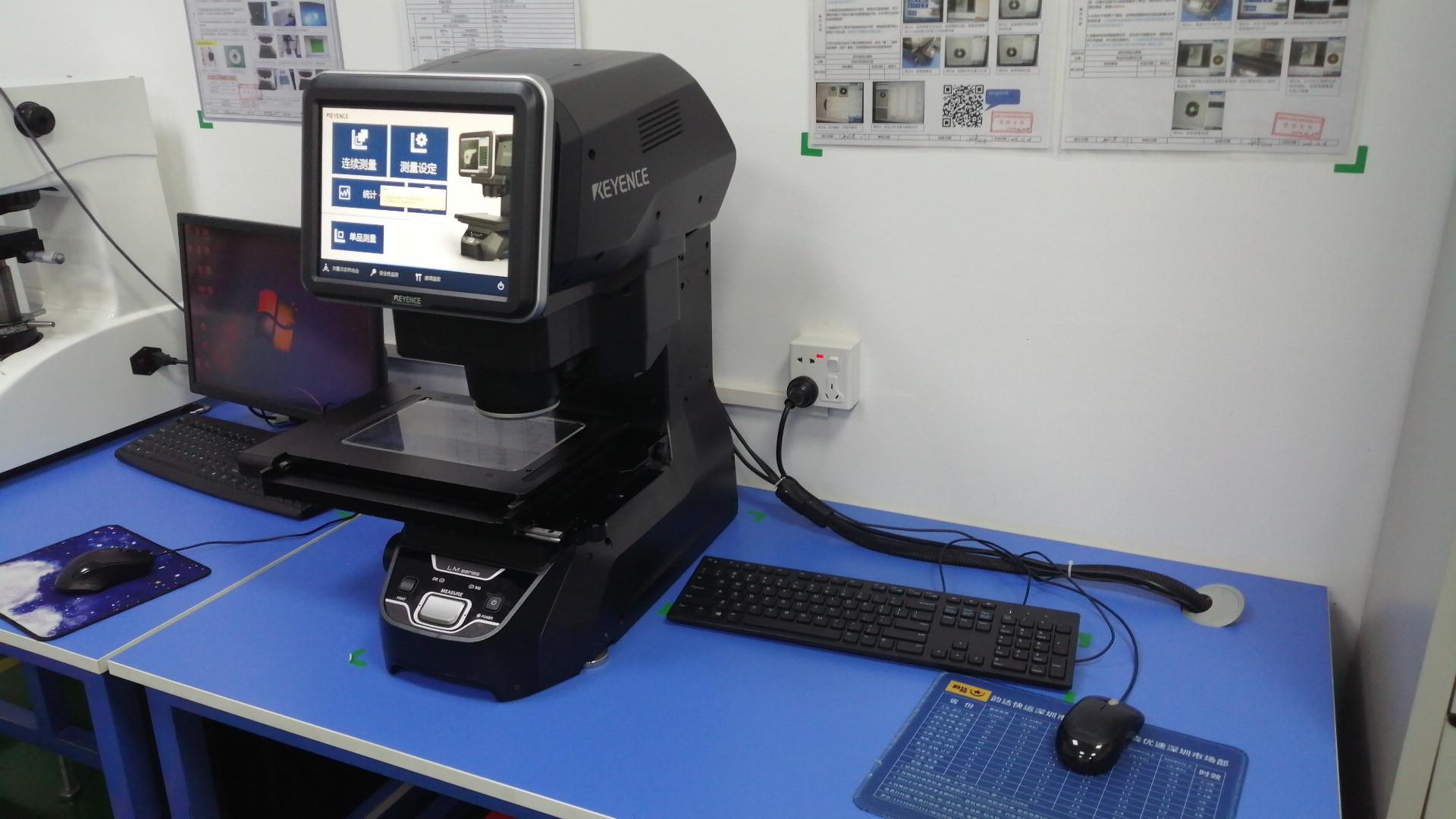
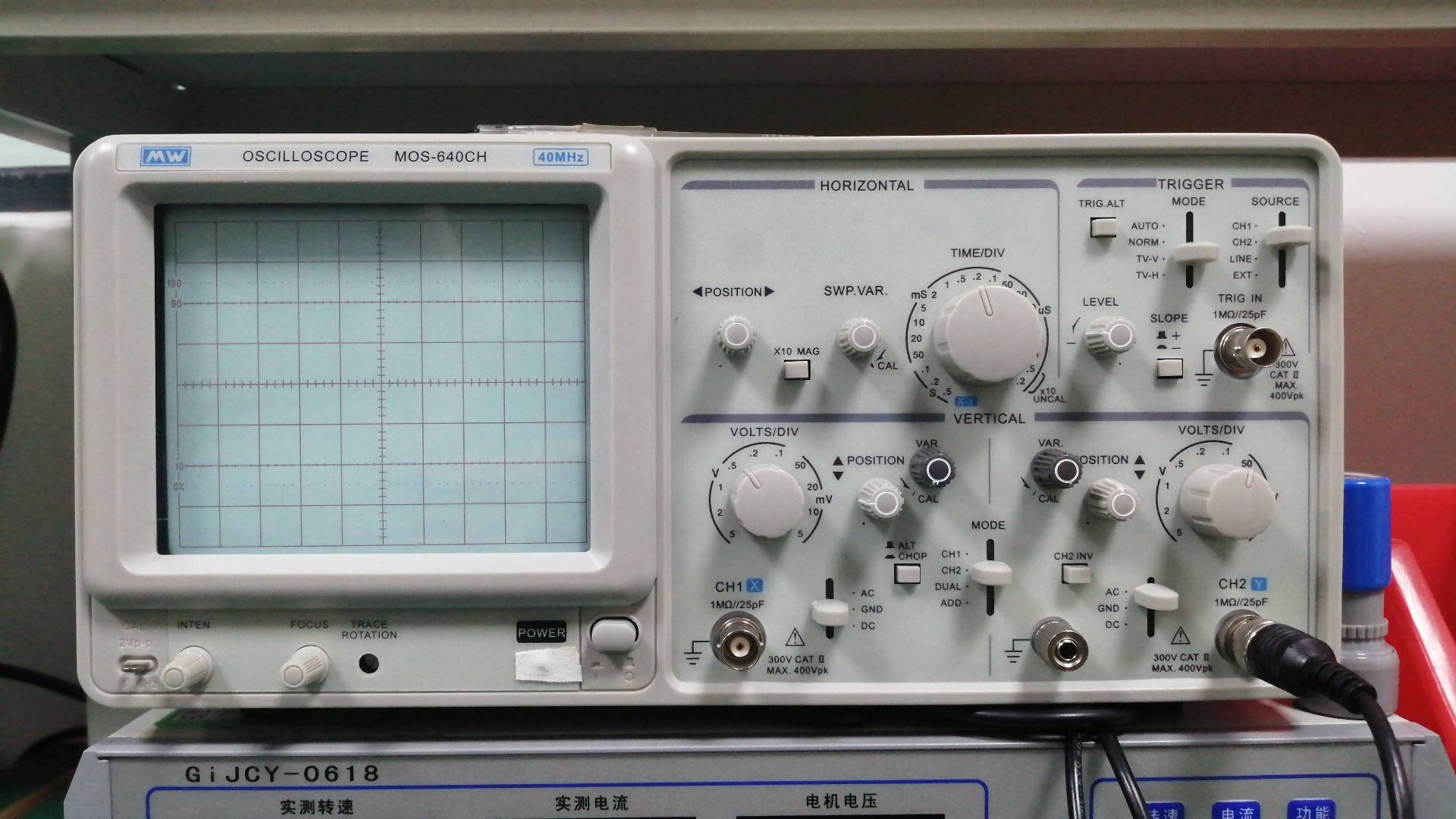
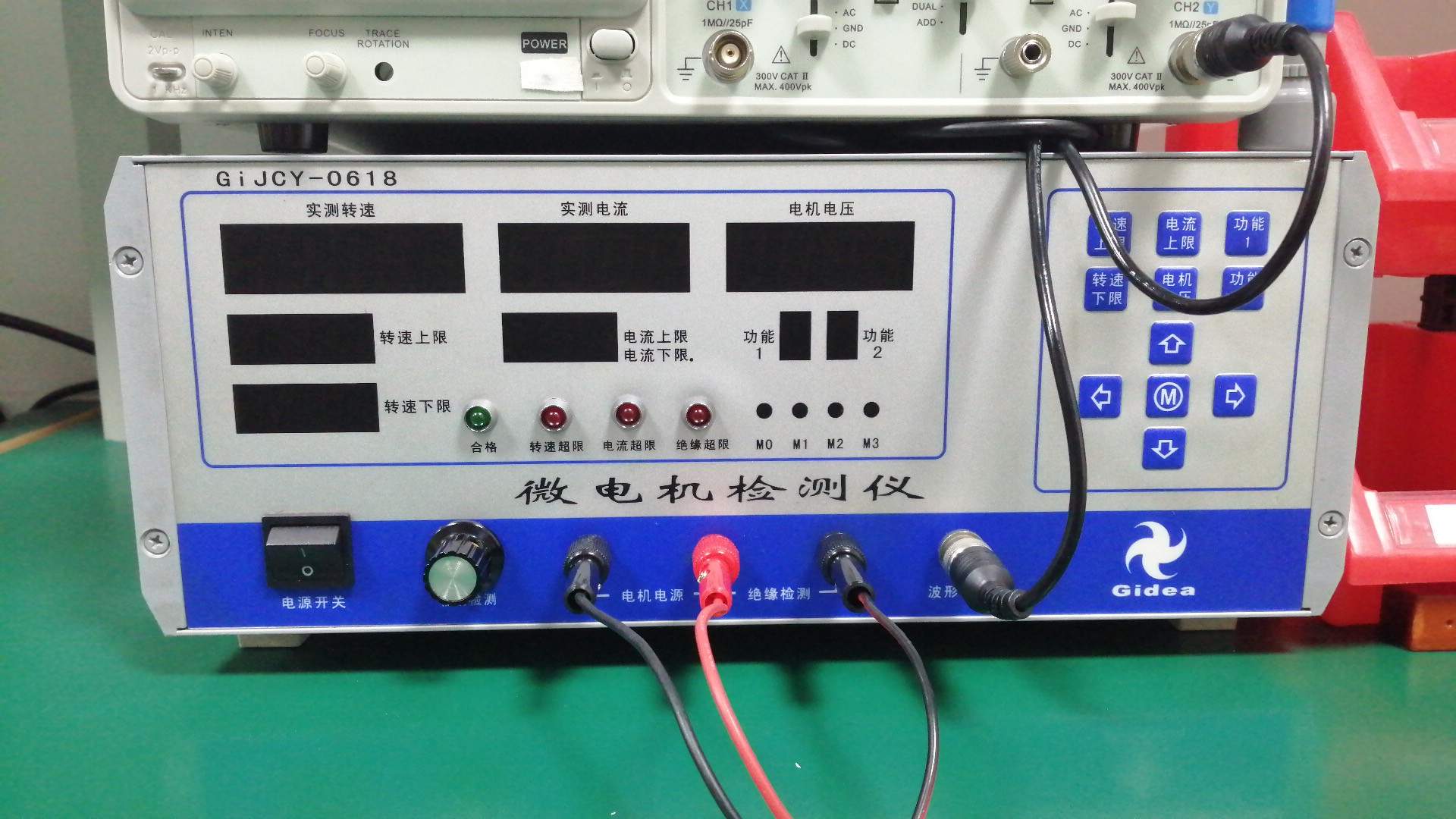
Every batch undergoes rigid testing, including roundness validation, vickers hardness tests, insulation resistance checks, and acoustic vibration tracking.
Every step in our production process is monitored to guarantee precision and repeatability.
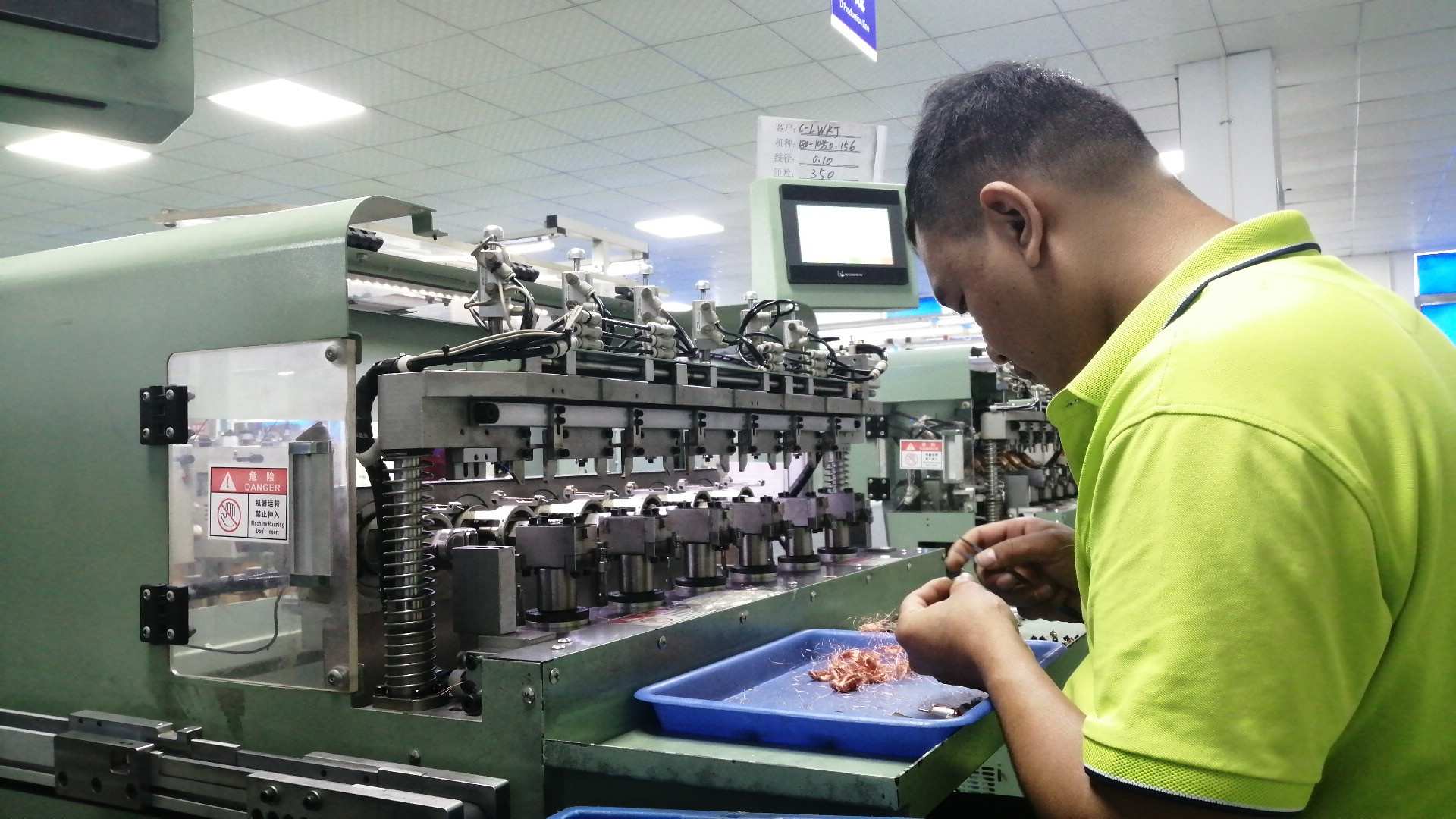
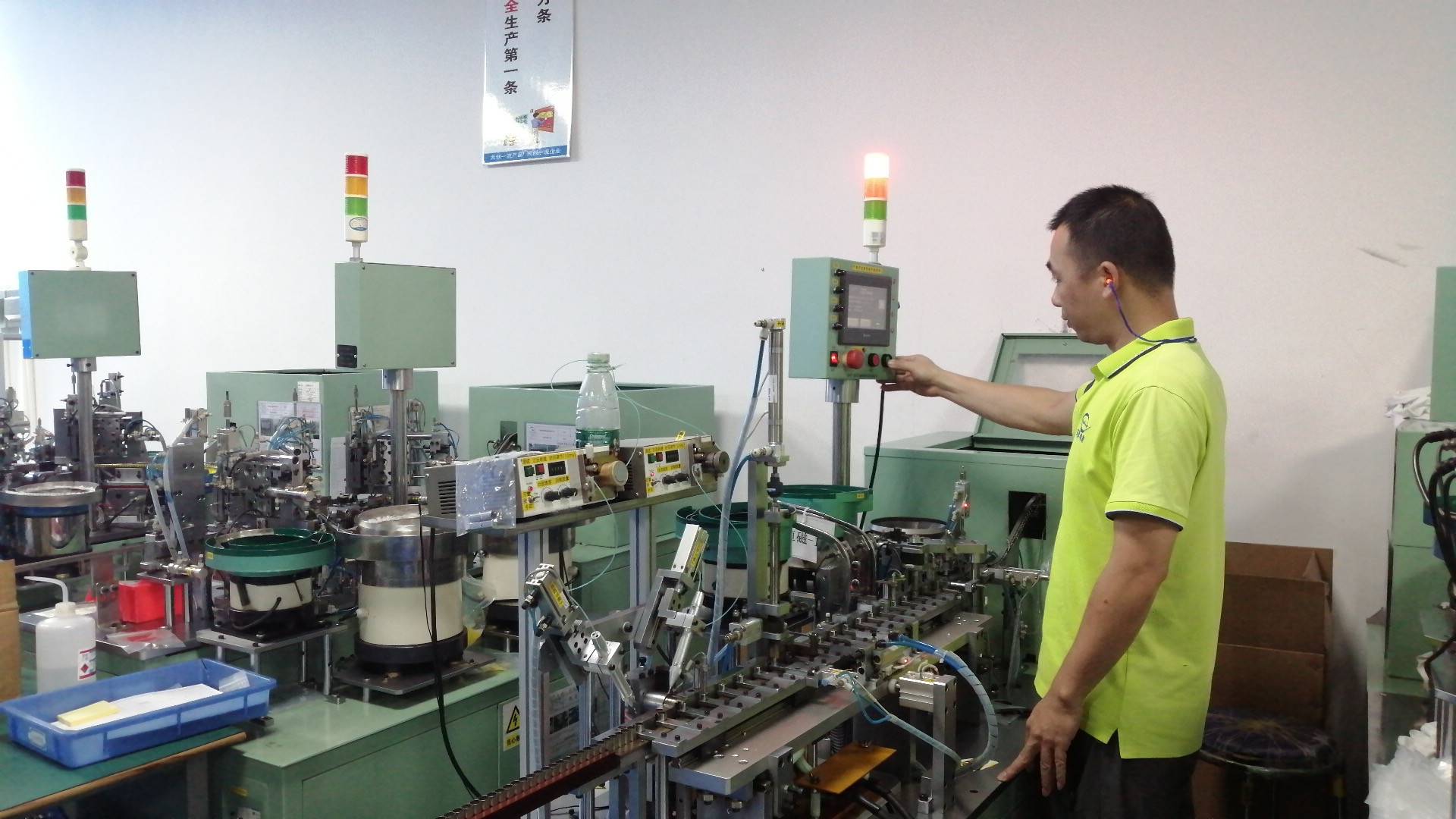
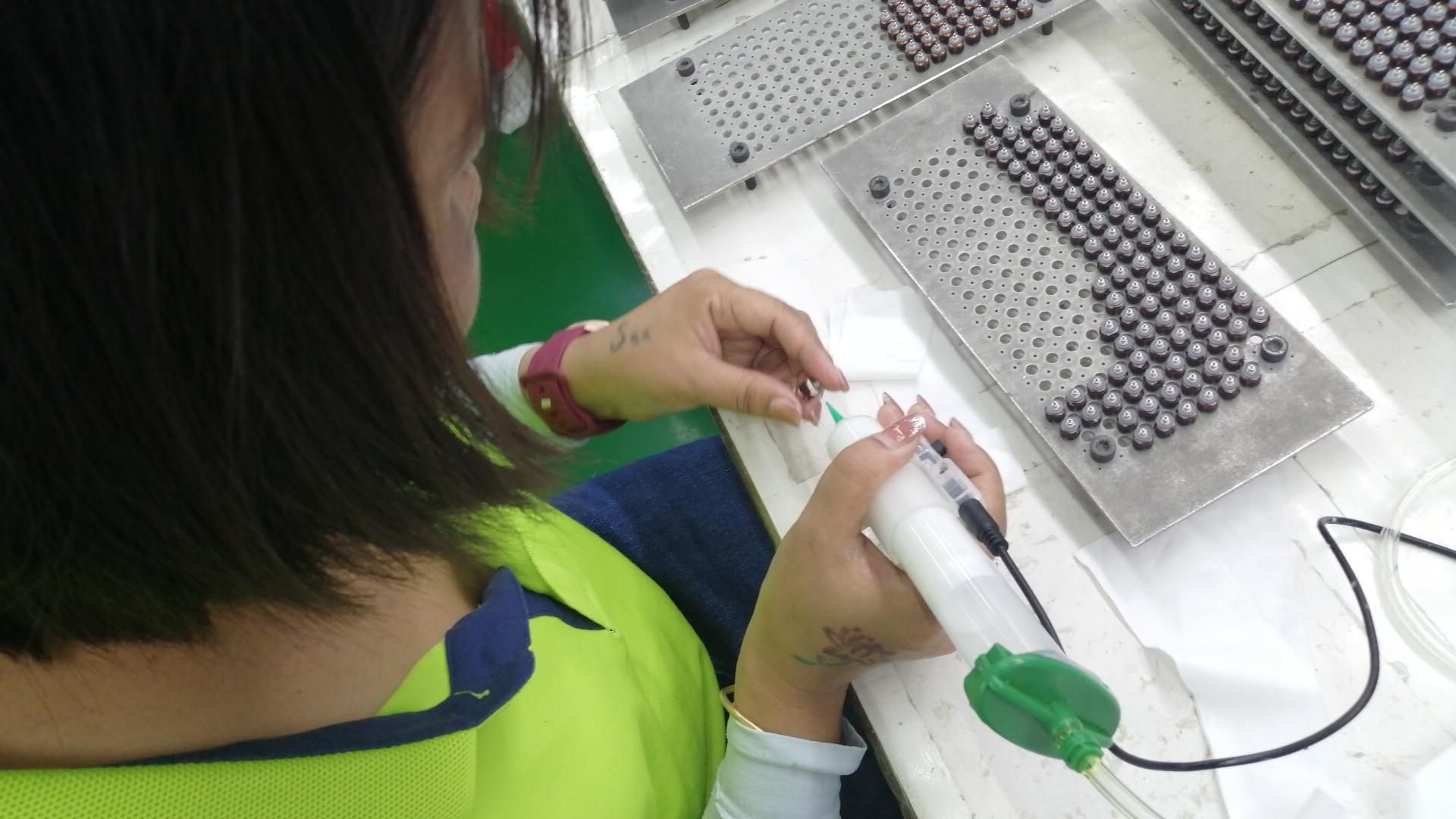
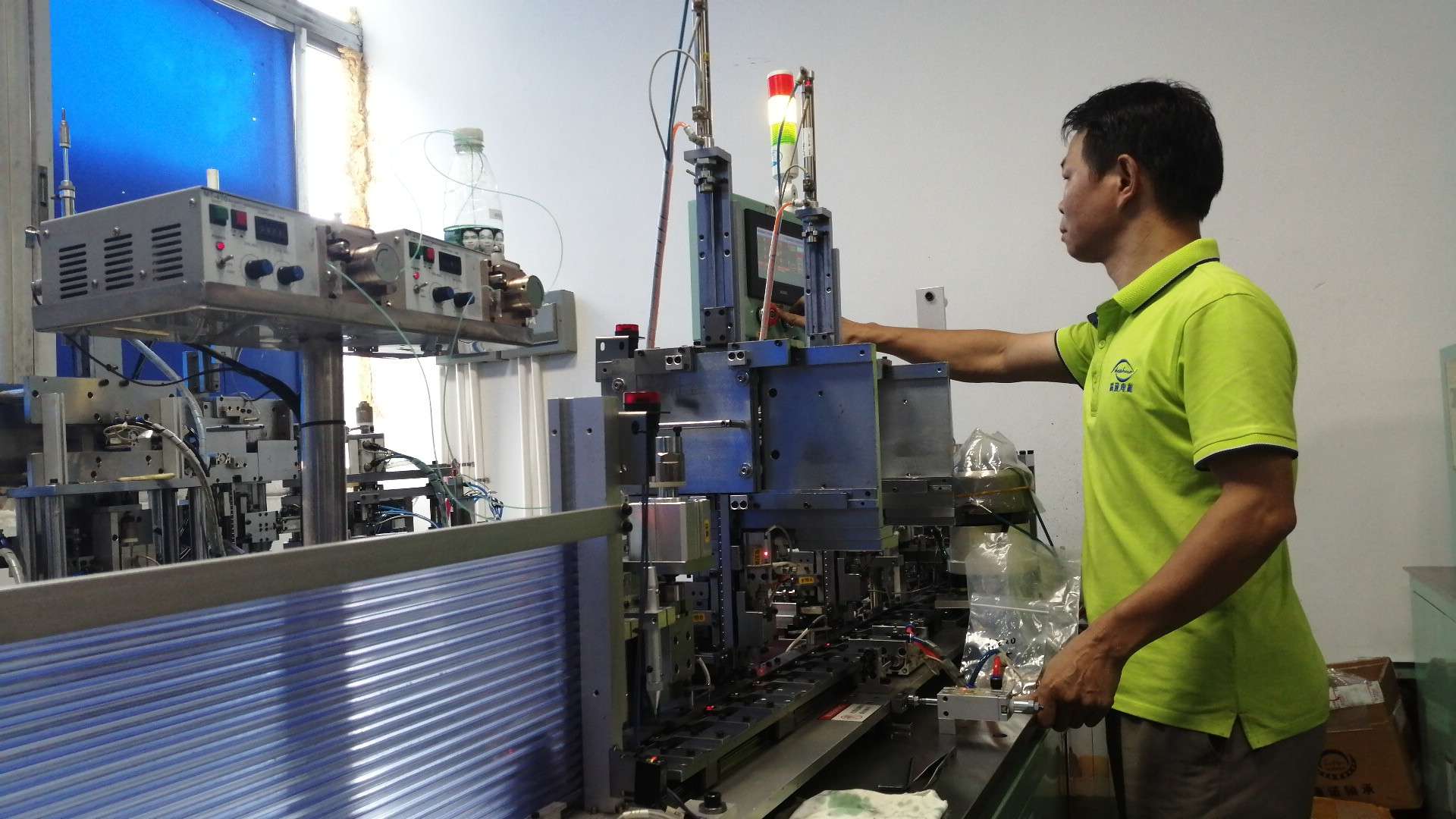
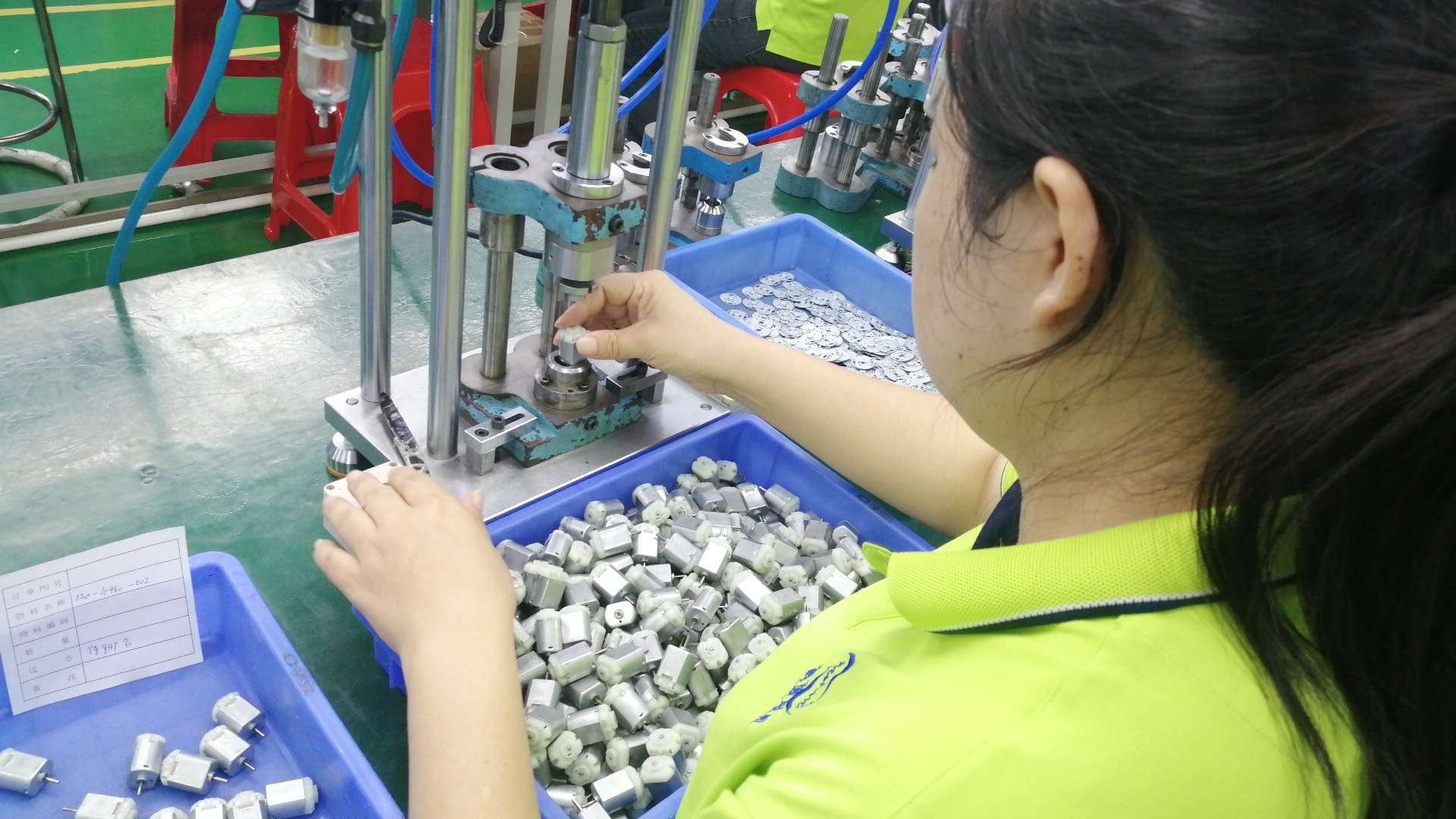
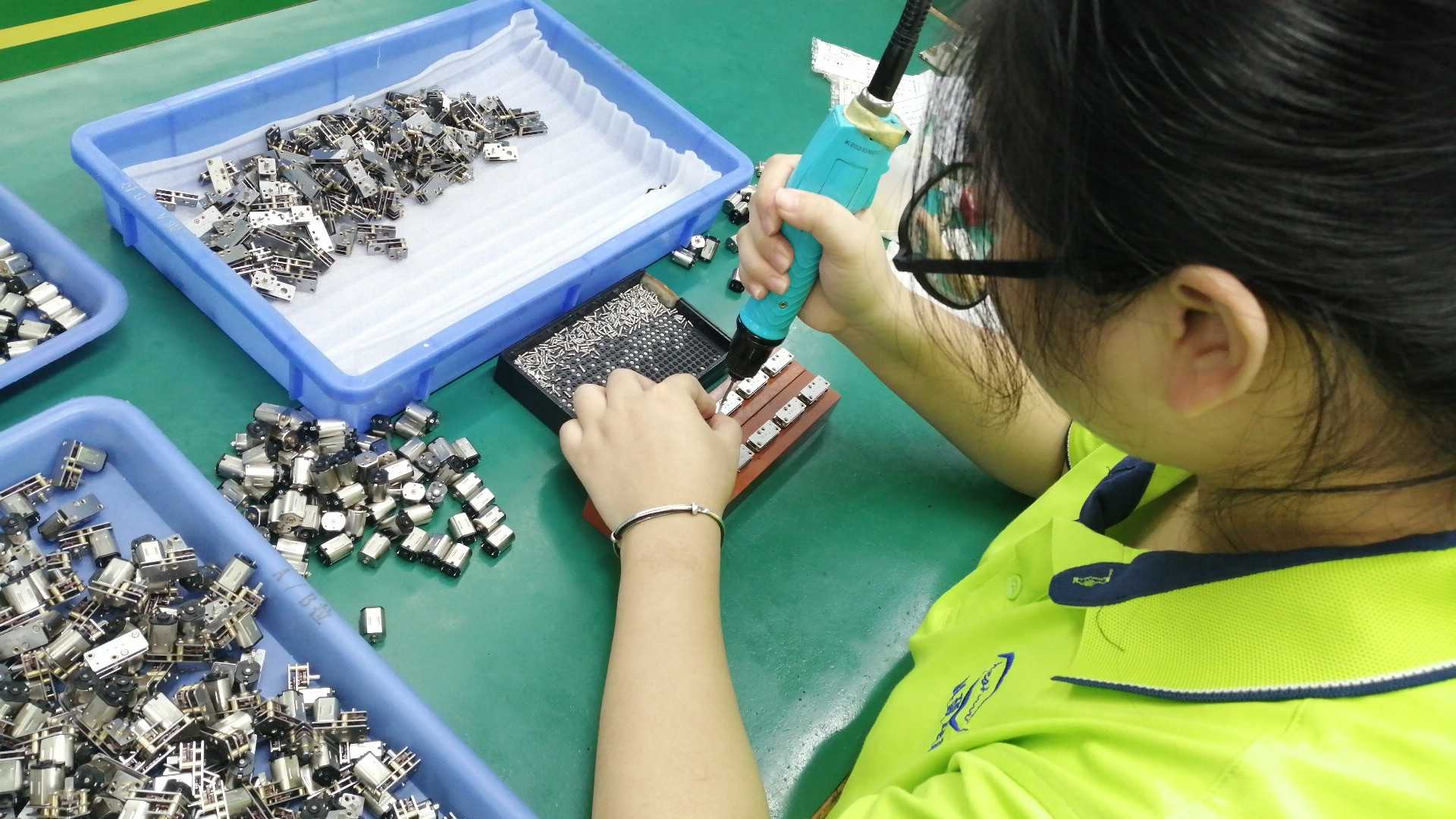
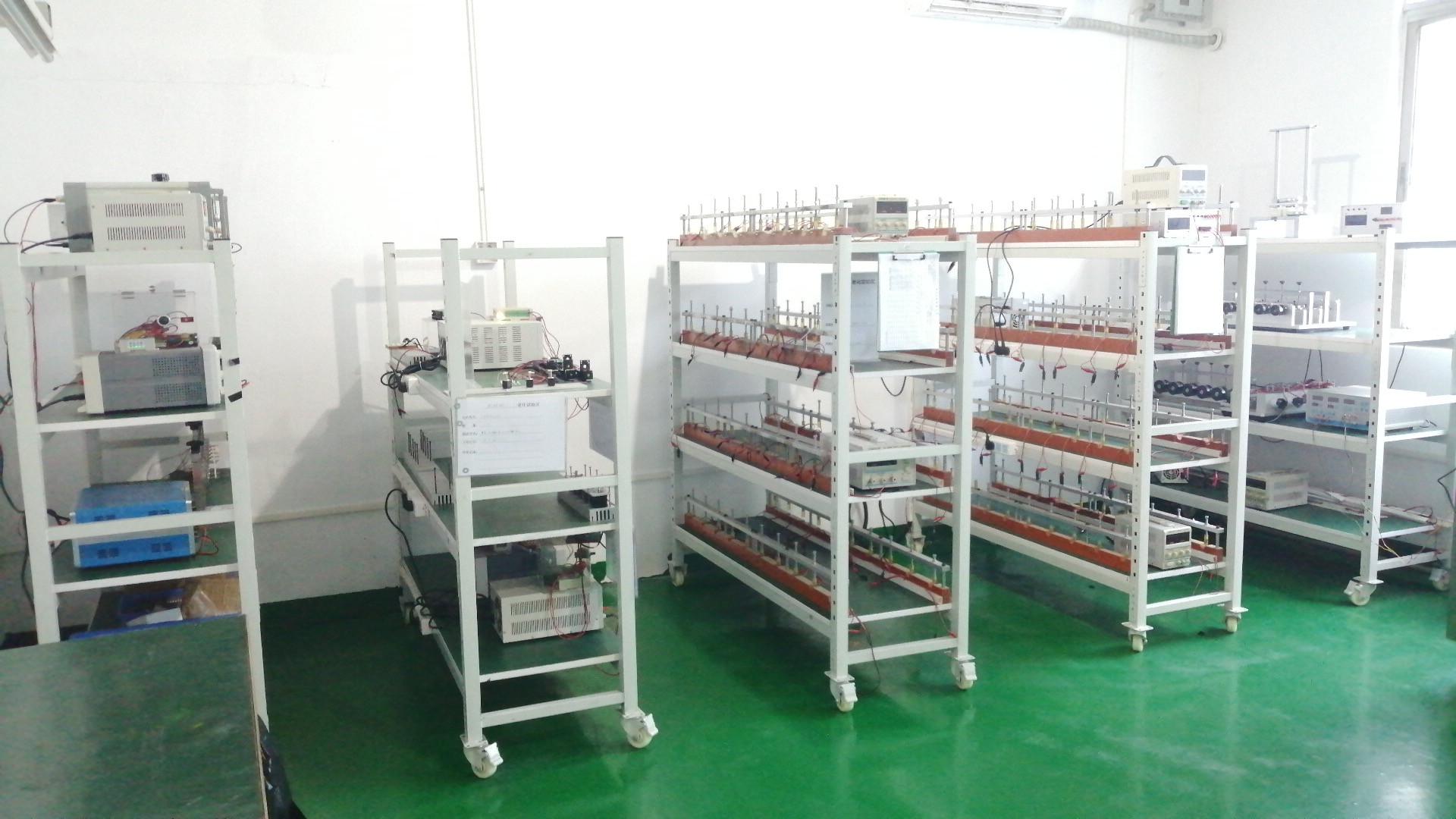
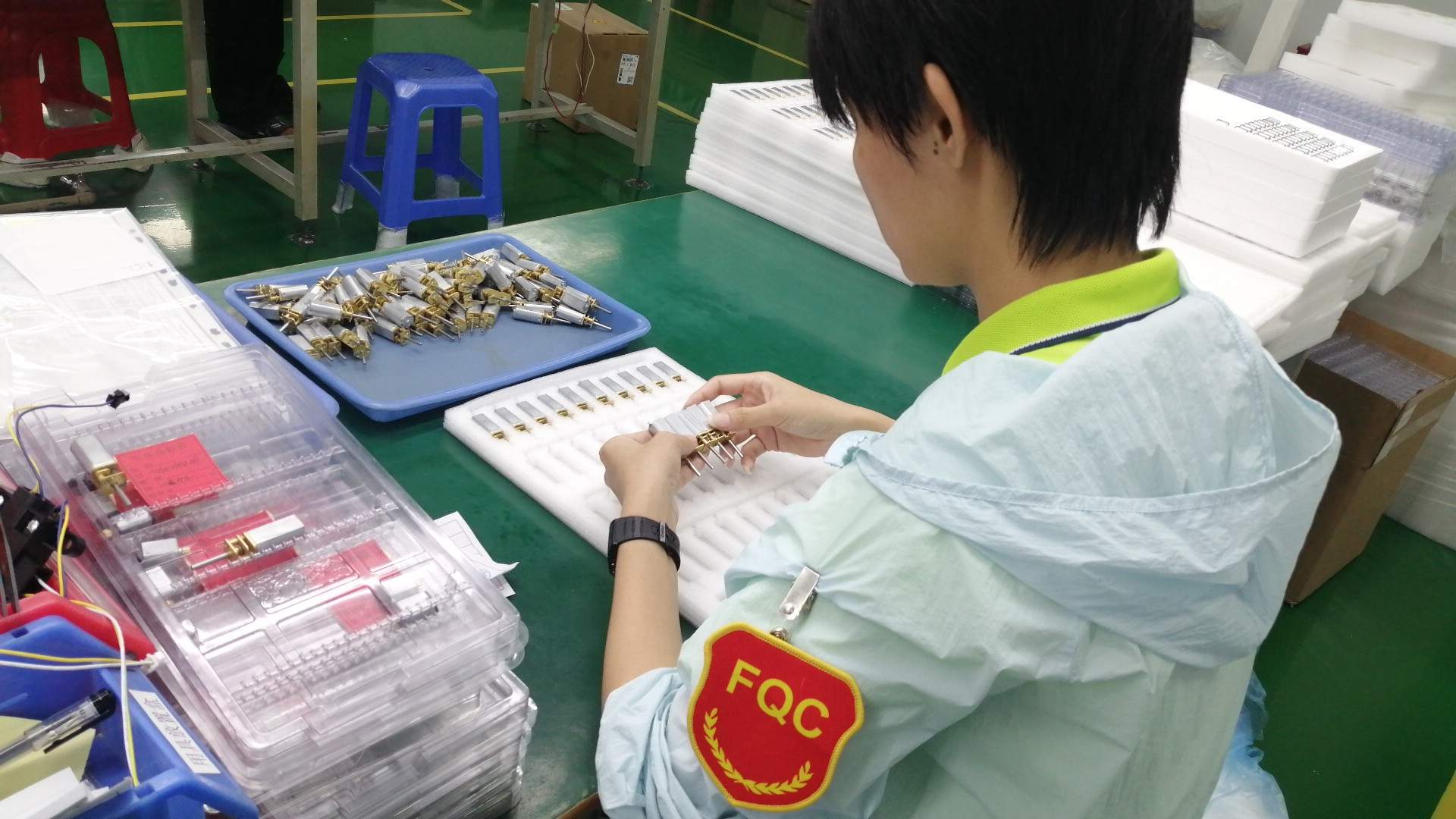
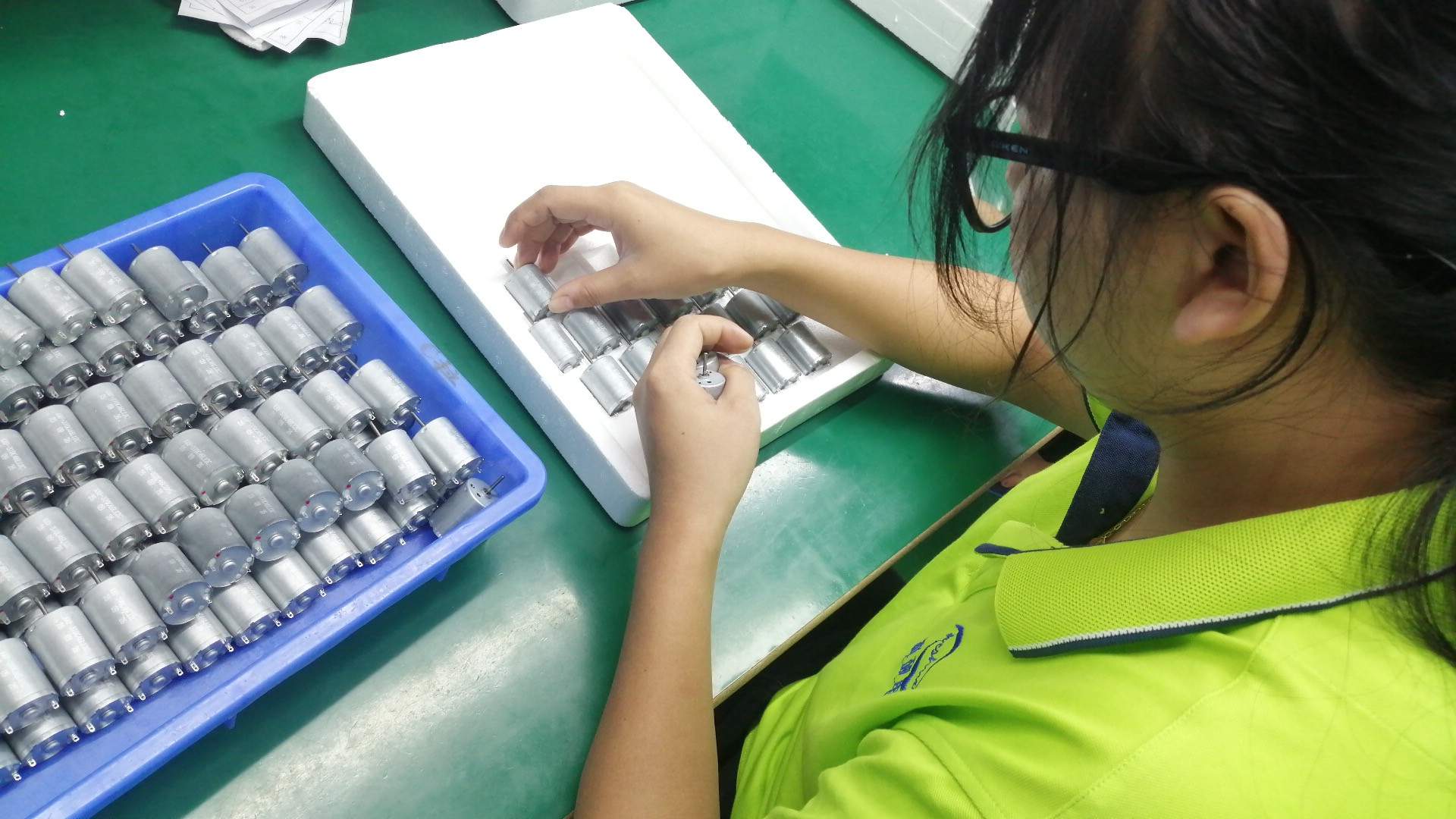
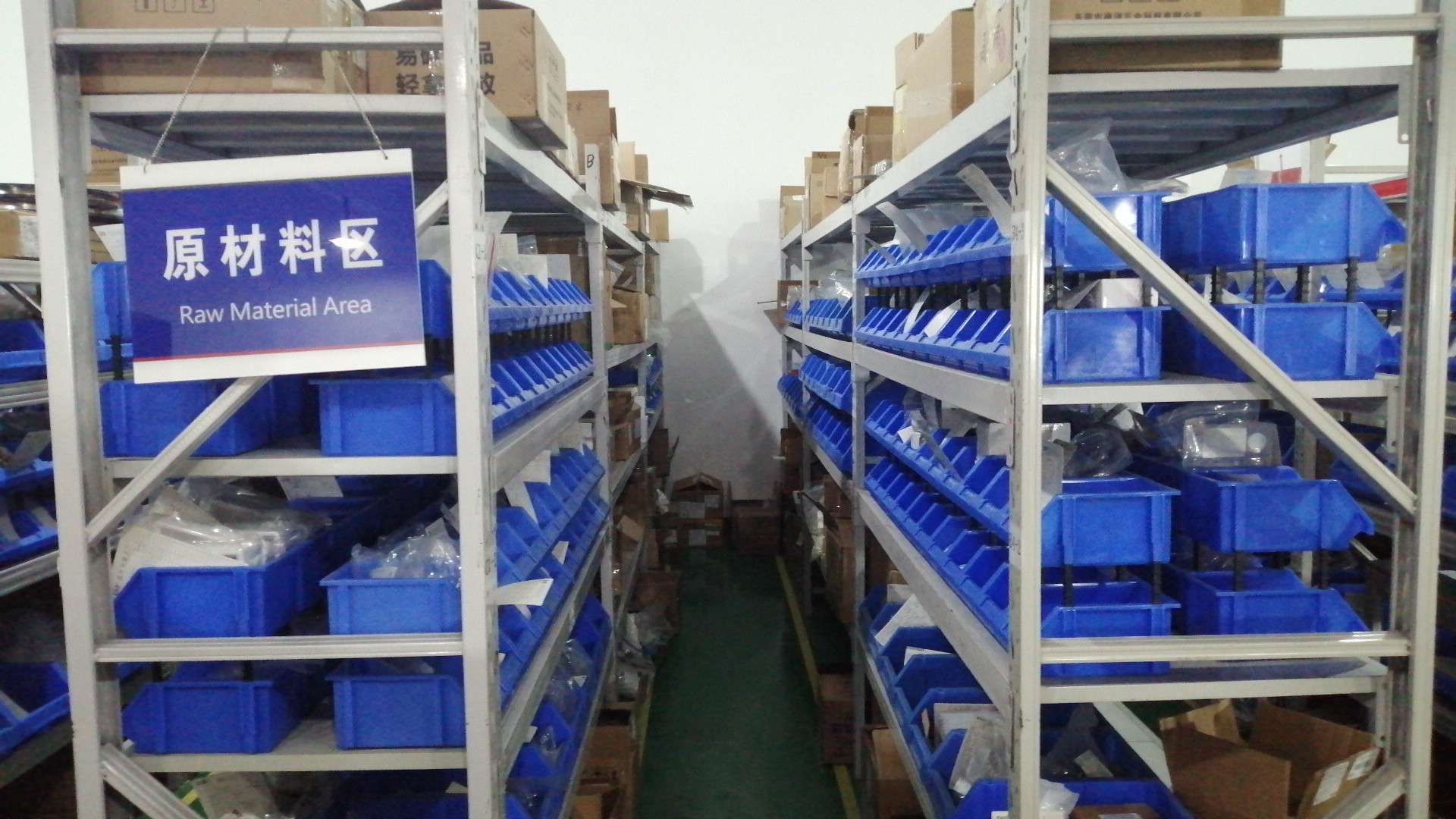
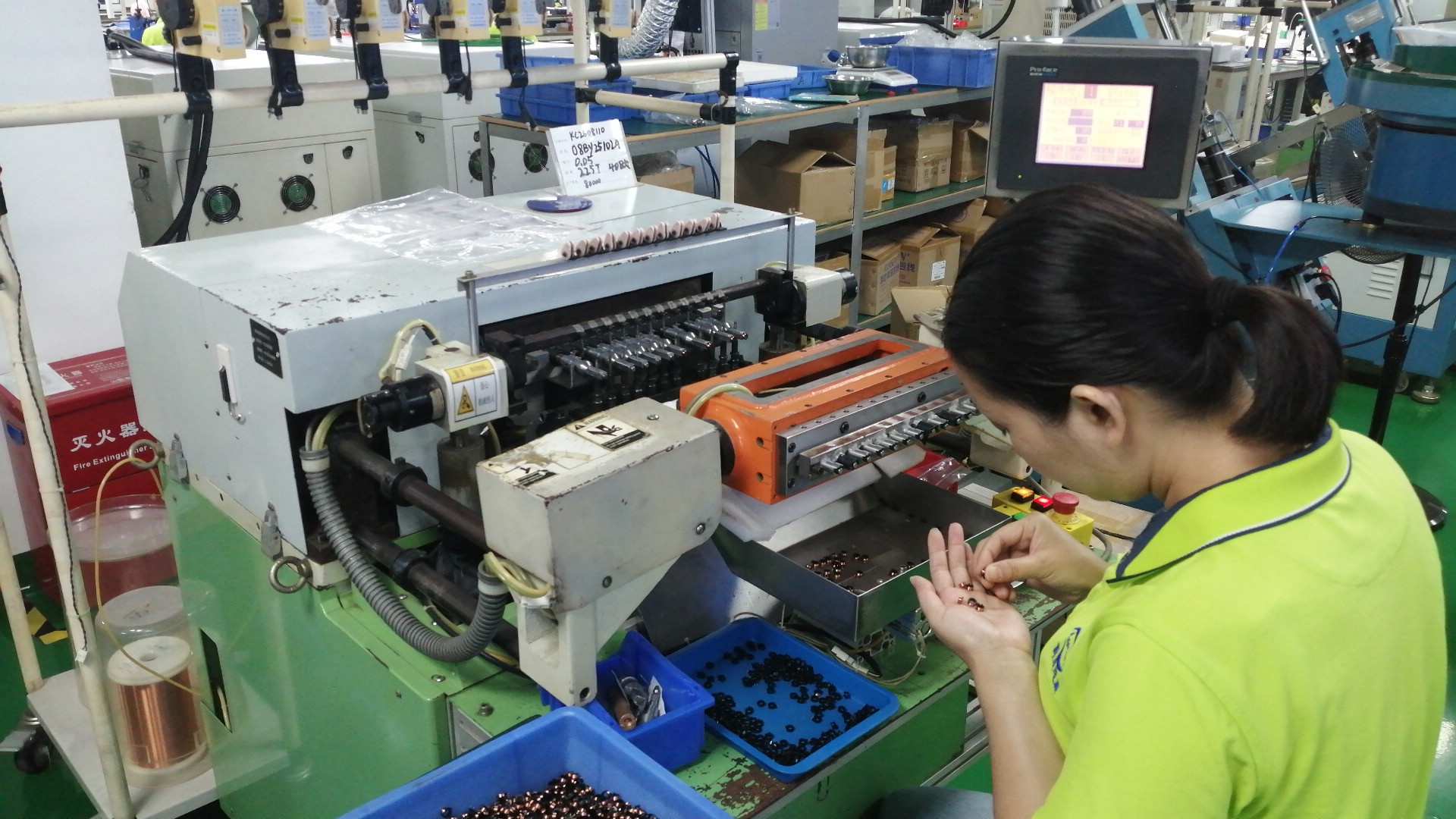
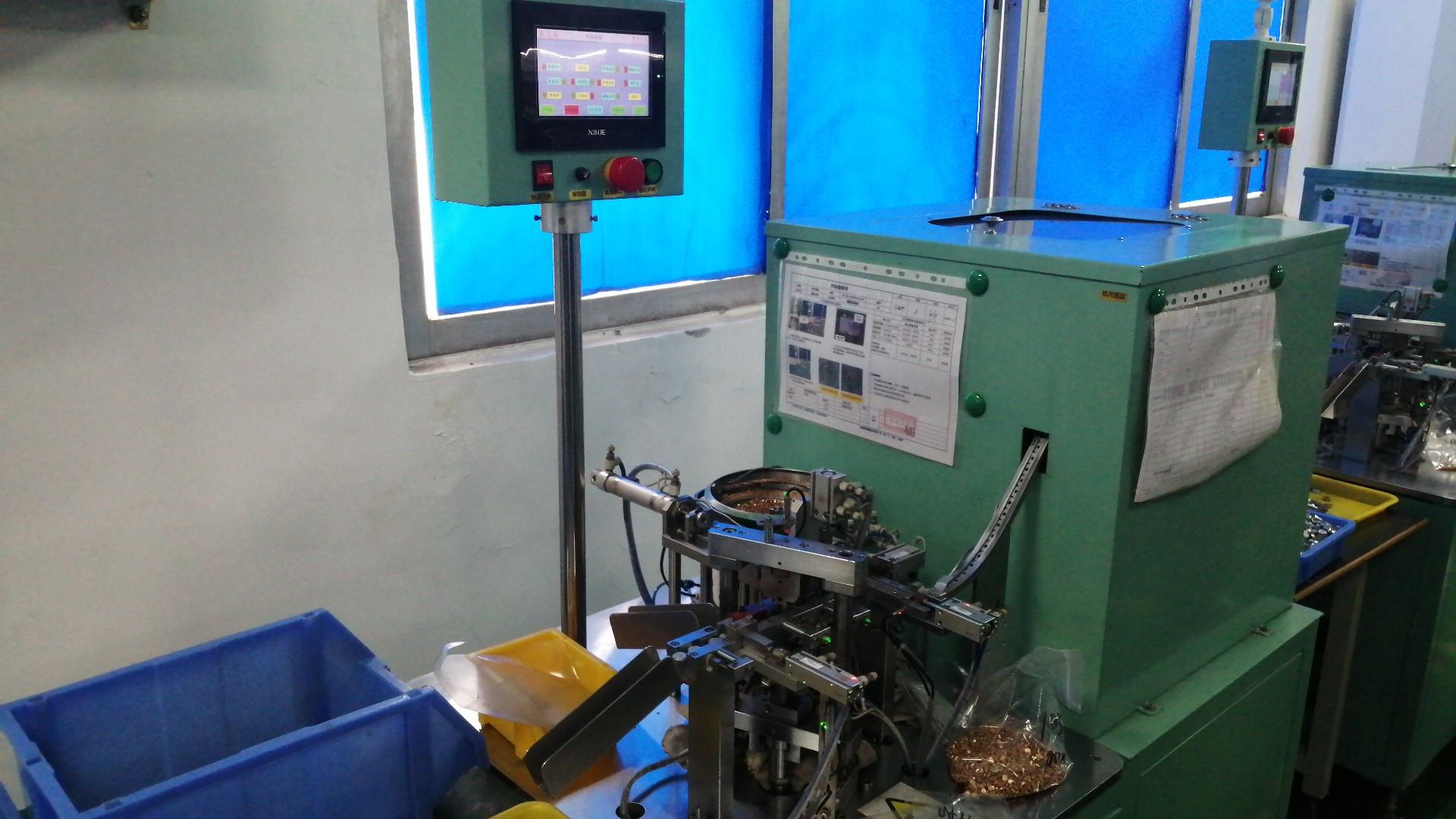
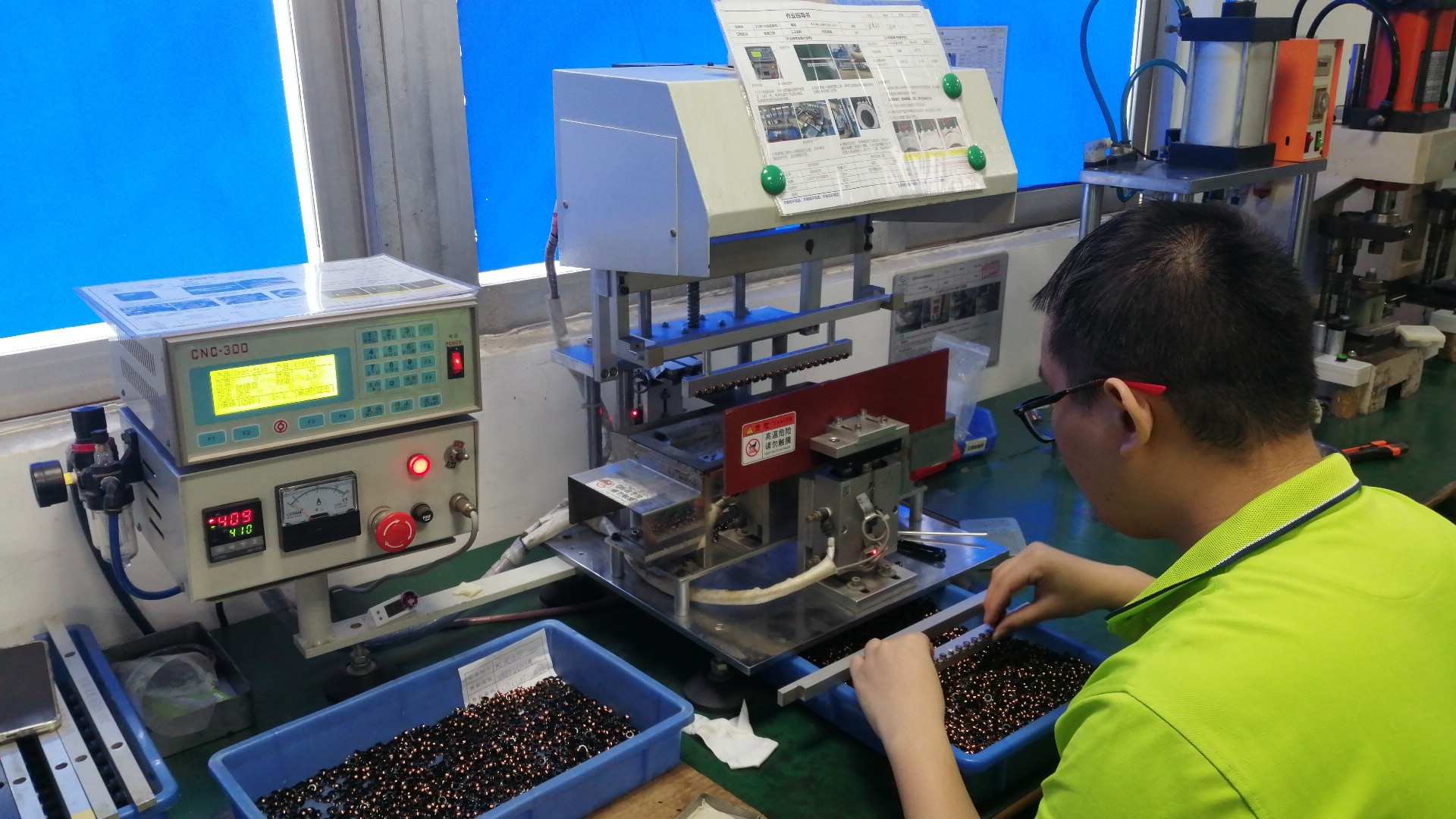
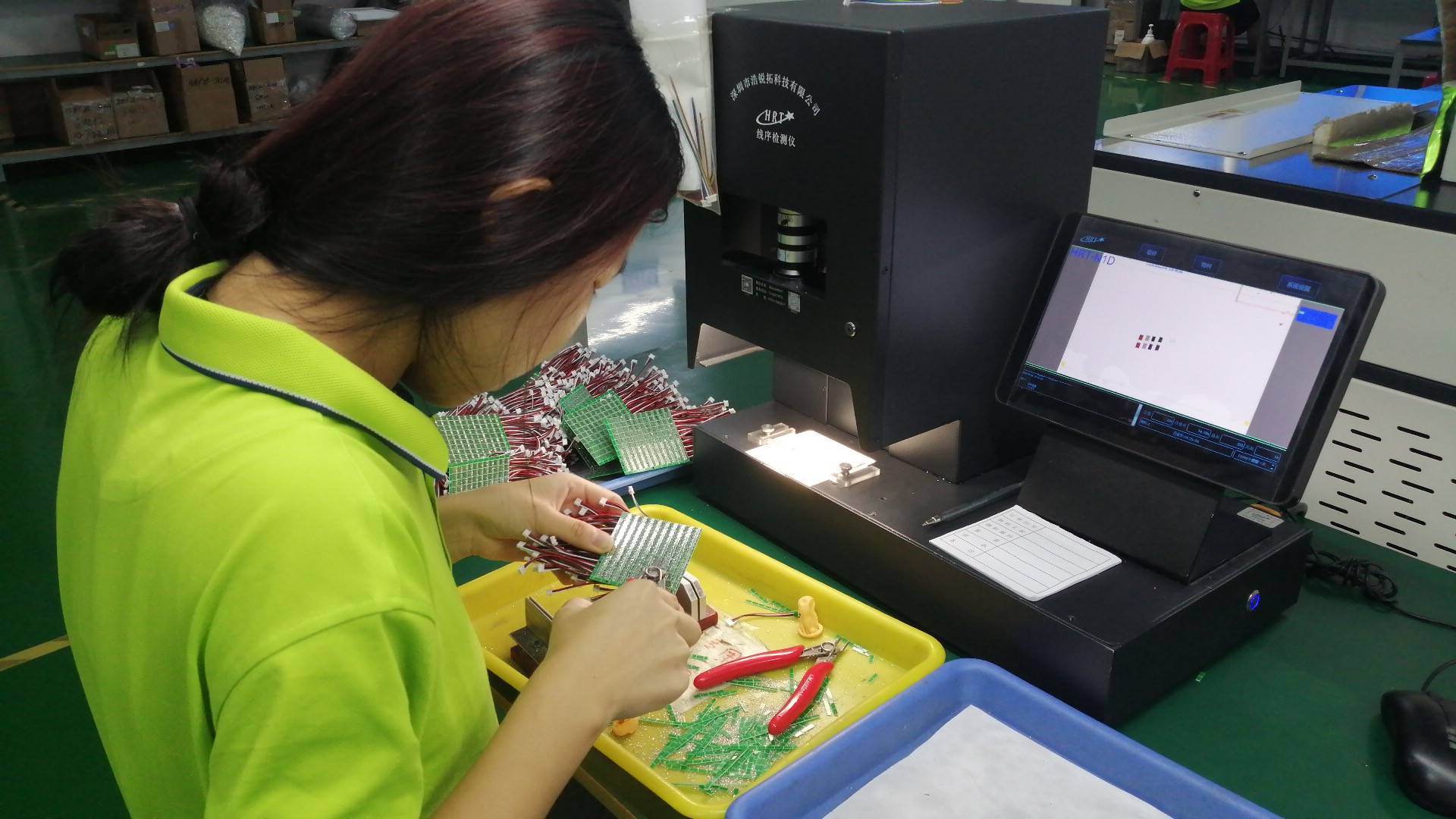
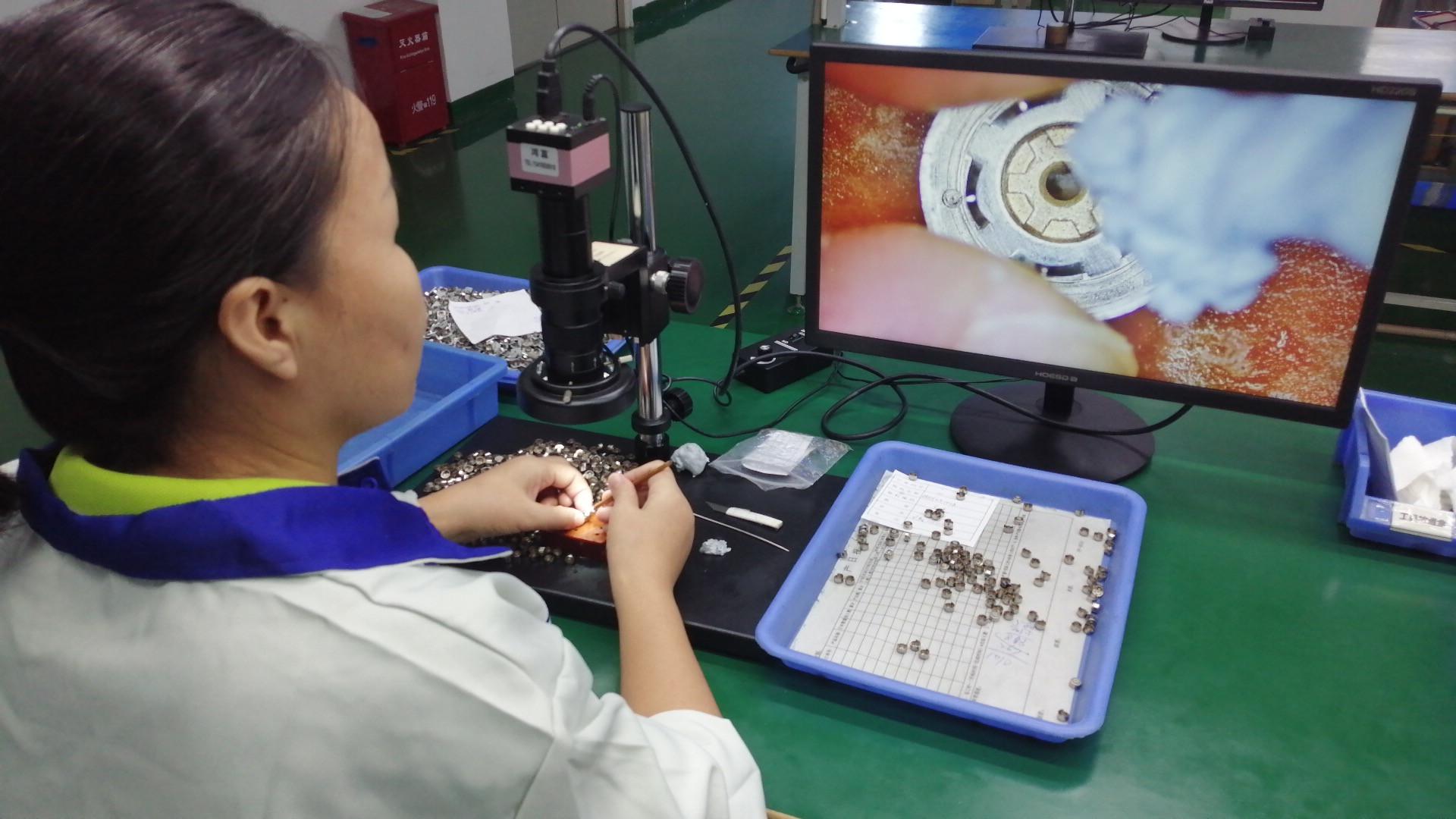
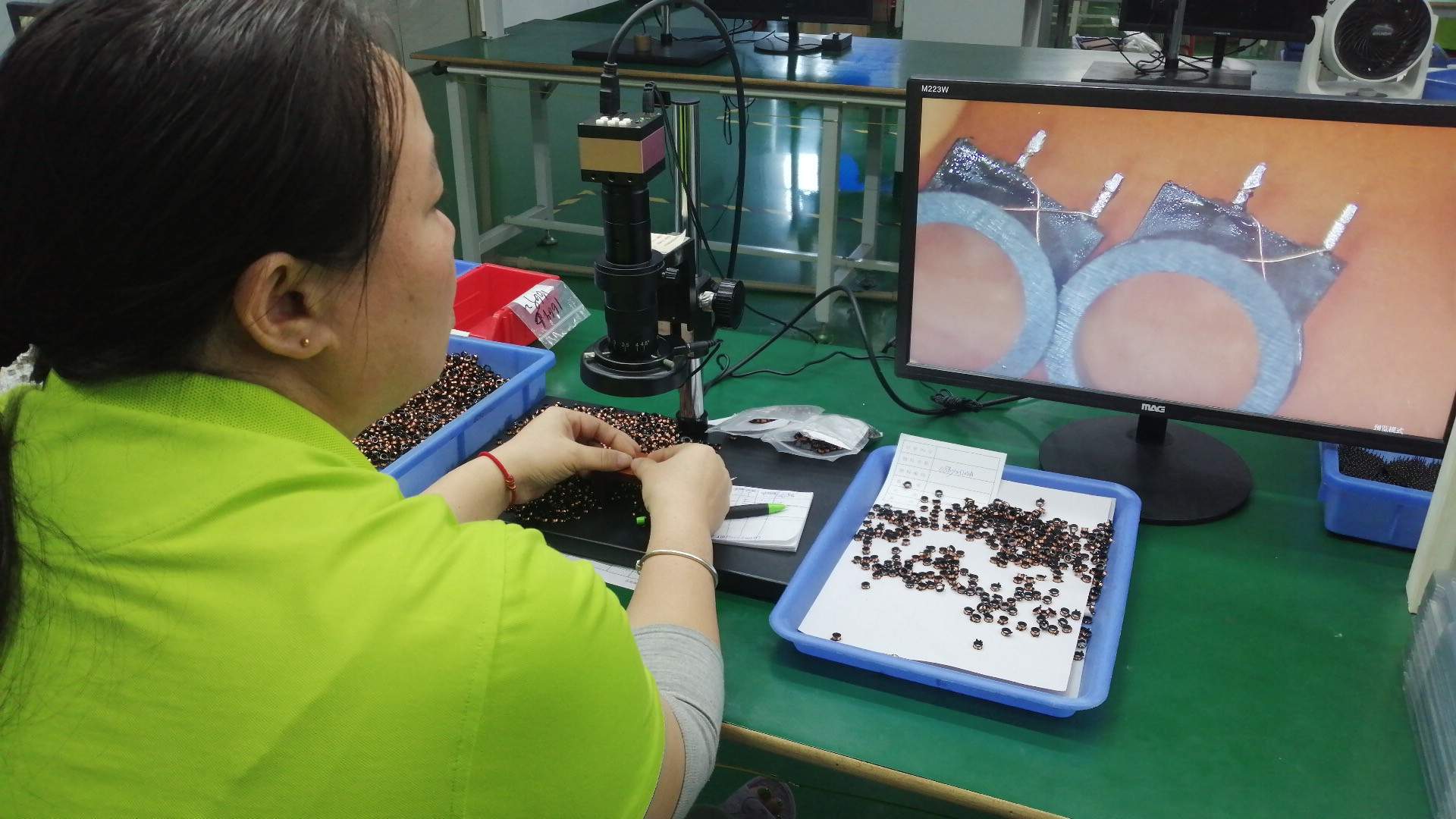
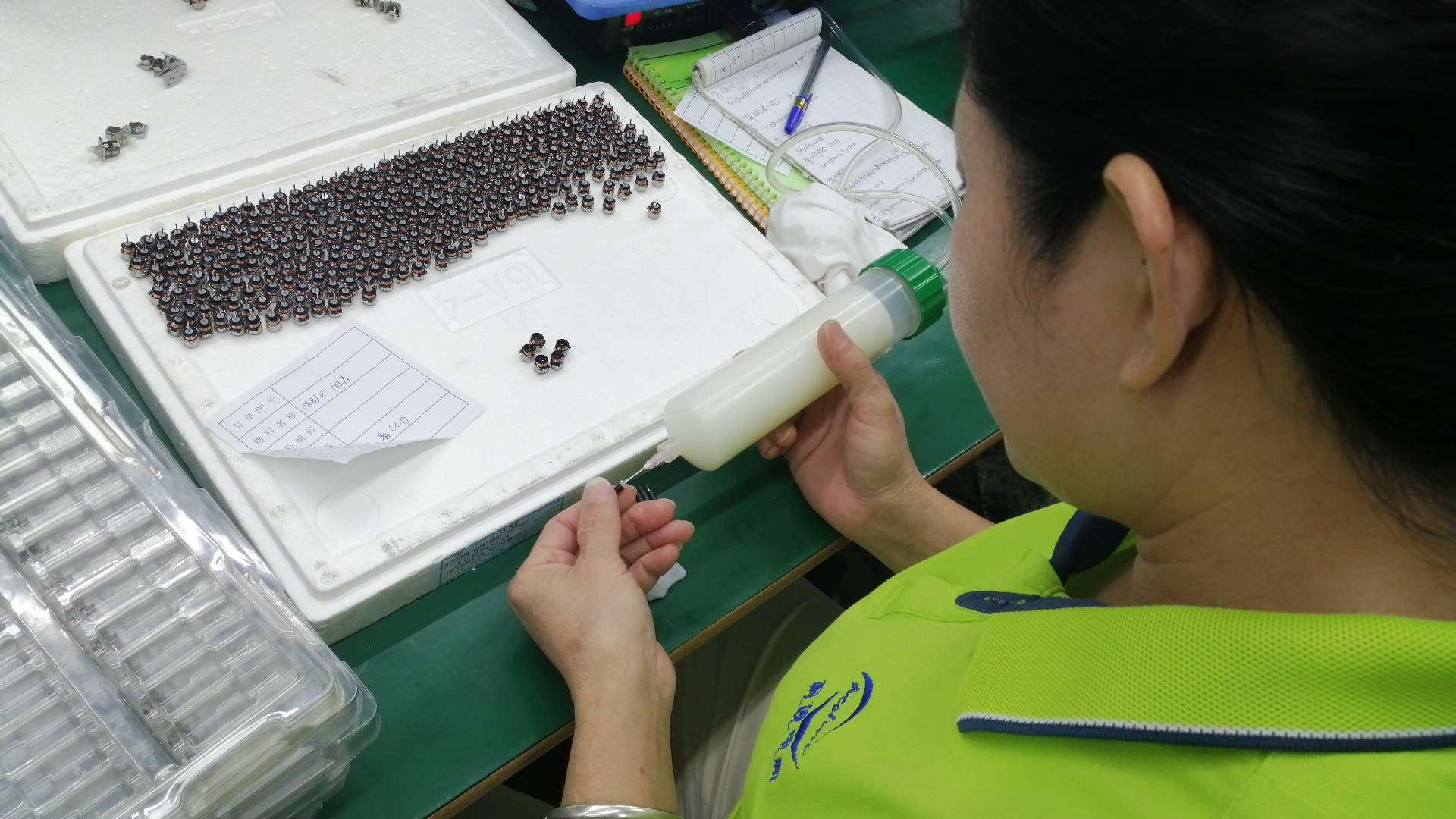
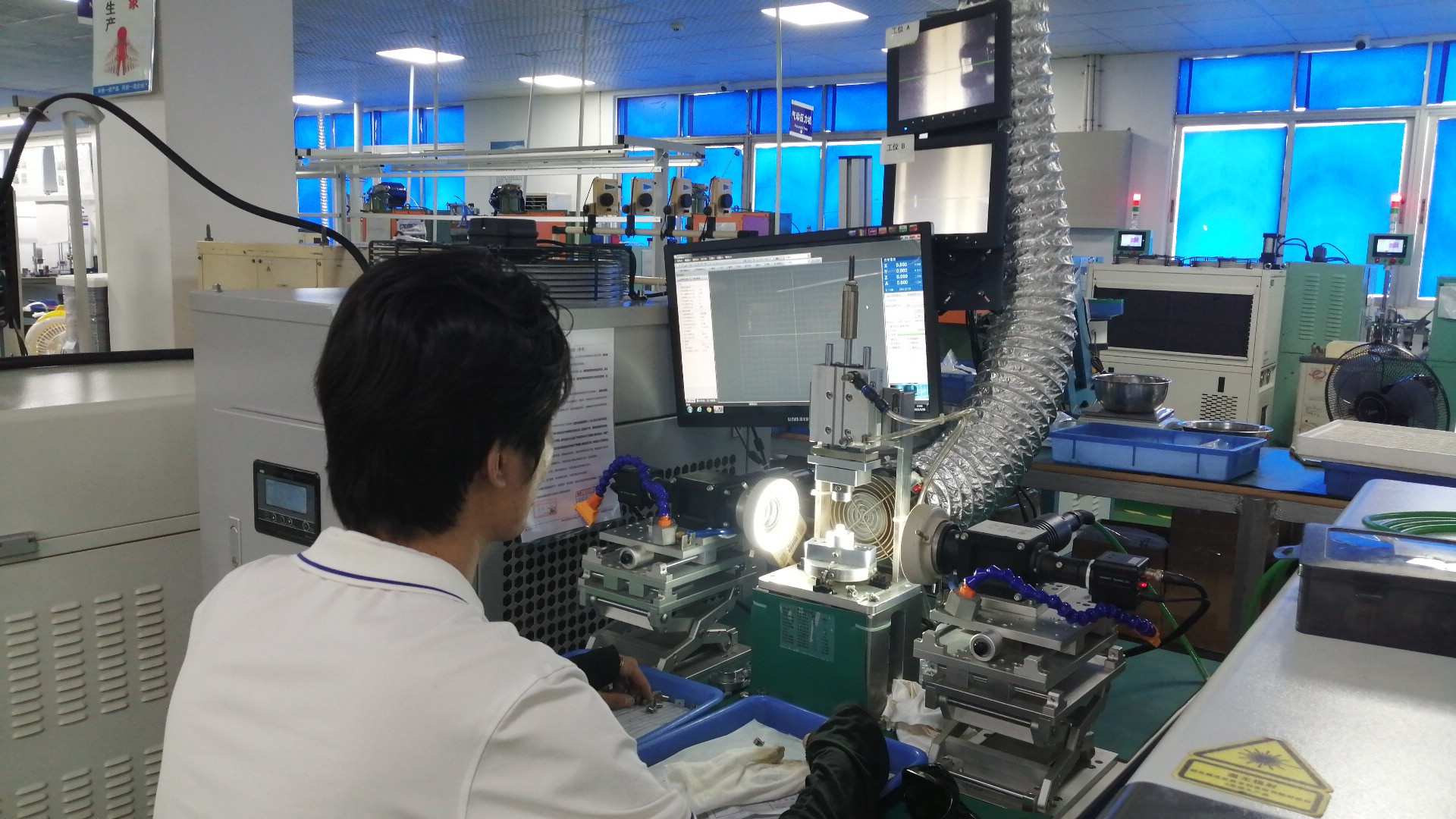
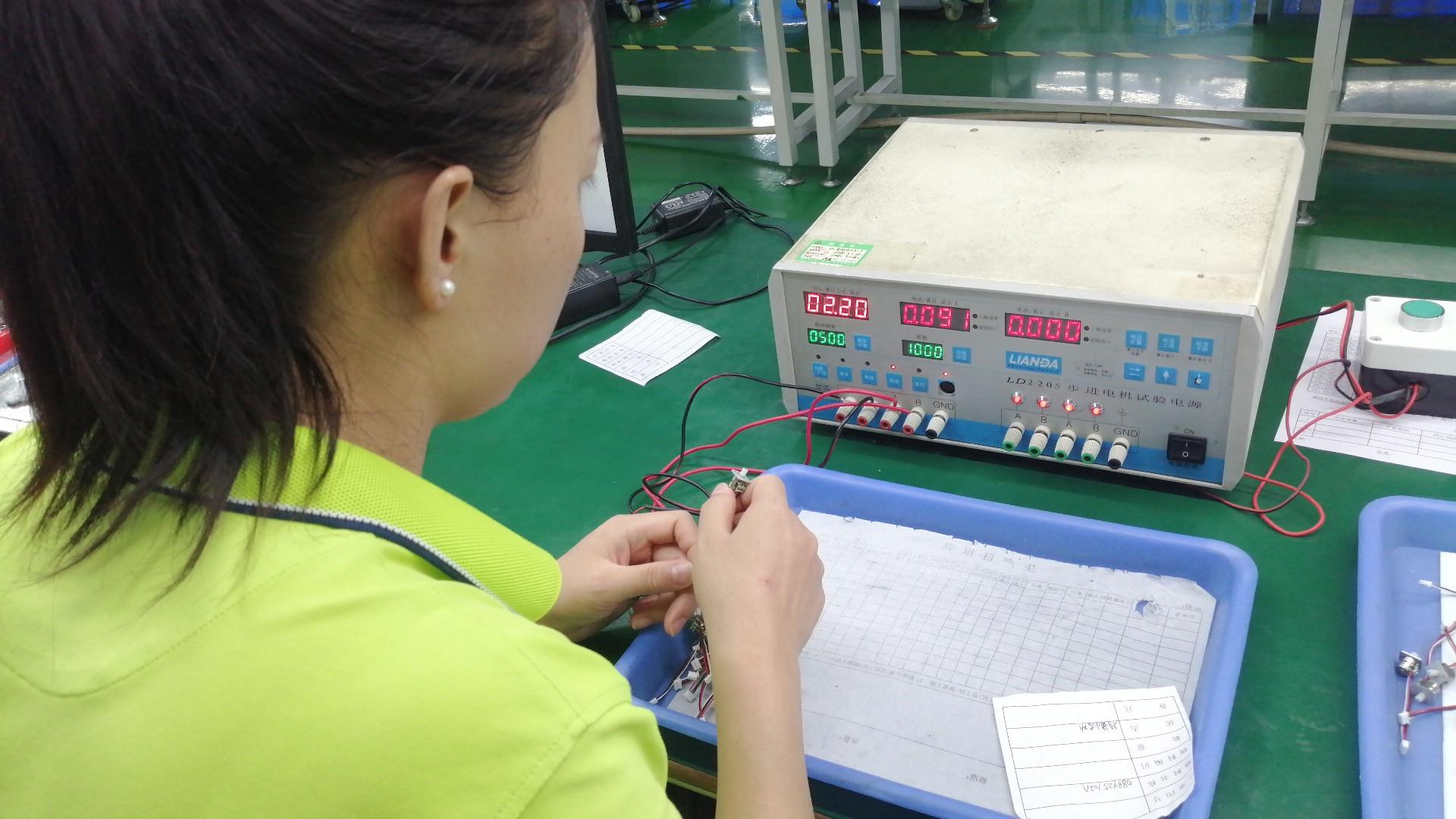
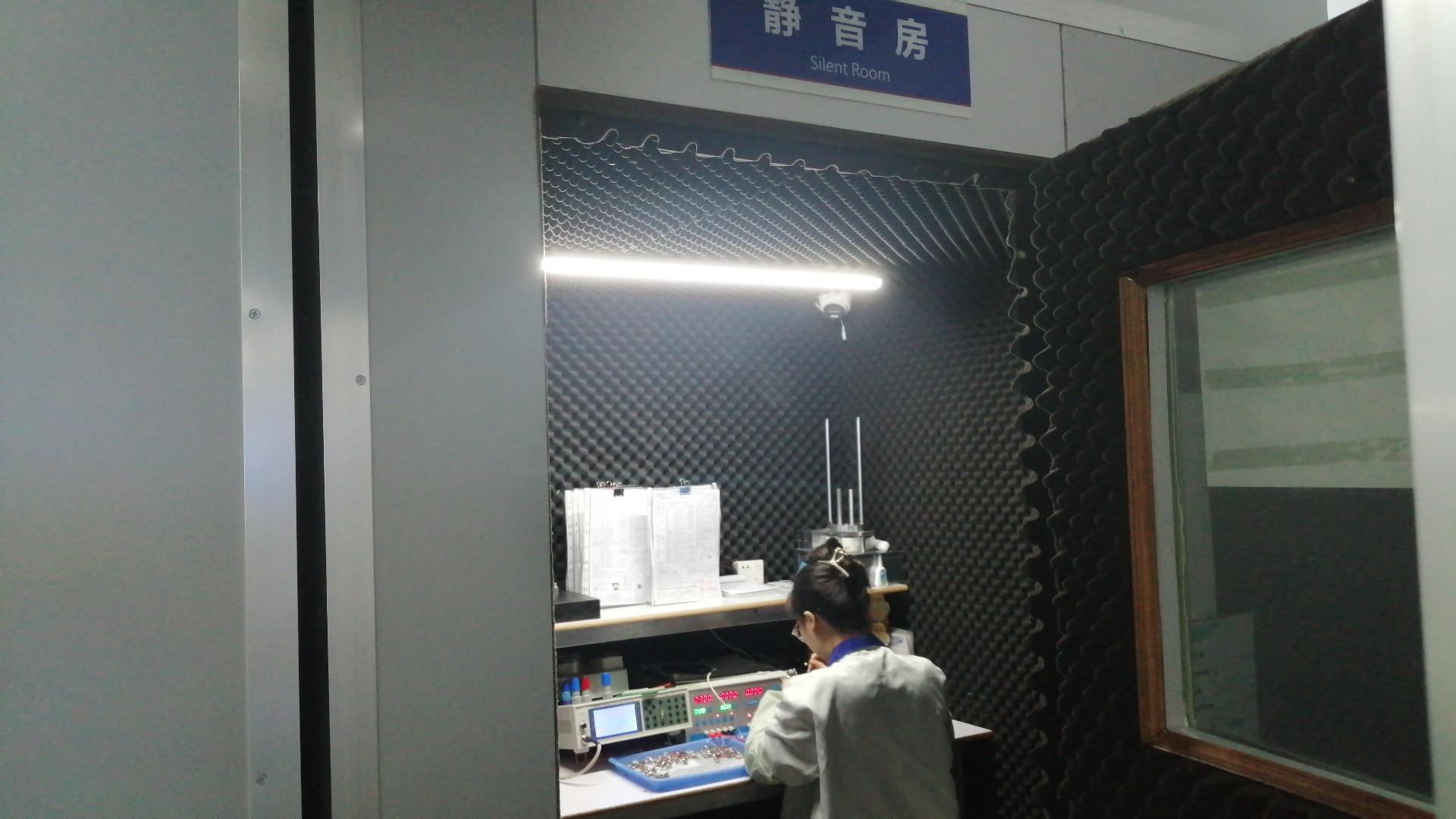
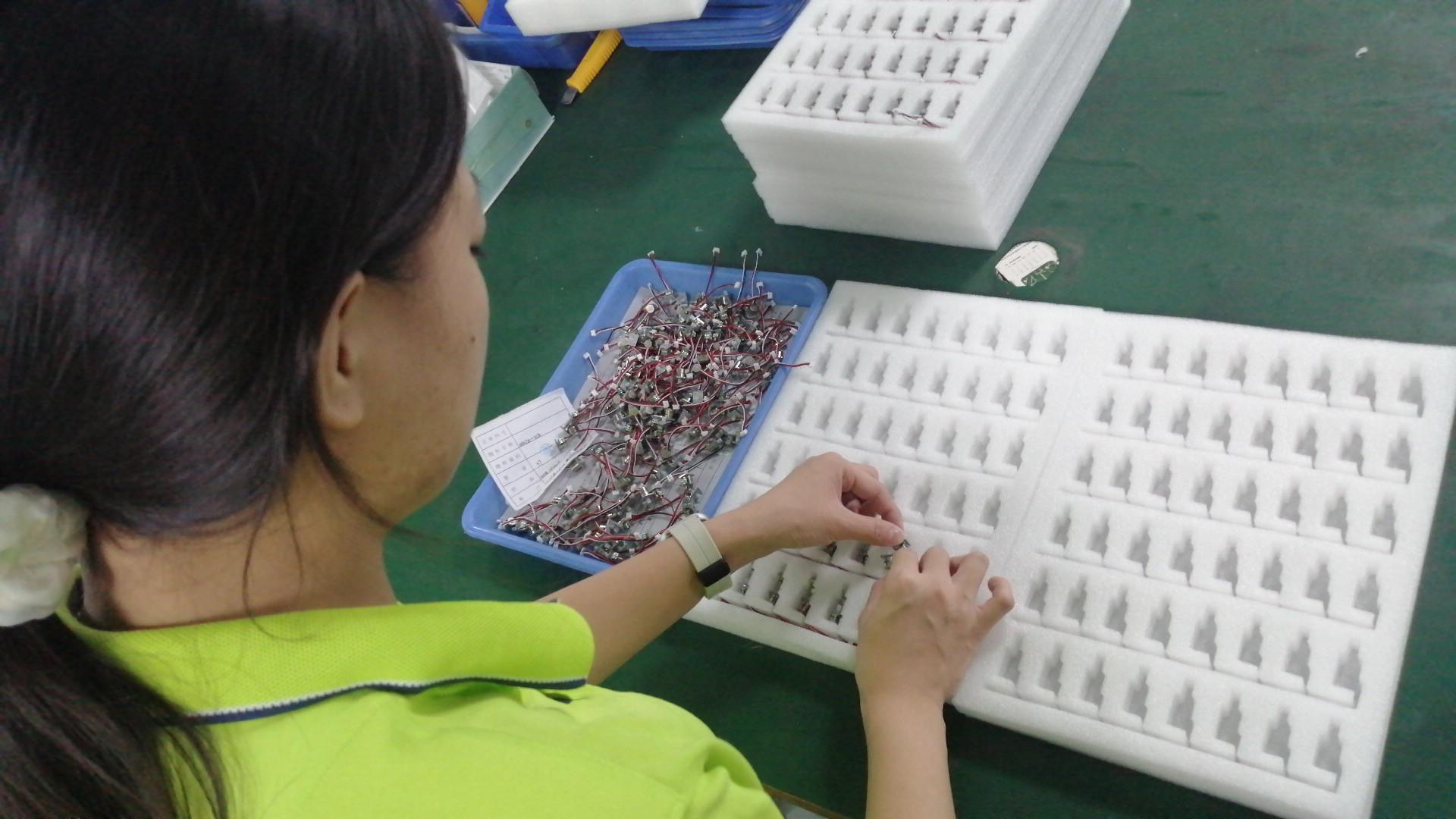
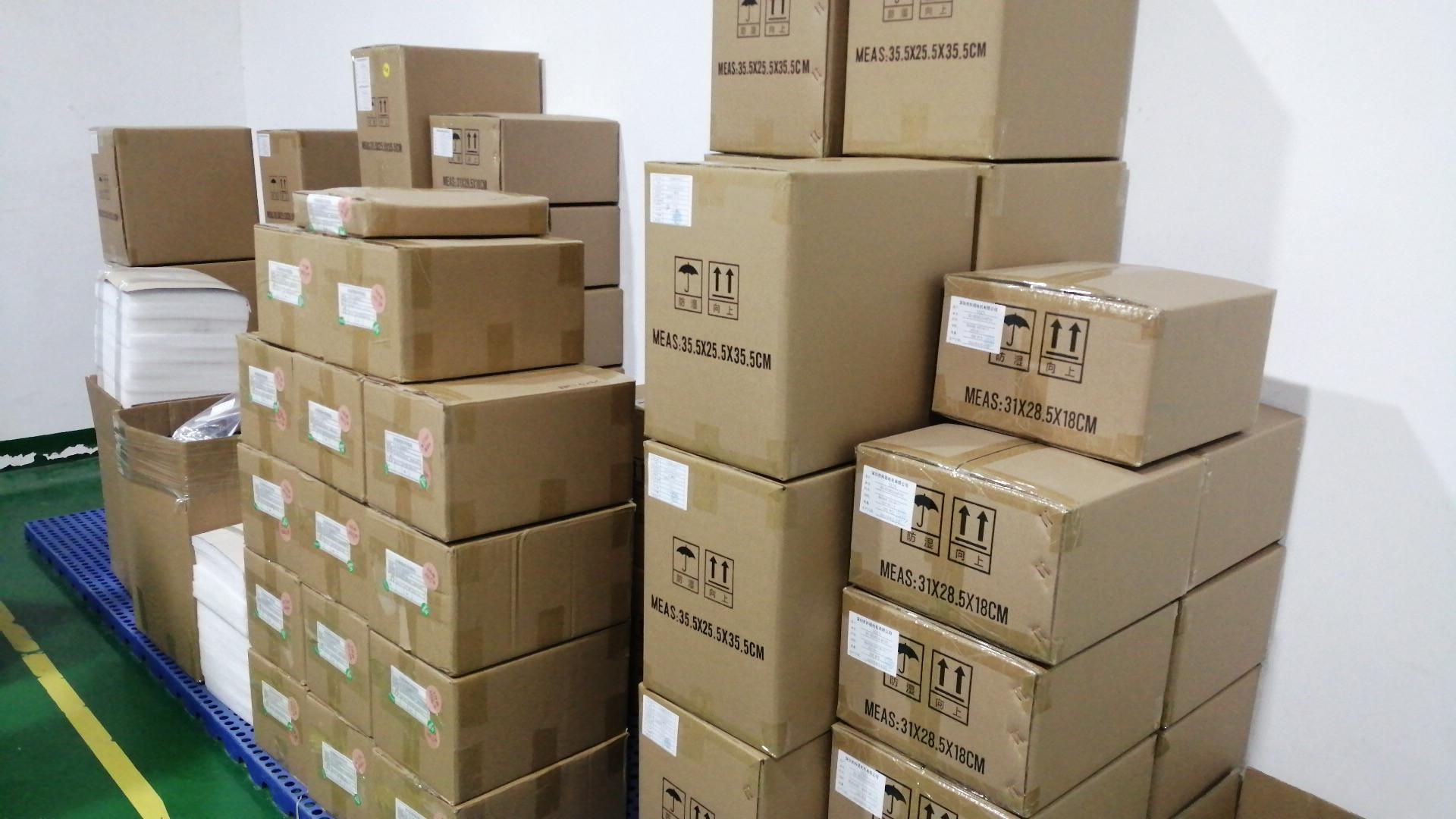
Our plant features state-of-the-art automated machinery designed to maintain uniform high quality across thousands of production cycles.
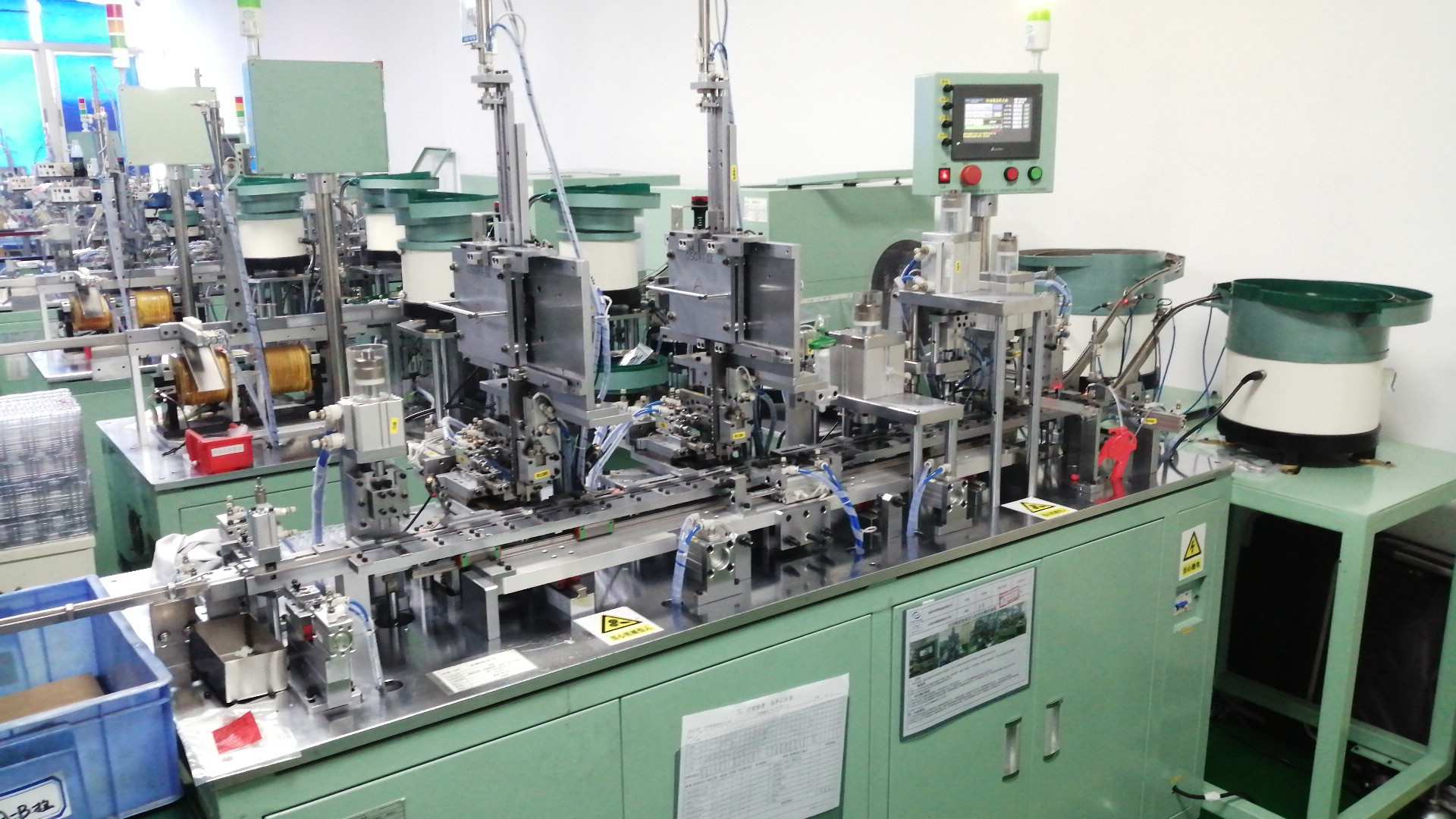
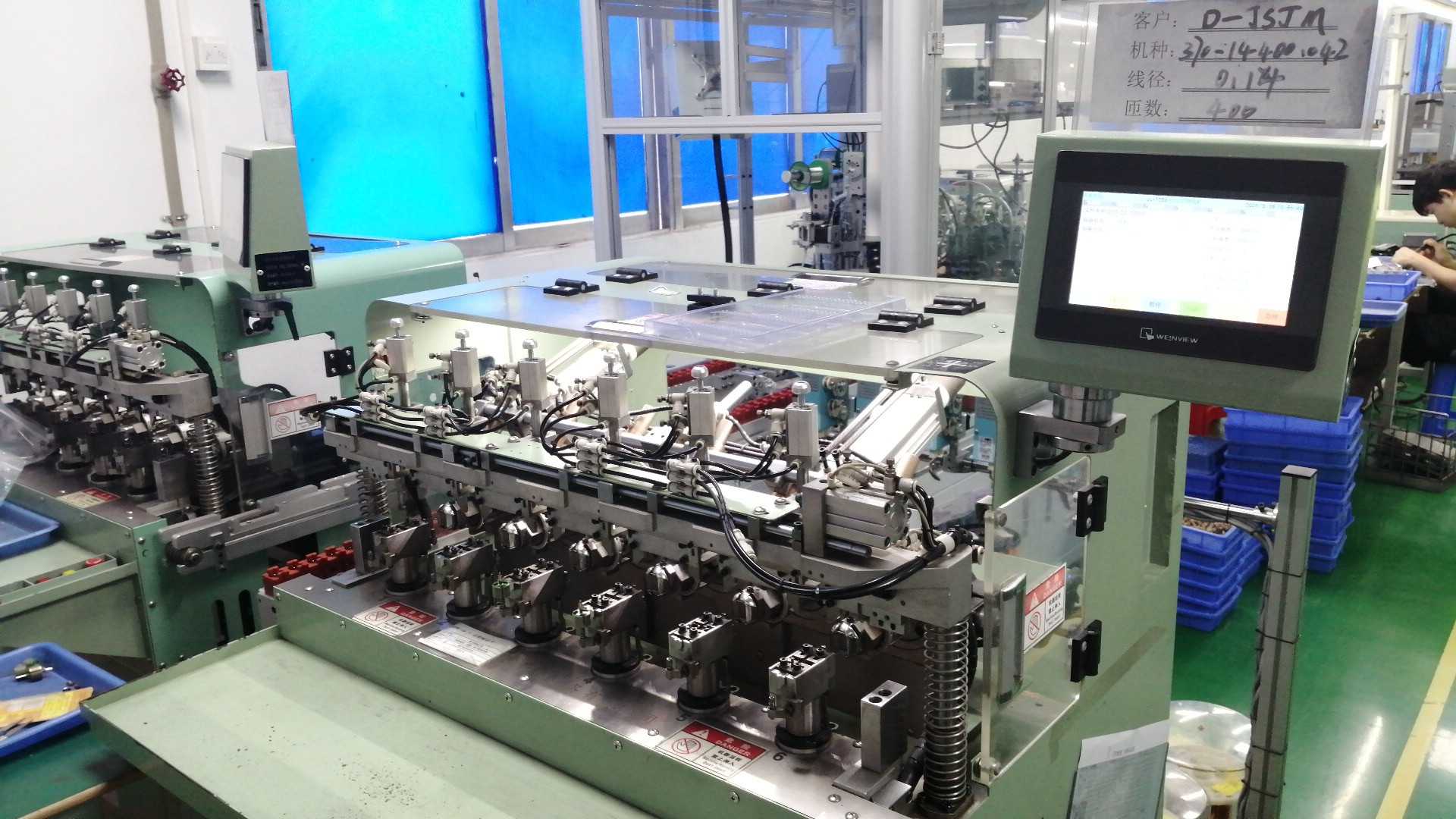
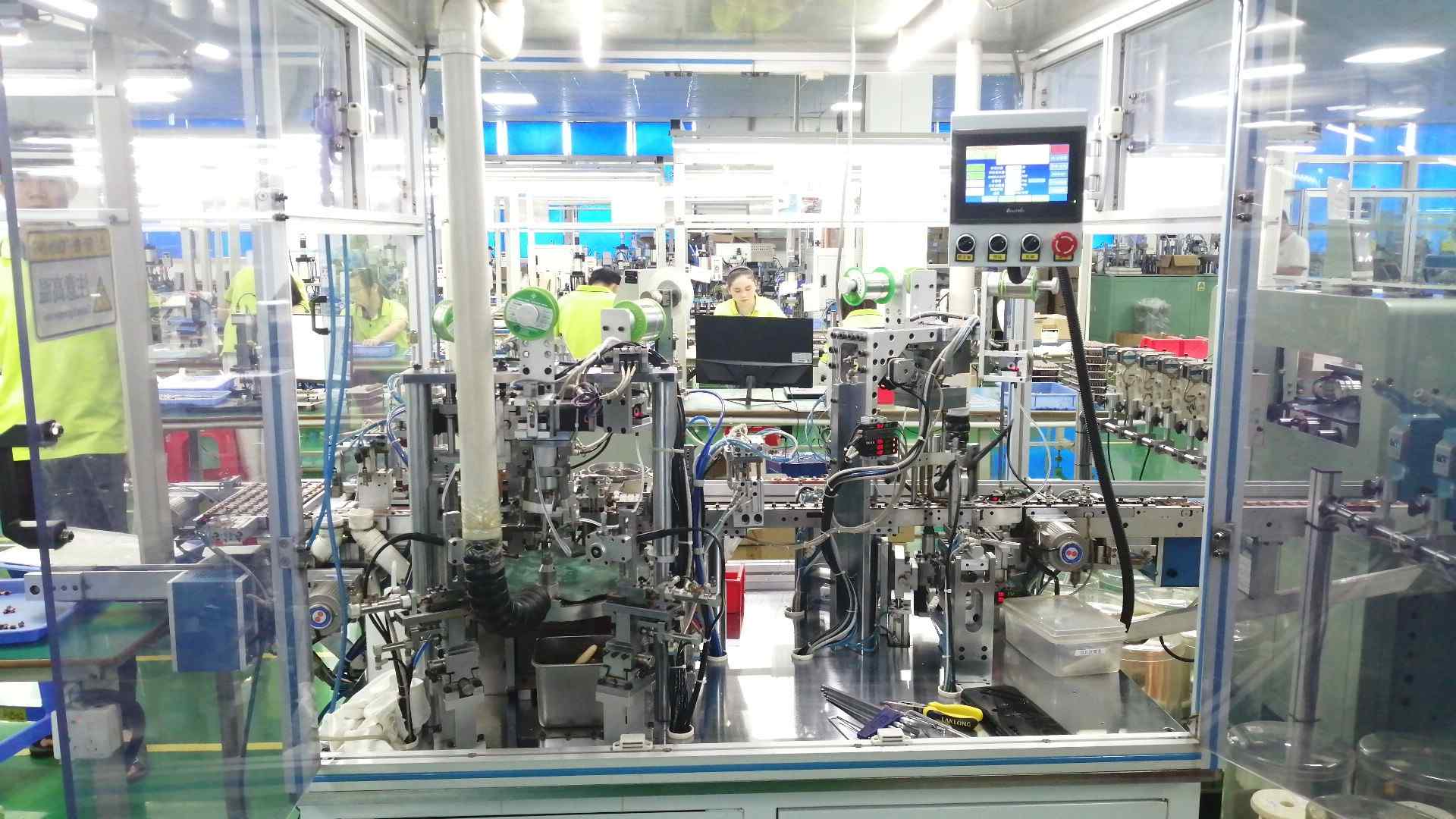
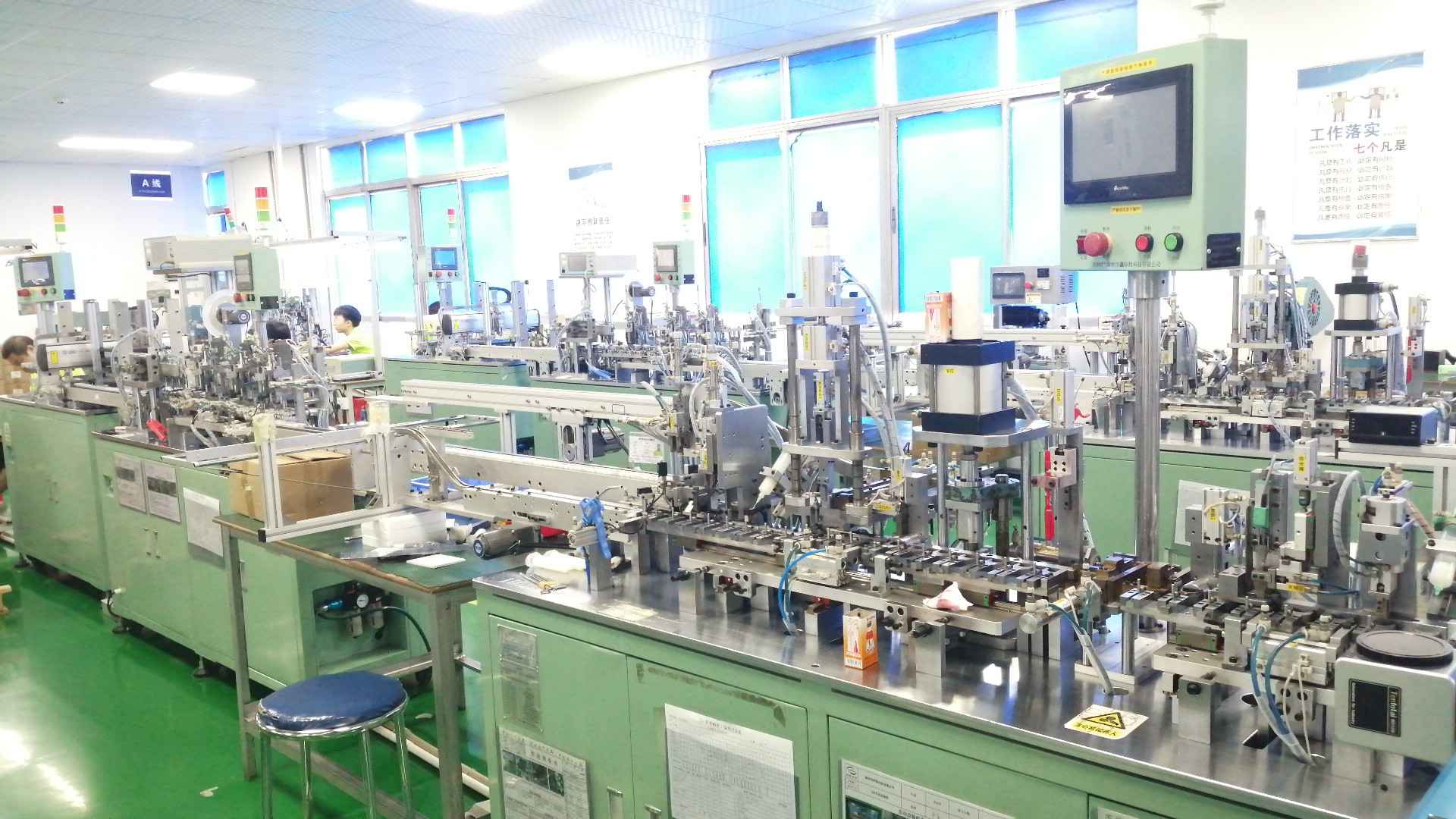
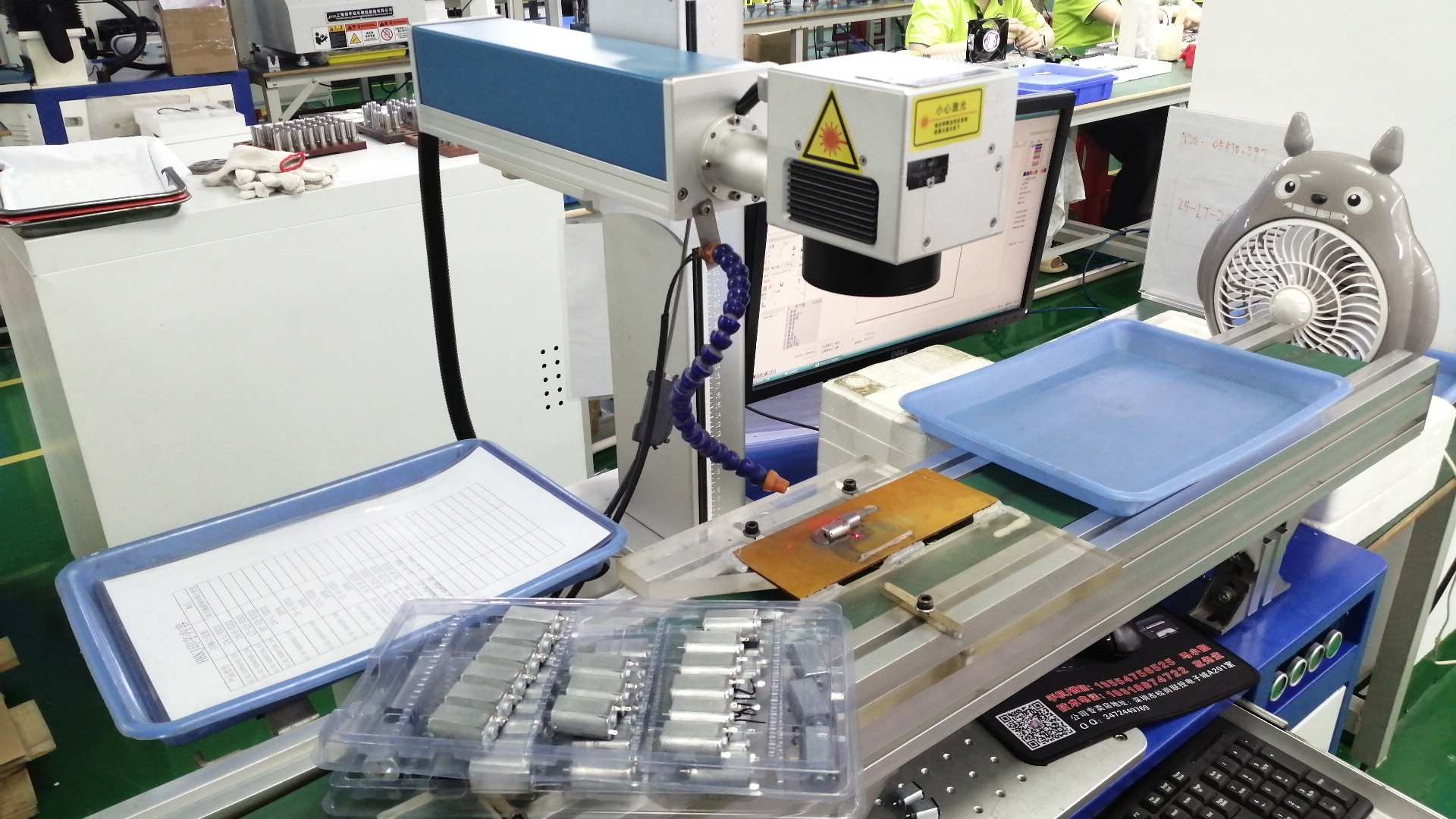
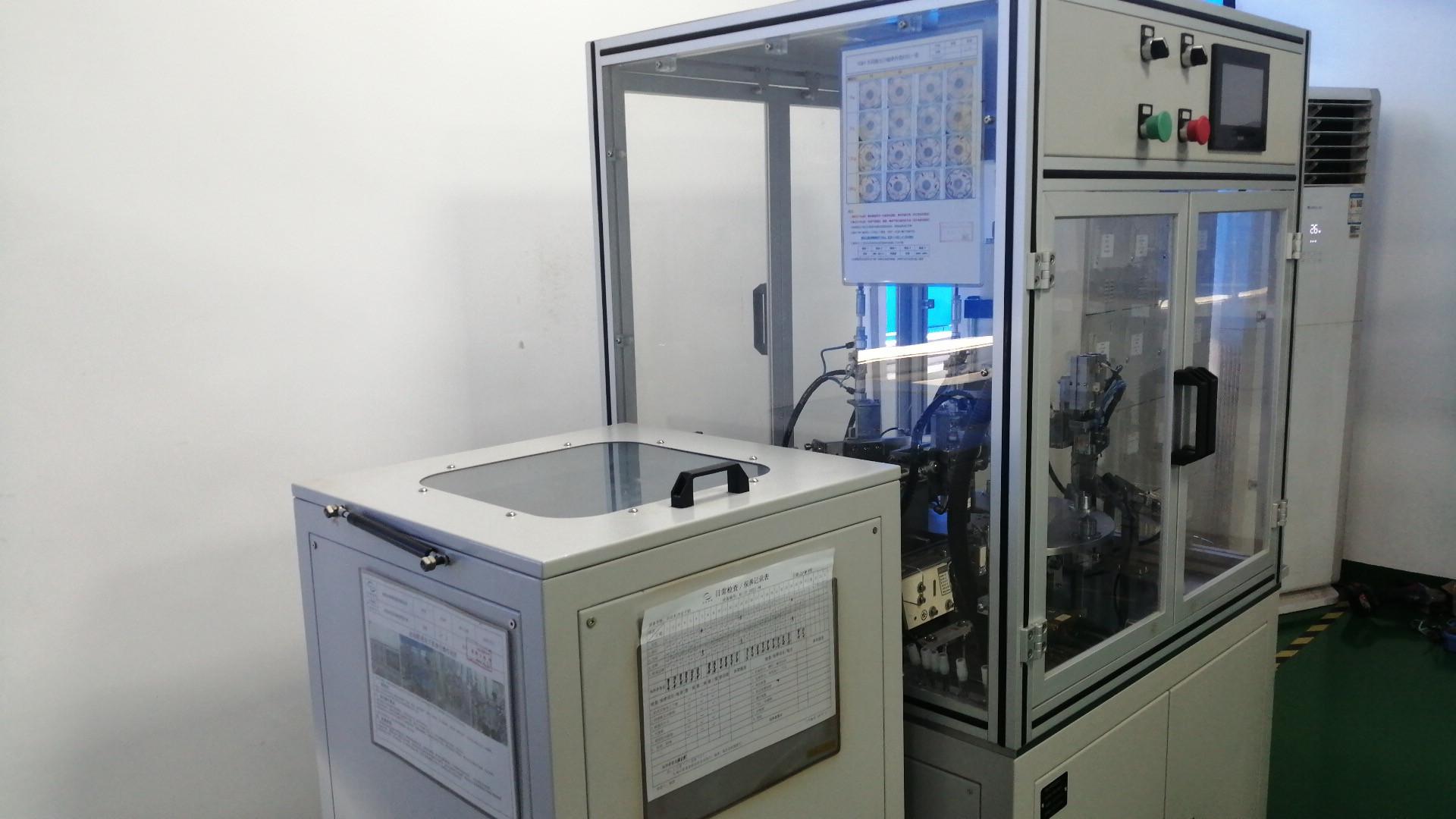
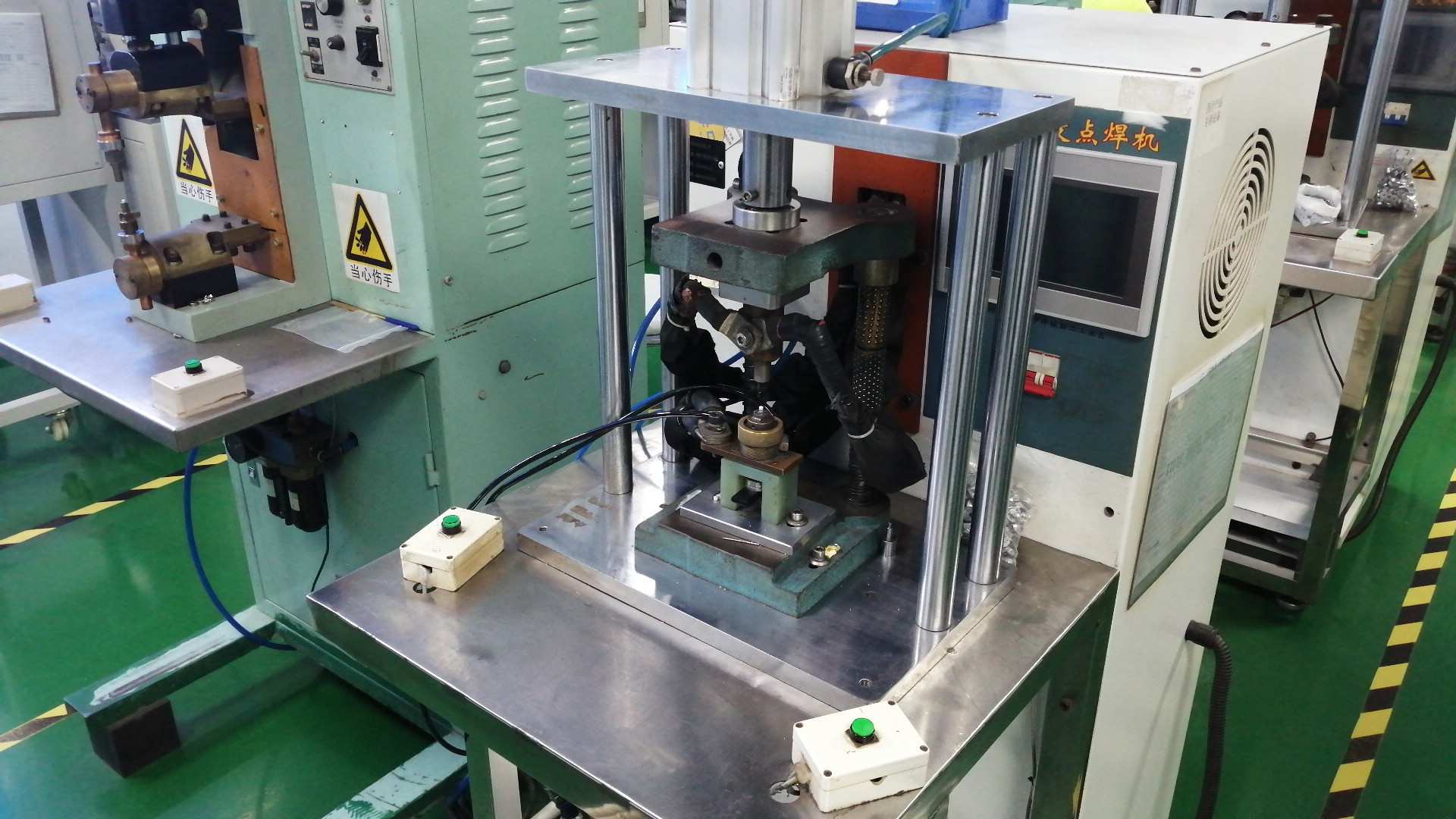
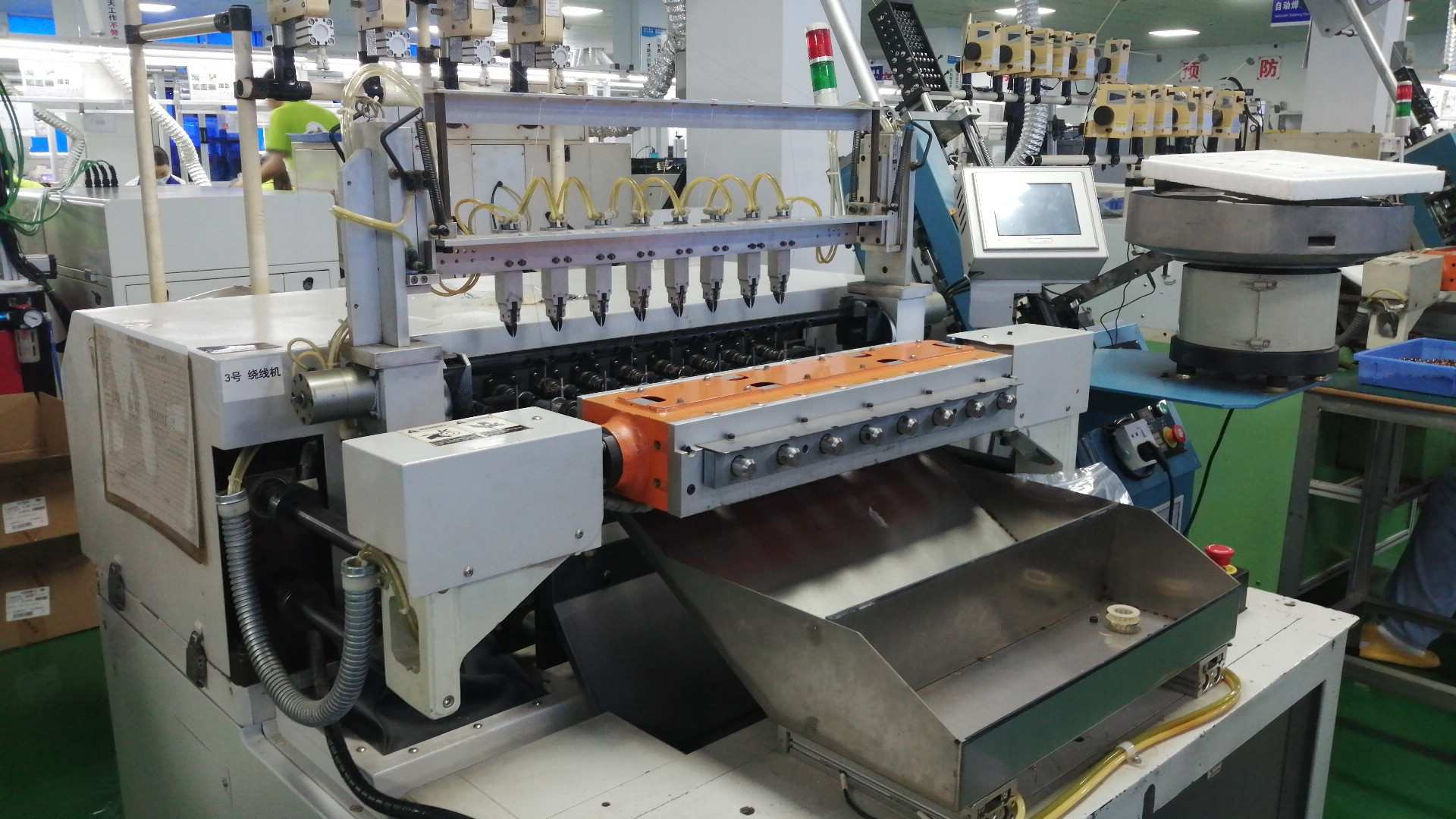
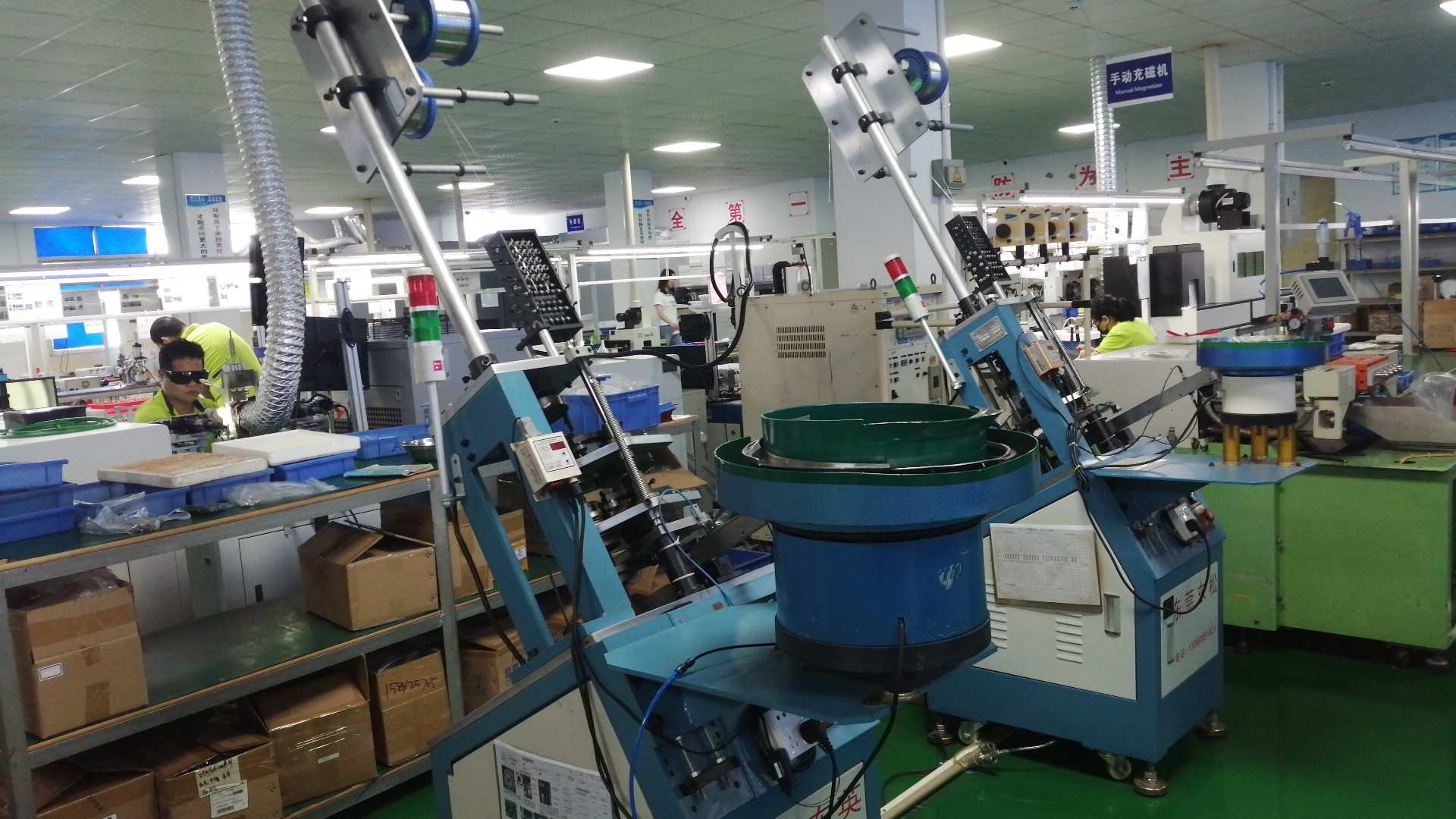
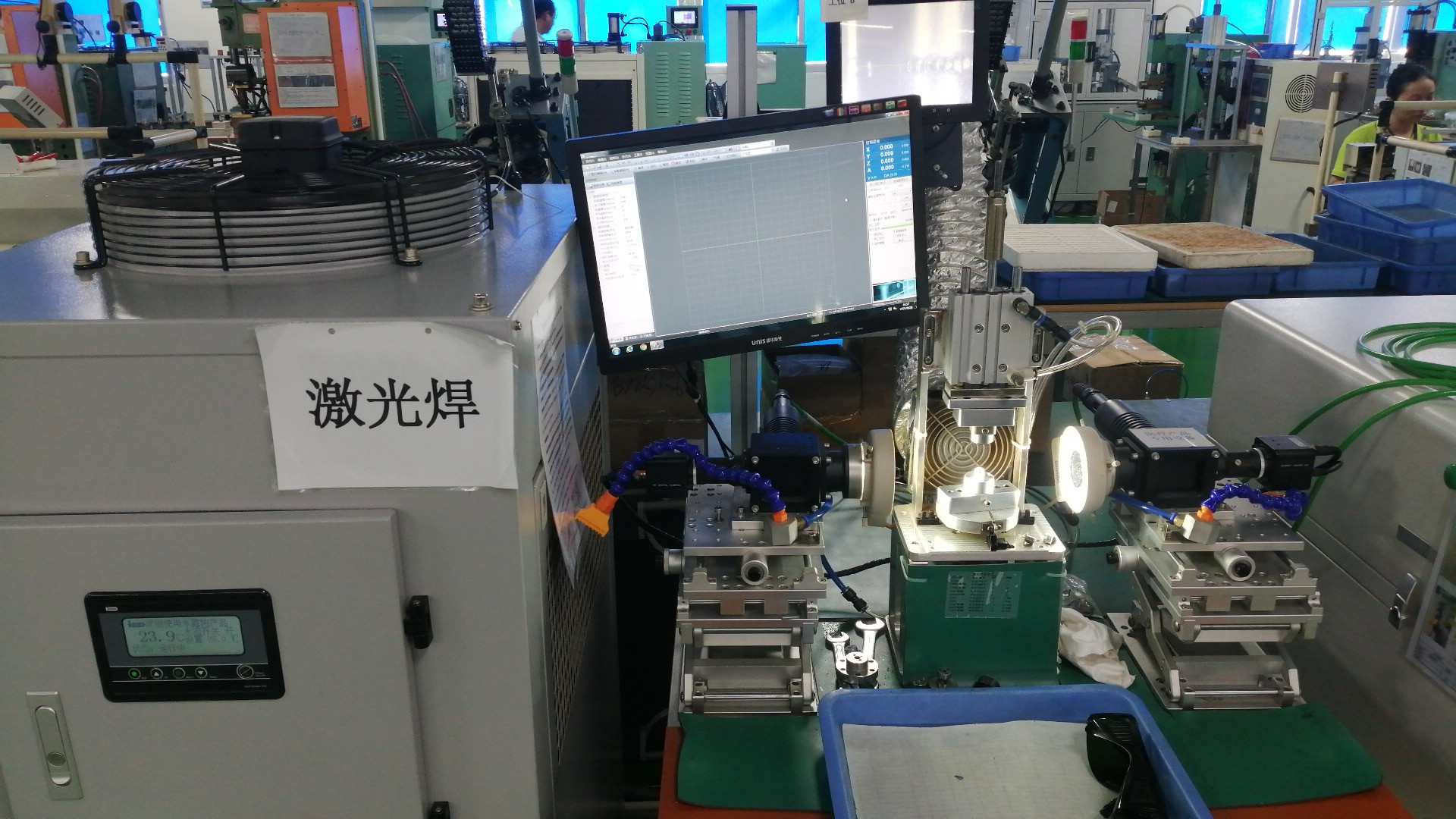
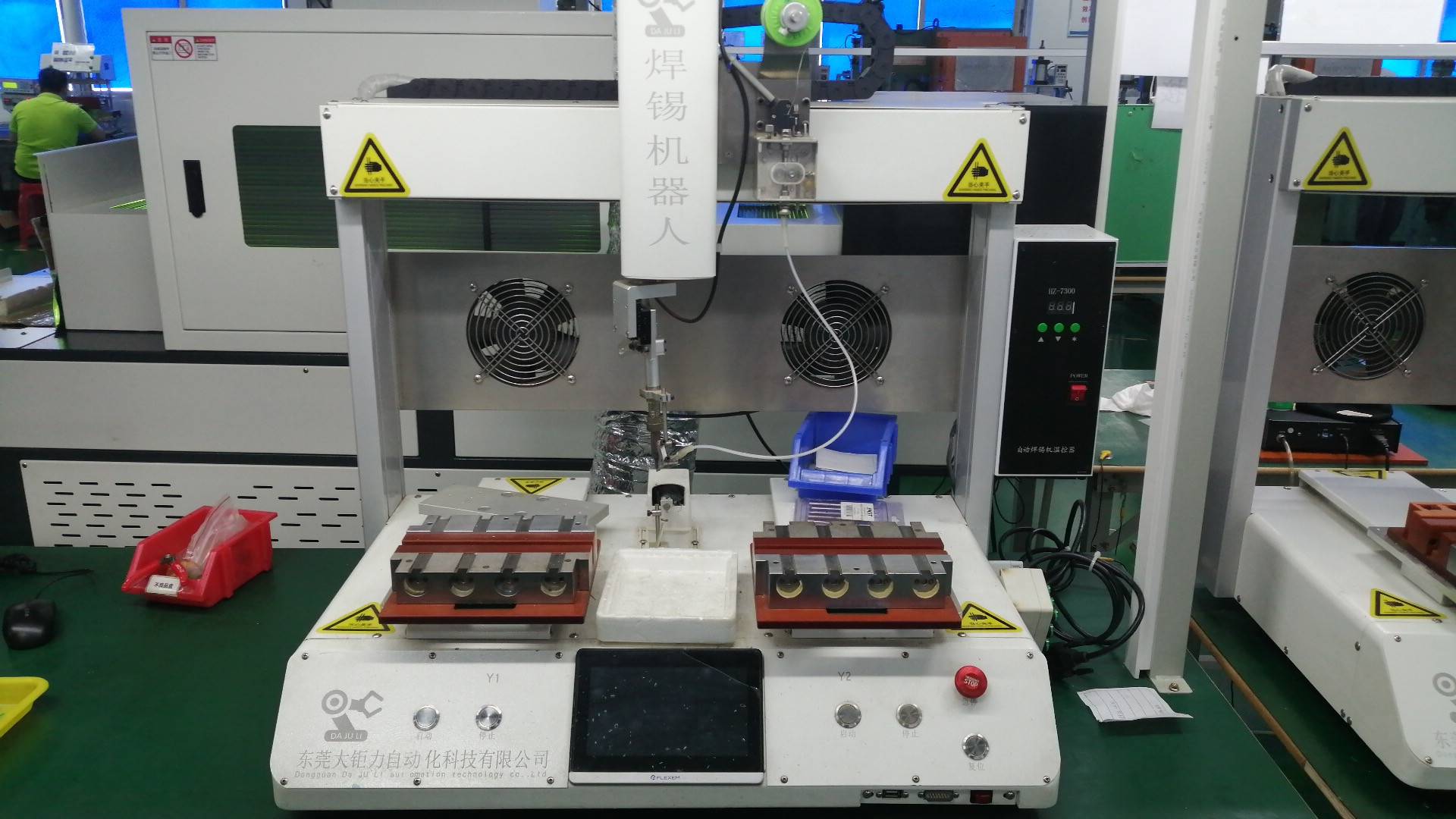
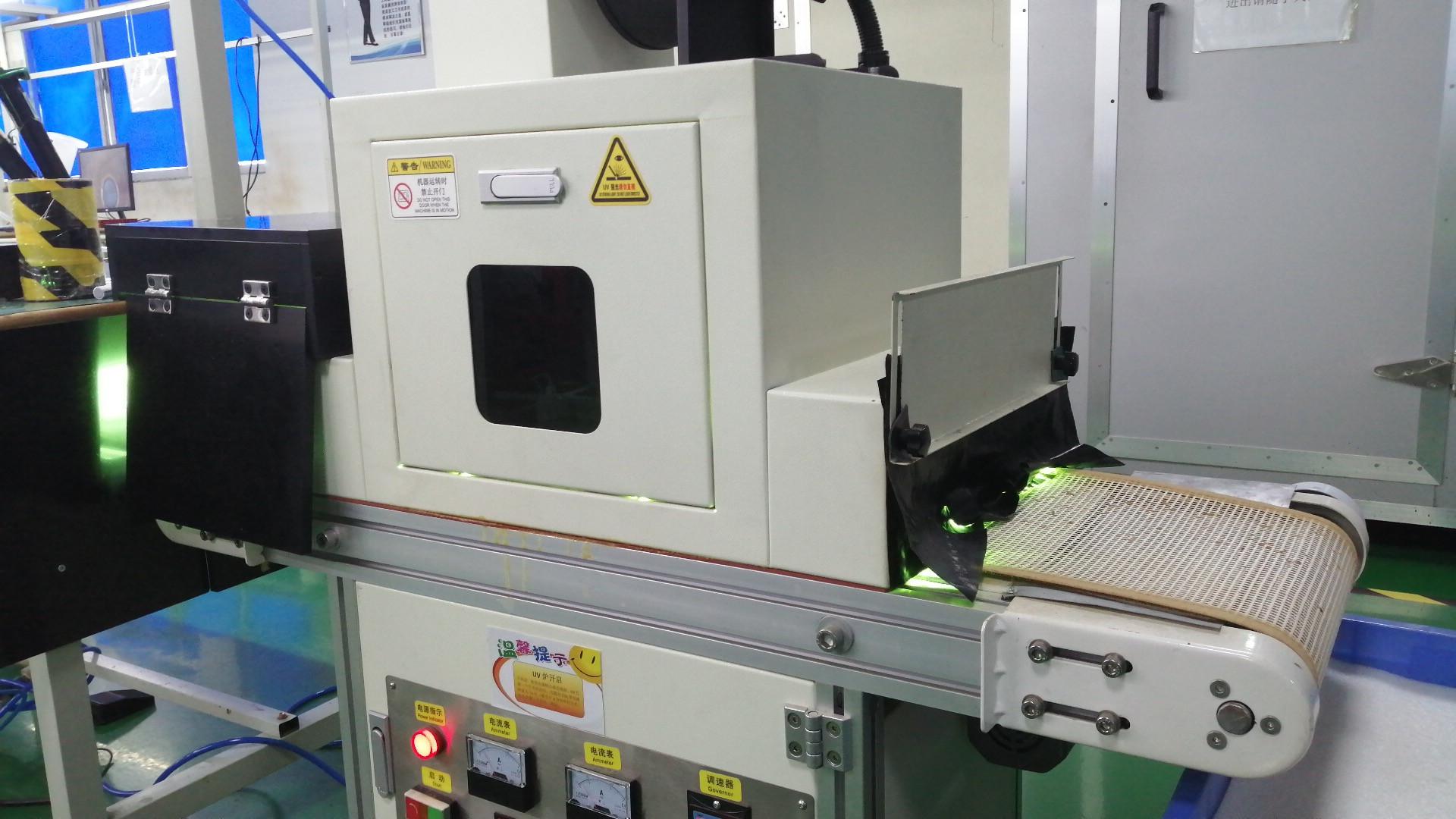
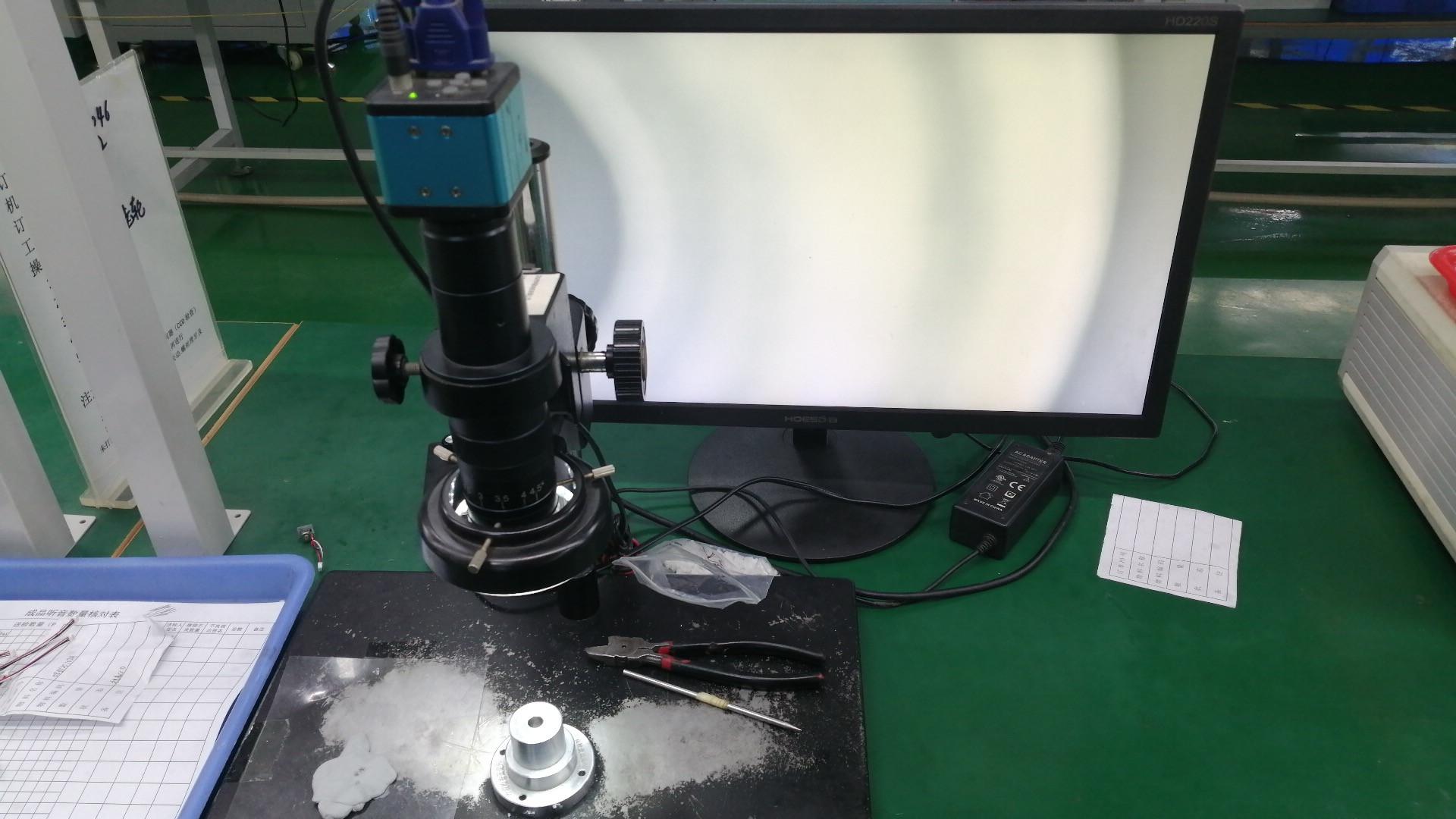
Reliability is built on accurate measurement. Brea Tech runs a fully equipped QC laboratory to test every component.
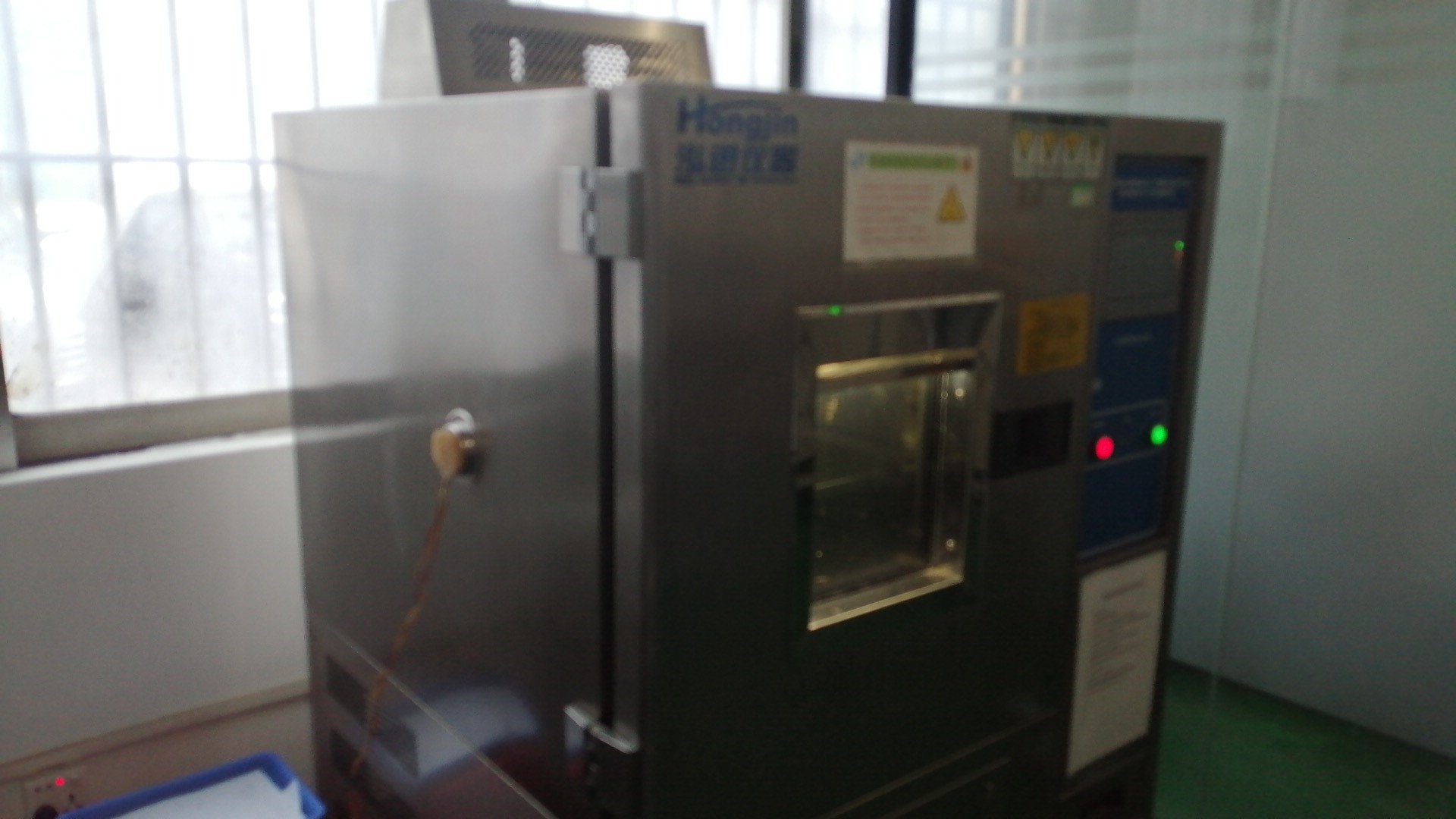
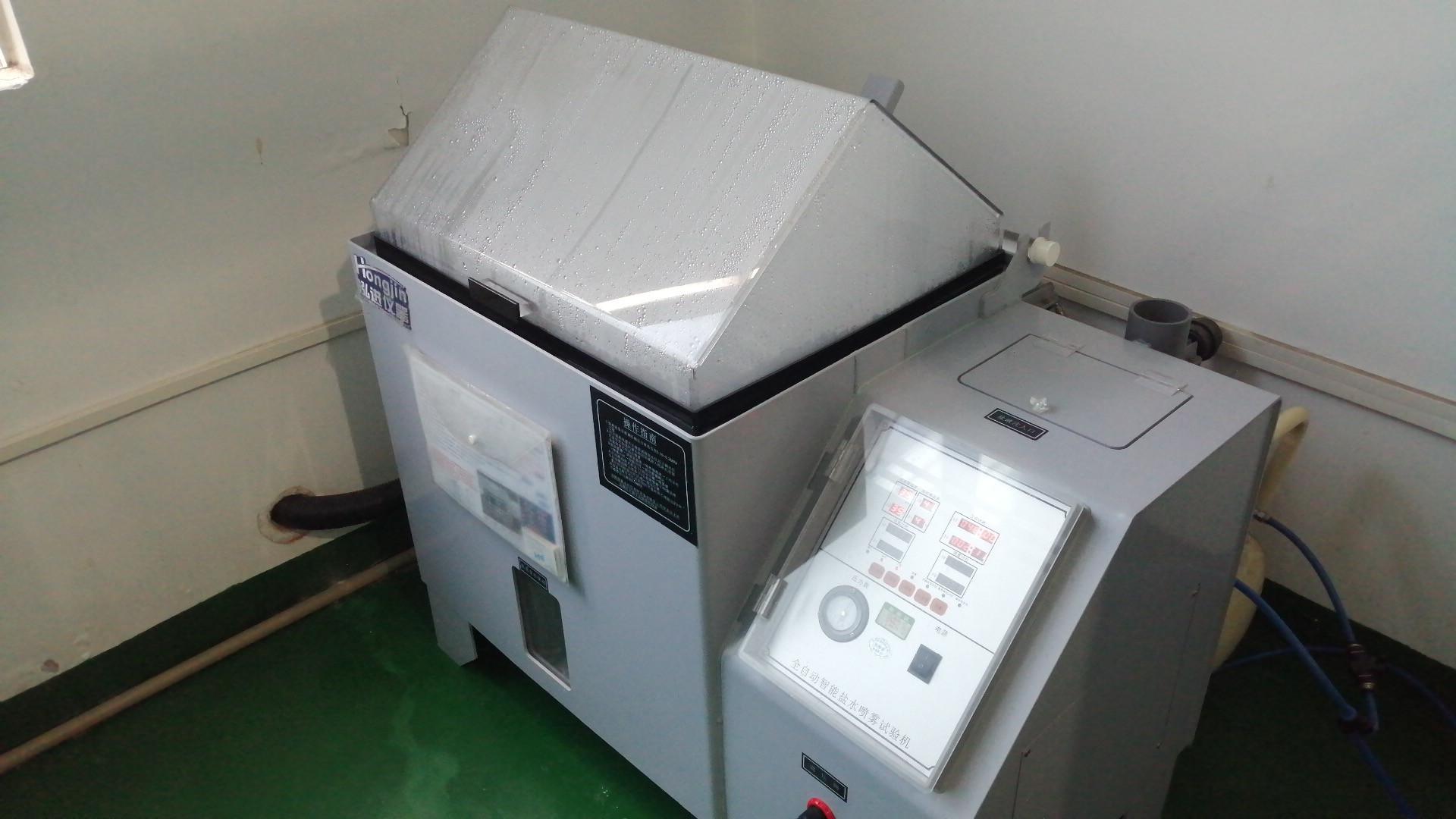
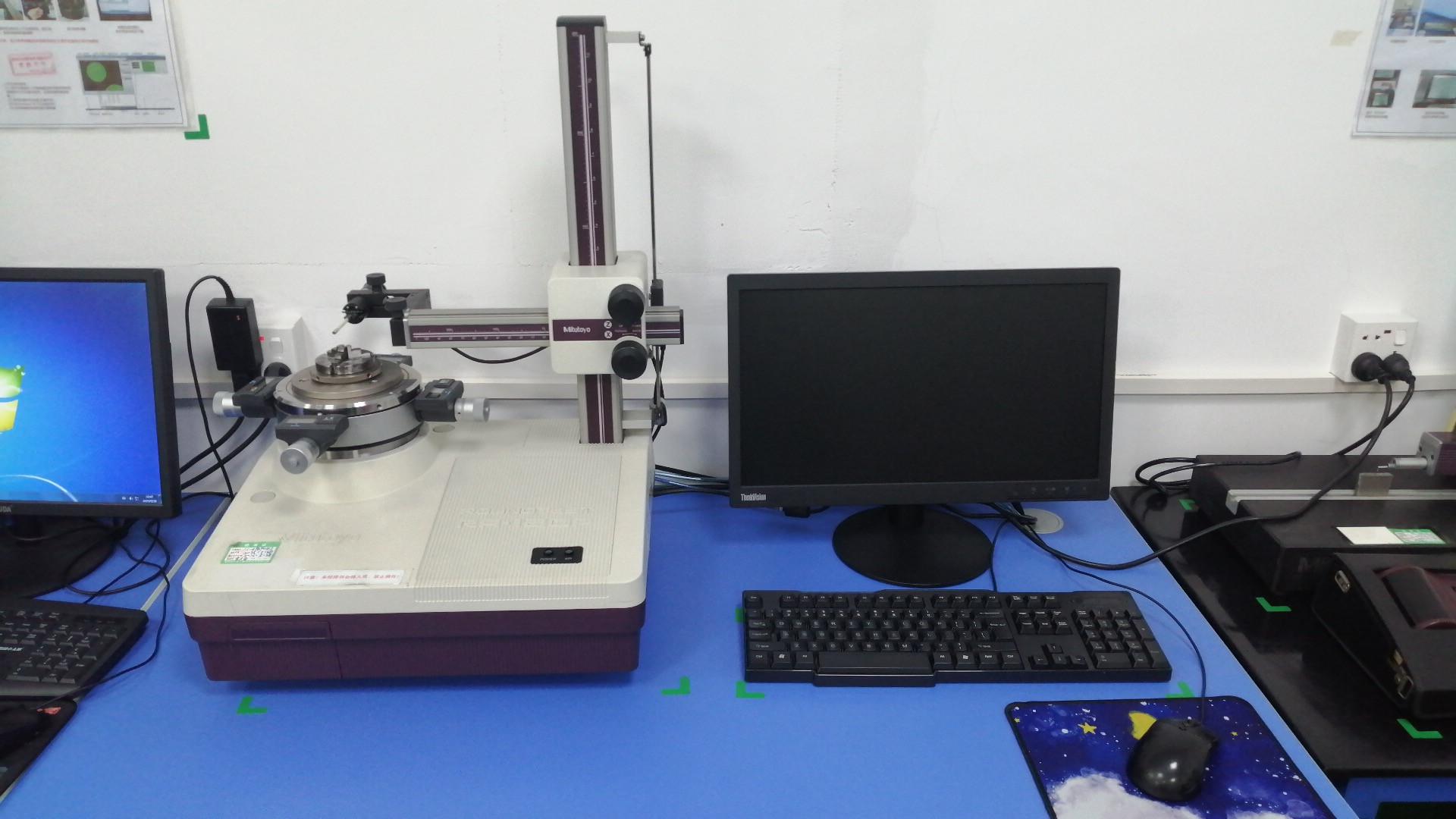
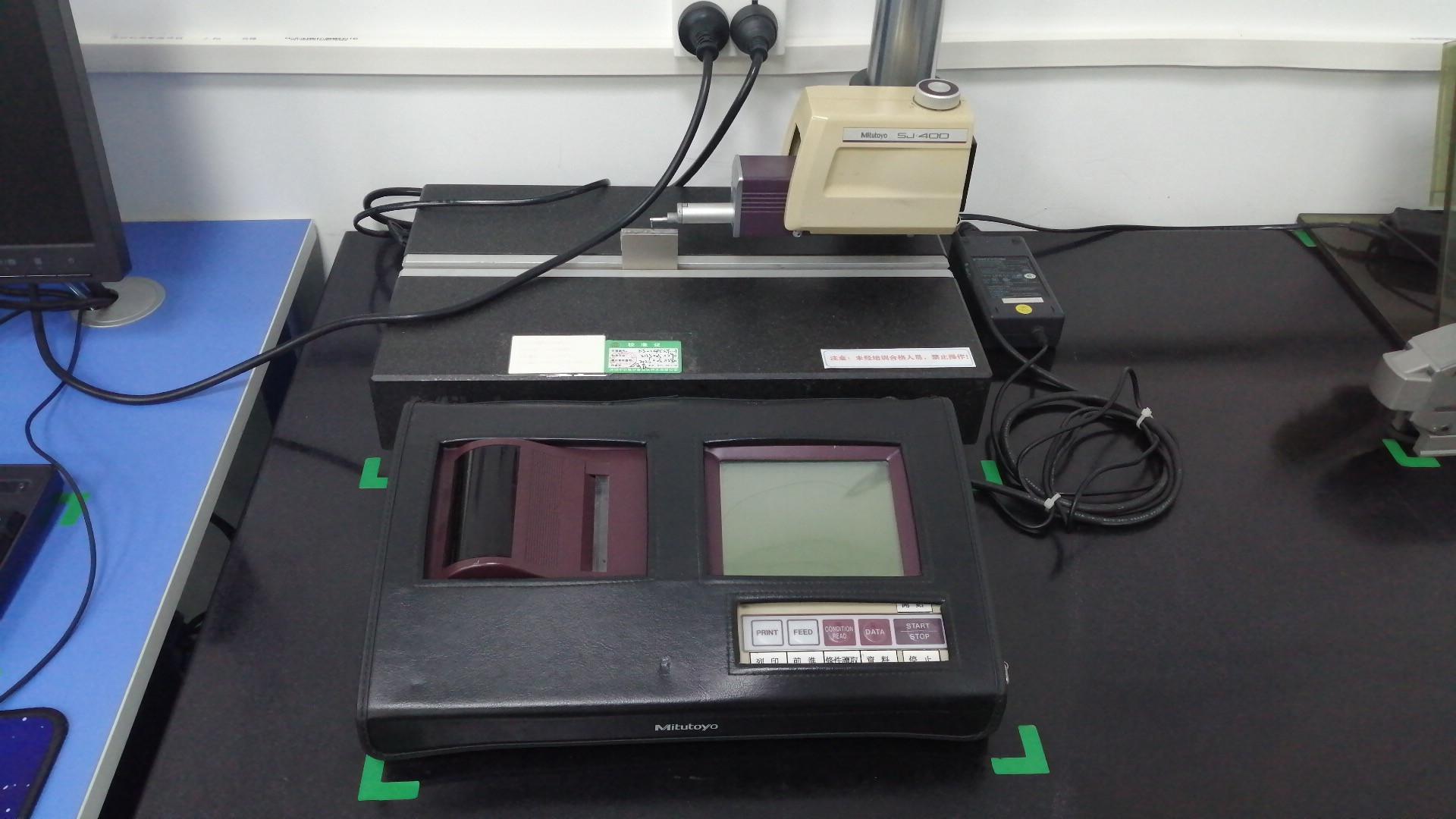
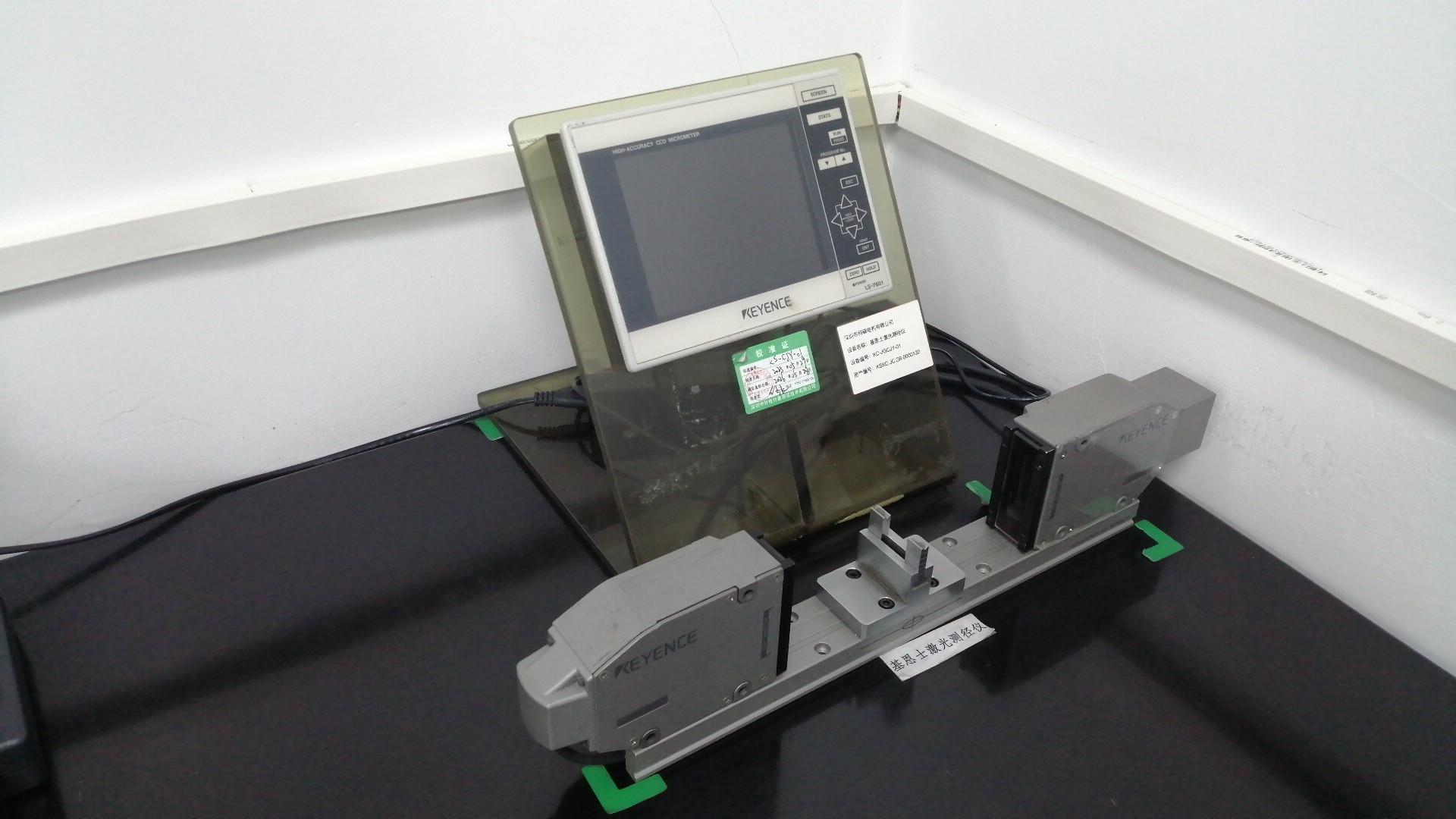
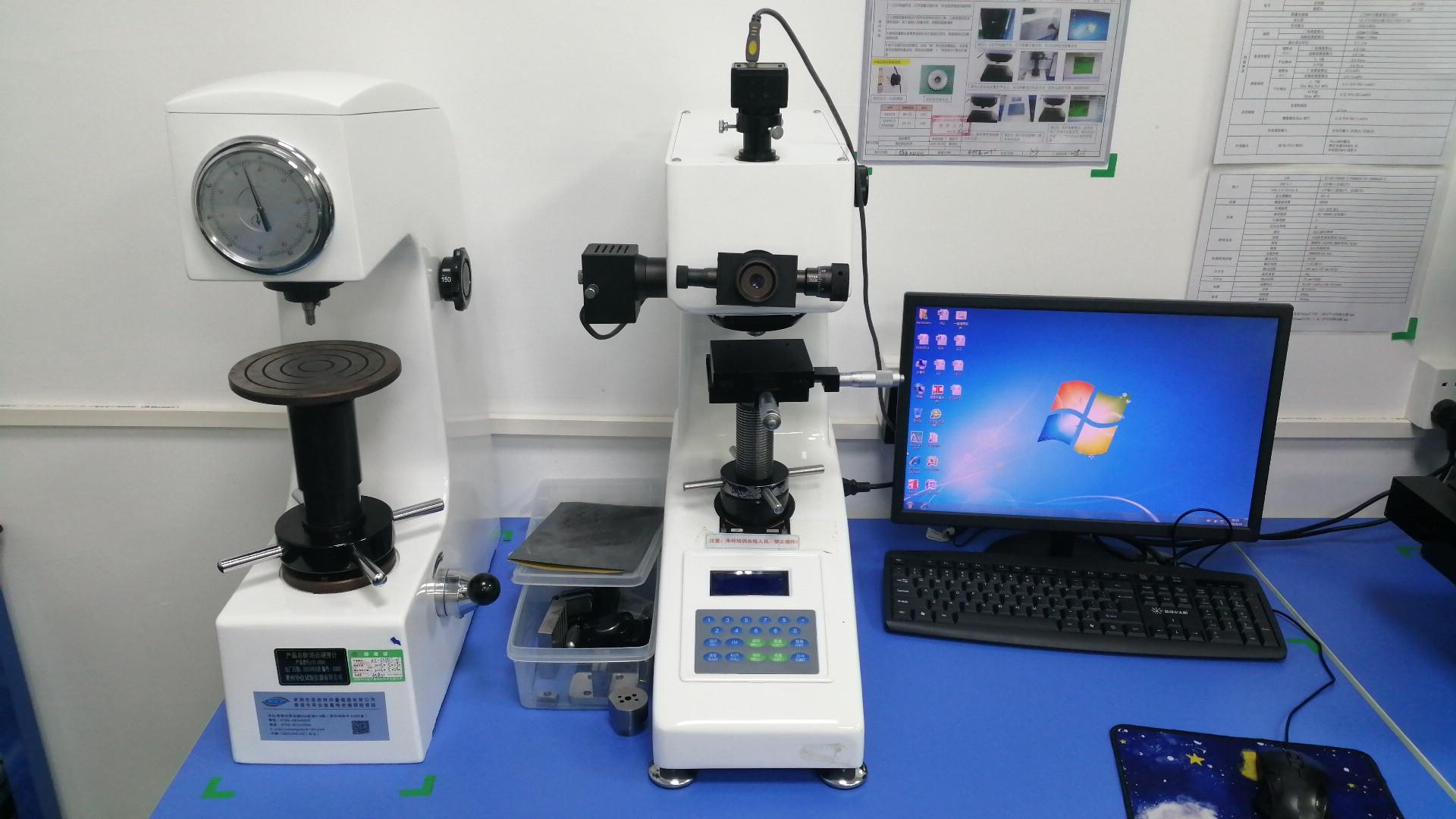
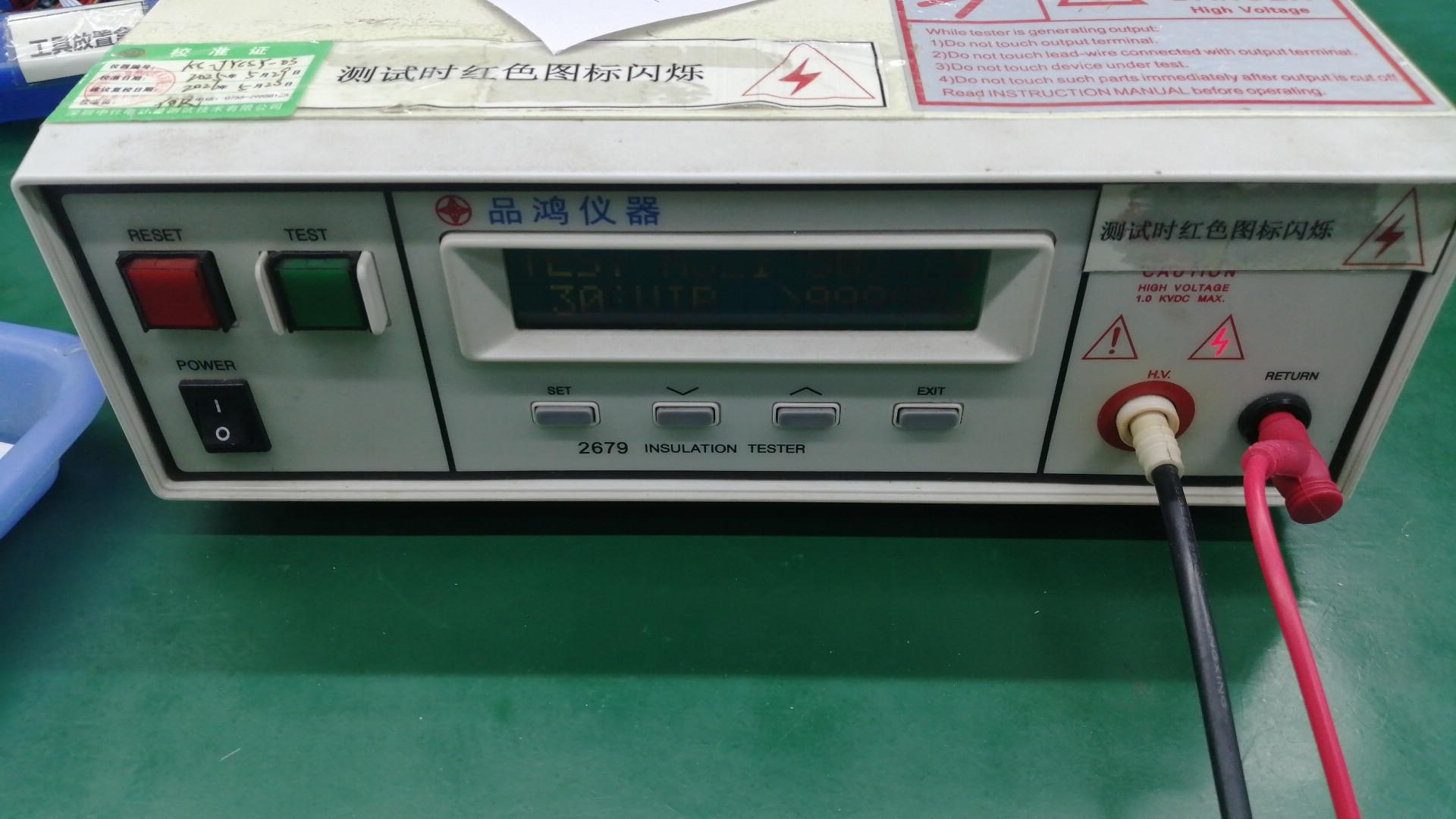
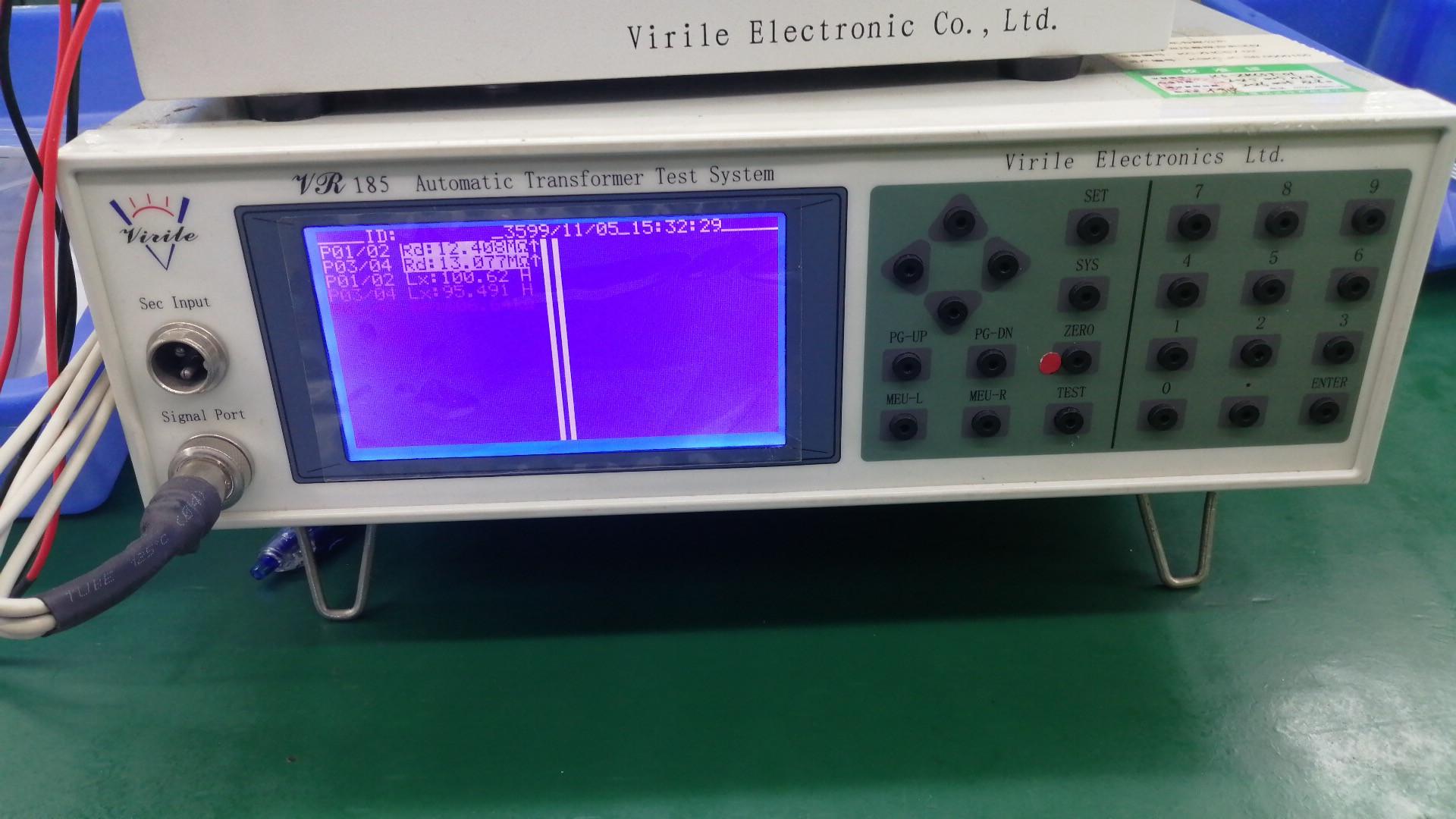
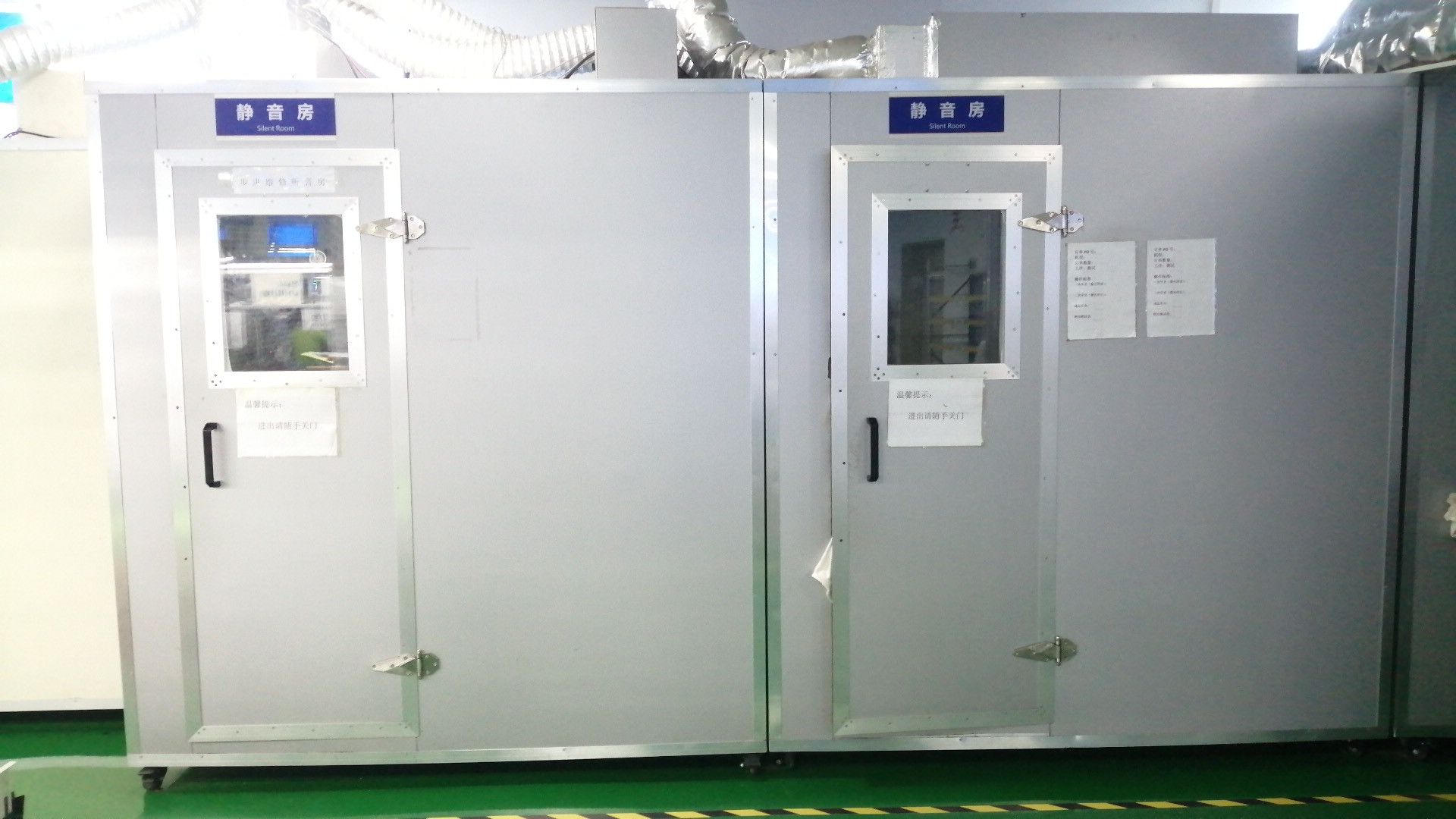
From sub-millimeter precision medical actuators to rugged industrial gear drives, our motors are deployed across multiple demanding verticals.
Switched Reluctance Motors and specialized micro-drives serve distinct engineering needs. Standard applications require high start-up torque, minimal maintenance, and energy efficiency. Below is an overview of key integration areas:
| Application Category | Critical Performance Requirement | Brea Tech Motor Recommendation | Primary Engineering Advantage |
|---|---|---|---|
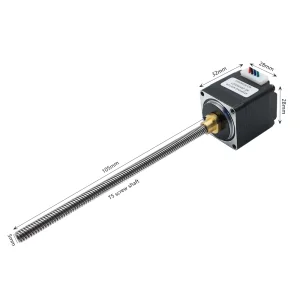
| Laboratory & Medical Instruments | Positional accuracy & linear travel control | 28mm Linear Stepper Motor / 16mm Coreless DC | High structural rigidity, backlash elimination |
| Industrial Automations & Robotics | High torque-to-weight ratio & robust duty cycles | TT Motors & Micro DC Geared Actuators | Highly durable steel planetary gearheads |
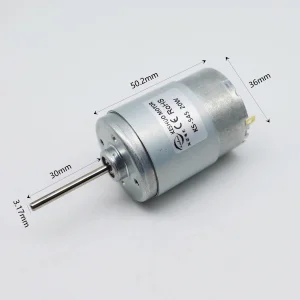
| Smart Home Appliances & Hvac | Low acoustic profile & high reliability | 12V 24V Brushed DC RS-545 / BLDC variants | Extended life brushes & dynamic balancing |
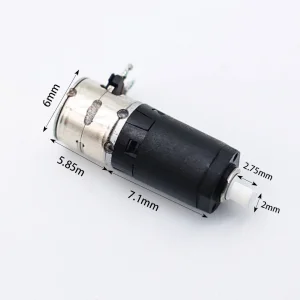
| Virtual Reality (VR) & Wearables | Microscopic footprint & low power consumption | 3V 6mm PM Stepper Motor with Planetary Gearbox | Ultra-compact envelope, 18-degree micro-steps |
How Brea Tech aligns with B2B purchasing processes, compliance rules, and delivery schedules.
Our manufacturing plant conforms strictly to CE, RoHS, and REACH guidelines. This guarantees that all micro-motors shipped to Europe, North America, and Japan comply with local environmental and safety requirements.
We provide comprehensive failure mode and effects analysis (FMEA) reports along with PPAP submissions. Our detailed testing data assures engineers that our motors will meet operational parameters before mass integration begins.
With buffer stock agreements, dual-sourcing for primary components, and scheduled ocean/air freight partners, we minimize shipping delays caused by international freight fluctuations.
Emerging technologies shaping the future of motion control systems.
1. Sensorless Control Algorithms: Traditional SRMs require precise rotor position feedback, often provided by optical encoders or Hall effect sensors. The latest industry trend is sensorless control. By monitoring phase current and inductance changes, high-speed microcontrollers can calculate rotor position in real time. This lowers system cost and increases reliability by removing sensor wiring.
2. Noise & Vibration Mitigation: Due to the radial forces generated during commutation, SRMs have historically produced more acoustic noise than BLDC motors. Brea Tech is addressing this issue through structural modifications of the stator yoke and skewed rotor pole layouts, which smooth torque transition and reduce noise.
3. High-Density Micro-Integration: Automation and robotic applications require smaller components. We are actively shrinking planetary gear assemblies and integration electronics to package more torque into smaller envelopes, like our 6mm PM stepper setups.
Answers to common engineering and sourcing questions about Switched Reluctance Motors and micro-drives.
A BLDC motor uses permanent magnets on the rotor to produce a constant magnetic field. An SRM uses no magnets or windings on the rotor. It operates purely on magnetic reluctance. This makes SRMs less expensive to produce, more robust at high speeds, and highly resistant to thermal demagnetization.
Torque ripple can be reduced through motor design and controller optimization. Design solutions include skewing stator or rotor poles and profiling pole geometry. Controller solutions focus on advanced current profiling, which regulates phase currents during the commutation transition to ensure smooth torque transfer.
Yes. We specialize in custom shaft designs (D-cut, threaded, round, or hollow), custom gearing ratios, custom lead wire lengths, connector terminations, and tailored stator winding parameters to meet your torque-speed requirements.
Our quality control relies on automated machinery (pressure bearing, spot welding, coil winding) and detailed testing systems (Keyence laser calipers, Sanfeng roundness and roughness testers). We track key metrics for every production run, and every motor undergoes final acoustic and electrical testing before packing.
Standard prototype requests are usually completed in 7-10 business days. Mass production lead times range from 20 to 30 days, depending on batch volume, material availability, and customization complexity.
Review our collection of permanent magnet, stepper, and coreless planetary gear micro motors.
 Brea Tech Micro Motor