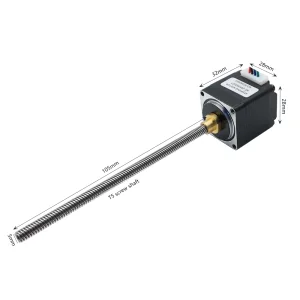
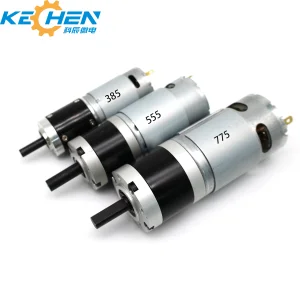
Explore our elite portfolio of coreless DC motors, brushless motors, planetary gearheads, and hybrid stepping actuators engineered for peak mechanical performance.
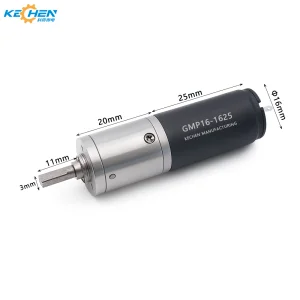
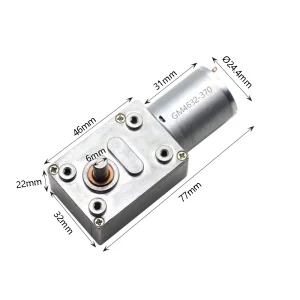
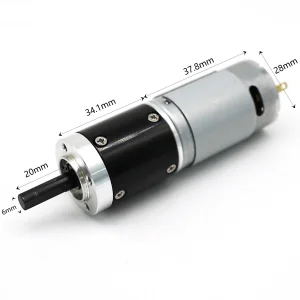
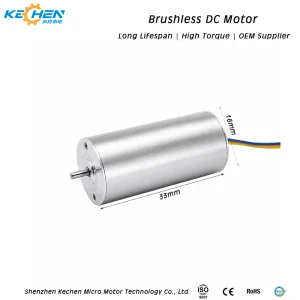
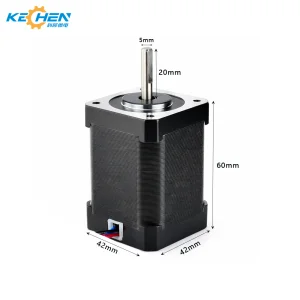
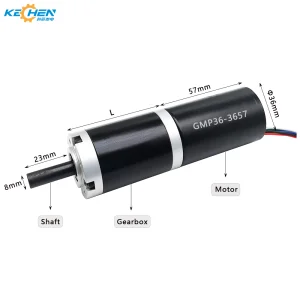
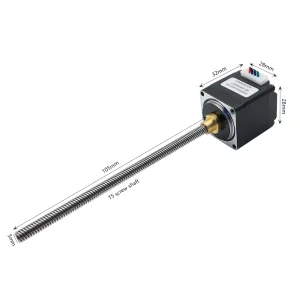
The modern global landscape of motion control is experiencing a massive shift toward automation, robotic integration, and intelligent localized systems. Stepper motors and their drivers represent the foundational architecture of precision positioning. In industries ranging from 3D printing and CNC machinery to surgical devices, semiconductor sorting, and aerospace sub-assemblies, the demand for highly reliable, microstepping-capable control is surging.
Historically, stepper control systems operated as simple open-loop units, running warm and occasionally suffering from step-loss. Today's industrial paradigm demands intelligent closed-loop control, sensorless stall detection, field-oriented control (FOC), and low electromagnetic noise. Global OEMs and engineering procurement agencies actively seek suppliers that not only manufacture rugged hardware but also provide expert-level technical validation, electromagnetic compliance, and custom integration pathways.
How modern stepper driver topologies, microstepping resolution, and advanced material structures drive the future of automation.
A stepper driver’s primary duty is to convert digital pulses from a controller into precise current changes to energize the motor phases. Traditionally, constant voltage drivers dominated. Today, modern architectures employ Pulse Width Modulation (PWM) constant-current chopper drives. These drives dynamically adjust voltage levels to maintain target current at high operational speeds, successfully combating back-EMF.
Furthermore, the integration of Field-Oriented Control (FOC) allows stepper motors to behave similarly to brushless servo systems. By using current feedback from current sense resistors or high-resolution encoders, FOC-capable stepper drivers optimize magnetic flux vectors. This yields up to a 30% reduction in heat signature, eliminates step-loss under varying loads, and minimizes acoustic vibration, making stepper systems viable for delicate laboratory instruments.
Microstepping divides the physical step angle of a motor (typically 1.8 degrees for hybrid motors) into microsteps (up to 256 microsteps per full step or more). By controlling the ratio of currents in adjacent phase windings, the magnetic vector is rotated smoothly. While microstepping yields high resolution and drastically limits mechanical resonance, it is vital to recognize the design trade-off: incremental torque per microstep drops off exponentially. Engineers must size stepper drivers with sufficient current overhead to prevent positional drift during microstepping cycles.
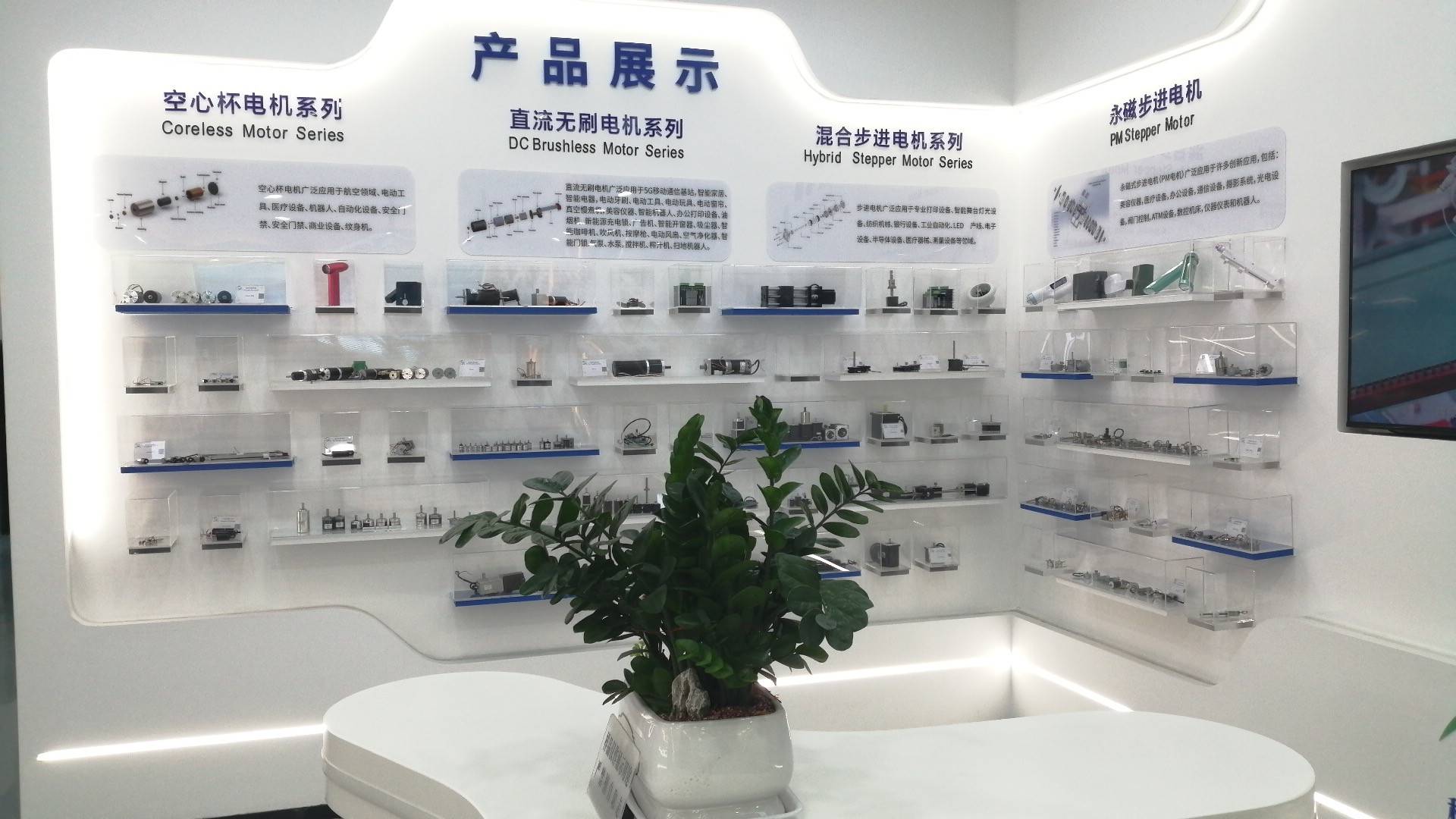
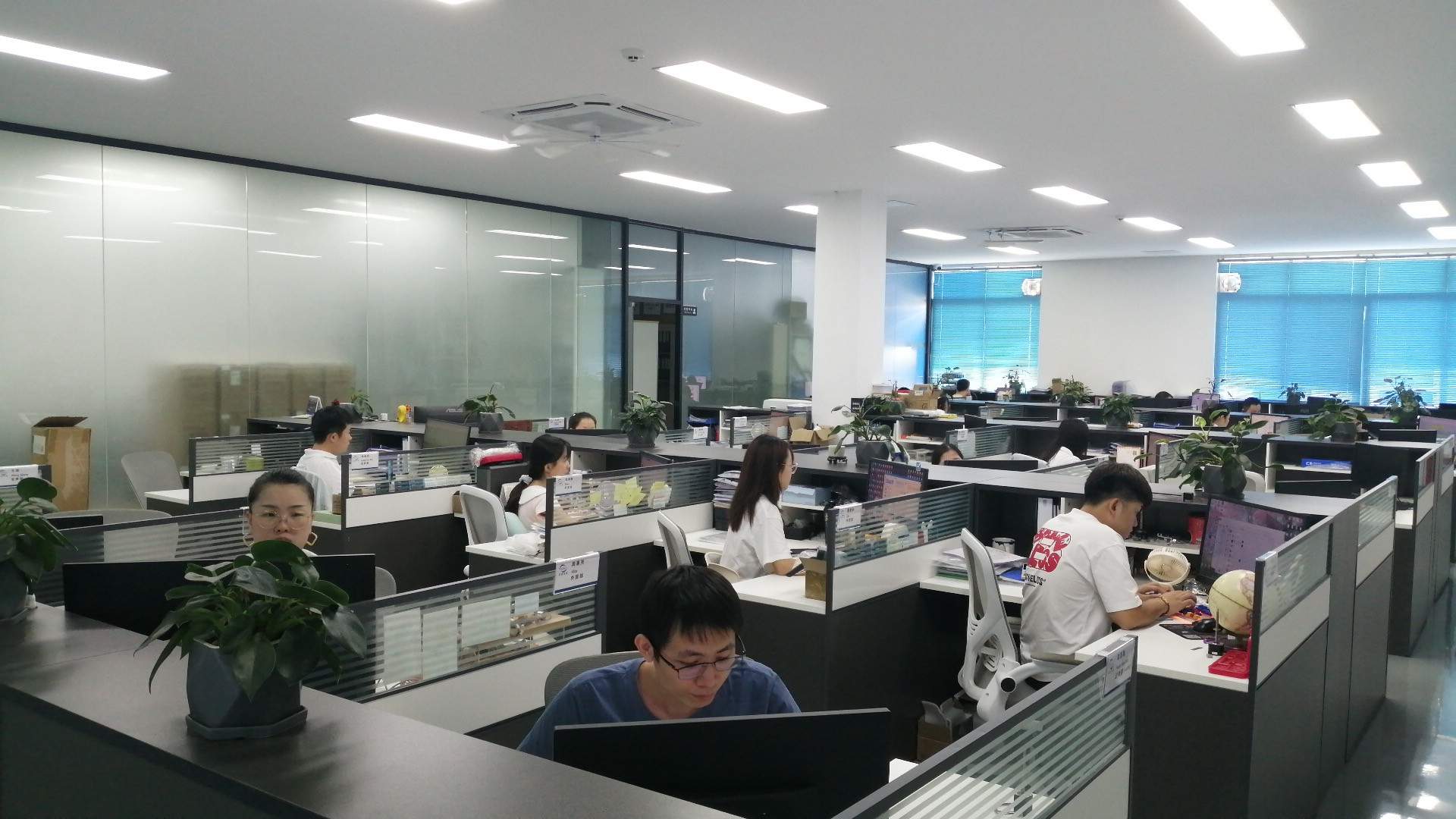
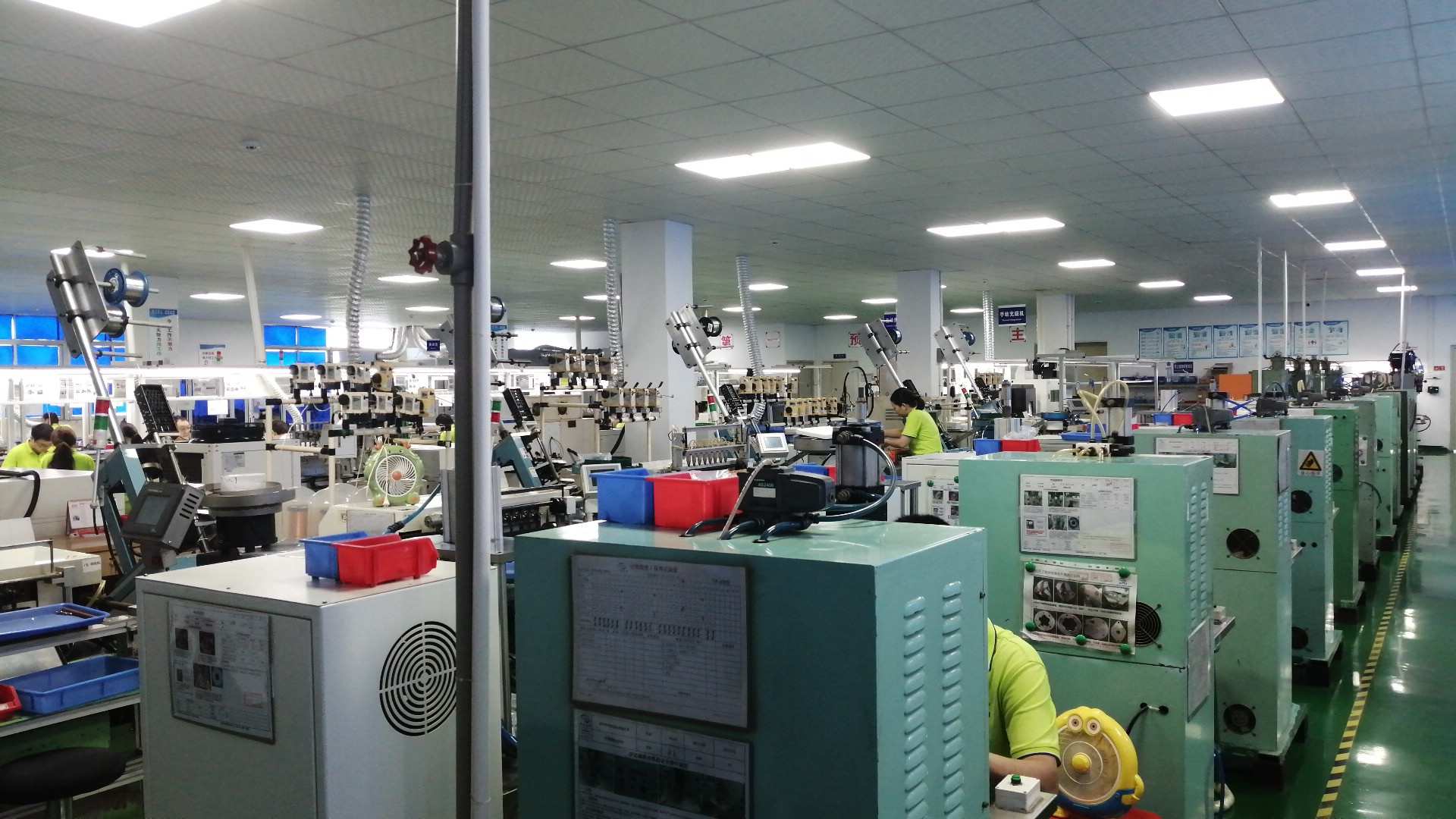
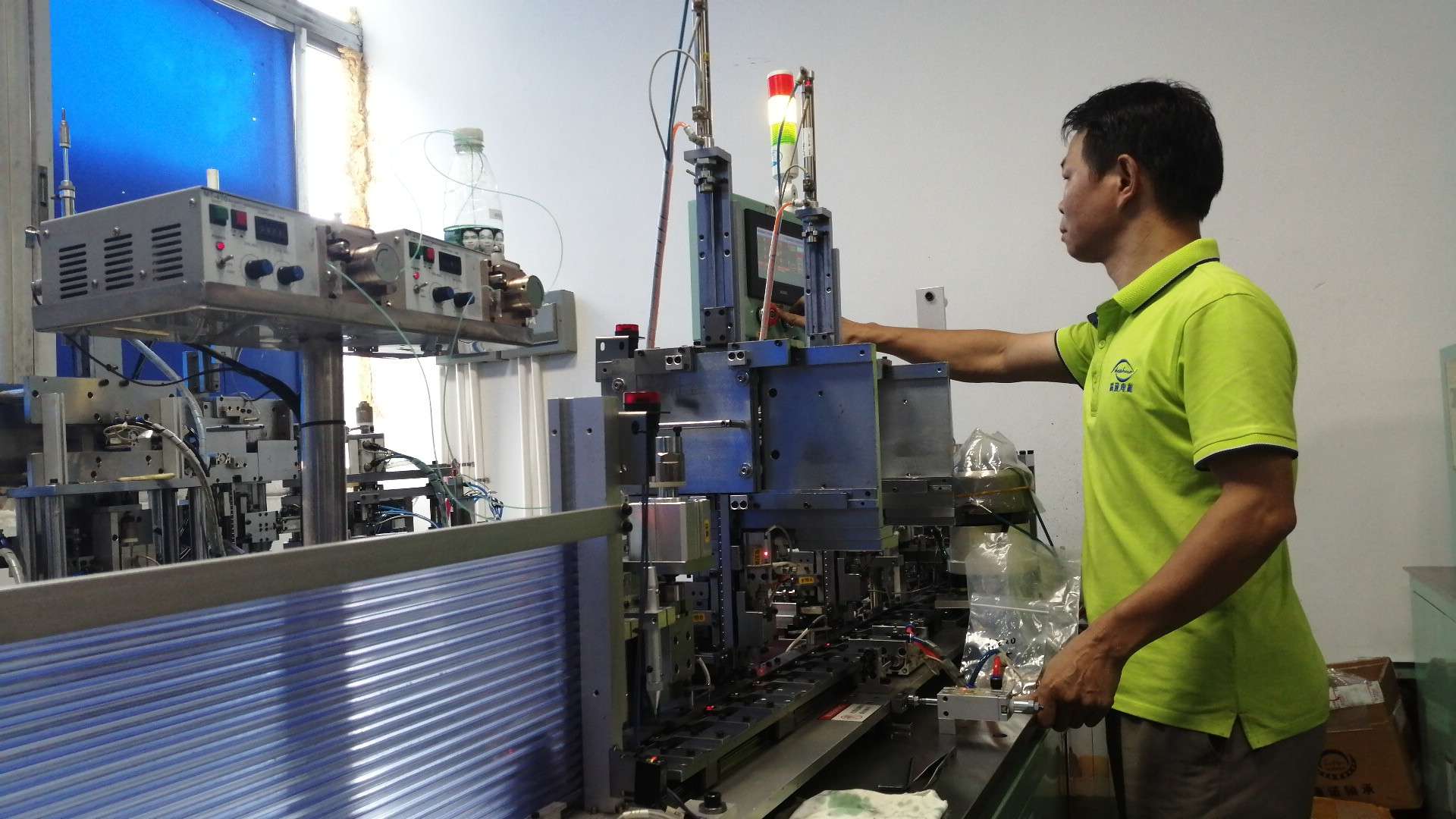
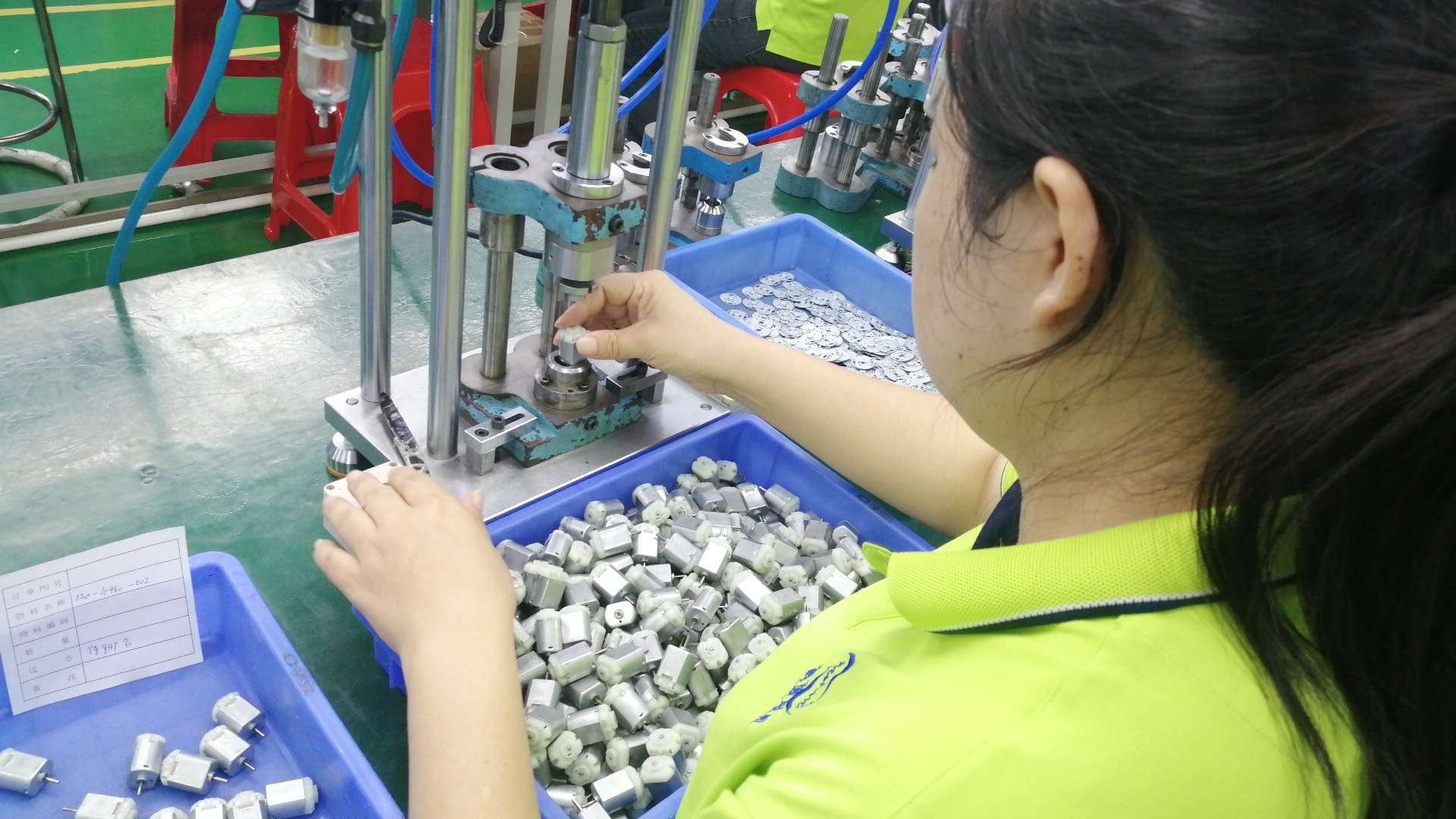
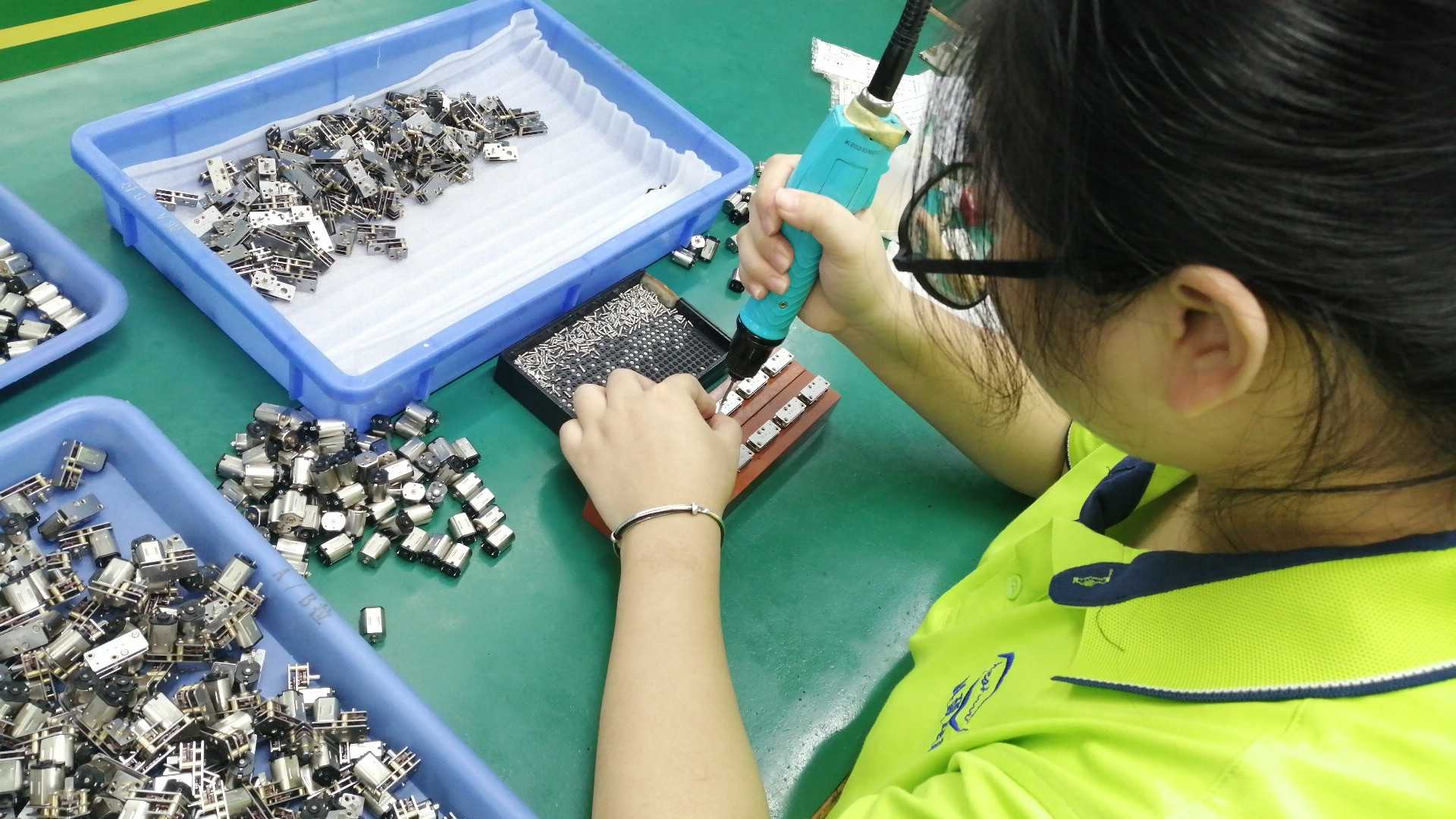
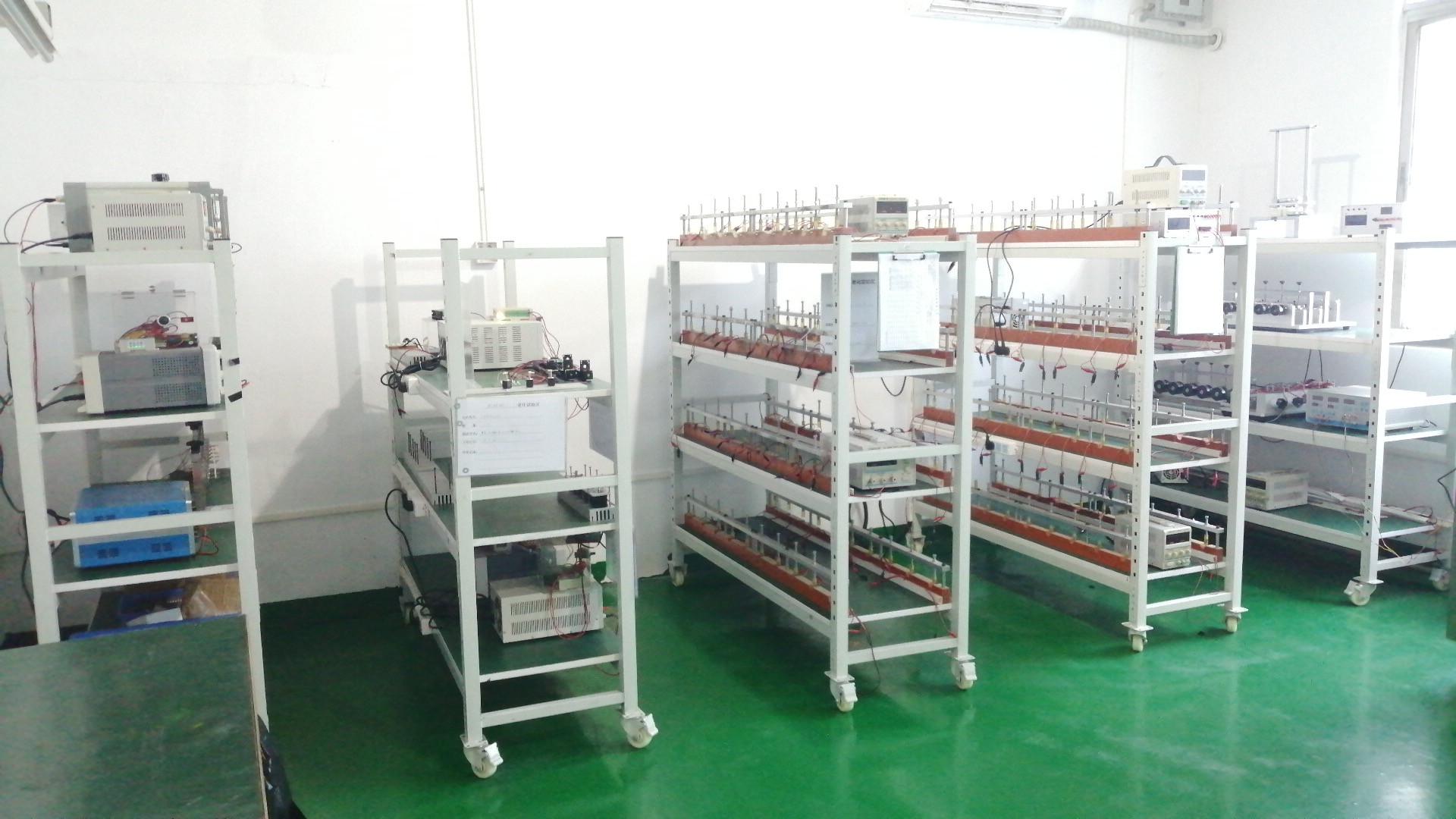
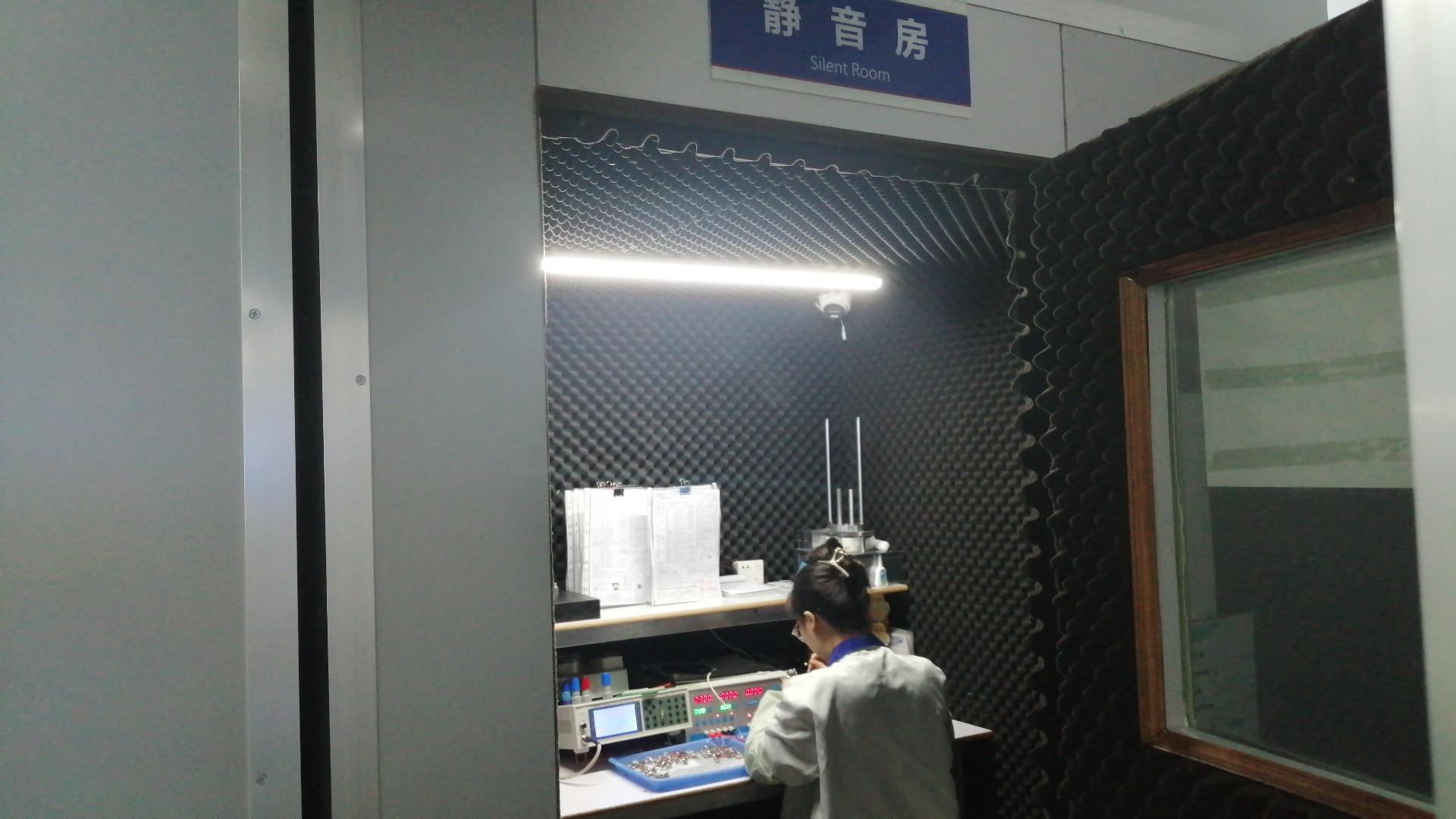
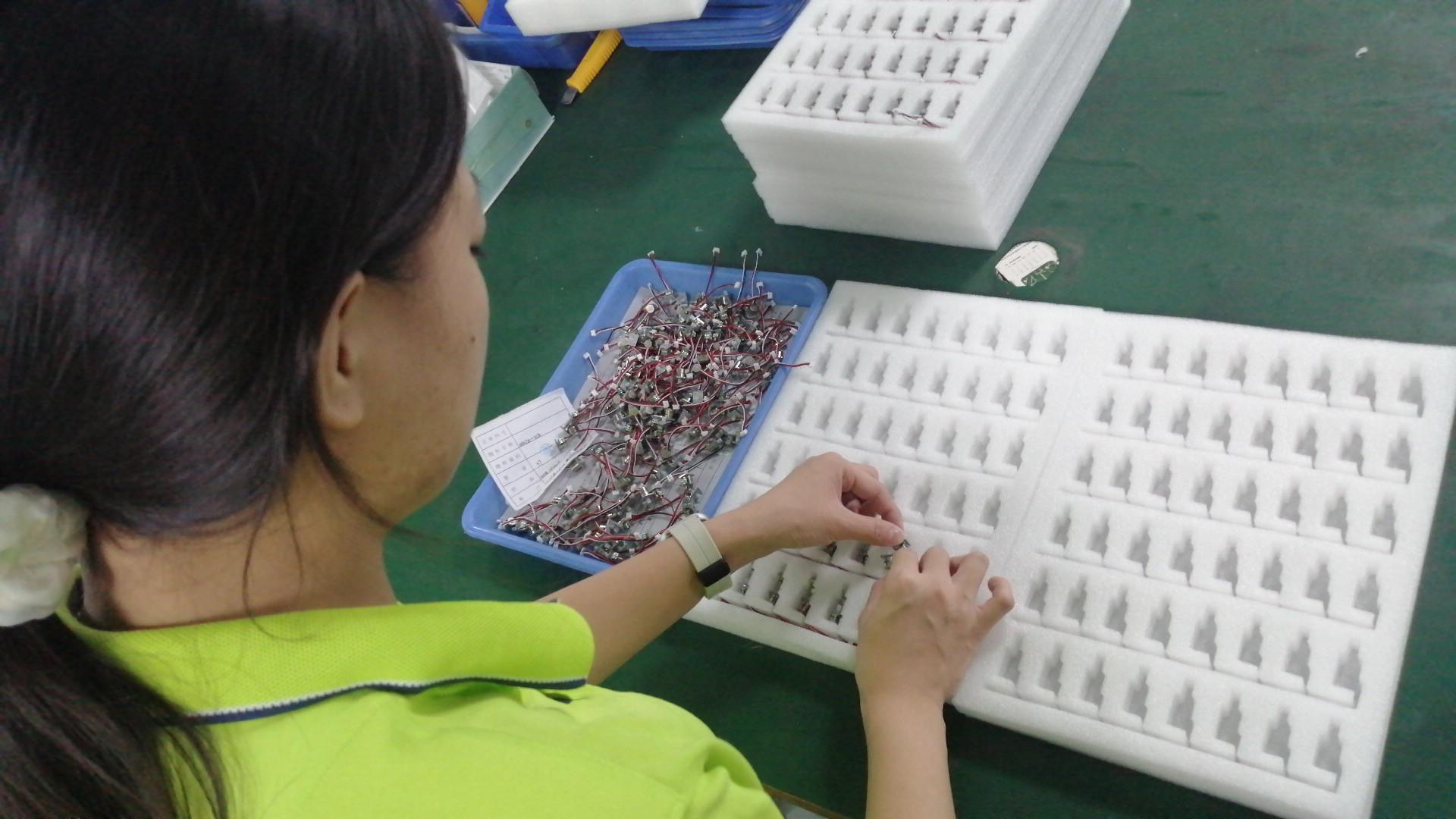
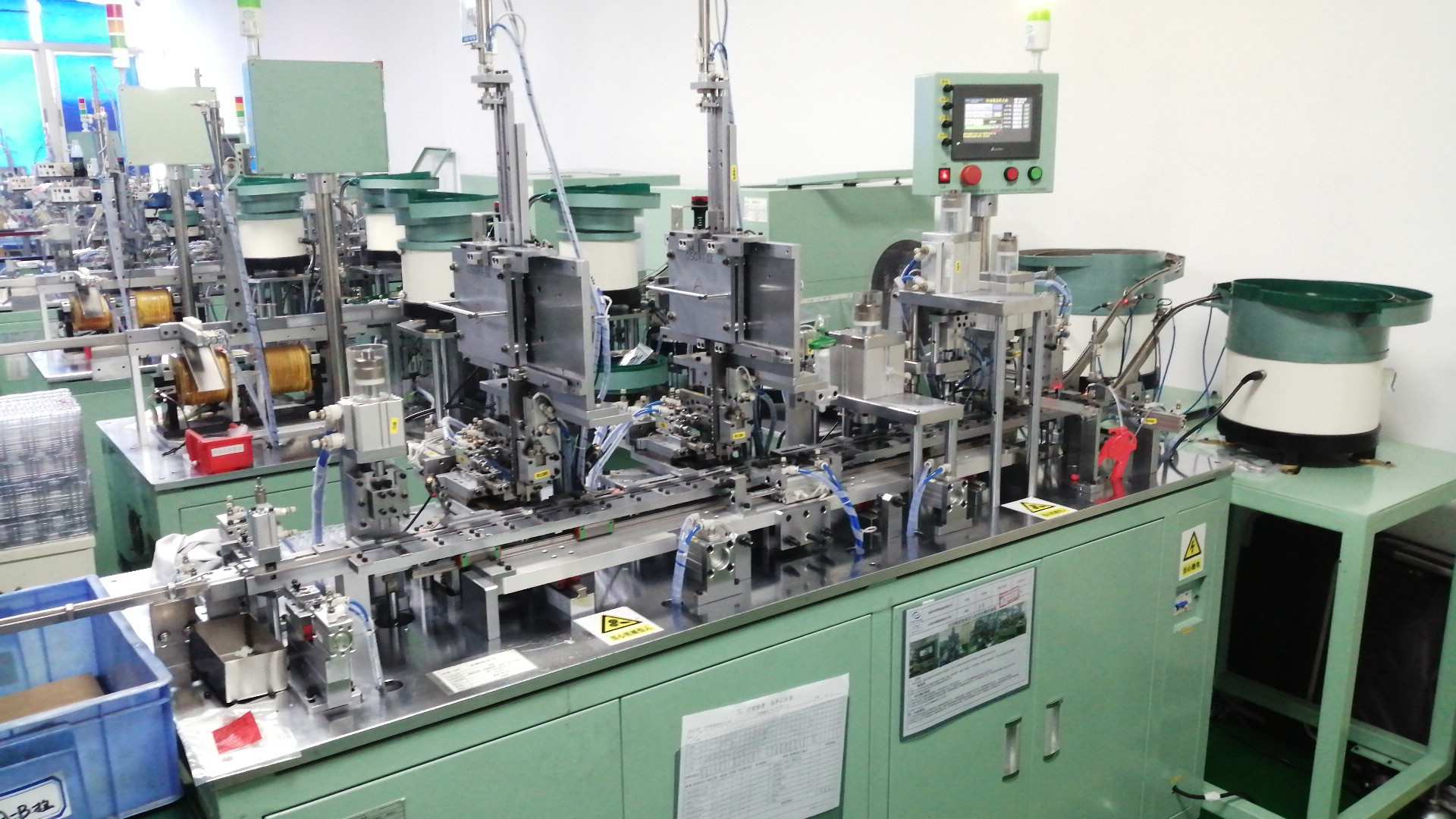
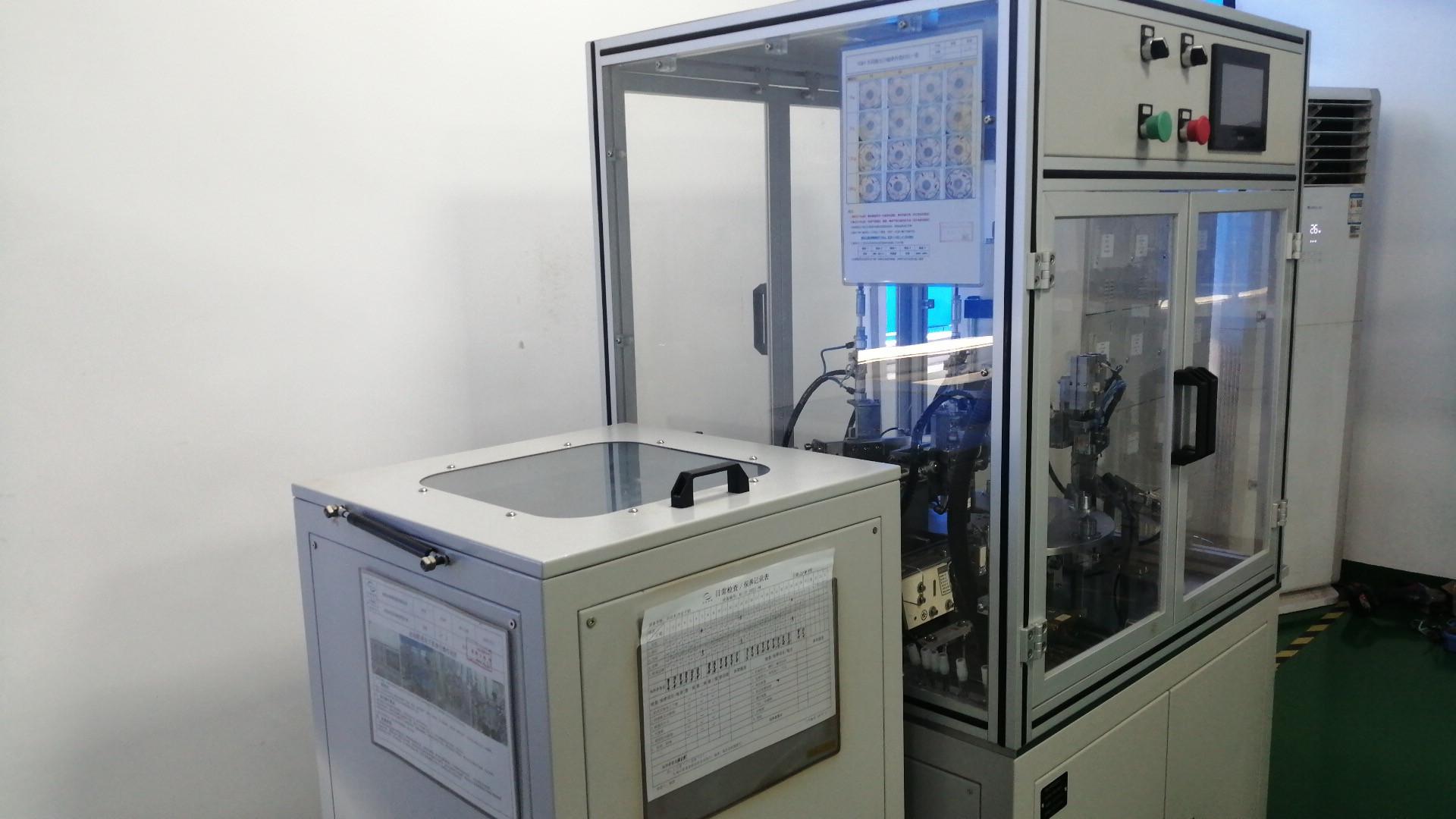
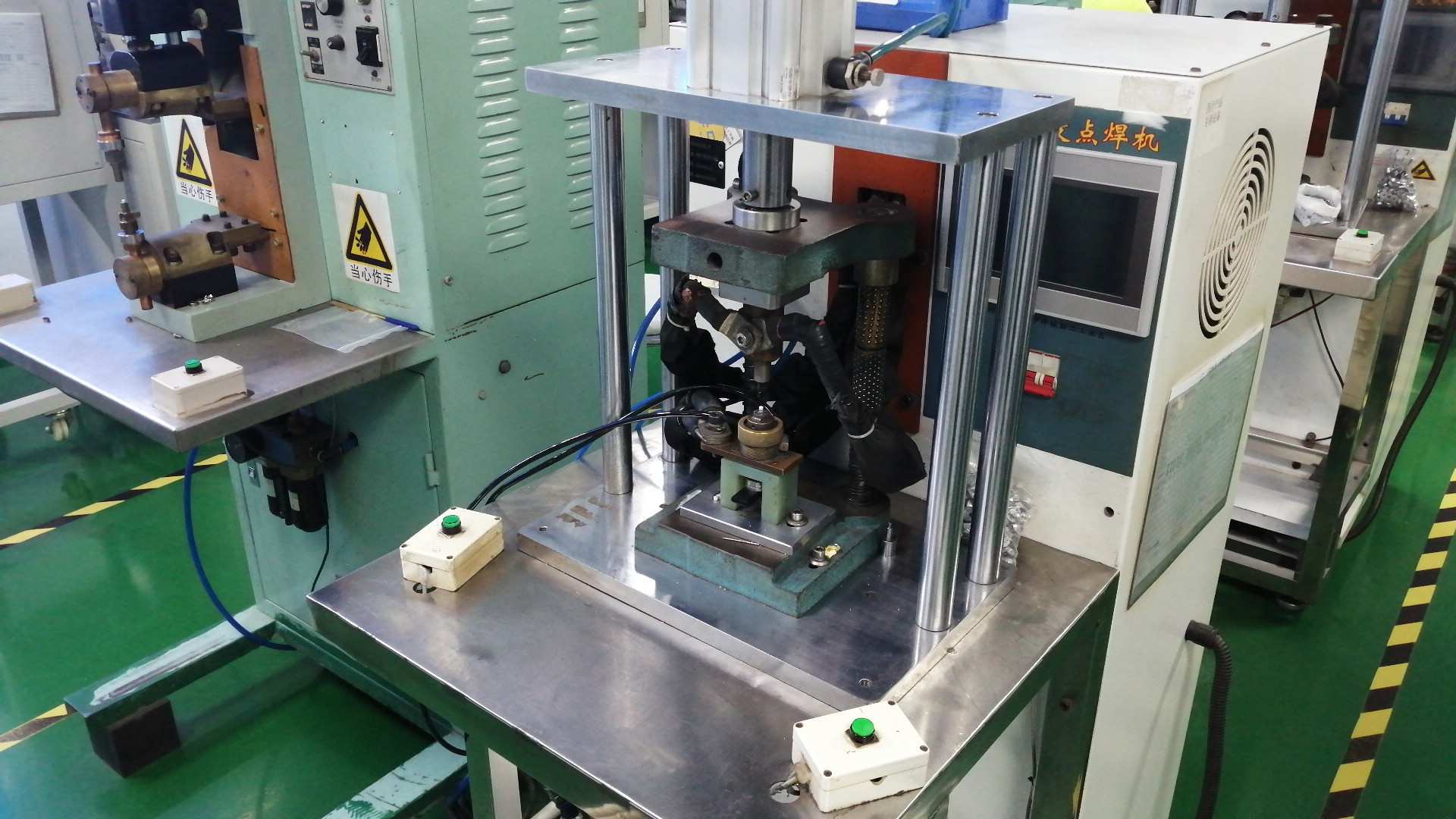
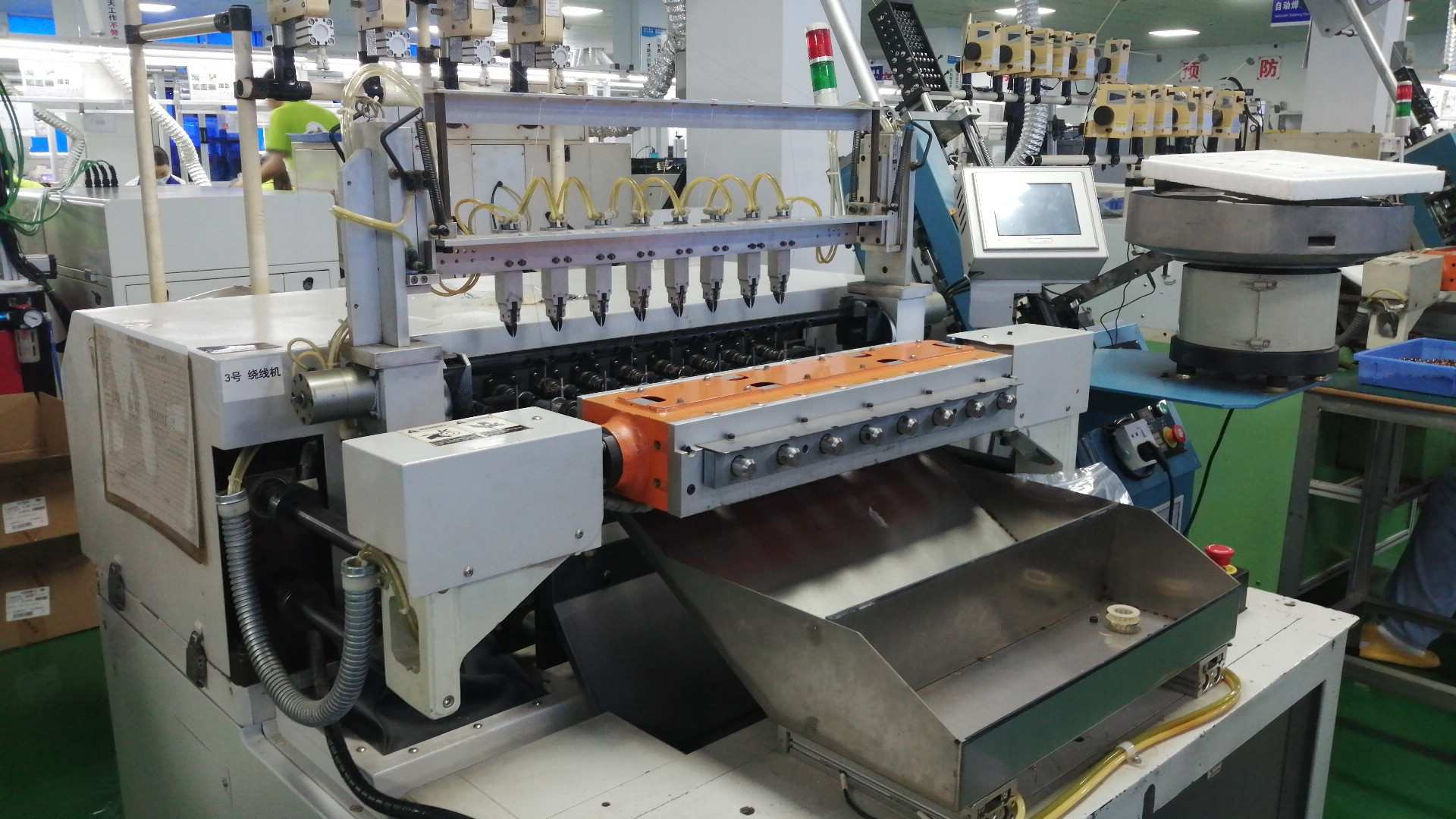
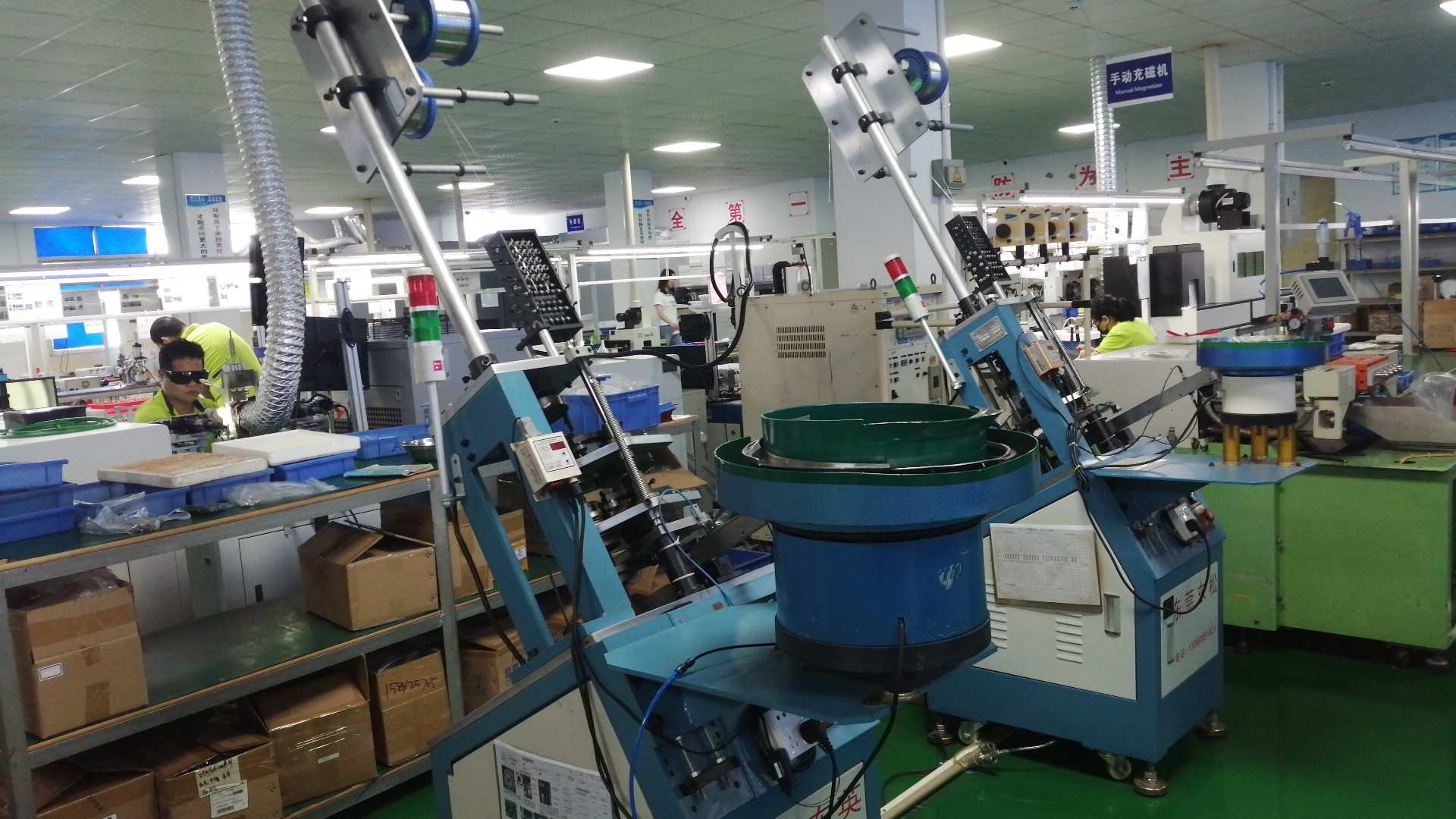
Sourcing stepper motor drivers and micro-motors directly from China offers significant competitive advantages. The absolute consolidation of the raw material supply chain—including high-coercivity permanent magnets (NdFeB), precision steel laminations, high-temperature copper windings, and local semiconductor packaging—enables rapid prototype-to-production runs. As exemplified by Brea Tech Micro Motor, Chinese engineering marries top-tier CNC machining and automated testing rigs with highly flexible custom shafts, terminal configurations, and tailored electronic driving stages, providing high performance at unmatched cost efficiency.
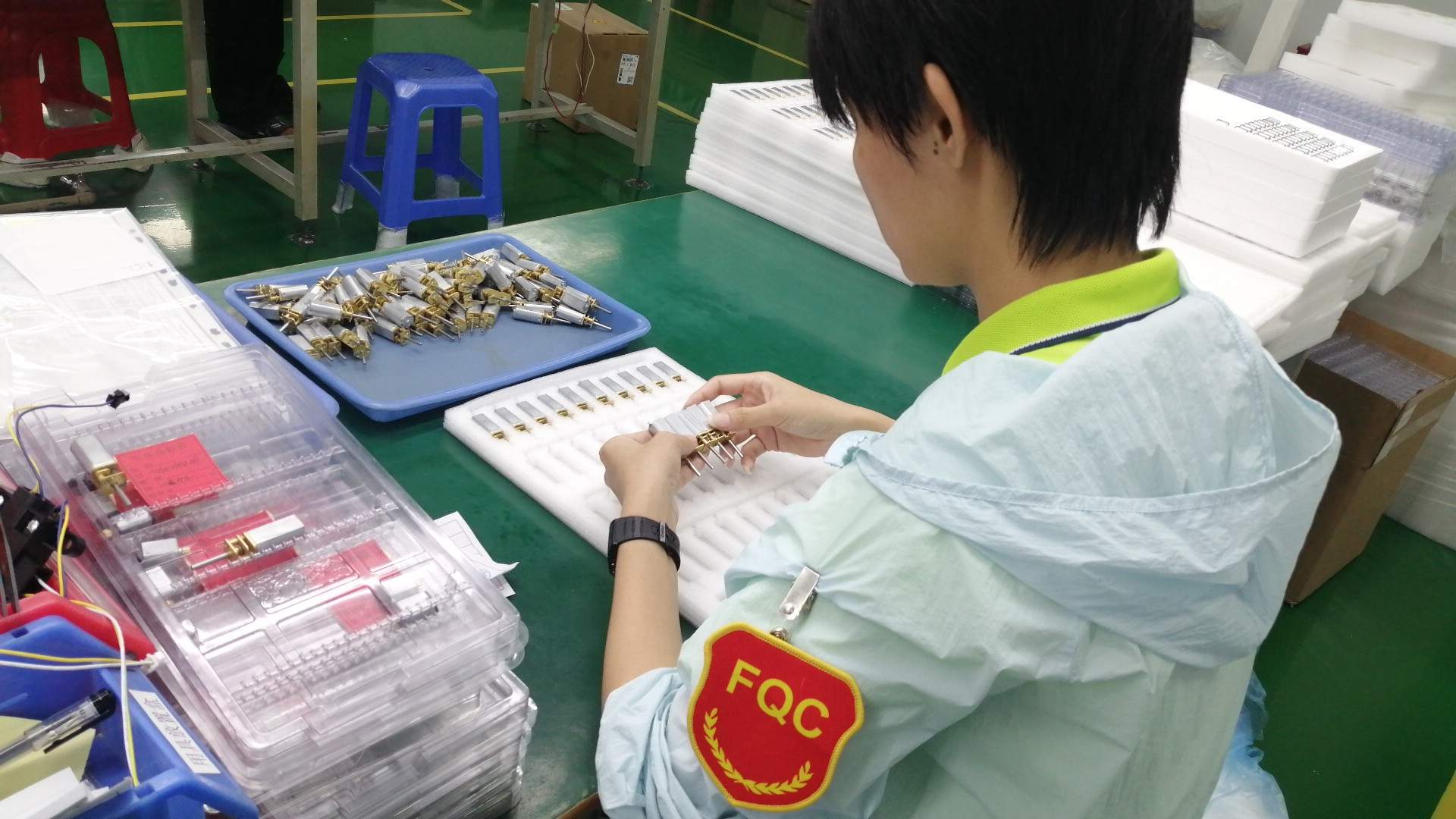
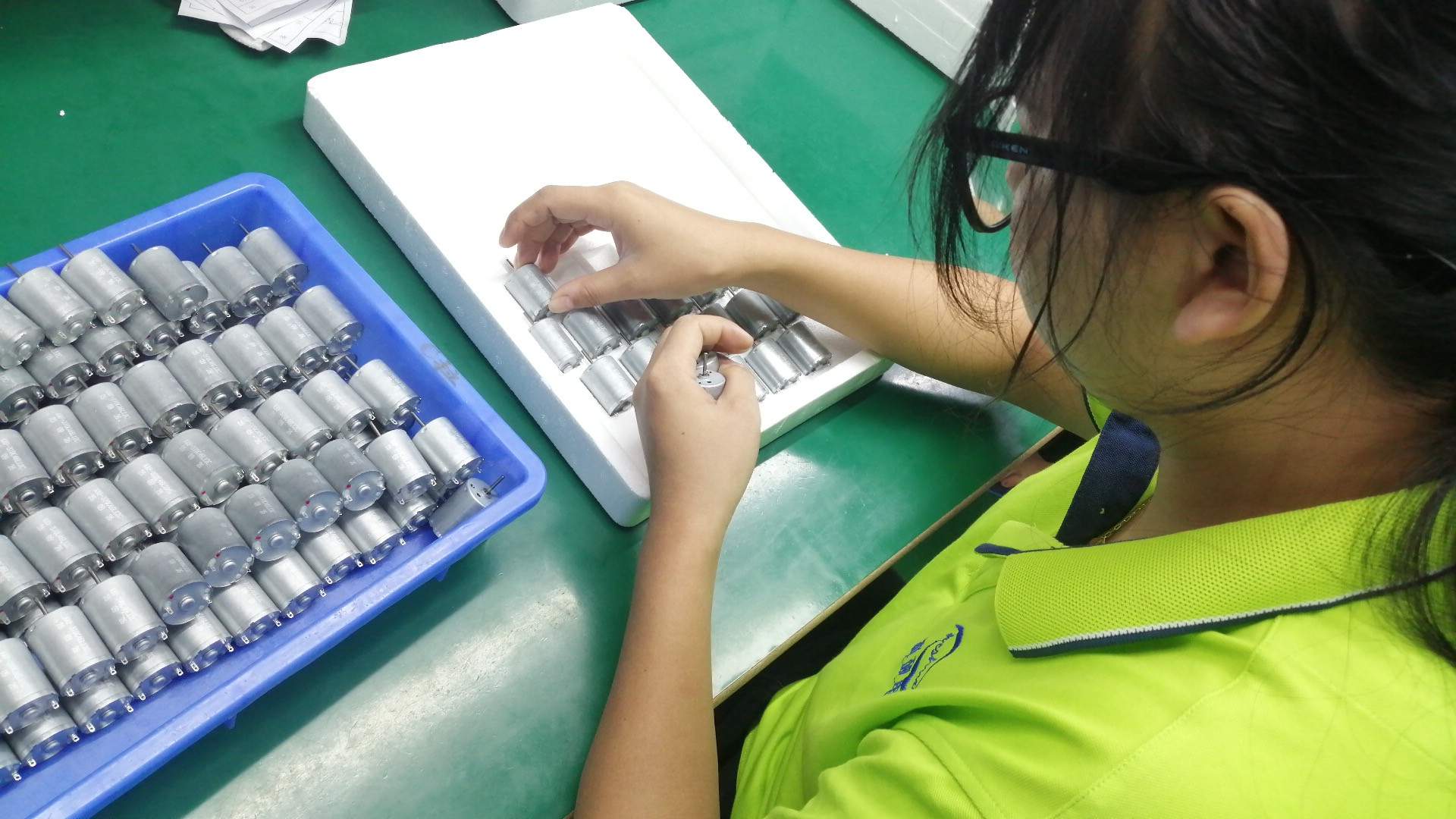
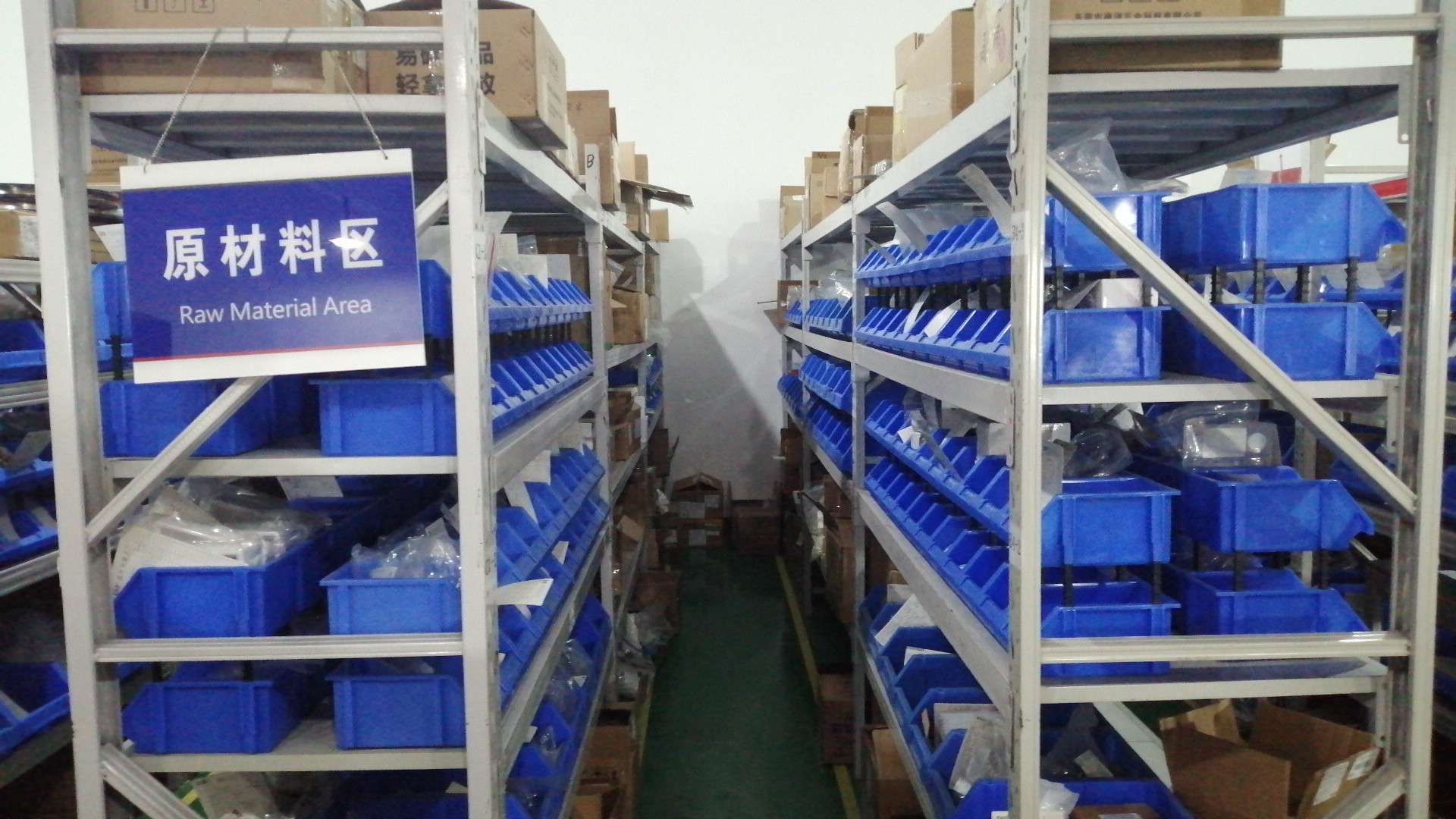
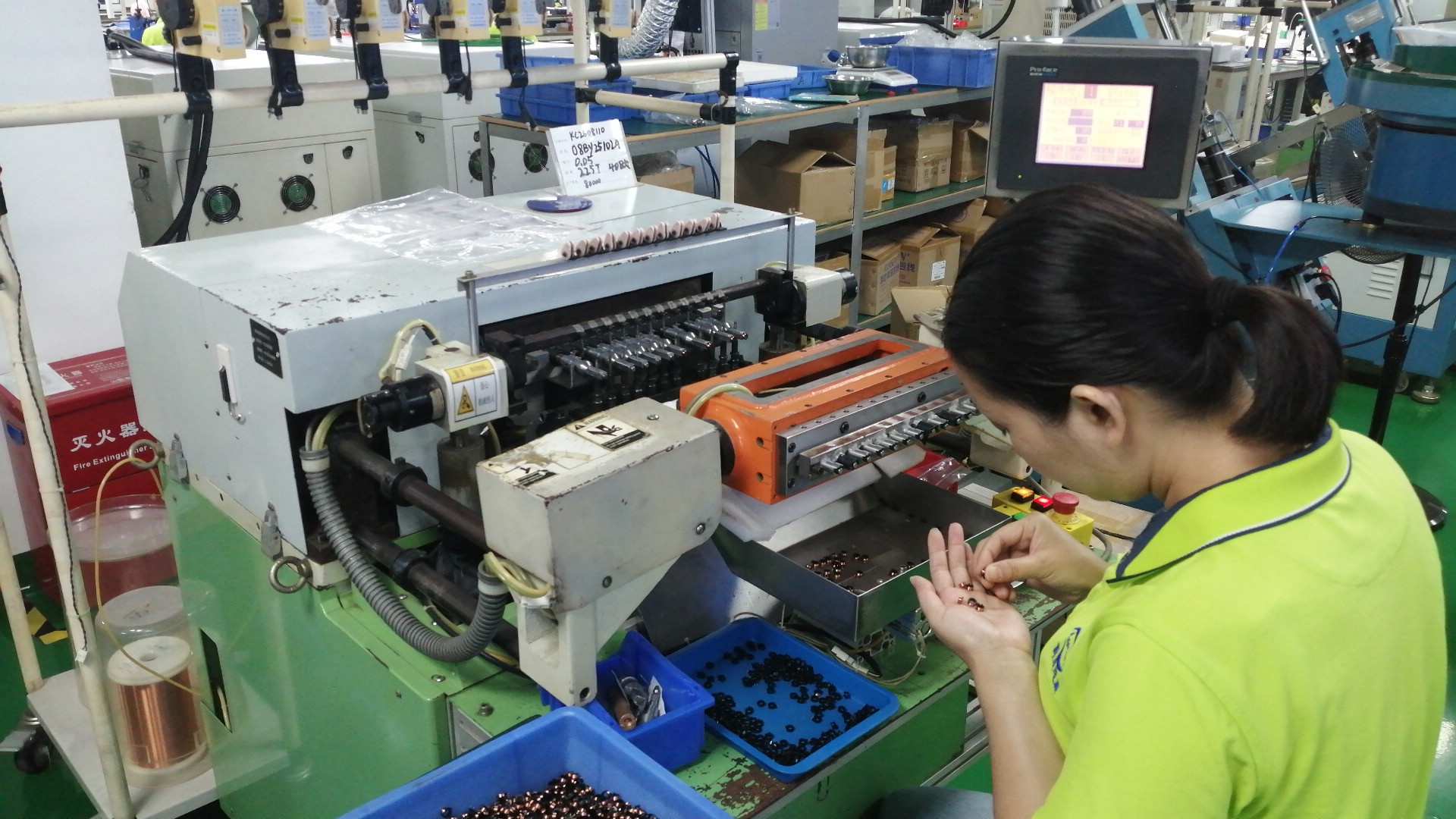
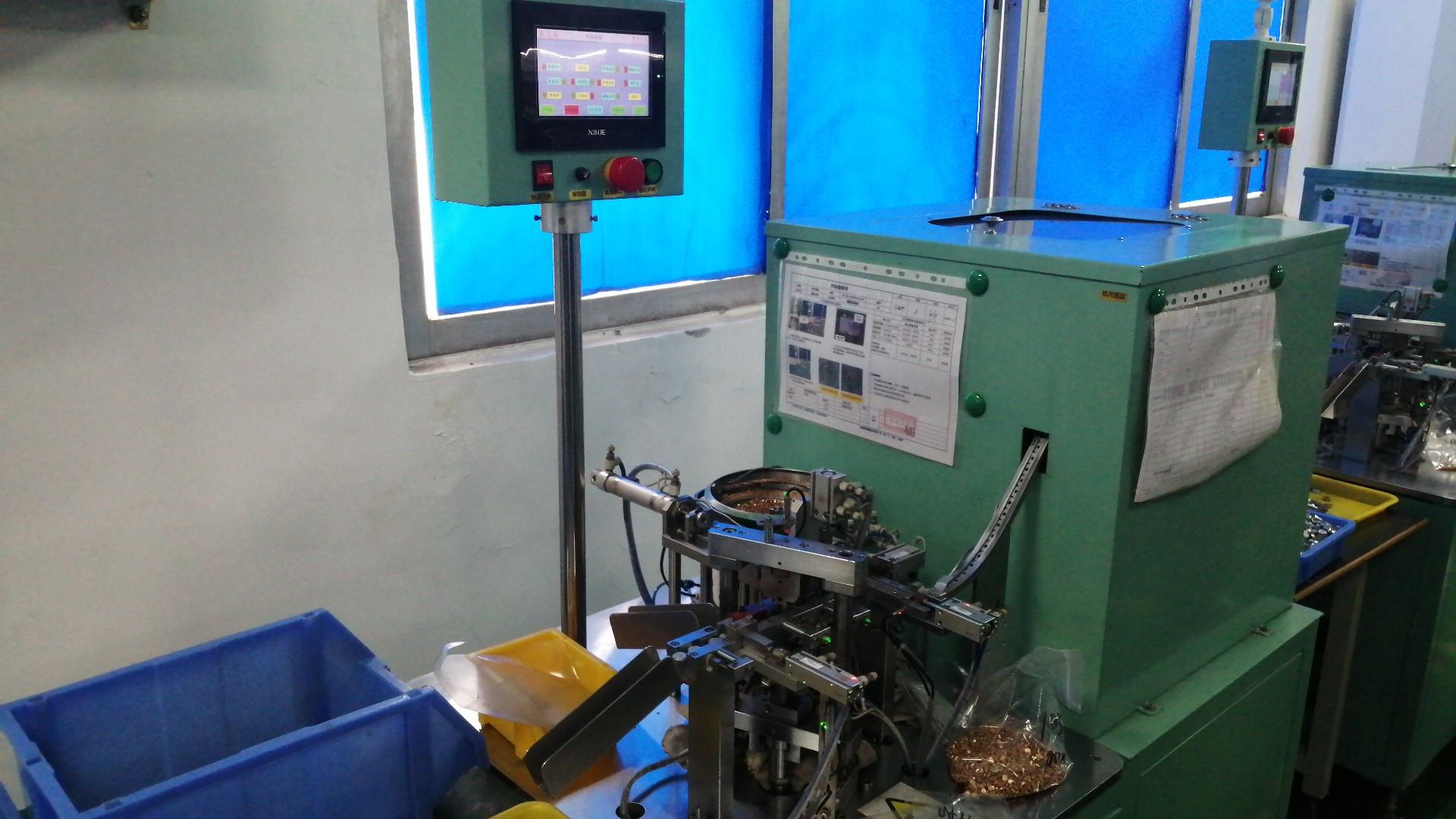
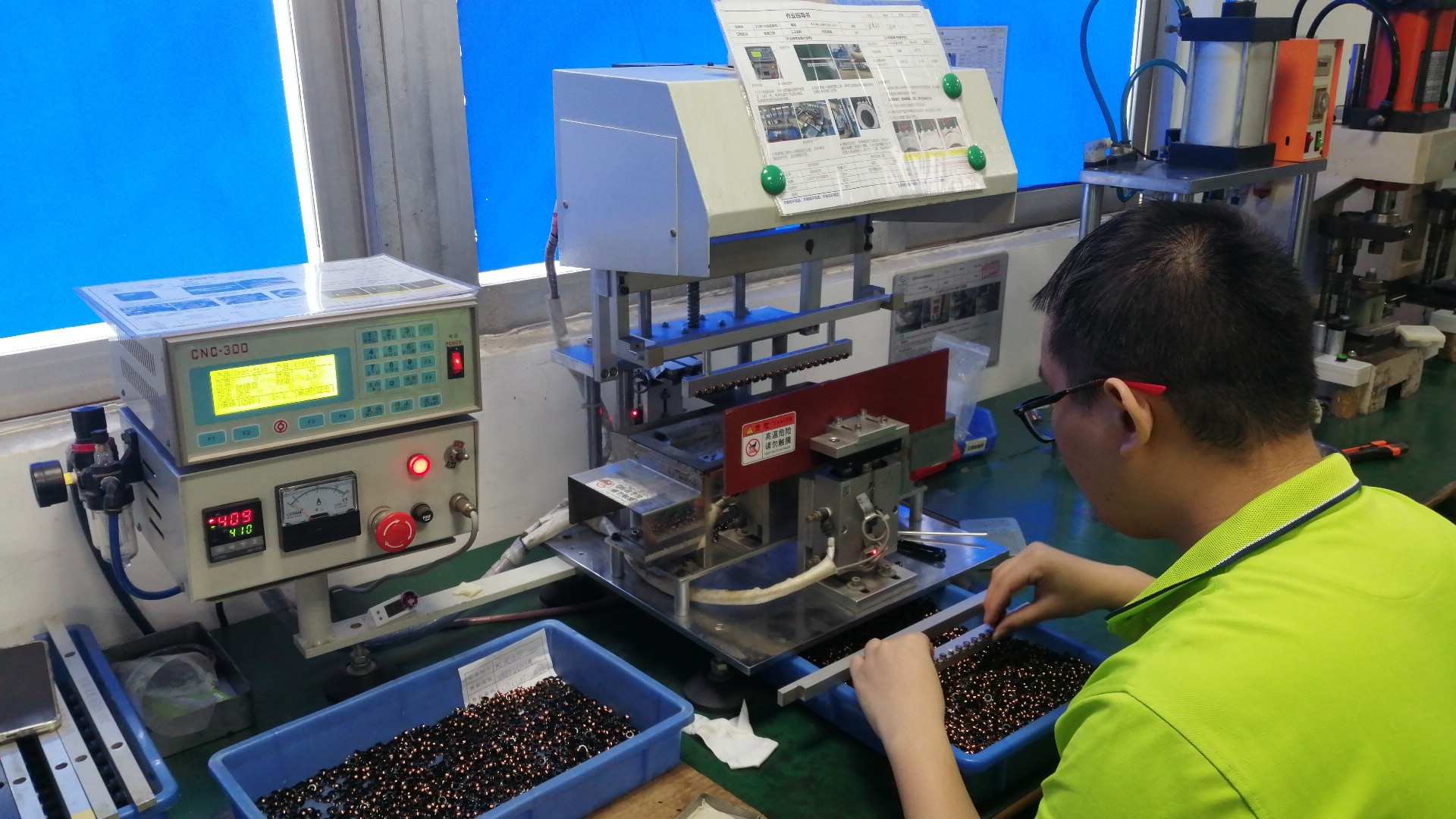
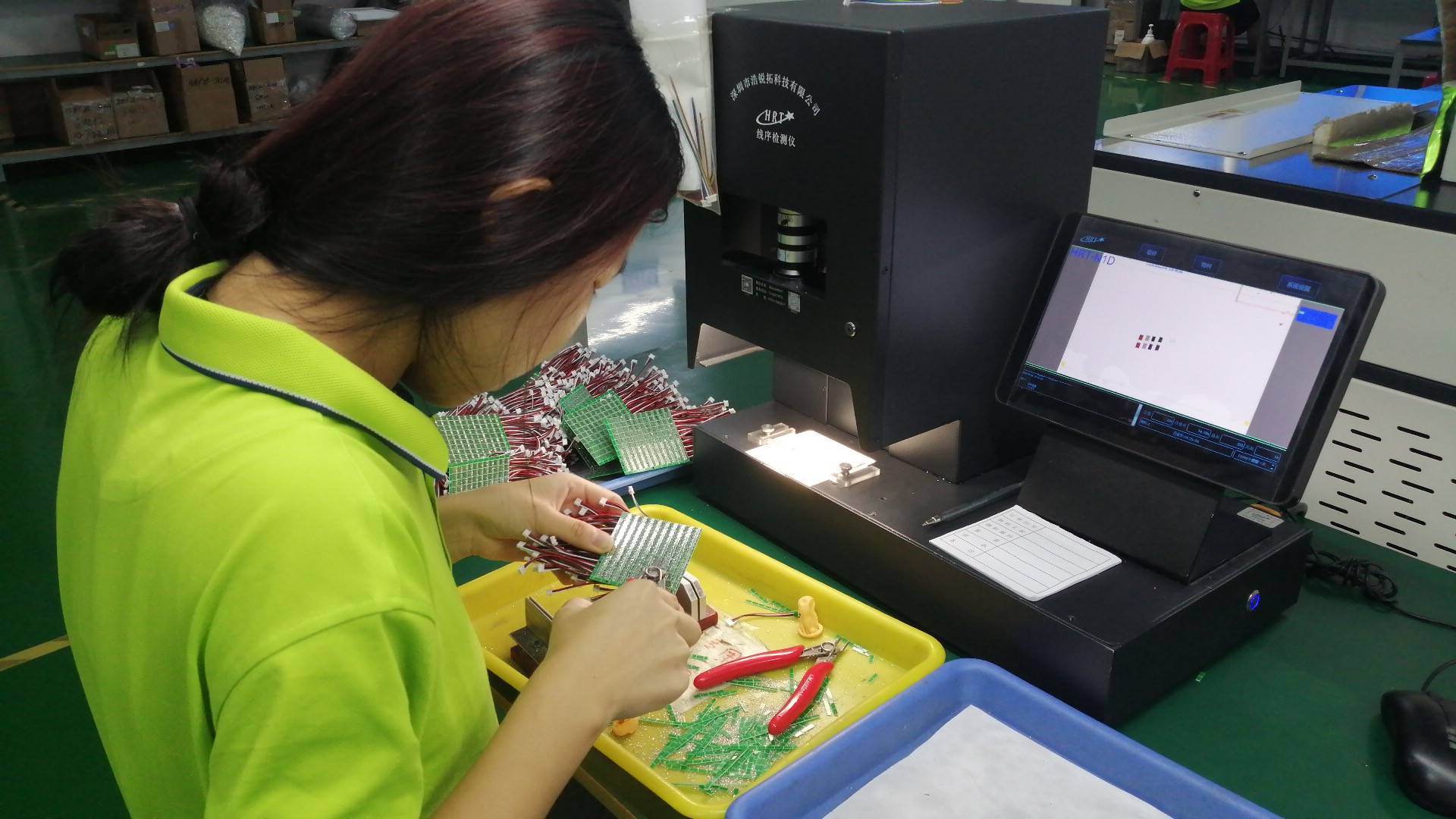
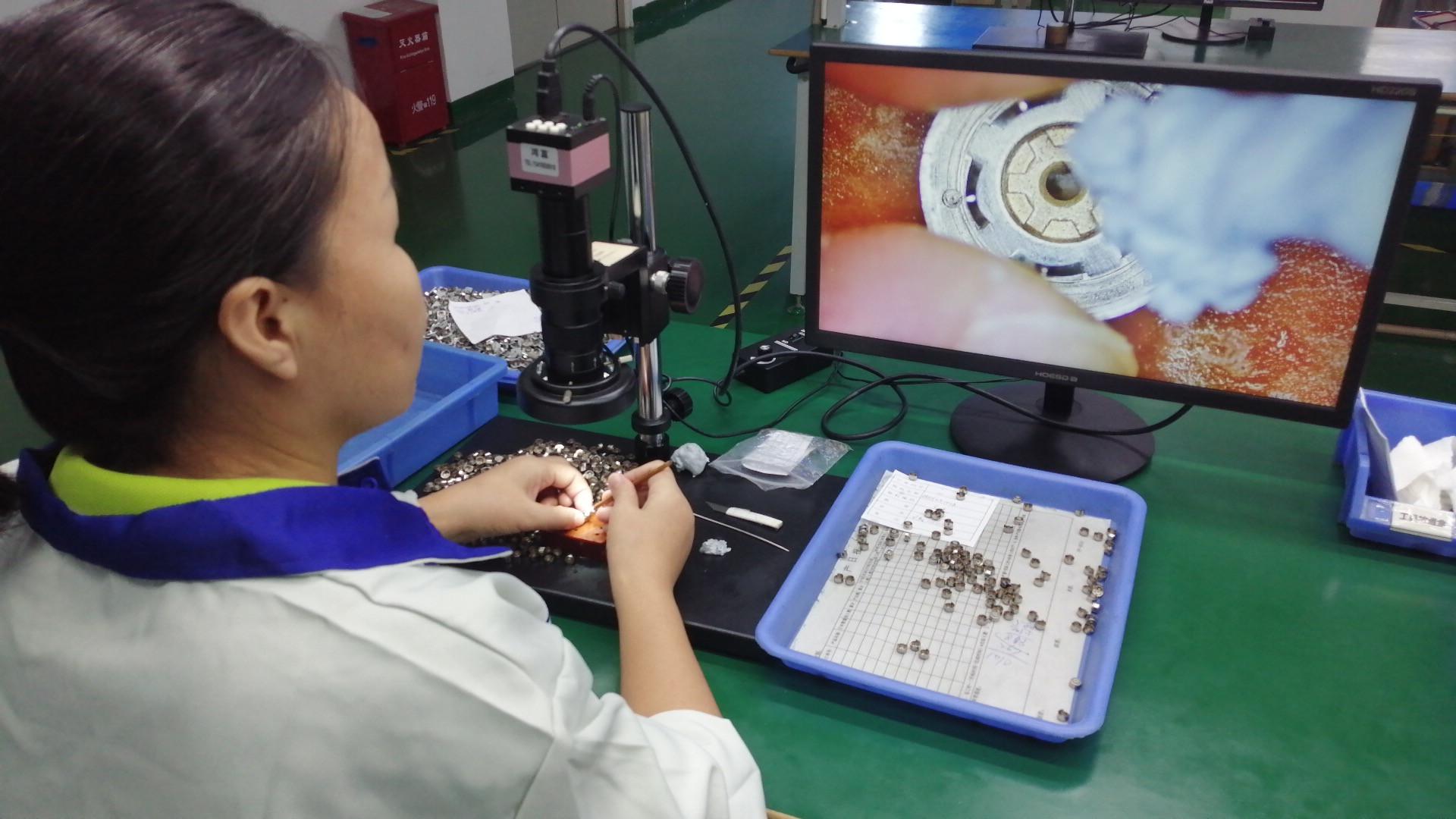
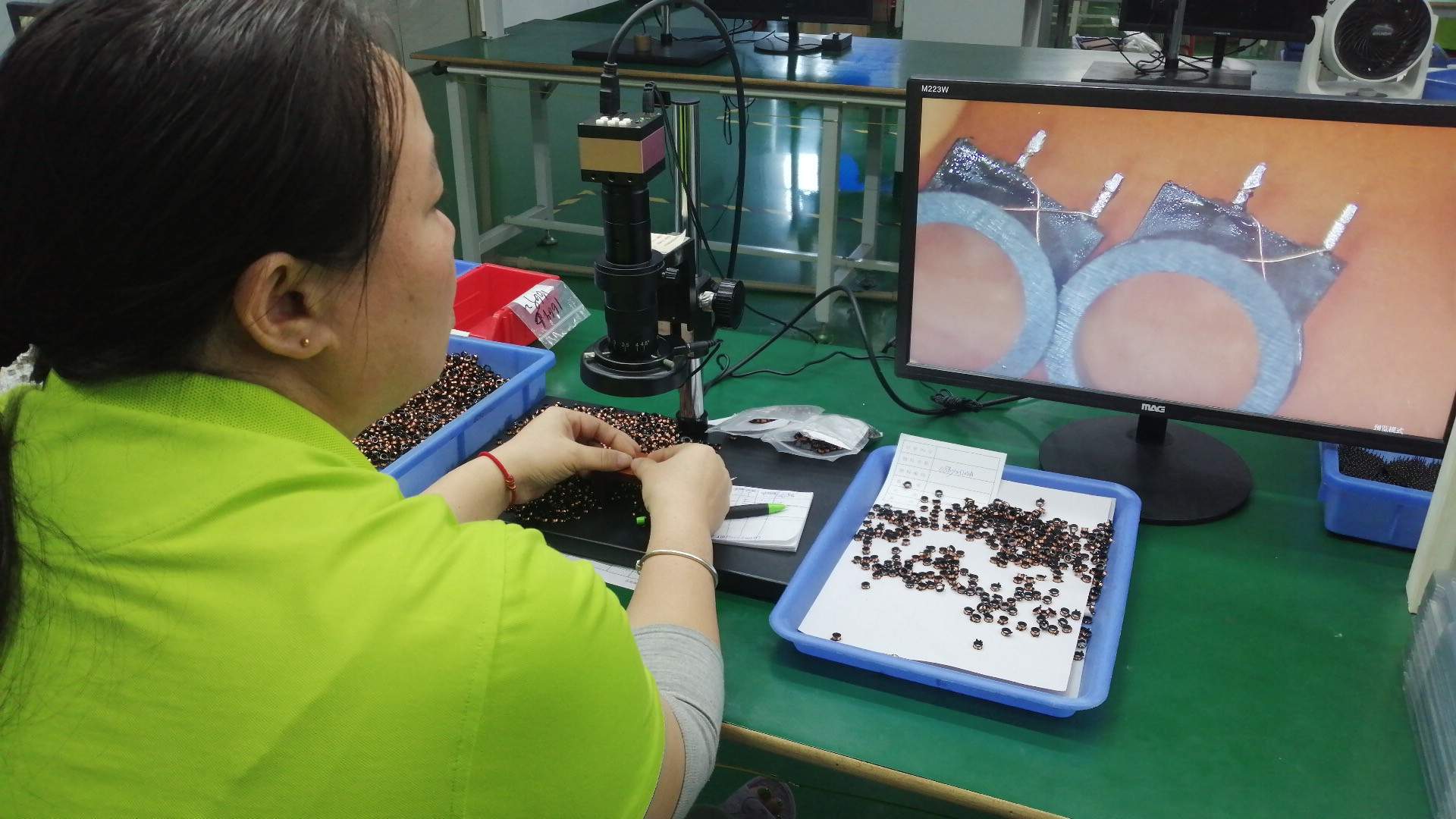
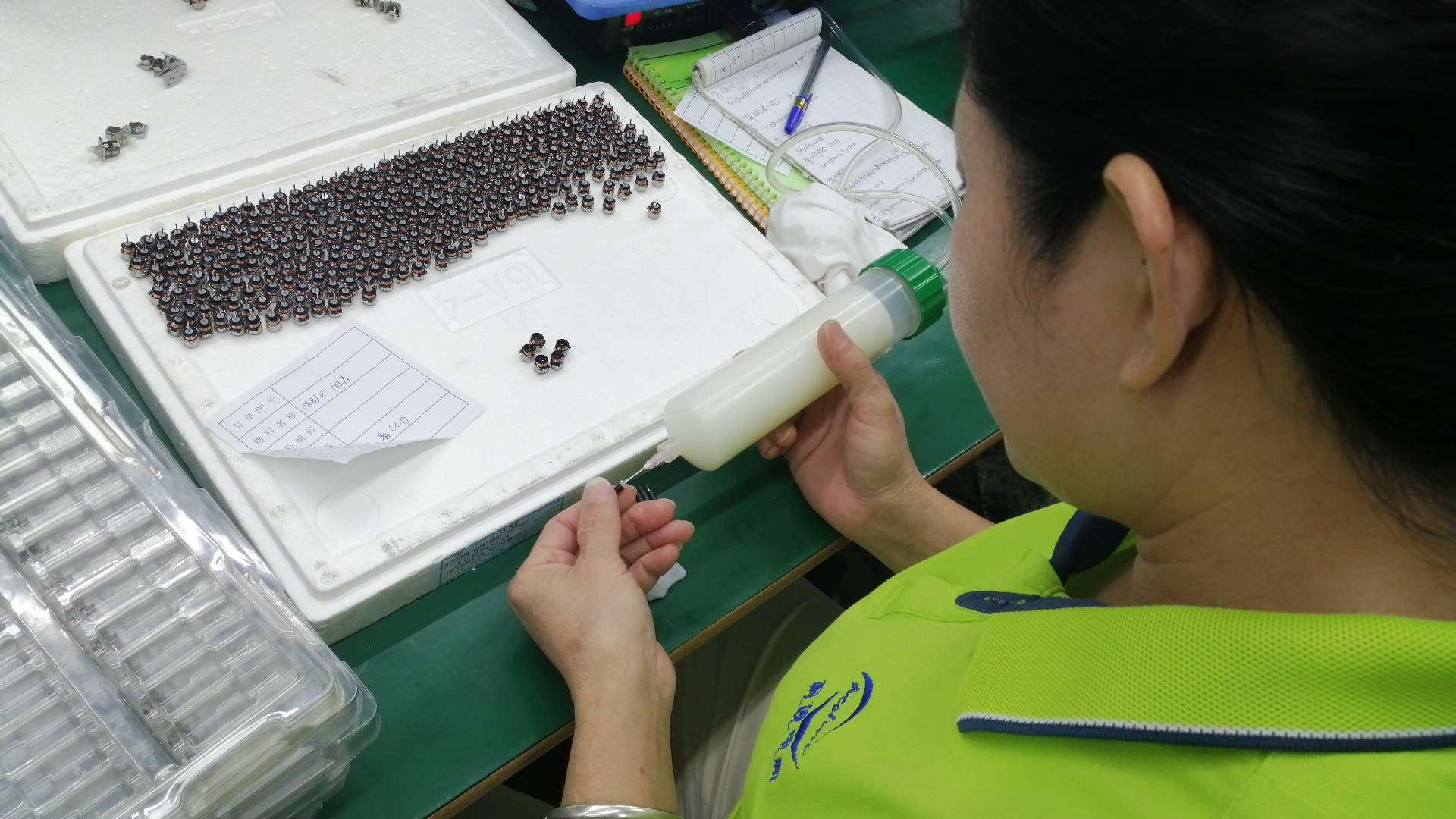
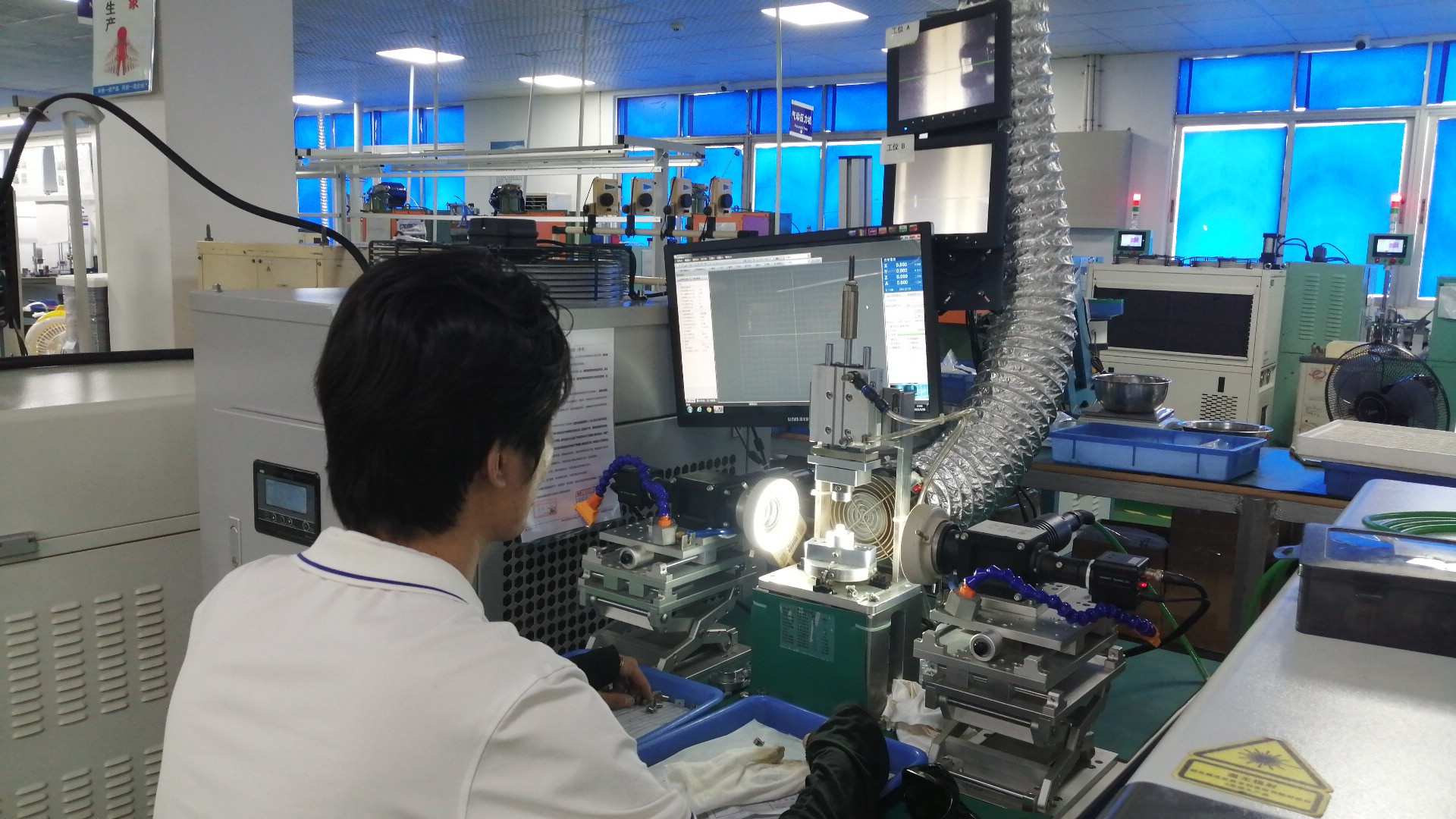
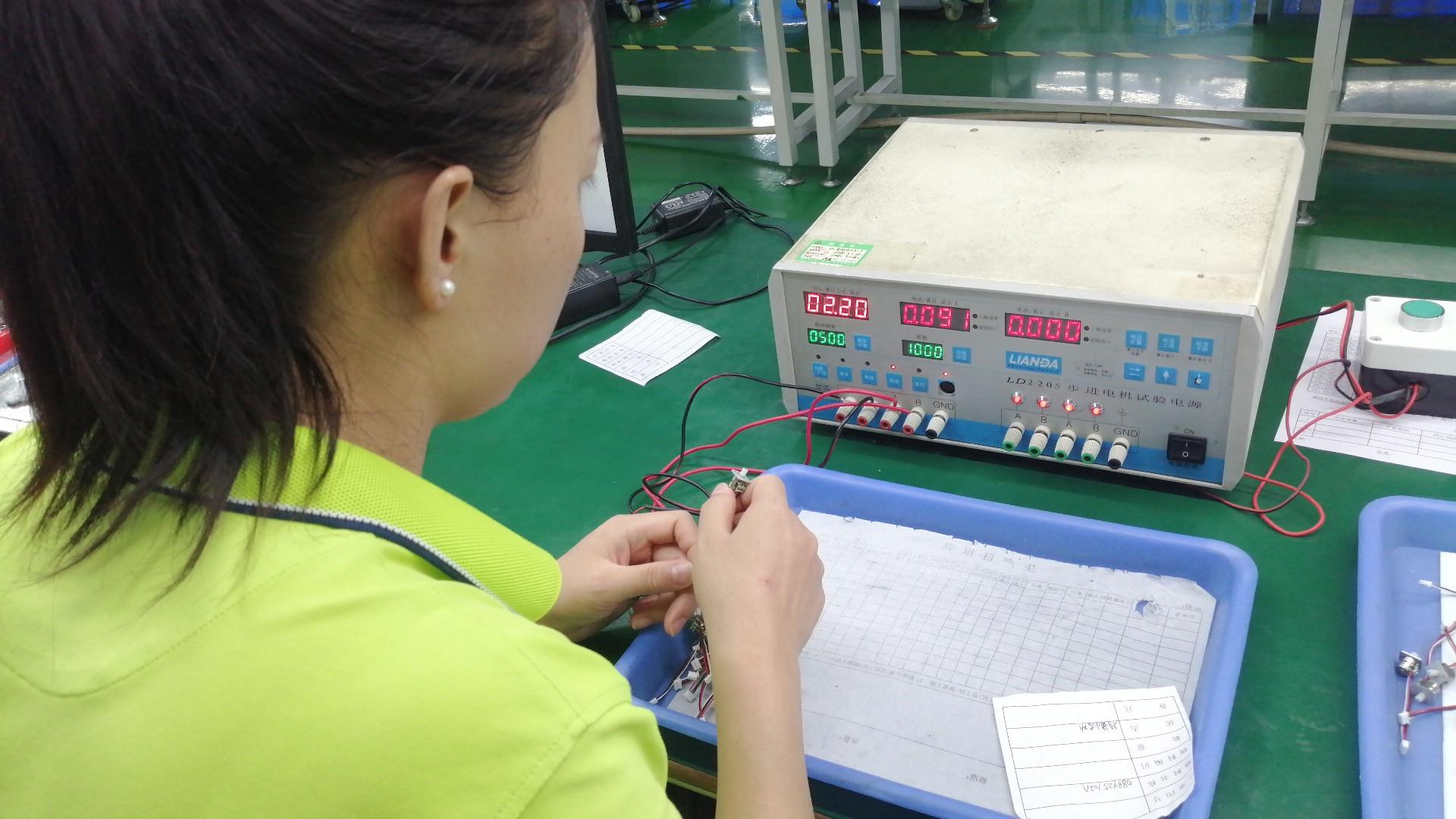
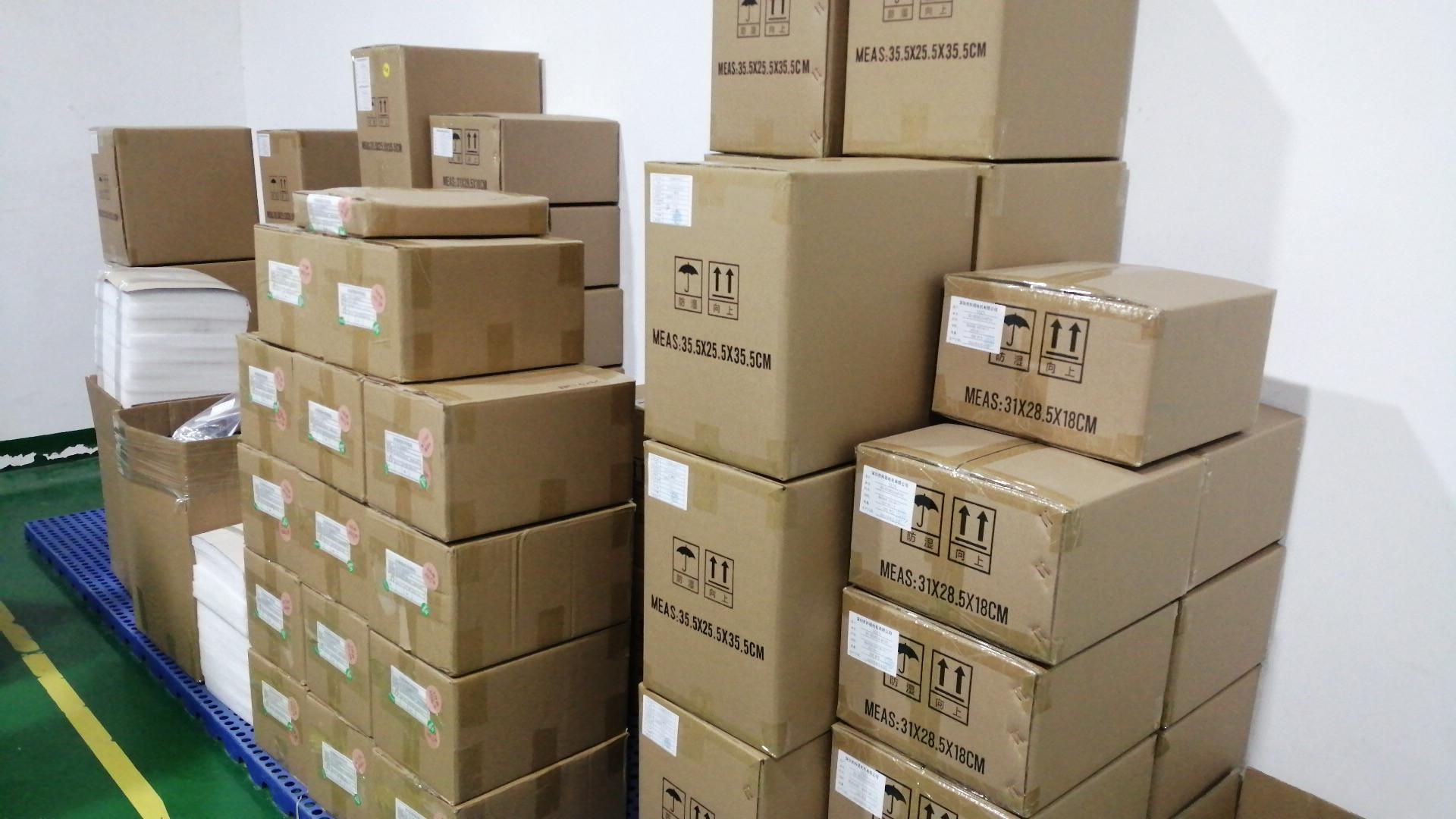
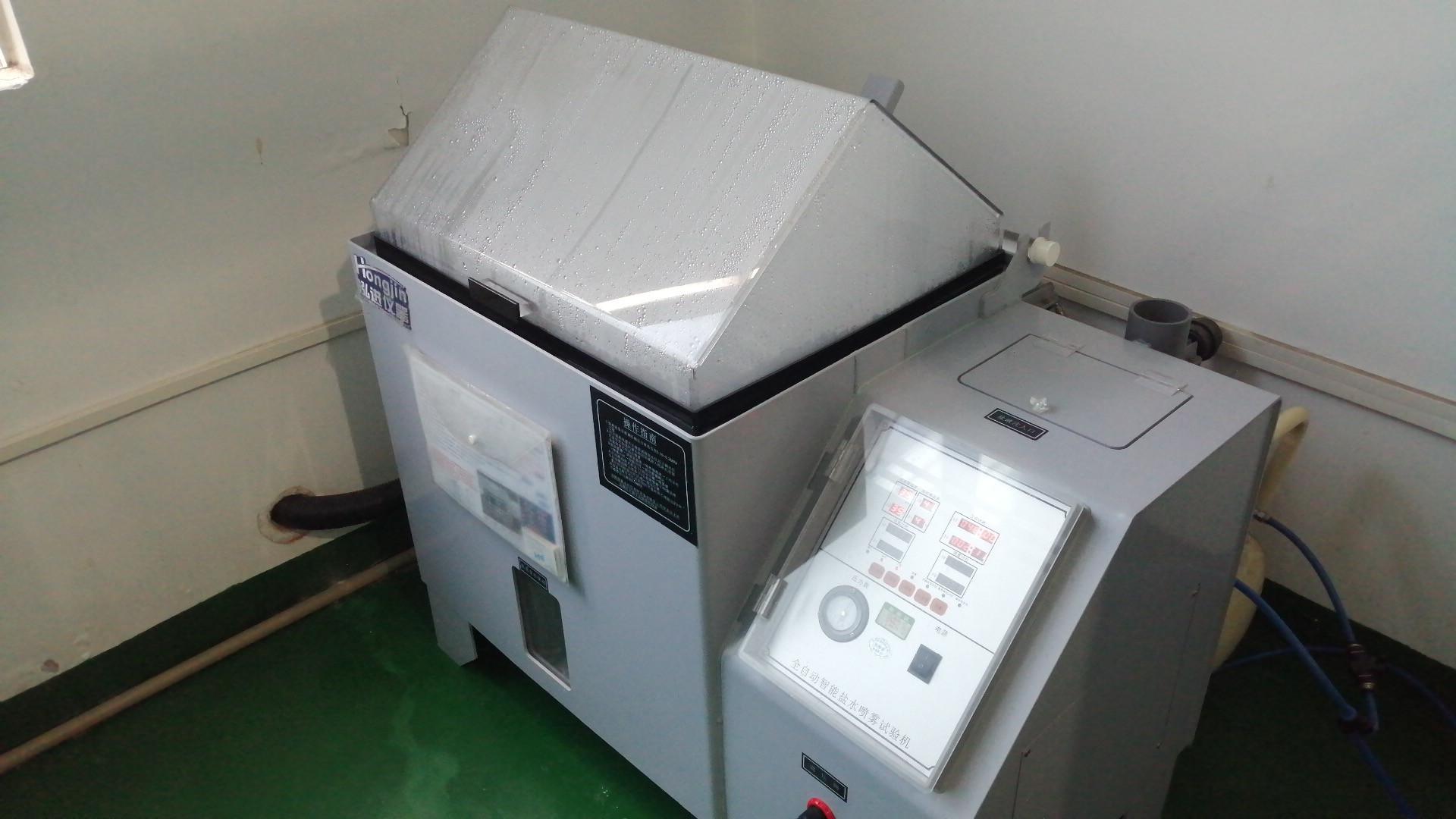
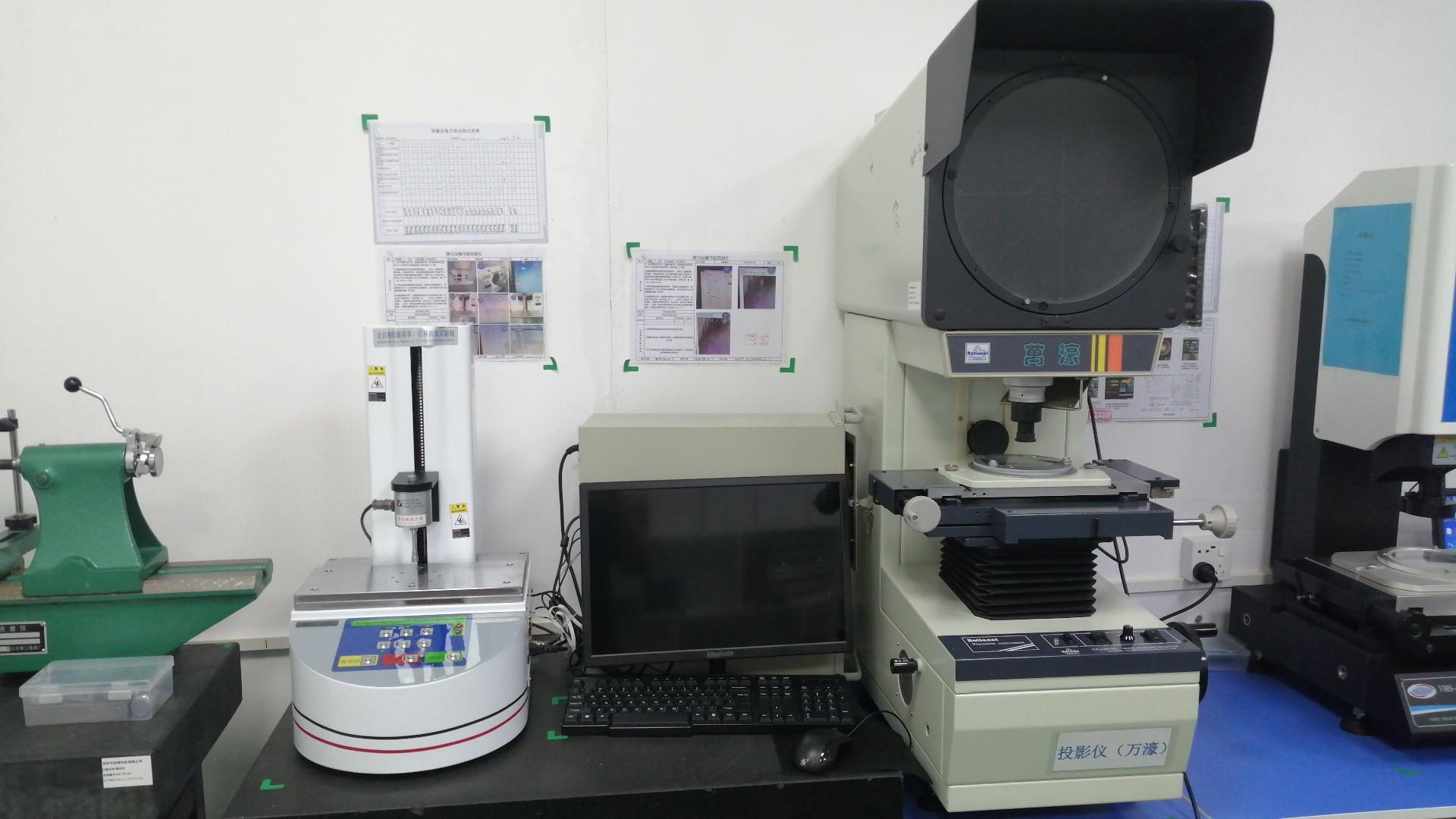
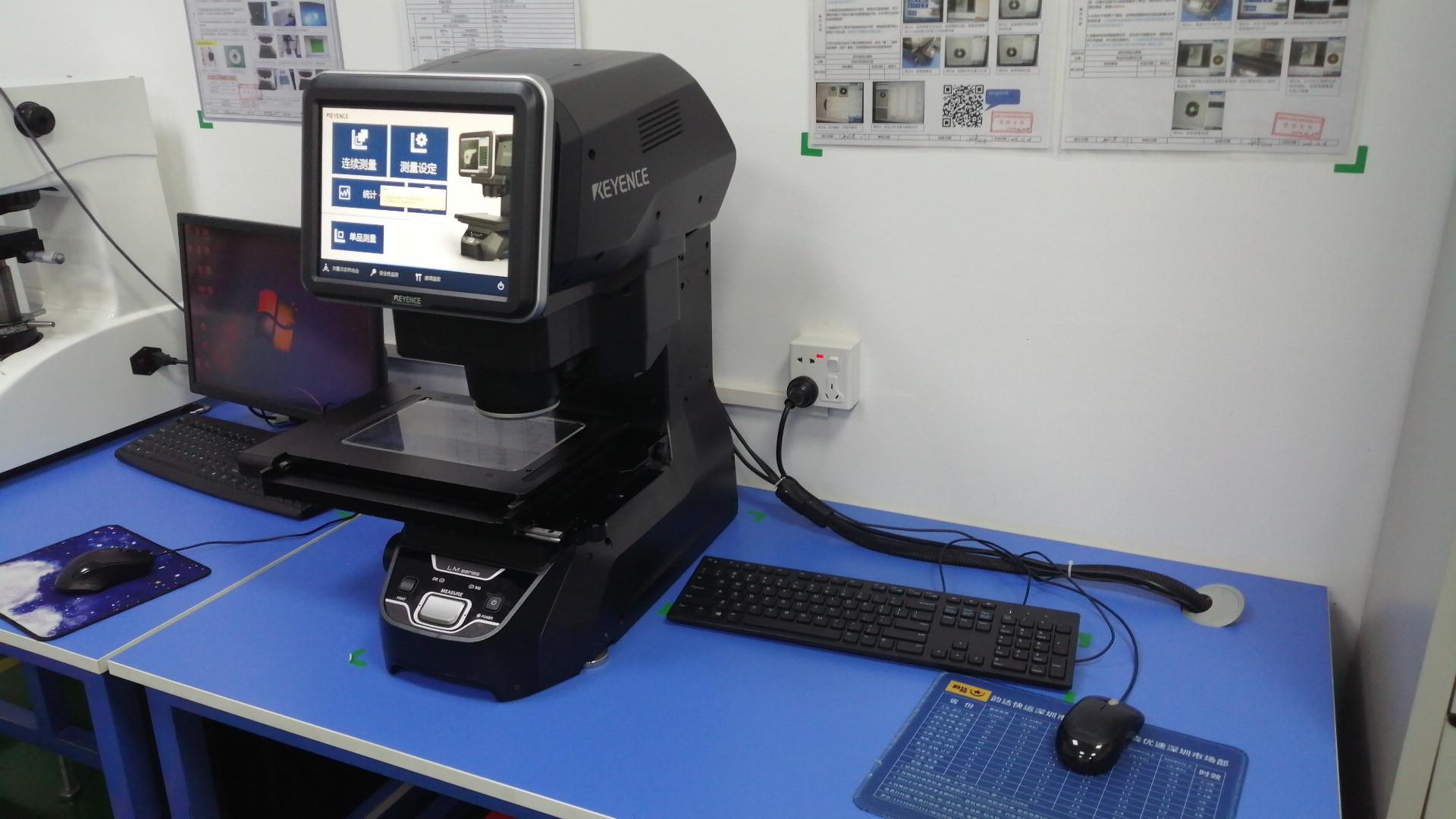
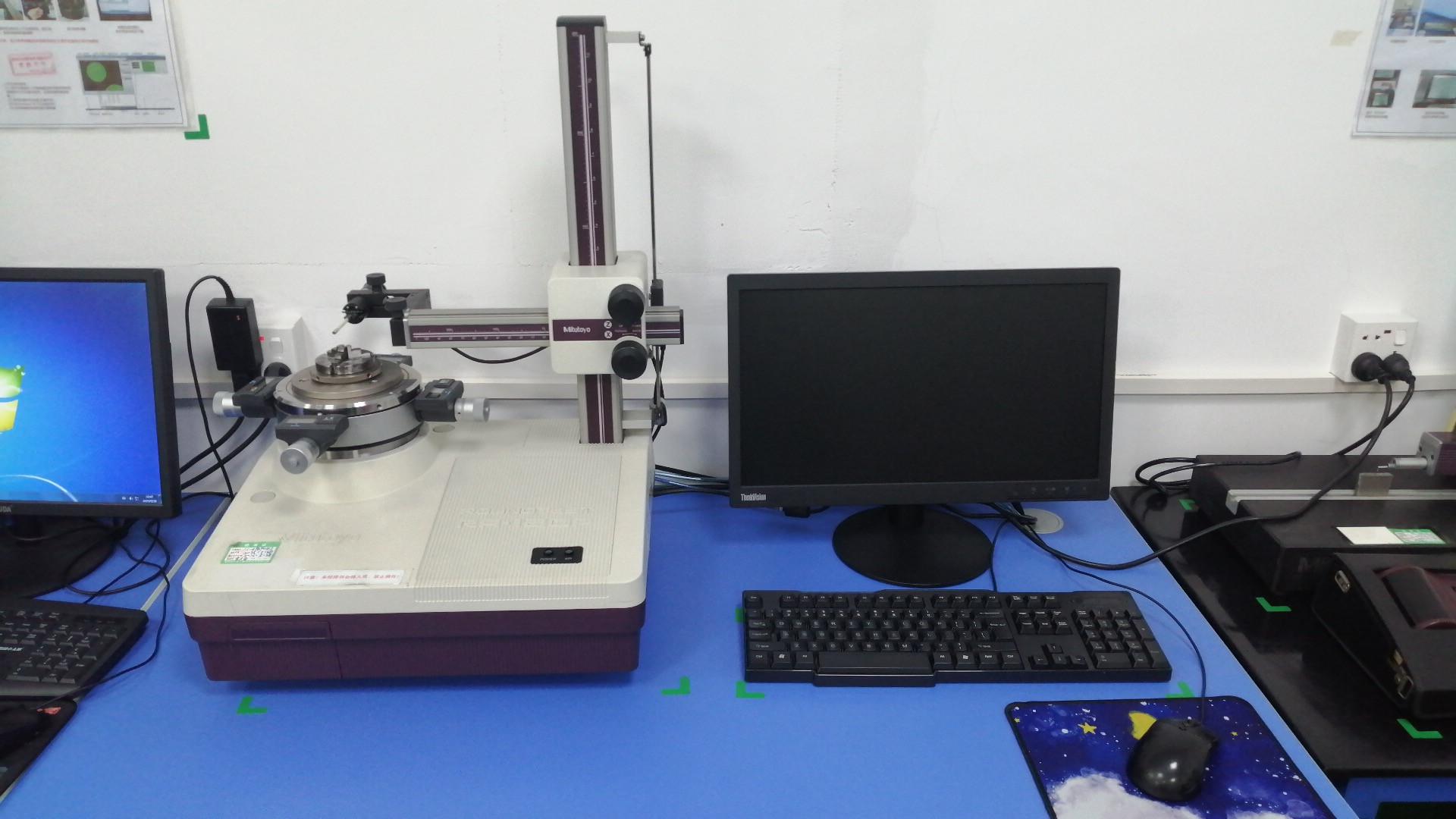
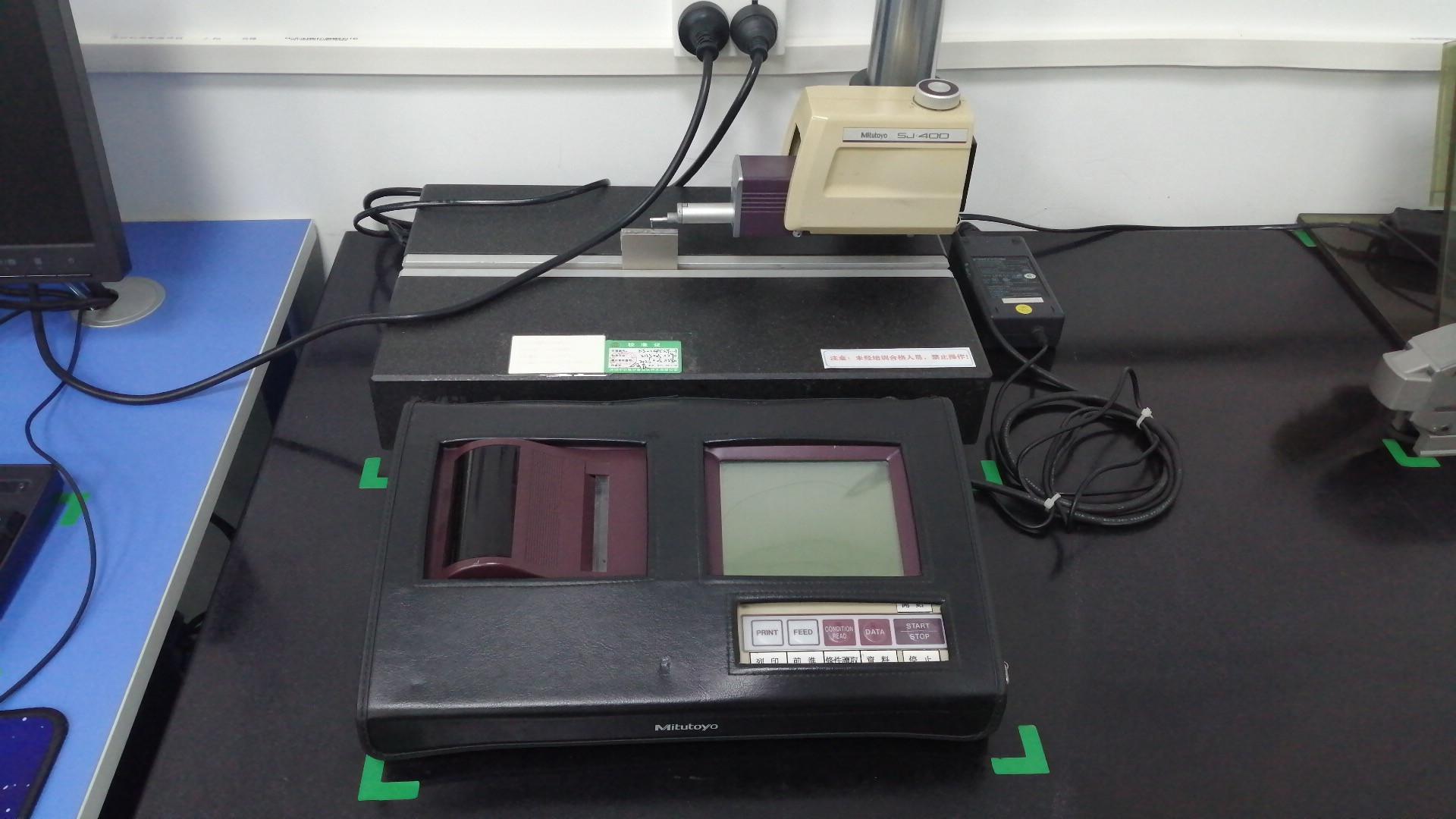
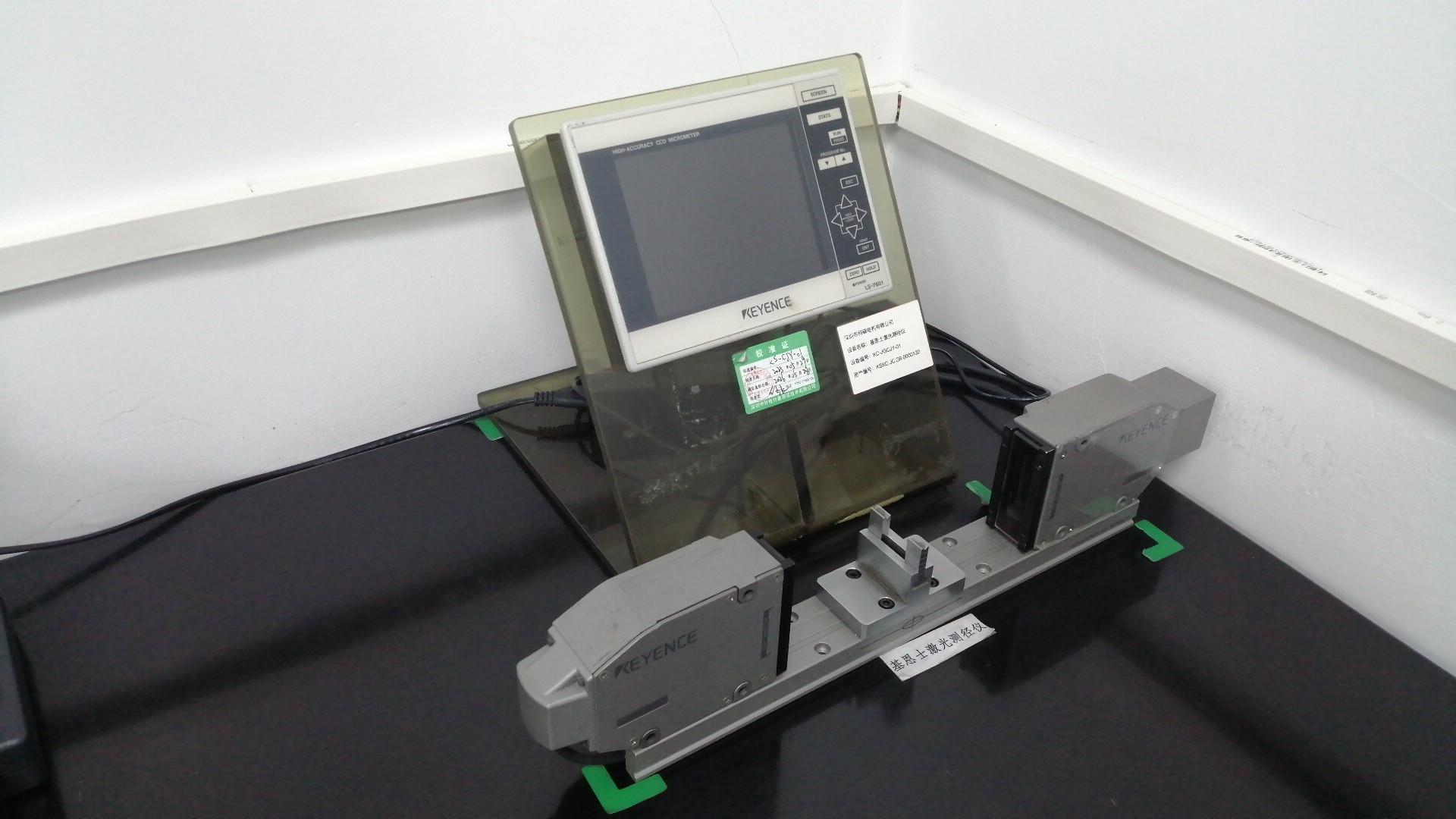
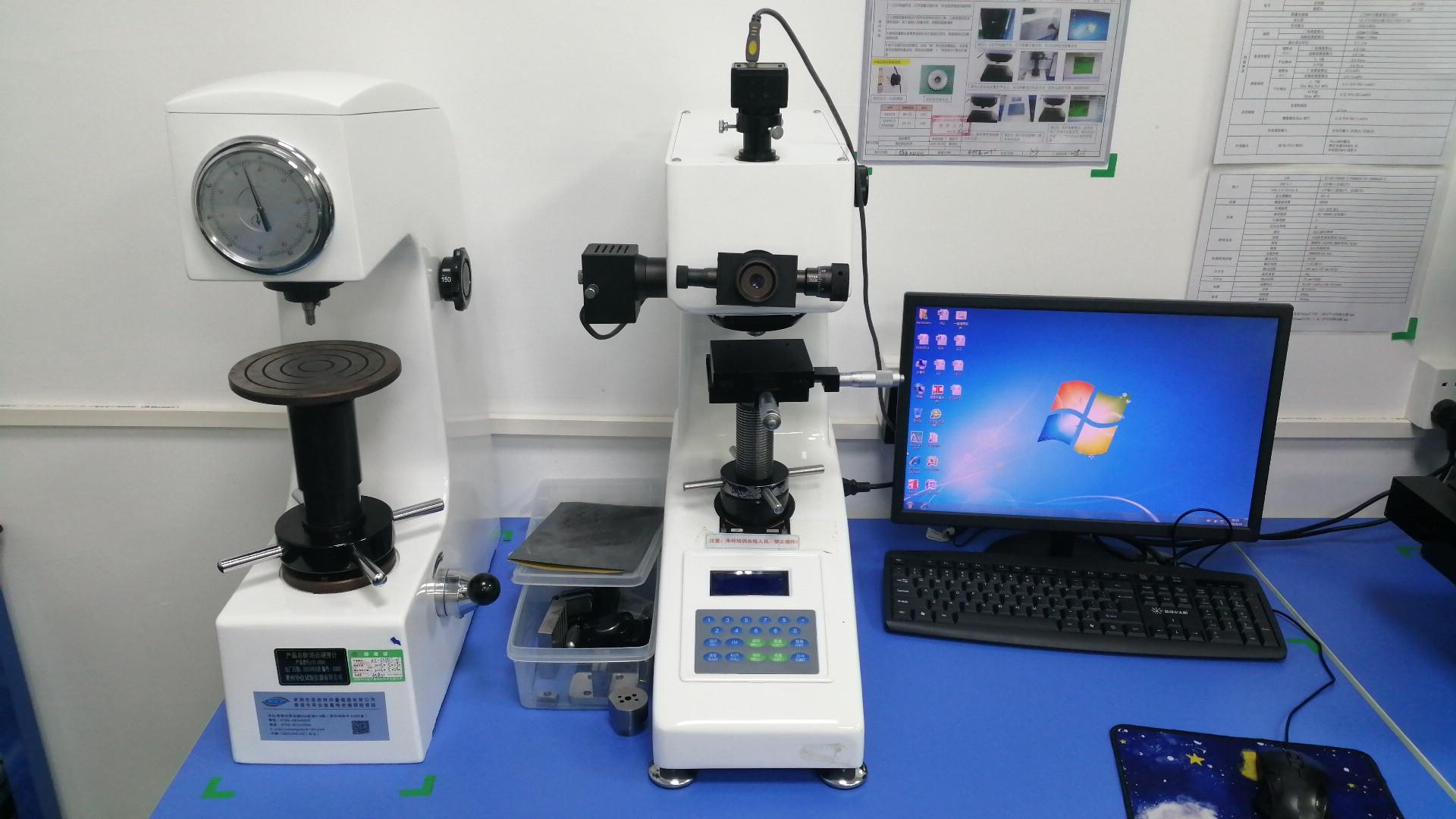
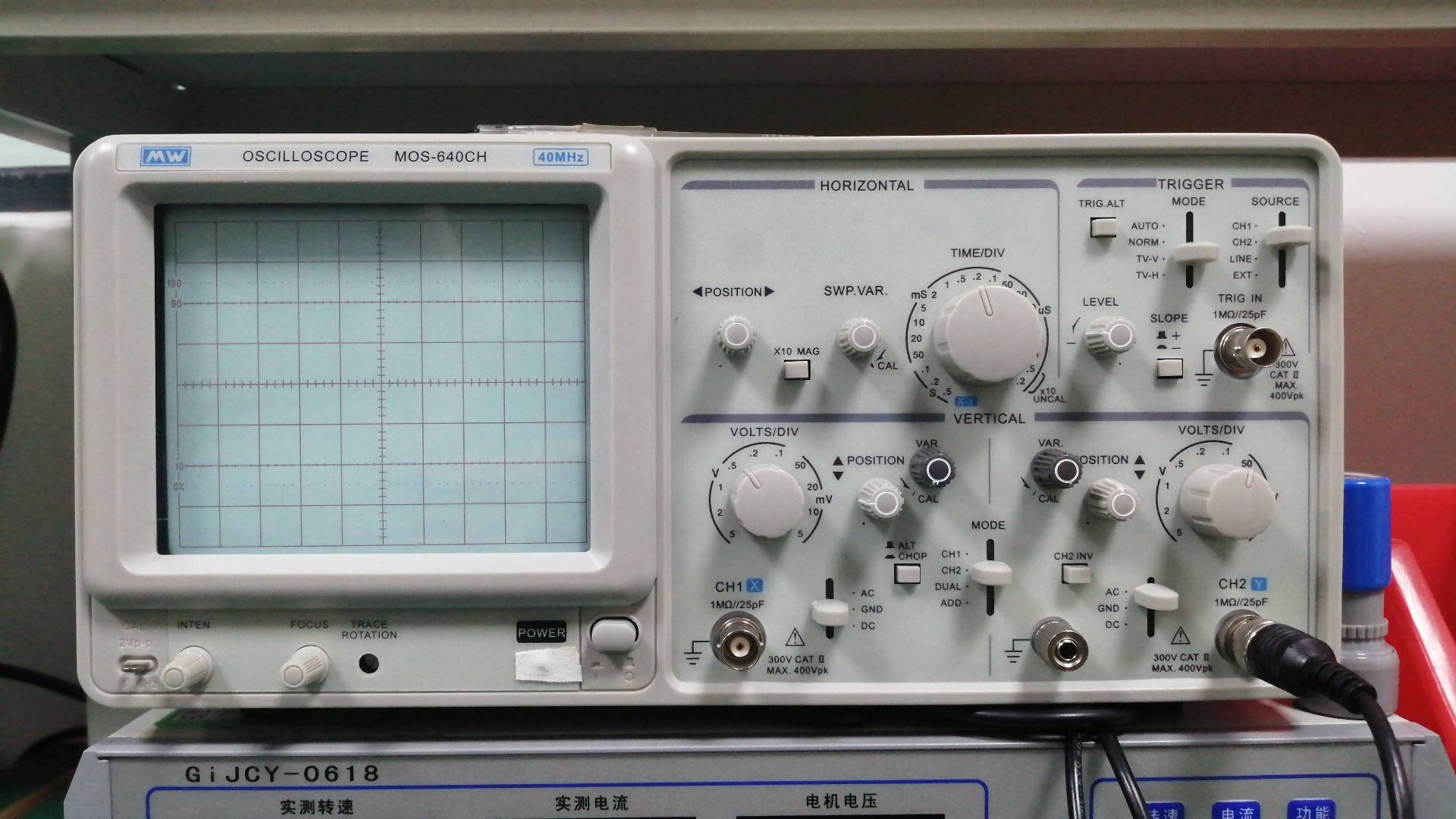
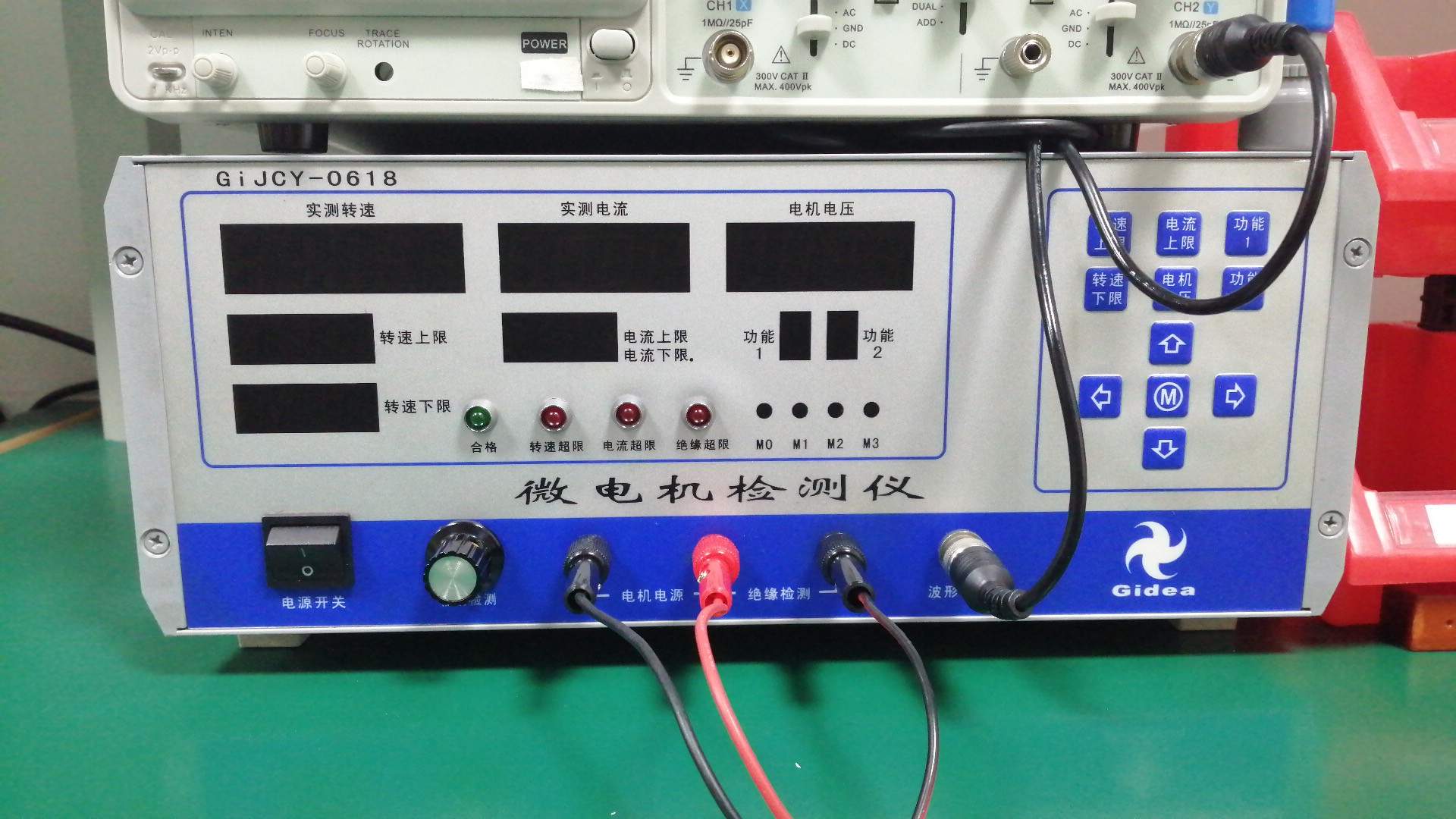
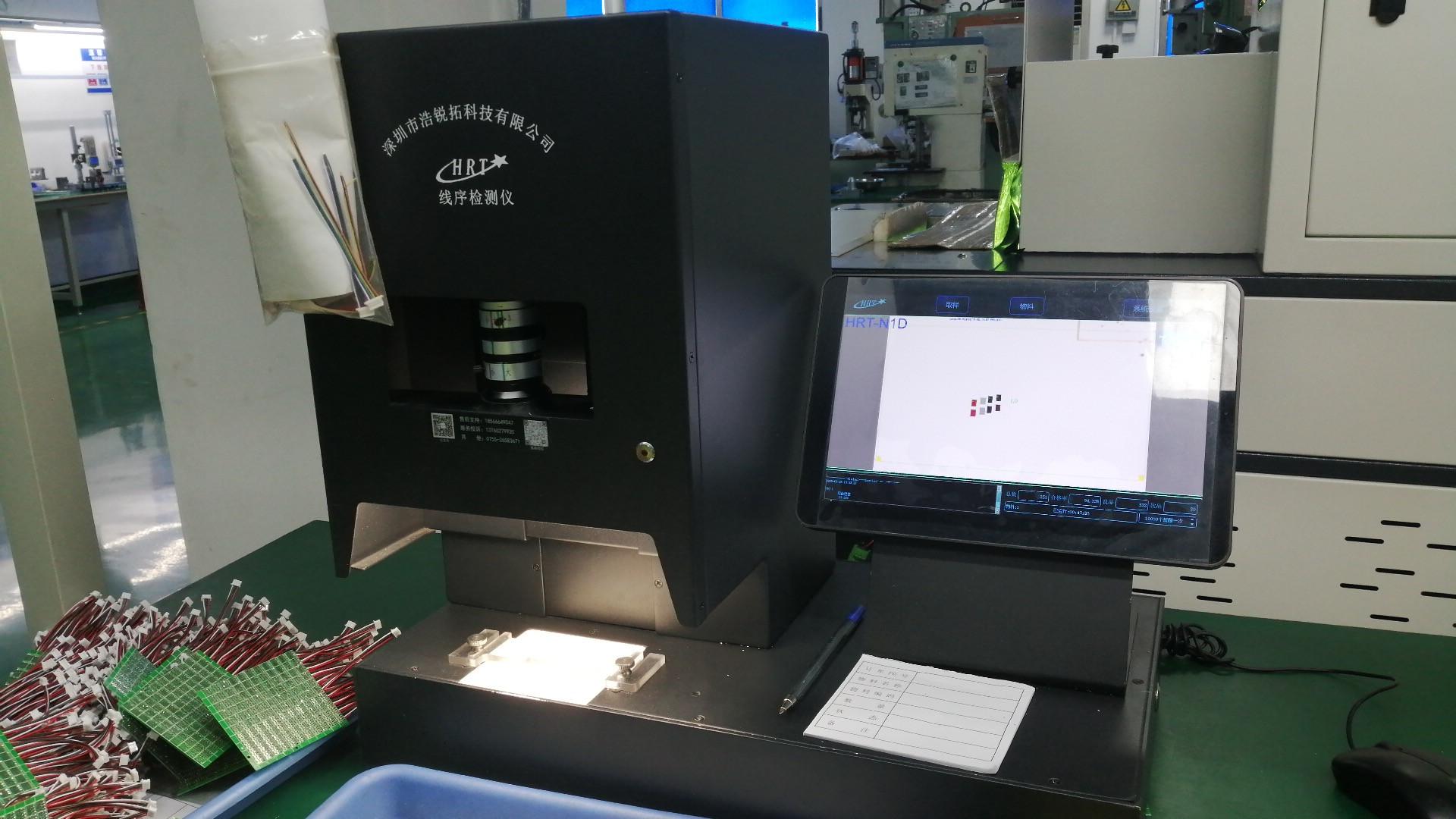
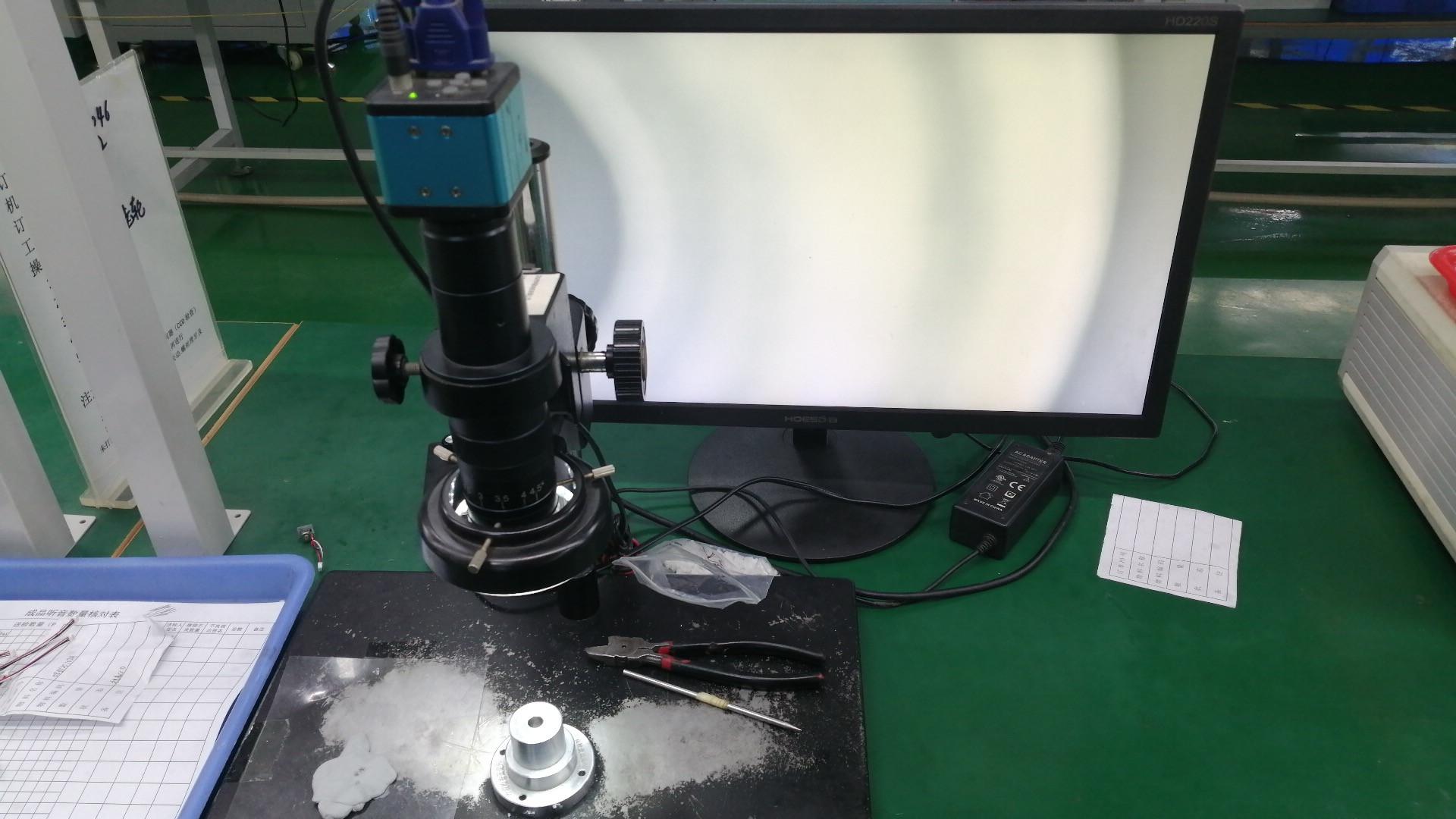
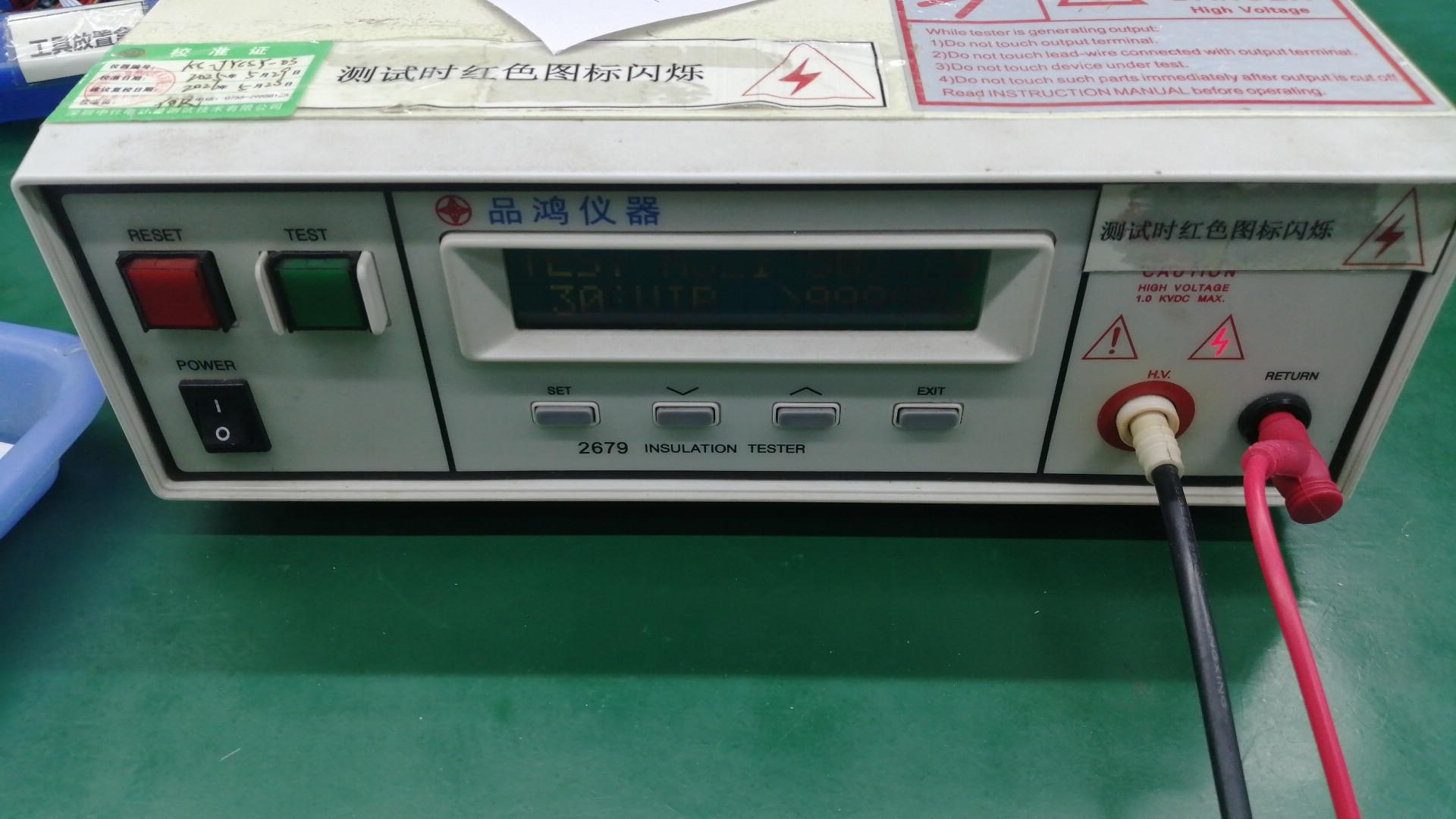
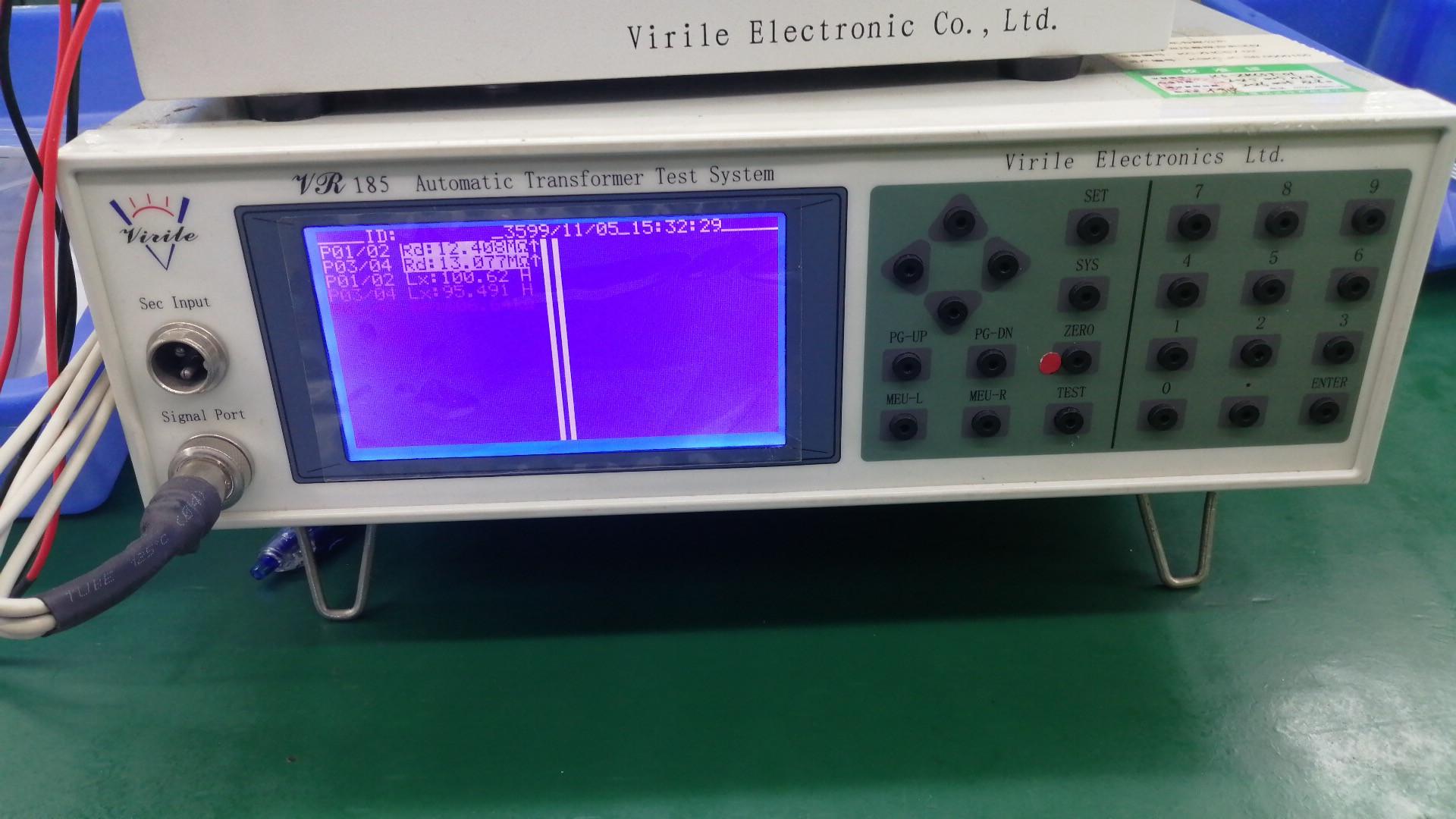
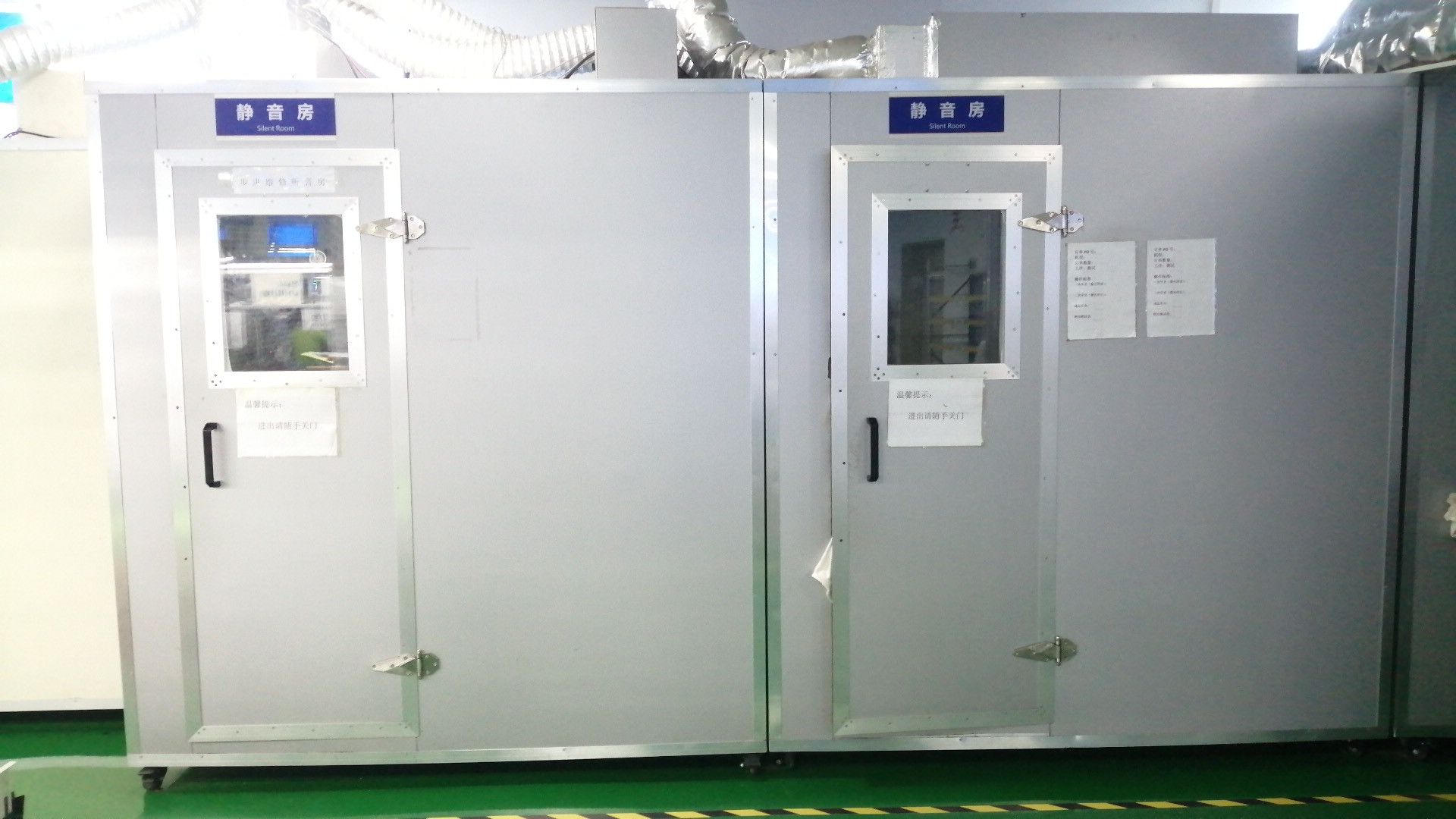
Explore our state-of-the-art Chinese manufacturing plant where Brea Tech Micro Motor designs, tests, and packs precision motion drives.
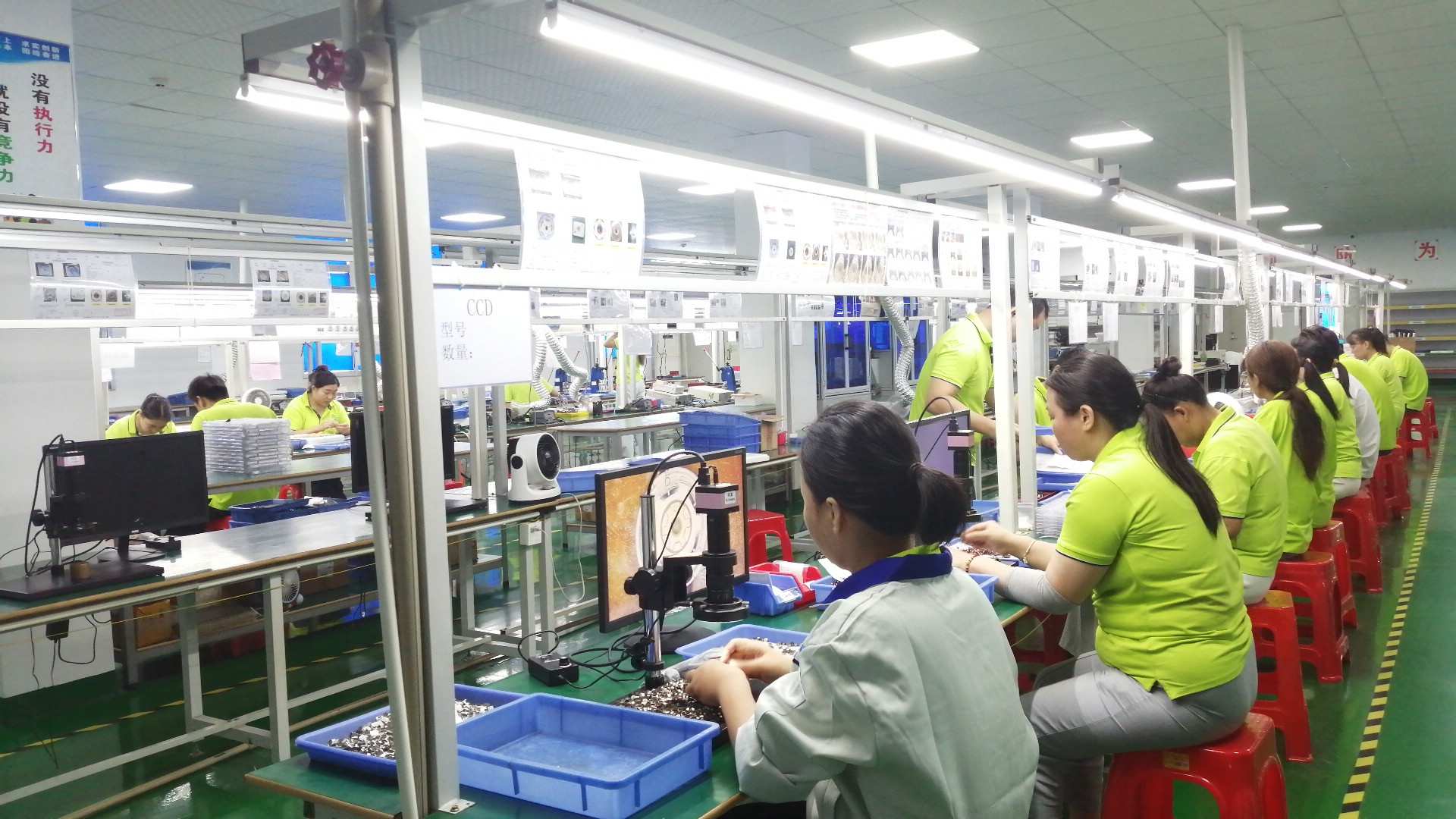
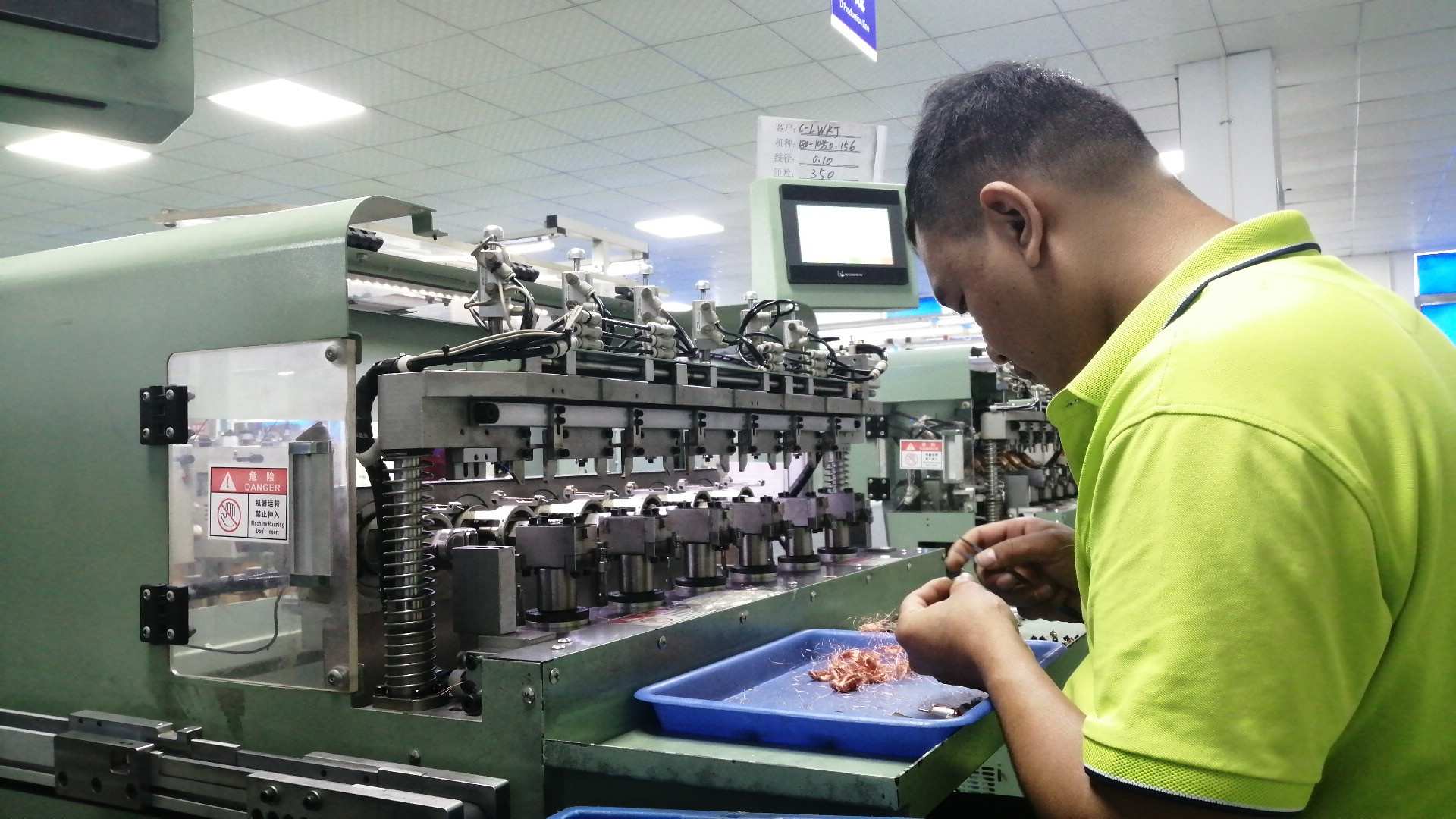
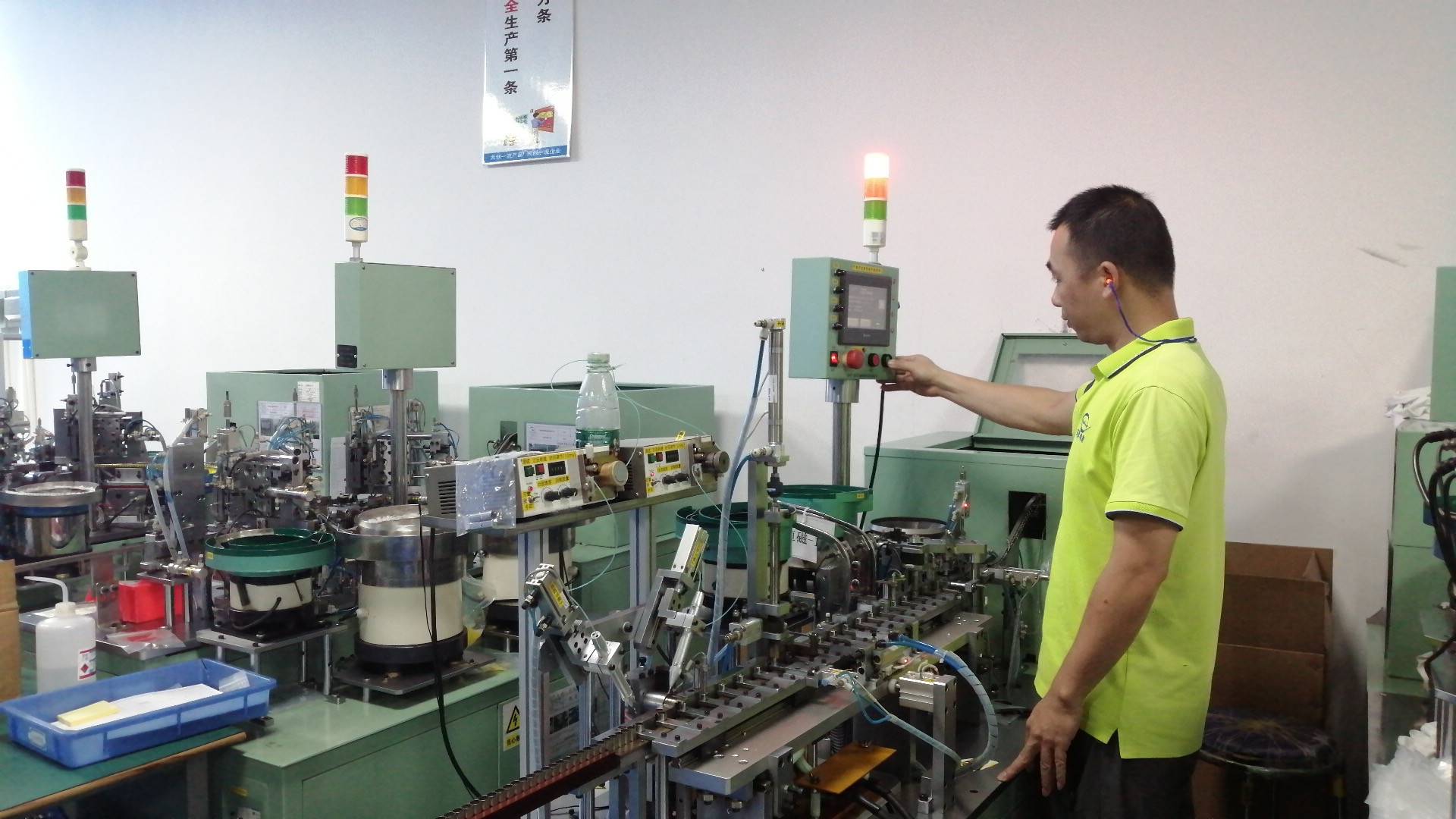
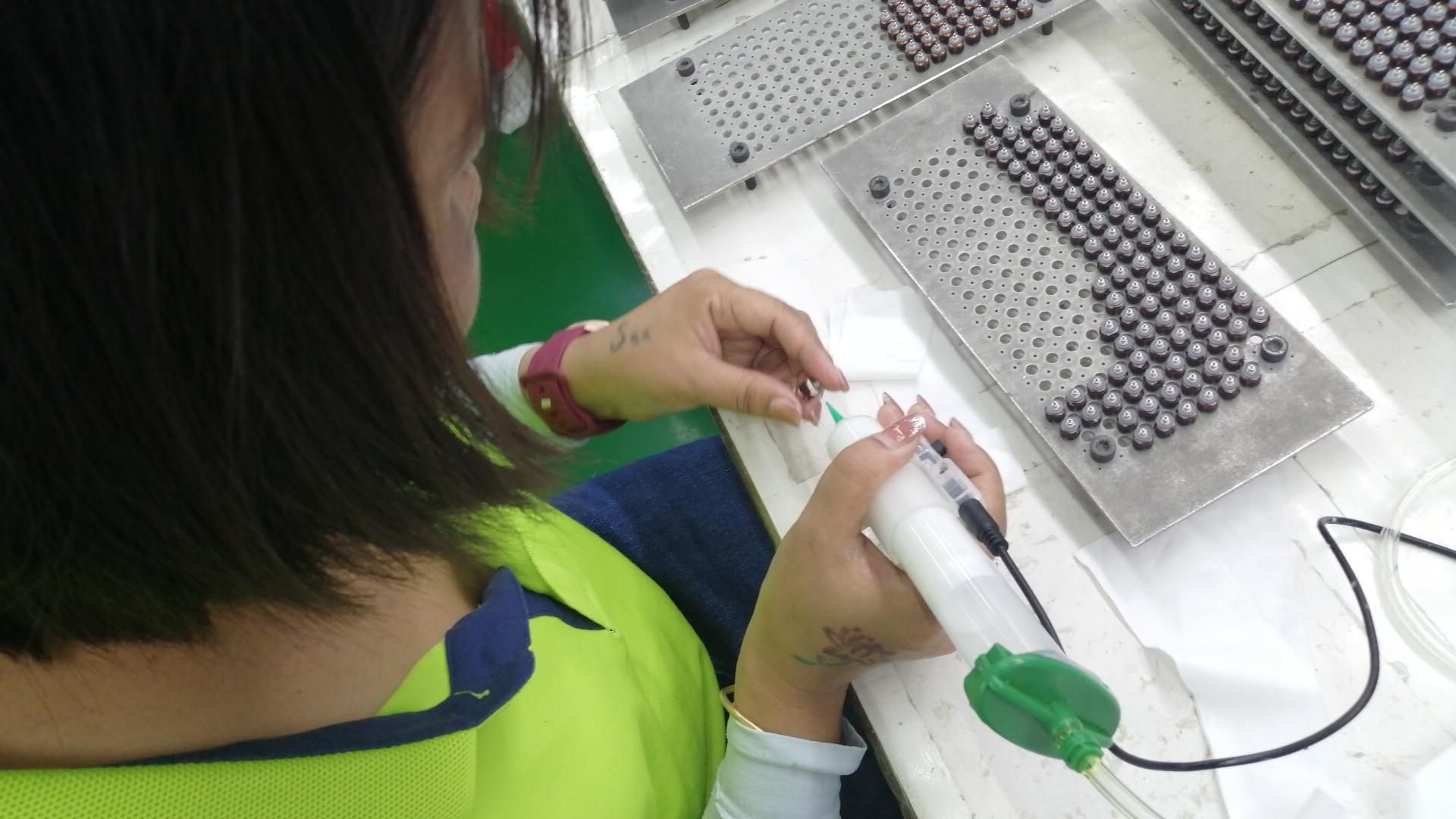
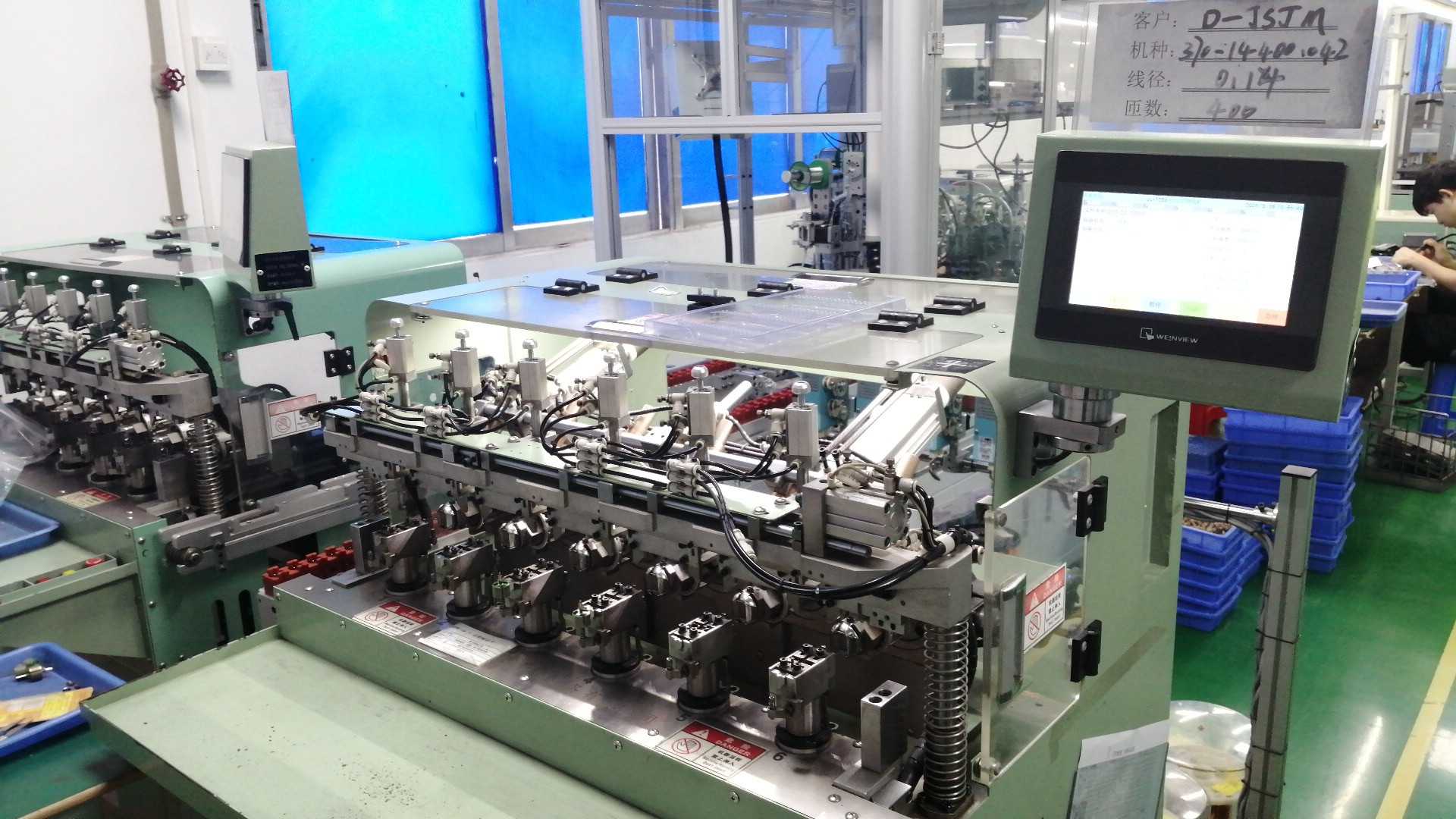
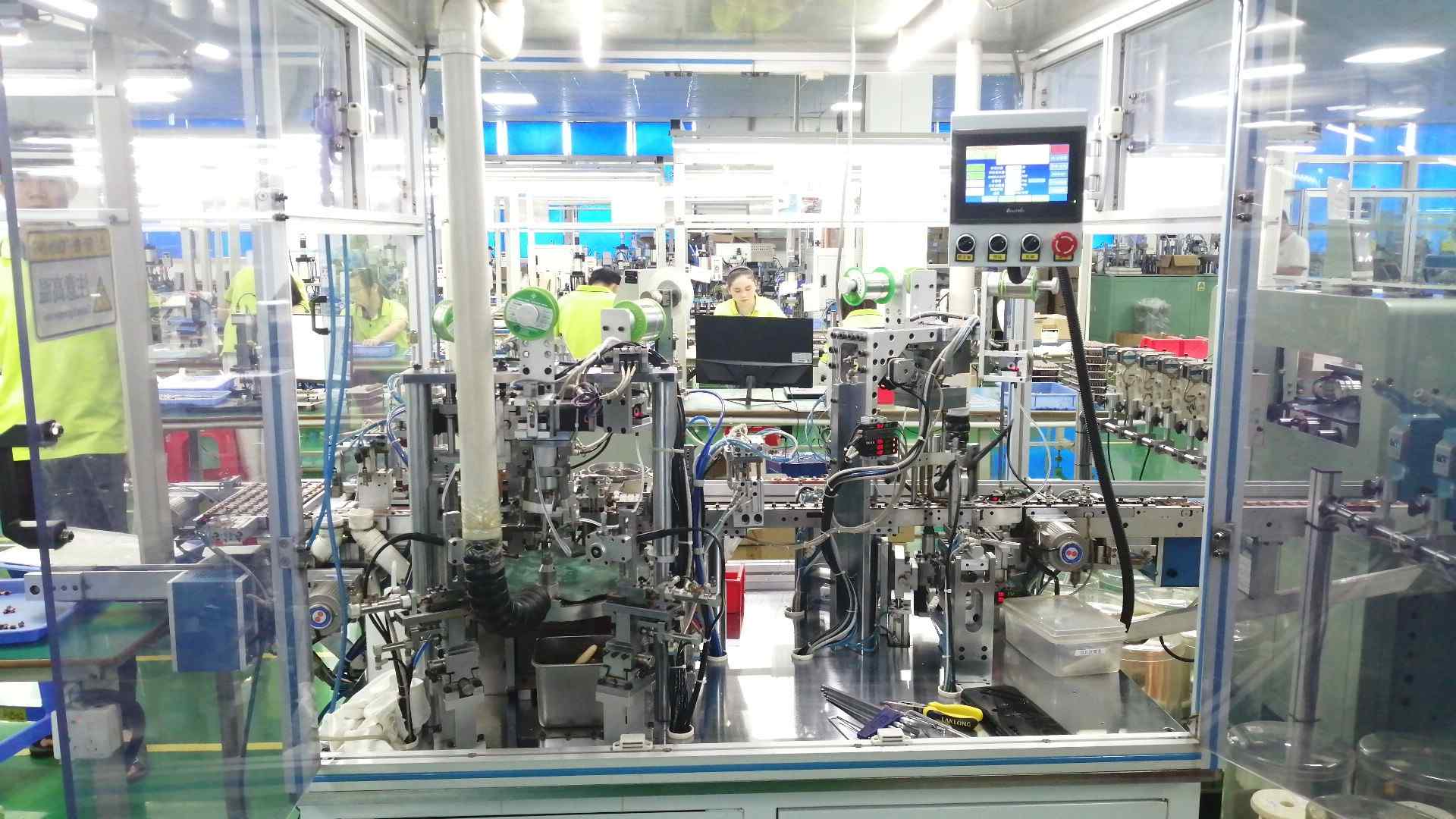
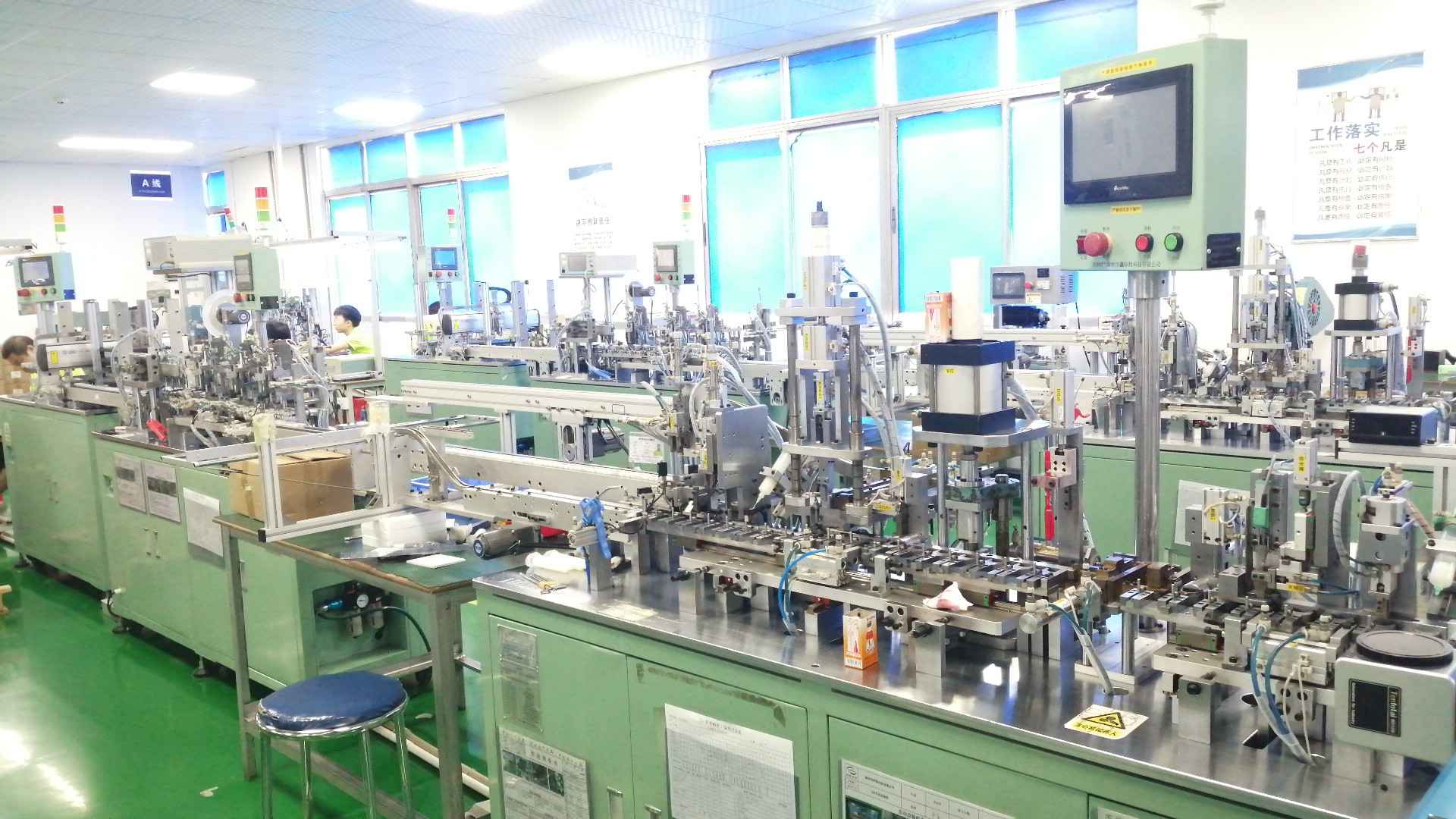
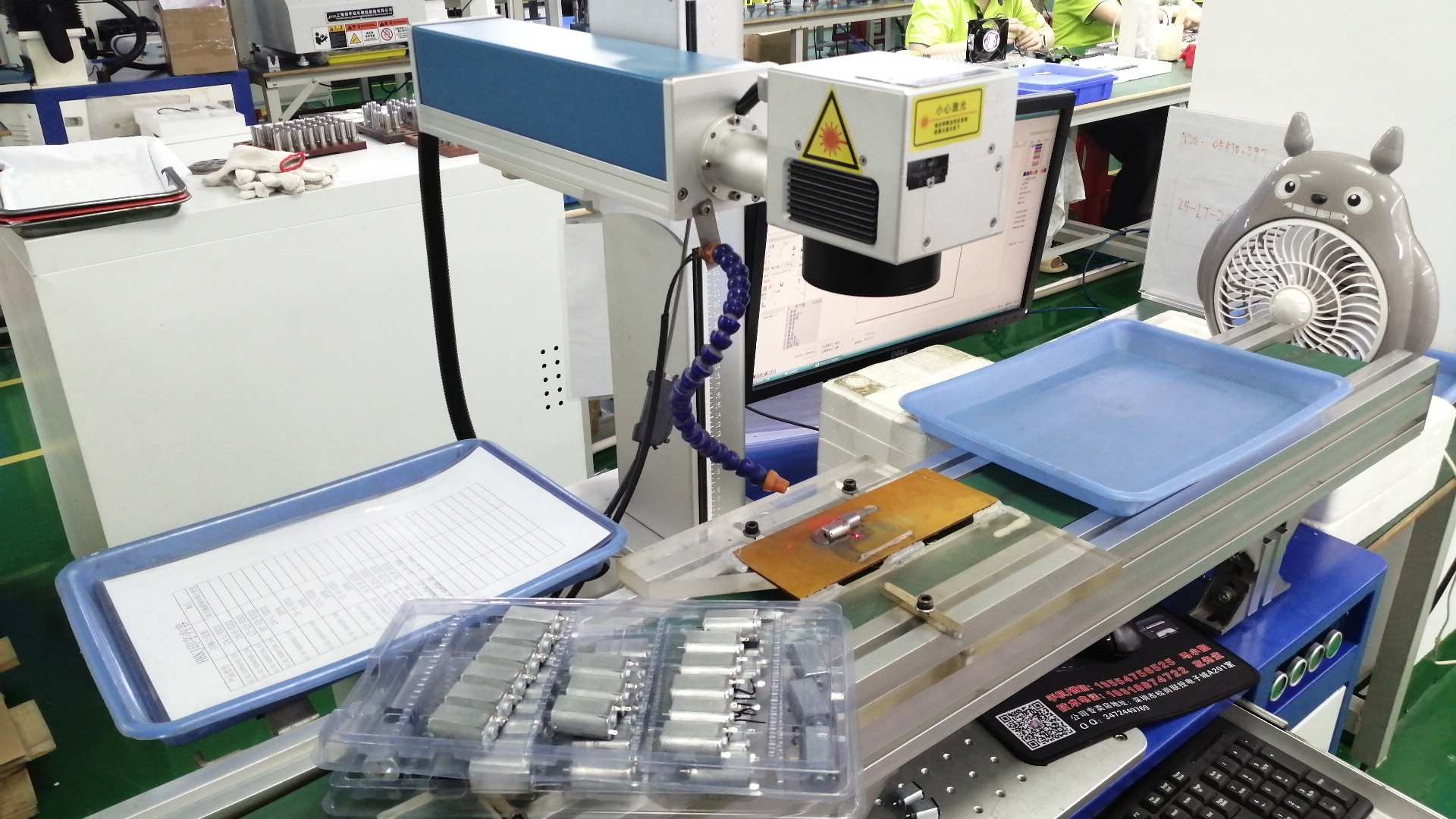
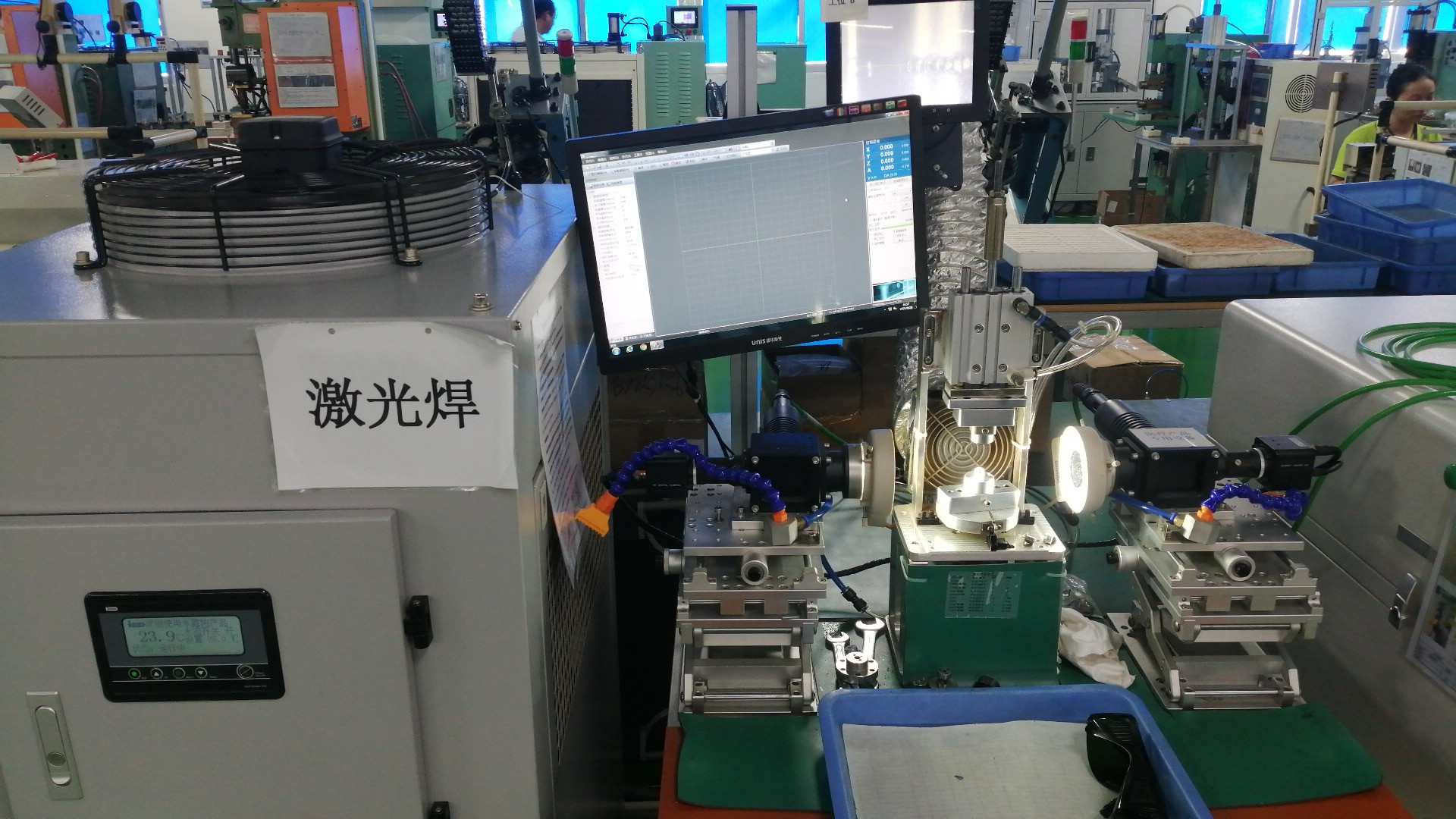
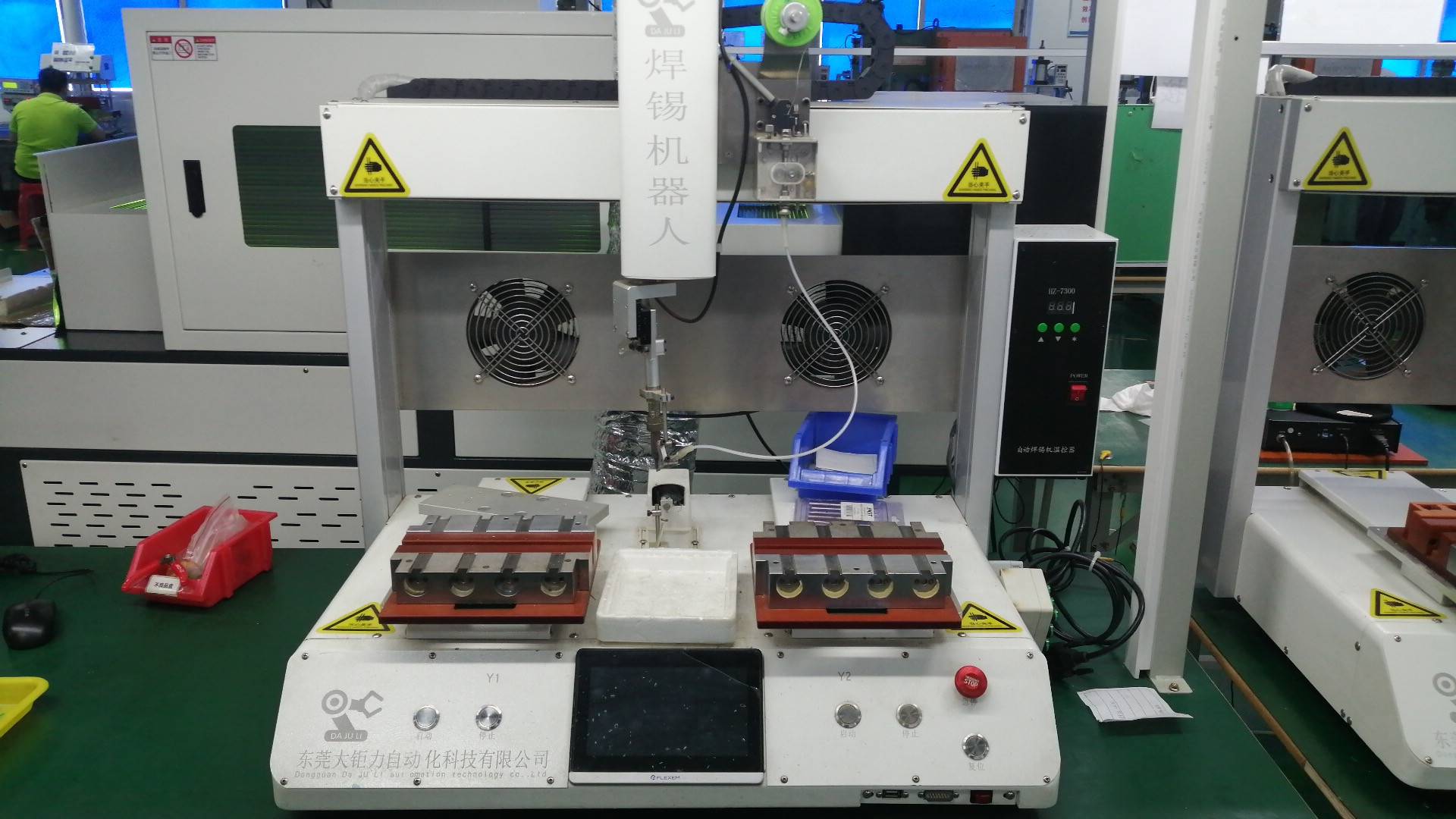
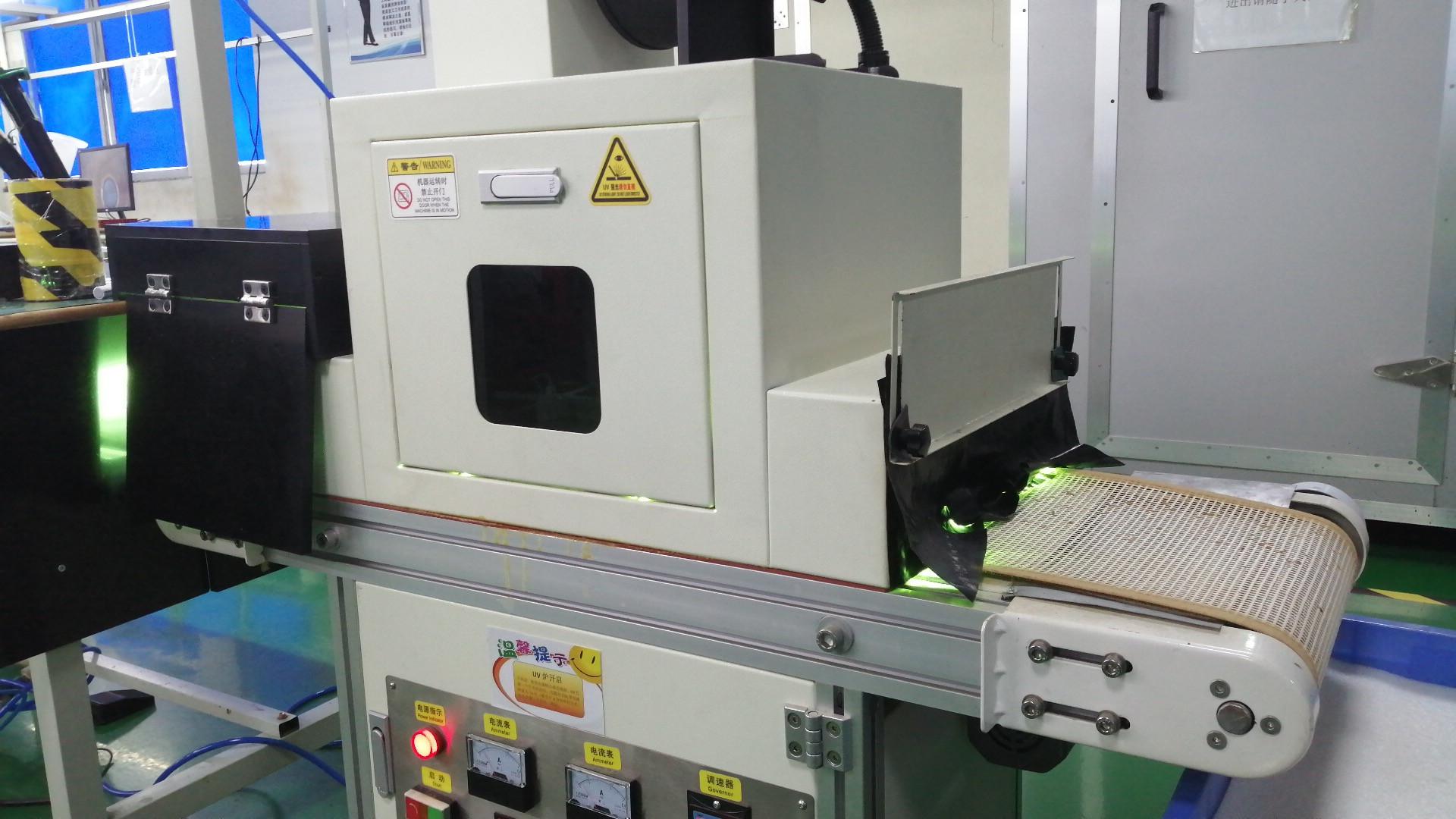
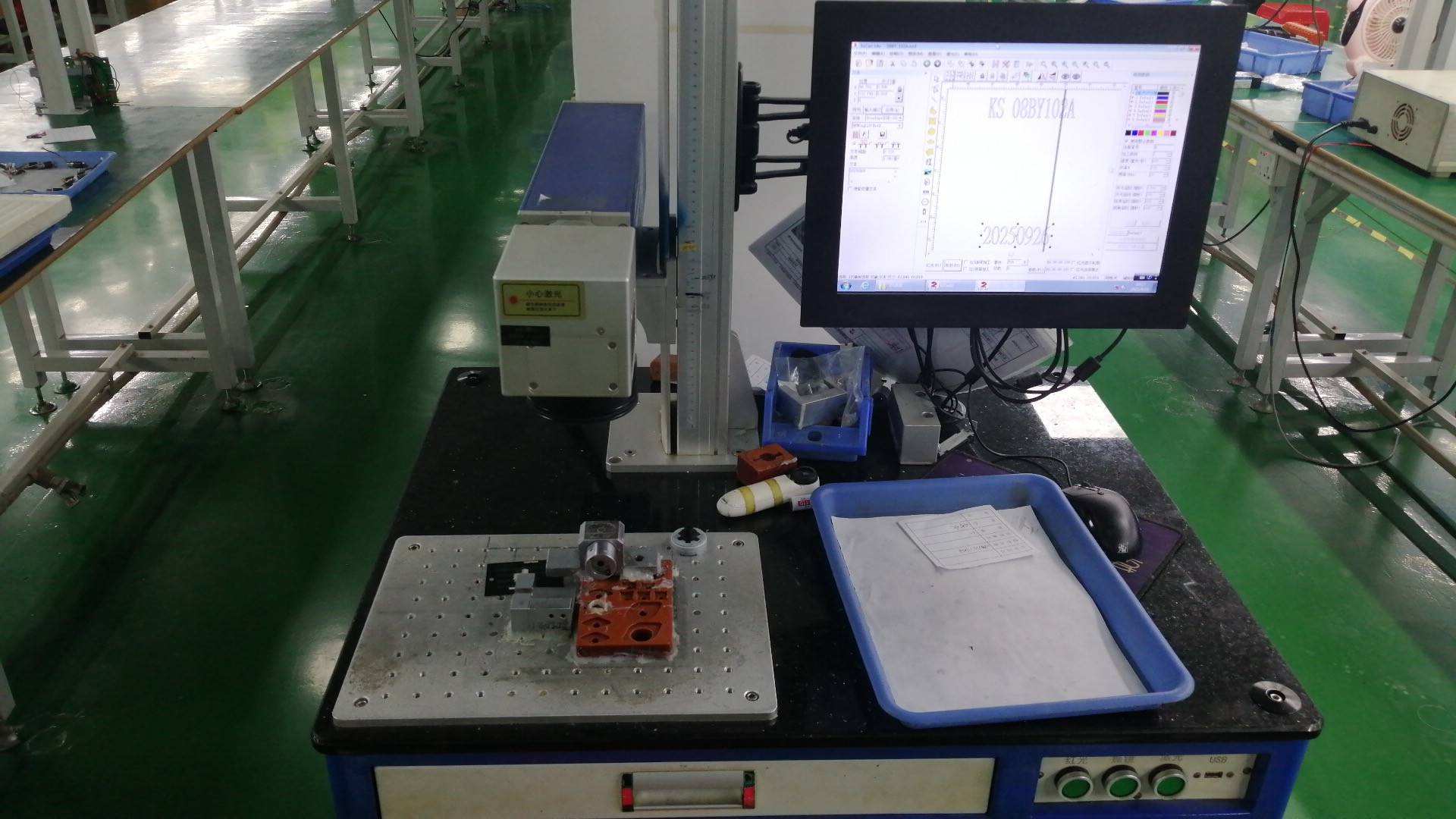
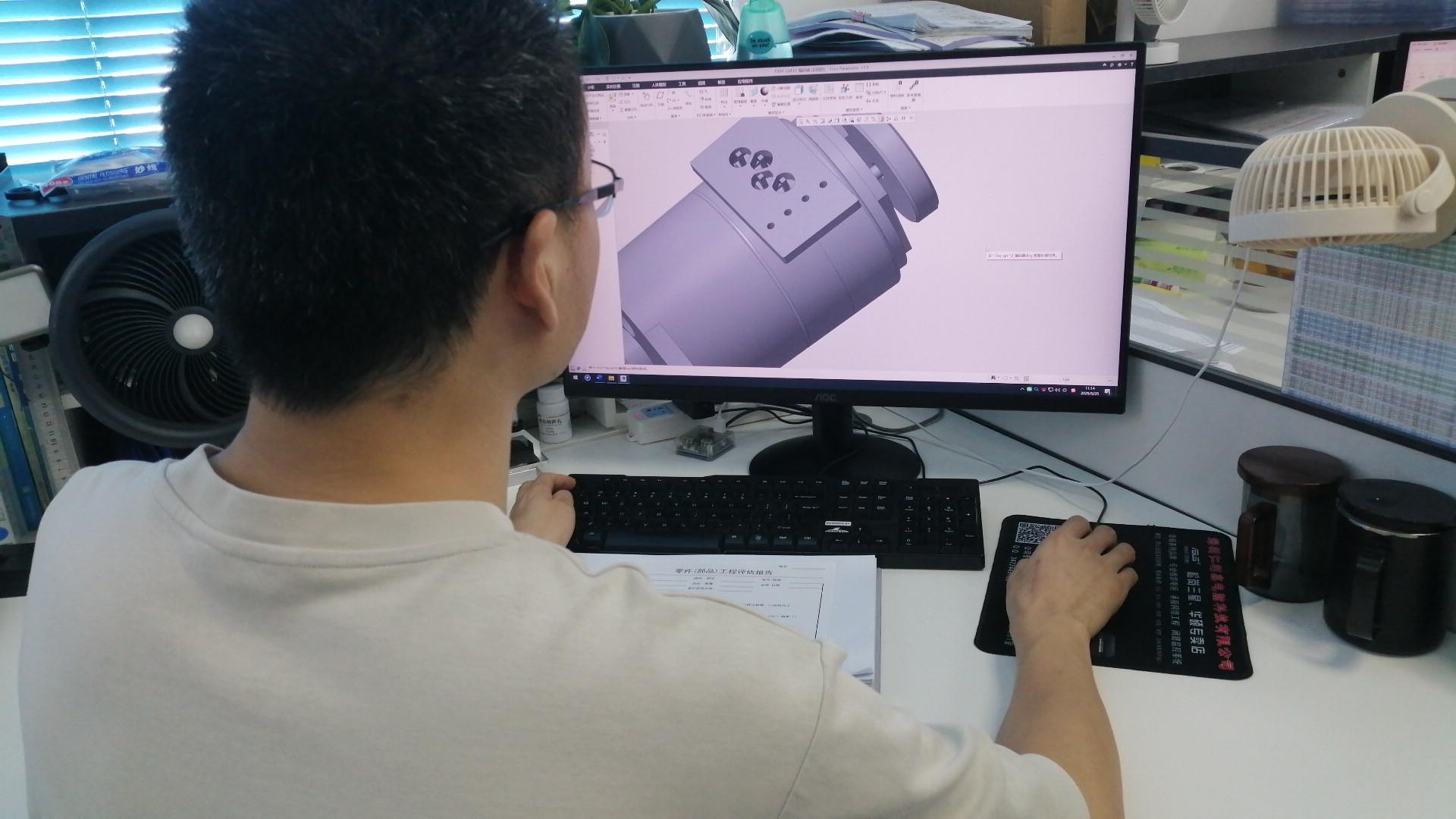
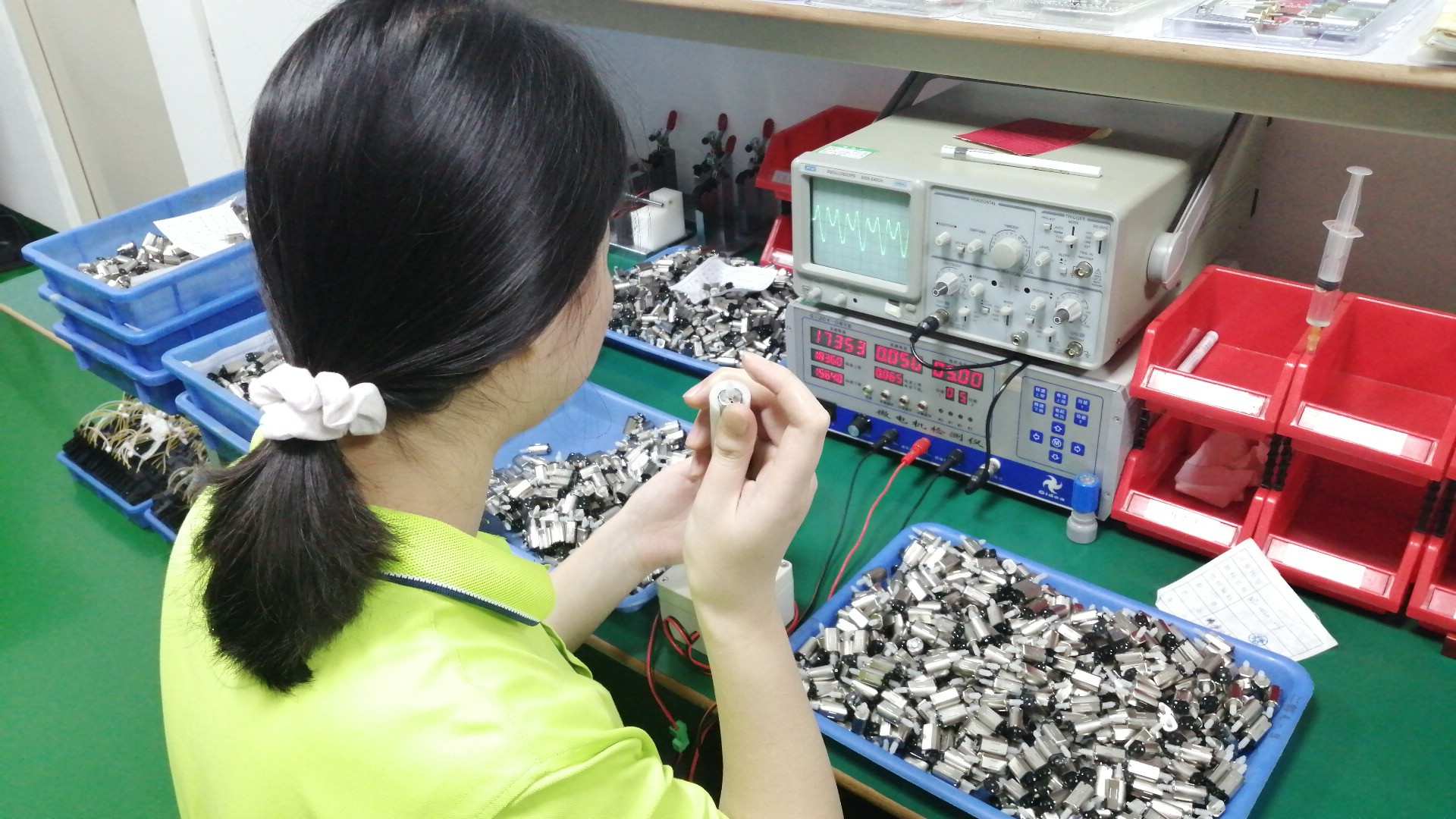
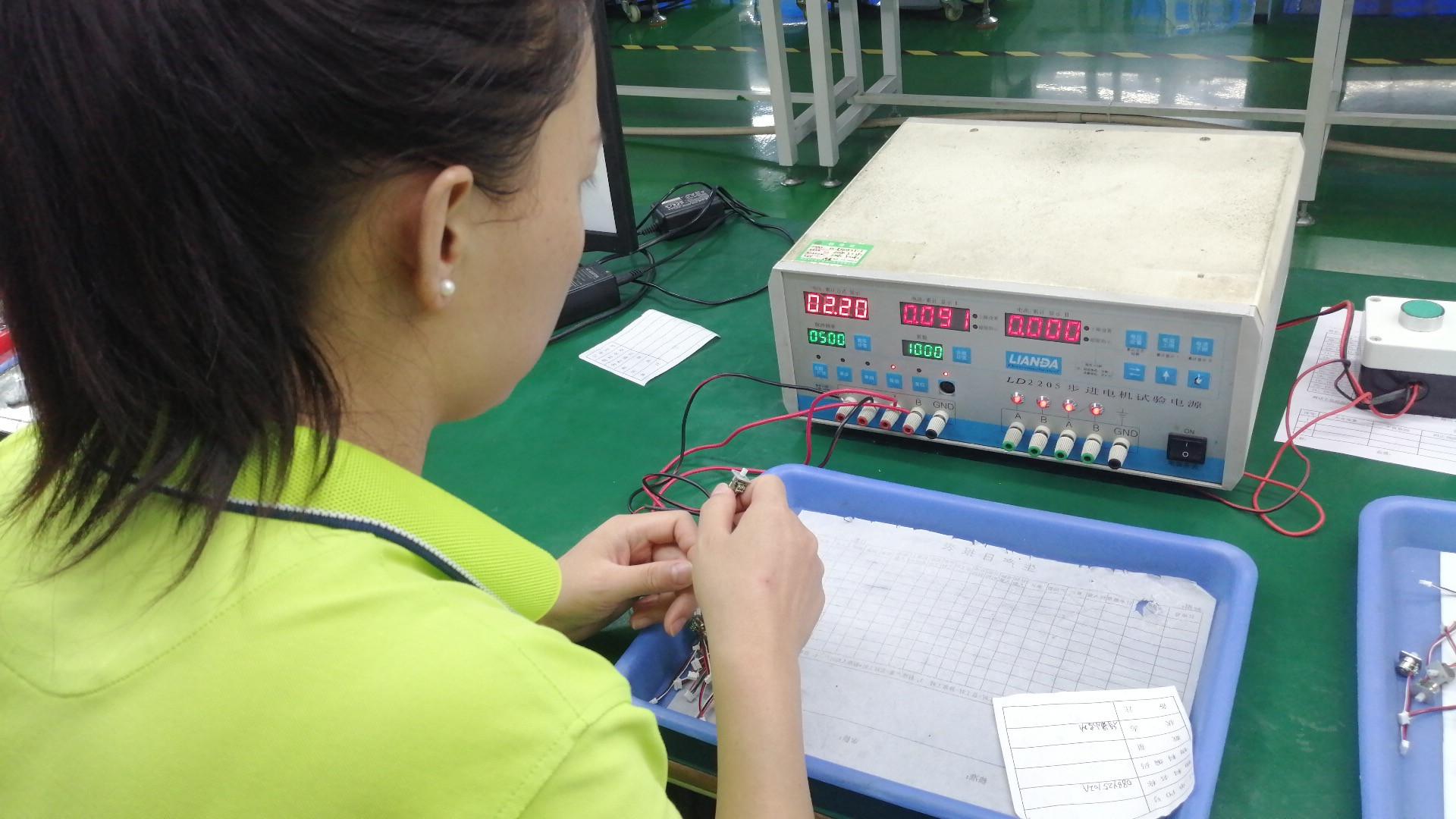
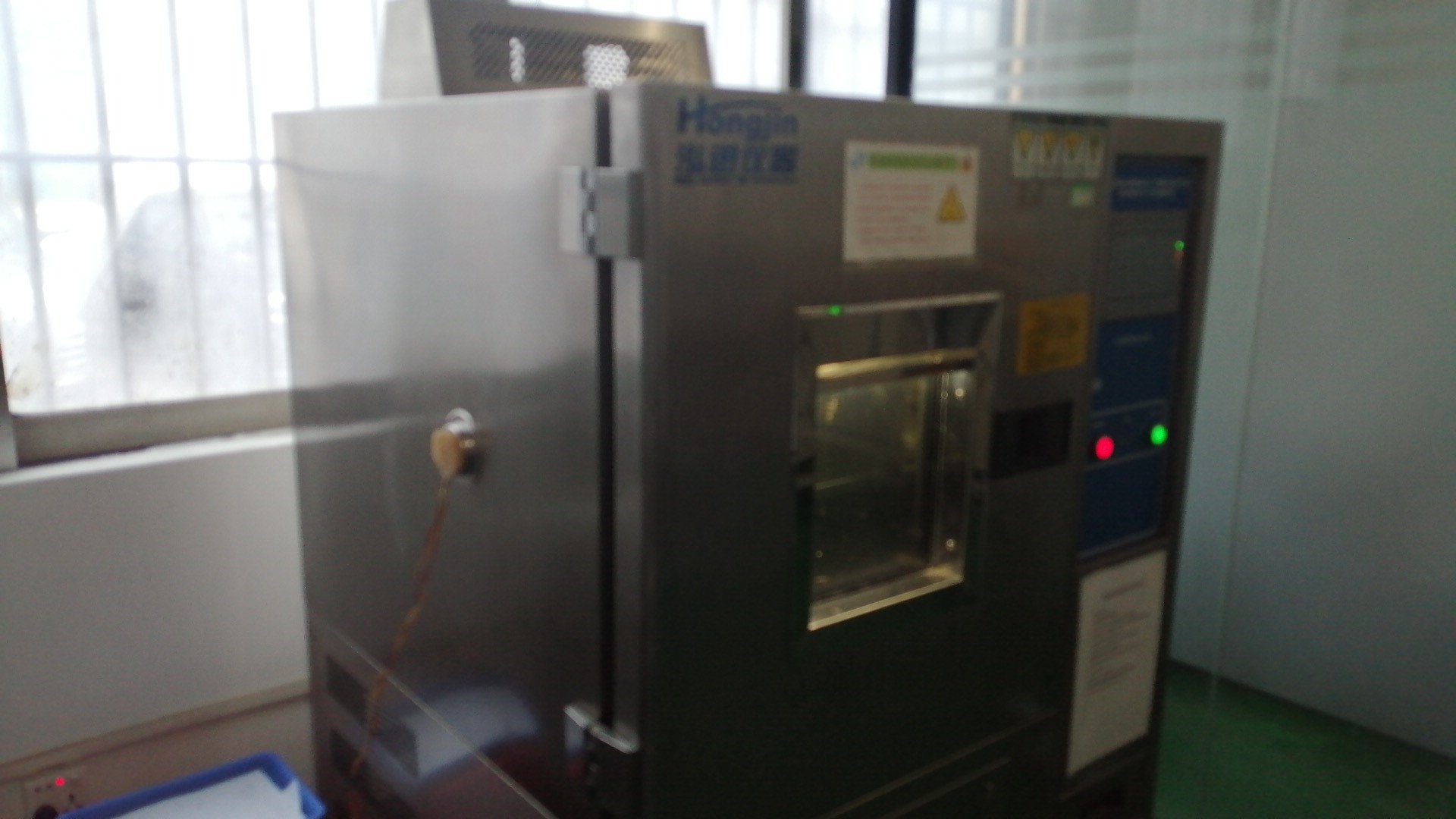
How our custom-built stepper controllers and micro-drives solve real-world engineering hurdles across diverse operational domains.
Medical automation demands whisper-quiet positioning and zero electrical interference. Our NEMA 11 & 14 hybrid actuators coupled with low-noise stepper drivers power syringe pumps, chemical analyzers, and robotic surgical tables where structural reliability prevents critical fluidic delivery failures.
Next-gen automated guided vehicles (AGVs) and collaborative robot joints leverage our high-torque coreless brushless motors and integration-ready stepper controllers. Achieving lightning-fast start-stop transitions ensures seamless high-throughput handling on modern fulfillment warehouse floors.
Micro-machining mills and high-altitude optical assemblies operate in extreme environments. Our stepper systems are certified for thermal resistance, maintaining constant torque profiles and accurate microstepping feedback loops from sub-zero temperatures up to +85°C.
Purchasing components for complex industrial platforms requires strict verification. Sourcing agents and lead hardware engineers should evaluate vendors based on key criteria:
Direct insights from our engineering desk covering microstepping physics, driver configurations, and procurement logistics.
Discover additional standard and customizable motor systems designed for demanding OEM configurations.
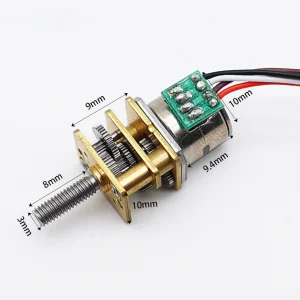
 Brea Tech Micro Motor