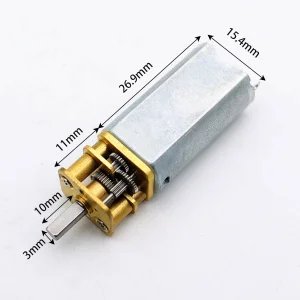
Brea Tech Micro Motor is a forward-thinking Chinese manufacturer redefining precision motion control in the micro-drive industry. We design and build high-efficiency micro DC and BLDC motors that power next-generation technologies worldwide.
Driven by our core philosophy—Top Quality & Customization—we combine advanced manufacturing tech with flexible engineering to provide global B2B clients with the transparency of a local partner and the cost benefits of a premier Chinese factory. Built to last. Engineered to fit.
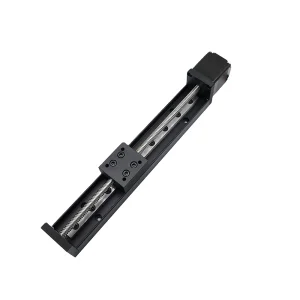
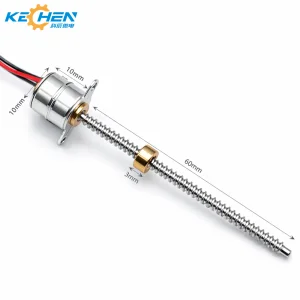
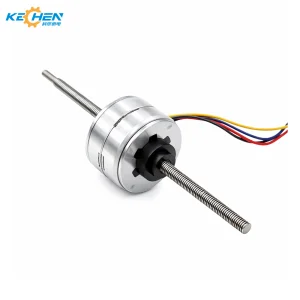
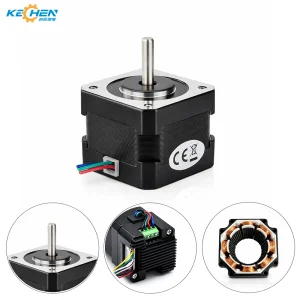
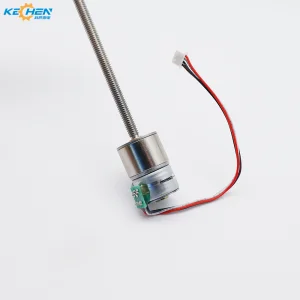
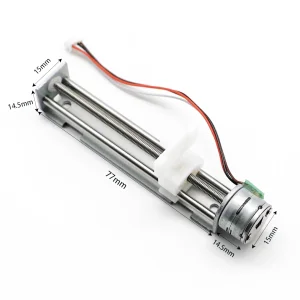
Explore our premium grade micro-stepper and actuator solutions, engineered for surgical-level precision, optical devices, and automated smart locks.
In the contemporary industrial and consumer landscape, mechanical systems are undergoing an unprecedented shift toward silent automation. The global market demand for low-noise micro DC, brushless (BLDC), and precision stepper motors is driven by a societal transition to human-centric environments and highly sensitive clinical laboratories. Traditional motors, which were primarily judged by raw power and speed, are no longer acceptable in systems where noise pollution, high structural vibration, or acoustic resonance compromises functionality.
Statistically, the market value for whisper-quiet micro-drives is expected to grow at a compound annual growth rate (CAGR) of over 6.5% through 2030. This growth is underpinned by strict occupational health directives (such as OSHA guidelines and European Union noise emissions policies) limiting operating noise in workspaces, laboratories, and residential applications. The acoustic output of a device is now directly correlated to its perceived product quality, mechanical efficiency, and lifespan. High vibration profiles signify premature bearing wear, winding imbalance, and energy dissipation. Consequently, global tier-1 OEMs treat low decibel ratings not as a secondary luxury, but as a mandatory, core performance indicator.
Acoustic excellence in micro-drive design is achieved by systematically neutralizing the three primary noise sources: electromagnetic, mechanical, and aerodynamic. Electromagnetic noise, often experienced as high-pitch whine, is mitigated through optimal stator slot and rotor pole geometry, along with continuous sine-wave commutation algorithms. Mechanical noise, which presents as a low-frequency hum, is controlled through precision dynamically balanced rotors, micro-finished journal bearings, and premium quality synthetic damping lubricants. Aerodynamic noise is minimized by designing internal cooling pathways to reduce turbulent airflow within the motor housing. Engineers sourcing motors must analyze these variables relative to their mounting configurations, as the structural substrate of the end product can act as a soundboard, amplifying small vibrations into audible drone.
The applications for high-efficiency, low-noise micro motors span across multiple specialized high-tech domains. Each sector demands unique custom shaft geometries, electrical configurations, and feedback mechanism integrations:
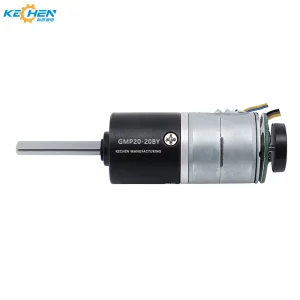
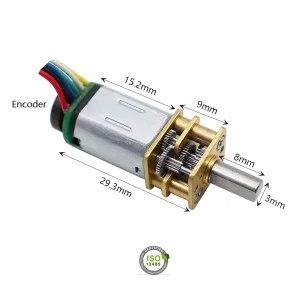
Infusion pumps, peristaltic liquid handlers, and portable ventilators depend on absolute silence to safeguard patient comfort during recovery. Constant, rhythmic noise in critical care units contributes to sleep disruption and clinical stress. Advanced BLDC gearmotors with integrated encoders guarantee precise dosage control under 35dB.
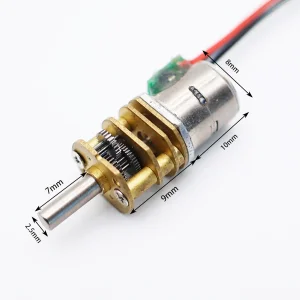
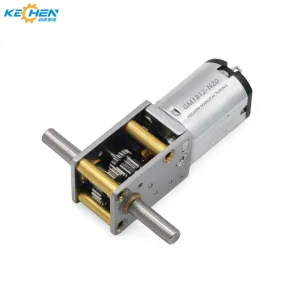
Smart home applications like motorized blinds, video conferencing cameras, and intelligent door locks demand seamless silent operation. A door lock operating at a high pitch is perceived as cheap or unreliable. High-torque mini geared motors with low-friction polymer gearboxes provide high breakout force quietly.
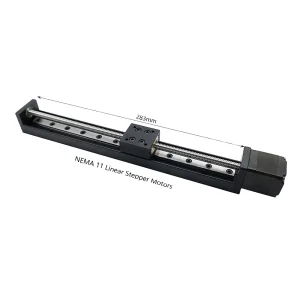
High-end PTZ surveillance systems, 3D printers, and CNC laser positioning equipment rely on micro-stepper motors with micro-stepping drives to avoid mechanical resonance. Reducing mechanical jitter prevents imaging blur and ensures smooth linear movement down to micron resolutions.
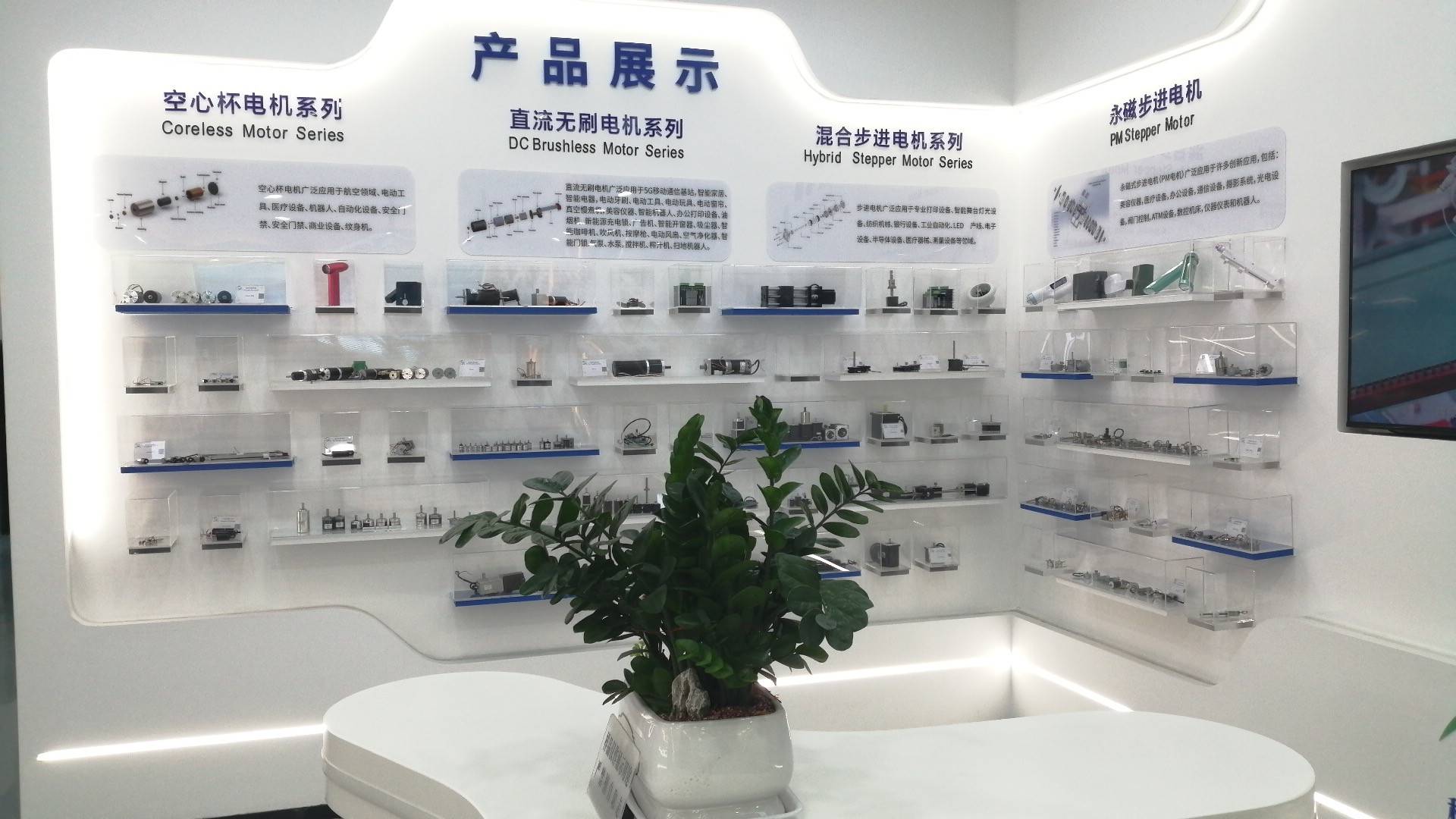
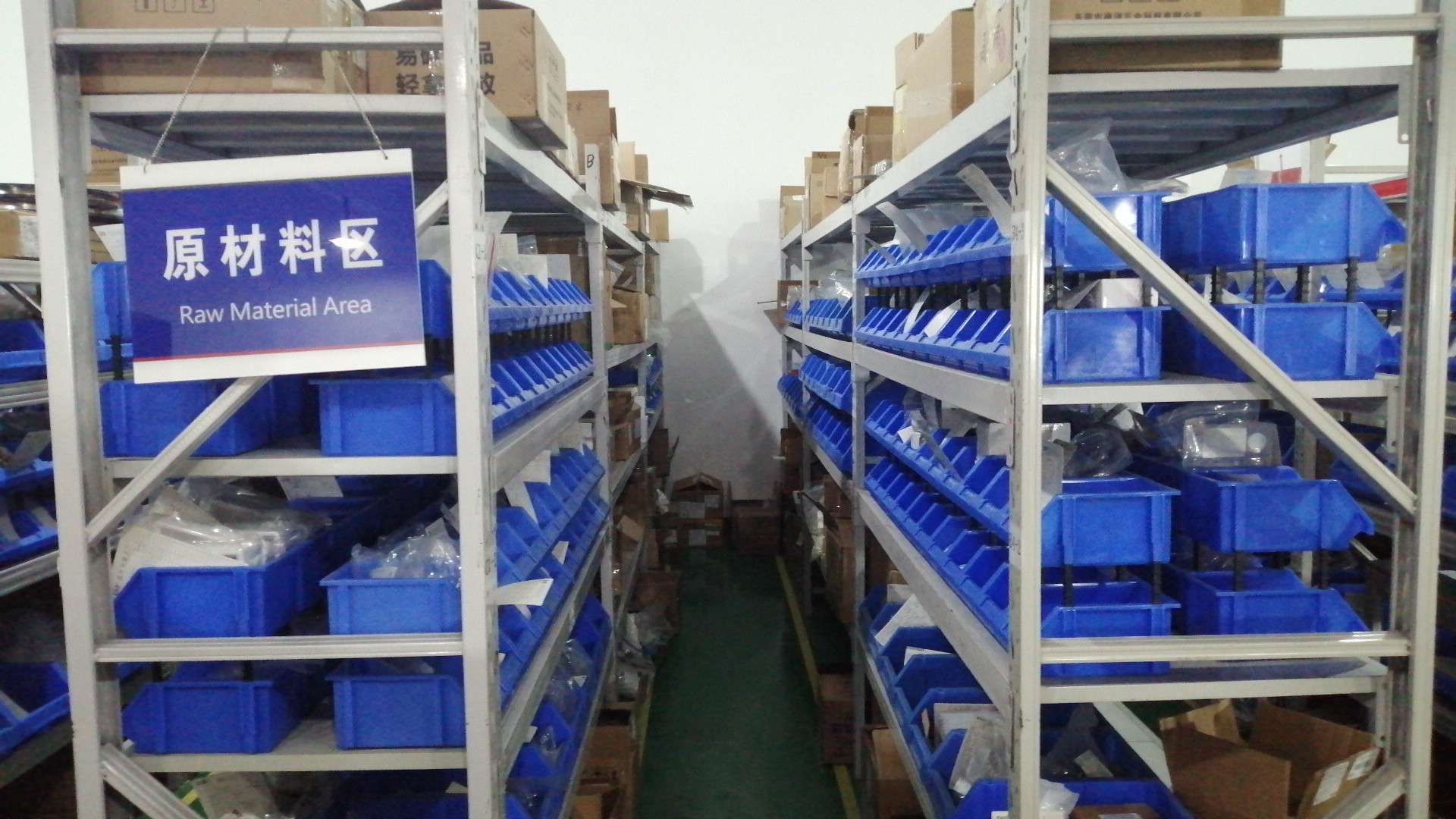
At Brea Tech Micro Motor, we synthesize the best of both worlds: Chinese industrial agility and world-class engineering quality. Sourcing micro motors from our state-of-the-art facility in Dongguan provides a significant competitive edge to B2B purchasers. The localized ecosystem in Southern China allows us to source raw materials—such as high-coercivity rare earth permanent magnets, premium silicon steel laminations, and Japanese-imported carbon brushes—with minimal lead time and lower shipping overheads.
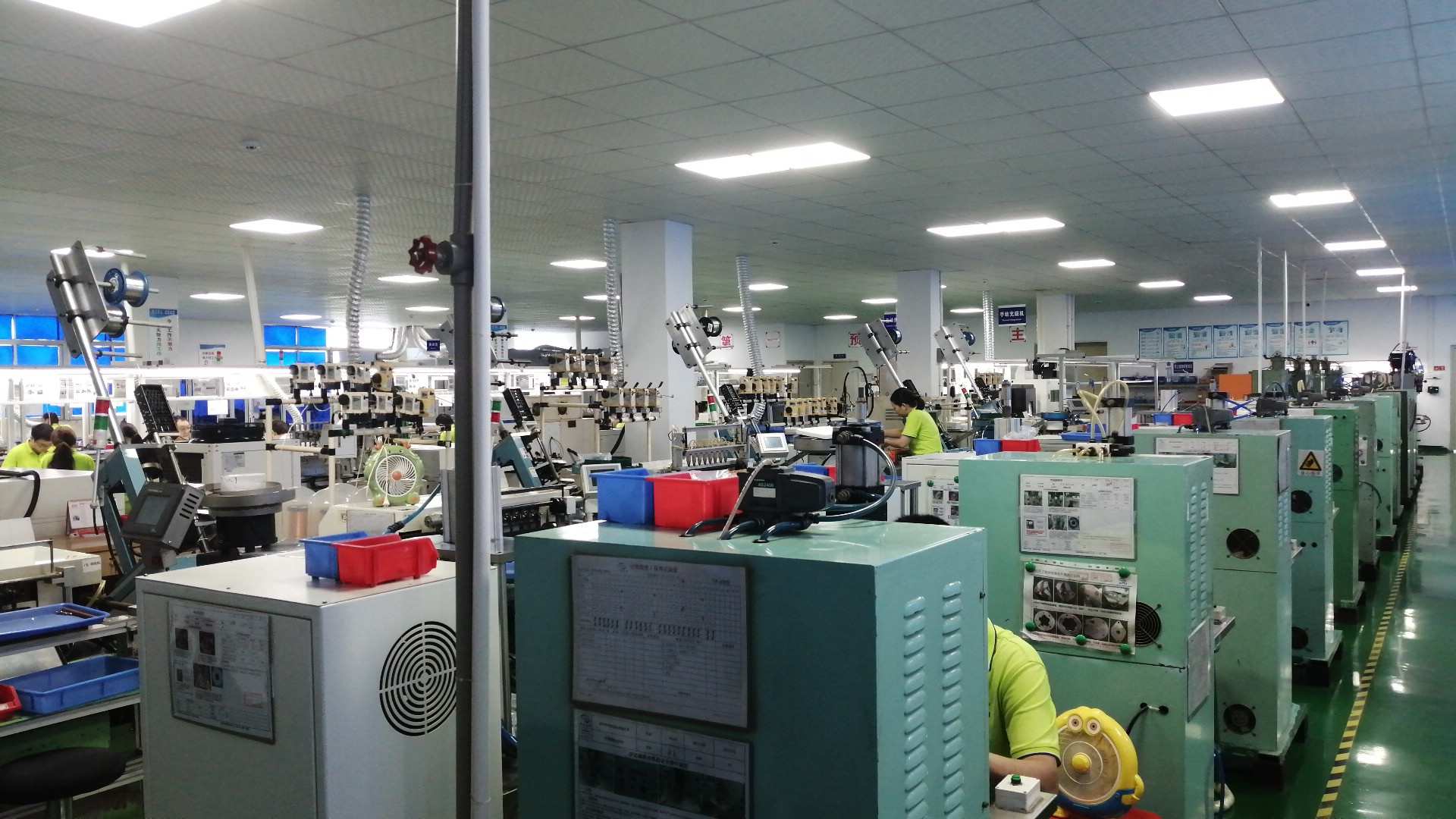
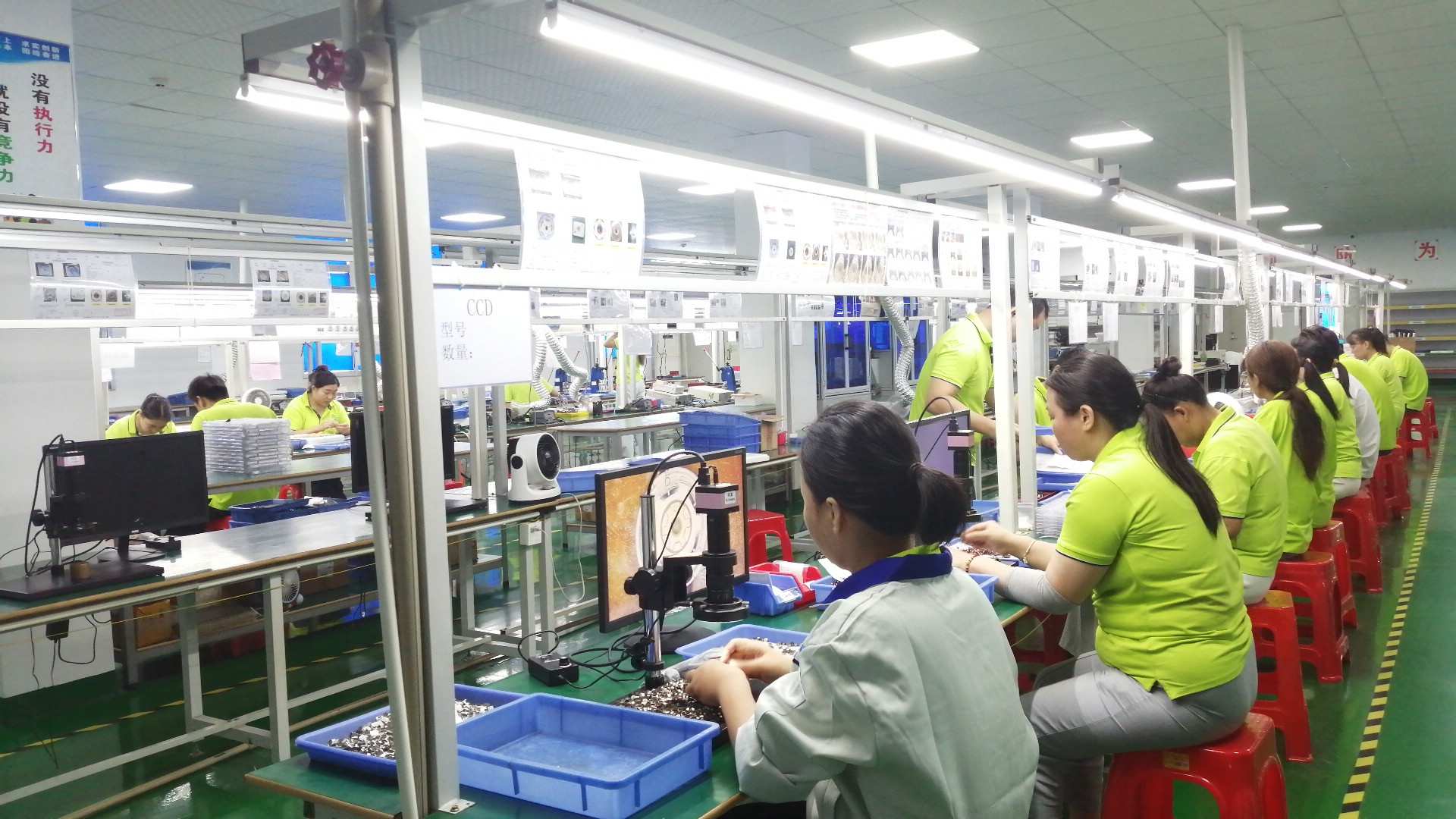
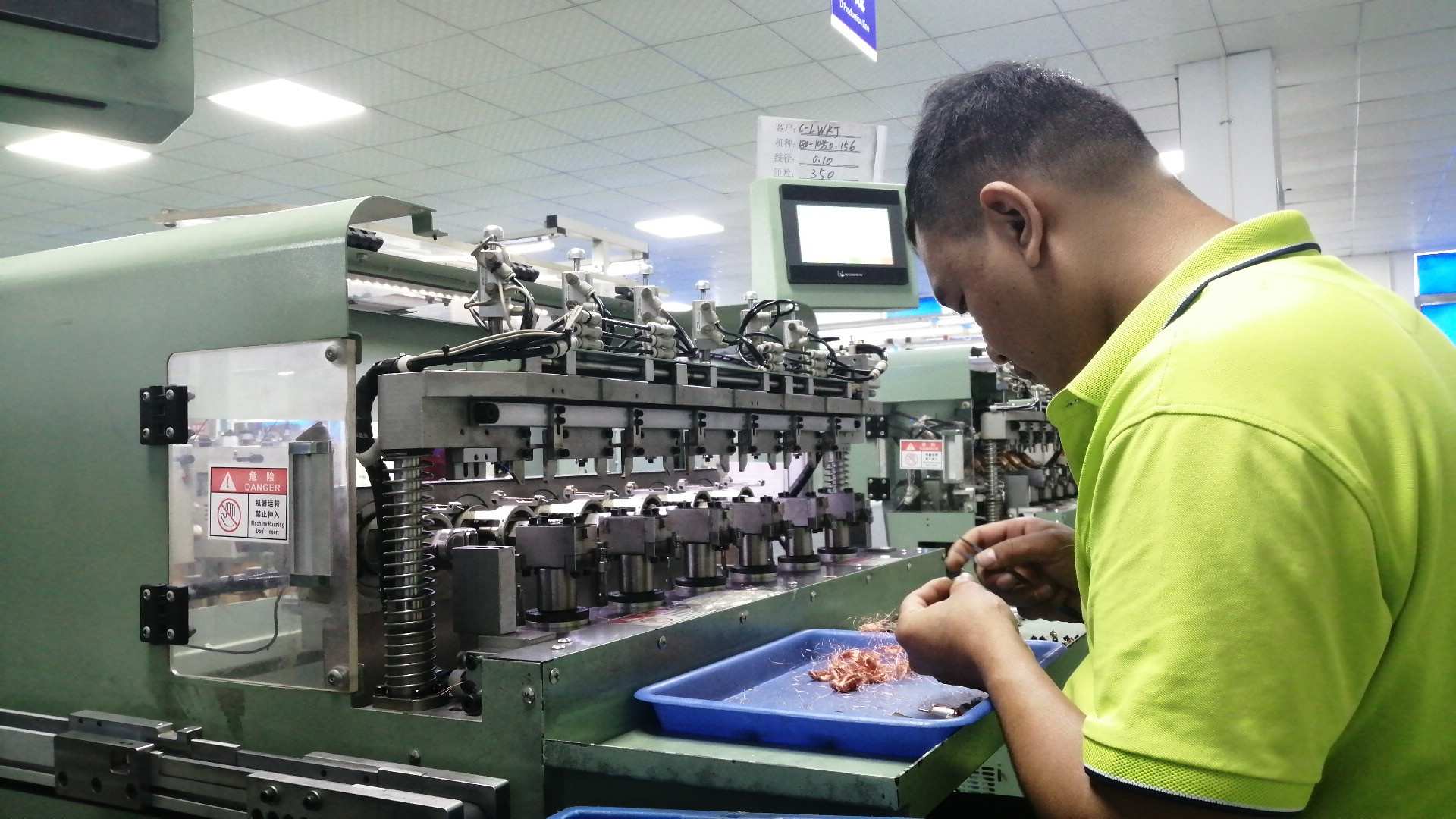
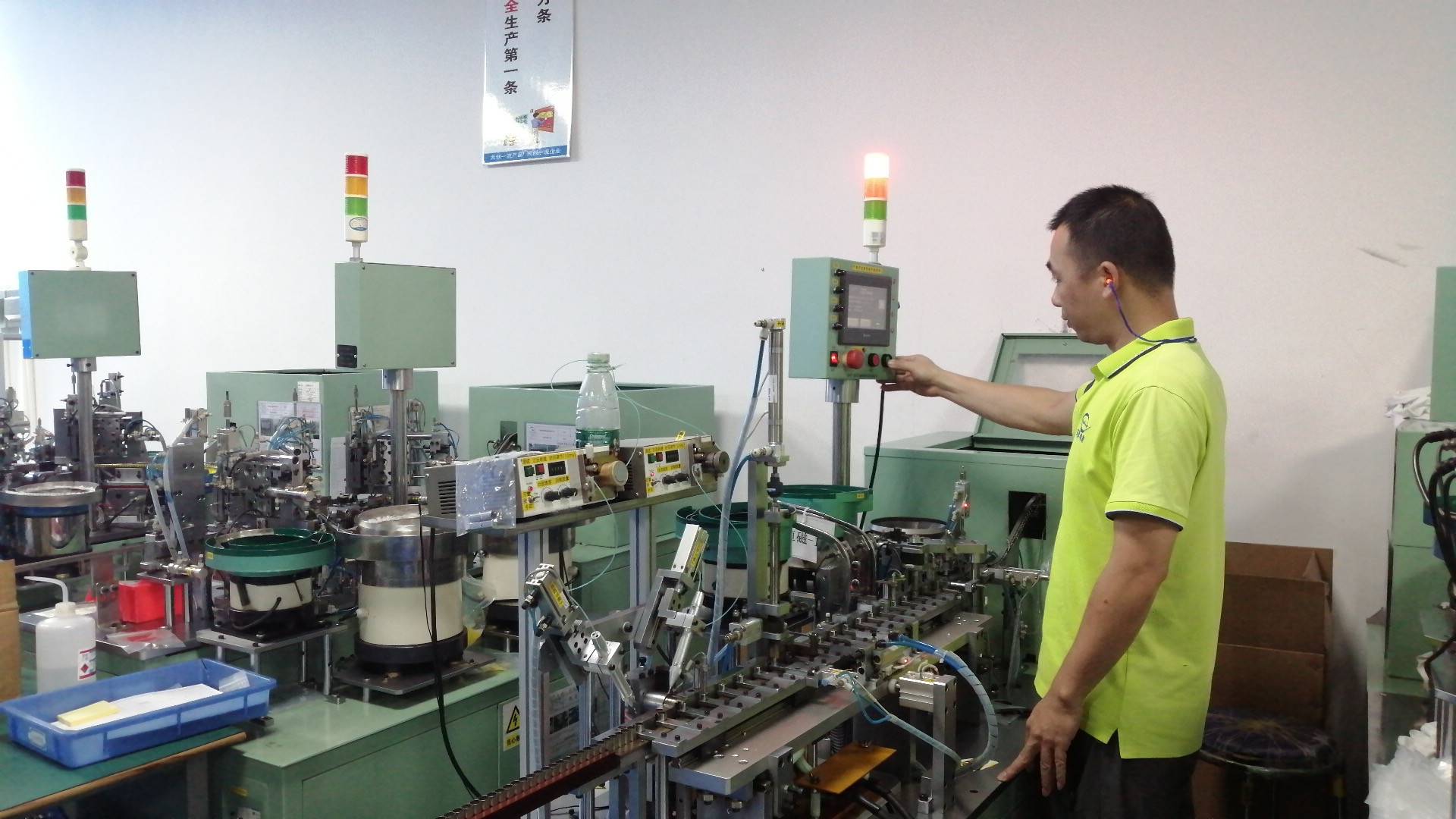
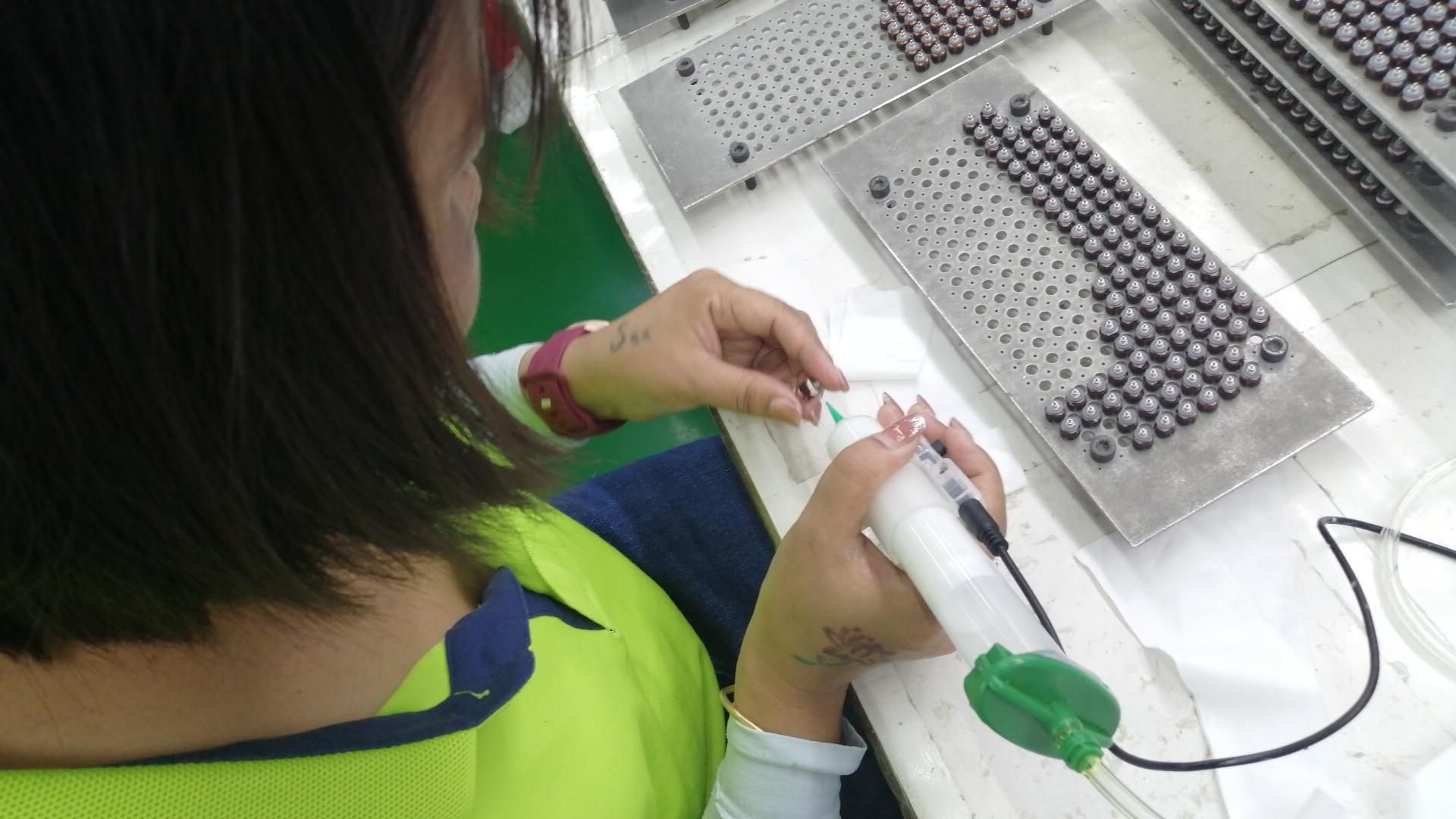
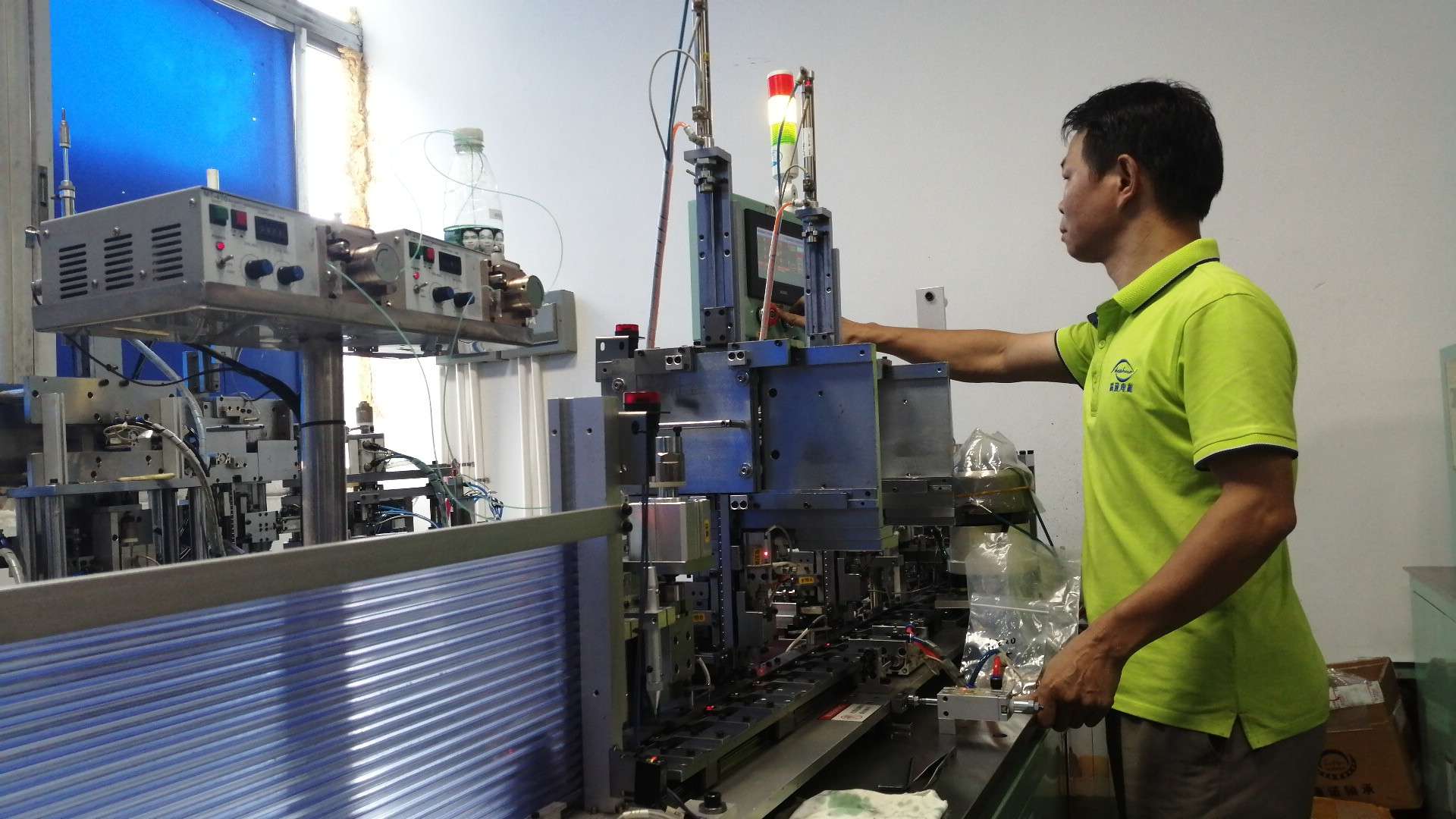
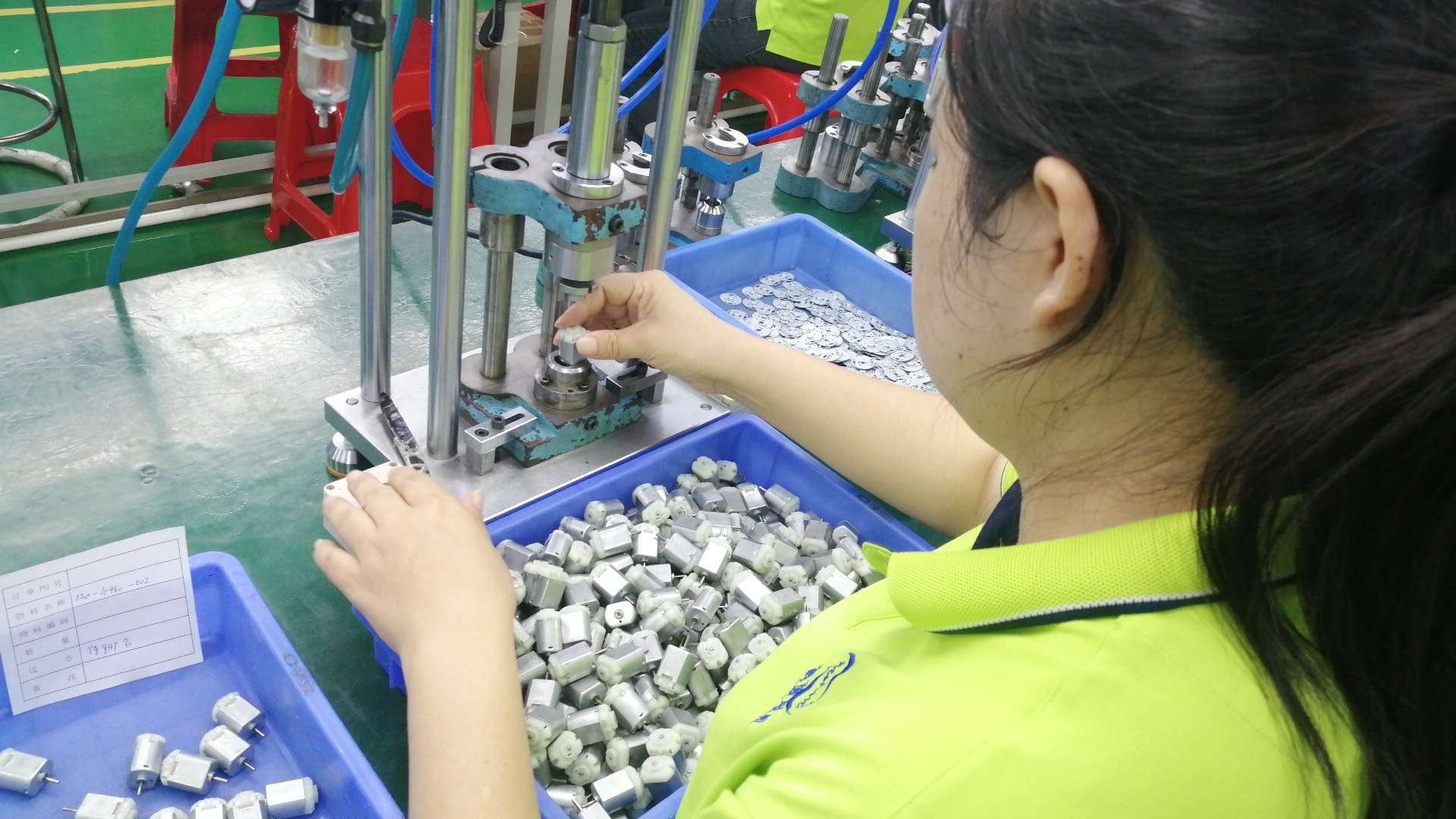
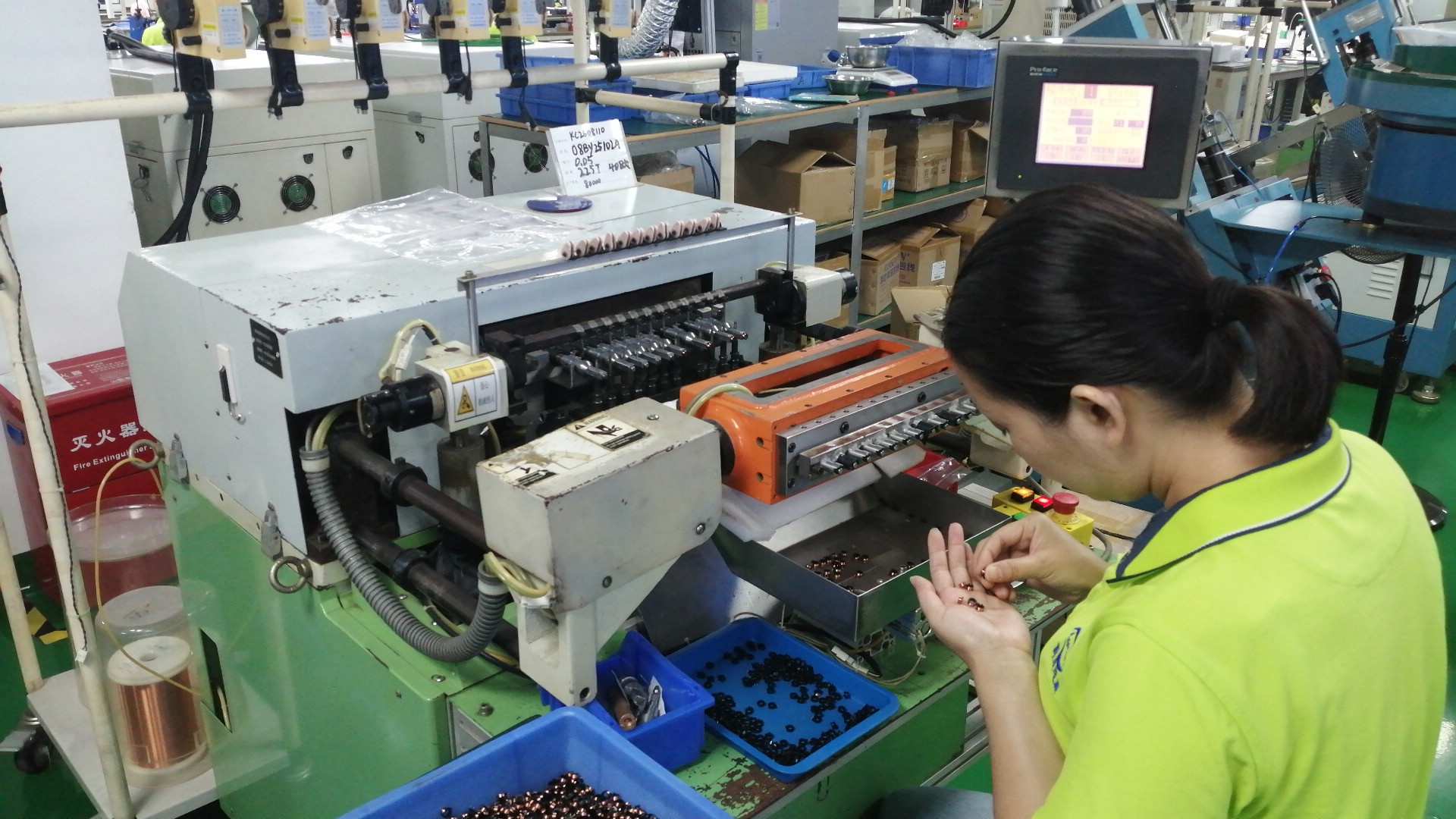
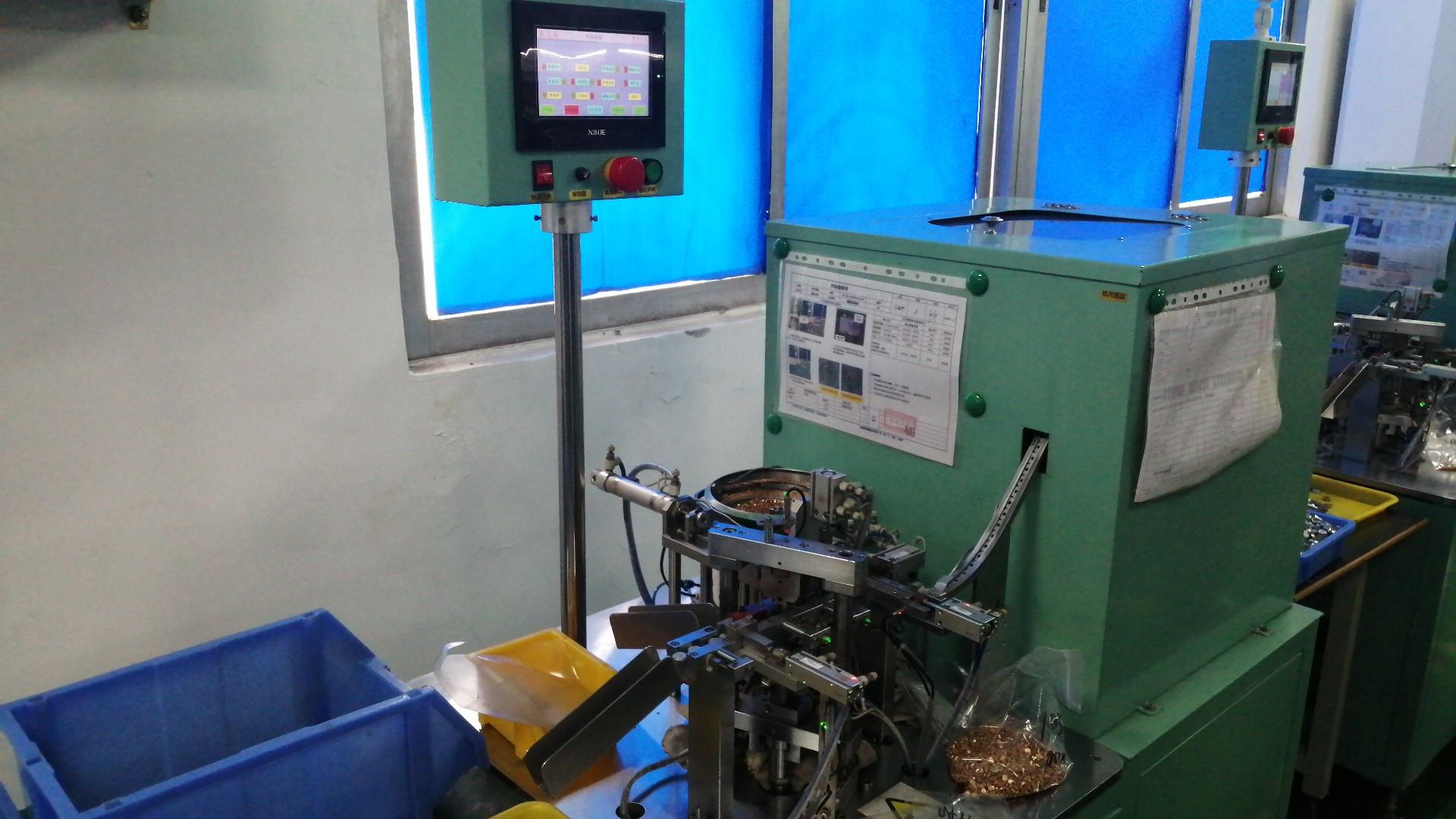
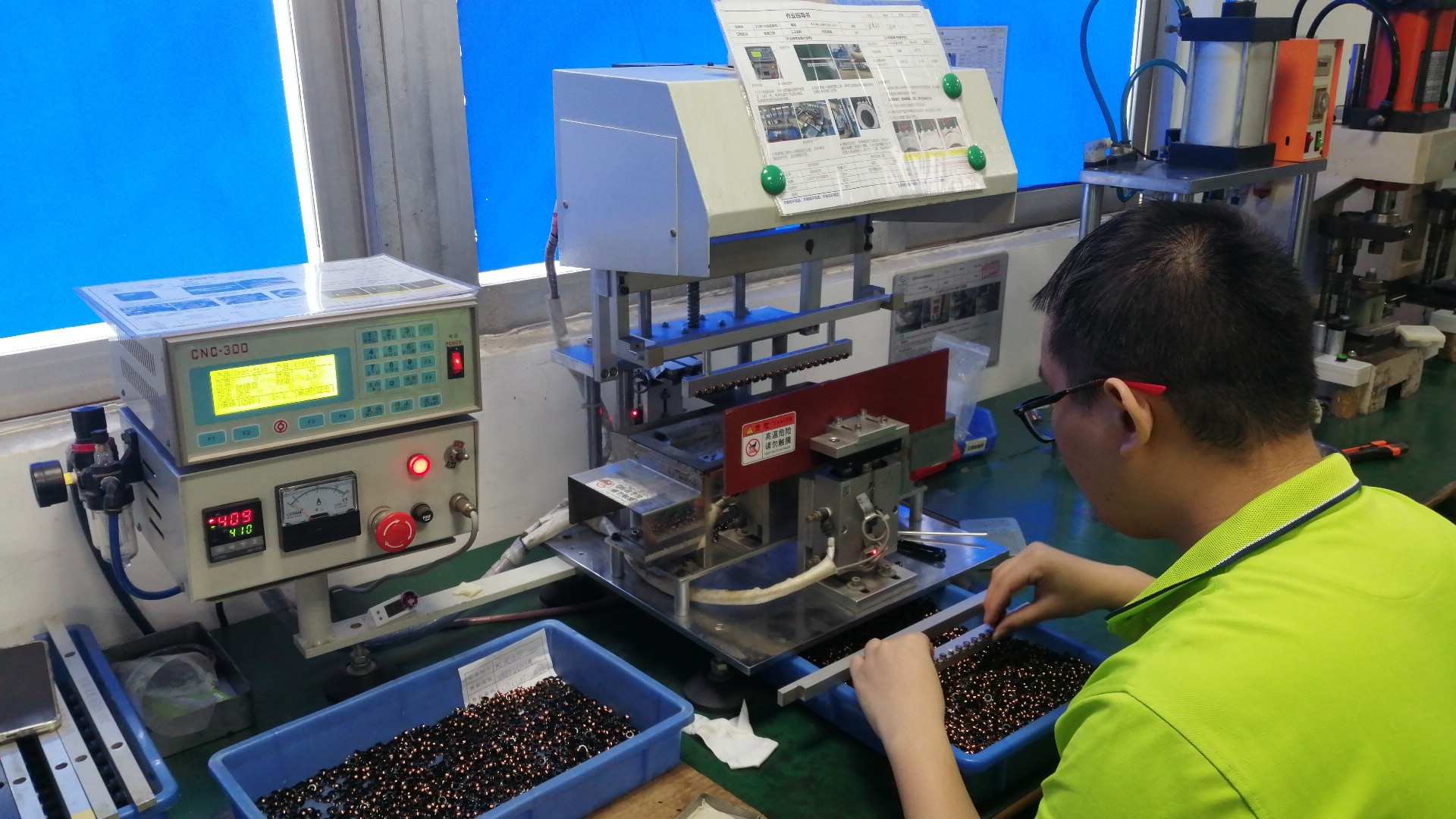
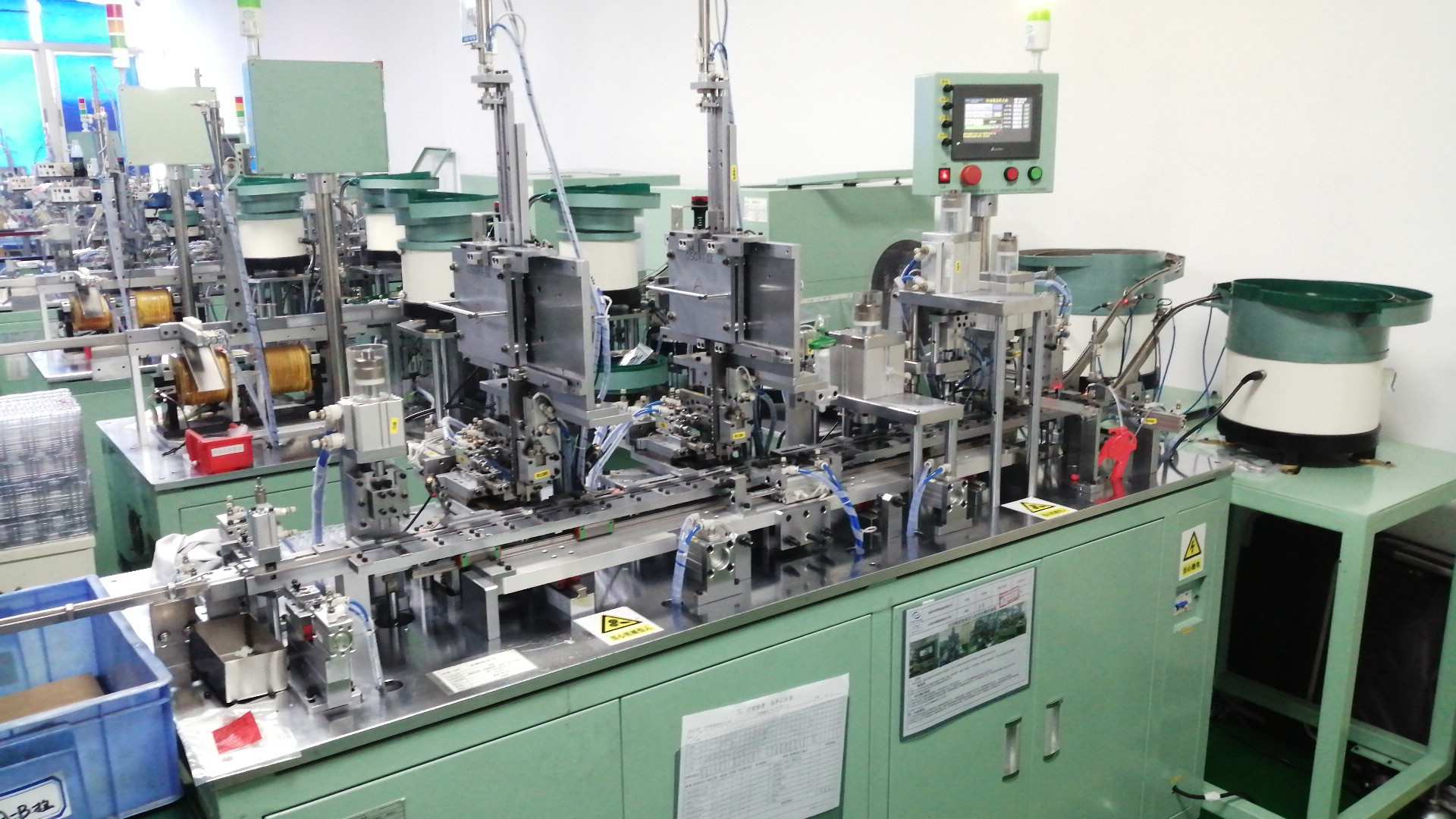
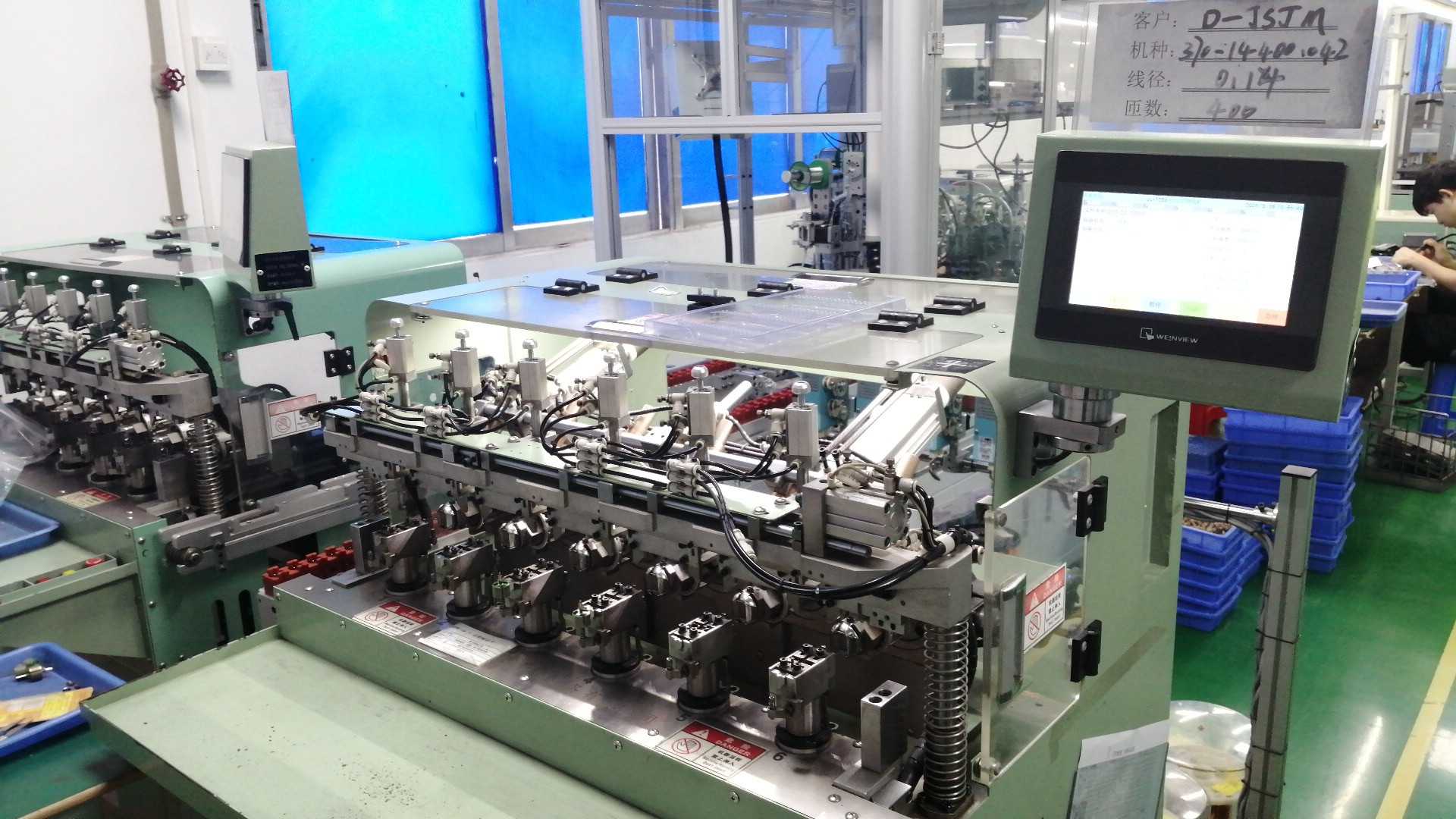
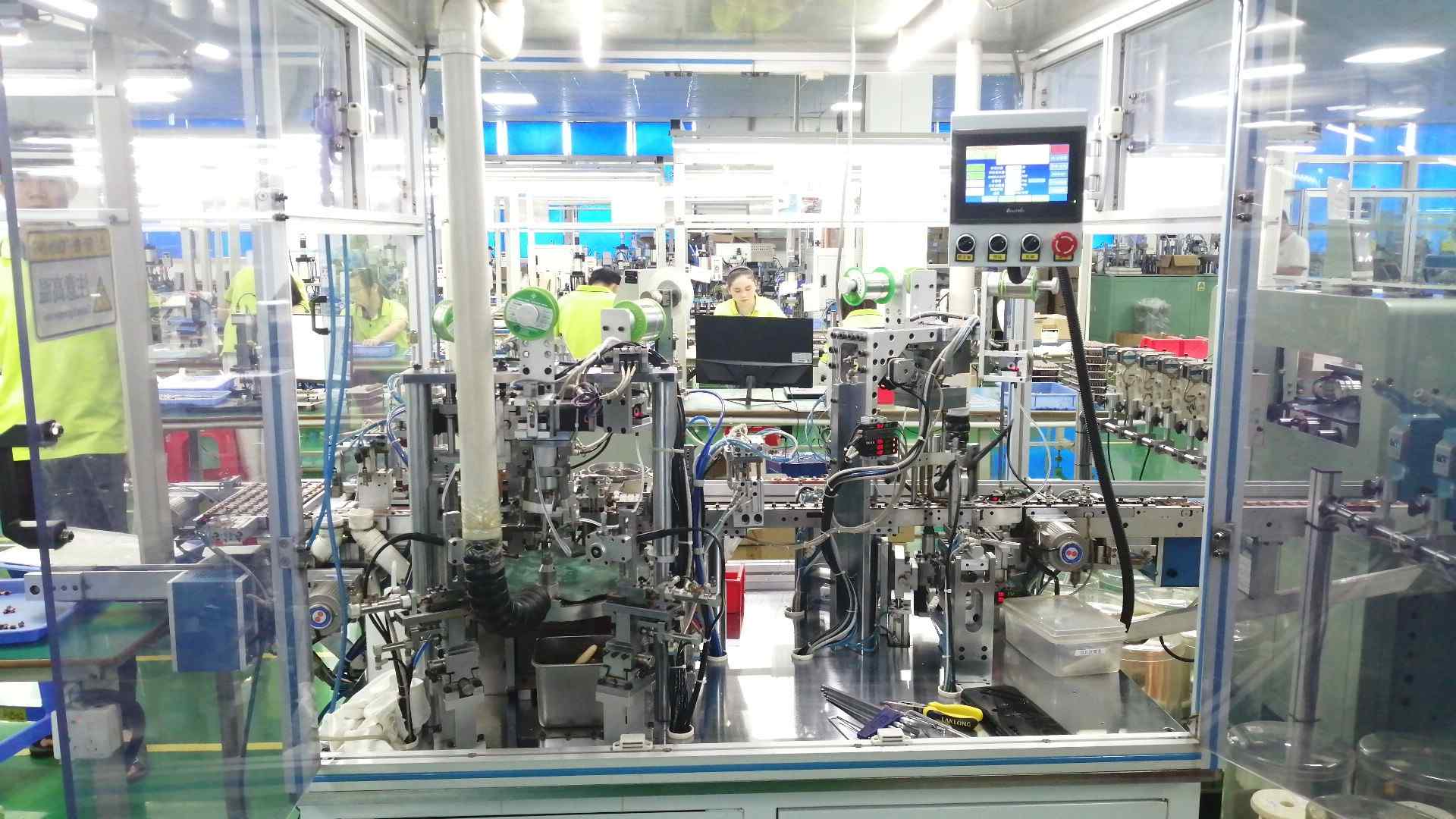
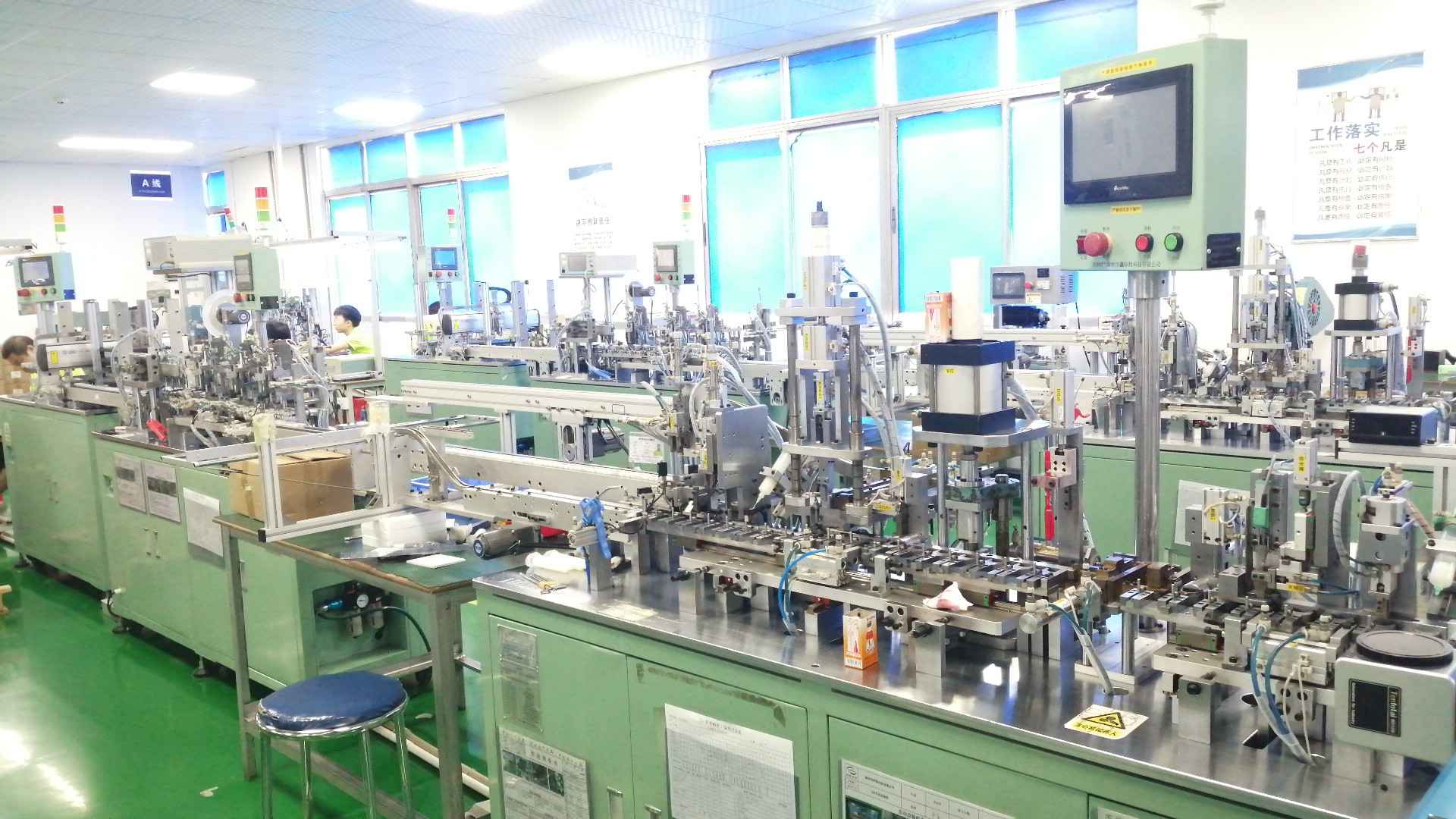
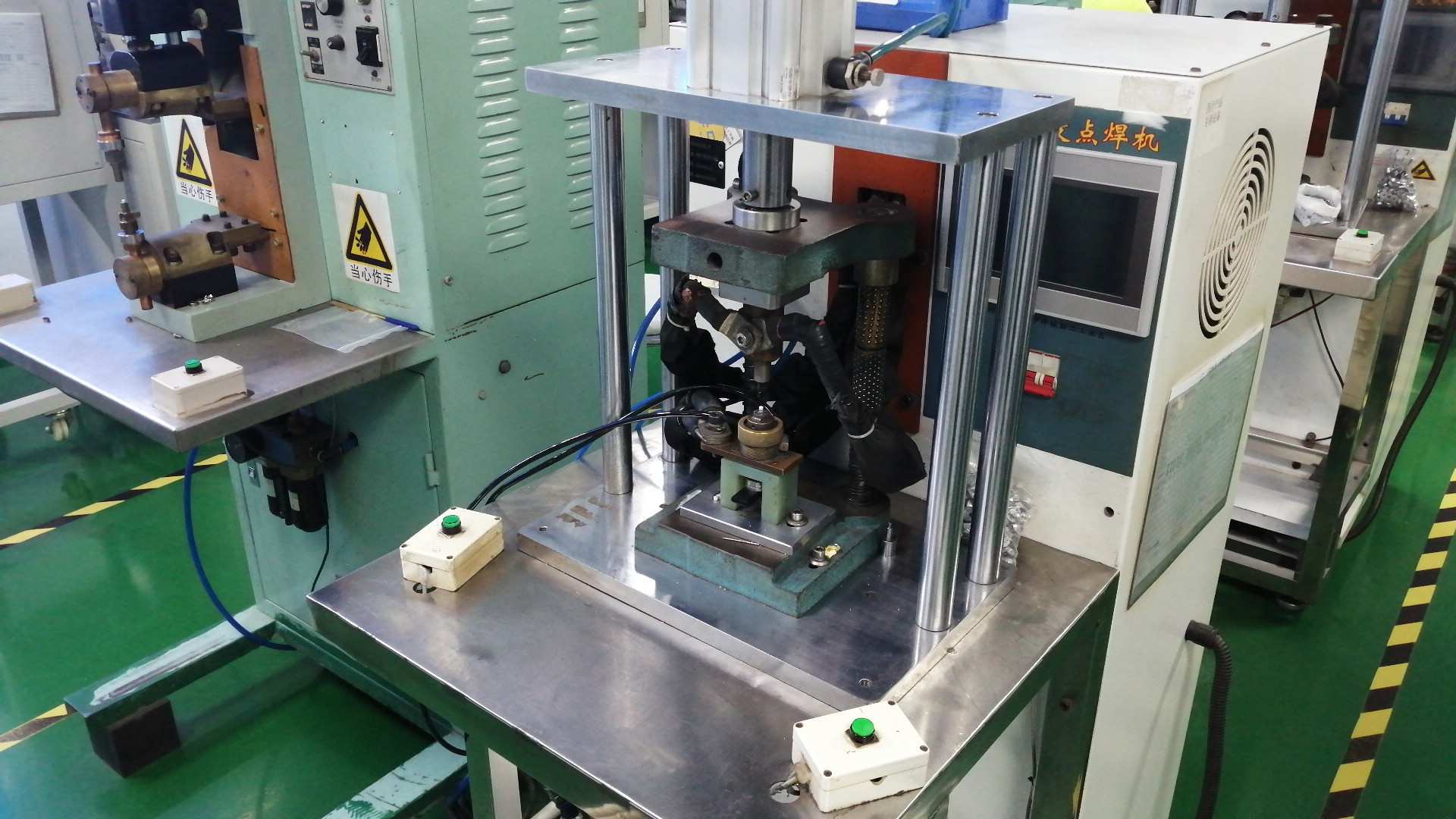
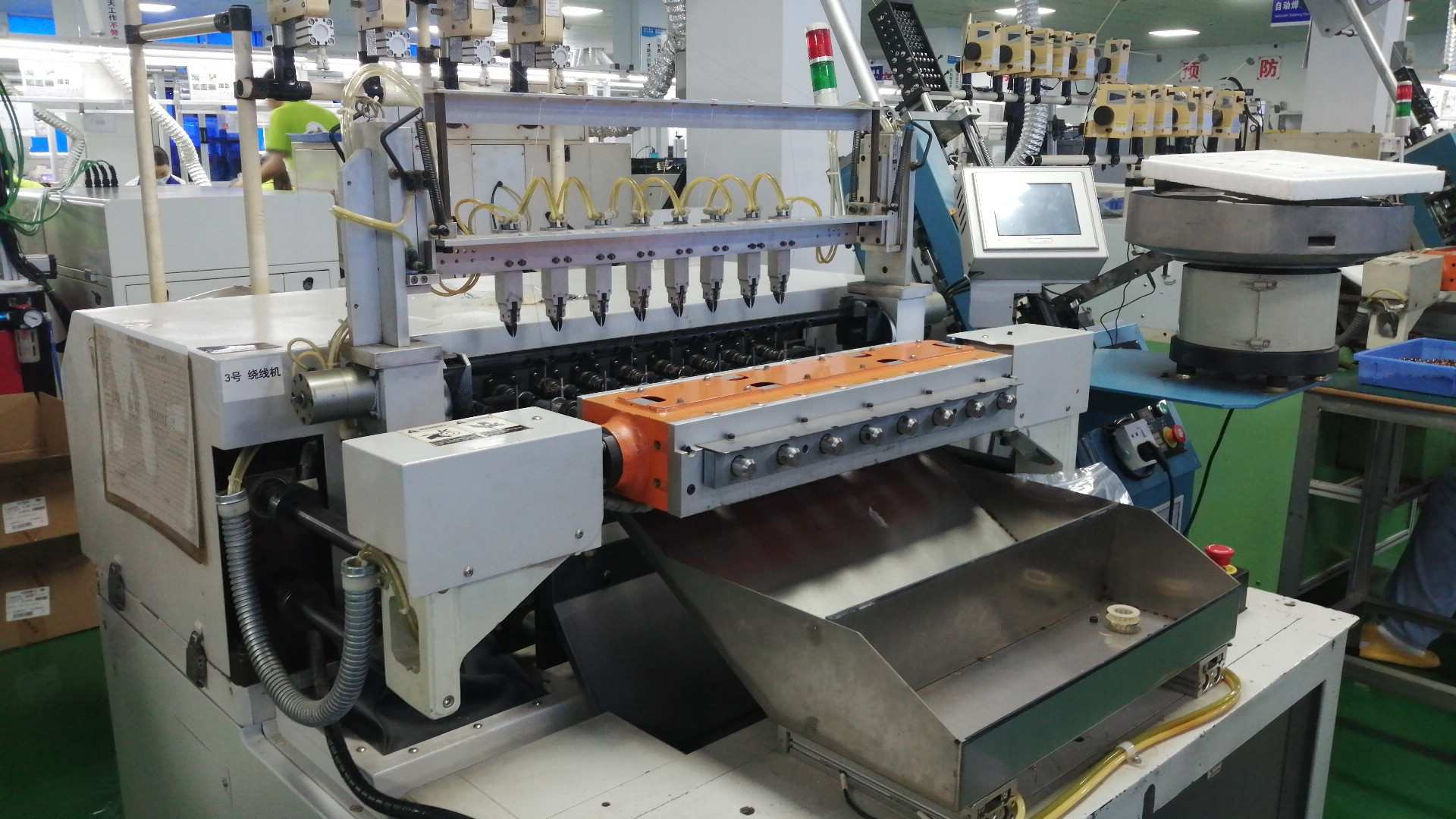
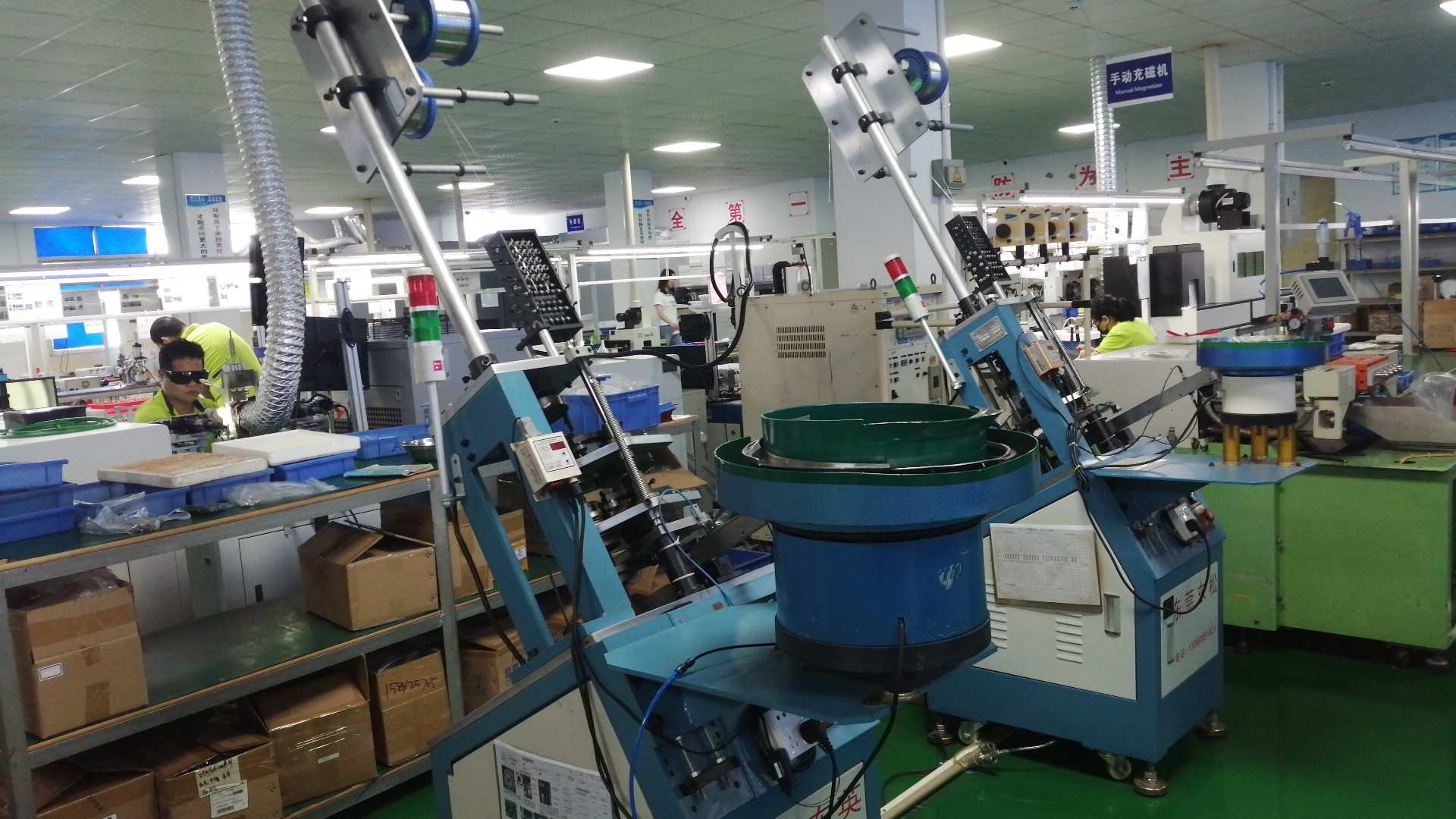
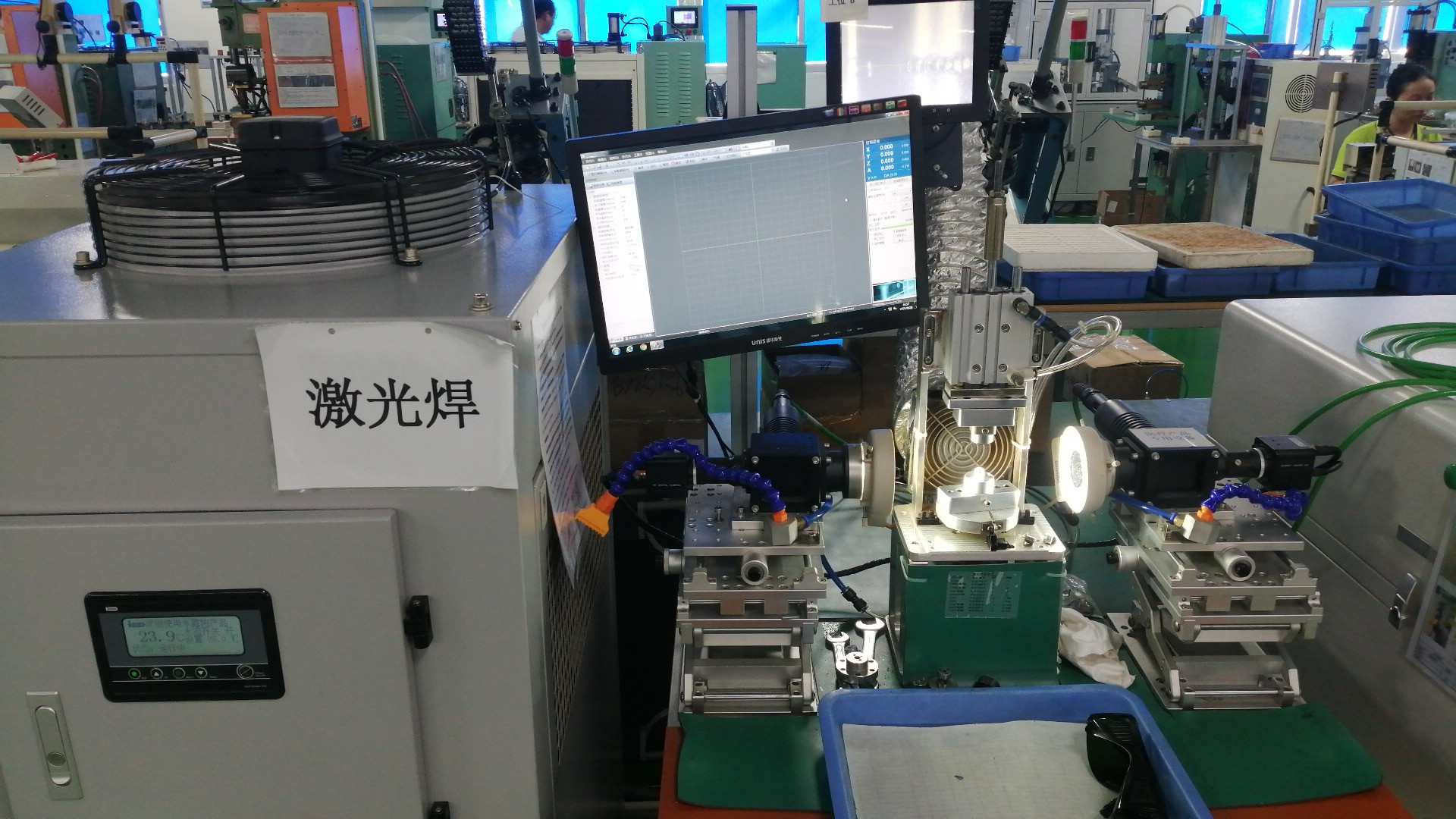
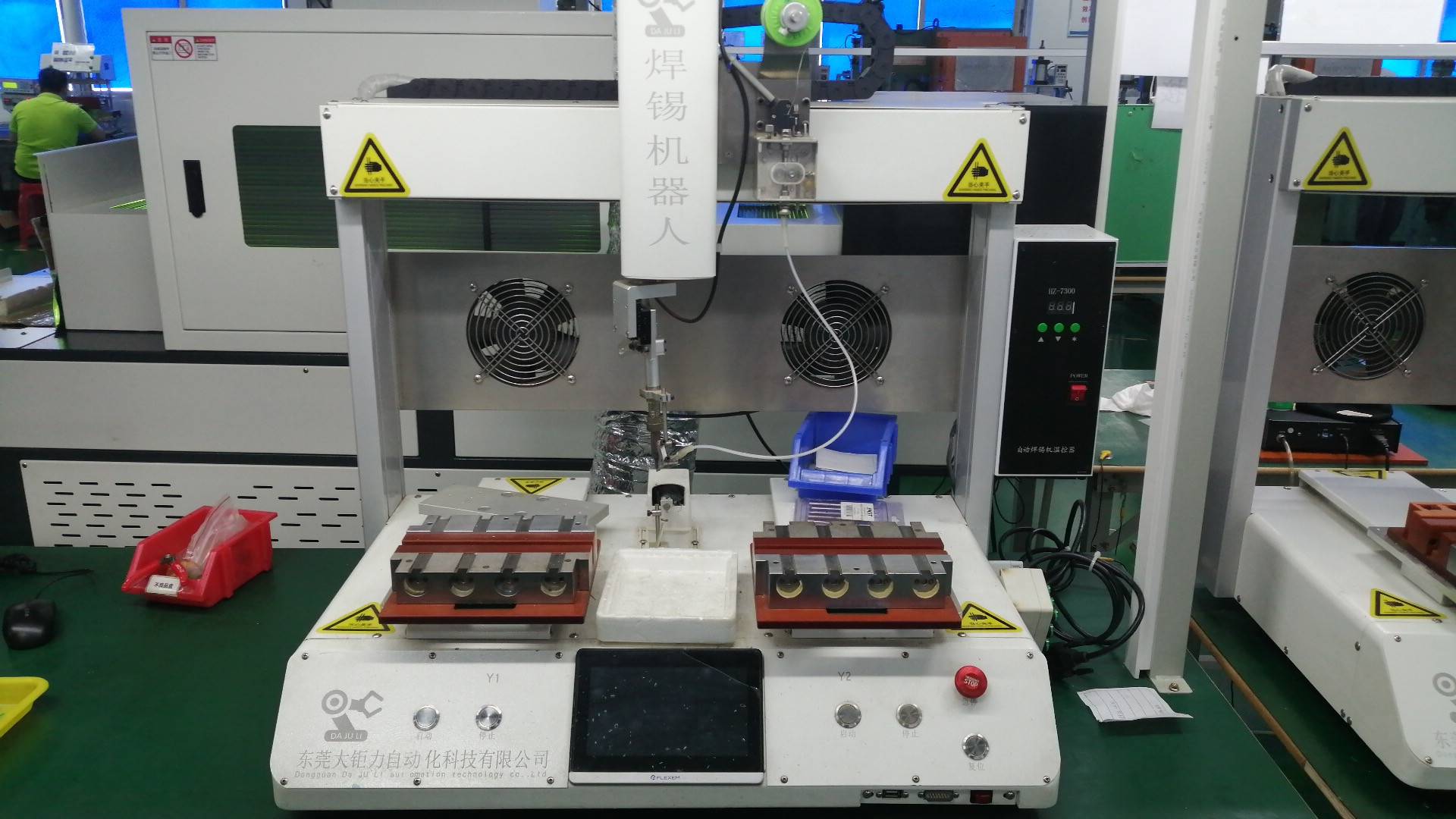
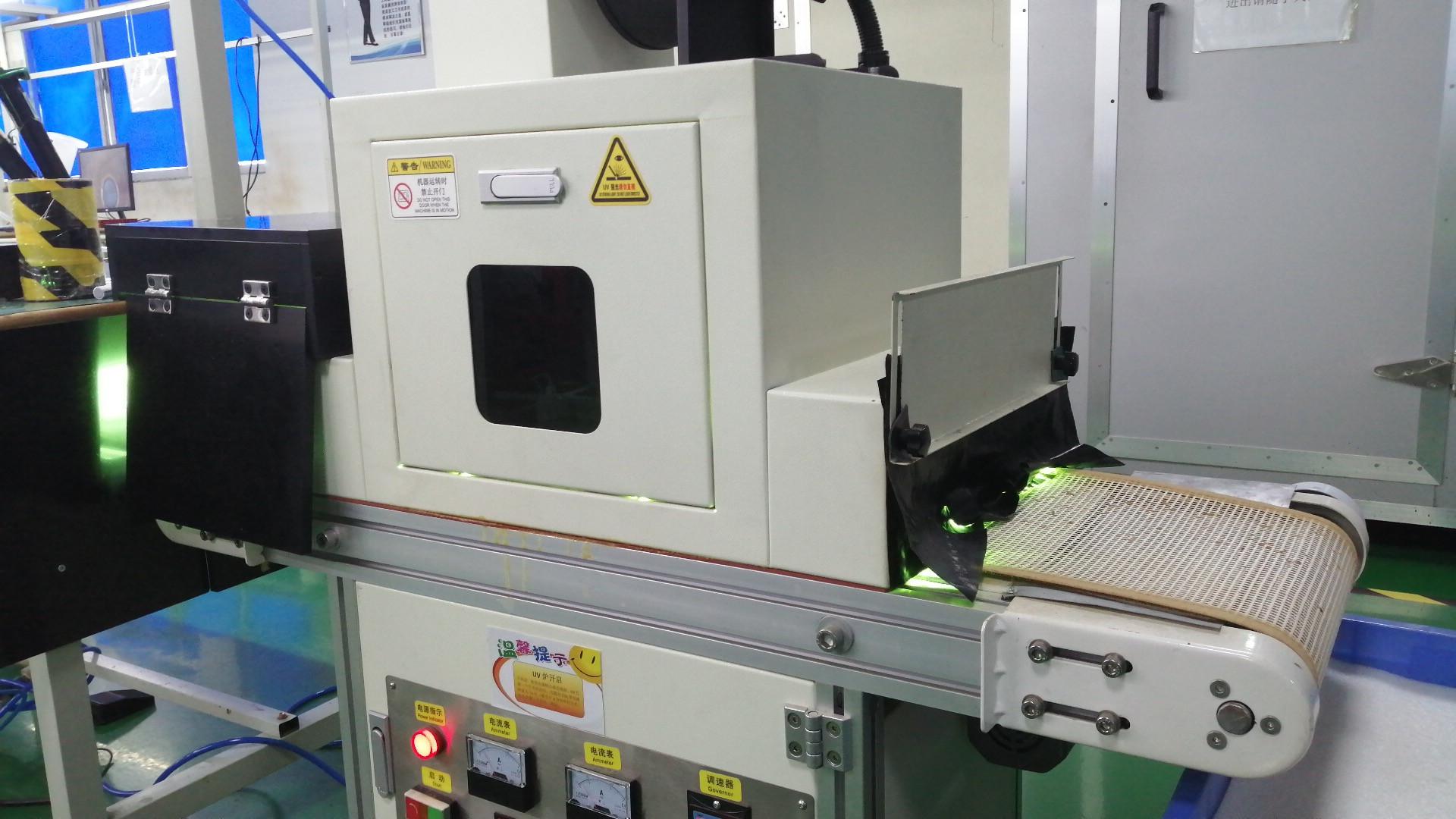
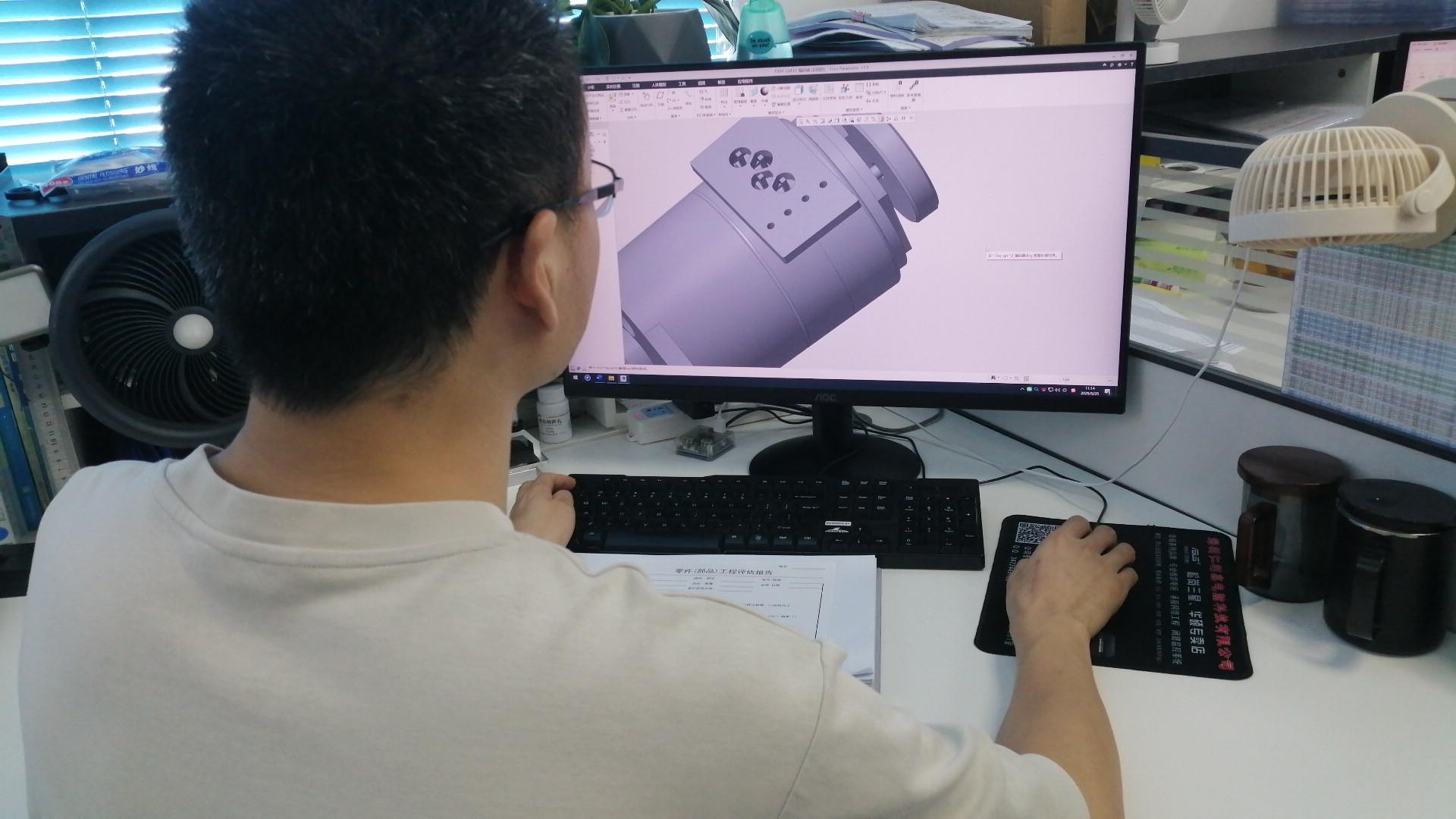
Furthermore, our automated coil winding, high-frequency spot welding, and continuous conveyor assembly systems reduce labor dependence, leading to consistent manufacturing tolerances and lower unit costs. Unlike traditional OEM manufacturers that impose rigid minimum order quantities (MOQs) or slow turnaround times for custom tooling, Brea Tech operates on a flexible engineering design cycle. We can deliver functional prototypes in under 15 business days, accelerating your time-to-market.
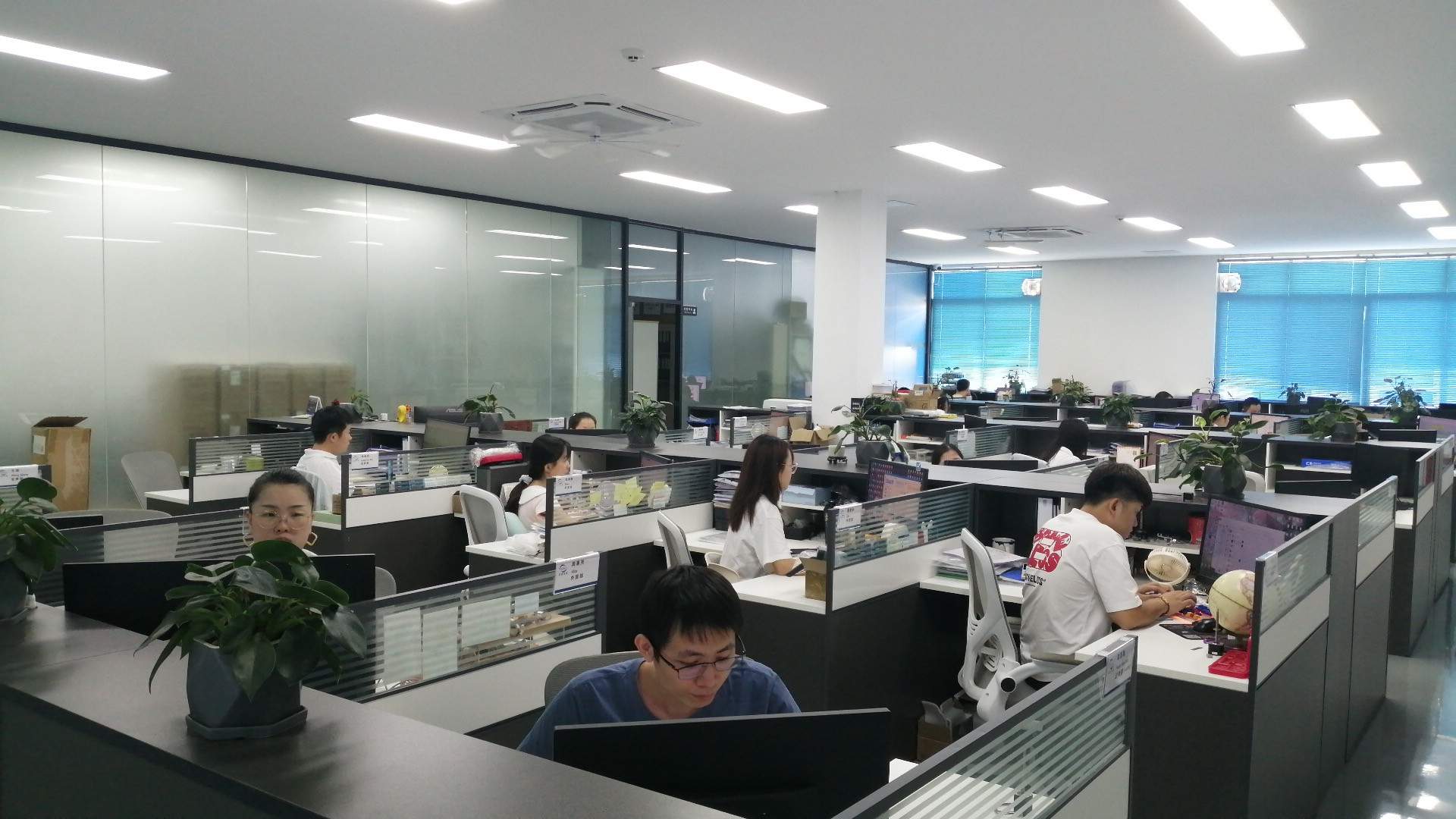
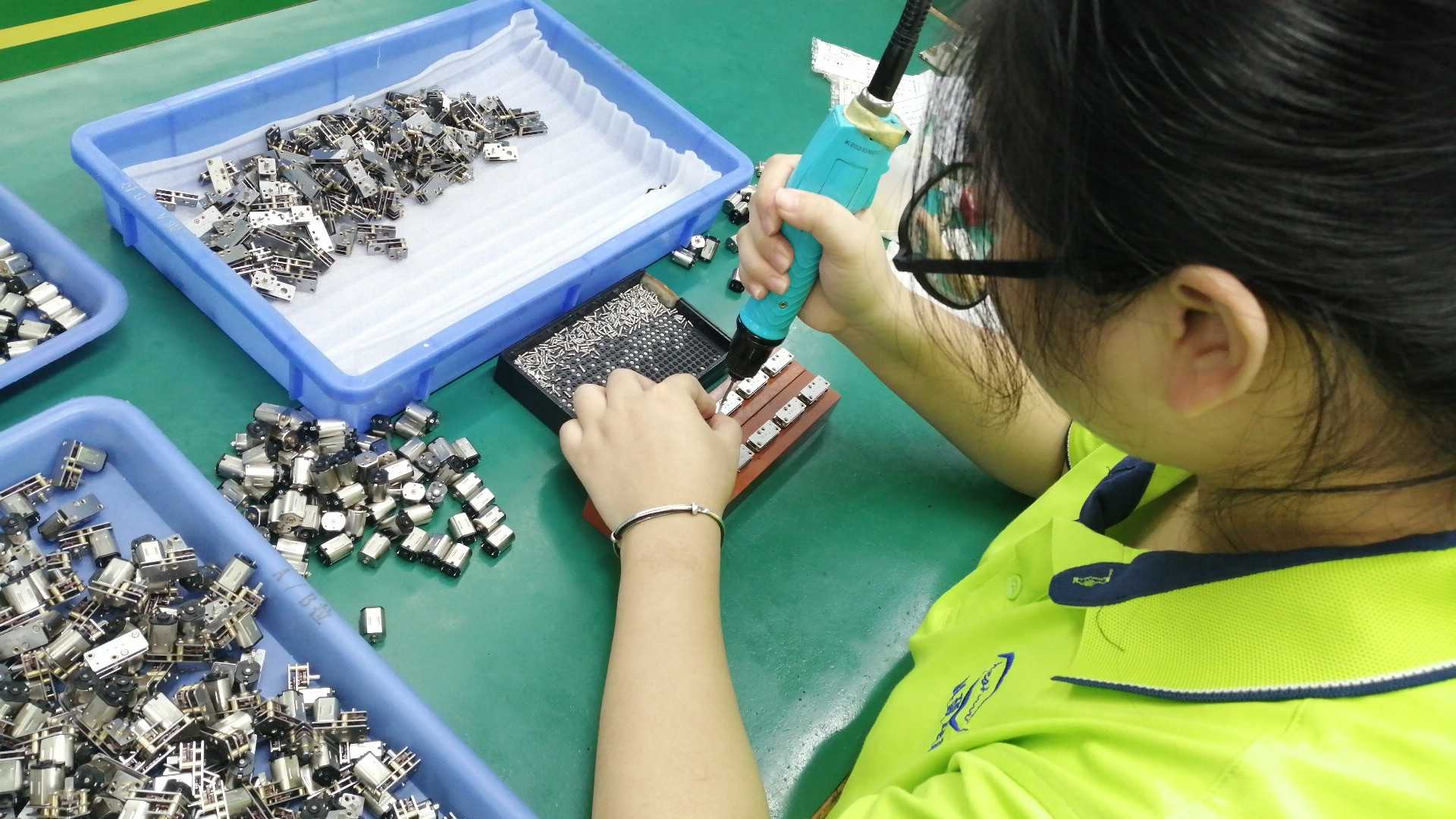
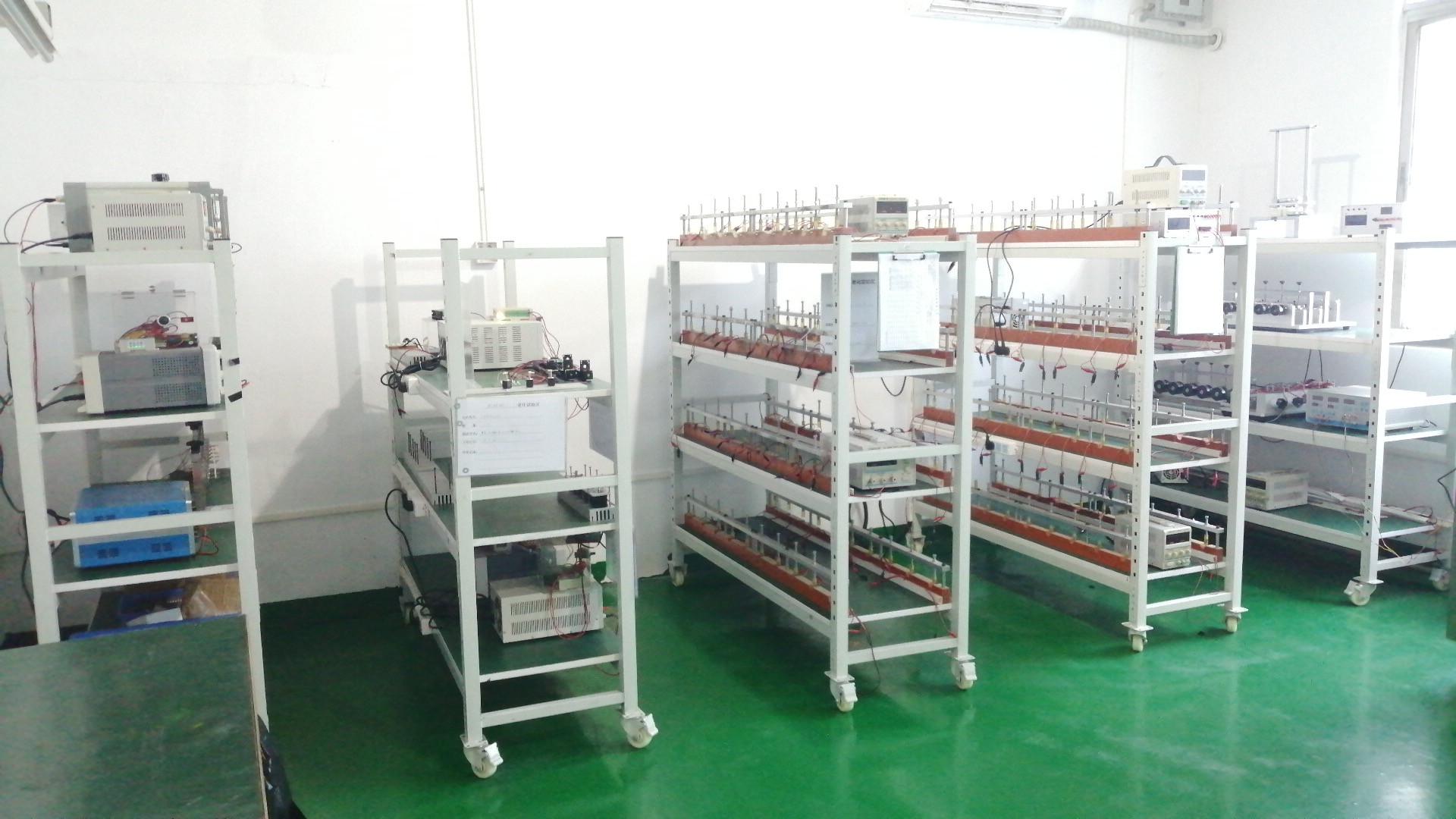
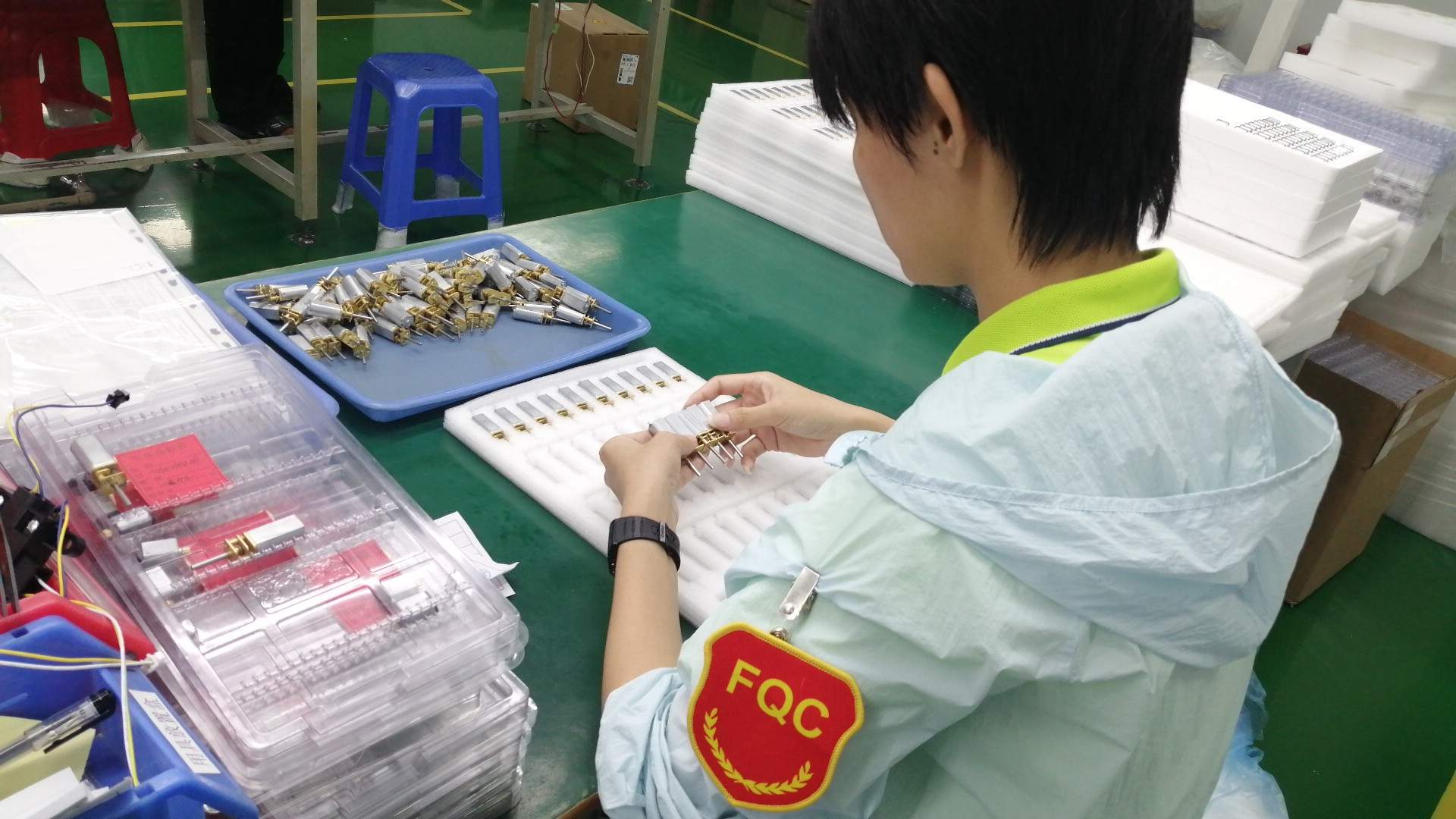
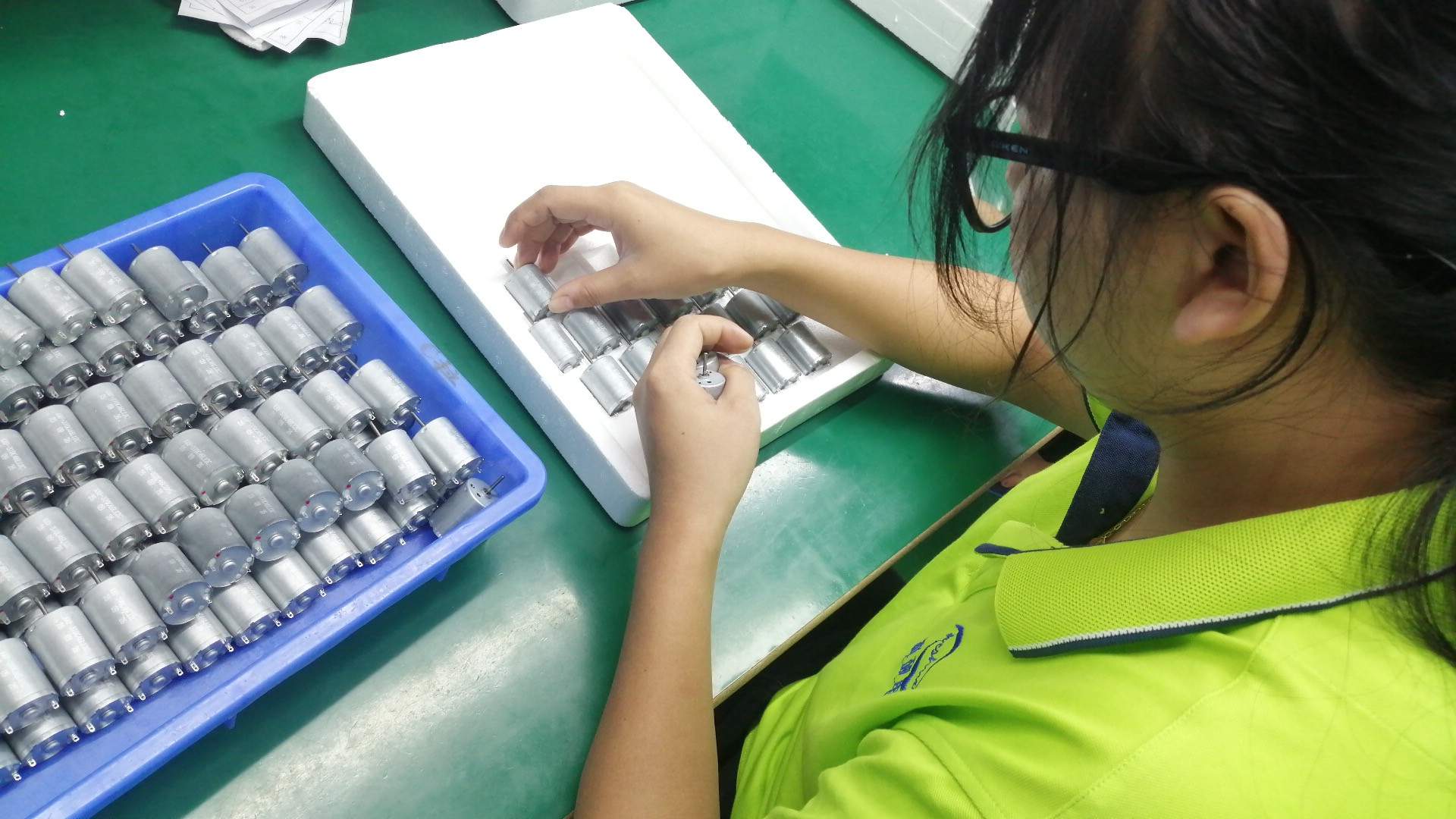
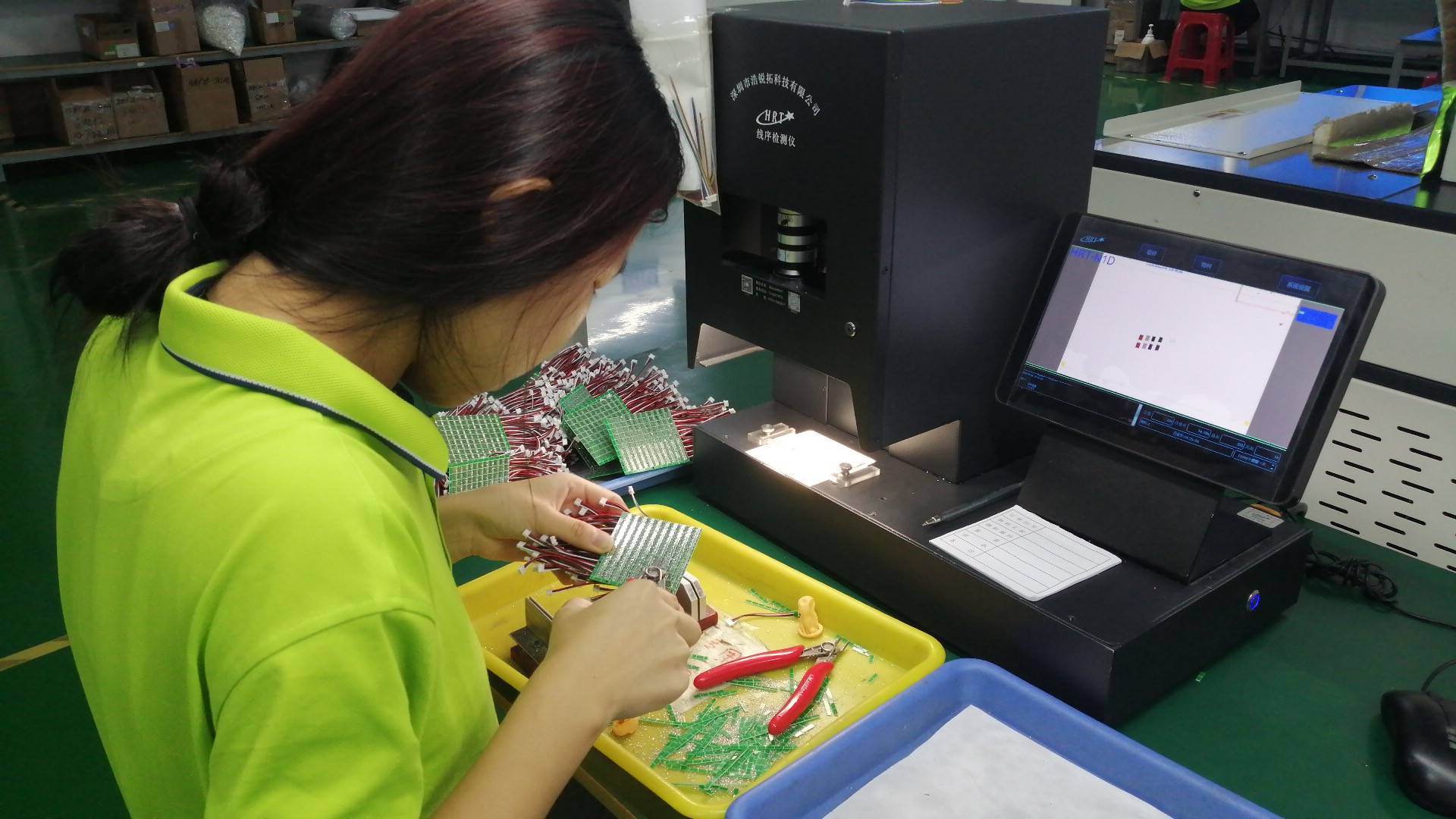
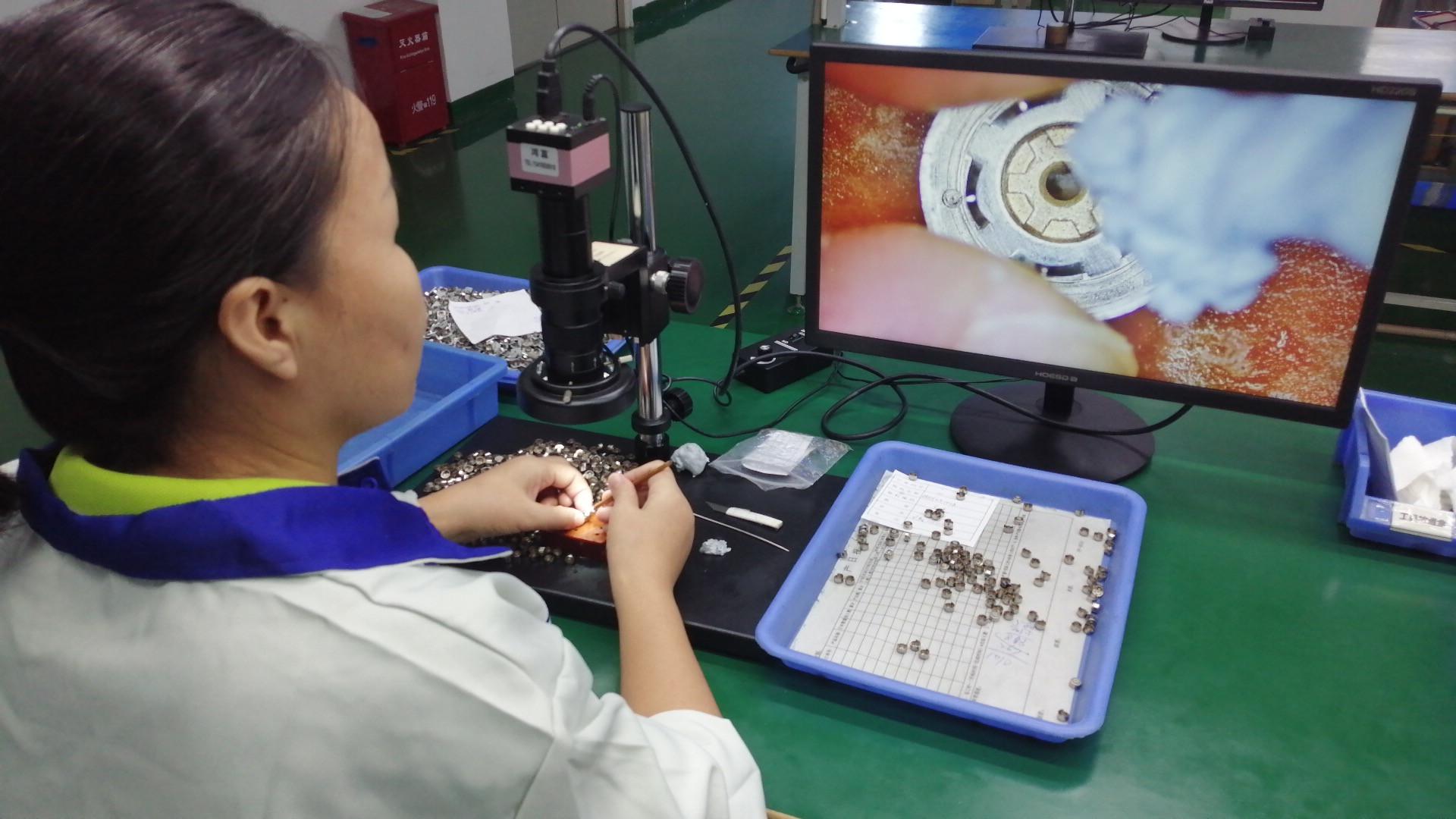
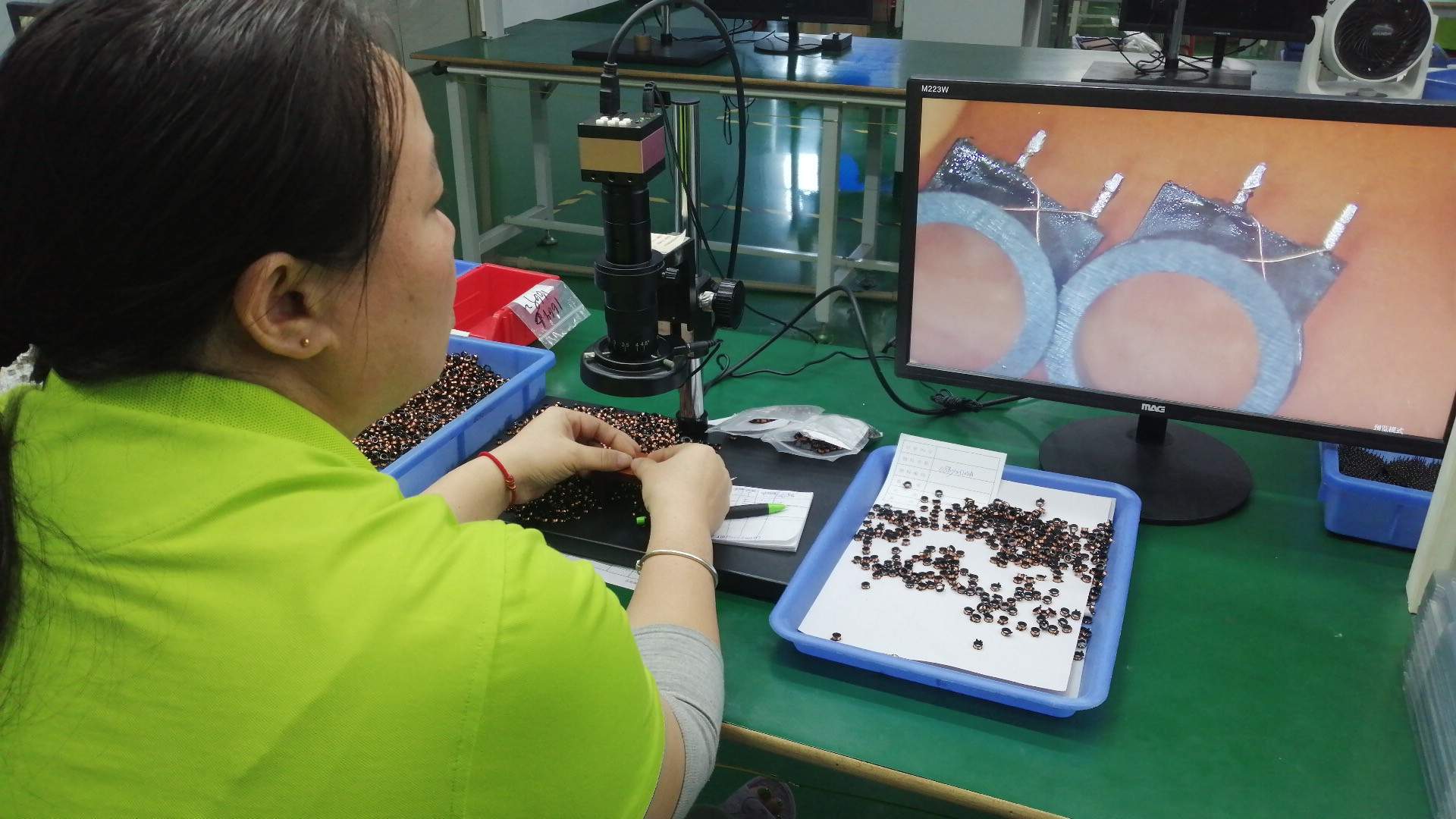
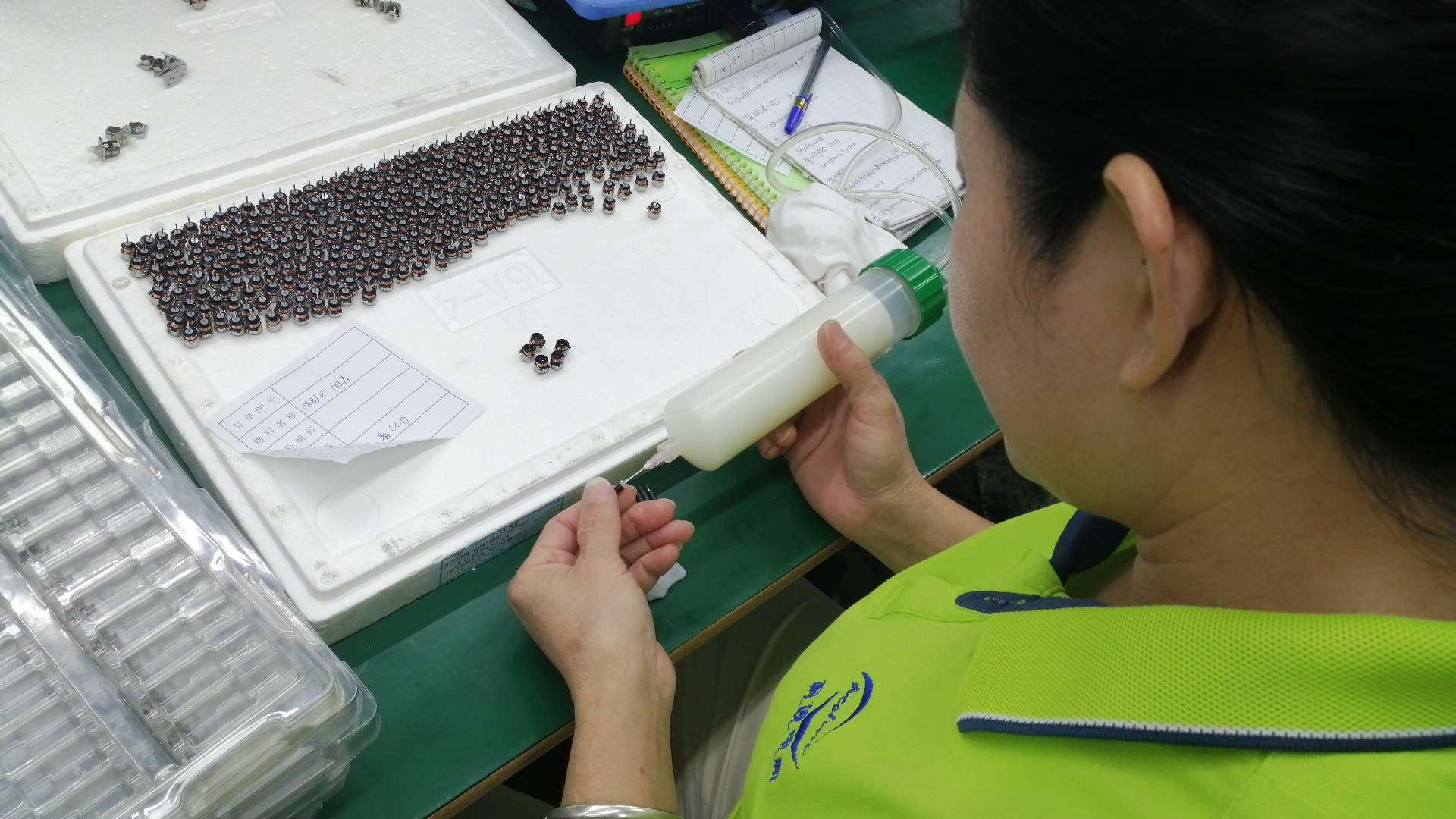
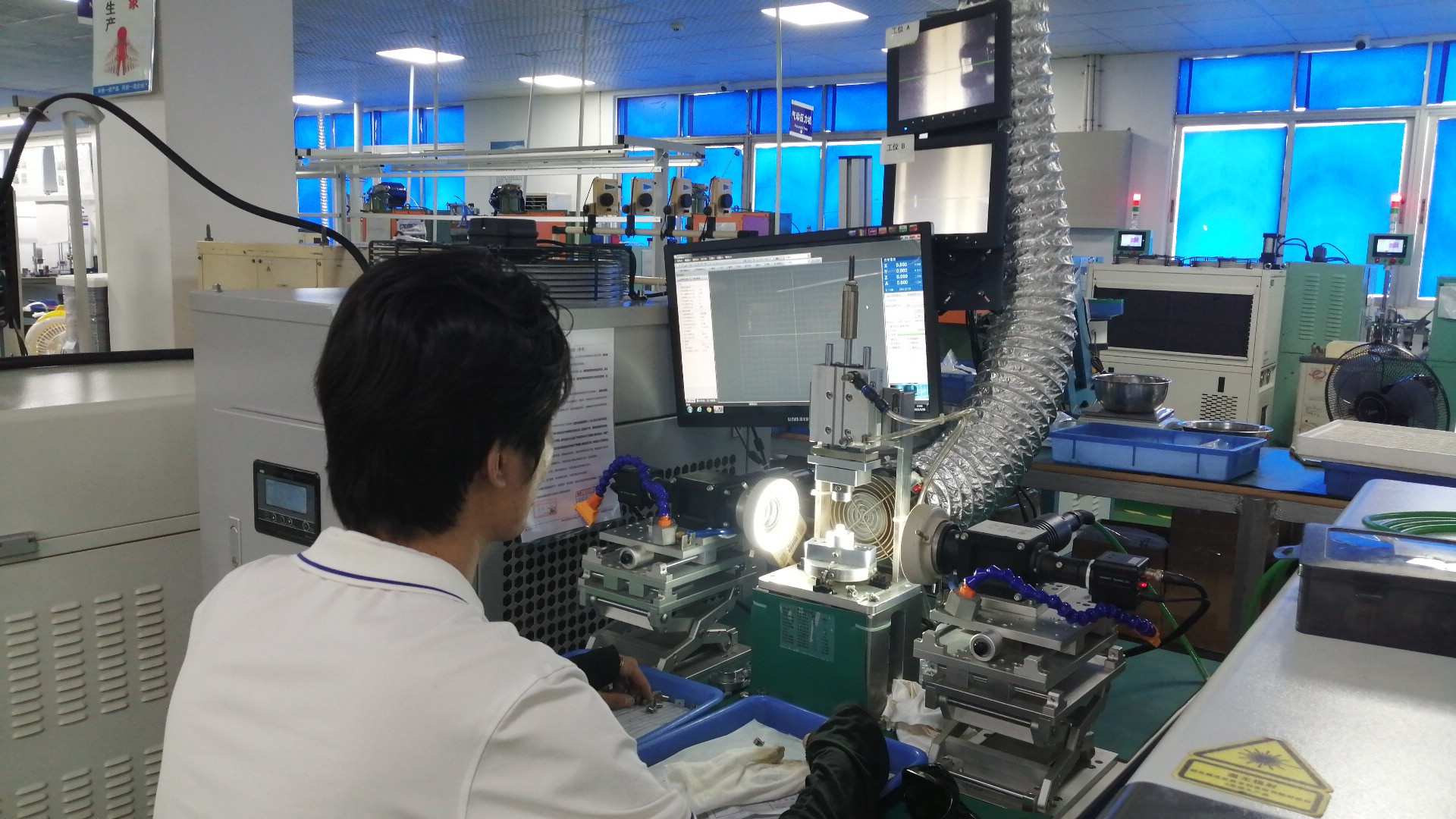
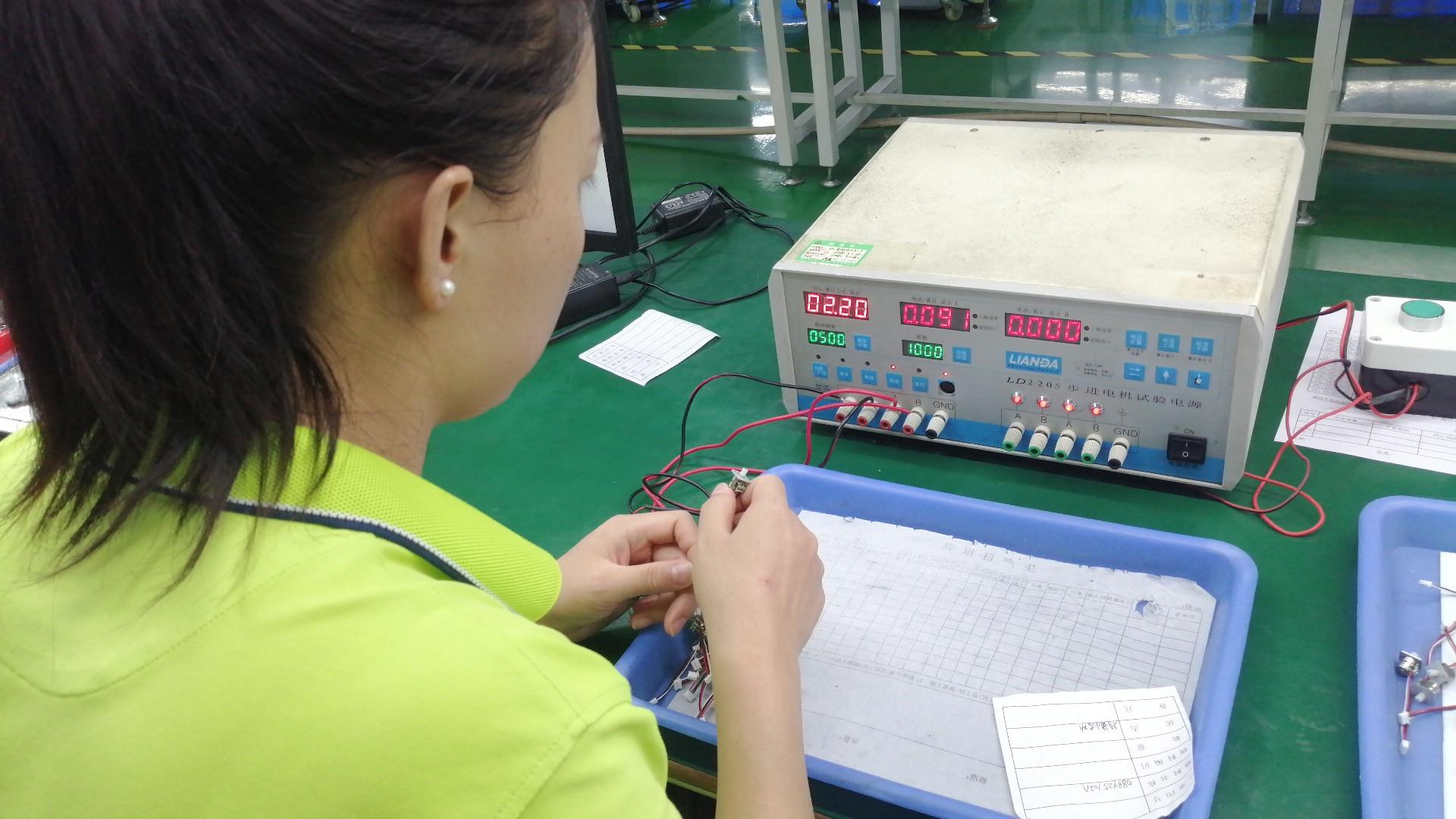
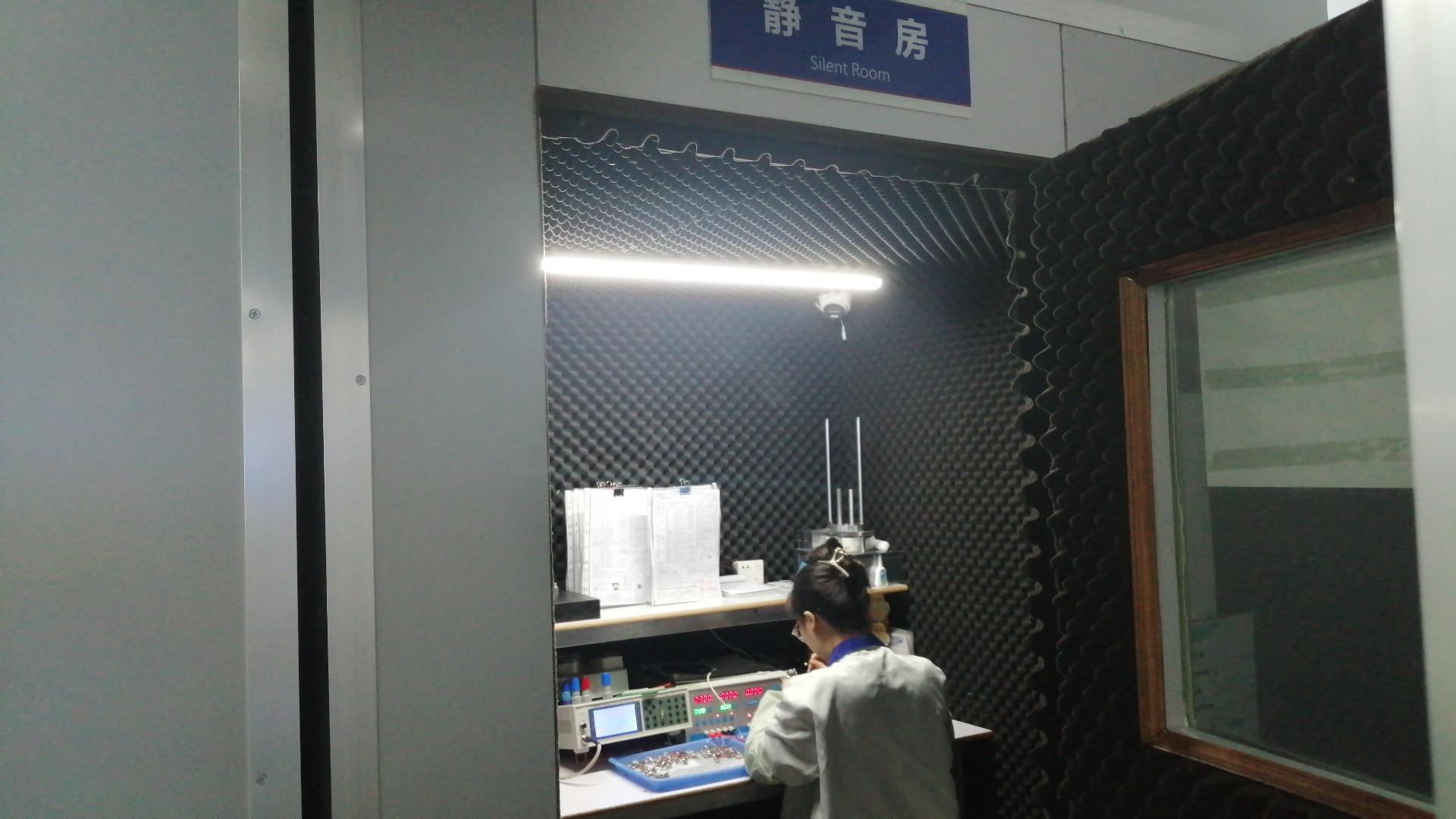
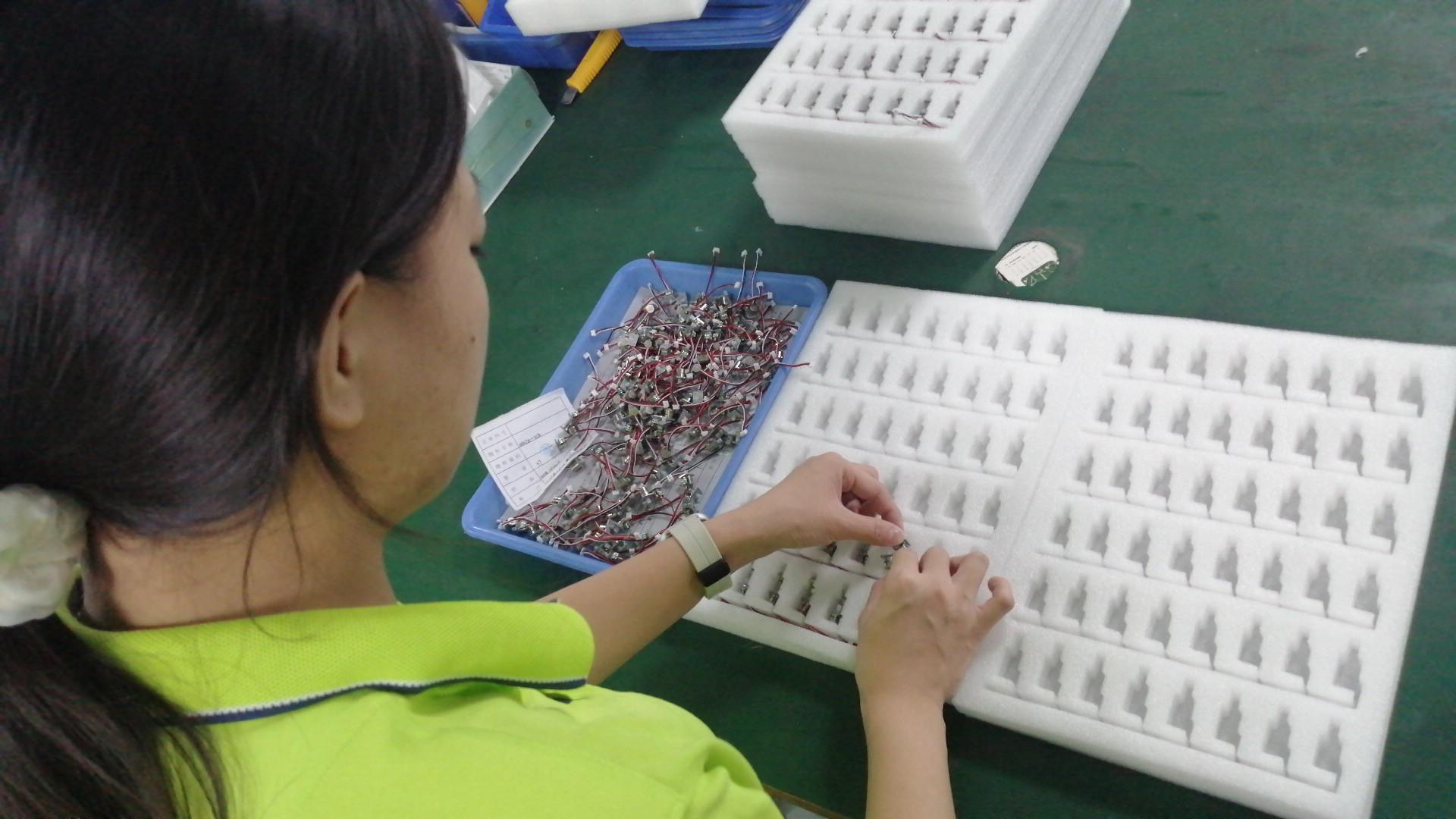
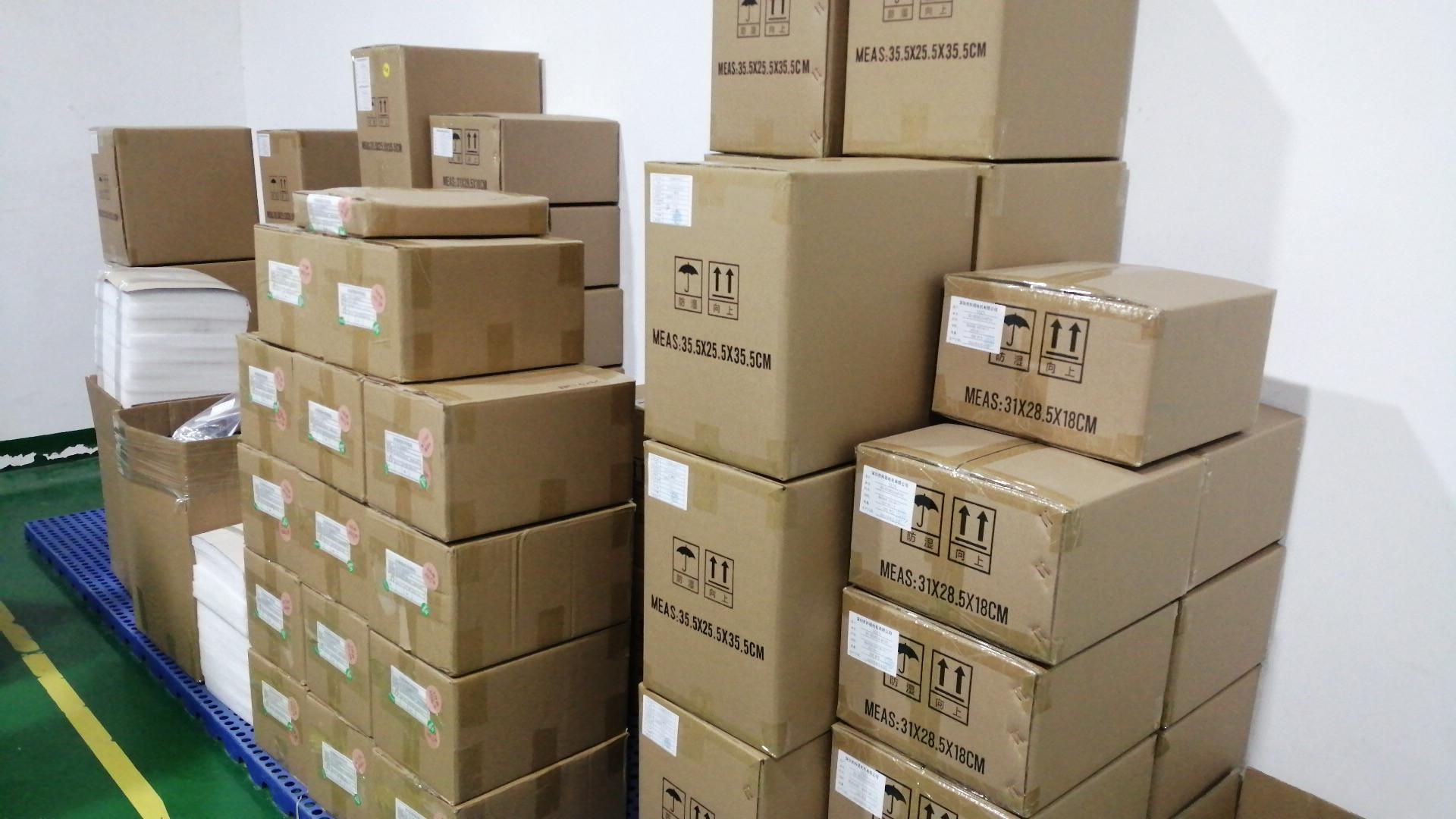
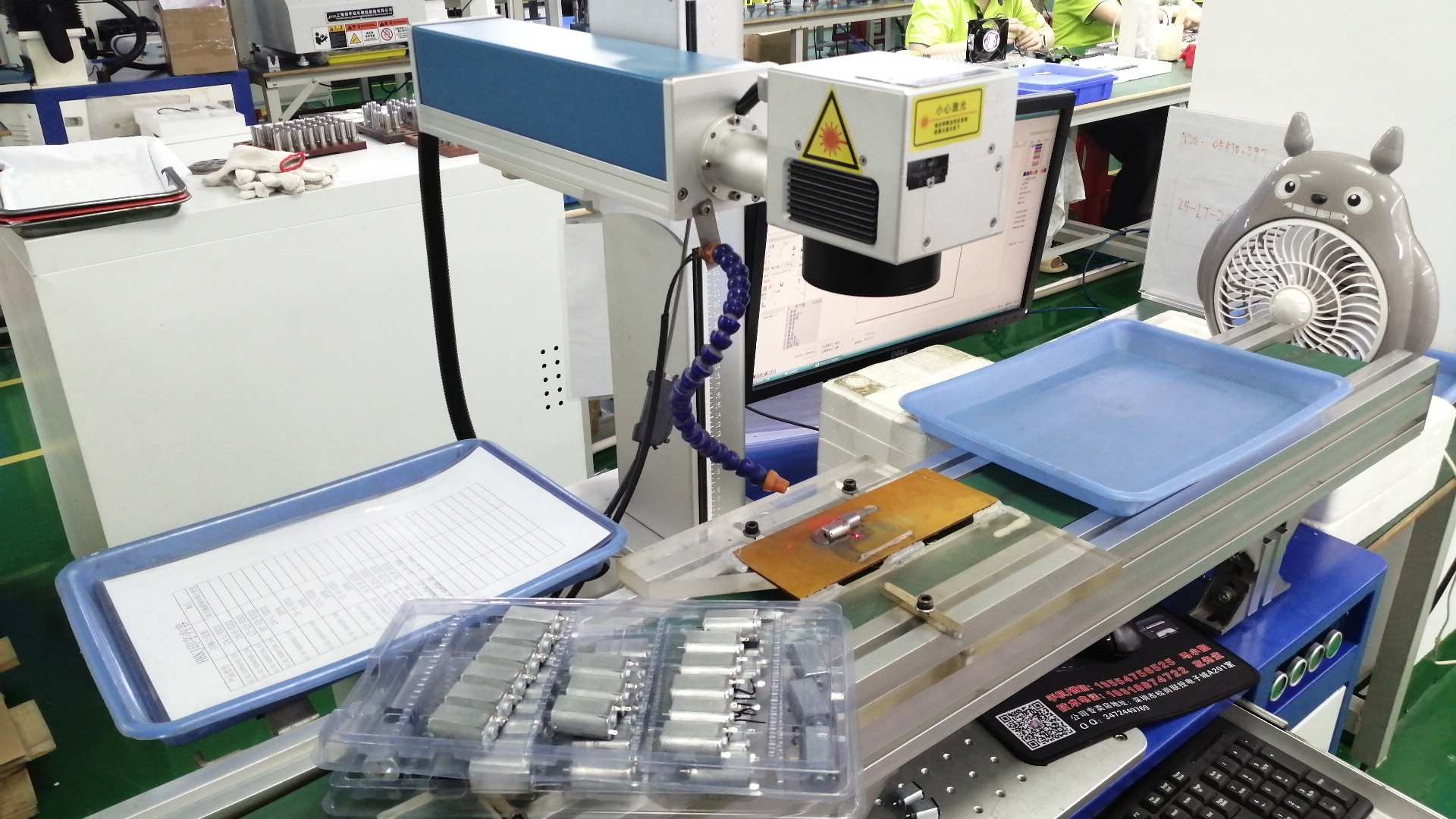
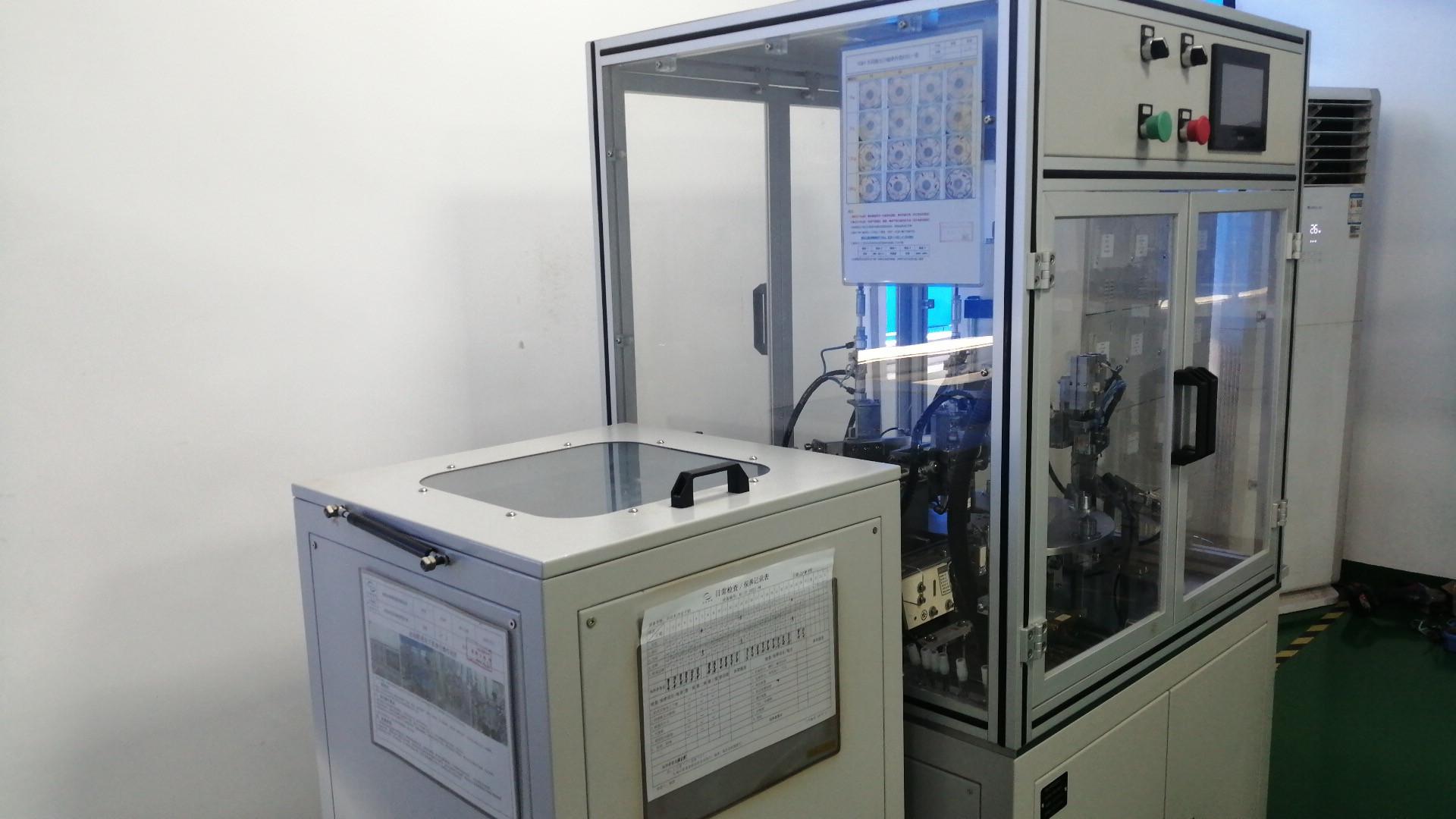
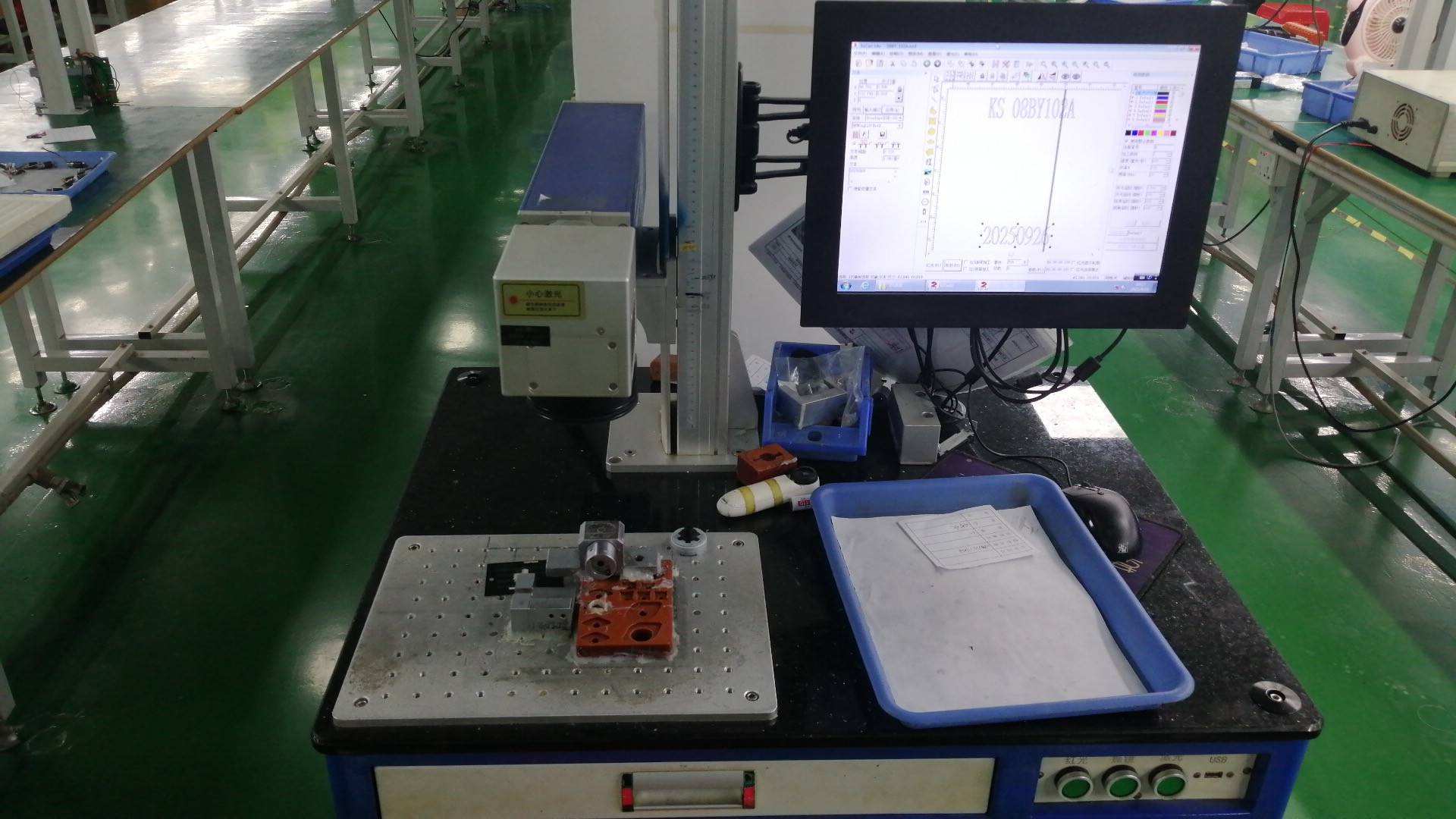
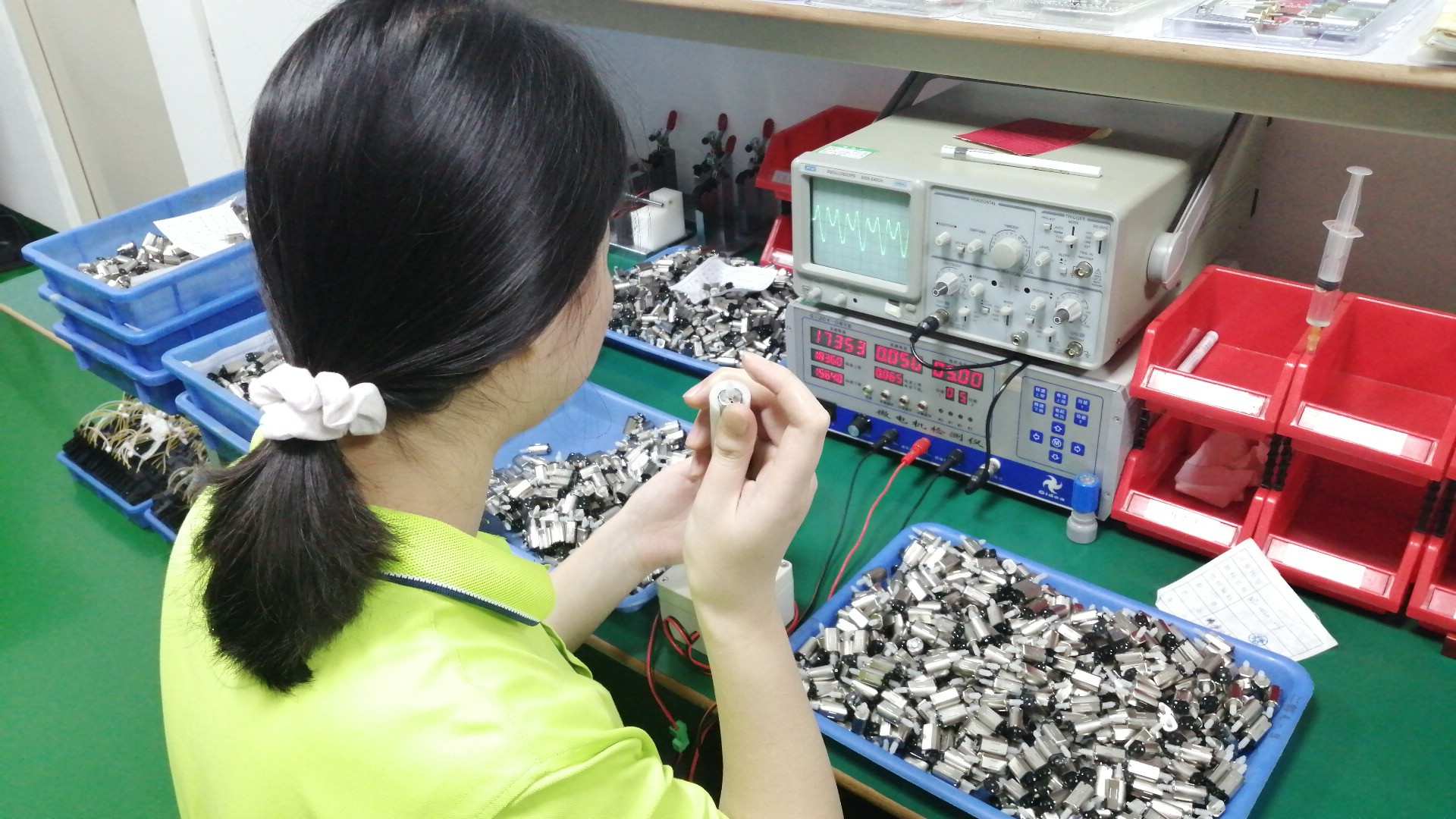
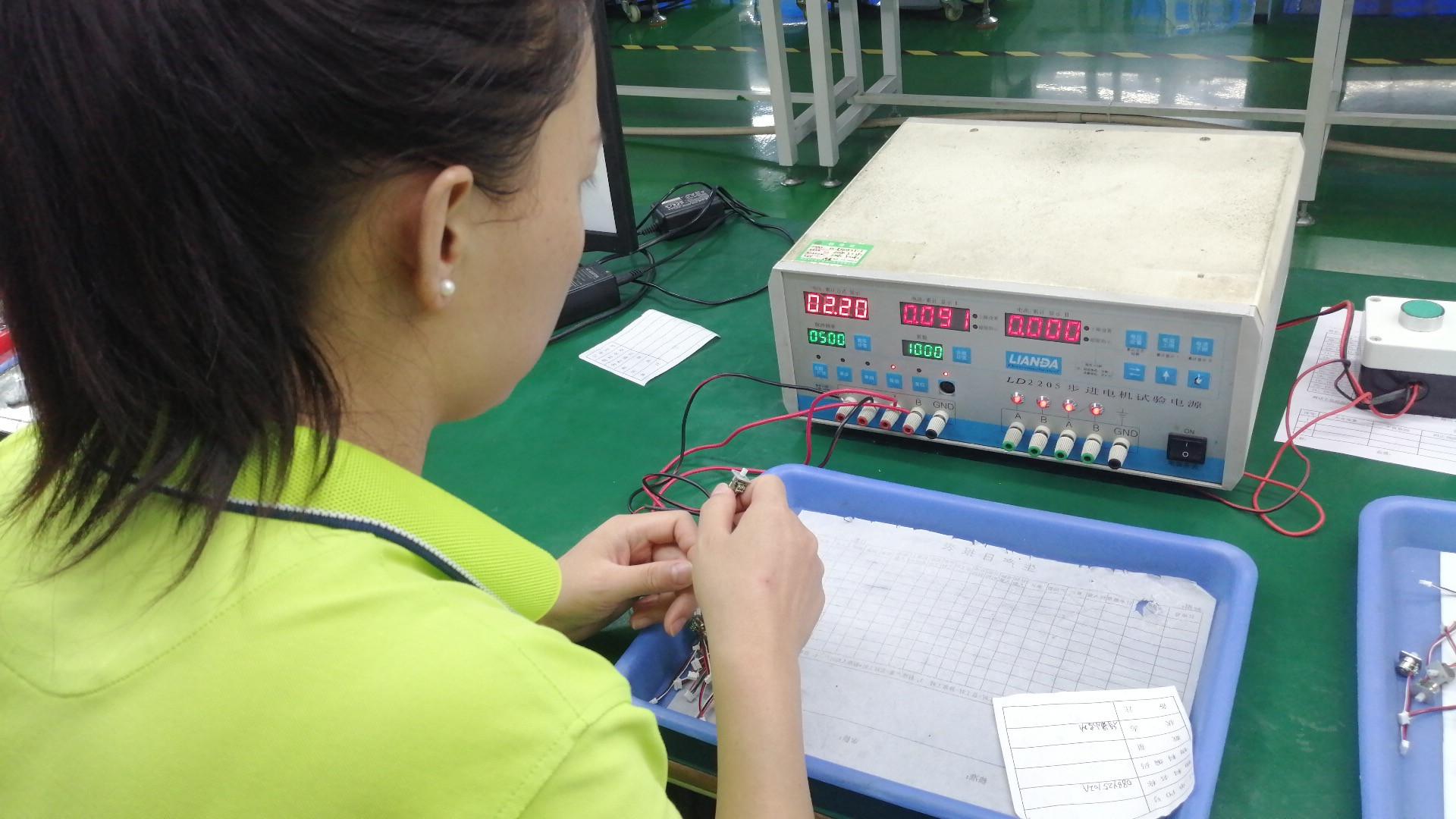
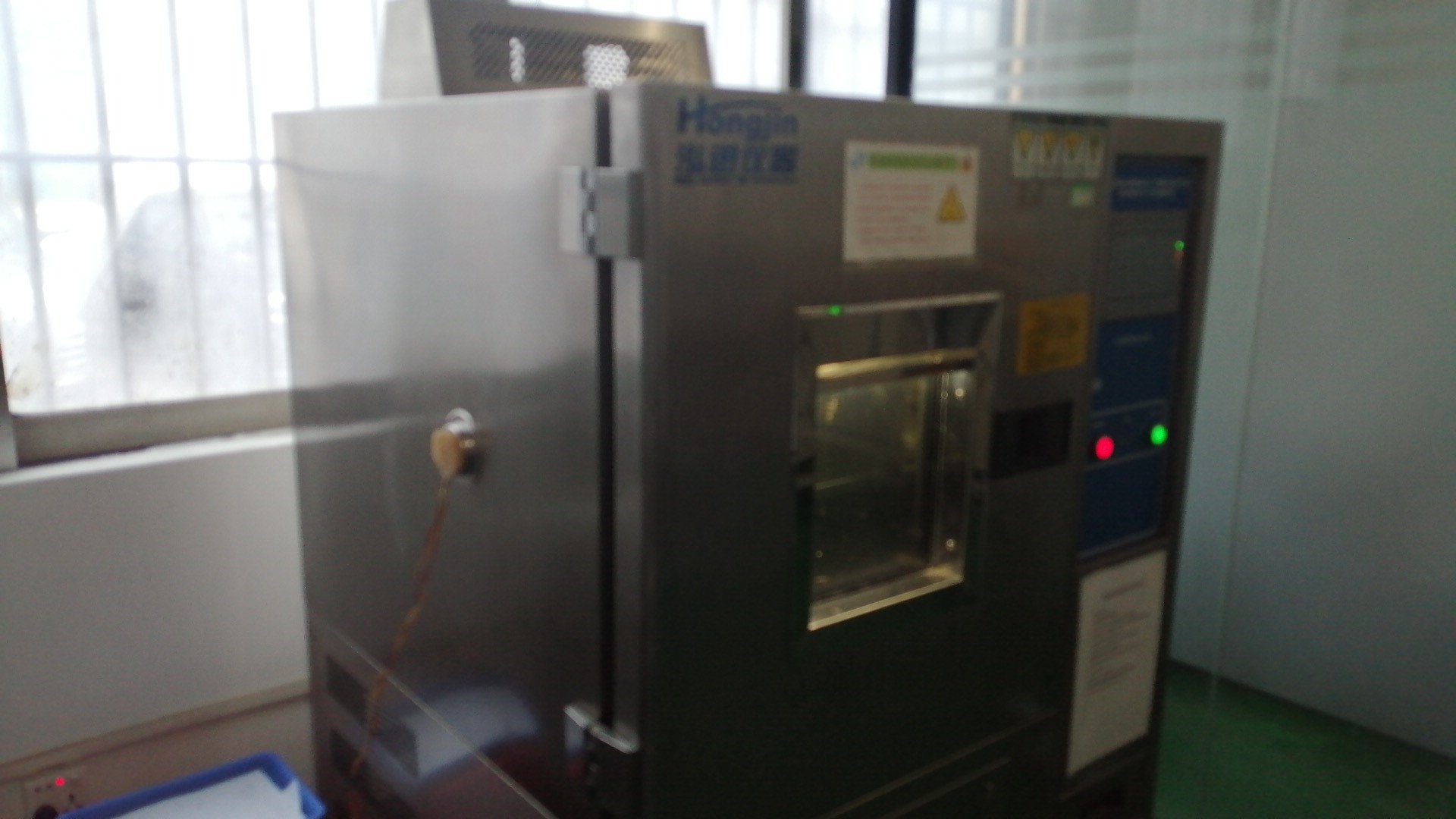
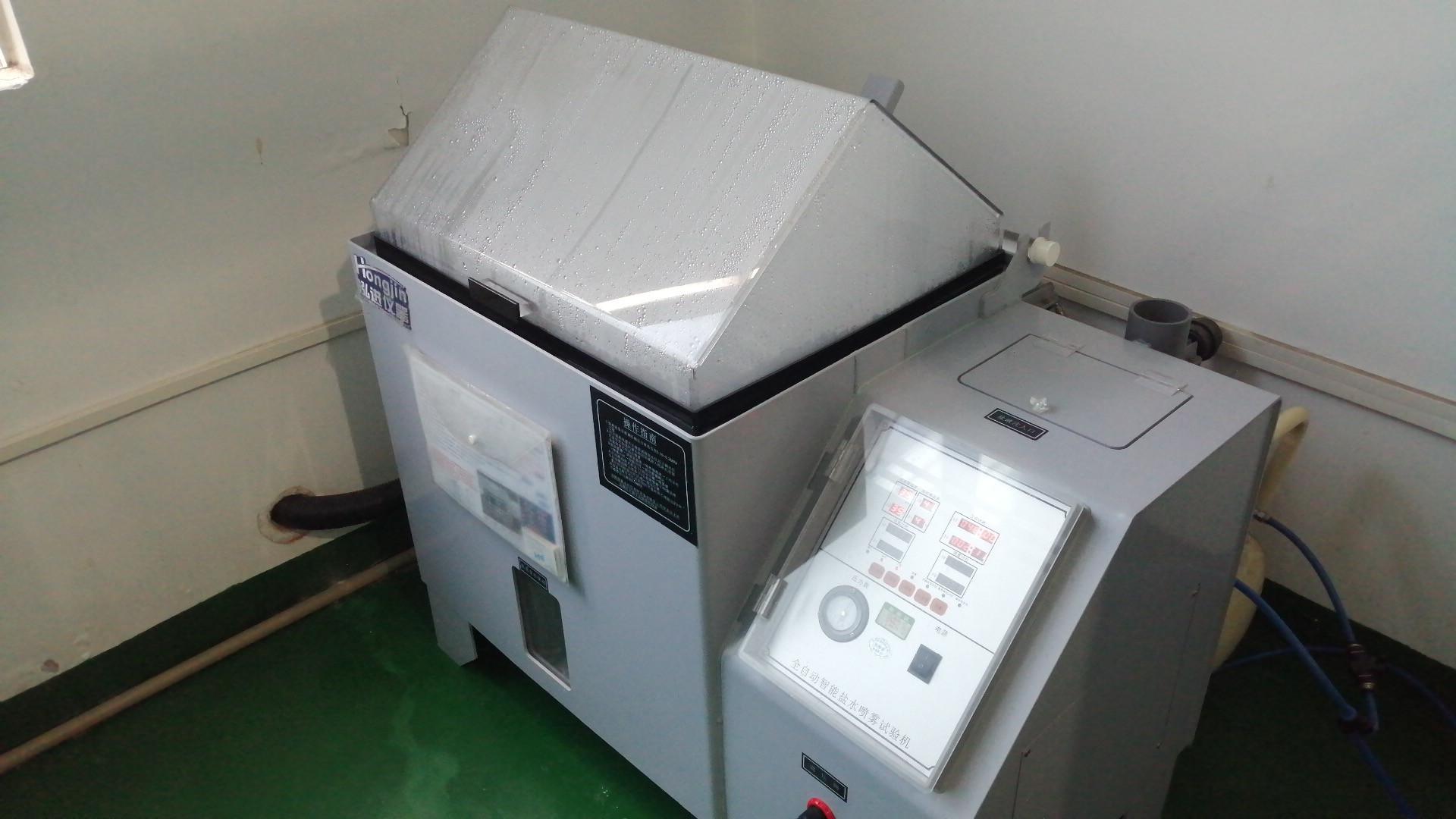
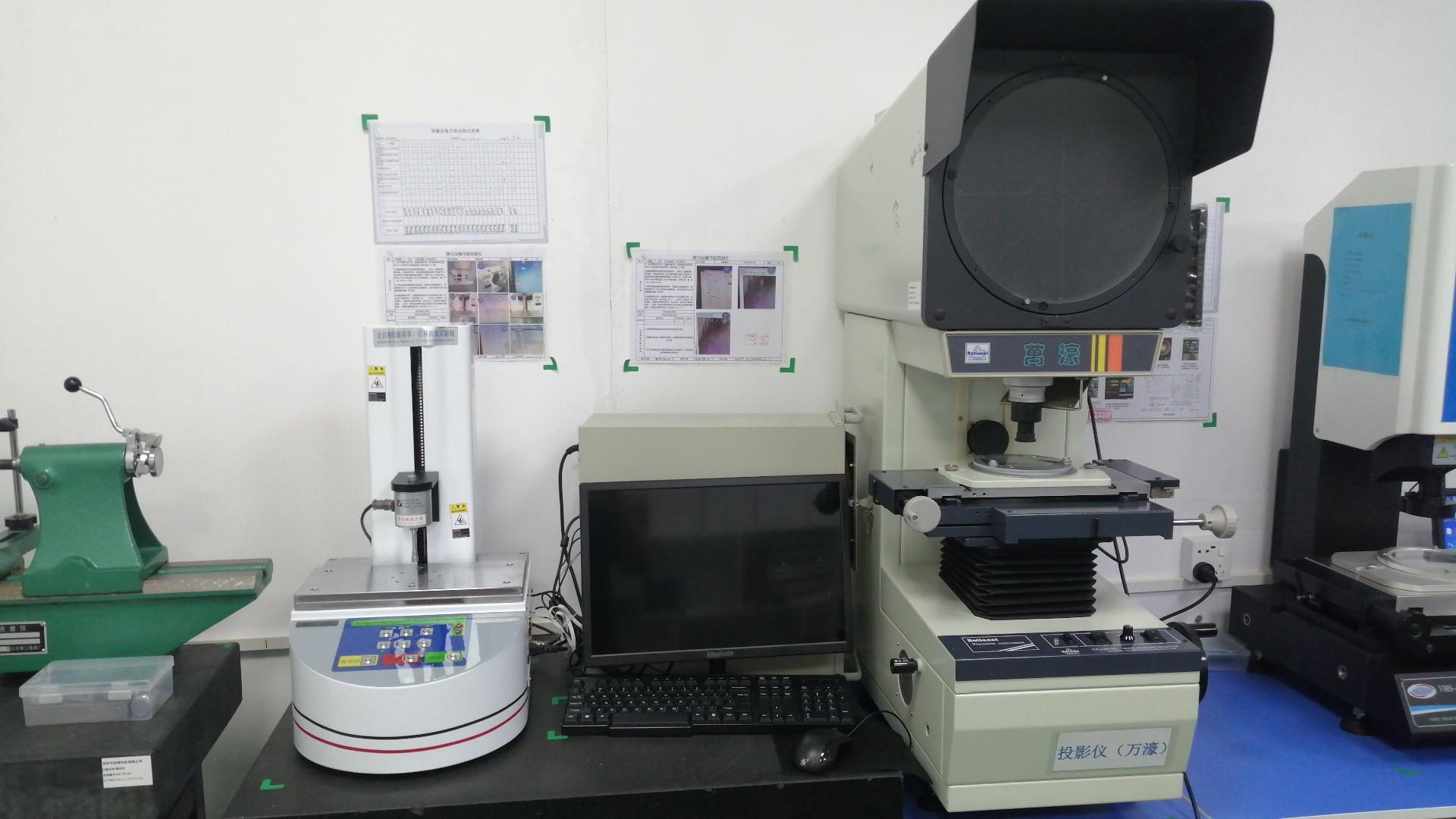
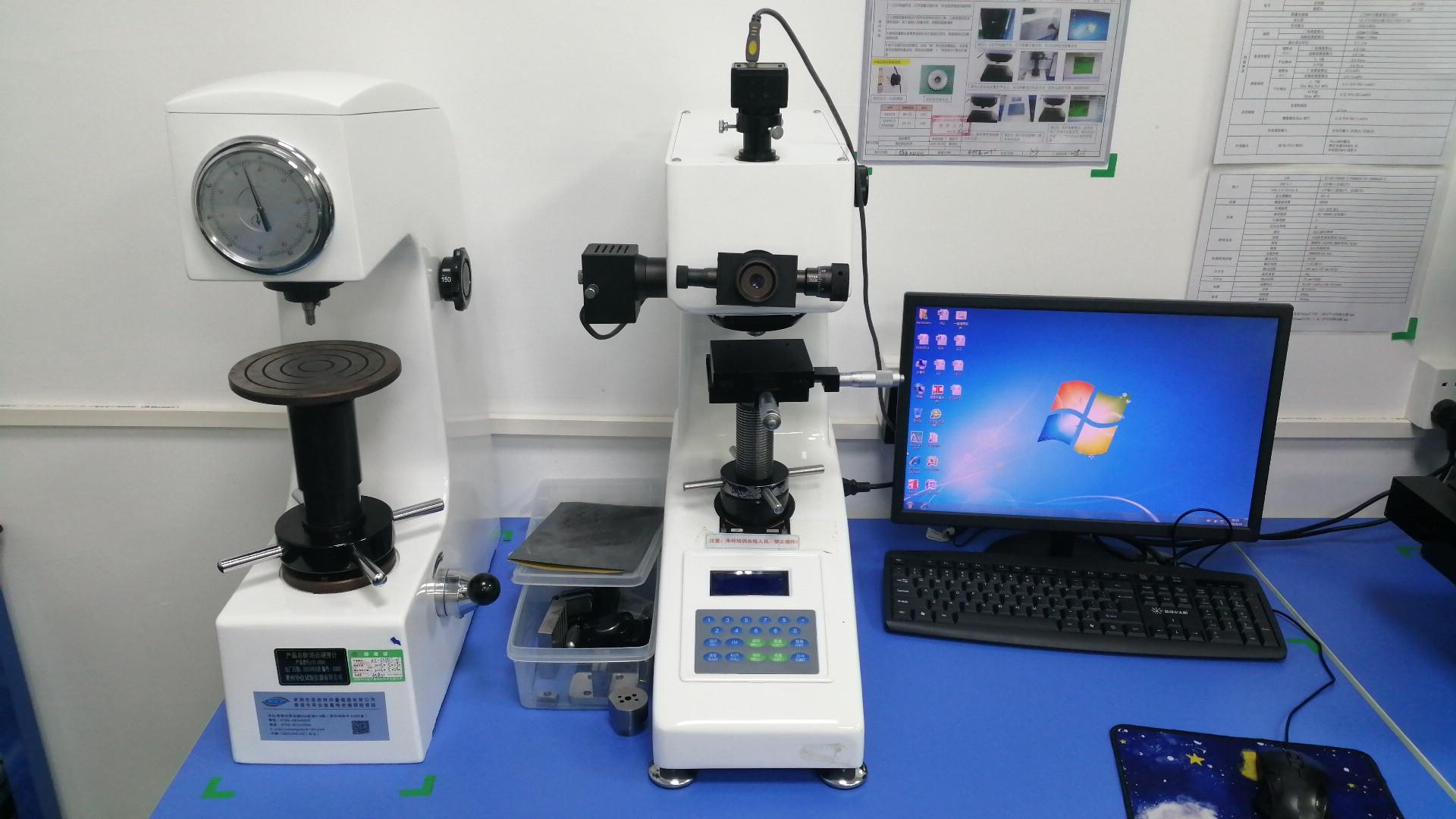
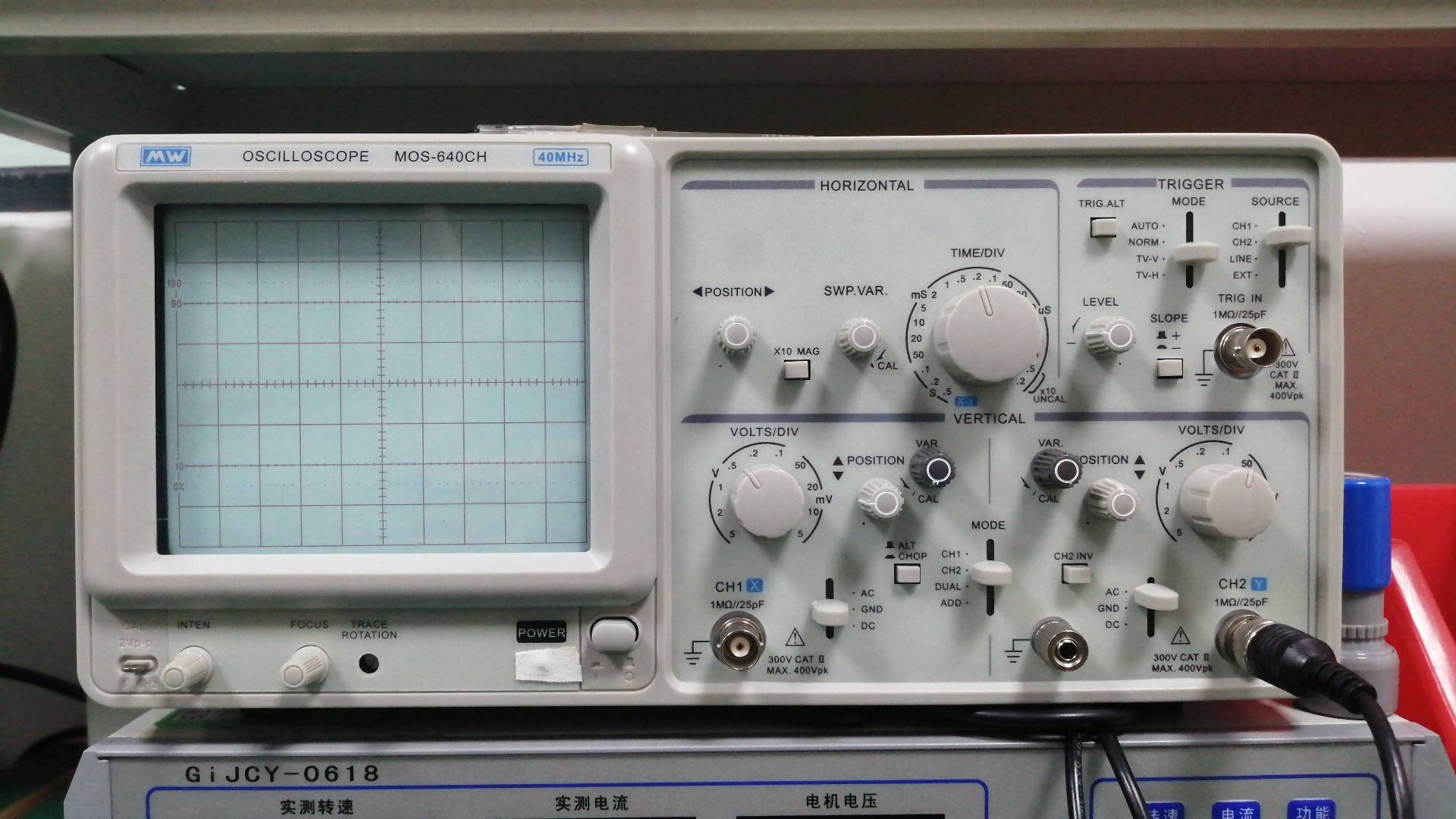
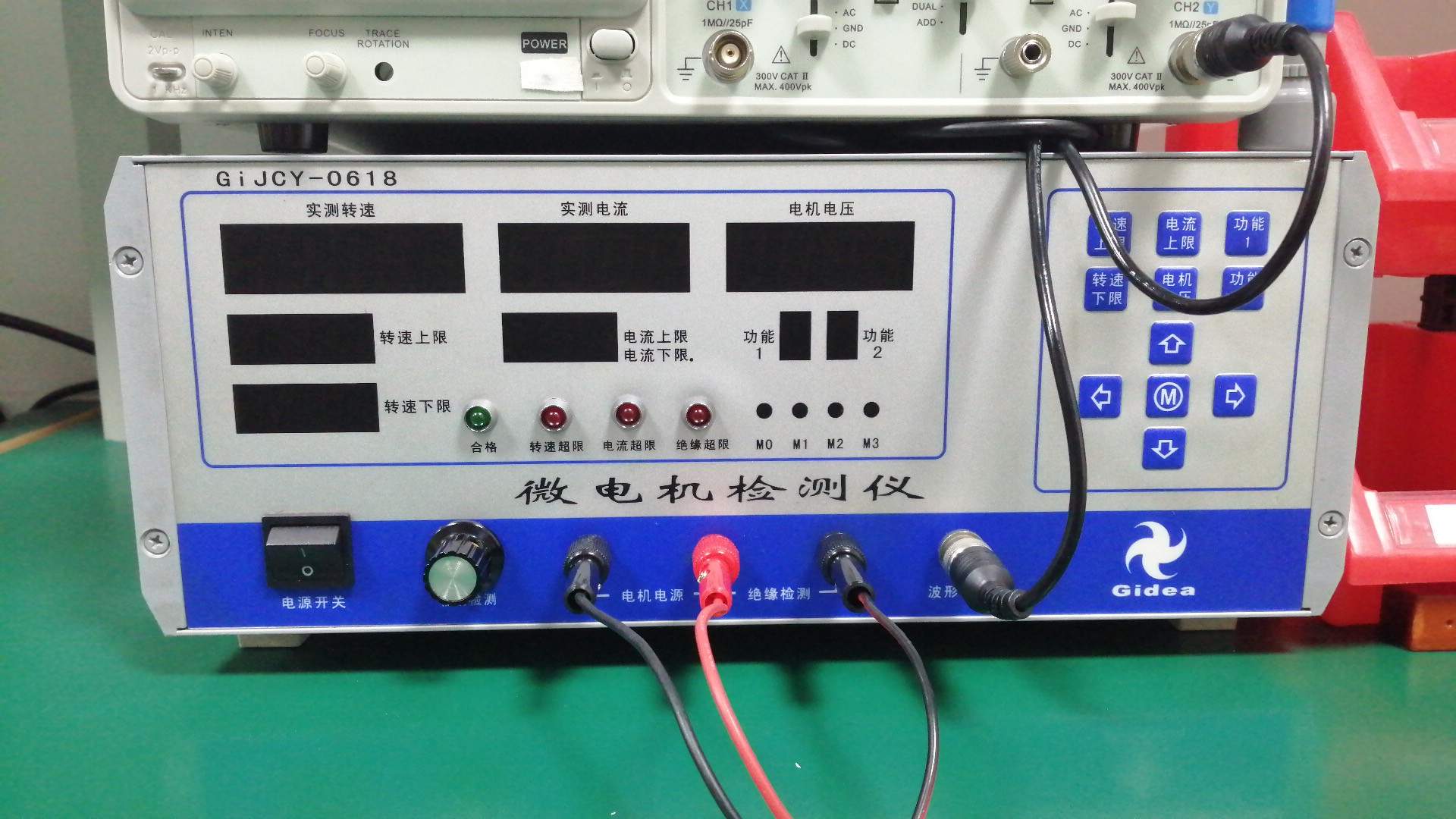
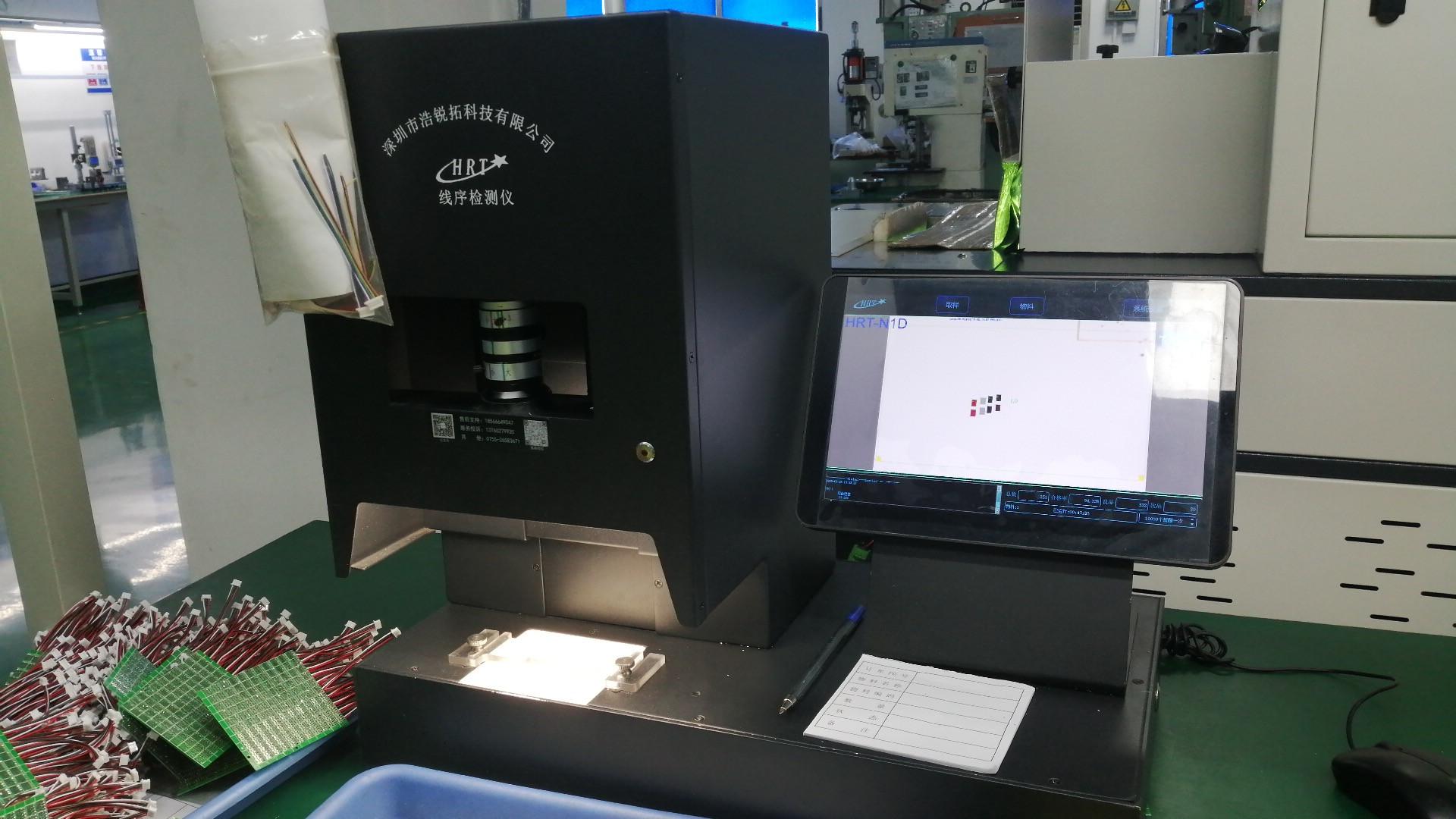
Behind every Brea Tech low noise motor is a rigorous, traceably documented manufacturing process. Our facility integrates automated winding, precise structural alignment, and an isolated acoustic chamber for 100% silent testing verification.
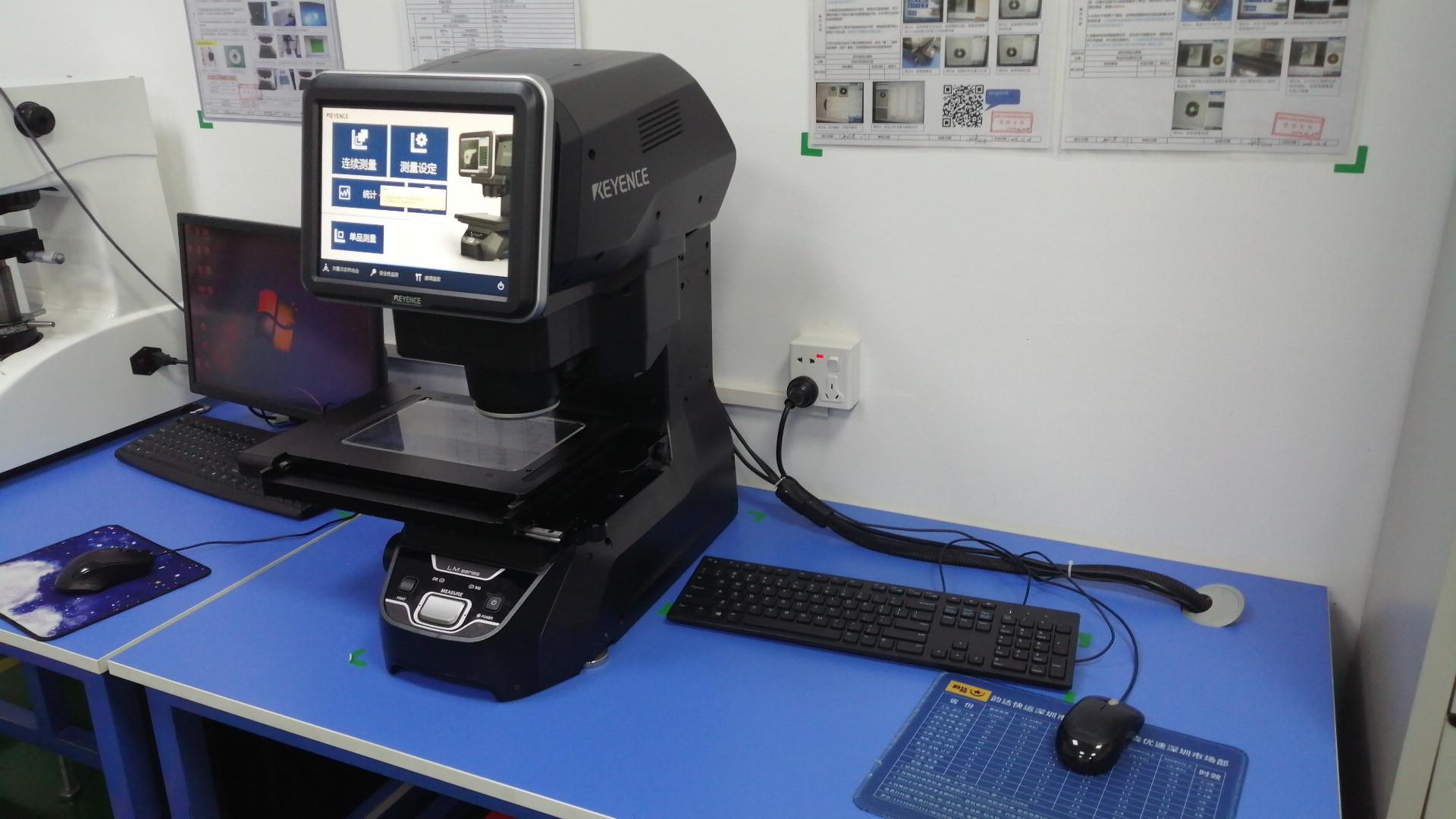
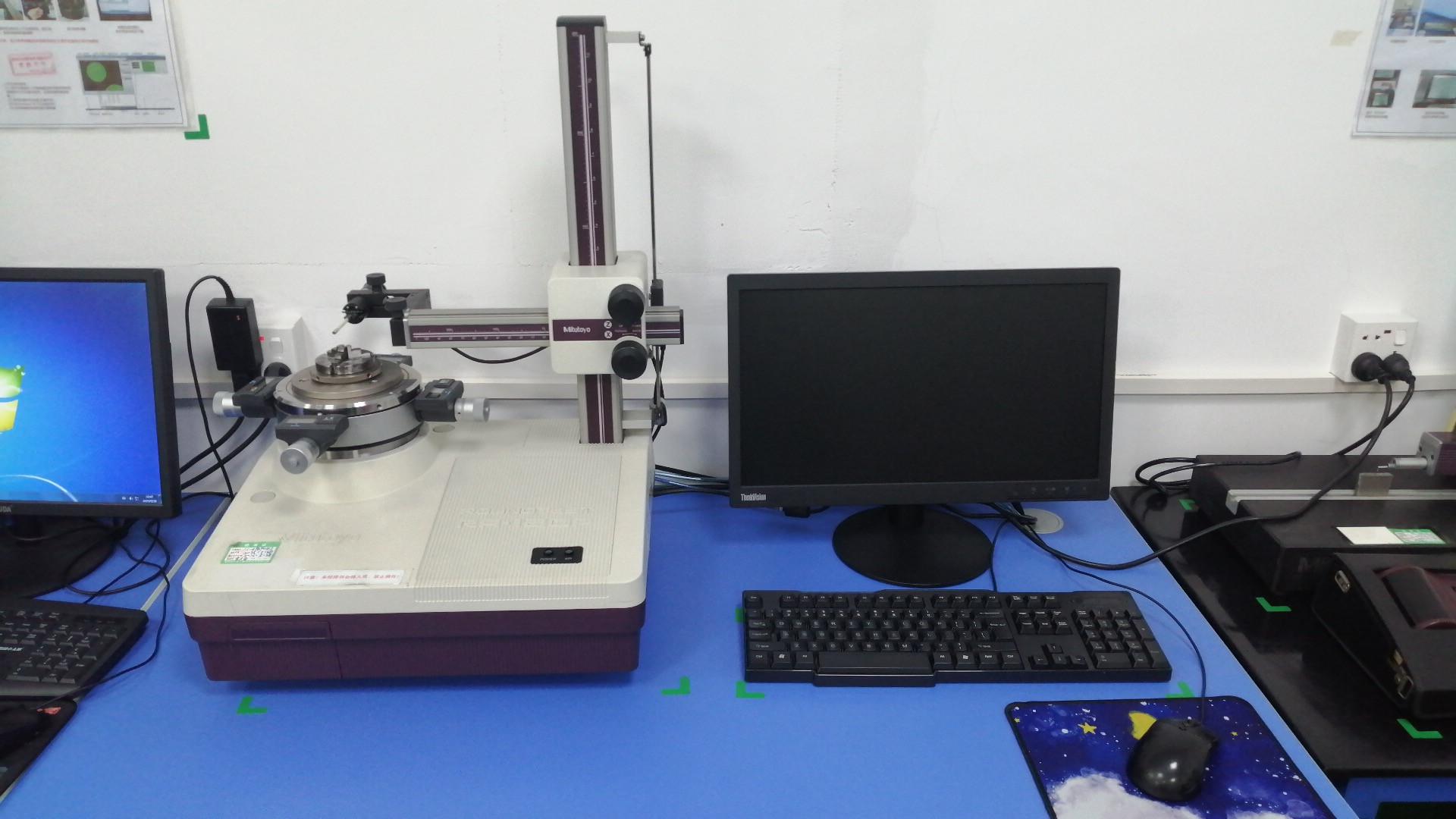
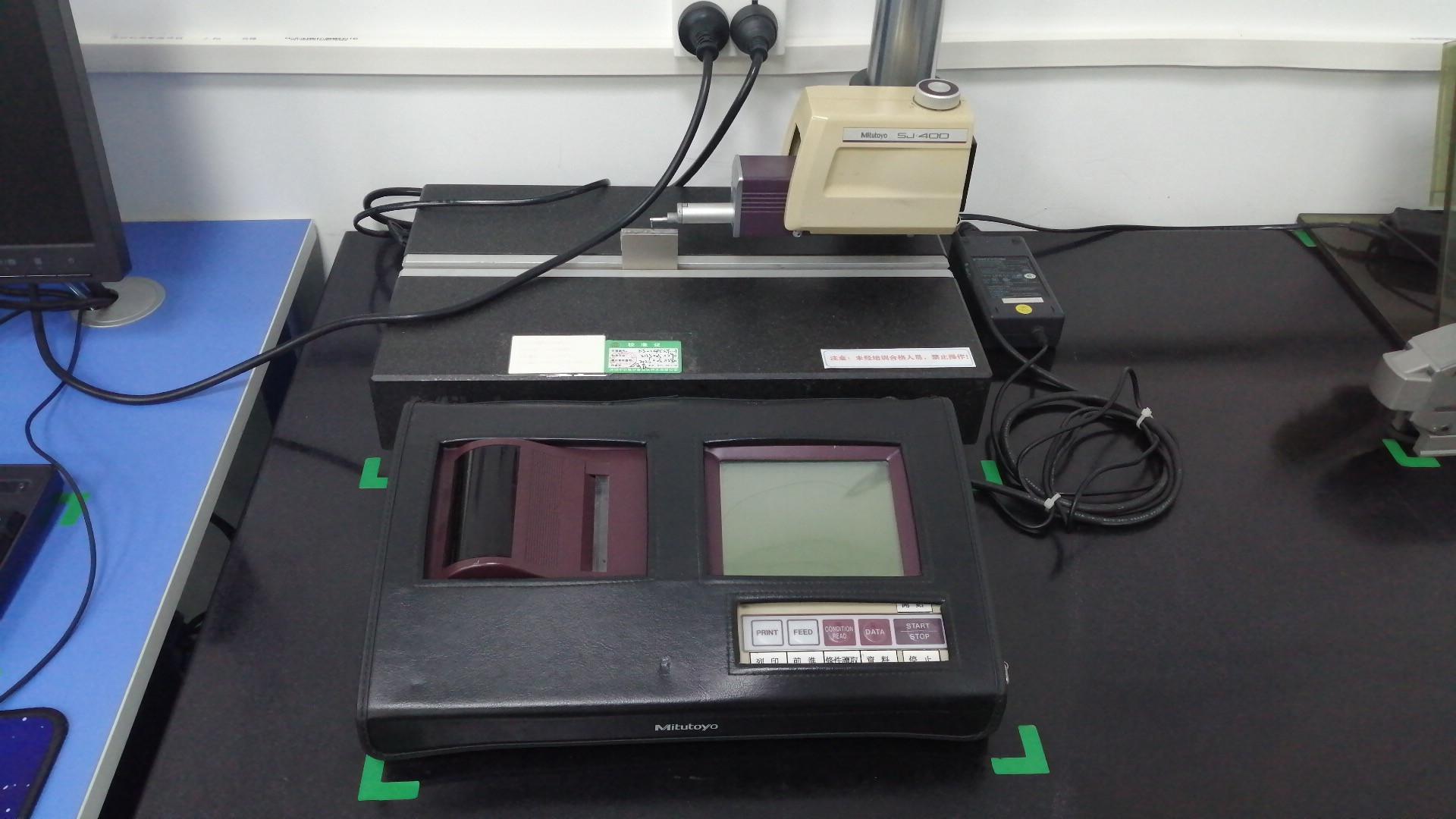
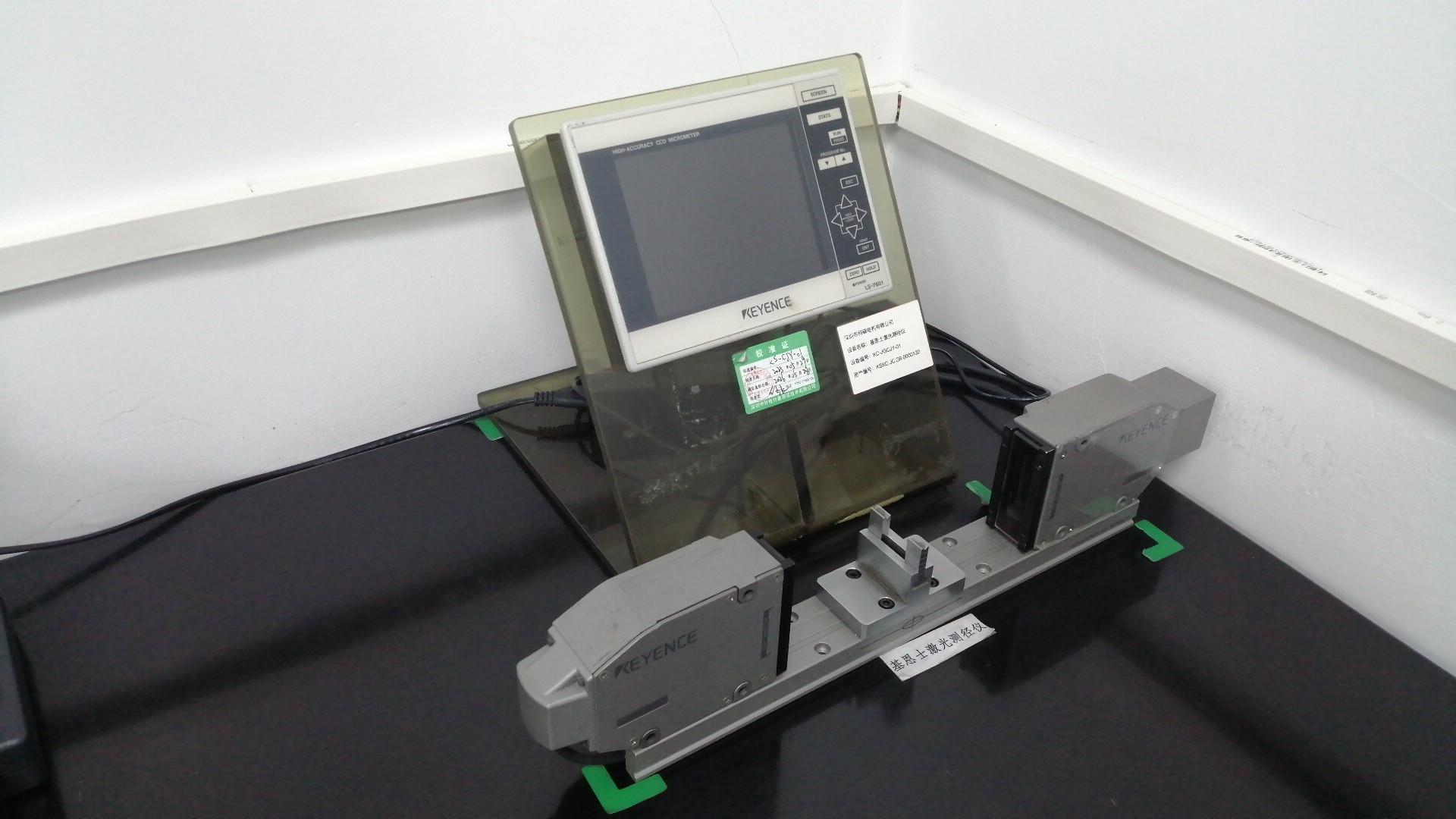
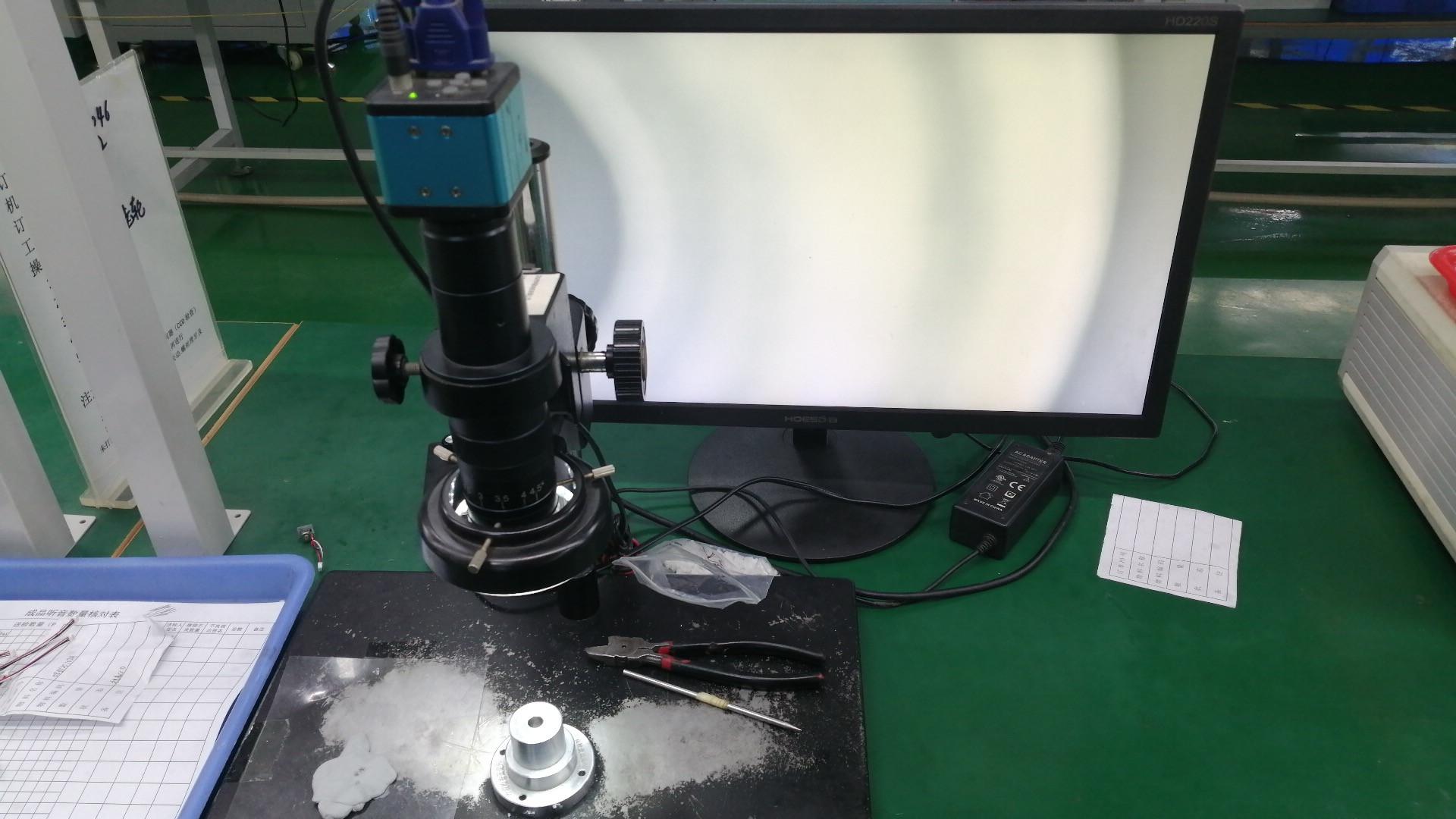
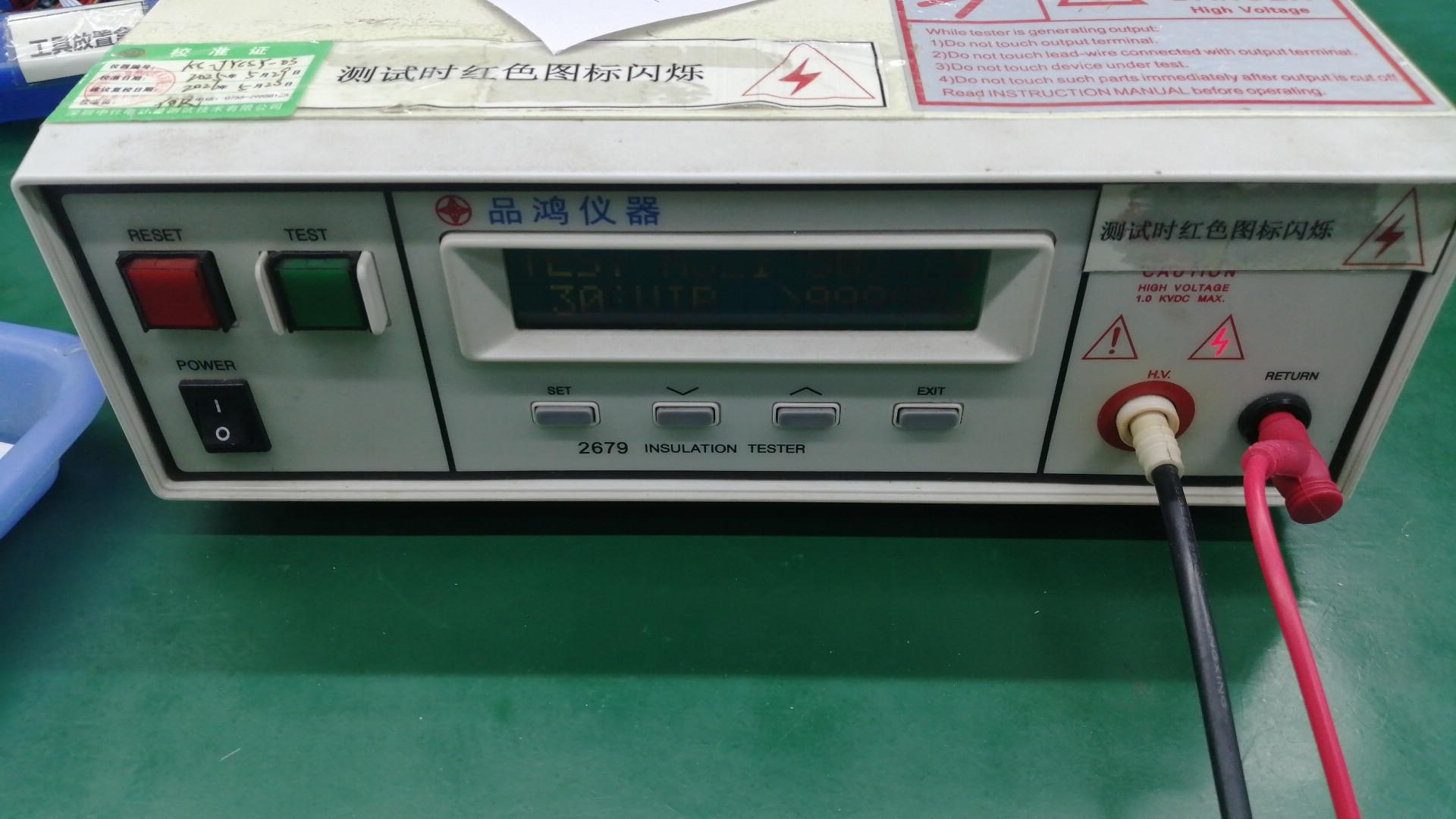
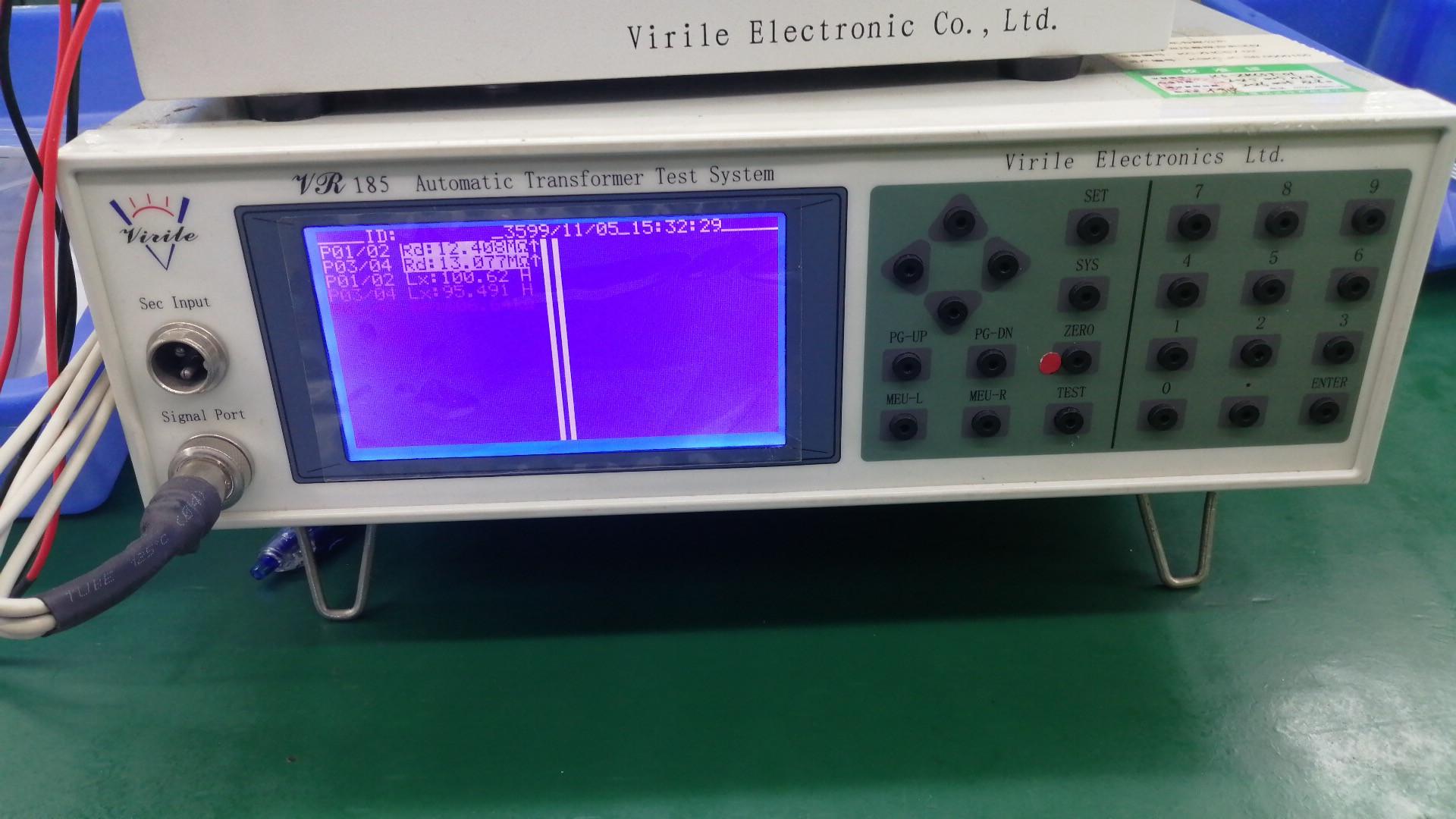
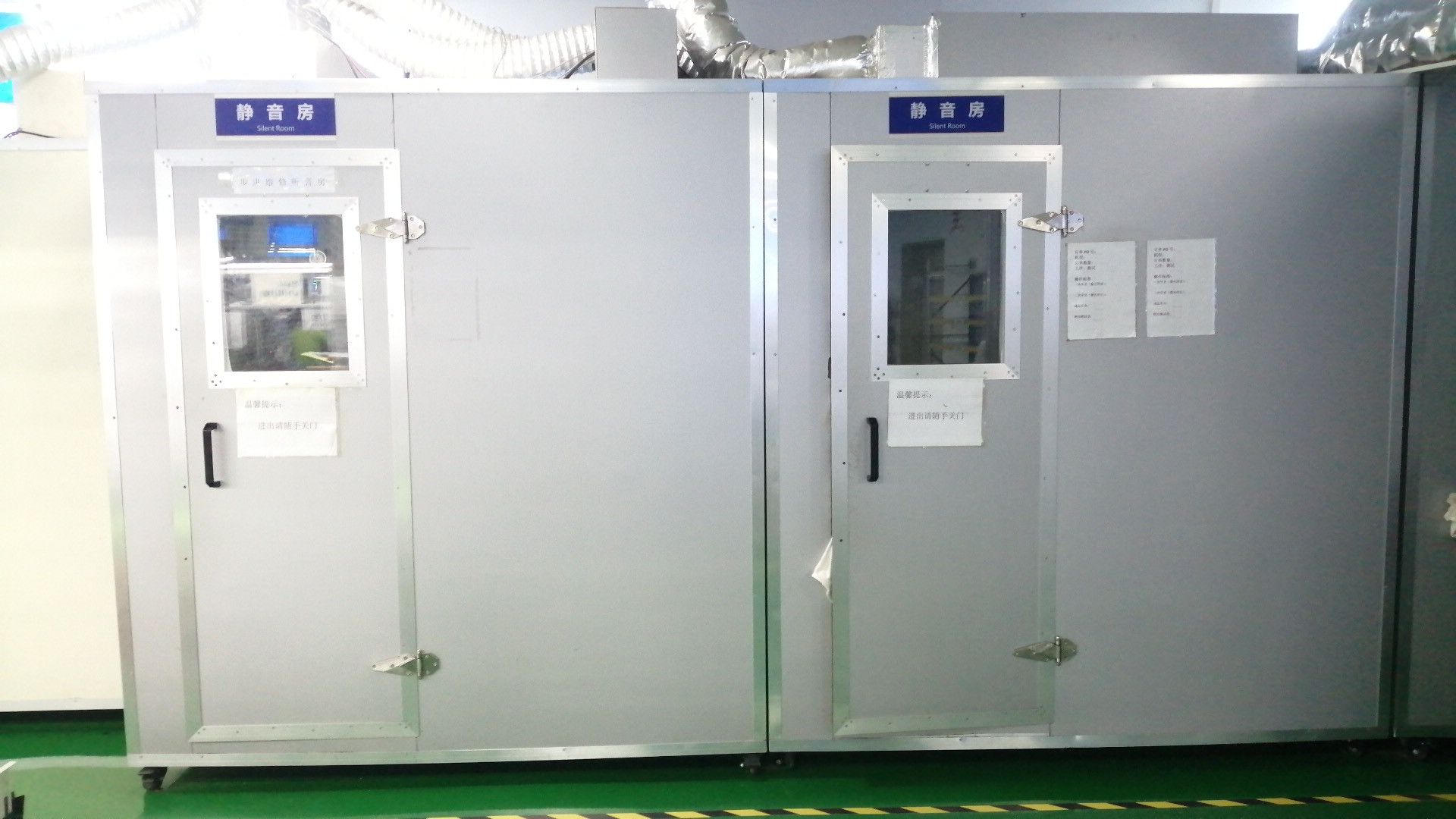
As industrial automation advances, several key technological vectors are shaping the development of micro motors. The first major shift is from brushed DC motors to Brushless DC (BLDC) motors. Without mechanical brushes contacting the commutator, BLDC motors eliminate brush friction, wear particles, and high-frequency arcing. This structural advantage directly lowers acoustic levels, extends operating life, and reduces electromagnetic interference (EMI)—making them ideal for cleanrooms and clinical laboratories.
The second trend is the integration of micro-encoders and intelligent sensorless drive controls directly into the motor housing. Traditionally, positional feedback required external sensors that increased the motor's size. Modern high-precision stepper motors and BLDCs utilize integrated magnetic or optical encoders to deliver high-resolution closed-loop control. This closed-loop positioning prevents missed steps under dynamic loads, optimizing efficiency and eliminating motor stall issues in medical dosing systems and precision optical platforms.
Thirdly, materials science is driving motor miniaturization without sacrificing torque density. By utilizing high-grade NdFeB magnets, advanced stator lamination coatings, and precision wire winding configurations, manufacturers can extract higher power outputs from smaller frames. This development is essential for next-generation surgical robots, active wearable medical prostheses, and handheld consumer devices where spatial constraints are critical.
Sourcing customized micro motors requires evaluating multiple engineering variables to ensure long-term product compatibility. When sending an RFQ (Request for Quote) to an exporter, providing generic voltage and torque specifications is often insufficient. Sourcing departments should supply the following parameters to expedite technical review:
In-depth engineering answers addressing noise testing standards, mechanical resonance, and bearing selection for high-performance applications.
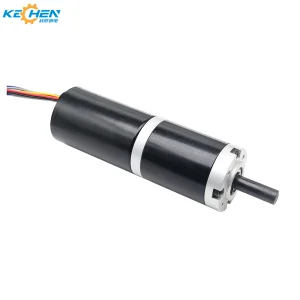
Select from our planetary geared, brushless, and worm gear motor catalog, optimized for high torque-density and continuous quiet operation.
 Brea Tech Micro Motor