Industrial-grade motors engineered for high torque efficiency, thermal resilience, and precise speed modulation across commercial and domestic ventilation networks.
The Engineering Architecture of Next-Generation Ventilation Drives
In the contemporary landscape of global industrial automation and indoor air quality (IAQ) management, the engineering demands placed on electric exhaust fan motors have escalated exponentially. What was once considered a commoditized segment of simple induction drives has transitioned into a highly sophisticated domain of permanent magnet synchronous motors (PMSM), brushless DC (BLDC) architectures, and smart electronically commutated (EC) configurations. This transition is primarily propelled by rigorous international energy directives (such as the EU's ErP Directive and US DOE mandates) alongside a massive structural shift toward IoT-enabled smart buildings.
"Global sourcing executives are no longer merely looking for component suppliers; they are looking for technological partners who can provide substantial information gain, reliable customization pathways, and an airtight supply chain footprint."
This whitepaper details the structural dynamics, micro-drive technologies, and manufacturing methodologies deployed by the industry's elite exporters. It provides an analytical blueprint for procurement departments, project engineers, and global OEMs to evaluate, source, and integrate high-efficiency micro-drive motors into commercial, industrial, and consumer ventilation systems.
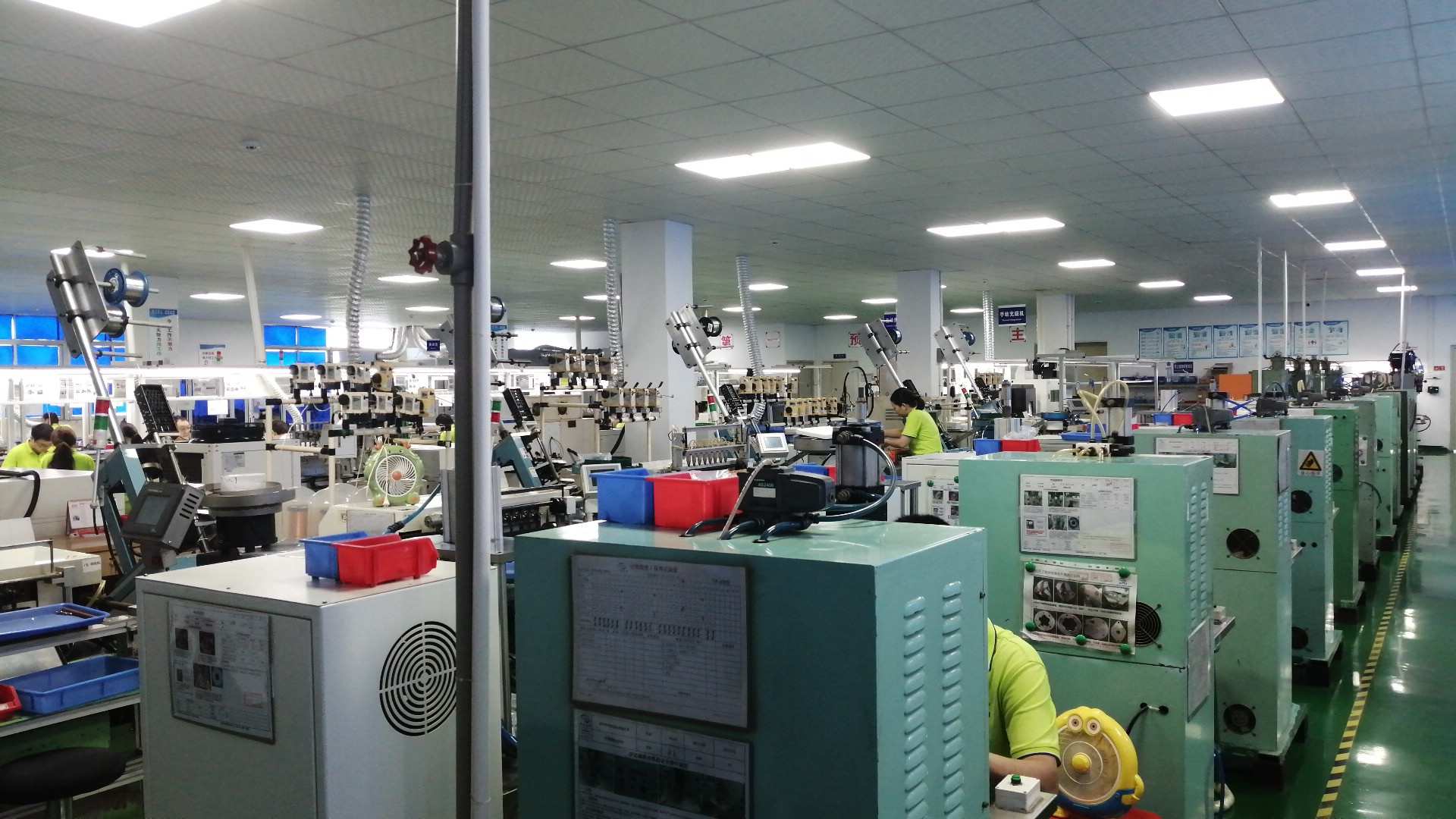
The dominance of Chinese factories in the micro-drive sector is not merely a product of labor arbitrage; it is the result of deep vertical supply chain integration, raw material proximity, and continuous investment in advanced automation. For example, Brea Tech Micro Motor exemplifies the new generation of Chinese manufacturers, redefining precision motion control in the micro-drive industry. Located in China's advanced manufacturing hubs, these factories leverage a comprehensive ecosystem that spans from rare-earth neodymium mineral processing to automated precision coil winding and sub-micron testing suites.
Instantaneous access to raw materials, including high-grade copper wire, precision laminations, and permanent sintered NdFeB magnets, reduces logistics lead times to days instead of weeks.
Integrated Surface Mount Technology (SMT) and automated laser-spot welding processes ensure PCB boards for BLDC motor controllers are assembled with extreme precision, mitigating field failures.
Unlike Western manufacturers with rigid tooling cycles, Chinese partners offer rapid prototyping and custom shaft configurations, mounting flanges, and winding adaptations within short R&D windows.
This localized cluster effect enables manufacturers to combine advanced production tech with flexible engineering. The resulting products offer global B2B clients the operational transparency of a local partner combined with the unmistakable cost benefits and scaling capacity of a premier Chinese production plant.
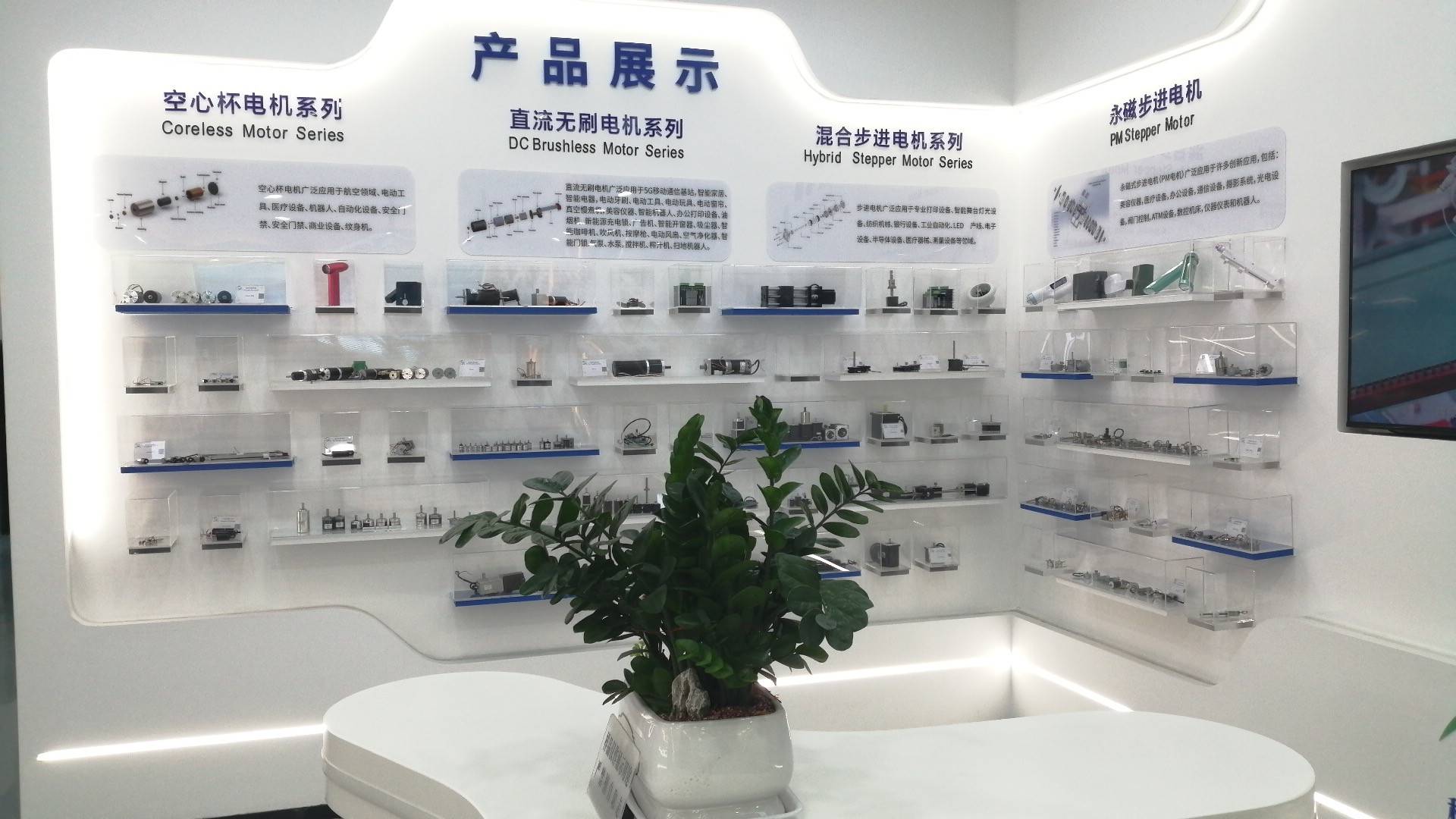
Brea Tech Micro Motor is a forward-thinking Chinese manufacturer redefining precision motion control in the micro-drive industry. We design and build high-efficiency micro DC and BLDC motors that power next-generation technologies worldwide.
Driven by our core philosophy—Top Quality & Customization—we combine advanced manufacturing tech with flexible engineering to provide global B2B clients with the transparency of a local partner and the cost benefits of a premier Chinese factory. Built to last. Engineered to fit.
 Winding
 Magnet Assembling
 Gluing
 End-cap Assembling
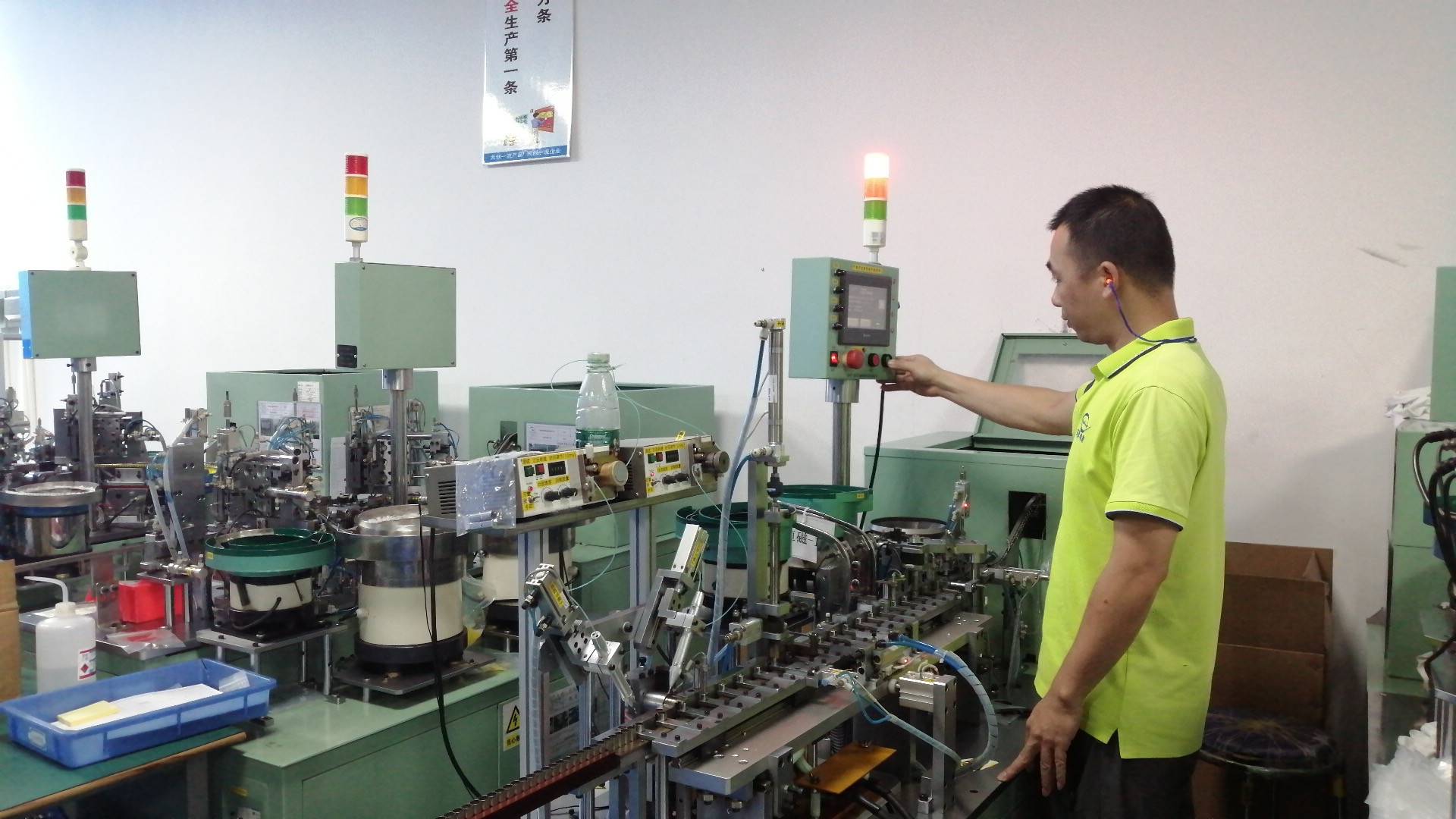 Magnetic Axis Assembling
 Screwing
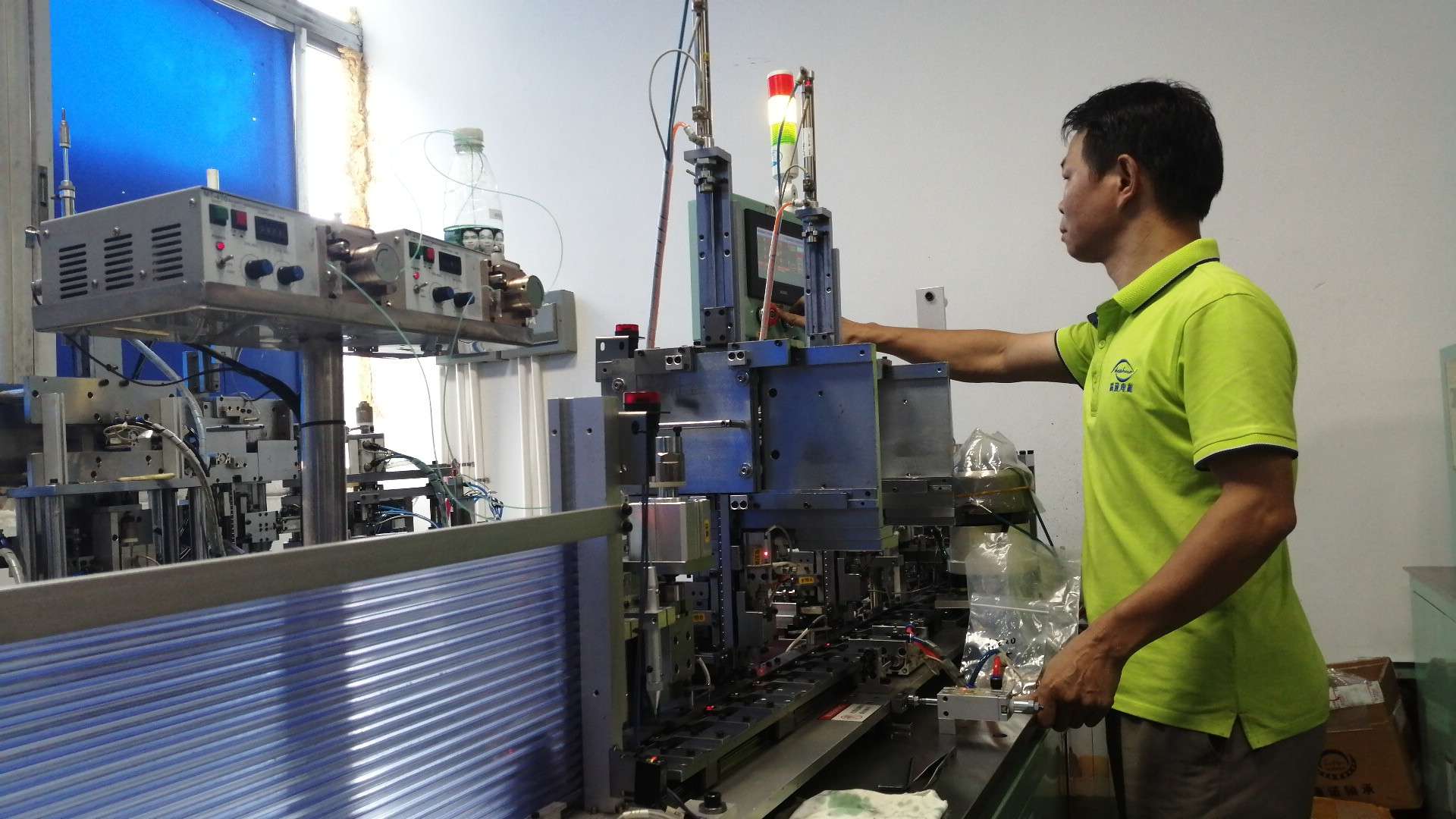 Aging
Aging
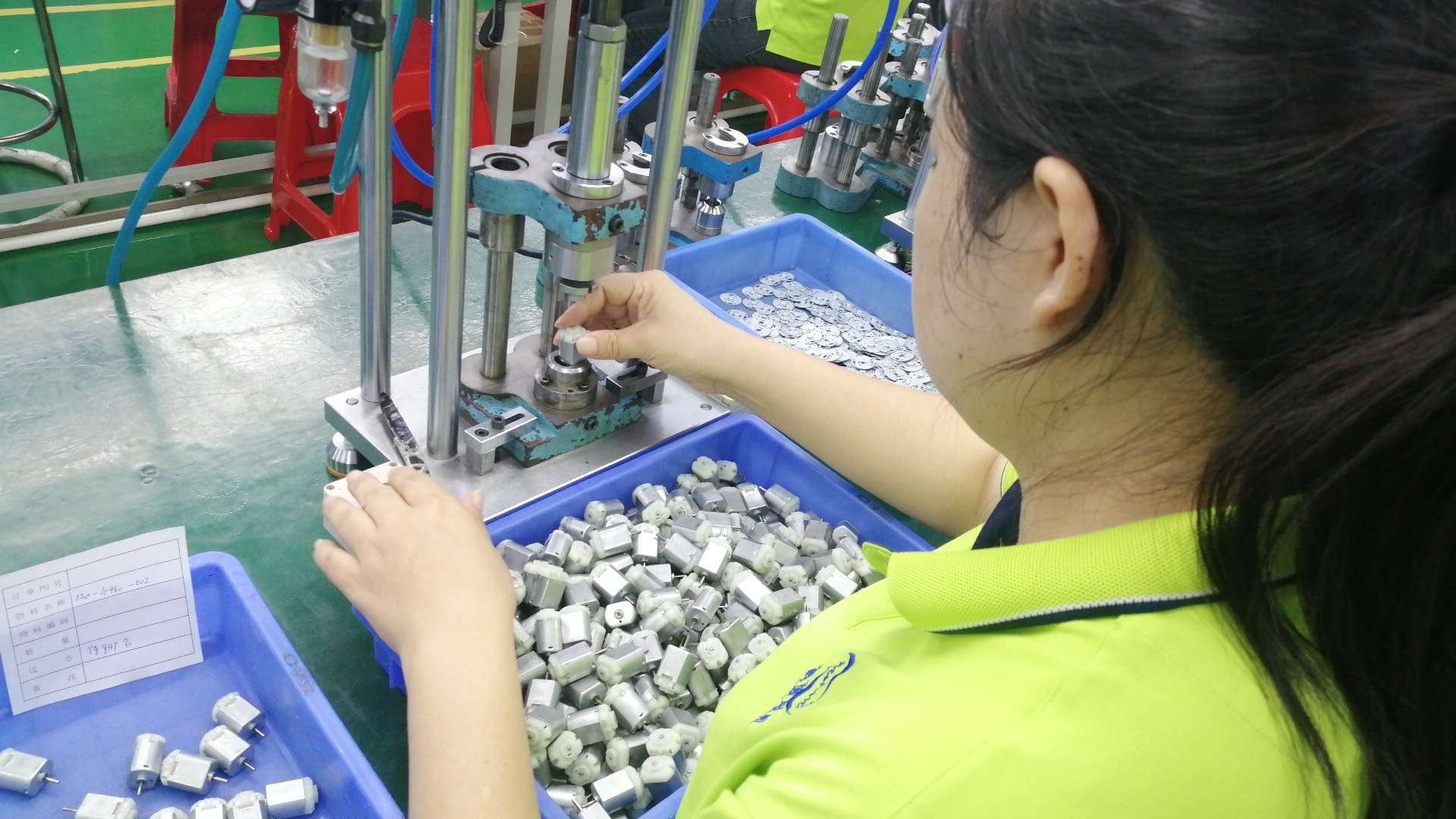 Inspection
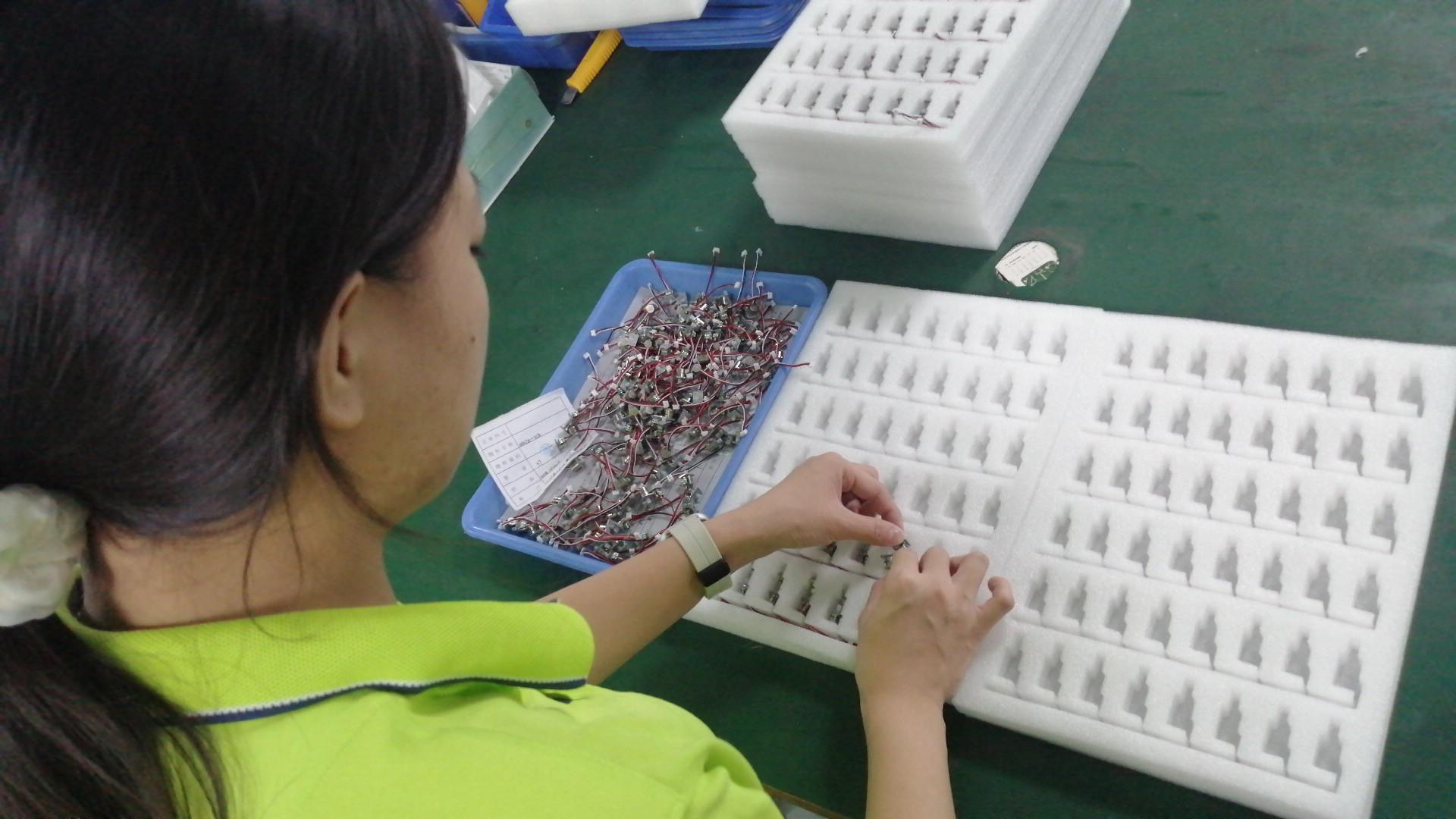
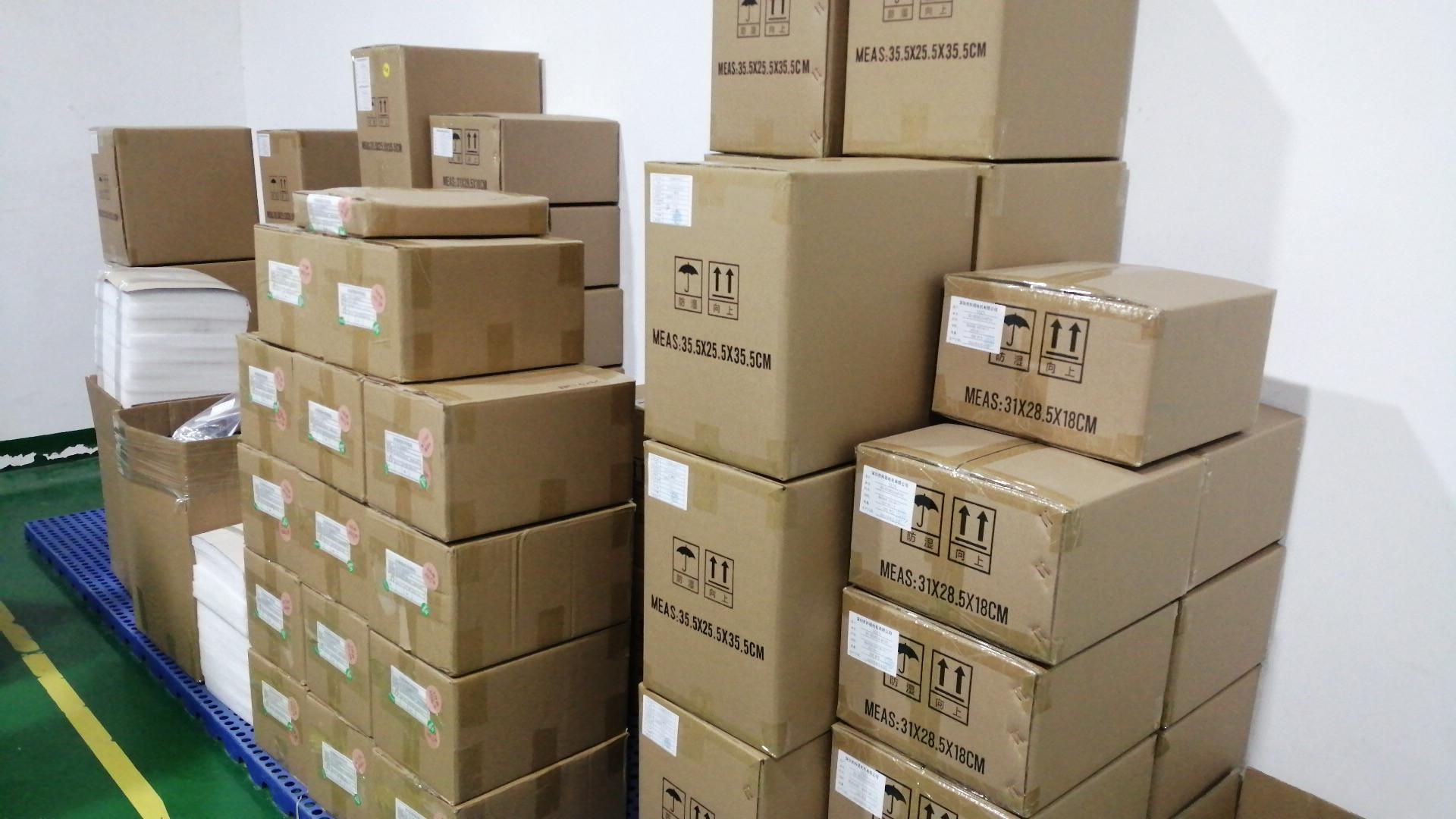
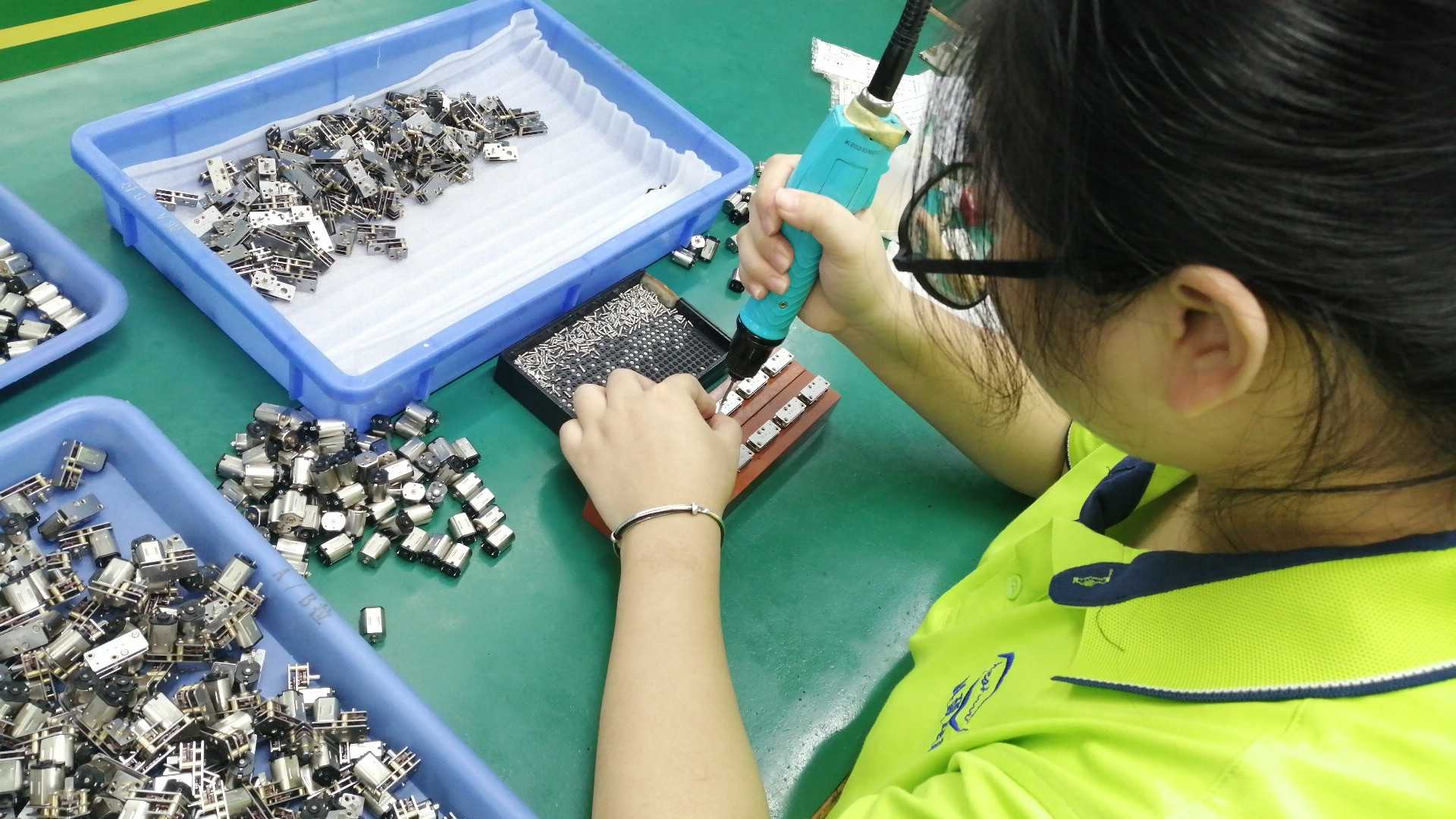 Packing
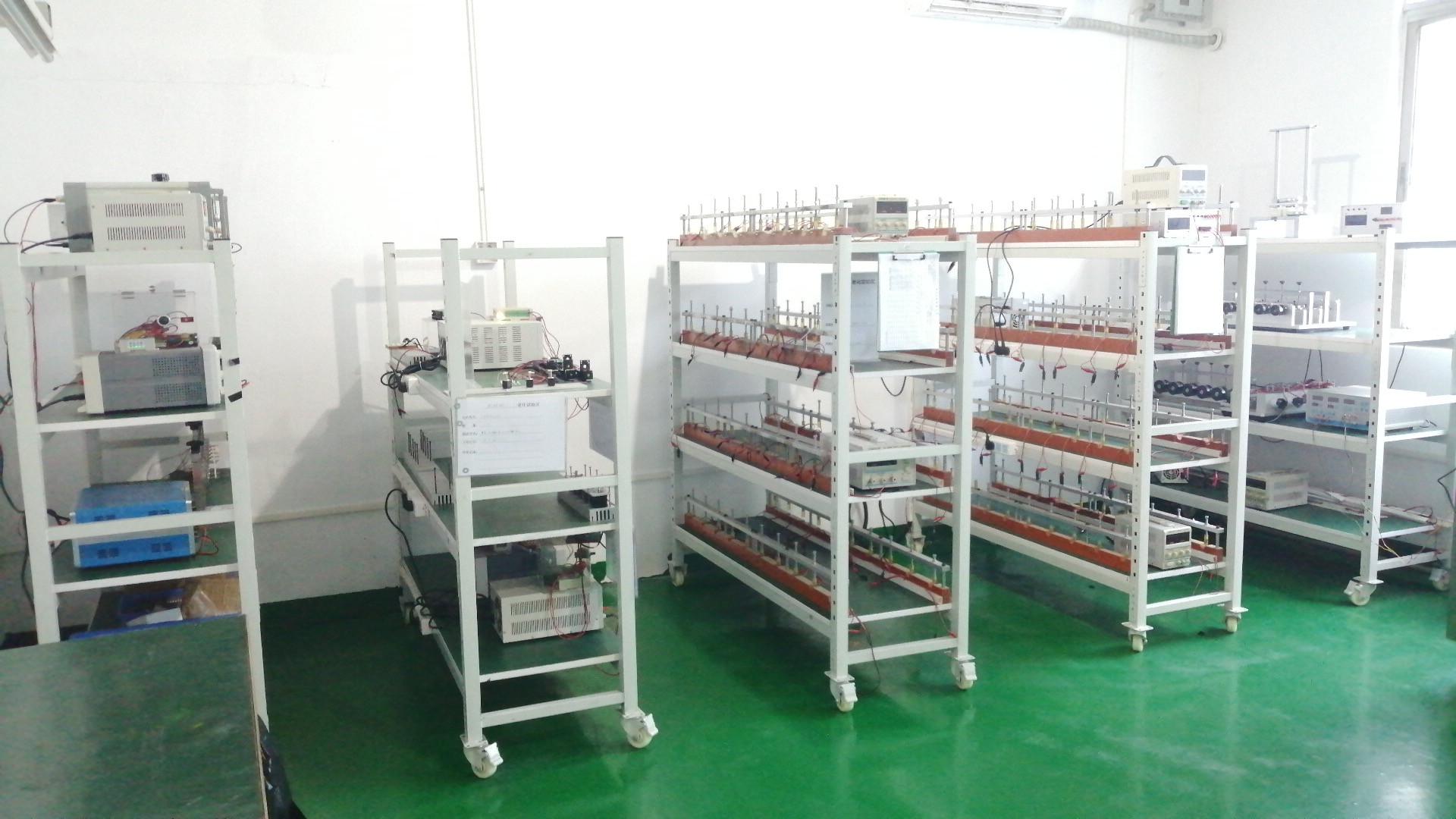 Raw Materials
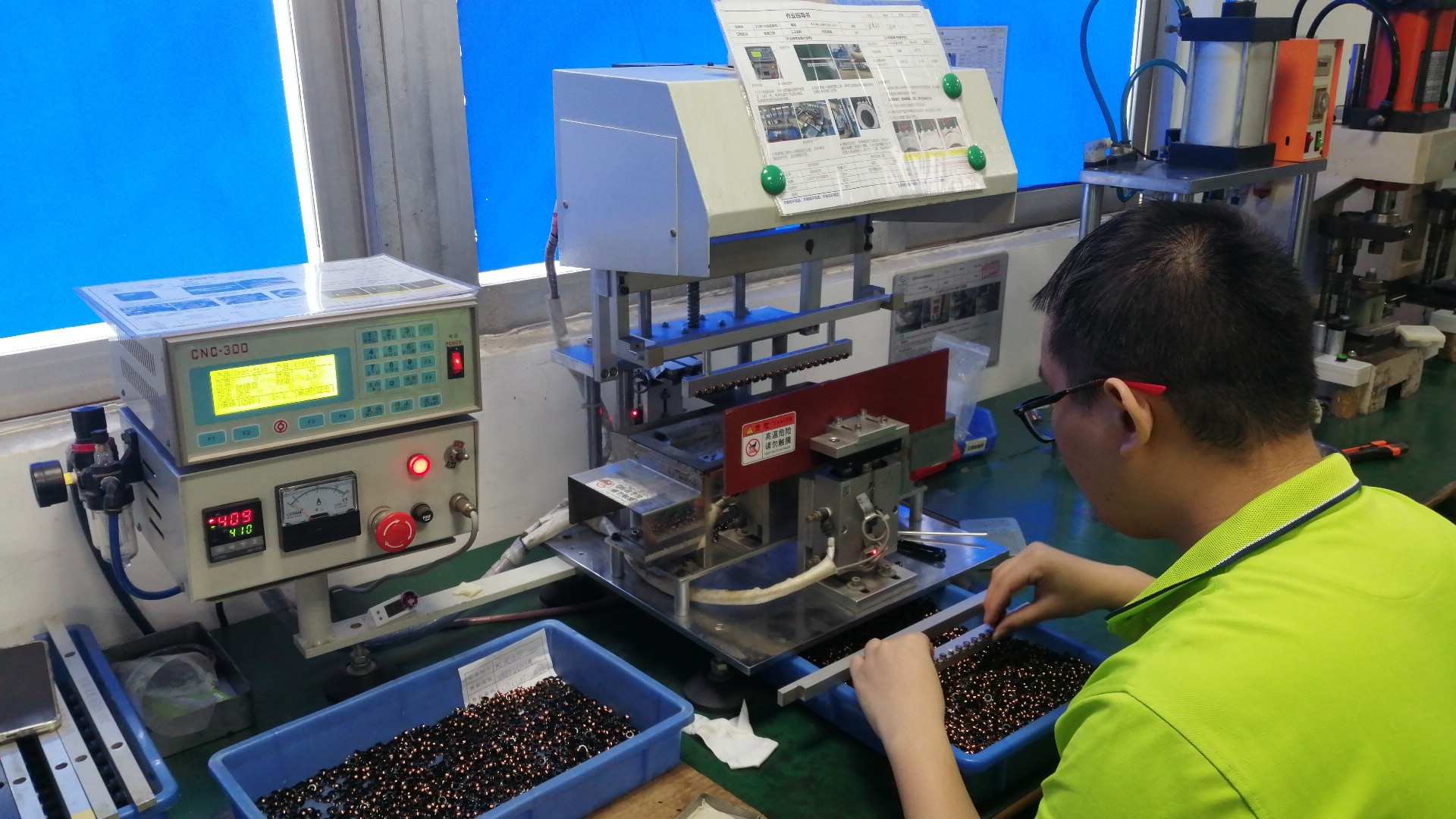
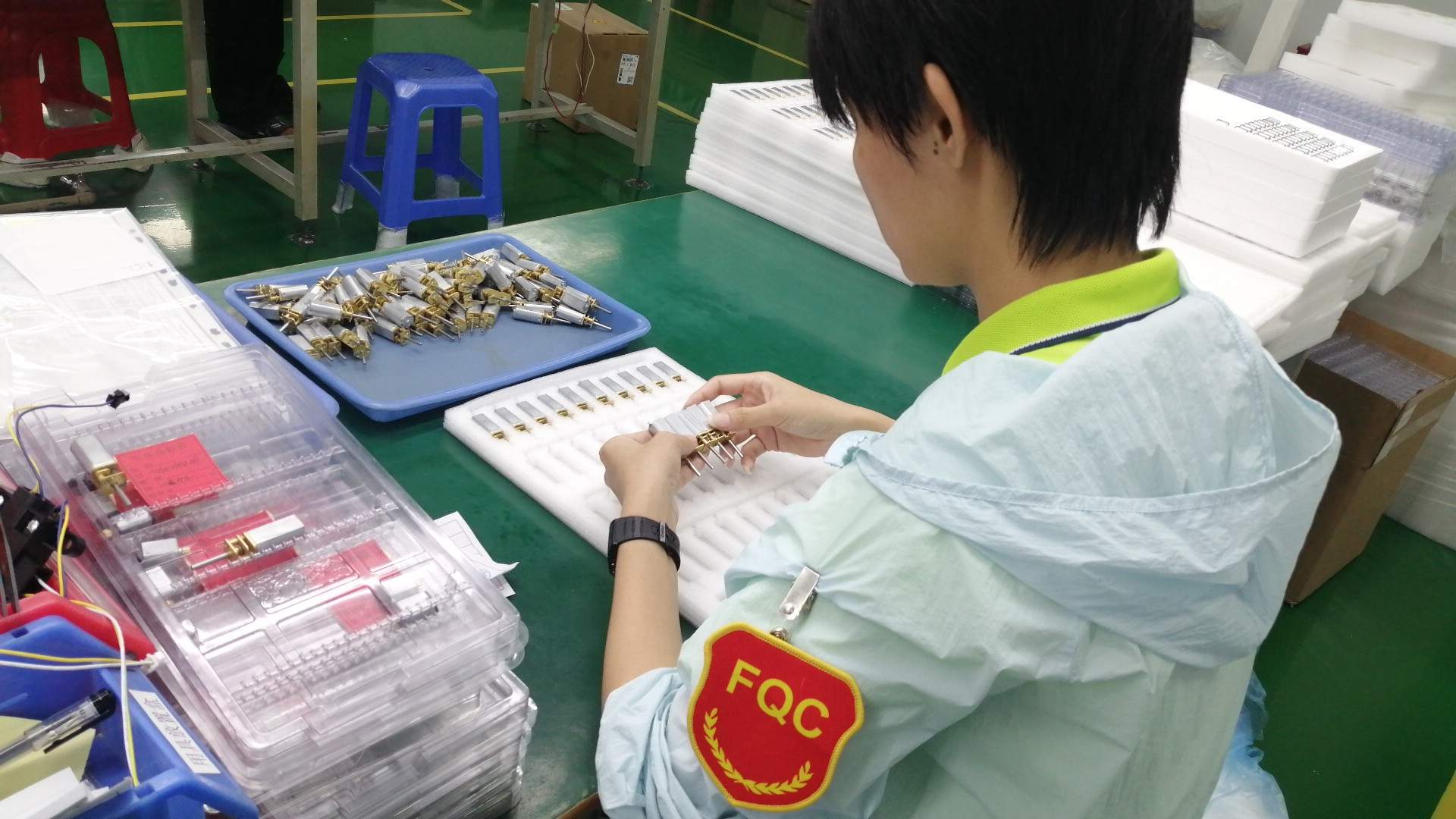 Coil Winding
 Automatic Pressure Bearing
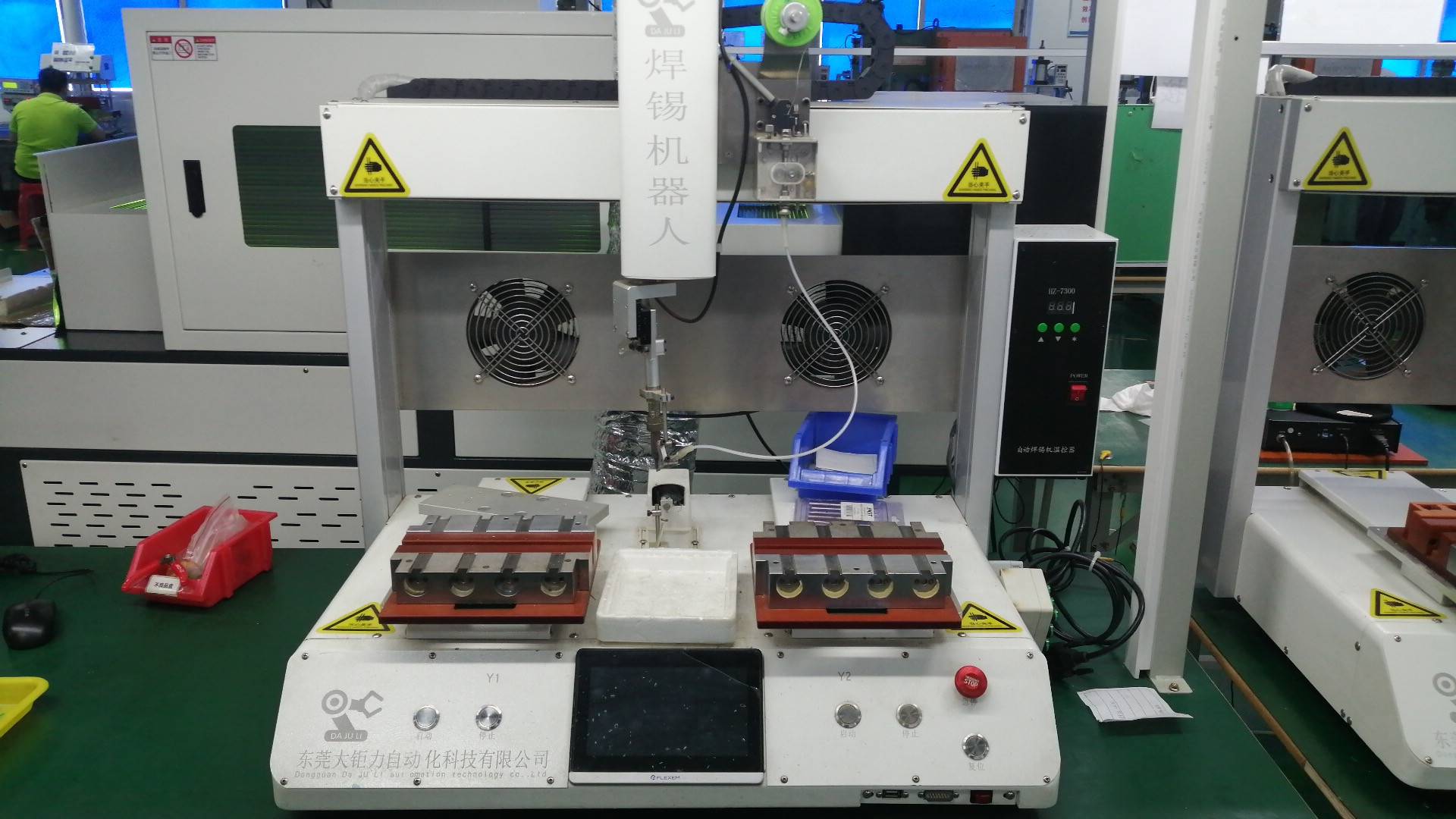
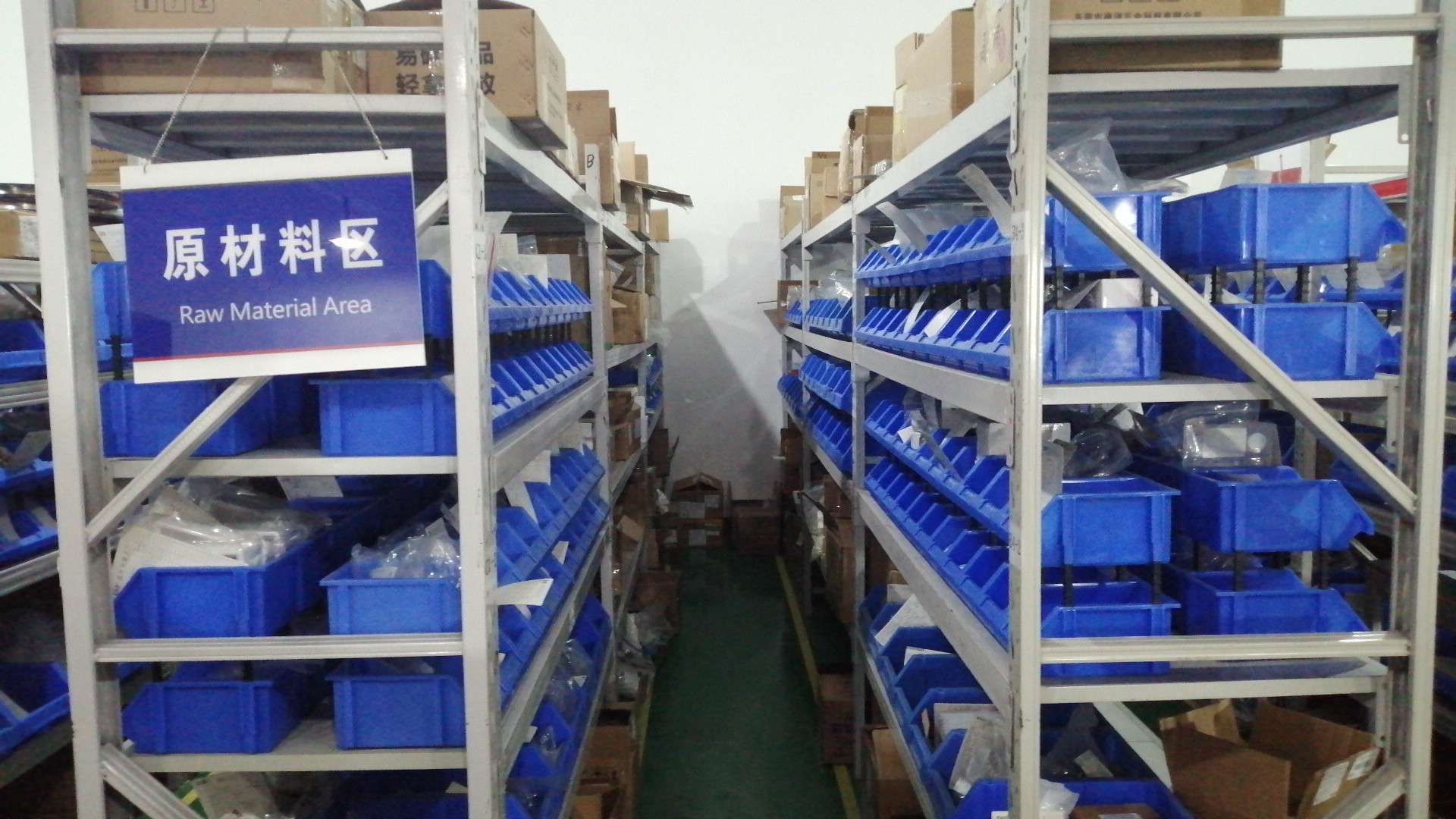 Automatic Soldering
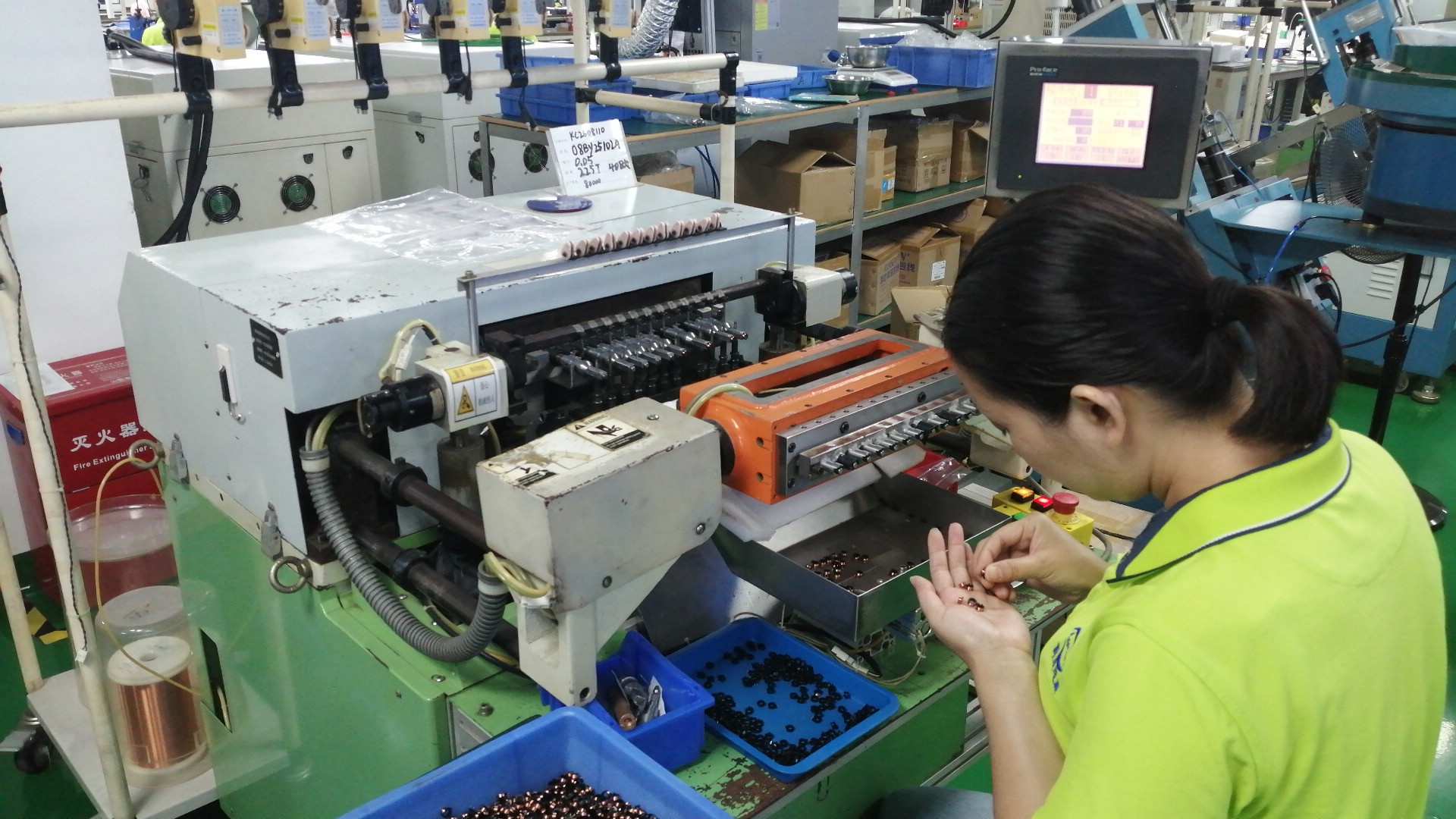 Cutting
 Cleaning
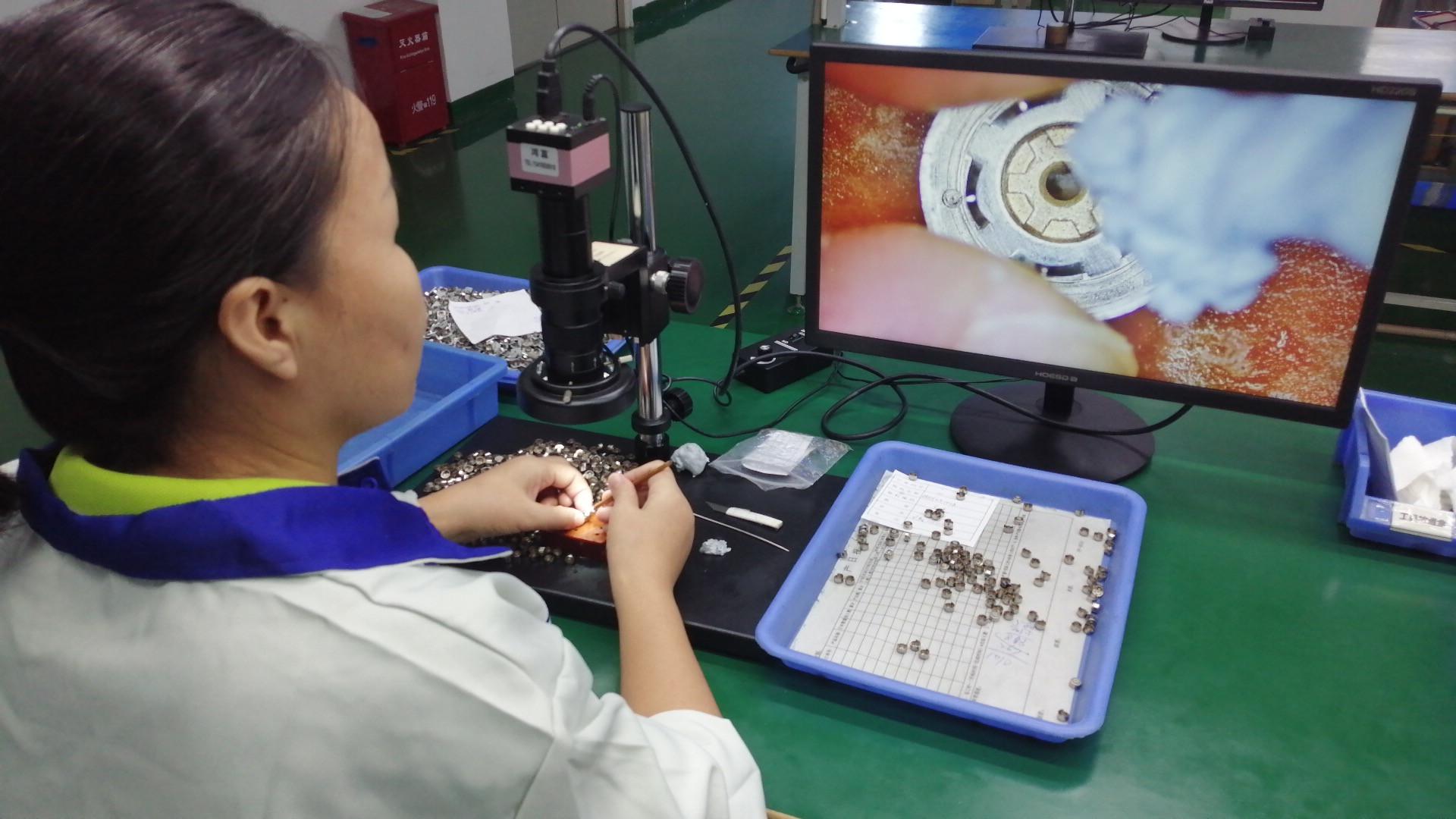
 Inspection 1
 Gluing
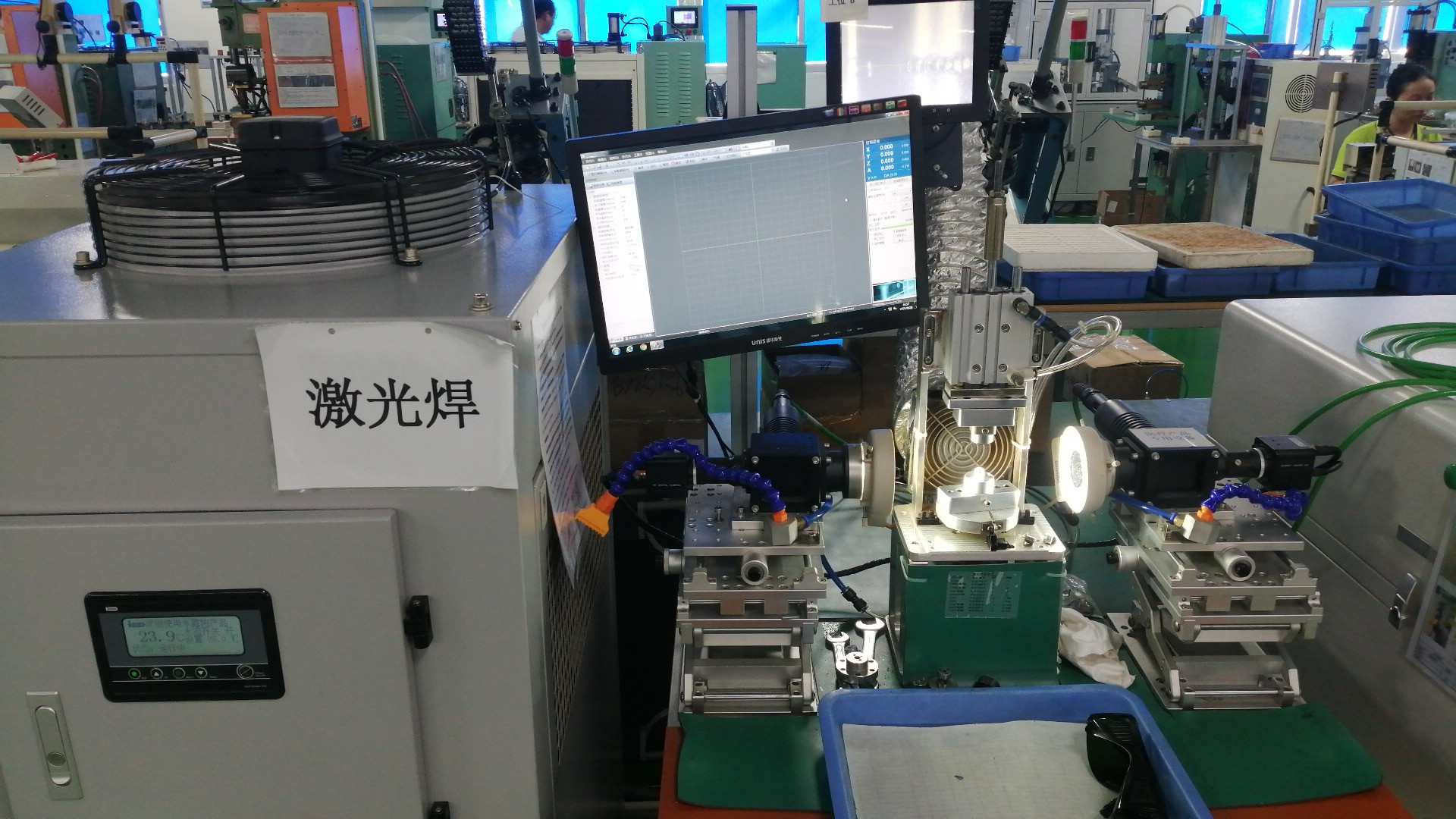
 Laser Spotwelder
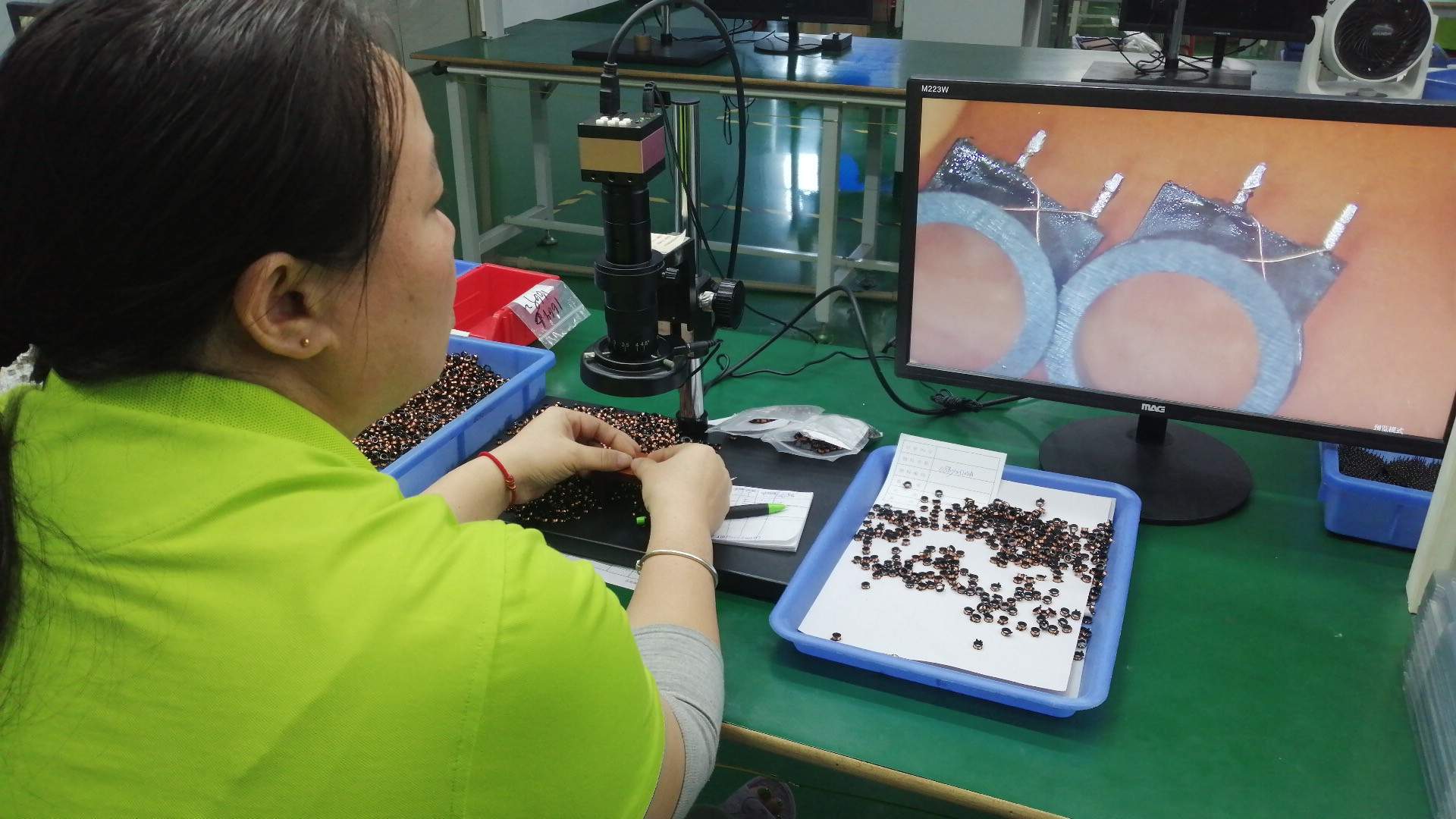 Inspection 2
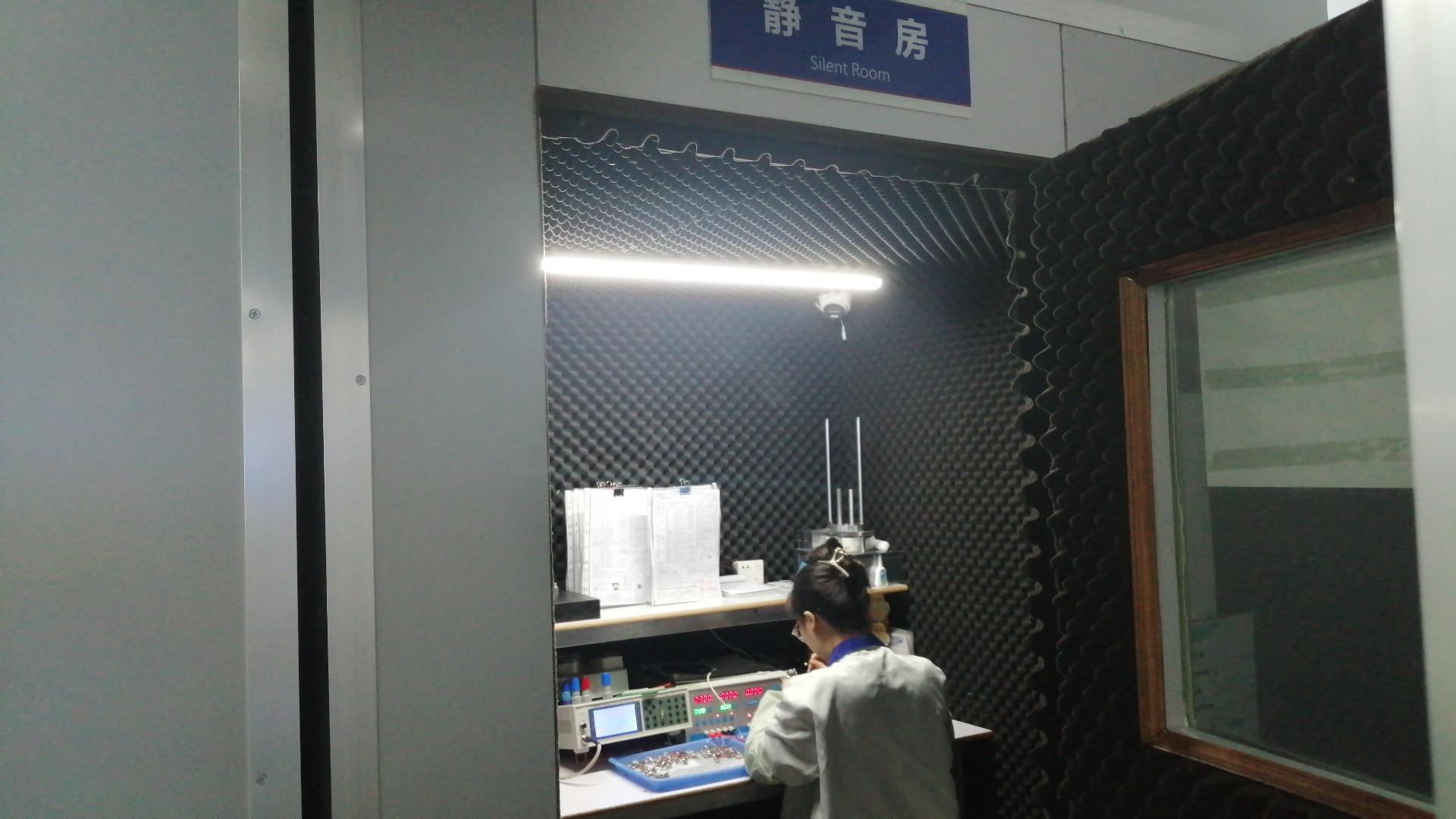
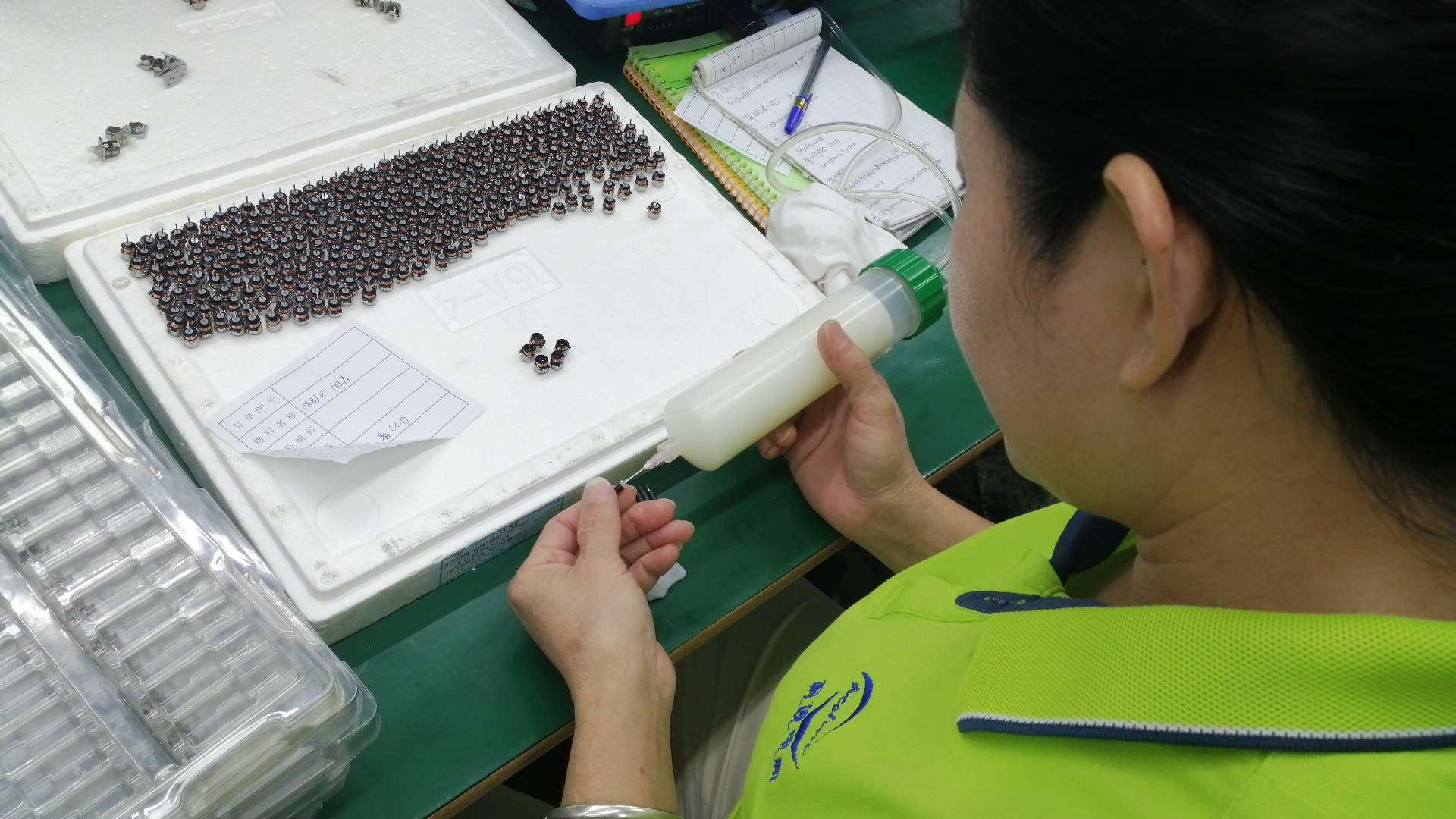 Silent Testing
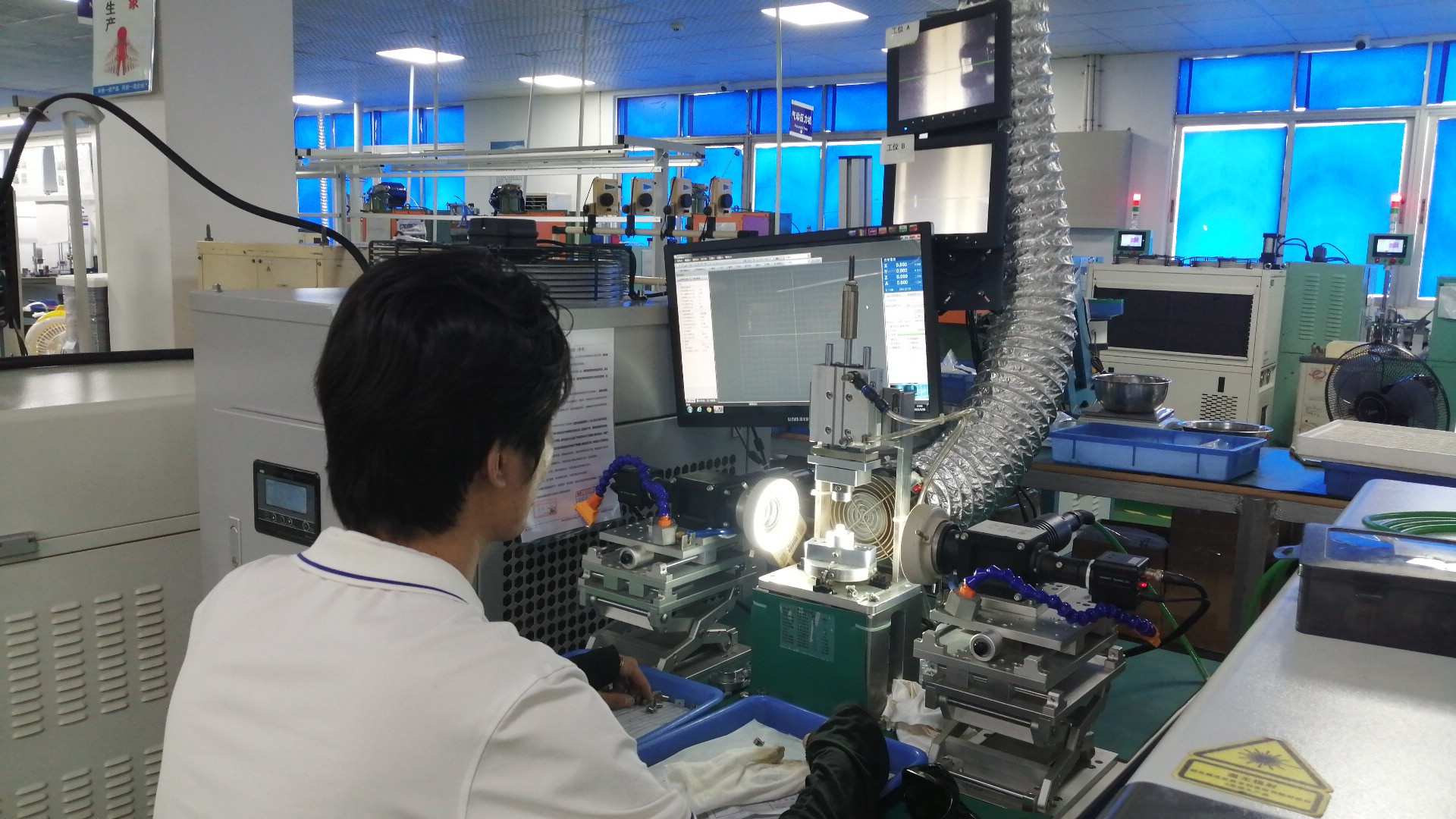 Packing
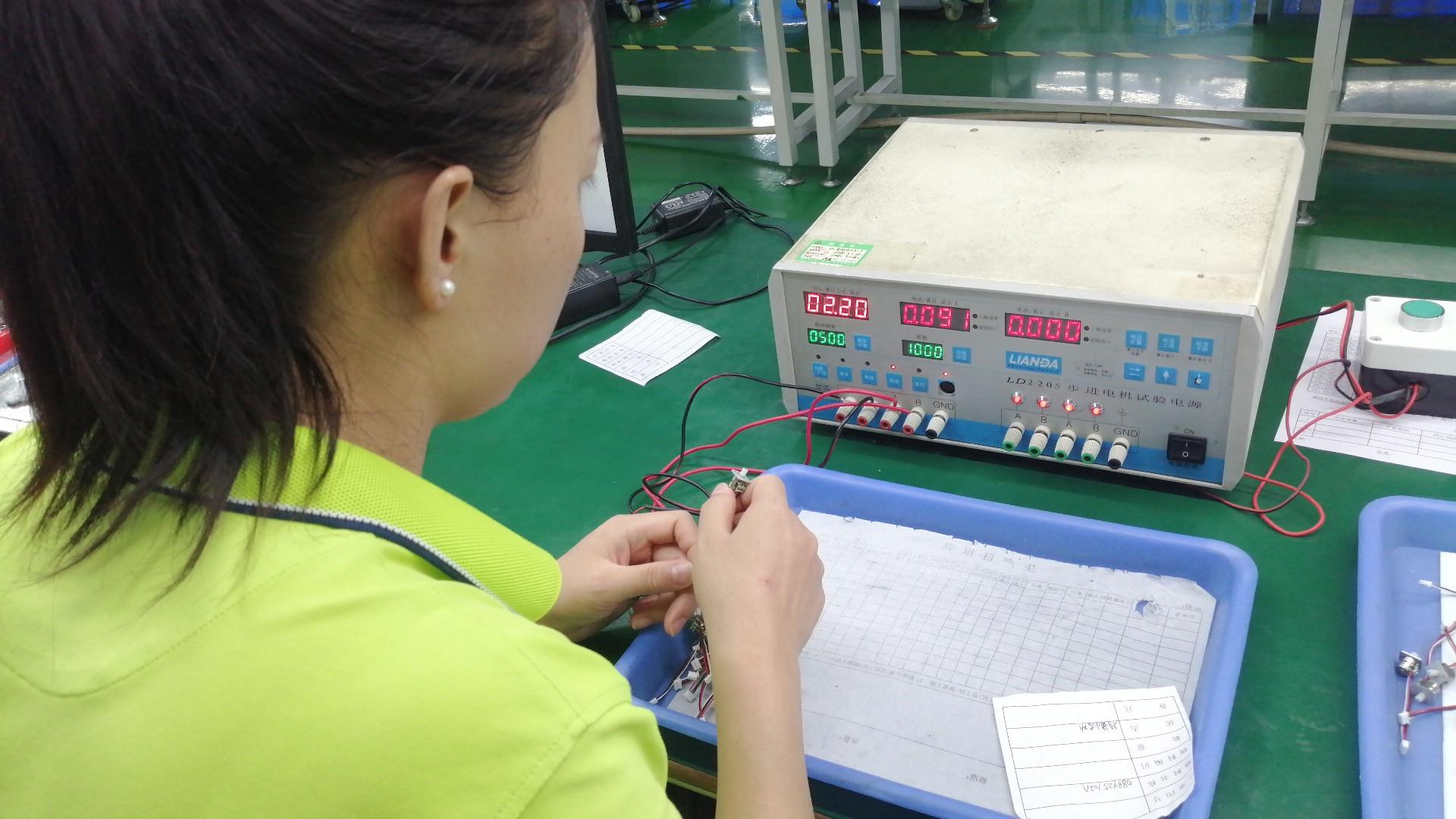 Finished Goods
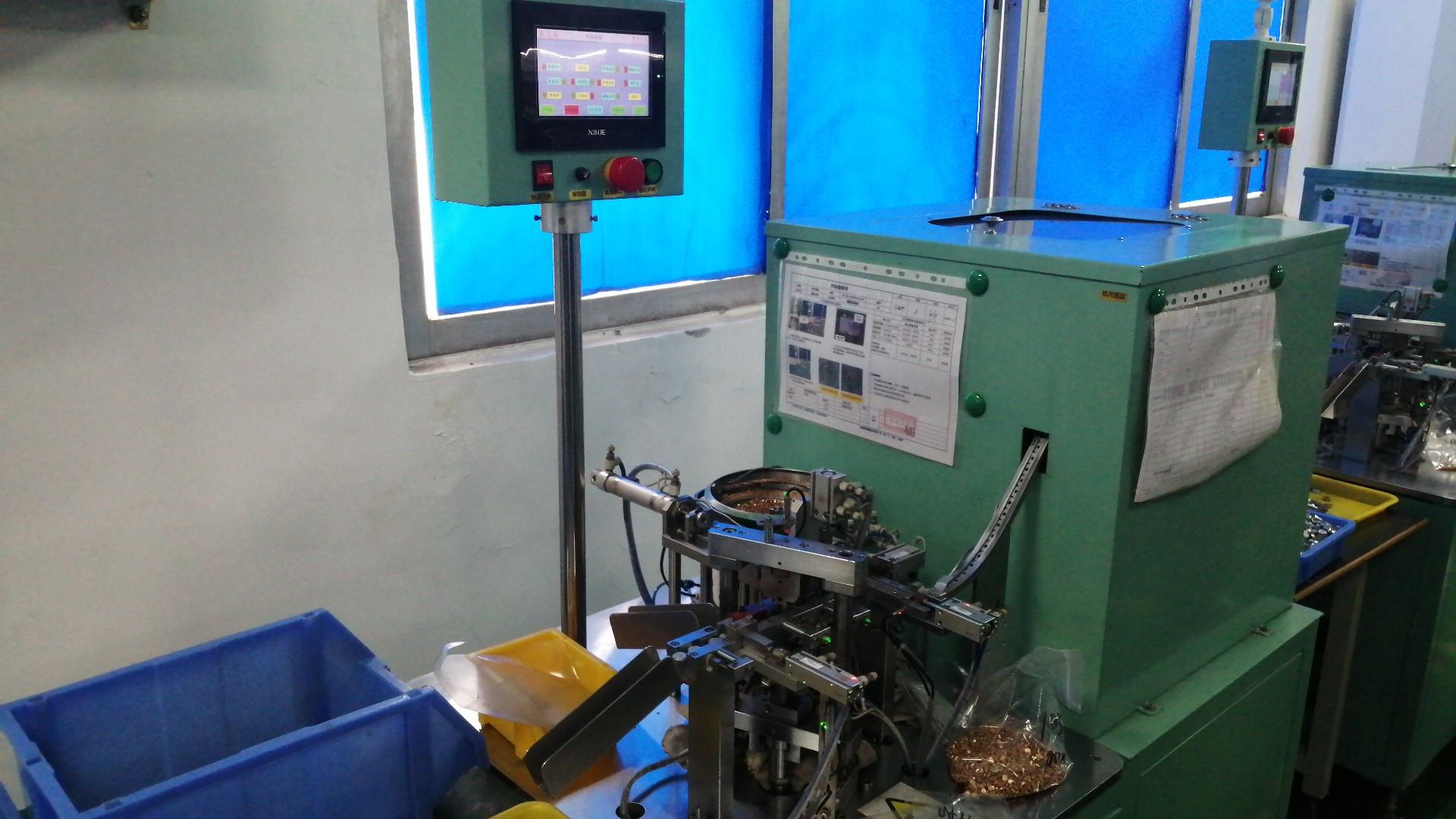
 Automatic Assembly Machine
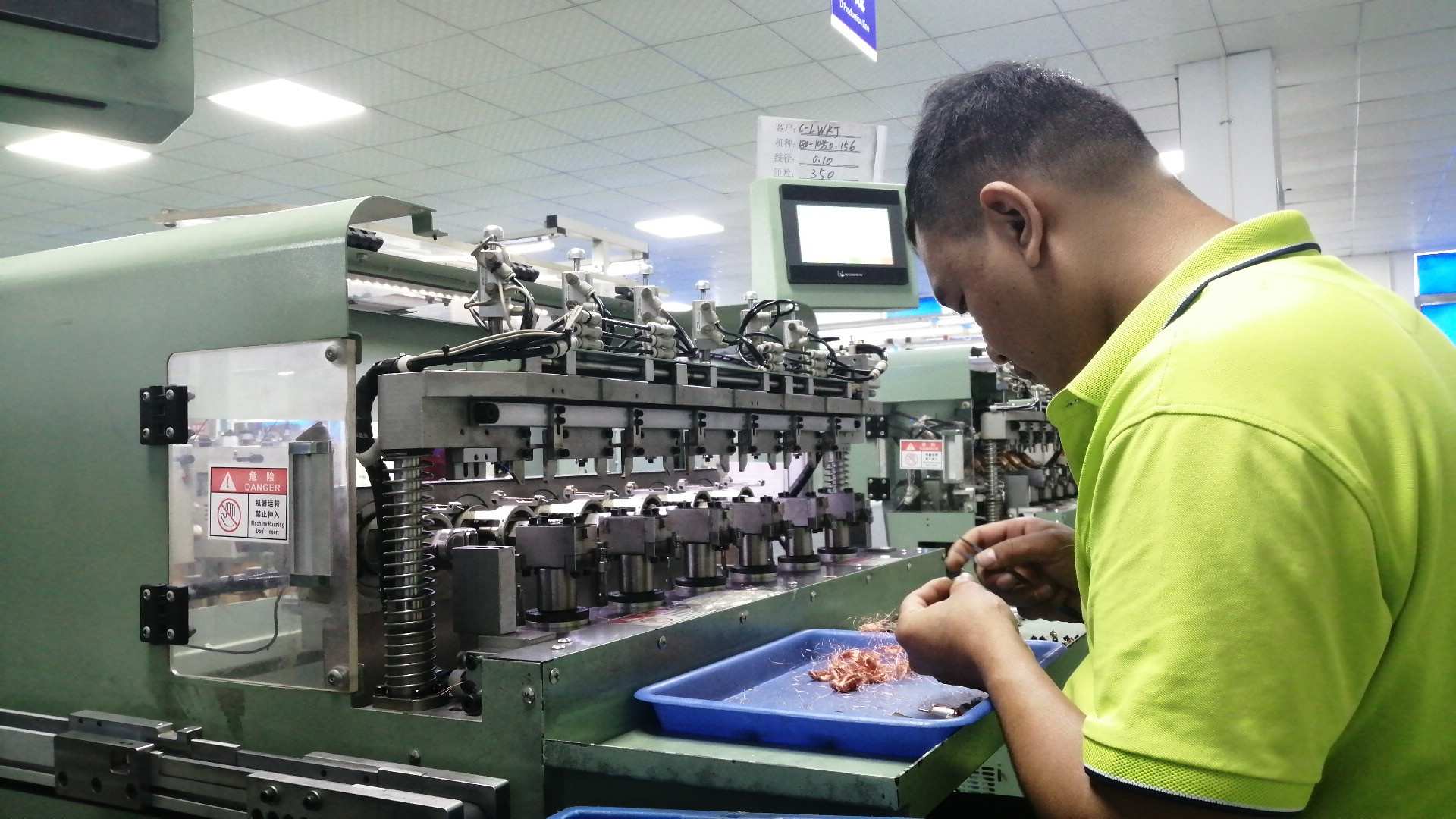
 Automatic Coil Winding Machine
 Automatic Soldering Machine
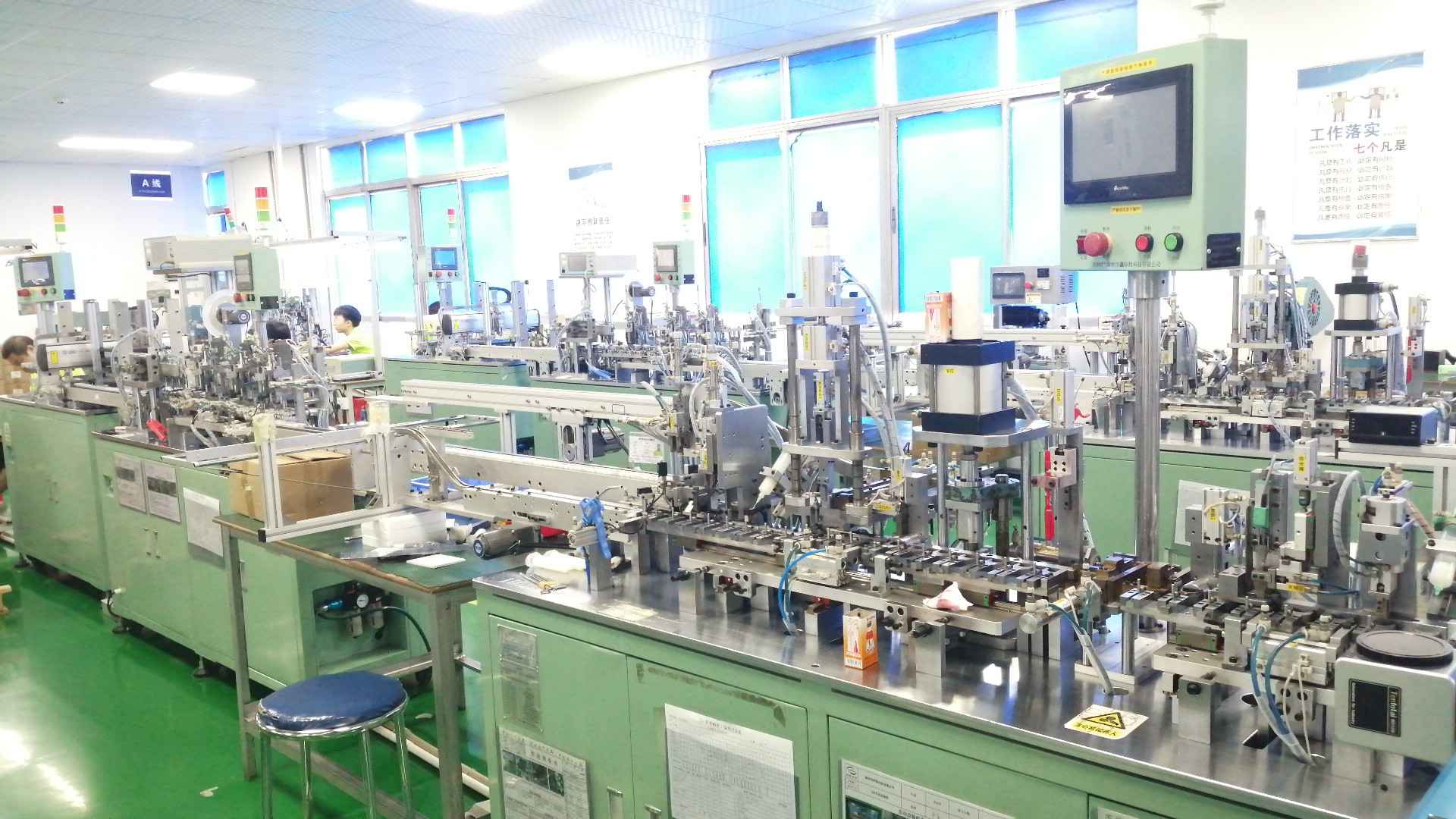
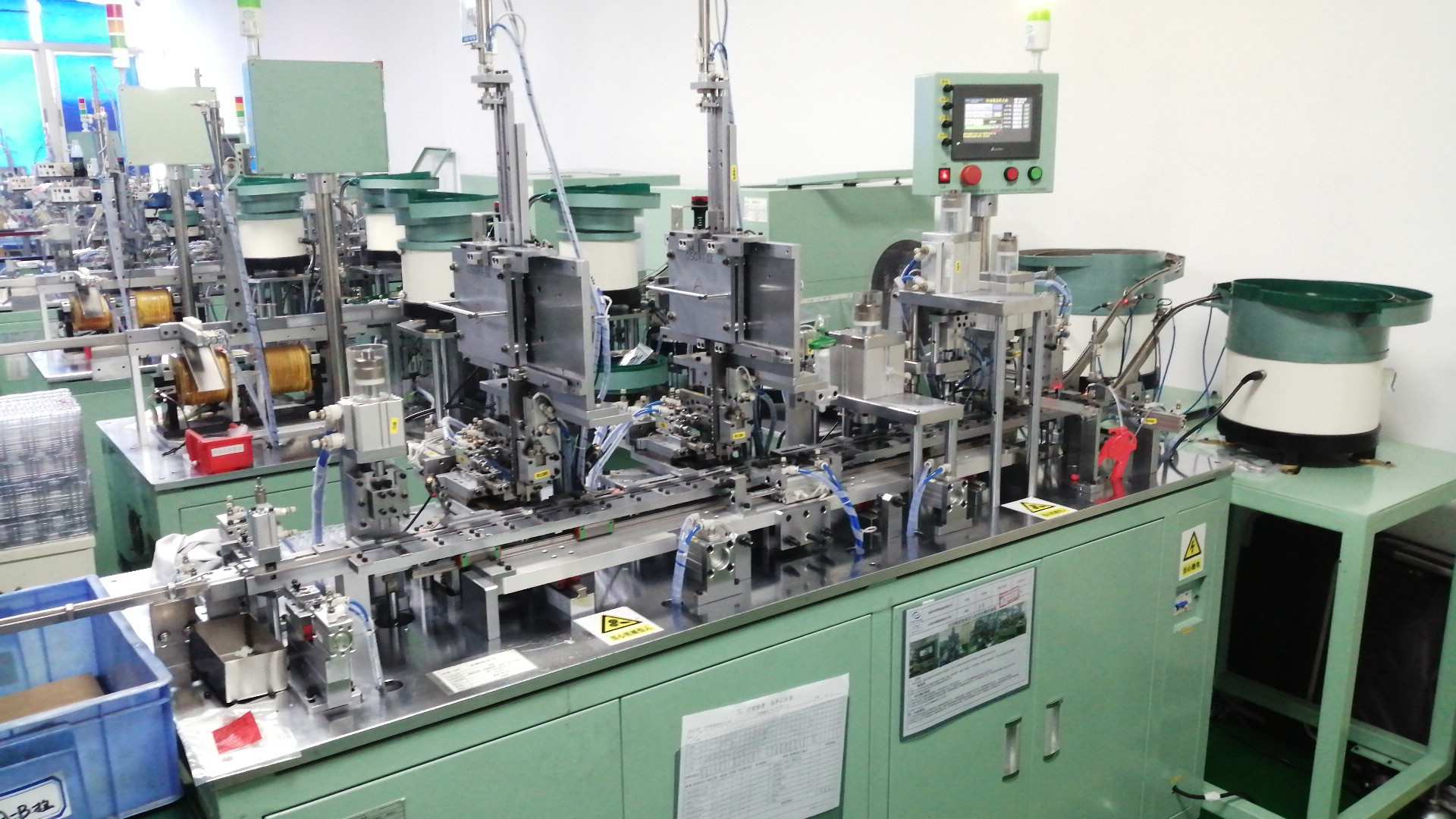 Automatic Assembly Line
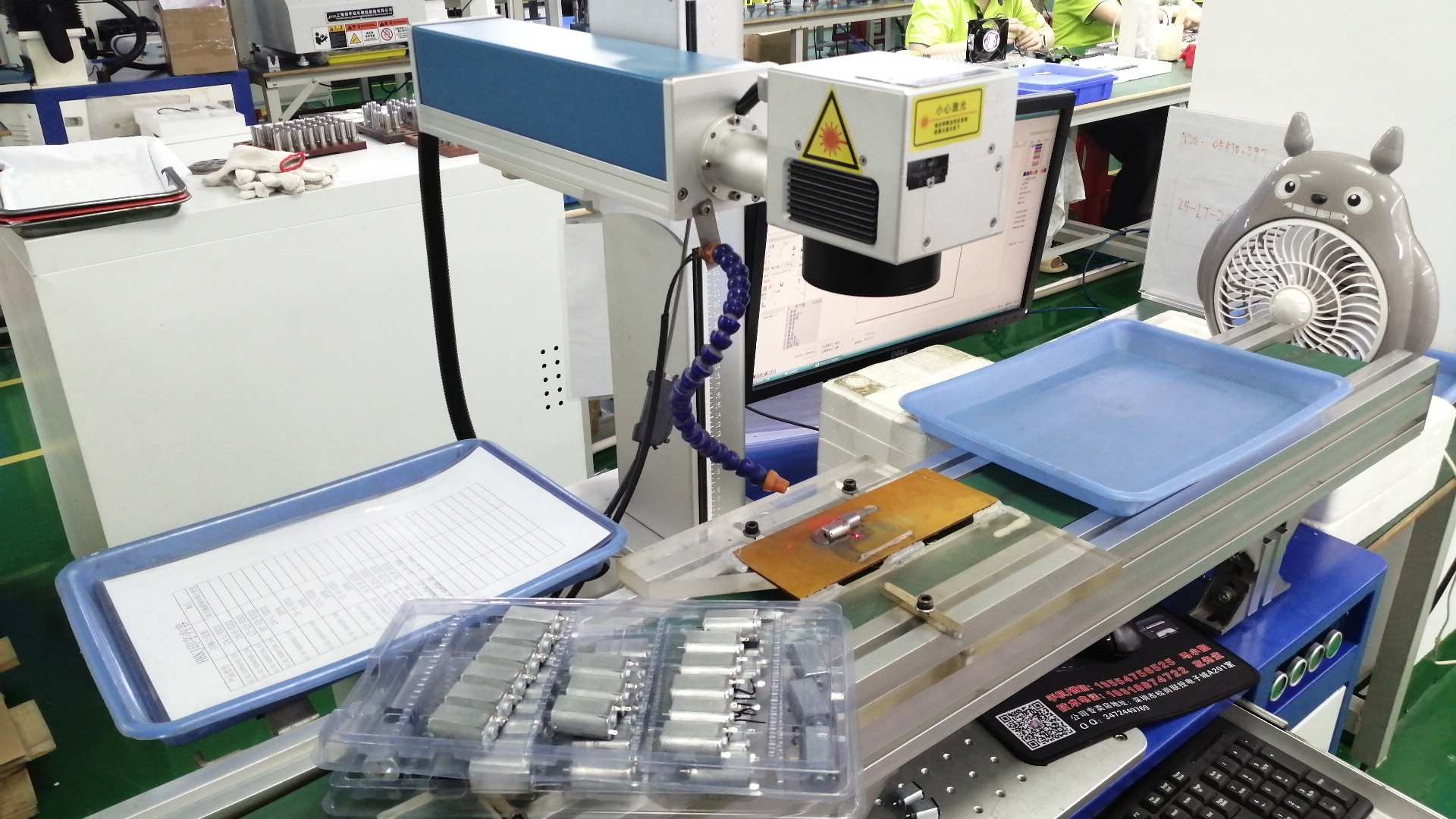
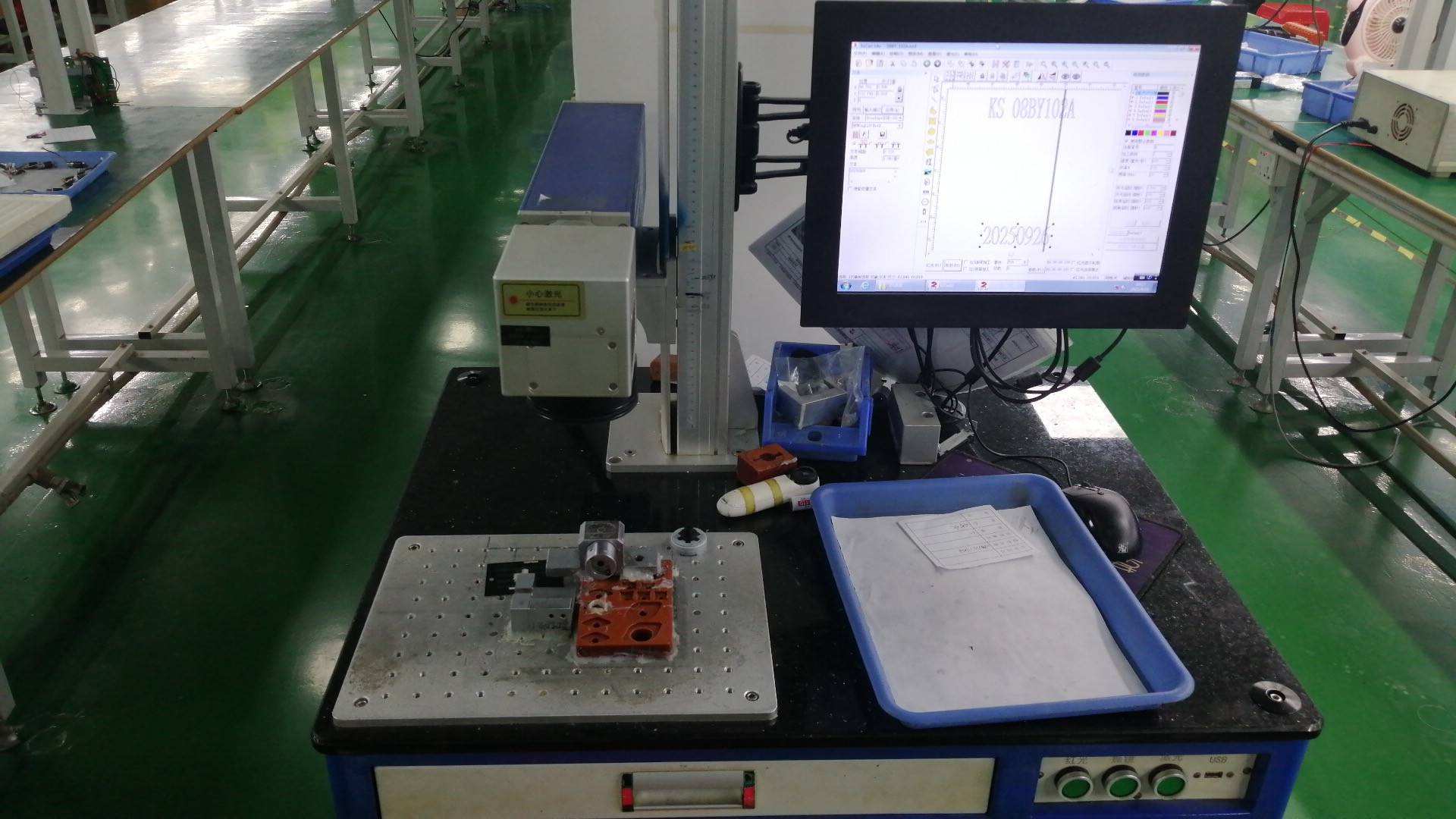
 Laser Engraving Machine
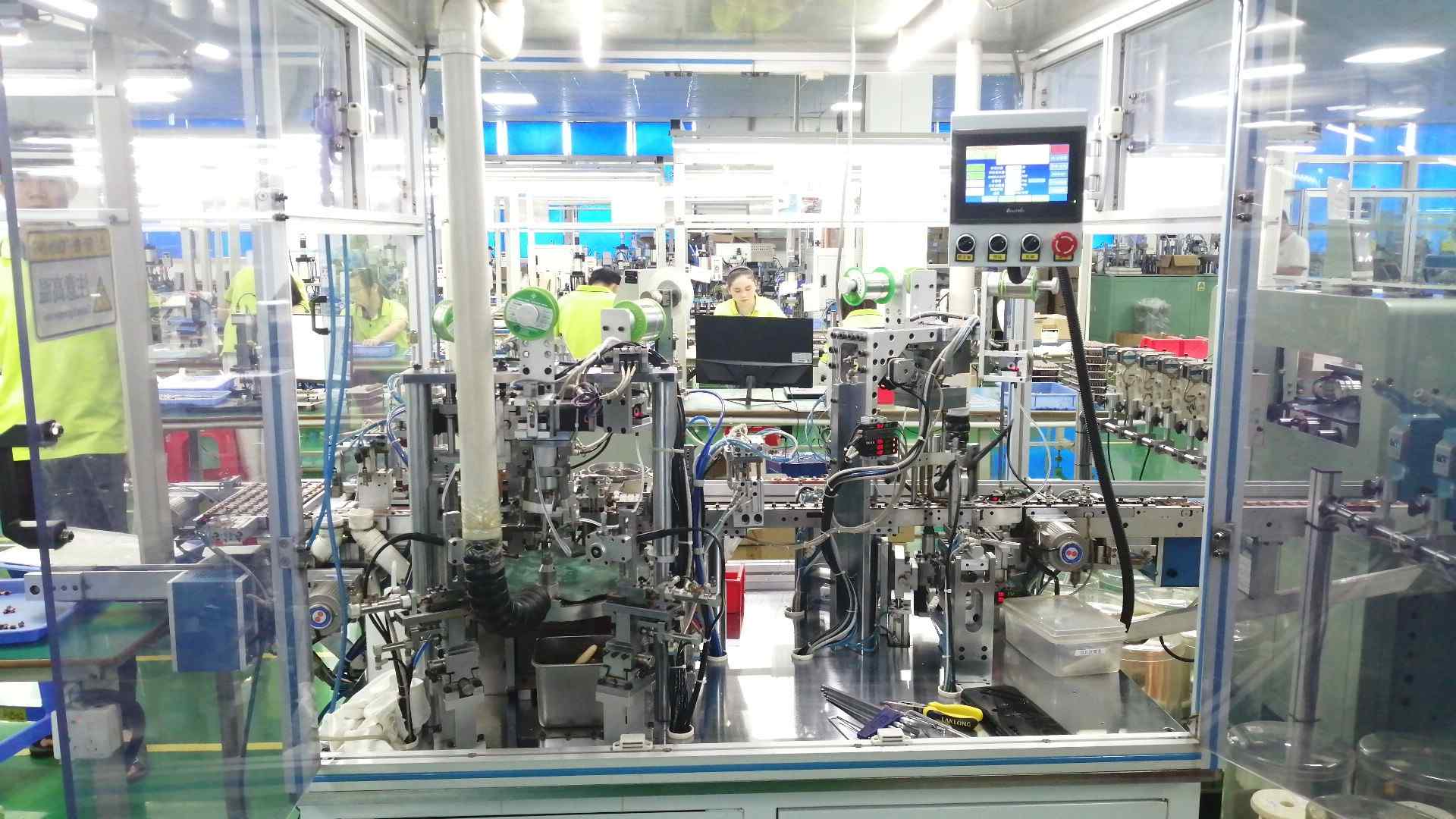 Automatic Pressure Bearing Machine
 Spotwelder
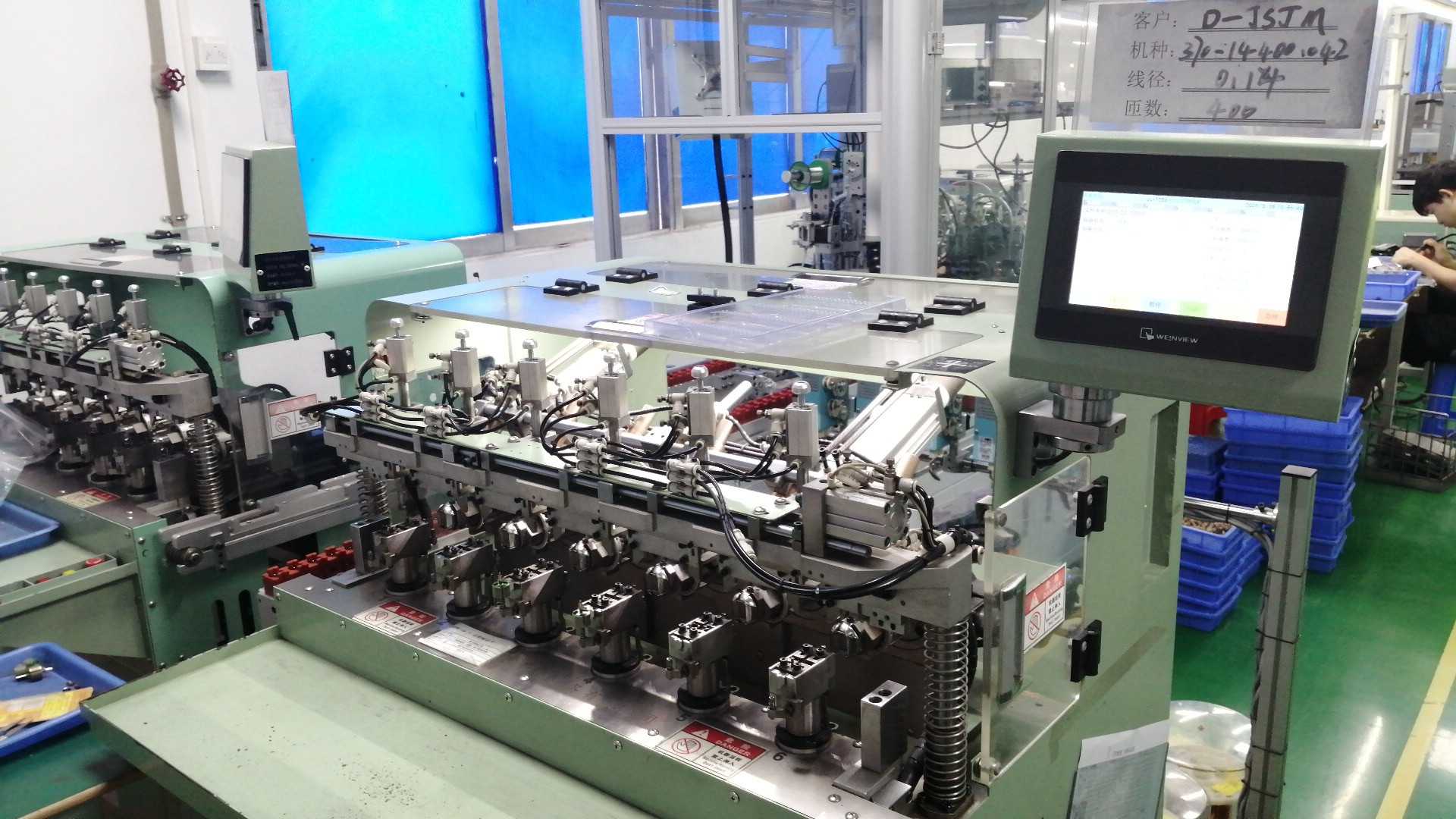
 Automatic Coil Winding Machine
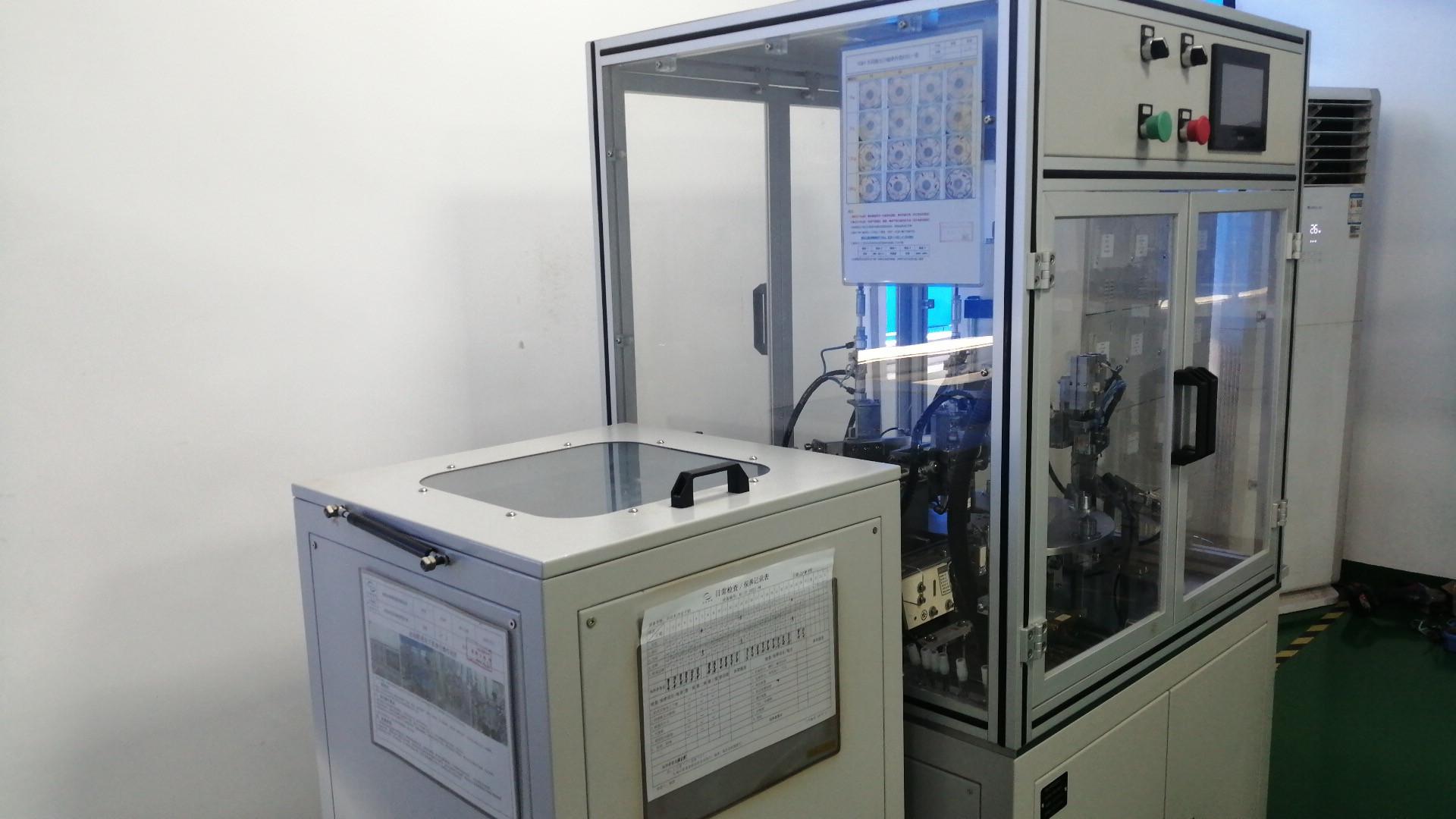 Pin Inserting Machine
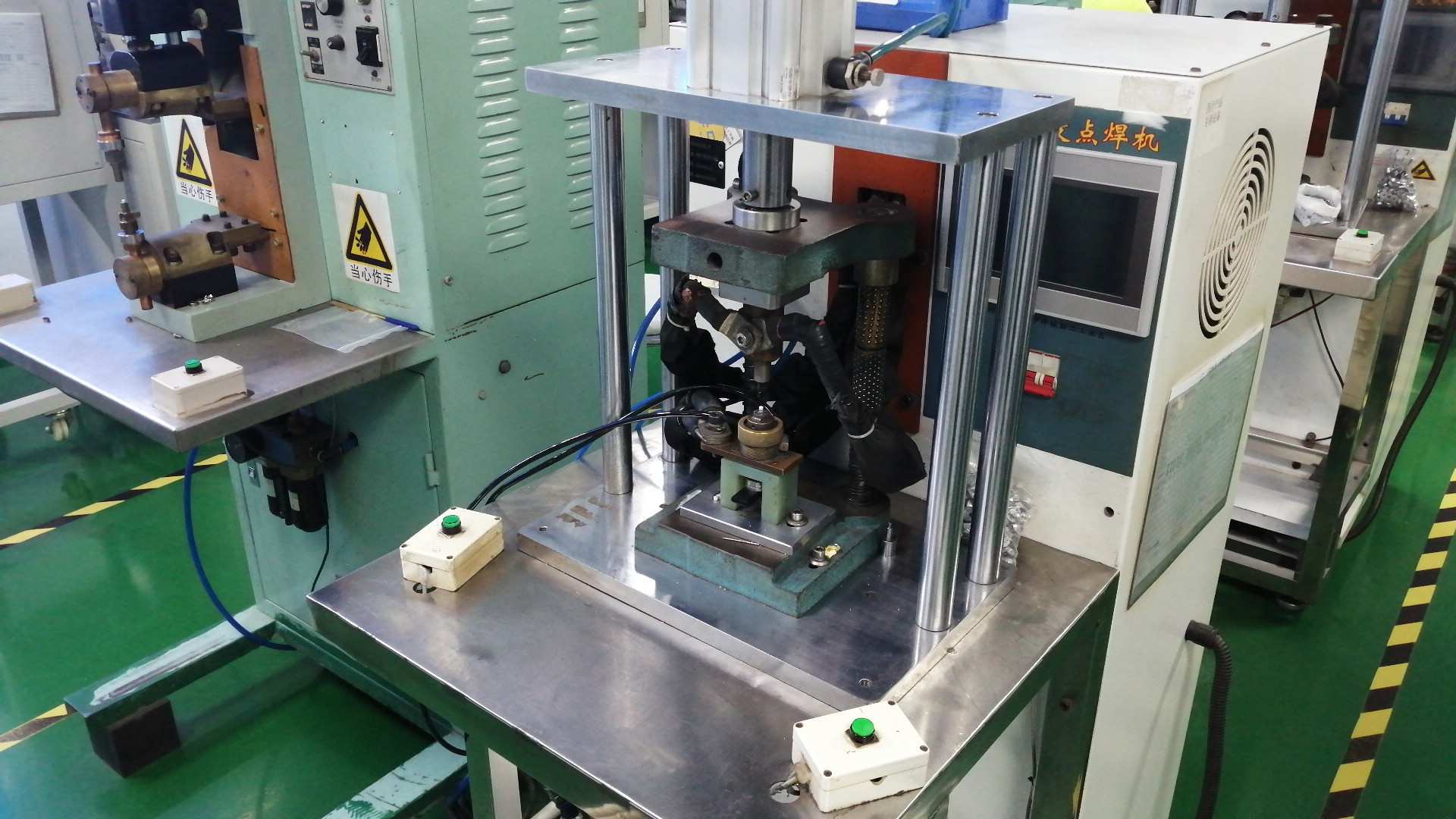 Laser Spotwelder
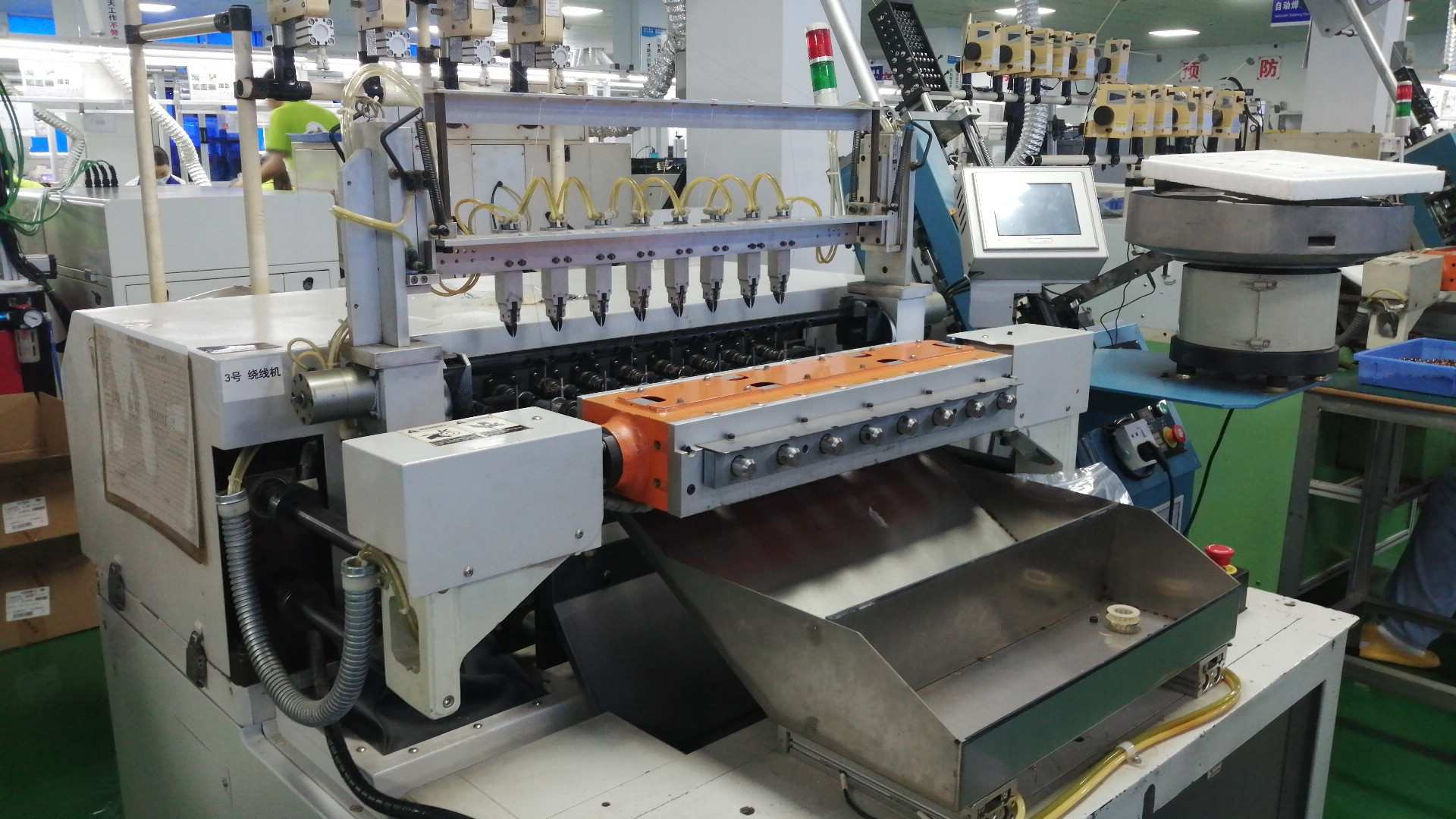 Automatic Soldering Machine
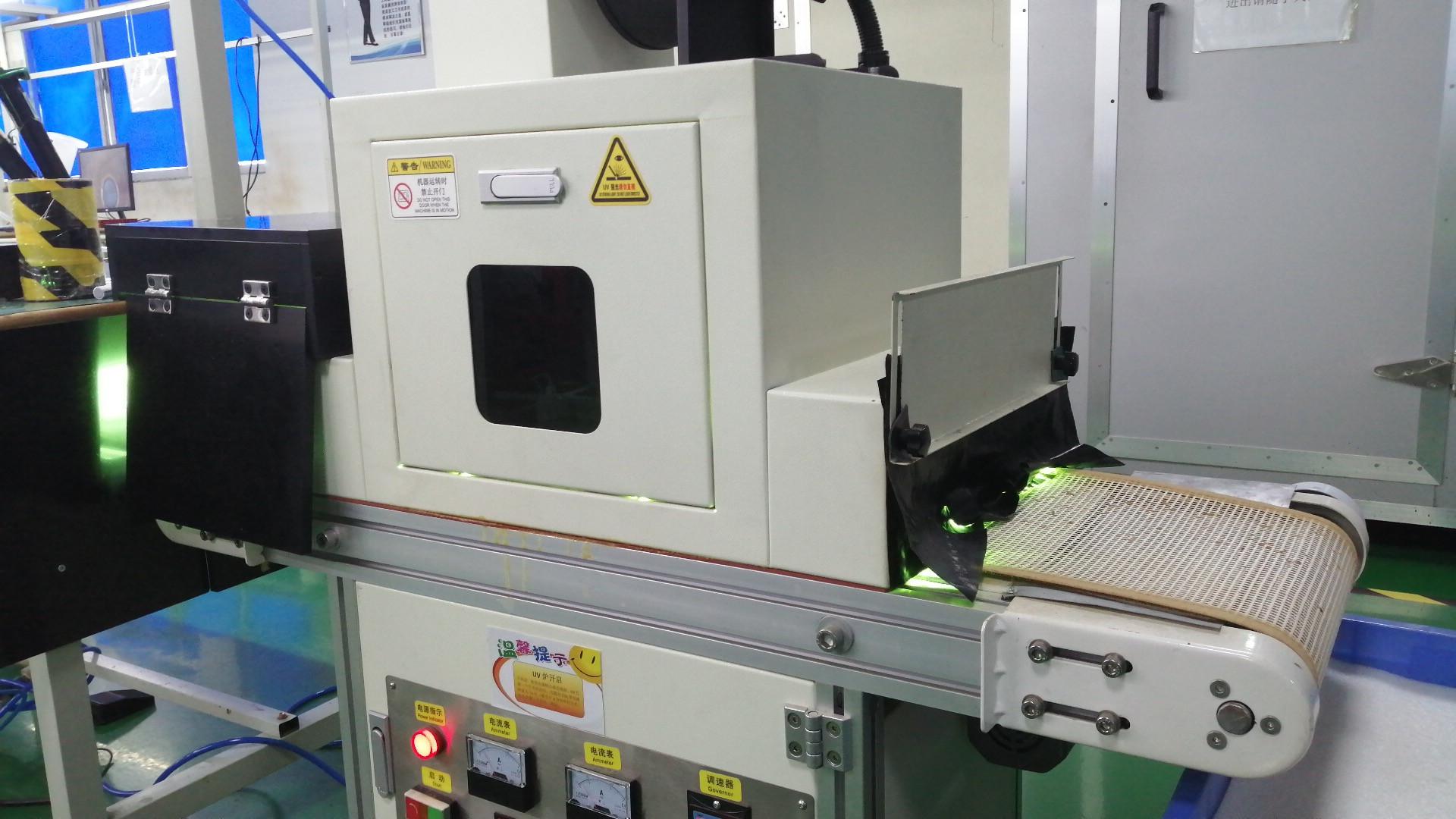
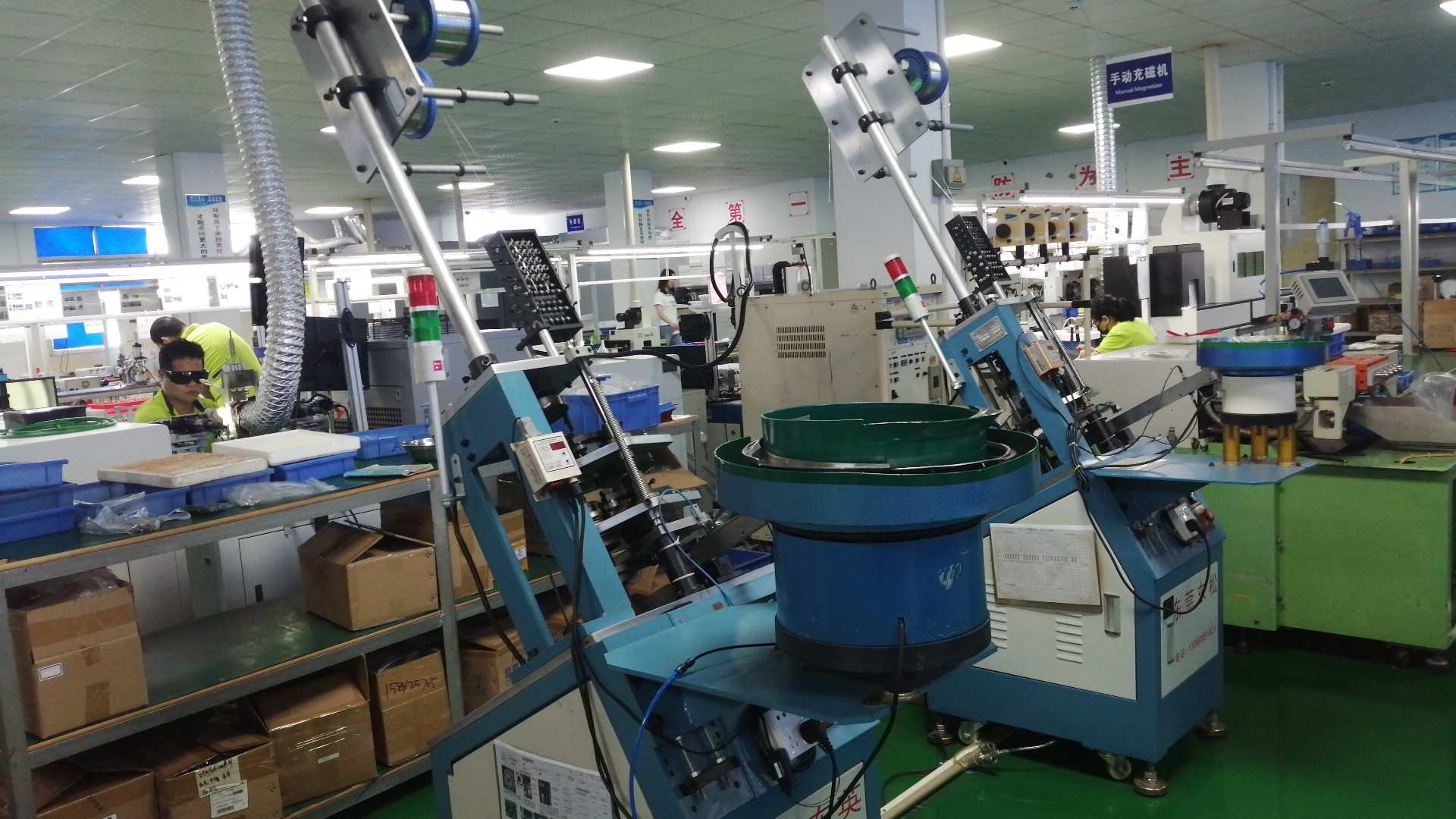 Low Temperature Furnace
 Laser Engraving Machine
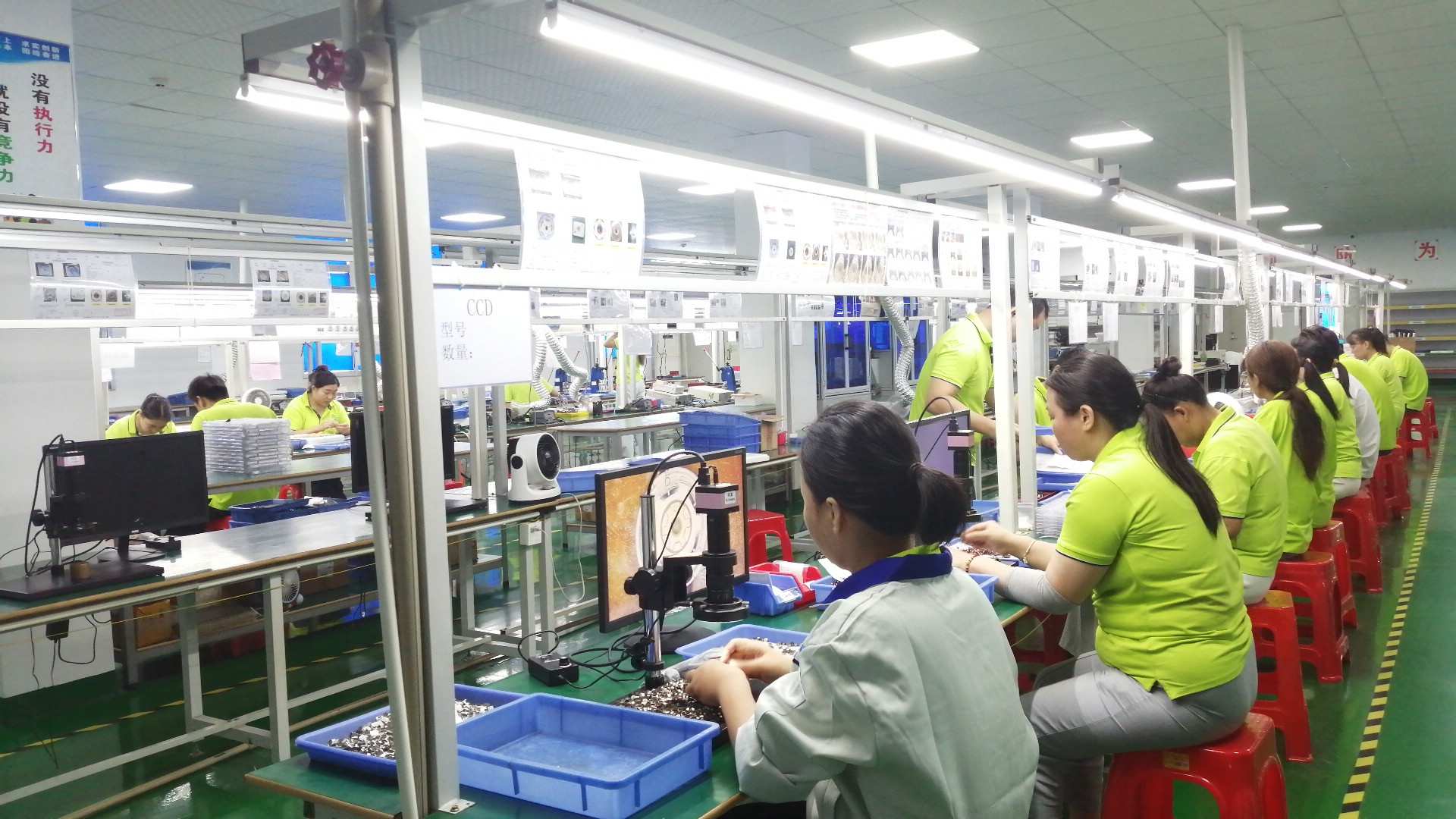
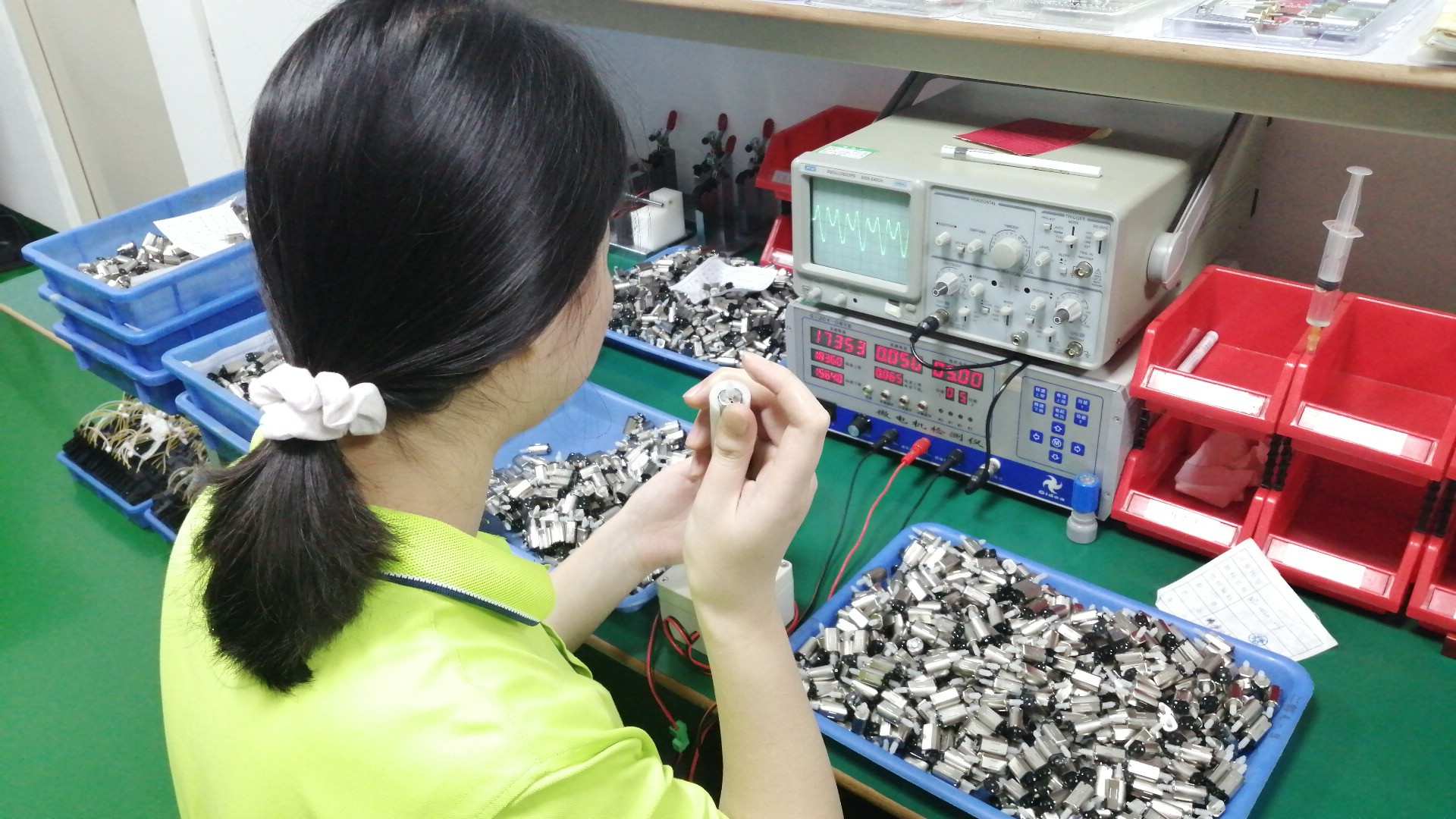
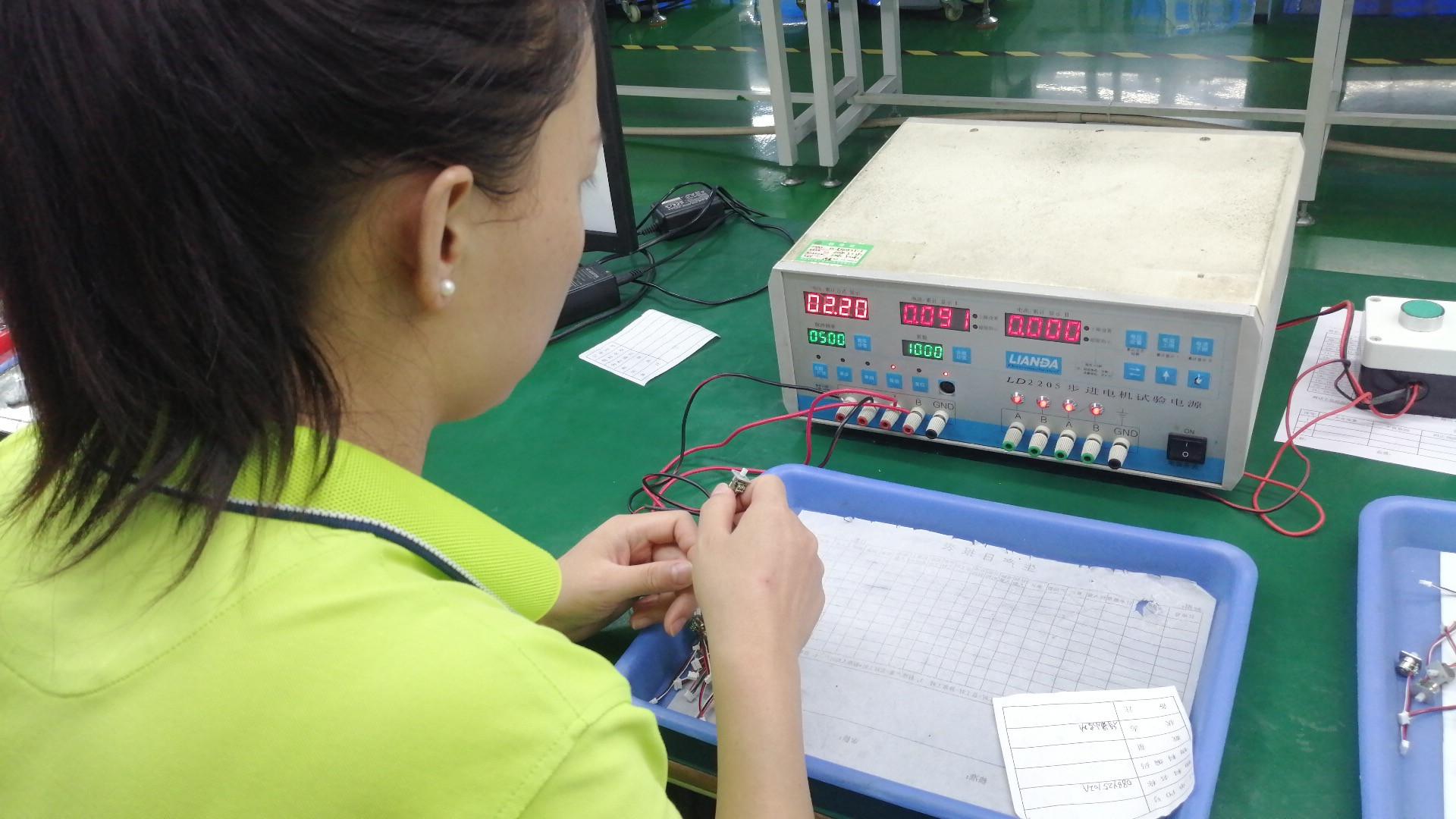
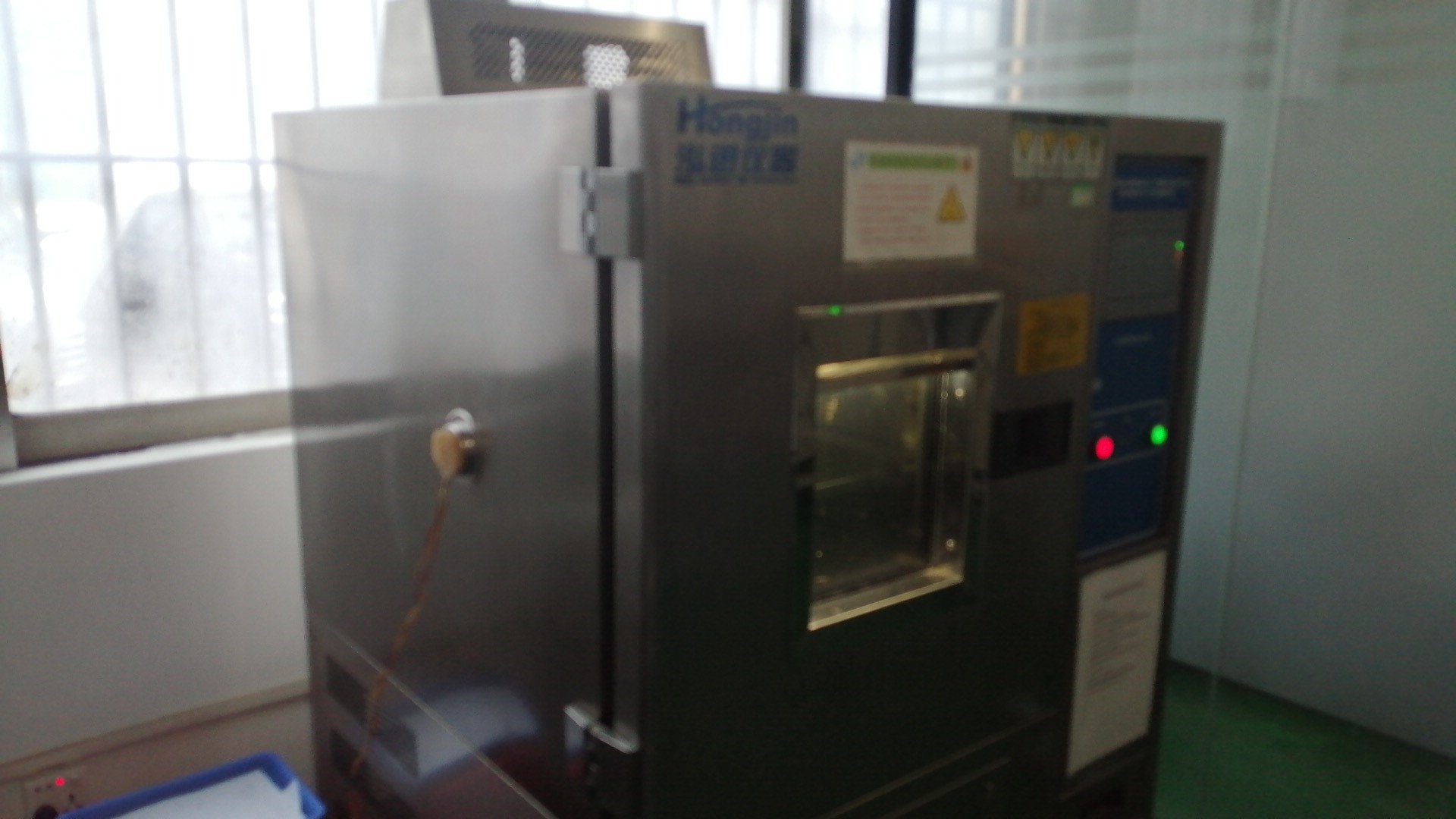
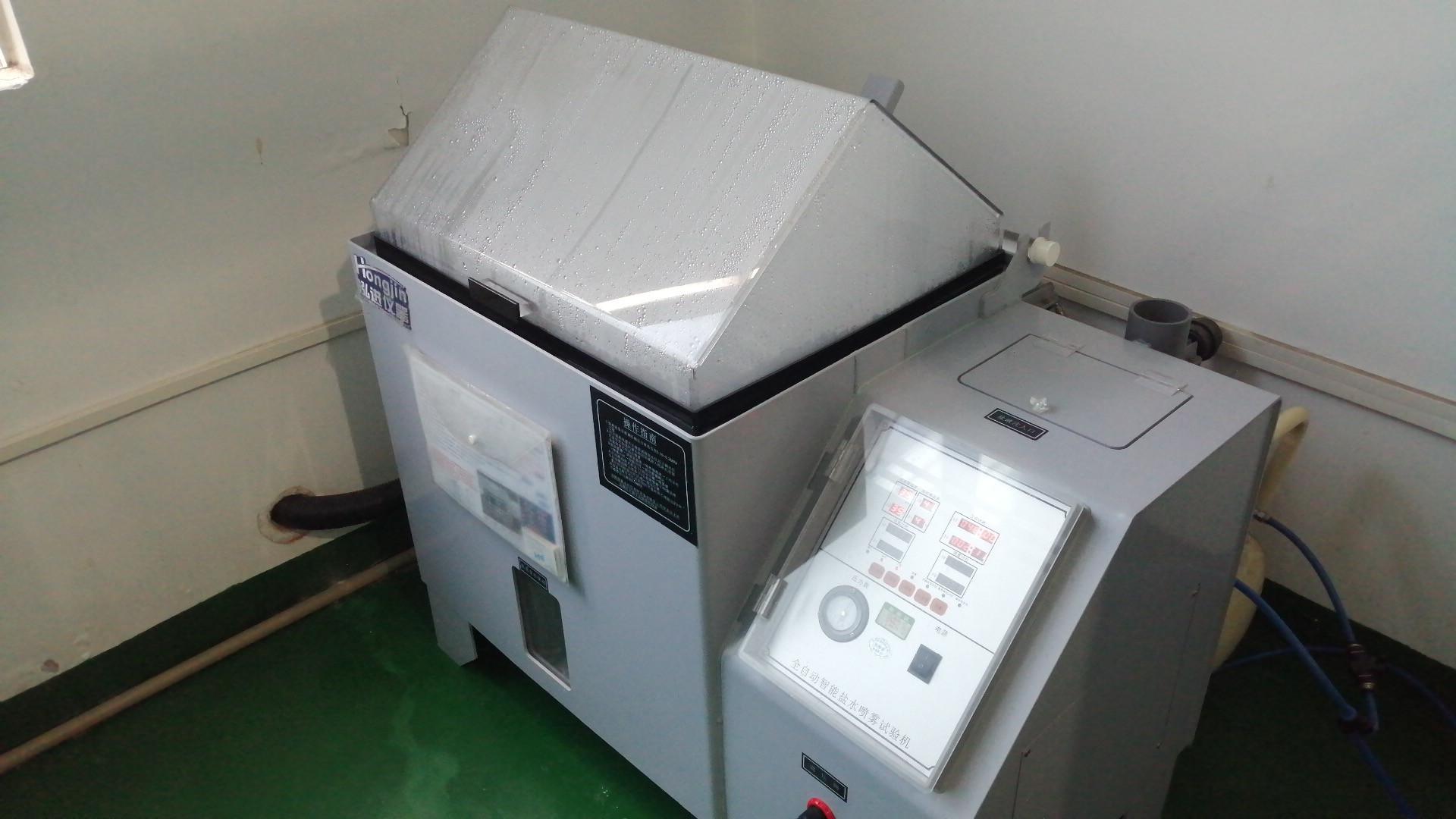
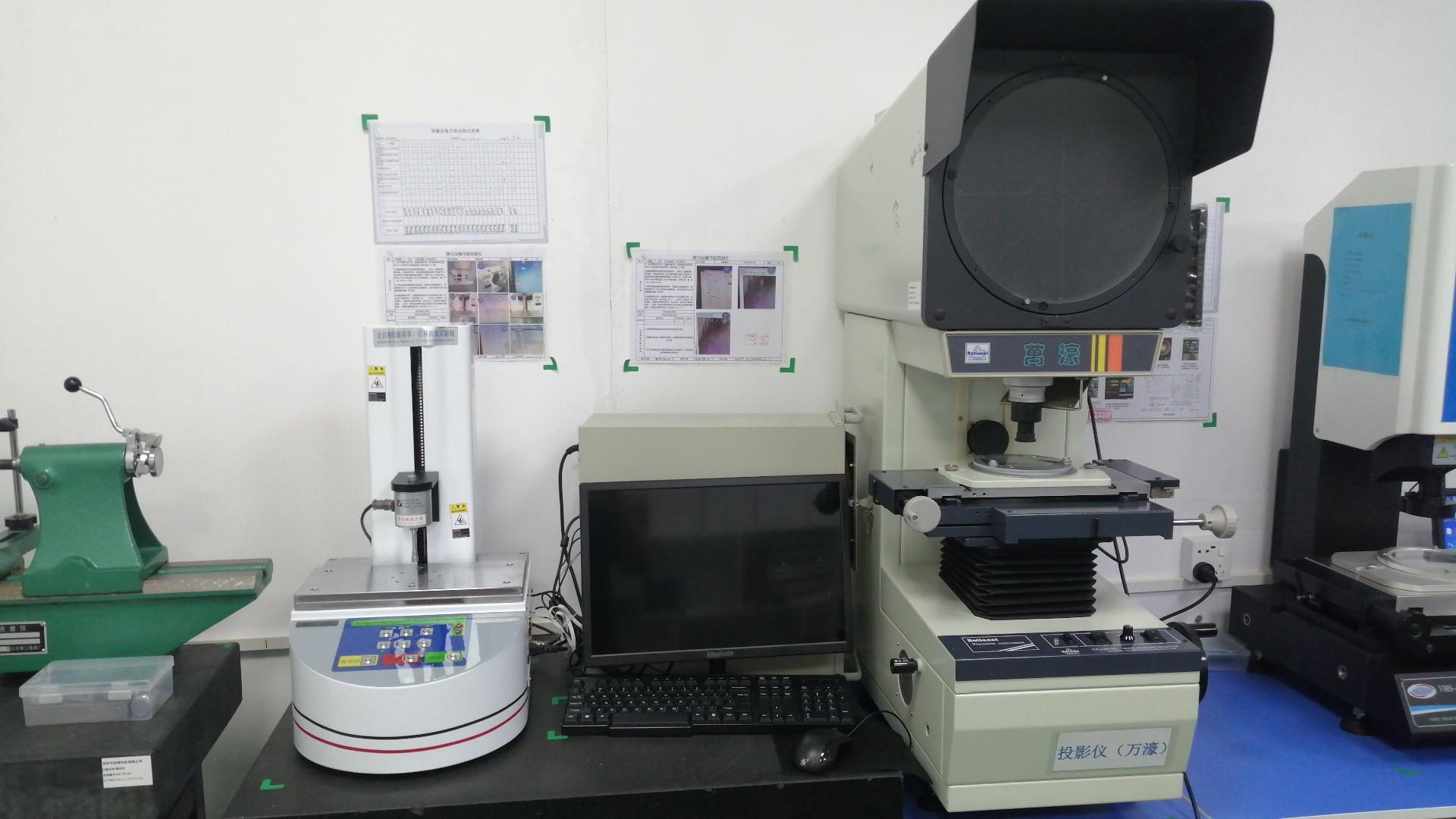
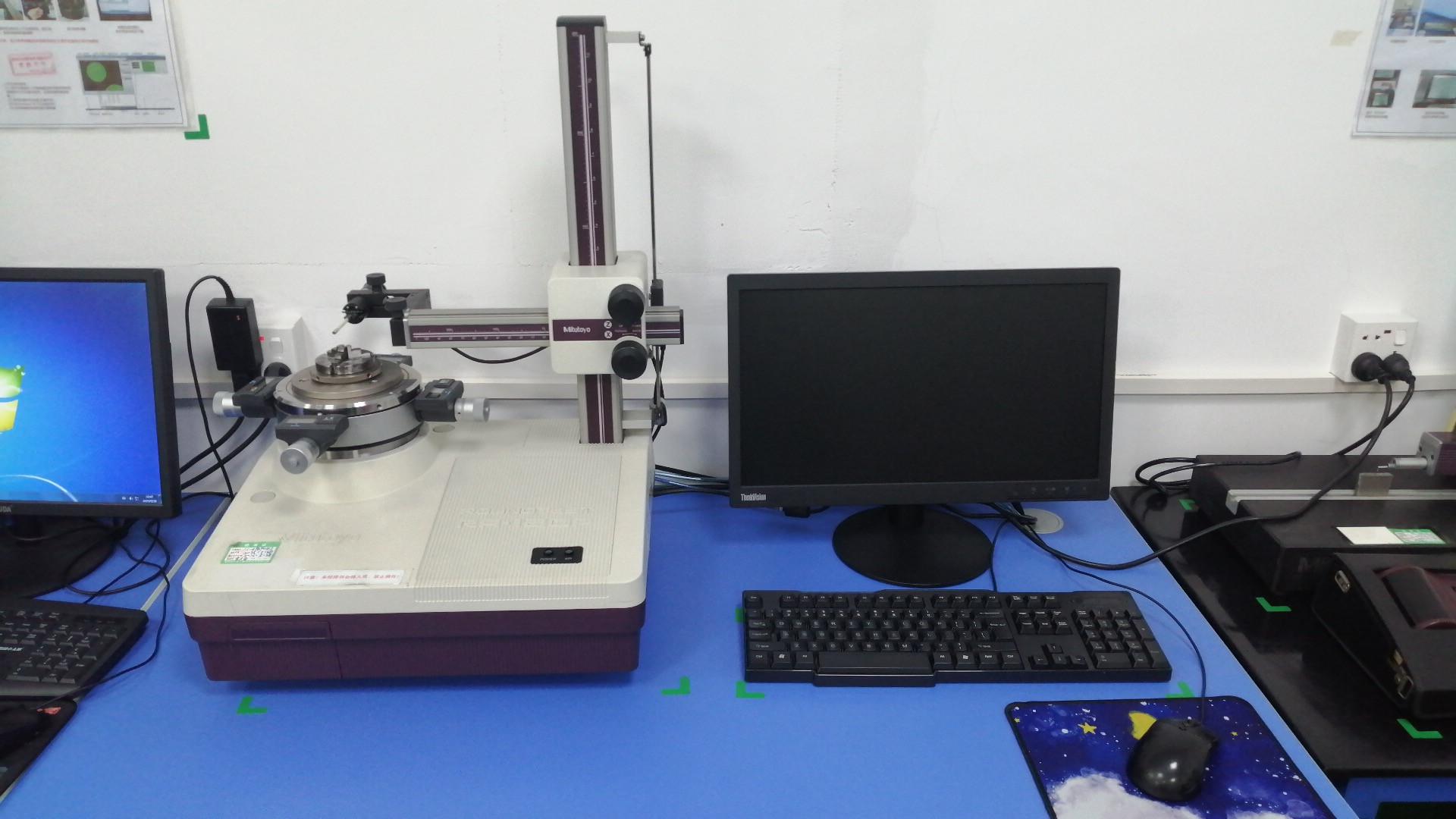
Precision is not declared; it is measured. To meet global engineering criteria, micro-drive components must undergo destructive, environmental, and dimensional testing. Brea Tech's laboratories utilize automated metrology apparatus to assure every batch achieves target margins.
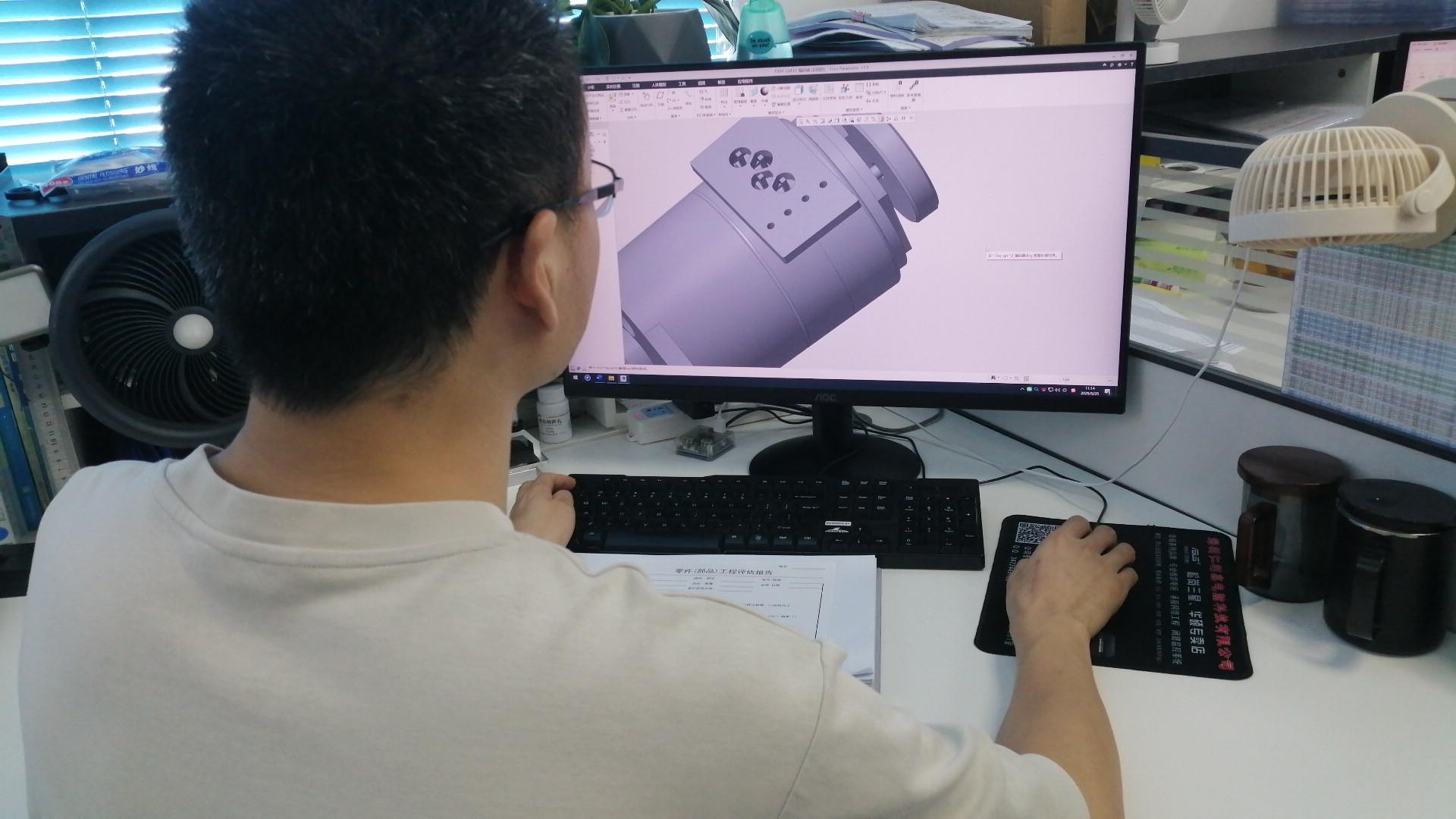
 Design
 Inspection
 Inspection
 Constant Temp & Humidity Box
 Withstanding Voltage Tester
 Projector
 Two-dimensional Projector
 Sanfeng True Roundness Tester
 Sanfeng Roughness Meter
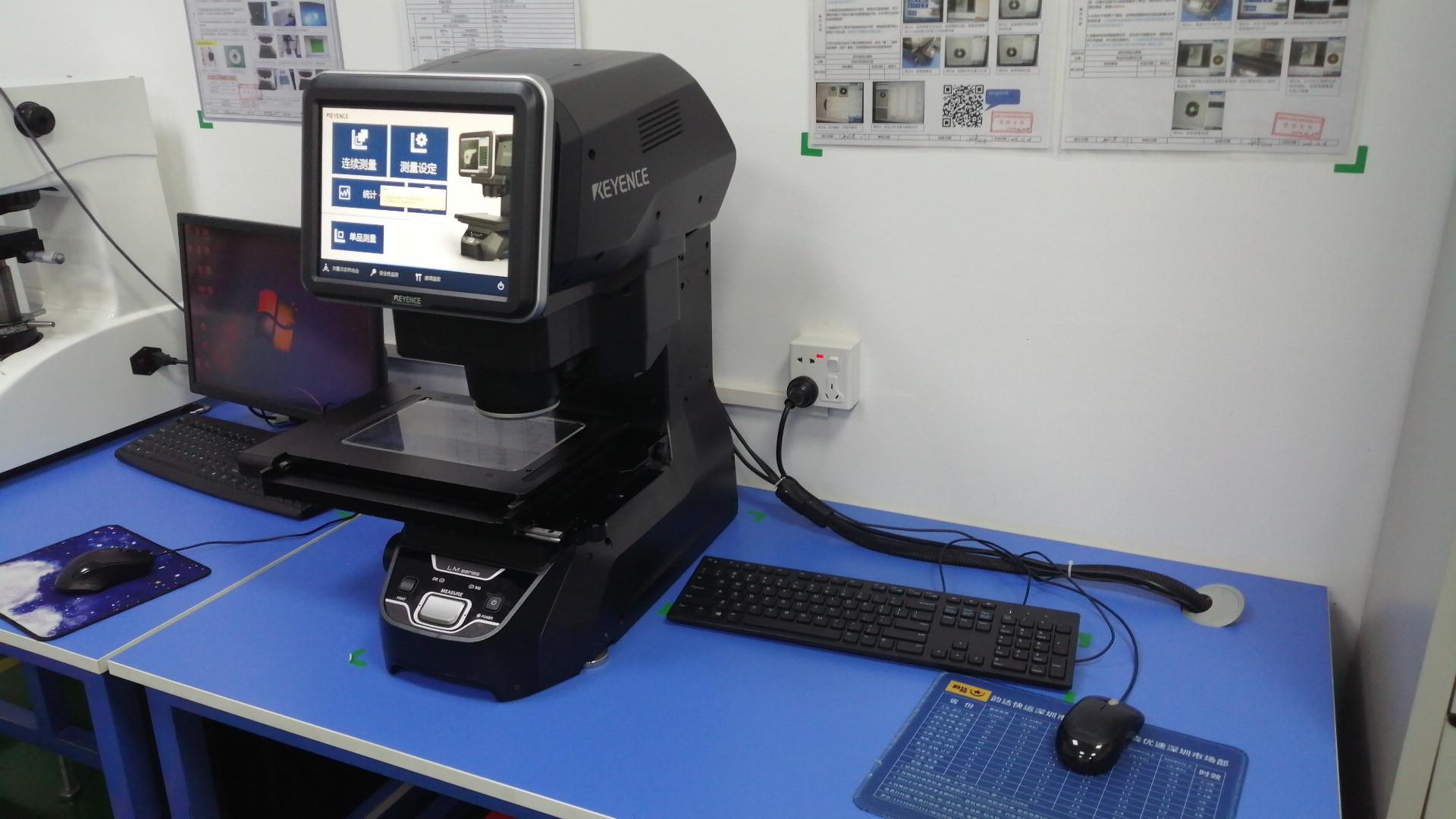 Keyence Laser Caliper
 Vickers Hardness Tester
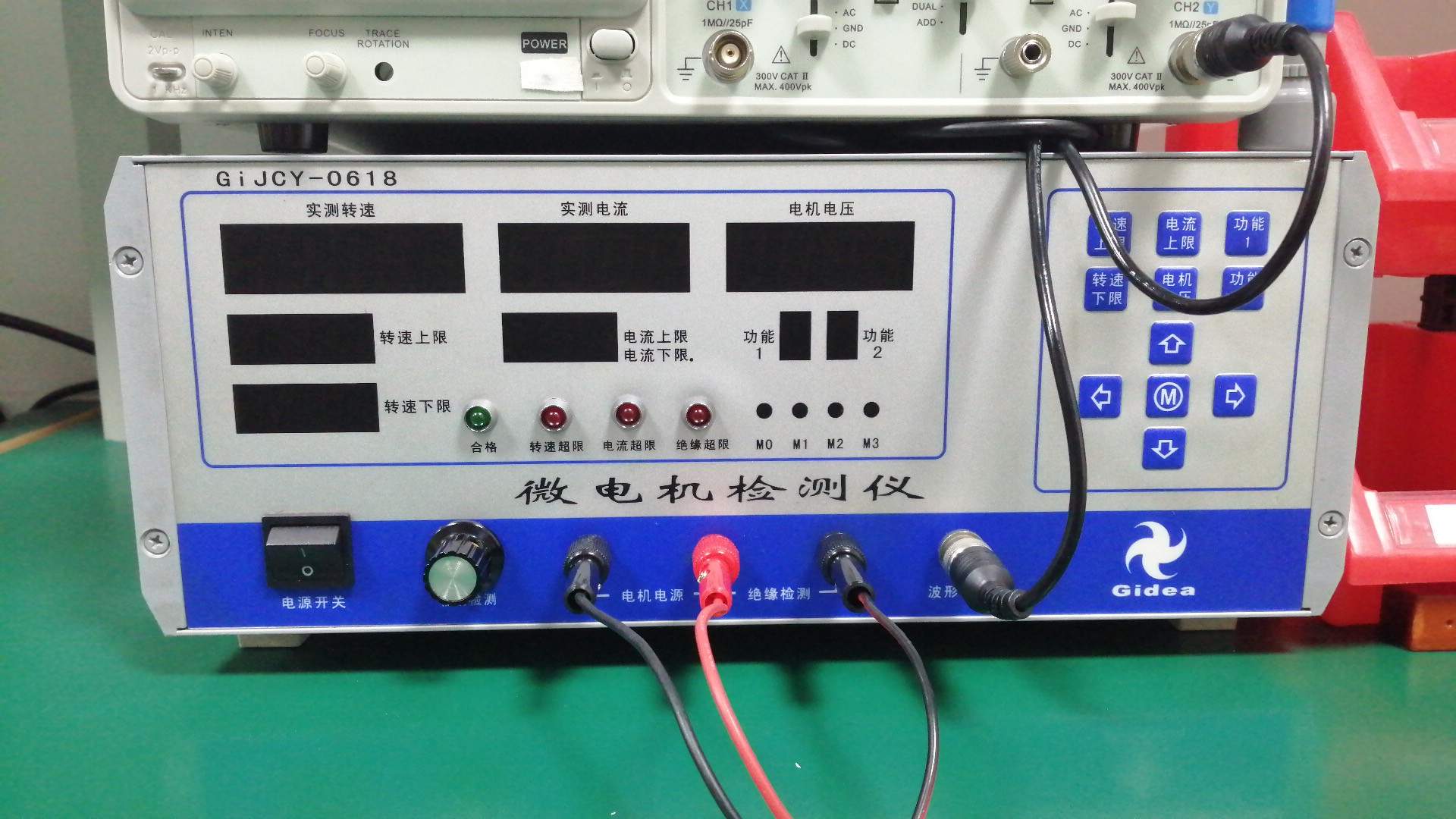
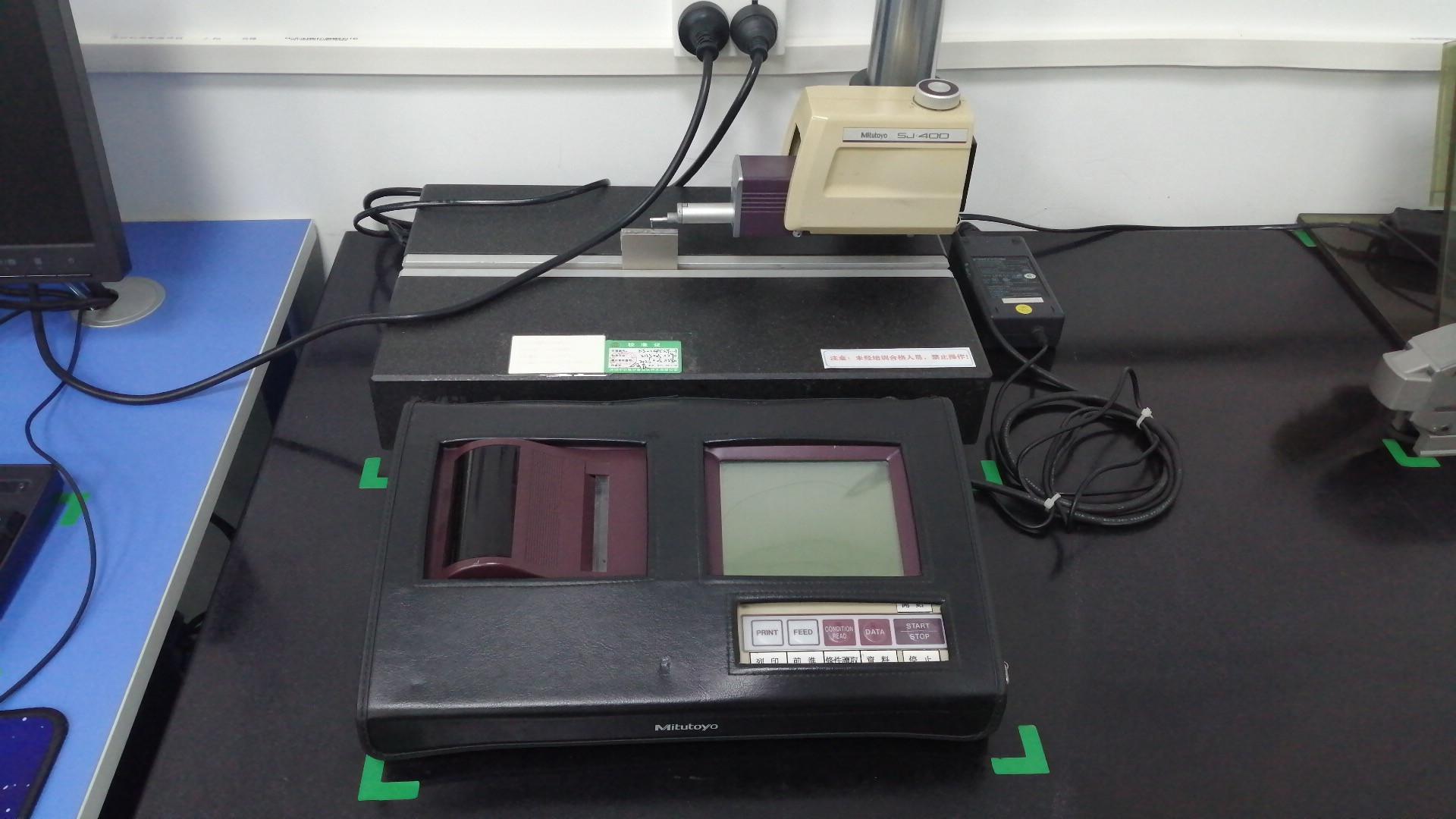 Oscilloscope
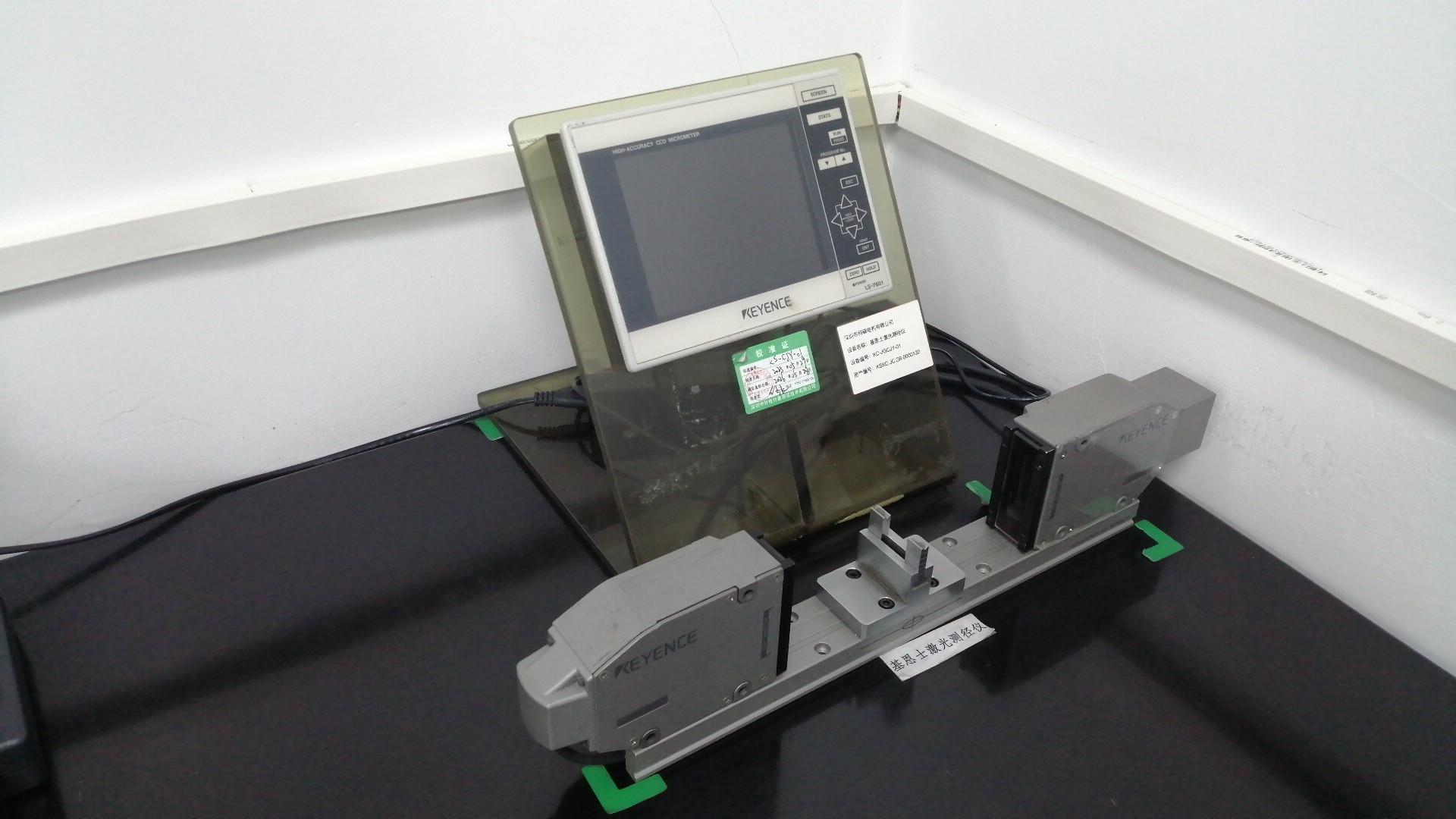 Motor Tester
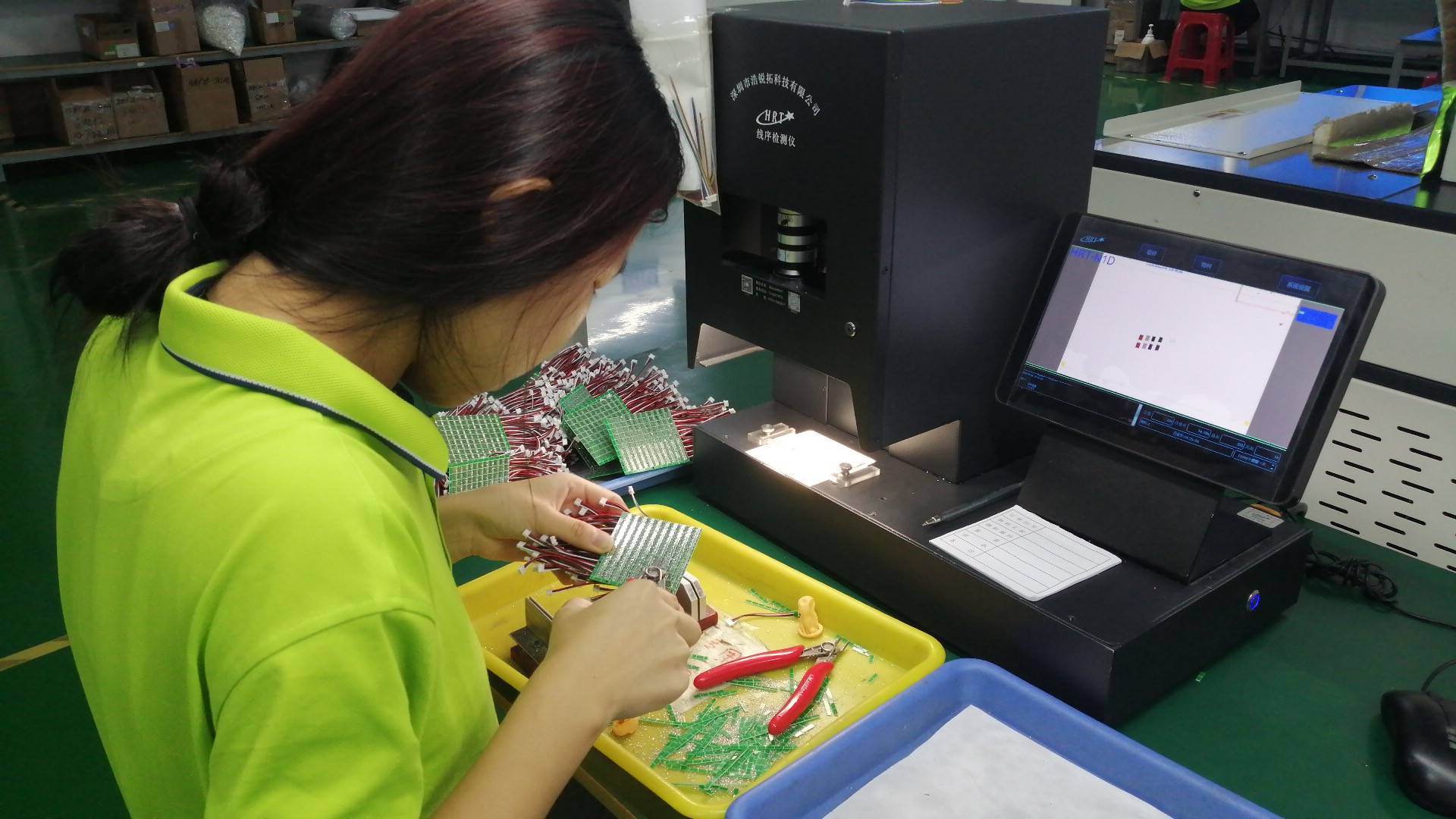
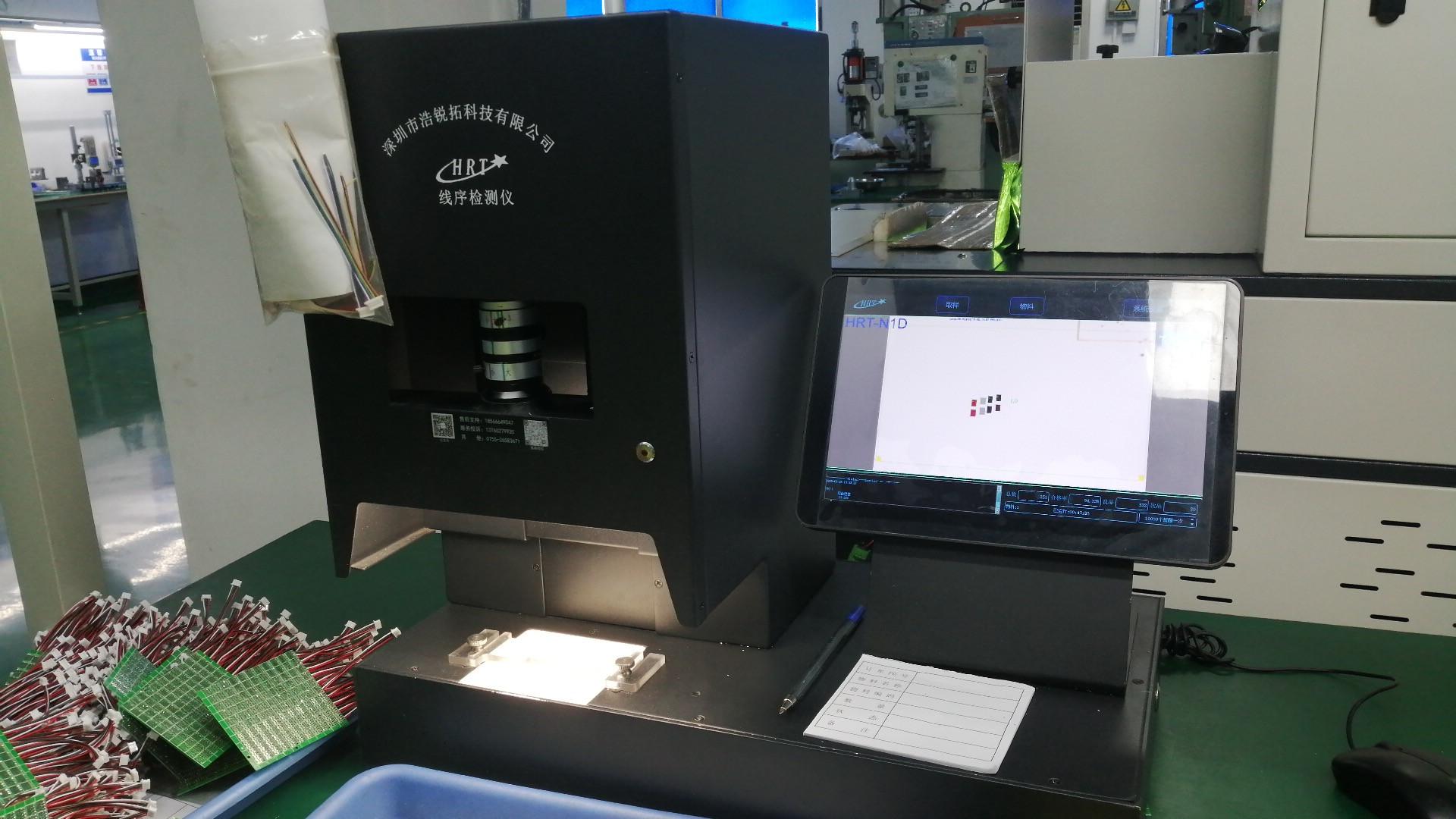
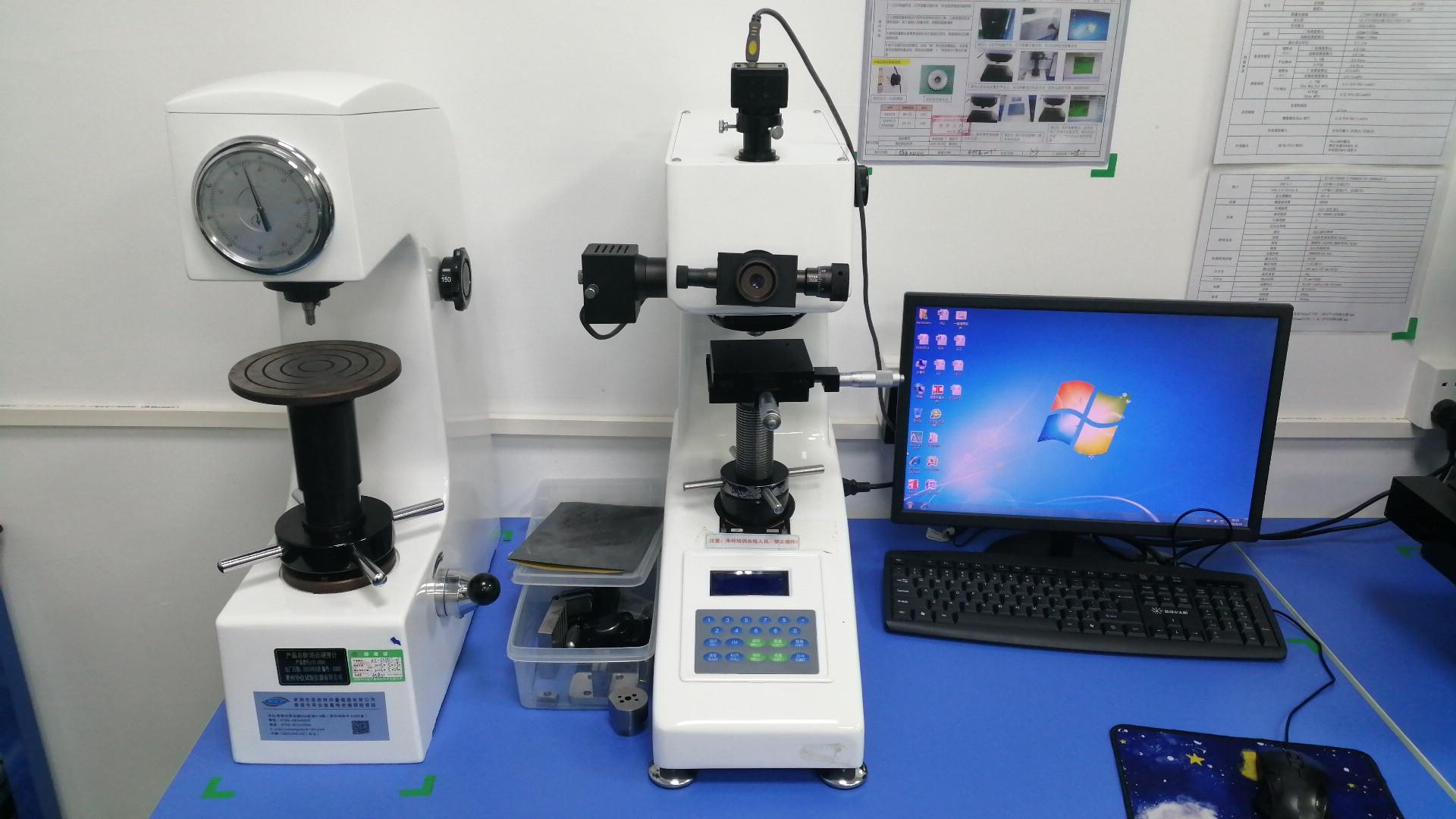 Line Sequence Detector
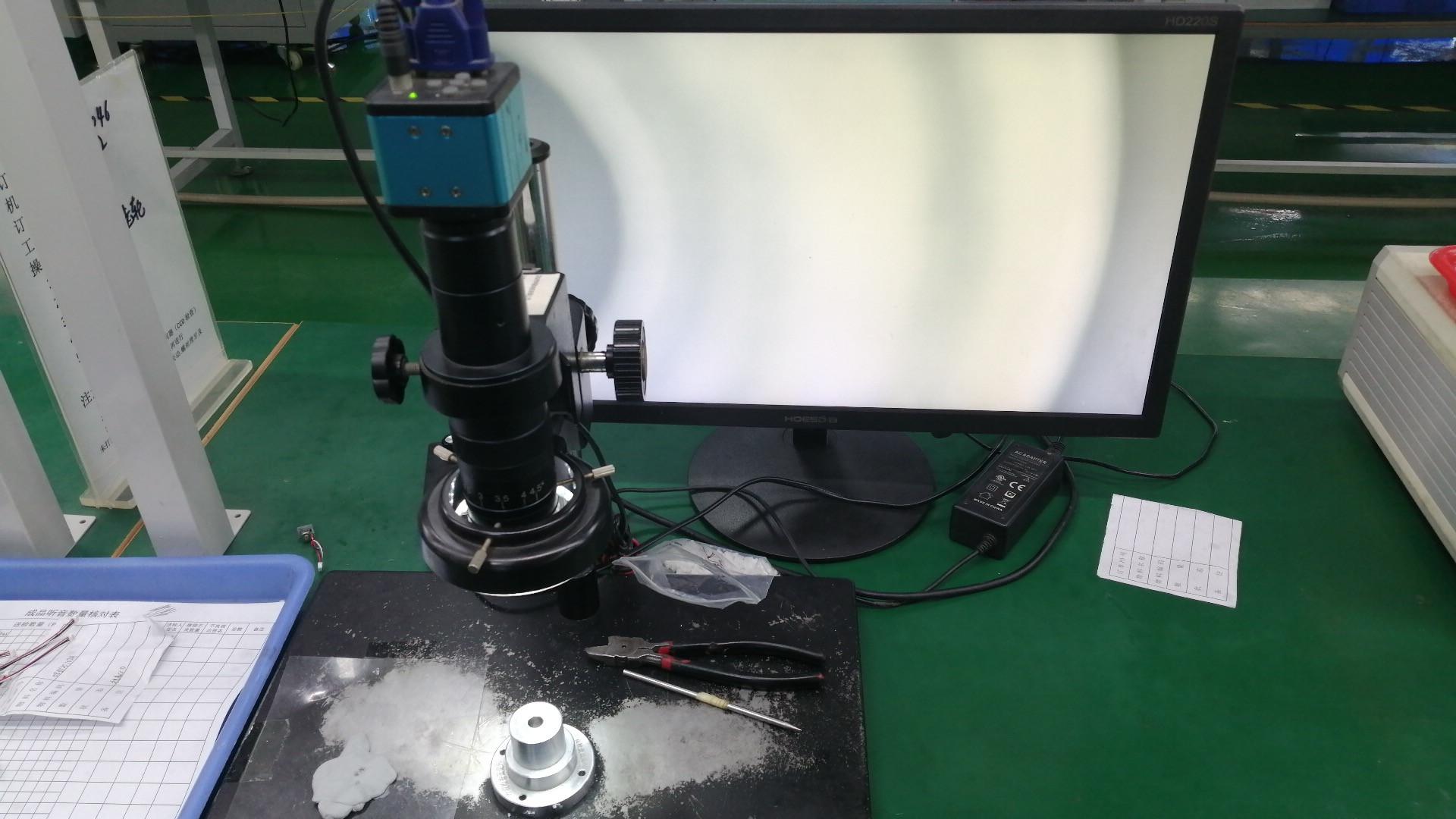
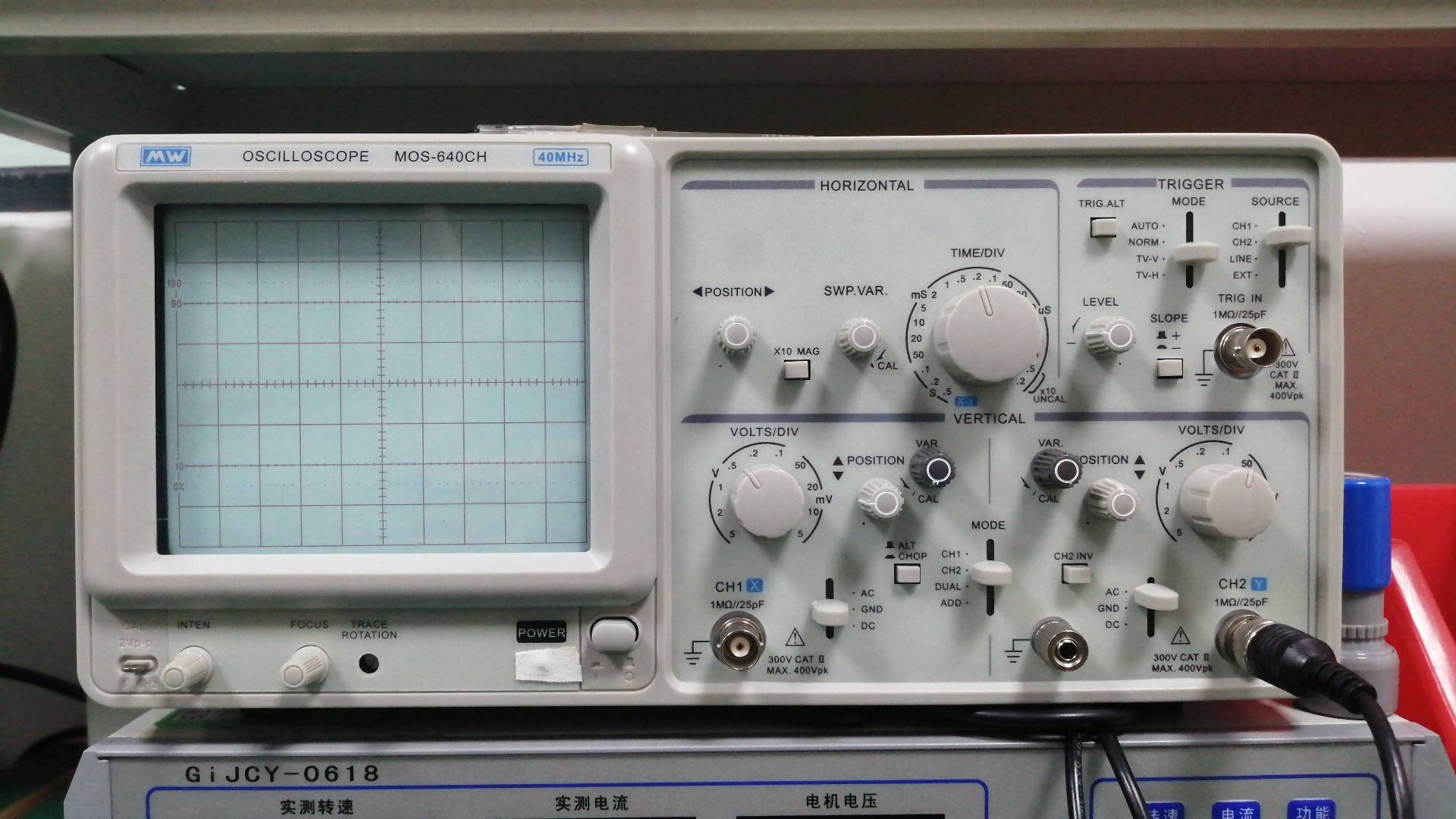 CCD Detector
 Insulation Tester
 Automated Transformer Tester
 Soundproof Room
The electric exhaust fan motor sector is experiencing a massive technological transformation. Historically governed by Single-Phase AC Shaded Pole and Permanent Split Capacitor (PSC) configurations, modern standards dictate a transition towards BLDC (Brushless DC) and PMSM (Permanent Magnet Synchronous Motor) designs. The technical drivers behind this transition include:
Modern ventilation tasks require specialized drive specifications. Below is an overview of how diverse motor architectures address specific commercial and industrial application requirements:
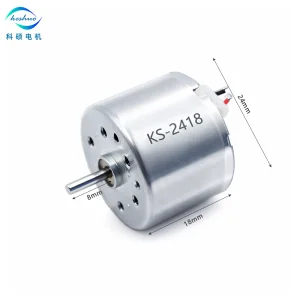
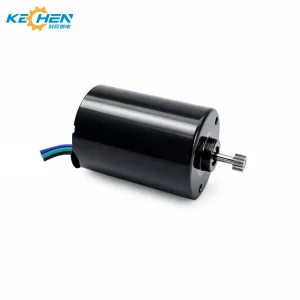
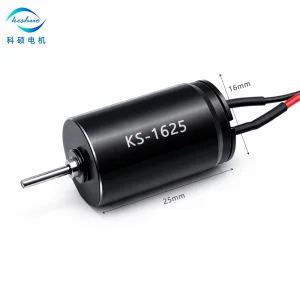
Residential Energy Recovery Ventilators require continuous operation at low power configurations. Compact drives, such as the KC-BL2418 24mm Brushless DC Motor, provide the necessary precision and variable speed range, matching the needs of localized air circulation units.
Kitchen range hoods subject motors to high temperatures and airborne grease. High-torque permanent magnet motors with enclosed IP54-rated metal housings, high-temperature wire insulation (Class F/H), and sealed double ball bearings are required to prevent premature winding failure.
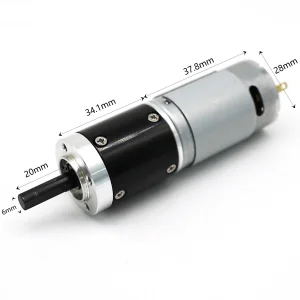
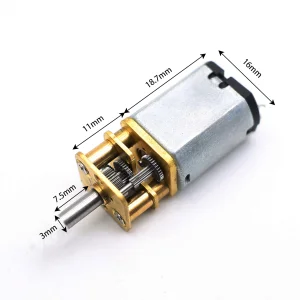
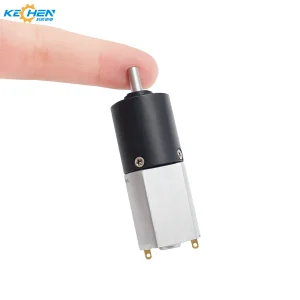
Salt mist and high humidity environments require robust protection. Utilizing corrosion-resistant components like the 28mm 385 Permanent Magnet Construction Fan Motor with planetary gearing, marine blowers operate reliably under severe mechanical shock and broad supply voltage variations (12V to 24V DC).
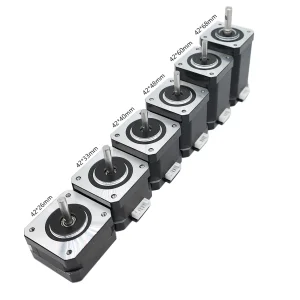
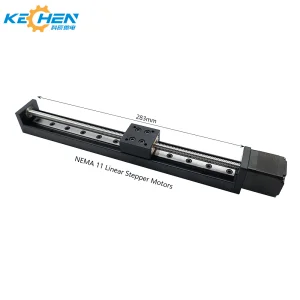
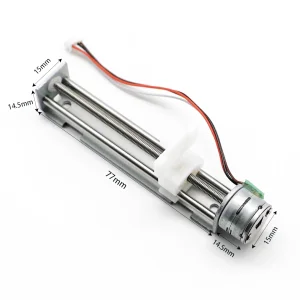
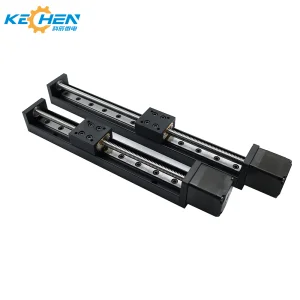
These environments require constant volume (CAV) or variable volume (VAV) airflow control. Integrating micro stepper motors like the NEMA 17 Bipolar Stepper or linear actuators allows precise damper positioning and valve adjustment down to sub-millimeter scales.
Sourcing procurement managers must look beyond unit costs and evaluate motors based on strict electro-mechanical parameters to ensure long-term integration success:
Ensure the motor's continuous duty torque curve matches the static pressure requirements of the fan blades. Verify that peak startup torque is sufficient to overcome inertia under extreme cold conditions.
Confirm the winding insulation class (Class B: 130°C, Class F: 155°C, or Class H: 180°C). Request reports for thermal runaway tests under locked-rotor conditions.
Review noise metrics measured inside anechoic chambers across a full 1/3-octave frequency band. This prevents structural resonances from manifesting as low-frequency noise in the field.
Ensure all units carry necessary certifications: CE, UL, RoHS, and REACH. Confirm that the manufacturing partner runs an ISO 9001:2015 and IATF 16949-certified quality management system.
Expert Answers to Critical Questions in Ventilation Engineering and Micro-Drive Selection
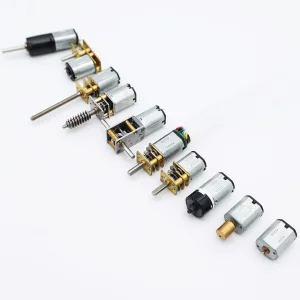
Complementary micro-drive solutions for exact positioning, linear motion control, and automation integration across ventilation valves and high-reliability actuators.
 Brea Tech Micro Motor