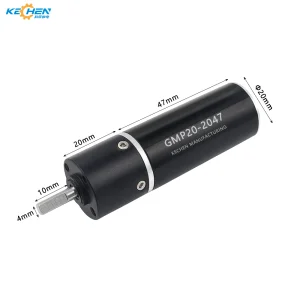
Engineered for high performance, efficiency, and quiet operation in demanding B2B applications.
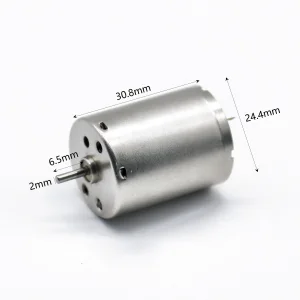
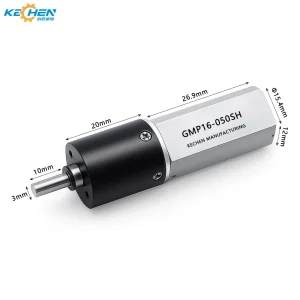
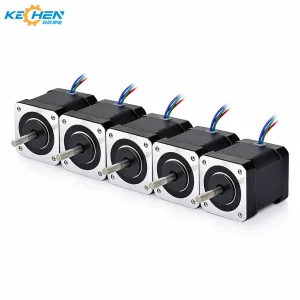
Addressing the shifting landscape of high-performance cooling demands across critical technology sectors.
In the modern industrial layout, heat dissipation is no longer a simple mechanical support function—it is a critical parameter limiting system reliability, operating lifetime, and energy efficiency. From electric vehicle (EV) battery packs and telecommunications server racks to advanced household robotics and smart medical hardware, cooling fan motors play a pivotal role. The global demand for these components is transitioning rapidly from basic AC-shaded pole configurations to high-efficiency, intelligently controlled micro DC and Brushless DC (BLDC) motors.
High vibration resistance, IP67+ dust and water protection, and wide operating thermal bands (-40°C to +125°C) are mandatory for thermal management systems in hybrid and fully electric vehicle drivetrains.
Requiring extreme continuous MTBF (Mean Time Between Failures) profiles, quiet acoustic levels, and integrated PWM speed control signals to dynamically adjust cooling based on real-time hardware loads.
Focuses strongly on electromagnetic compatibility (EMC), high efficiency (RoHS/Reach compliant motors), ultra-compact frame dimensions, and cost-effective high-volume batch supply.
“Strategic sourcing for cooling systems must balance technical optimization with long-term commercial reliability. High-efficiency custom shafts, precision magnetic circuits, and customized winding profiles are the keys to outperforming competitor thermal structures.”
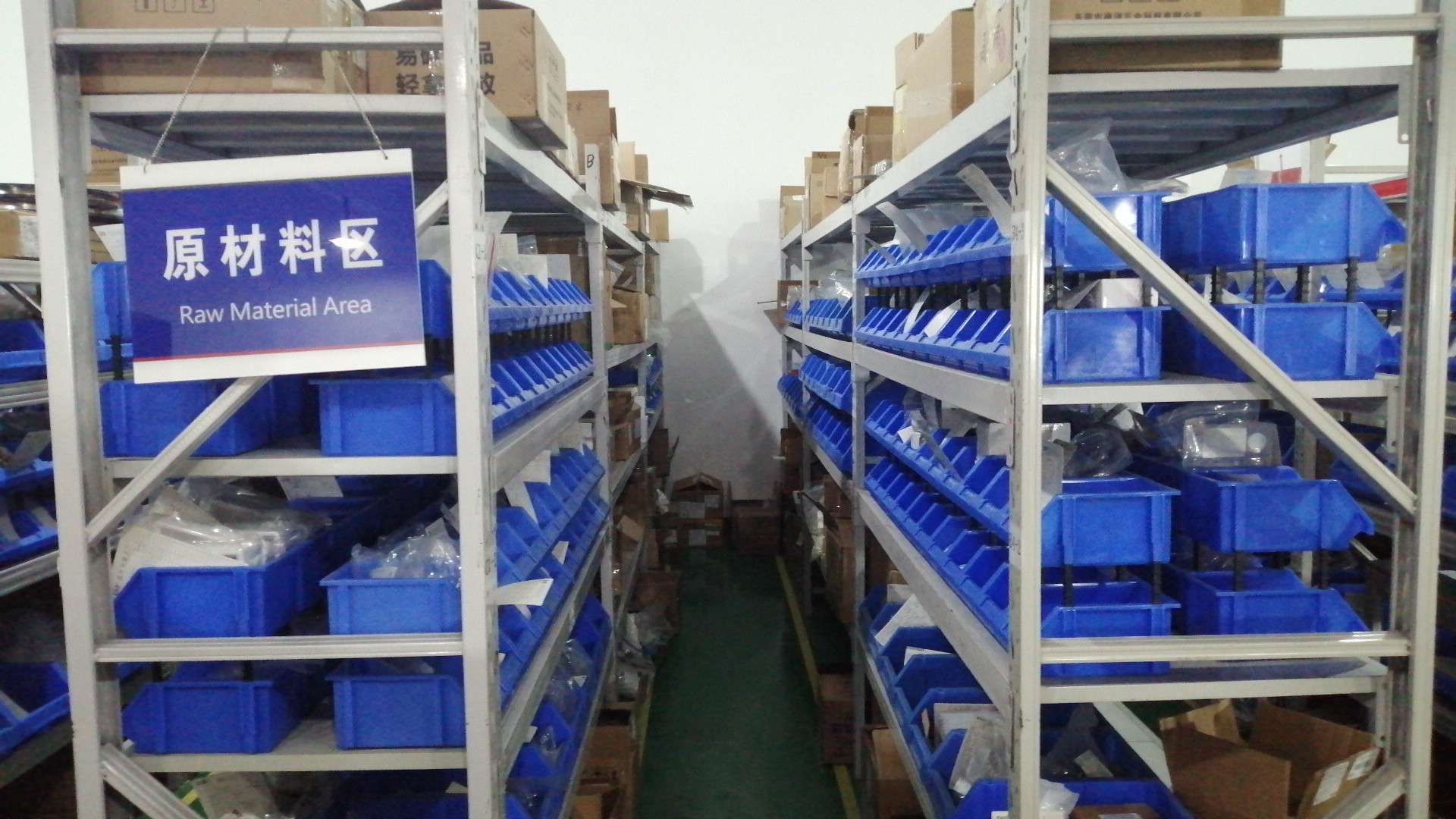
Global procurement teams in Europe and North America are focusing heavily on supply chain resilience and engineering localization. The traditional procurement approach of buying off-the-shelf catalog motors is being replaced by custom joint-development projects. Manufacturers that offer localized mechanical engineering support, fast prototype iterations, and deep vertical integration—from wire drawing and coil winding to automated visual inspection and laboratory metrology—enjoy a massive competitive advantage in modern B2B vendor ratings.
Redefining precision motion control through advanced automation and customization.
Brea Tech Micro Motor is a forward-thinking Chinese manufacturer redefining precision motion control in the micro-drive industry. We design and build high-efficiency micro DC and BLDC motors that power next-generation technologies worldwide.
Driven by our core philosophy—Top Quality & Customization—we combine advanced manufacturing tech with flexible engineering to provide global B2B clients with the transparency of a local partner and the cost benefits of a premier Chinese factory. Built to last. Engineered to fit.
Fully customized output shafts, winding impedances, gear reduction configurations, and specialized cable assemblies.
Utilizing state-of-the-art automatic coil winding, laser welding, and dynamic verification processes to eliminate variance.
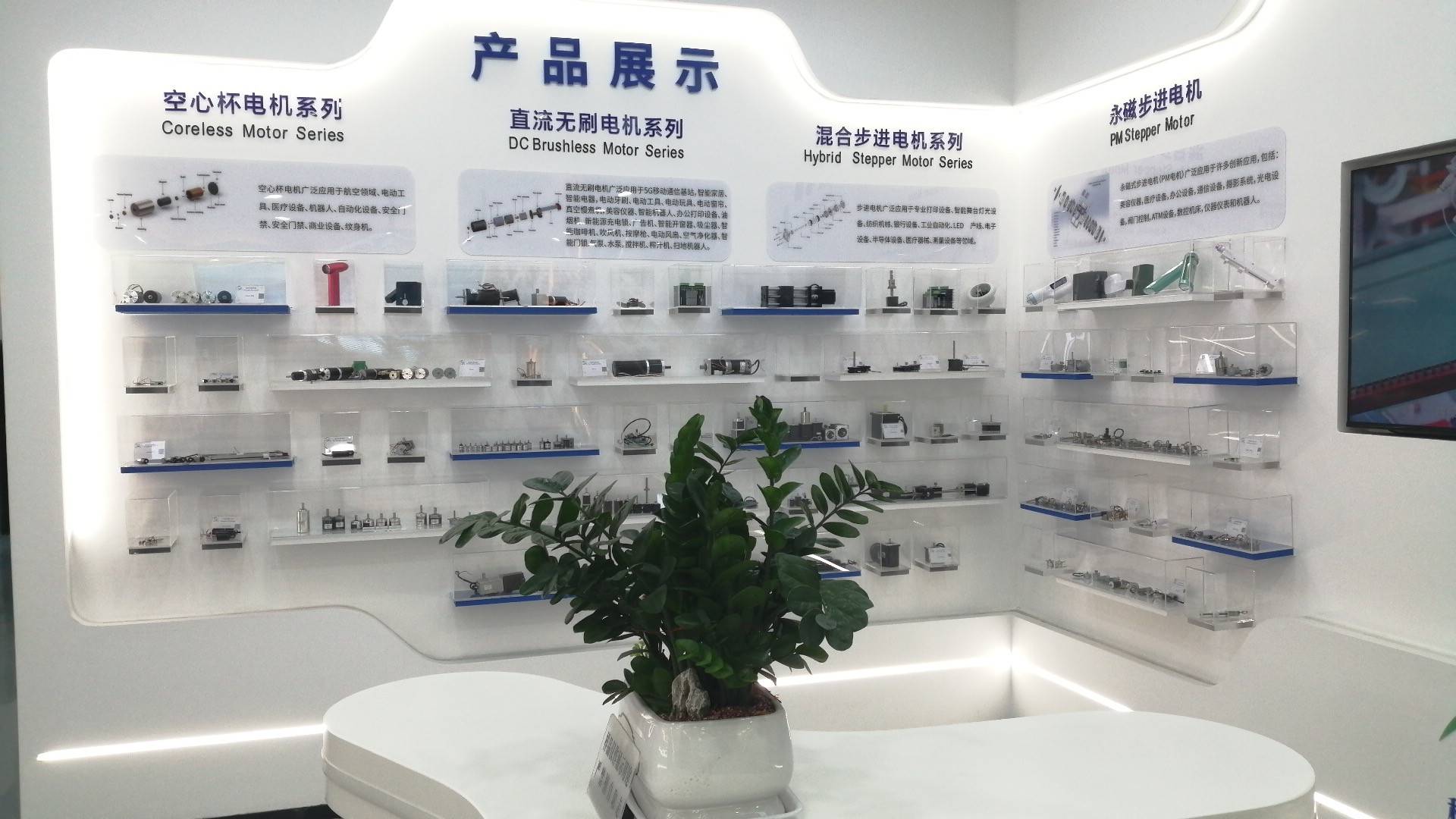
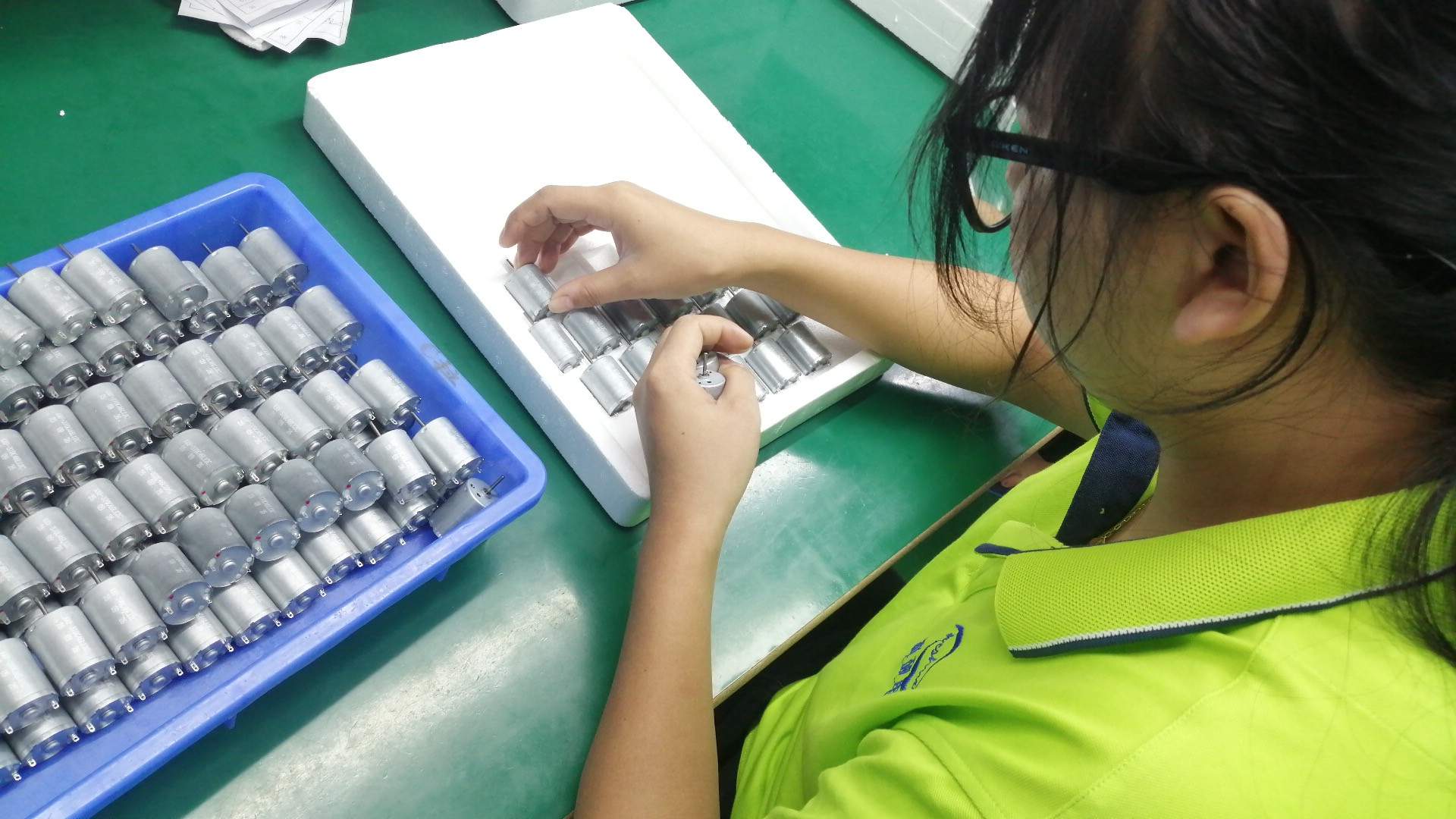
Visualizing our clean, systematic, and automated manufacturing line ensuring maximum lot consistency.
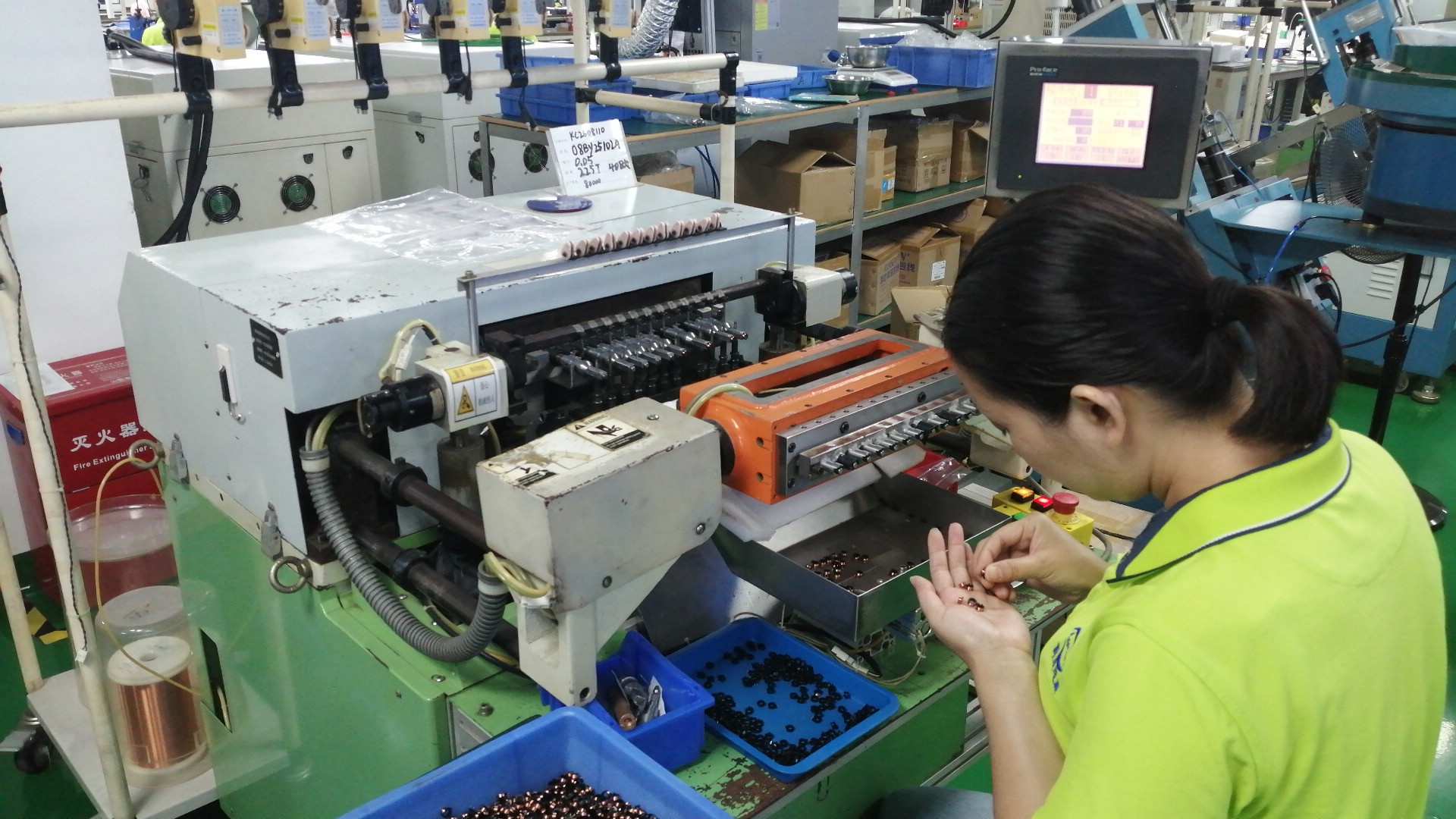
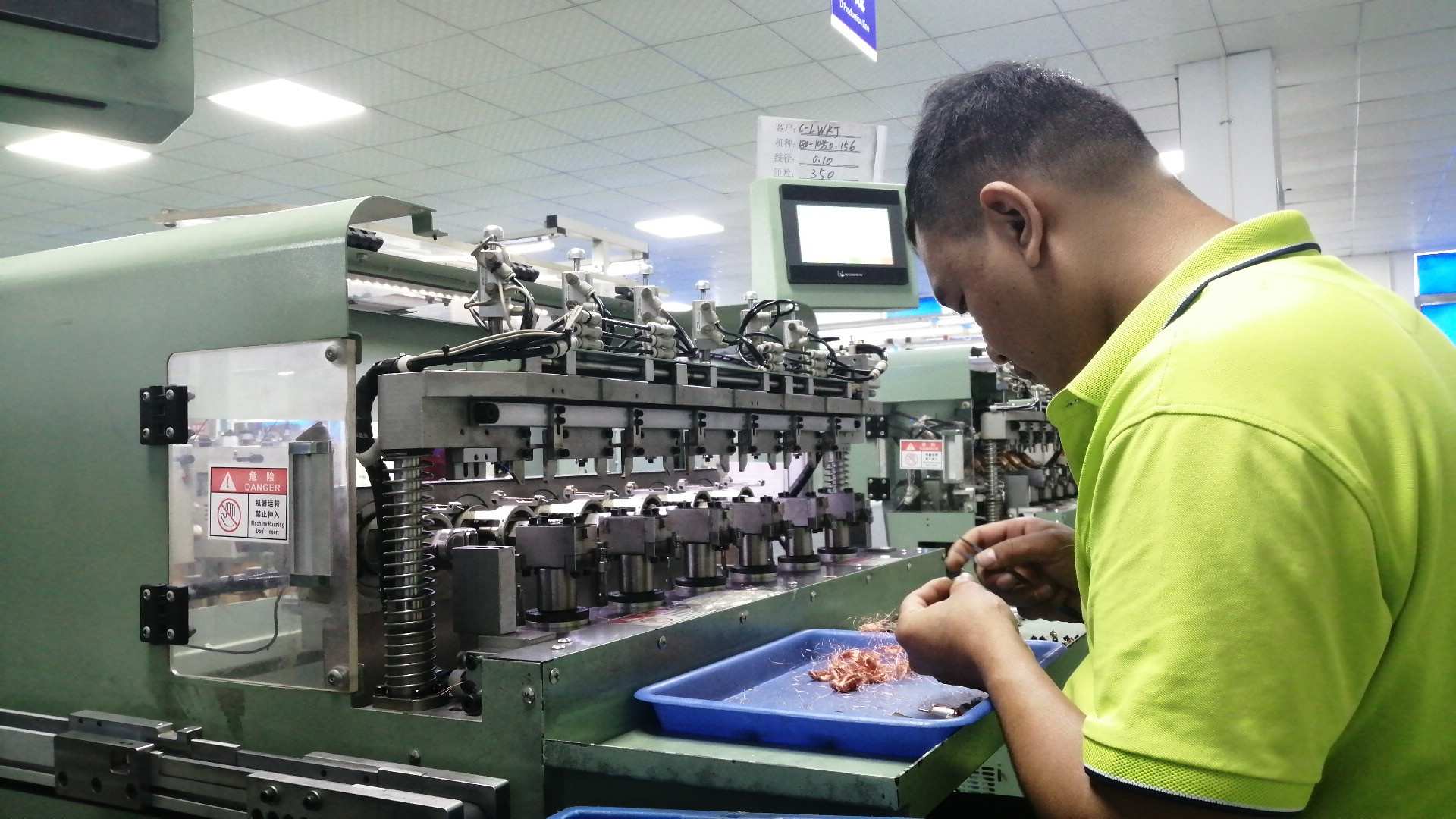
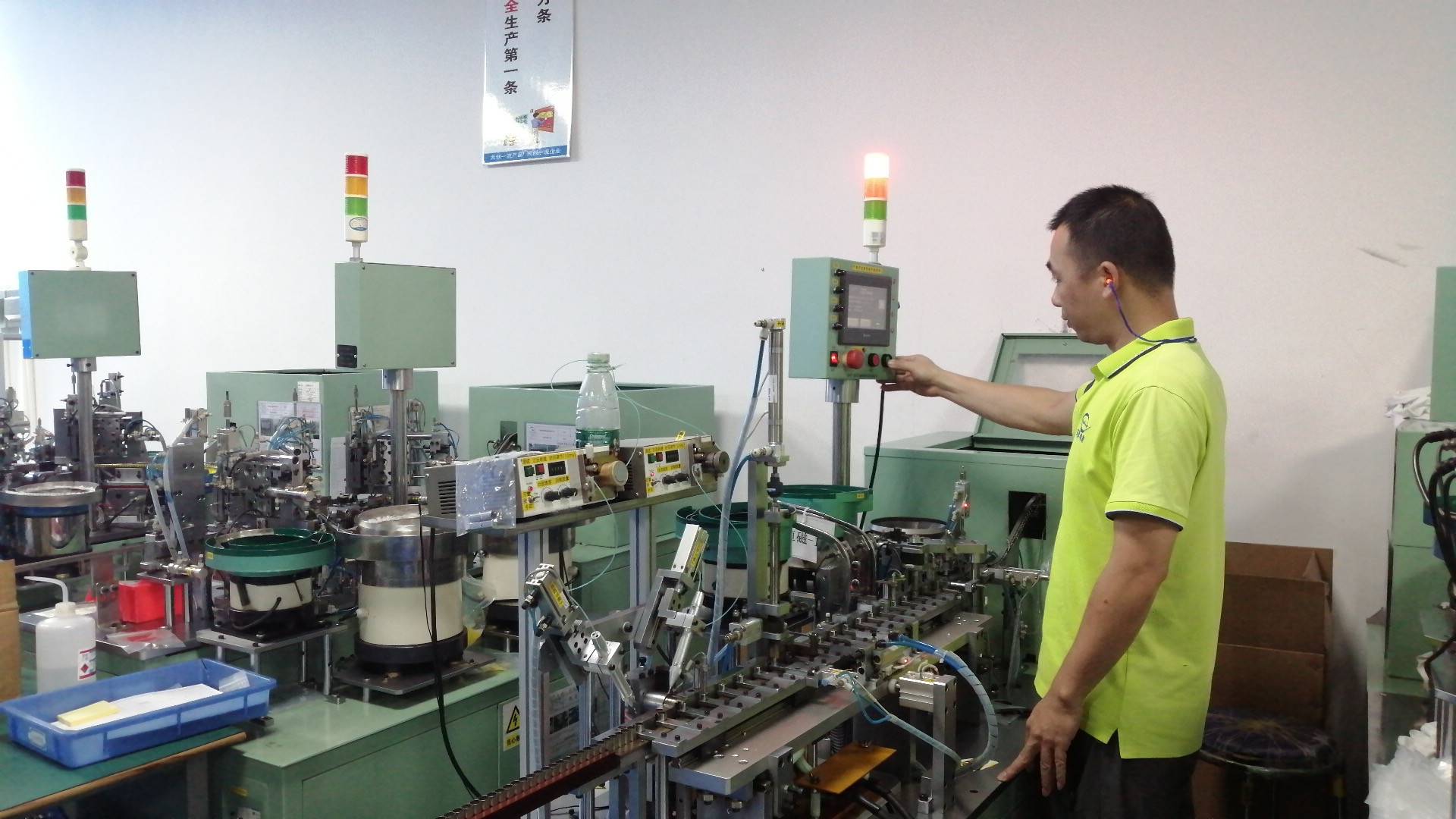
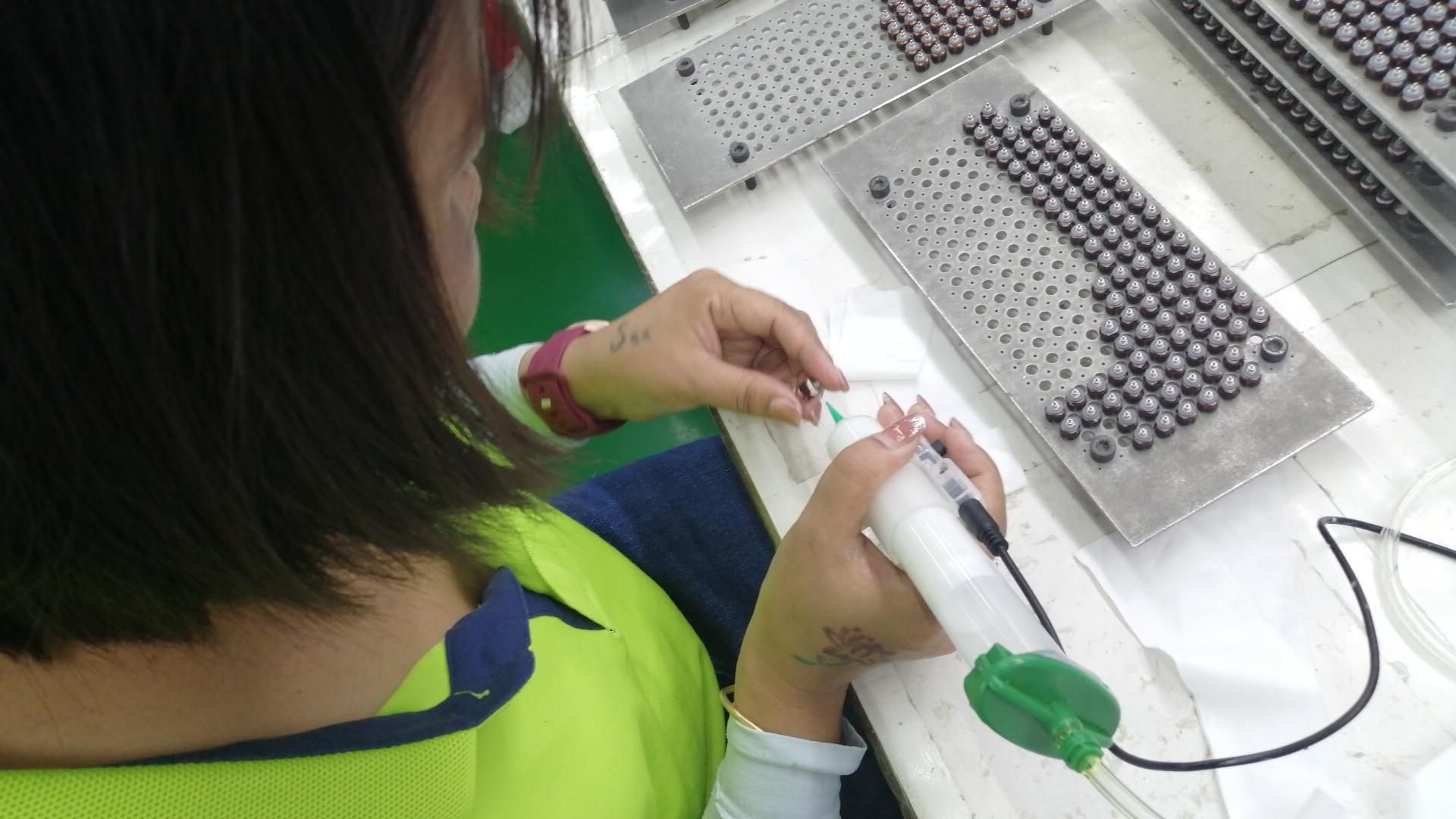
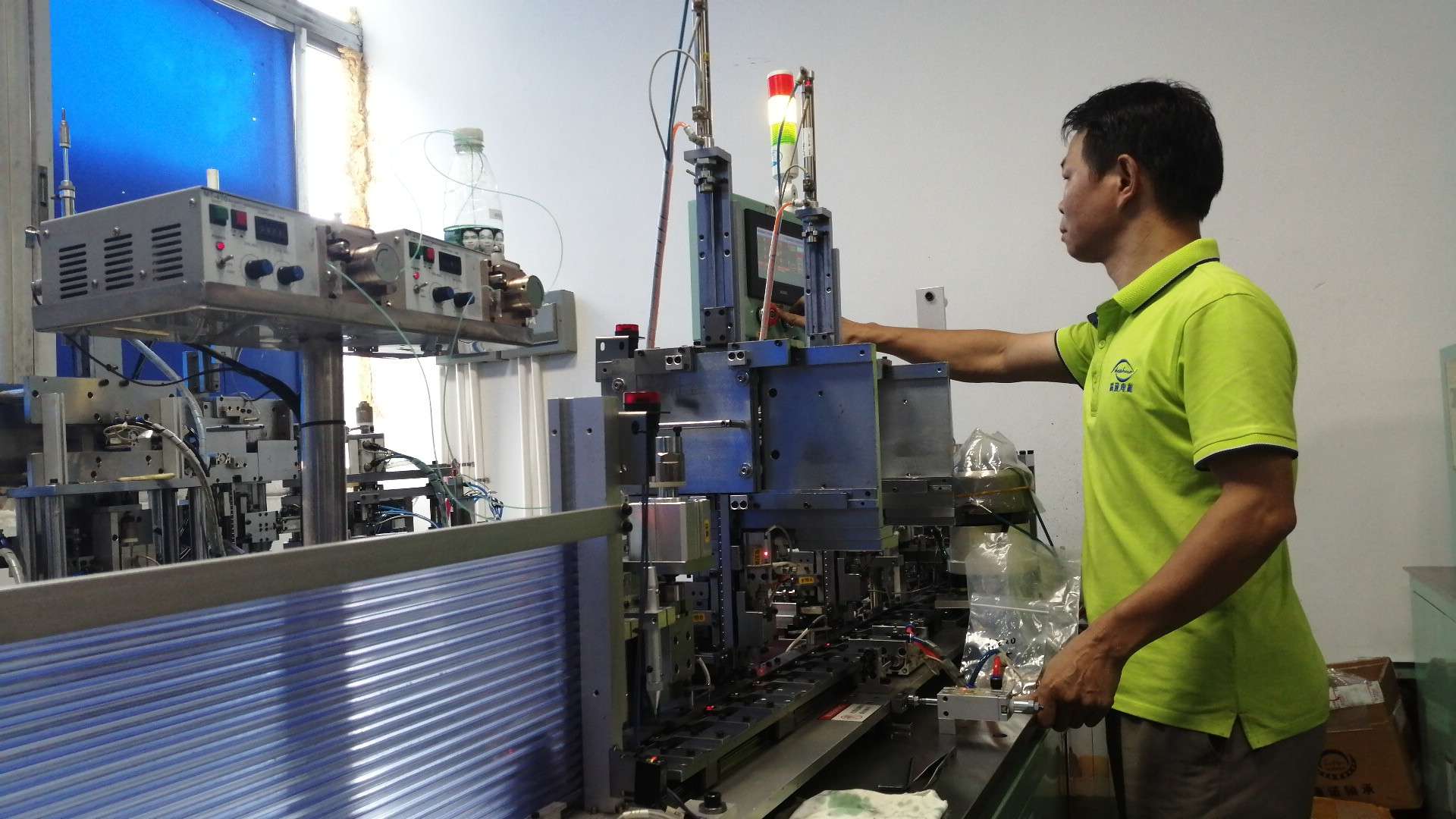
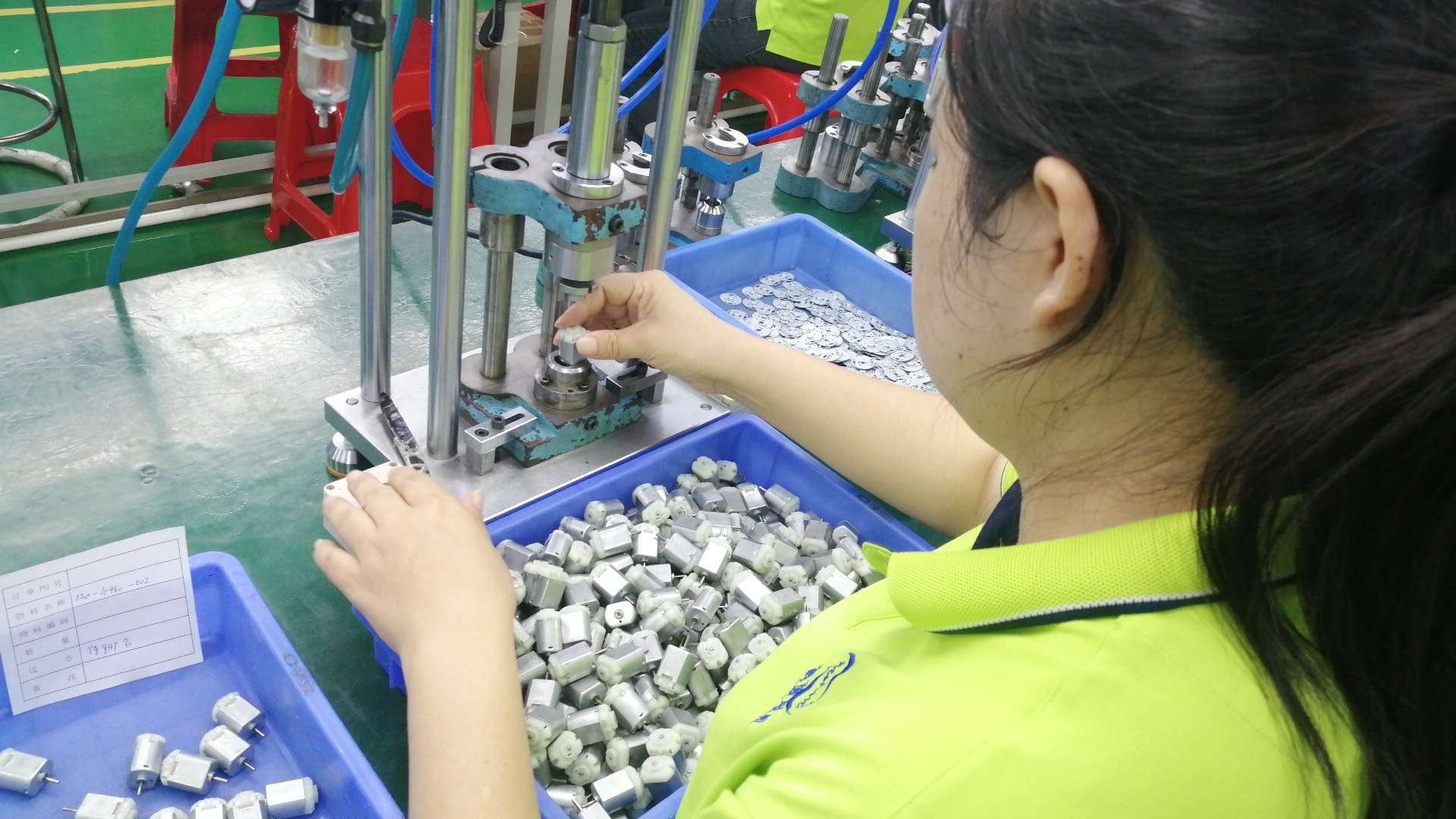
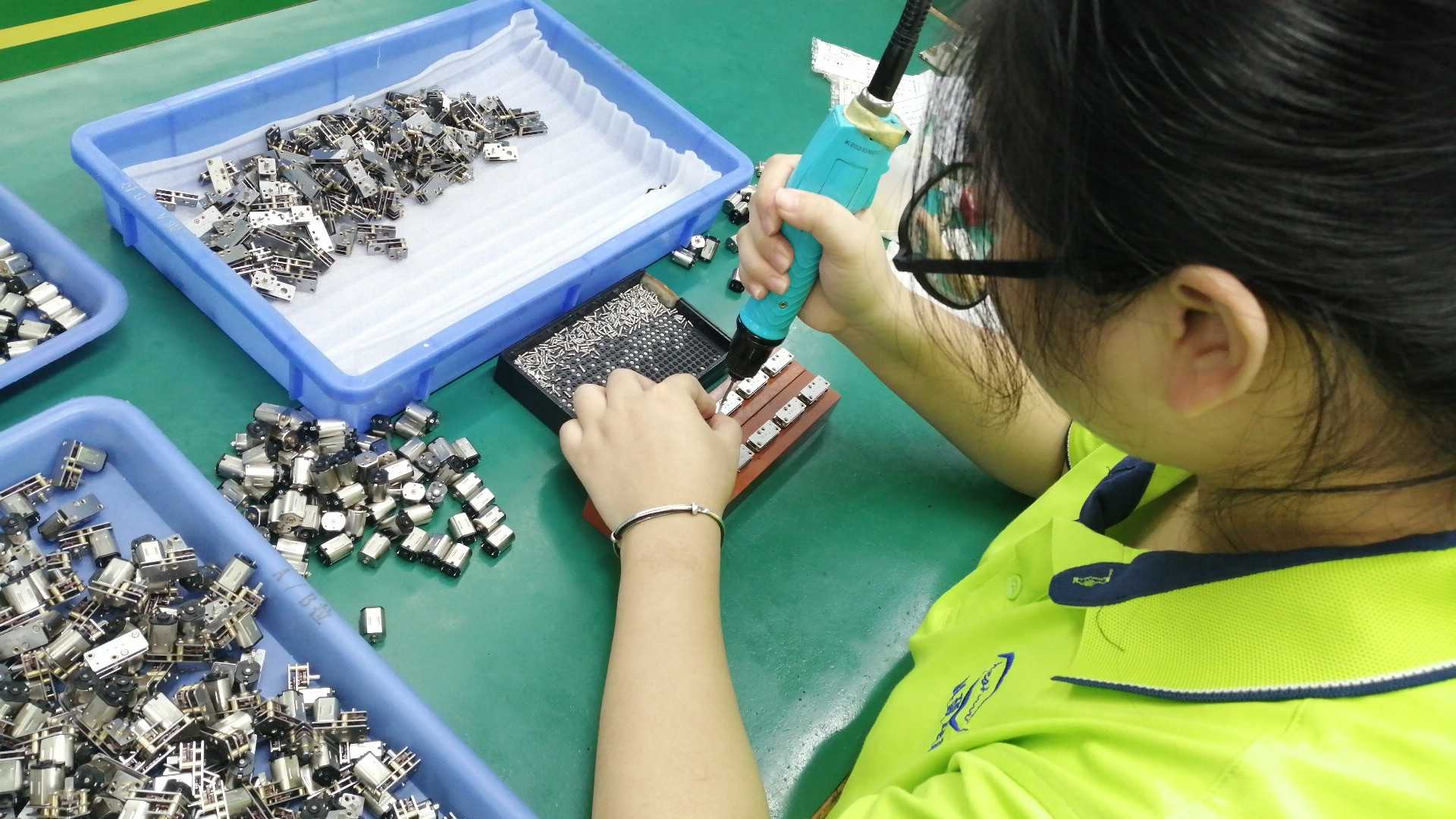
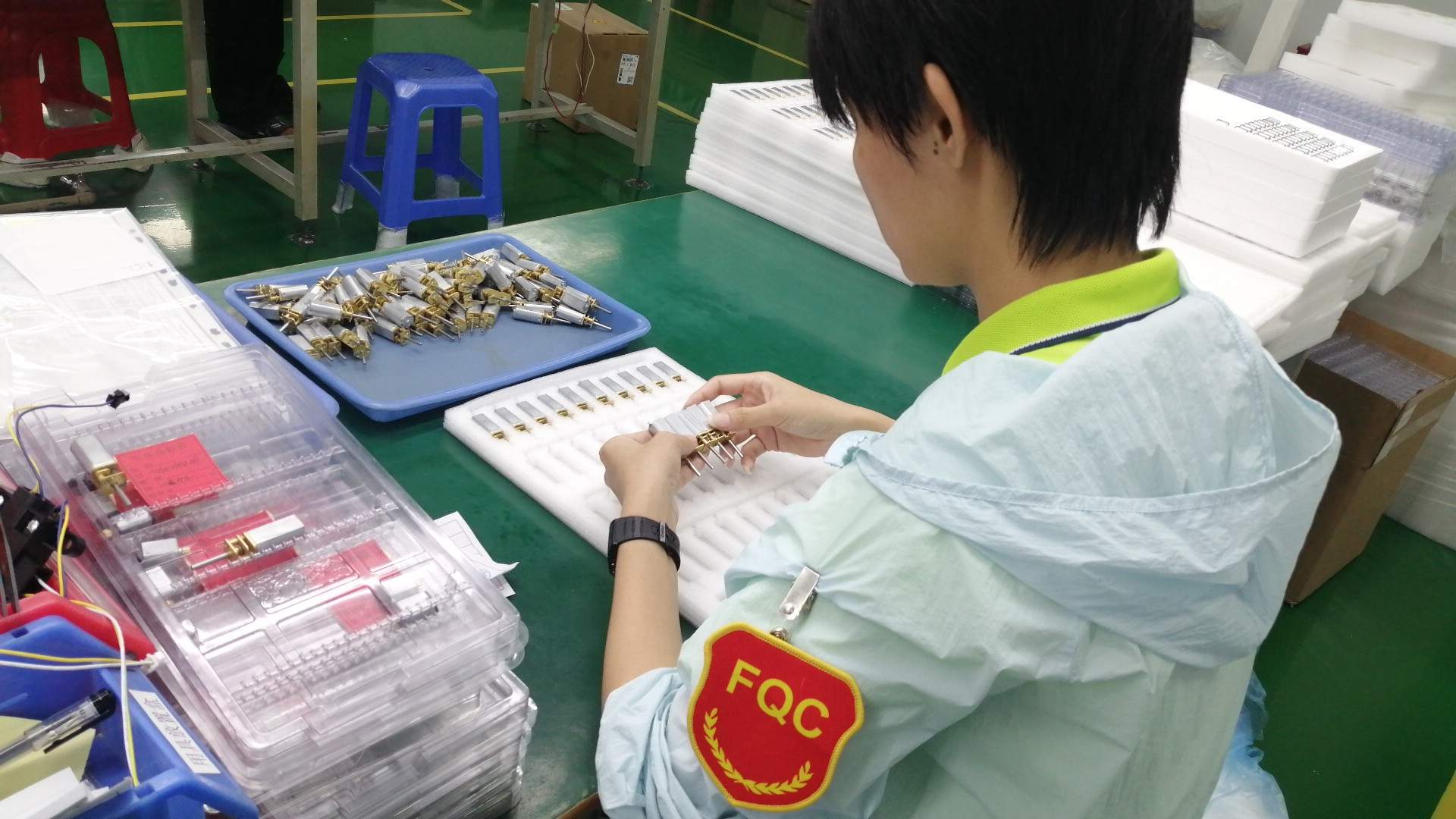
Our manufacturing line integrates
Automatic Pressure Bearing
(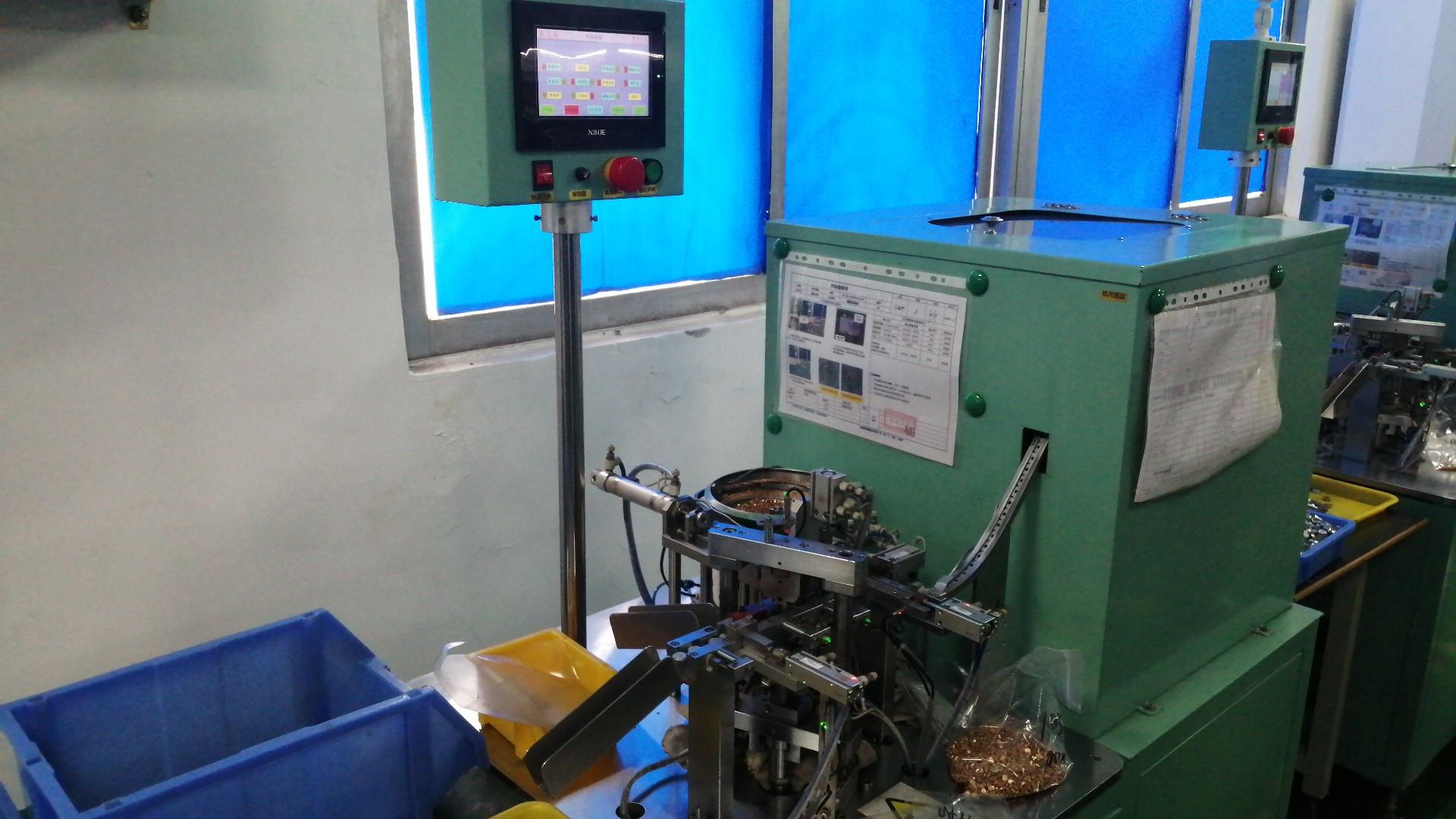 ),
Automatic Soldering
(
),
Automatic Soldering
(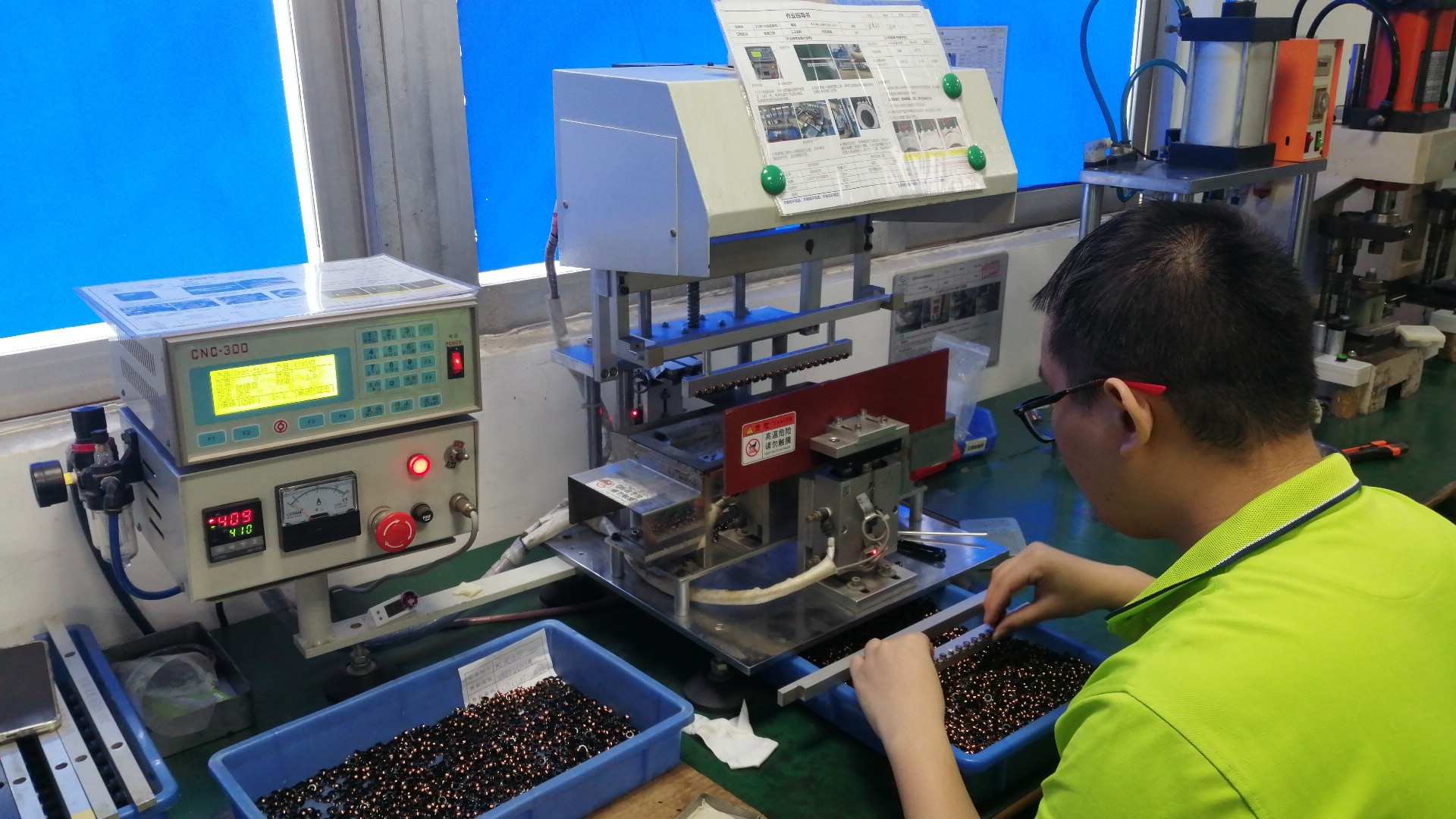 ),
and Laser Spotwelding
(
),
and Laser Spotwelding
(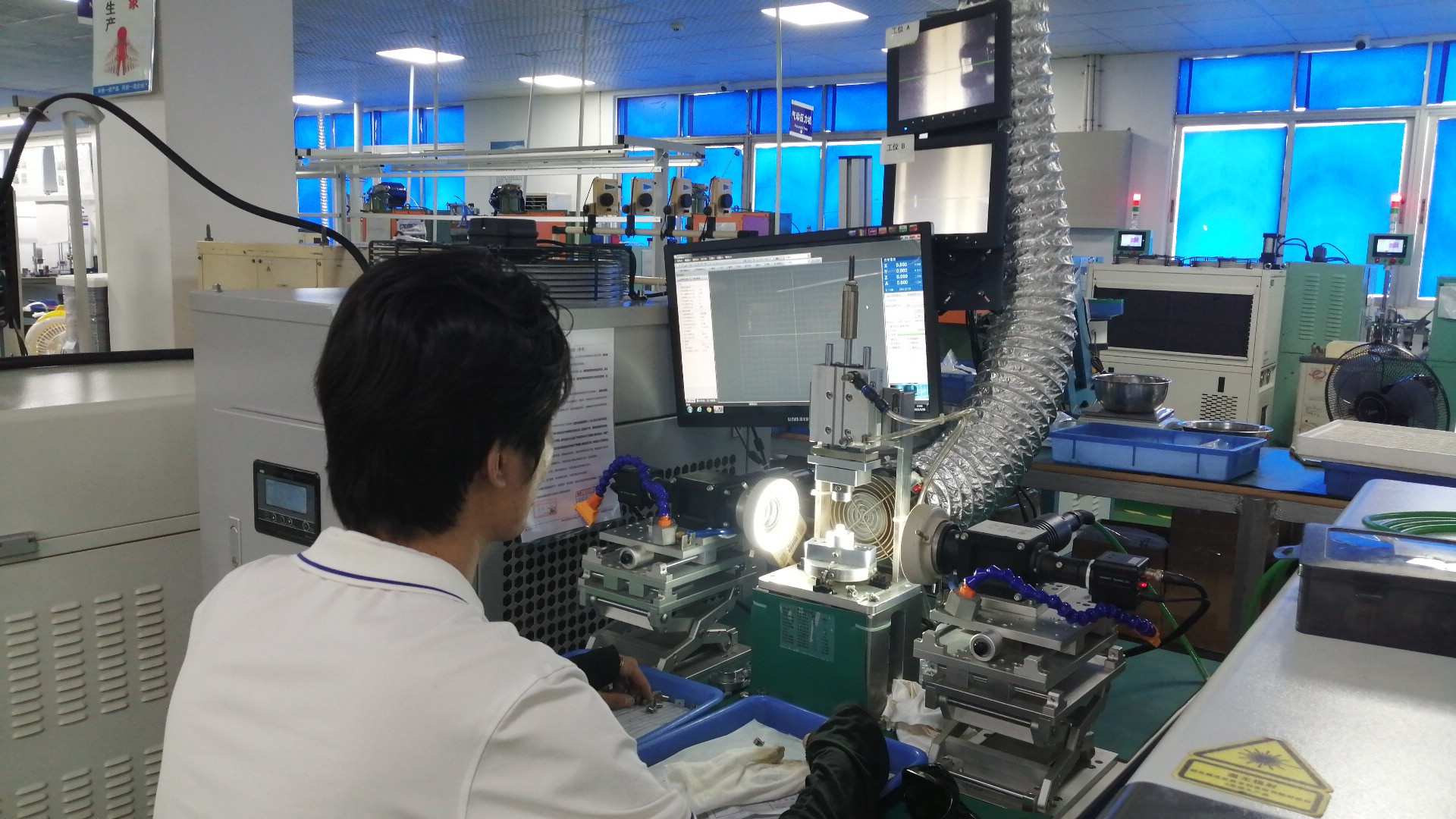 )
technologies to eliminate human errors and maintain structural tolerances within ±0.005mm.
)
technologies to eliminate human errors and maintain structural tolerances within ±0.005mm.
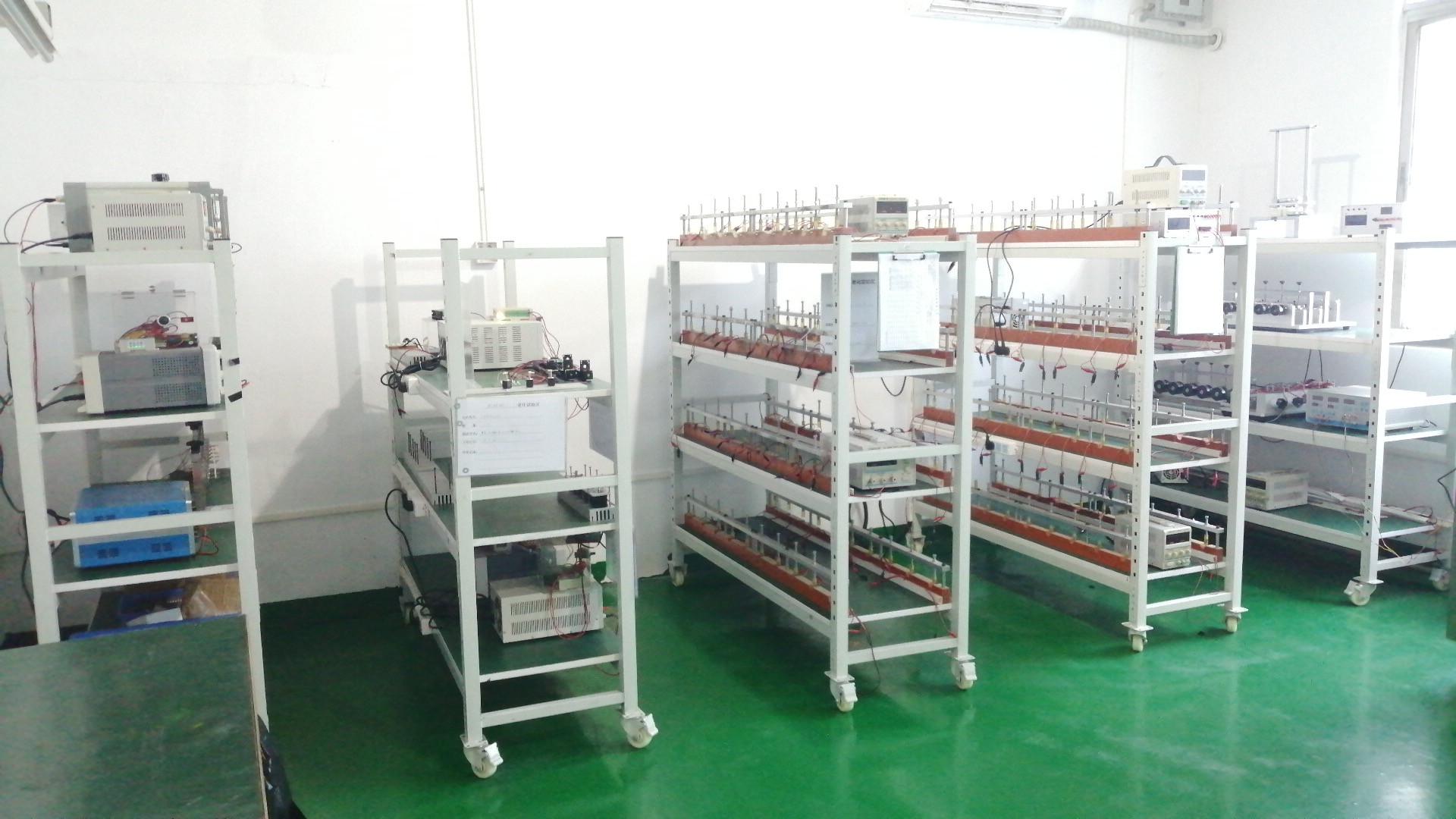
How Brea Tech leverages advanced diagnostic systems to verify every electrical and mechanical parameter.
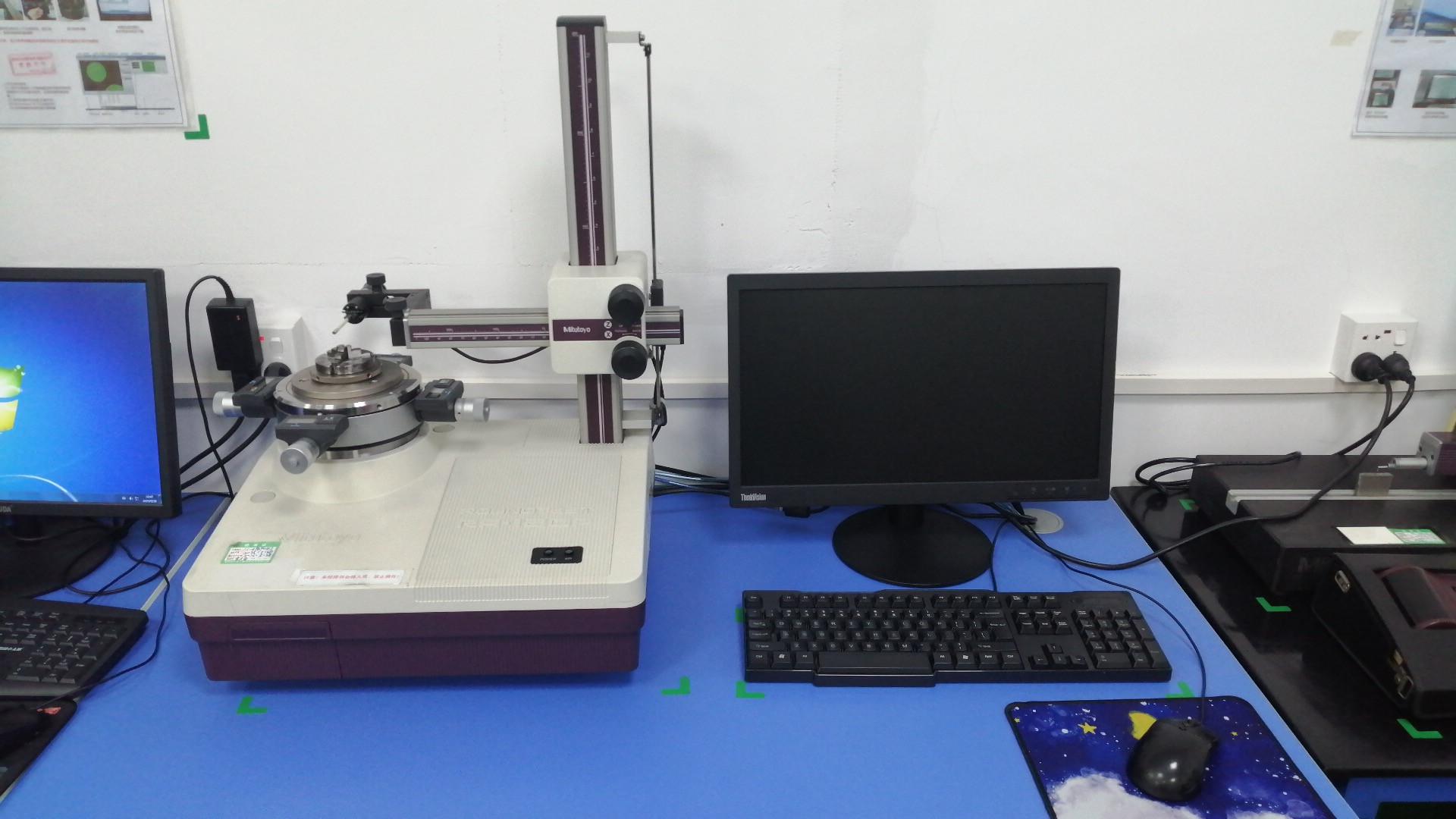
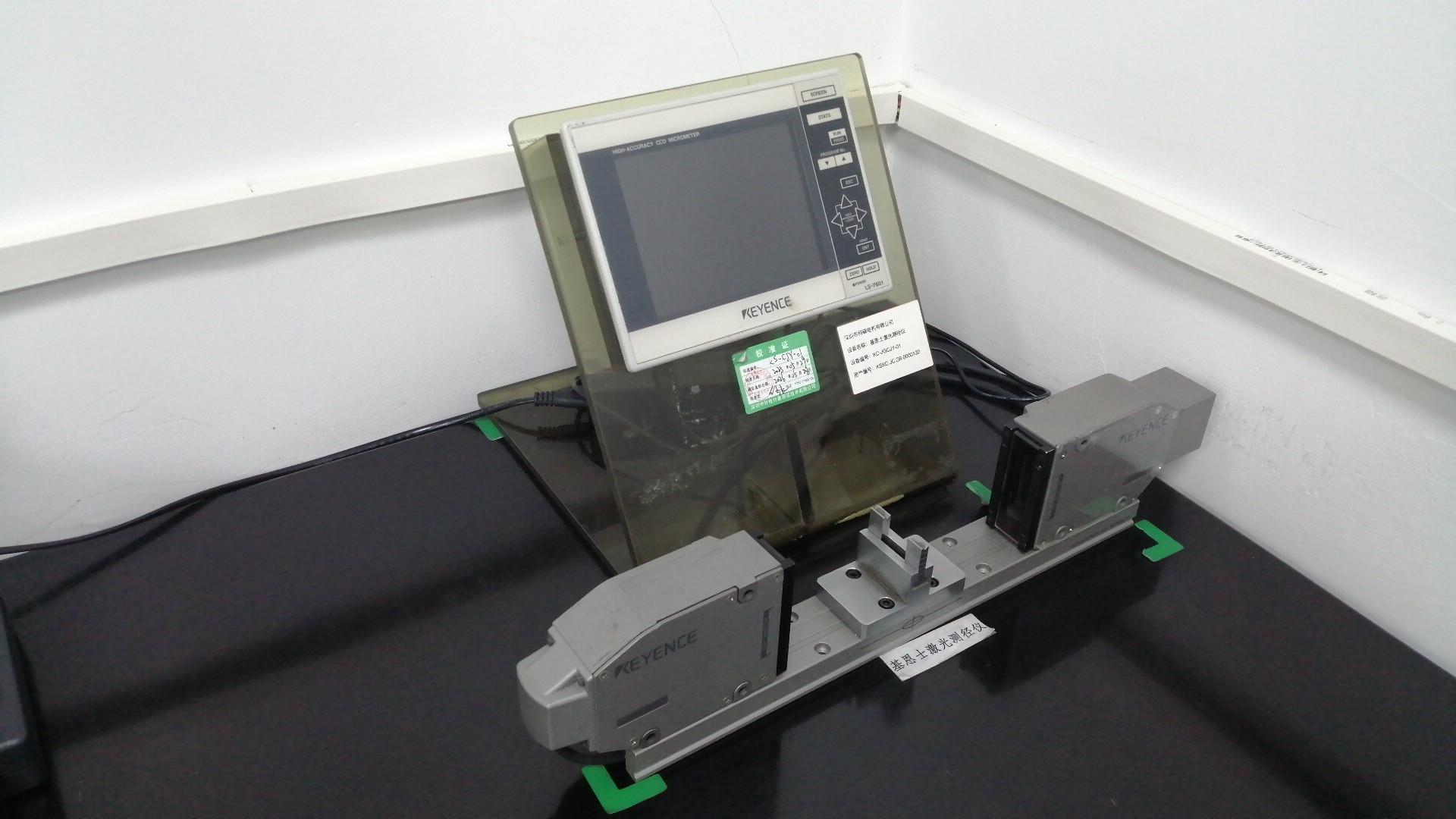
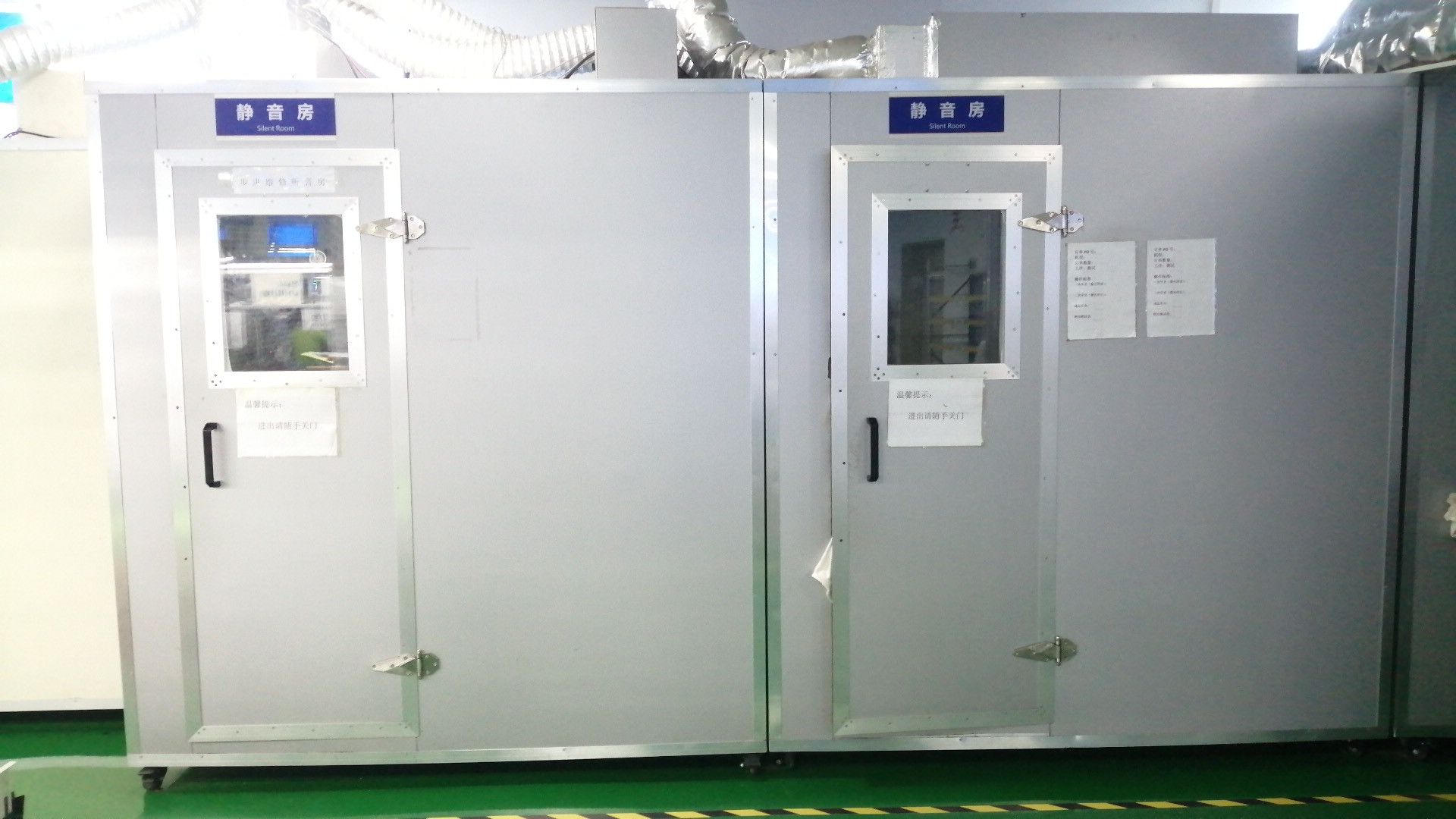
A cooling fan motor operating inside critical equipment must be verified under extreme stress testing. Our in-house calibration lab performs extensive material, electrical, and dimensional audits to satisfy international automotive and aerospace quality standards. This includes checking motor runout, coil resistance, dielectric strength, sound pressure thresholds, and dimensional stability over long operational lifespans.
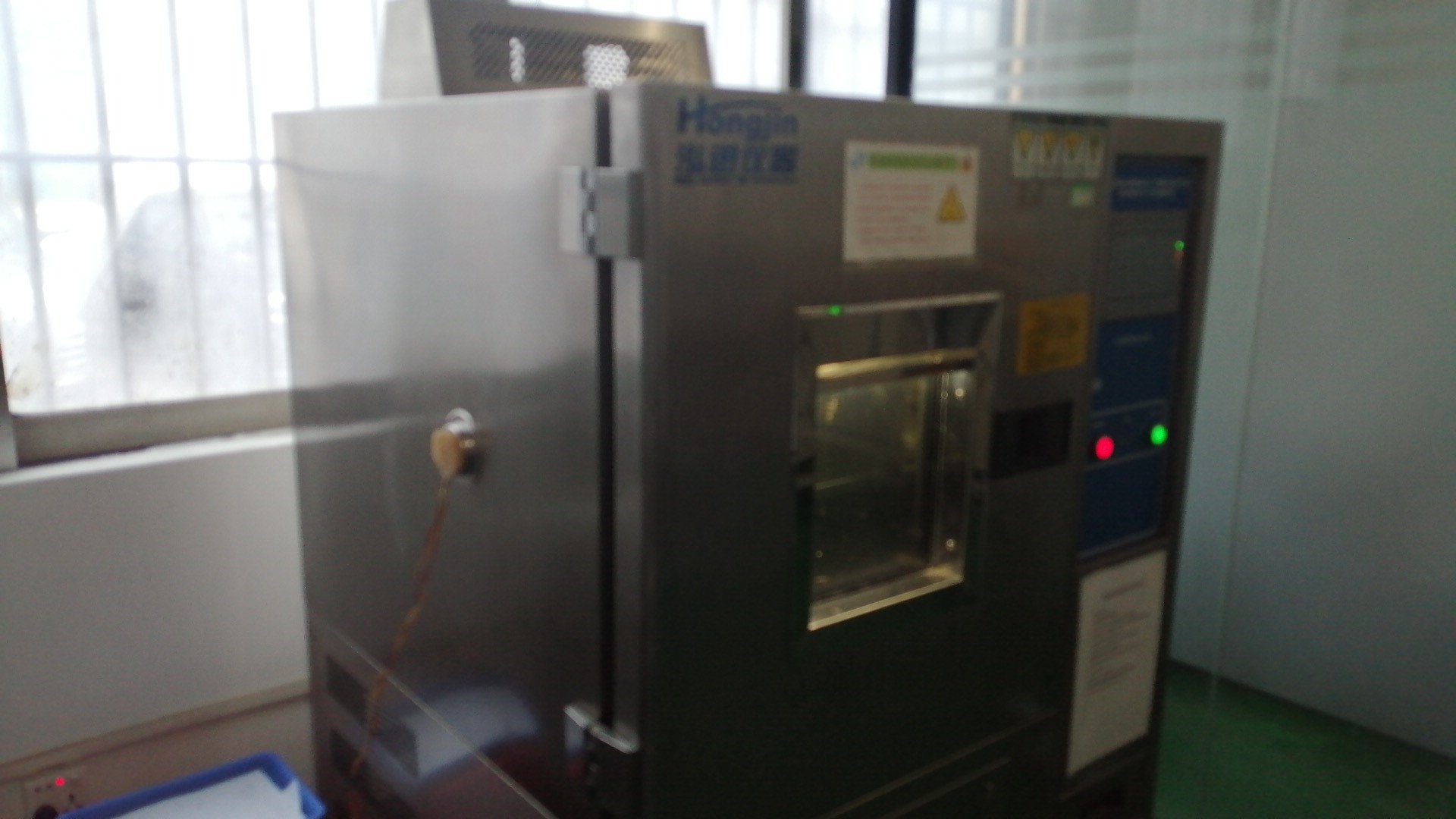 ): Environmental cycling verification.
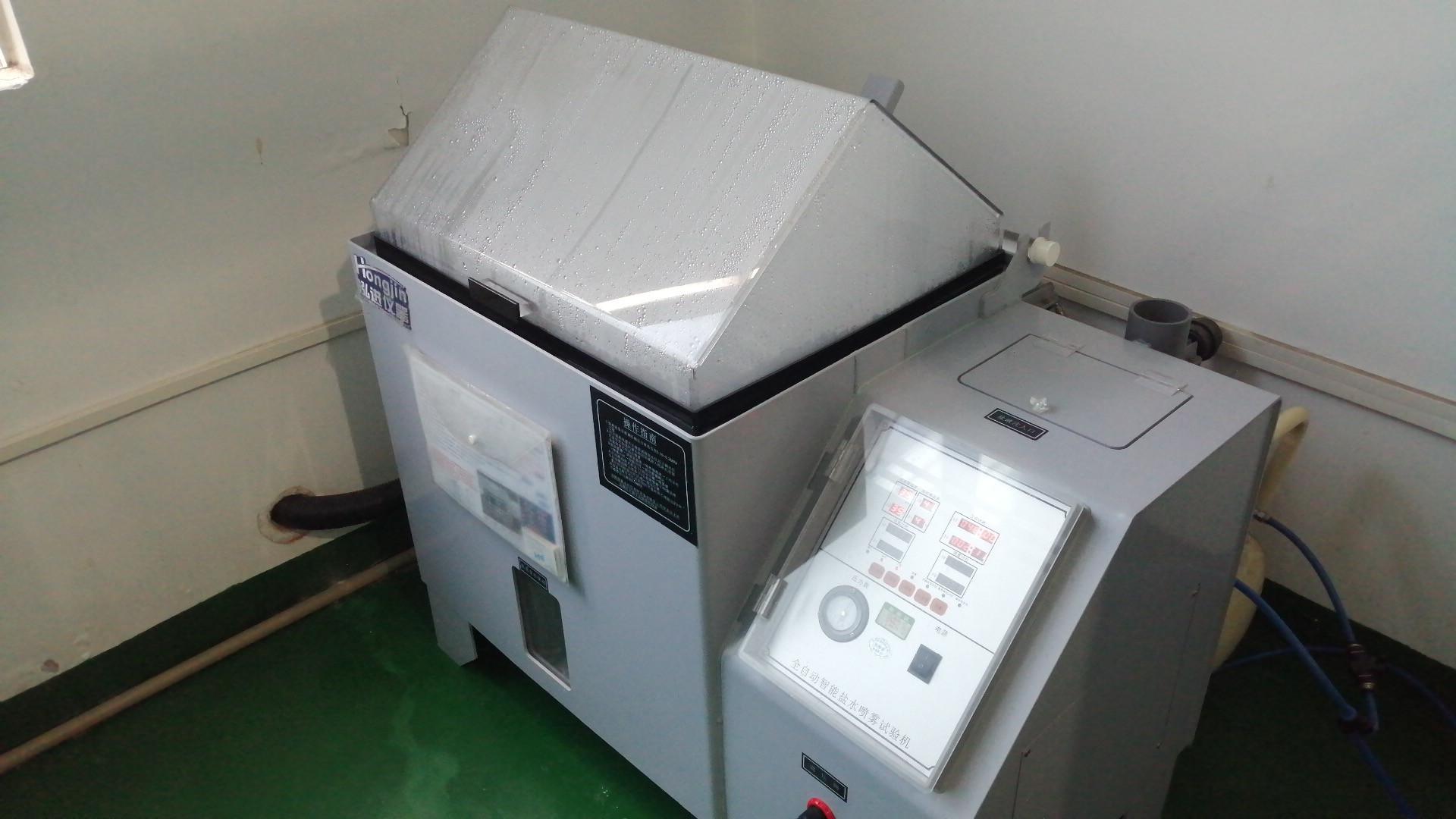 ): Insulation failure and ground fault prevention.
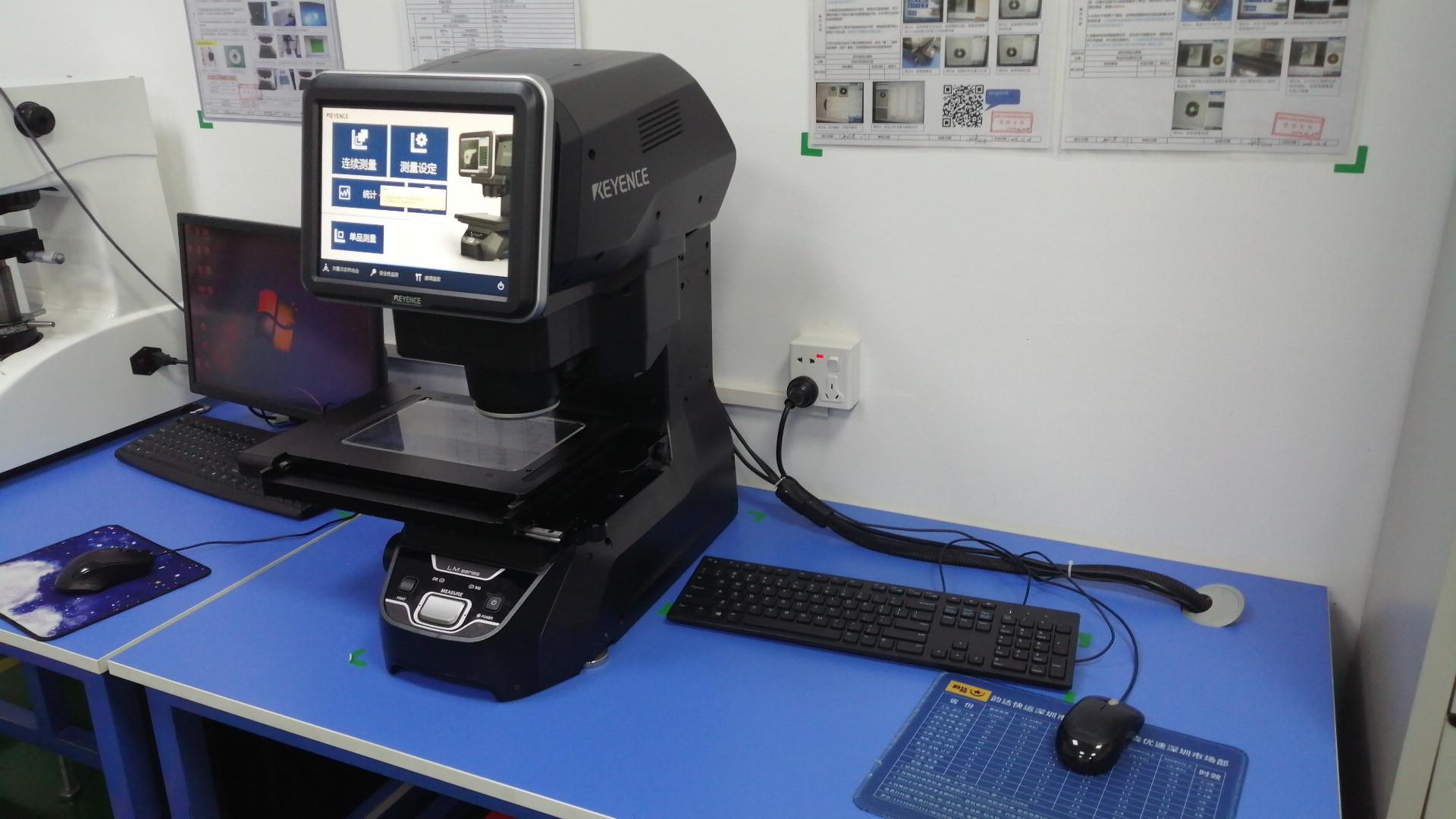 ): Precise profile mapping of gearteeth.
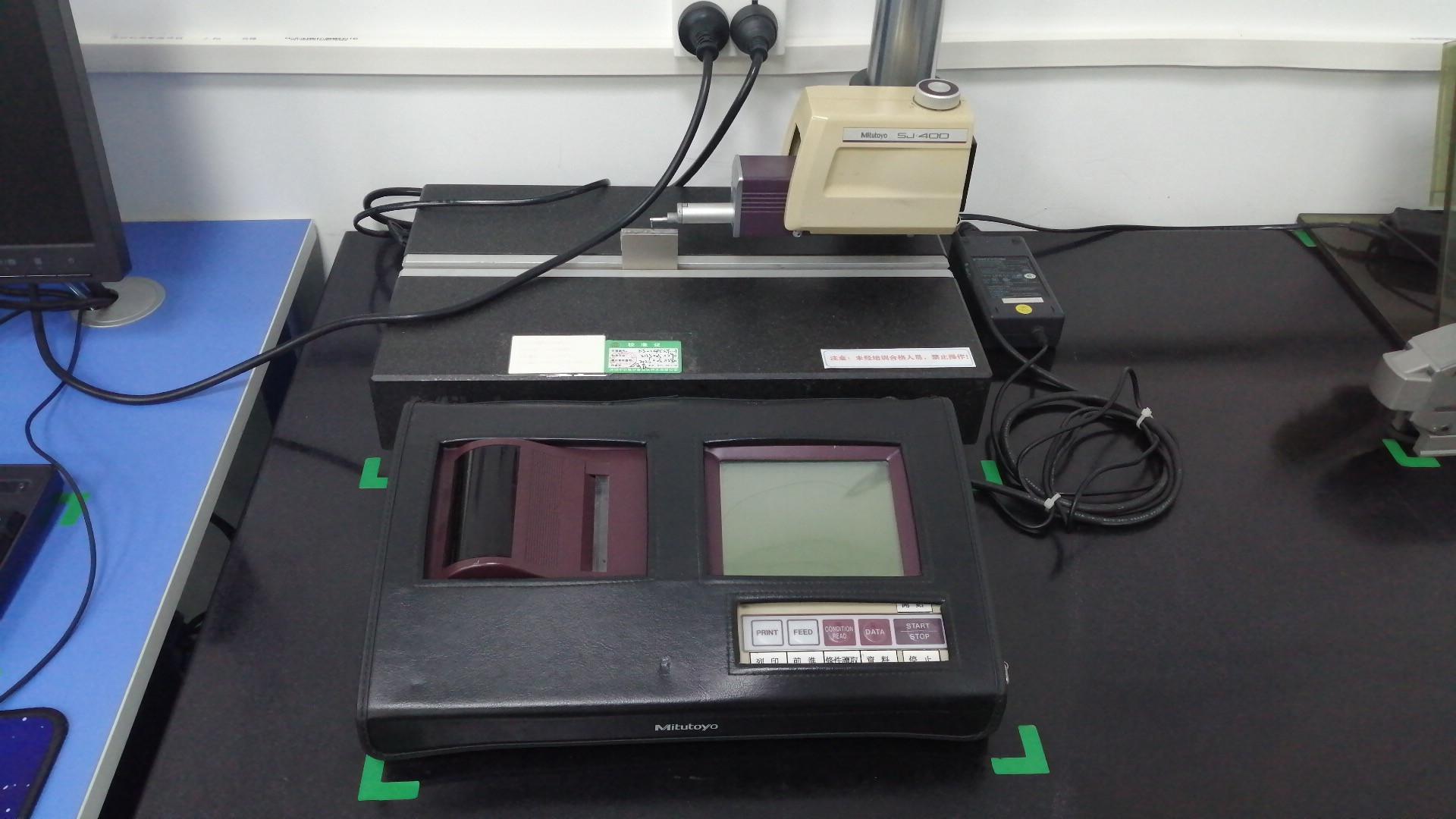 ): Surface finish inspection for minimal bearing friction.
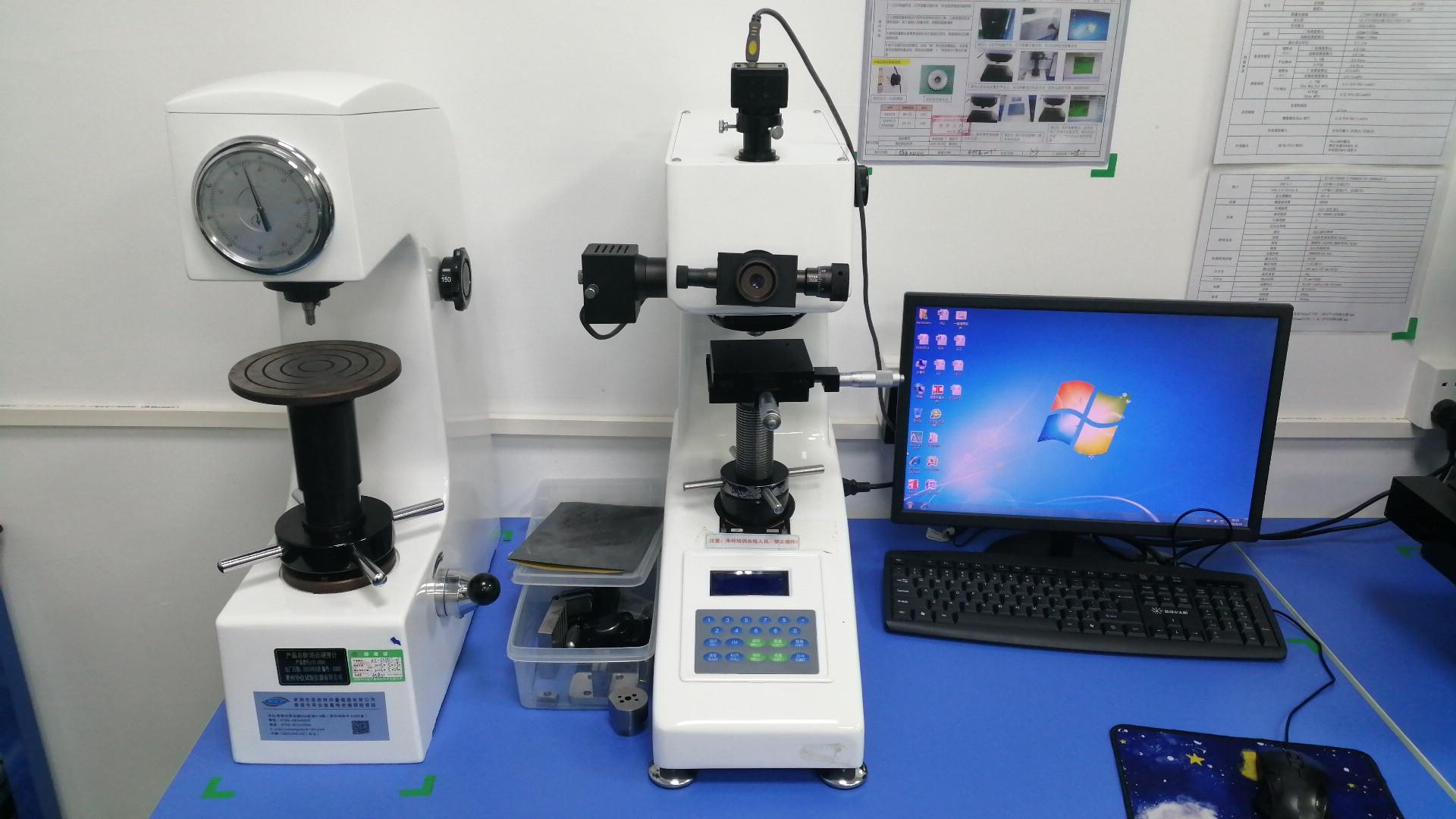 ): Hardness audits of shafts and wear plates.
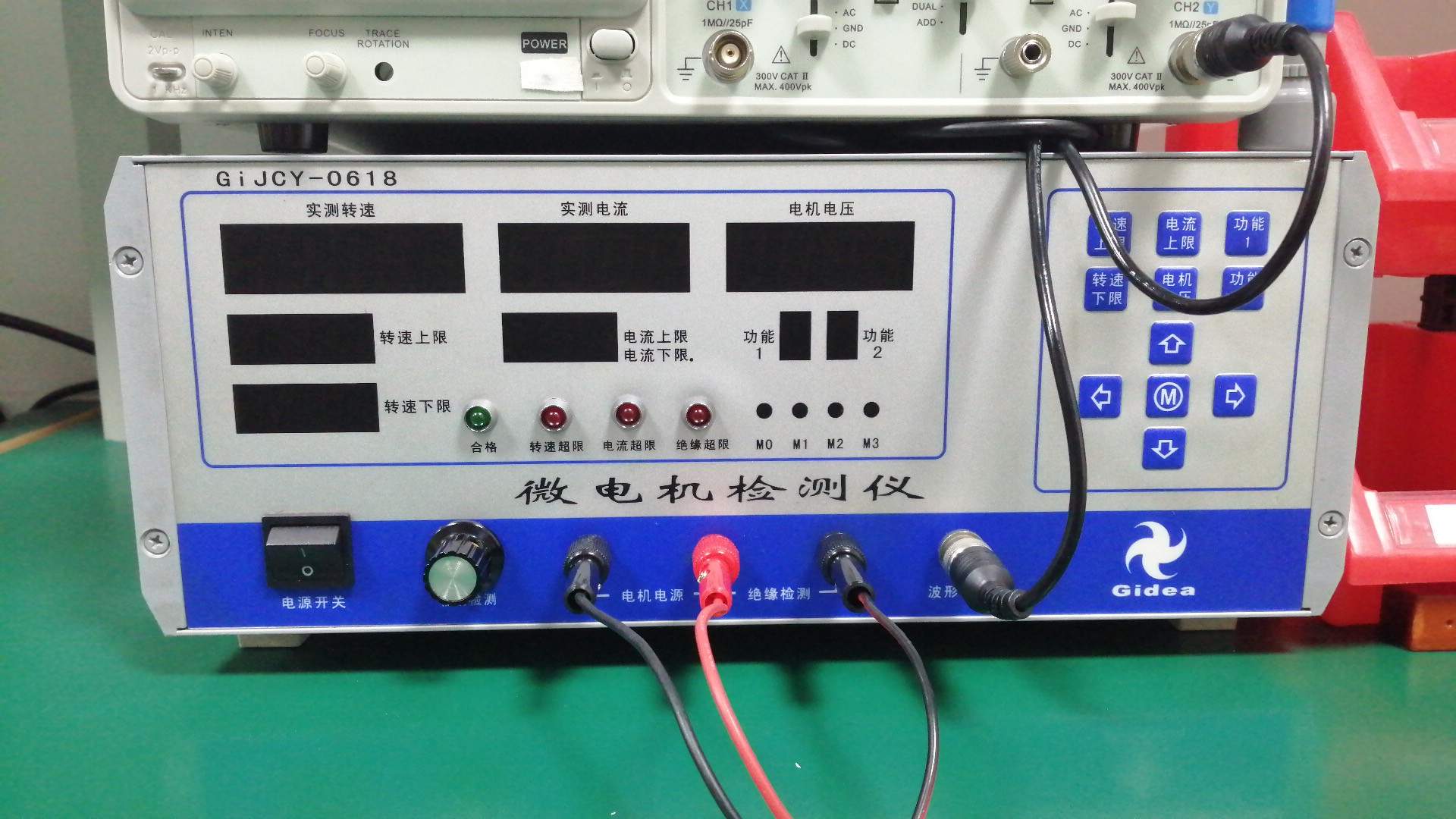 ): Instant verification of load current, speed, and Back EMF.
Select the optimal motor topology based on mechanical loads, positioning needs, and controller inputs.
B2B design engineers must align their mechanical specifications with the correct motor construction. Using a generic motor for a high-performance blower or custom gear reduction loop leads to early bearing failure or high electrical noise. Our technical roadmap covers the key parameters defining premium micro-drives:
| Motor Classification | Typical Applications | Key Advantage | Control Signal & Feedback |
|---|---|---|---|
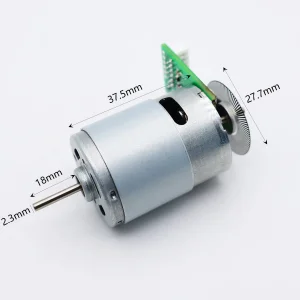
| High-Speed Brush/Brushless DC | Automotive radiator fans, positive pressure water/air pumps, surgical tools | High power density, simple drive configuration, exceptional speed range | PWM speed control, Hall sensor feedback or sensorless sensor algorithms |
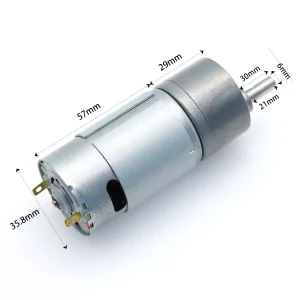
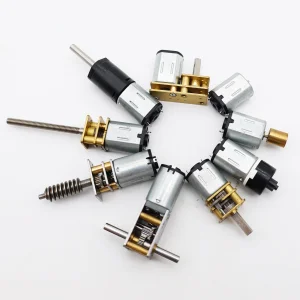
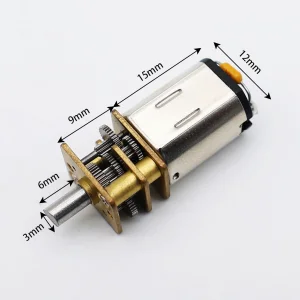
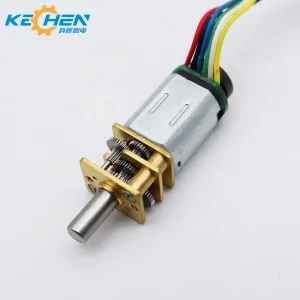
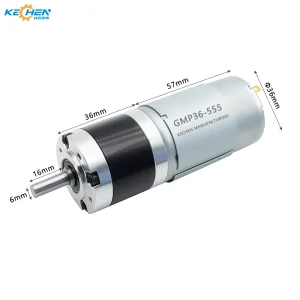
| Planetary Gear DC Motors | Robot actuators, home appliance valve controllers, automotive air shutters | High output torque in compact frames, structural shock load resistance | Dual-channel magnetic/optical encoder feedback for closed-loop tuning |
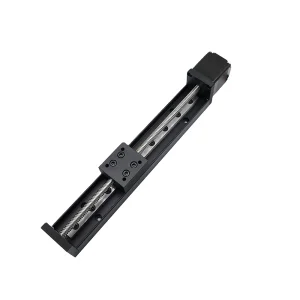
| Hybrid Stepper Motors (NEMA) | 3D printer axes, linear CNC components, precision optical stages | Ultra-precise positional holding without feedback sensors | Step & Direction driver inputs, 1.8°/0.9° step angle resolution |
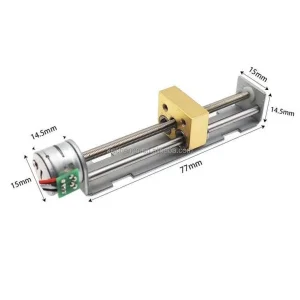
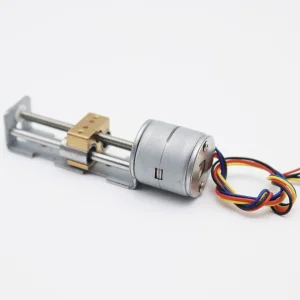
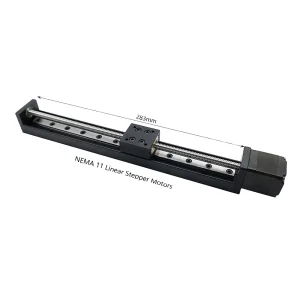
| Linear Actuator Steppers | Medical syringe pumps, chemical dosing valves, custom stroke actuators | Direct linear translation without mechanical screw/belt conversions | Micro-stepping control for sub-micron position adjustments |
Meeting international quality guidelines to guarantee trouble-free clearance and integration.
Brea Tech products are designed for global applications. We continuously audit our processes to comply with strict international regulatory bodies, offering complete traceability for every batch we ship.
All raw materials, insulation varnishes, custom lead wires, and solder connections are certified lead-free, satisfying all EU environmental regulations for electronic appliances.
Our manufacturing plant relies on ISO-compliant quality systems, documenting every production step from receipt of copper wire batches to final delivery inspection.
Winding insulations and structural plastics carry high thermal index UL flame ratings, ensuring safety under continuous maximum thermal loads.
Key technical answers to simplify the design-in process for engineers and supply chain specialists.
Brushed DC motors use carbon brushes and mechanical commutators, making them cost-effective and easy to drive. However, brush friction generates electrical noise (EMI) and limits service life. Brushless DC (BLDC) motors use electronic drive circuits to switch phase currents, offering longer life (often exceeding 20,000 hours), lower electromagnetic emissions, and higher efficiency.
Sleeve bearings are quiet and cost-effective, but have shorter lifespans and are prone to oil leakage when mounted horizontally. Double ball bearings offer longer operating lifespans, can be mounted in any orientation, and perform well in high temperature environments. They do, however, produce slightly more audible noise during initial operation.
Yes, customization is a core part of our business. We customize shaft lengths, flat sections (D-cuts), splines, threads, and mounting holes. We also supply custom lead wires, shielding, and matching connectors (such as JST, Molex, or TE Connectivity) to match your assembly line requirements.
Our noise control approach starts in design, using high-grade magnetic steels and optimized slot-pole configurations to reduce torque ripple. In production, we balance rotors to dynamic standards, inspect shafts using true roundness testers, and verify every batch in our dedicated soundproof test rooms to ensure compliance with low-noise specifications.
Standard modifications (such as shaft adaptations or custom windings) take approximately 10 to 15 working days. For entirely new mechanical designs that require custom tooling, the timeline ranges from 30 to 45 days. We provide complete 2D/3D CAD models for review before manufacturing any sample.
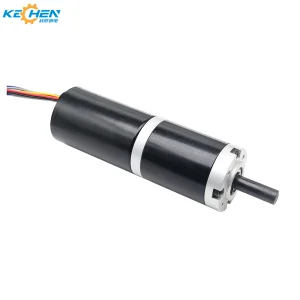
Precision-crafted positioning drives and high-torque gearboxes for automation and control.
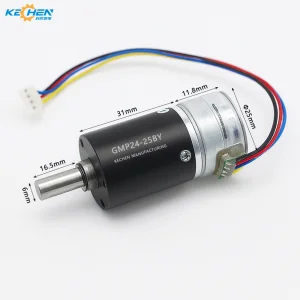
 Brea Tech Micro Motor