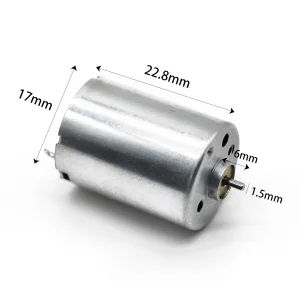
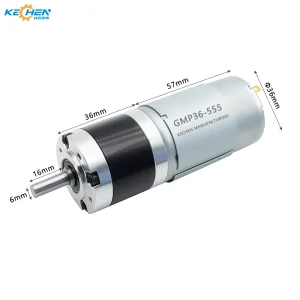
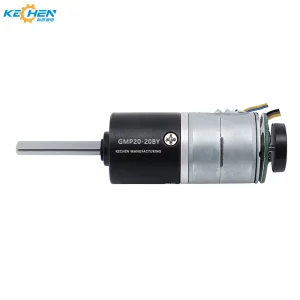
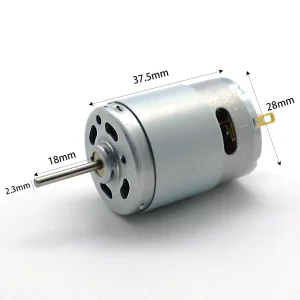
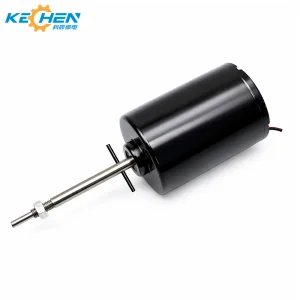
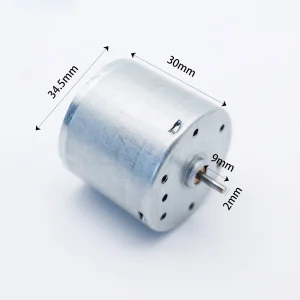
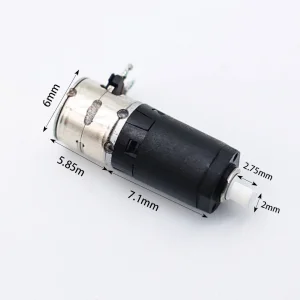
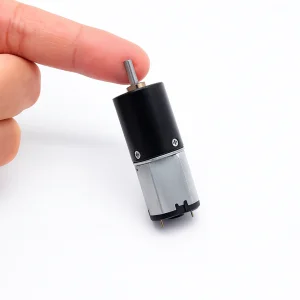
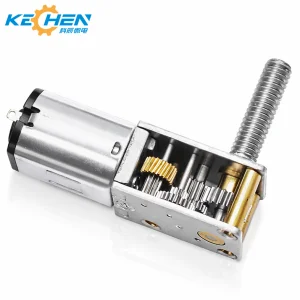
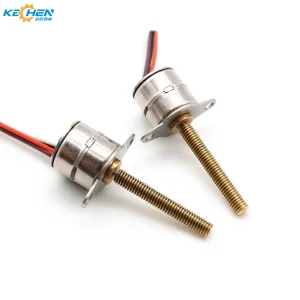
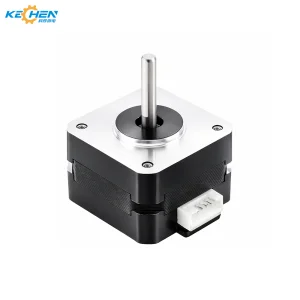
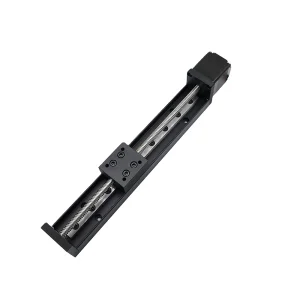
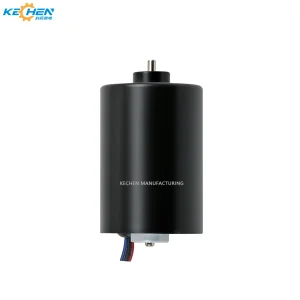
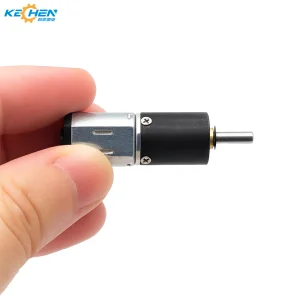
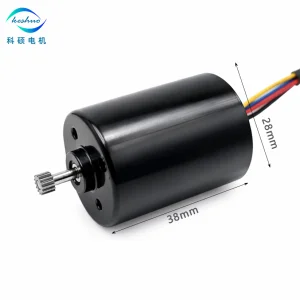
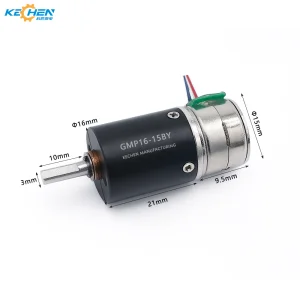
Engineered for endurance and extreme environments. Explore our leading micro motor configurations deployed globally.
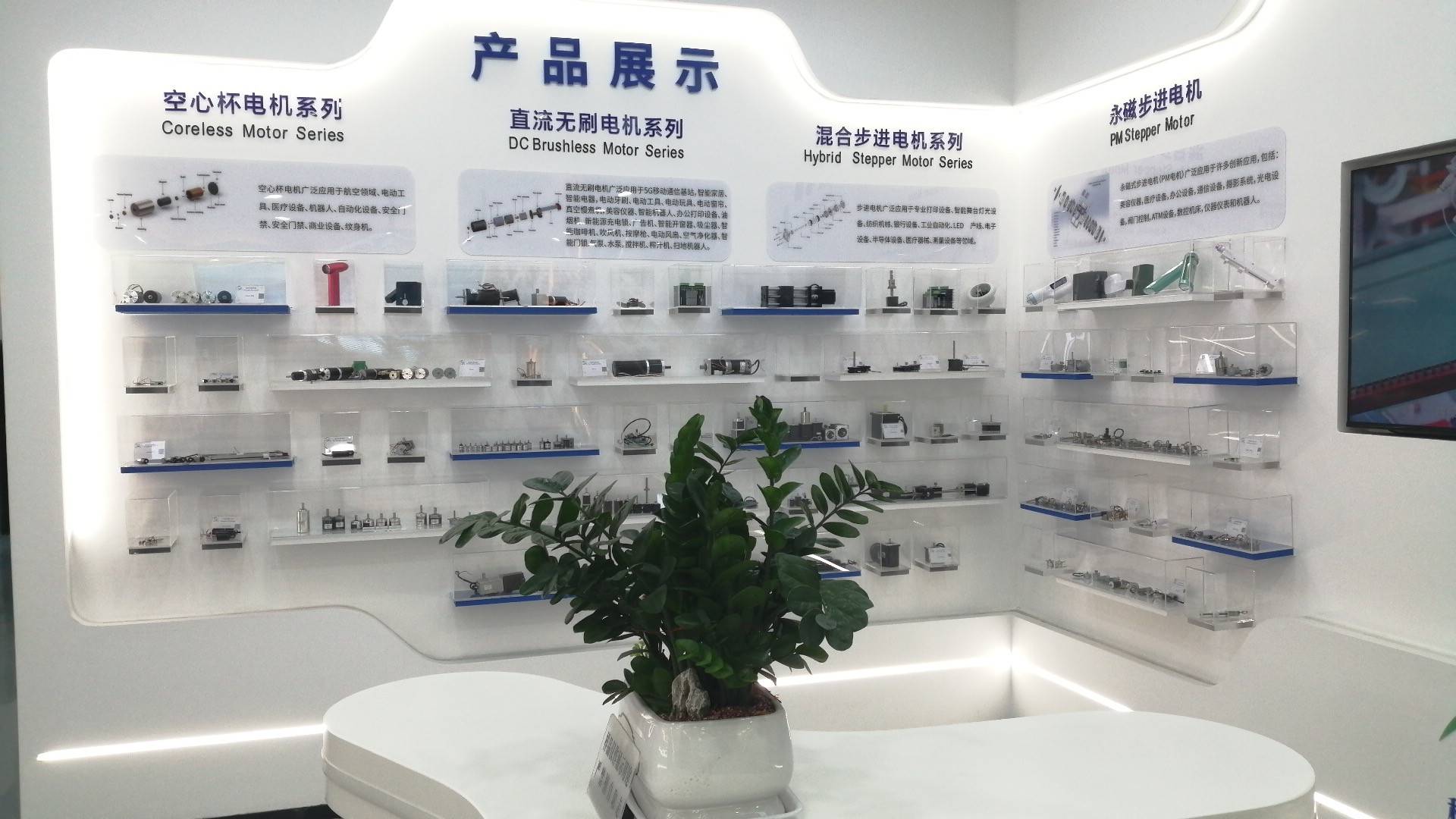
Brea Tech Micro Motor is a forward-thinking Chinese manufacturer redefining precision motion control in the micro-drive industry. We design and build high-efficiency micro DC and BLDC motors that power next-generation technologies worldwide.
Driven by our core philosophy—Top Quality & Customization—we combine advanced manufacturing tech with flexible engineering to provide global B2B clients with the transparency of a local partner and the cost benefits of a premier Chinese factory. Built to last. Engineered to fit.
By leveraging advanced thermal dissipation modeling, custom gearing reduction ratios, and rigorous environmental sealing, Brea Tech provides the global solar market with motors that survive decadal service life. Our structural configurations ensure maximum torque density, allowing single-axis and dual-axis solar trackers to transition smoothly even under adverse mechanical loads.
An authoritative analysis of photovoltaic efficiency optimization through mechanical movement.
The global shift toward utility-scale green energy has transformed solar tracking systems from premium additions to mandatory infrastructure. Solar trackers equipped with reliable geared motors increase overall energy yields by 25% to 45% compared to static tilt structures. Consequently, the demands placed upon OEM motor suppliers have shifted toward ultra-high reliability, dustproof/waterproof capabilities (IP65/IP67/IP68), and dynamic torque adaptation.
At the center of this transition are micro and medium-scale drive systems. The mechanical architecture must handle extreme structural stress, including wind-induced torsional loads and high ambient heat. This requires an optimization of gear alignment, magnetic pole geometry, and lubricant formulation. From NEMA 8 micro stepper solutions to high-power brushless DC configurations, modern solar tracker designs depend heavily on components that can execute sub-degree angle adjustments repeatedly over 25-year operational lifespans.
Selecting the optimal electromagnetic and physical profile for utility-scale and distributed solar tracking installations.
| Motor Type | Typical Efficiency | Positioning Precision | Maintenance Profile | Best Application Scenario |
|---|---|---|---|---|
| Brushless DC (BLDC) | 85% - 92% | High (with sensor feedback) | Zero maintenance (brushless design) | High-frequency tracking, heavy duty trackers |
| Stepper Motors | 70% - 80% | Ultra-High (open/closed loop steps) | Minimal maintenance | Micro-grids, precise astronomical solar tracking |
| Permanent Magnet DC (PMDC) | 75% - 85% | Moderate (requires encoder) | Periodic inspection required (carbon brushes) | Cost-effective small-scale trackers, residential PV |
| Worm-Geared Reducer Motors | 60% - 75% | Self-locking configuration | System-dependent sealed unit | High wind-load structural safety locking |
How Brea Tech builds stability and consistency into every single micro motor component.

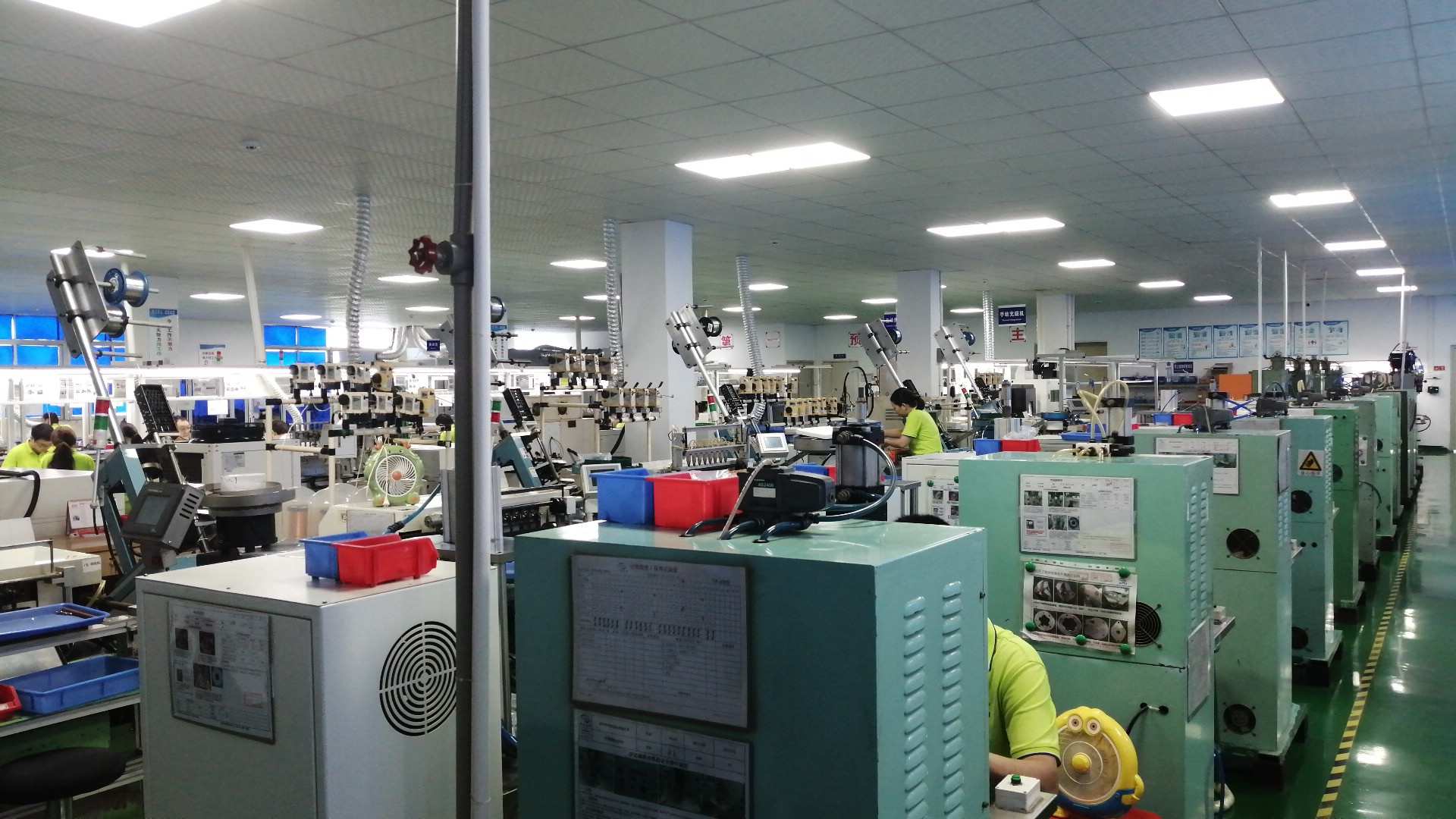
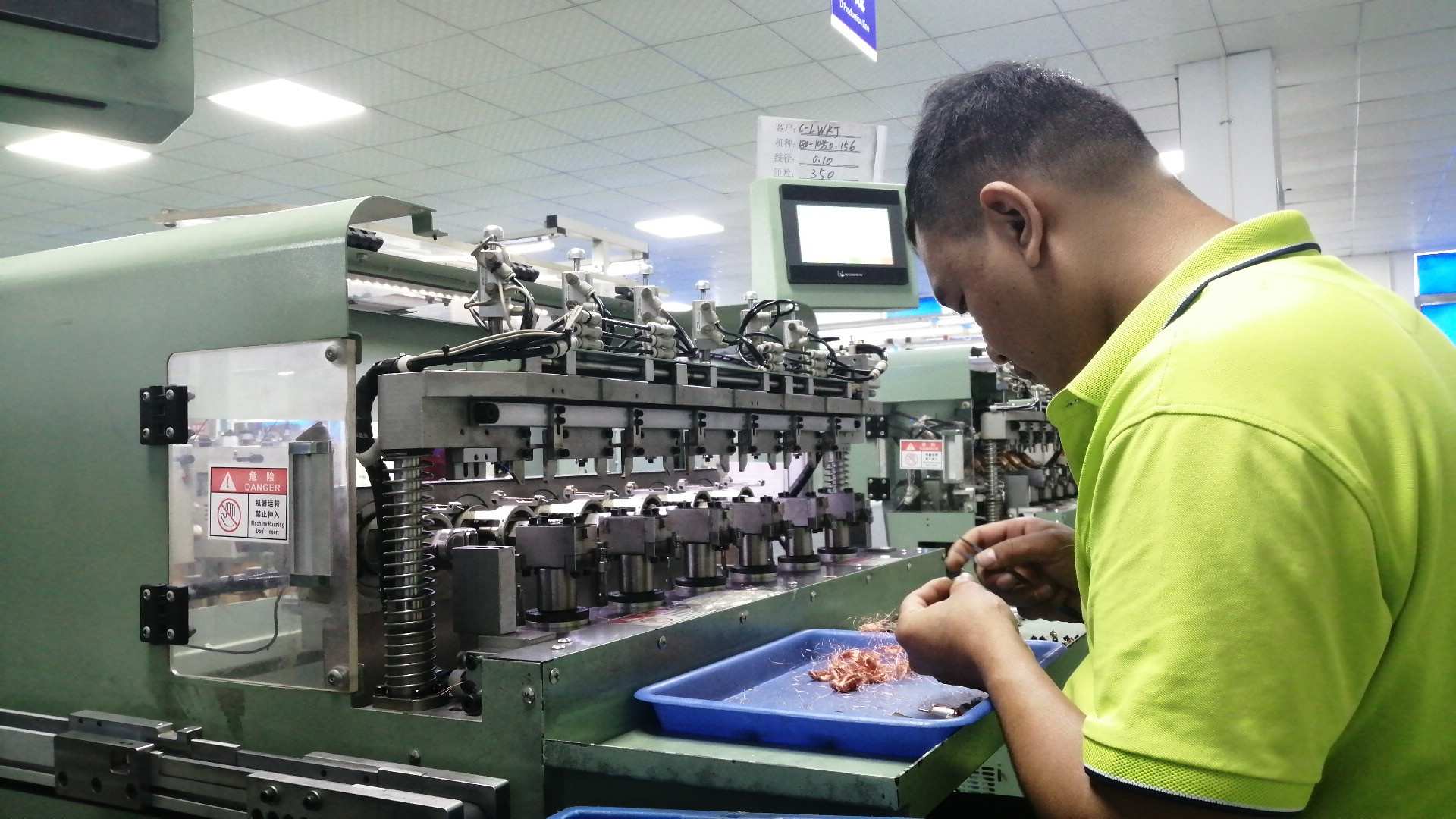
Precision copper winding ensures optimal electromagnetic flux and minimal heat buildup within the core.
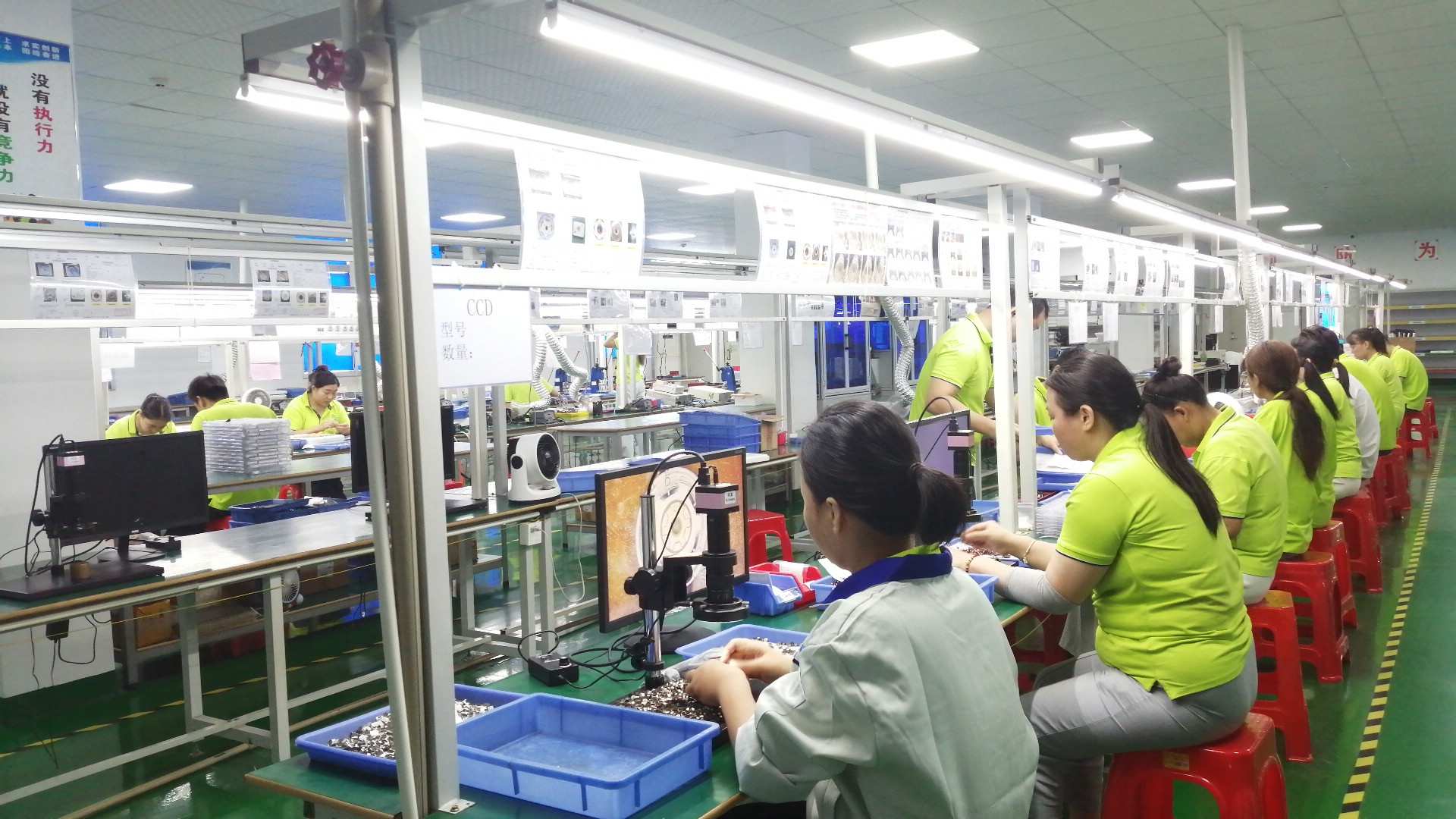
Careful mechanical insertion of high-grade permanent magnets ensures rotational equilibrium and detent torque control.
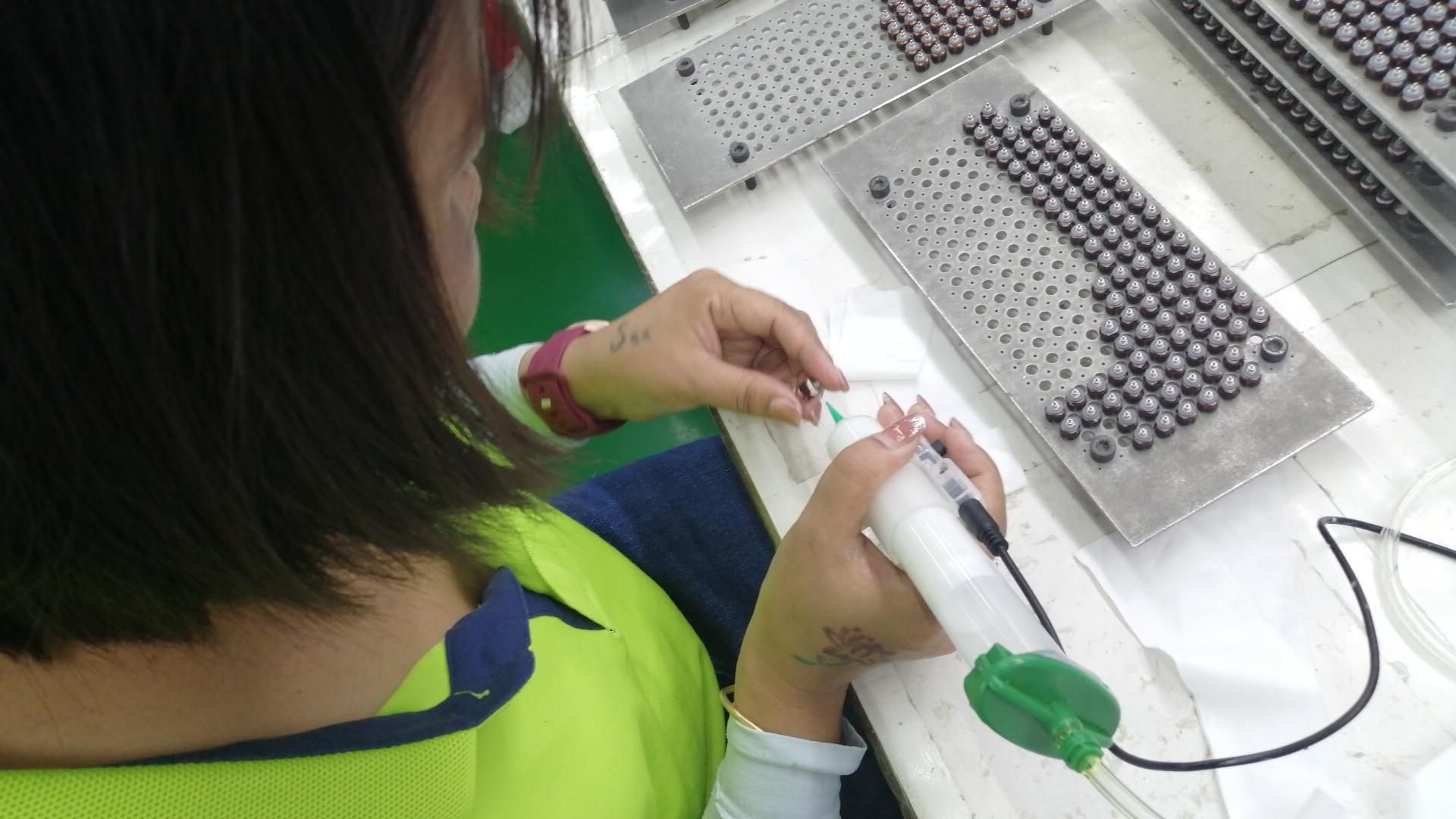
Application of aerospace-grade thermal adhesives stabilizes coils and secures insulation barriers under thermal load cycles.
Secure mechanical sealing of the rear end-cap containing electrical terminals and sensor arrays.
Shaft integration with highly calibrated radial concentricity targets to prevent micro-wobble during rotation.
Automated torque-controlled fasteners secure structural casings to prevent environmental penetration.
Continuous run-in testing profiles identify infant mortality characteristics in electrical windings and bearings.
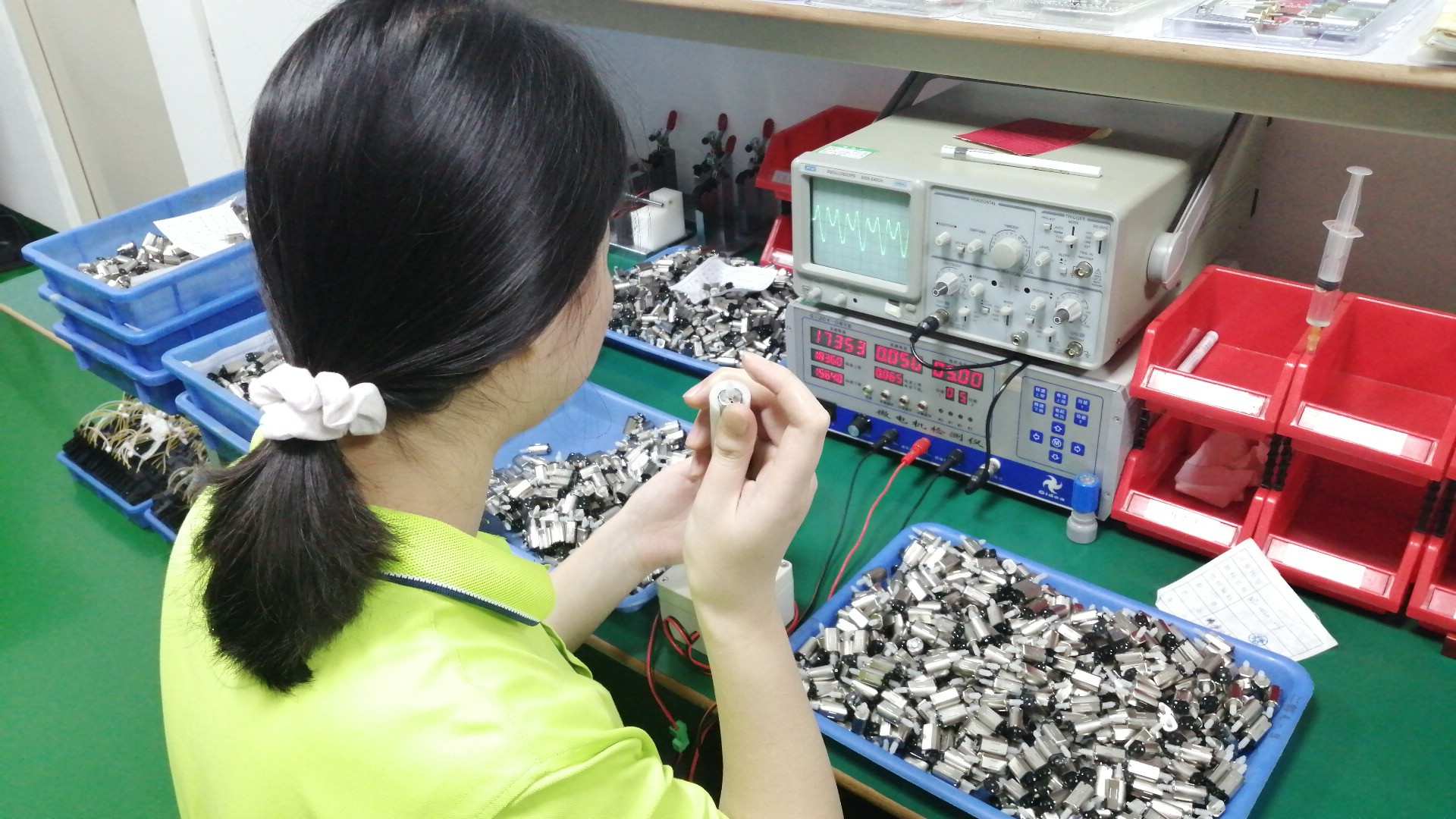
Rigorous physical and electrical parameters verification including insulation resistance, shaft run-out, and acoustics.
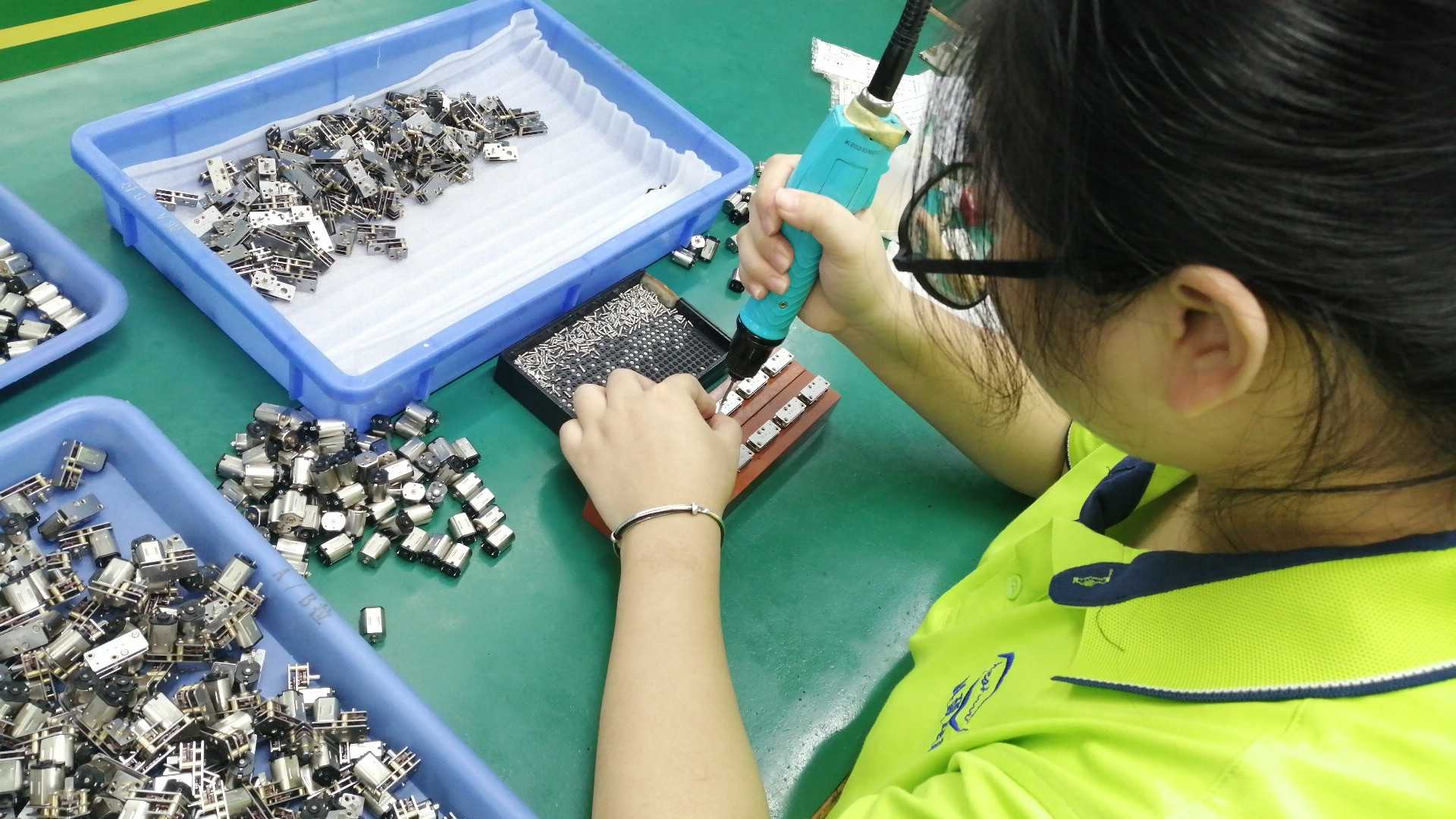
Electrostatic discharge (ESD) resistant customized trays guard motors during long-distance maritime shipping.
How we achieve scale and sub-micron repeatability across our modular OEM product lines.
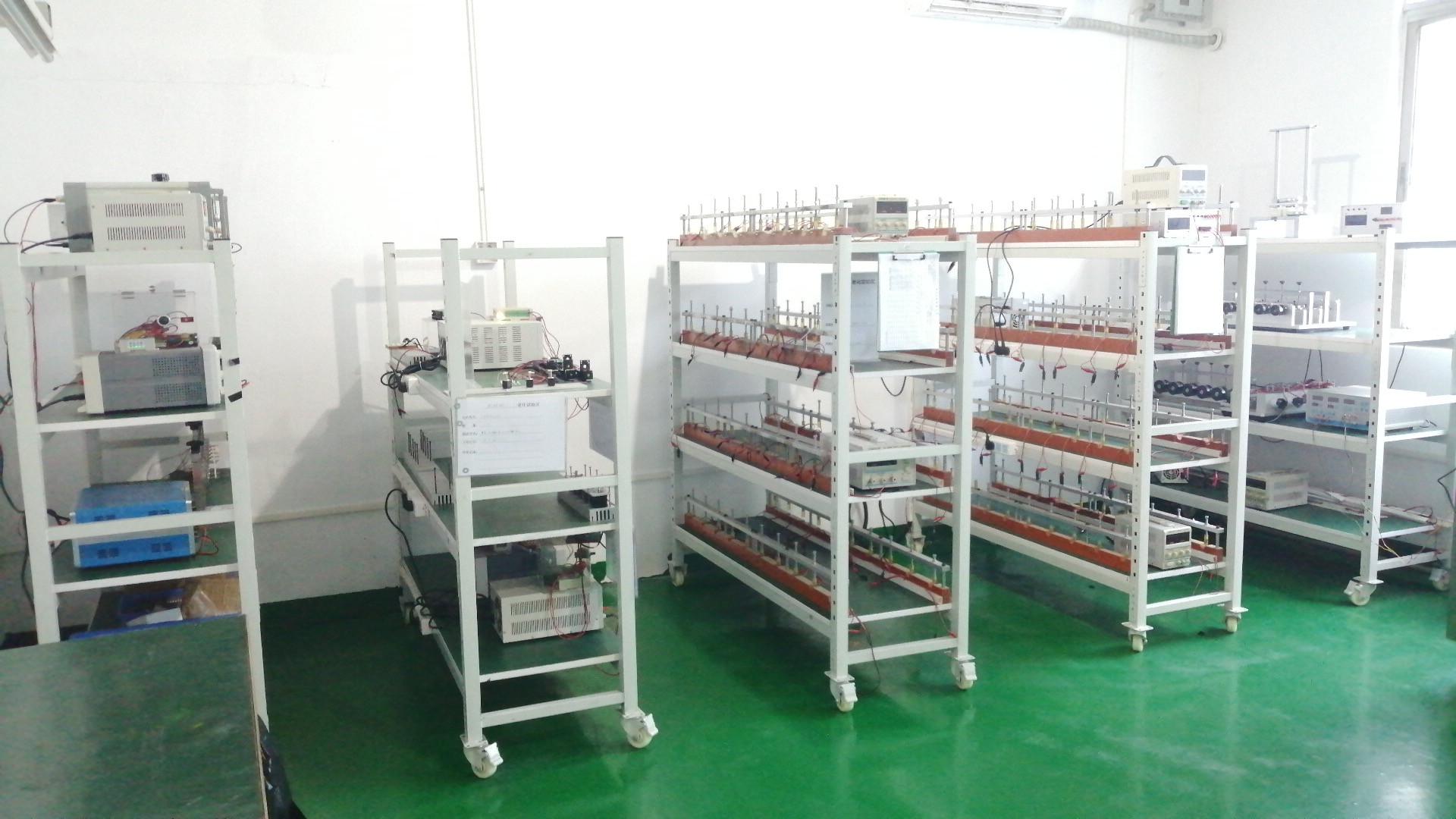
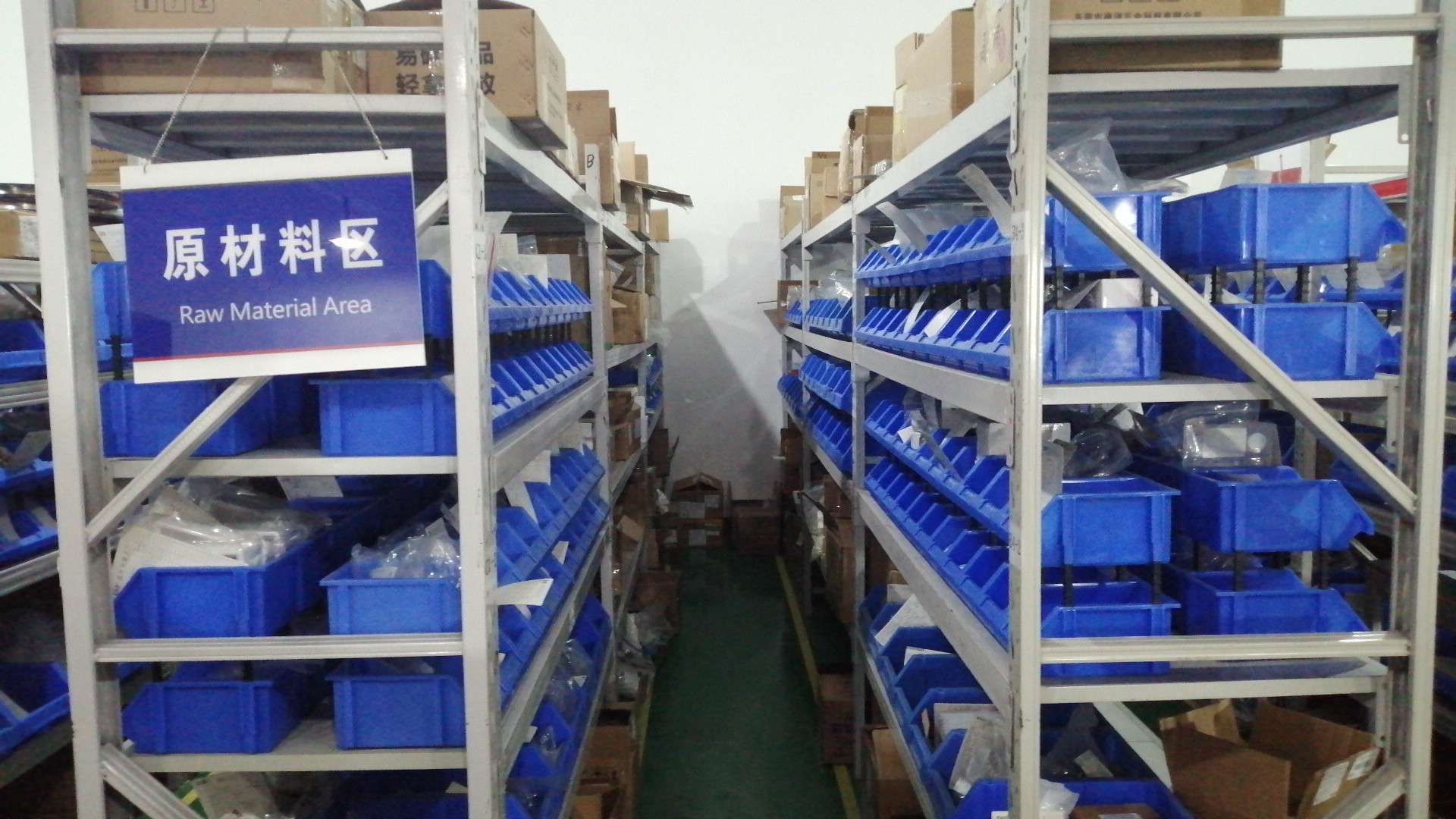
Certified steel alloys and high-purity copper form the core electromagnetic stator structure.
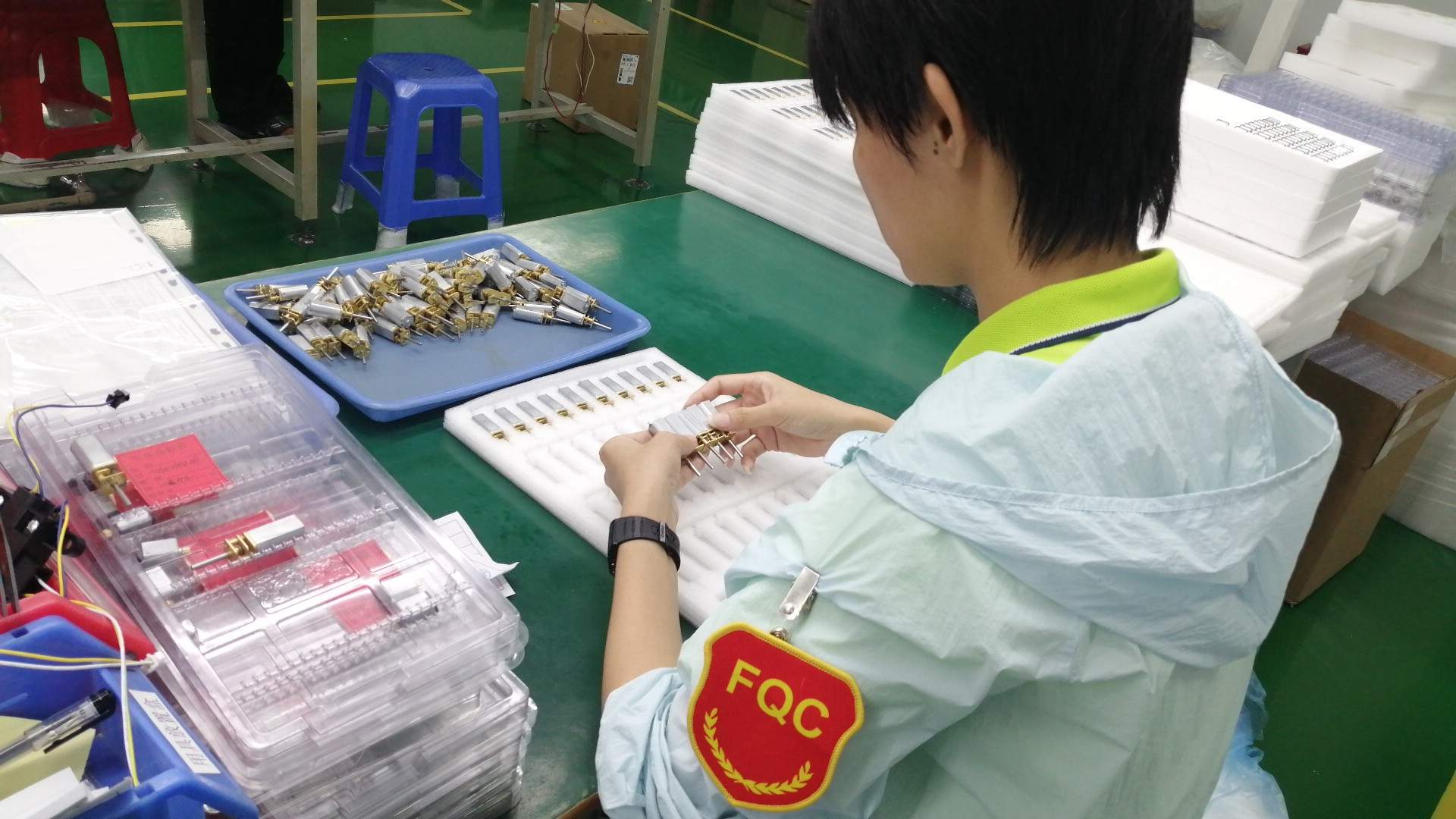
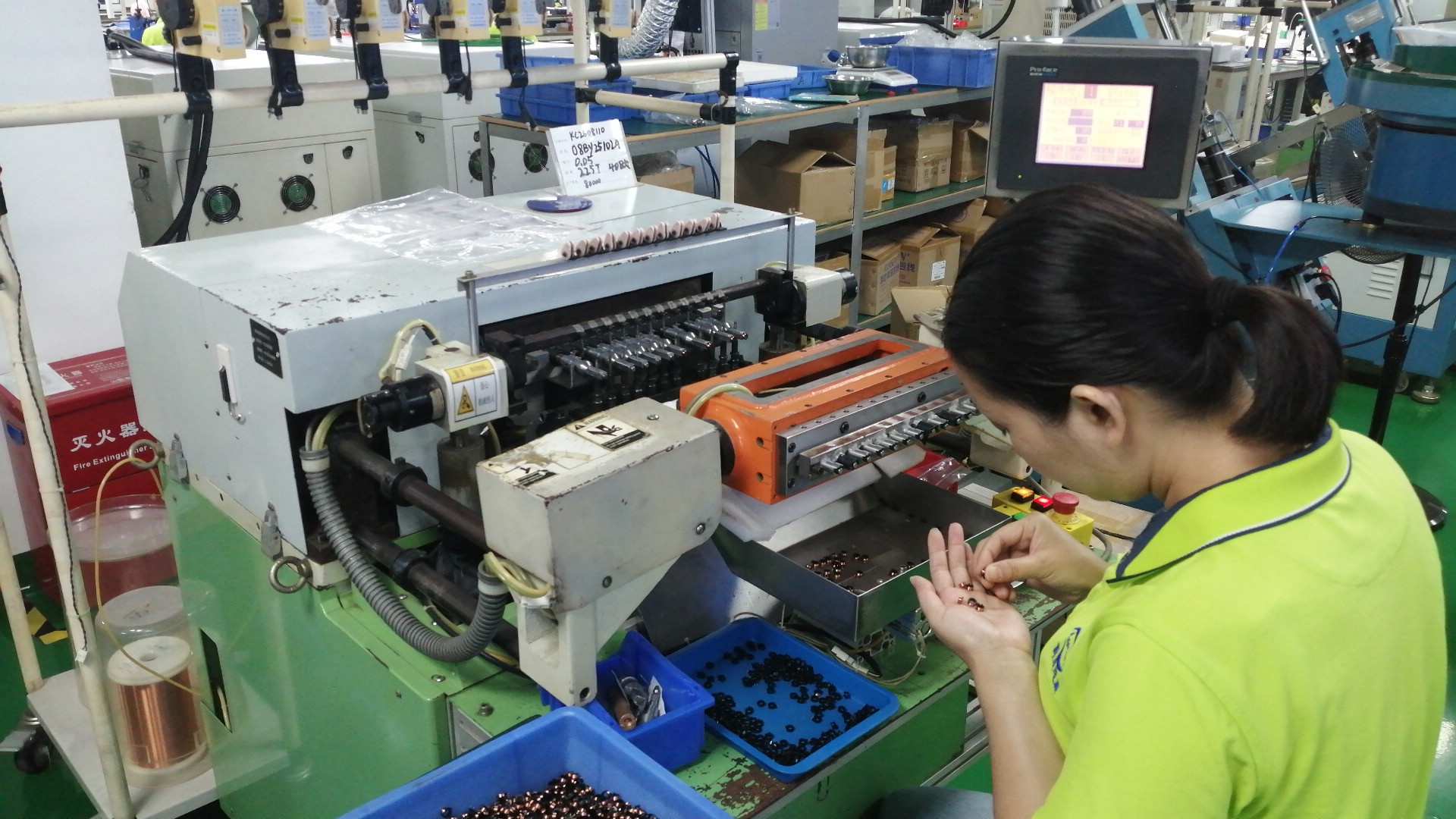
High tension and uniform winding layers deliver high power density outputs in ultra-compact designs.
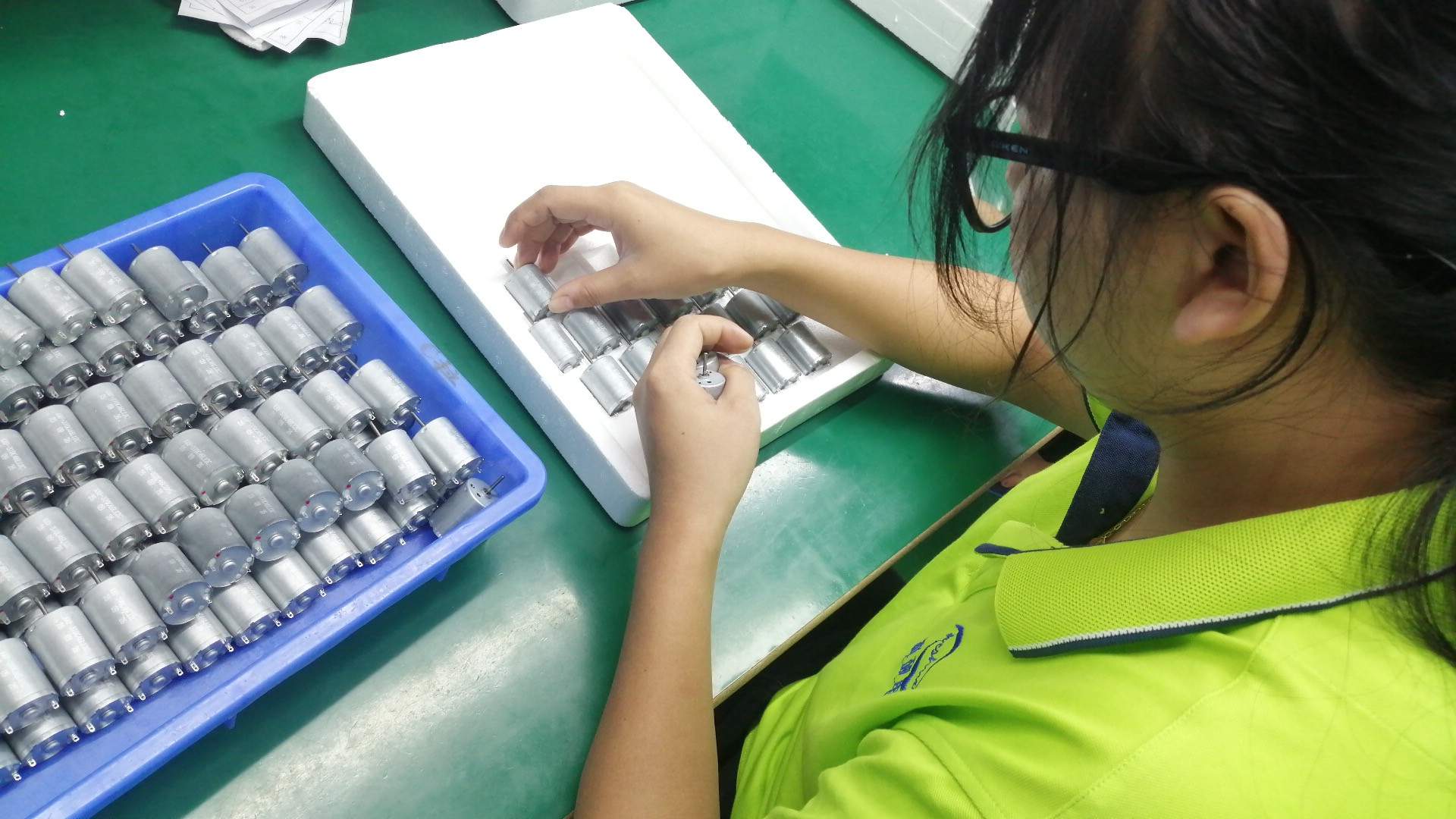
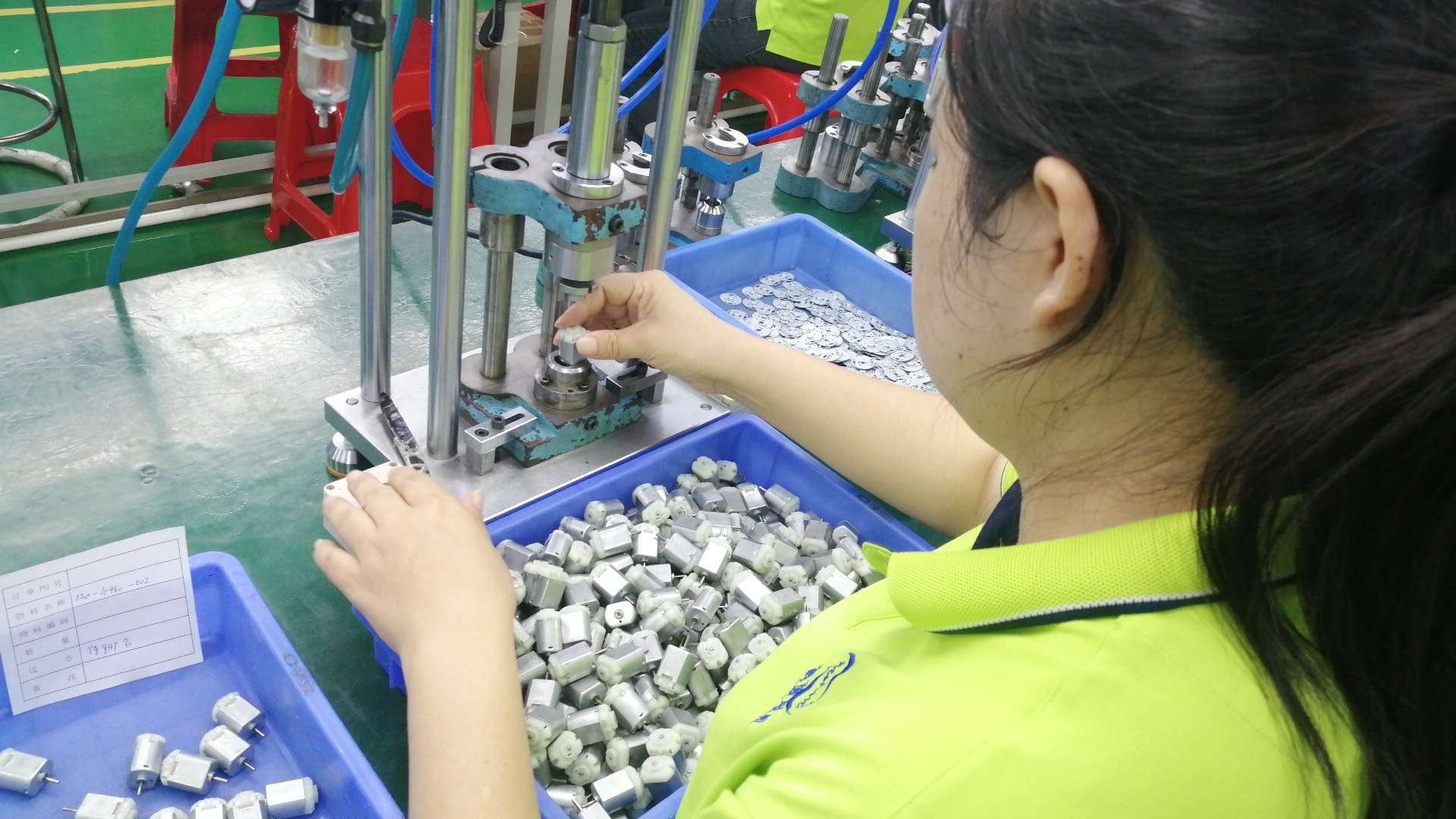
Hydraulic press-fit assembly eliminates mechanical gaps that contribute to early bearing failures.
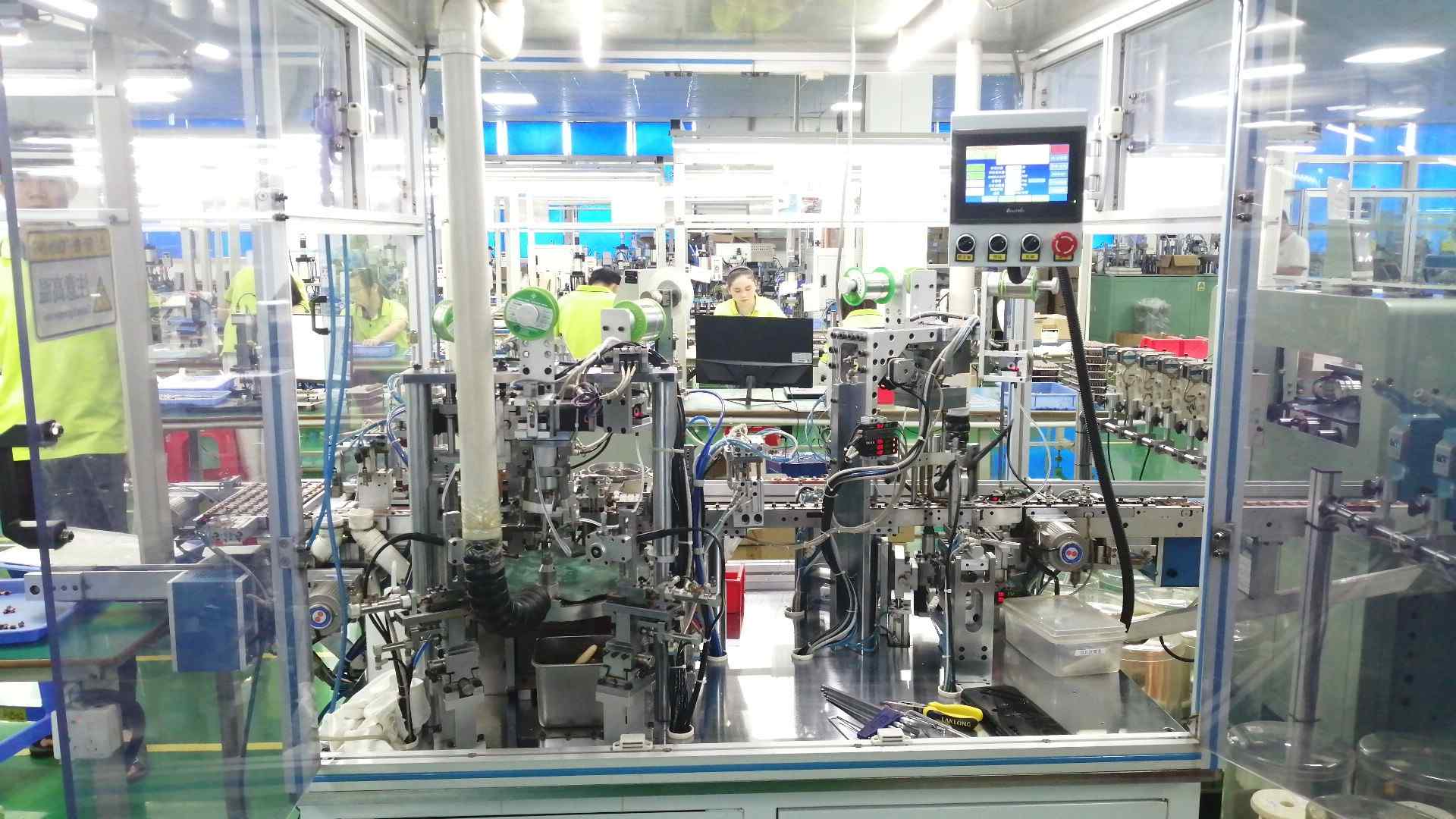
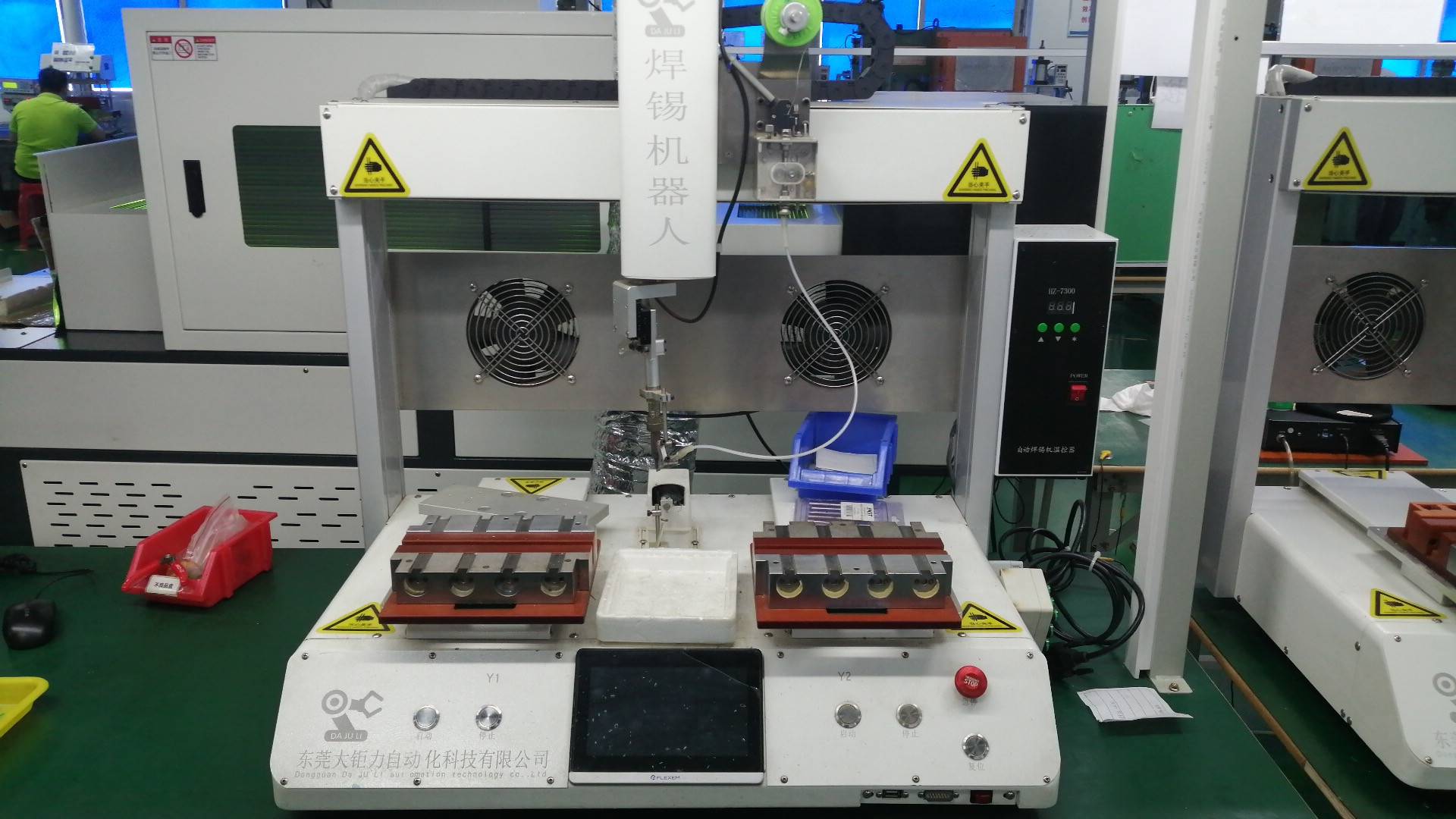
Robotic soldering of lead wires ensures robust electrical contact resistance limits are met.
Precision wire cutting and shaft modifications optimized to clients' custom architectural requirements.
Ultrasonic cleaning cycles remove machining residues, particulate contamination, and oils.
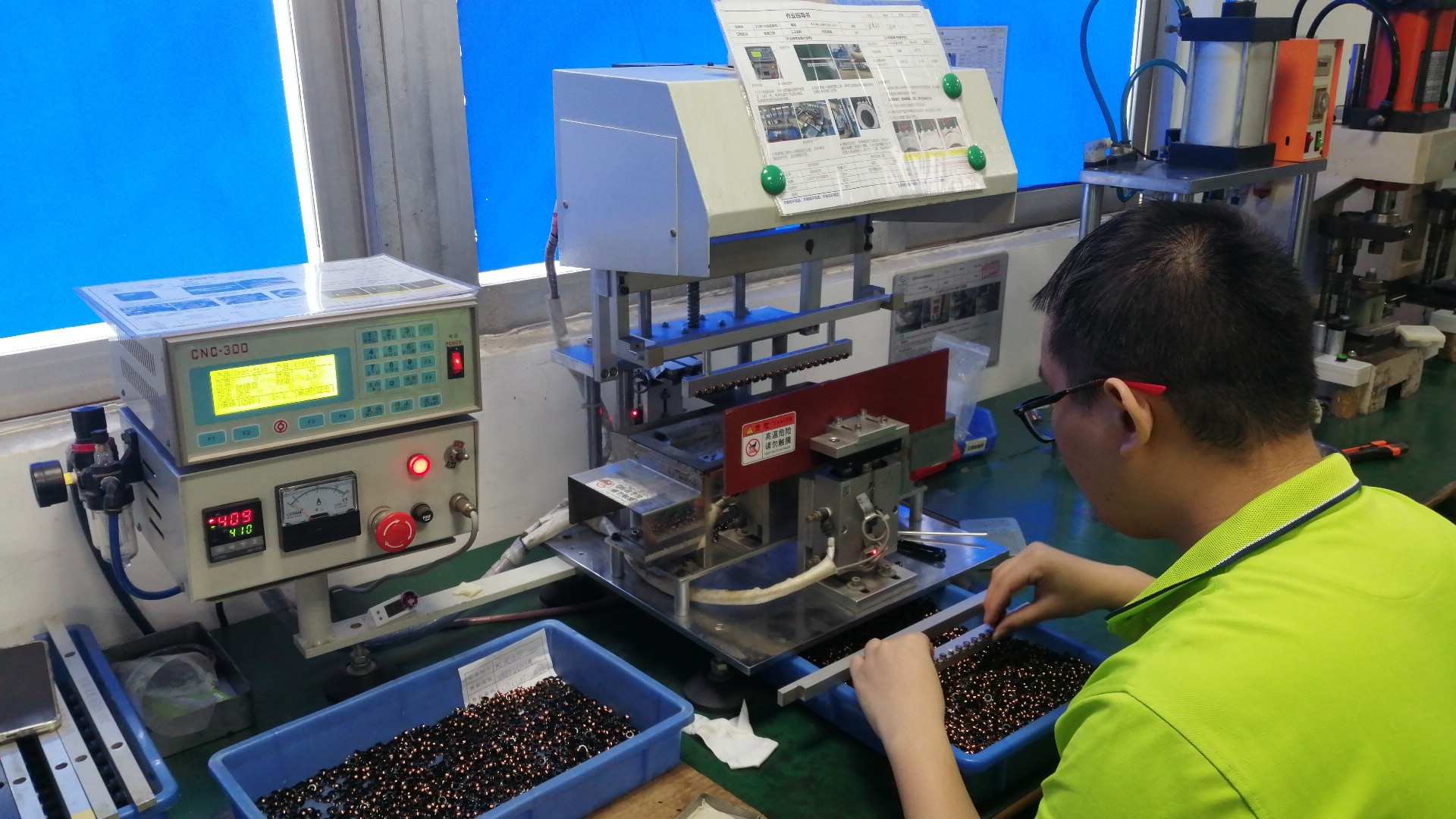
Initial in-line electrical testing check for resistance imbalances or short circuits inside winding loops.
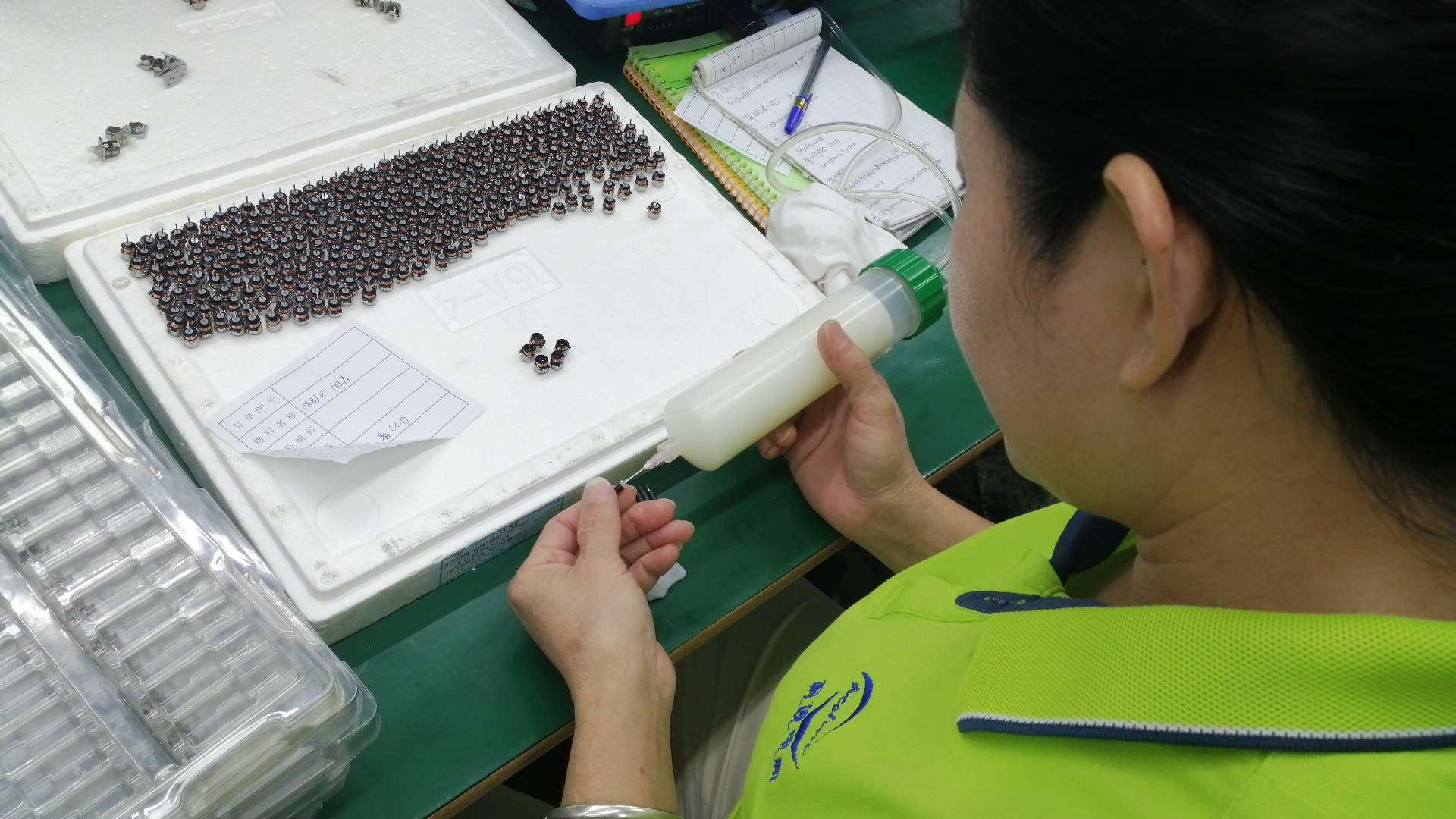
Epoxy reinforcement provides dynamic stabilization under variable rotation rates.
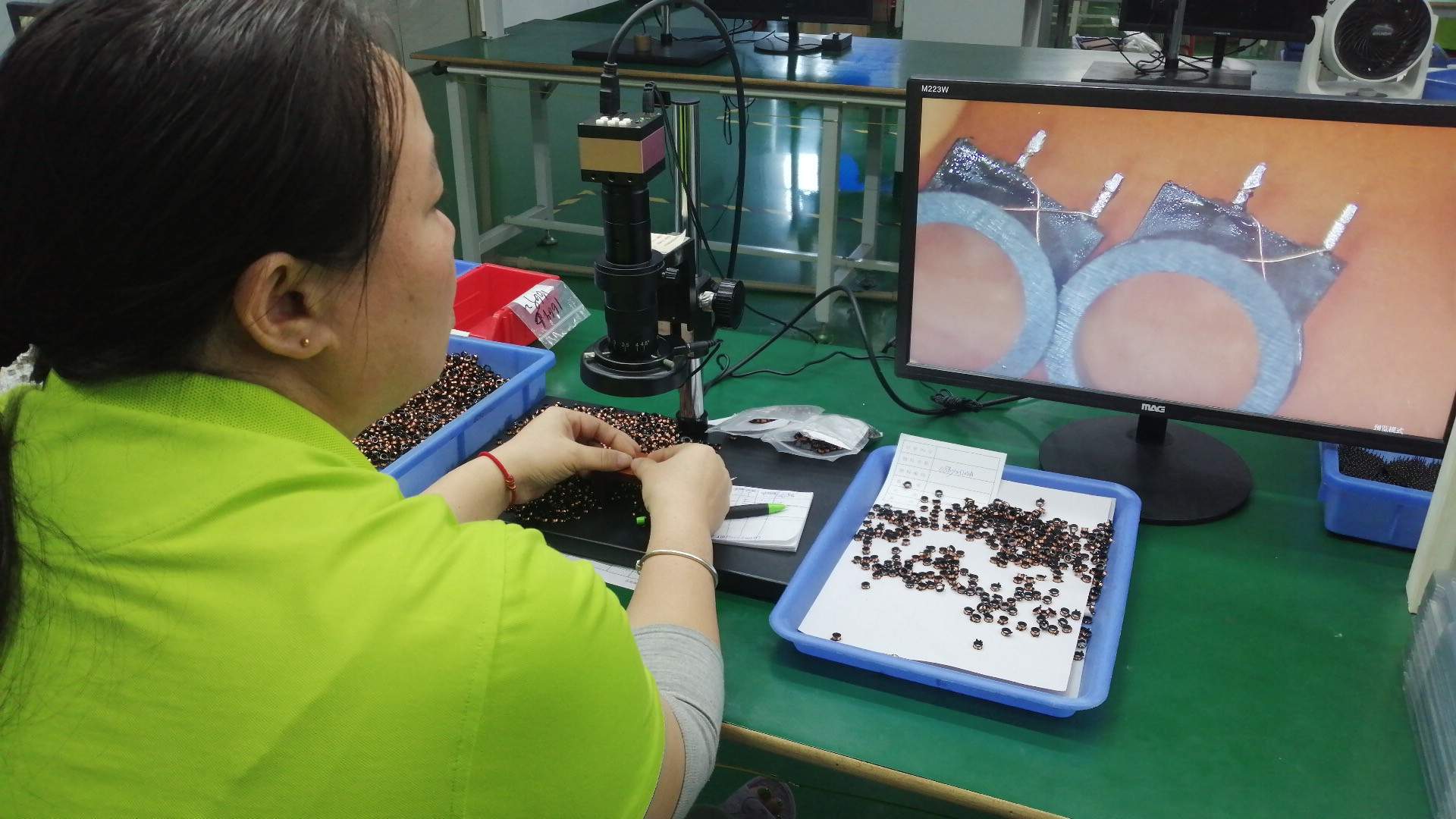
Micro-welds commutator connections securely to handle severe vibration profiles.
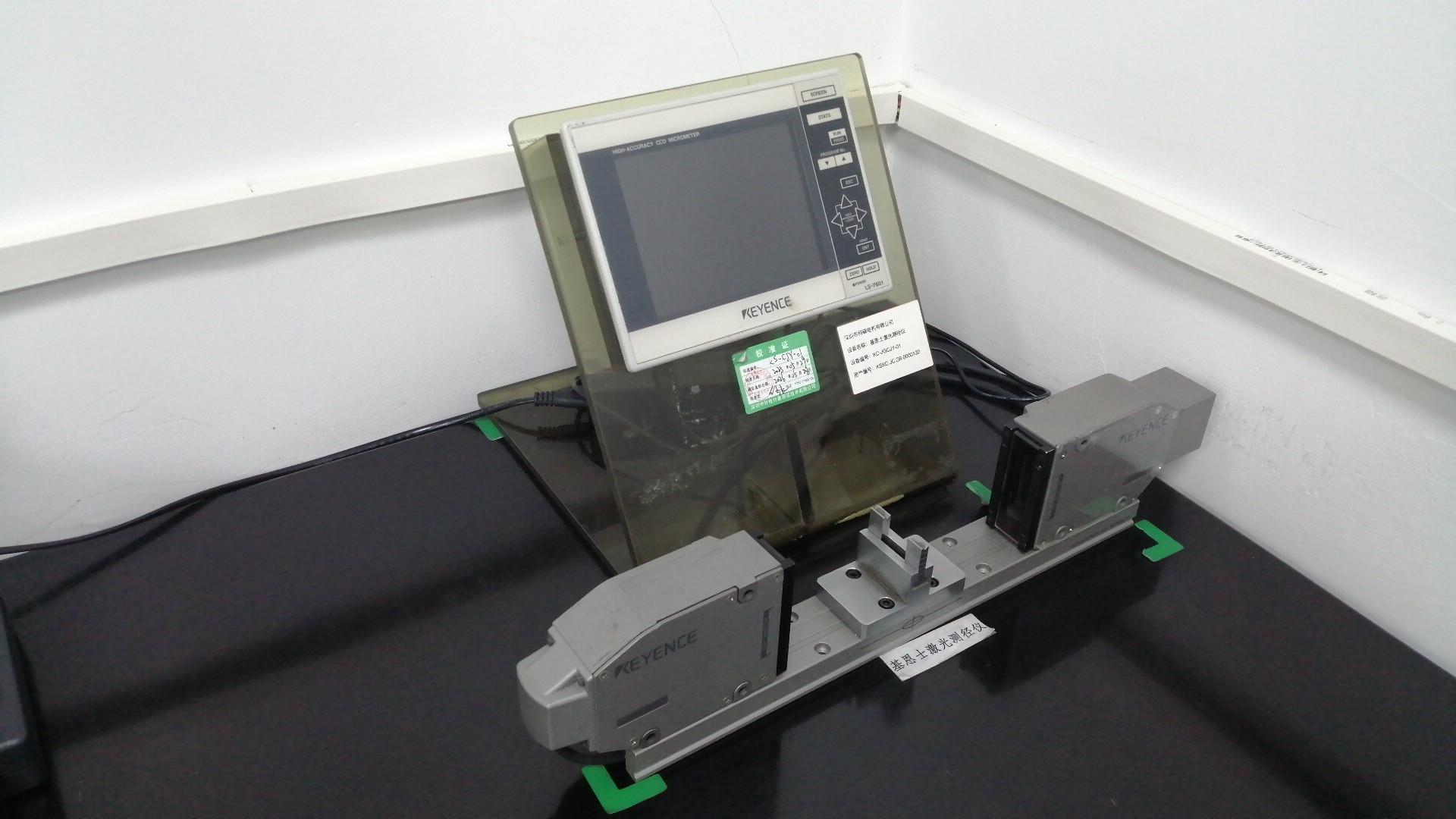
Secondary validation measures physical clearance bounds using laser micrometer arrays.
Anechoic chamber analysis filters out gear noise signatures indicative of machining errors.
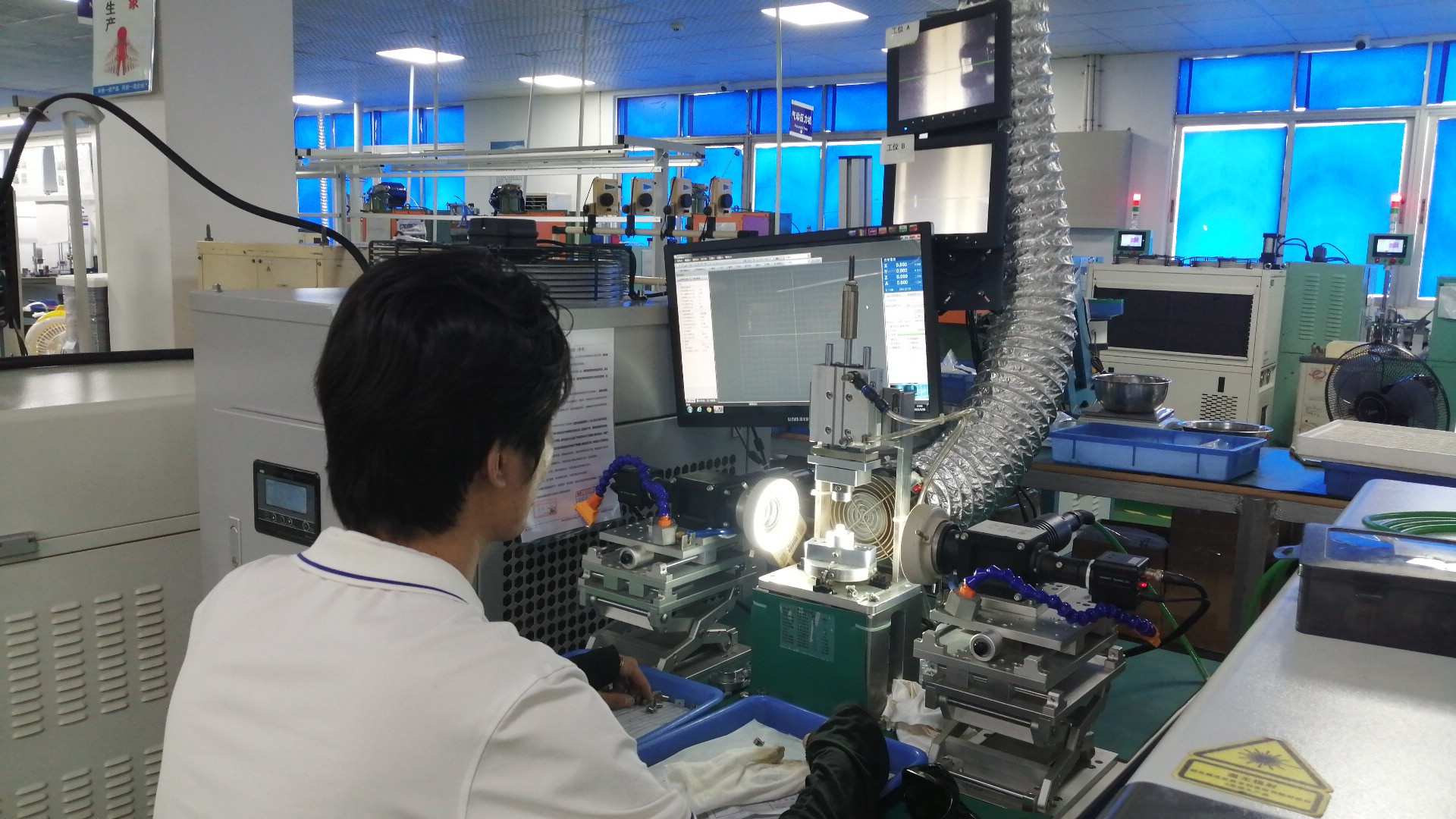
Automated vacuum sealing protects raw internal structures against moisture during overseas transit.
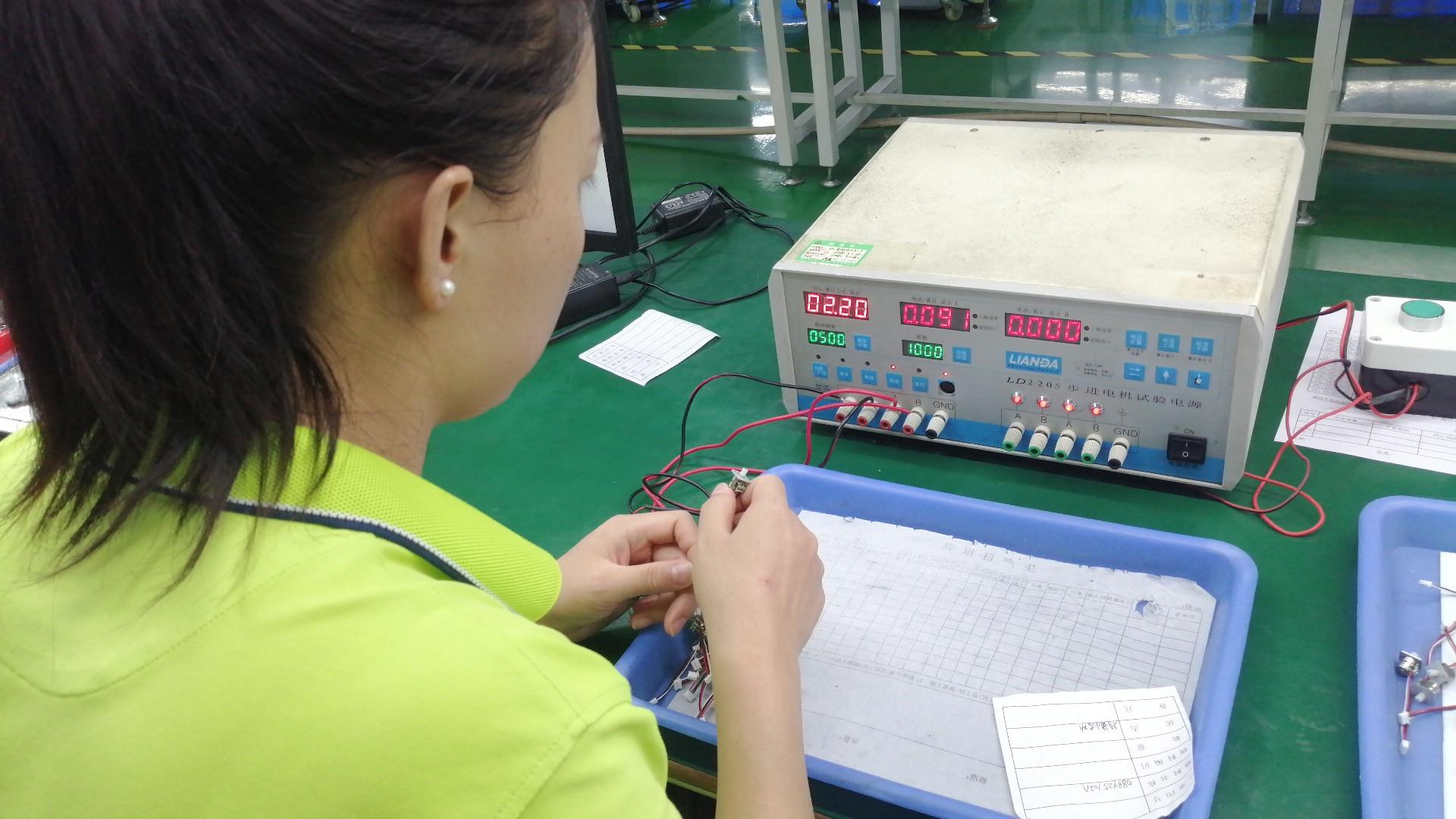
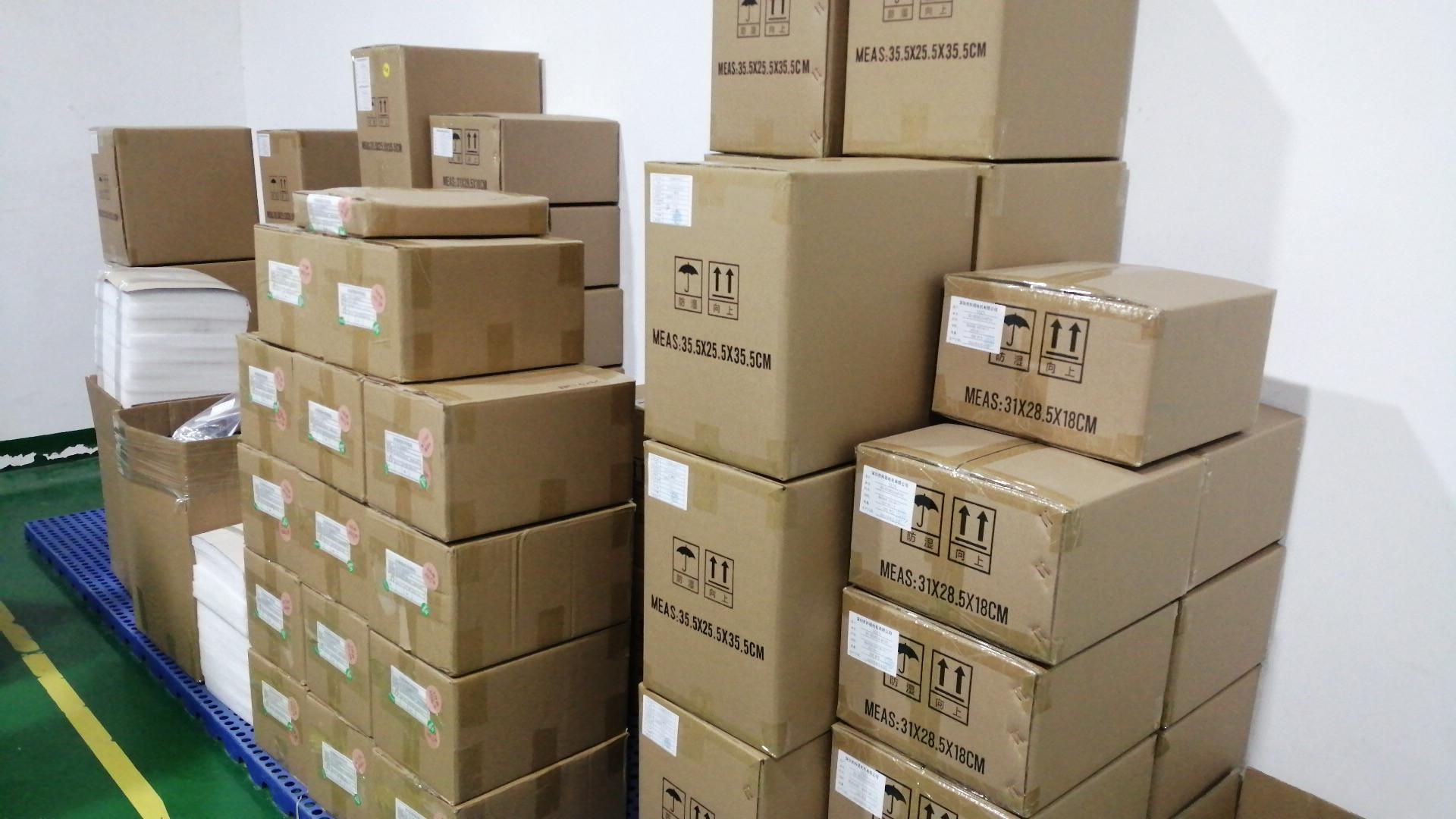
Completed micro-drive systems staged for shipping, complete with serial tracking tags.
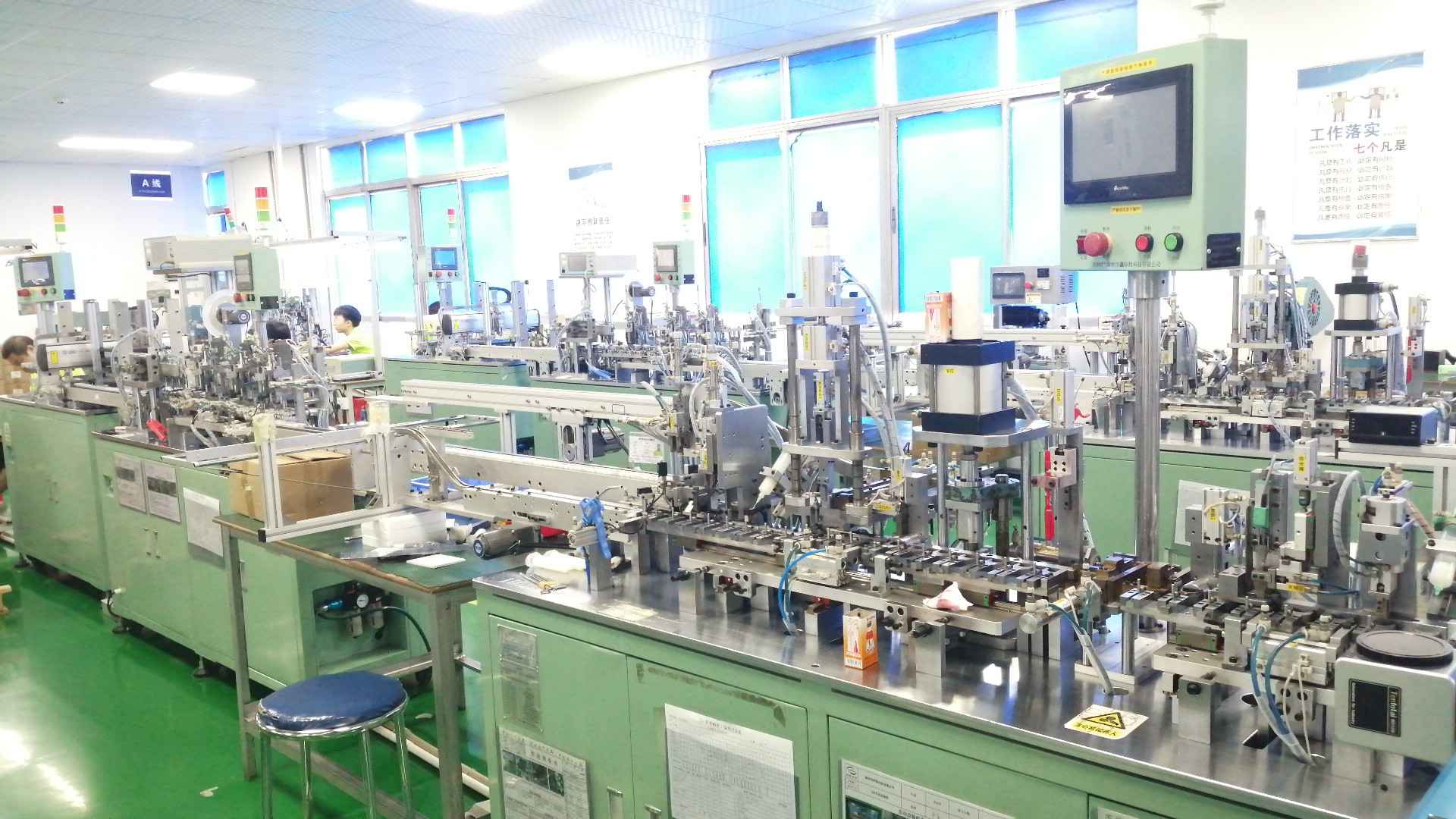
Investments in advanced manufacturing systems guarantee predictable motor performance parameters.
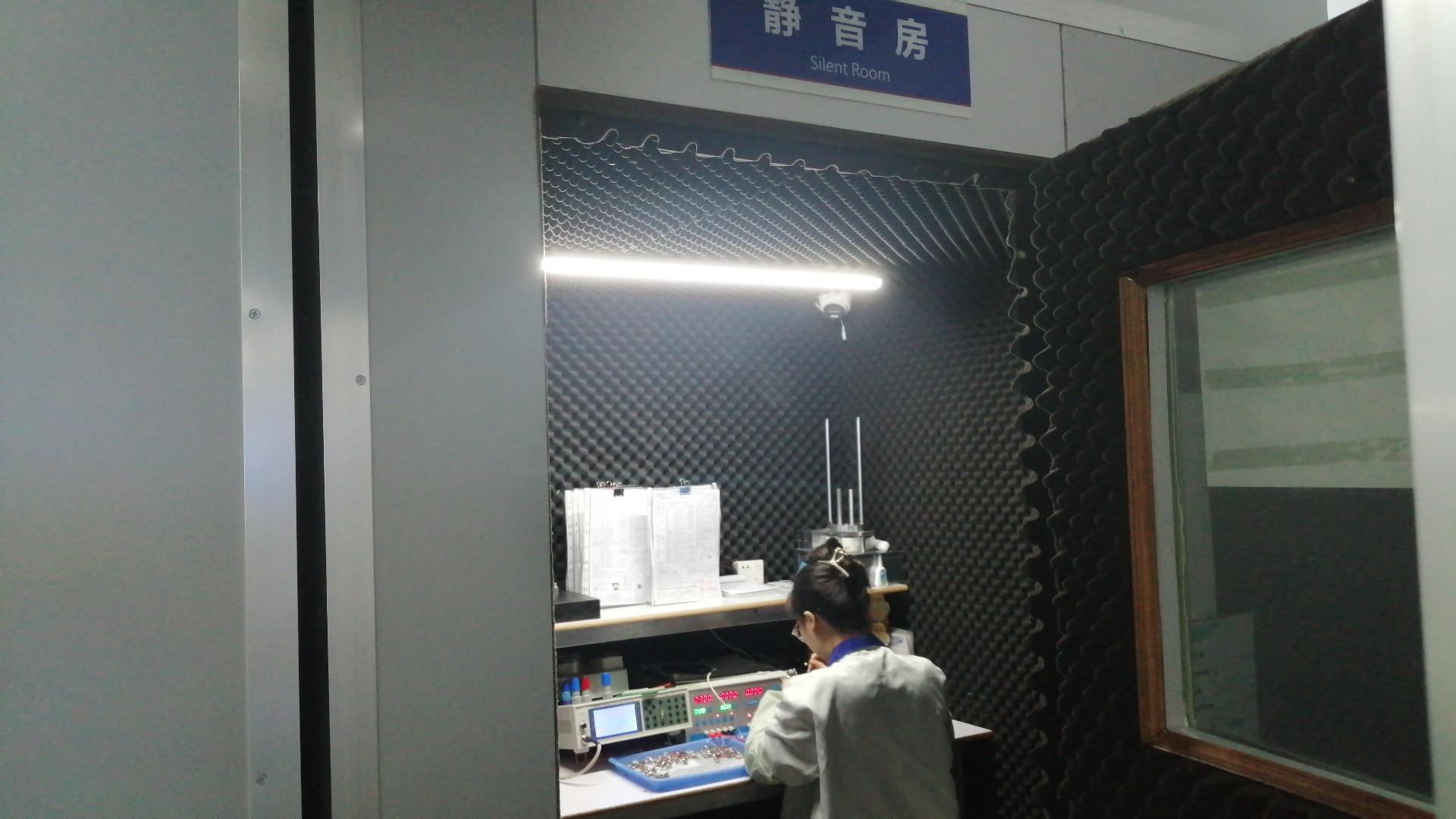
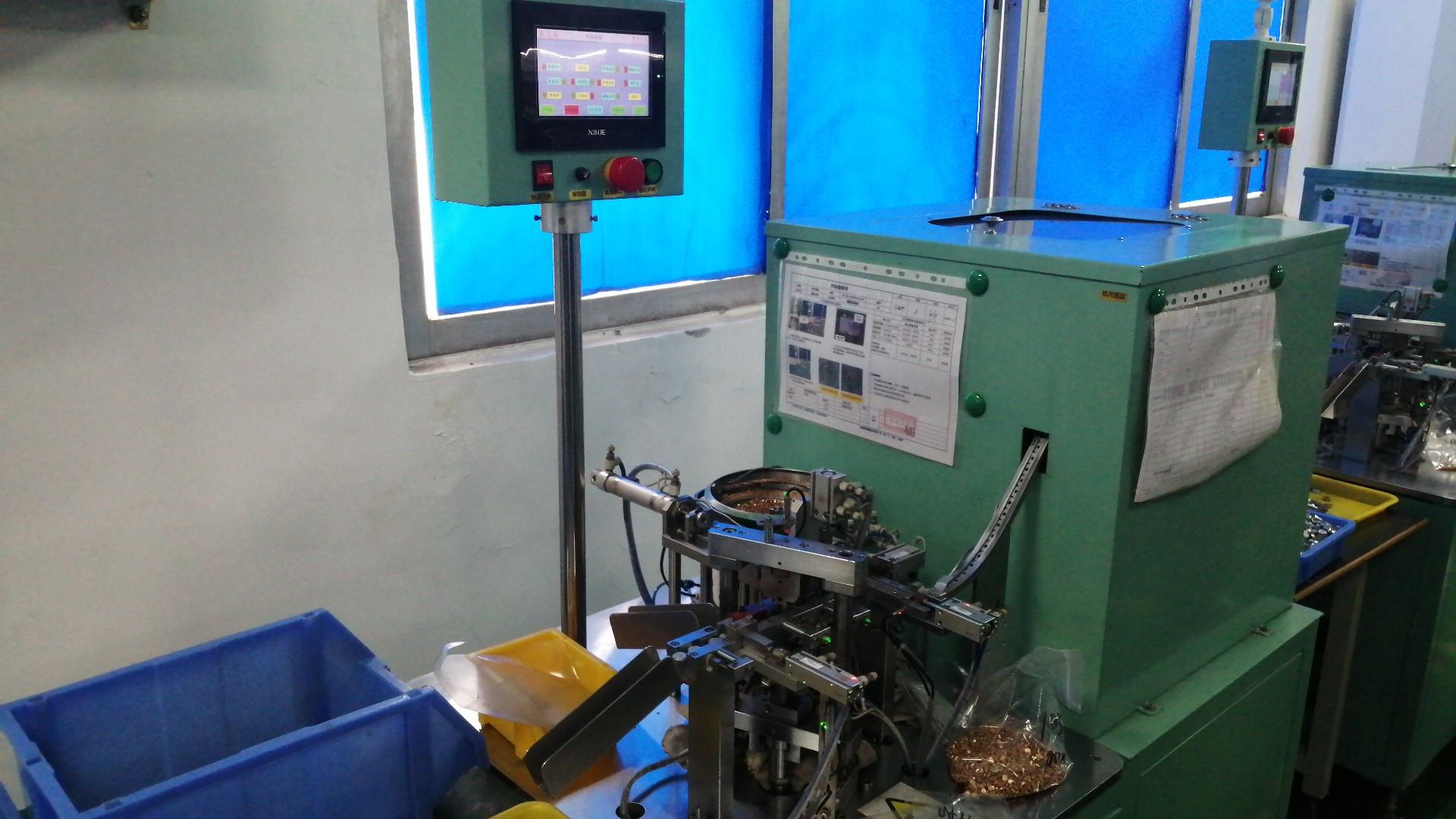
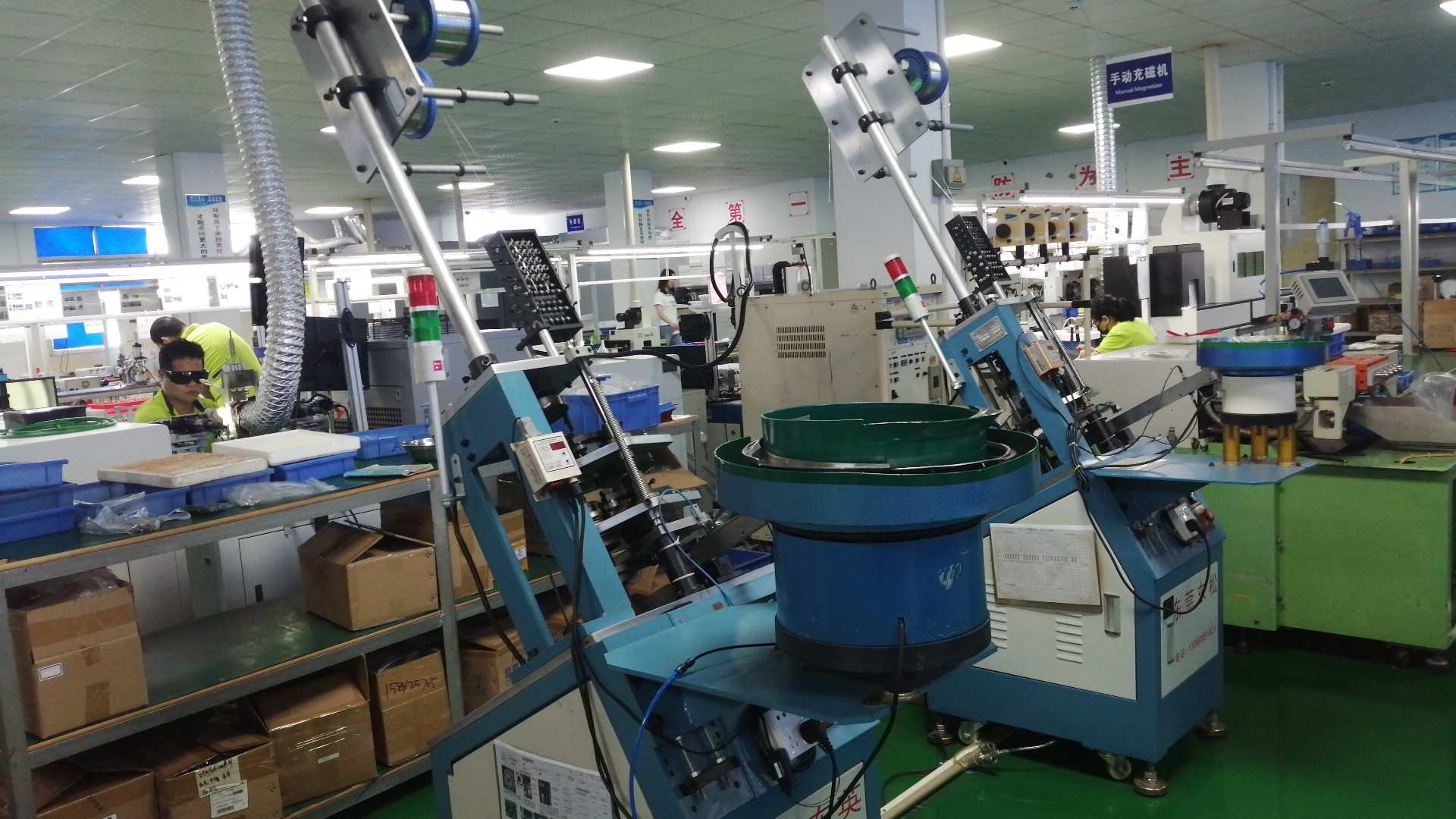
High speed pick-and-place lines execute micro motor configurations without human positioning variability.
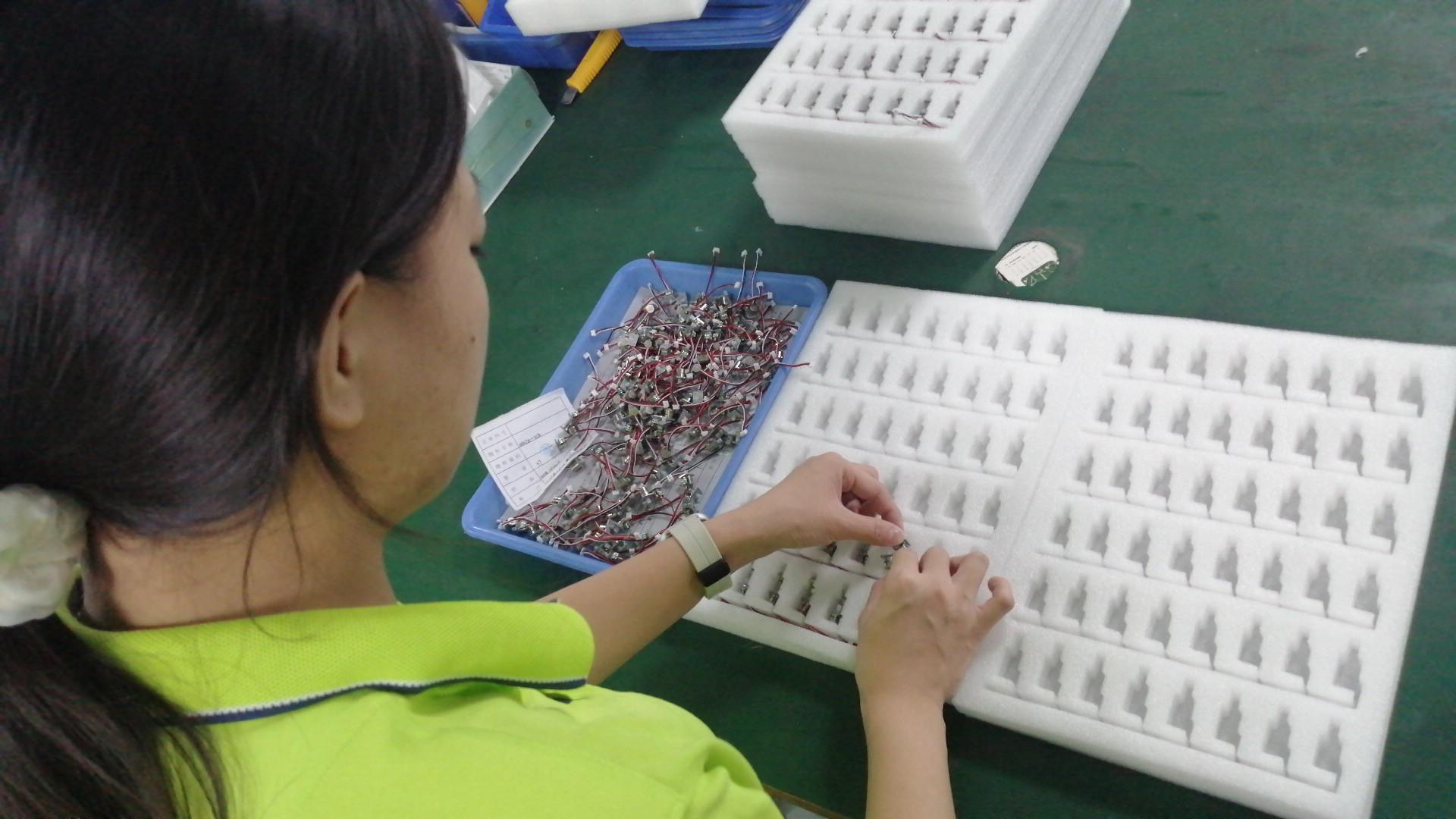
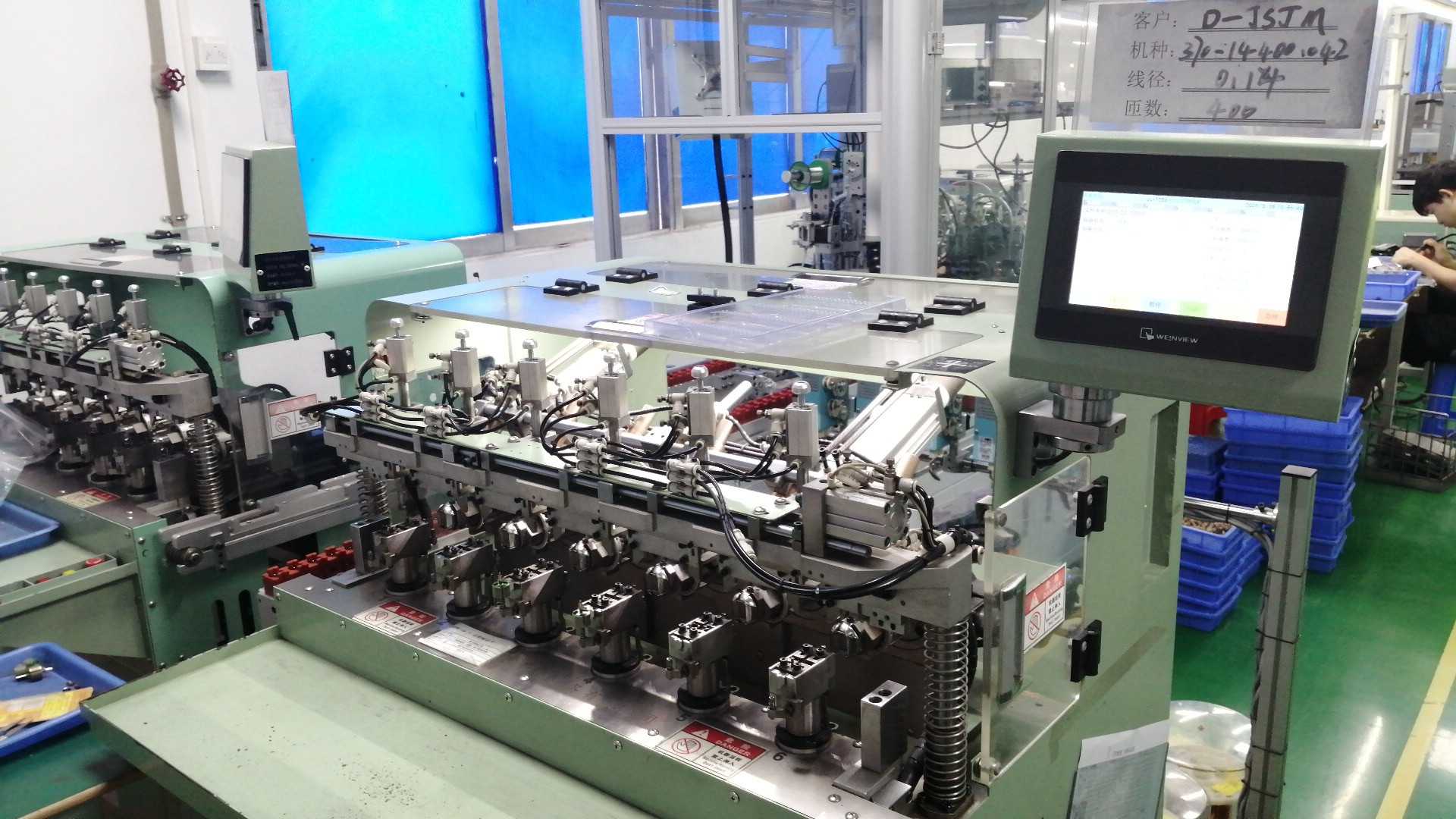
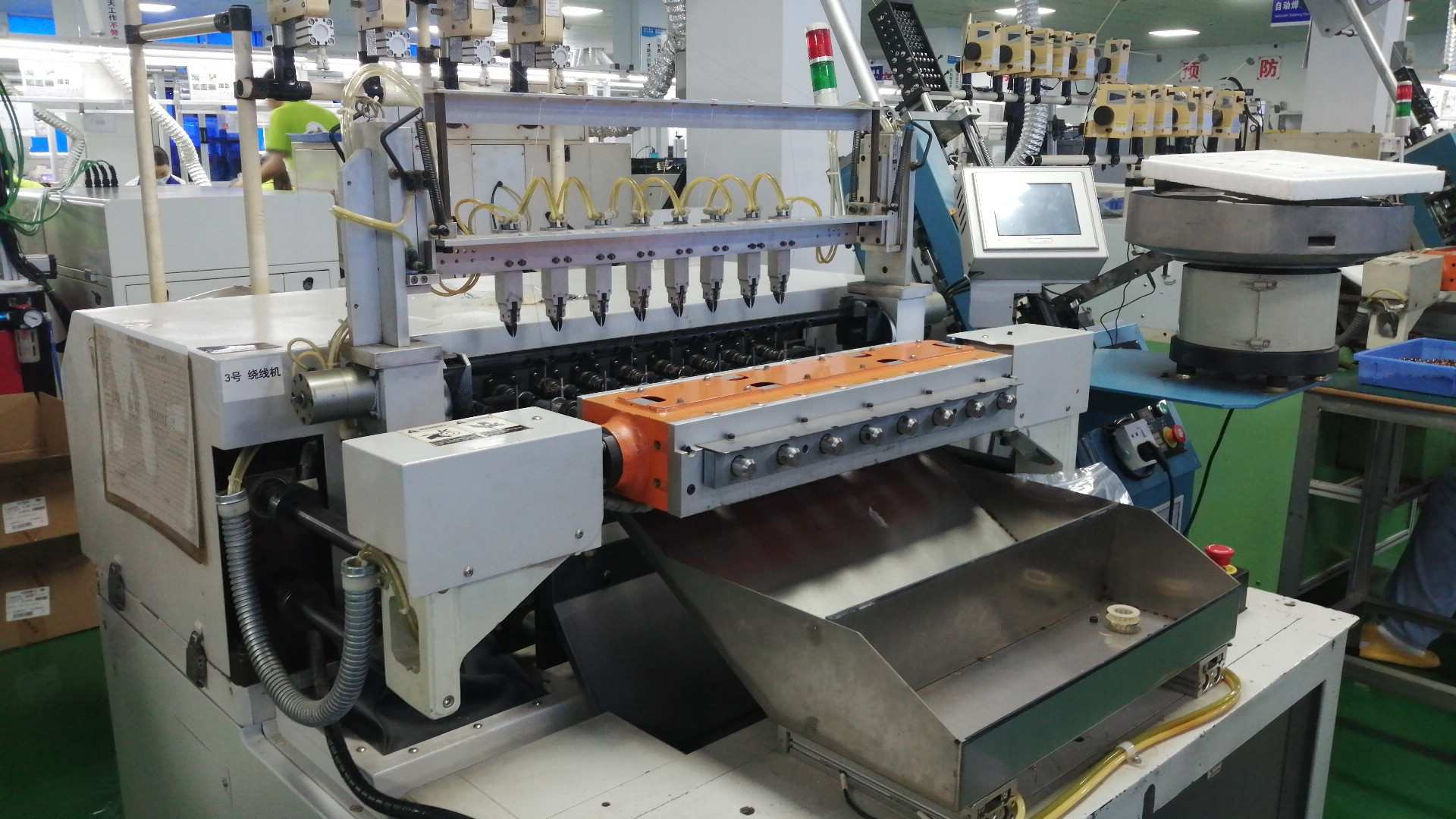
Multi-spindle machinery winds extremely thin copper wire profiles cleanly with zero crossover faults.
Thermal profiles are dynamically managed to prevent internal insulation breakdown during high-heat soldering.
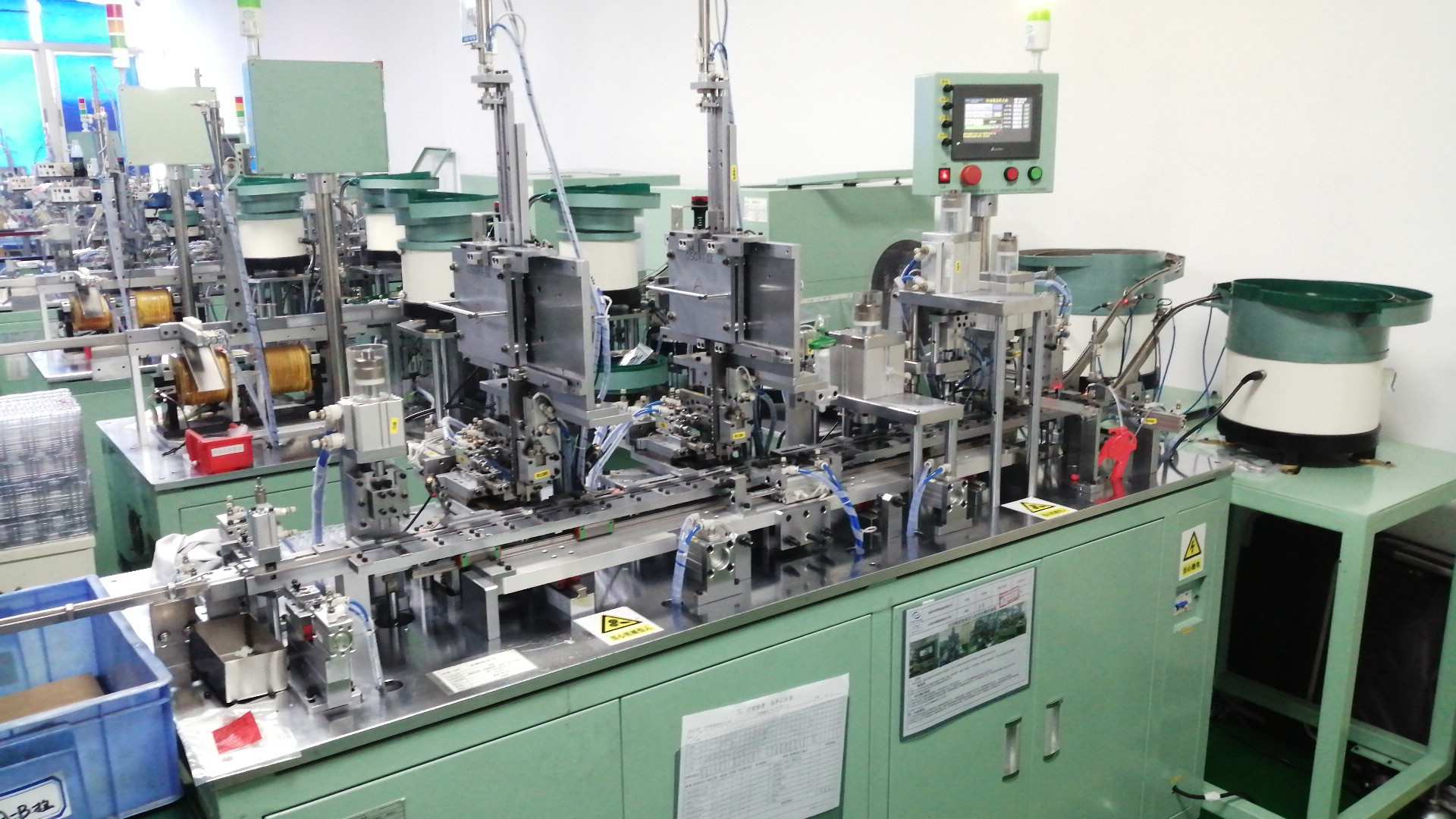
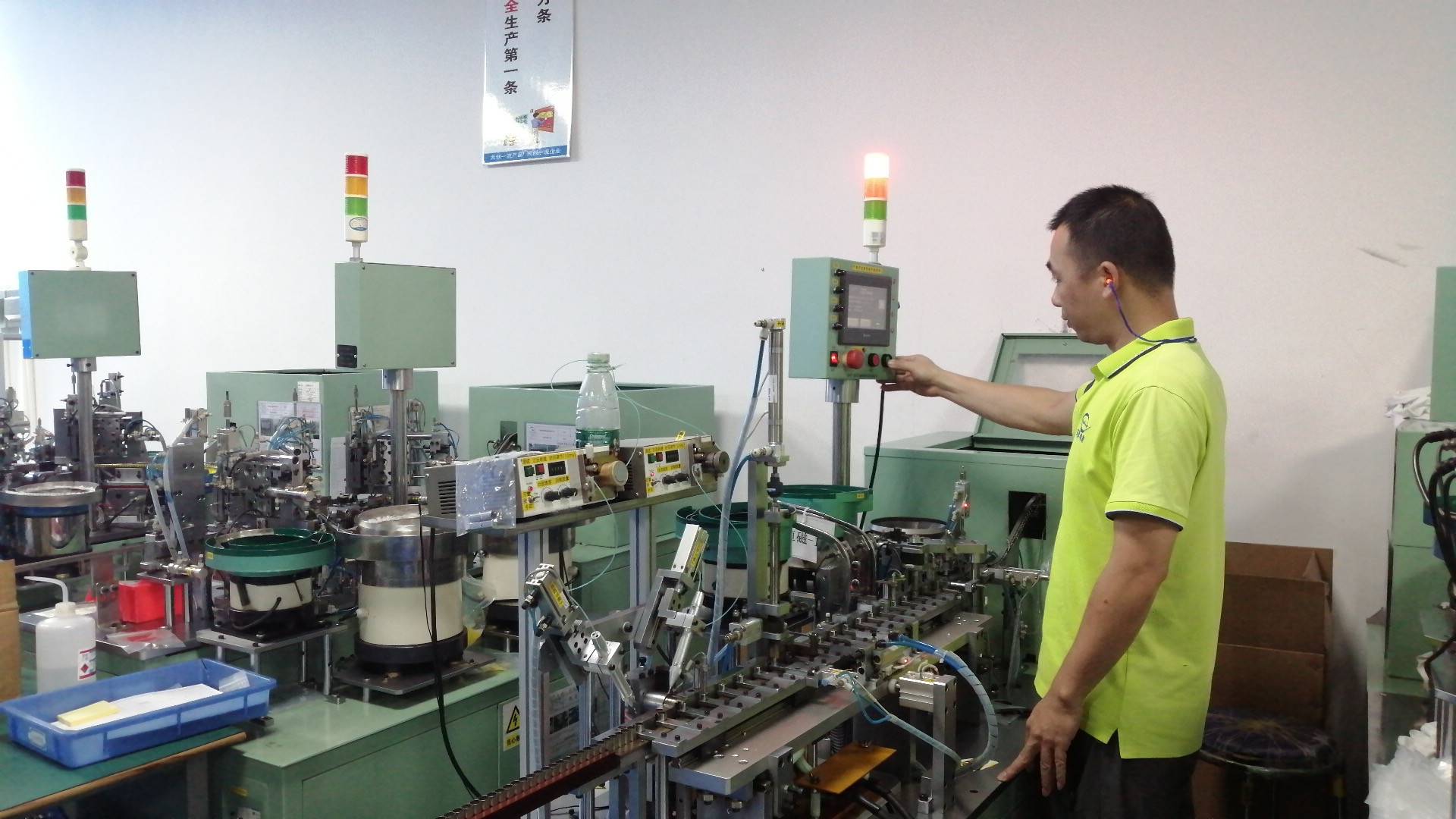
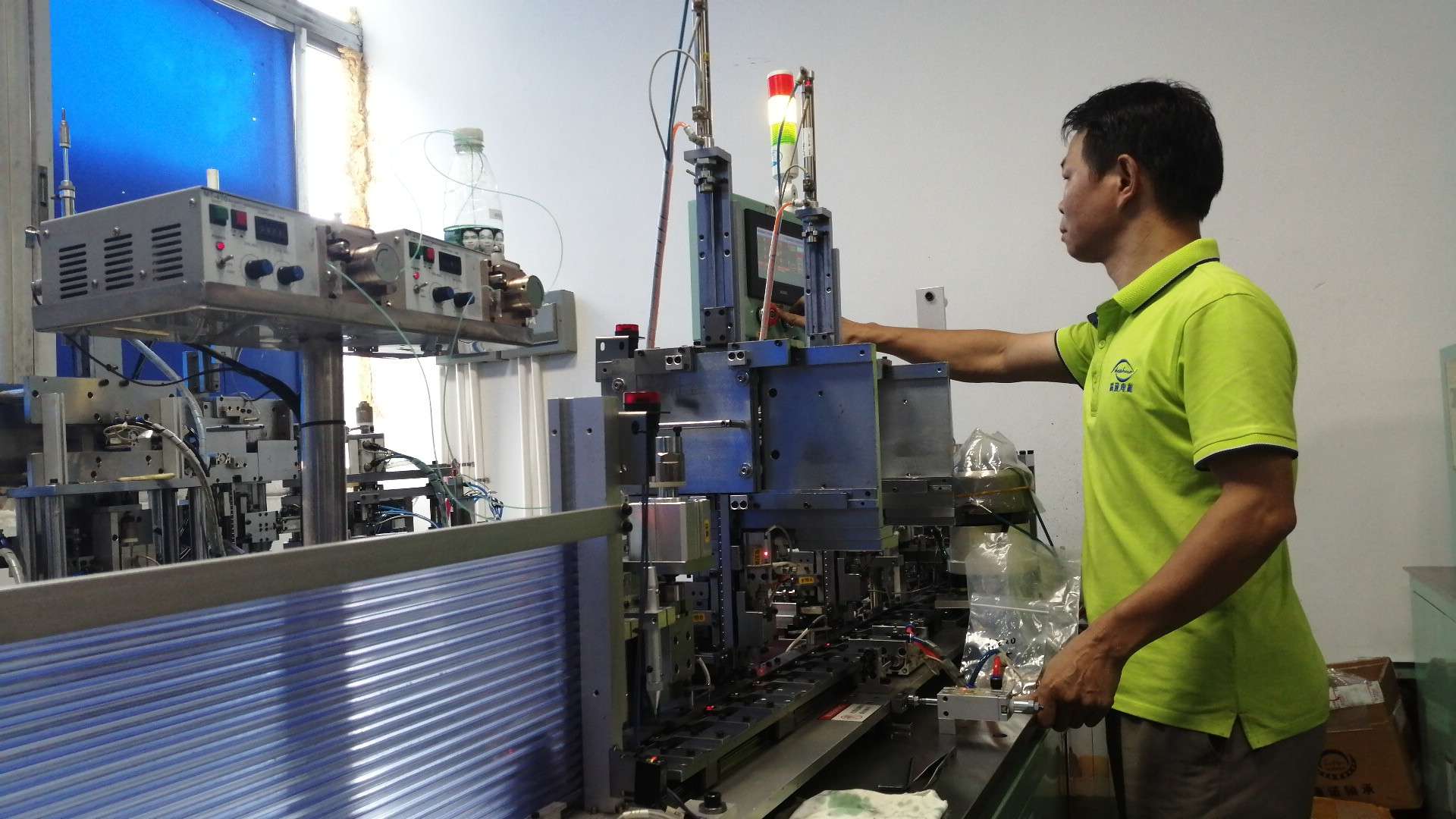
Streamlined assembly workflow utilizing real-time monitoring sensors for performance parameters checking.
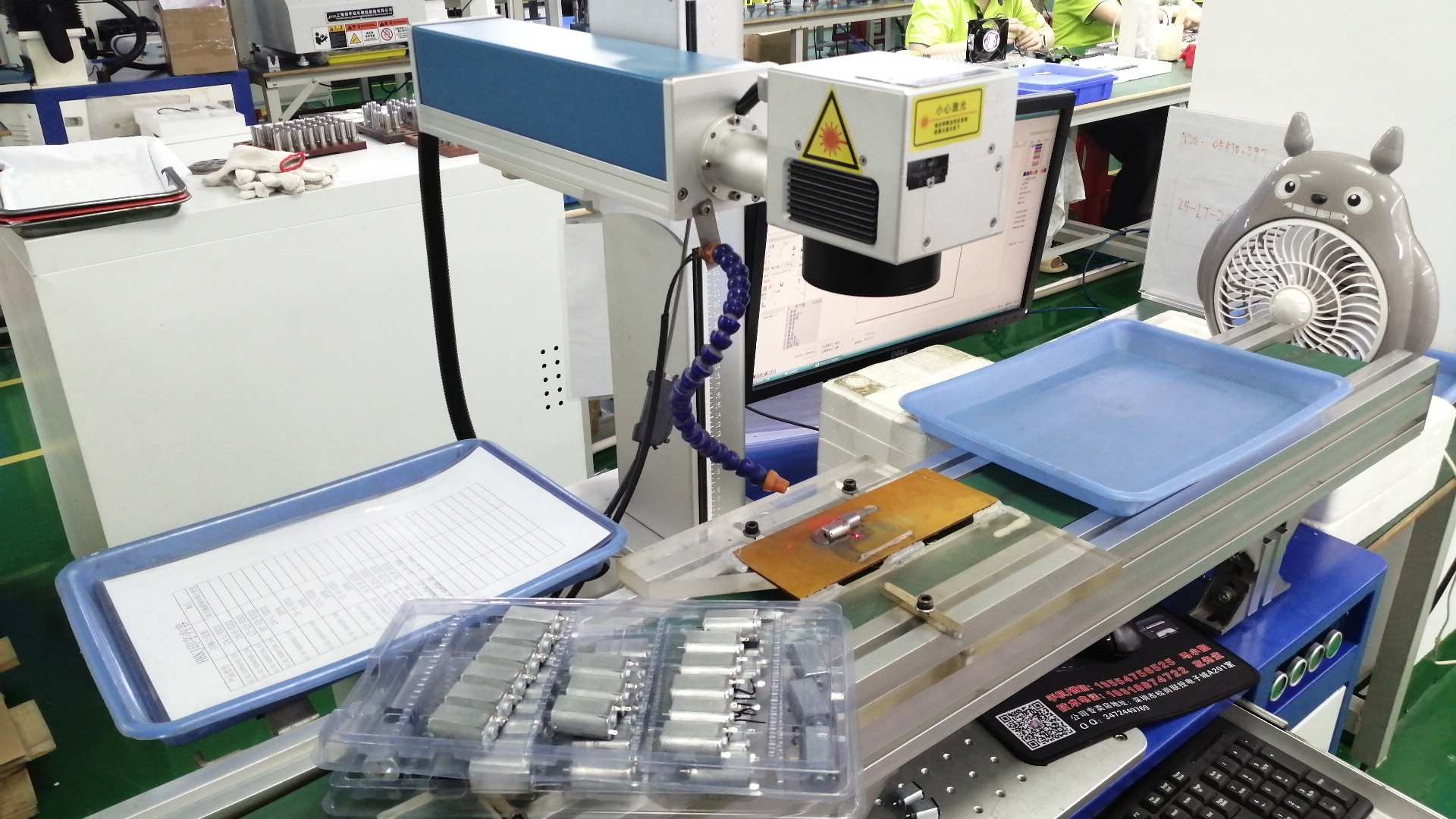
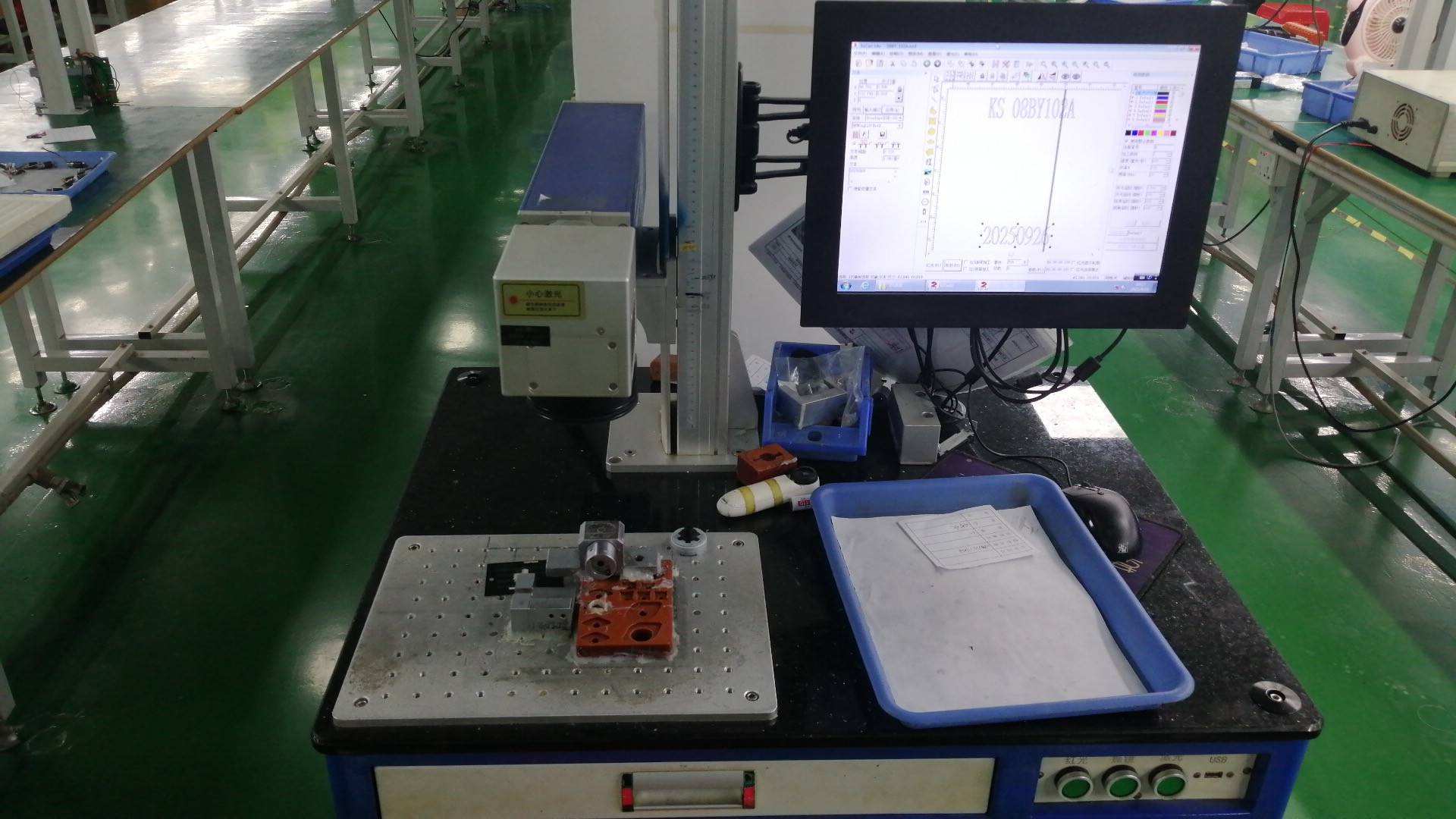
Ensures permanent serial numbers and dynamic production parameters remain readable throughout field operations.
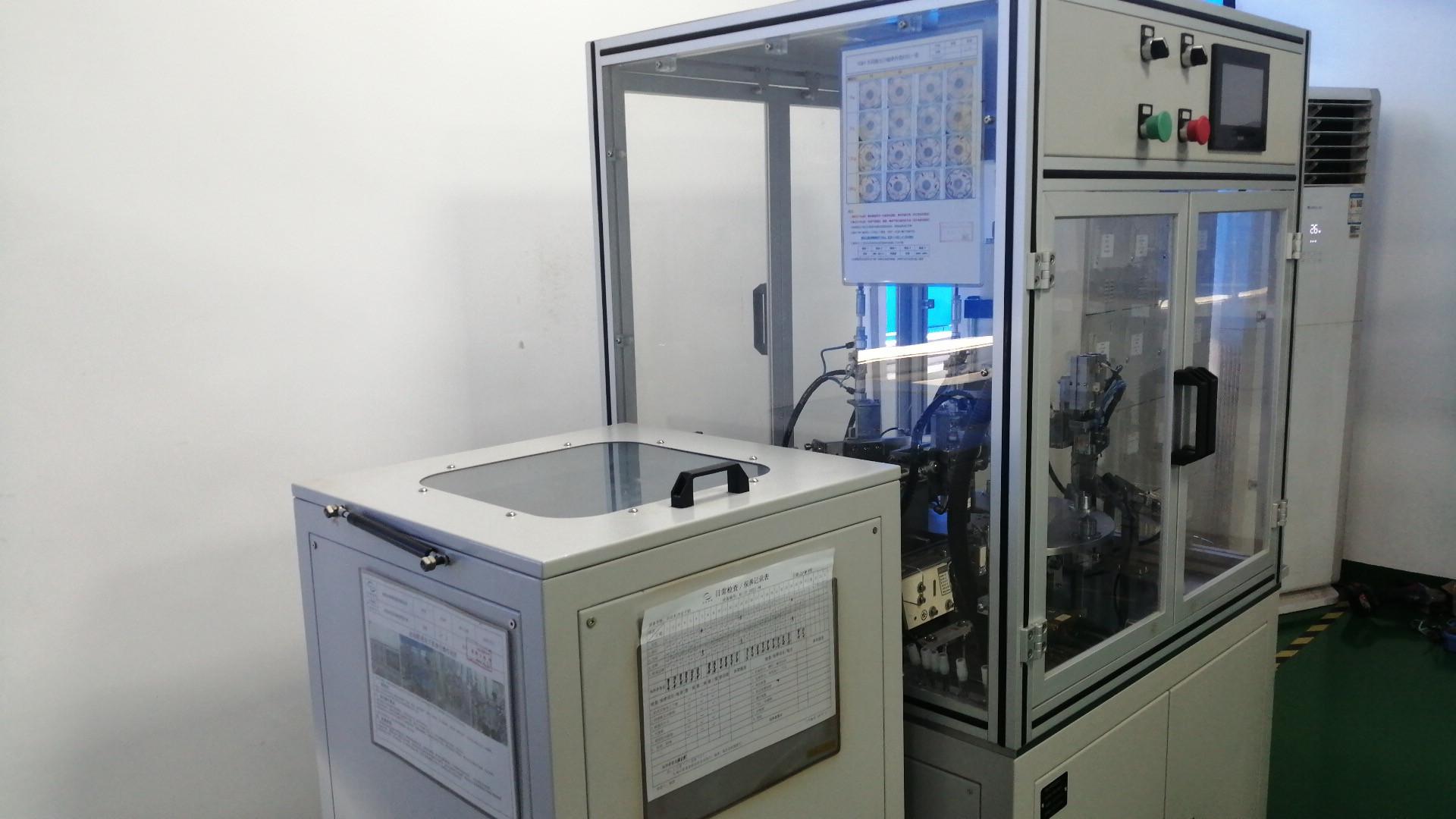
Ensures bearing seating tolerances are held within +/- 5 microns to prevent excessive shaft run-out.
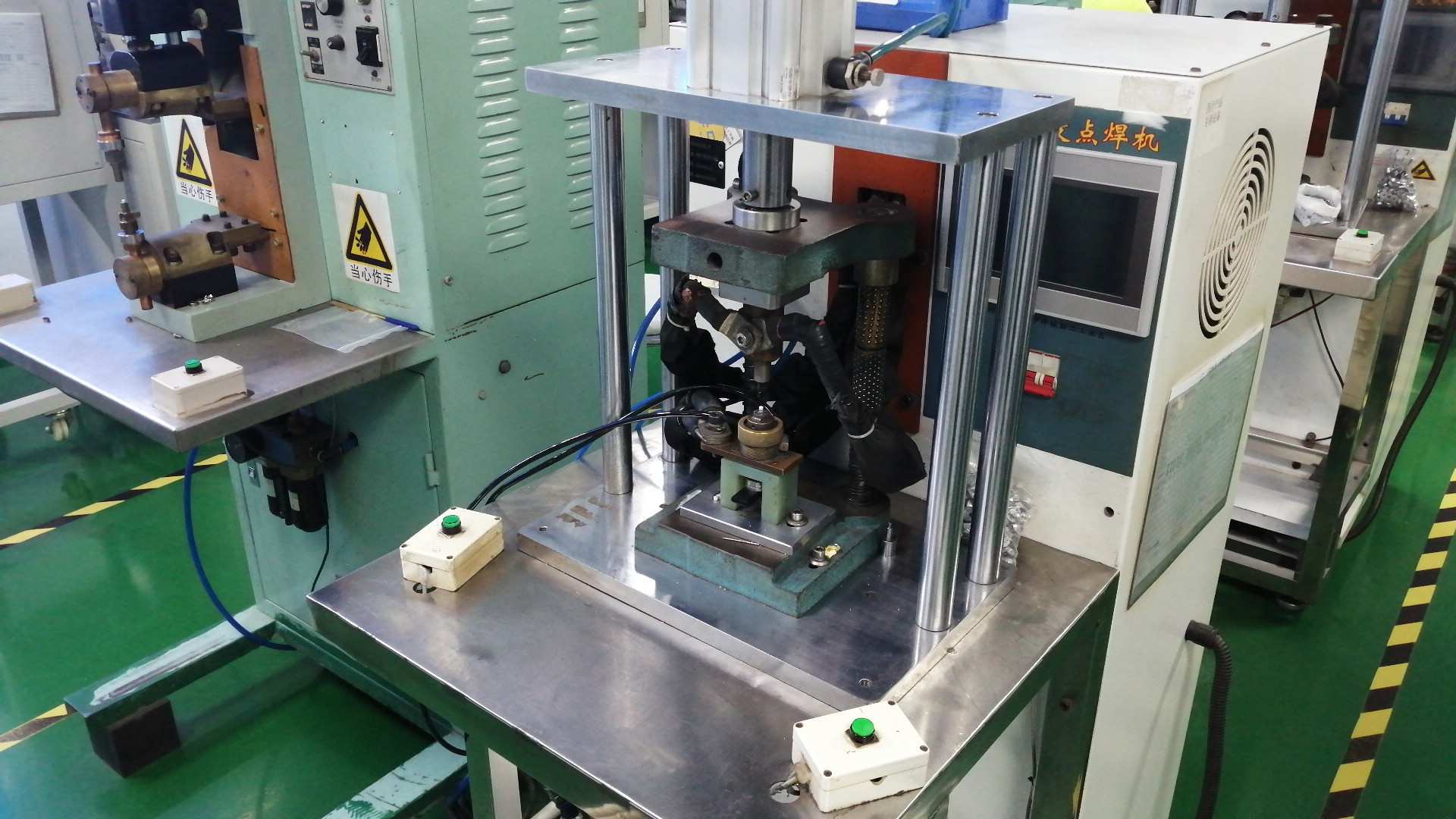
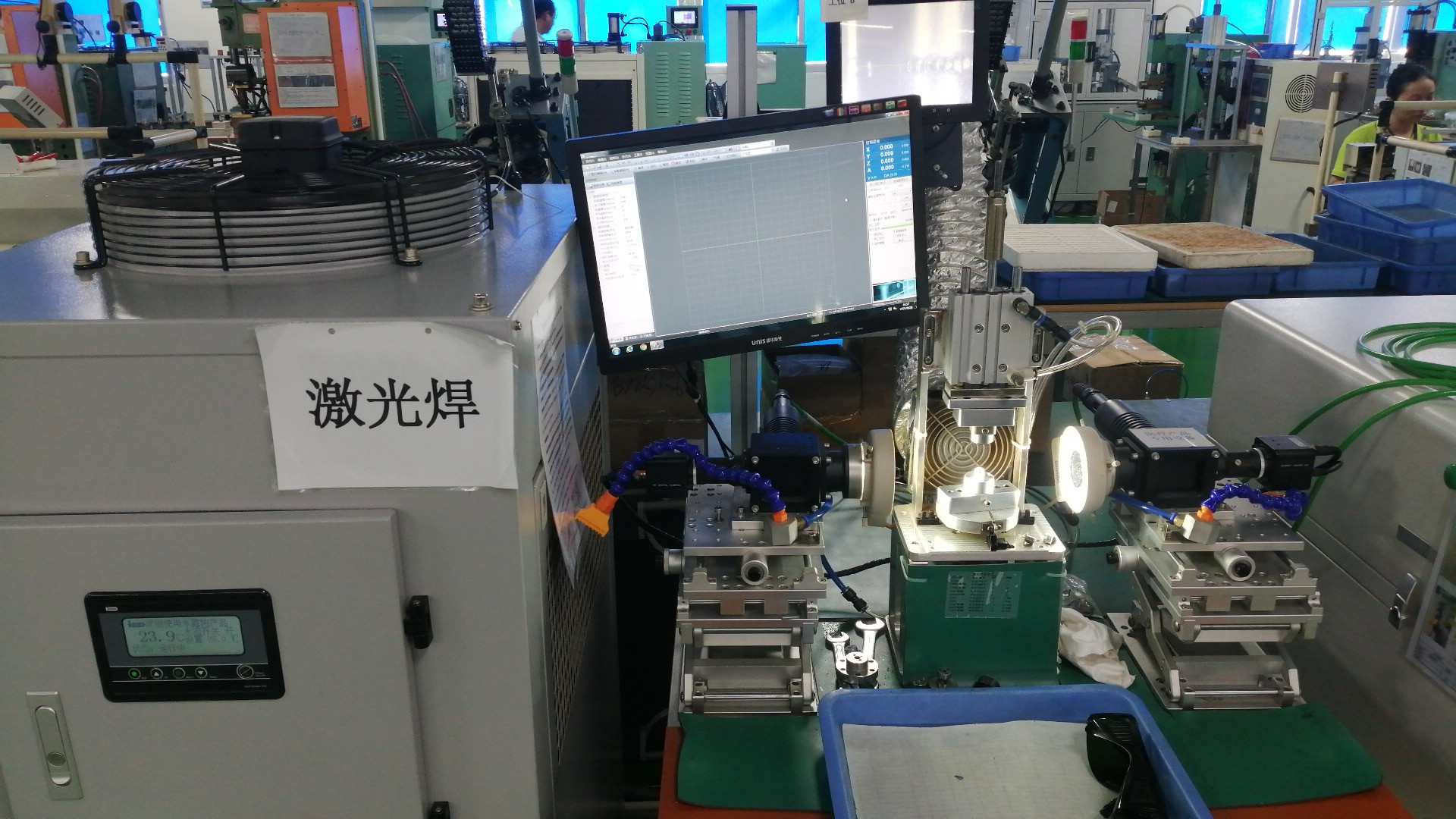
Micro-welds precision tabs with high energy concentration to avoid mechanical heat deformation.
Secures electrical interface pins into thermal-plastic housings without fracturing structural components.
Advanced laser welding system offering clean weld seams and mechanical joints.
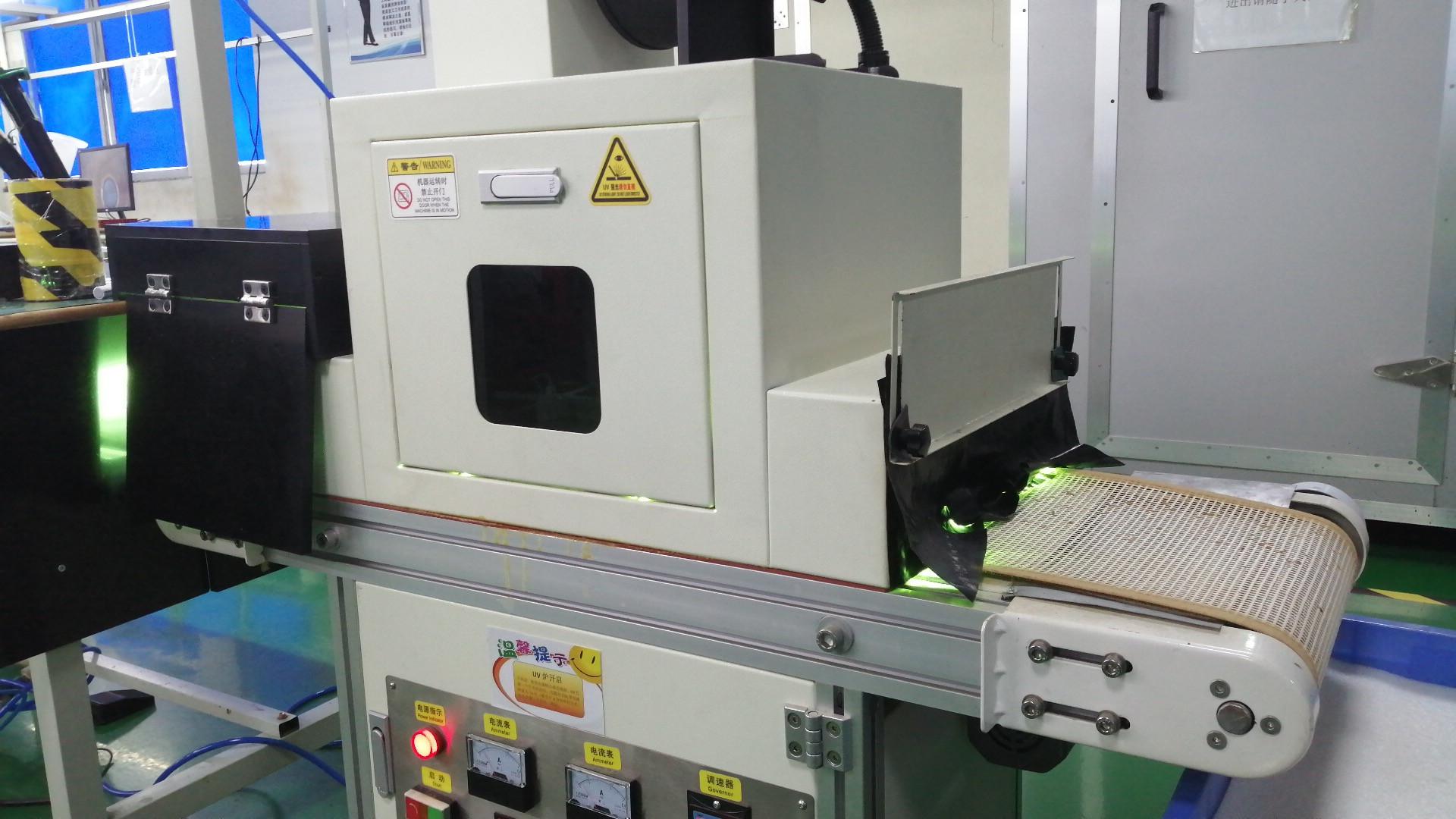
Accelerates polymer curing times while minimizing internal mechanical strain.
How we verify precision using industry-standard instruments from Keyence, Mitutoyo, and Sanfeng.
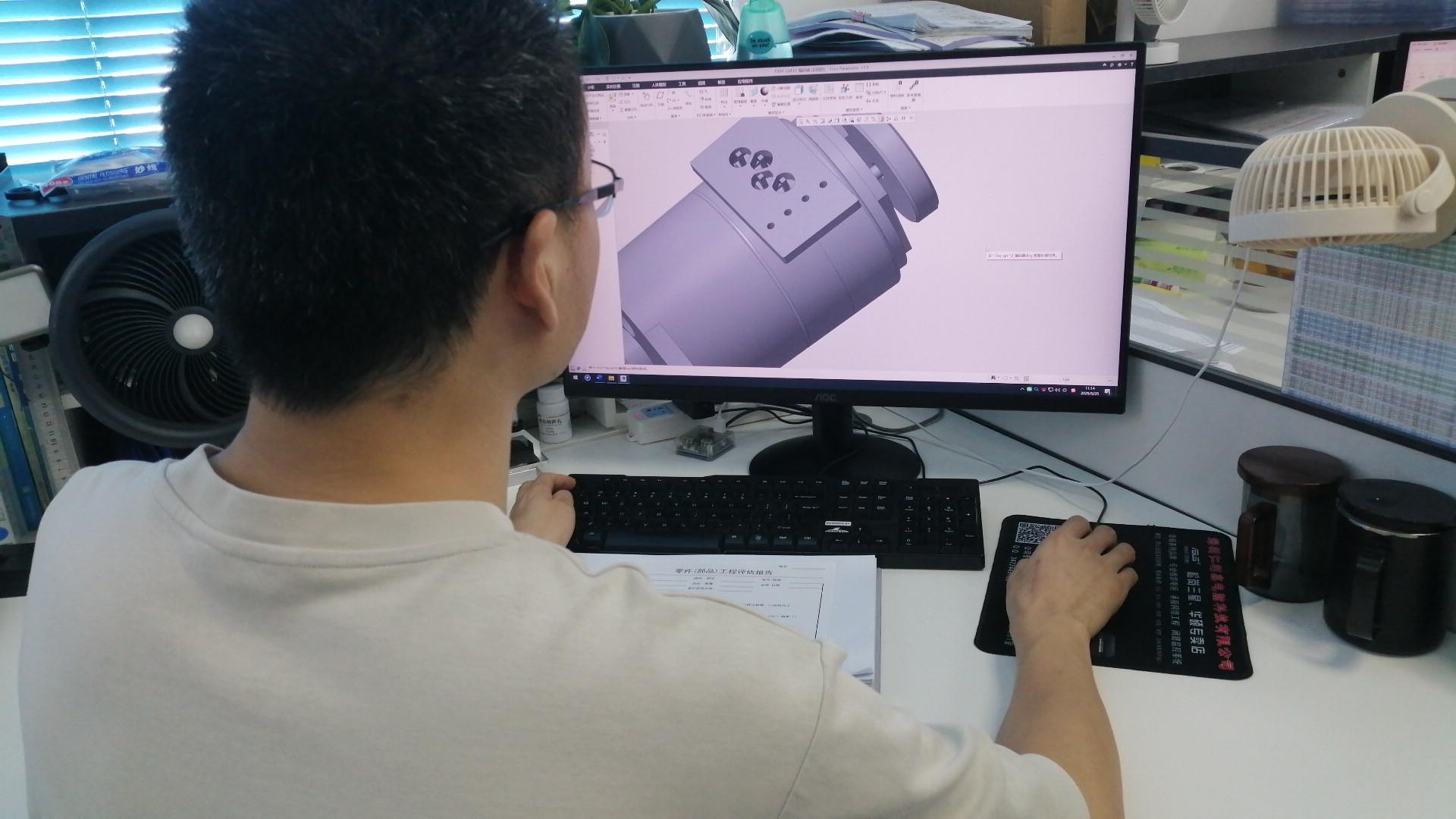
Dynamic design updates using 3D CAD modeling software ensures correct fit-ups before machining starts.
Systematic verification checks all shaft diameters and gear profiles match design criteria.
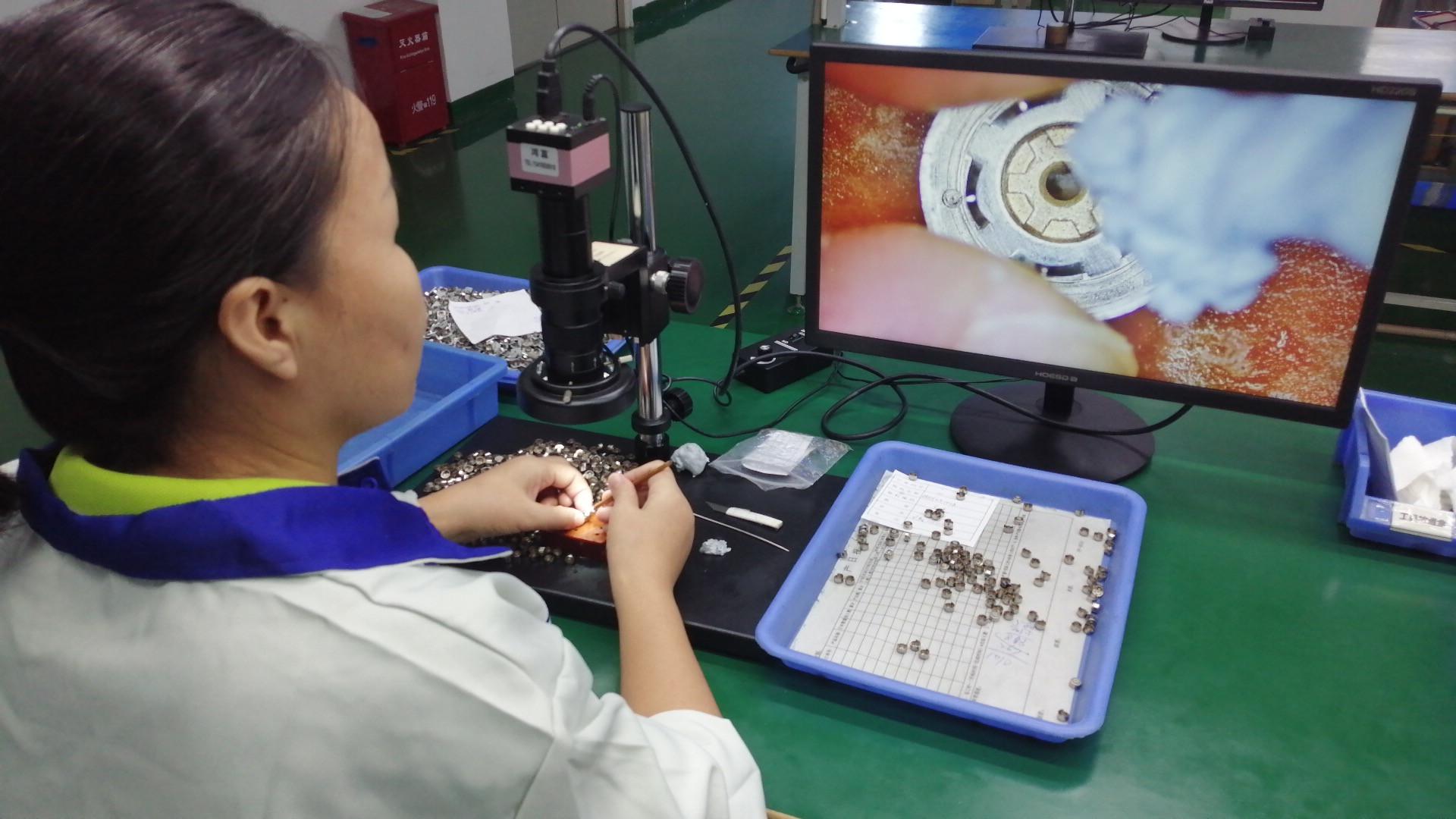
Microscopes detect early wear on tool heads and check commutator spacing.
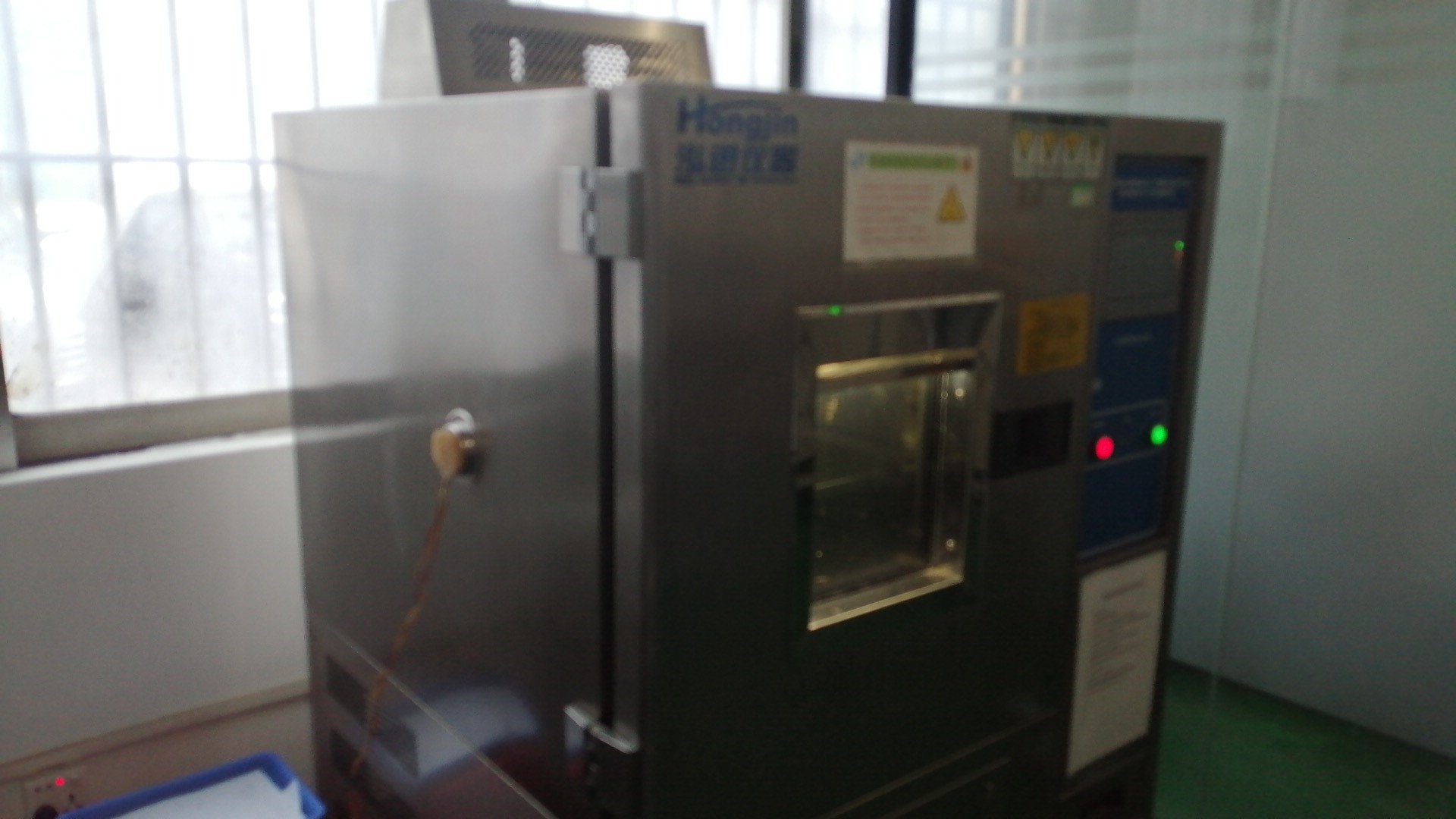
Simulates rapid temperature changes to test seal reliability and structural resilience.
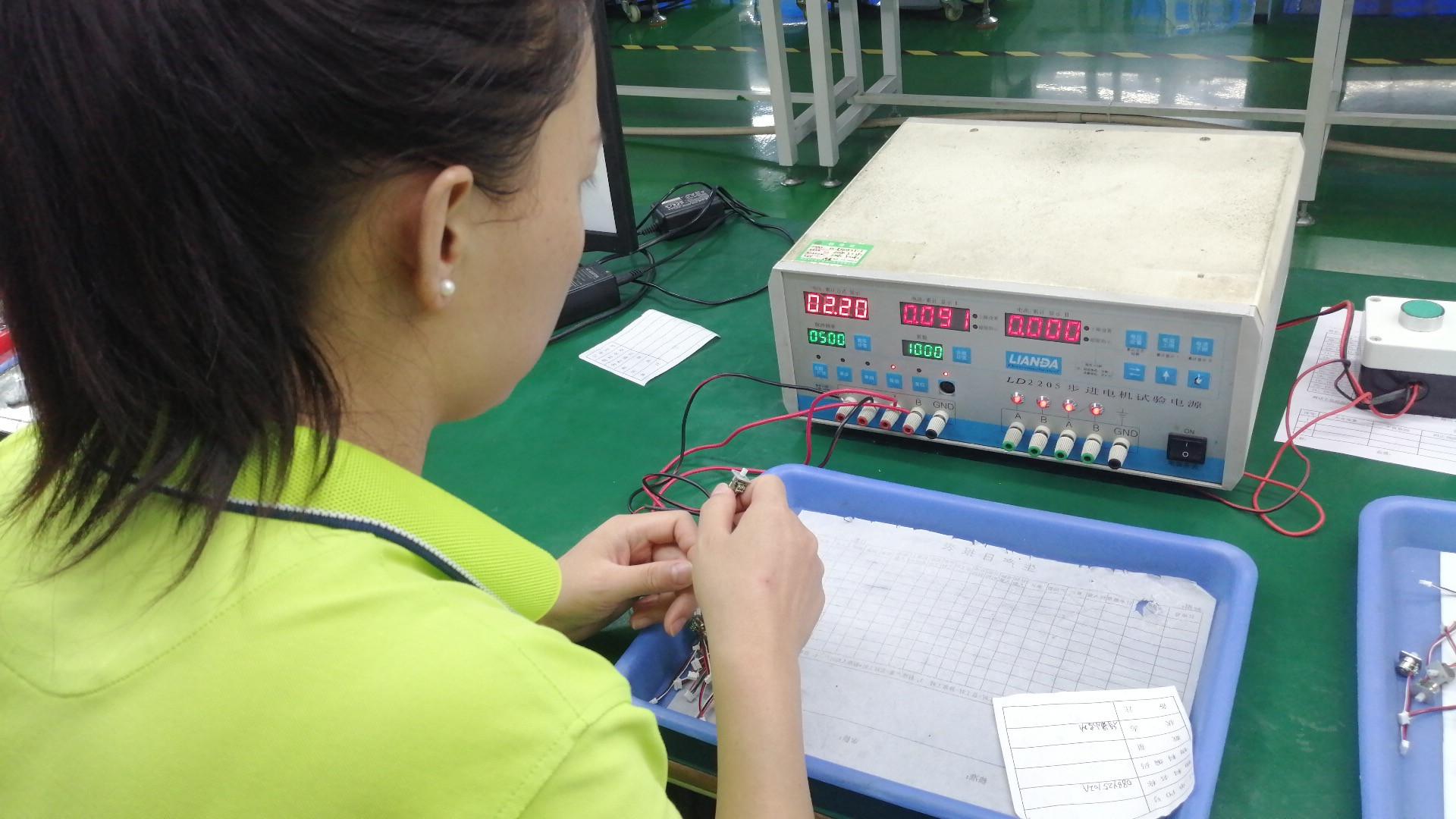
Applies high-voltage loads to confirm insulation barriers prevent grounding faults.
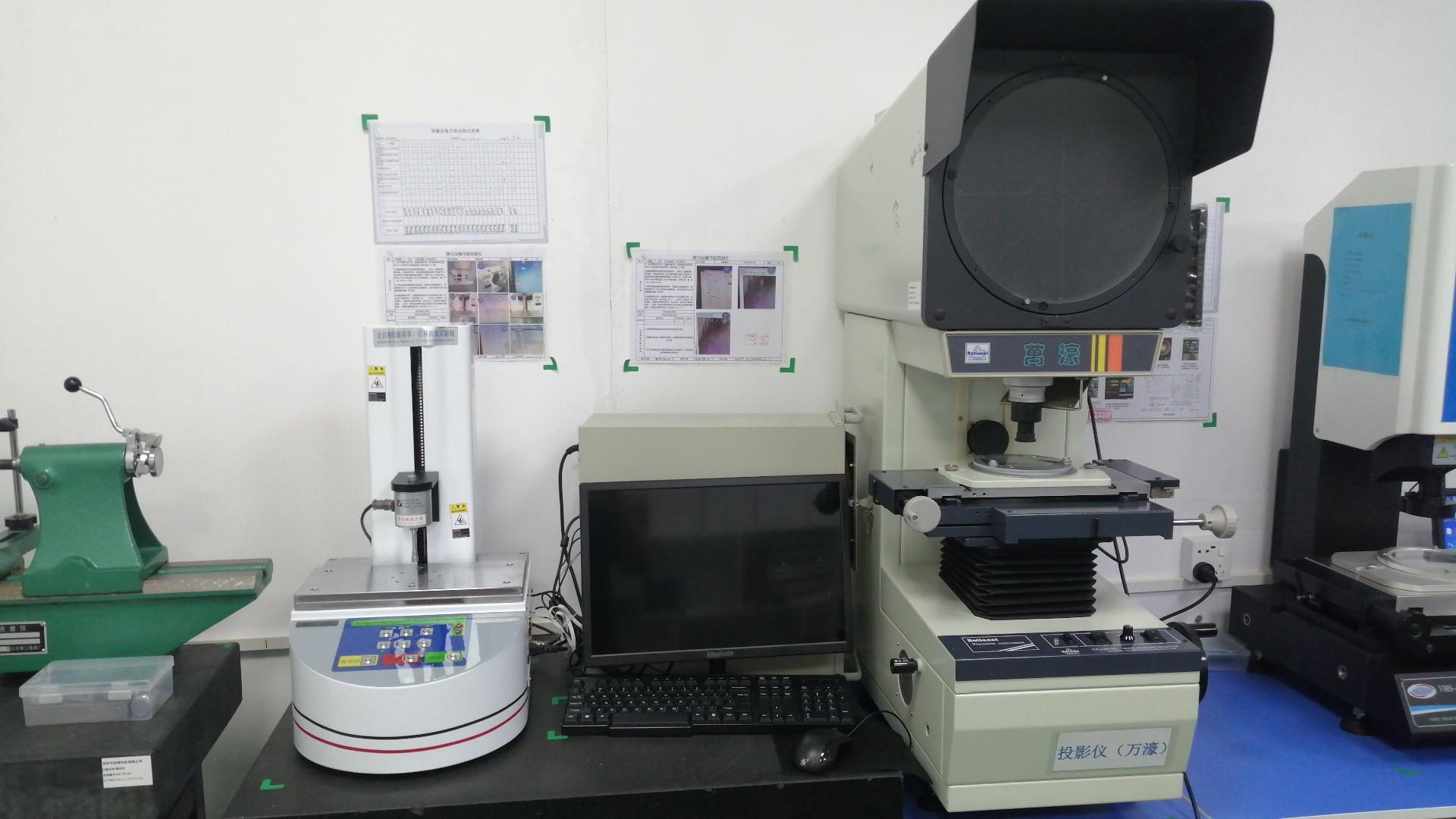
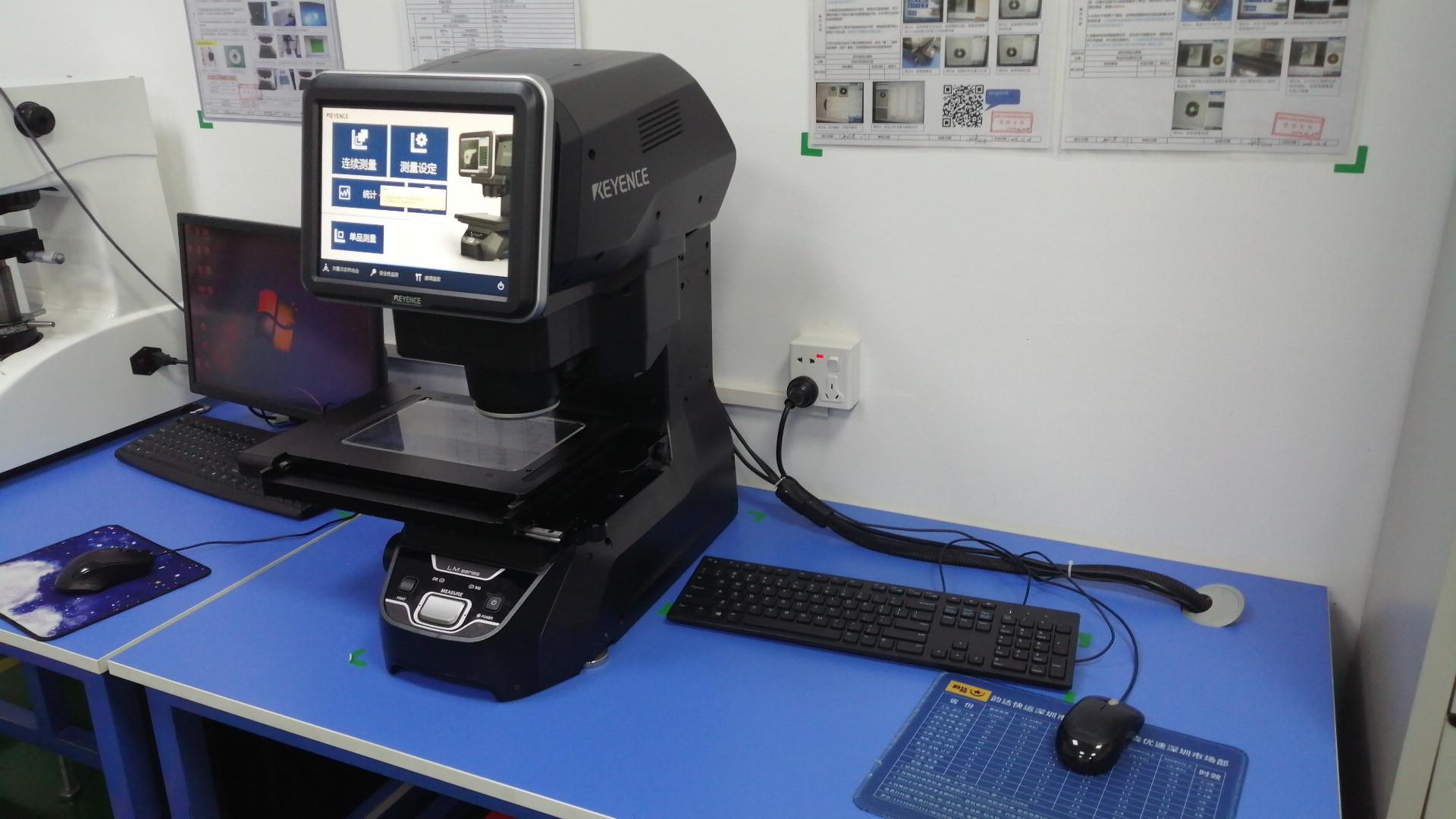
Validates gear tooth profiles and mechanical shapes using non-contact optical checks.
Measures physical components to ensure exact dimensional accuracy.
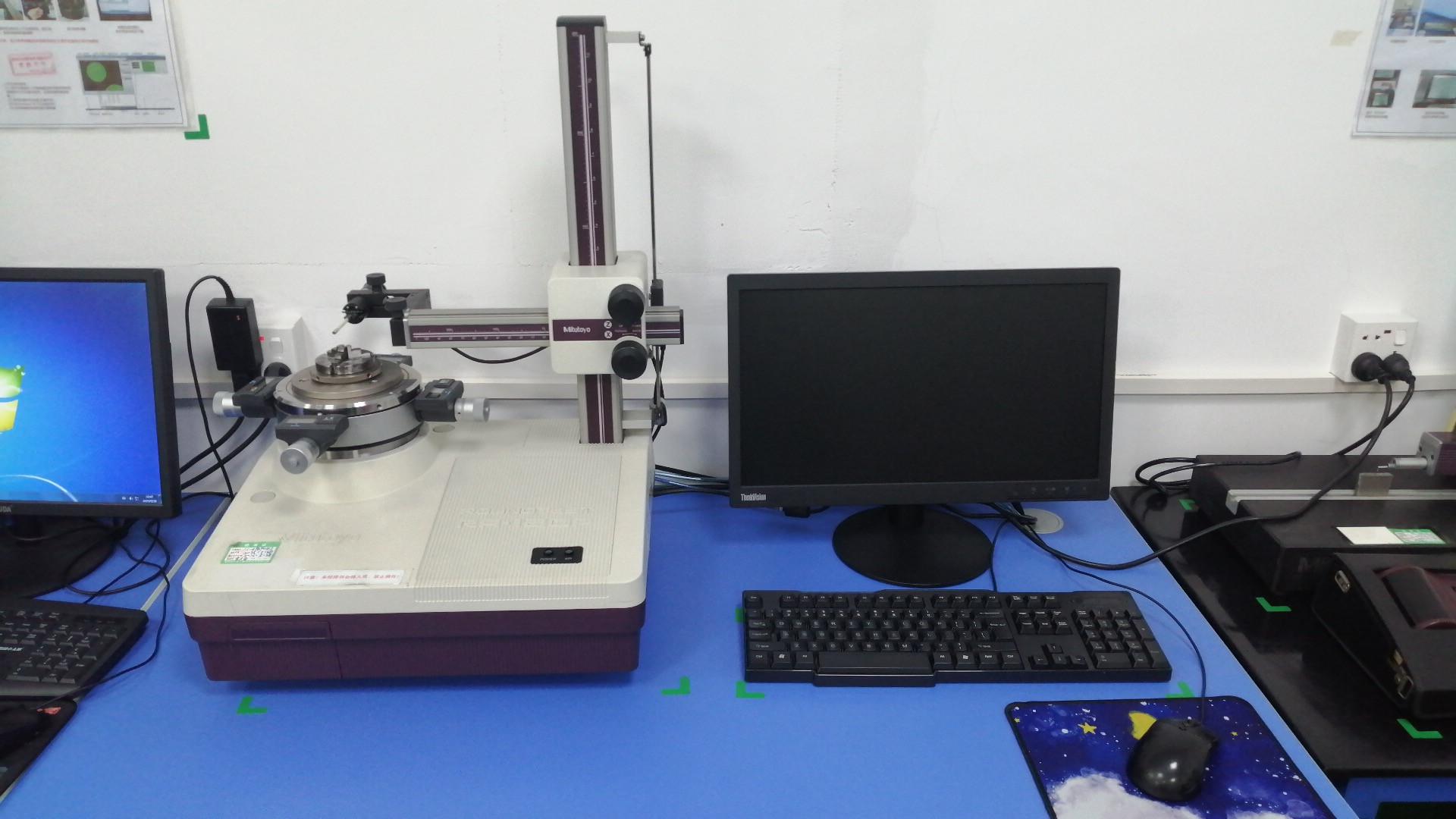
Verifies rotor shaft shape to prevent high-vibration wear on bearing sleeves.
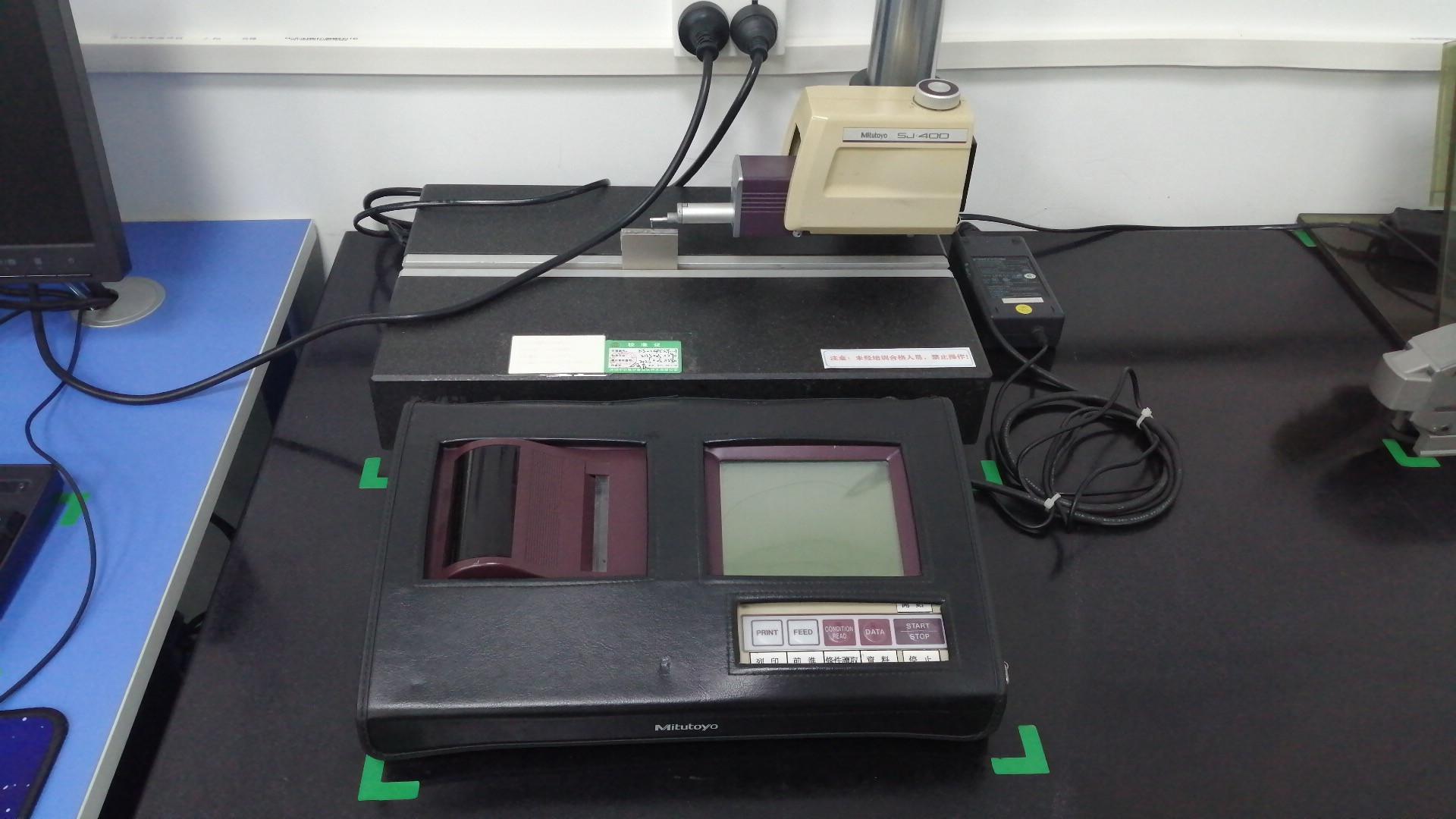
Measures shaft surface texture to ensure smooth mechanical sliding and longer seal life.
Measures dimensions during production runs down to sub-micron accuracy.
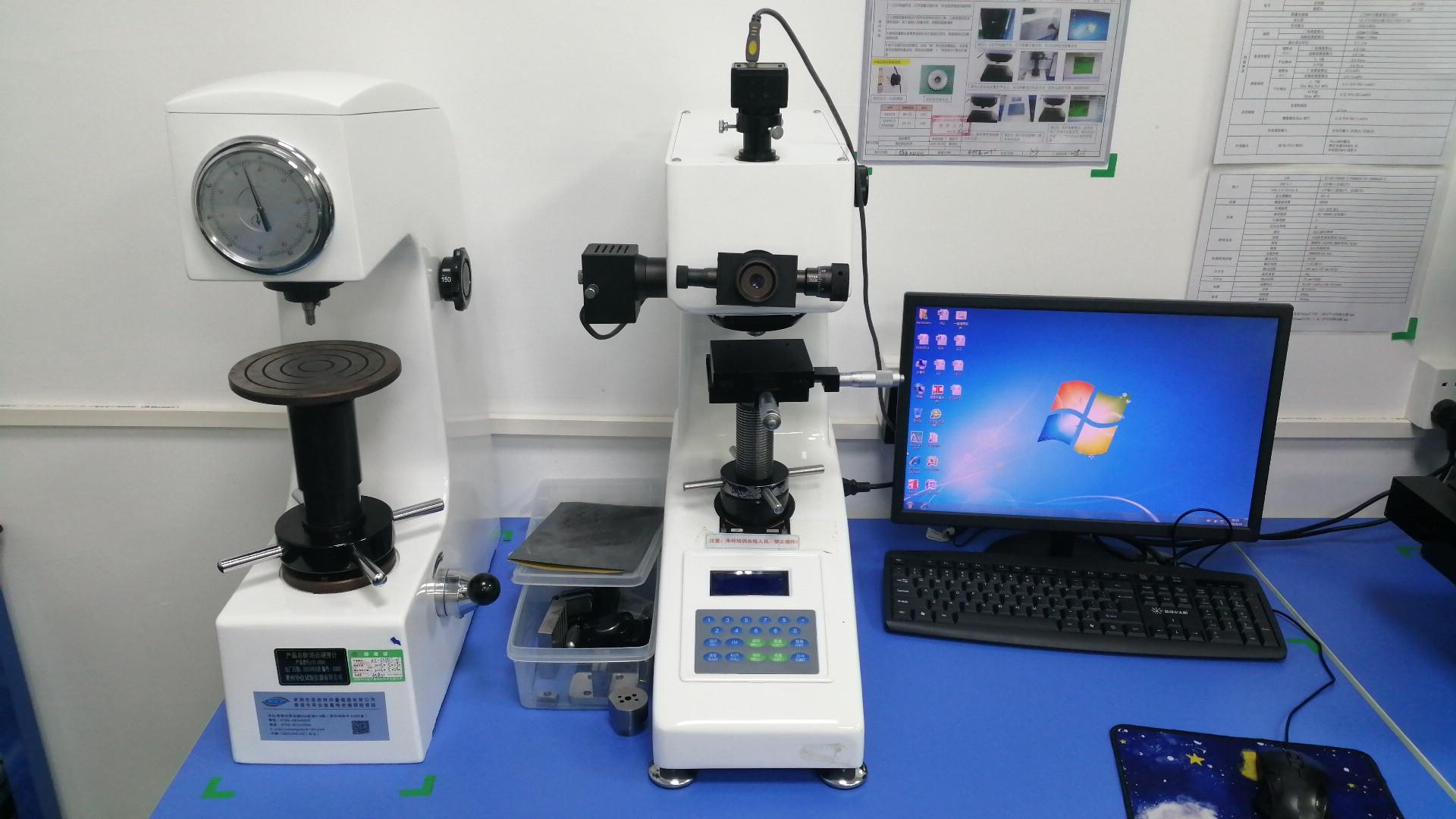
Tests structural steel hardness to confirm components can handle high mechanical loads.
Analyzes motor feedback signals to verify encoder output reliability.
Measures output torque and efficiency profiles across variable motor speeds.
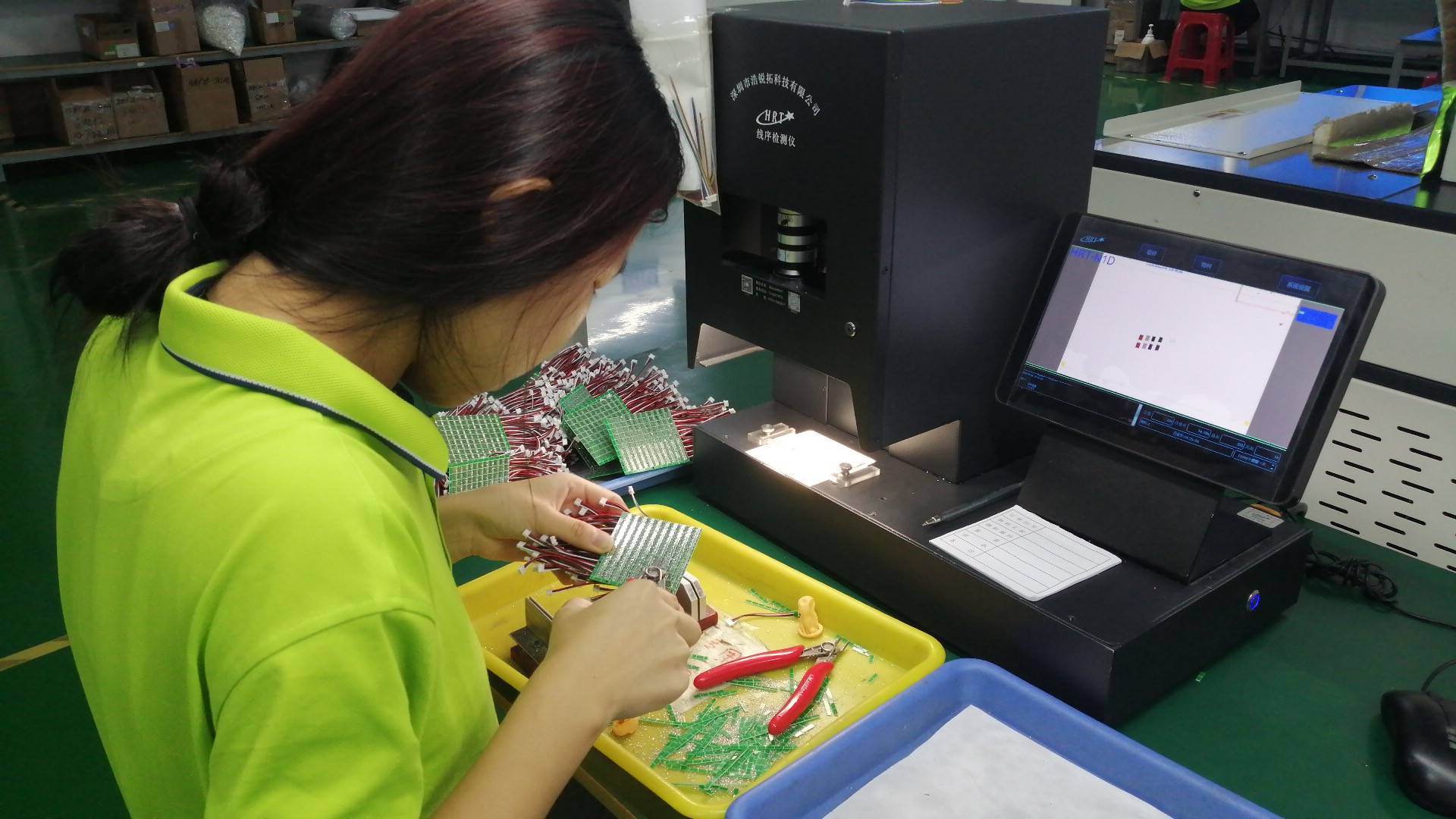
Checks electrical wire sequences to prevent phasing issues during system integration.
Inspects assembly steps using optical scanning to prevent manual assembly errors.
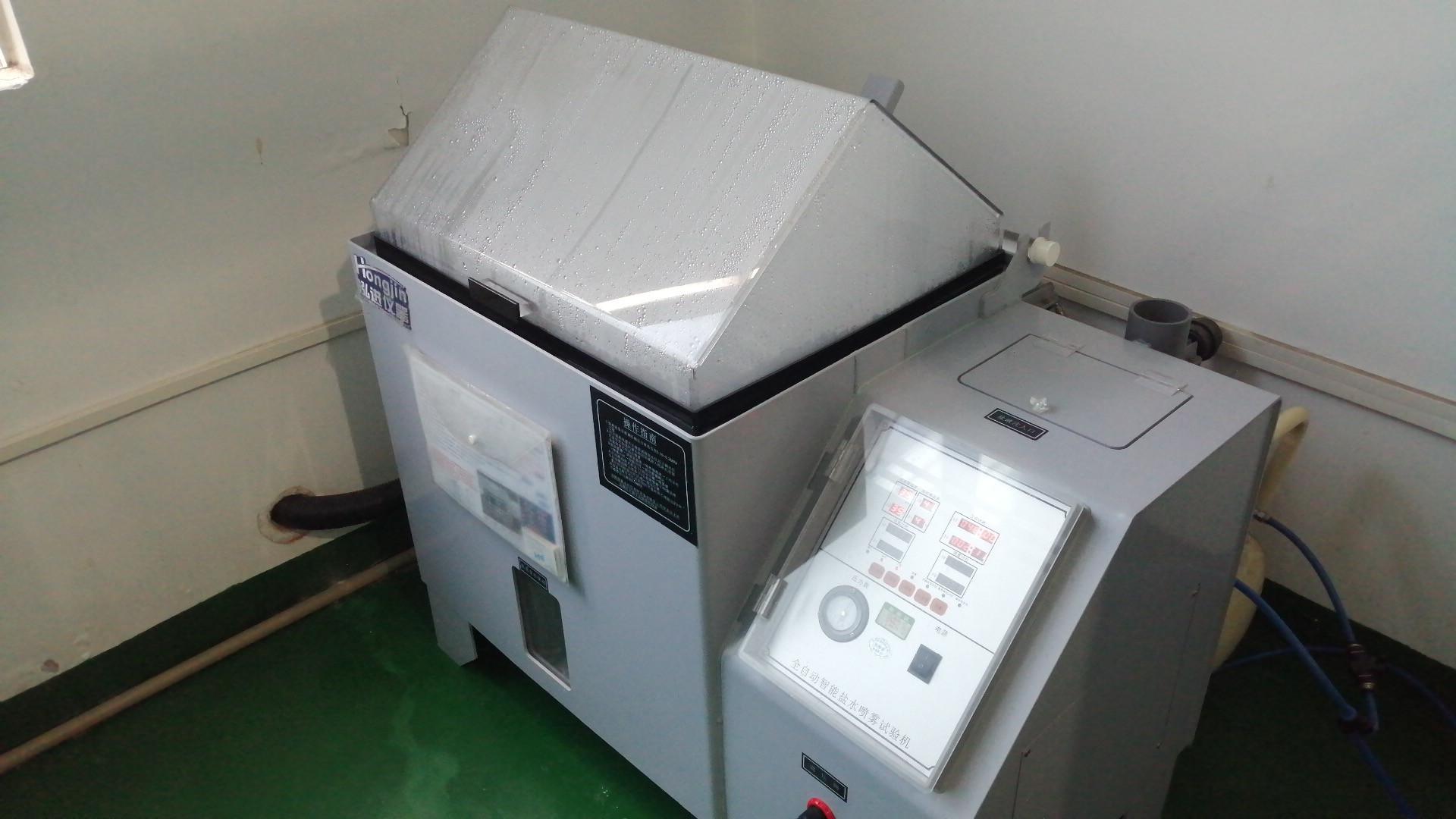
Verifies internal coils remain isolated to prevent short-circuiting during damp conditions.
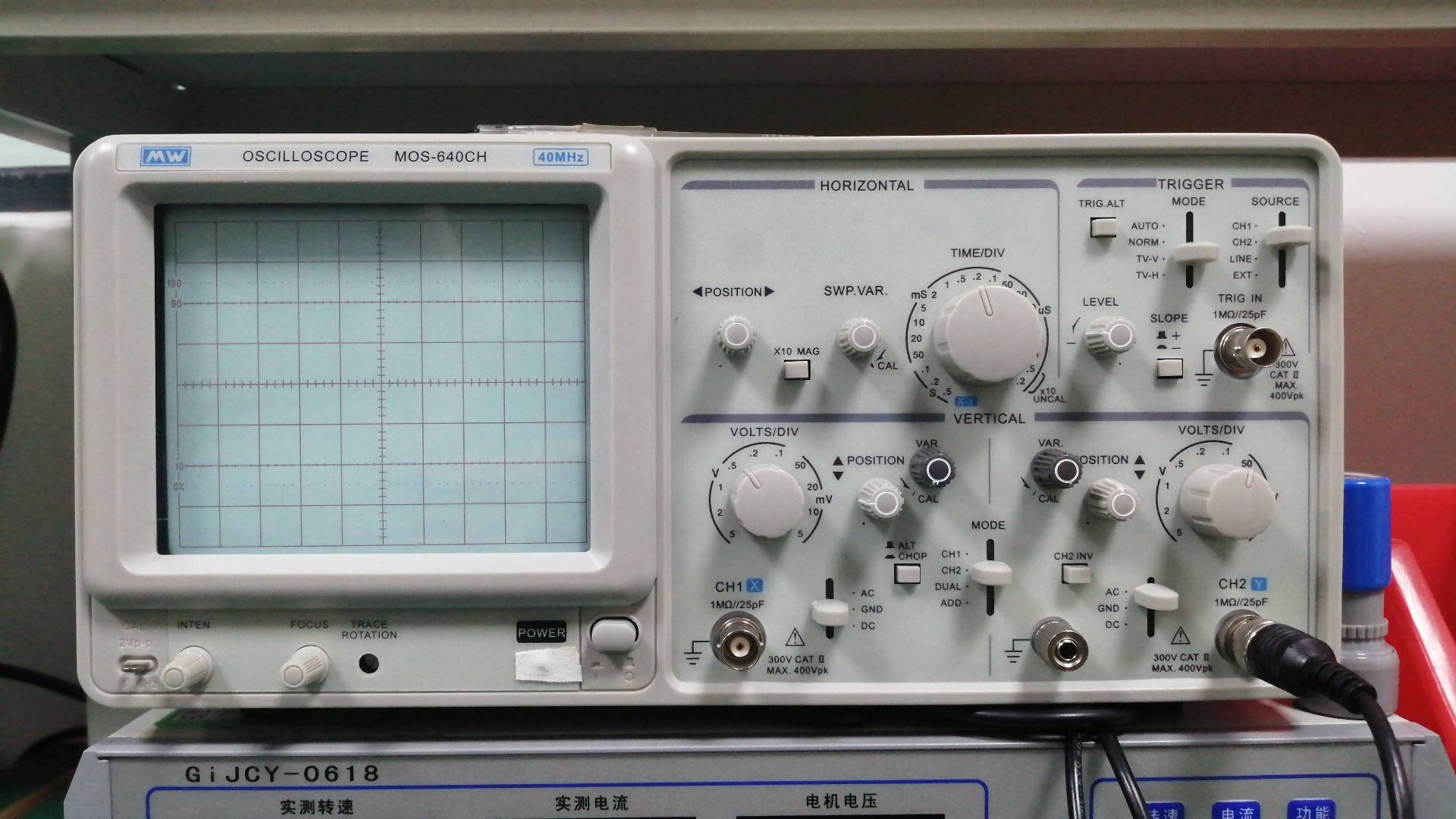
Checks component electrical characteristics before final wiring.
Acoustic tests ensure motor noise levels remain below threshold limits.
Integrating micro-gear drive systems directly into structural solar installation layouts.
Every solar tracker installation has unique mechanical layouts. Brea Tech provides tailored drive options, including customized output shaft lengths, D-cut shapes, helical gearing, and worm-gear reduction mechanisms. These design variants help handle large wind loads without back-driving structural components.
Our integrated BLDC motor drives (including 42mm configurations) feature built-in smart micro-controllers. This simplifies design work, saves cabinet space, improves communication via RS485/CAN bus lines, and protects the system from over-current and thermal damage.
Brea Tech's engineering department focuses on resolving key structural weak points common in solar installations. Typical failures stem from dust ingress blocking planetary gear assemblies and moisture condensation damaging motor windings. Our design approach addresses these problems directly: we utilize dual-lip oil seals, high-stability synthetic lubricants designed for -40°C to +85°C environments, and nitrogen-purged enclosures when necessary. These material and structural engineering choices keep tracker systems running reliably in desert regions, coastal environments, and agricultural areas.
Technical answers regarding mechanical parameters, customized choices, and manufacturing capacities.
Browse our advanced linear actuators and compact micro-geared systems designed for precision control.
 Brea Tech Micro Motor