Explore our high-density gearboxes, linear stages, and low-backlash motors custom-tailored for robotic end-effectors.
Modern robotics demands an unprecedented combination of torque density, angular precision, thermal resilience, and footprint minimization. At the center of every highly articulate articulated arm, multi-axis cobot, surgical tool end-effector, or linear laboratory automation axis lies the electric joint motor. Achieving zero-backlash, ultra-smooth motion profiles is no longer an option but a structural imperative.
As a forward-thinking Chinese manufacturer redefining precision motion control in the micro-drive industry, Brea Tech Micro Motor designs and builds high-efficiency micro DC and BLDC motors that power next-generation technologies worldwide. Driven by our core philosophy—Top Quality & Customization—we combine advanced manufacturing tech with flexible engineering to provide global B2B clients with the transparency of a local partner and the cost benefits of a premier Chinese factory.
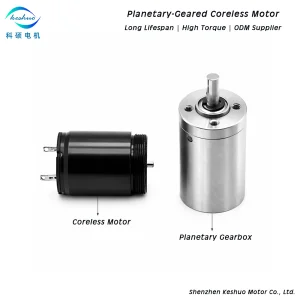
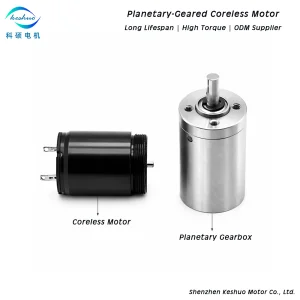
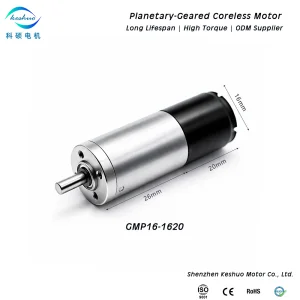
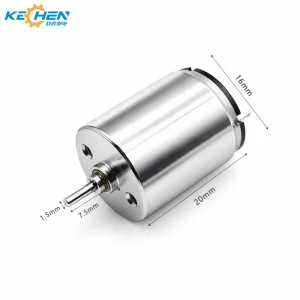
By eliminating the iron core stator, our coreless motors entirely eradicate cogging torque (detent torque). This yields an exceptionally smooth rotor rotation even at low RPMs, vital for surgical robots and precise optoelectronic tracking.
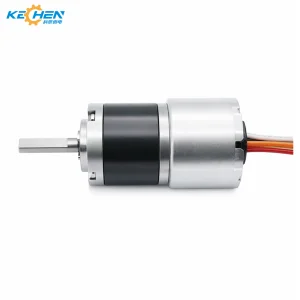
Engineered for high reduction ratios in ultra-compact form factors. The planetary systems distribute physical torque loads across multiple planet gears, drastically reducing micro-backlash and optimizing mechanical longevity.
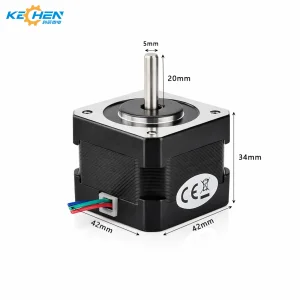
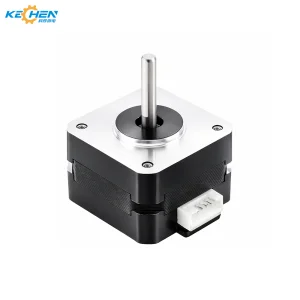
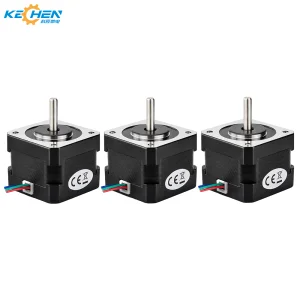
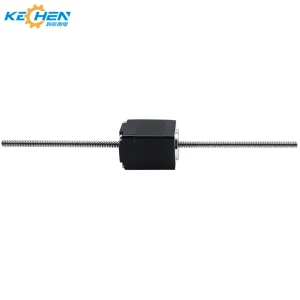
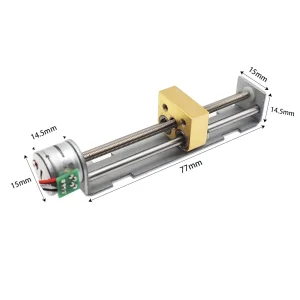
Utilizing high-purity rare-earth NdFeB permanent magnets, our hybrid stepper motors deliver high holding torque at low speeds, establishing reliable holding dynamics without relying on brake actuators.
Why global OEMs source high-precision custom robotic motors from Brea Tech’s vertically integrated facilities in China.
Historically, high-precision miniature motors were dominated by European or Japanese manufacturers. However, over the past decade, a major macro-economic shift has occurred. Chinese motor manufacturing clusters—such as the Guangdong industrial corridor—have evolved from simple assembly factories to state-of-the-art R&D centers.
Robotic arm motors require high-coercivity magnets (such as Neodymium Iron Boron, or NdFeB) to achieve high torque-to-weight ratios. China controls over 85% of the global rare-earth element processing value chain. At Brea Tech, this localized supply chain ensures we source Grade N52 NdFeB magnets directly from primary processing facilities. This provides a direct structural cost benefit and insulation from global supply fluctuations.
Western product design processes often suffer from long procurement and prototyping delays. Brea Tech bridges this gap by housing design, tooling, CNC machining, automated winding, and laboratory testing within a single ecosystem. This allows us to modify shaft profiles, customize lead-screws (such as M3, M4, or specialized ball screws), and adjust planetary gear ratios within 15 days of design sign-off.
To match or exceed Western performance metrics, we invest heavily in automatic winding, automatic pressure bearing, and laser spot-welding equipment. By minimizing manual handling, we drastically reduce structural concentricity errors, ensuring the rotor runs perfectly inline with the planetary gearhead.
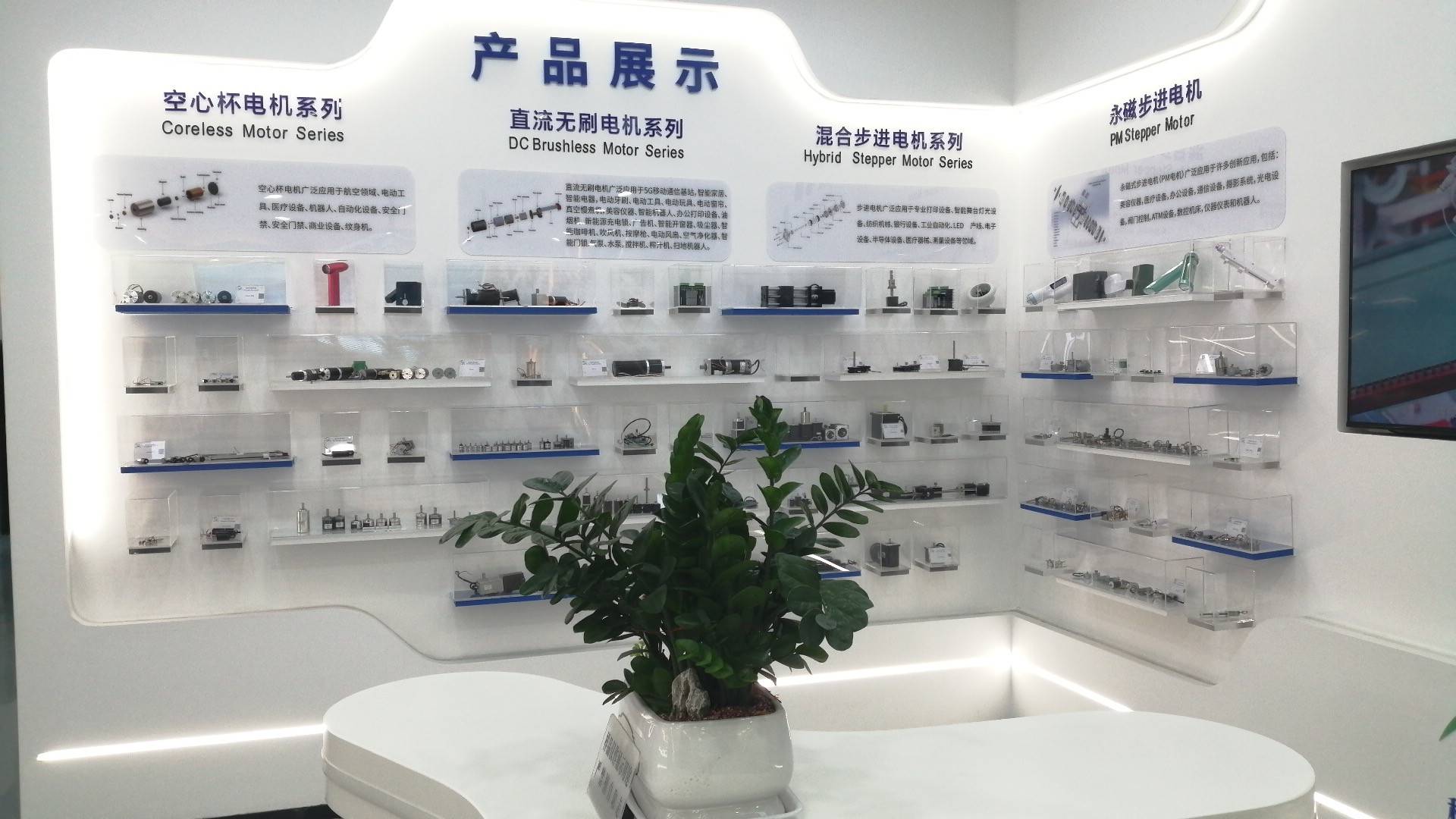
Brea Tech's Advanced Production Headquarters: Merging local agility with global engineering standards.
Transparent visualization of our step-by-step manufacturing and precision-testing procedures.
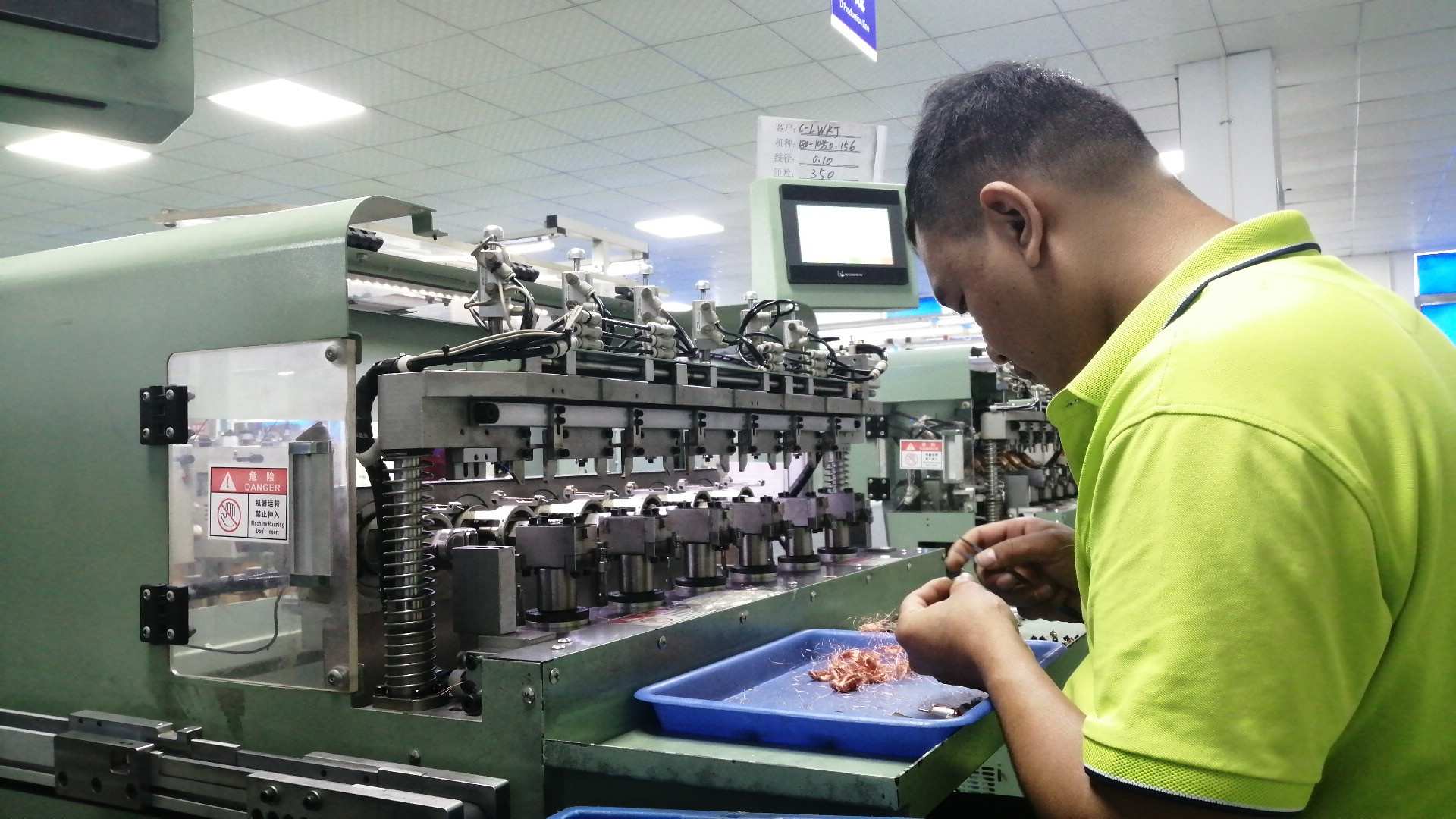 Winding
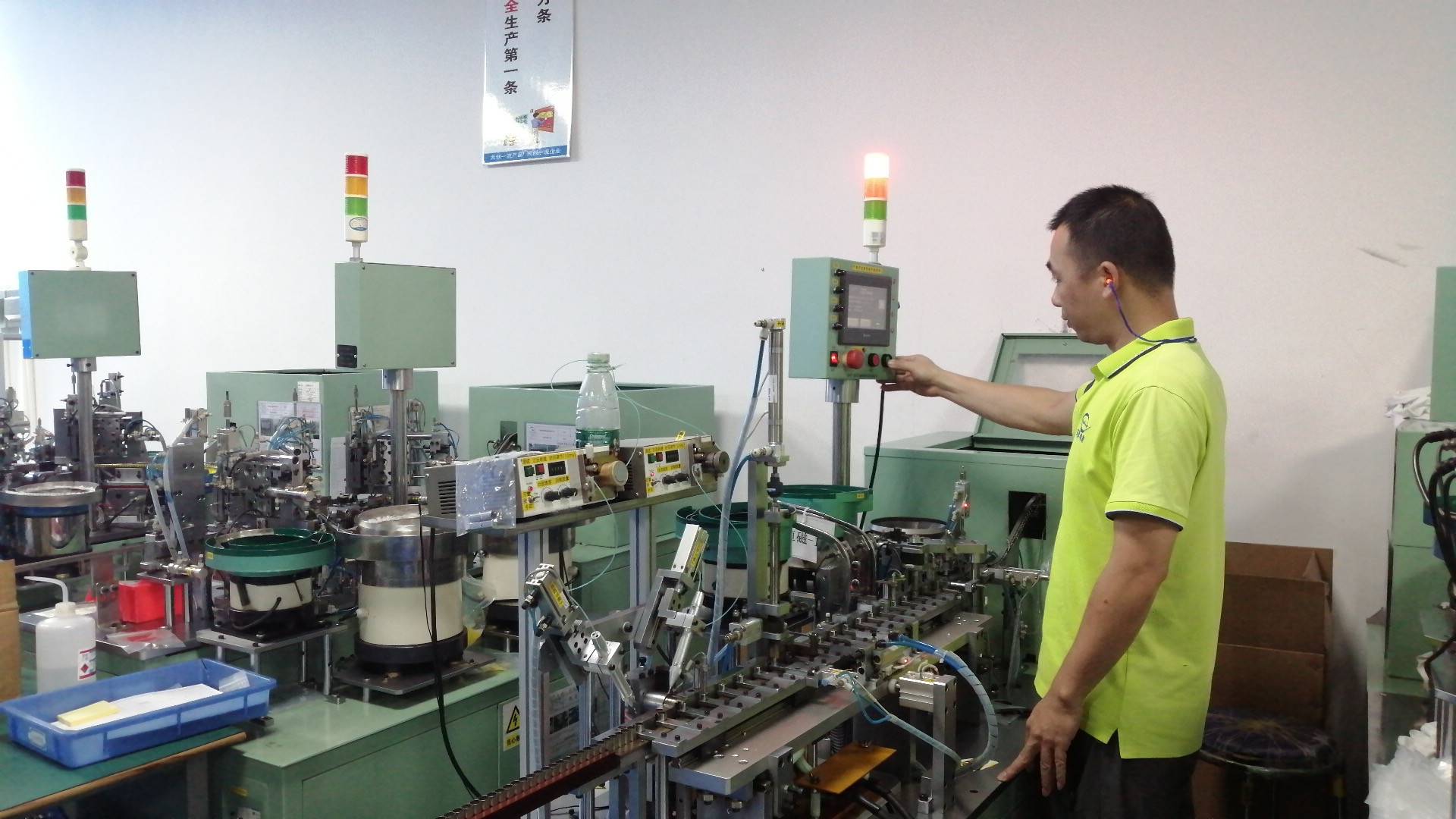 Magnet Assembling
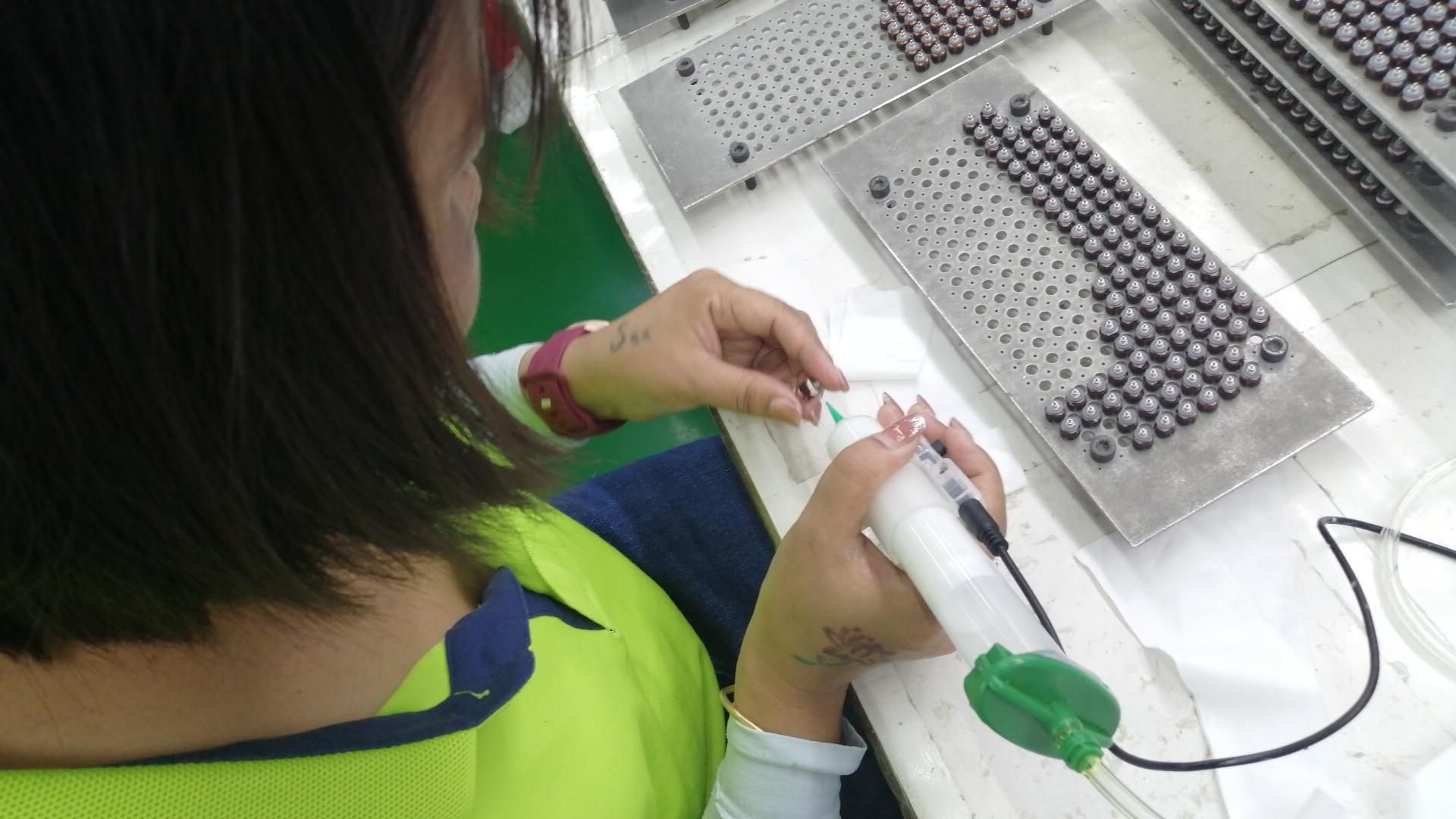 Gluing
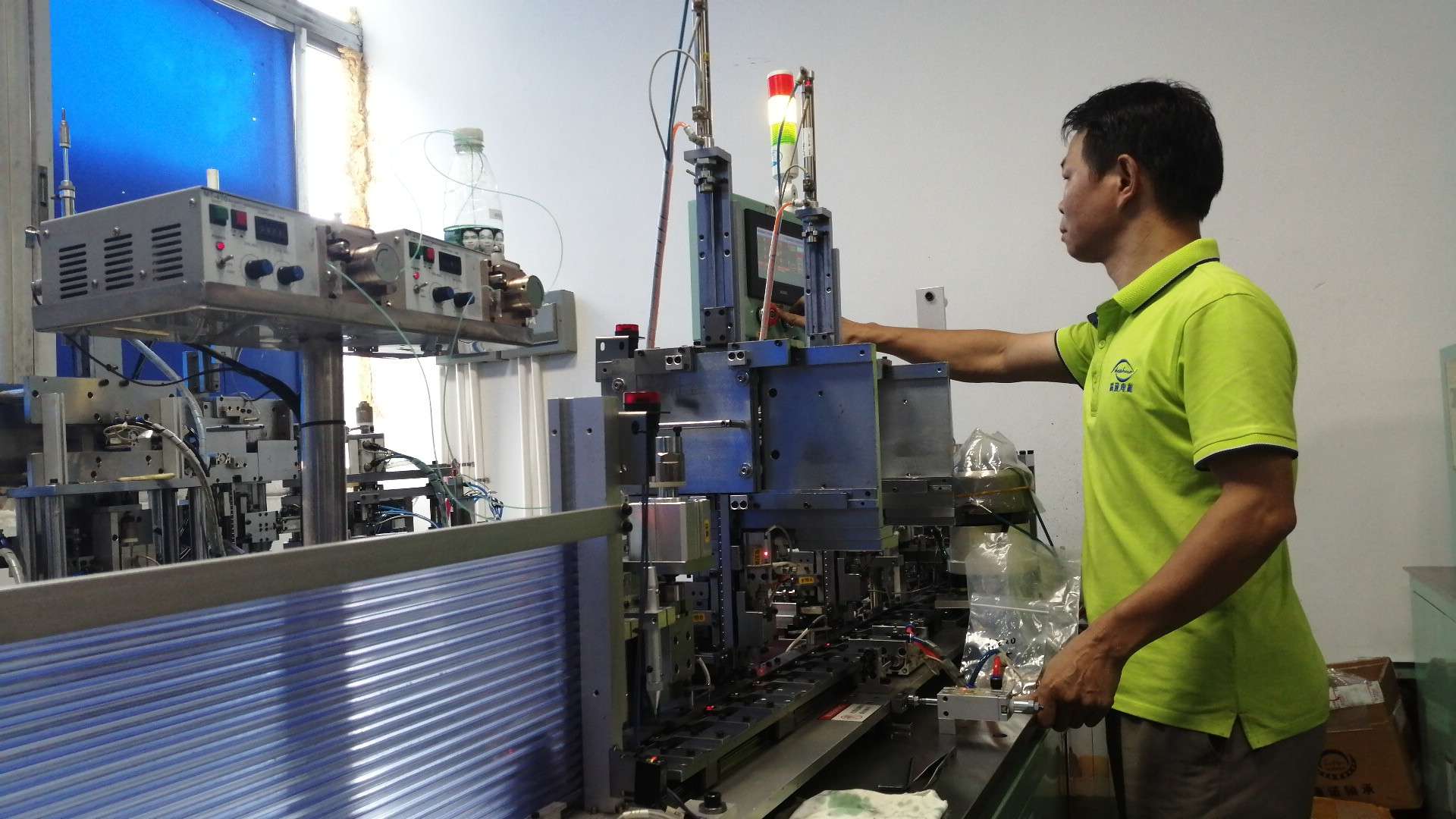 End-cap Assembling
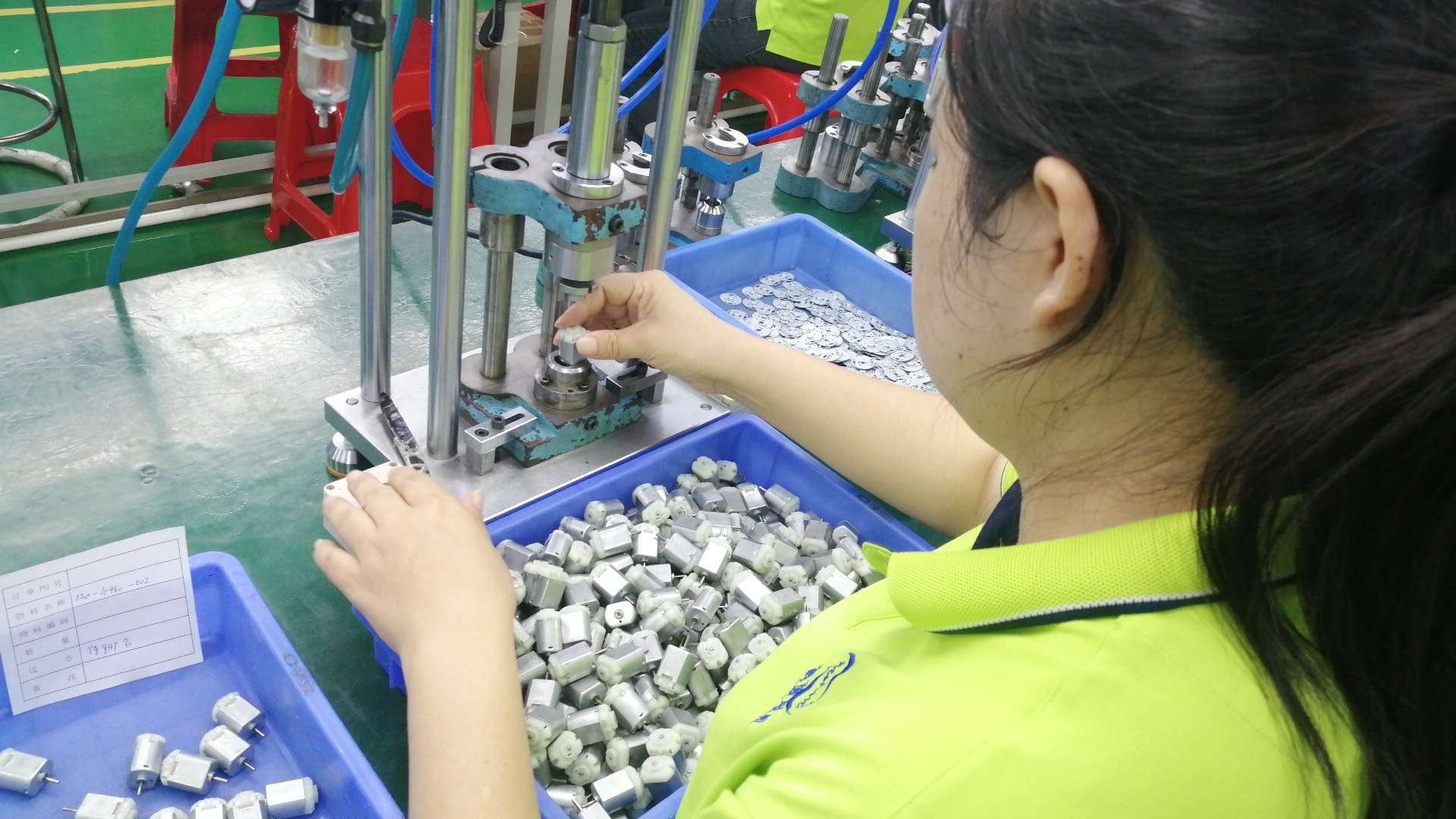 Magnetic Axis Assembling
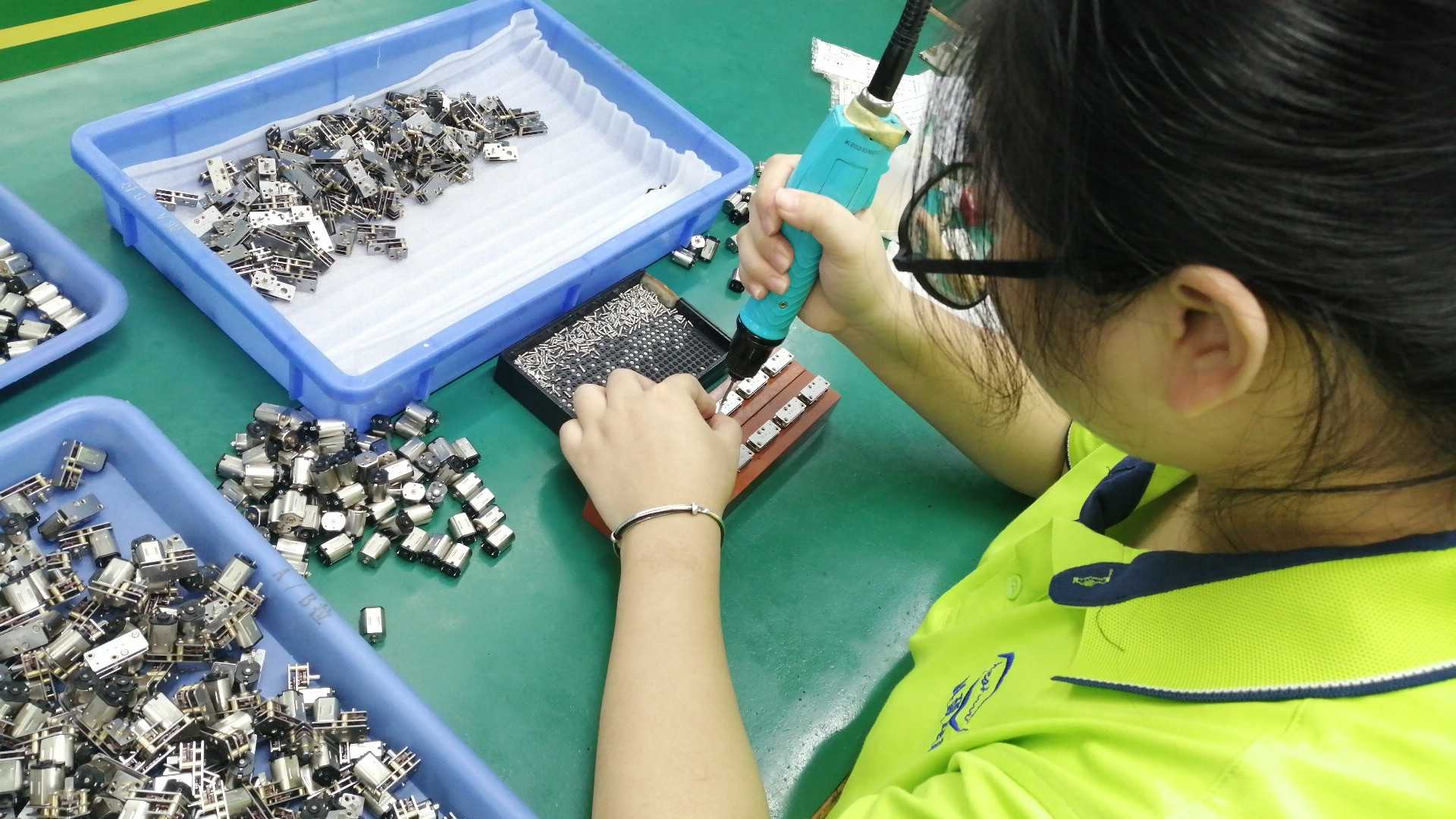 Screwing
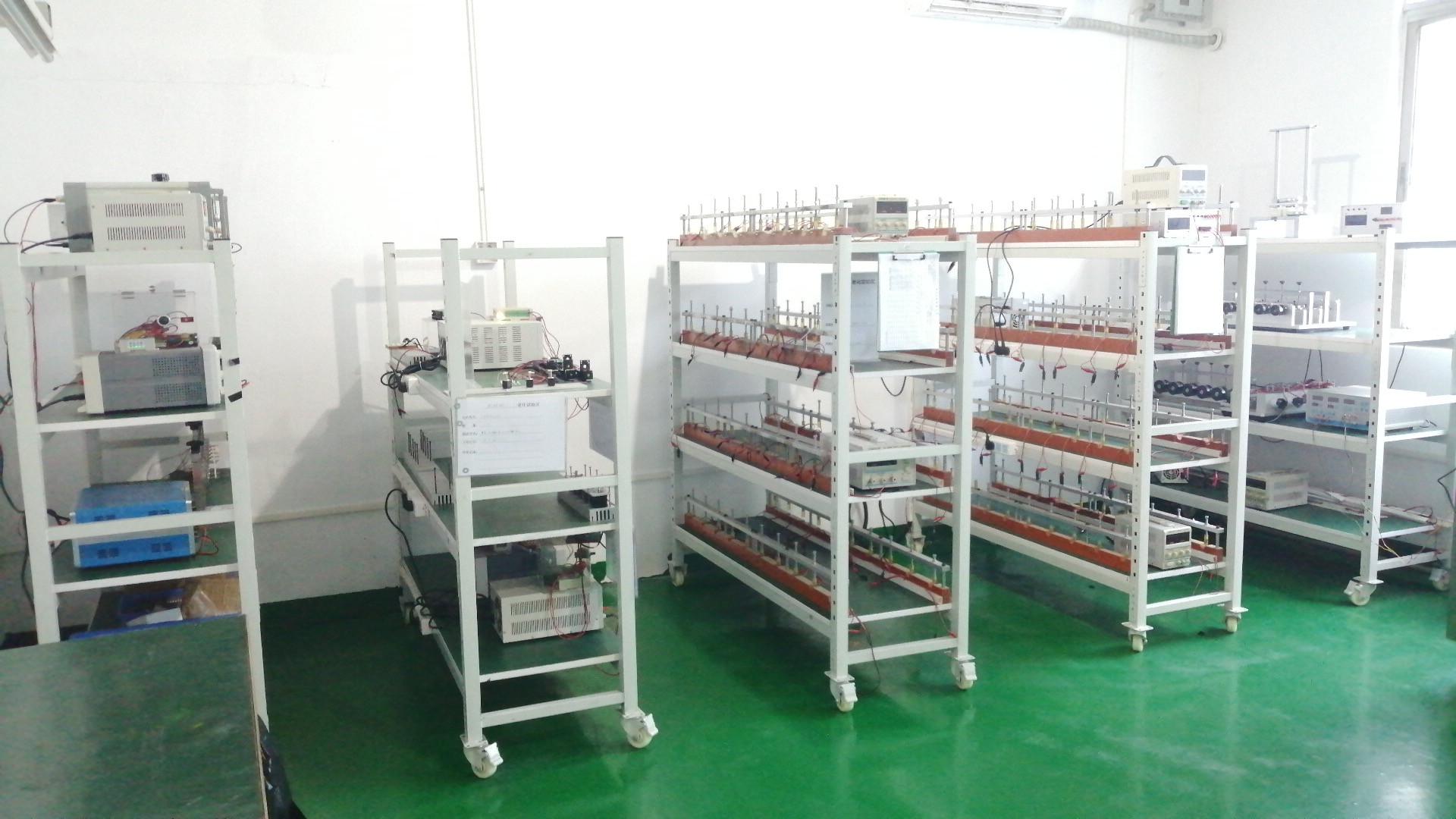 Aging
Aging
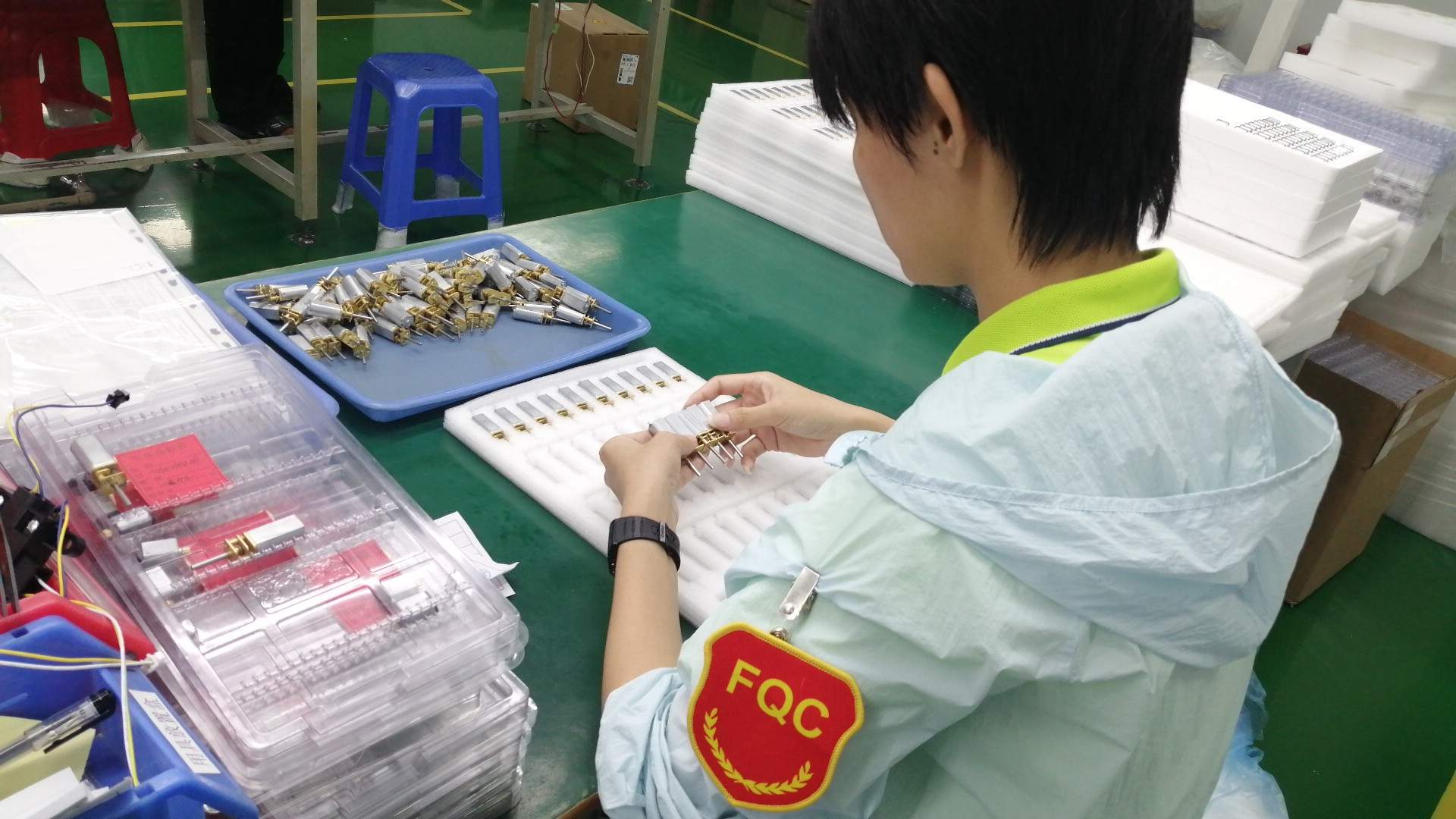 Inspection
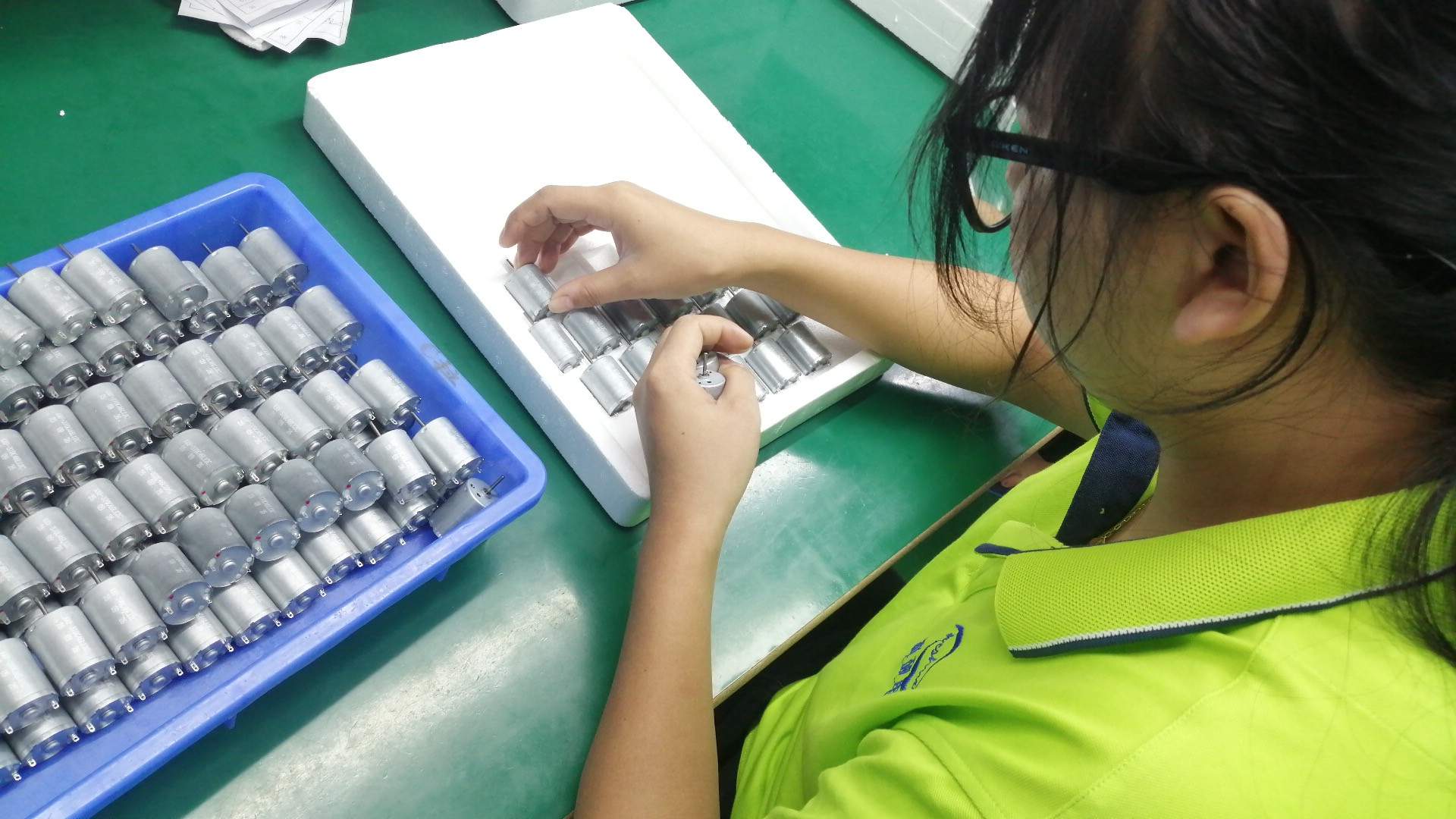 Packing
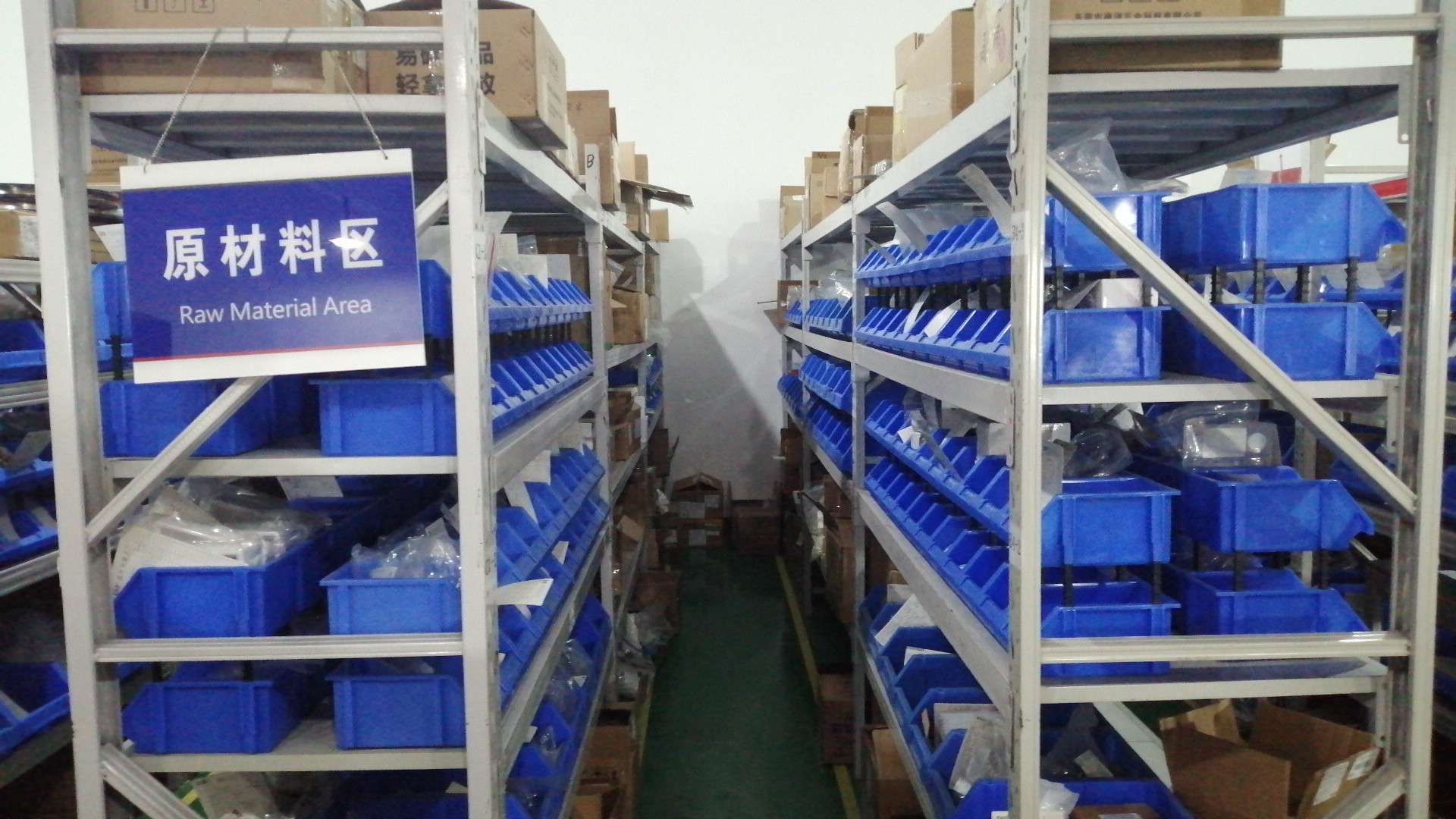 Raw Materials
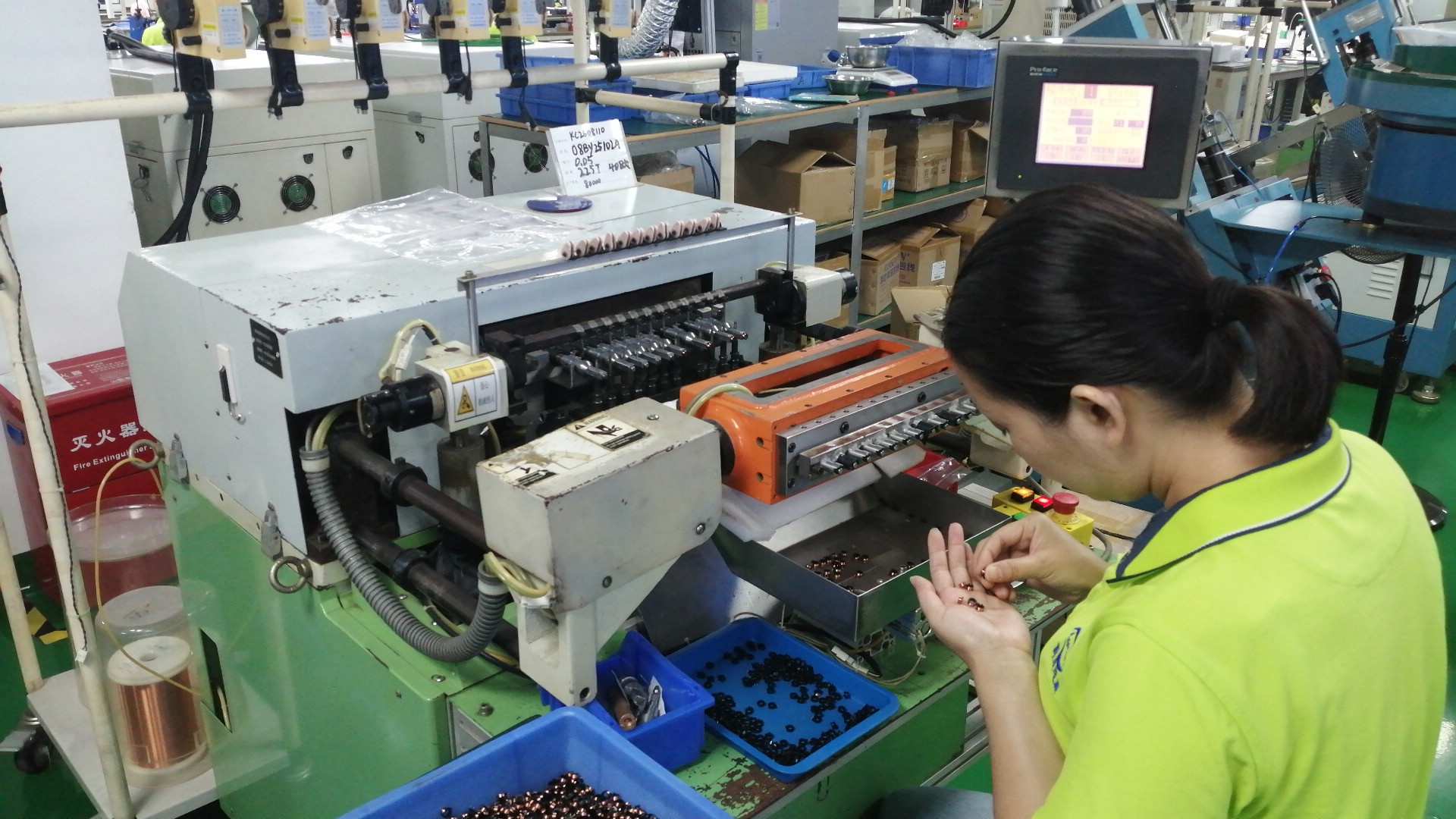 Coil Winding
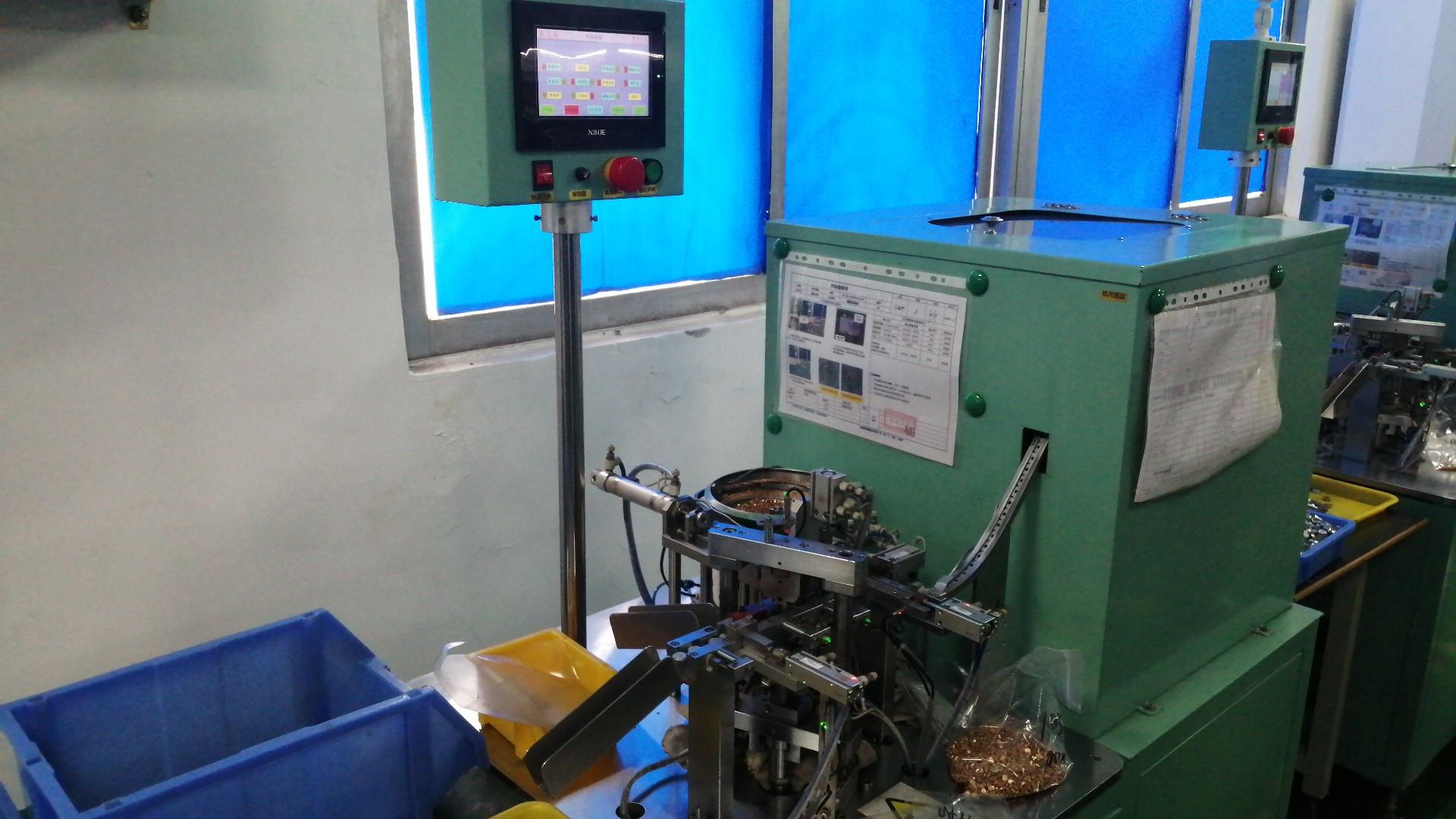 Automatic Pressure Bearing
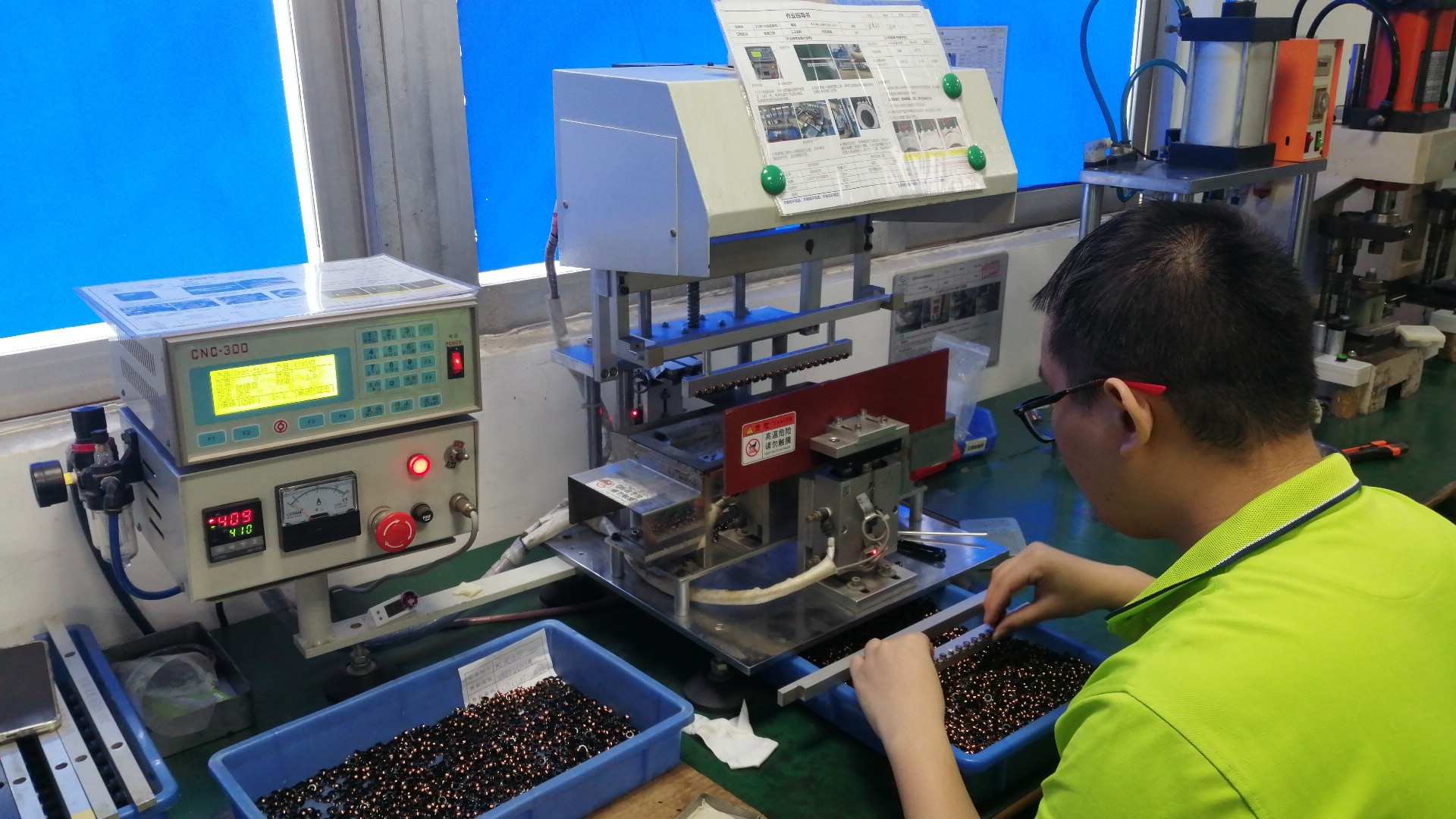 Automatic Soldering
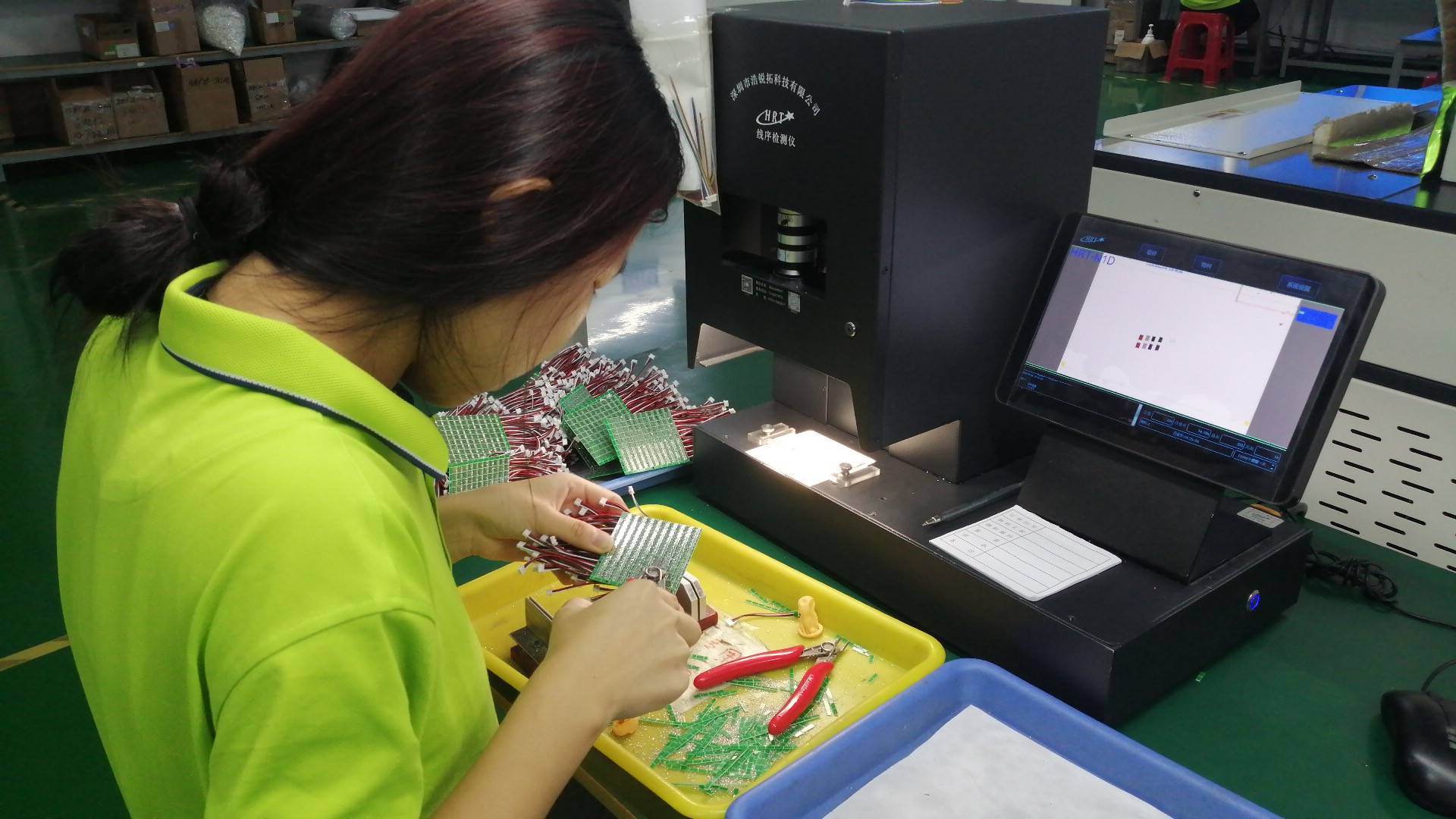 Cutting
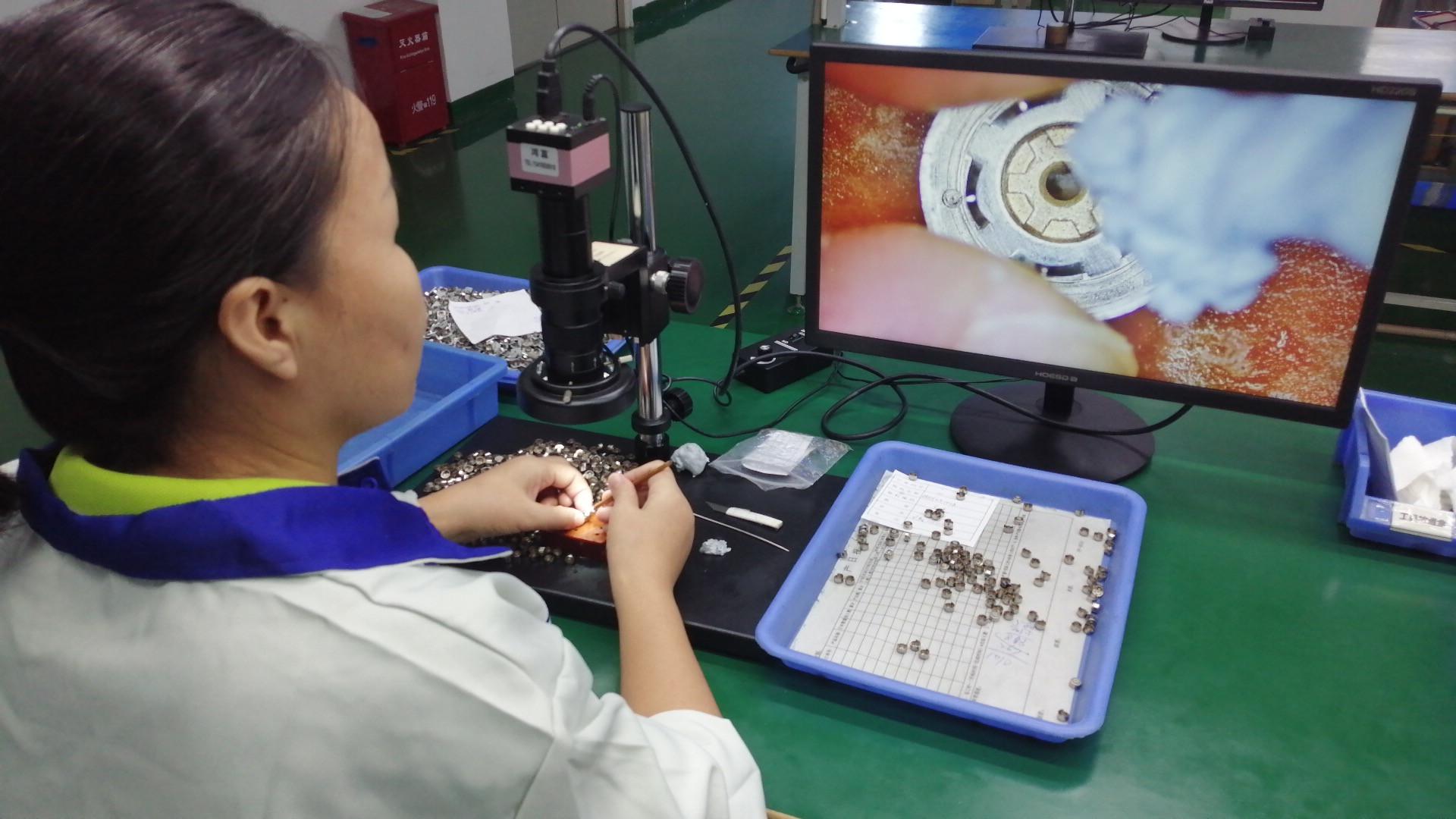 Cleaning
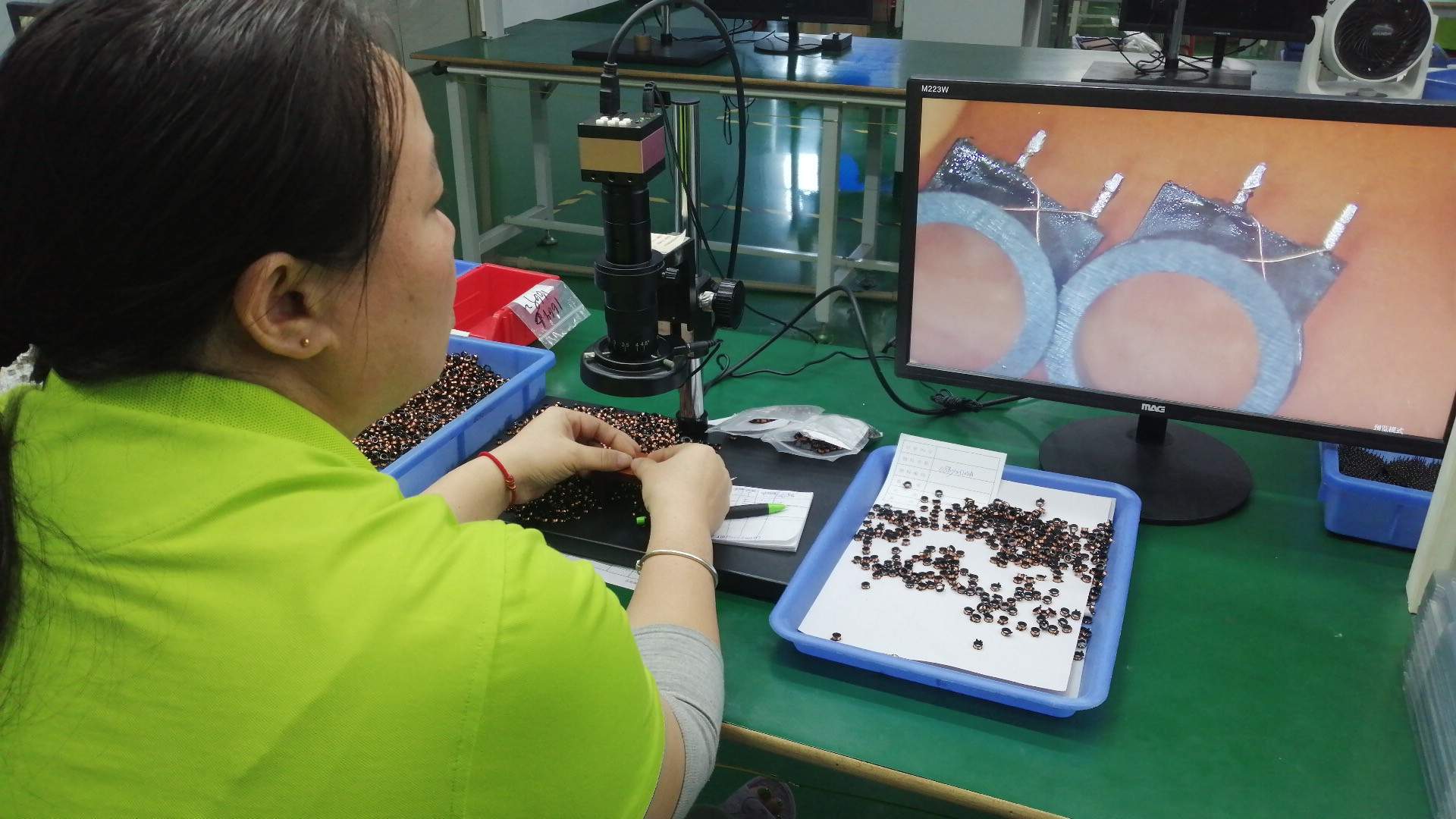 Inspection 1
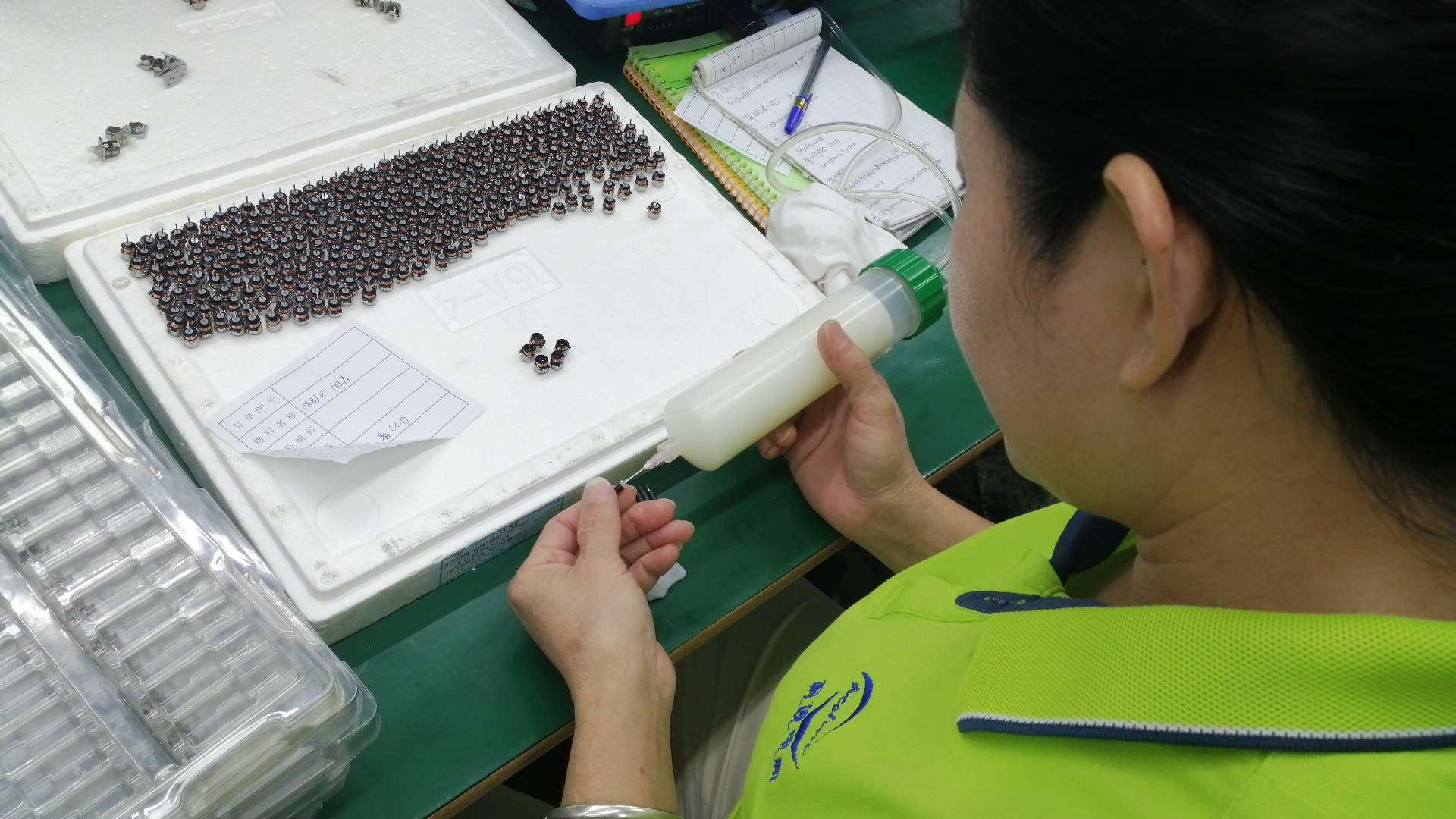 Gluing
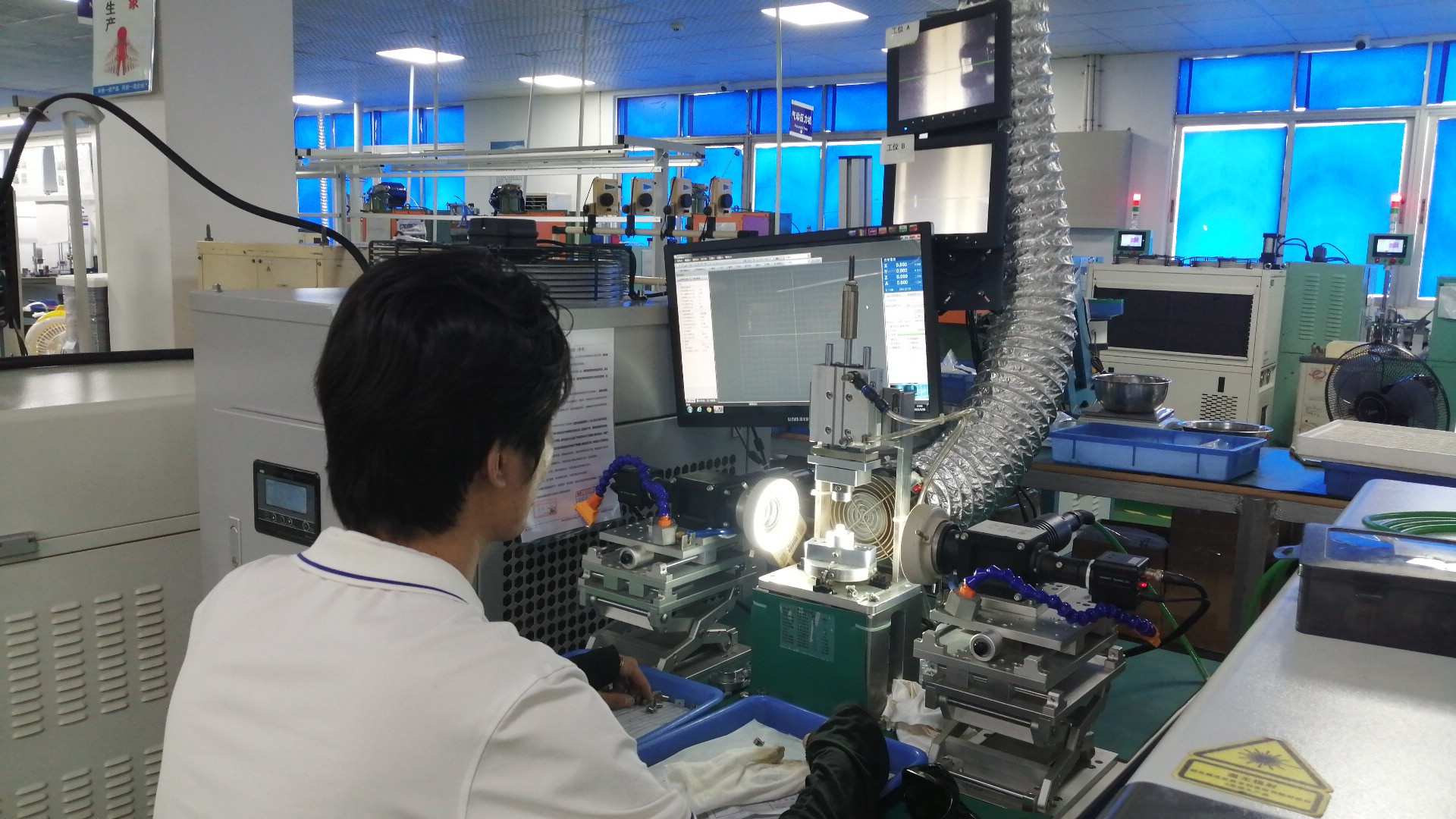 Laser Spotwelder
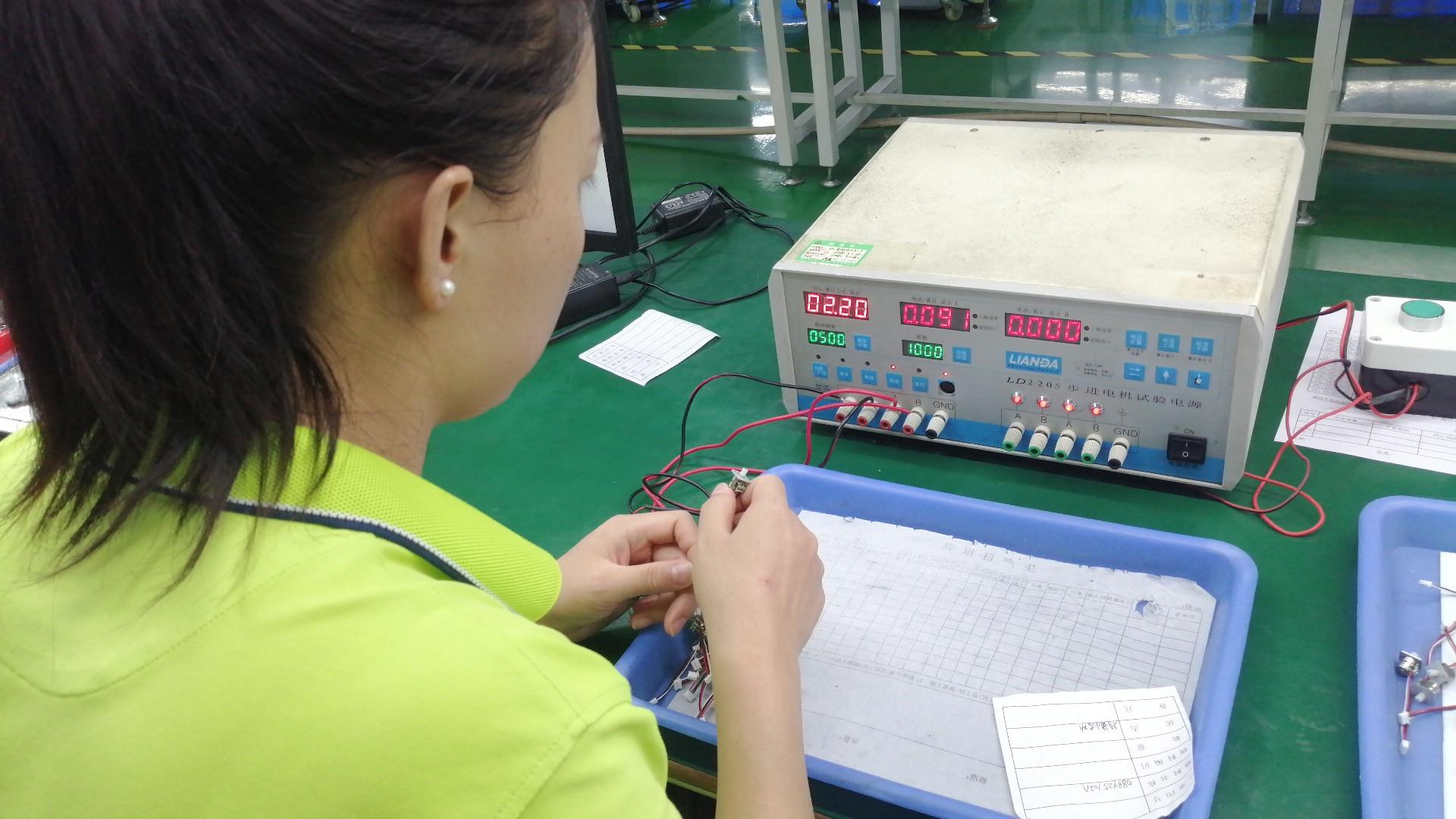 Inspection 2
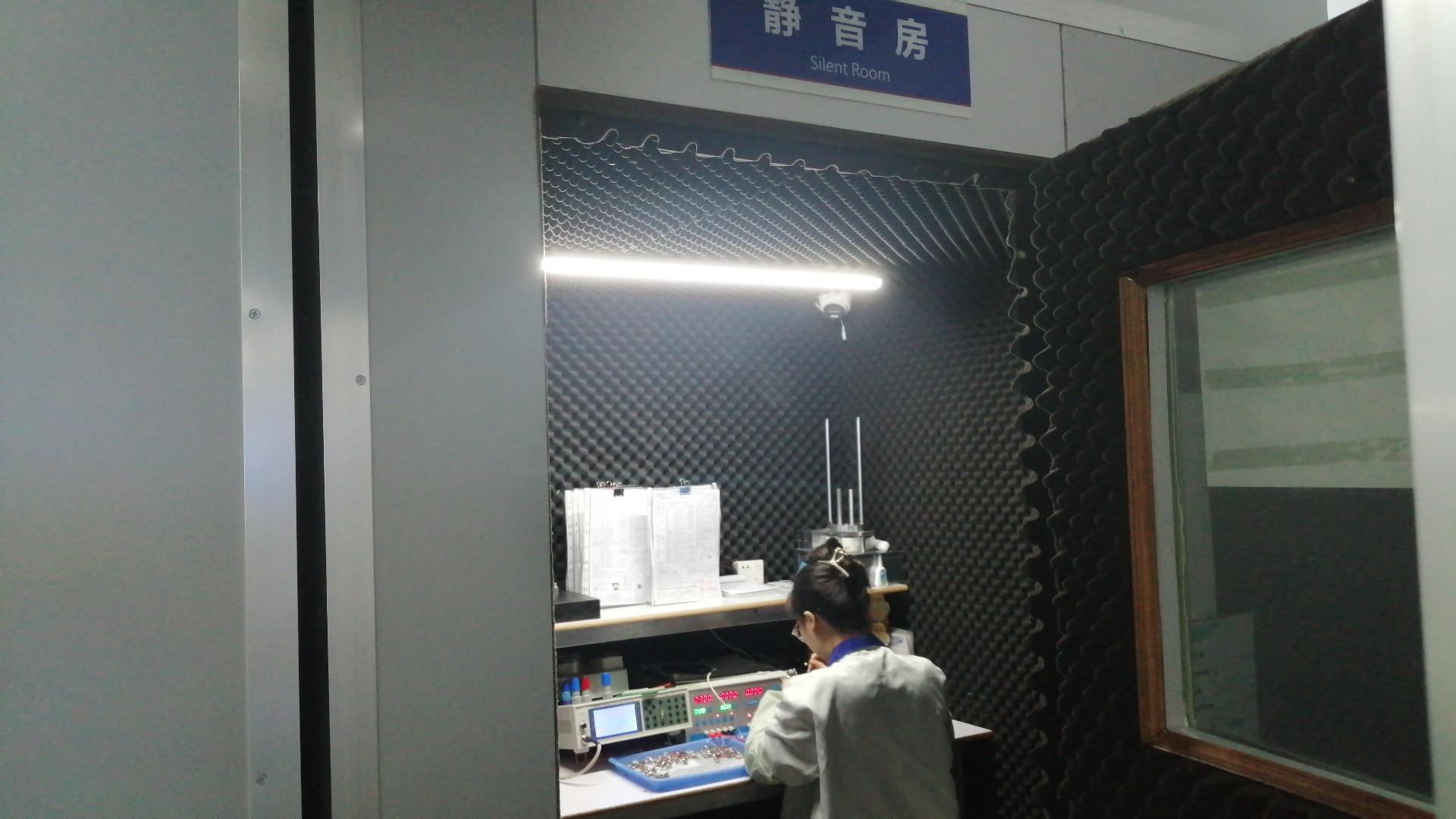 Silent Testing
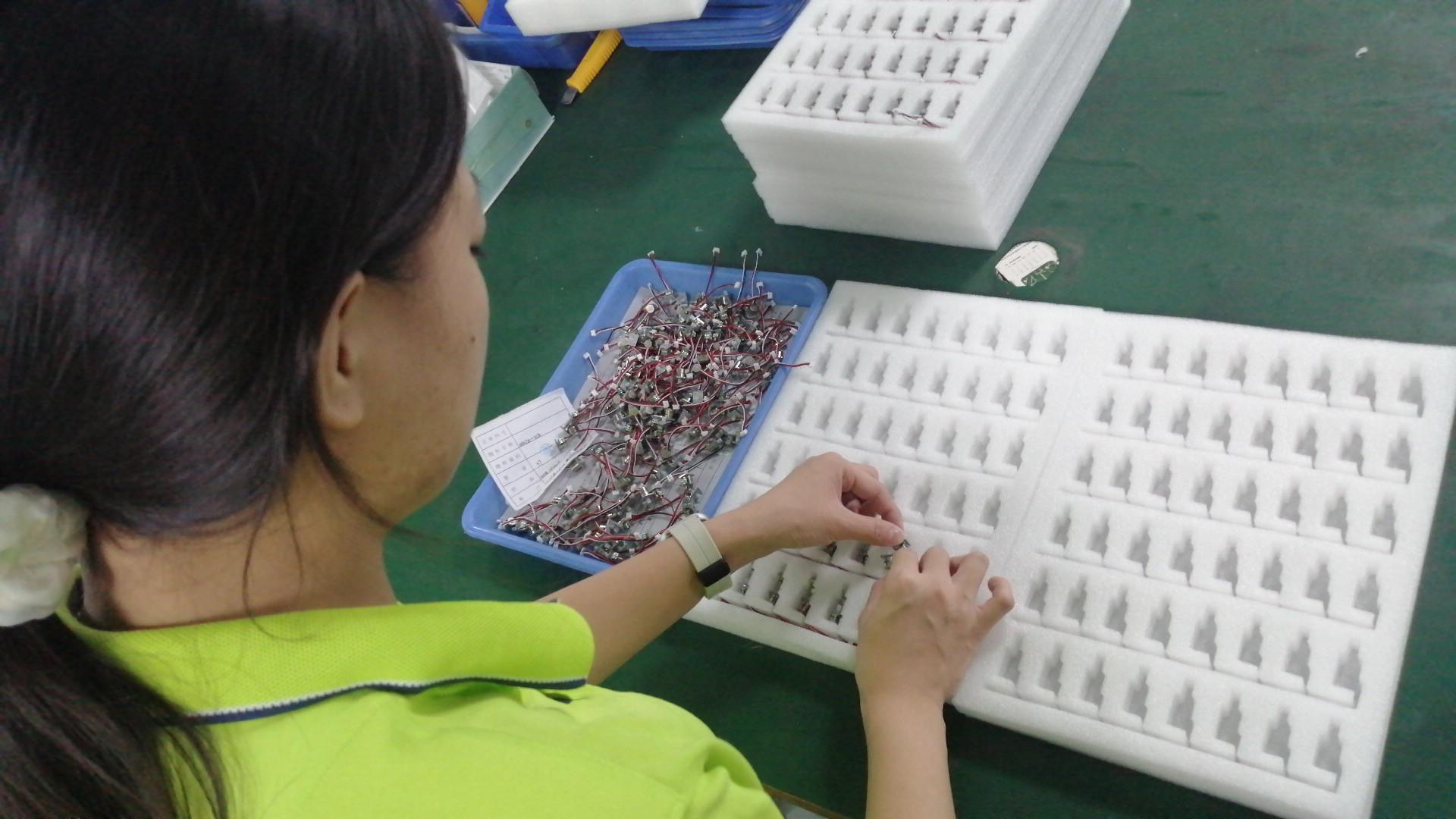 Packing
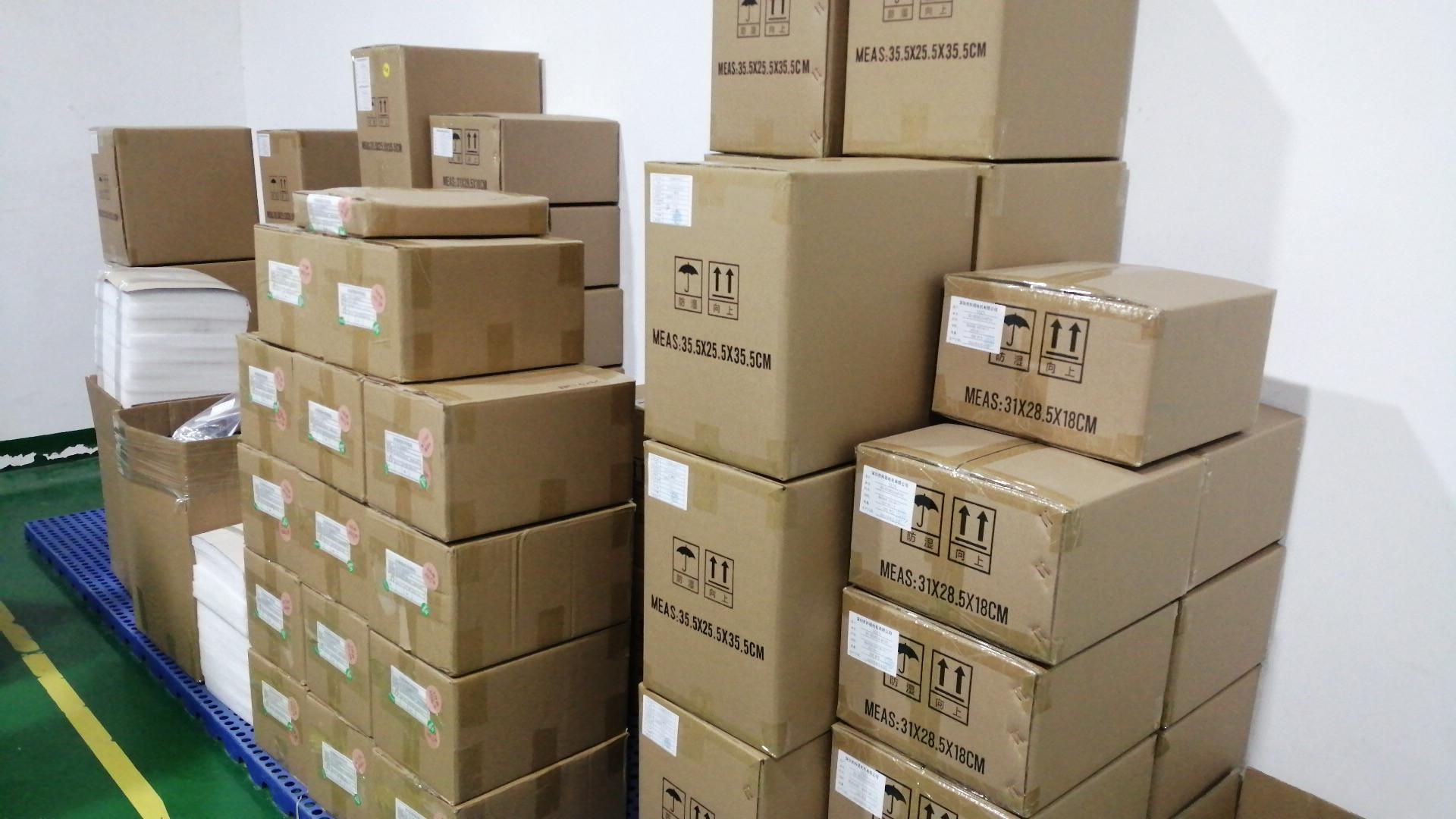 Finished Goods
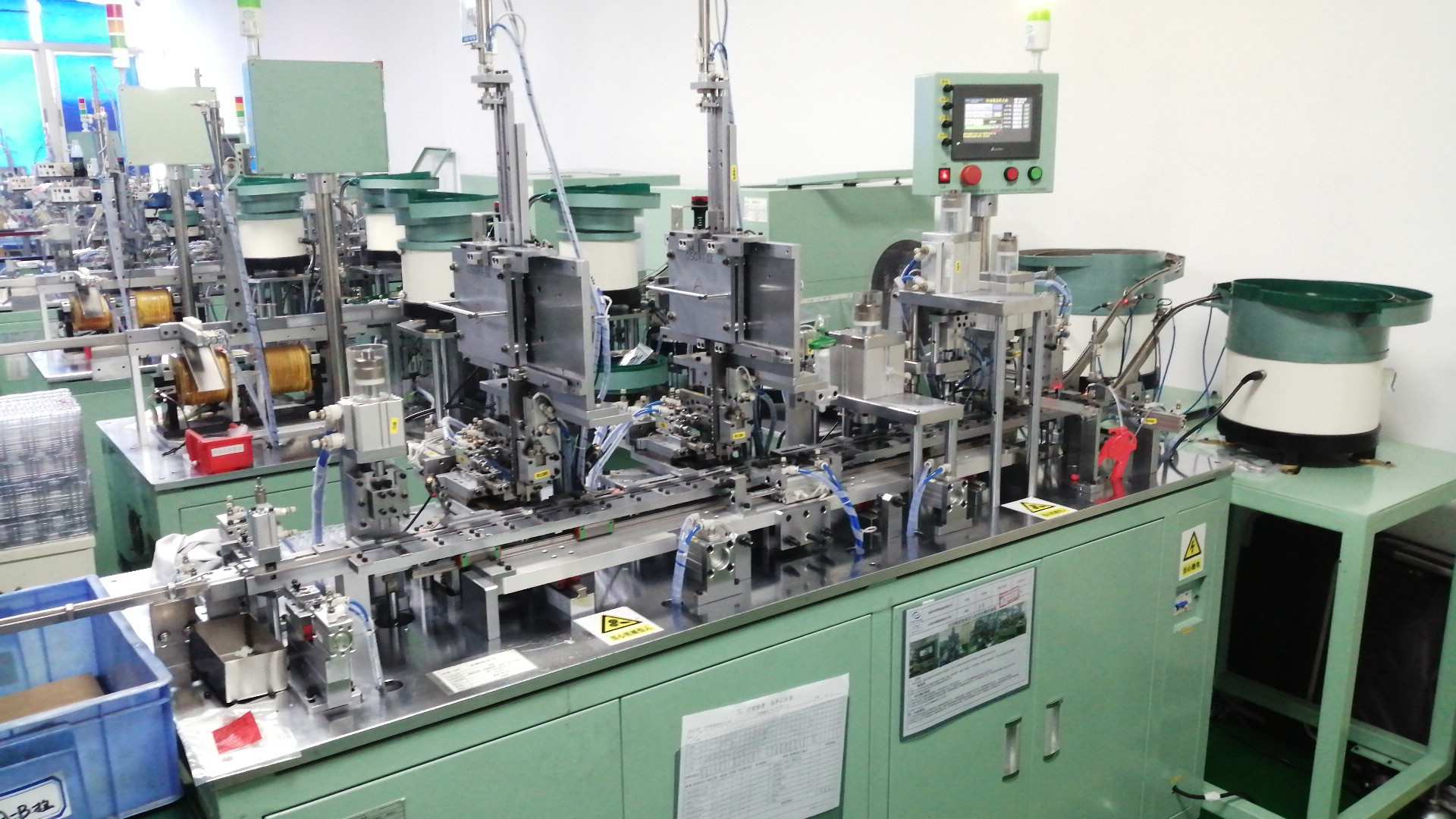 Automatic Assembly Machine
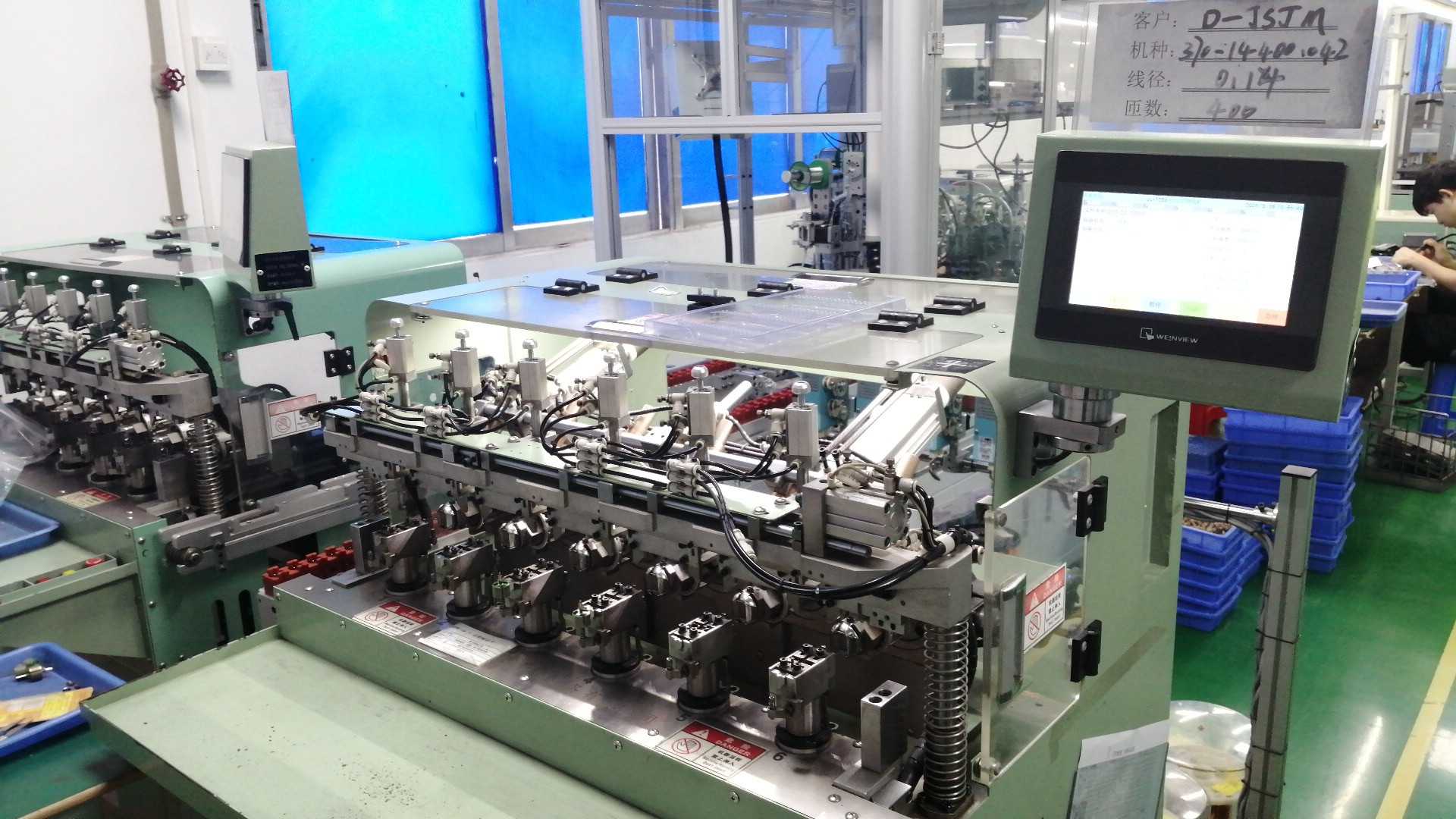 Automatic Coil Winding Machine
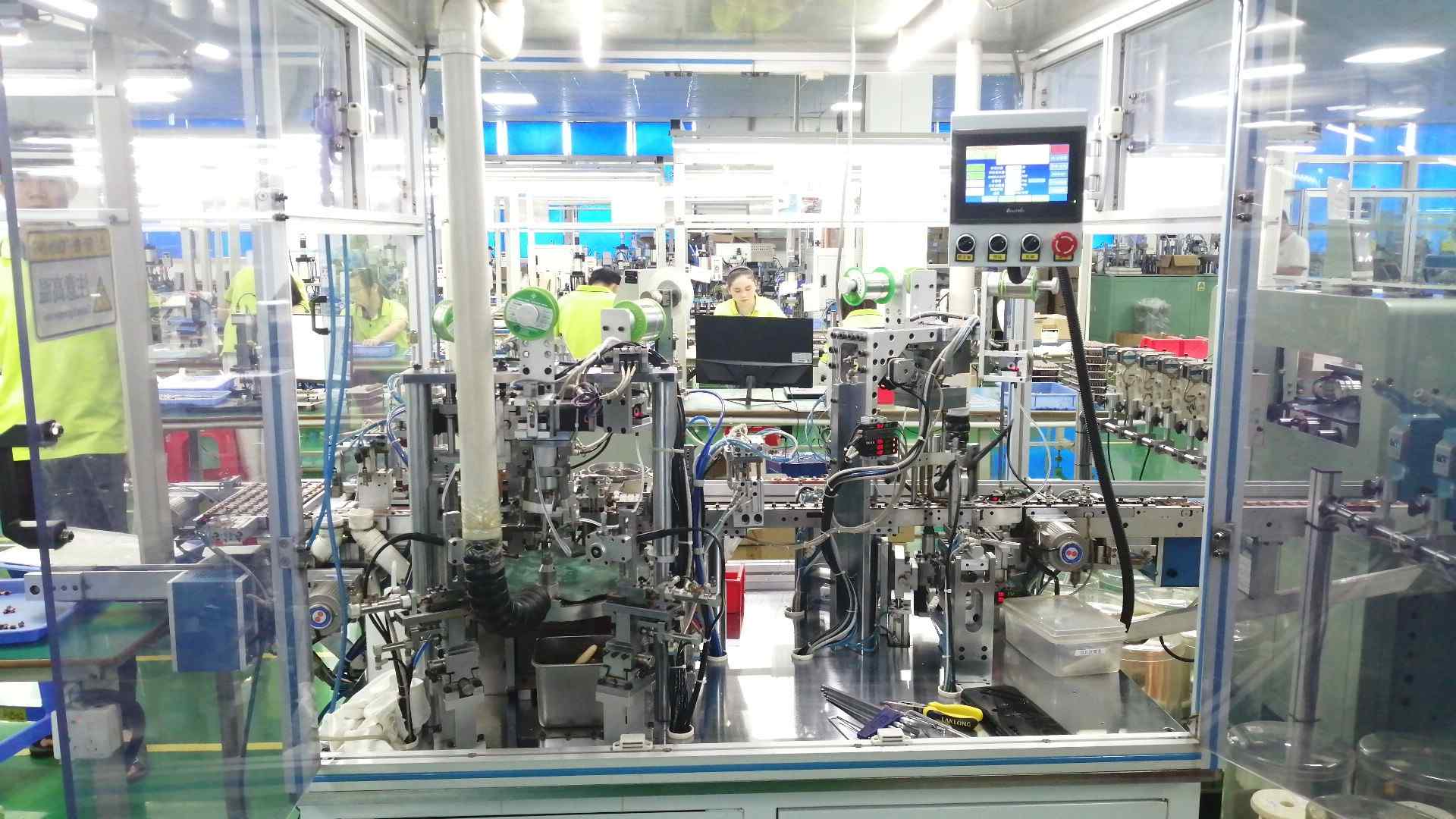 Automatic Soldering Machine
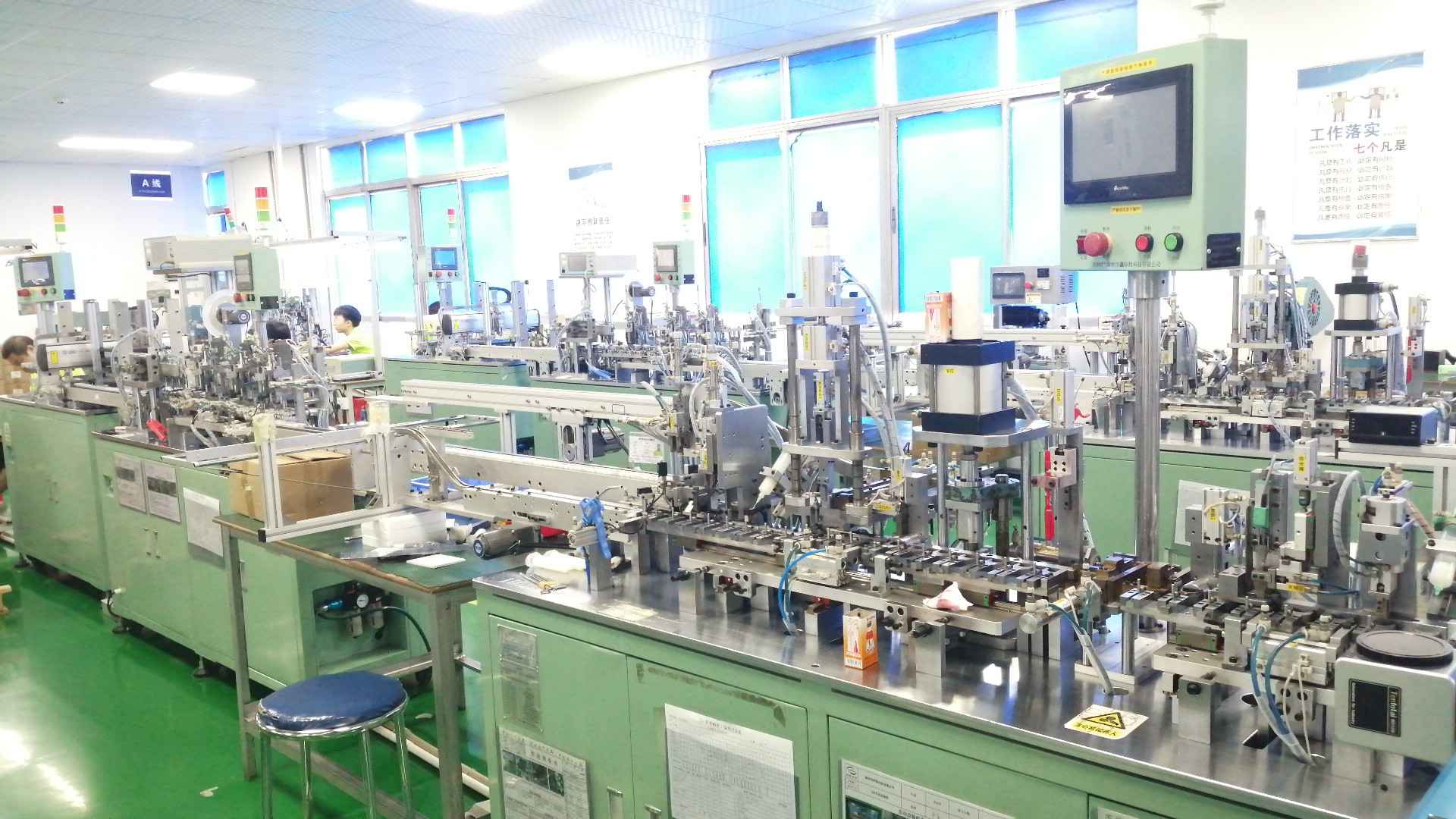 Automatic Assembly Line
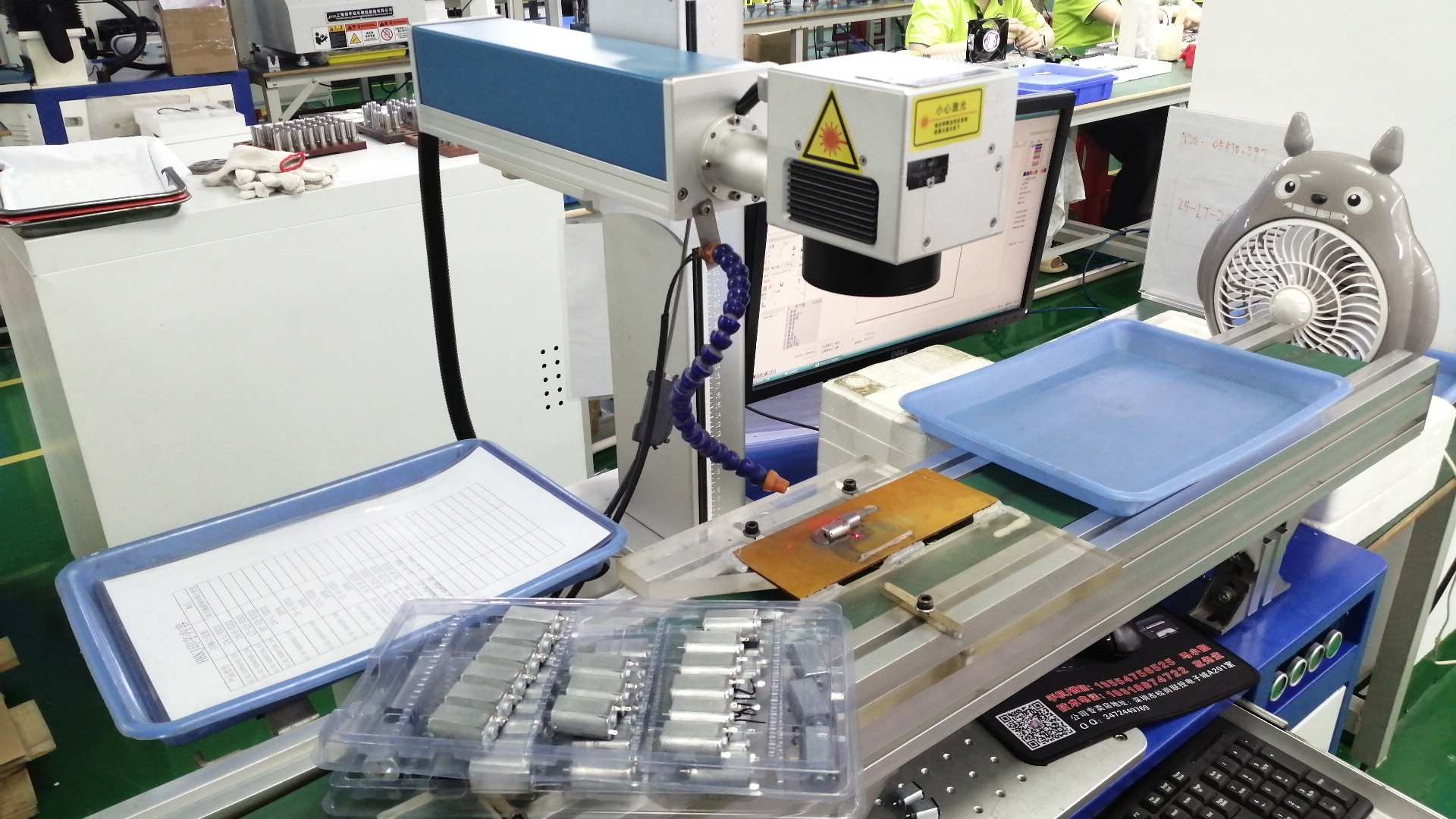 Laser Engraving Machine
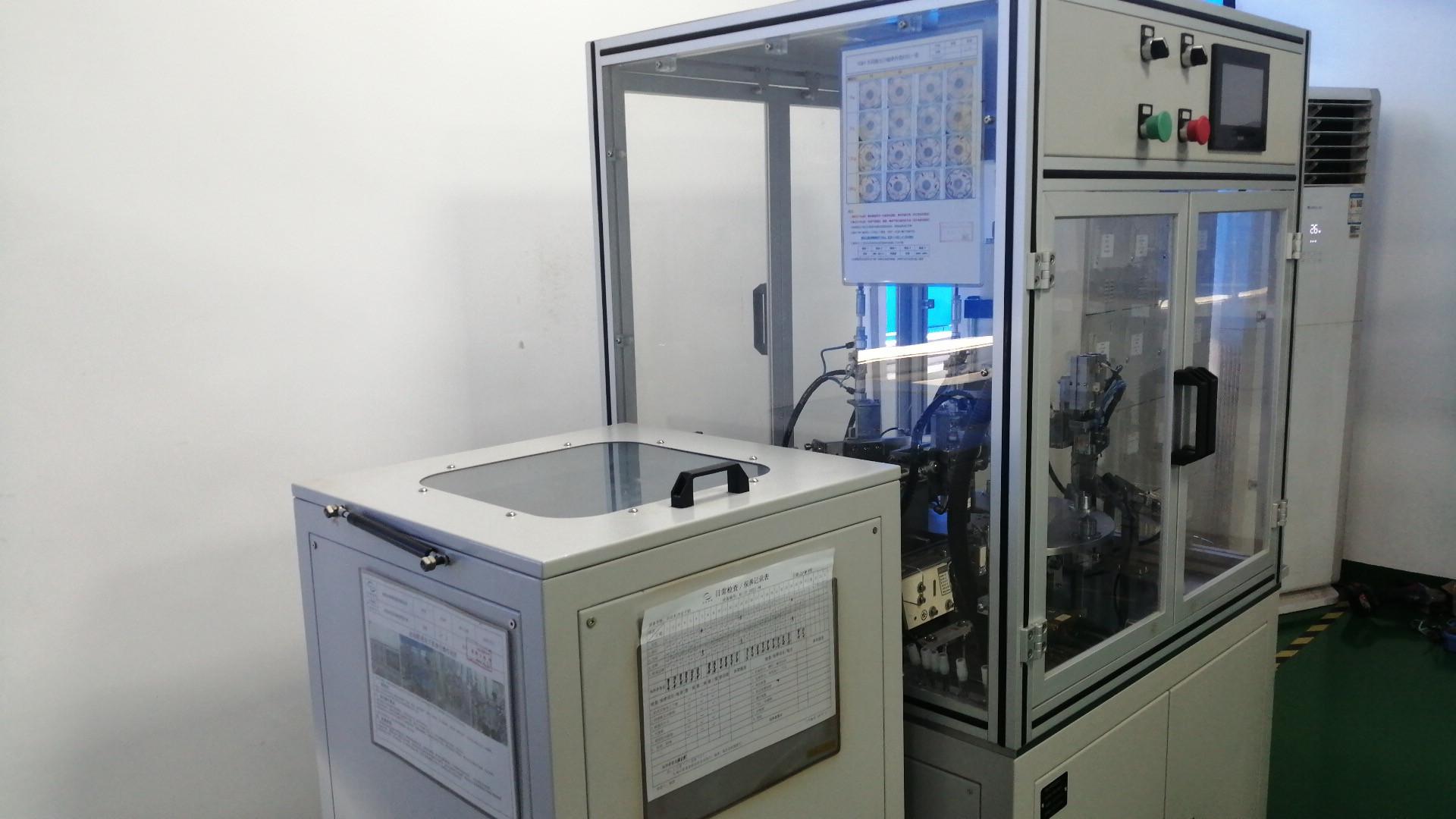 Automatic Pressure Bearing Machine
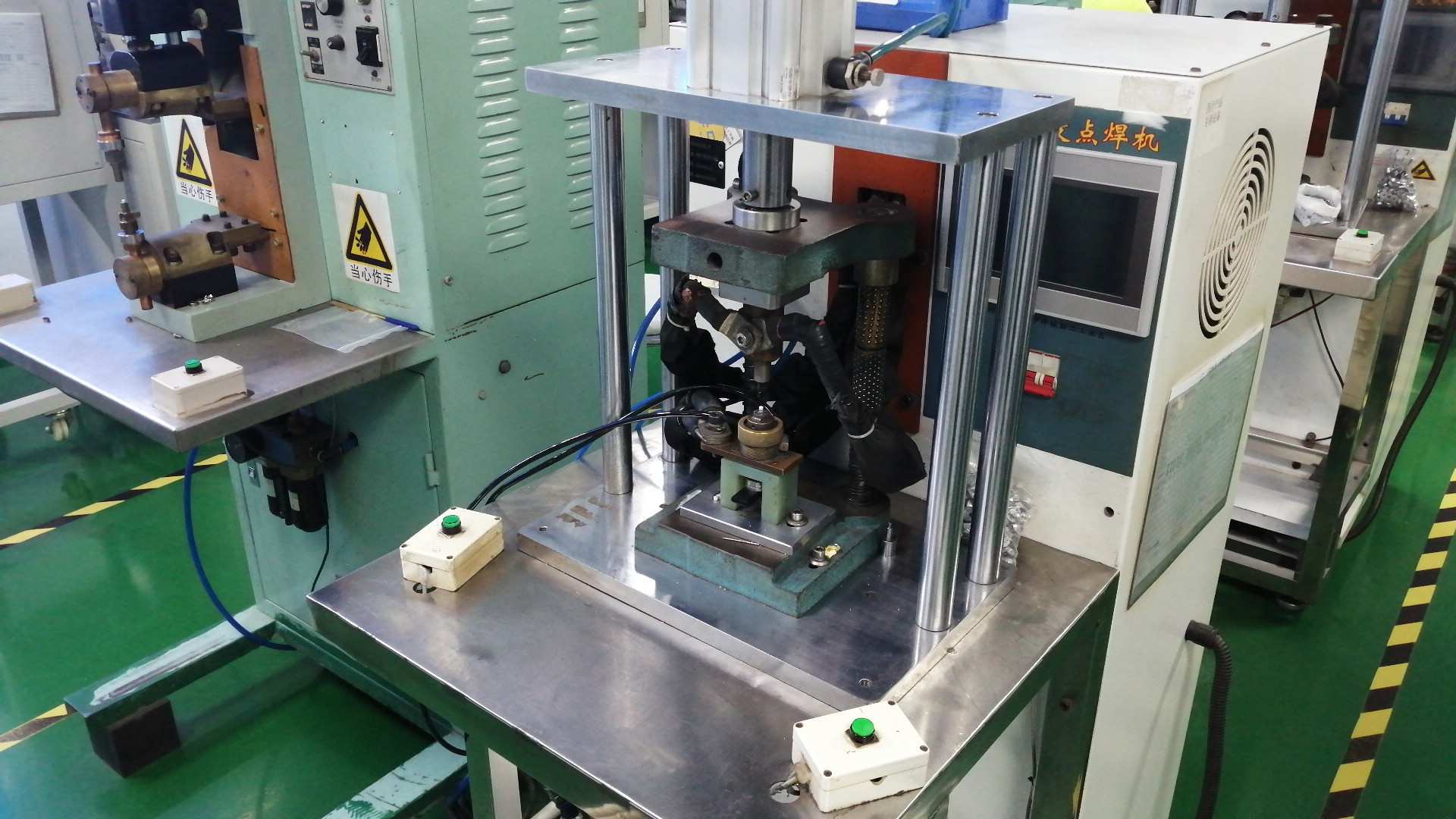 Spotwelder
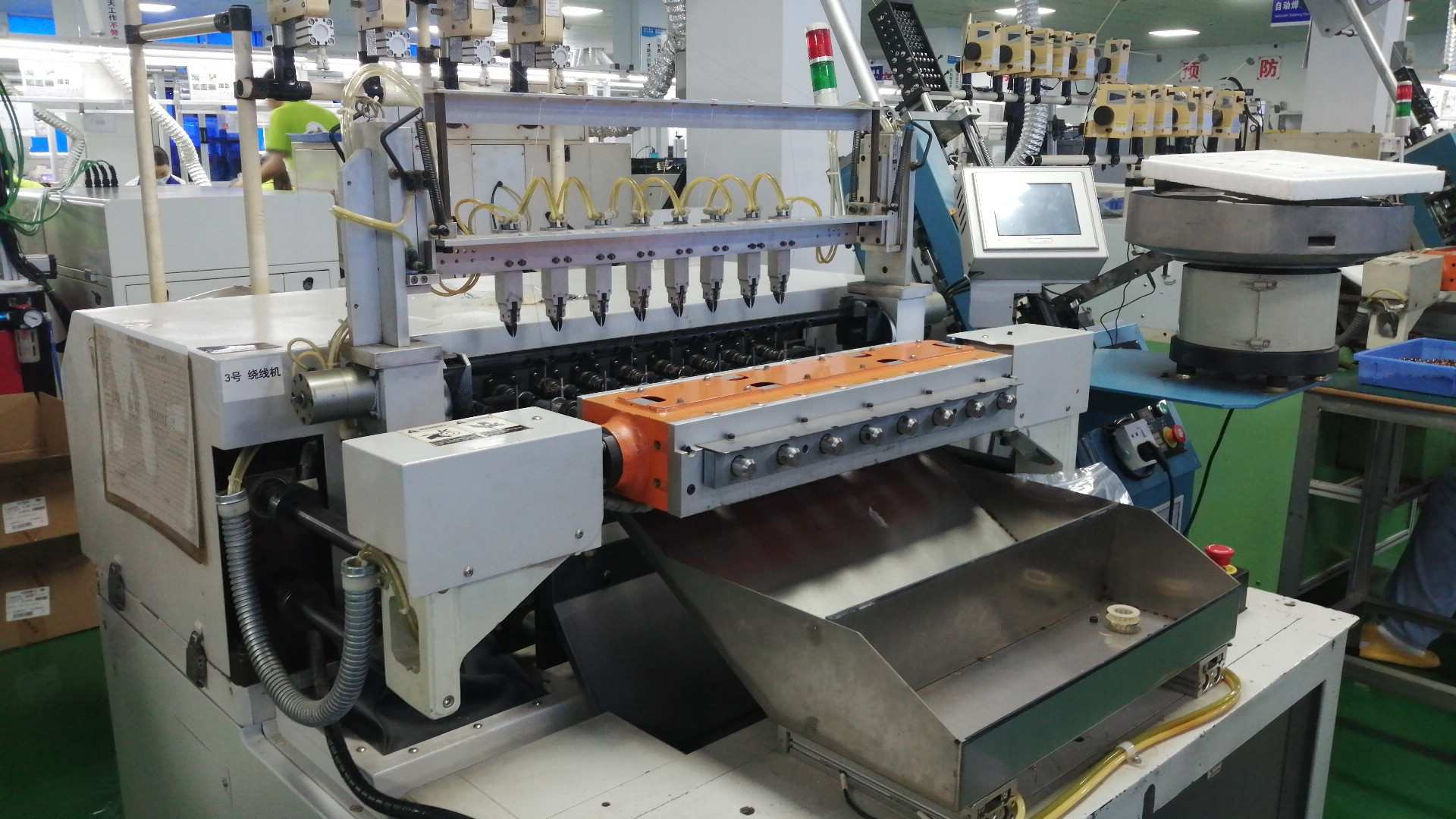 Automatic Coil Winding Machine
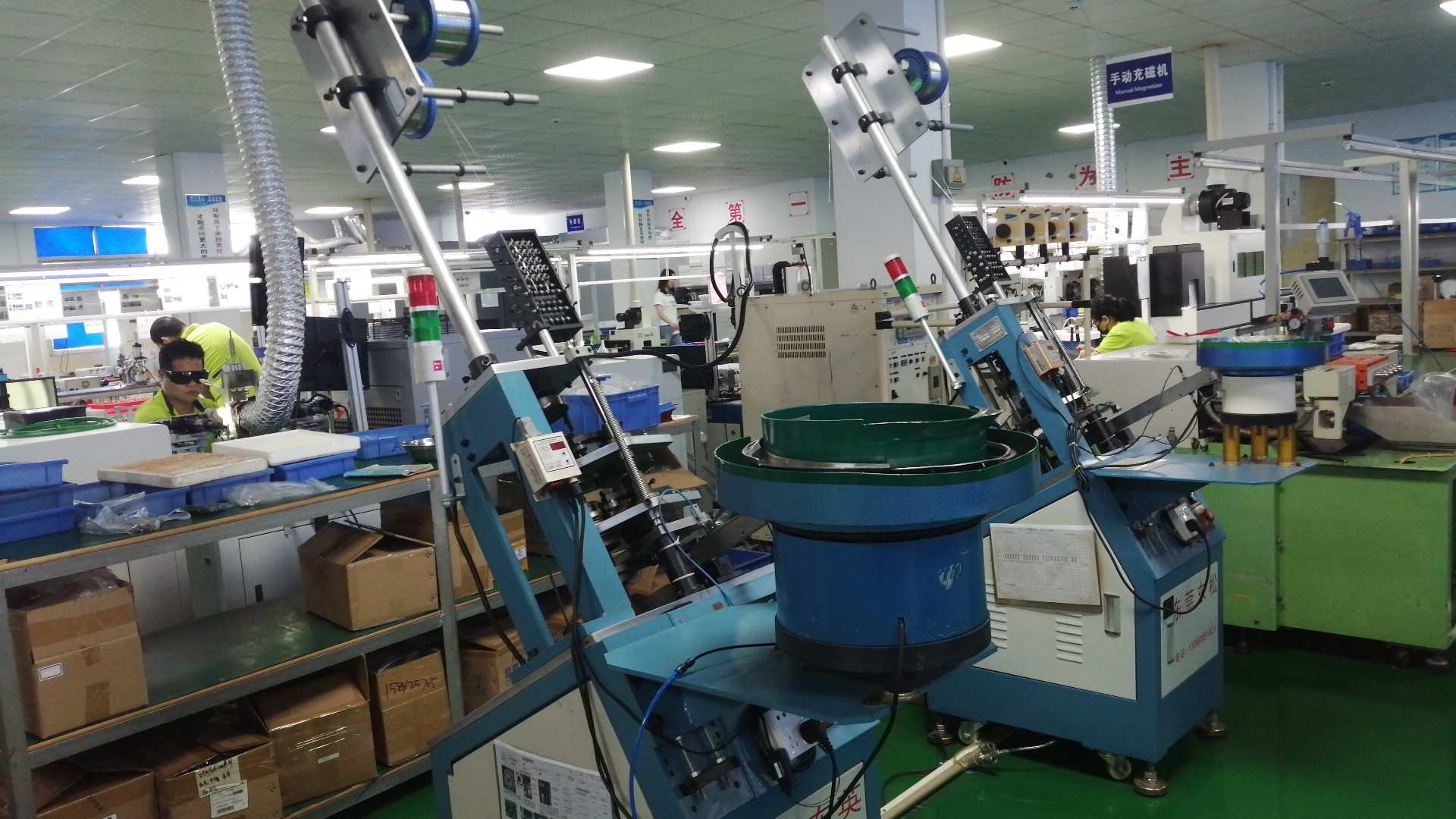 Pin Inserting Machine
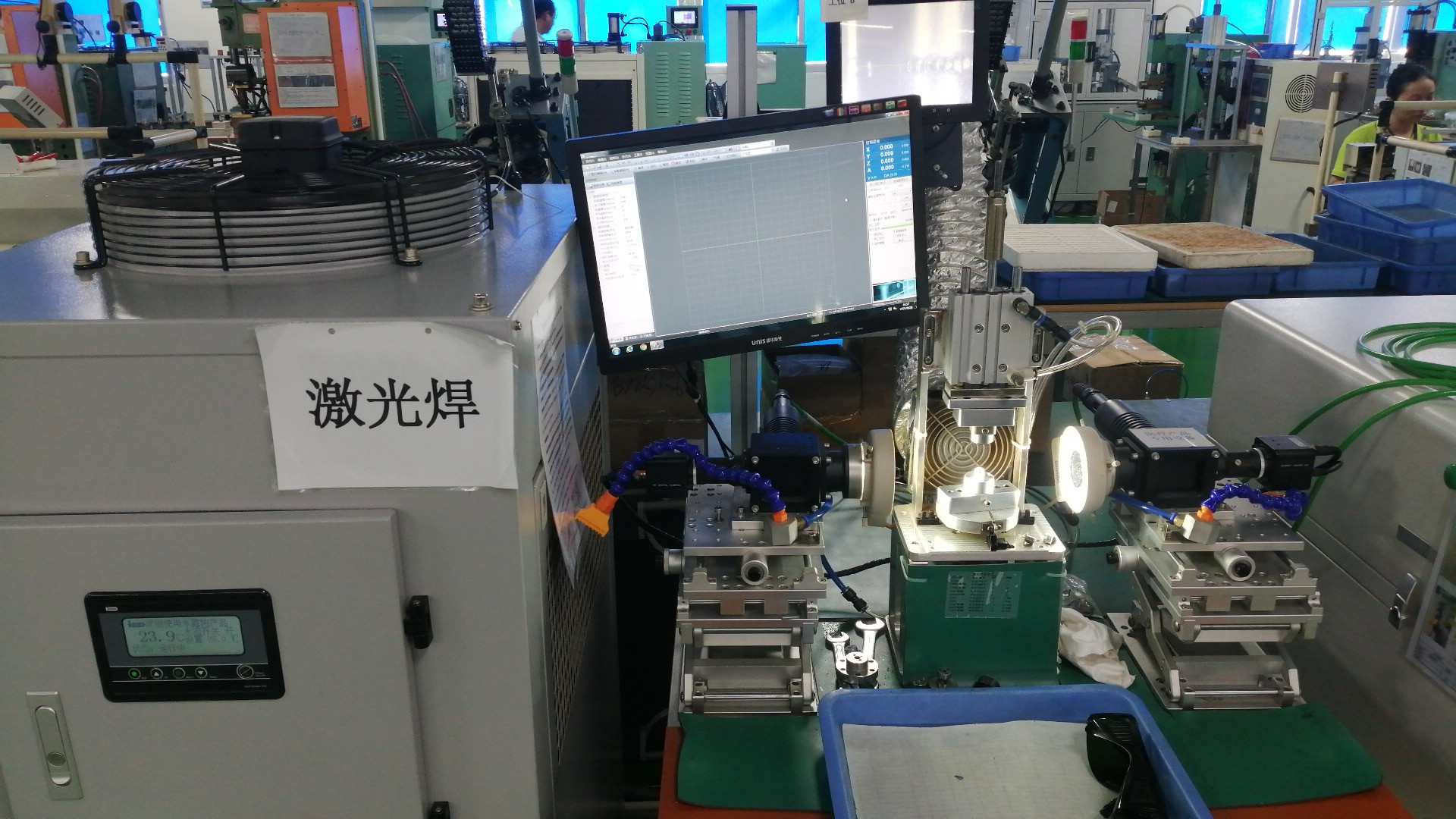 Laser Spotwelder
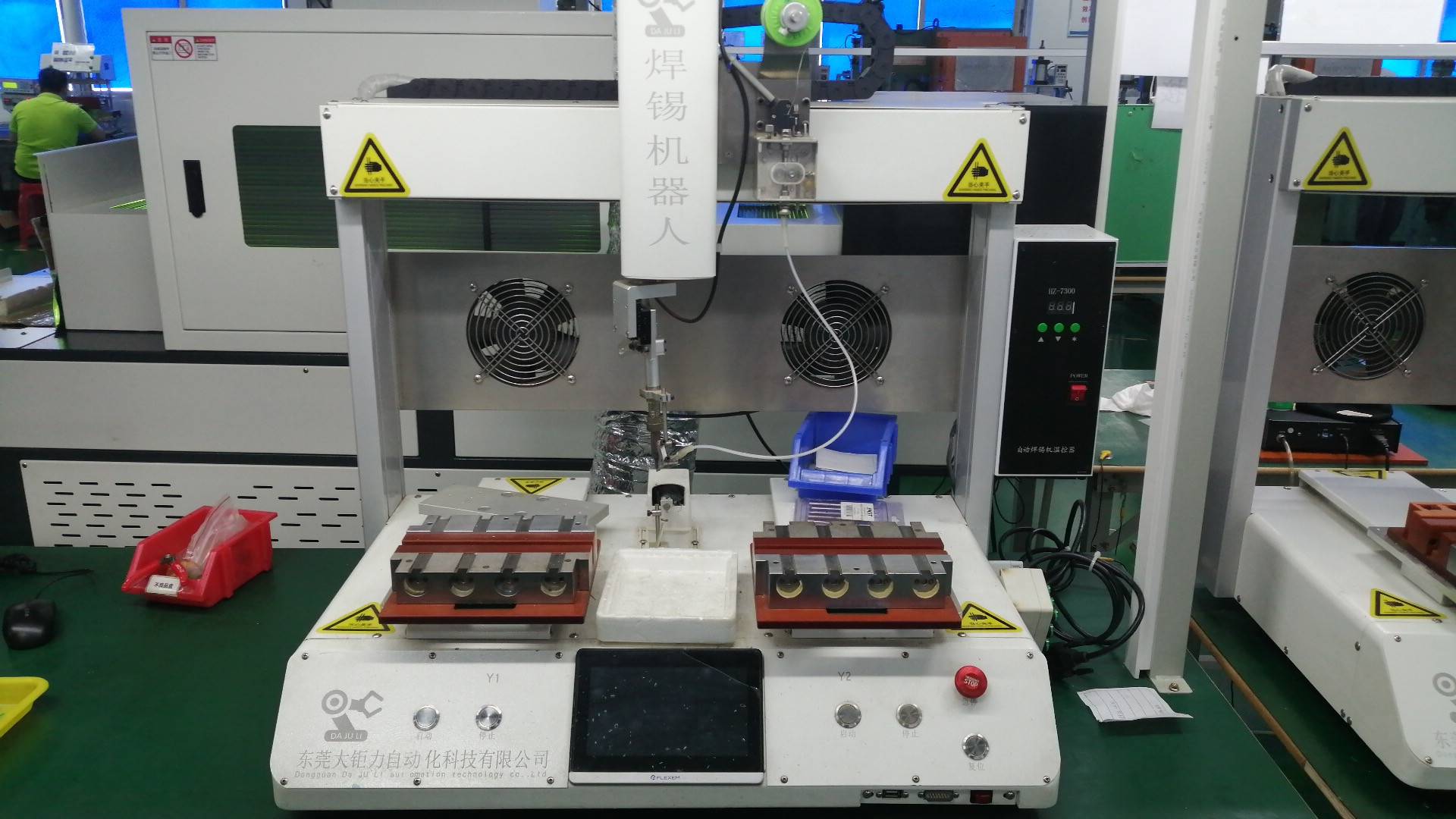 Automatic Soldering Machine
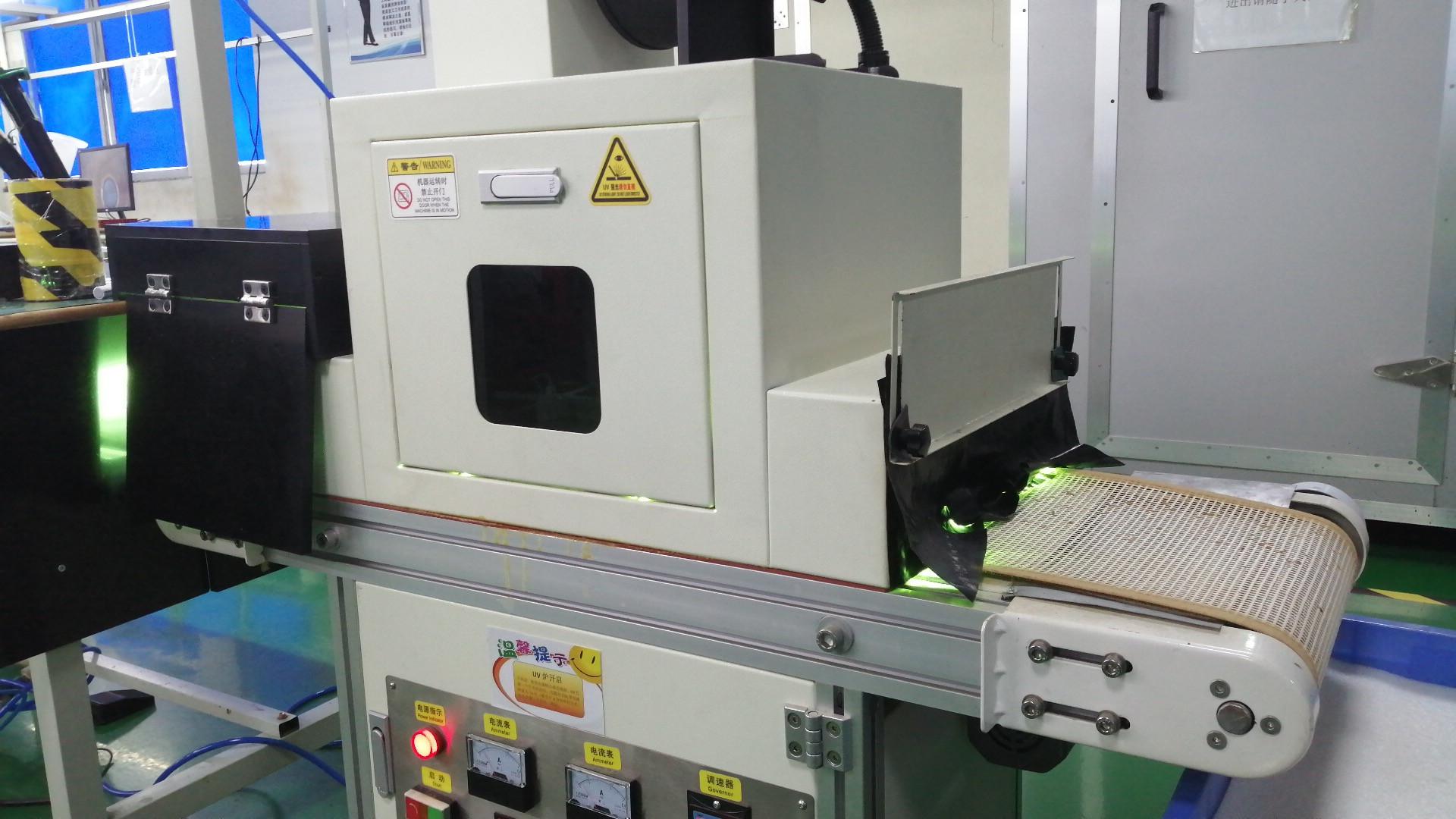 Low Temperature Furnace
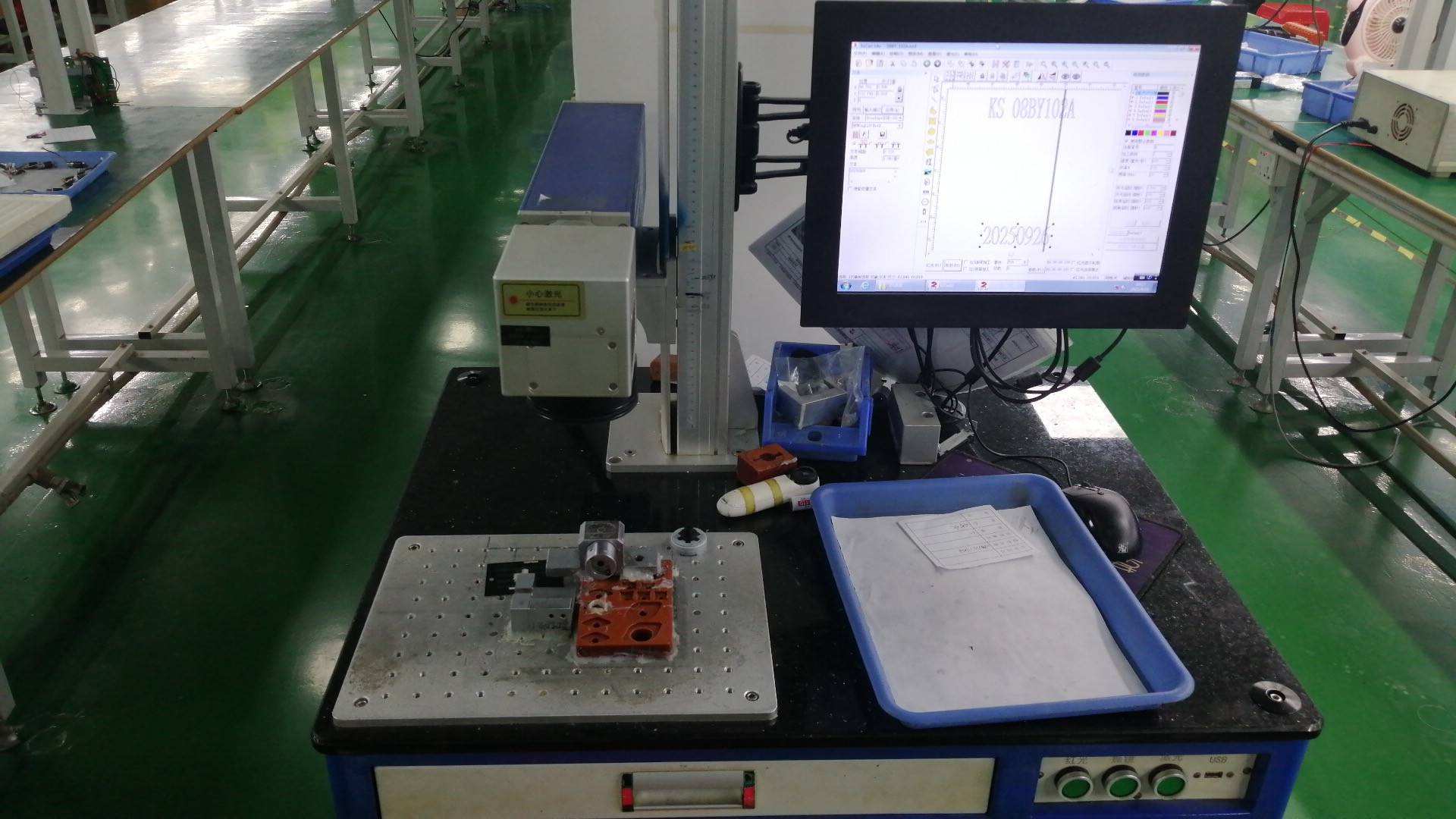 Laser Engraving Machine
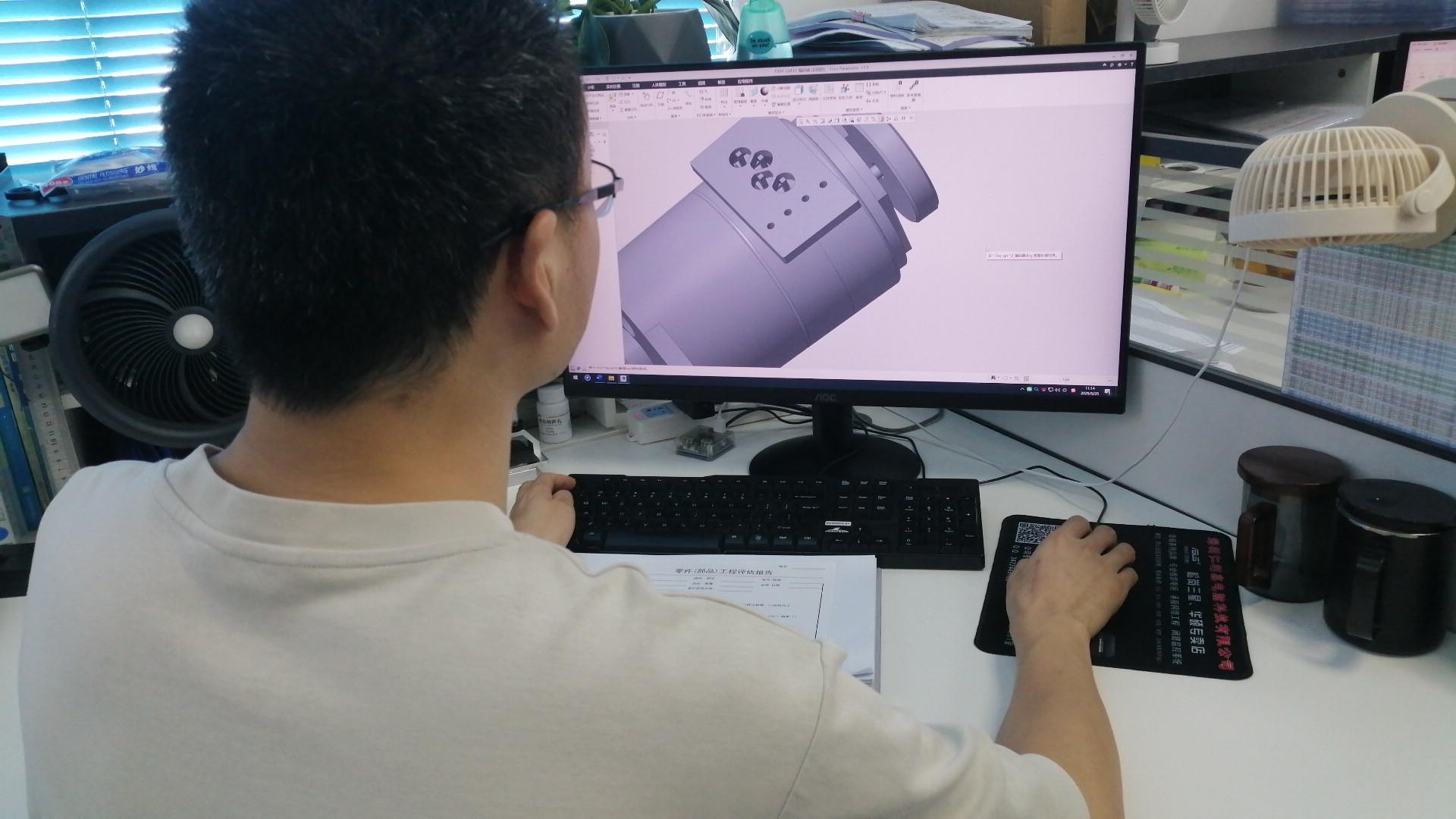 Design Department
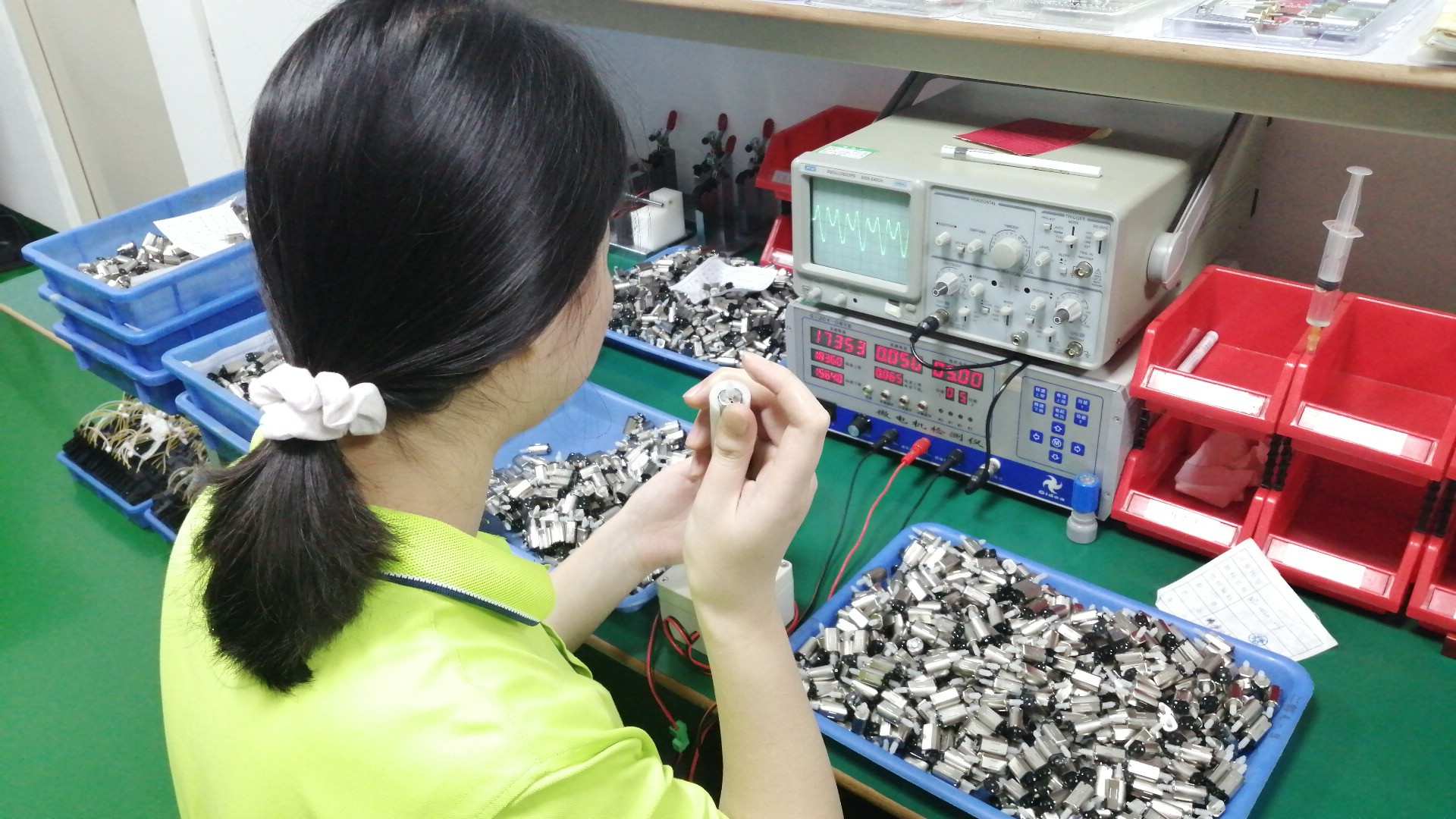 QC Inspection 1
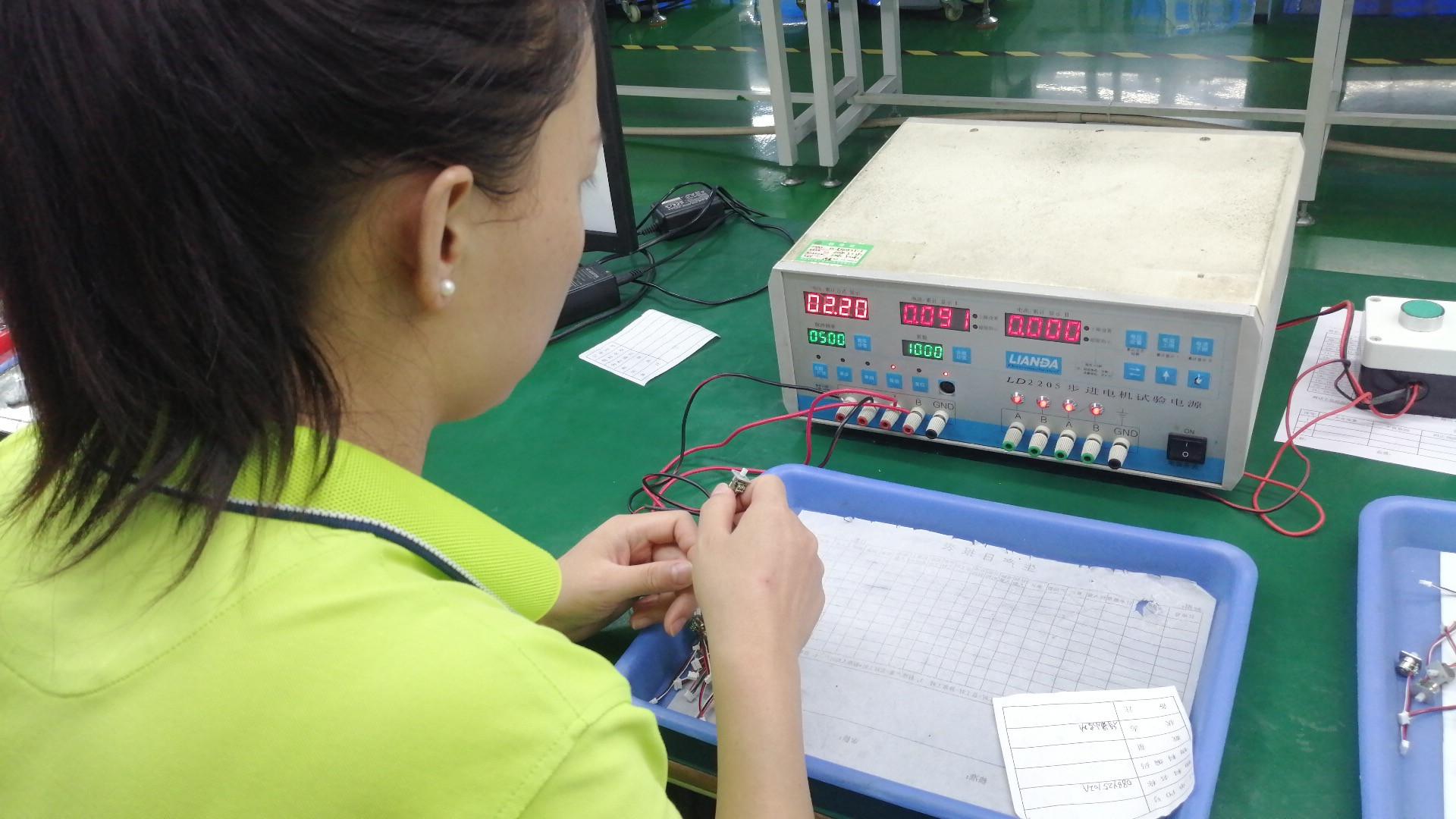 QC Inspection 2
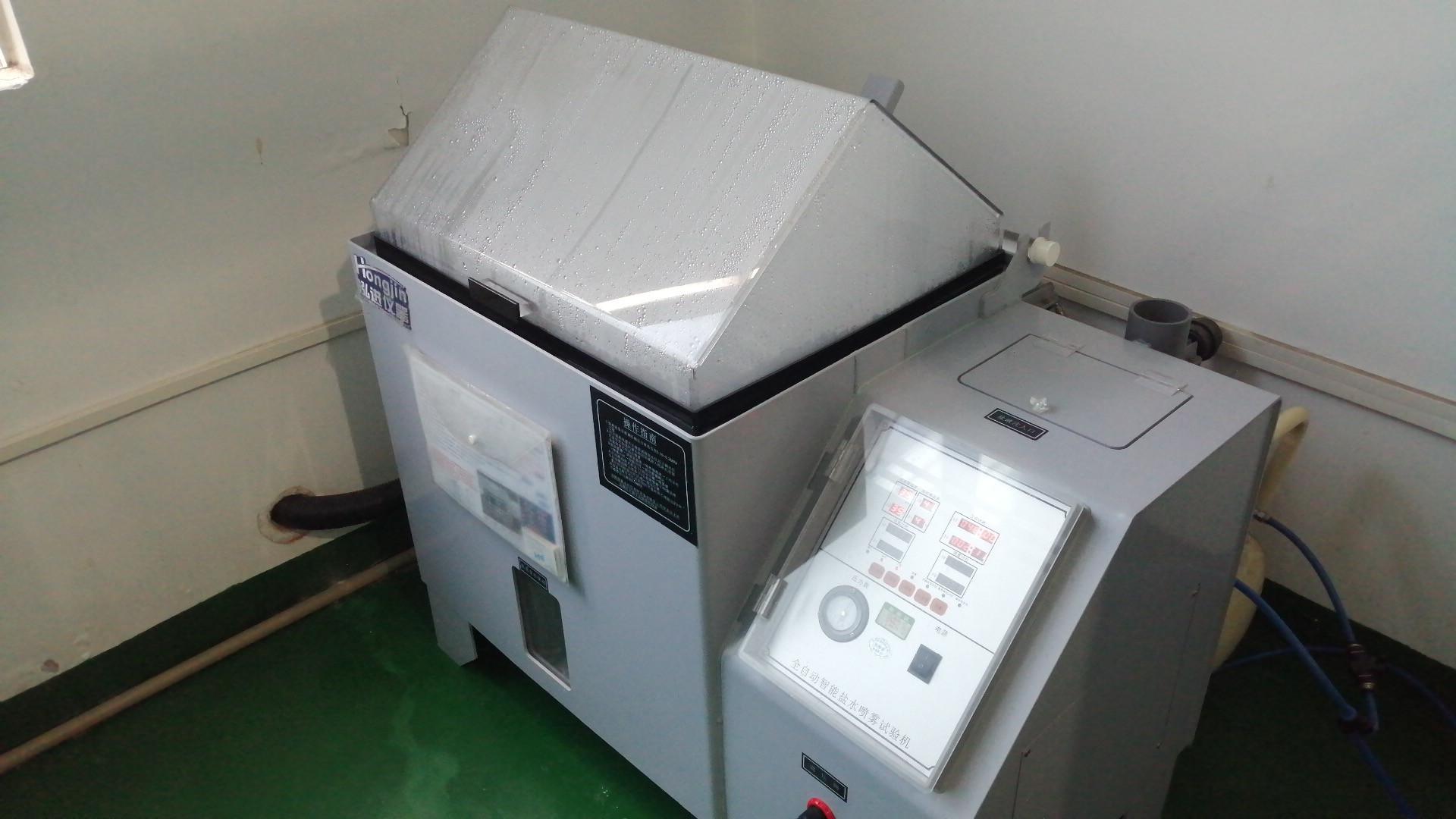
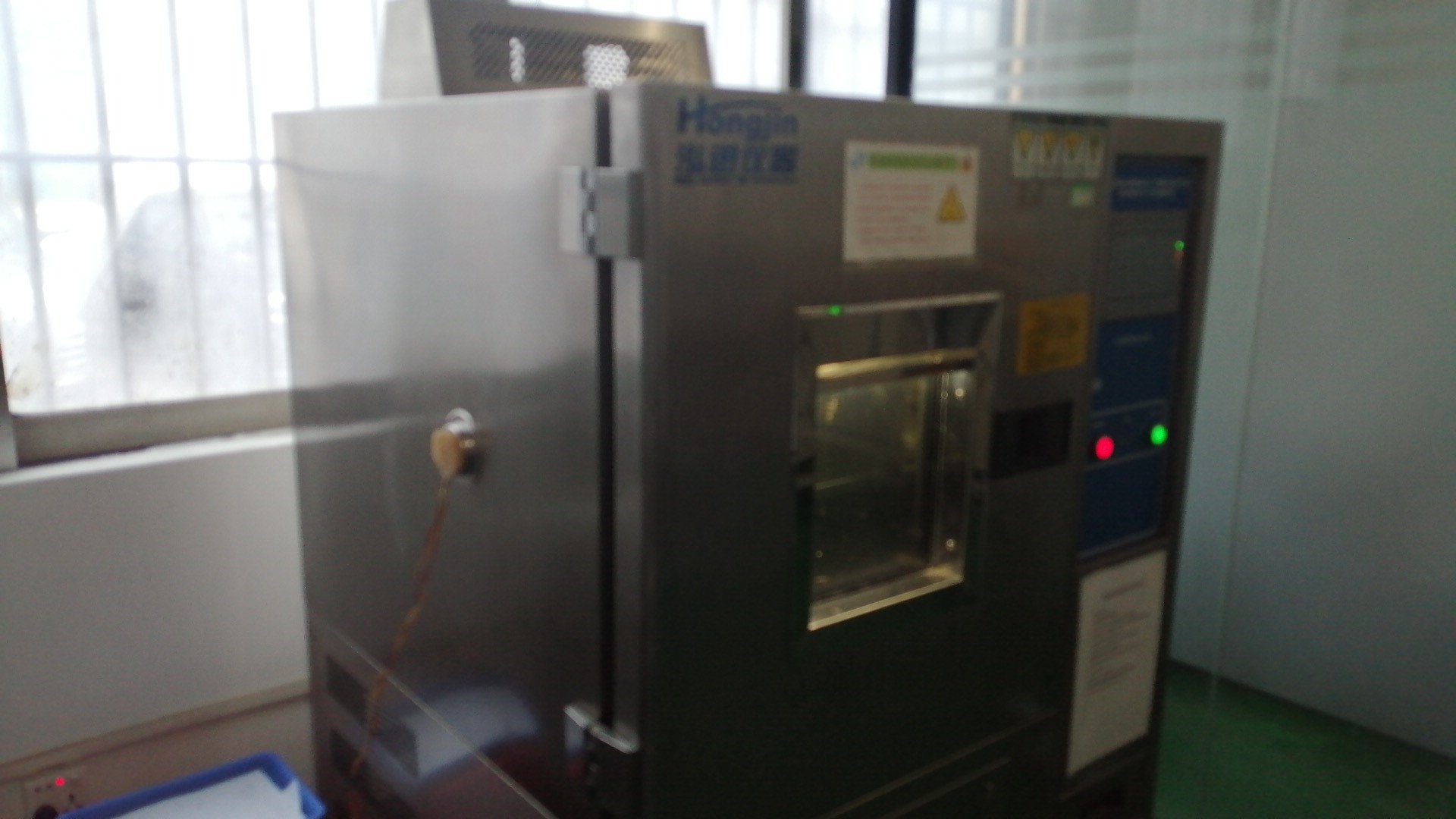 Temp & Humidity Box
 Voltage Tester
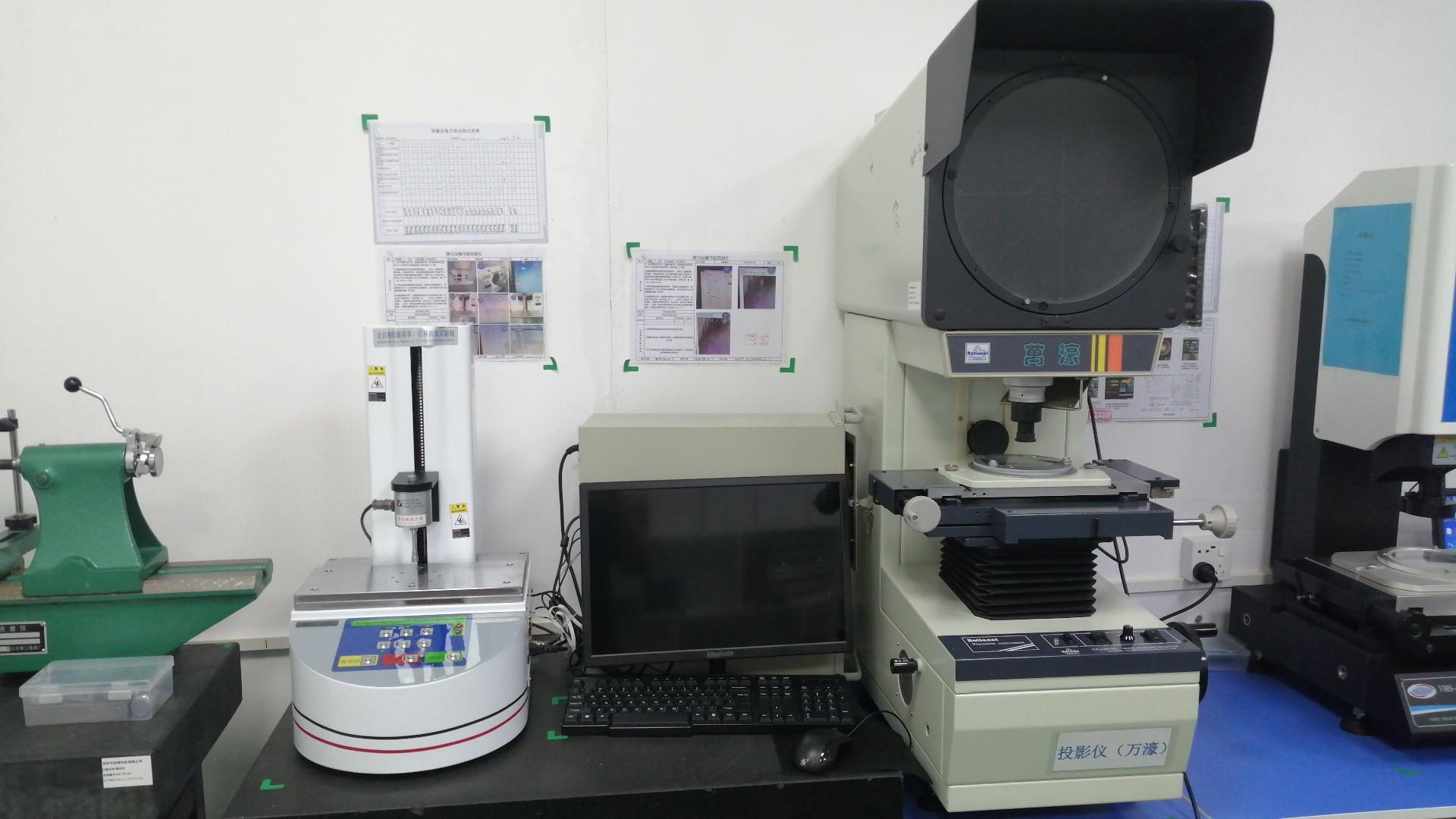 Projector
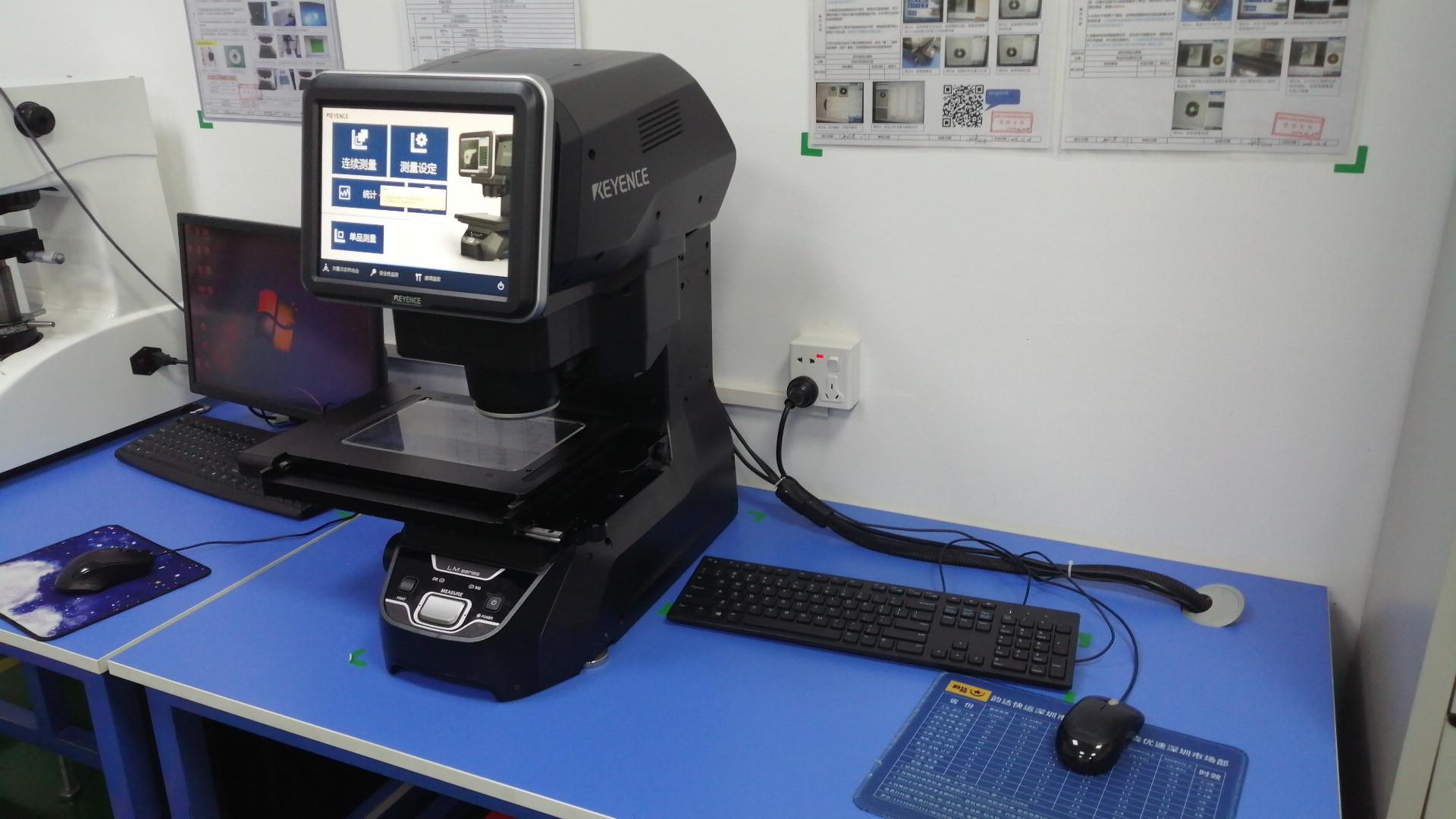 2D Projector
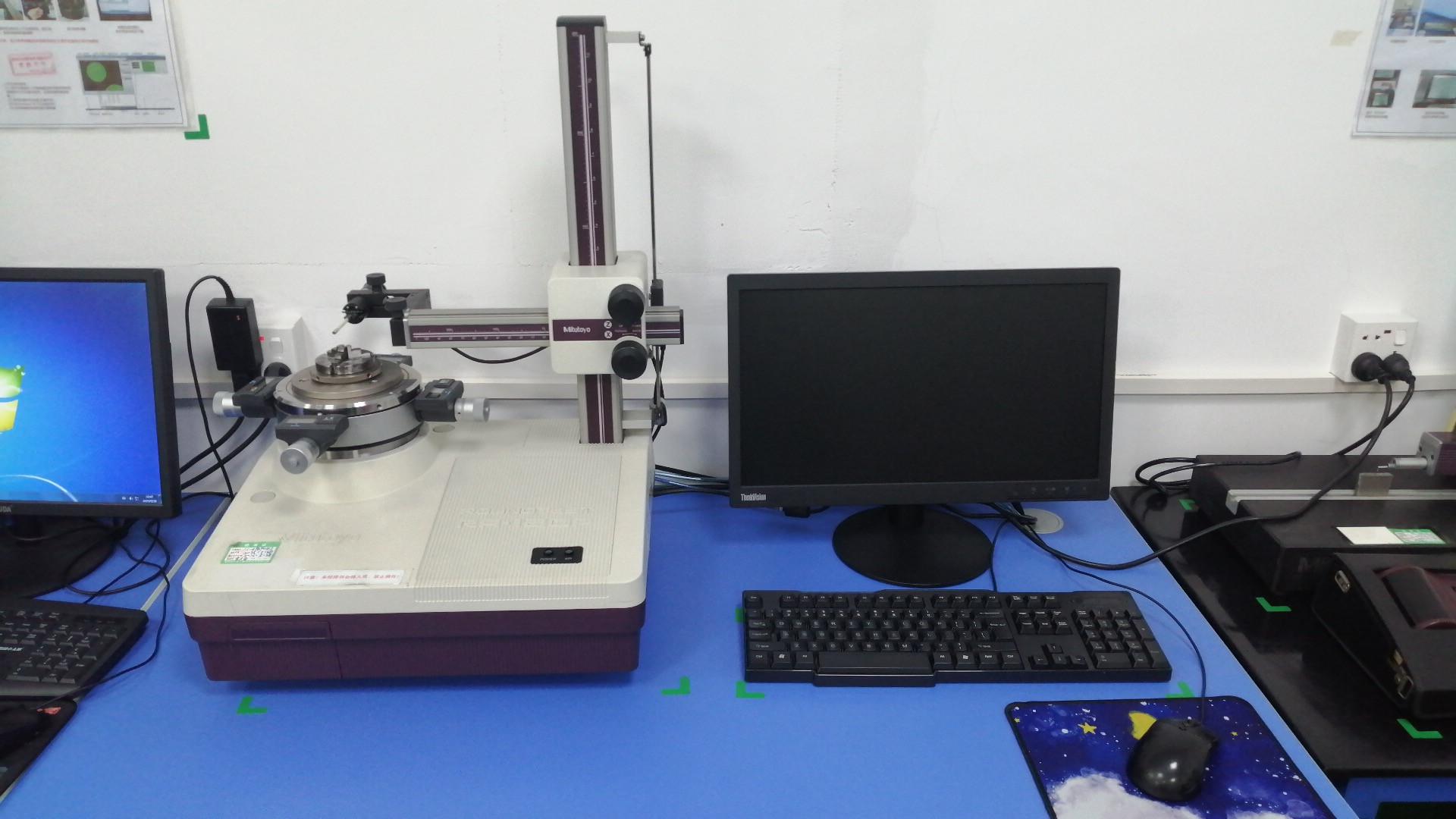 True Roundness Tester
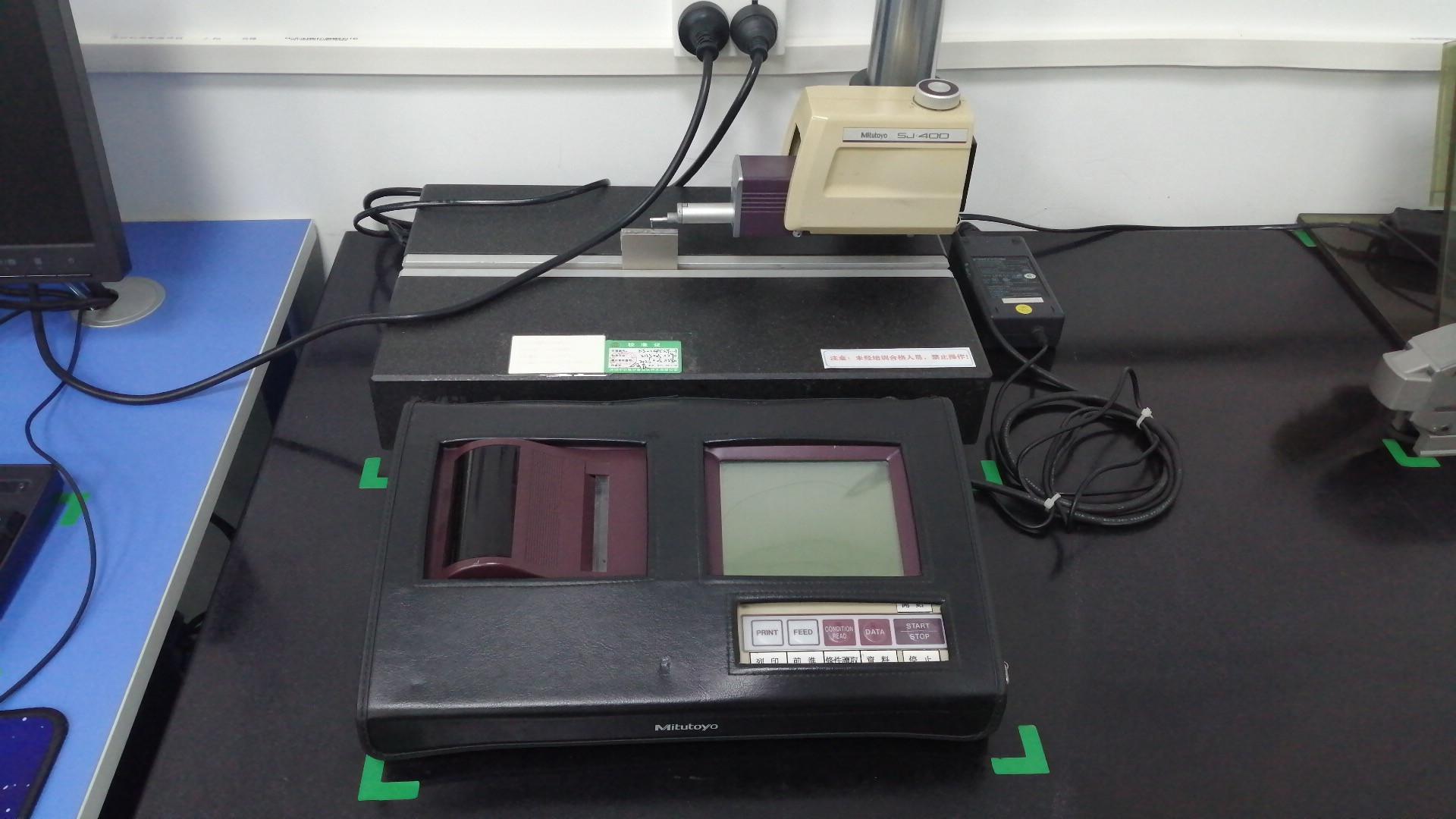 Roughness Meter
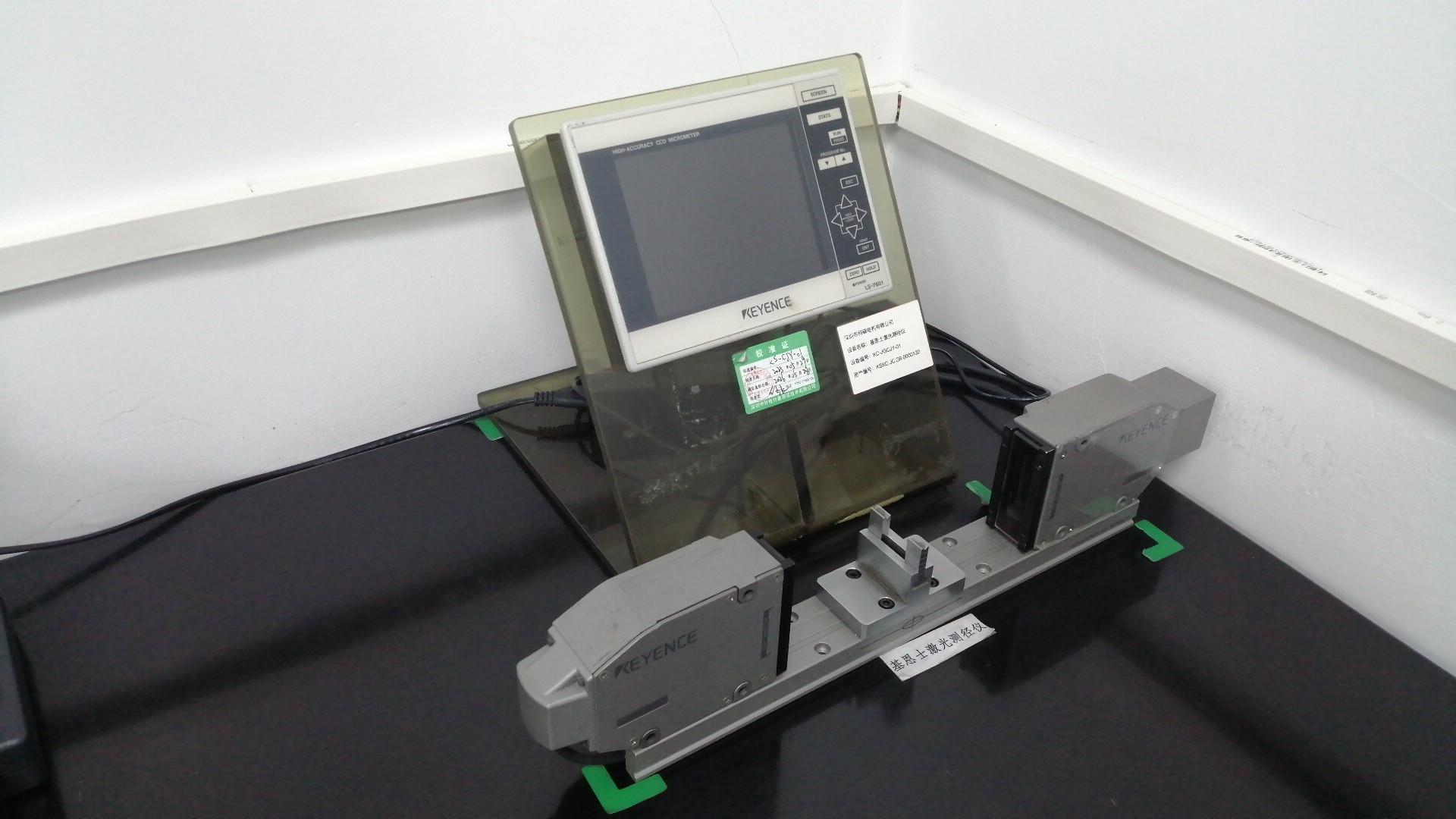 Keyence Laser Caliper
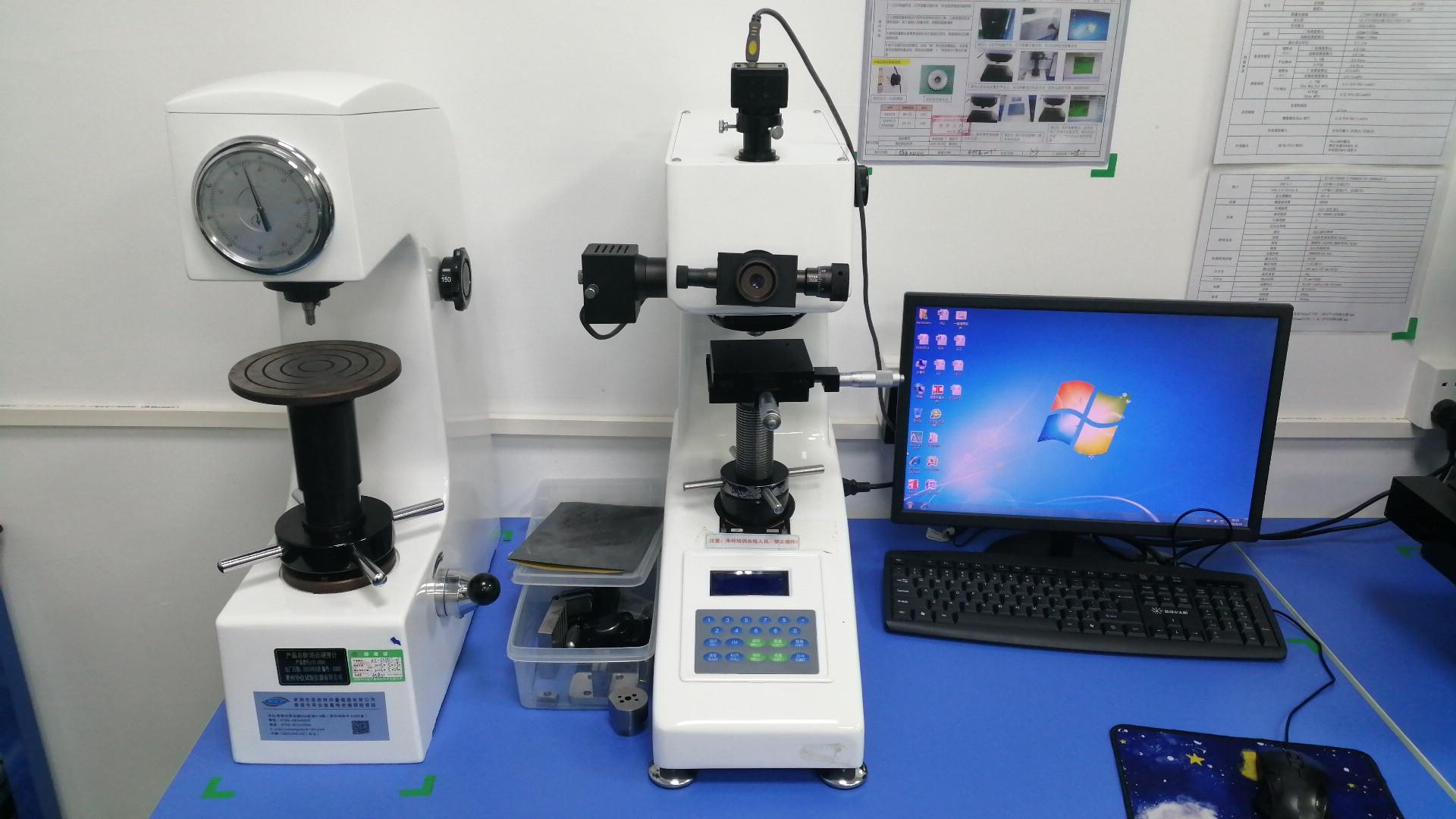 Vickers Hardness Tester
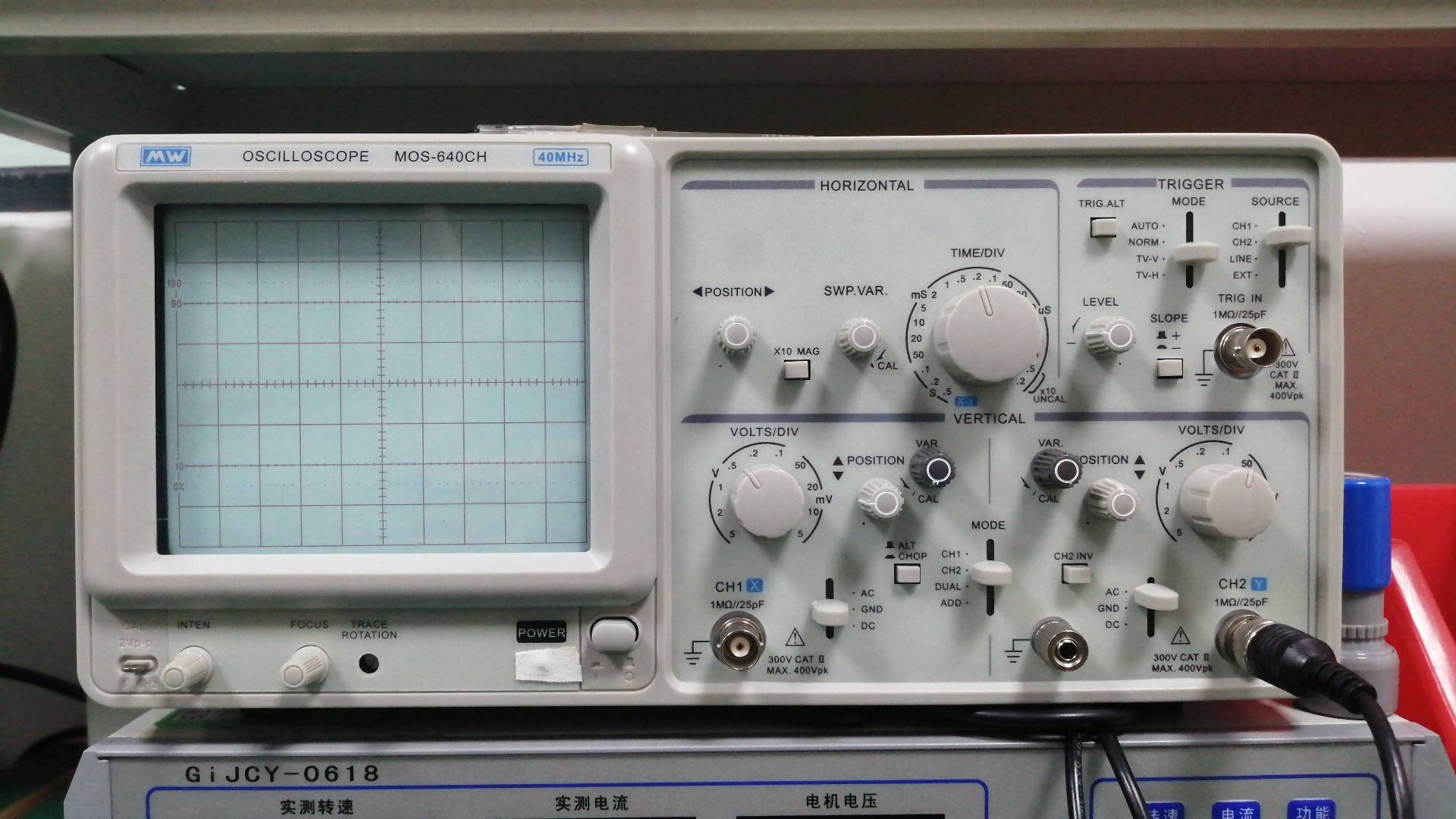 Oscilloscope
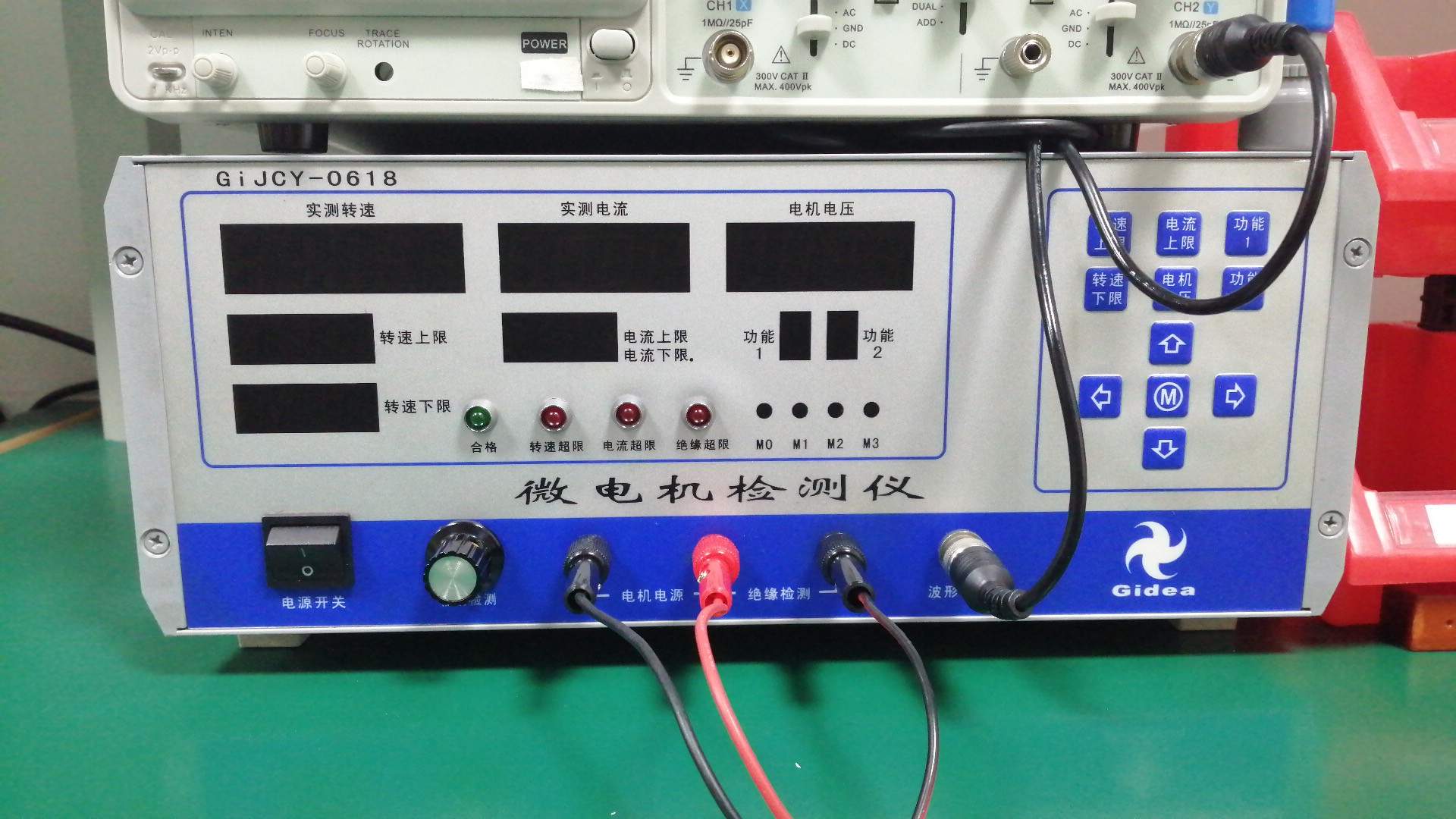 Motor Tester
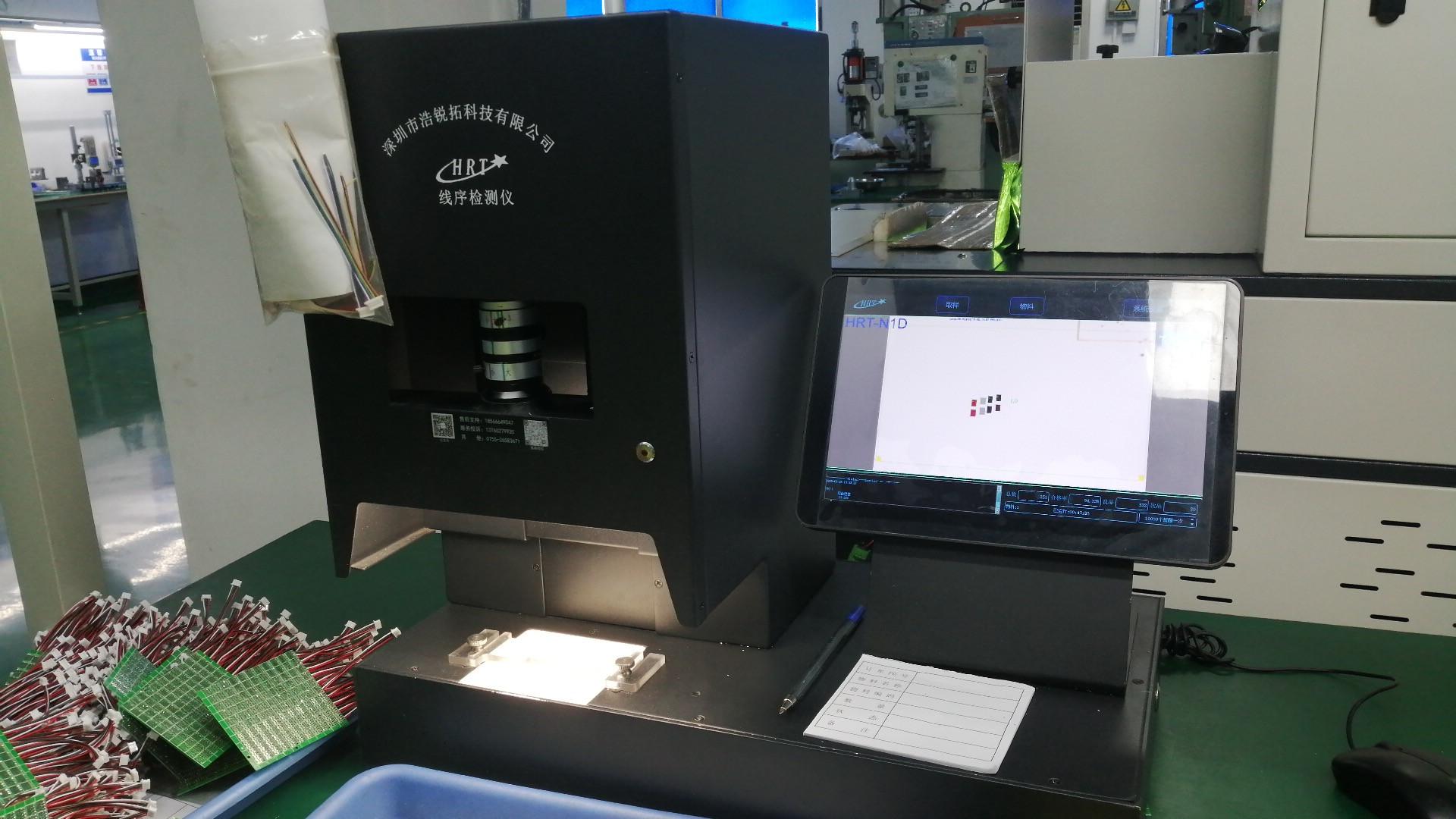 Line Sequence Detector
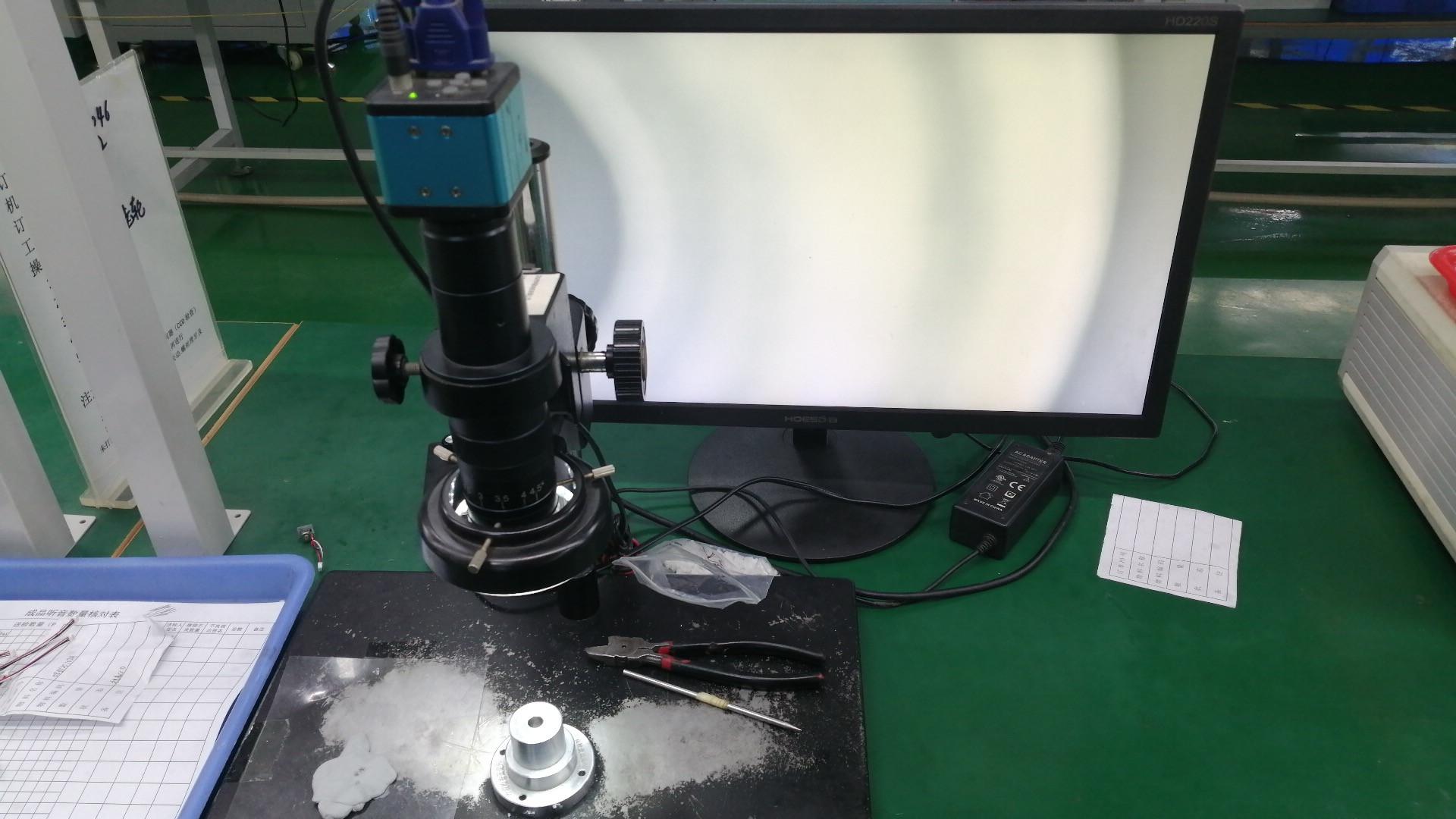 CCD Detector
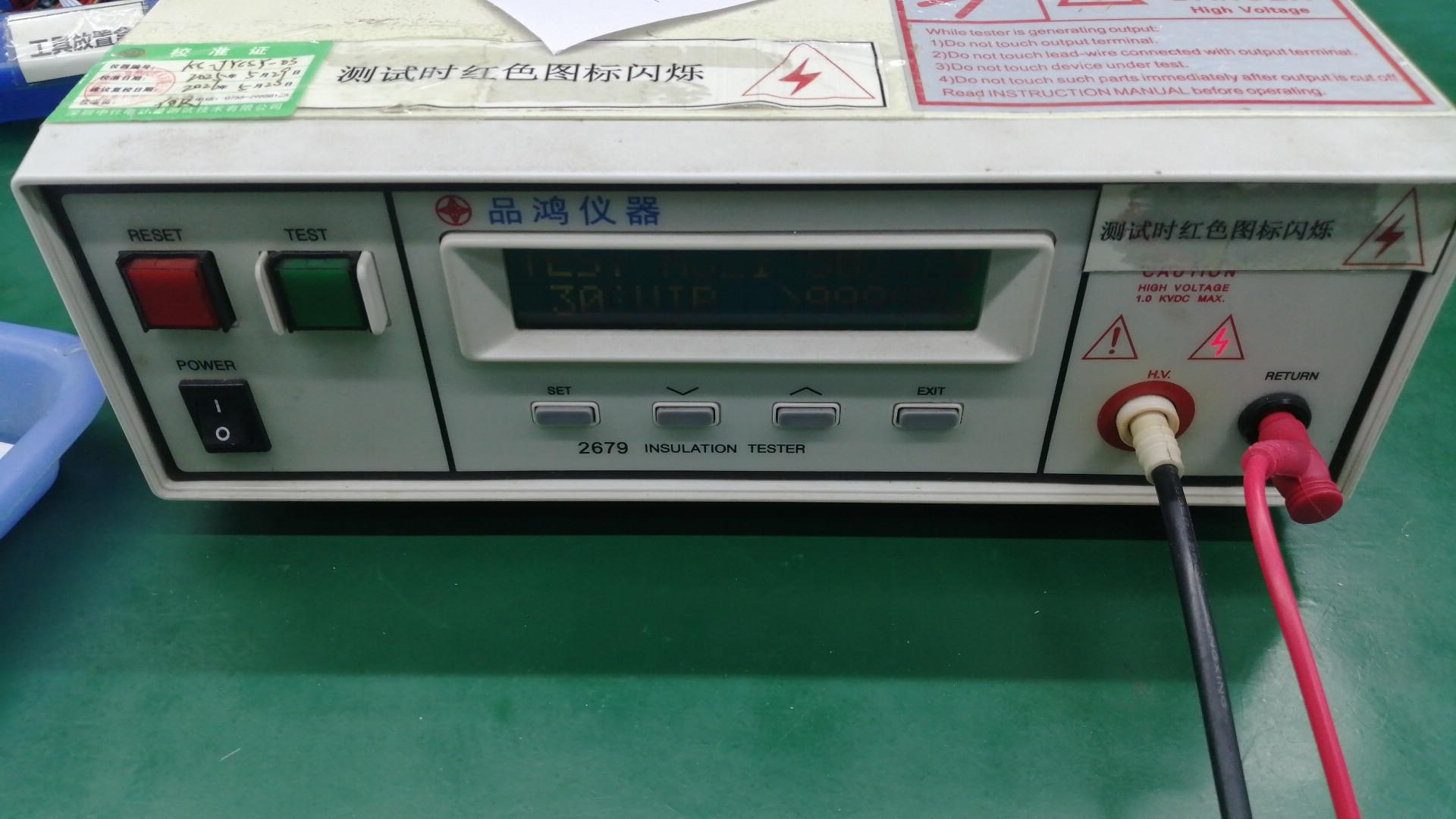 Insulation Tester
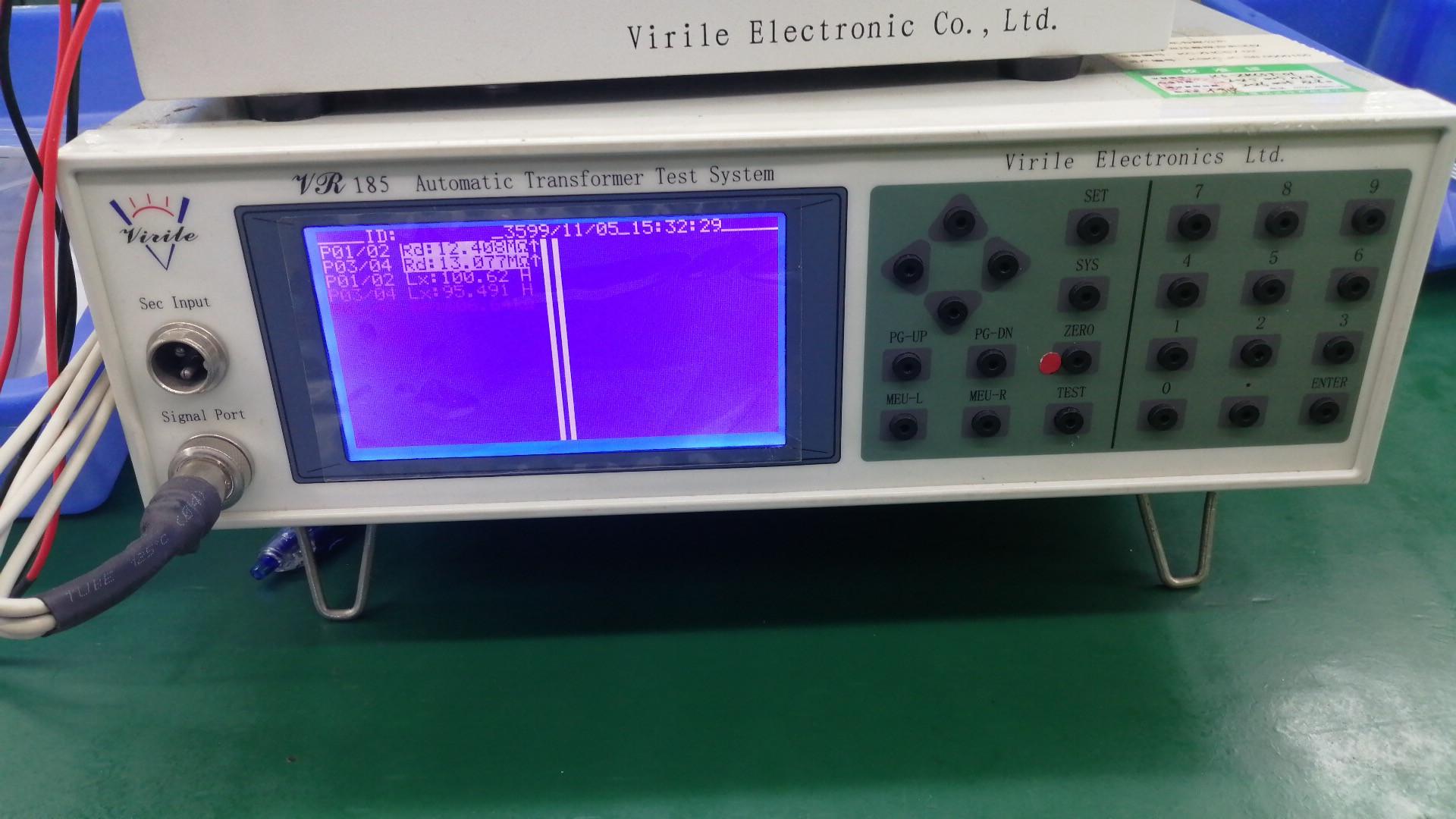 Transformer Tester
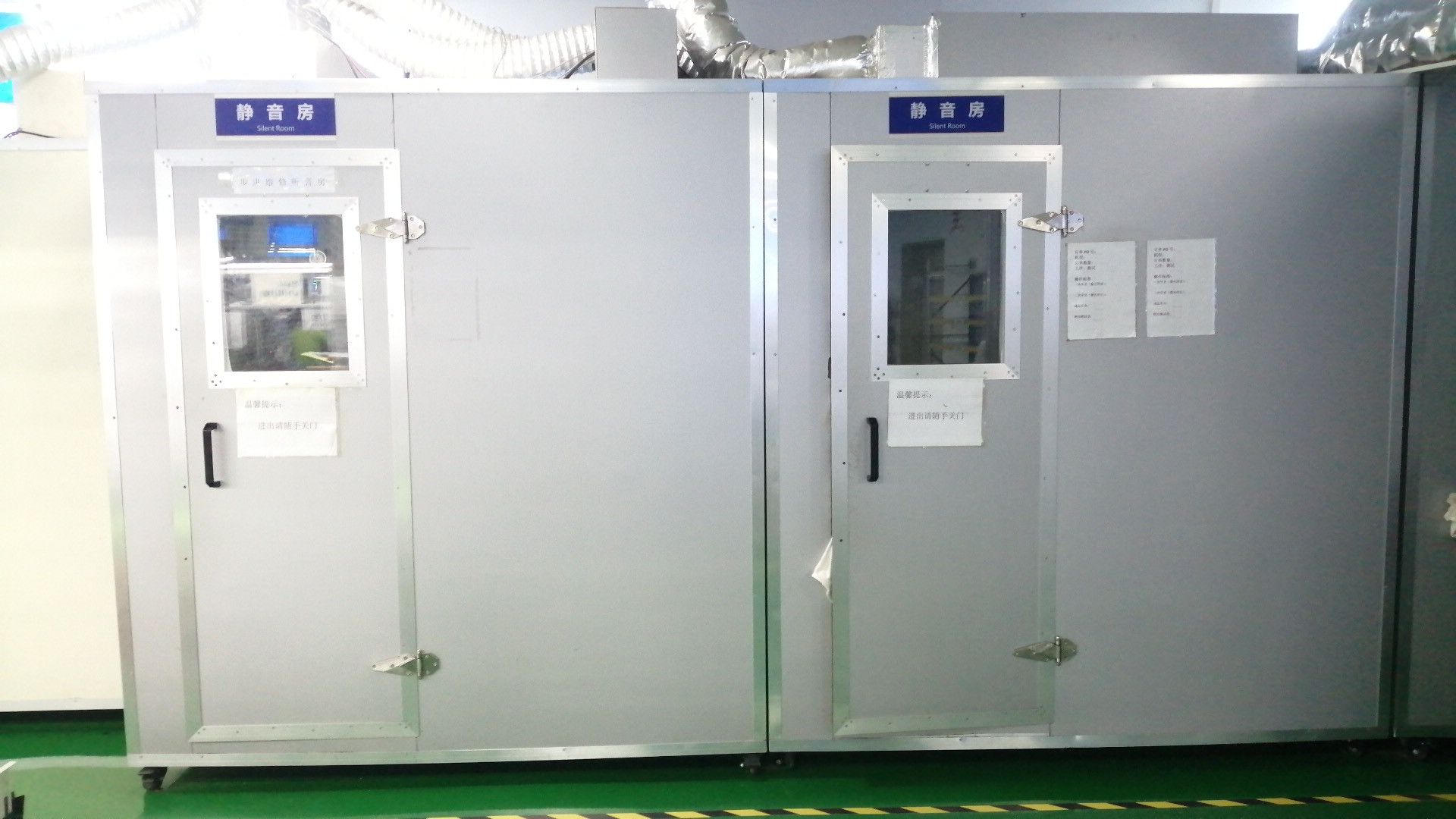 Soundproof Room
Mapping Brea Tech motors to the stringent requirements of key high-technology markets.
In surgical robotics, absolute smoothness and high safety margins are critical. Coreless motors (such as our 16mm Coreless Planetary Gear Motors) are used in surgical end-effectors and laparoscopic tools. By eliminating the cogging effect common in traditional iron-core motors, our designs provide surgeons with smooth tactile force feedback. Combined with biocompatible seals, these motors support sterilization parameters and maintain performance over extended operations.
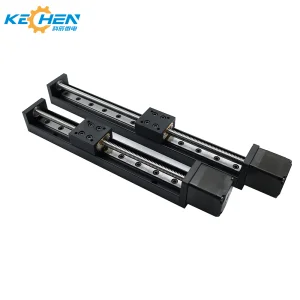
Collaborative robots work directly alongside humans, requiring precise torque monitoring to prevent accidental injury. By incorporating our high-torque hybrid stepper motors (such as the Nema 17 and Nema 11 Linear Stages), cobots can maintain highly accurate trajectories. Their high torque-to-volume ratio allows for smaller joint footprints, reducing the overall inertia of the robotic arm.
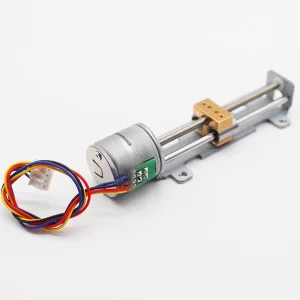
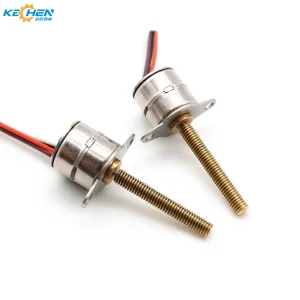
Modern diagnostics rely on fast, reliable sample positioning. Micro-step linear stages equipped with 10mm & 15mm Miniature Linear Stepper Motors with integrated lead-screws enable precise microfluidic dispensing, sample sorting, and light-needle movement. These systems operate with sub-micron accuracy over millions of cycles without requiring recalibration.
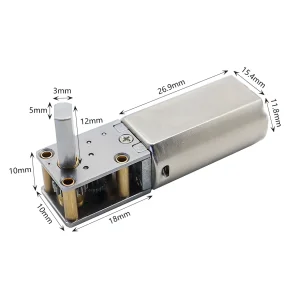
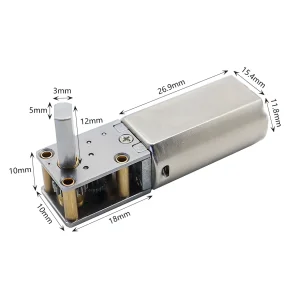
In chemical processing and laboratory fluid management, micro worm-gear DC motors (such as our 16mm 12V DC Gear Motor with Worm Gear Reducer) provide self-locking safety. When power is lost, the worm gear configuration mechanically locks the valve in place, preventing chemical leaks or diagnostic errors.
Where the industry is headed and how Brea Tech is preparing for the next wave of automation.
The field of robotics is transitioning from simple automated tasks to intelligent, autonomous operations. This evolution is driving several key advancements in joint motor design:
Next-generation joint motors are moving away from external encoder modules. Brea Tech is actively developing integrated magnetic and optical encoders directly on the motor rear shaft-ends. This design minimizes cabling, reduces electromagnetic interference (EMI), and provides real-time angular feedback down to 0.01°.
As robotic arms become more compact, heat dissipation at the joints becomes a major bottleneck. Our engineering team is testing high-thermal-conductivity encapsulation resins and specialized motor case geometries to improve heat transfer, allowing higher peak torques without thermal breakdown.
For applications demanding zero backlash, we are developing motor designs optimized for integration with strain wave (harmonic) gearboxes. These integrated units offer high torque density and precision for advanced robotic arms.
Direct, engineering-focused answers to the most common questions raised by global procurement departments.
Explore our robust planetary, stepper, and micro DC actuators built for heavy-duty industrial automation tasks.
 Brea Tech Micro Motor