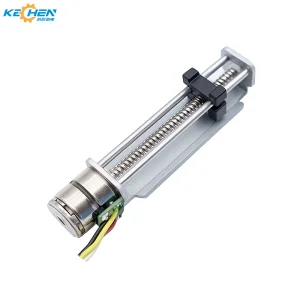
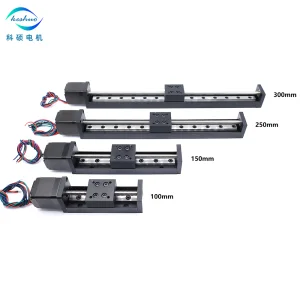
Premium ultra-miniature linear actuators optimized for low-voltage, high-accuracy applications in smart manufacturing and diagnostic equipment.
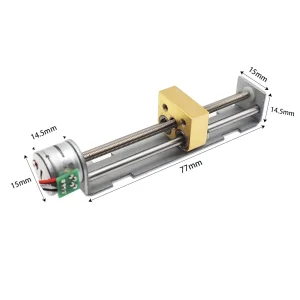
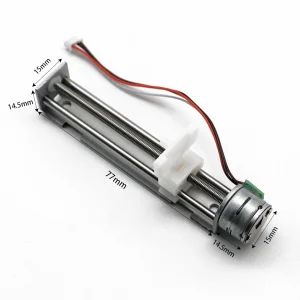
An authoritative whitepaper exploring nearshoring, local market requirements, global supply dynamics, and technical criteria for motion-control procurement.
Mexico has evolved from a regional manufacturing hub into a global epicentre for high-technology nearshoring. Driven by the United States-Mexico-Canada Agreement (USMCA), industrial regions such as Monterrey, Tijuana, Ciudad Juárez, and the Bajío corridor (Querétaro, Guanajuato, and San Luis Potosí) are seeing unprecedented expansion in smart manufacturing. The integration of advanced automation requires sub-assemblies that deliver micro-millimetre precision without sacrificing volumetric efficiency.
In Tijuana's medical device cluster—the largest in North America—manufacturers are localizing supply chains for critical components like fluidic infusion pumps, micro-valves, and laboratory diagnostic robots. Simultaneously, the Bajío region's automotive plants are migrating toward electronic throttle systems, advanced headlight levelling, and interior smart-glass modules. These applications depend fundamentally on miniature linear stepper motors. Sourcing these components requires an understanding of both local application constraints and the global supply ecosystems that support them.
For engineering departments operating within Mexican aerospace and automotive clusters, selecting the right motion control system is a balance of torque-to-weight ratios, resolution, and life-cycle costs. Unlike traditional rotary stepper motors coupled to external belt or rack-and-pinion systems, linear stepper motors translate rotary torque directly into linear force inside the motor housing. This minimizes backlash, decreases the component bill of materials (BOM), and drastically lowers point-of-failure risks.
Whether utilising captive designs (where the shaft is prevented from rotating internally, creating direct axial motion), non-captive configurations, or external lead screw structures, these motors allow precision positioning down to sub-micron levels when controlled by micro-stepping drives. In environments subject to rapid thermal variations—common in Mexican desert manufacturing zones—Brea Tech's proprietary copper alloy slide blocks and stainless-steel lead screws ensure minimal thermal expansion coefficient mismatch, maintaining operation from -20°C to +85°C.
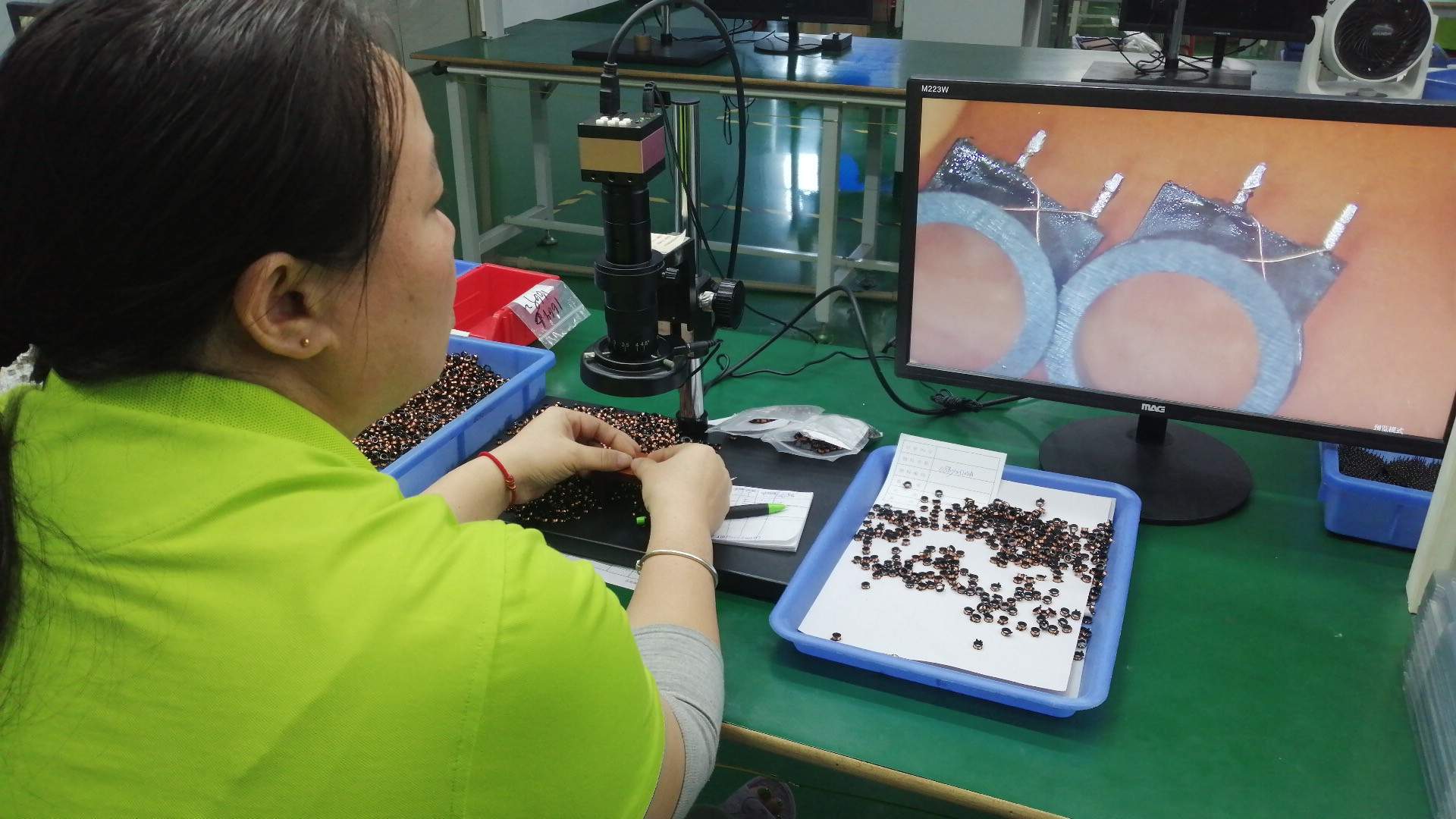
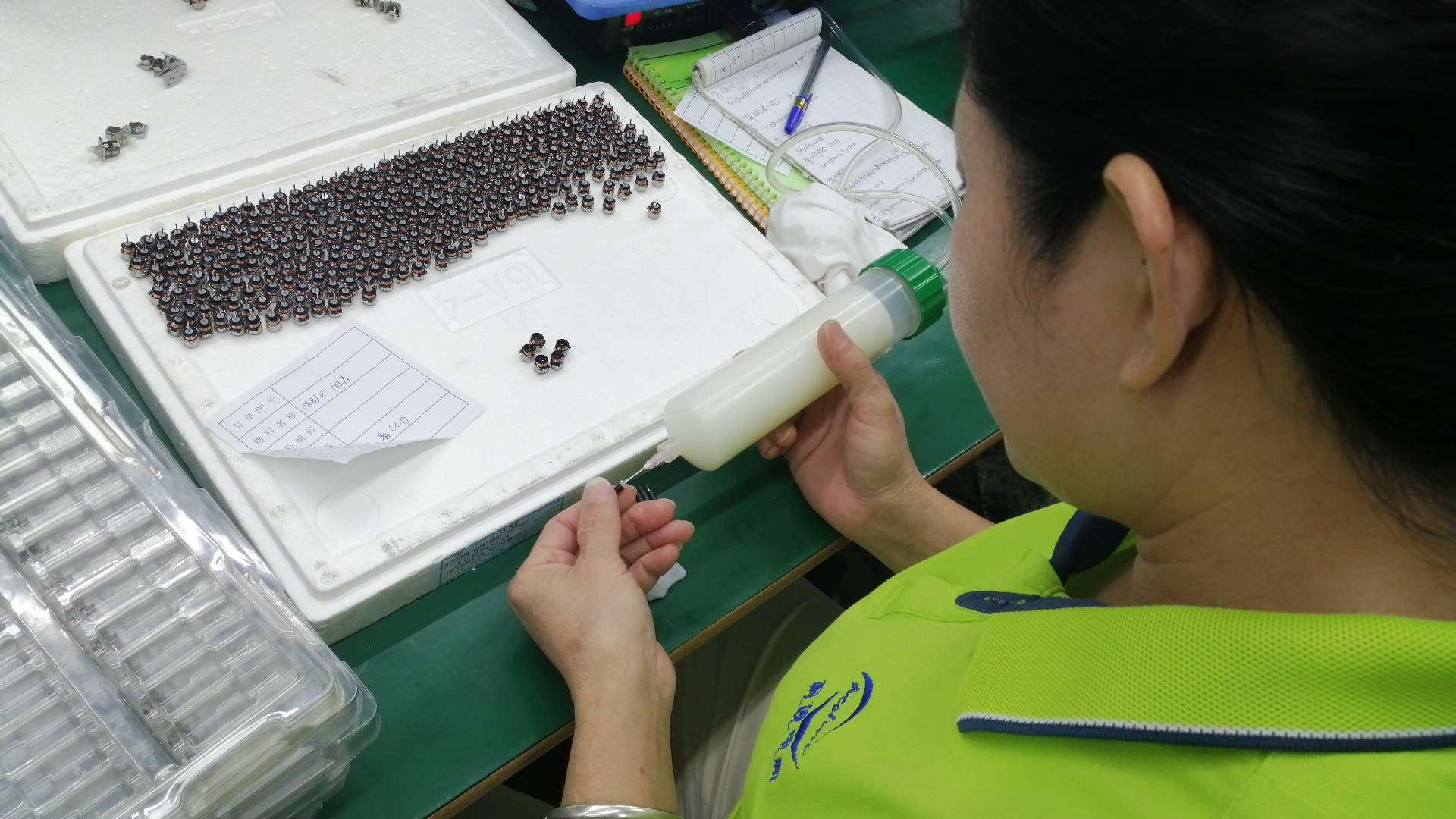
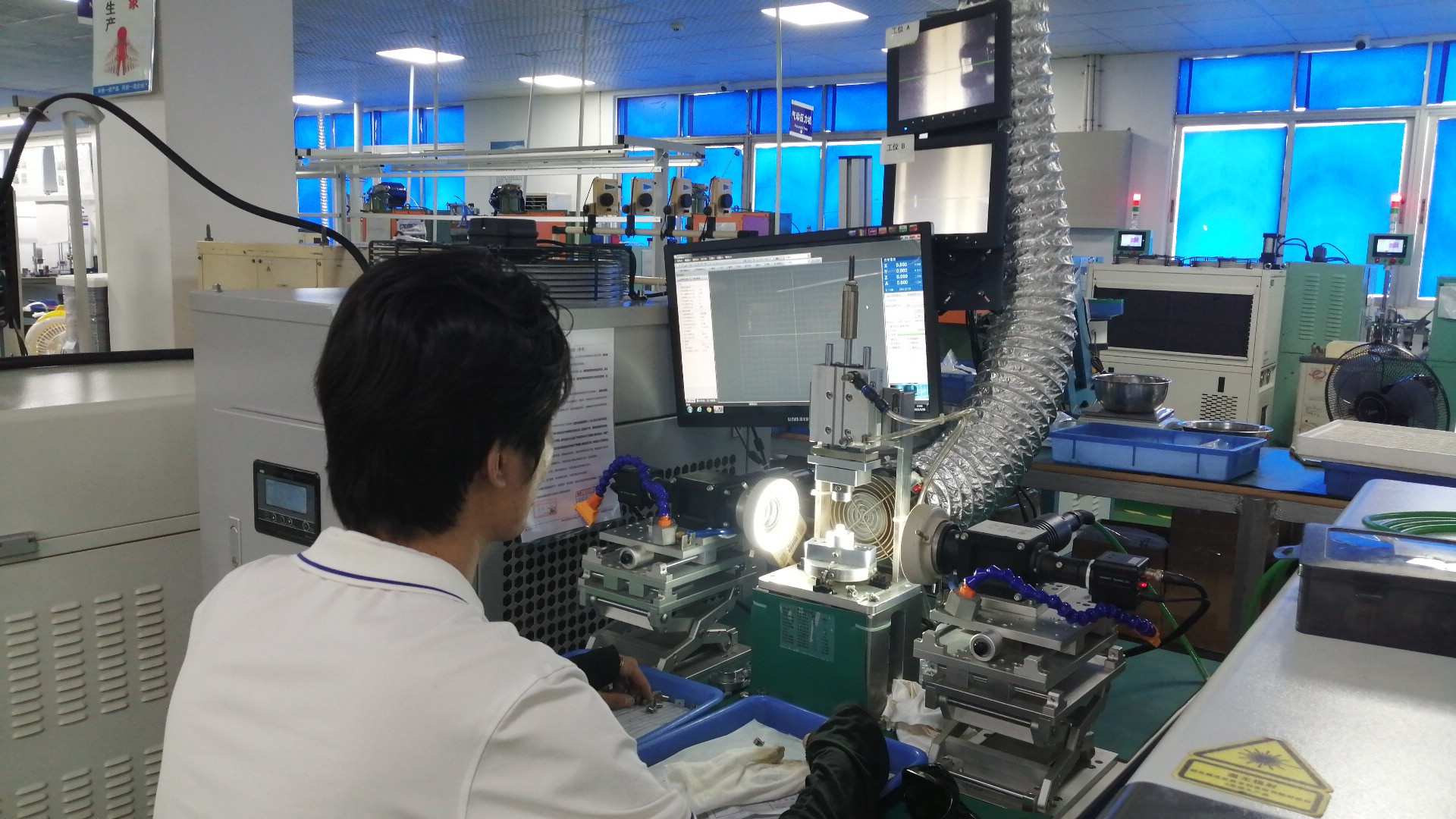
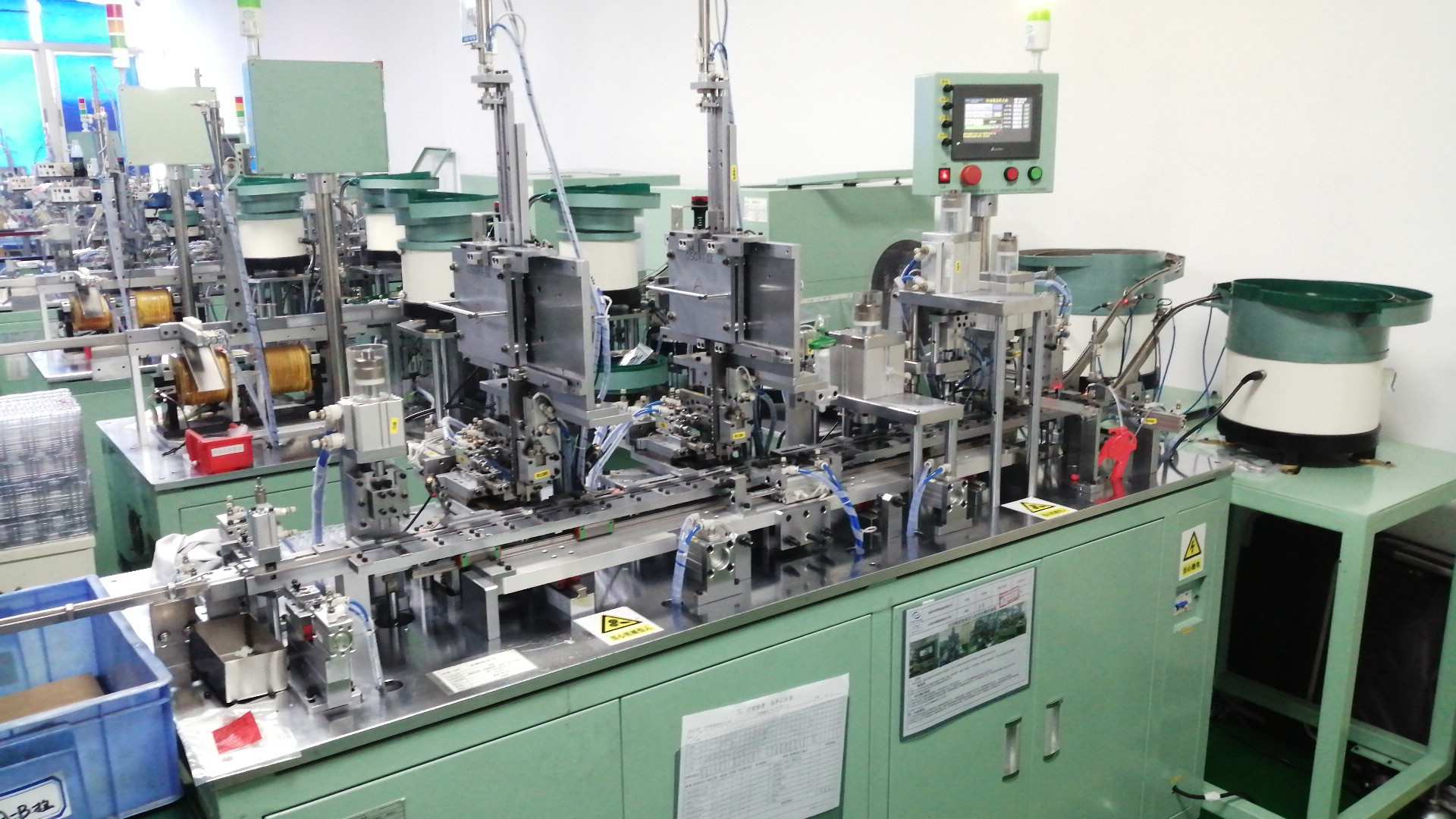
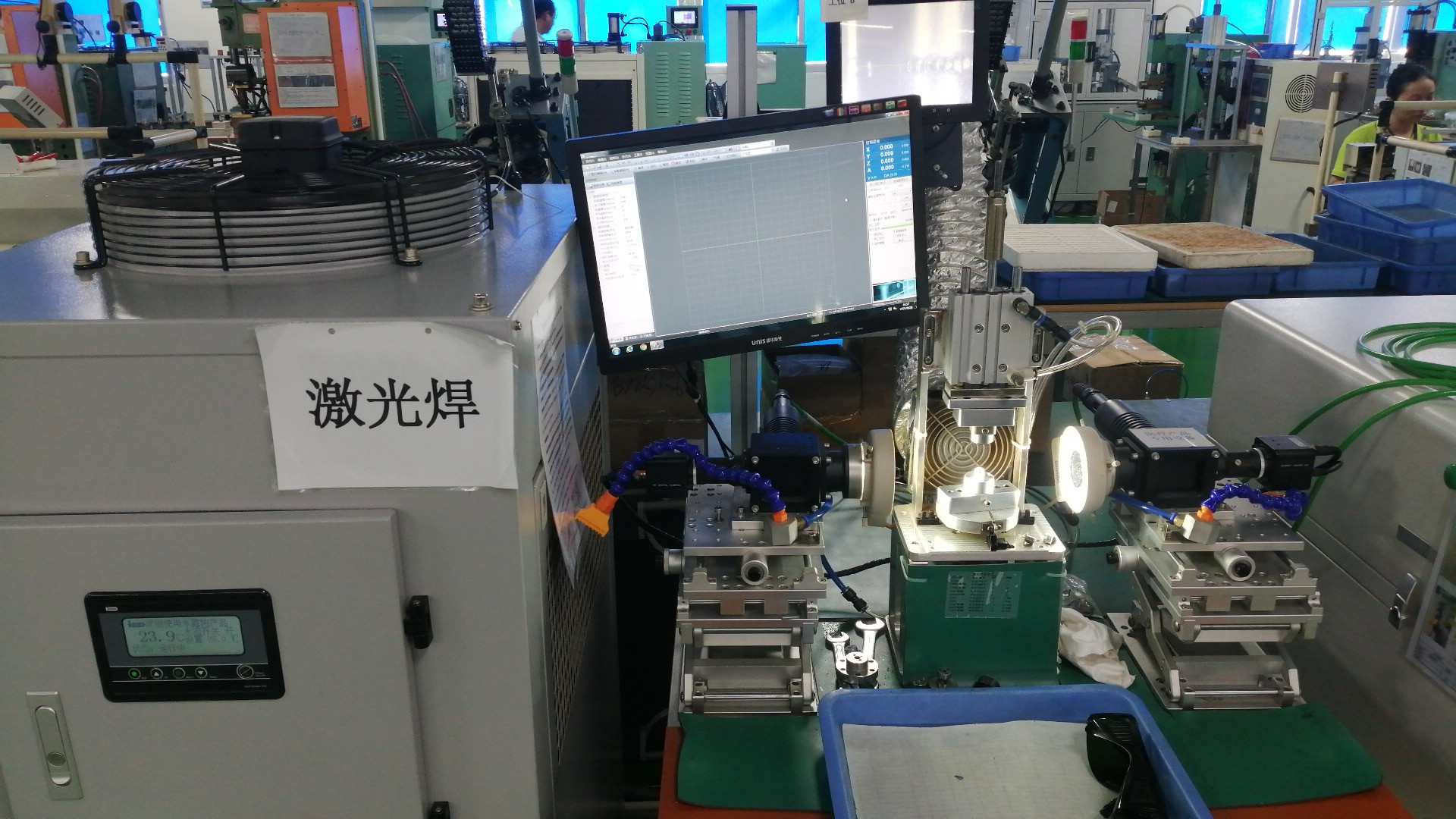
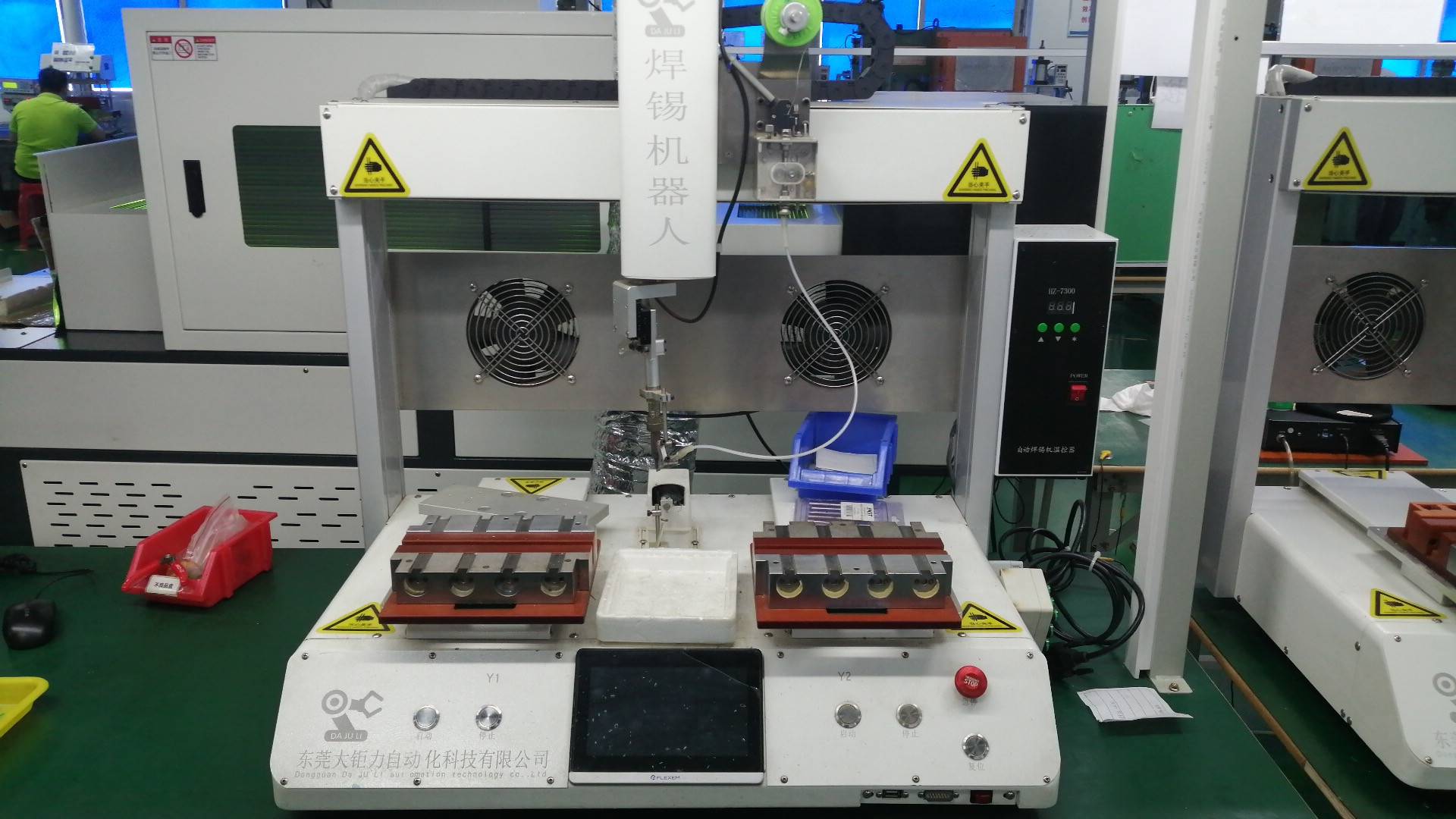
Procuring micro-motion control hardware for Mexican assembly lines demands a highly responsive supply chain. Chinese Factory 4.0 production models—led by innovative manufacturers like Brea Tech Micro Motor—provide the necessary scale and custom engineering capabilities. The integration of automated winding, automated soldering, and inline CCD optical alignment ensures consistent quality while reducing manufacturing lead times.
Furthermore, global B2B procurement professionals must weigh geopolitical factors, shipping routes, and component standardization. By partnering with advanced Chinese factories that feature integrated end-to-end design, tooling, and verification equipment, buyers gain access to rapid prototyping services. This makes it possible to modify lead screw pitches, wire harnesses, connector interfaces, and structural brackets to align with the unique spatial envelopes of localized assemblies.
Brea Tech Micro Motor is a forward-thinking Chinese manufacturer redefining precision motion control in the micro-drive industry. We design and build high-efficiency micro DC and BLDC motors that power next-generation technologies worldwide.
Driven by our core philosophy—Top Quality & Customization—we combine advanced manufacturing tech with flexible engineering to provide global B2B clients with the transparency of a local partner and the cost benefits of a premier Chinese factory. Built to last. Engineered to fit.
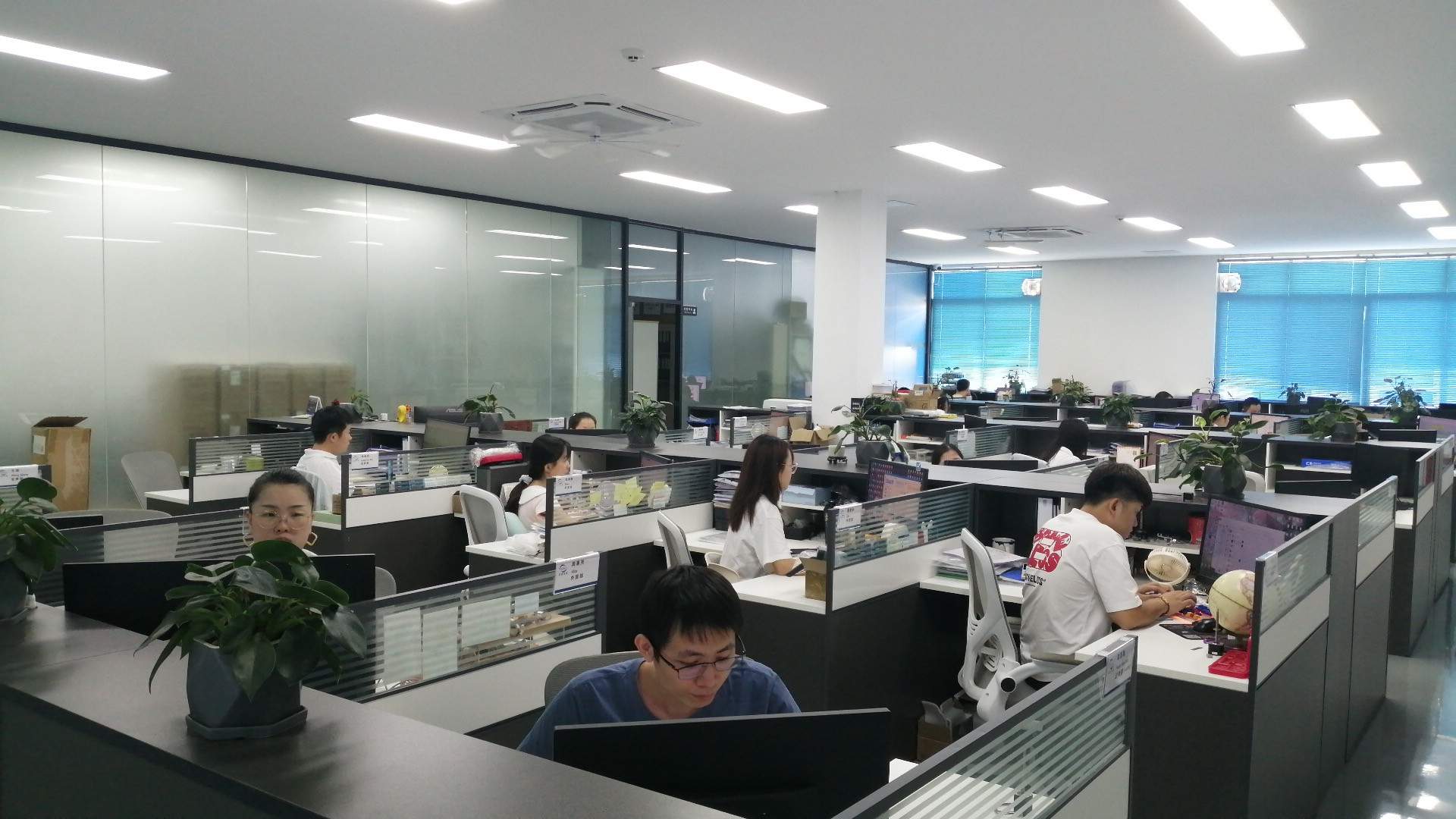
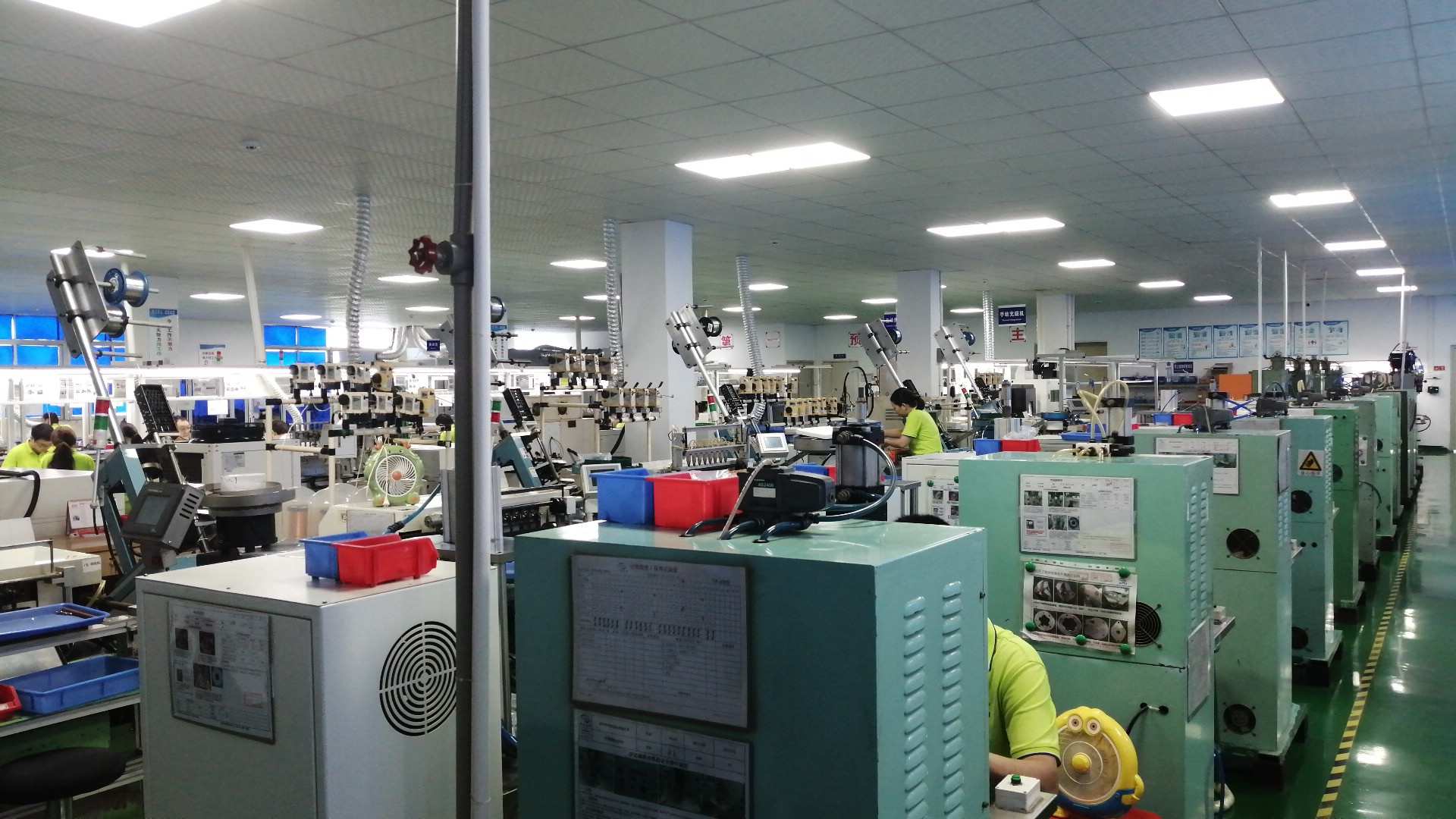
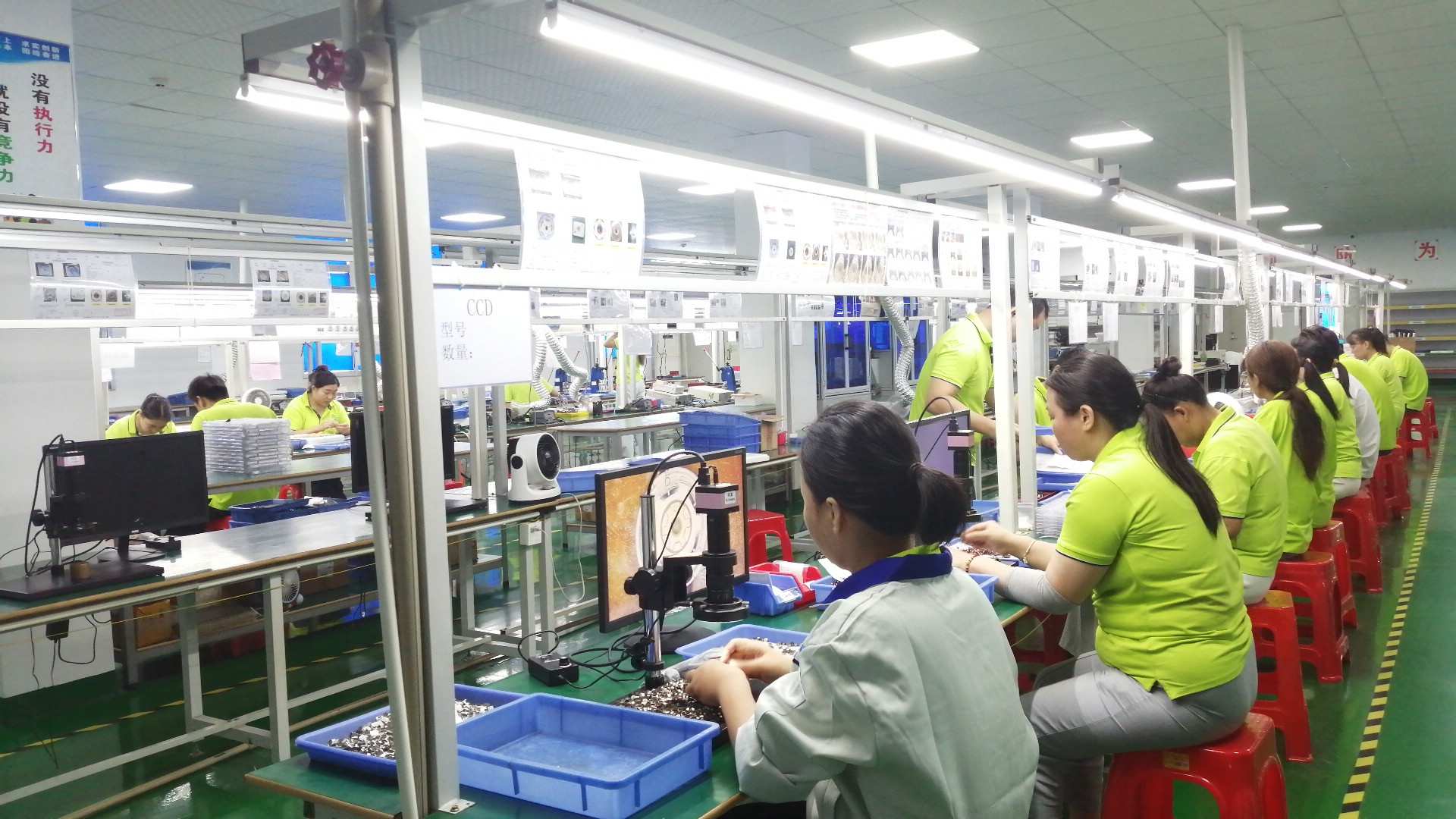
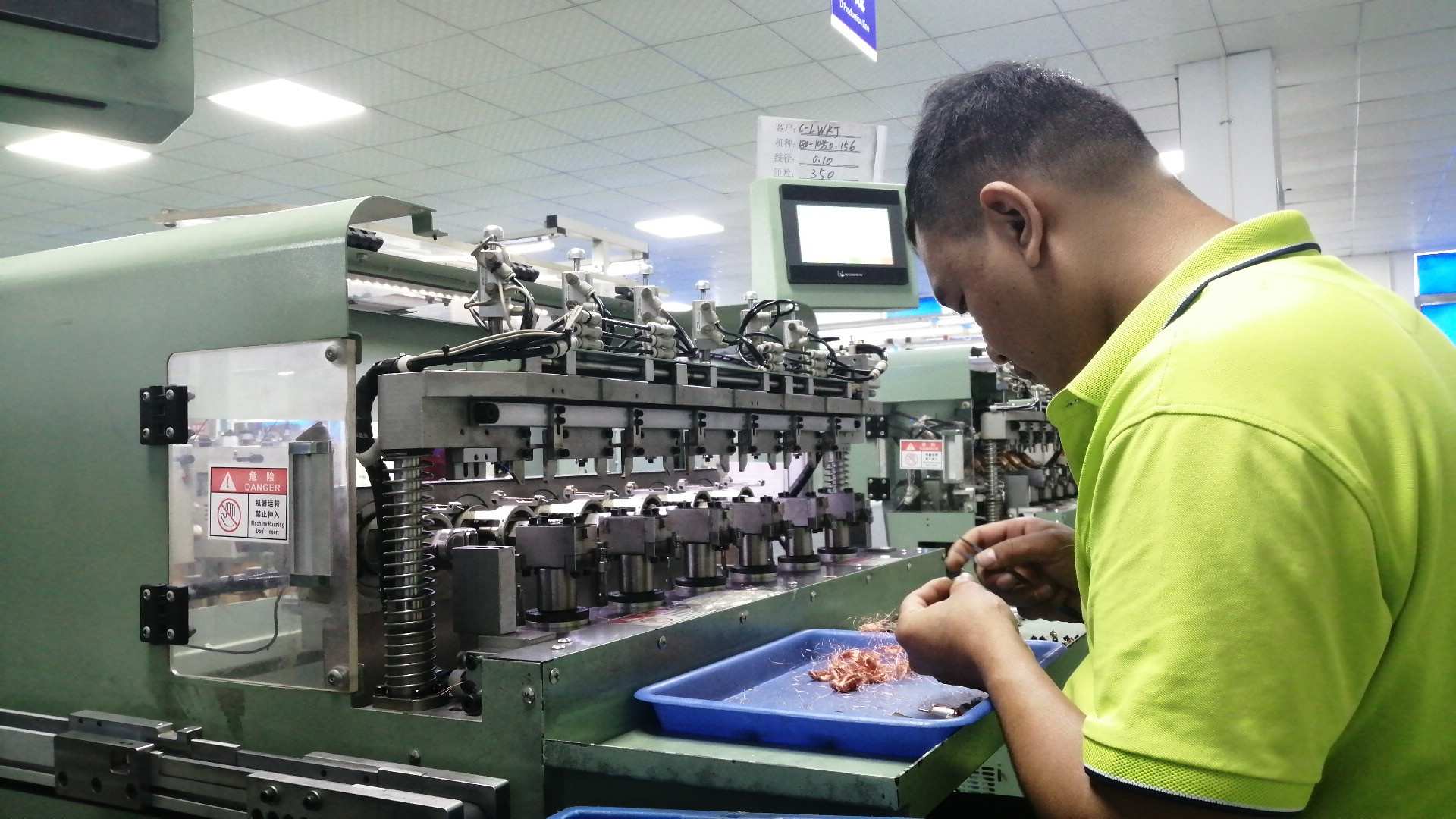
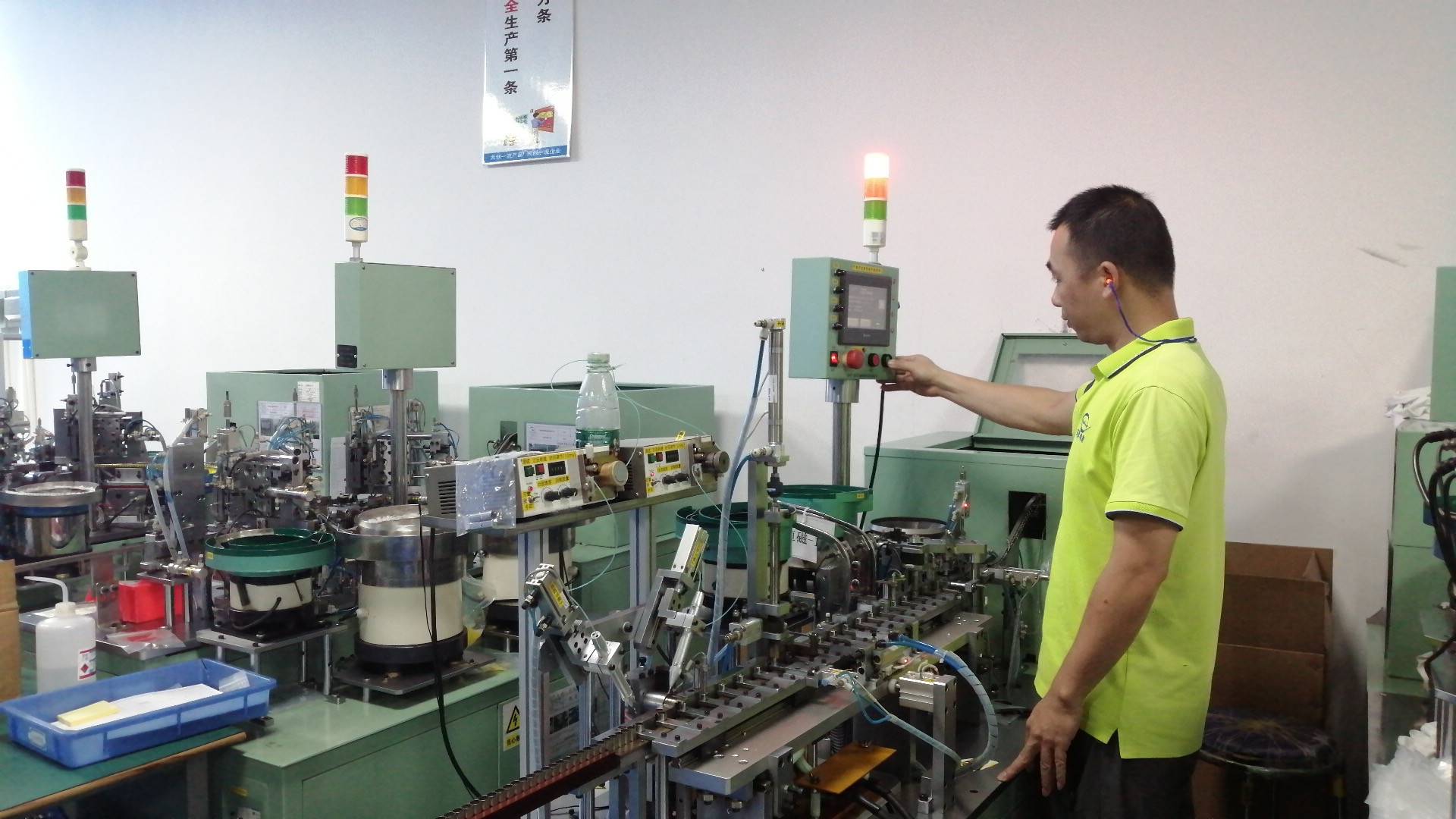
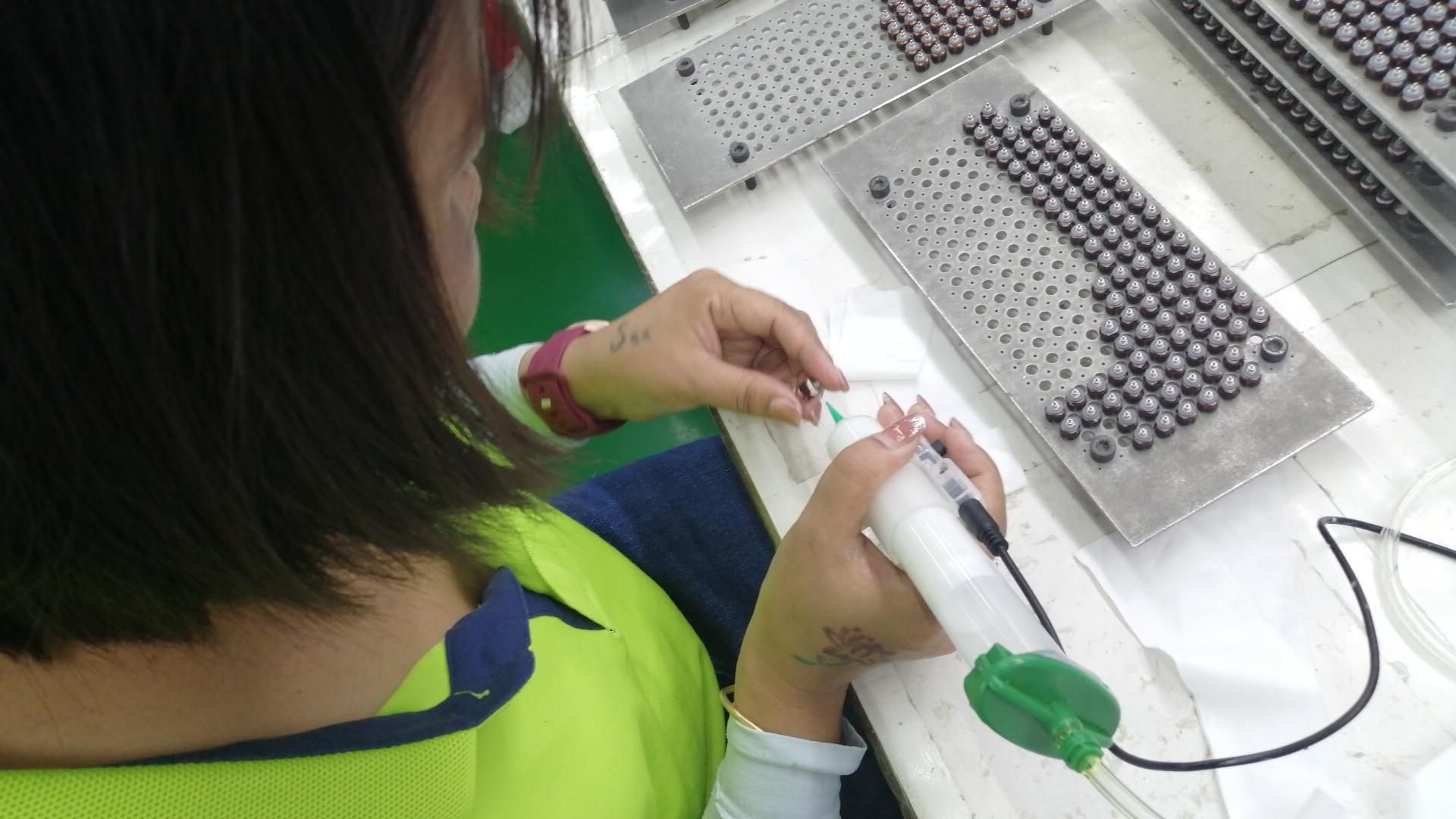
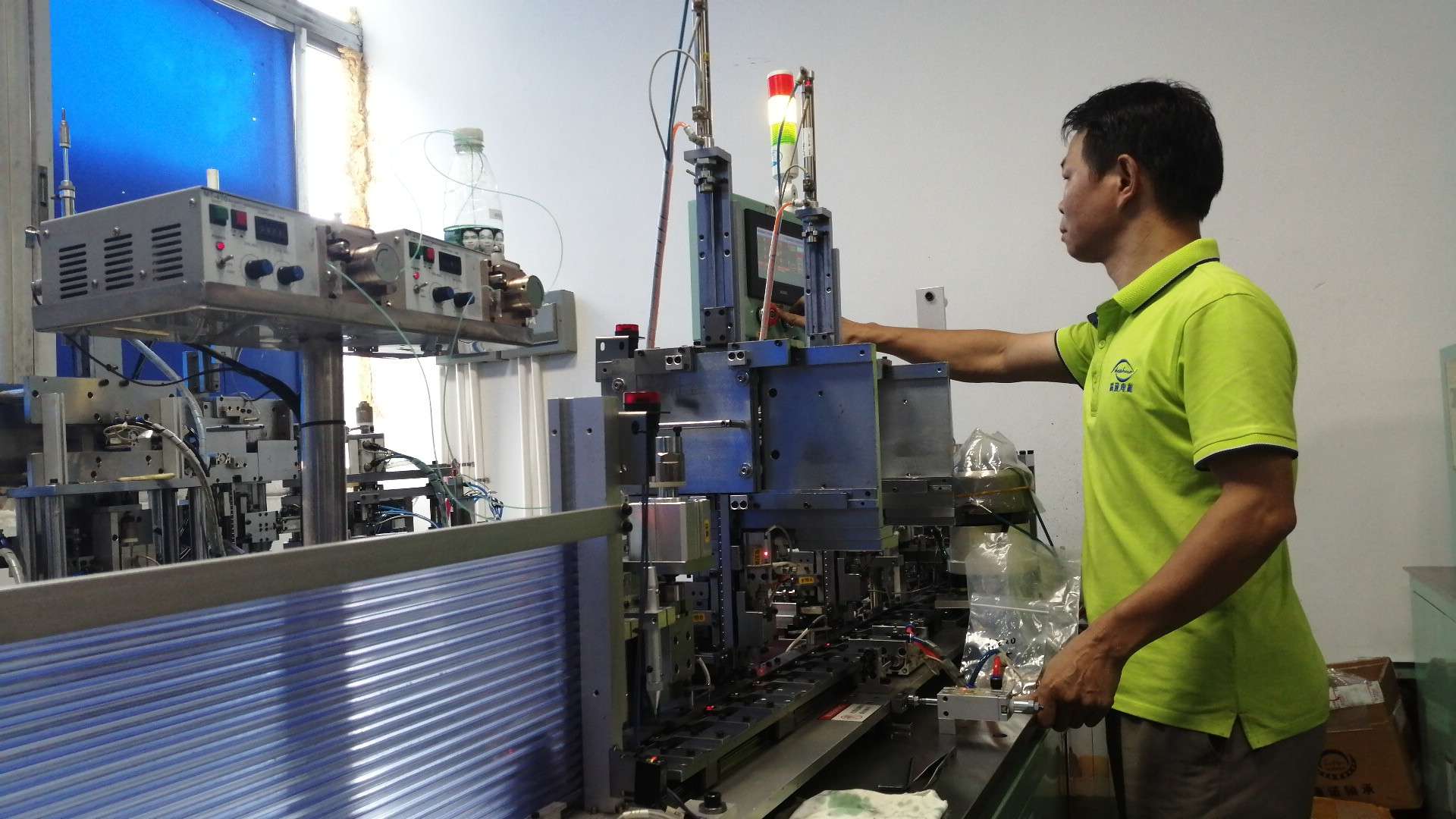
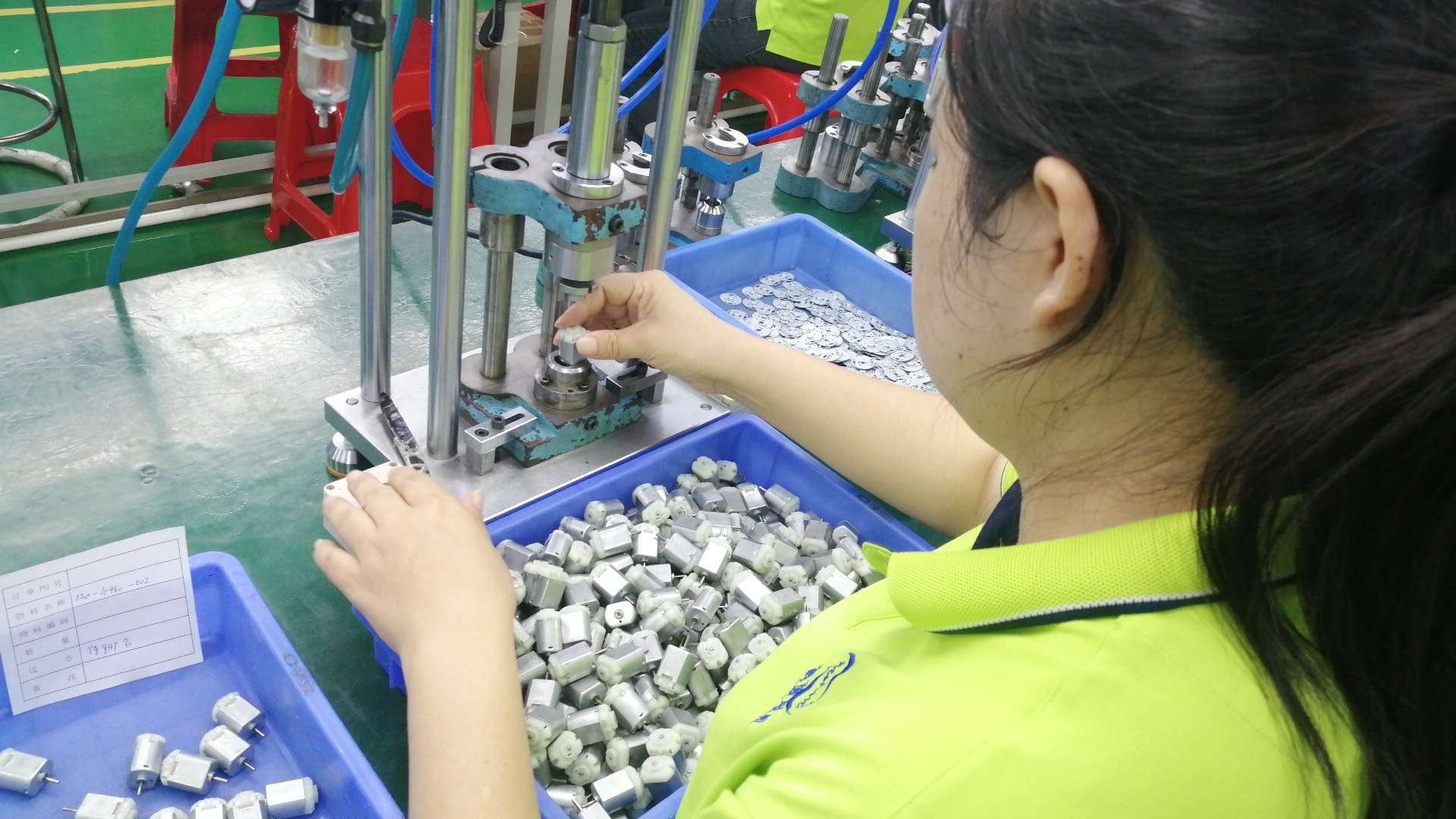
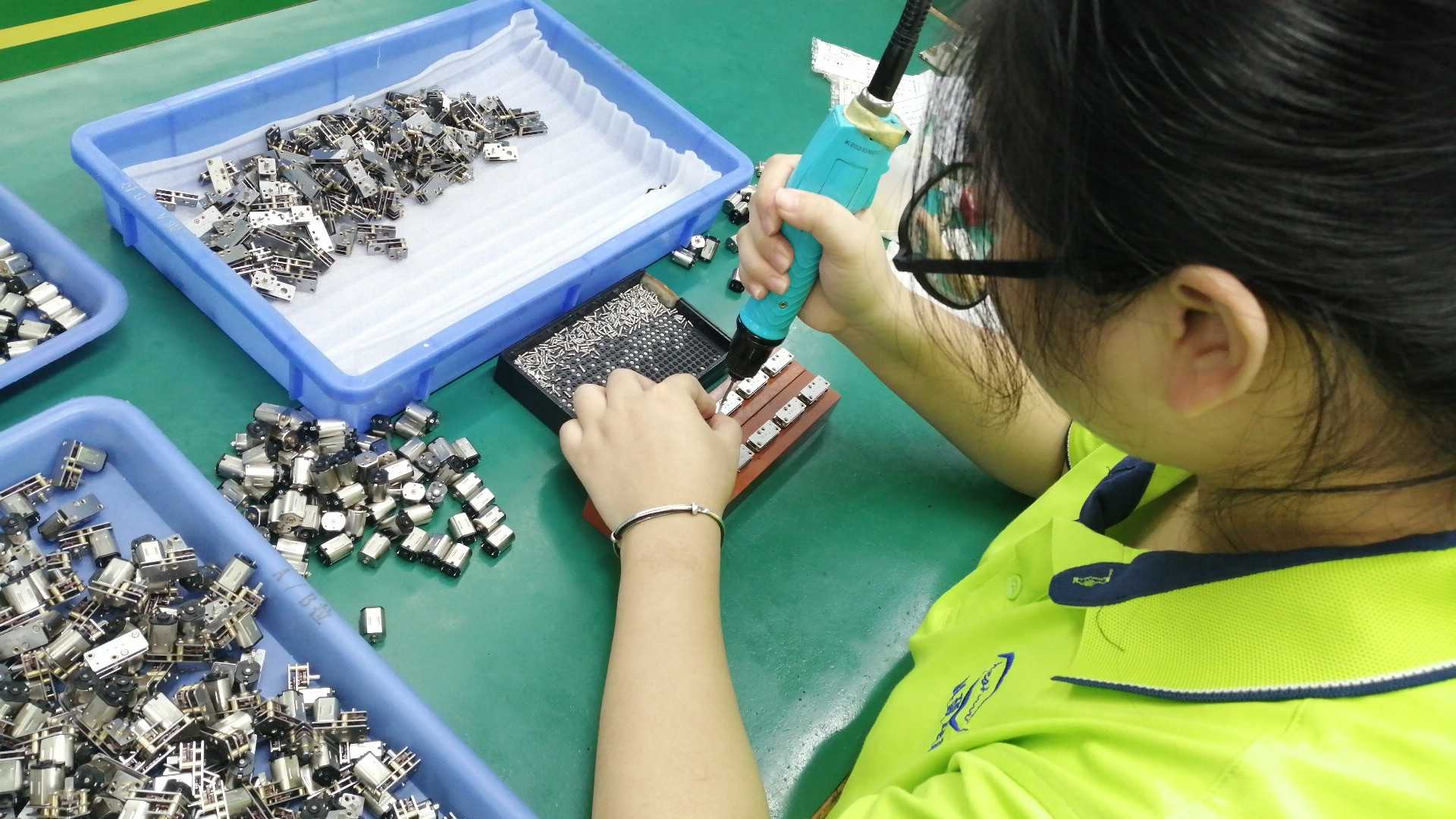
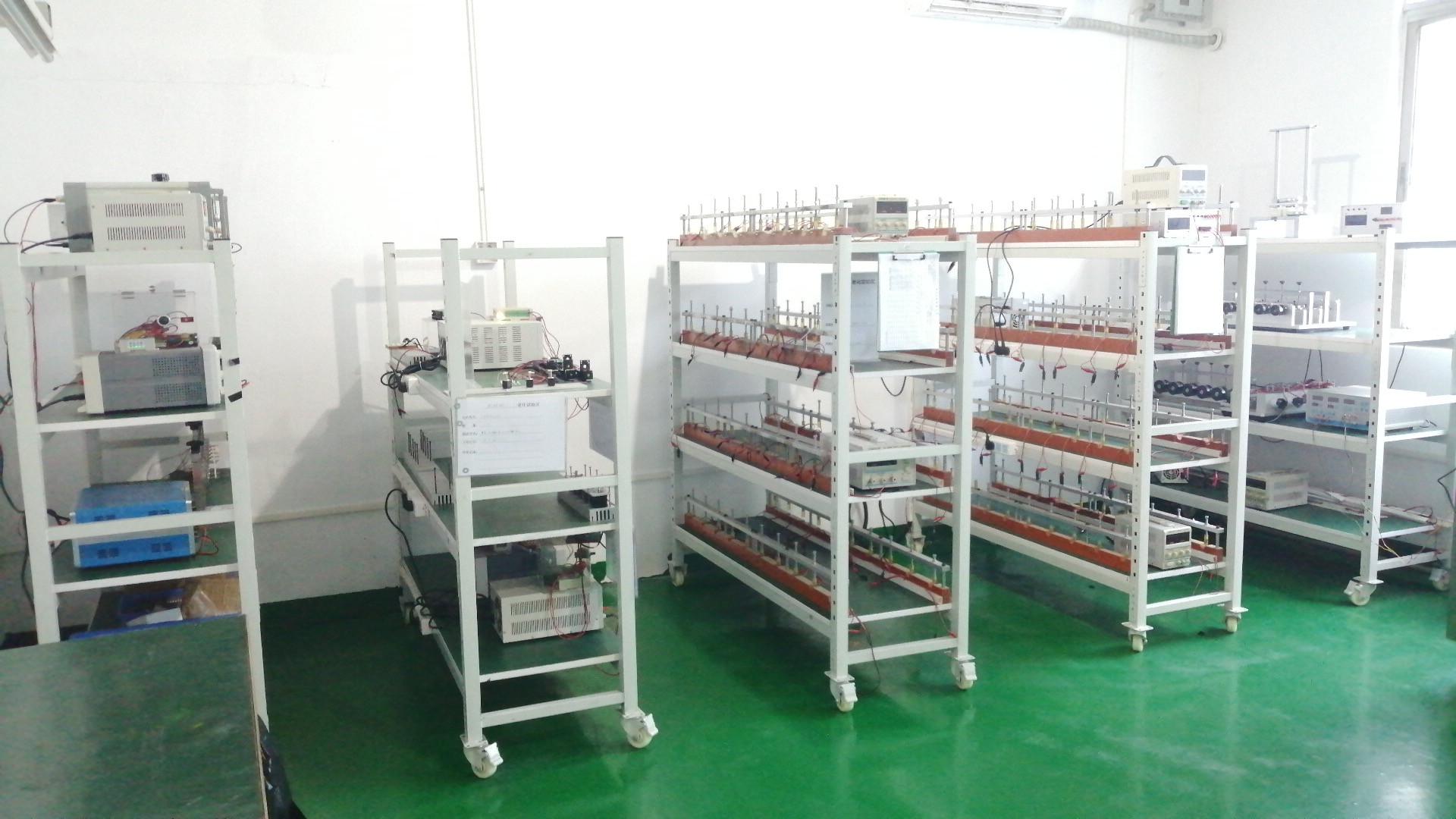
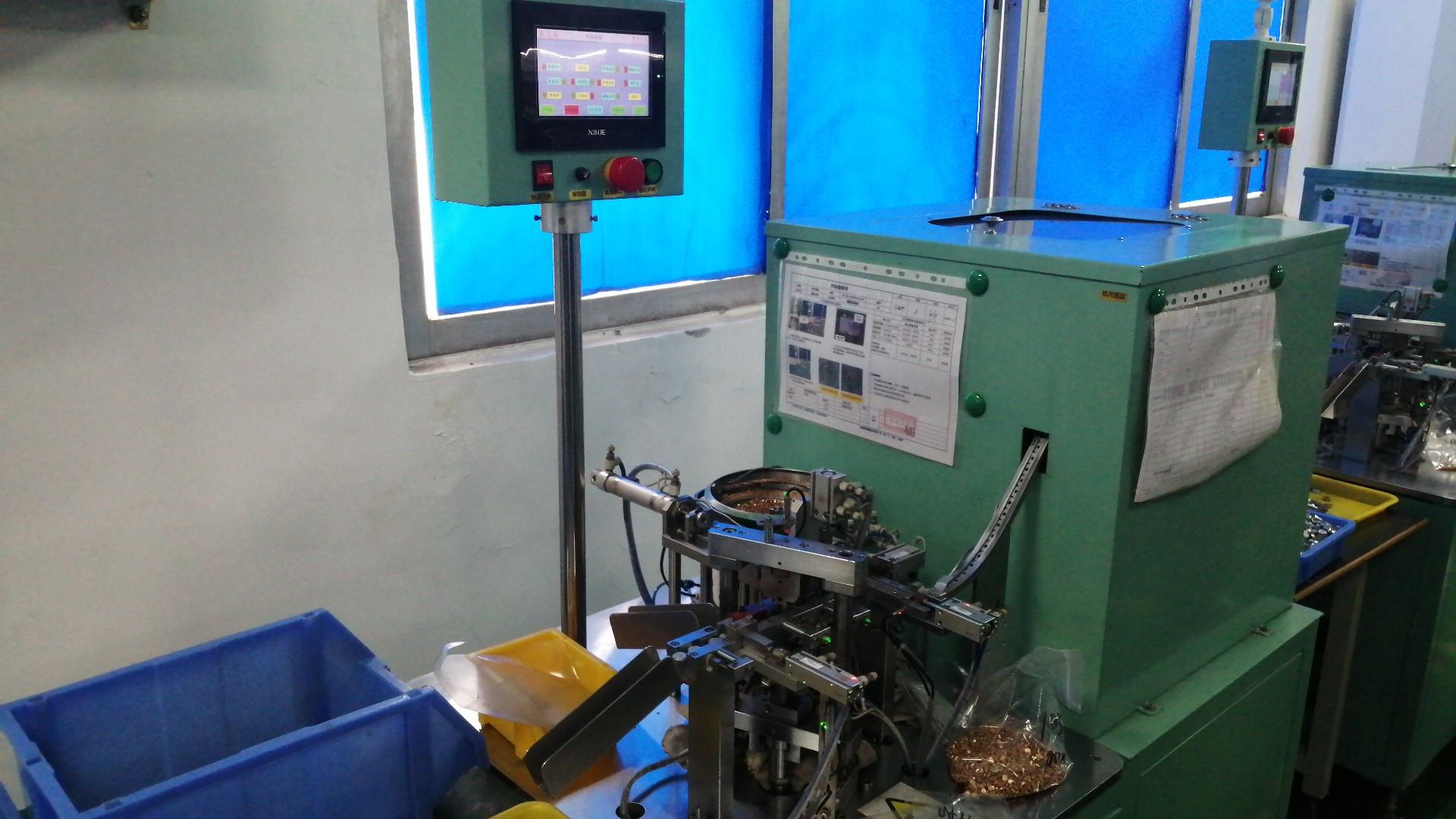
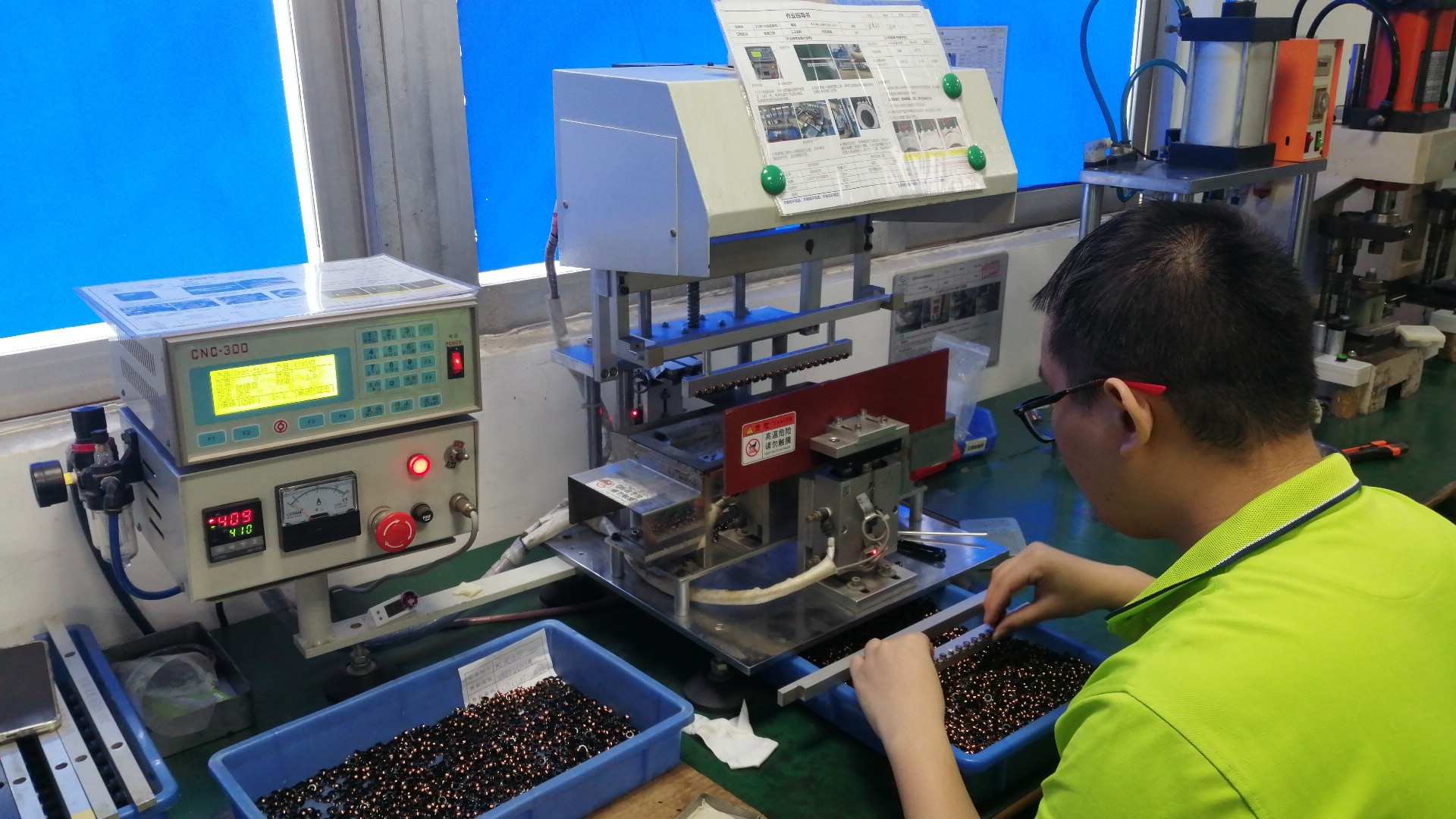
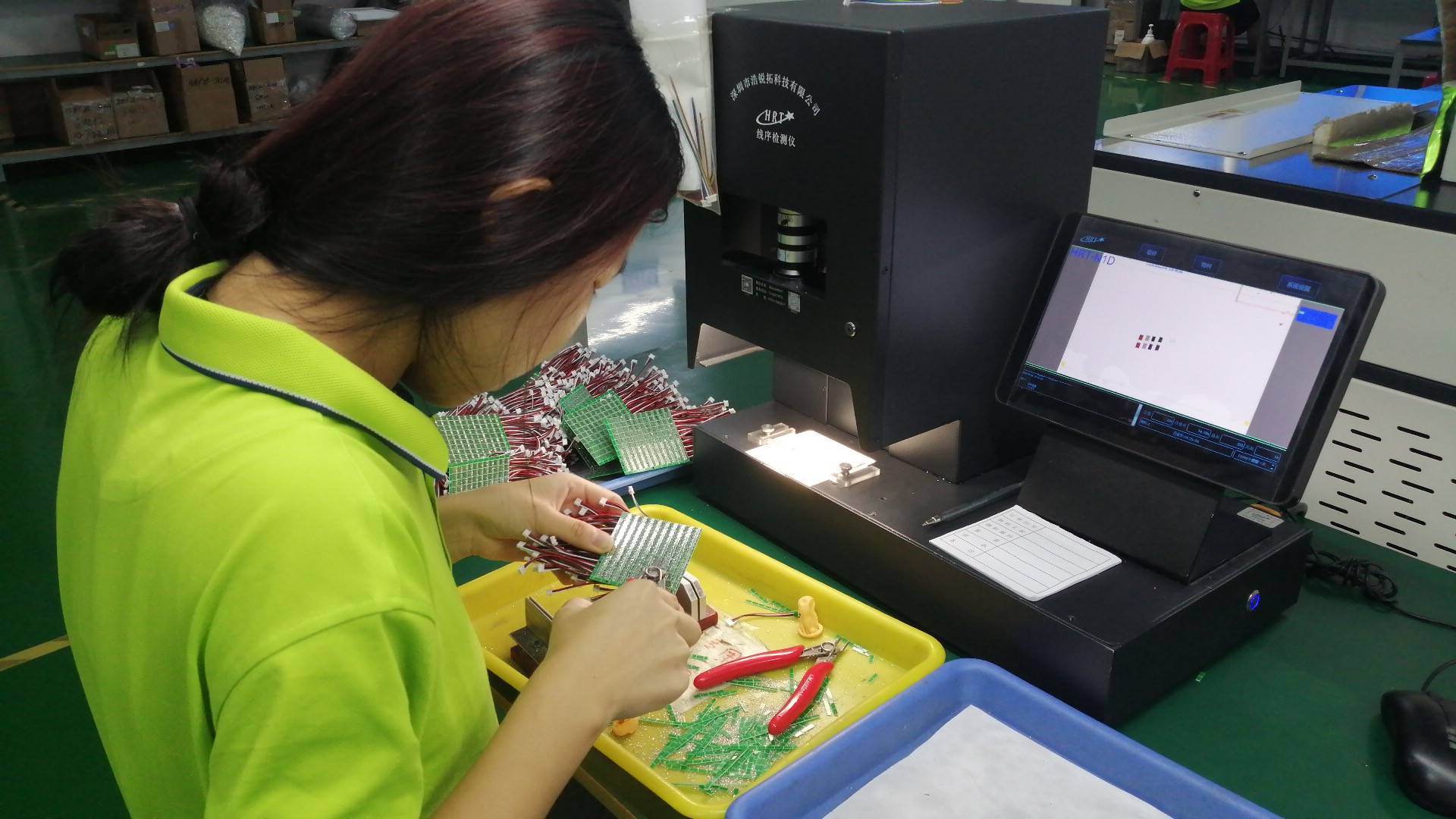
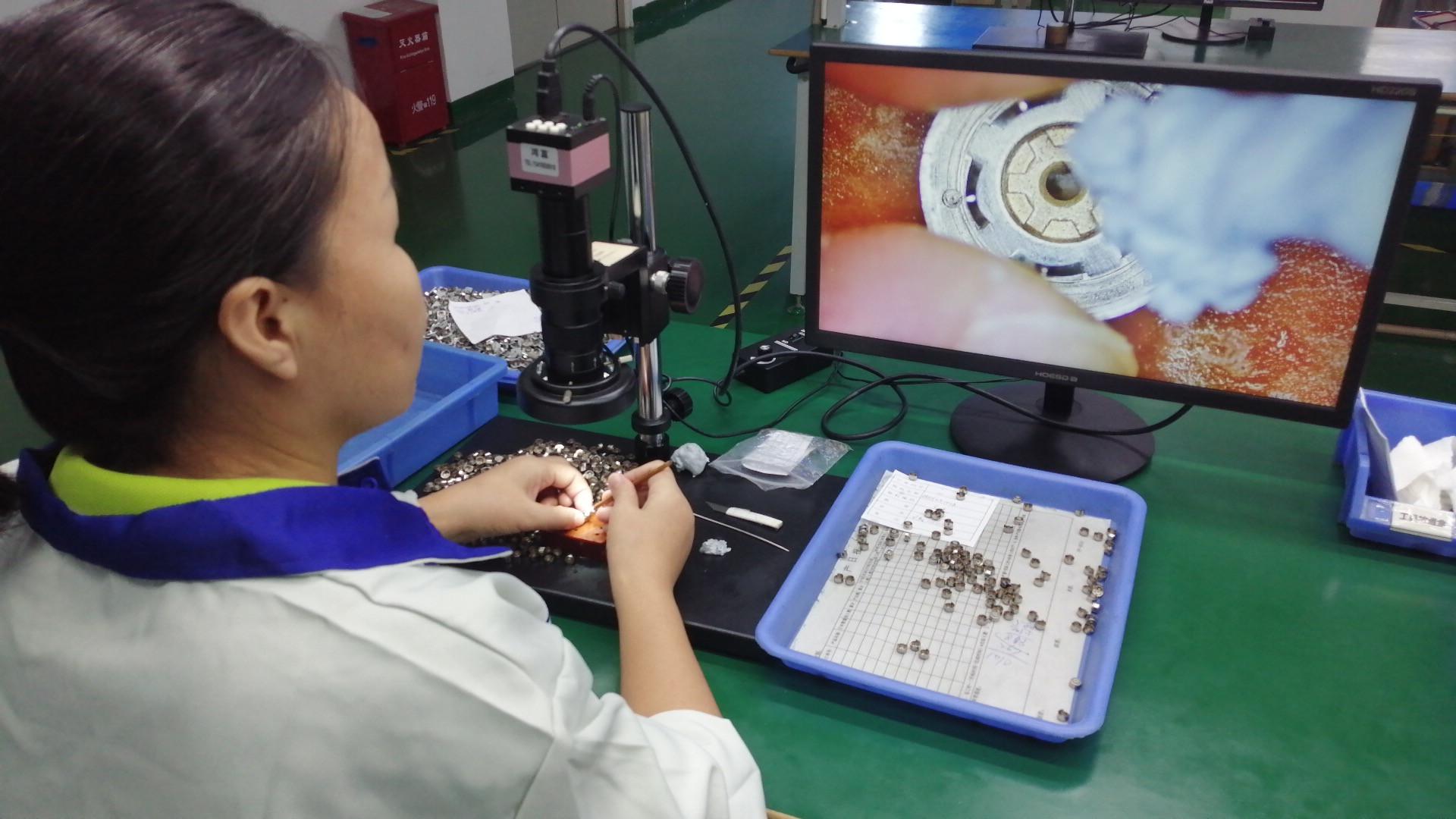
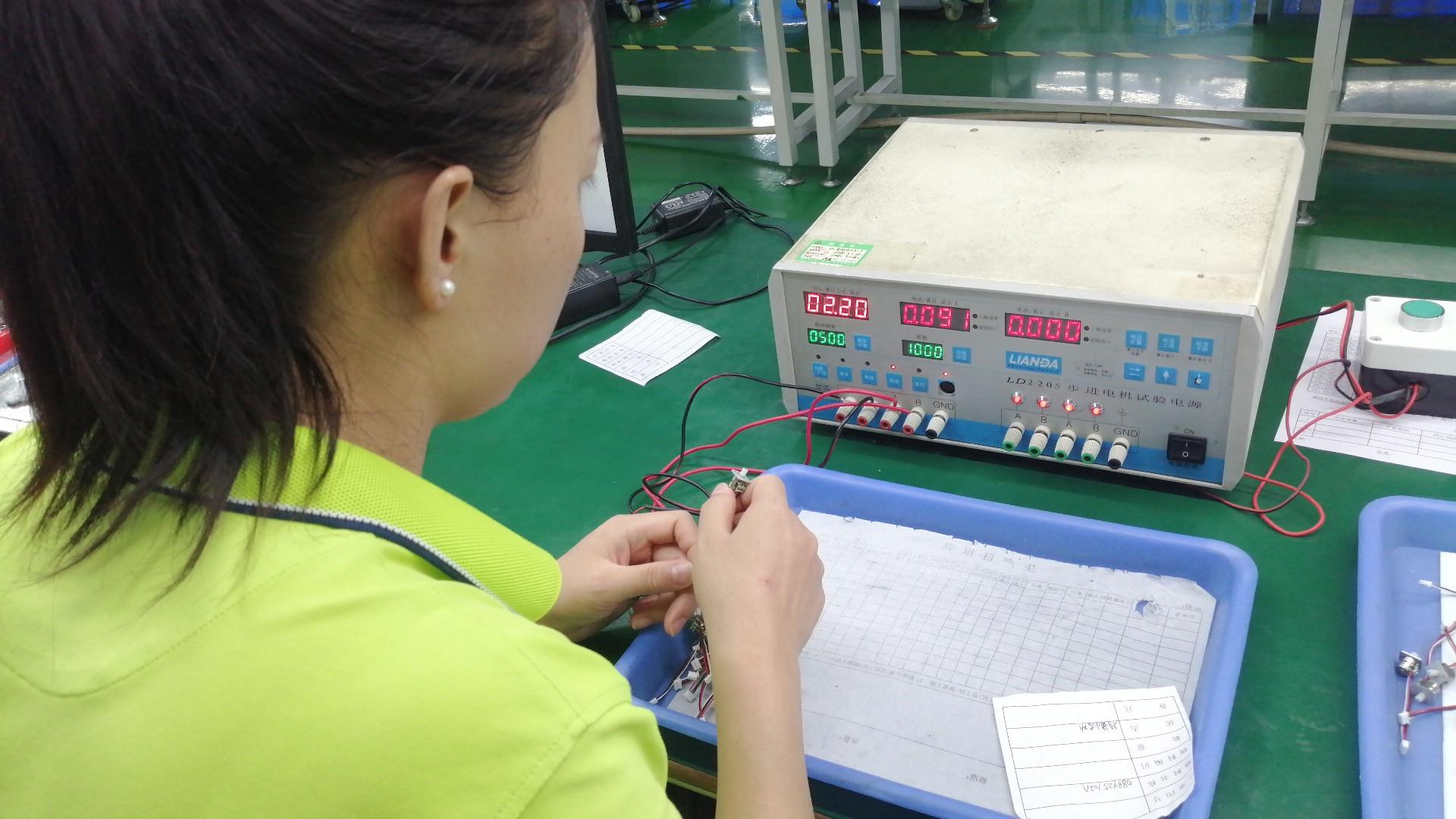
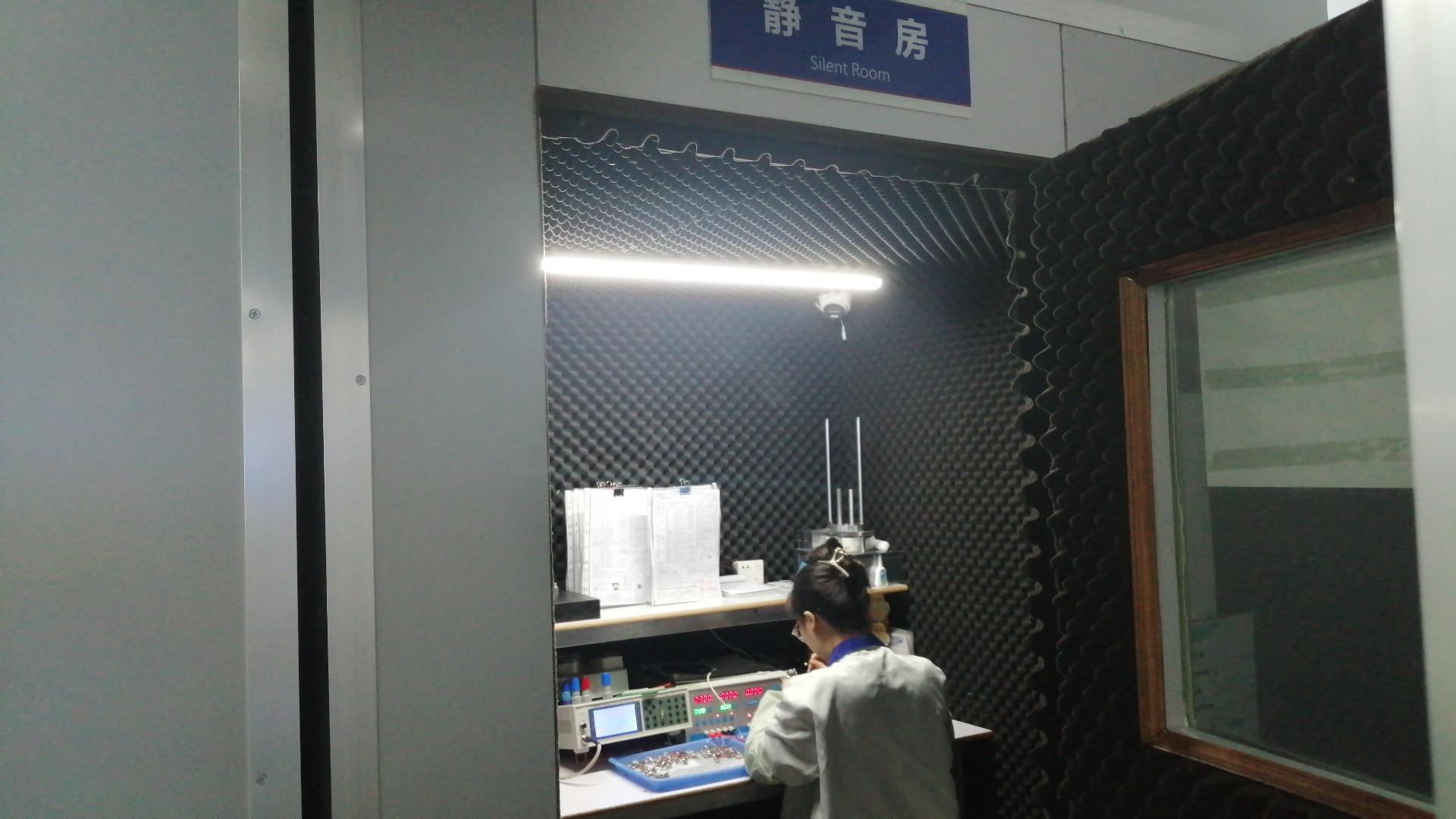
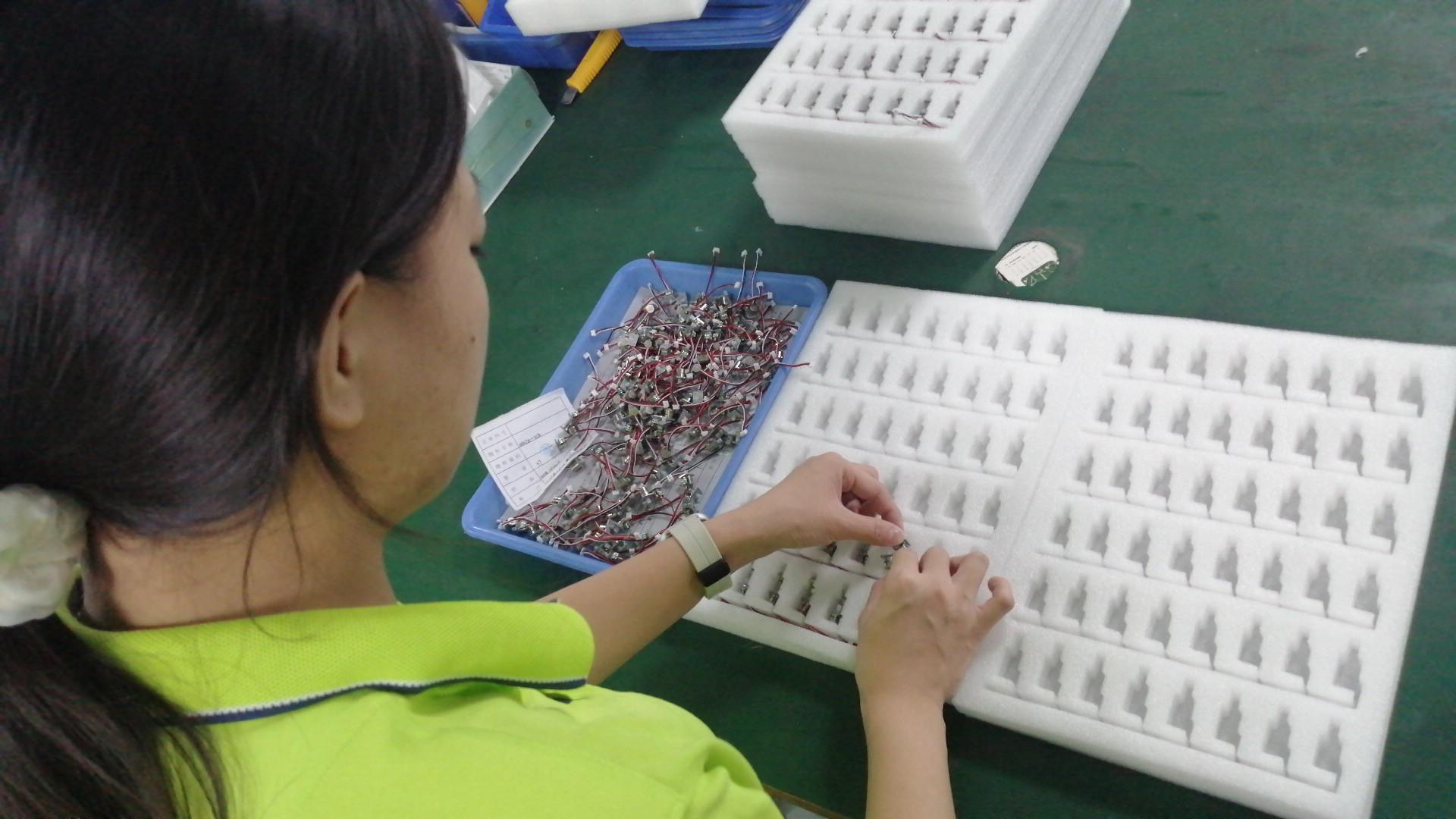
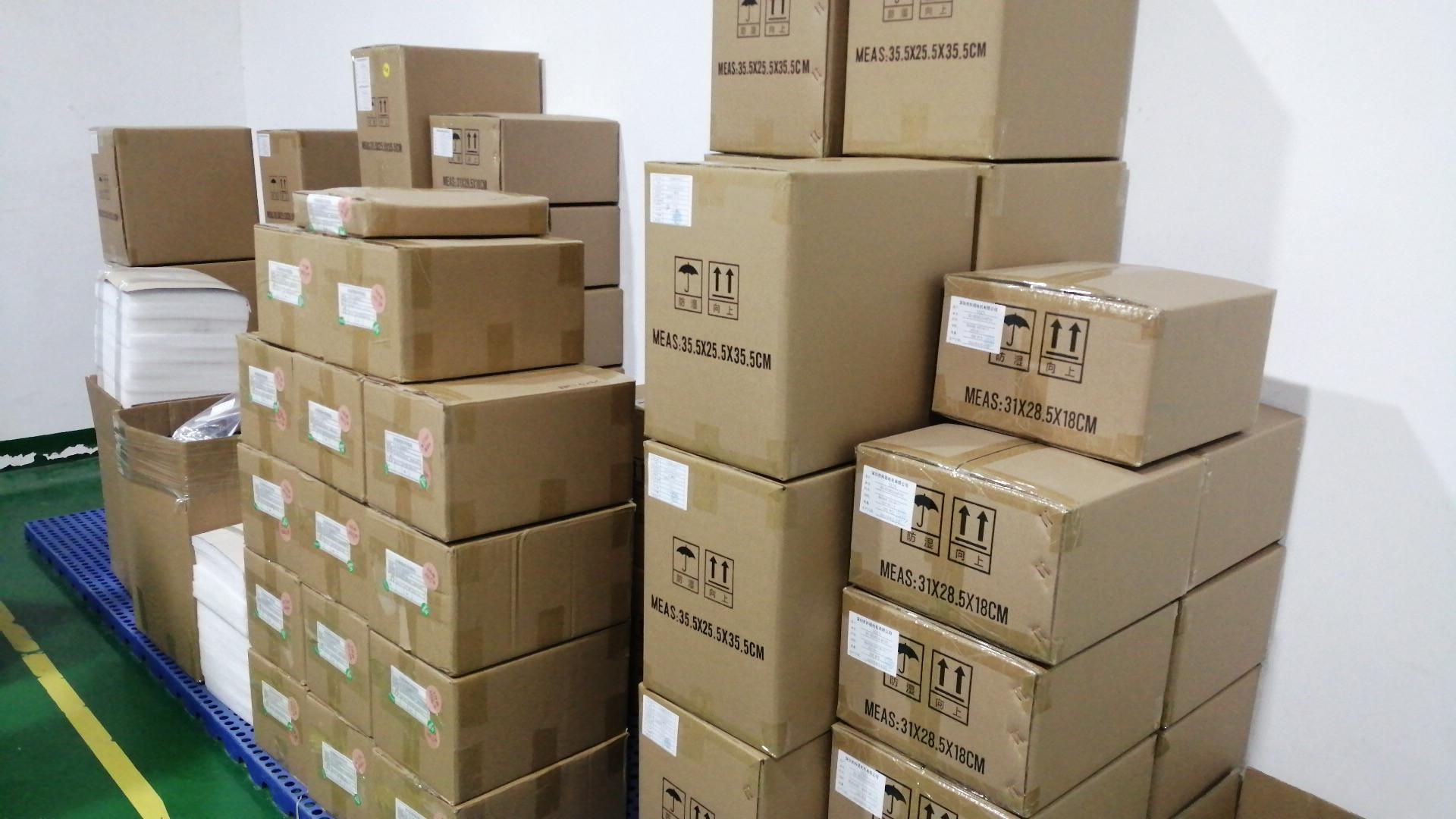
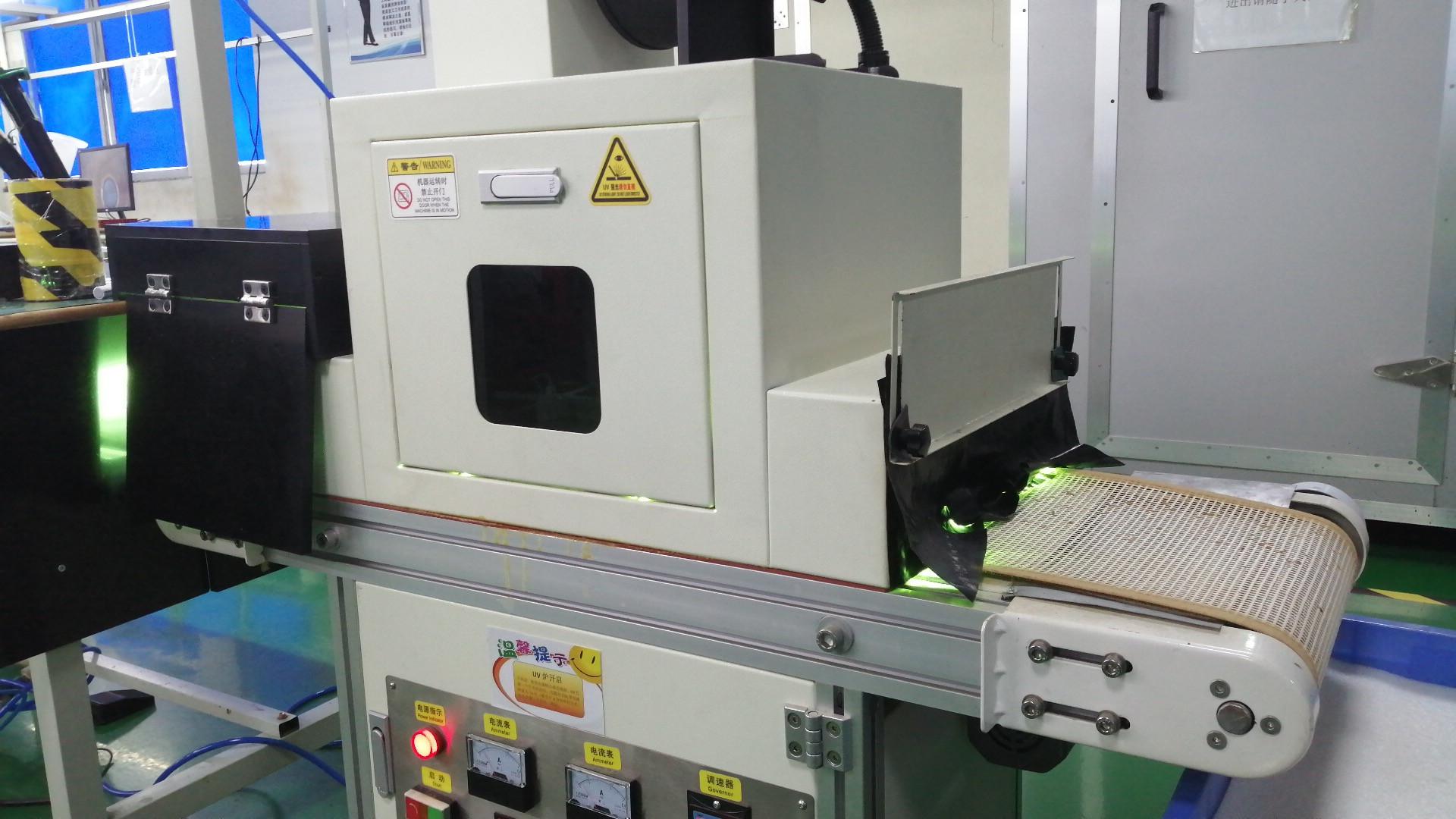
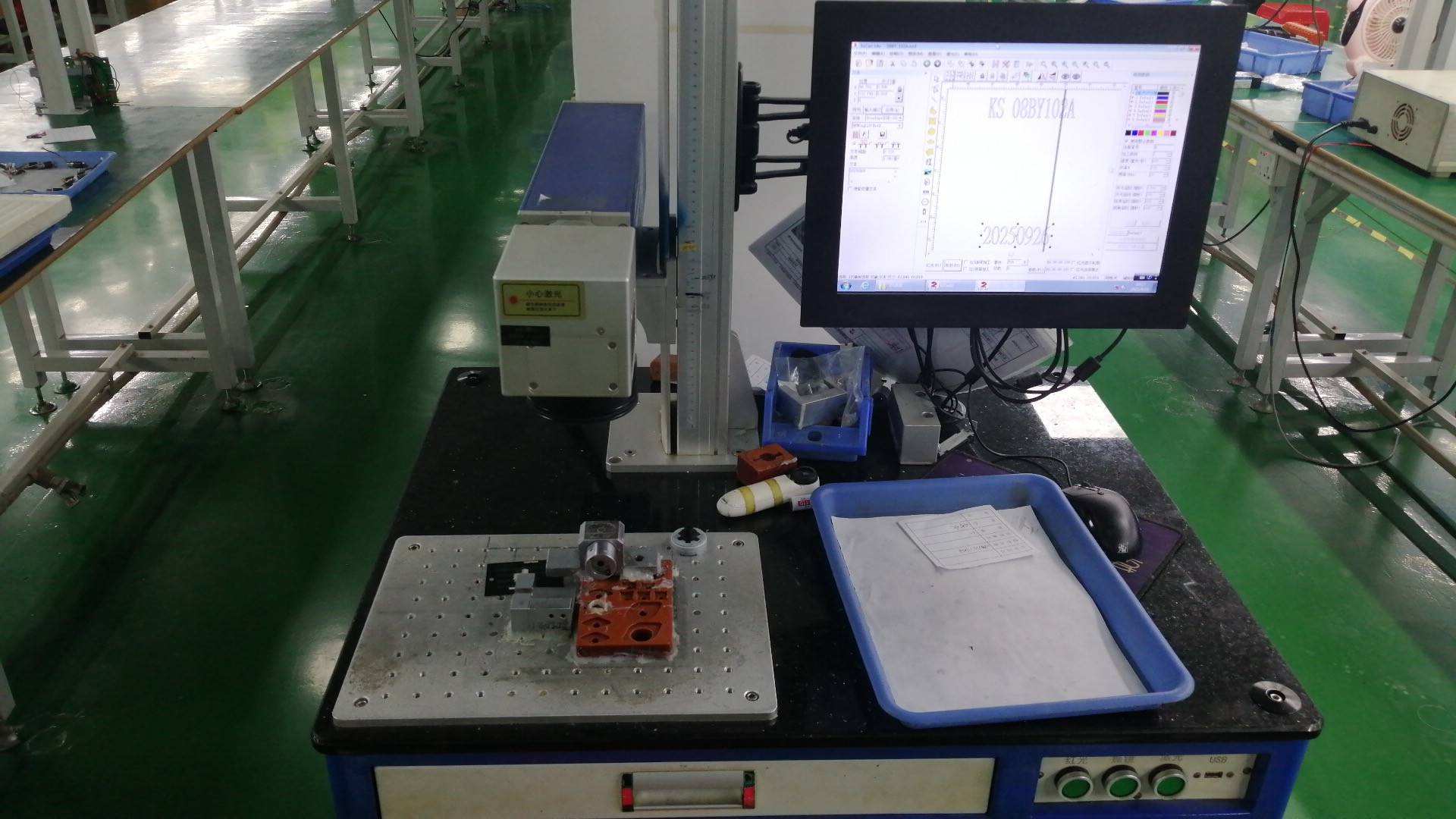
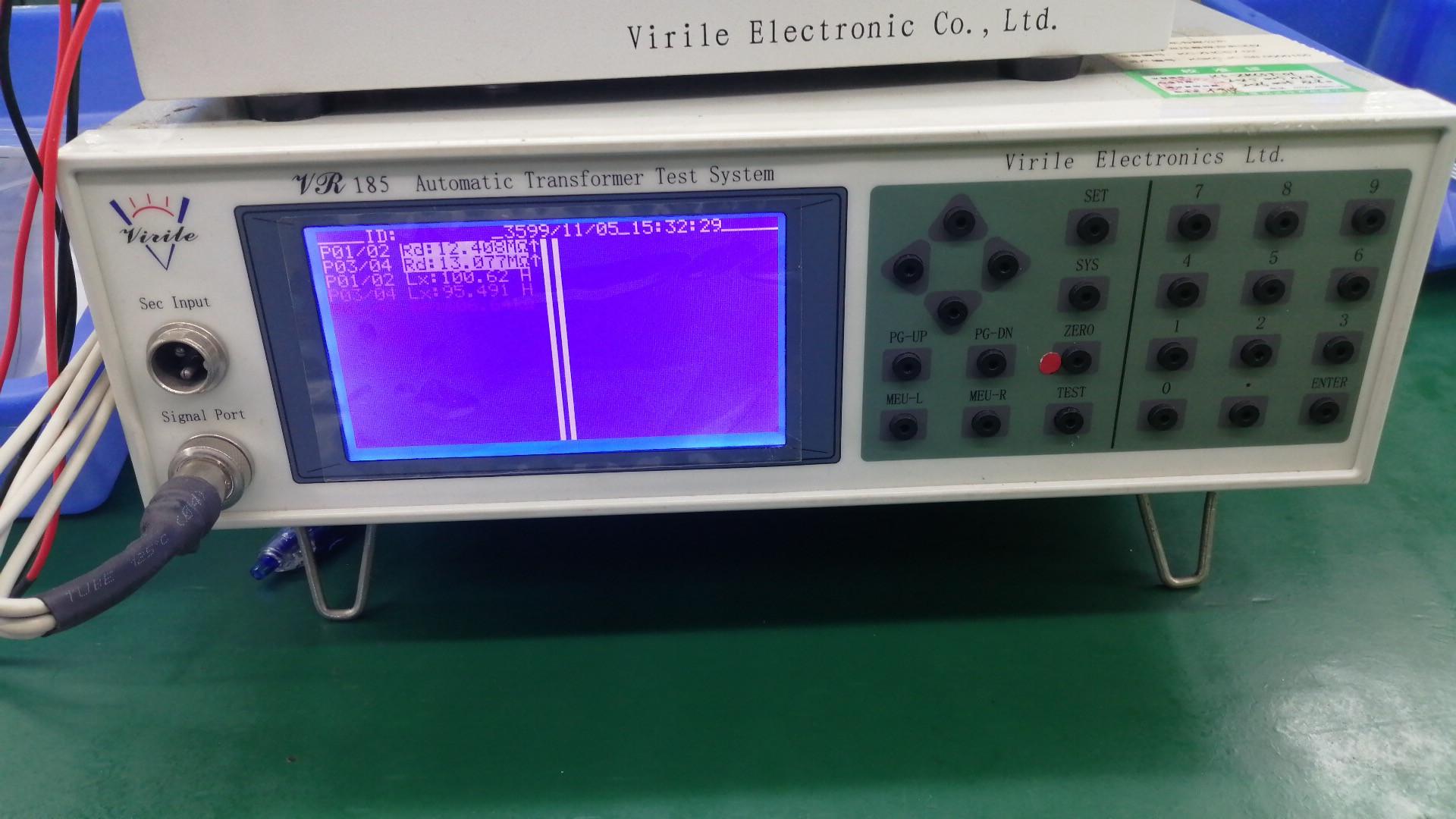
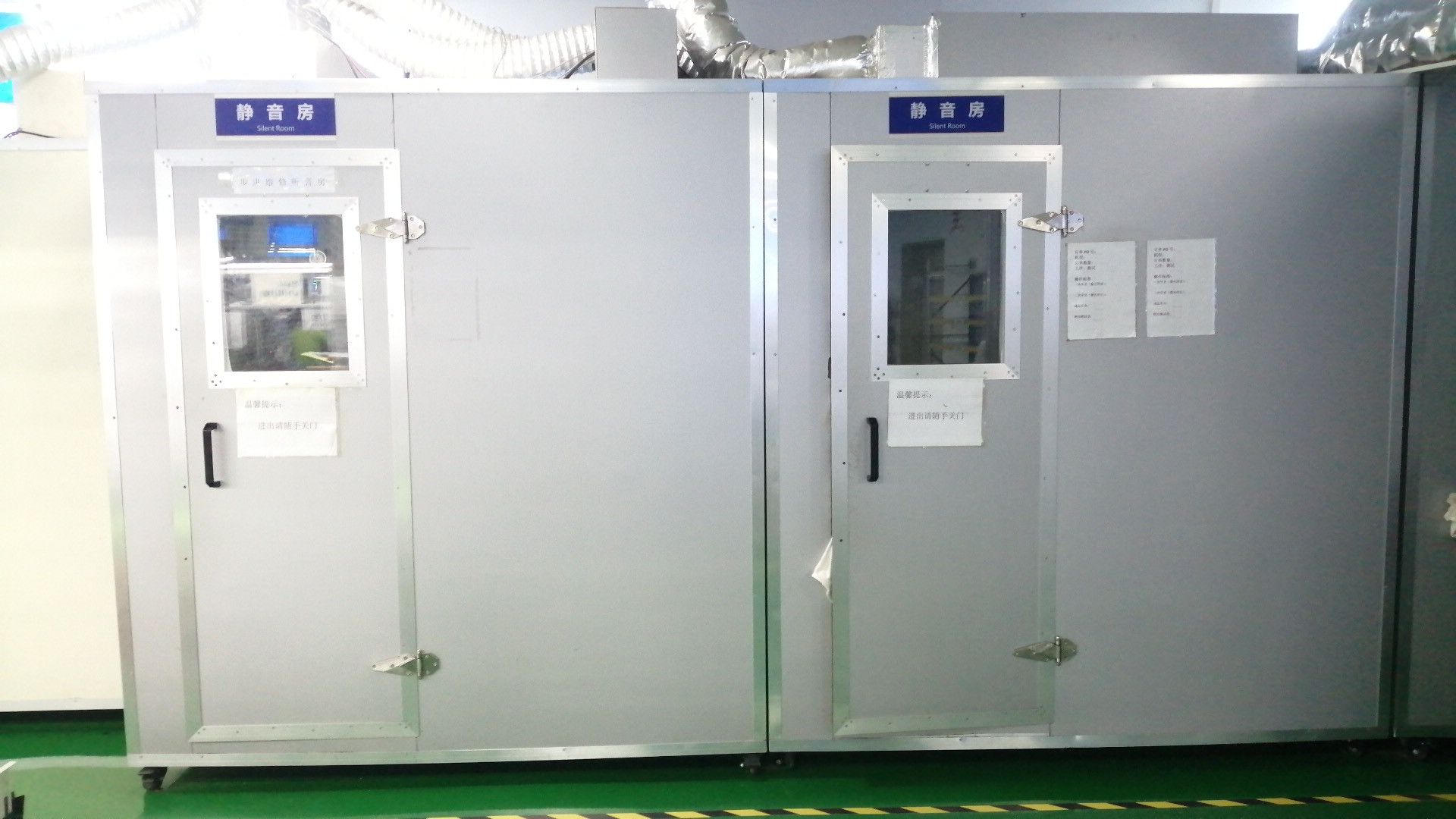
Every micro linear stepper motor is manufactured through an automated pipeline with verification steps at every critical interface.
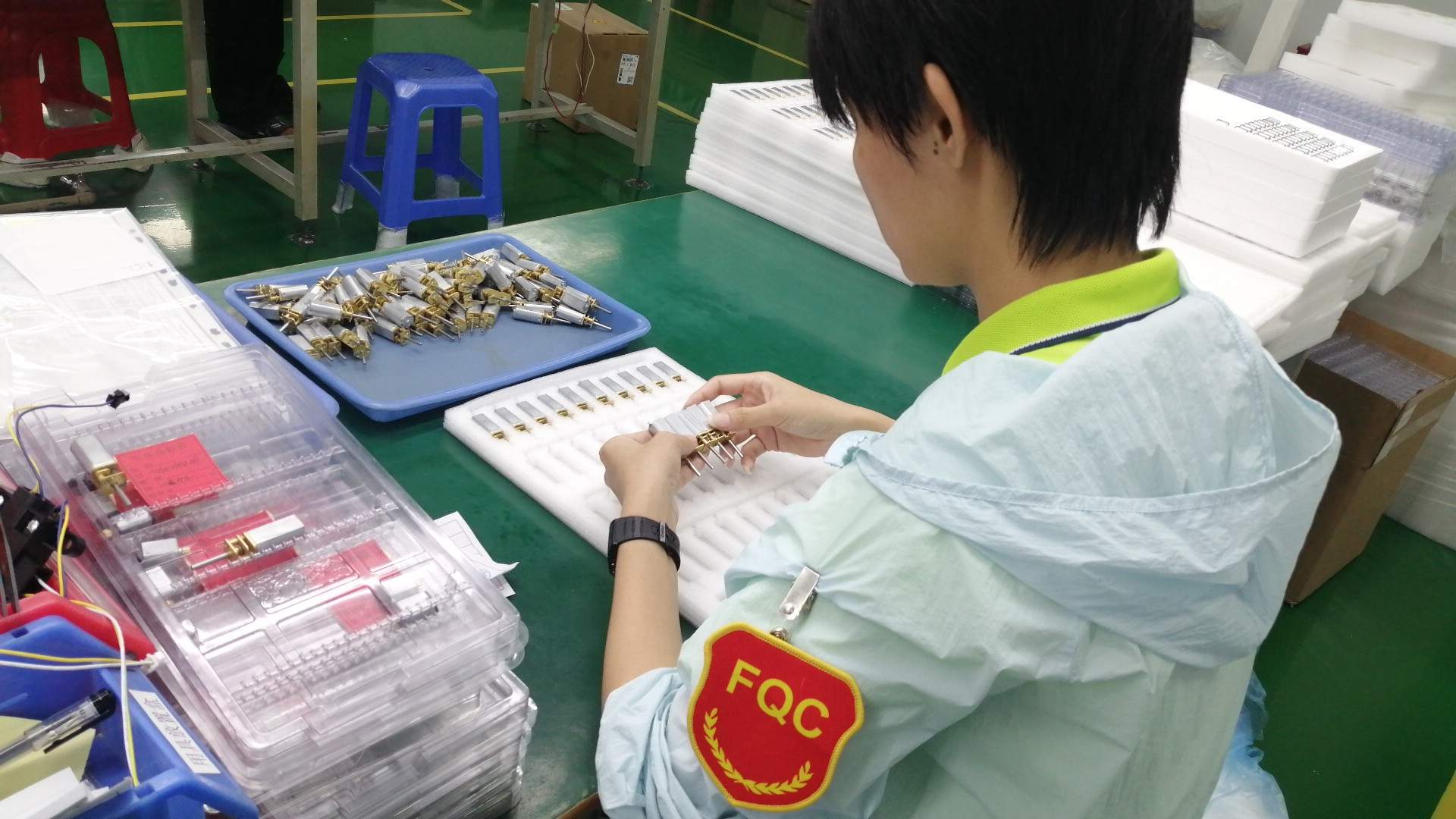
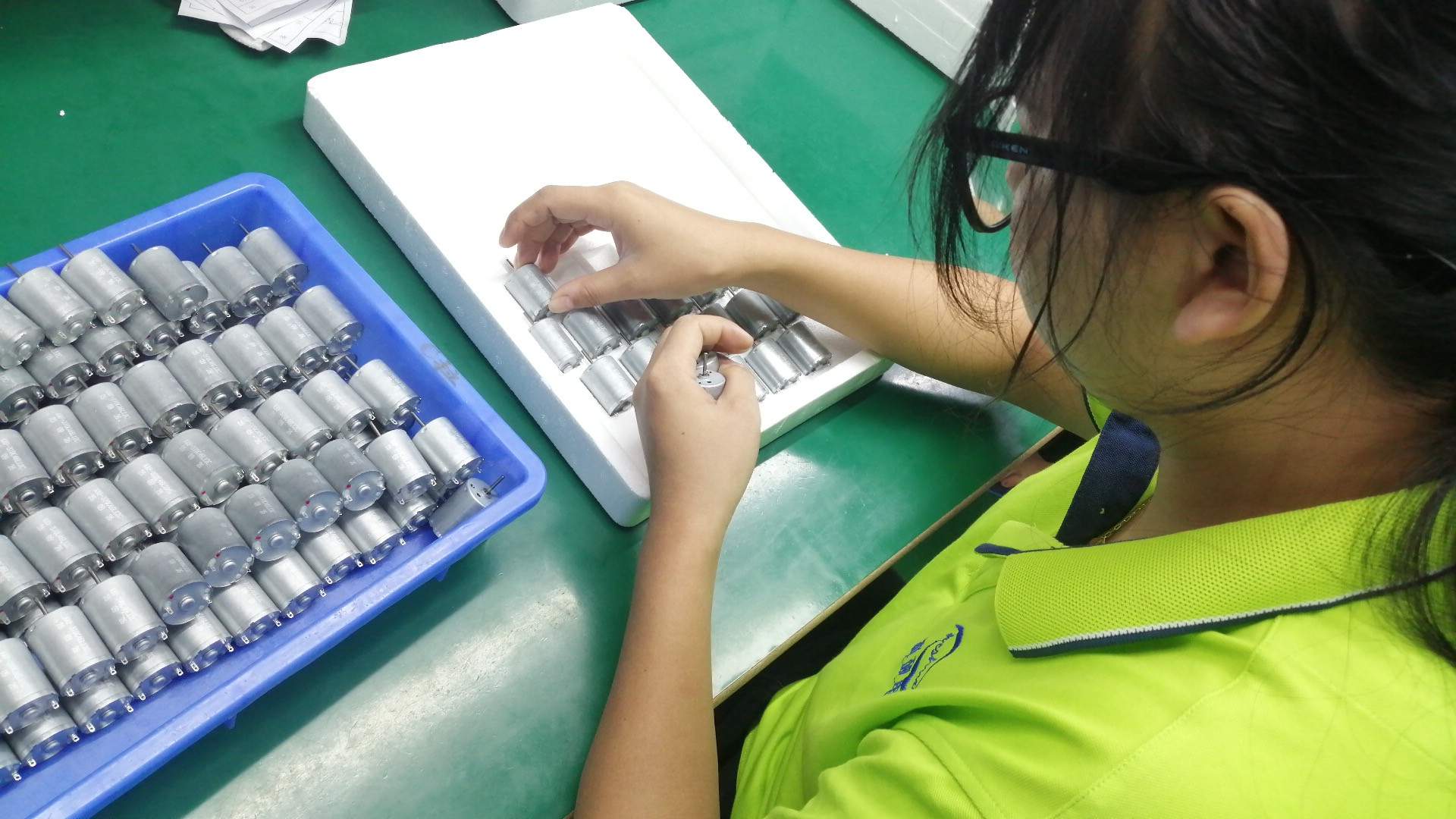
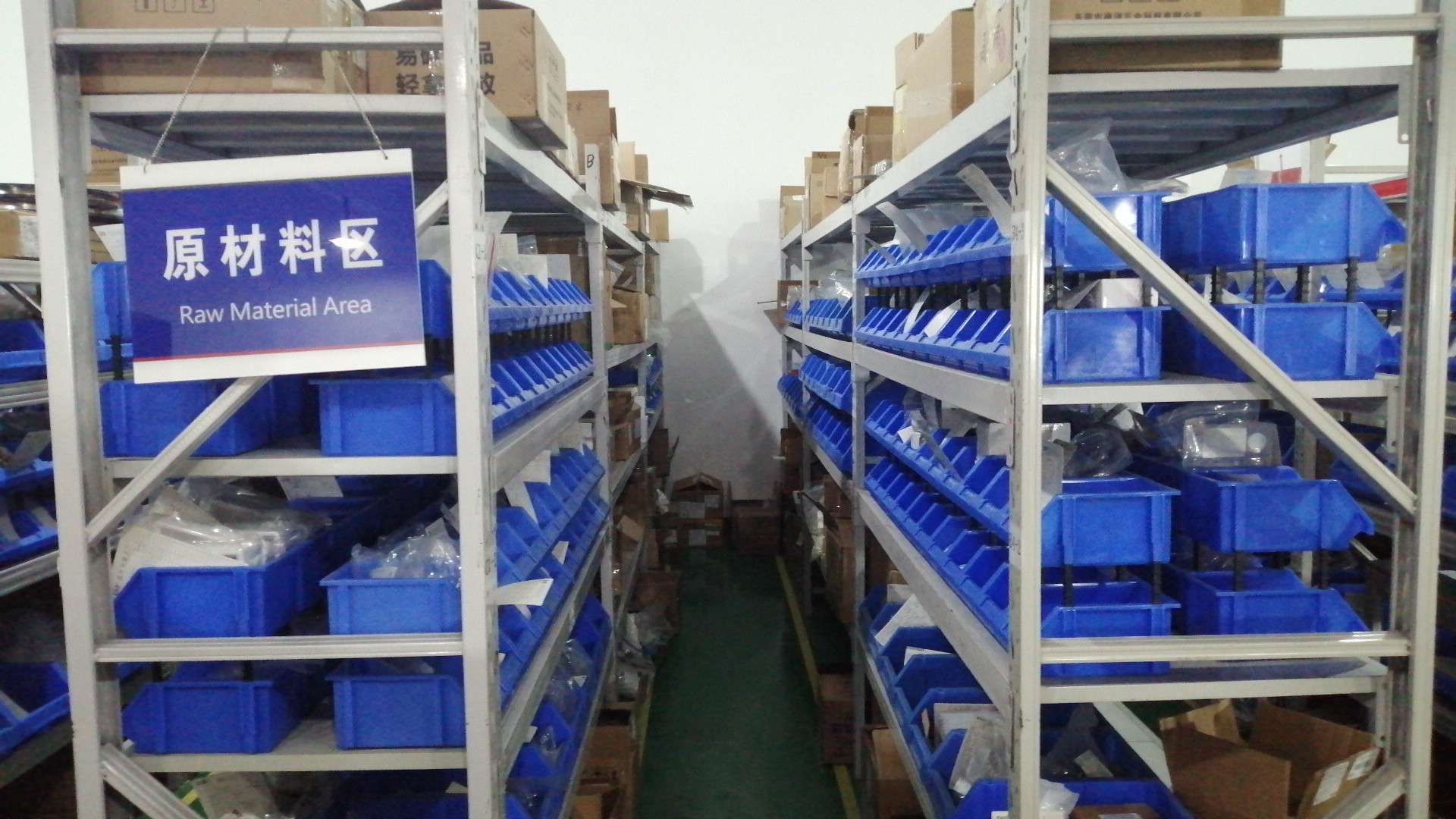
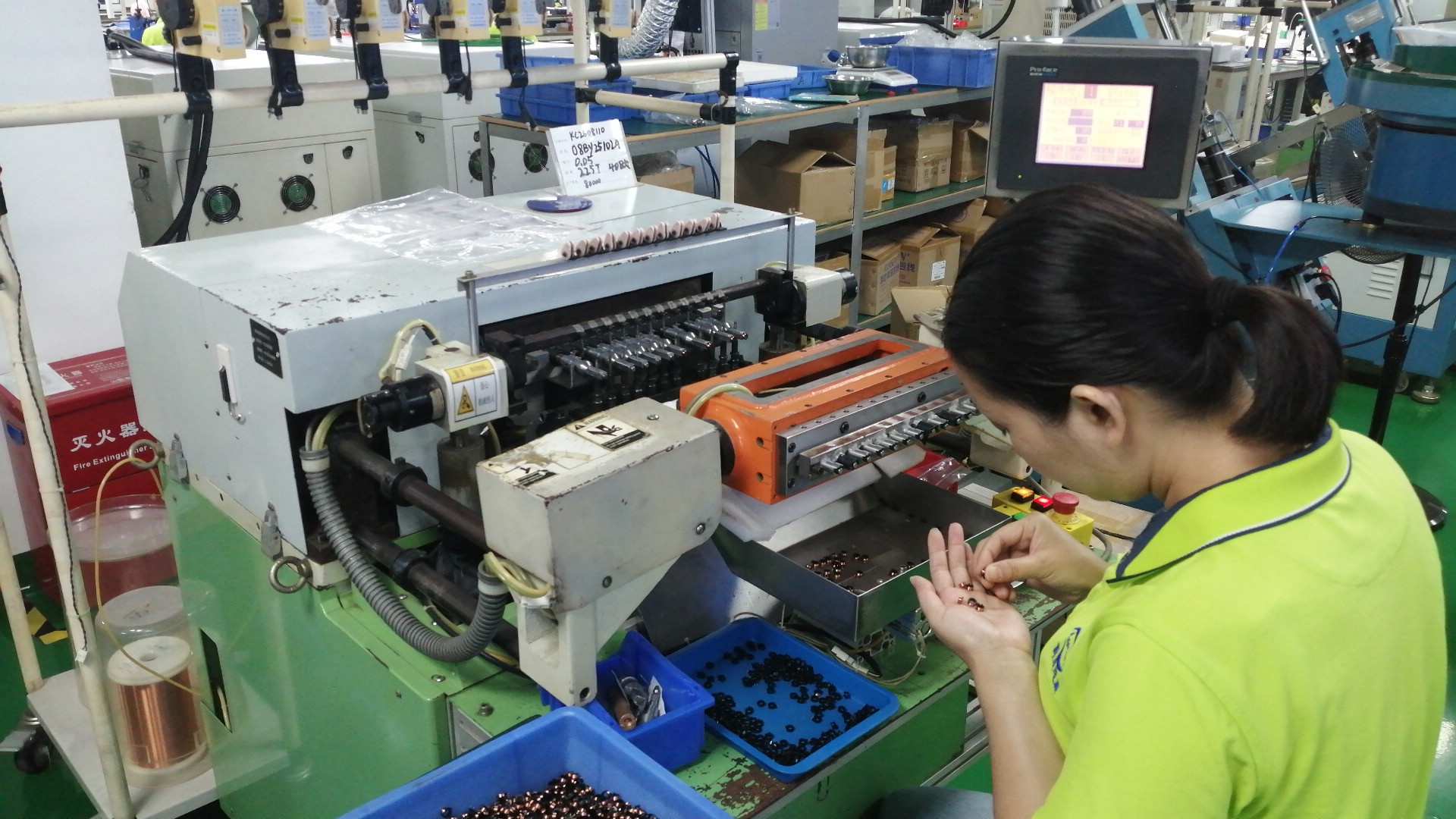
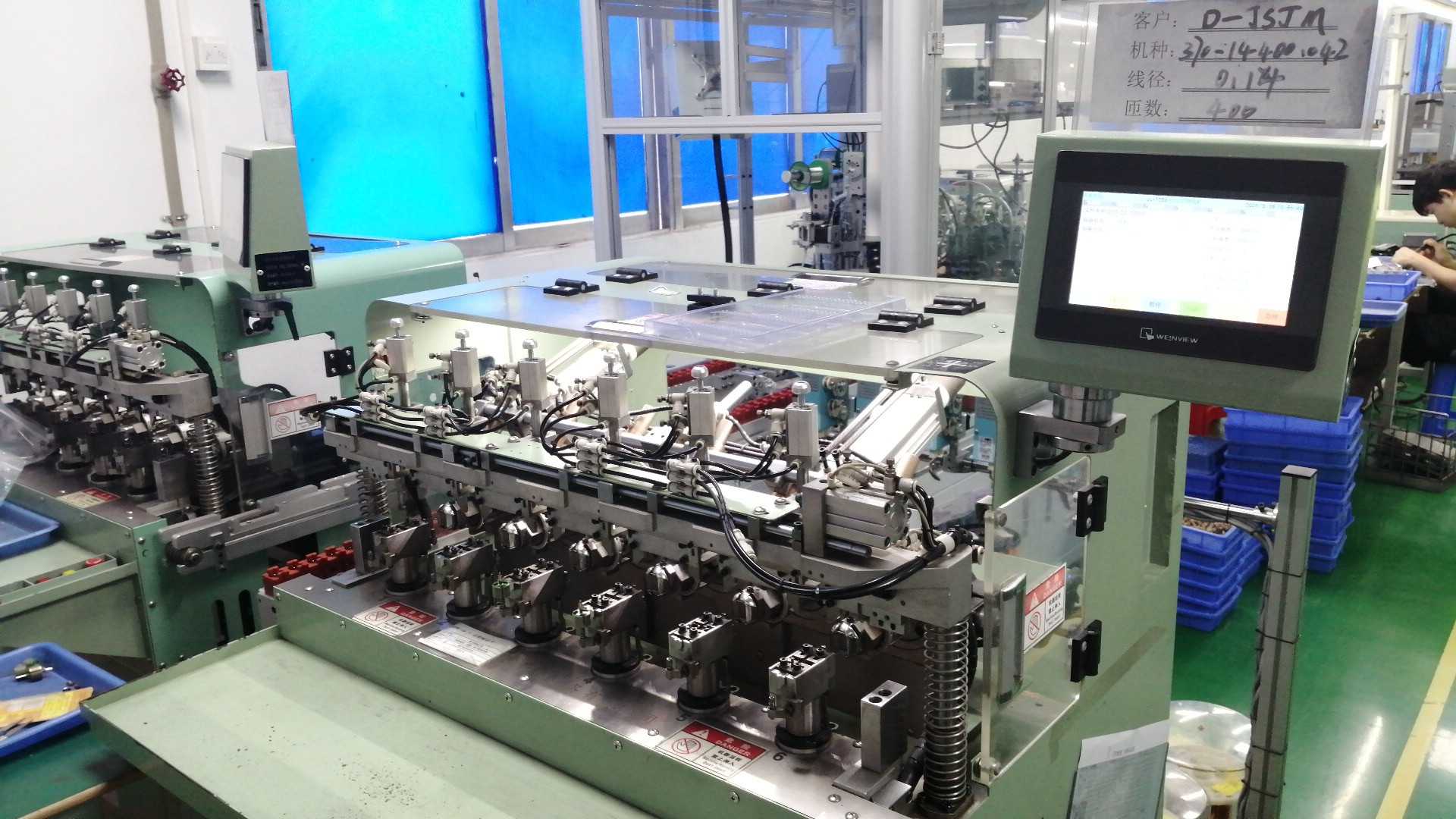
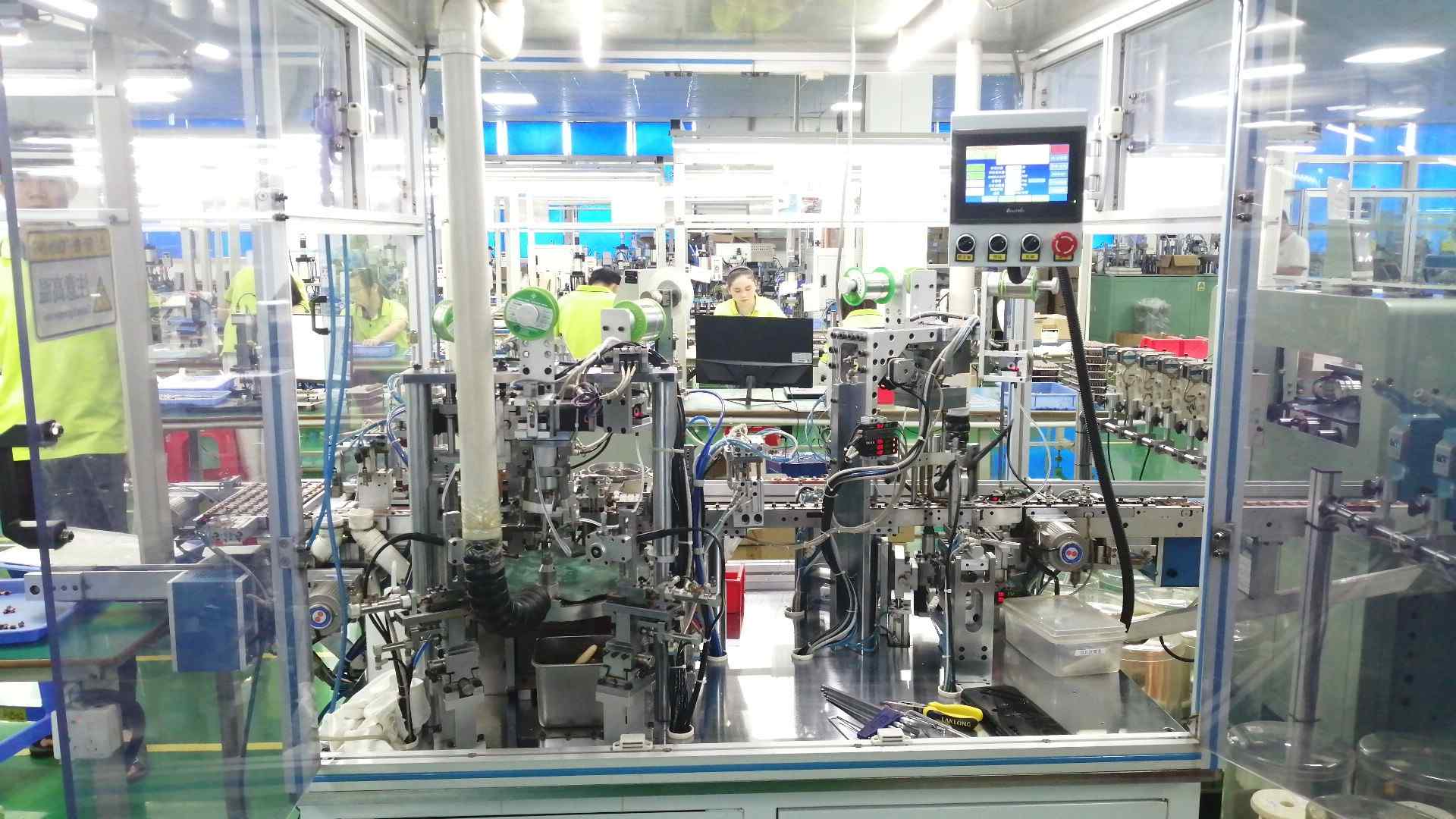
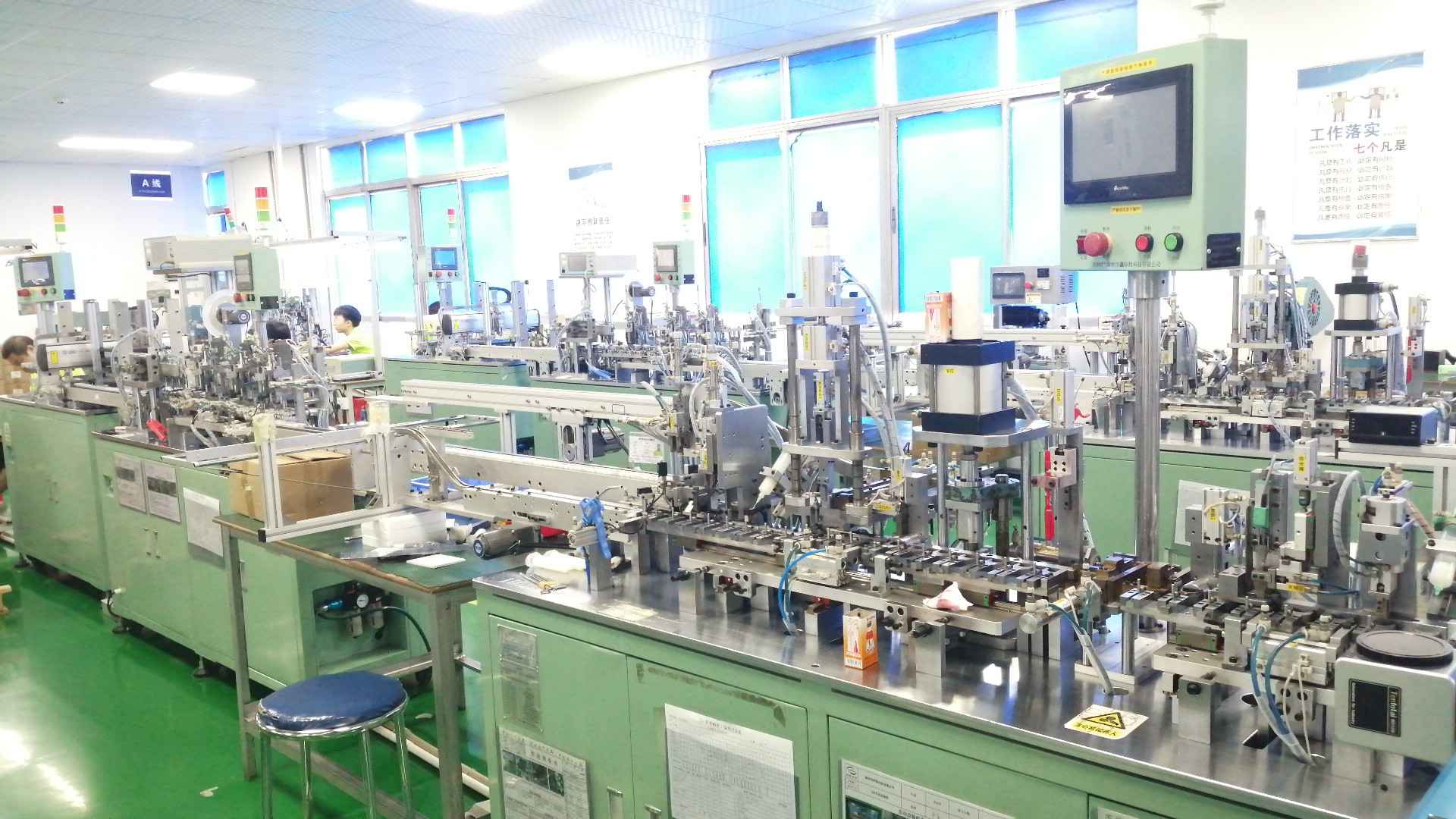
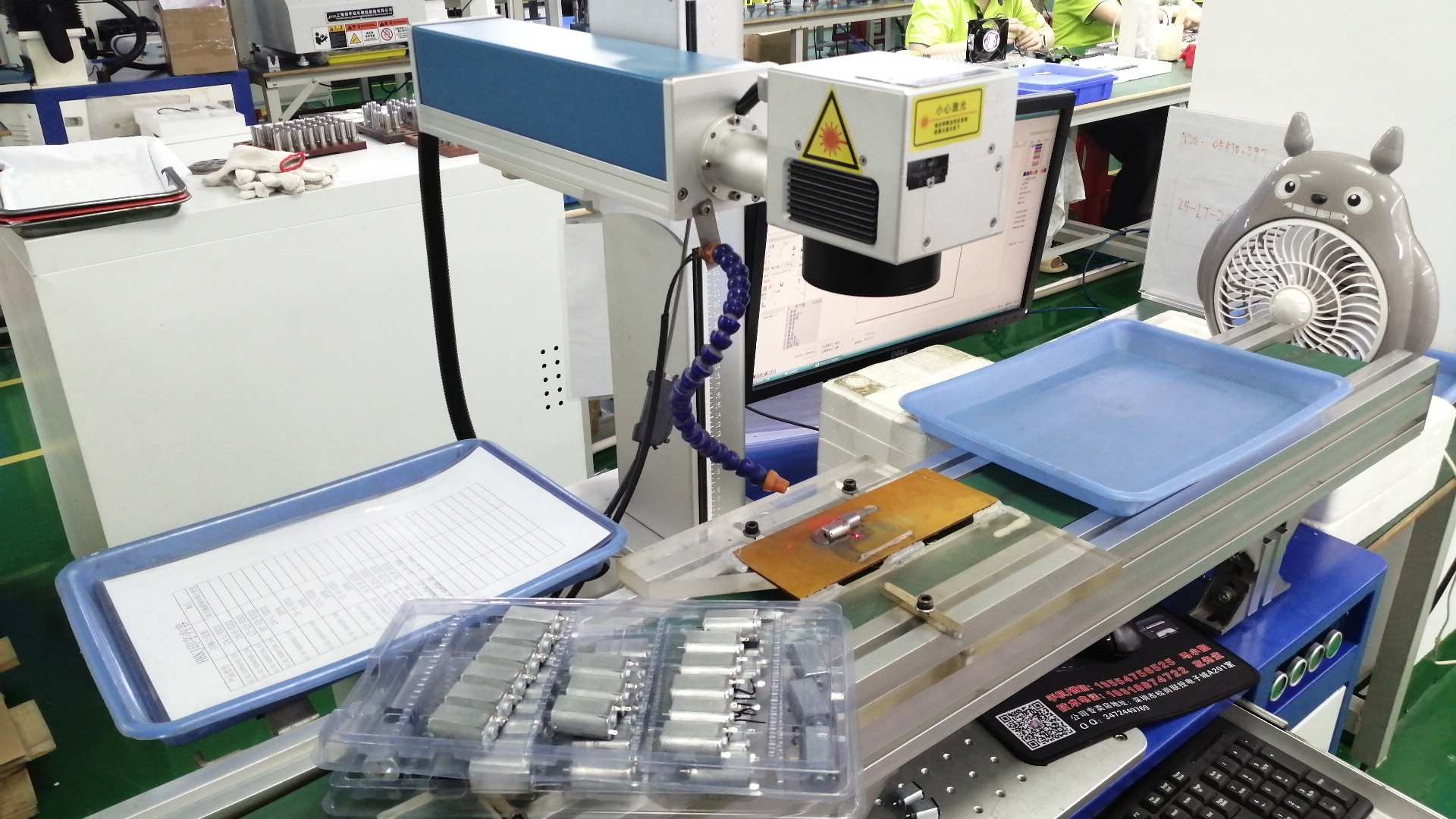
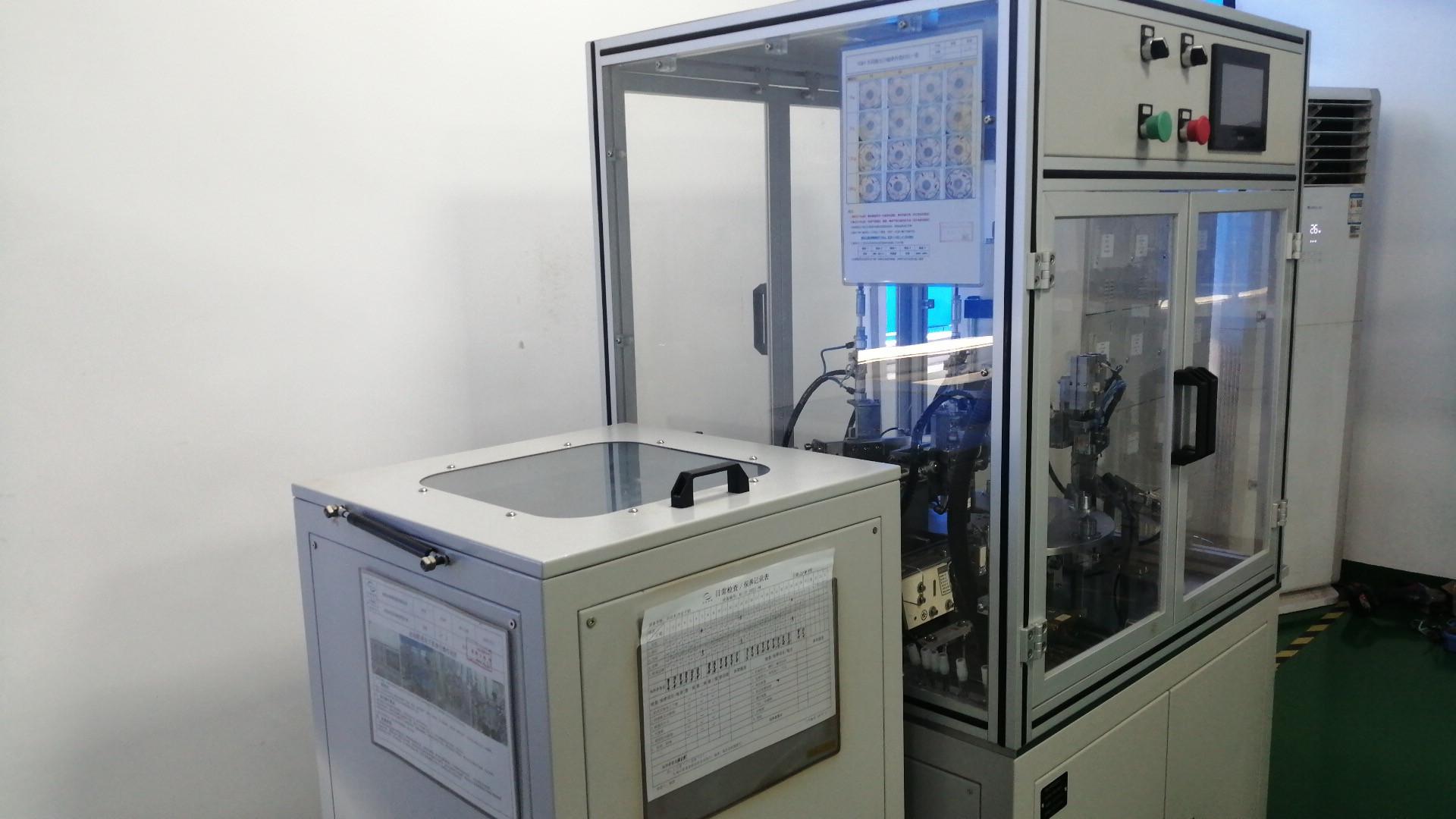
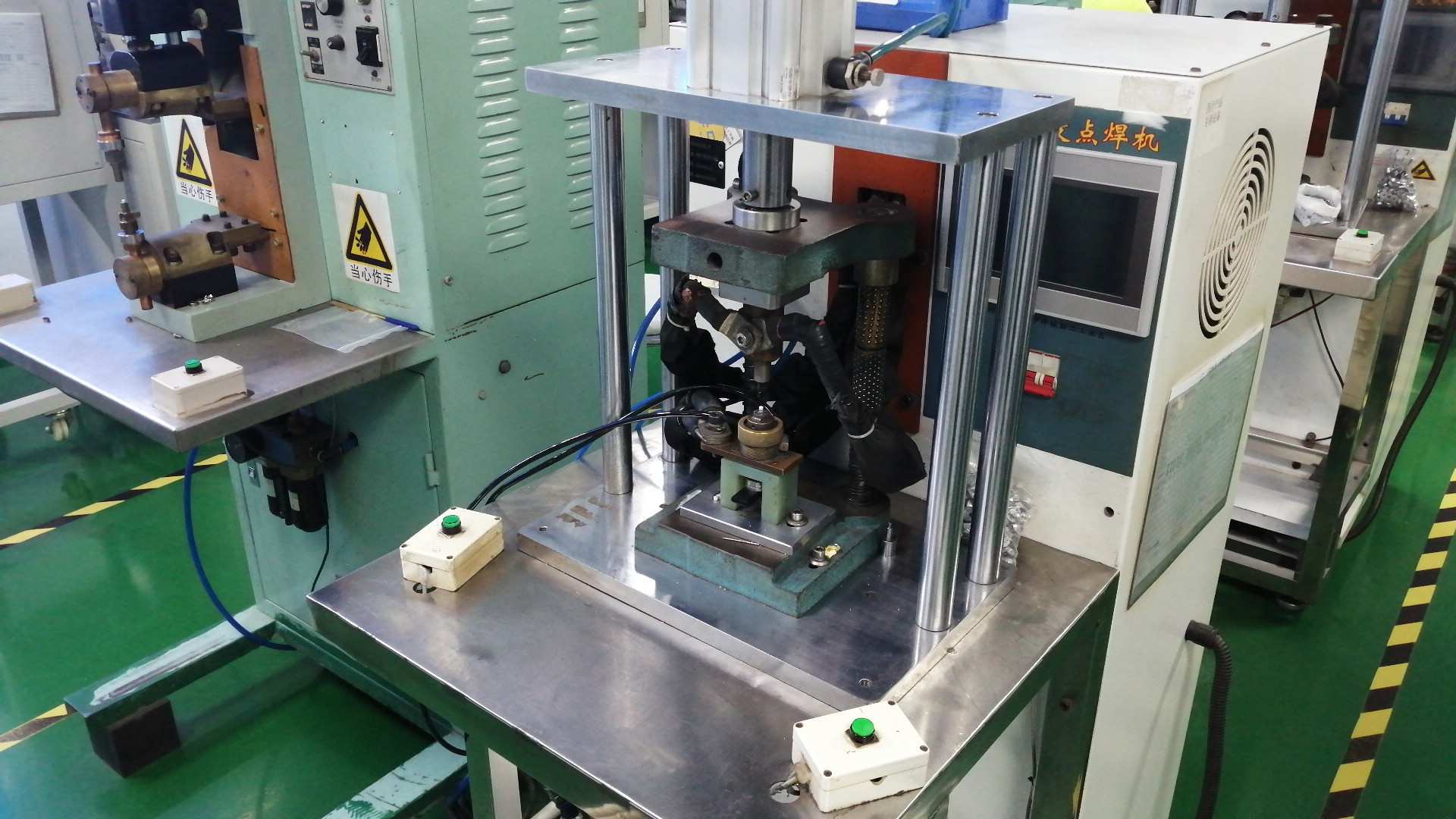
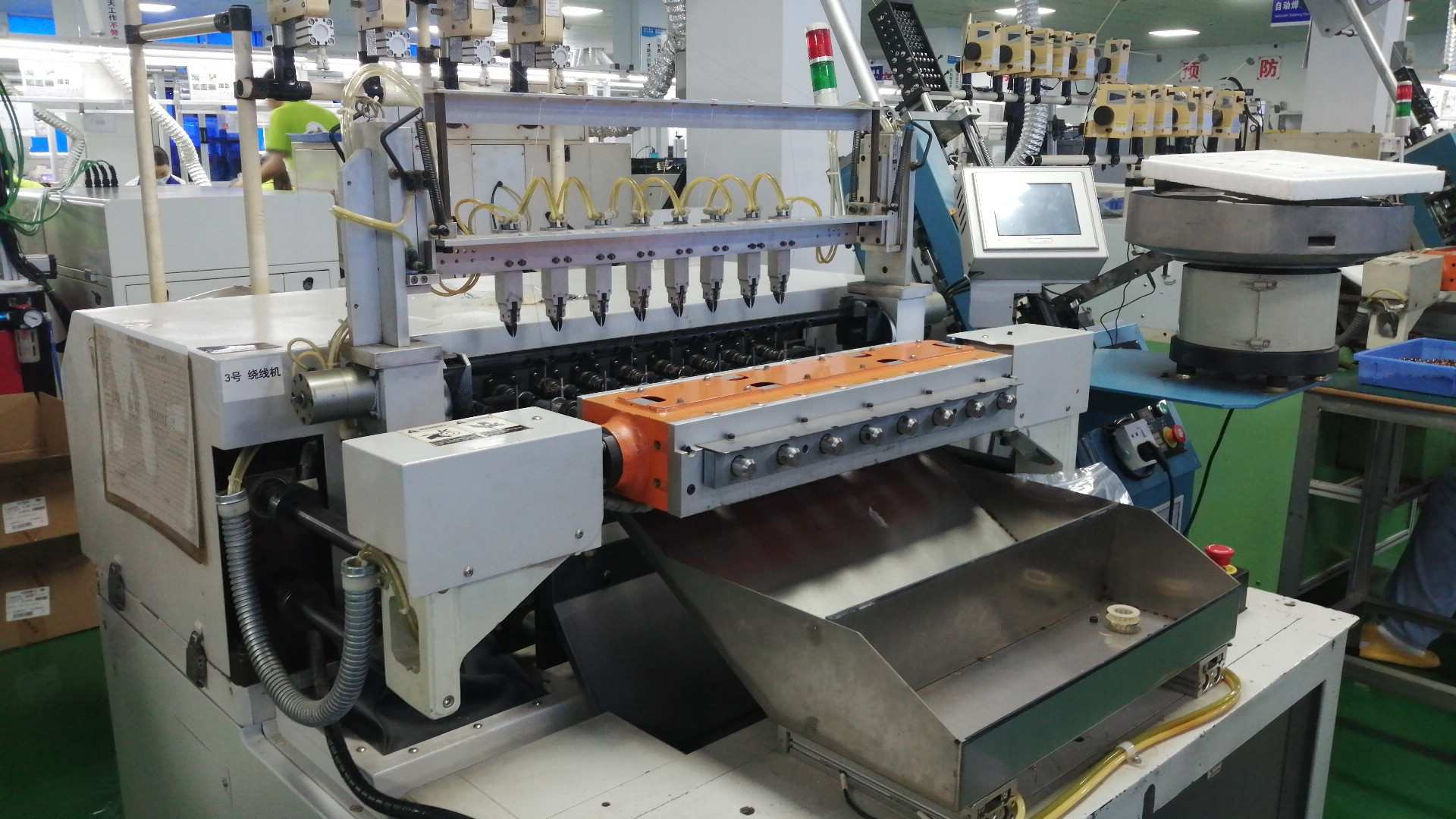
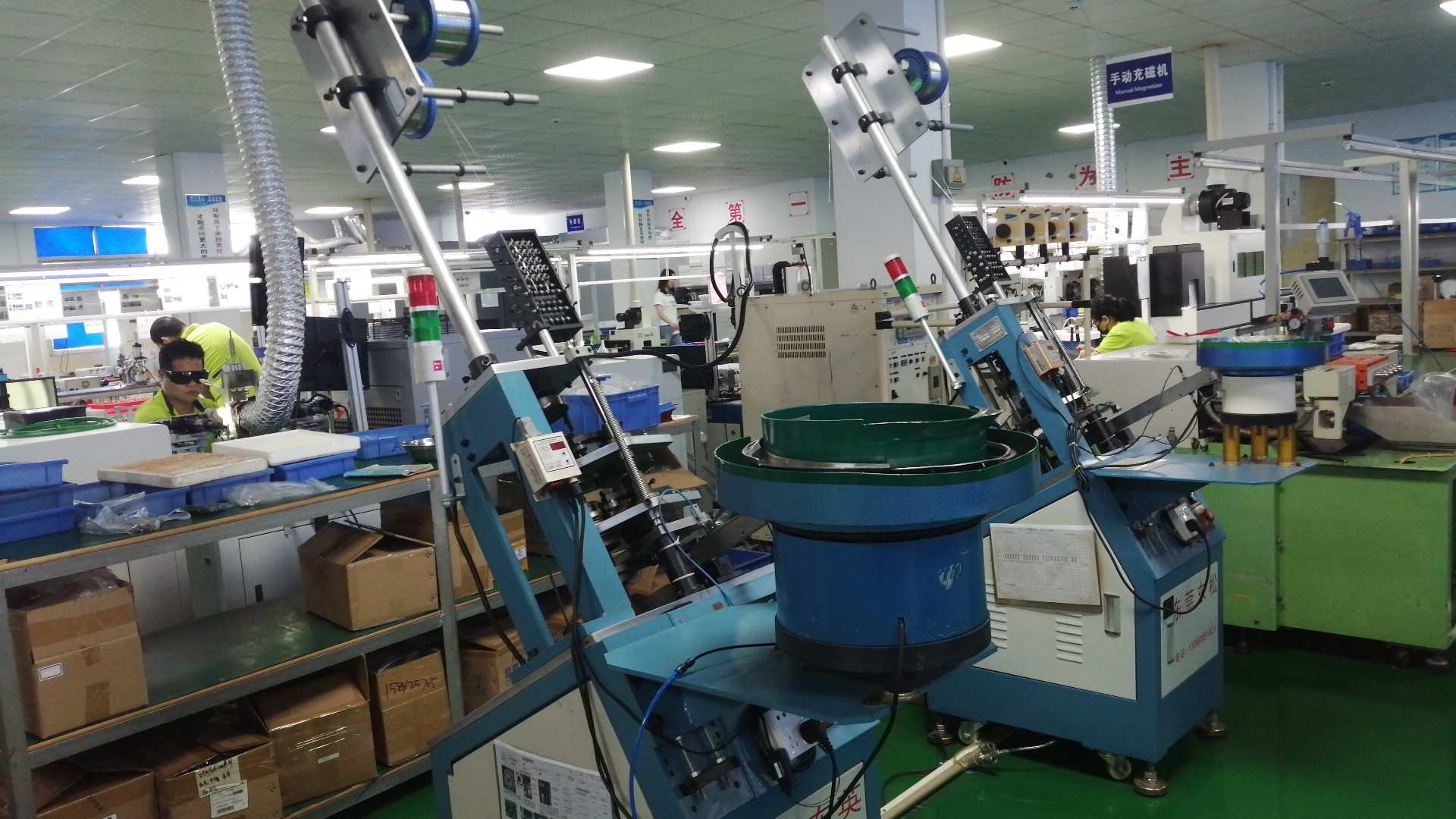
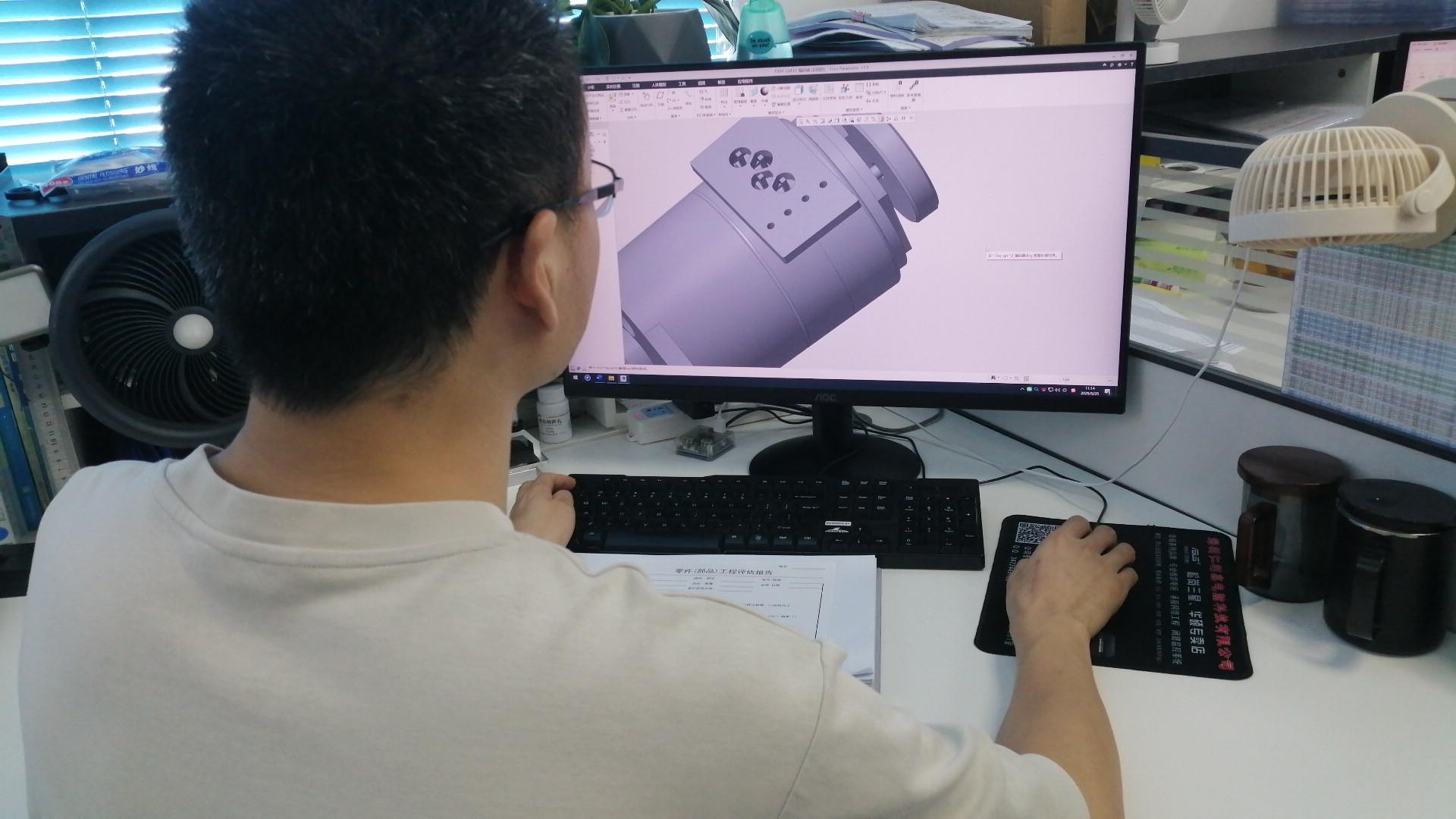
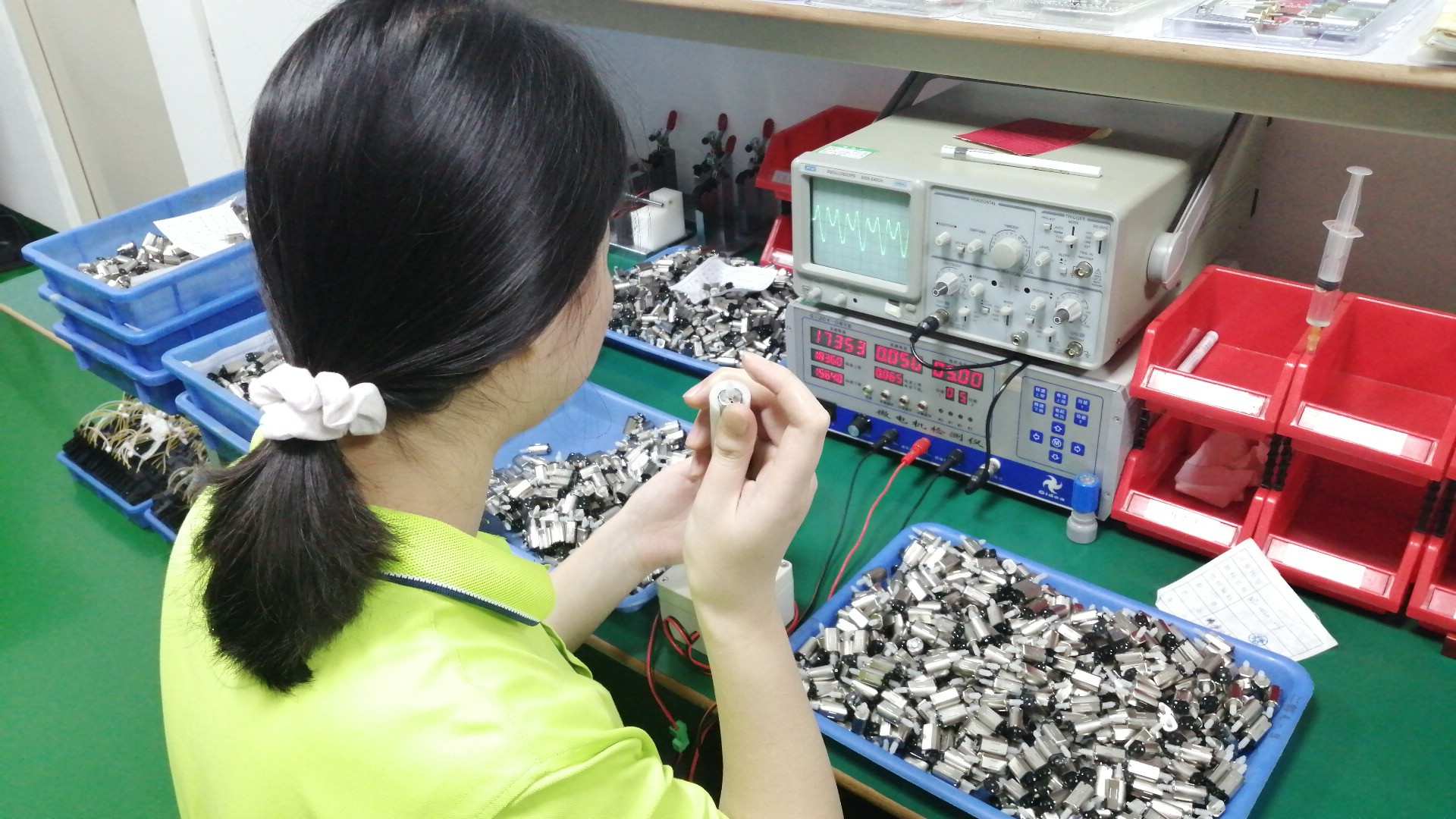
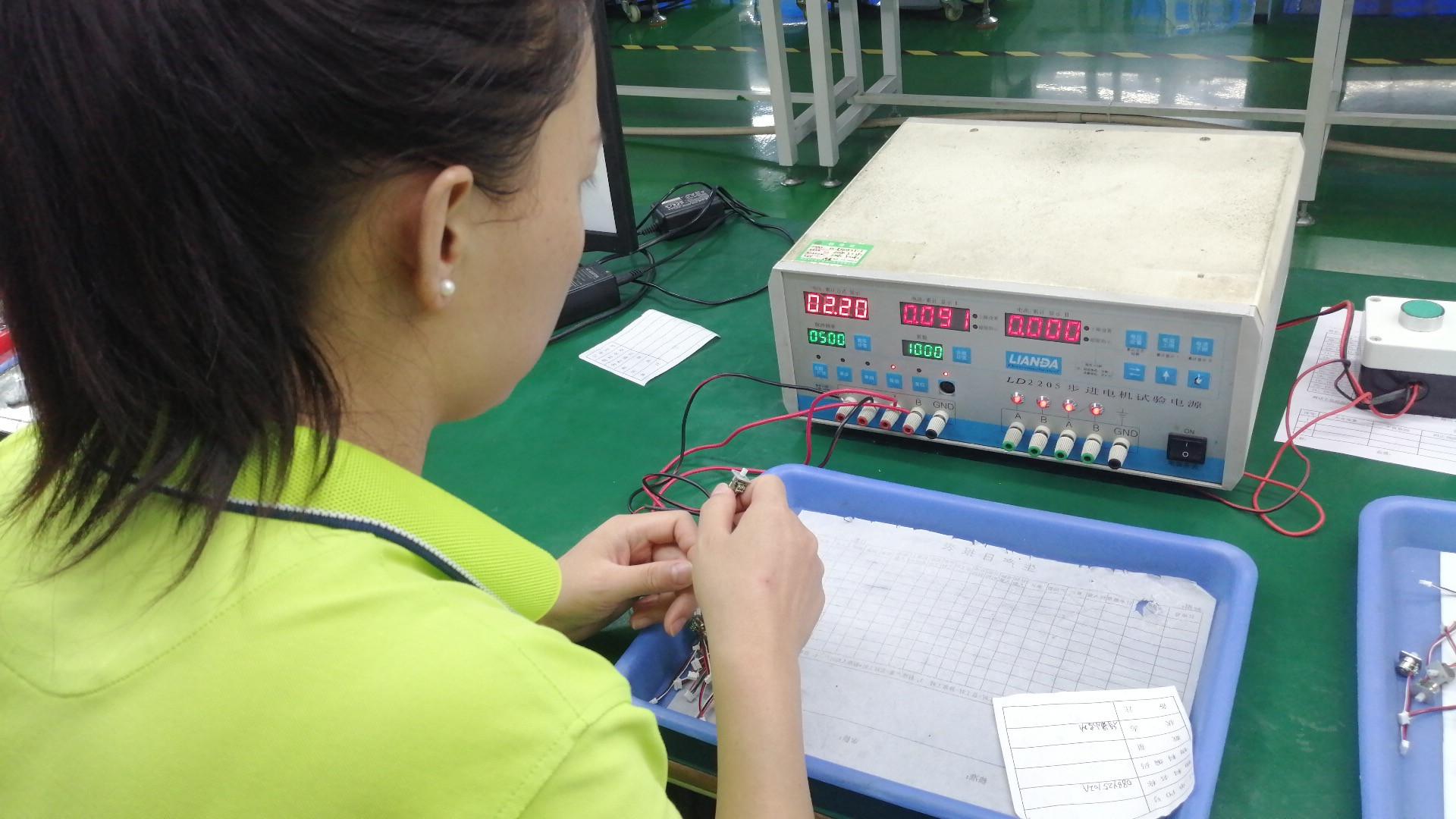
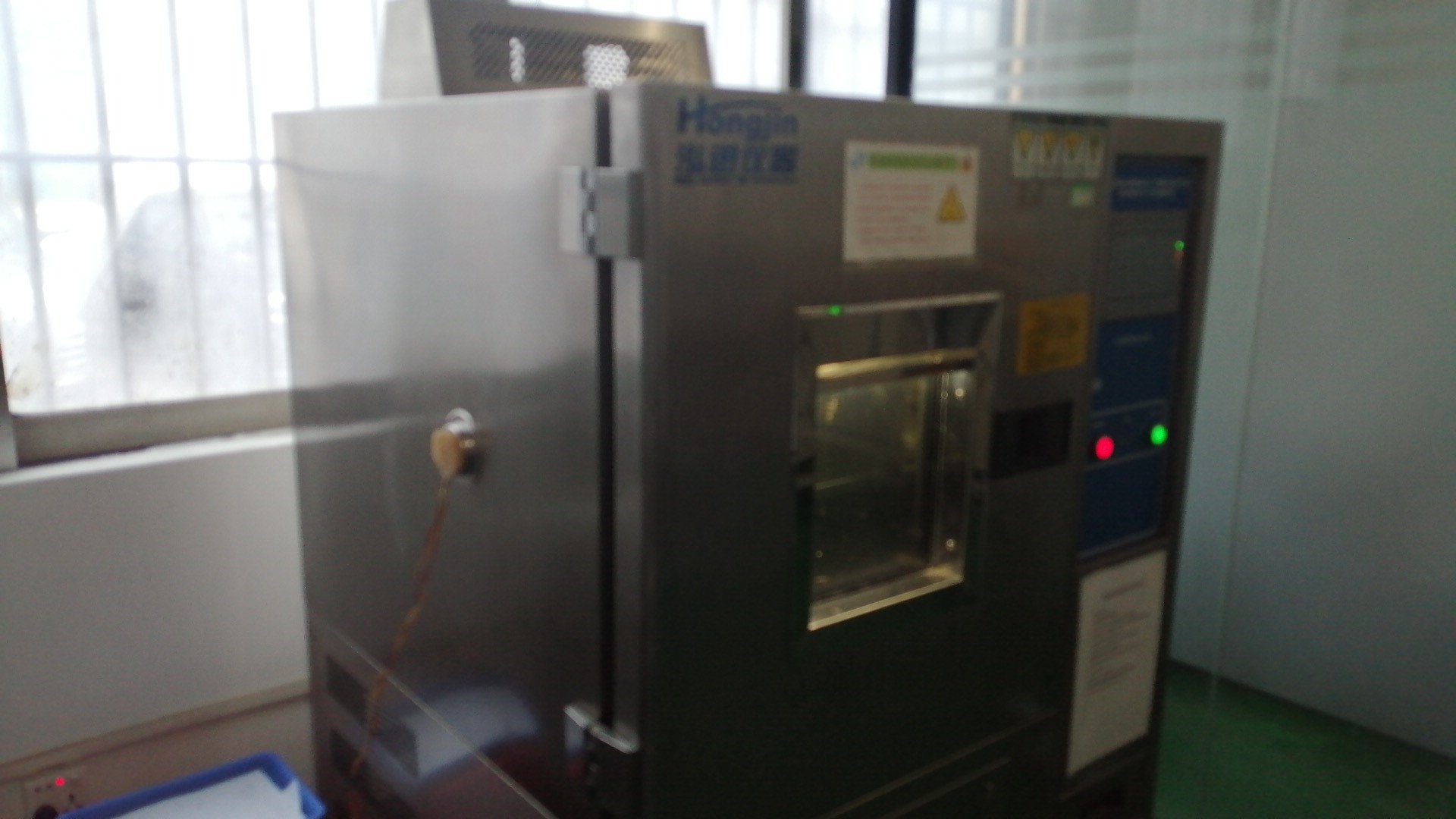
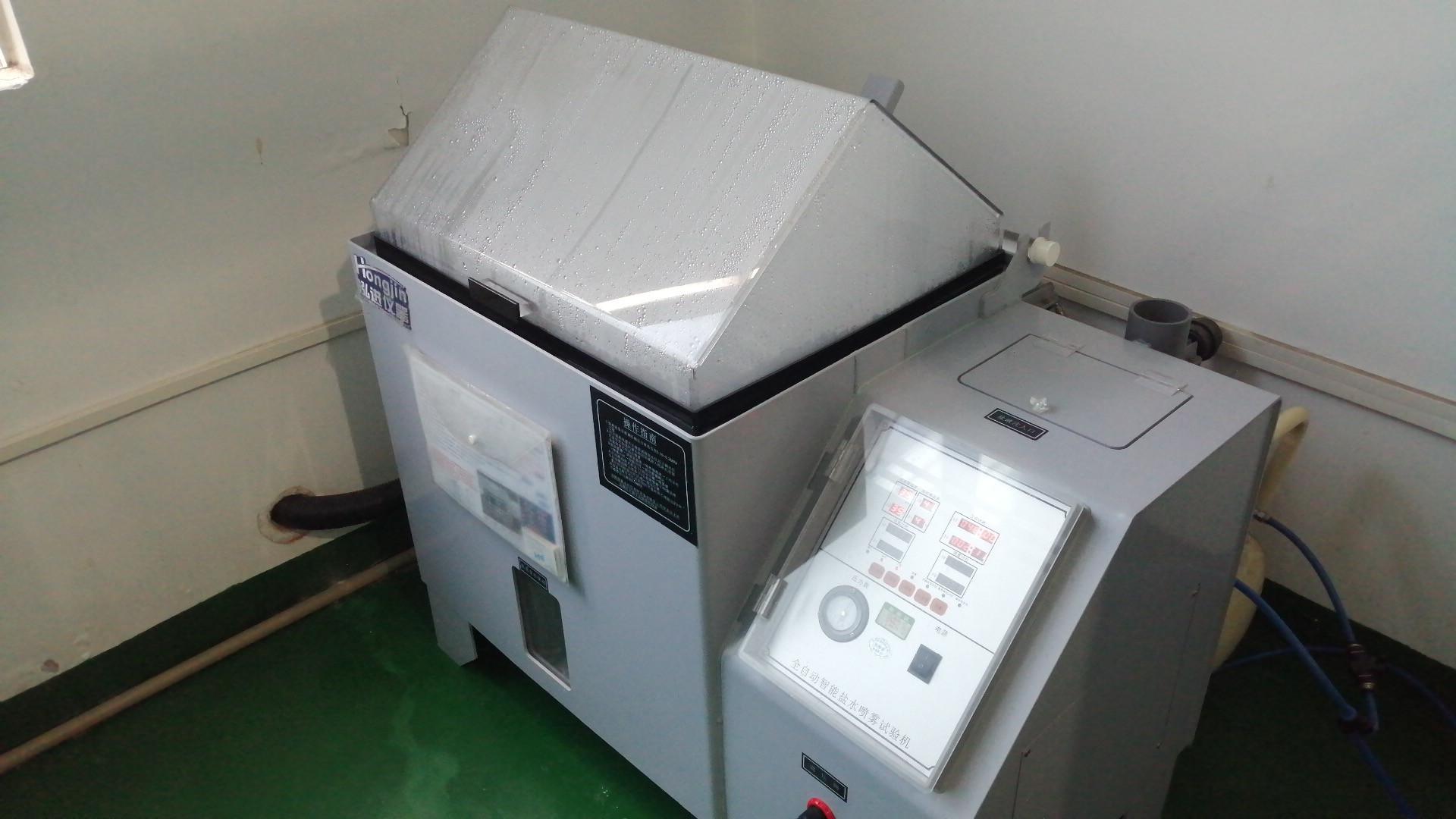
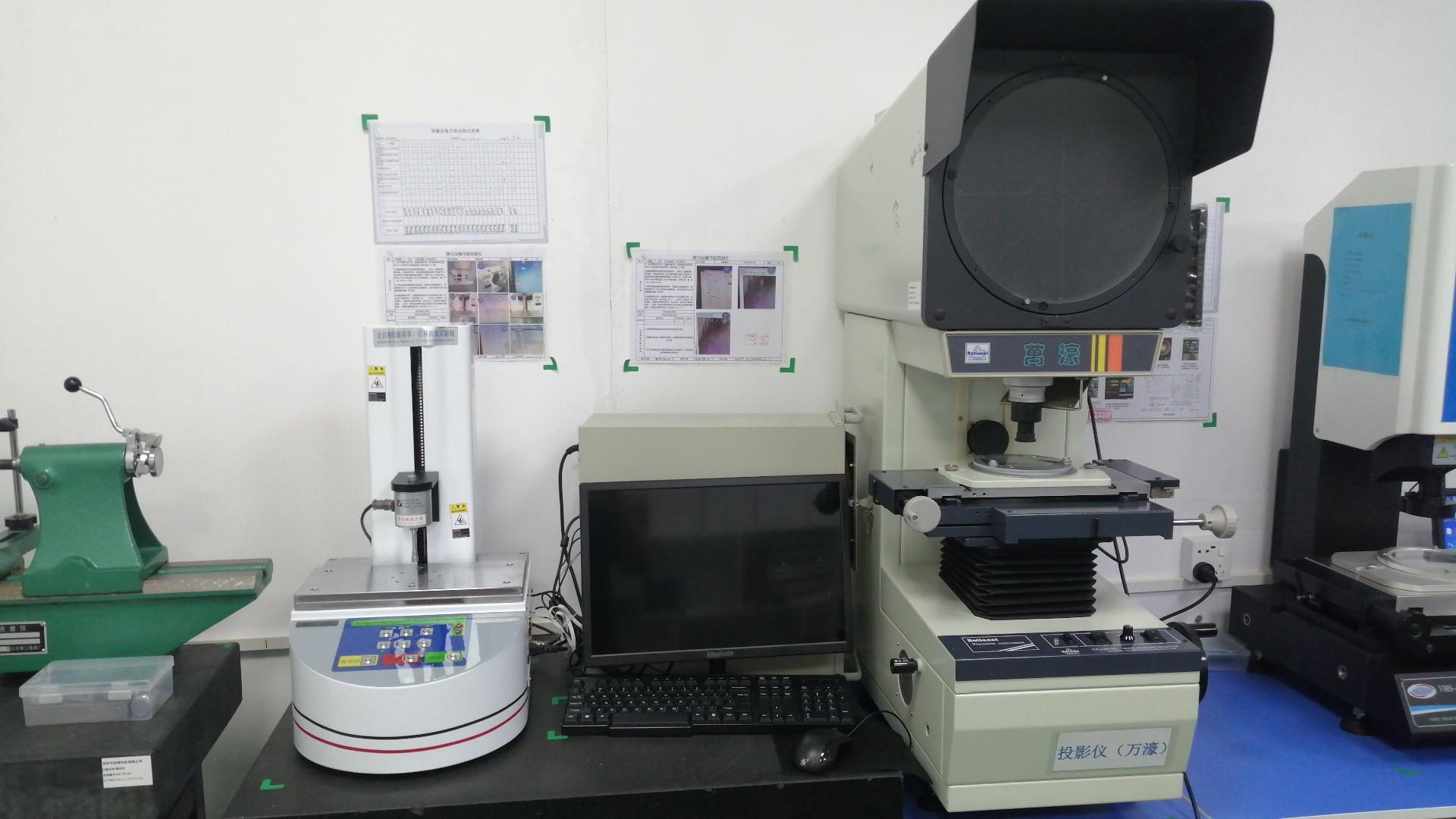
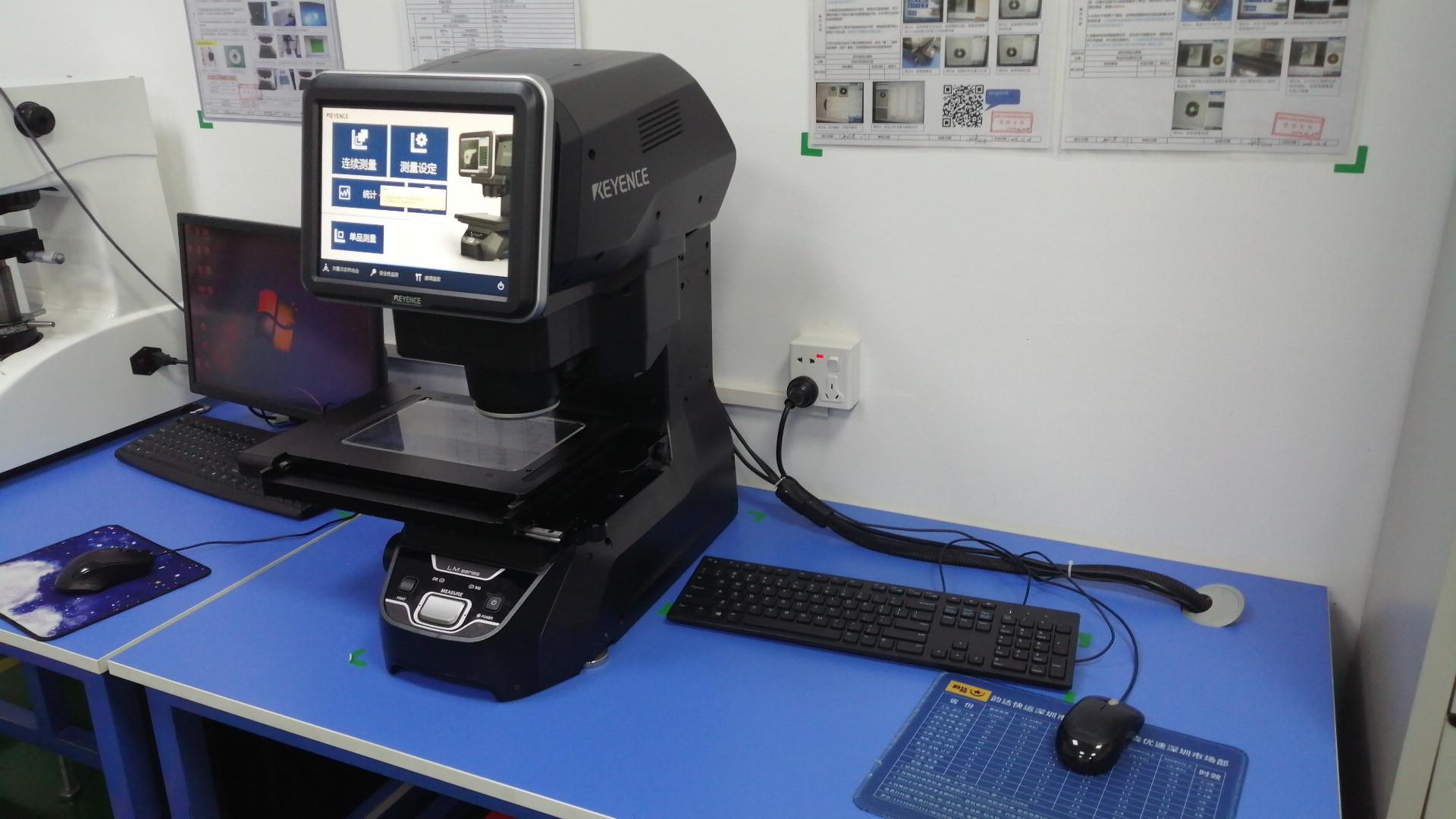
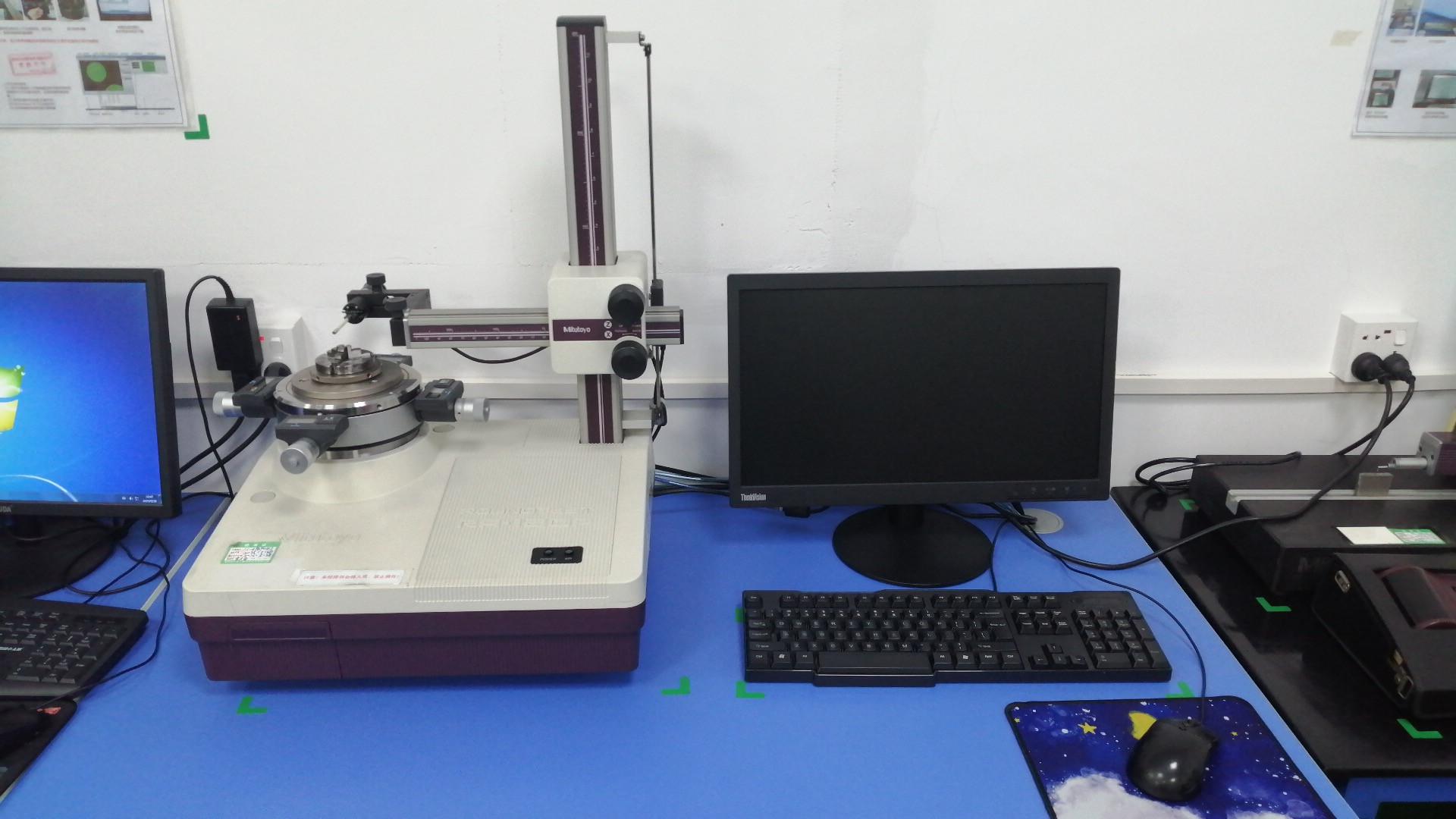
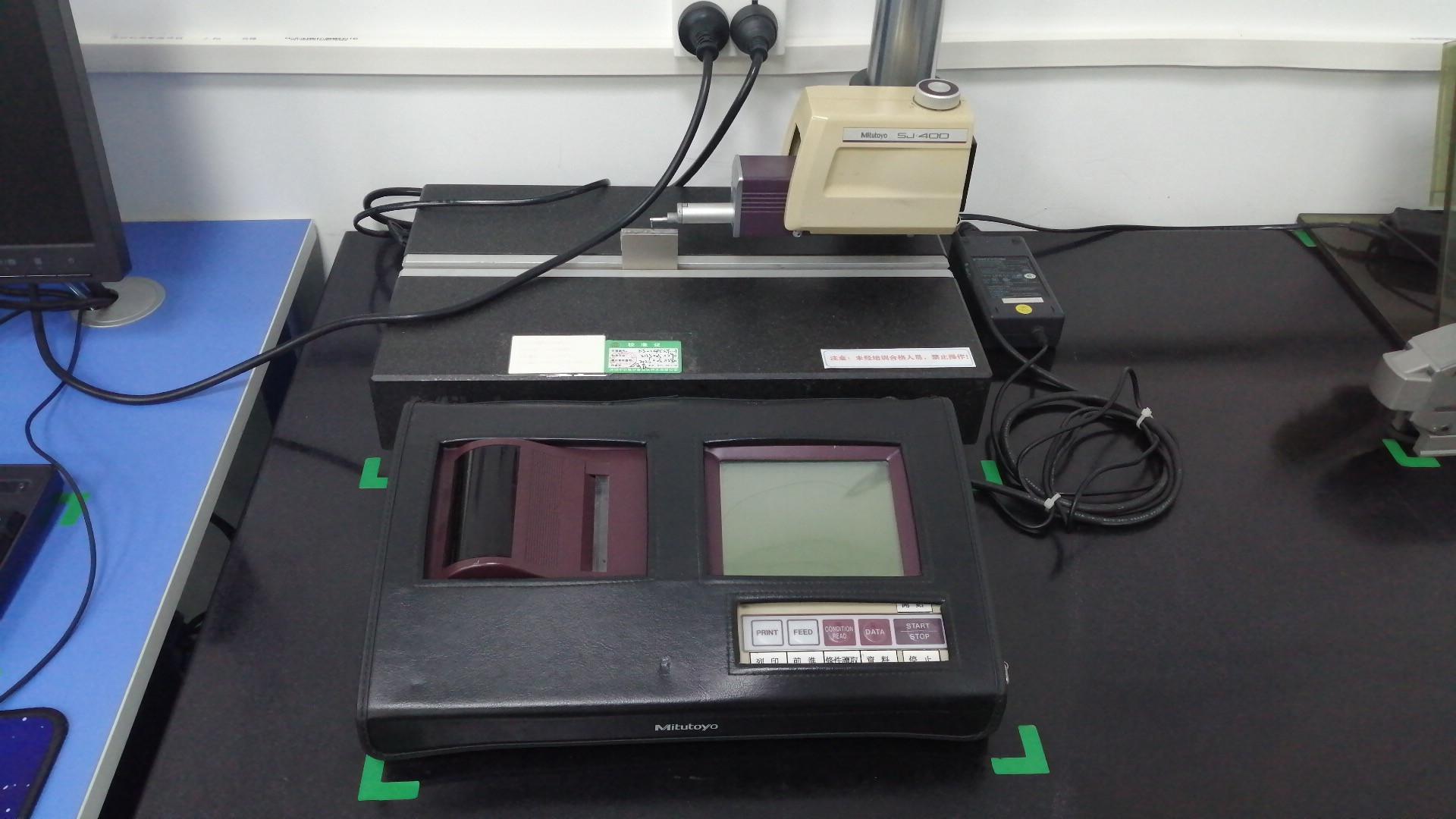
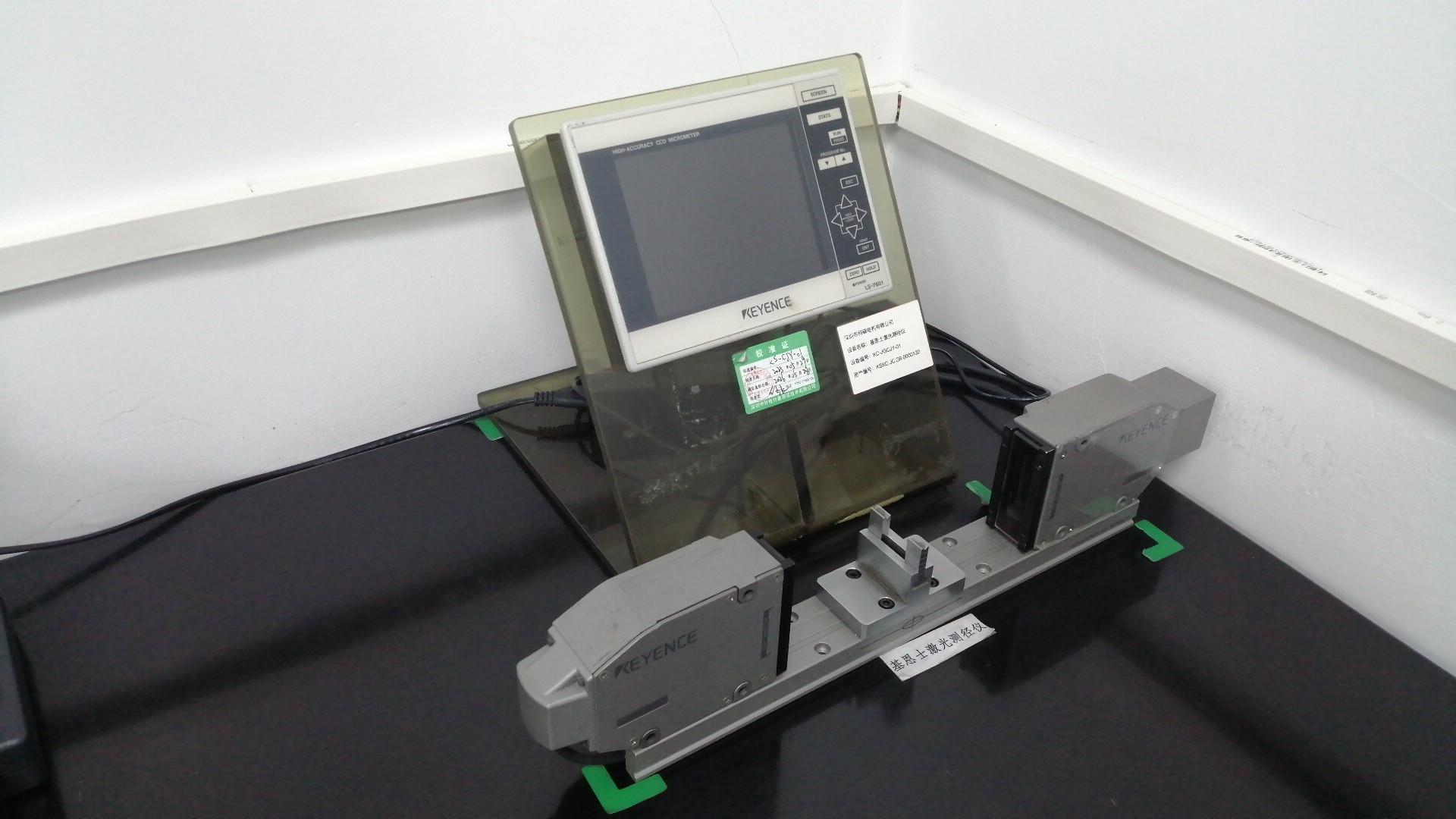
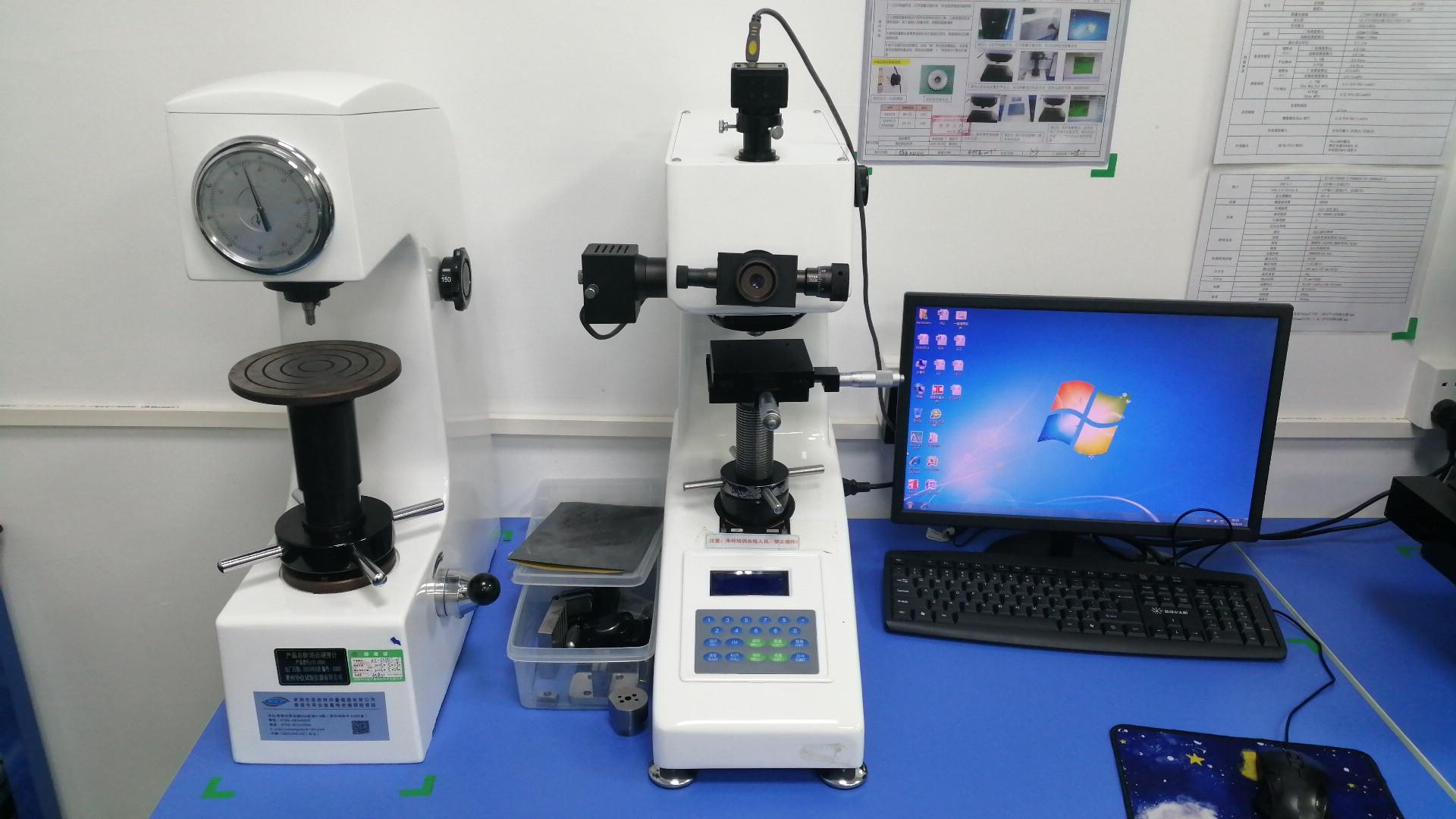
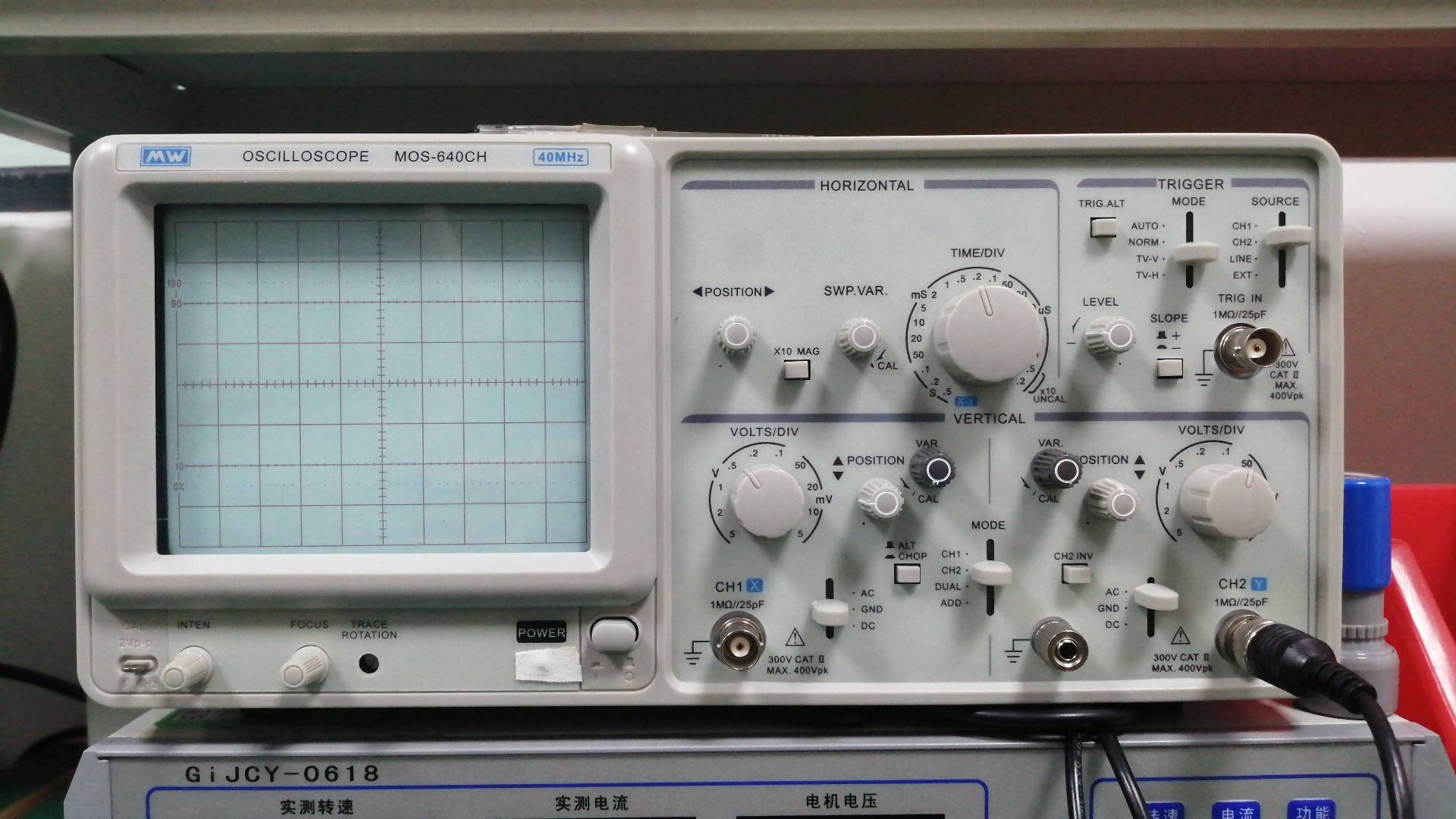
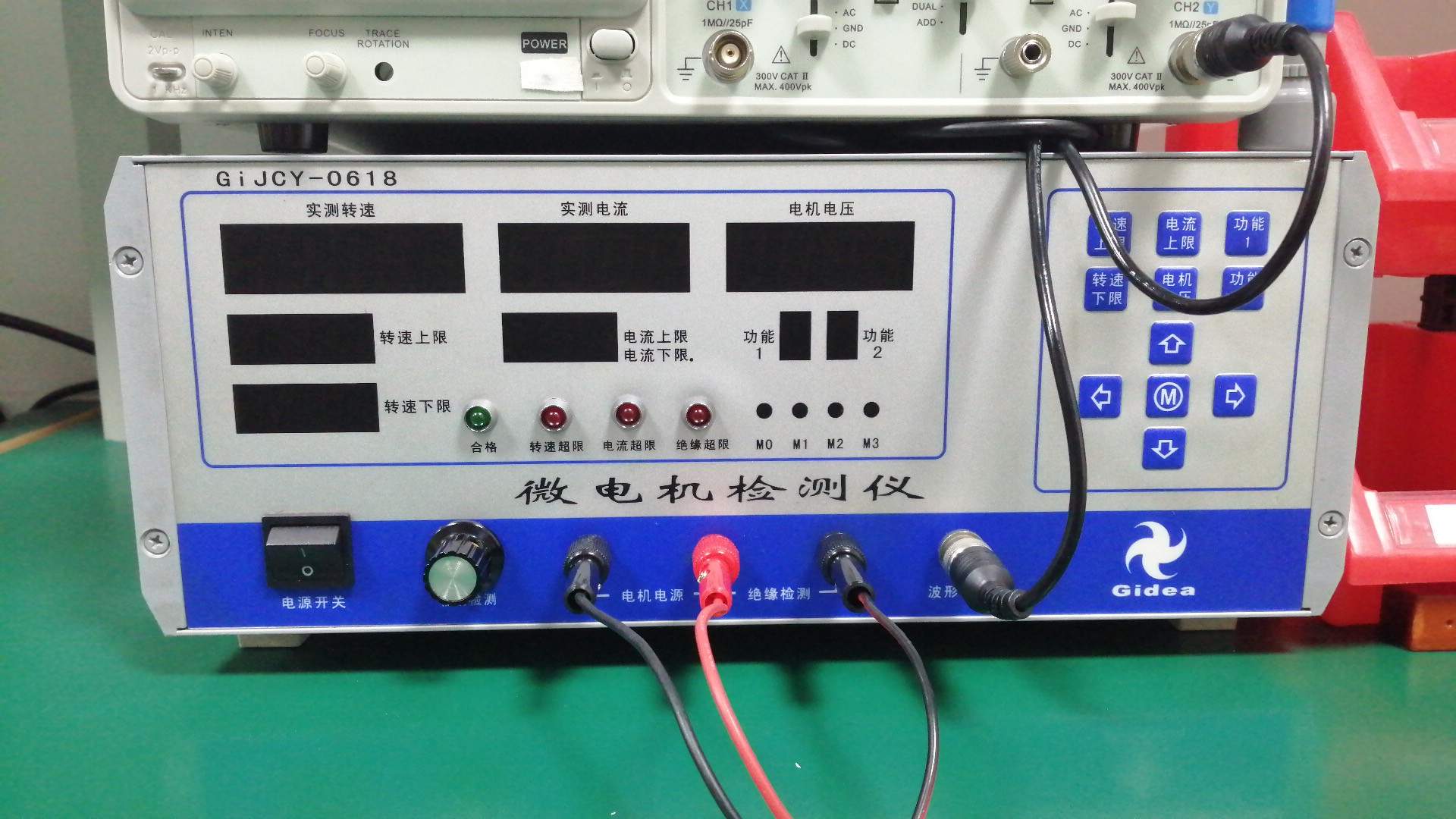
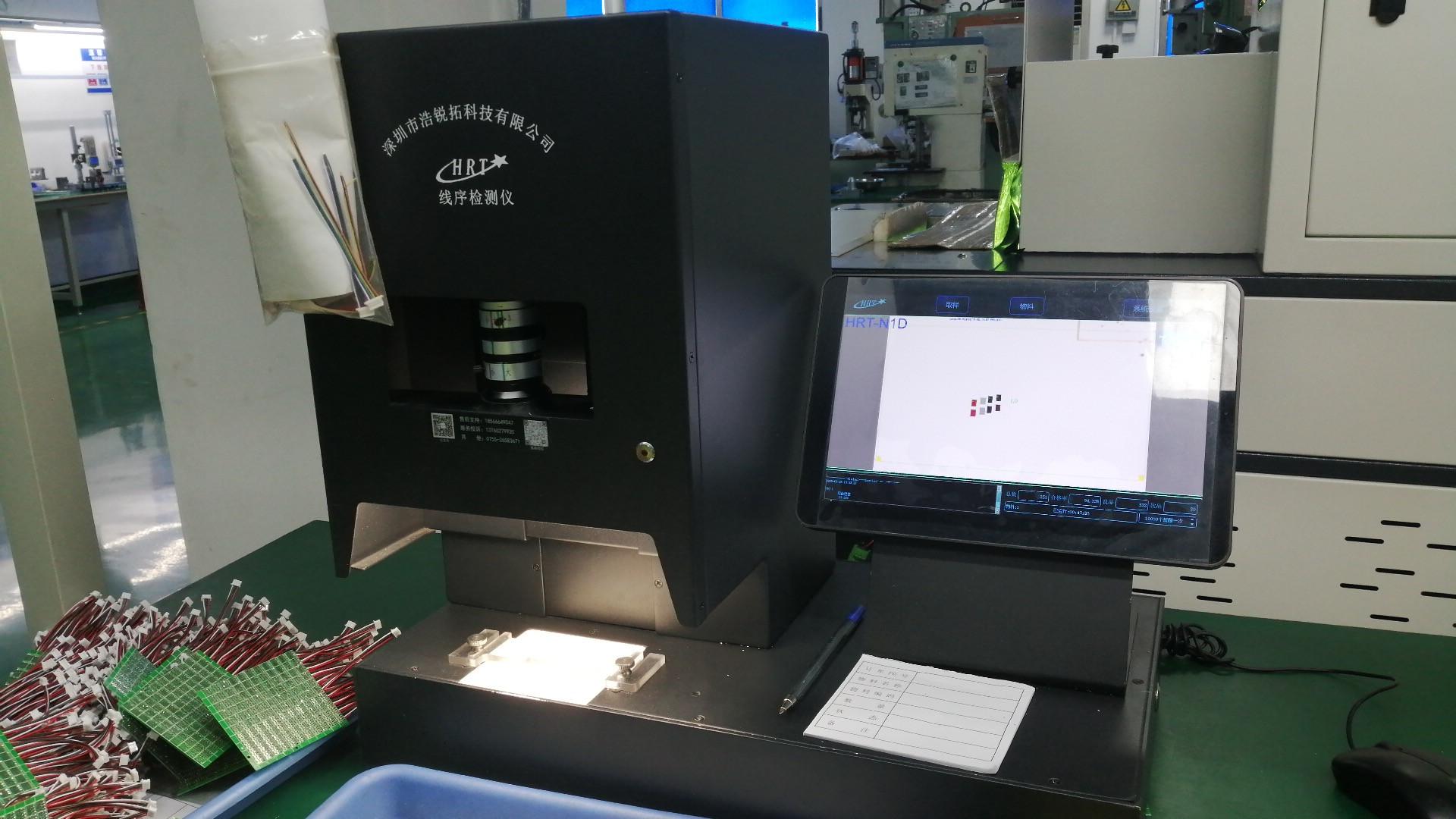
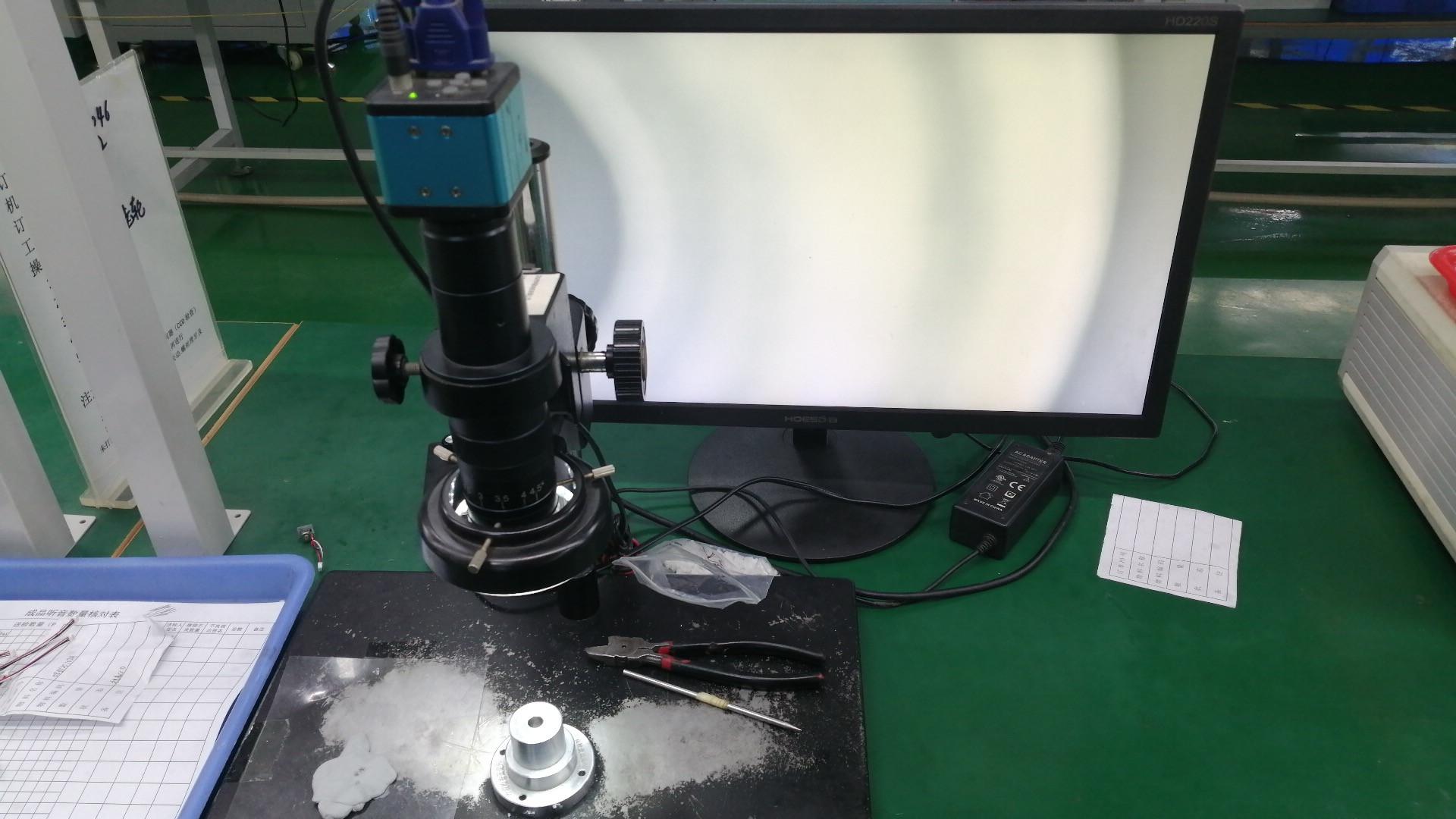
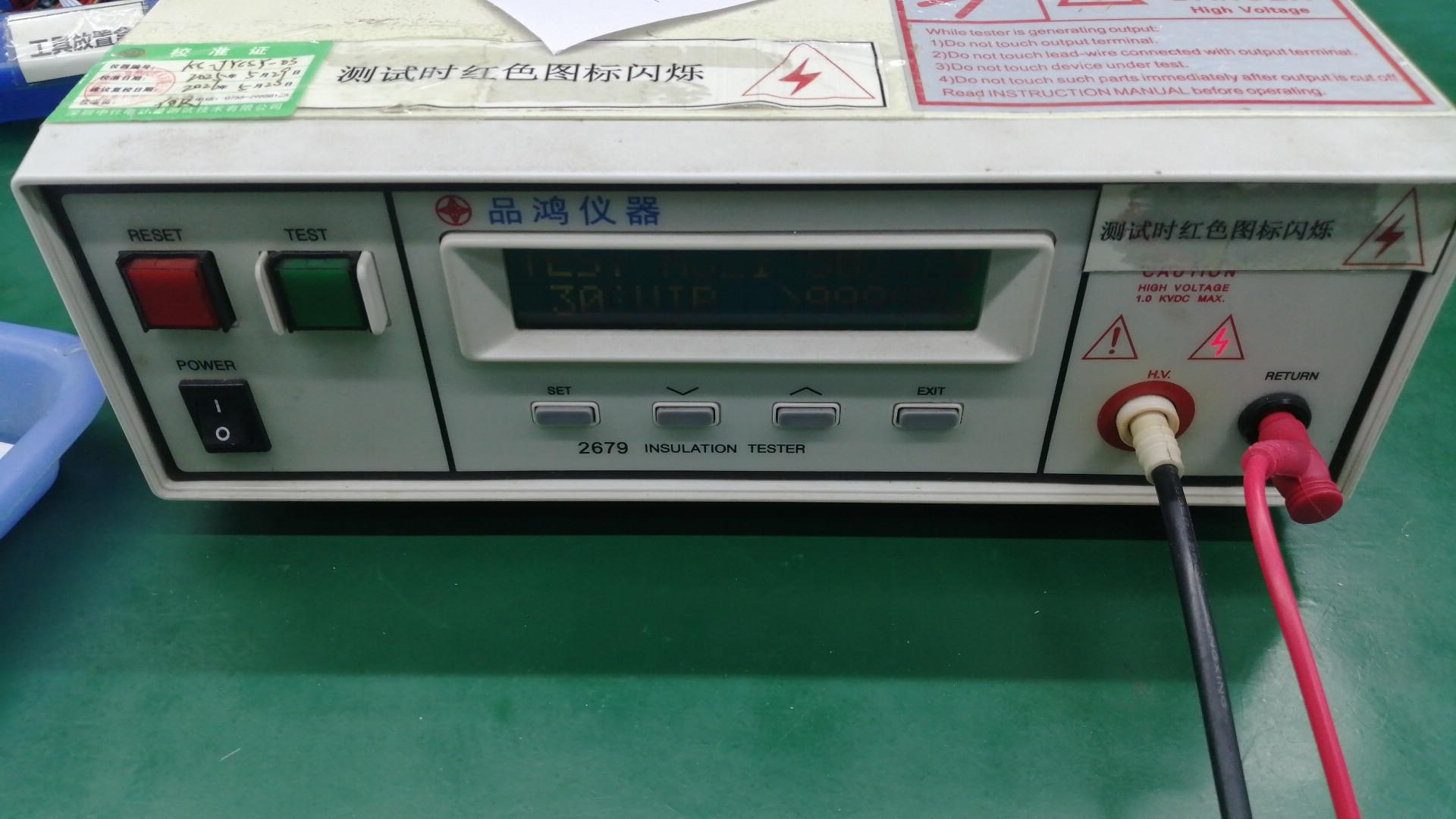
Standard parameters designed to match B2B procurement specifications for Mexican engineering projects.
| Frame Size (mm) | Actuator Class | Standard Input Voltage | Maximum Thrust Force | Key Applications (Mexico Hubs) |
|---|---|---|---|---|
| 10mm / 15mm | Miniature Permanent Magnet (PM) | 5V DC / 12V DC | 160g.cm - 350g.cm | Smart glasses, portable infusion pumps (Tijuana) |
| 20mm (NEMA 8) | Captive / Non-Captive Hybrid | 3.7V - 12V DC | Up to 1.8 kgf | Automated pipette machines, microfluidics (Monterrey) |
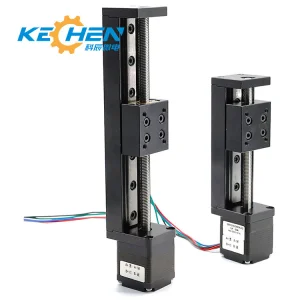
| 25mm / 28mm | Hybrid Lead Screw Slide Guide | 3.0V - 24V DC | Up to 4.5 kgf | Optical lens positioning, electronic throttle adjustment |
| NEMA 11 (28mm) | High Precision Linear Stage | 12V DC - 24V DC | Up to 8.0 kgf | Automated PCB testing setups, 3D printers (Guadalajara) |
Designed for seamless integration into North American manufacturing lines. Custom strokes, lead screws, and mounting flanges available upon request.
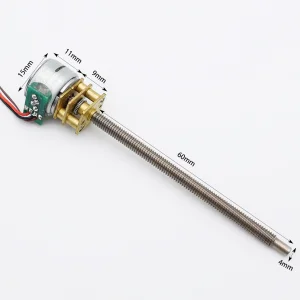
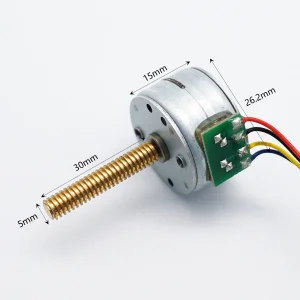
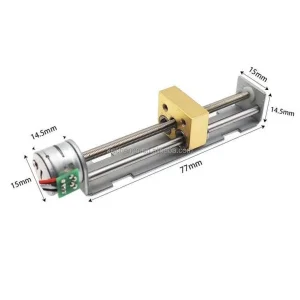
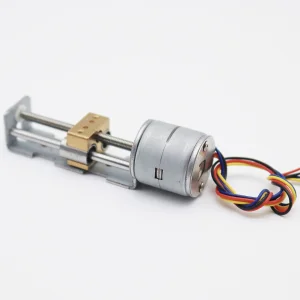
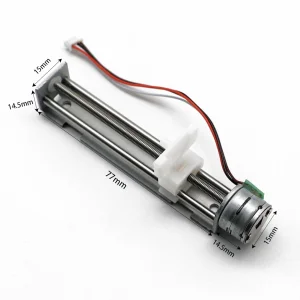
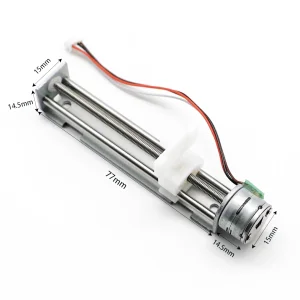
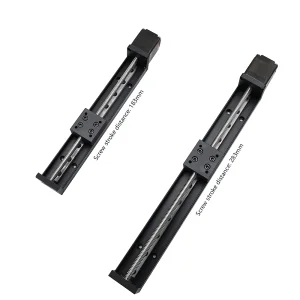
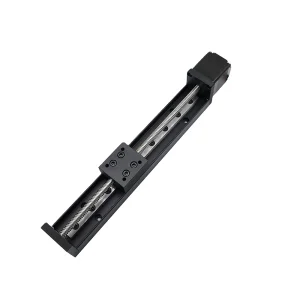
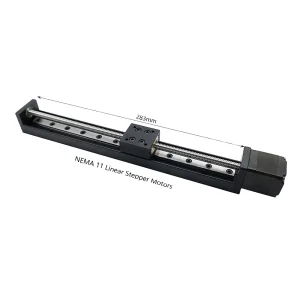
Real-world engineering implementations utilizing miniature linear steppers across key Mexican industrial sectors.
High-accuracy micro-dosing systems rely on NEMA 8 non-captive linear motors. The actuator pushes a syringe plunger with sub-microliter resolution. Using a custom lead screw with a fine pitch (e.g., 0.5mm lead) paired with a 1.8-degree step angle hybrid motor, fluid injection runs smoothly, preventing pressure spikes in sensitive diagnostic systems.
Modern LED headlamp systems require automated vertical and horizontal leveling based on chassis inclination sensor inputs. Compact 15mm PM linear stepper motors with built-in brackets and customized M3 screw shafts actuate the reflectors directly. These motors must handle high under-hood temperatures and ambient humidity cycles without losing step coherence.
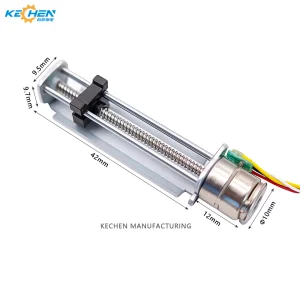
Smart glasses and augmented reality (AR) projection systems require dynamic focus adjustment. Ultra-miniature 10mm linear step motors (such as the KC-10BY) provide the necessary driving force within tight space constraints. The motor's permanent magnet rotor and copper slide system deliver stable adjustment for miniature lenses, drawing minimal battery power.
Answering key technical and logistical questions for global B2B procurement professionals sourcing linear stepper actuators.
Captive: The motor has an internal spline mechanism that prevents the shaft from spinning. When the rotor turns, the shaft extends or retracts axially. This is ideal when there is no external anti-rotation mechanism in the customer's design.
Non-Captive: The lead screw passes through the center of the motor rotor nut with no anti-rotation constraints. To get linear movement, the screw itself or the motor housing must be constrained externally against rotation.
External: The lead screw is fixed directly to the rotor shaft and rotates. A translating nut (usually made of polyacetal/POM or bronze) moves along the screw externally. This configuration is widely used in linear guide rails and slide tables.
Our Factory 4.0 methodology integrates automated winding, soldering, and pressing bearing machines to eliminate manual assembly errors. For quality verification, we utilize specialized metrology tools, including Mitutoyo roundness testers, Keyence laser calipers, and dynamic torque testers. Each batch is 100% inspected, and finished products undergo acoustic verification in soundproof rooms to ensure operational noise remains below 35dB.
We provide full customization, including custom lead screw thread profiles (e.g., M3, M4, or trapezoidal Tr5), custom shaft lengths, custom cabling harnesses (including Molex or JST connectors), special mounting flanges, and materials designed for specific temperature ranges (-40°C to +125°C).
While USMCA encourages North American regional value content (RVC) for complete systems (like cars or large medical equipment), sub-components like micro-stepper motors are frequently sourced globally due to specialized production requirements. Brea Tech provides full certificate-of-origin documentation, RoHS compliance logs, and custom HS codes to streamline importation through major Mexican ports of entry, such as Lázaro Cárdenas, Manzanillo, or Nuevo Laredo.
The theoretical axial force (F) generated by a lead-screw driven stepper motor is calculated using the following formula:
F = (2 * π * T * η) / p
Where T represents the motor's rotor torque, η represents the lead screw efficiency (typically 40% to 50% for standard Teflon/POM configurations, and 85%+ for ball screws), and p represents the lead screw pitch. Our engineering team can run dynamic simulation checks on your target duty cycle to verify these calculations.
Request a technical consultation or get a custom prototype quote for your manufacturing project. Our engineering team is ready to design a solution that fits your requirements.
 Brea Tech Micro Motor