Engineered to meet the exact torque profiles and dynamic responses required for precision automation, laboratory setups, and CNC architectures in Romania.
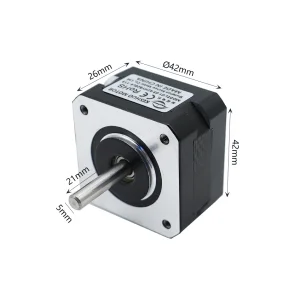
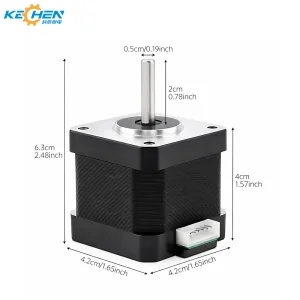
Romania has positioned itself as an emerging high-tech hub in Eastern Europe. The manufacturing sector, clustered around strategic nodes like Bucharest, Cluj-Napoca, Timișoara, and Brașov, is shifting dramatically from manual assembly to automated smart manufacturing systems. This transition is highly dependent on micro-positioning technologies. Hybrid Stepper Motors represent the technological cornerstone of this modernization, offering cost-effective and precise rotational step divisions (typically 1.8° and 0.9° step angles) without the requirement of complex encoder loops.
Key industrial sectors driving the demand in Romania include the automotive parts manufacturing base (crucial for Tier 1 and Tier 2 suppliers), medical packaging devices, textile machinery automation in Ploiești, and the fast-growing 3D printing and custom industrial engraving sector across the Transylvania region.
Hybrid stepper motors integrate the finest design methodologies of both Variable Reluctance (VR) and Permanent Magnet (PM) motors. Utilizing a multi-toothed rotor coupled with a permanent axial magnet, these motors achieve extremely small step angles alongside high holding torque.
Compared to brushless DC motors (BLDC), hybrid steppers do not require closed-loop feedback systems for positioning, saving significant cost in drive design and control interfaces. Their reliability, high holding torque at low speeds, and exceptional repeatability make them perfect for applications demanding high stiffness and instantaneous start/stop responses.
Procuring micro motors for the European market, particularly for Romanian machine builders supplying Western Europe, requires absolute compliance with quality and environmental standards. Our motors are fully certified to RoHS and CE standards. This guarantees that no hazardous materials (such as lead or cadmium) are utilized during manufacturing, allowing smooth clearance through the Port of Constanța or inland customs checkpoints.
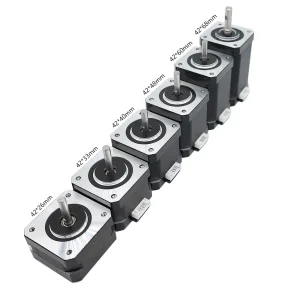
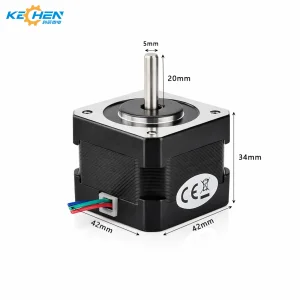
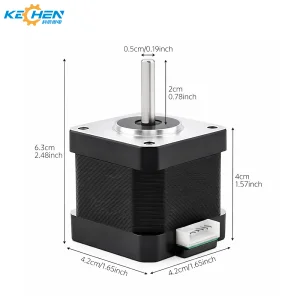
Furthermore, standardizing dimensions to NEMA (National Electrical Manufacturers Association) patterns ensures seamless drop-in replacements for existing European machinery setups, reducing downtime for local manufacturing lines.
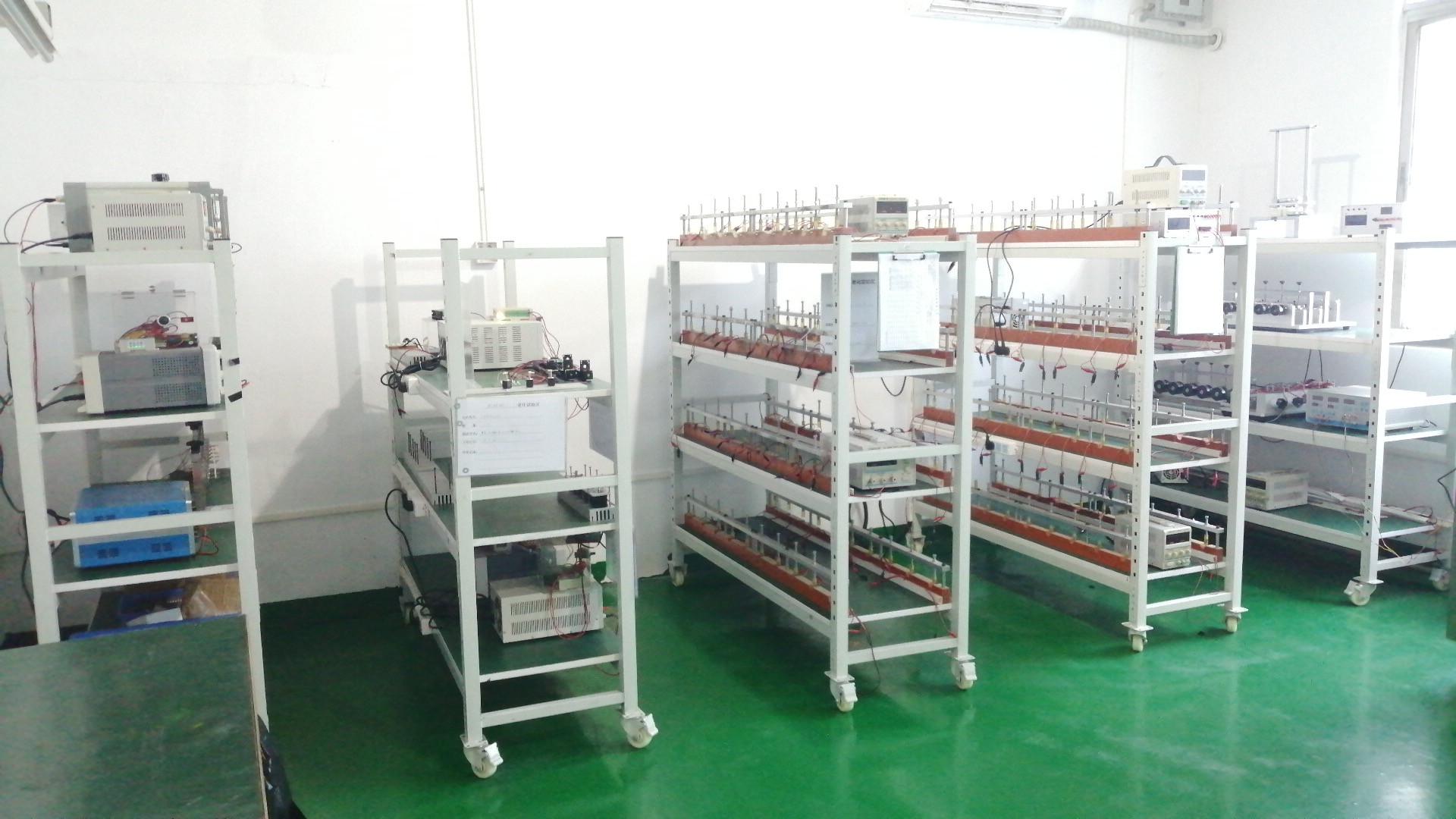
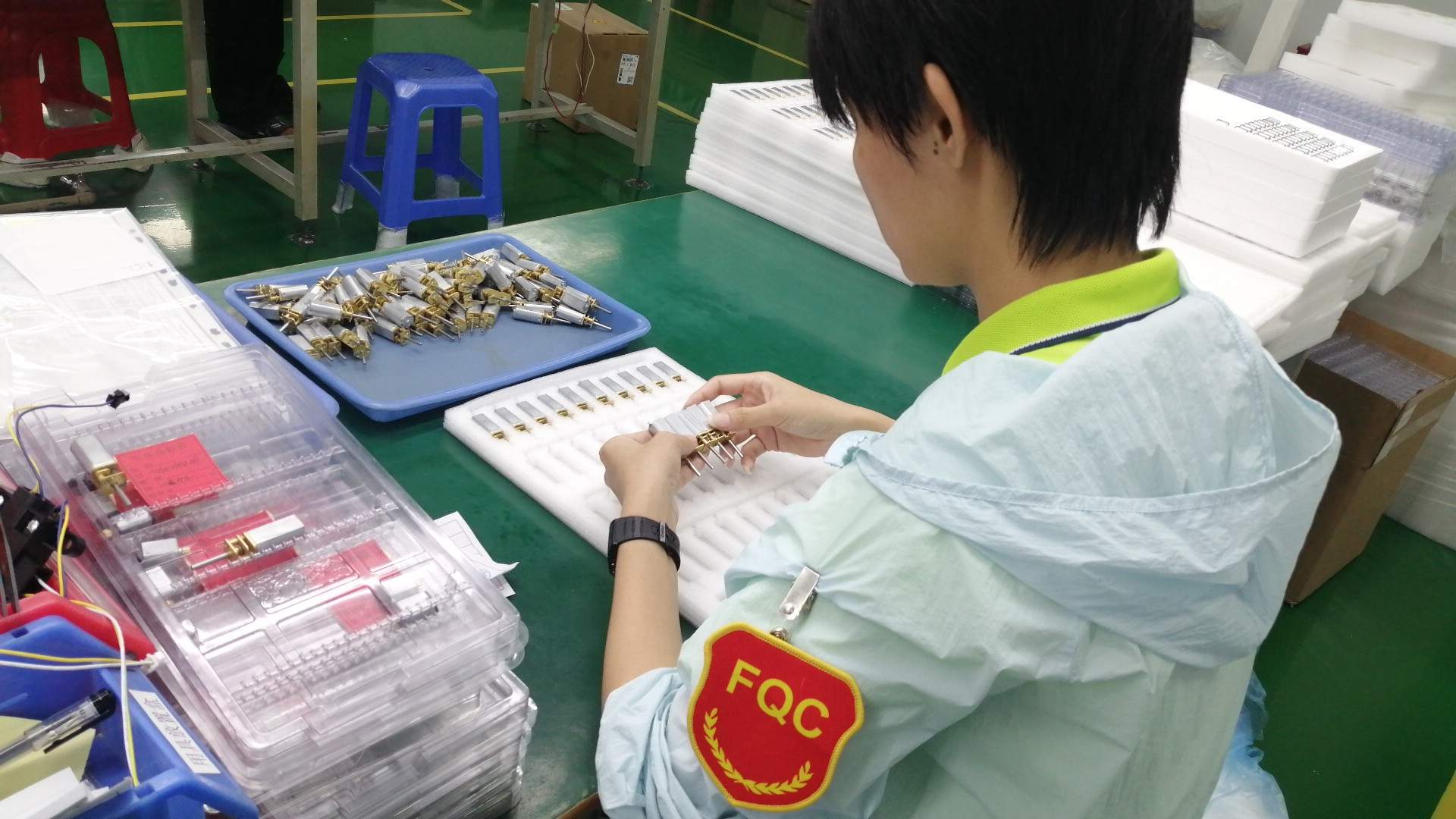
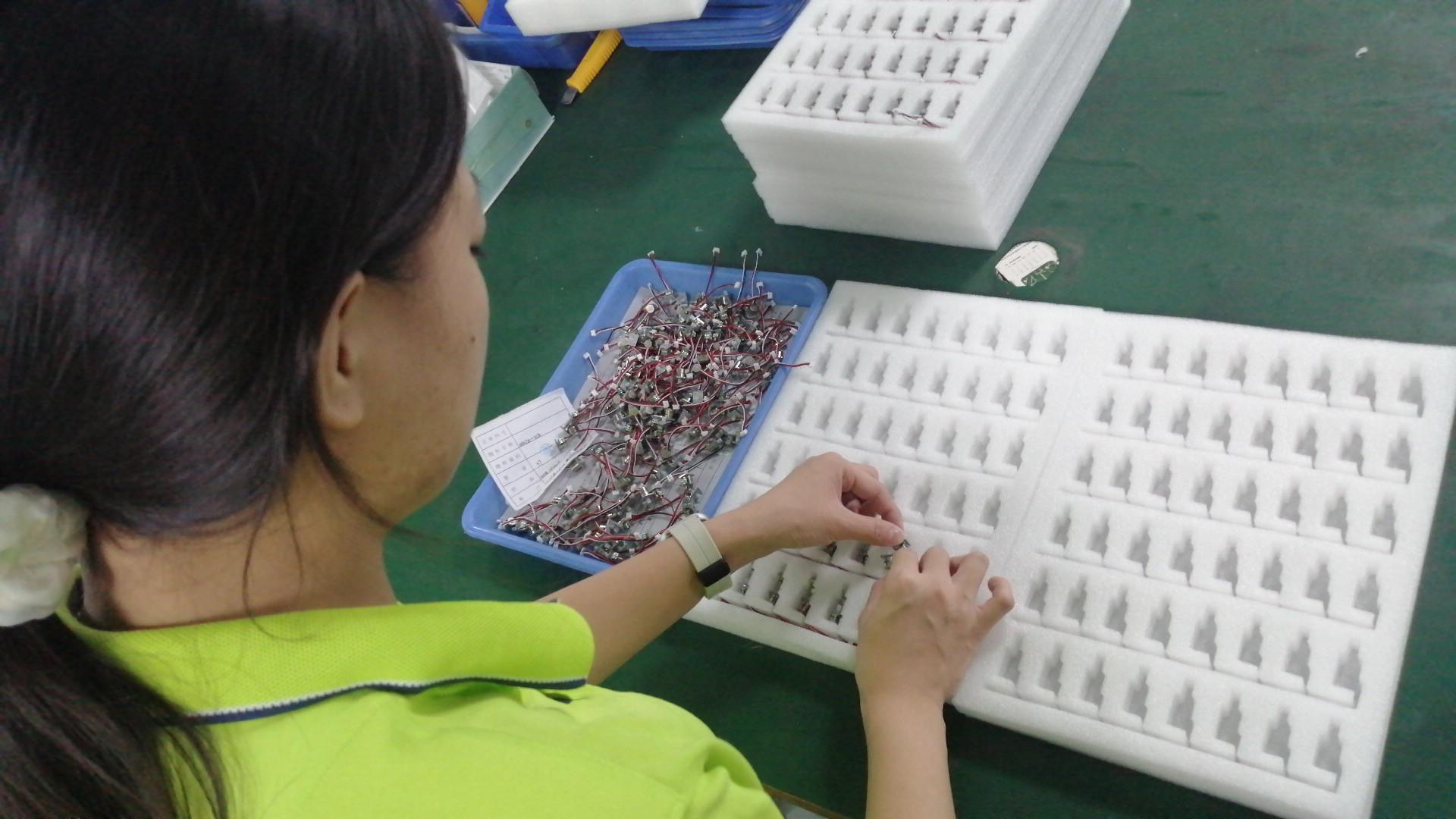
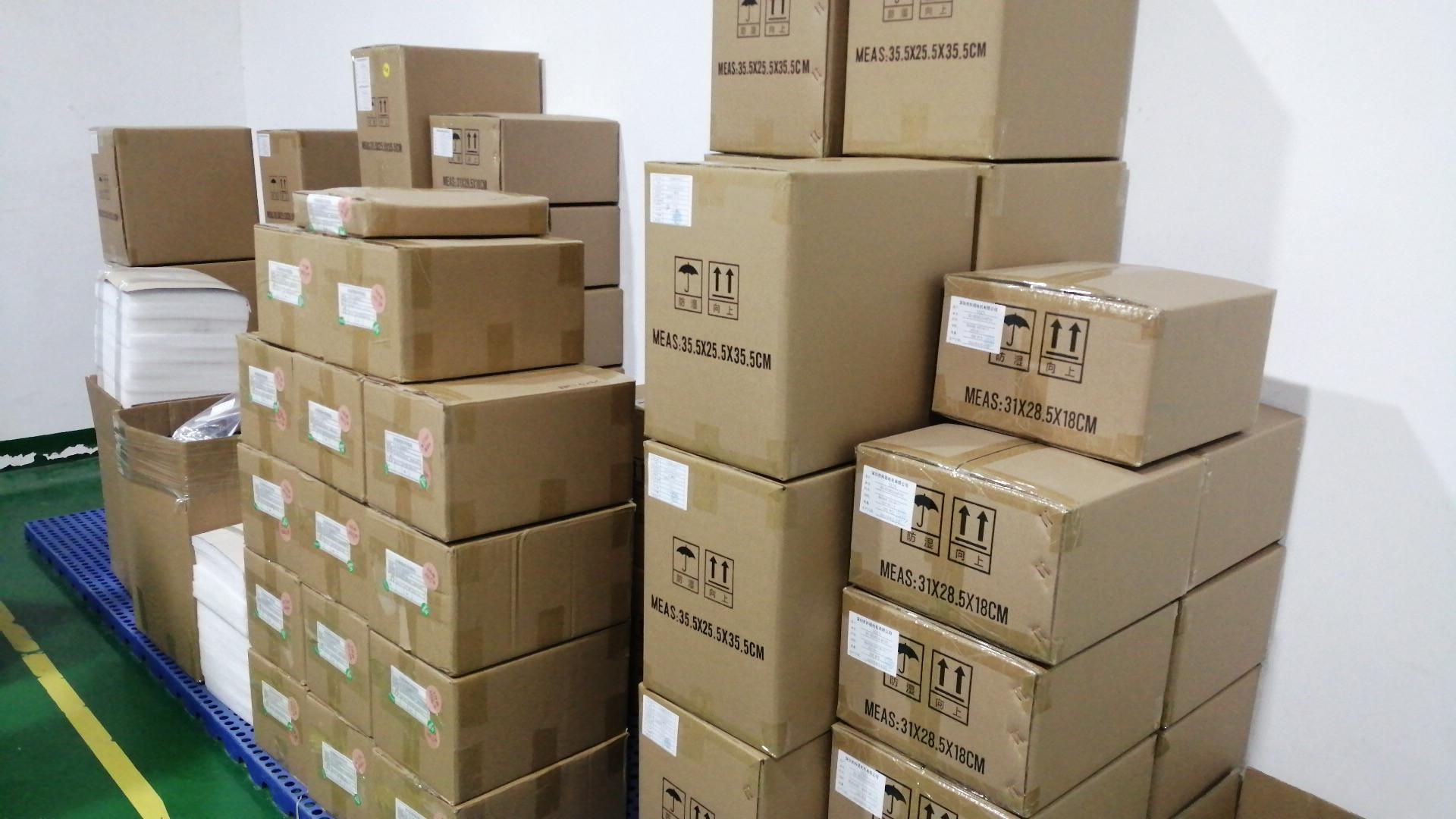
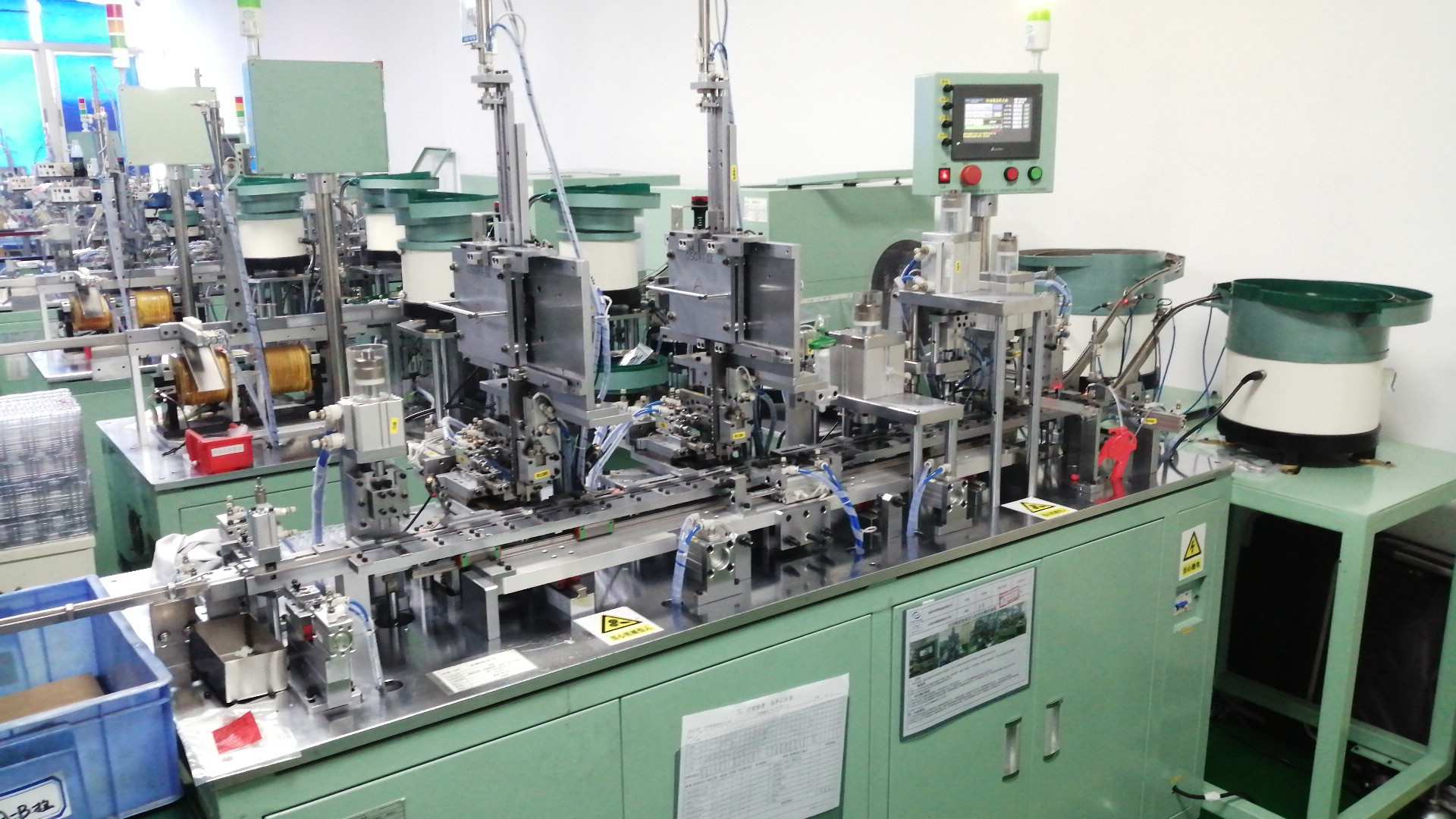
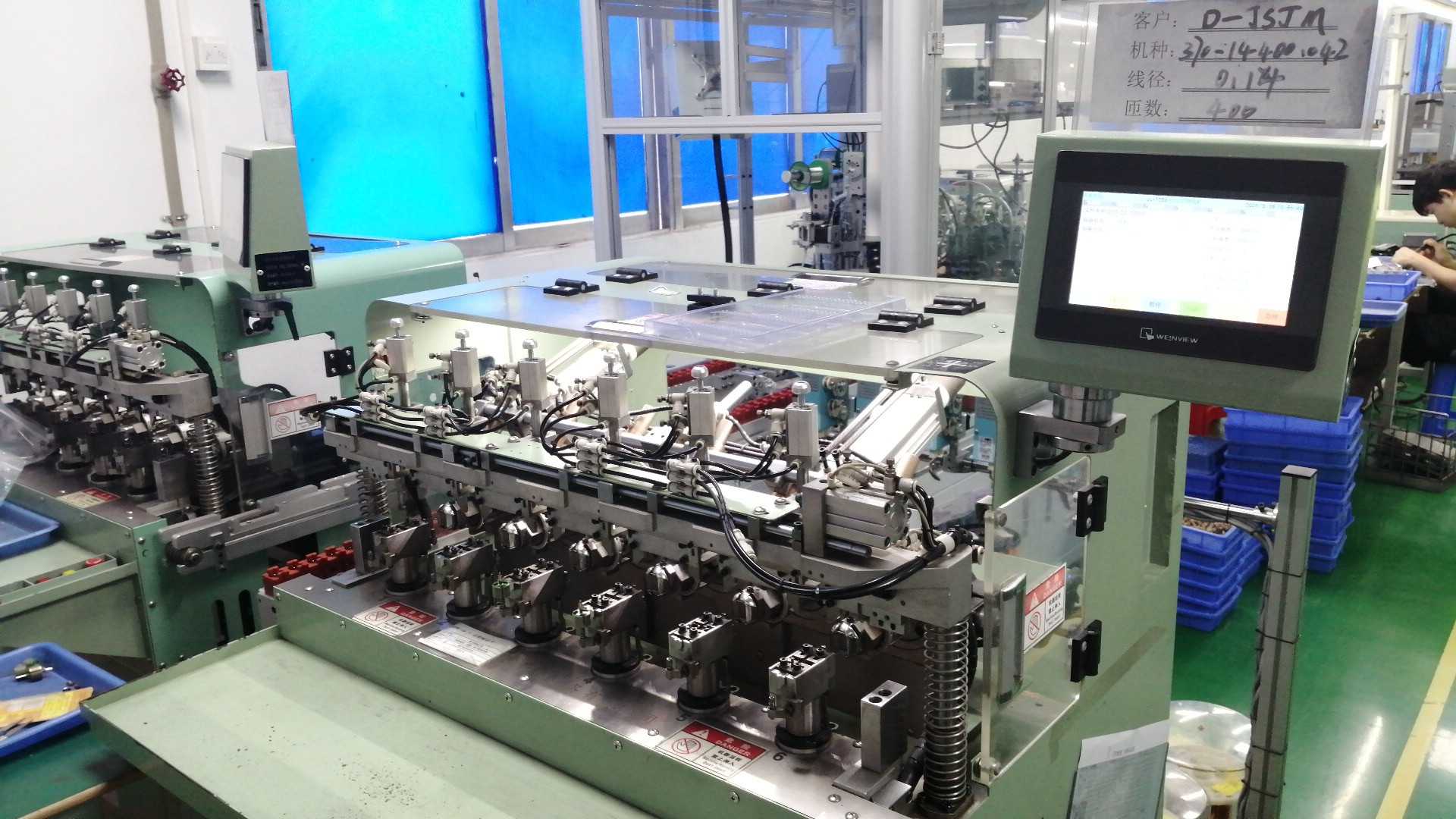
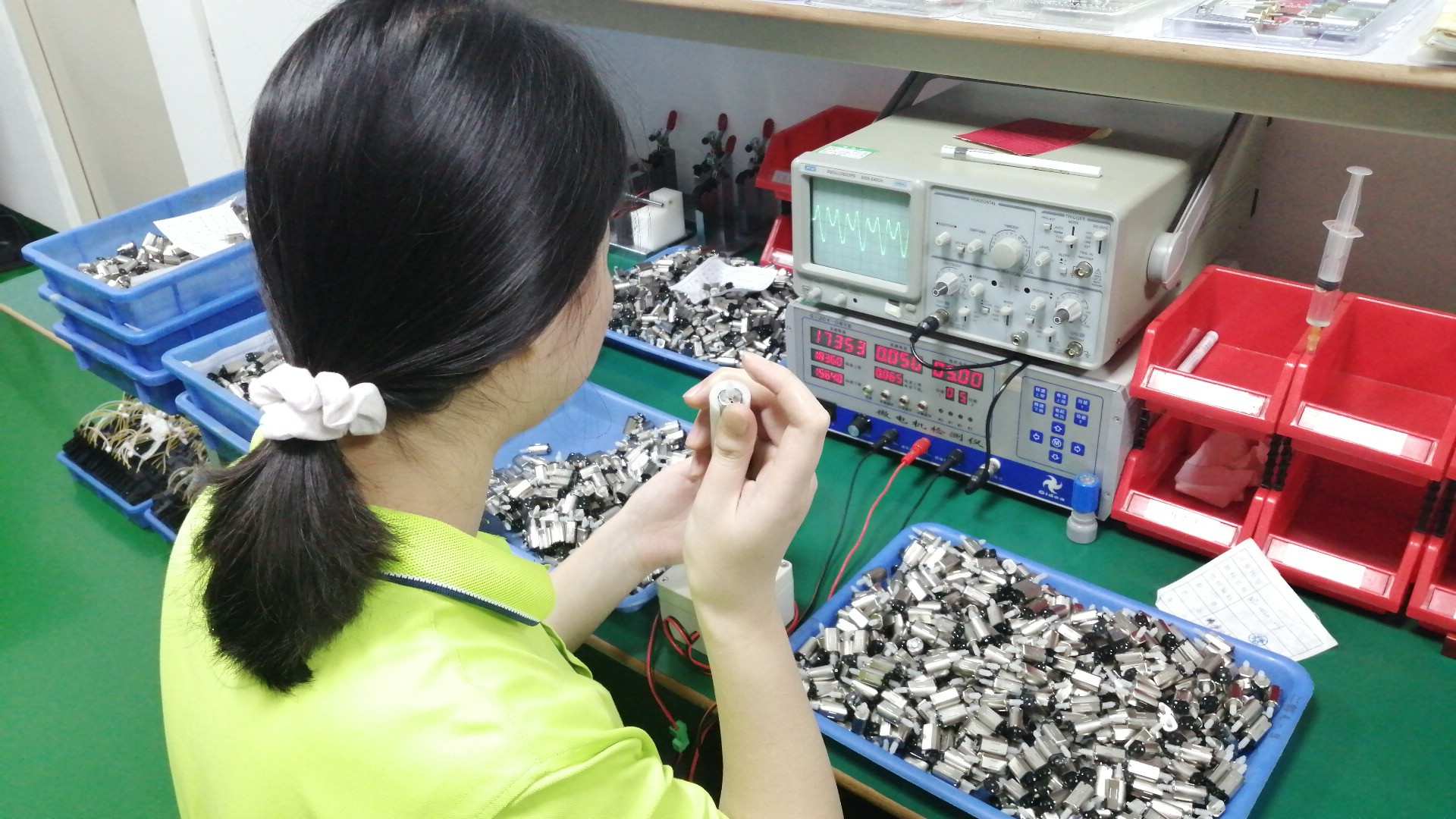
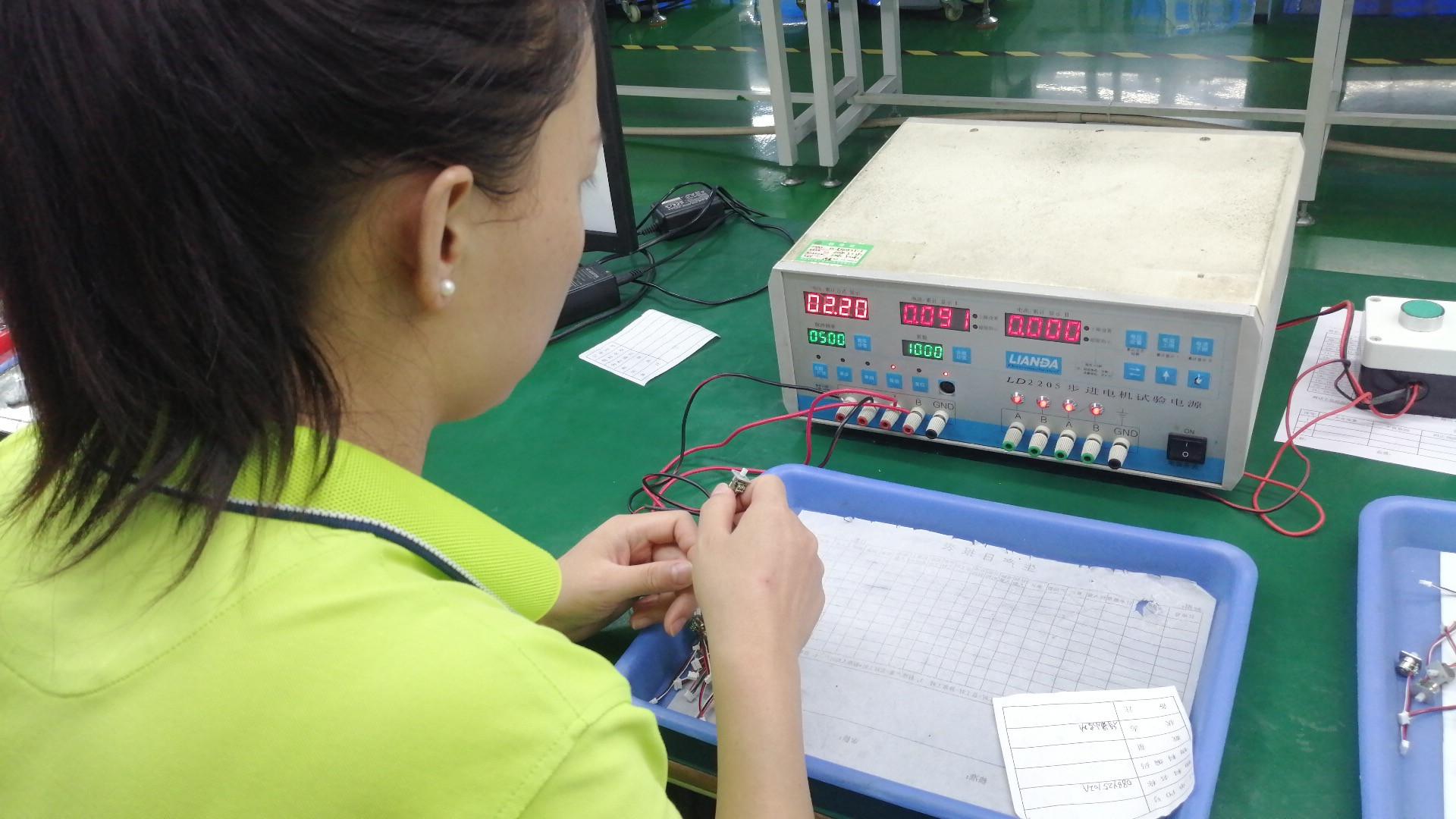
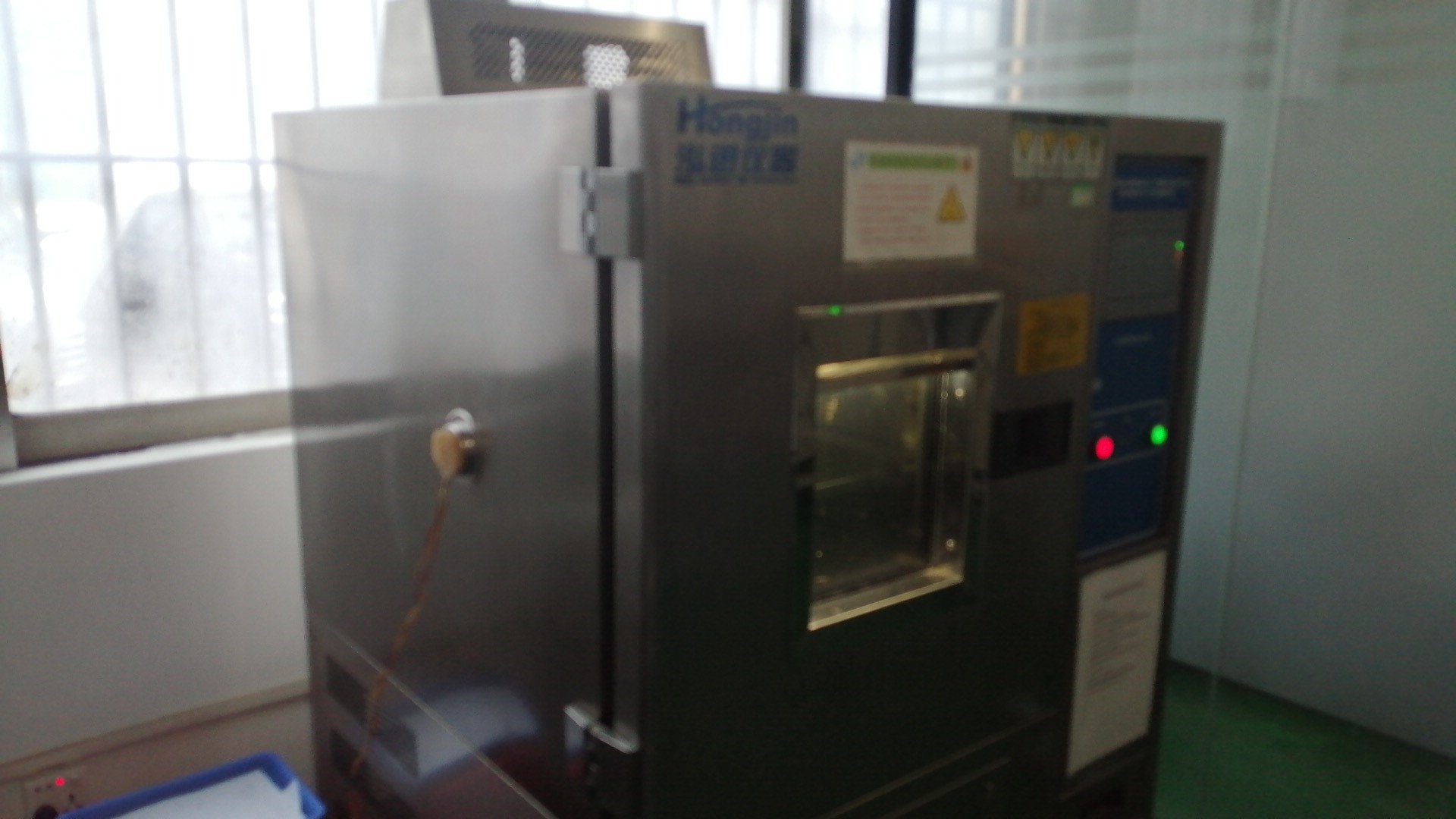
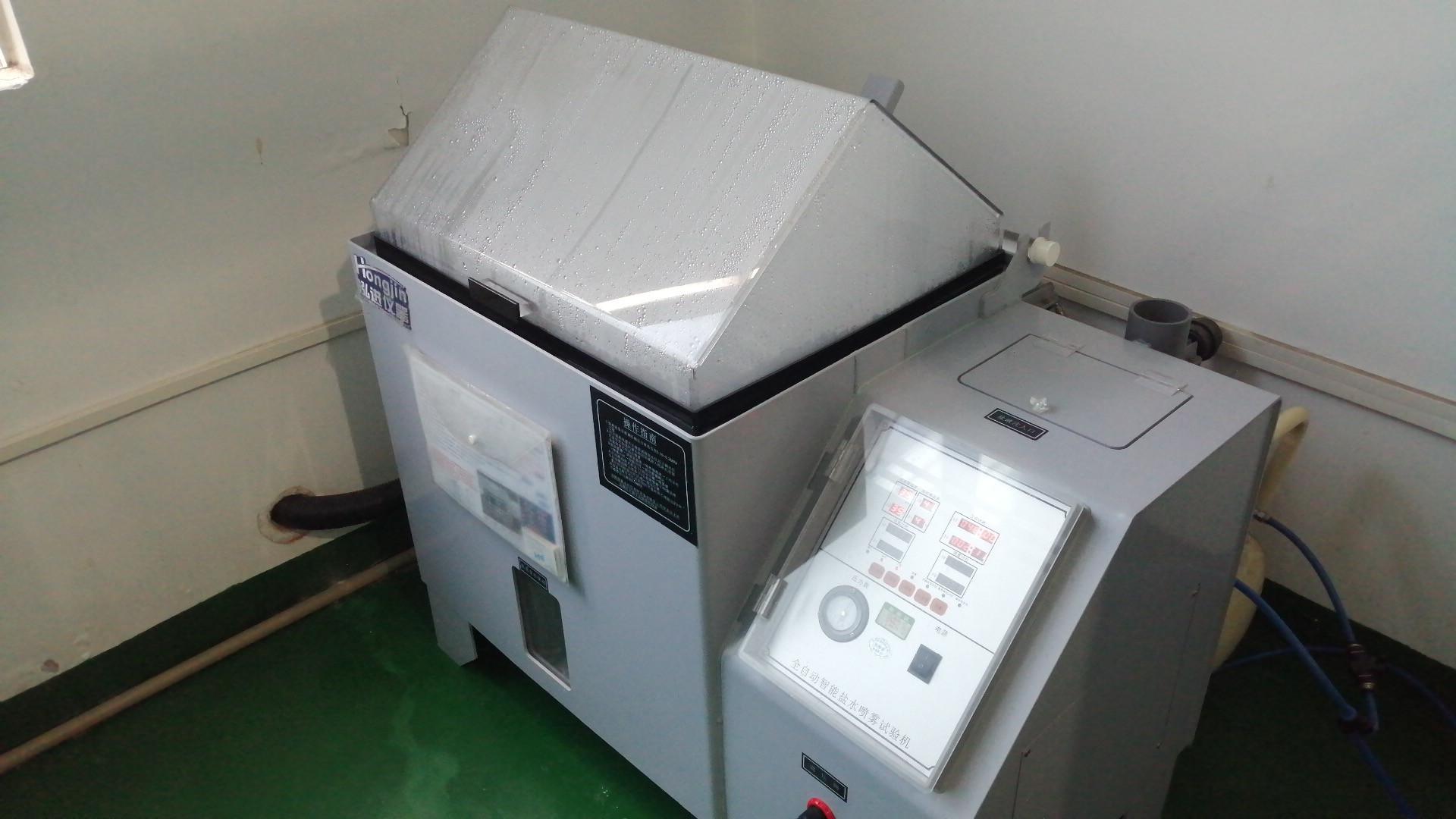
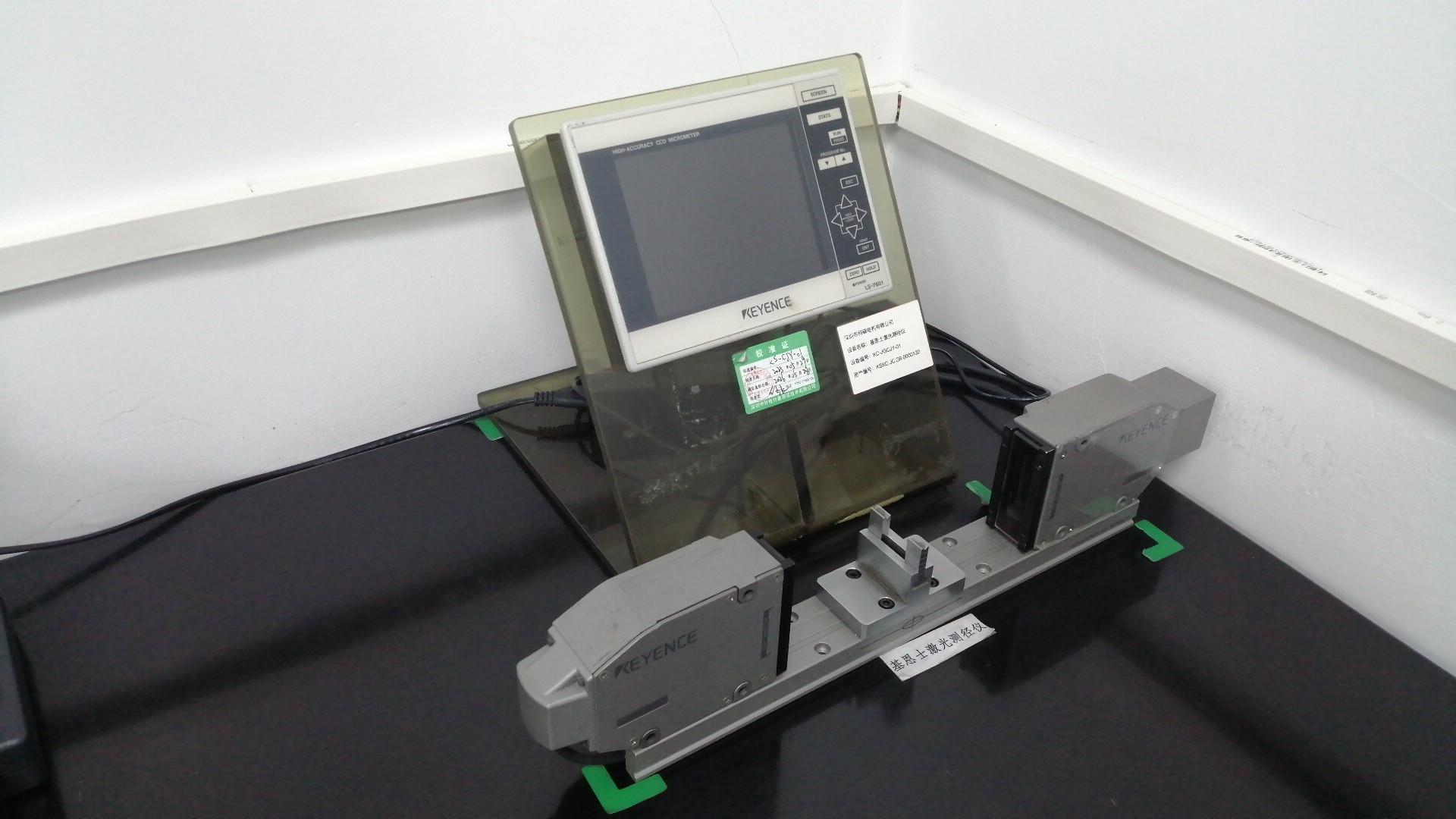
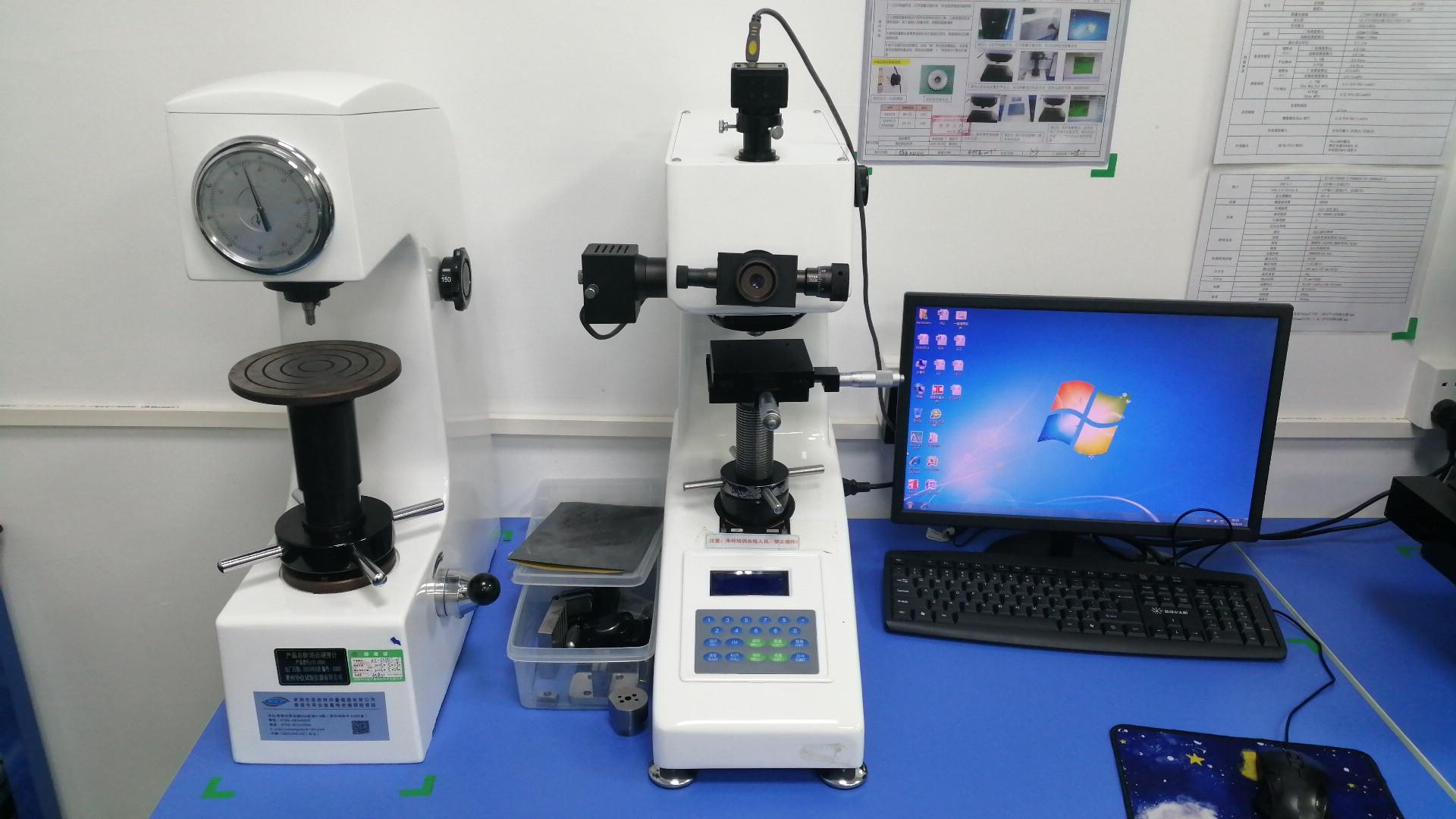
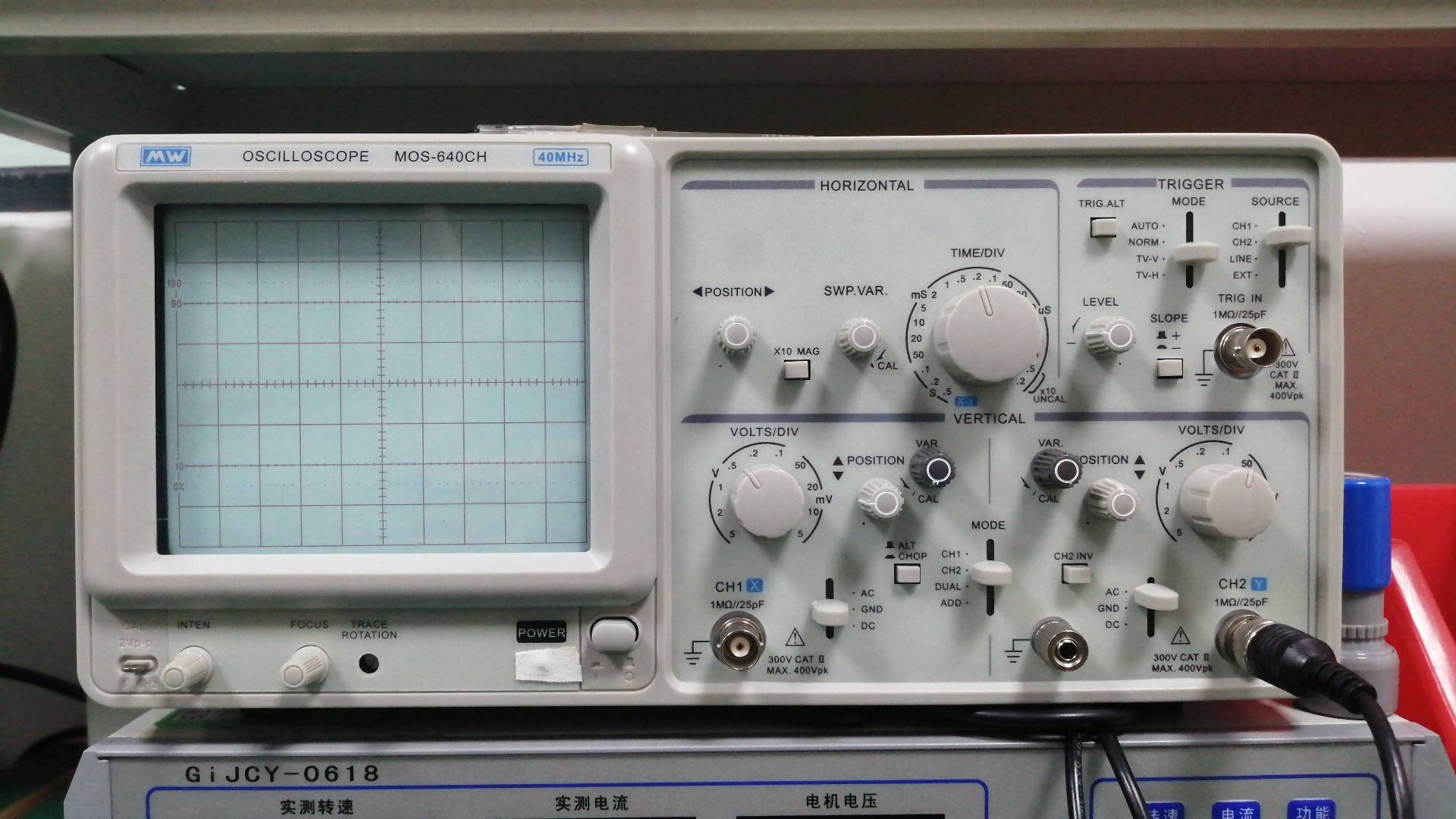
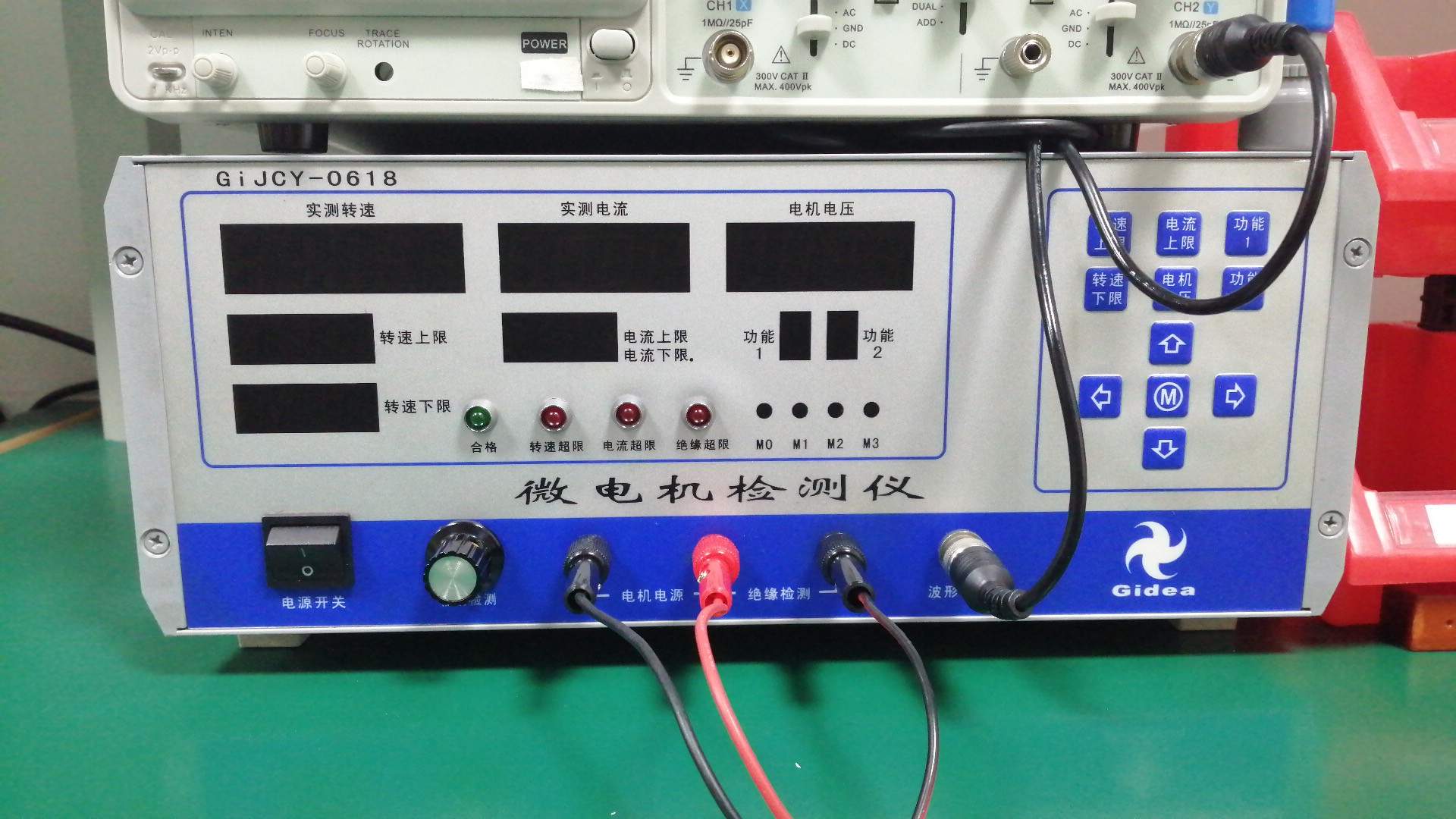
Bridging Chinese lean manufacturing efficiency with local European distribution support and rigorous quality verification pipelines.
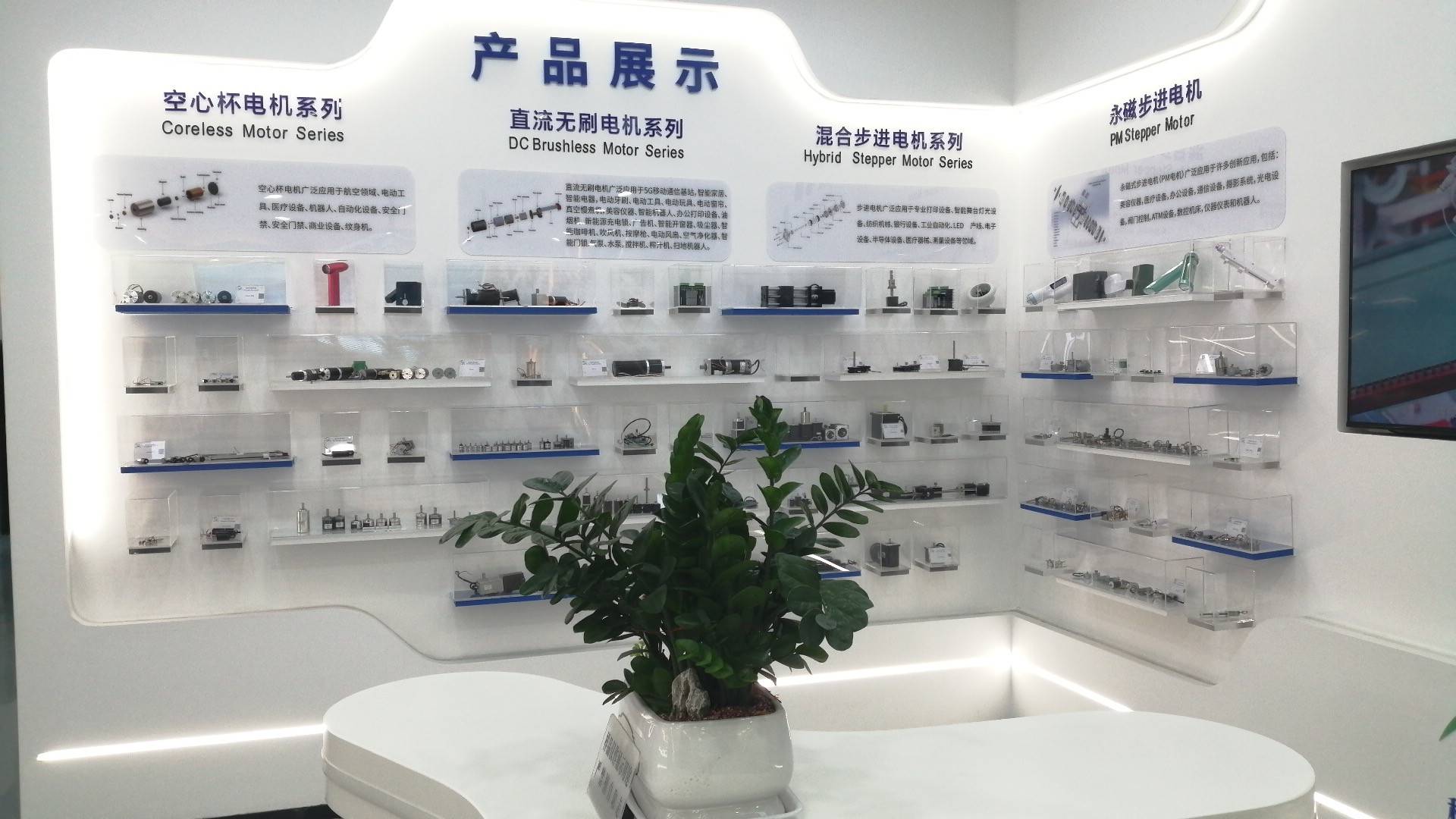
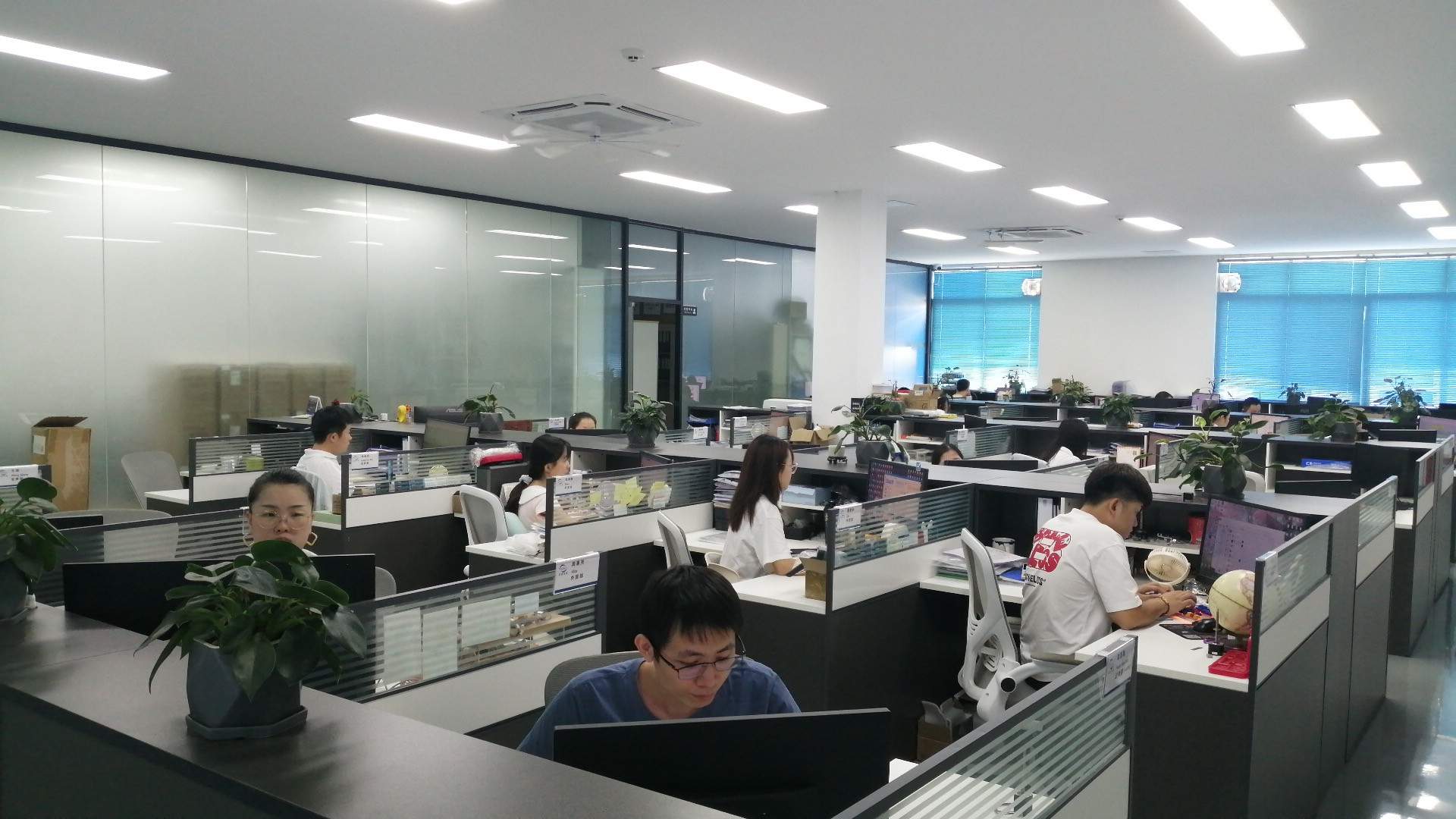
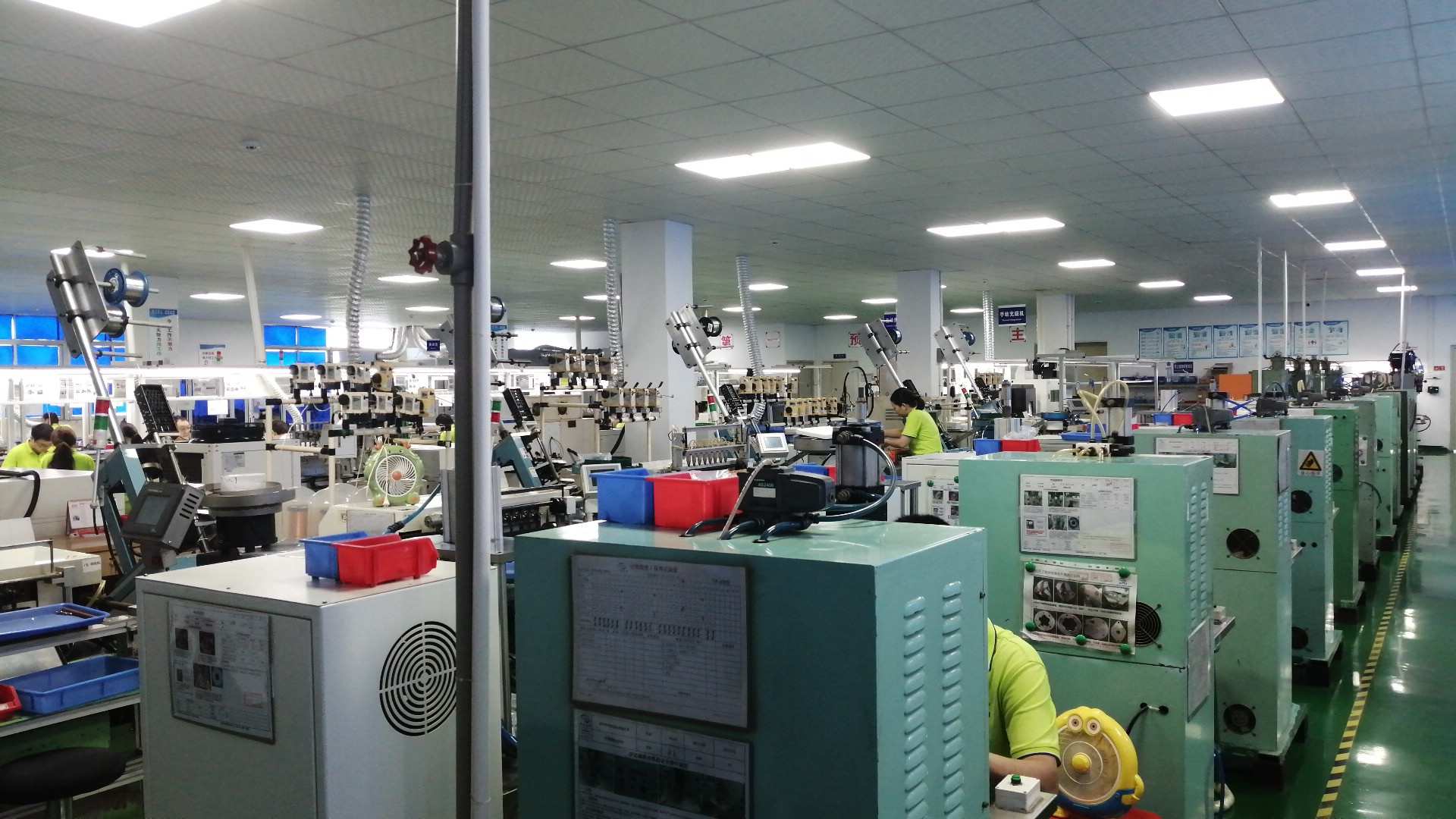
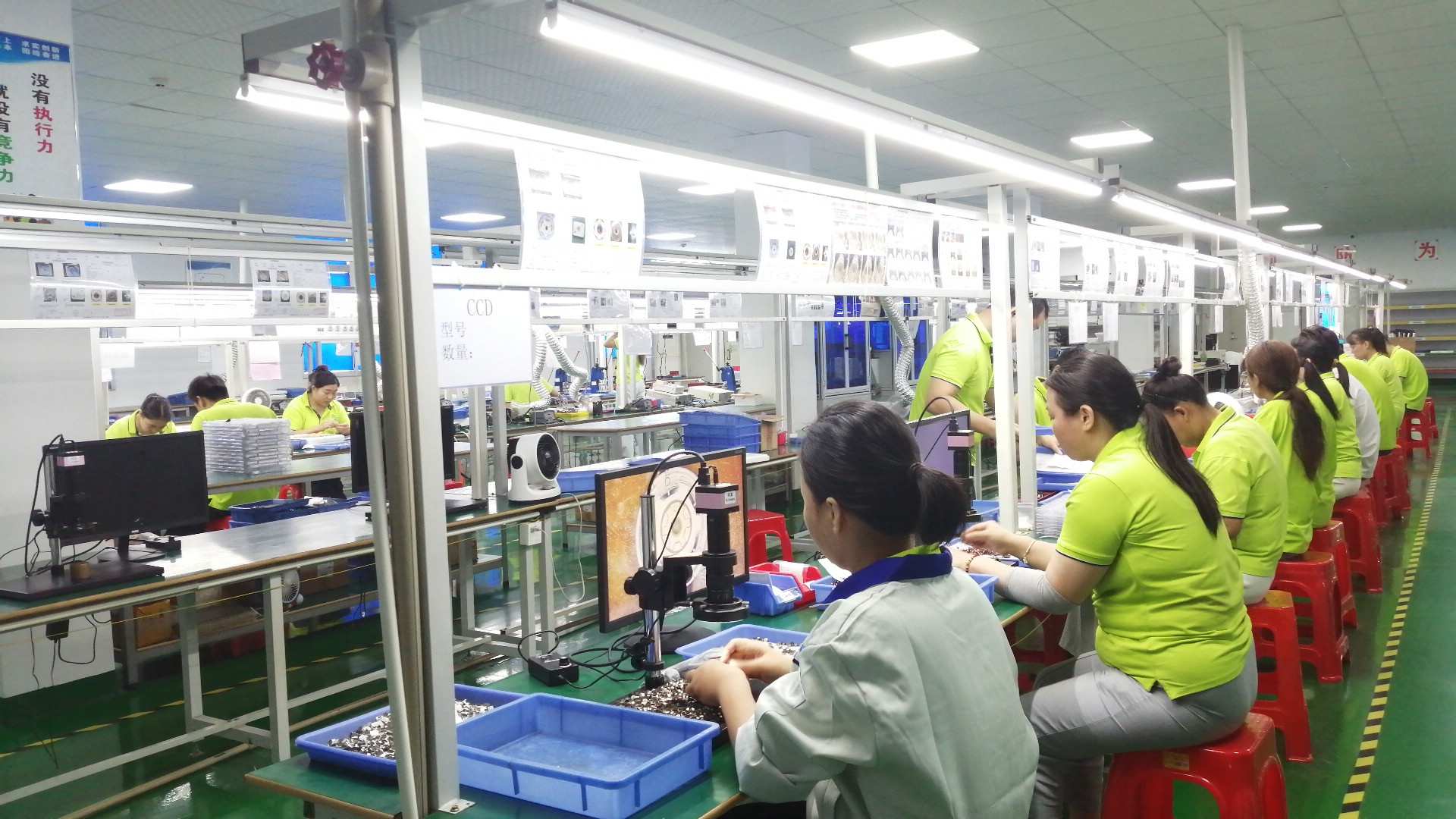
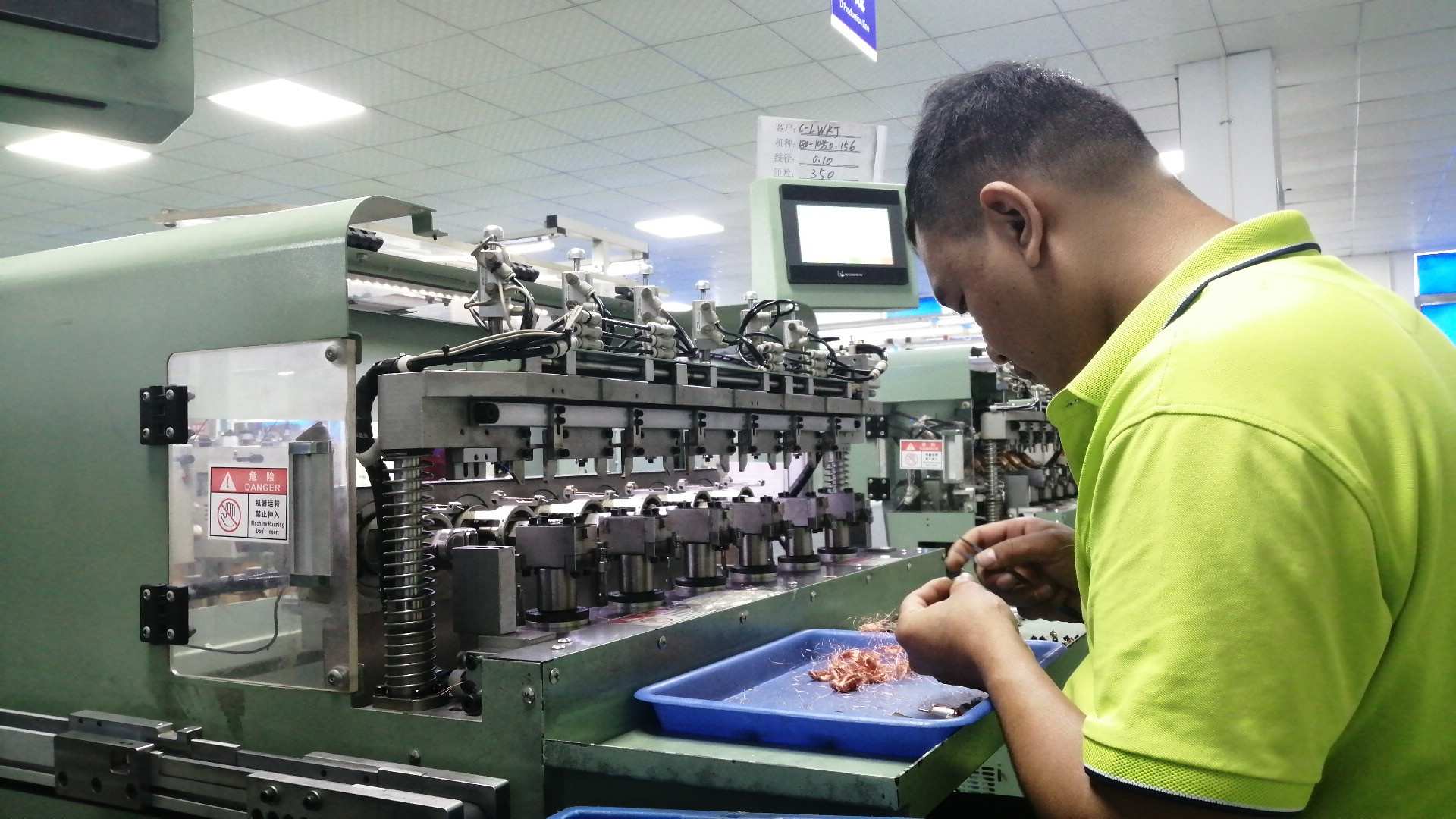
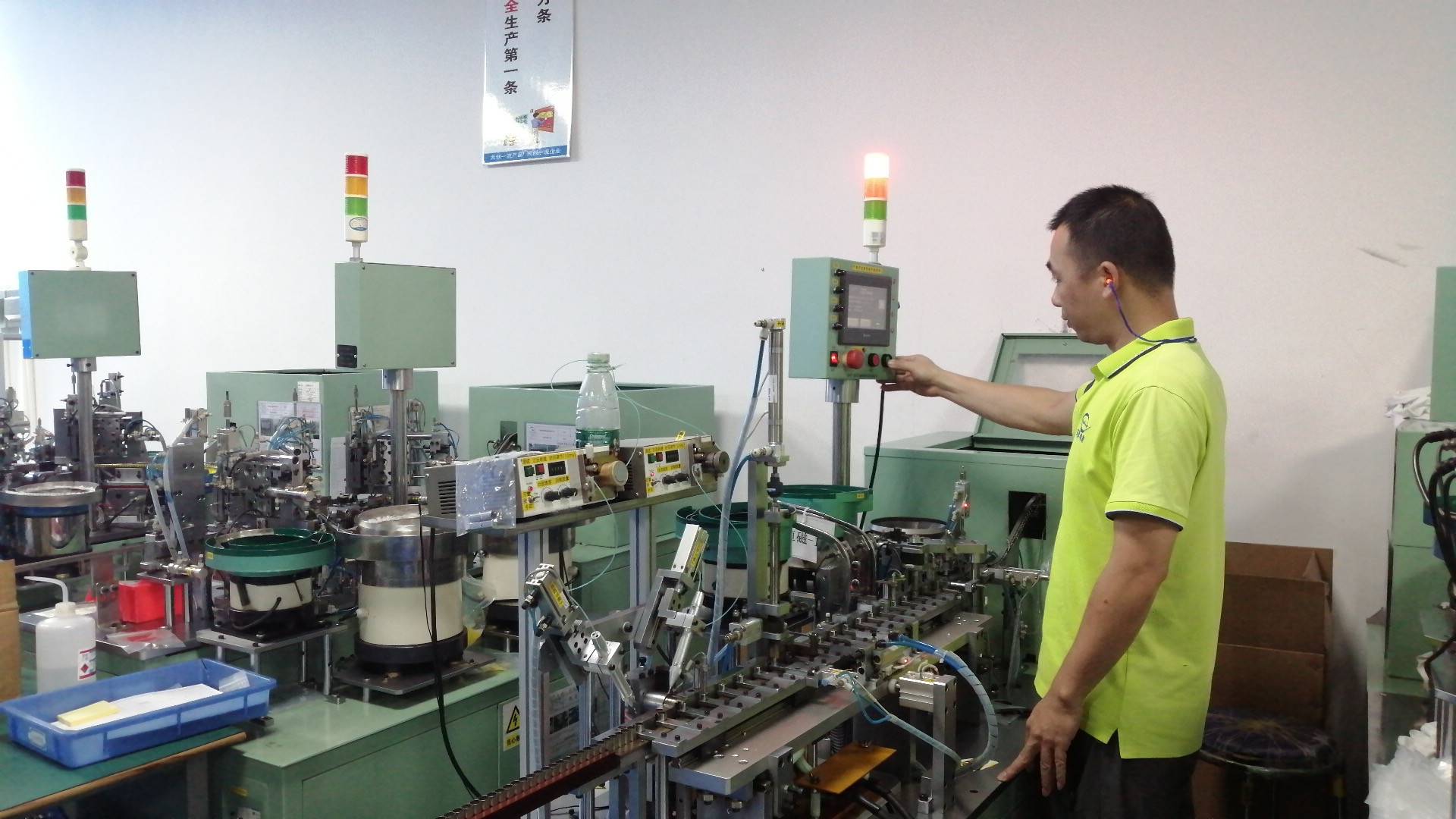
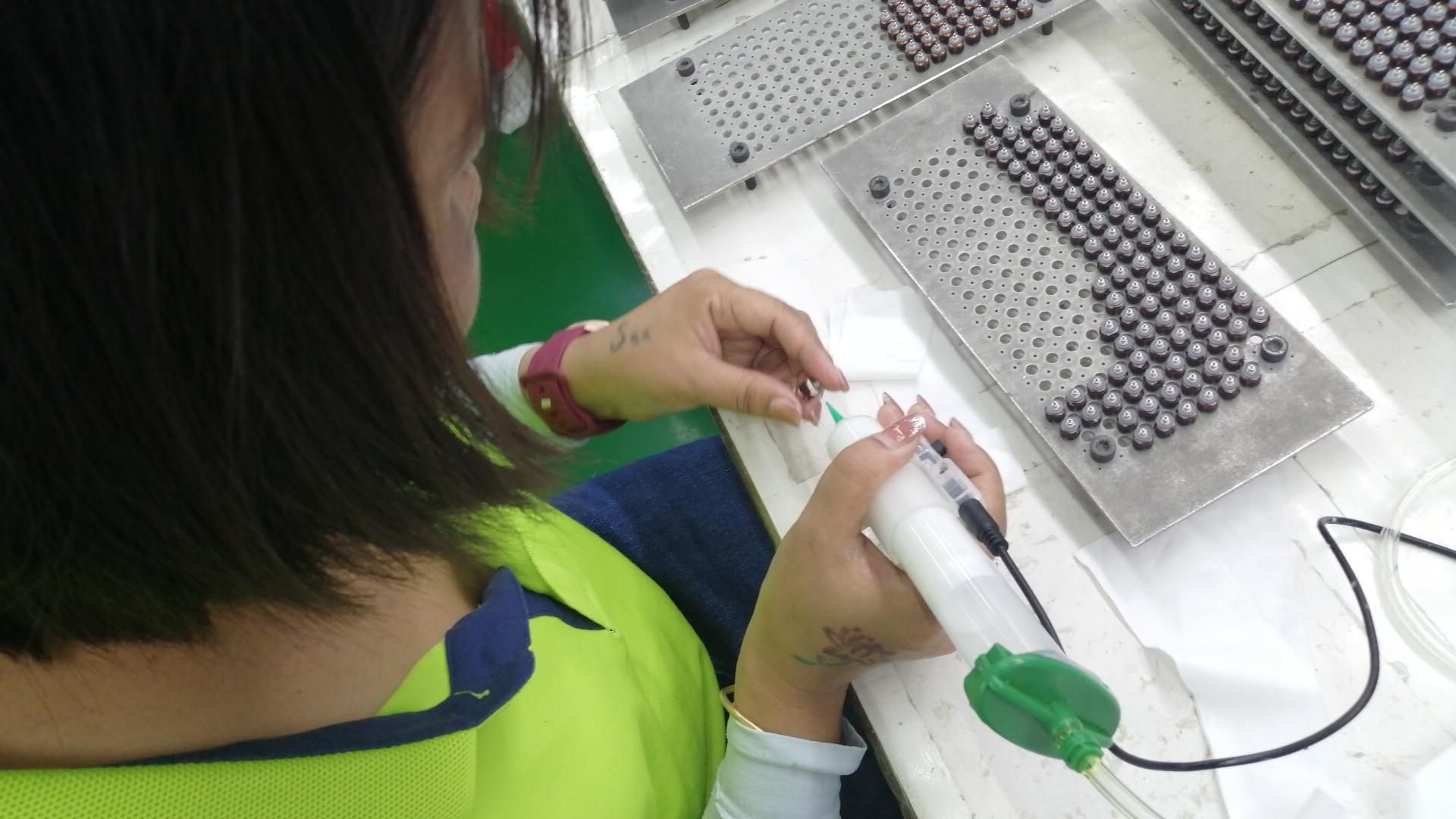
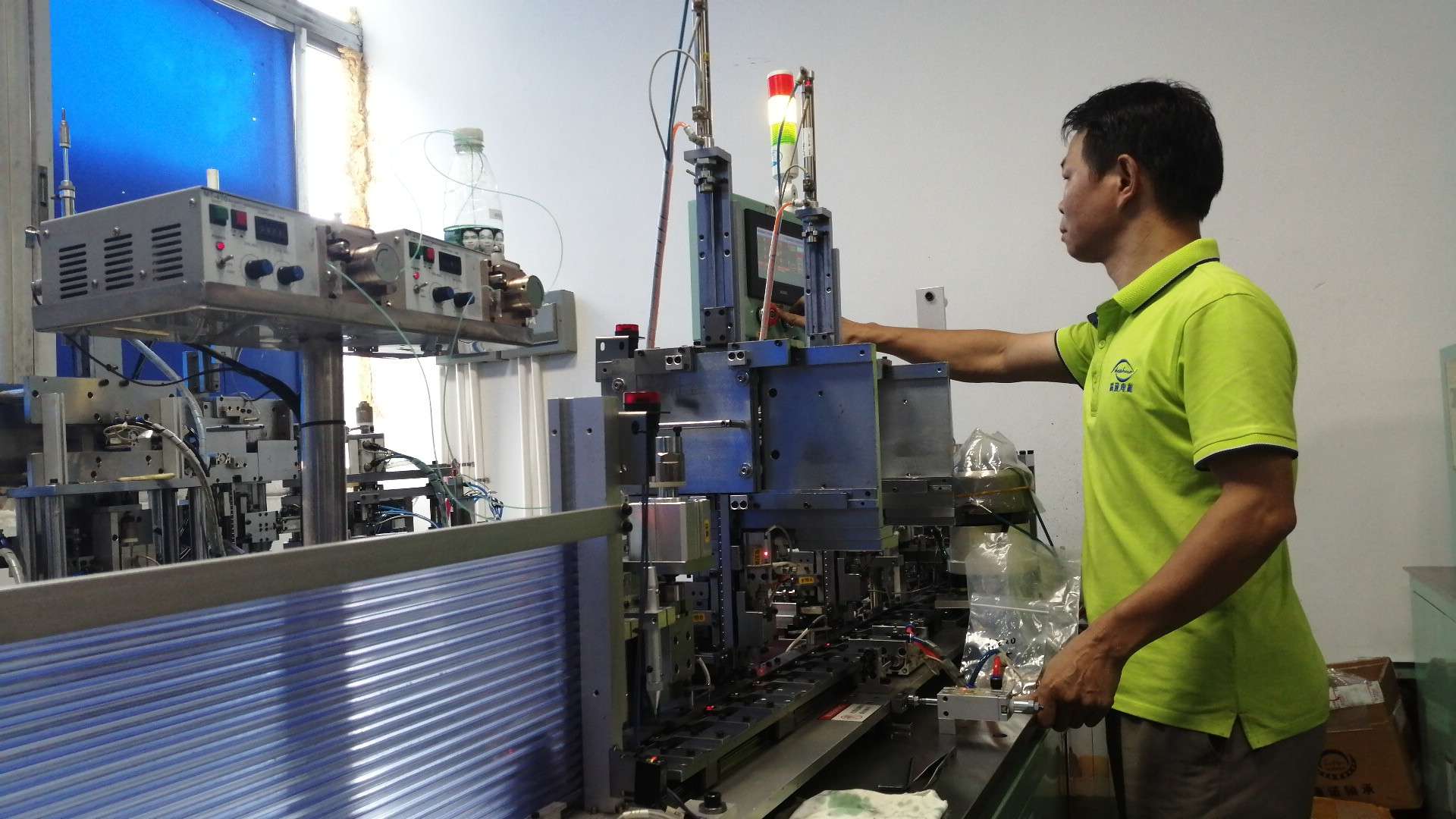
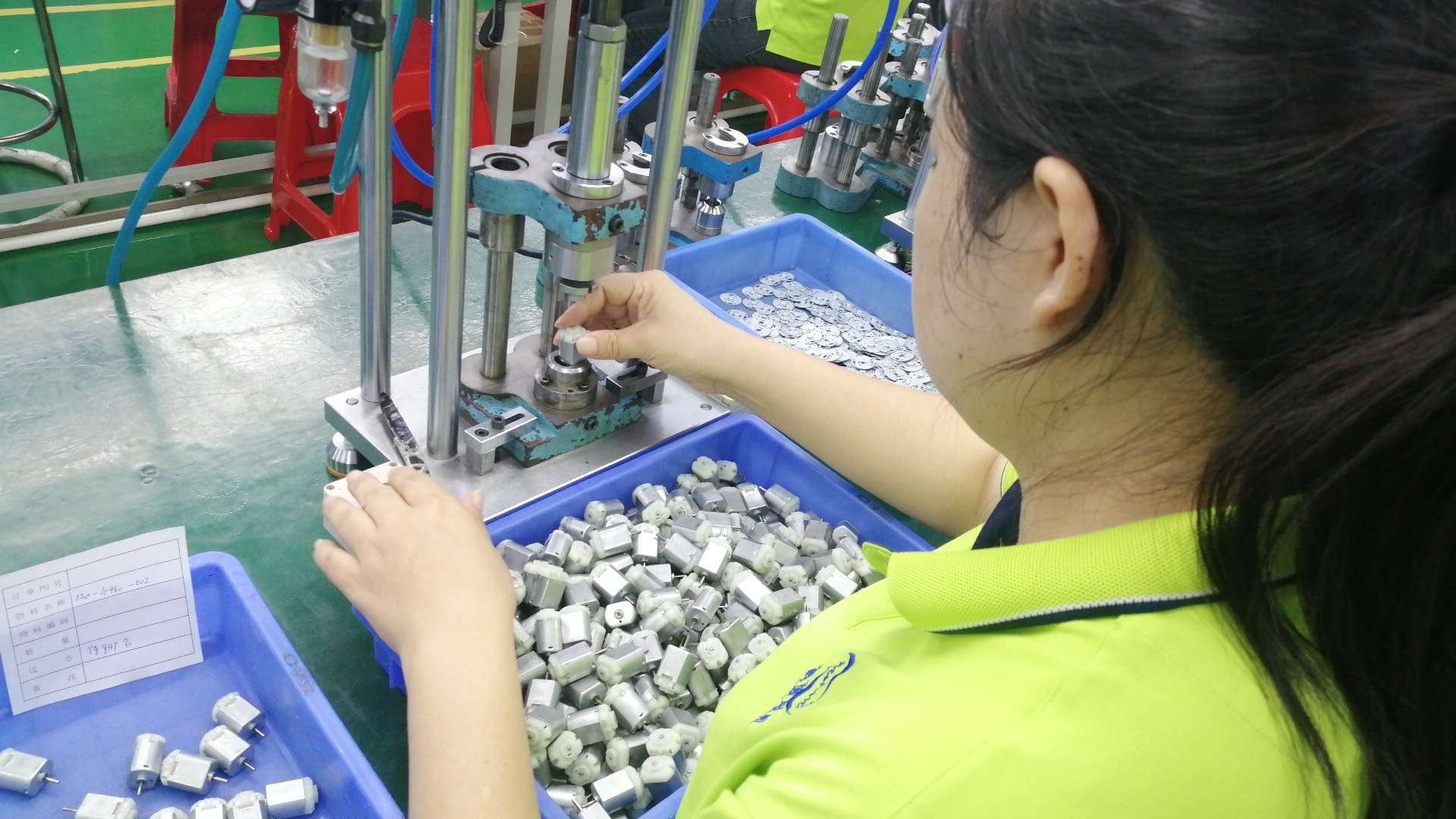
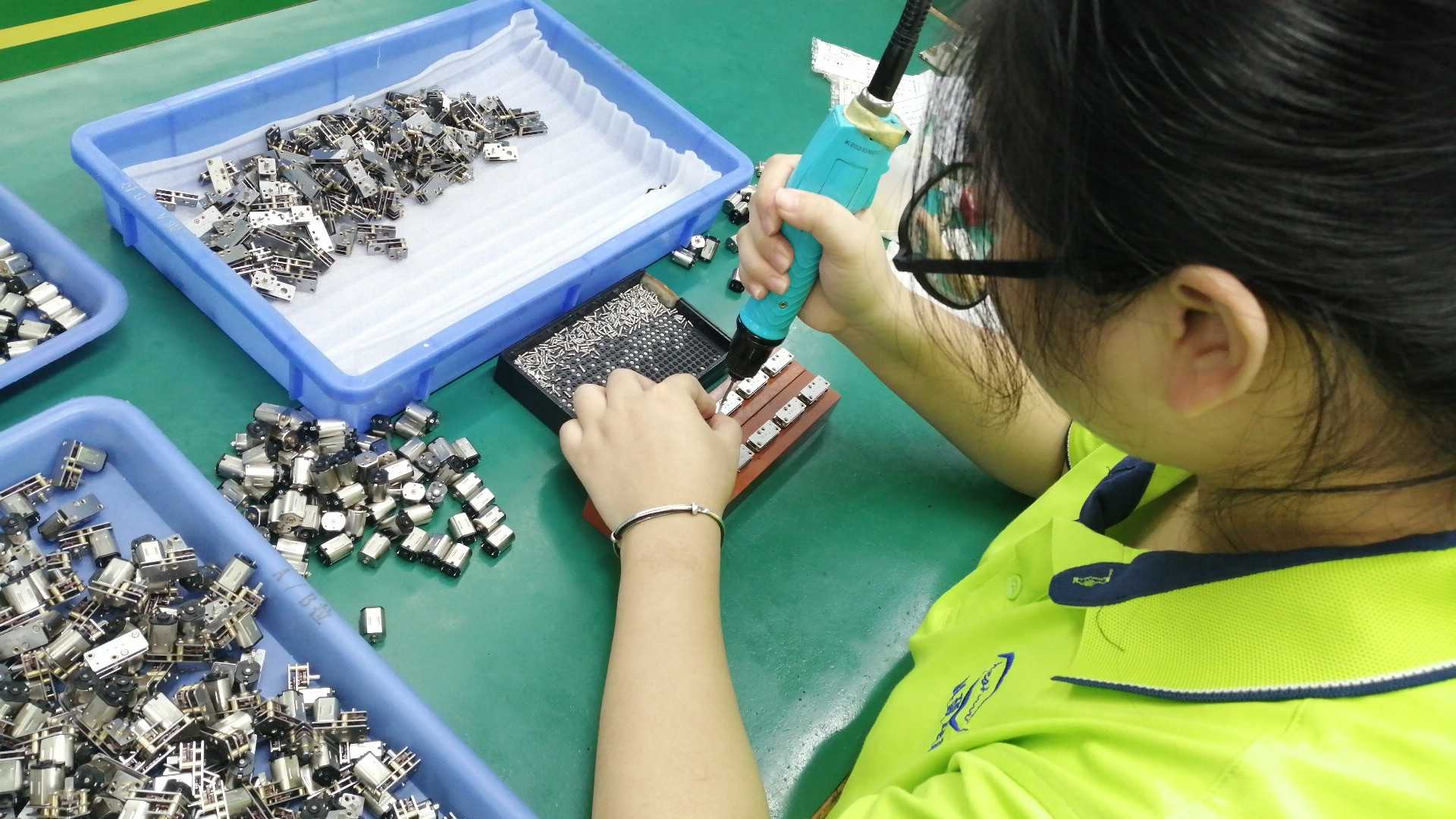
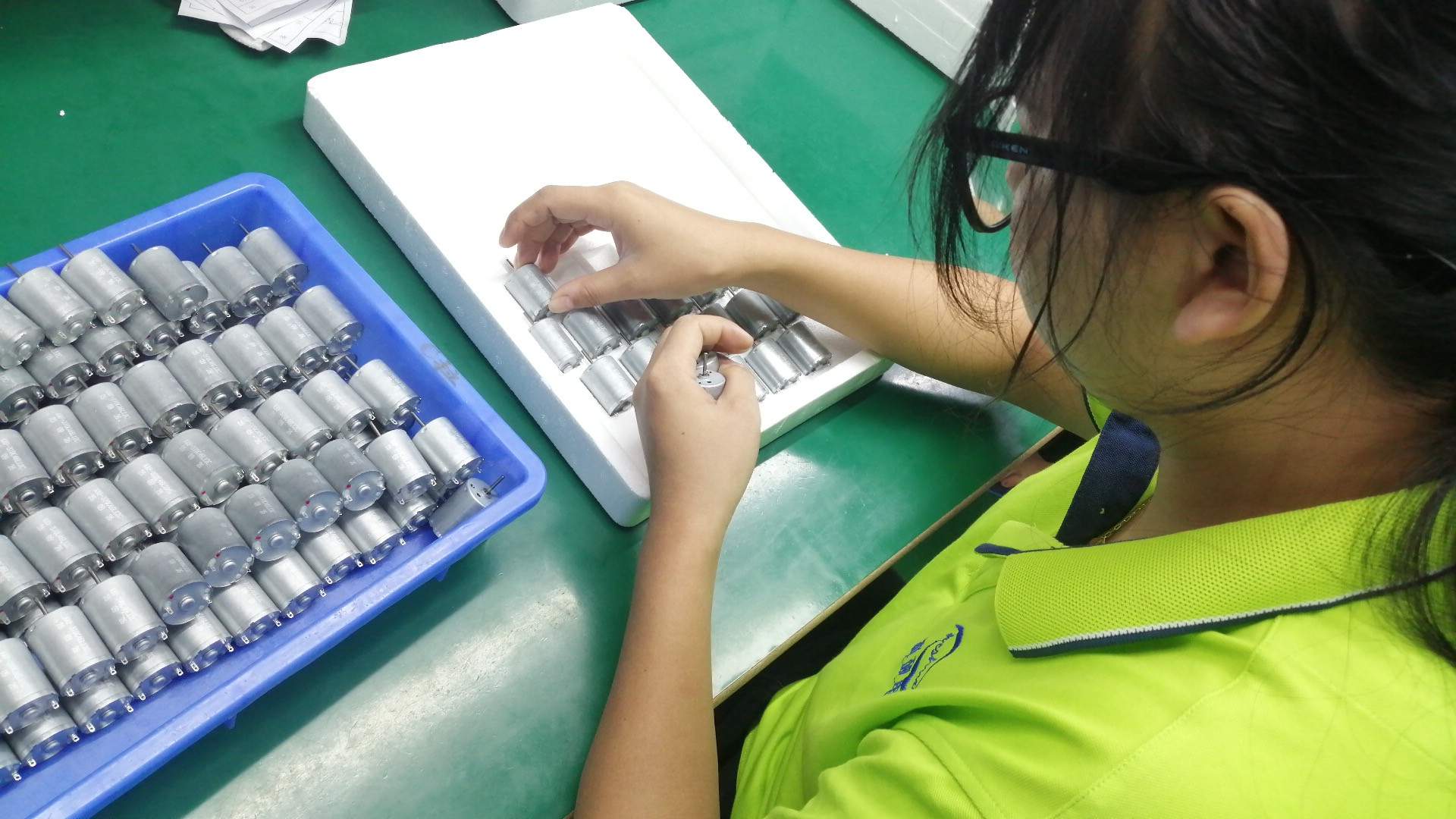
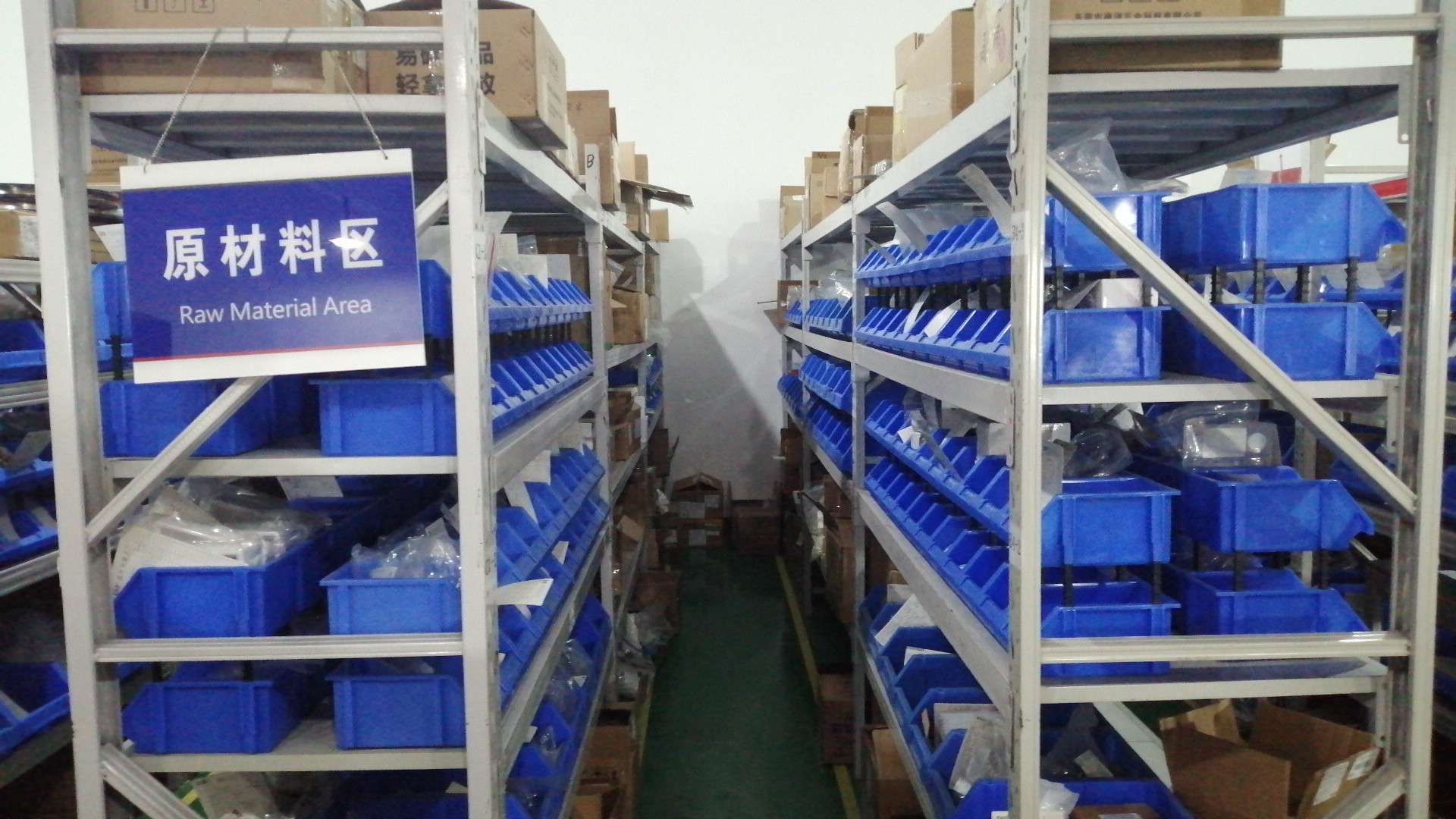
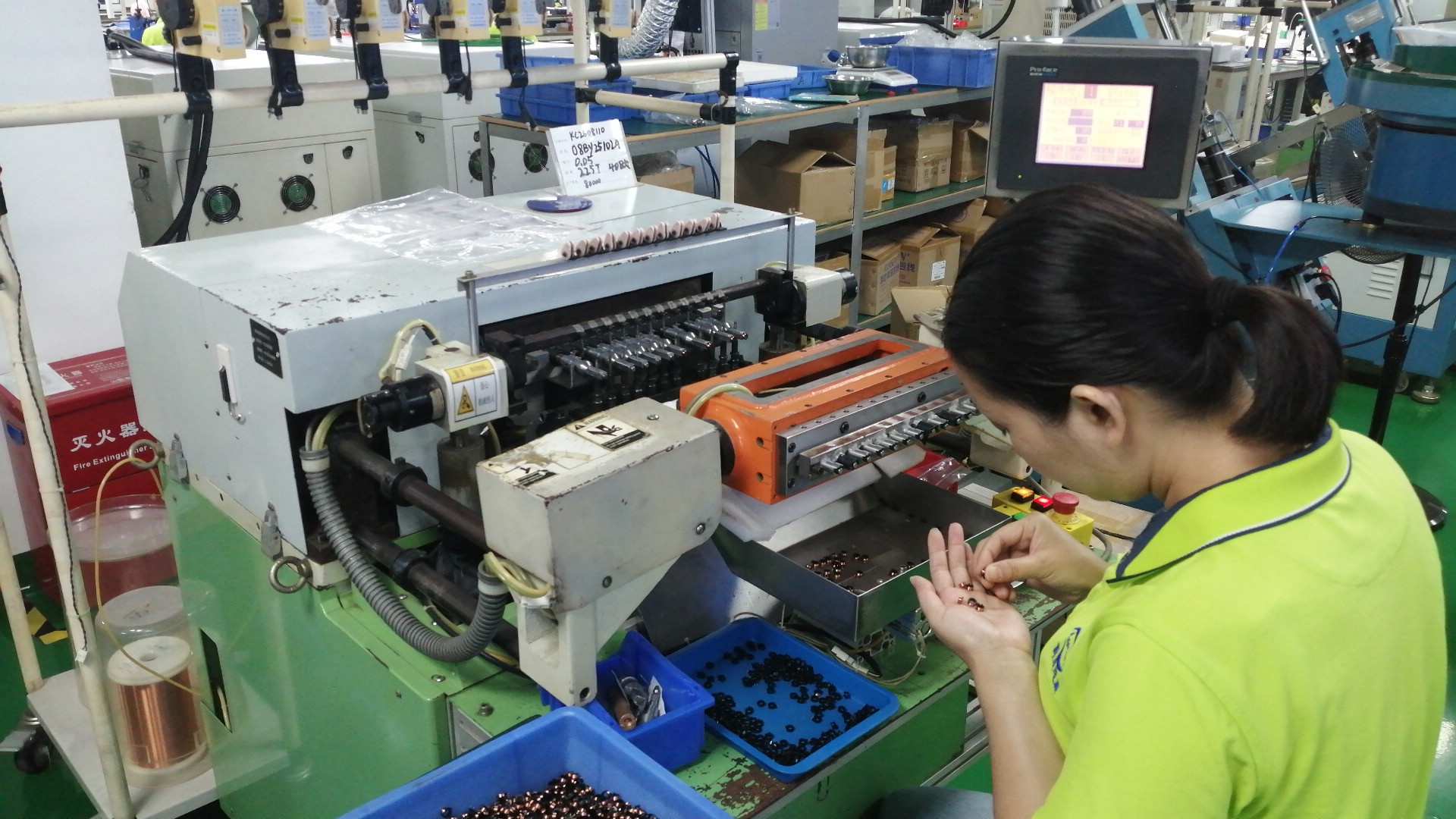
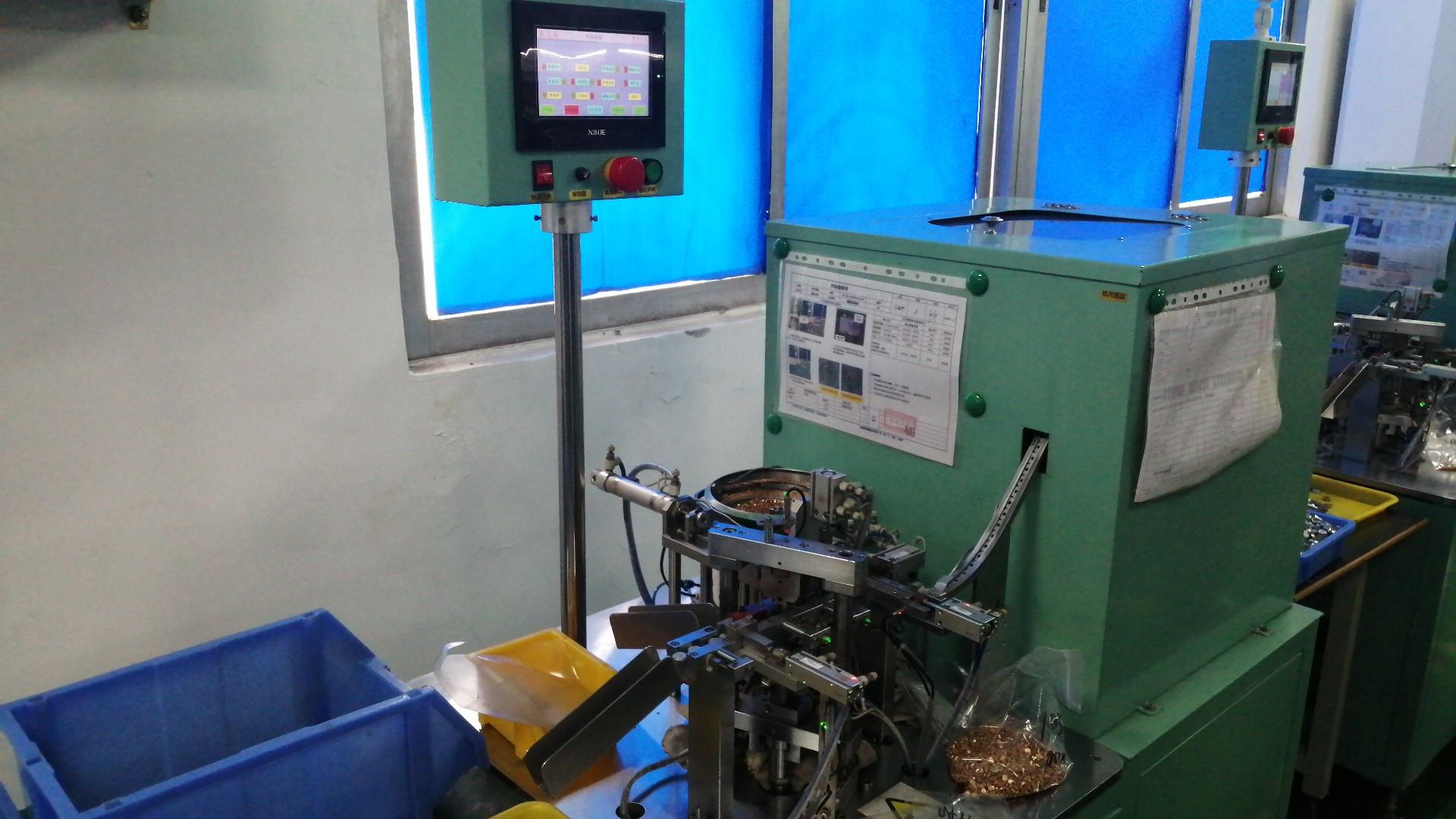
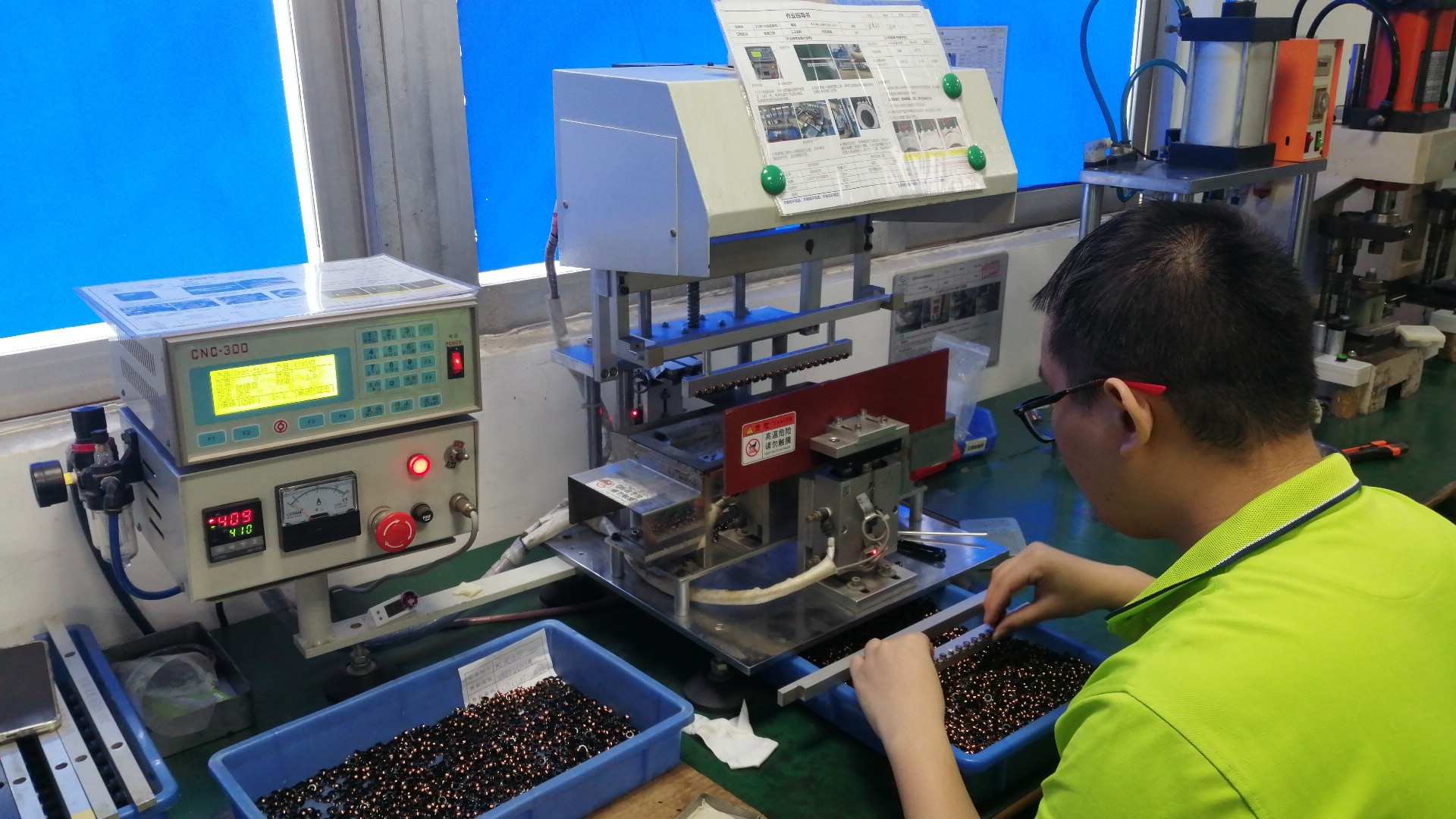
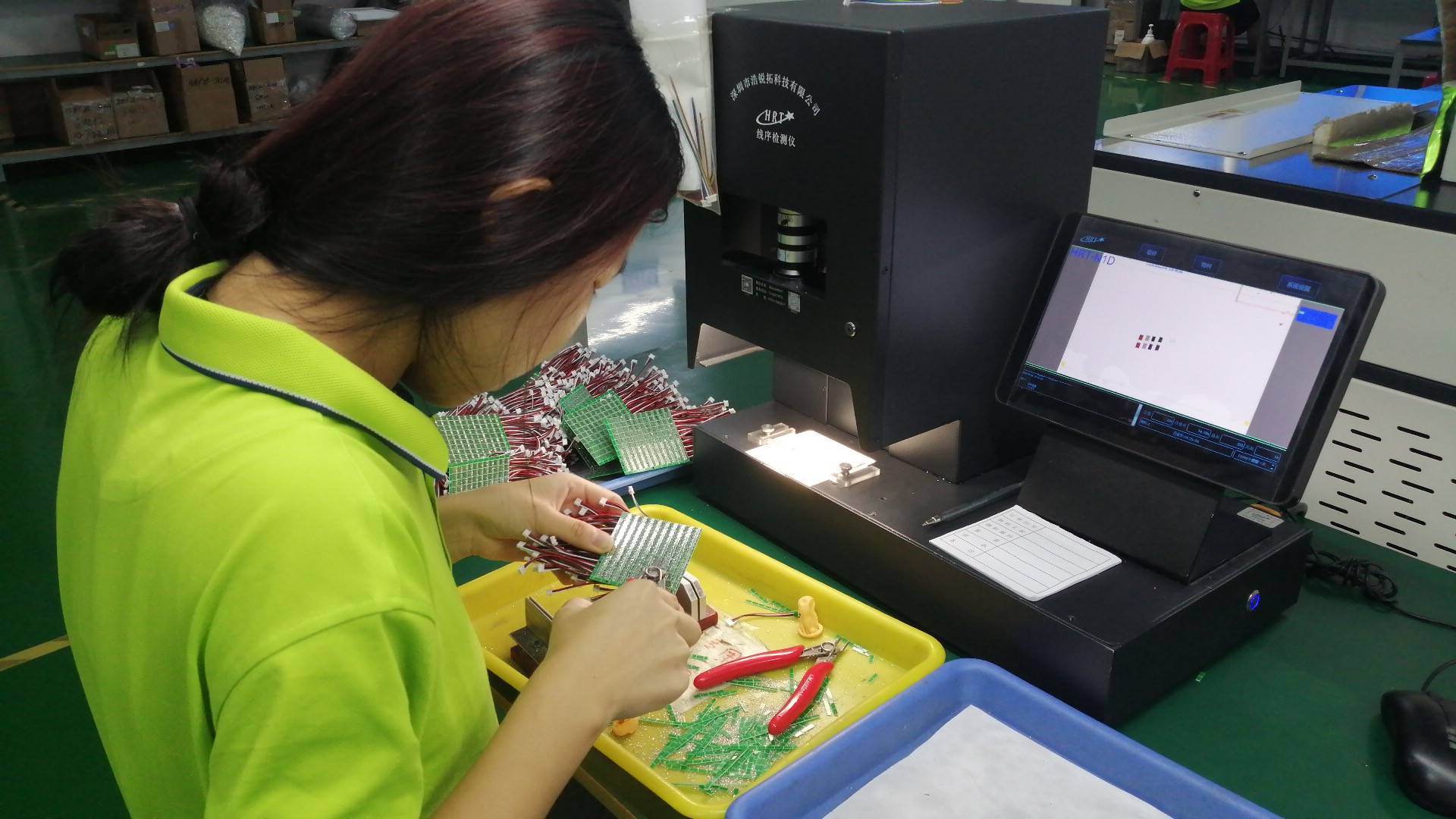
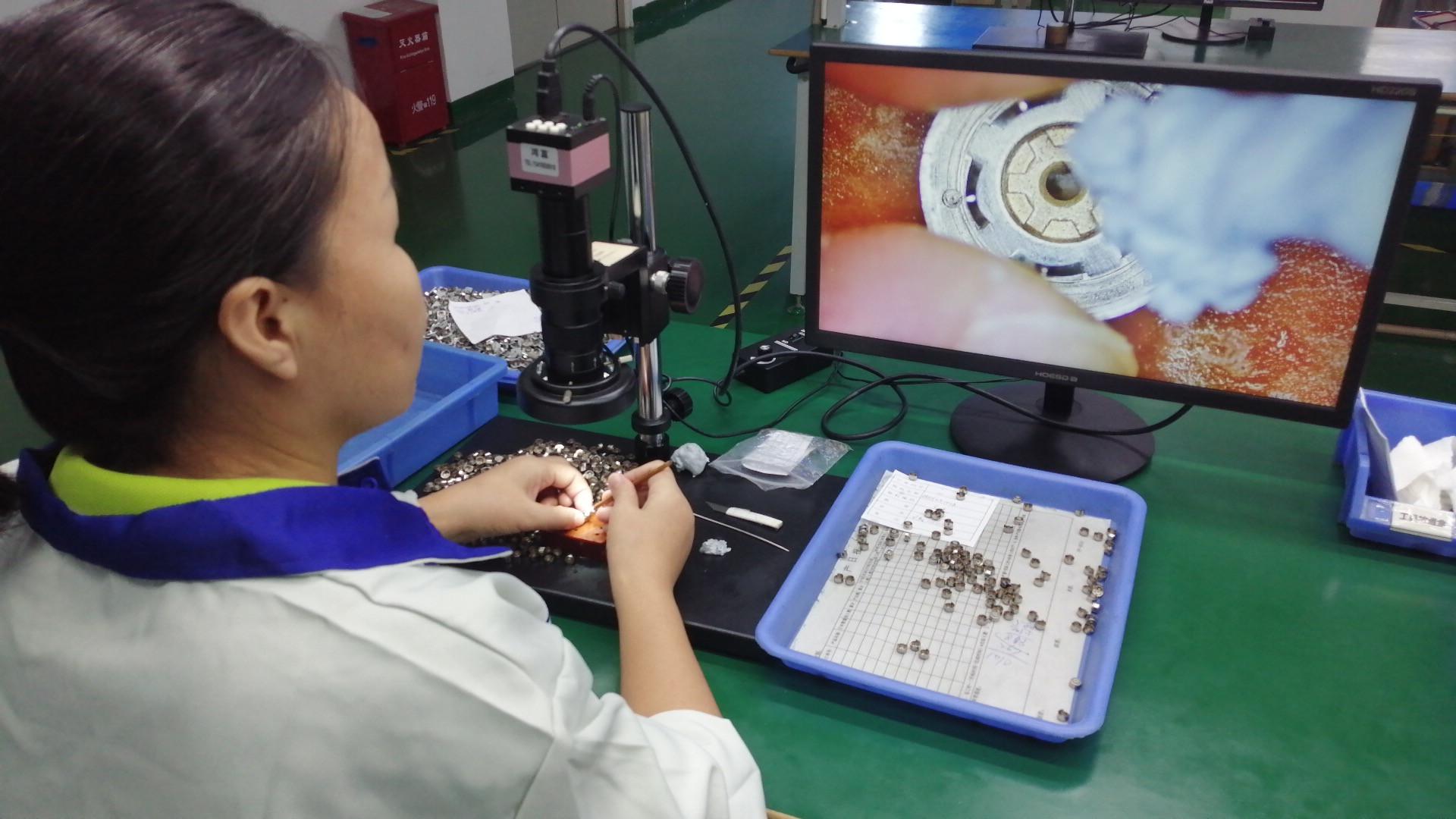
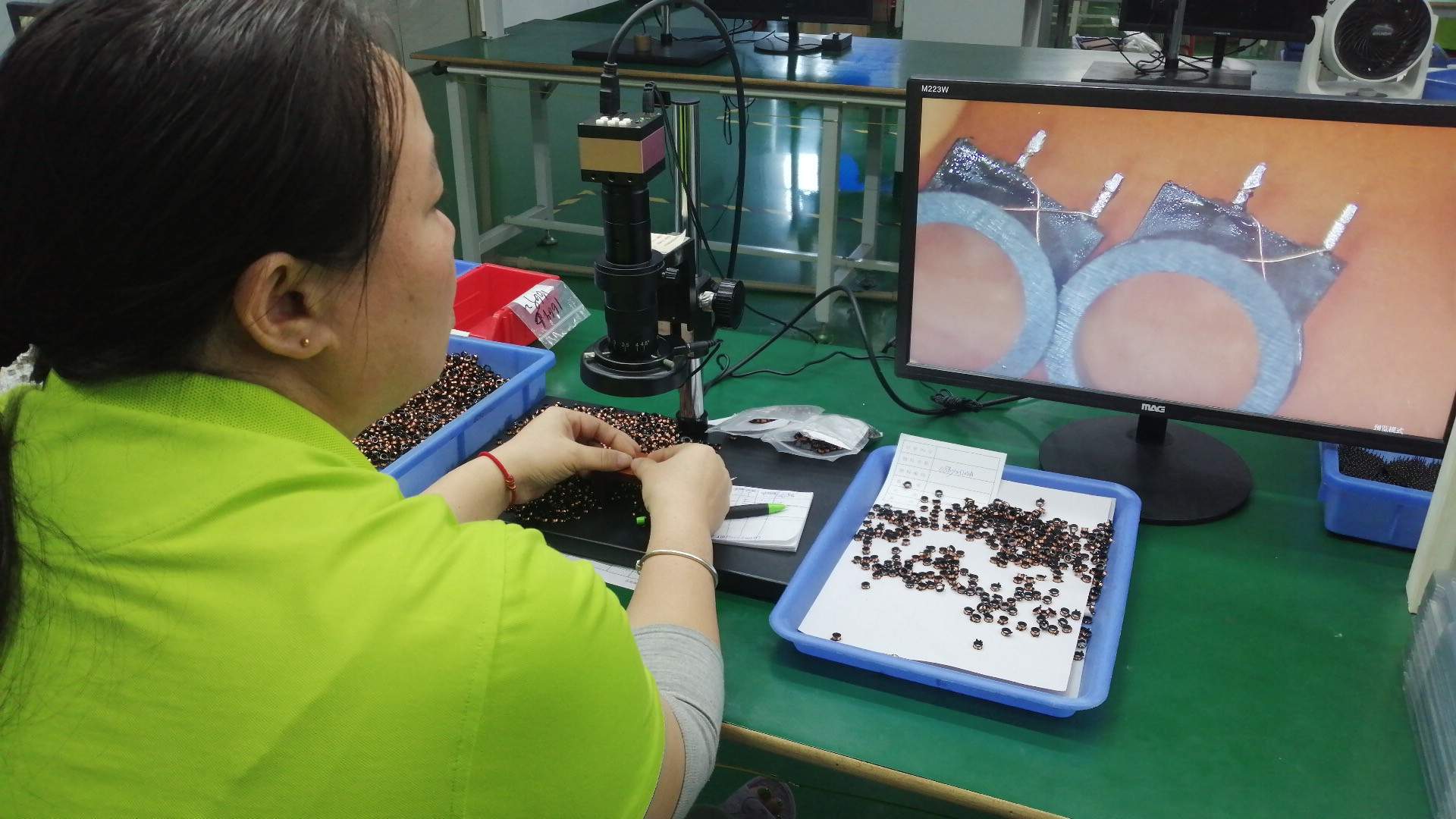
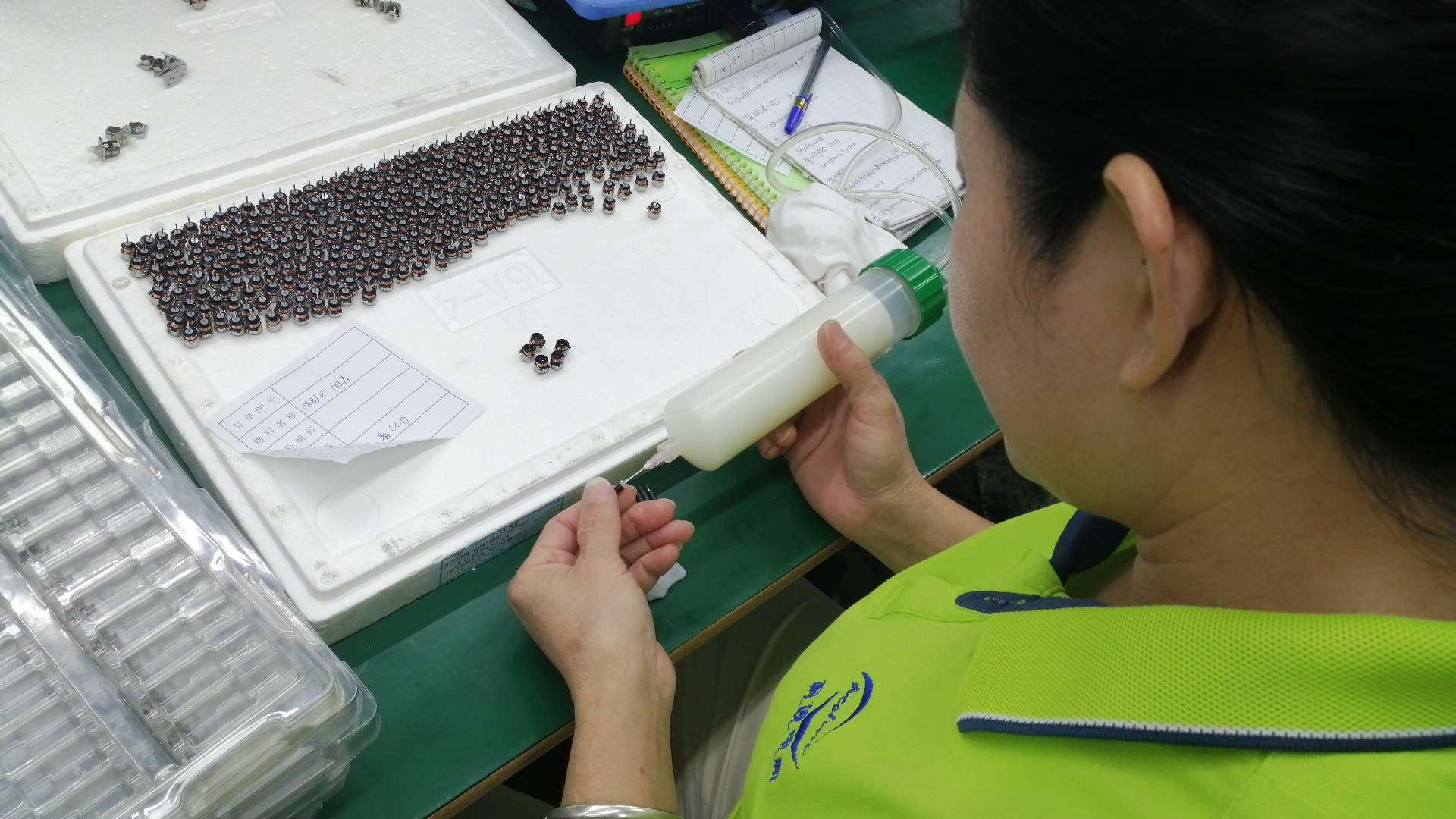
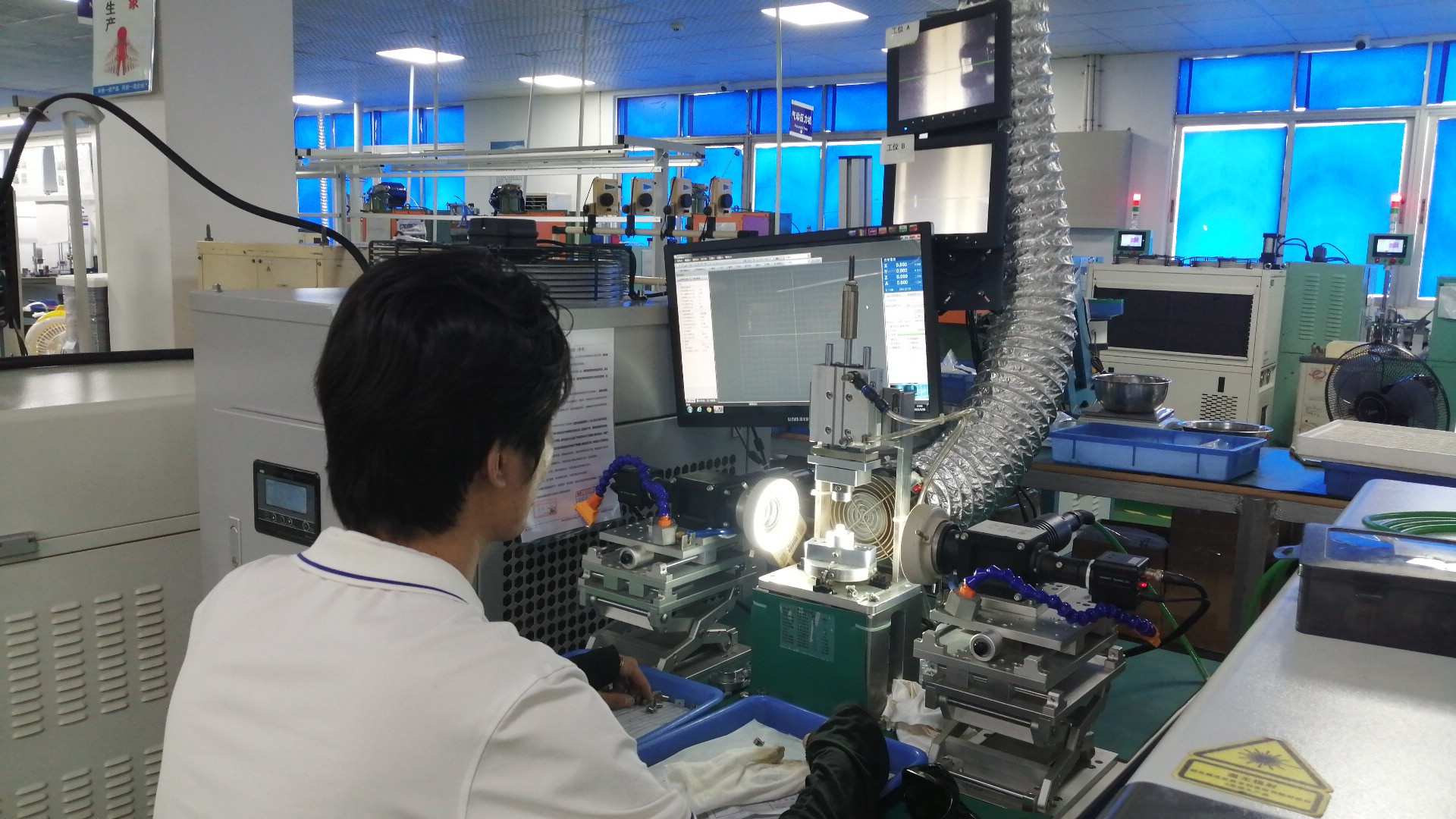
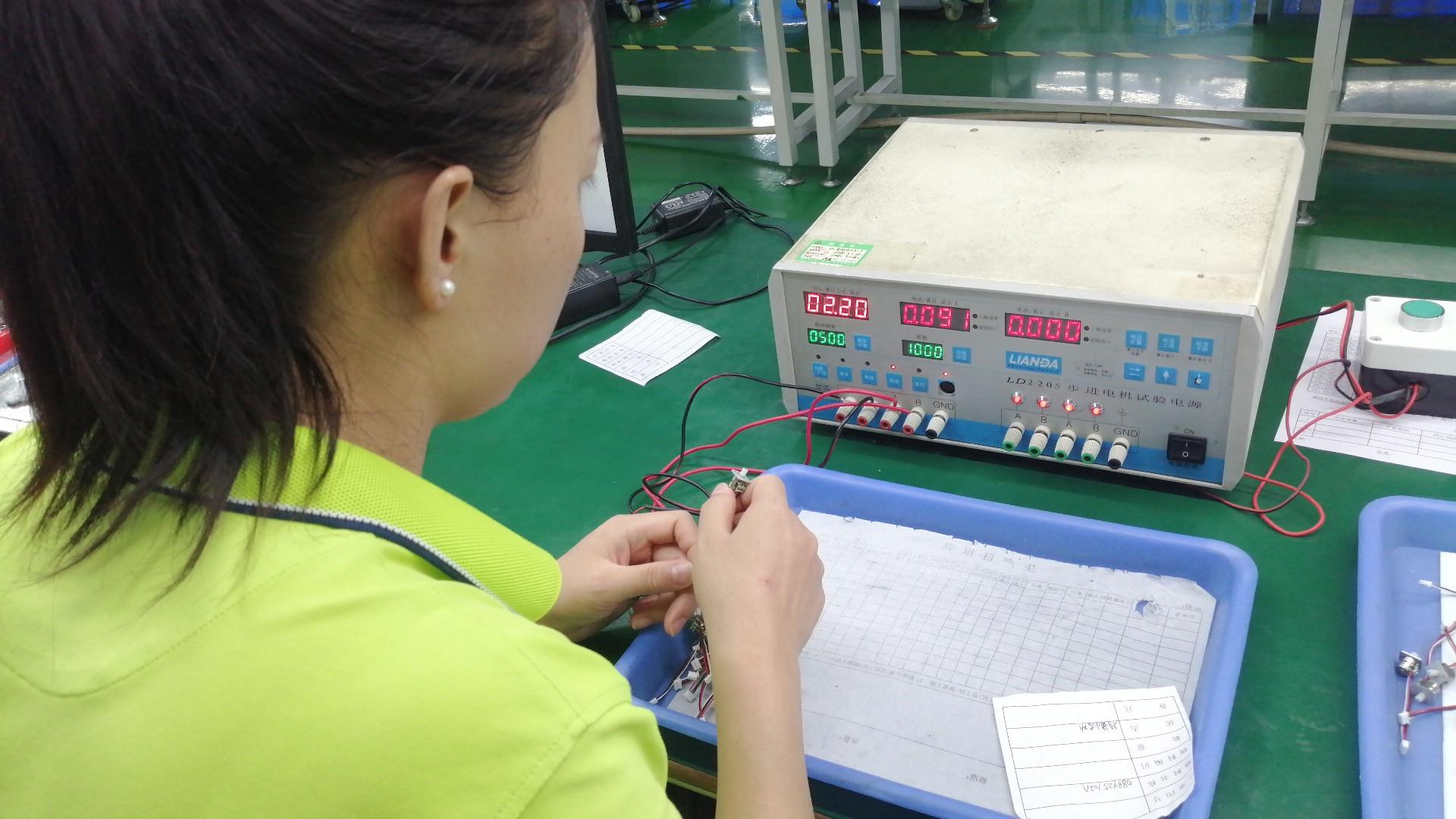
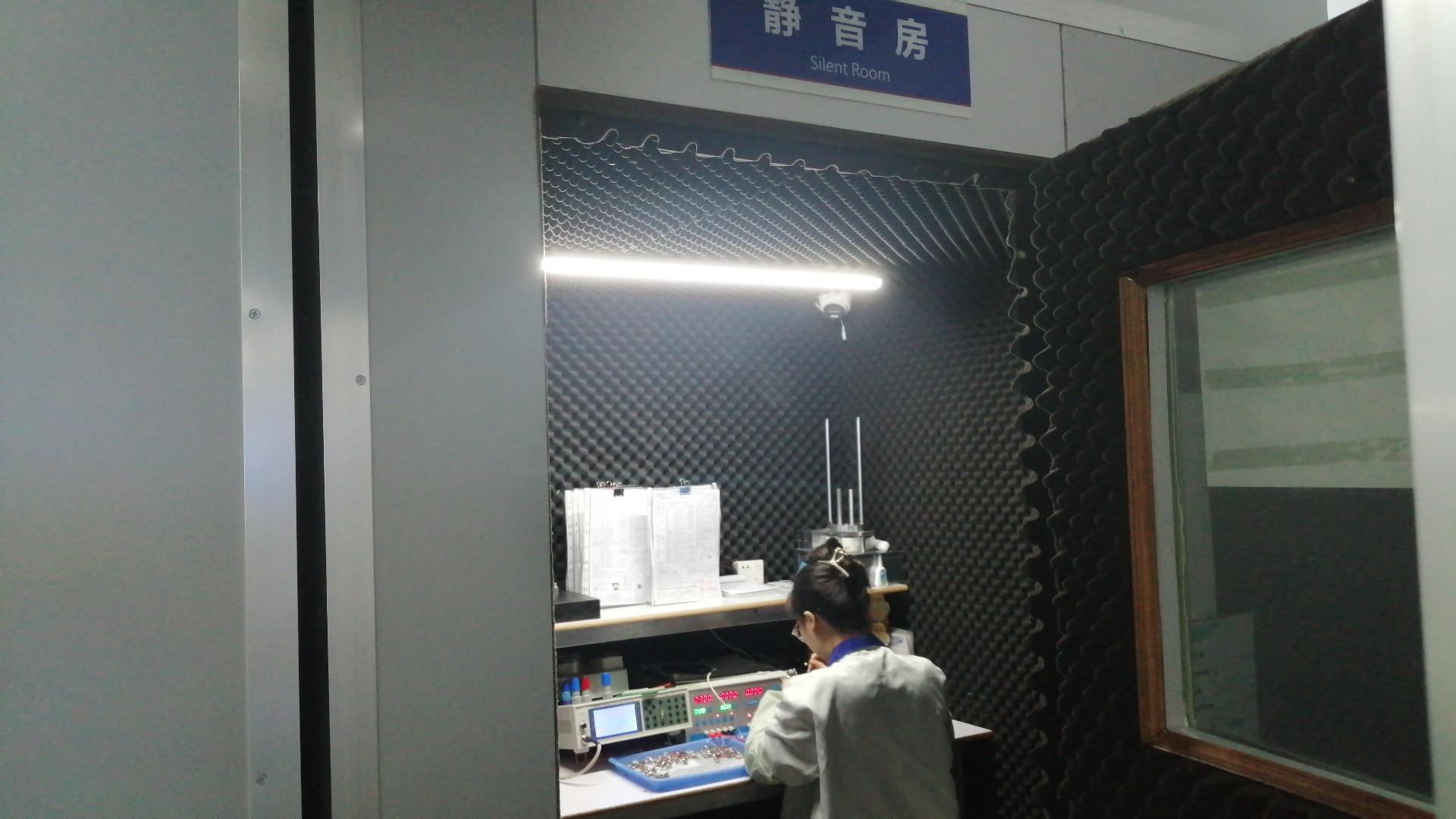
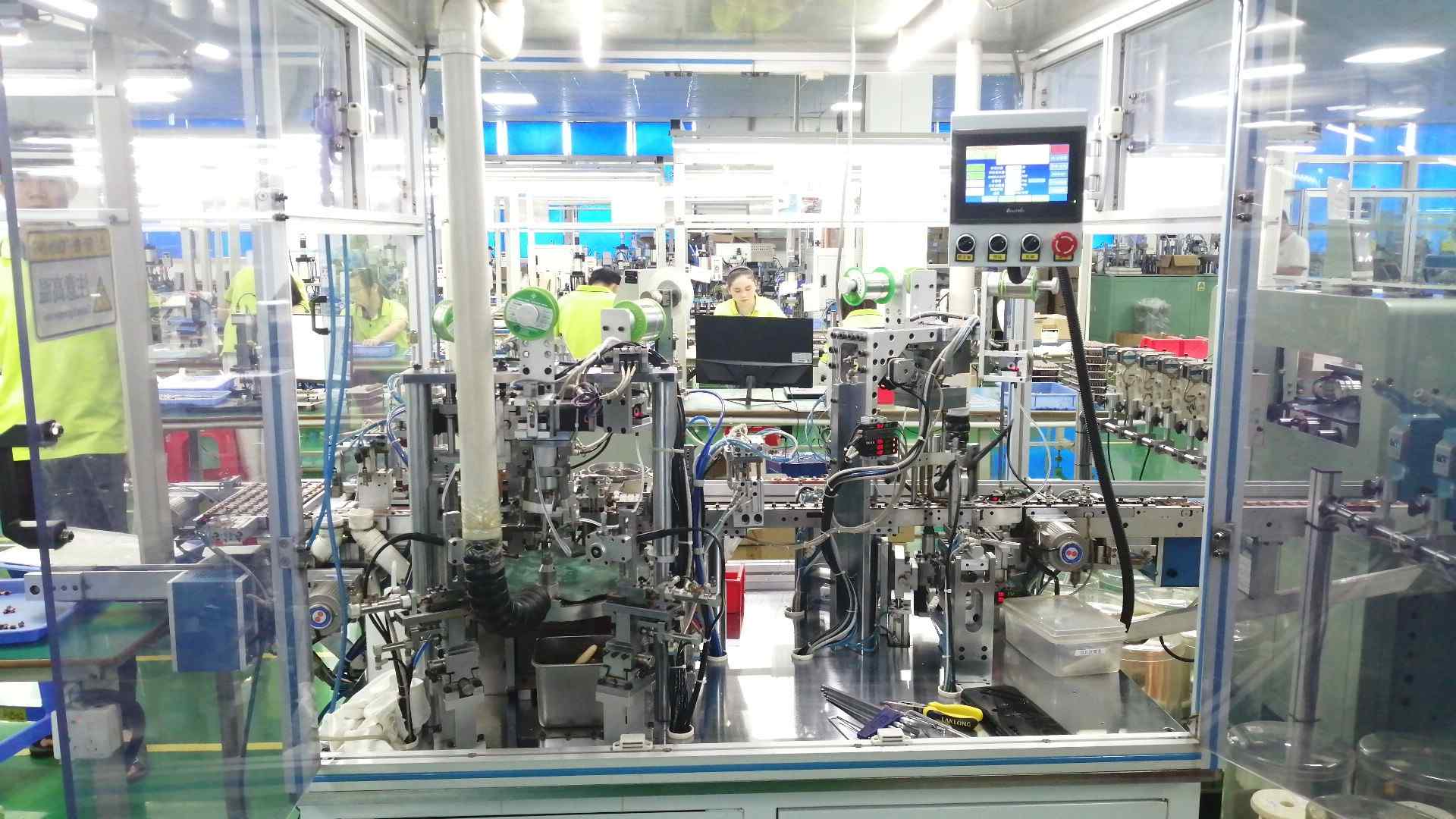
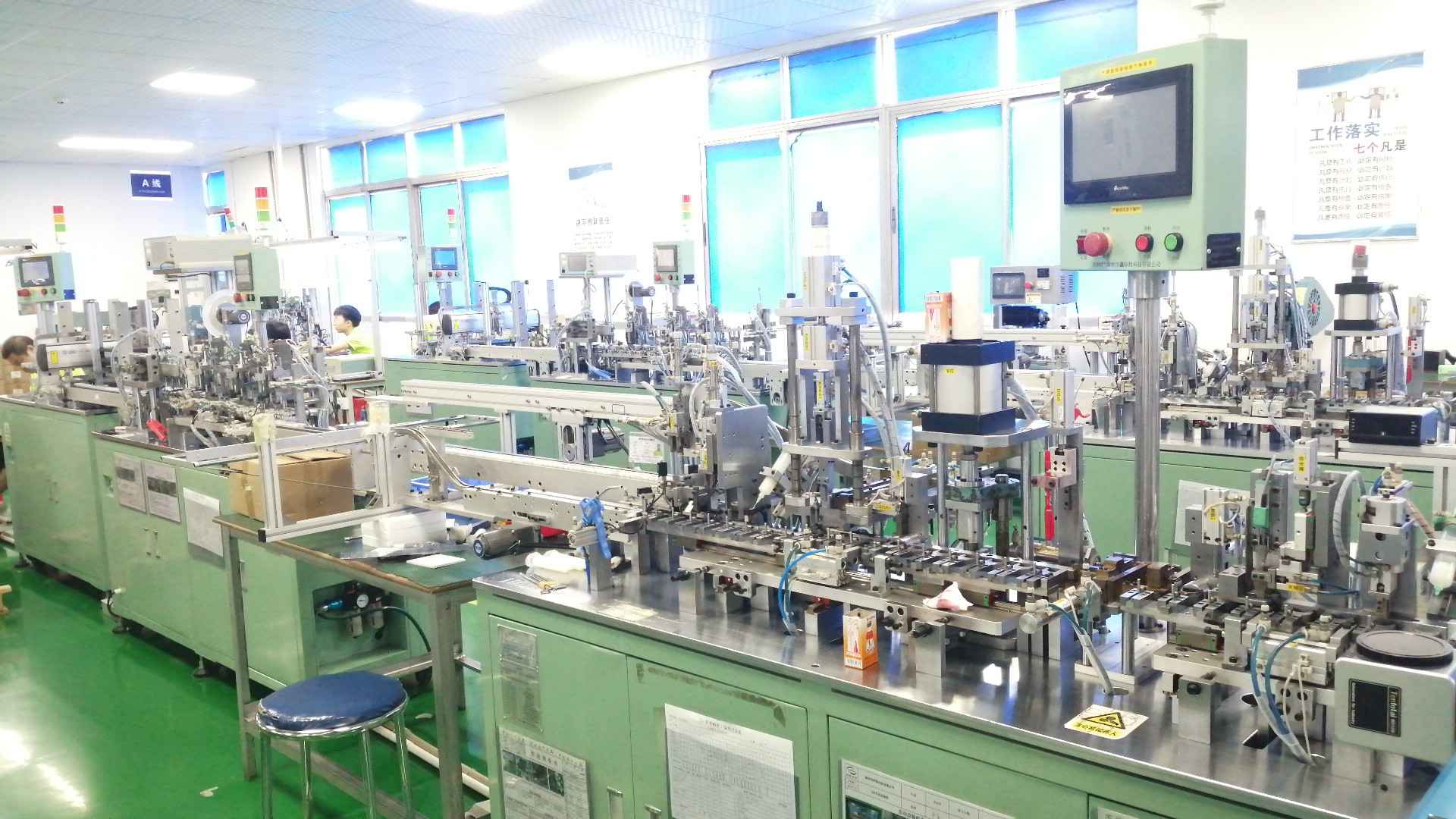
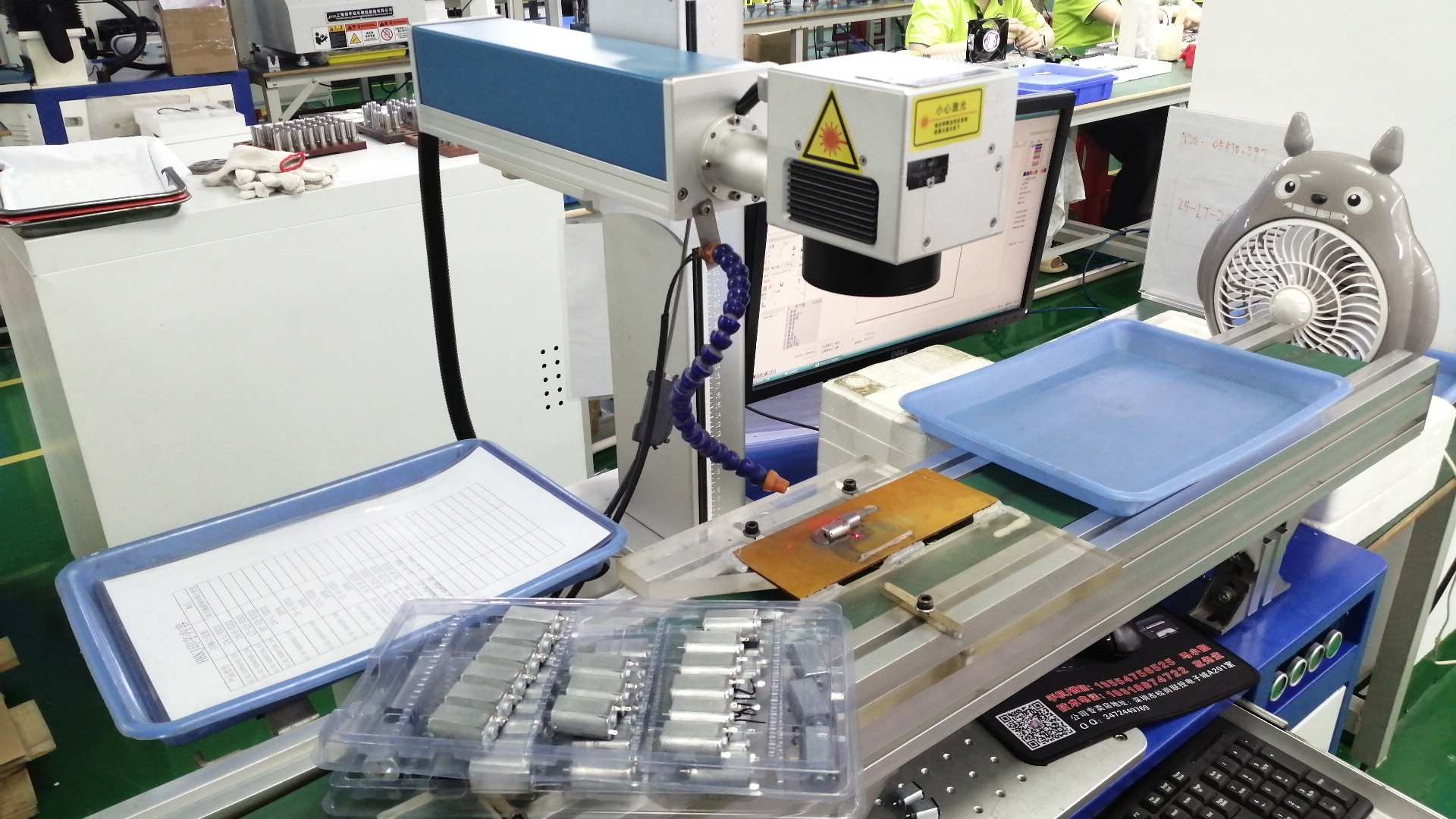
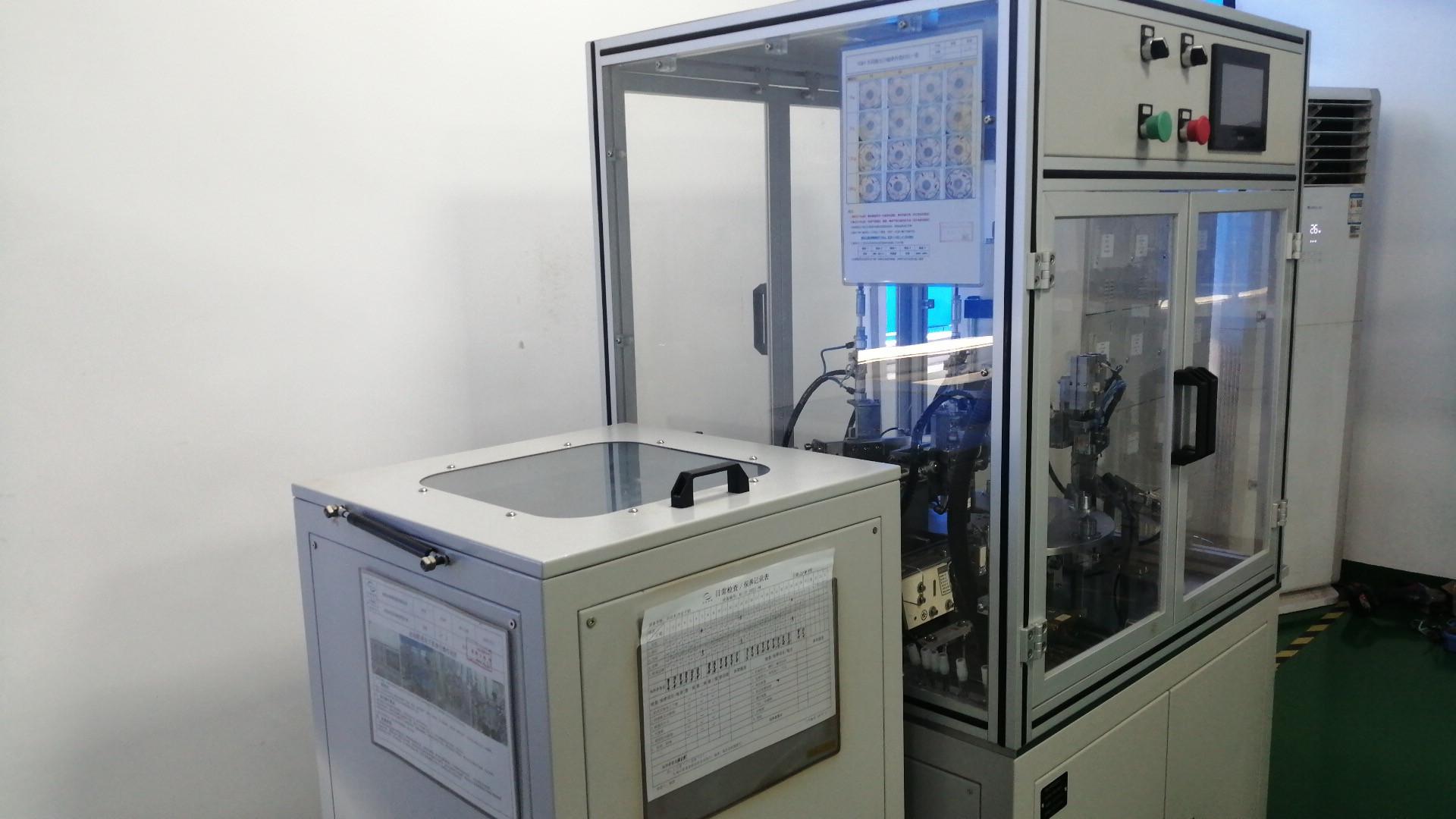
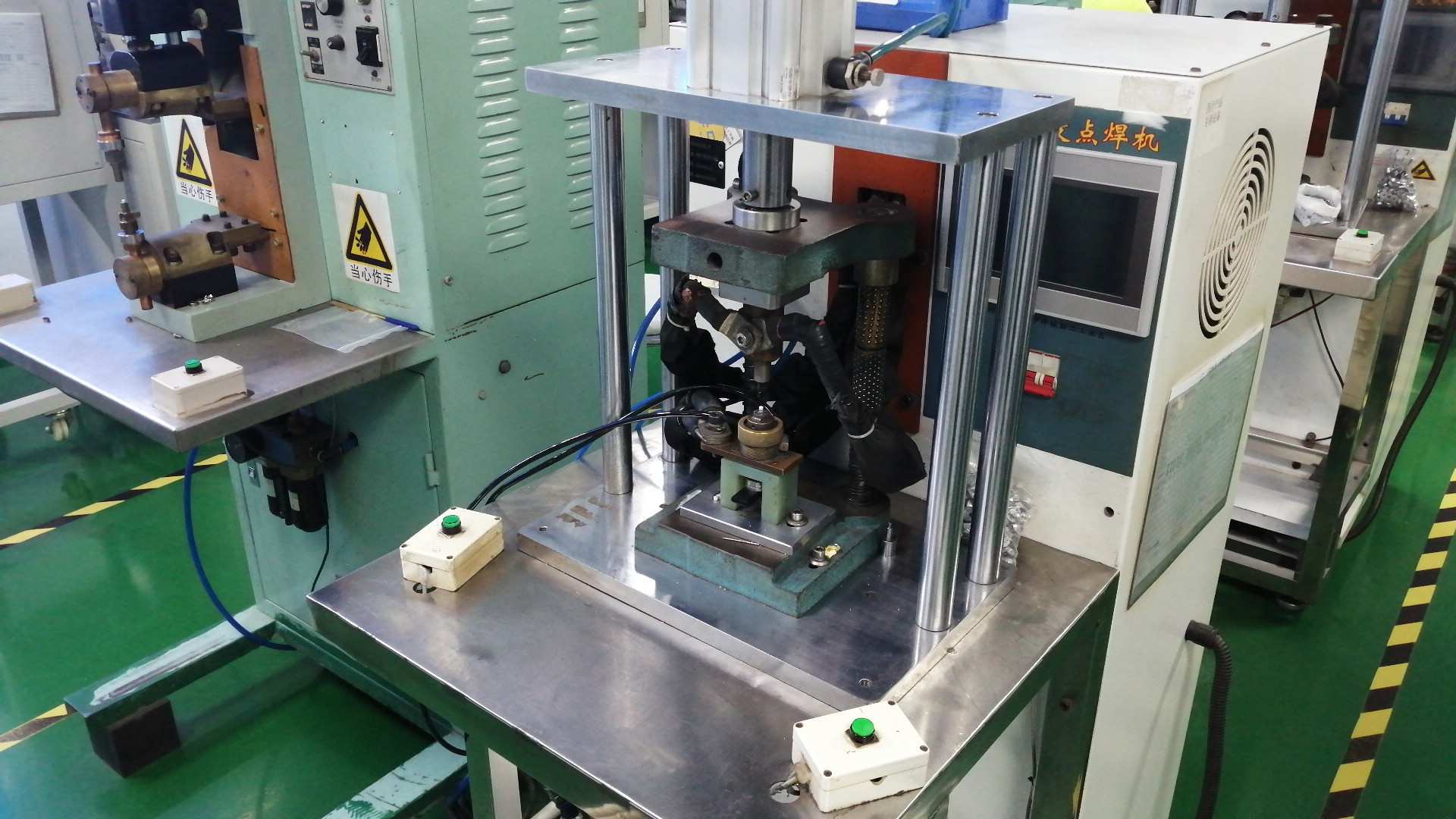
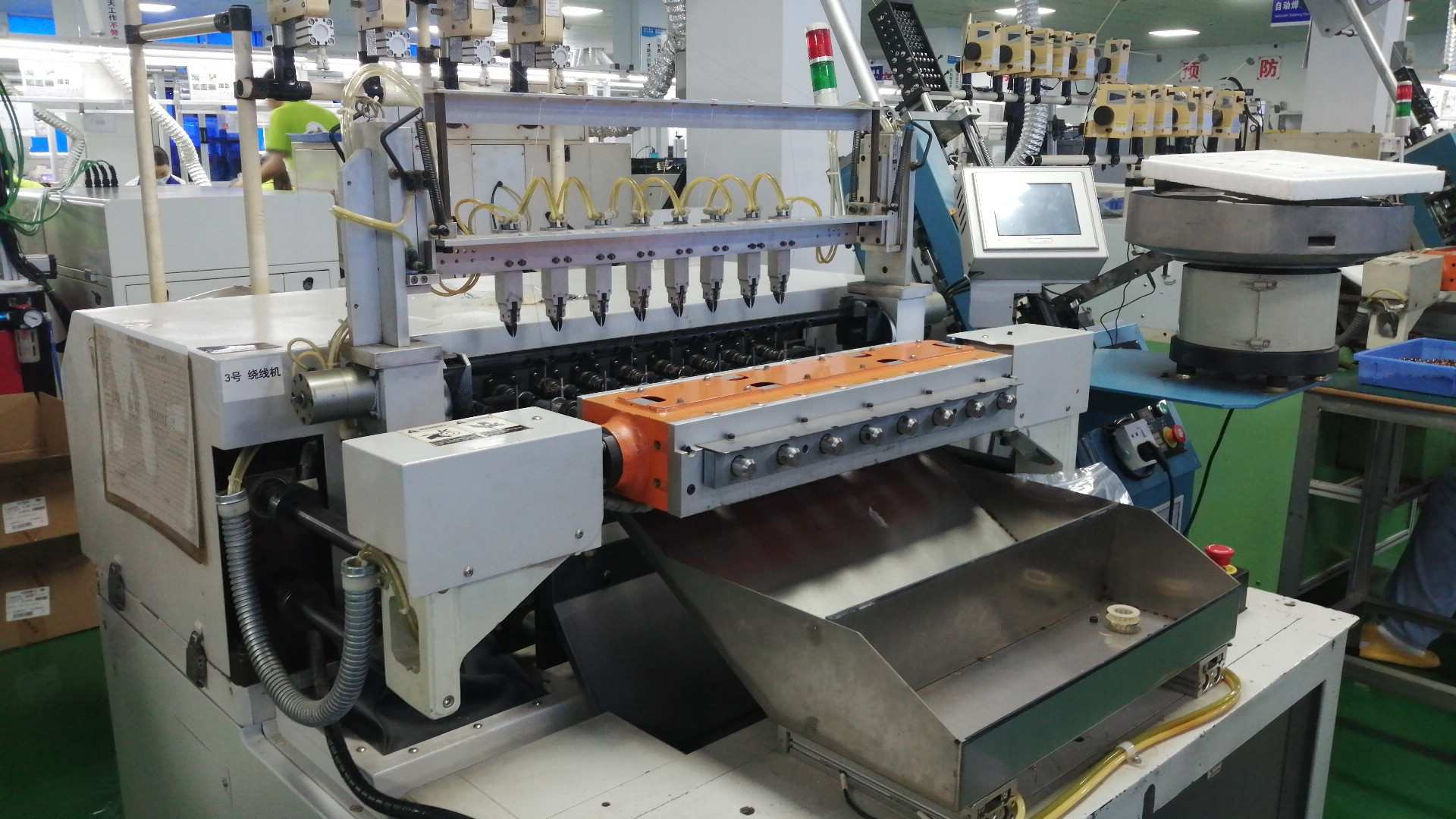
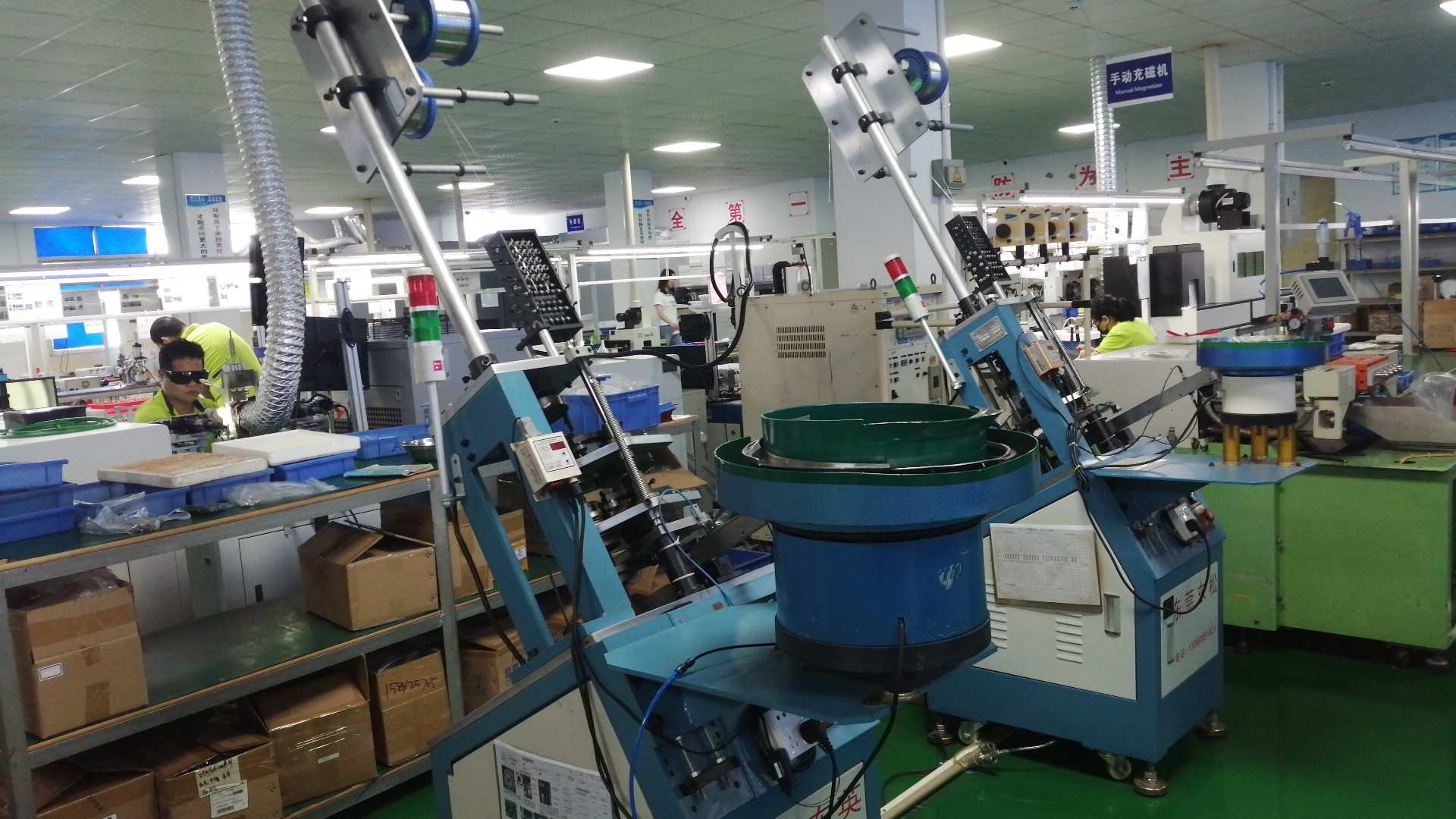
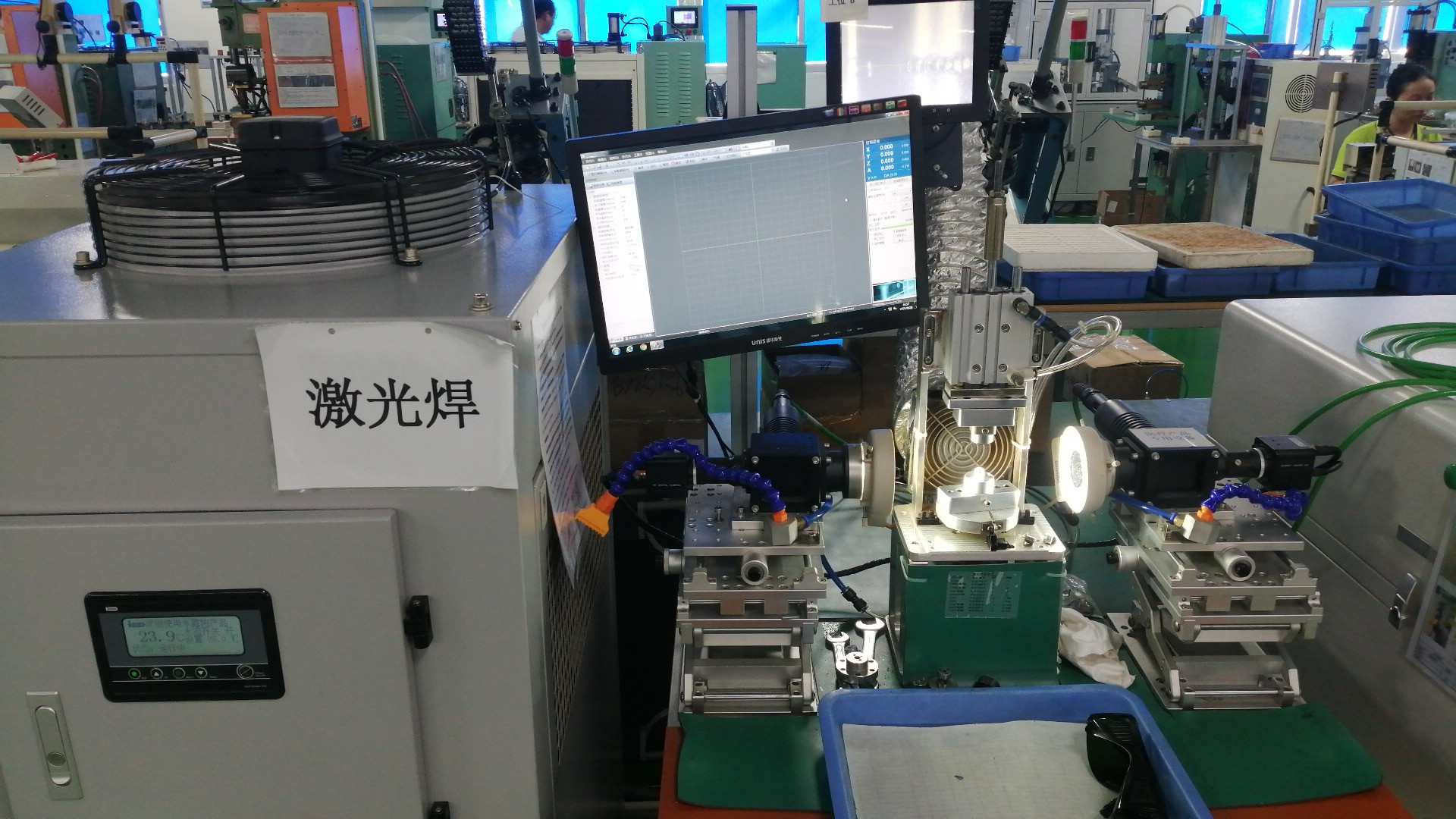
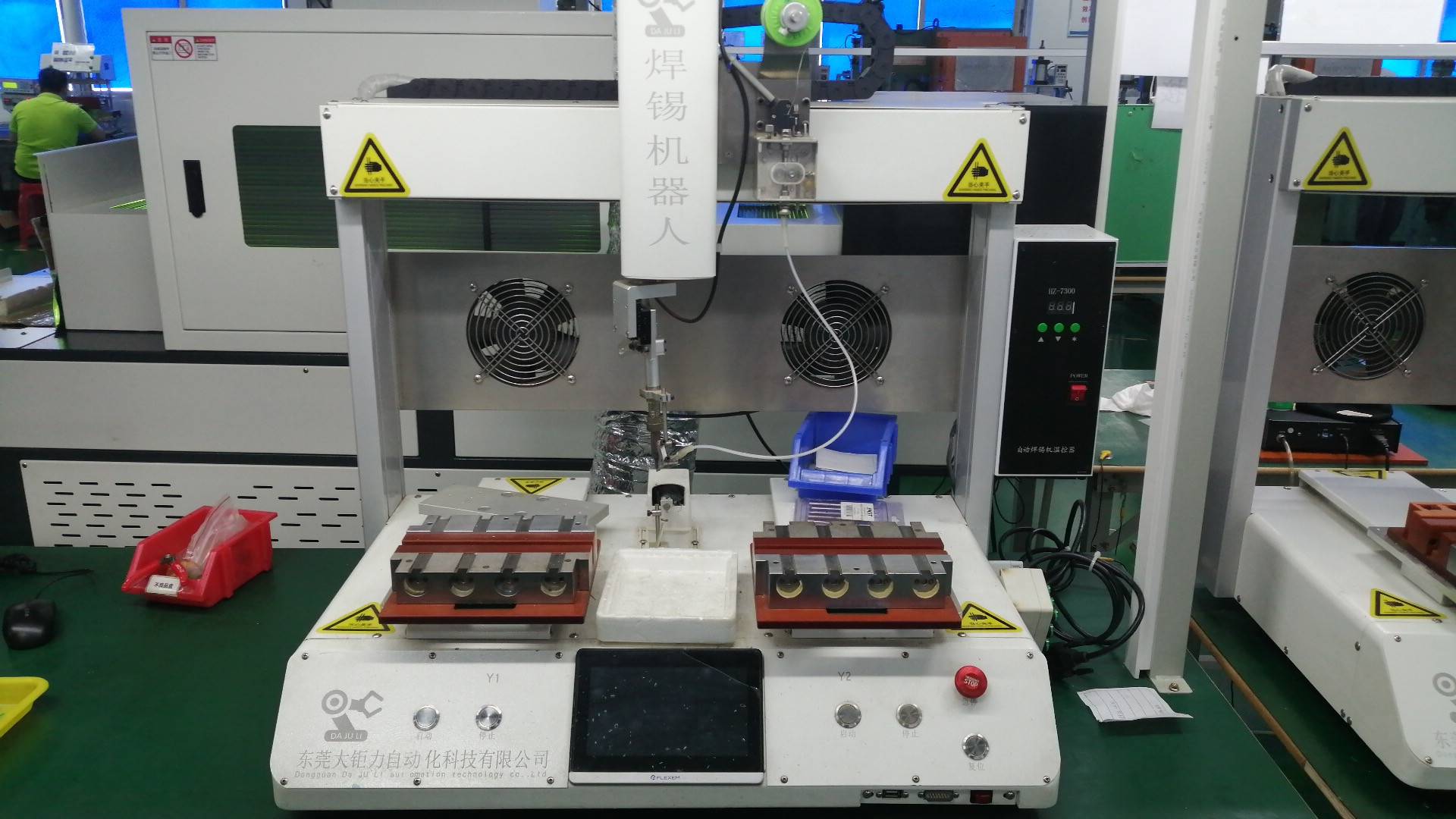
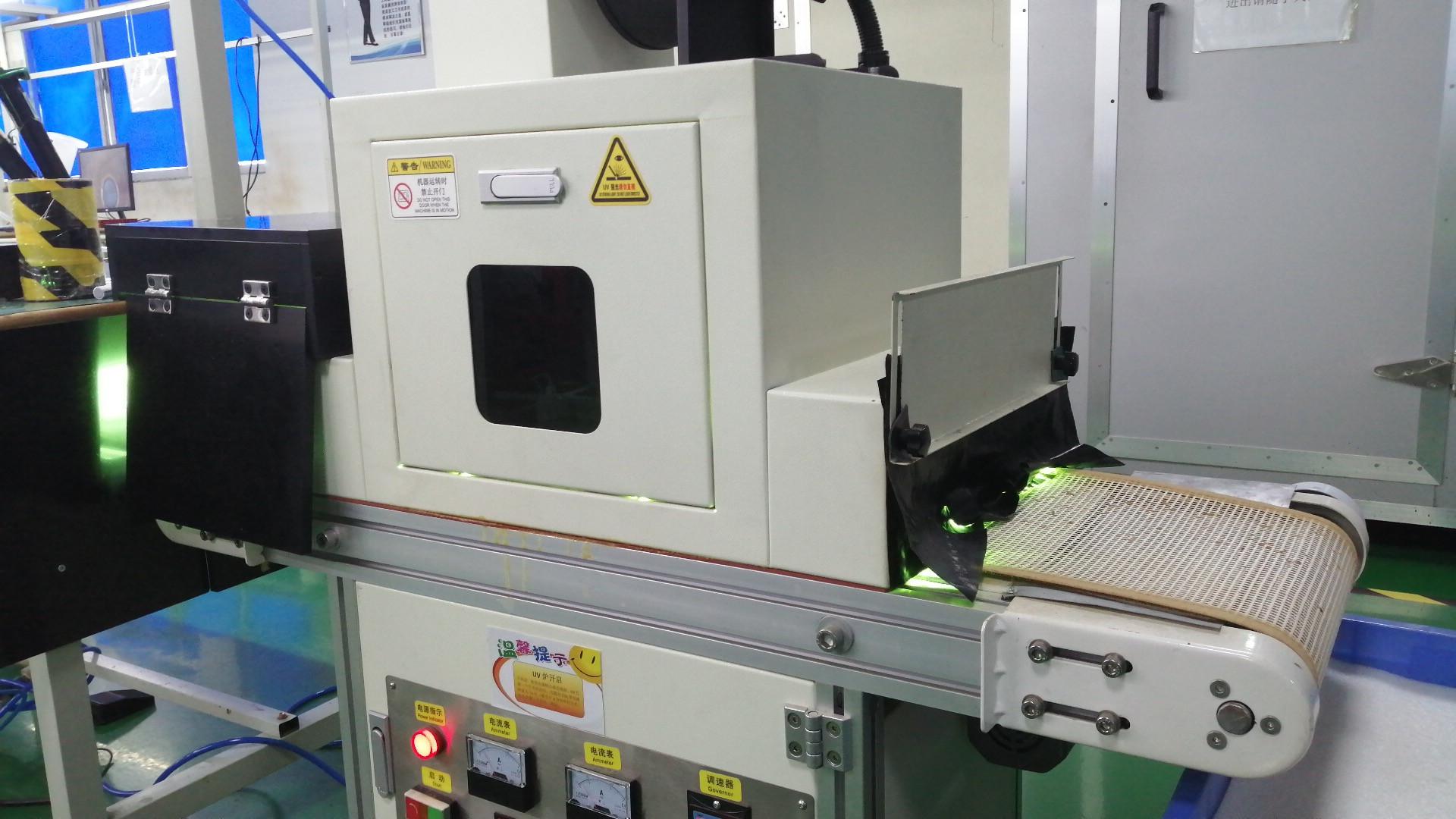
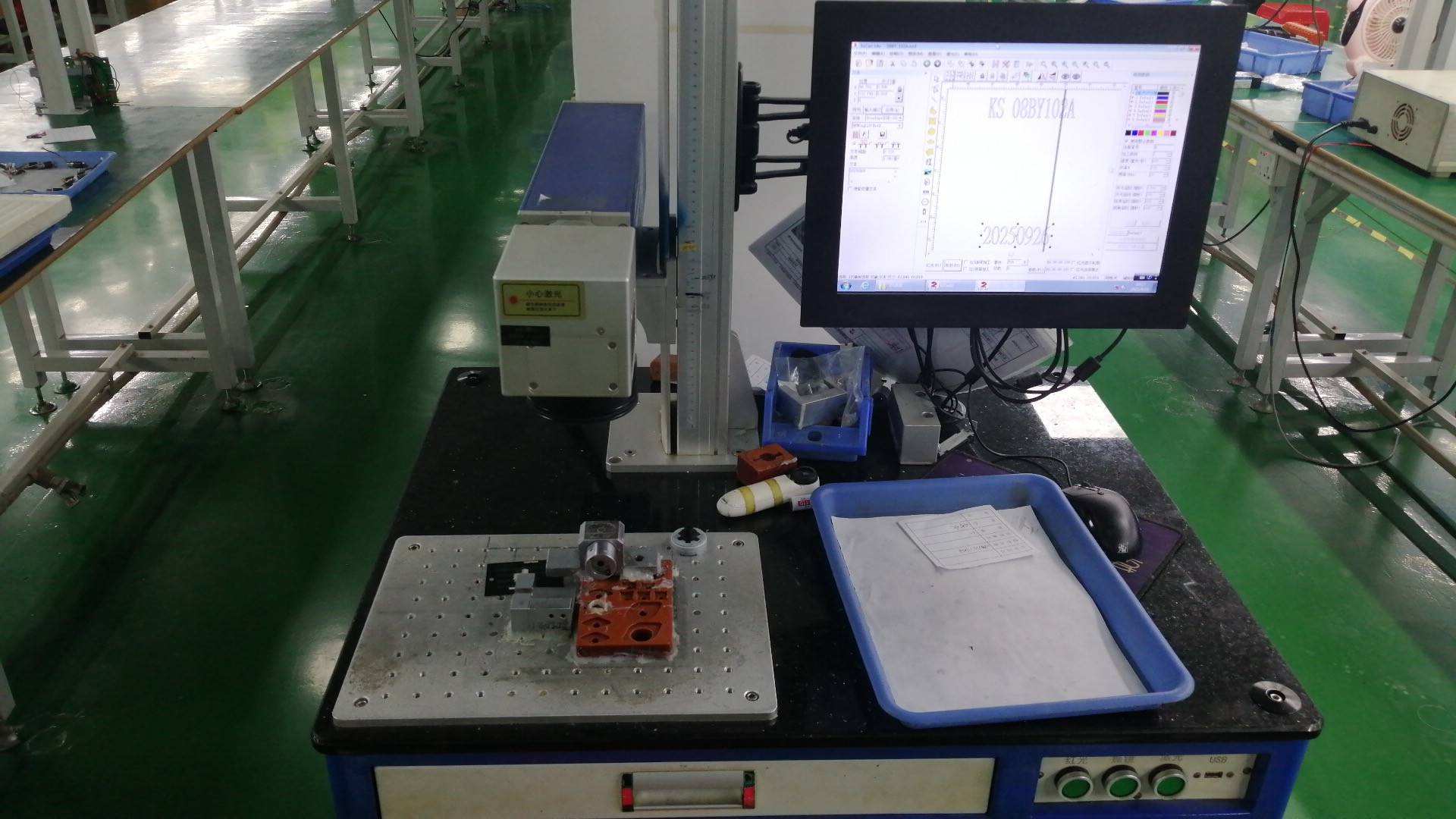
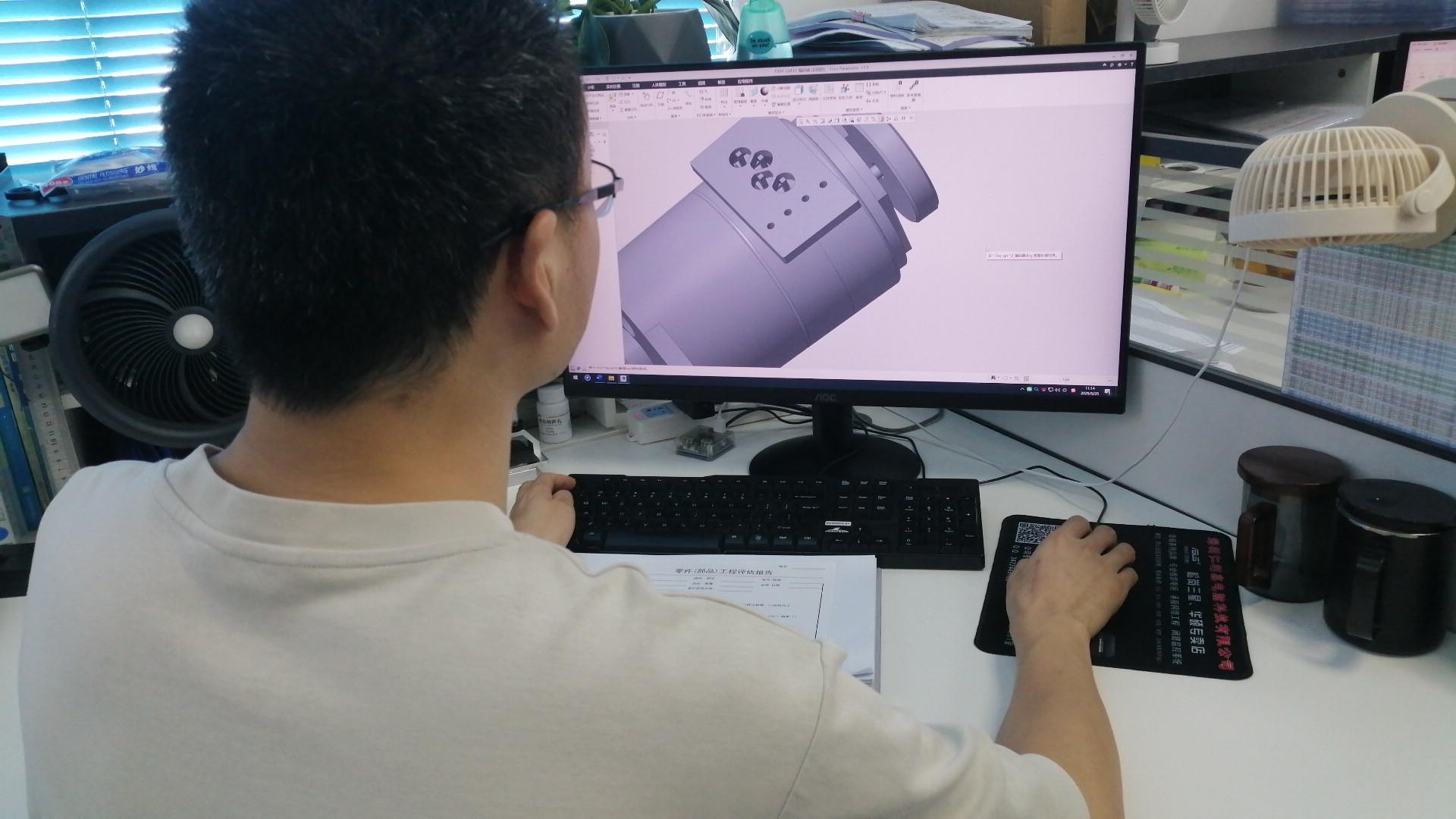
Brea Tech Micro Motor is a forward-thinking Chinese manufacturer redefining precision motion control in the micro-drive industry. We design and build high-efficiency micro DC and BLDC motors alongside high-grade hybrid stepper motors that power next-generation technologies worldwide.
Driven by our core philosophy—Top Quality & Customization—we combine advanced manufacturing tech with flexible engineering to provide global B2B clients with the transparency of a local partner and the cost benefits of a premier Chinese factory. Built to last. Engineered to fit.
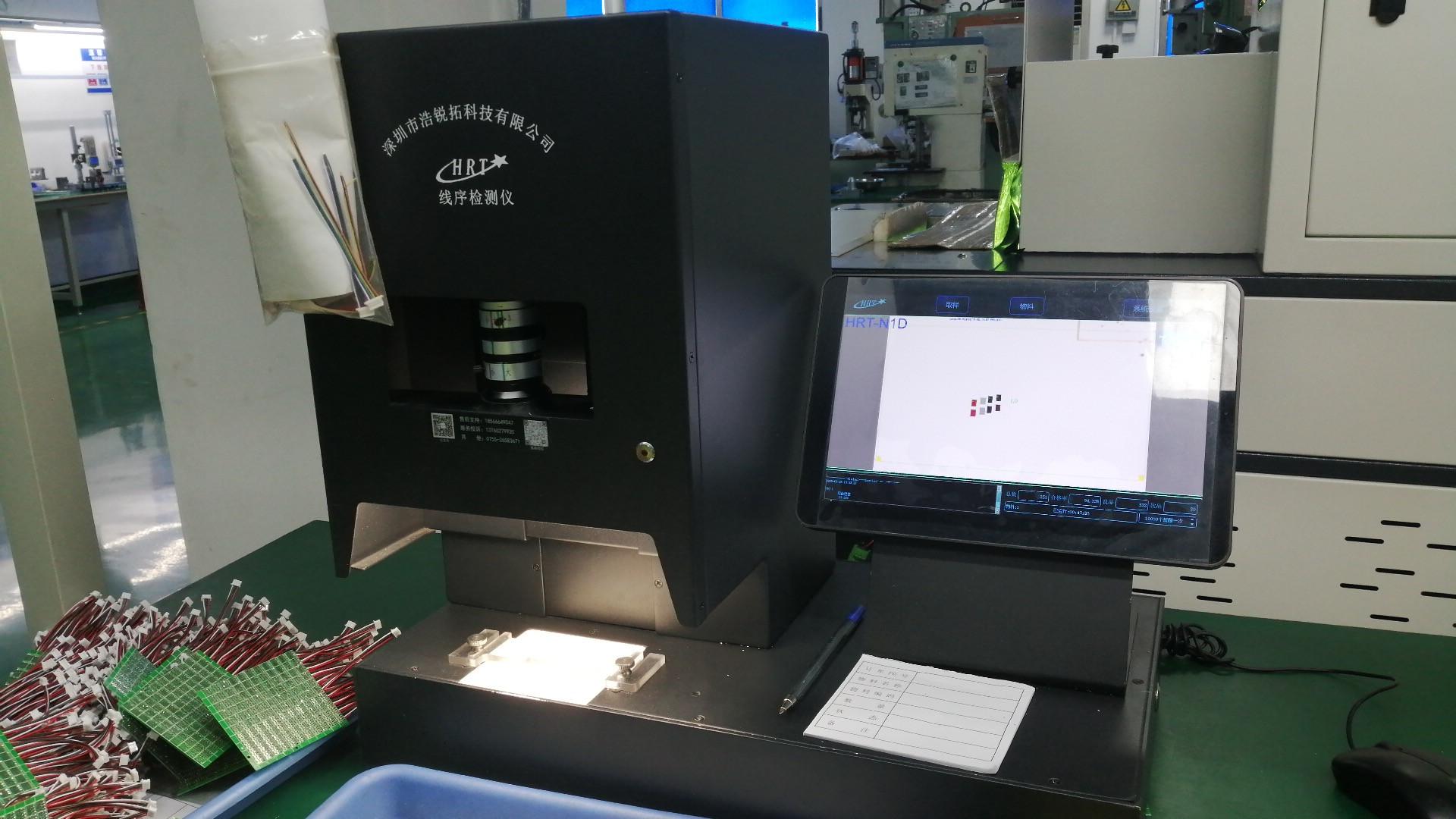
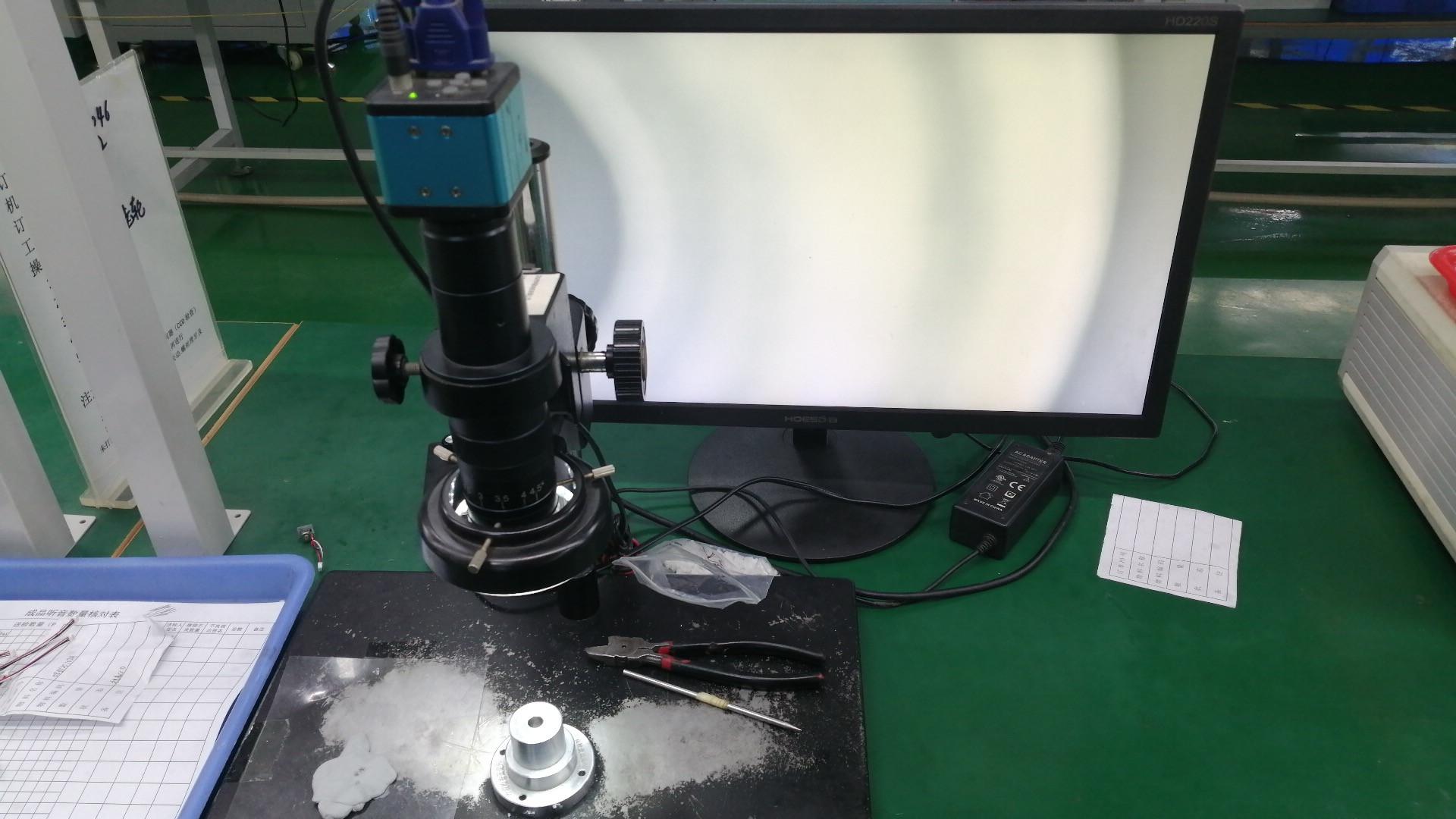
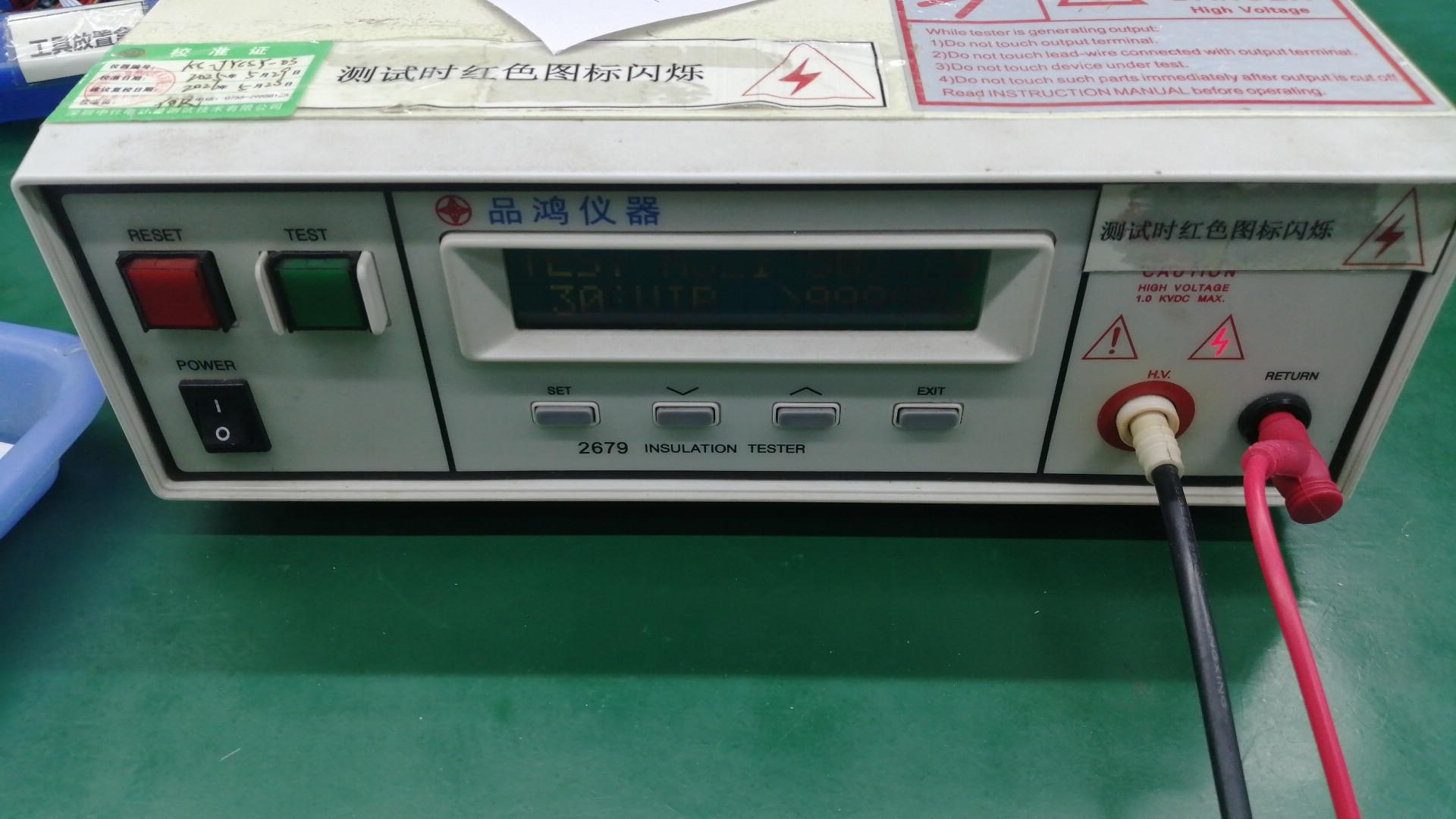
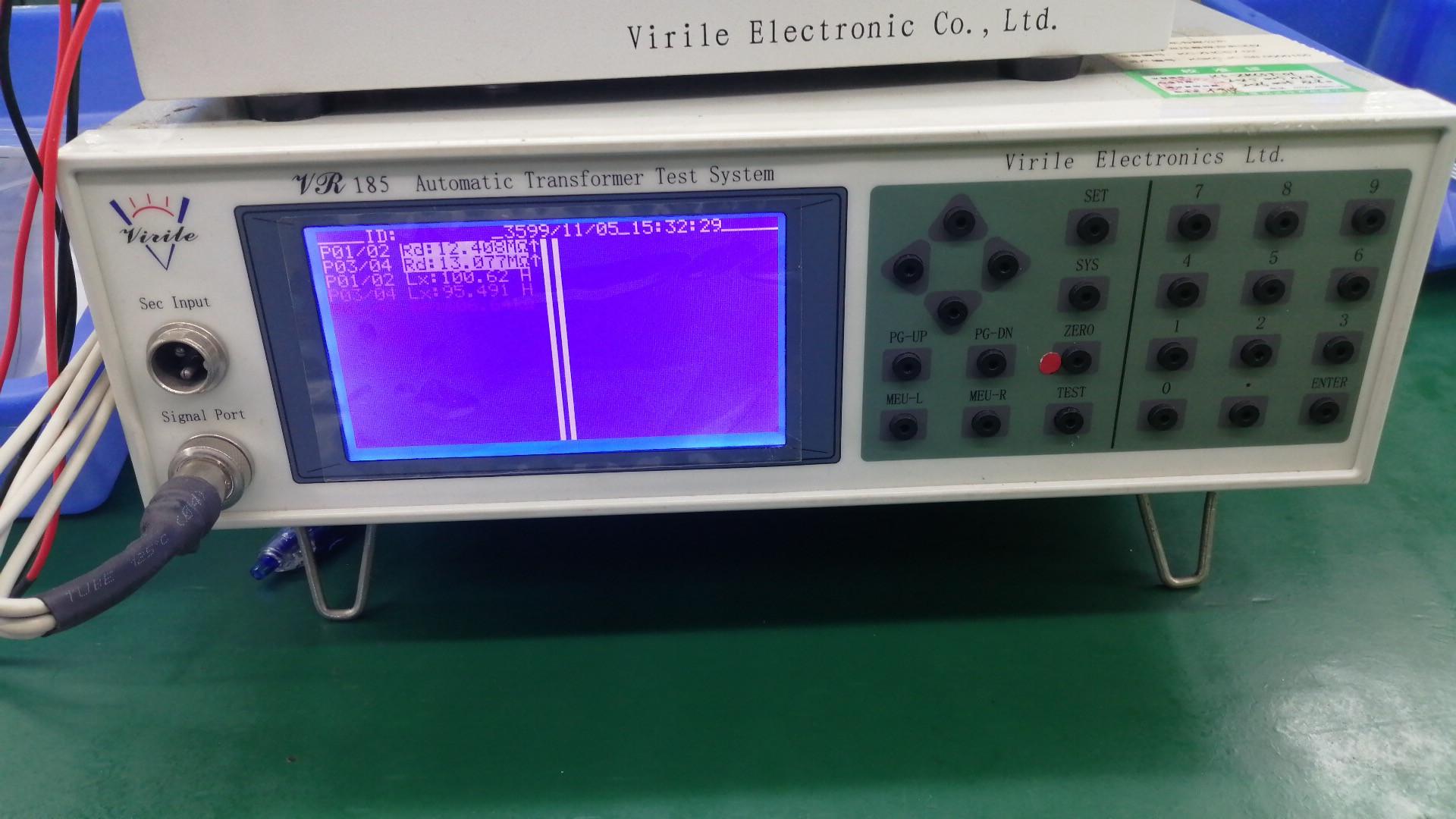
Make informed procurement decisions based on mechanical requirements and electrical topologies.
When engineering stepper systems for high-stress automation platforms in Romania, designers must choose between bipolar and unipolar driving configurations. Bipolar stepper motors utilize the entire winding system per phase, providing significantly higher torque-to-volume ratios. Conversely, unipolar configurations simplify the driving circuit, which can be advantageous in cost-sensitive applications with lower torque requirements.
| Feature Parameter | Bipolar Configuration (e.g., NEMA 17 Bipolar) | Unipolar Configuration (e.g., NEMA 14 Unipolar) | Impact on Romanian OEM Applications |
|---|---|---|---|
| Winding Utilization | 100% of copper active per phase cycle | 50% of copper active at any single moment | Bipolar provides 30-40% more torque in identical envelope sizes. |
| Driver Complexity | Requires dual H-bridges (8 switching elements) | Requires simpler 4-transistor driving array | Modern H-bridge cost declines make Bipolar the dominant choice. |
| Holding Torque Density | High density (vital for vertical axes & Z-stages) | Moderate density (ideal for simple rotational feeders) | Vertical axes on CNC routers in Cluj require Bipolar configurations. |
| High-Speed Response | Superior torque retention at high step rates | Torque drops rapidly due to winding inductance limits | High-throughput medical label printing utilizes bipolar drivers. |
Explore our full line of RoHS-compliant NEMA stepper motors, linear modules, and customized actuator solutions with direct delivery to Romania.
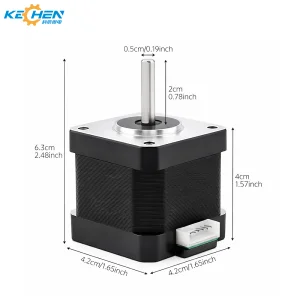
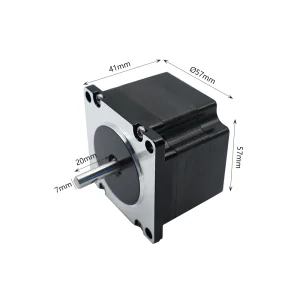
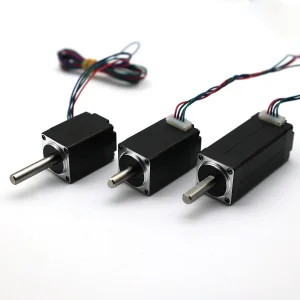
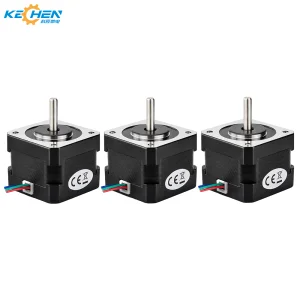
One inherent physical characteristic of hybrid stepper motors is resonance, which typically occurs at low step frequencies. Our design team solves this by matching rotor inertia with optimized stator winding resistance. This reduces velocity ripples during acceleration phases.
For machine integrators in Romania, we recommend utilizing microstepping drives (minimum 1/16 or 1/32 step division). This smooths out current curves into approximate sine waves, significantly reducing structural noise in delicate environments such as lab automation or high-end 3D printer builds.
Operating temperatures directly affect the lifecycle of internal stator insulation and neodymium magnet performance. To guarantee high performance in non-climate-controlled factory environments in Romania, our stepper motors use Class B (130°C) or Class F (155°C) winding insulation.
This allows the motors to dissipate heat effectively during heavy cycles, preventing thermal demagnetization of the rotor magnets. Proper mounting to metal faceplates acts as an additional heatsink, allowing stable operation even during continuous shifts.
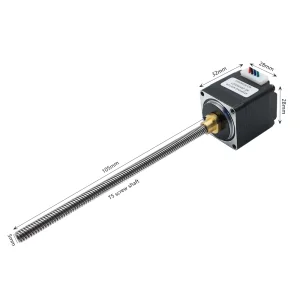
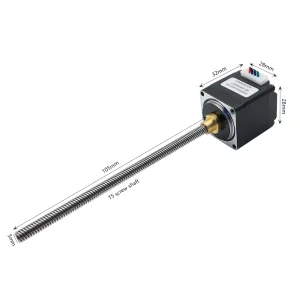
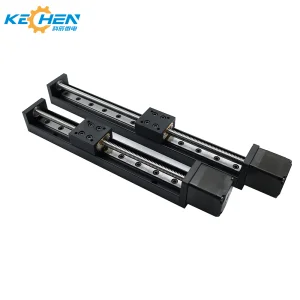
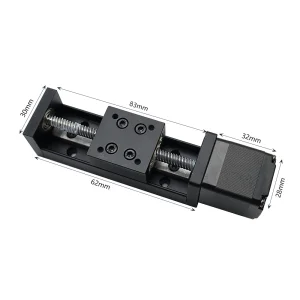
For high-precision linear movement, standard coupling elements can introduce backlash. To prevent this, Brea Tech specializes in integrating threaded shafts directly onto the rotor assembly.
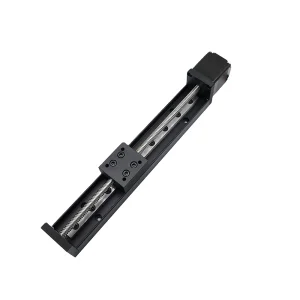
Our catalog includes NEMA 11 and NEMA 17 linear actuators featuring high-precision T5 and T8 lead screws. These configurations convert rotational step angles directly into linear translation with micron-level repeatability. These setups are highly sought after by medical and laboratory developers in Bucharest and Iași.
Expert technical answers to common integration, control, and sourcing challenges faced by engineering teams in Eastern Europe.
Our standard hybrid stepper motors feature a step angle accuracy of ±5% non-cumulative. This means regardless of how many steps the motor executes, the angular error will not accumulate. However, when loaded beyond the rated holding torque curve, the rotor will lag slightly behind the magnetic field of the stator (known as load angle error). If this angle exceeds 1.8 geometric degrees (one full step), the motor will slip. Correct sizing involves selecting a motor that operates at 30-50% safety margin relative to the peak load of the application.
RoHS certification ensures that all component materials (windings, varnishes, lead wire insulation, structural steel, magnets) contain less than the legally mandated limits of heavy metals and flame retardants (e.g., lead, mercury, polybrominated biphenyls). For companies manufacturing in Romania and exporting throughout the European Union, utilizing certified components is mandatory to obtain CE declarations and avoid legal and financial liabilities during customs audits.
Yes. By mounting an incremental or absolute rotary encoder to the rear shaft (available as a custom option across our NEMA 17 and NEMA 23 lines), the motor can operate as a high-pole-count brushless servo (often termed "easy servo" or closed-loop stepper). This eliminates stepping loss entirely, reduces operating temperatures, and permits high accelerations. It is highly recommended for critical applications like packaging machines and robotic joints where step verification is required.
Inductance is the primary electrical parameter that limits torque at higher speeds. High inductance windings limit the rate at which coil current can rise during each step phase. To achieve high speeds, select a lower inductance winding combined with a higher supply voltage driver. For instance, operating a NEMA 17 motor at 24V or 36V DC instead of 12V DC allows the current to rise faster, preserving torque at higher steps per second.
We offer extensive customization for our shaft assemblies, including flat surfaces (D-cuts), keyways, cross-drilled holes, helical gears, and integrated lead screws (threaded shafts) in various pitches and lengths. Clients in Romania can provide their specific CAD requirements, and our team will perform feasibility reviews and prototype builds within 10 to 15 working days.
For urgent engineering prototypes and mid-sized batches, we utilize air-express shipments (DHL/FedEx/UPS), which generally arrive at Romanian airports (Bucharest Otopeni or Cluj-Napoca) within 5 to 7 business days. For bulk production orders, maritime shipping from China to the Port of Constanța takes approximately 30 to 35 days, providing the most cost-effective solution for our volume B2B partners.
Connect directly with our engineering and logistics specialists today to discuss customized windings, mechanical mounting configurations, and volume discounts tailored for the Romanian industrial market.
Send Inquiry Now Brea Tech Micro Motor