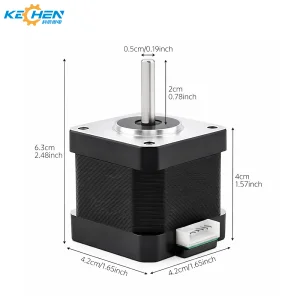
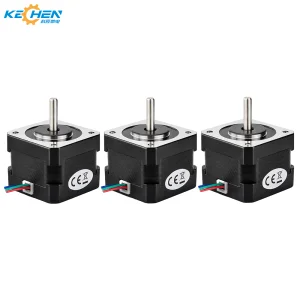
Specially tailored and optimized for the technical requirements and compliance standards of the Sydney industrial automation market.
Brea Tech Micro Motor is a forward-thinking Chinese manufacturer redefining precision motion control in the micro-drive industry. We design and build high-efficiency micro DC and BLDC motors that power next-generation technologies worldwide.
Driven by our core philosophy—Top Quality & Customization—we combine advanced manufacturing tech with flexible engineering to provide global B2B clients with the transparency of a local partner and the cost benefits of a premier Chinese factory. Built to last. Engineered to fit.
In the era of decentralized manufacturing and hyper-localized high-tech clusters, the Sydney metropolitan area has established itself as an essential Pacific hub for advanced scientific instruments, medical devices, high-tech logistics, and boutique automated systems. To meet these rigorous demands, engineers require micro-motion solutions that go beyond generic, off-the-shelf components. The modern standard demands high-torque hybrid stepper motors engineered to withstand specific thermal, electromagnetic, and mechanical constraints.
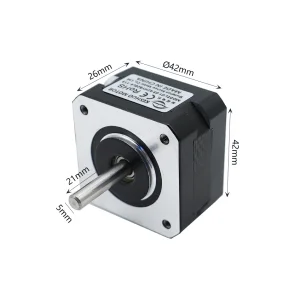
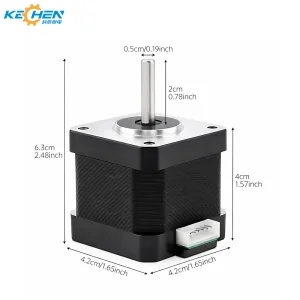
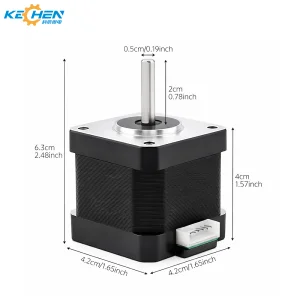
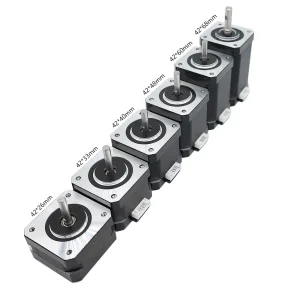
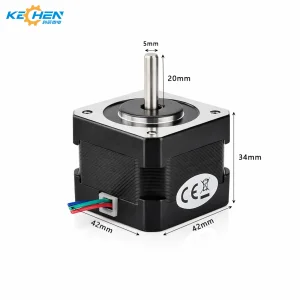
From Pyrmont’s tech incubators to Macquarie Park’s advanced biotech labs, the push for miniaturized laboratory automation has created a surge in NEMA 8, NEMA 11, and NEMA 17 stepper actuator integration. These compact footprint motors are essential for tasks requiring high reliability under intermittent loads:
B2B procurement professionals in New South Wales face distinct geographical challenges. Relying on prolonged sea-freight timelines for vital engineering projects can introduce severe bottlenecks. By bridging the gap between direct Chinese manufacturing efficiencies and local technical consultation, Brea Tech Micro Motor optimizes the import pipeline for Sydney-based engineers. We address key supply chain factors:
Off-the-shelf stepper motors rarely match custom requirements. We offer rapid modifications for motor winding parameters (DC voltage configurations from 3V to 24V), custom output shaft configurations (such as D-cut shafts, internal keyways, or integrated helical gears), and custom lead wire lengths terminating in Molex or JST connectors.
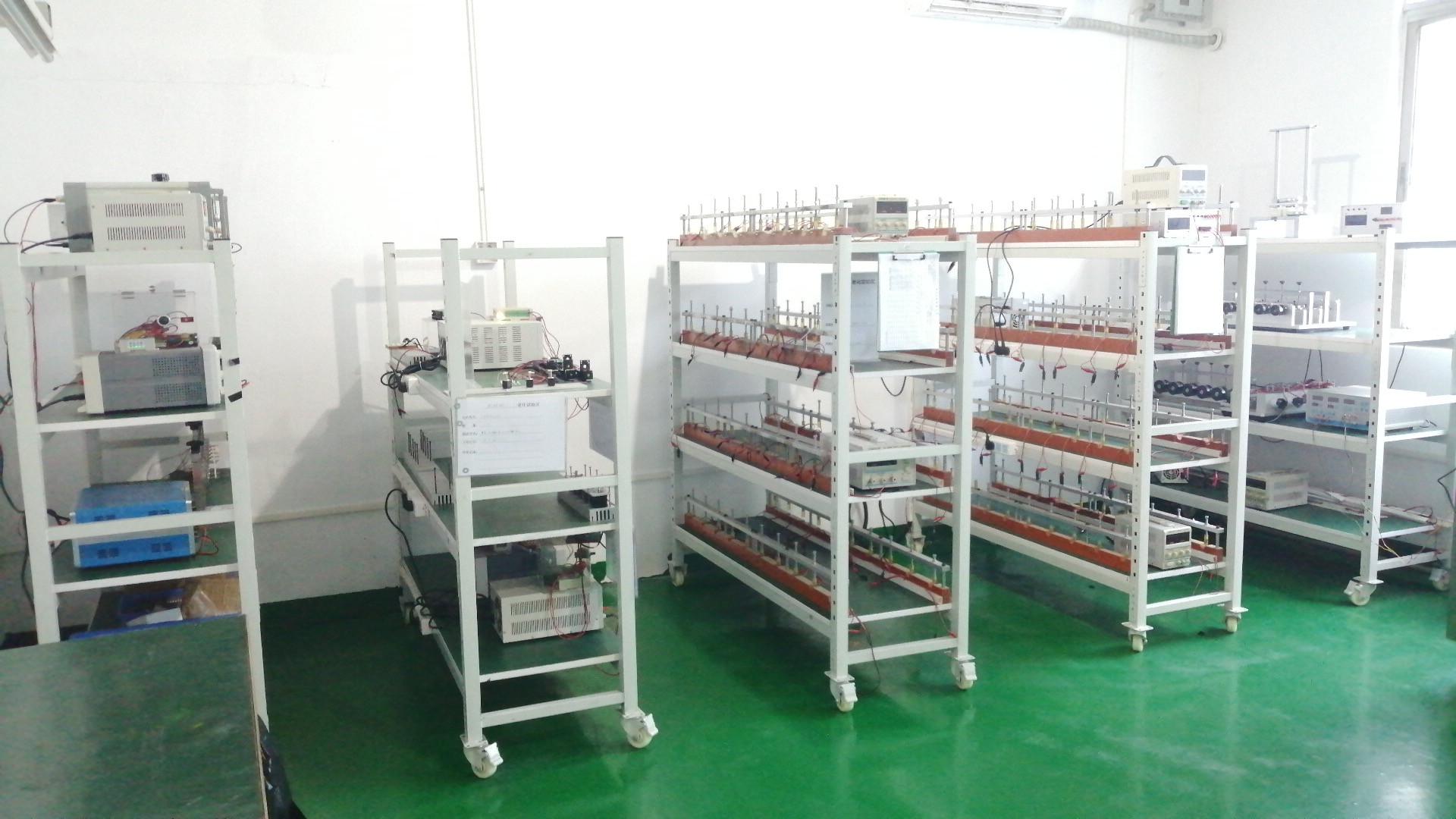
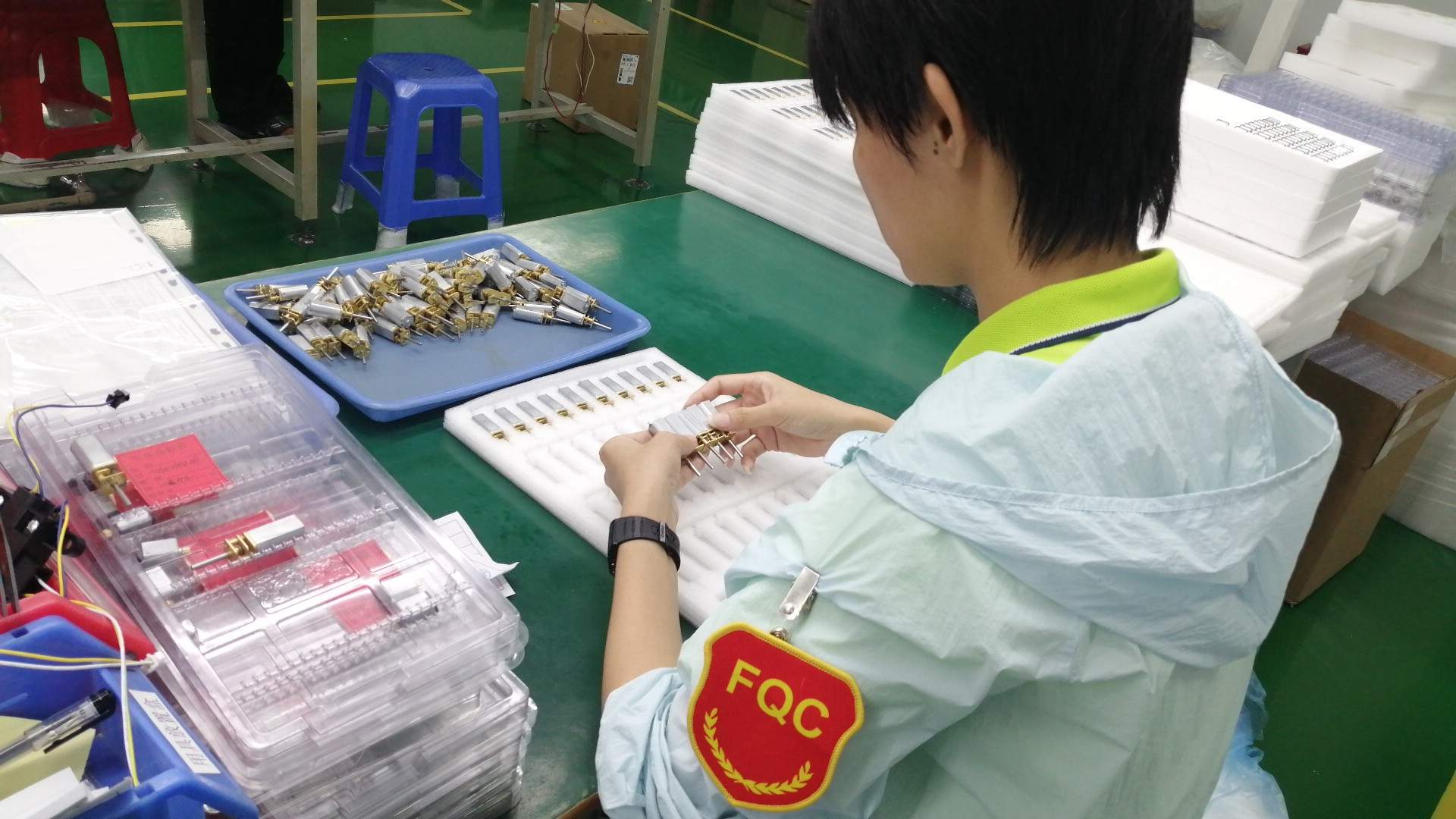
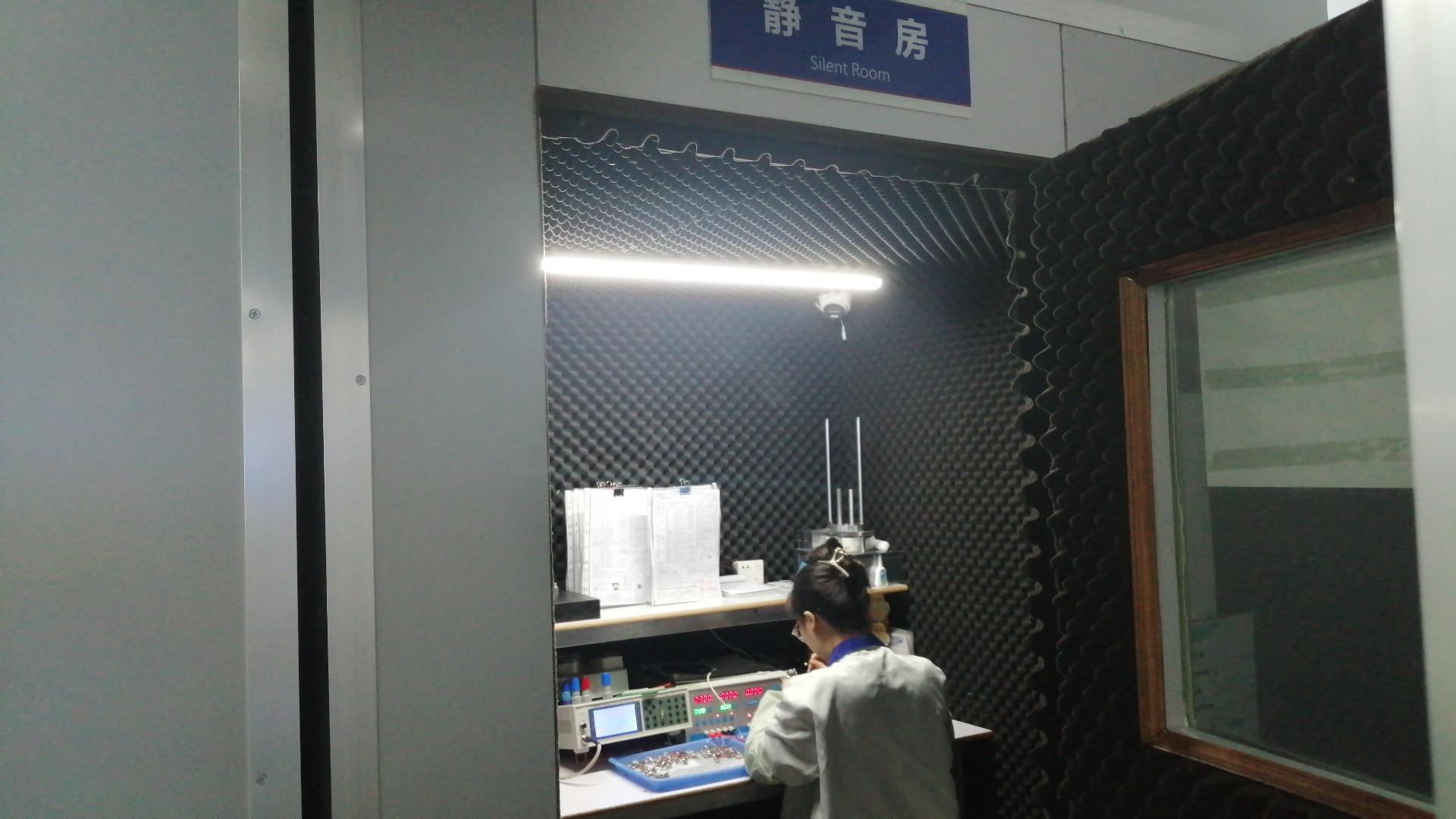
Every batch of motors leaving our plant undergoes rigorous testing. This includes insulation resistance checks, dielectric strength verification, rotor inertia analysis, and noise emission testing inside dedicated acoustic chambers to ensure compliance with Australian residential and industrial noise guidelines.
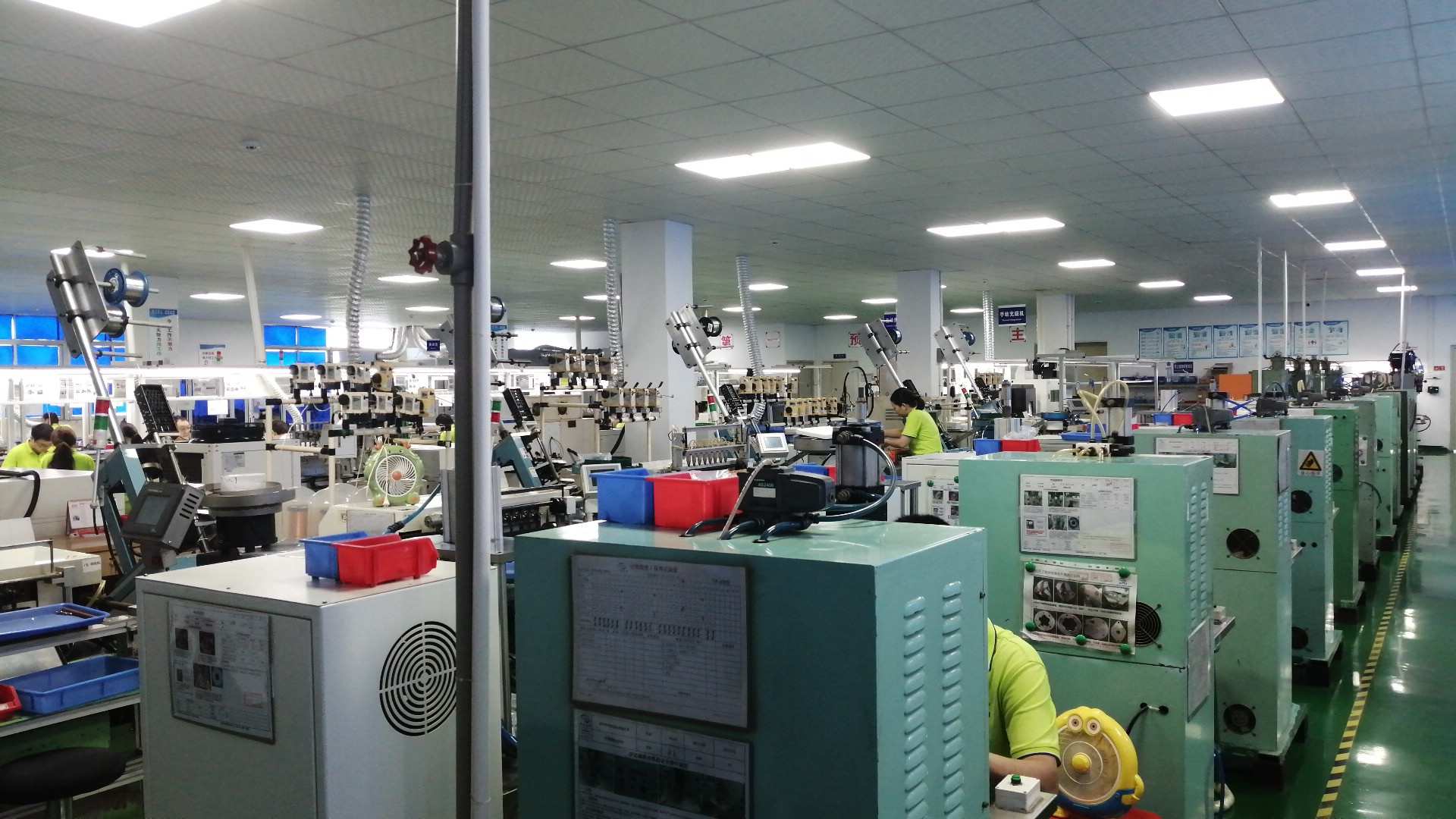
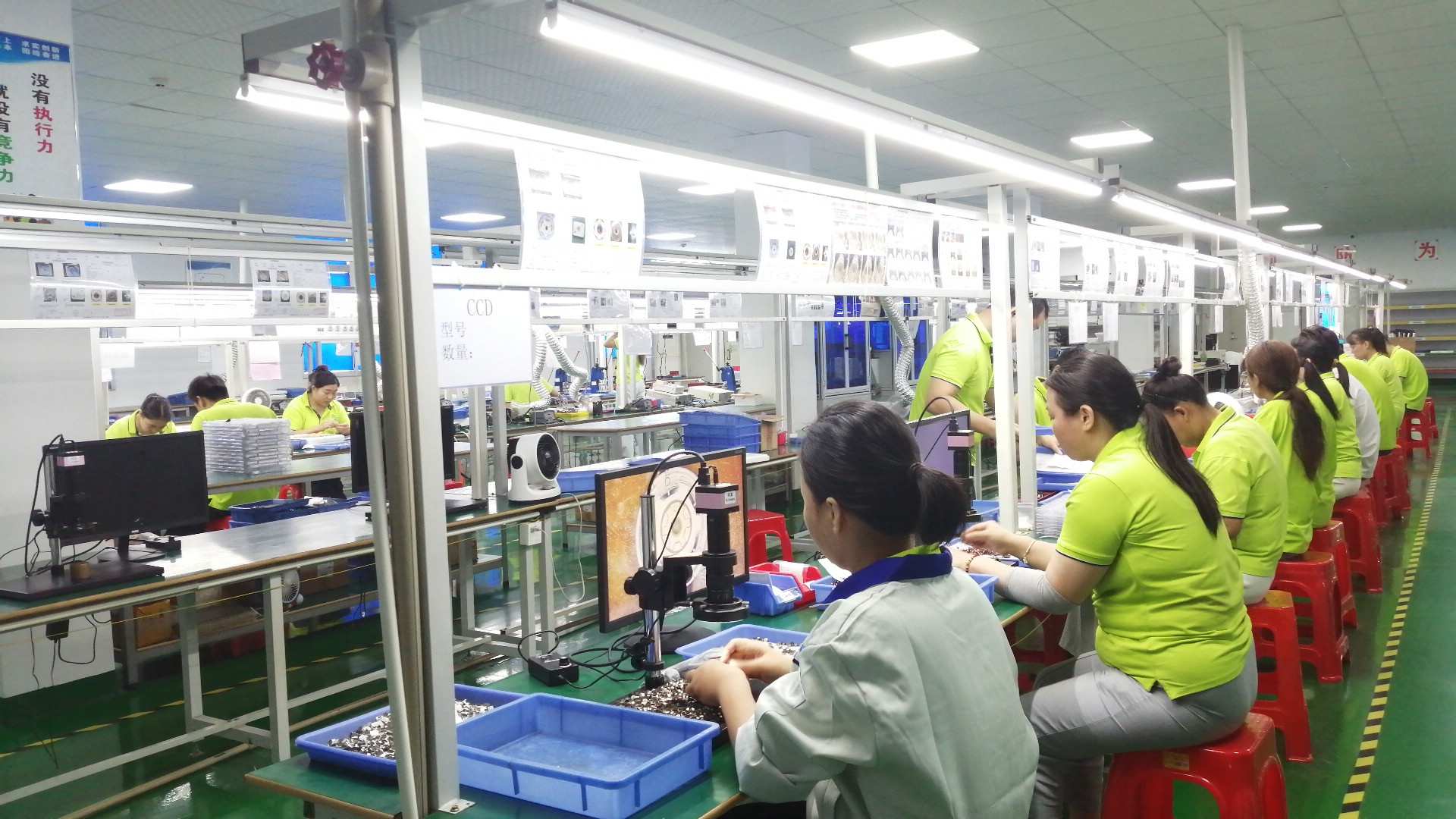
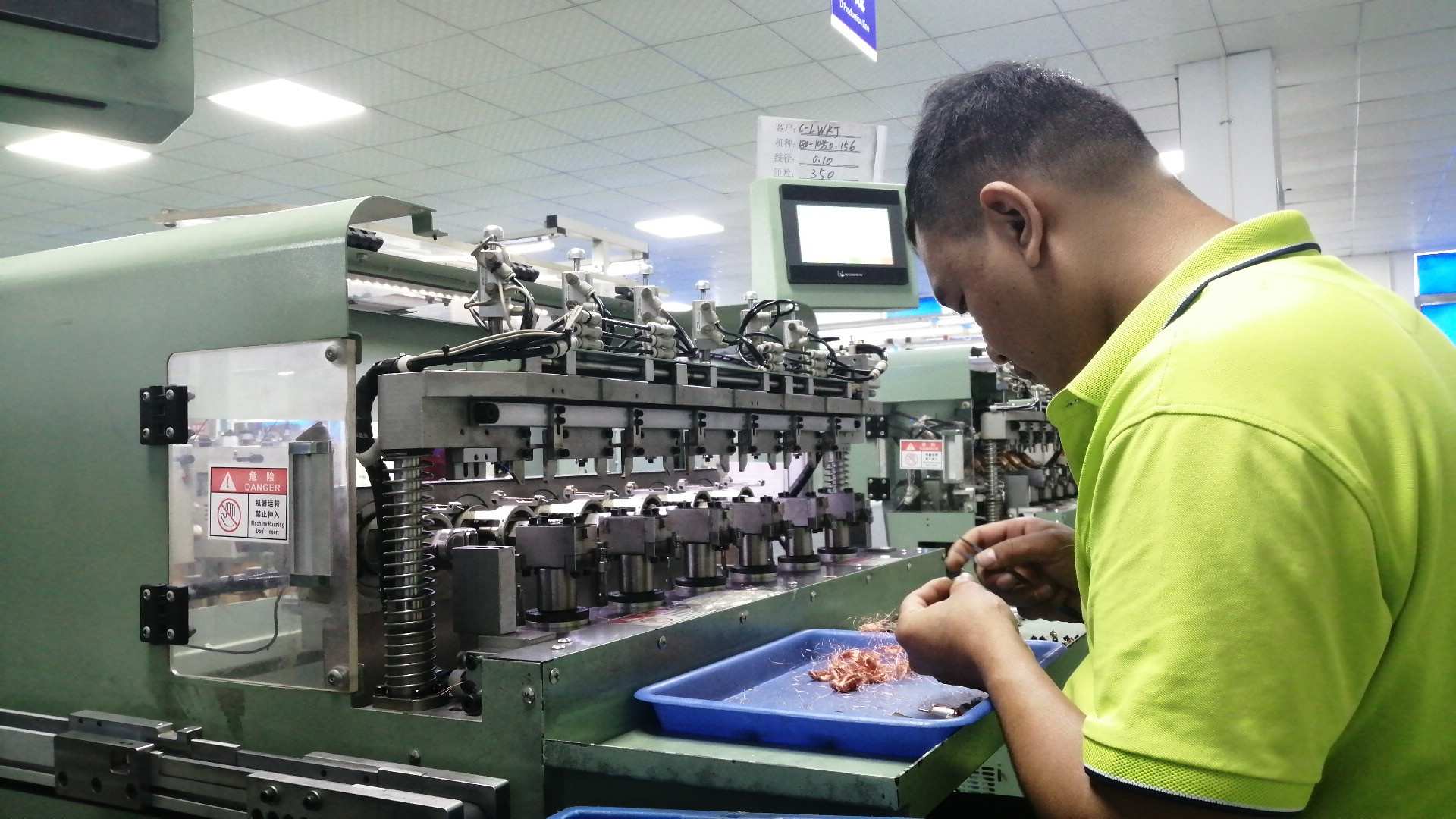
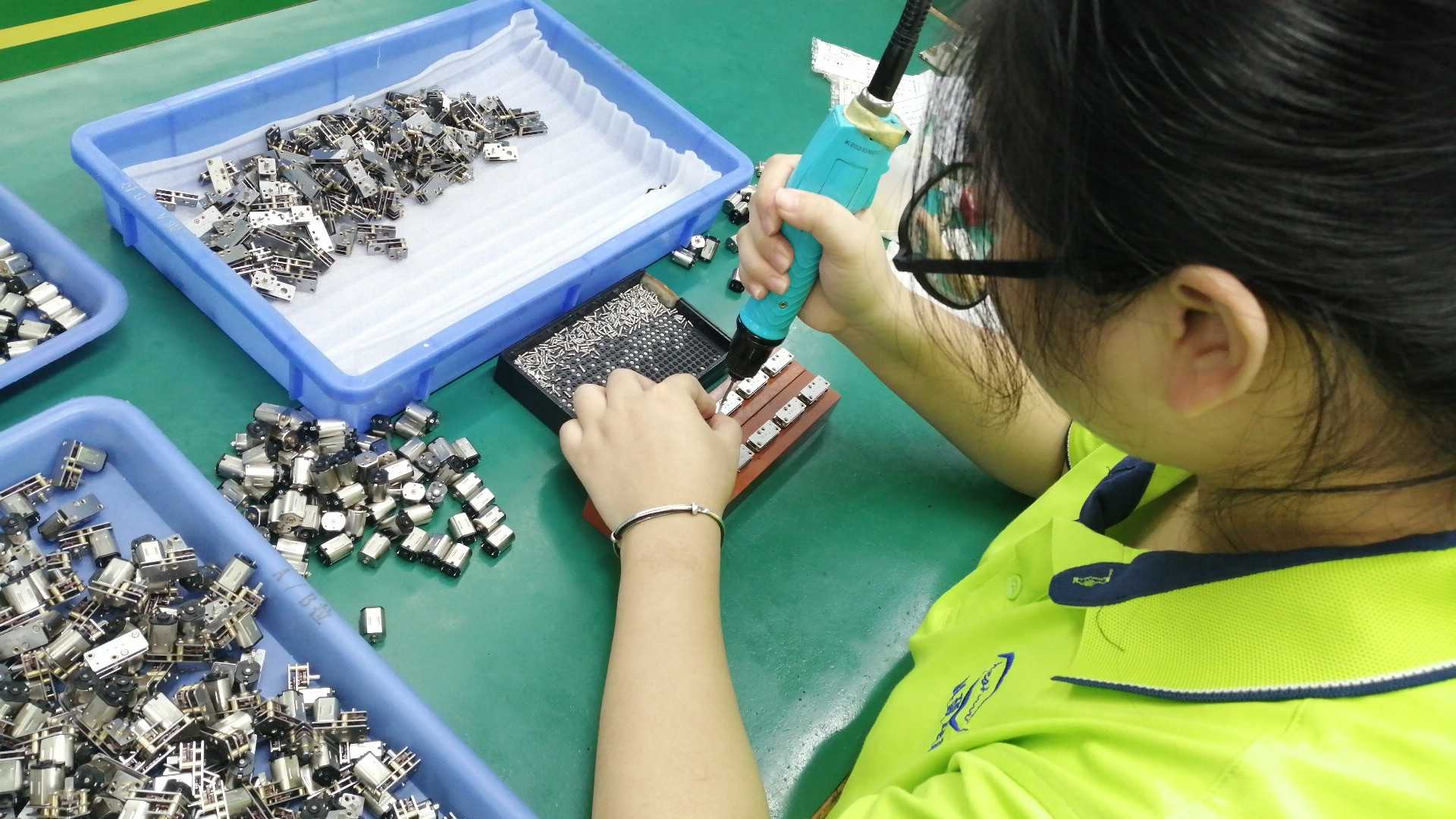
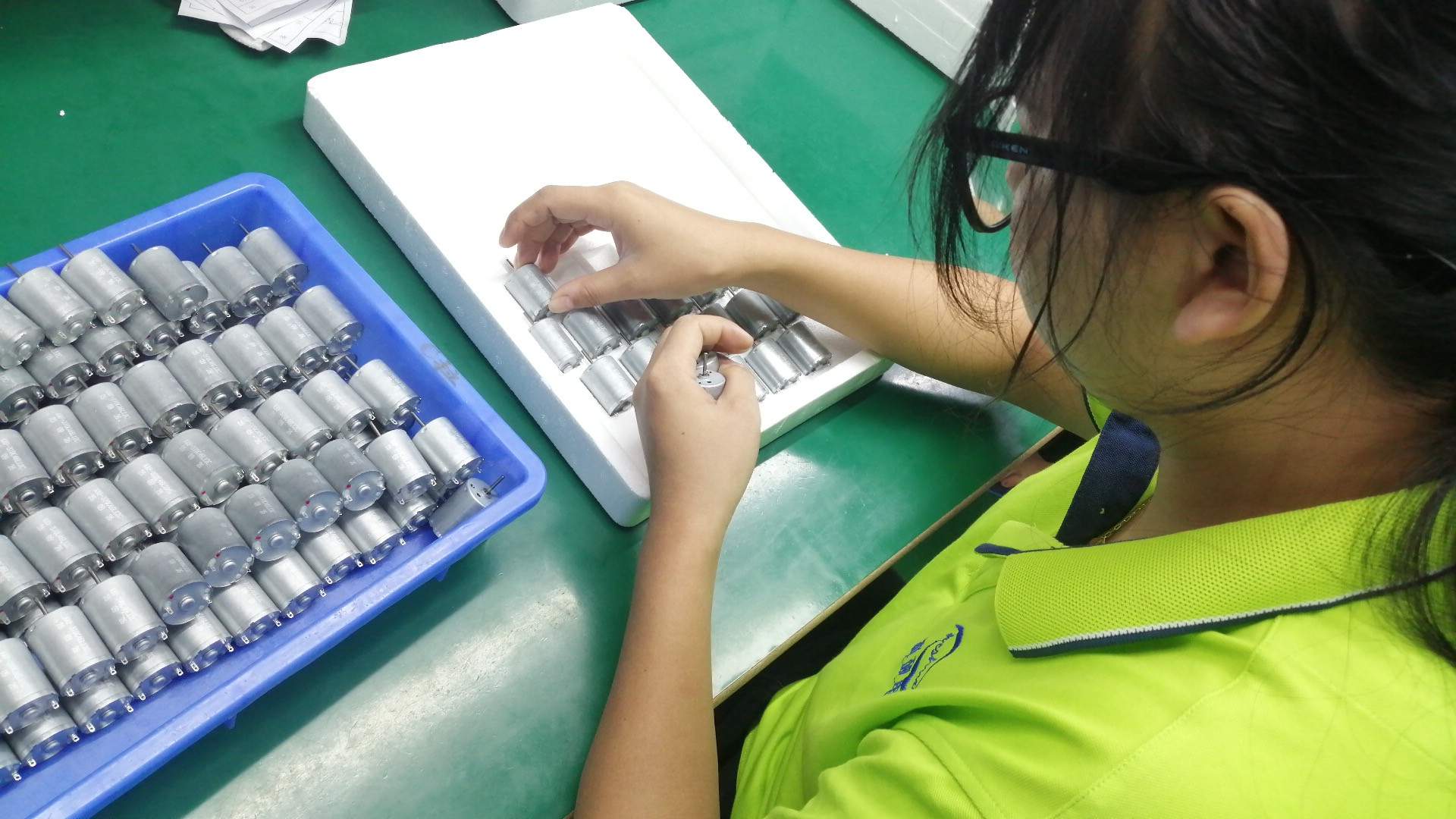
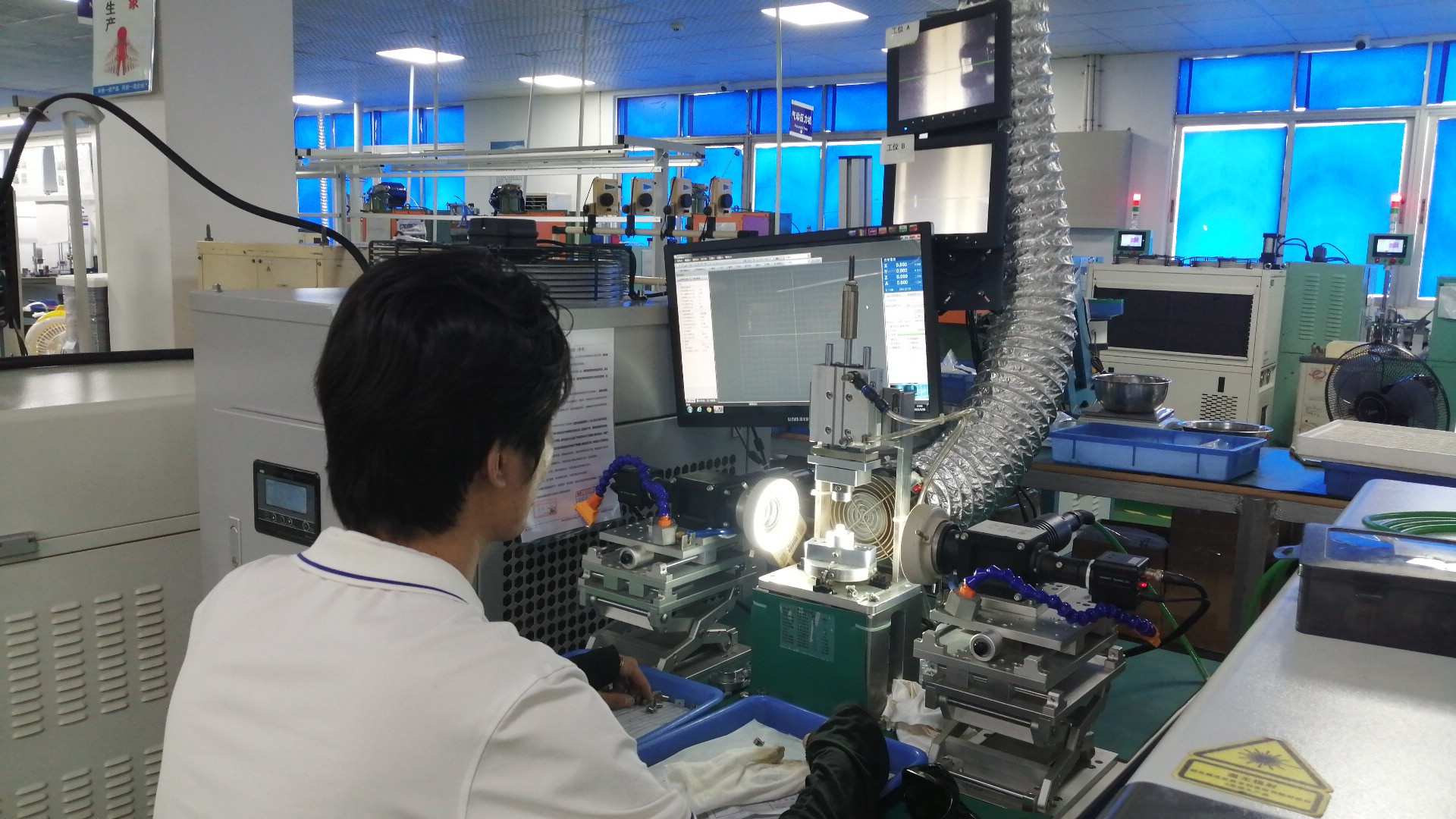
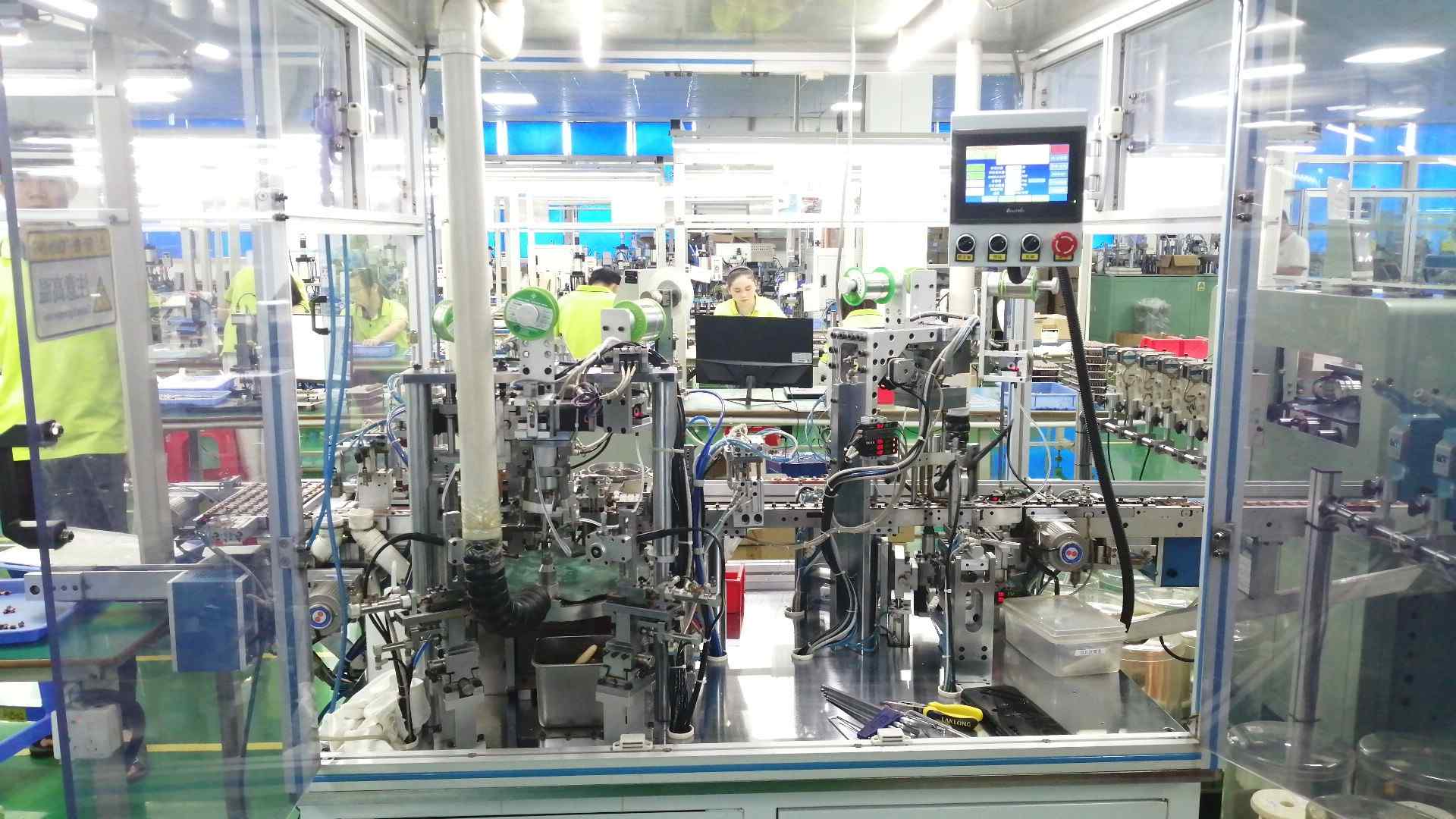
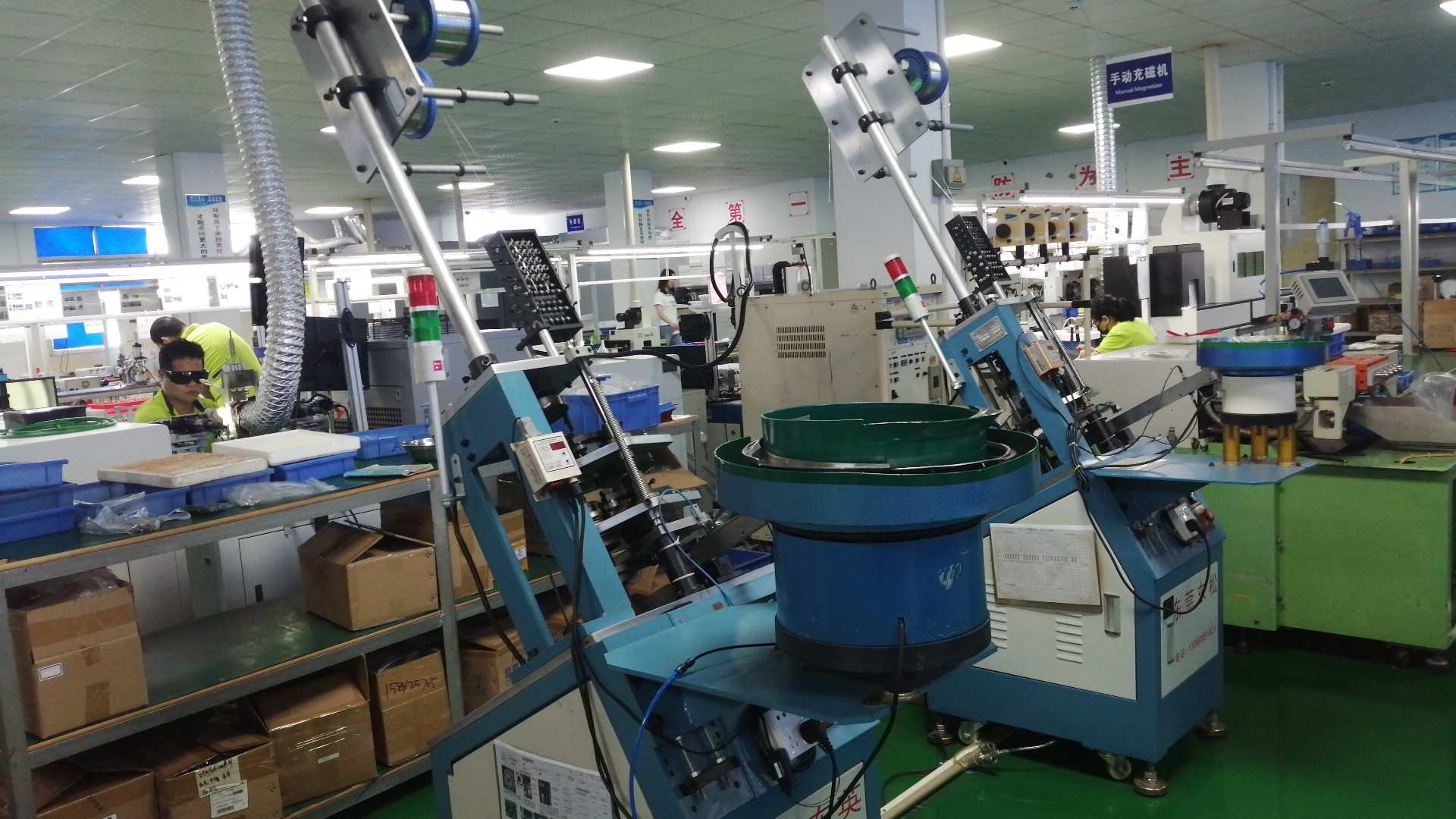
Delivering high reliability through advanced assembly machines, state-of-the-art testing equipment, and strict quality control.
Precision Rotor Winding
Magnet Assembly
Stator Gluing Station
End-cap Assembly
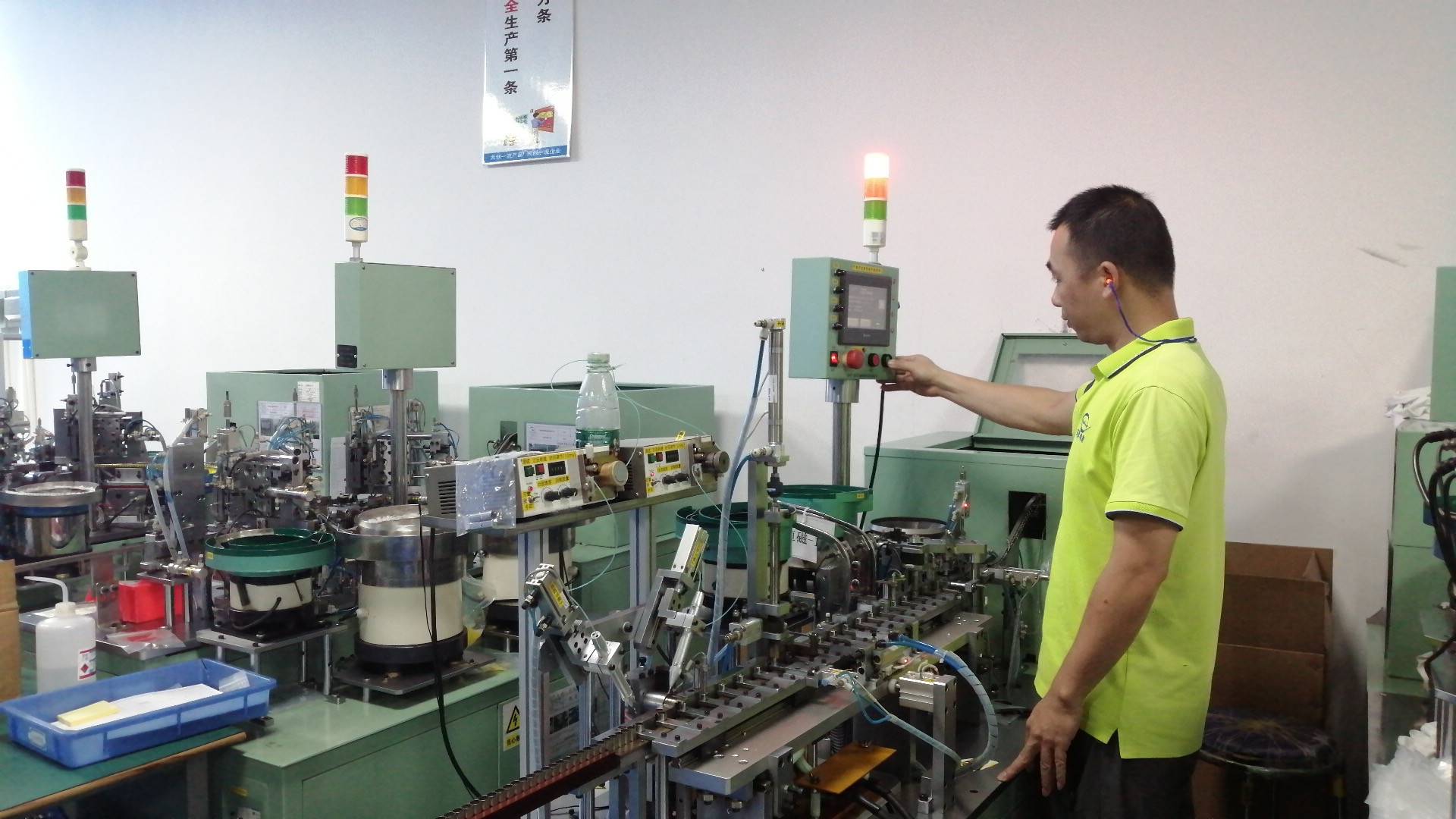
Magnetic Axis Alignment
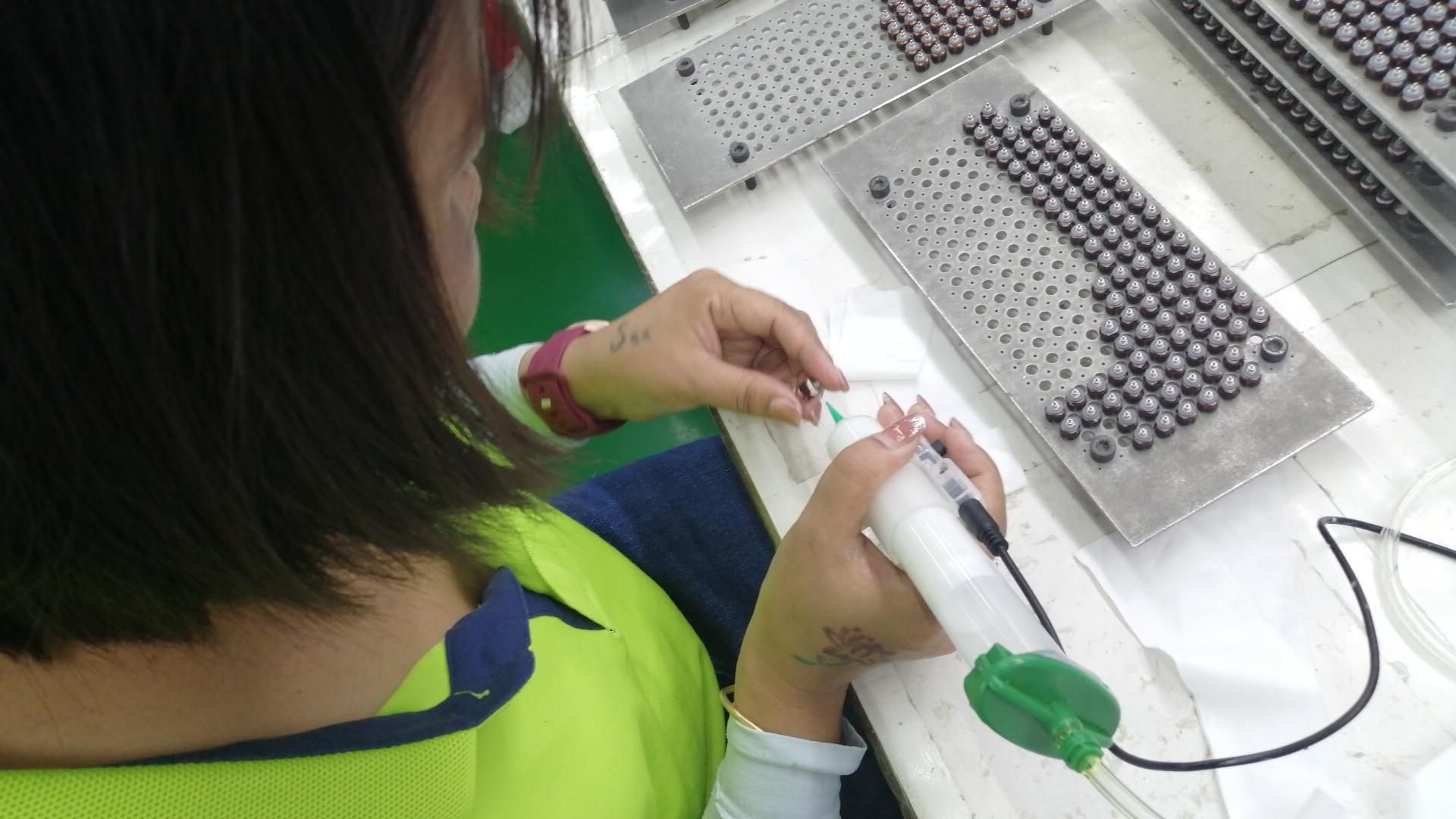
Automated Fastening
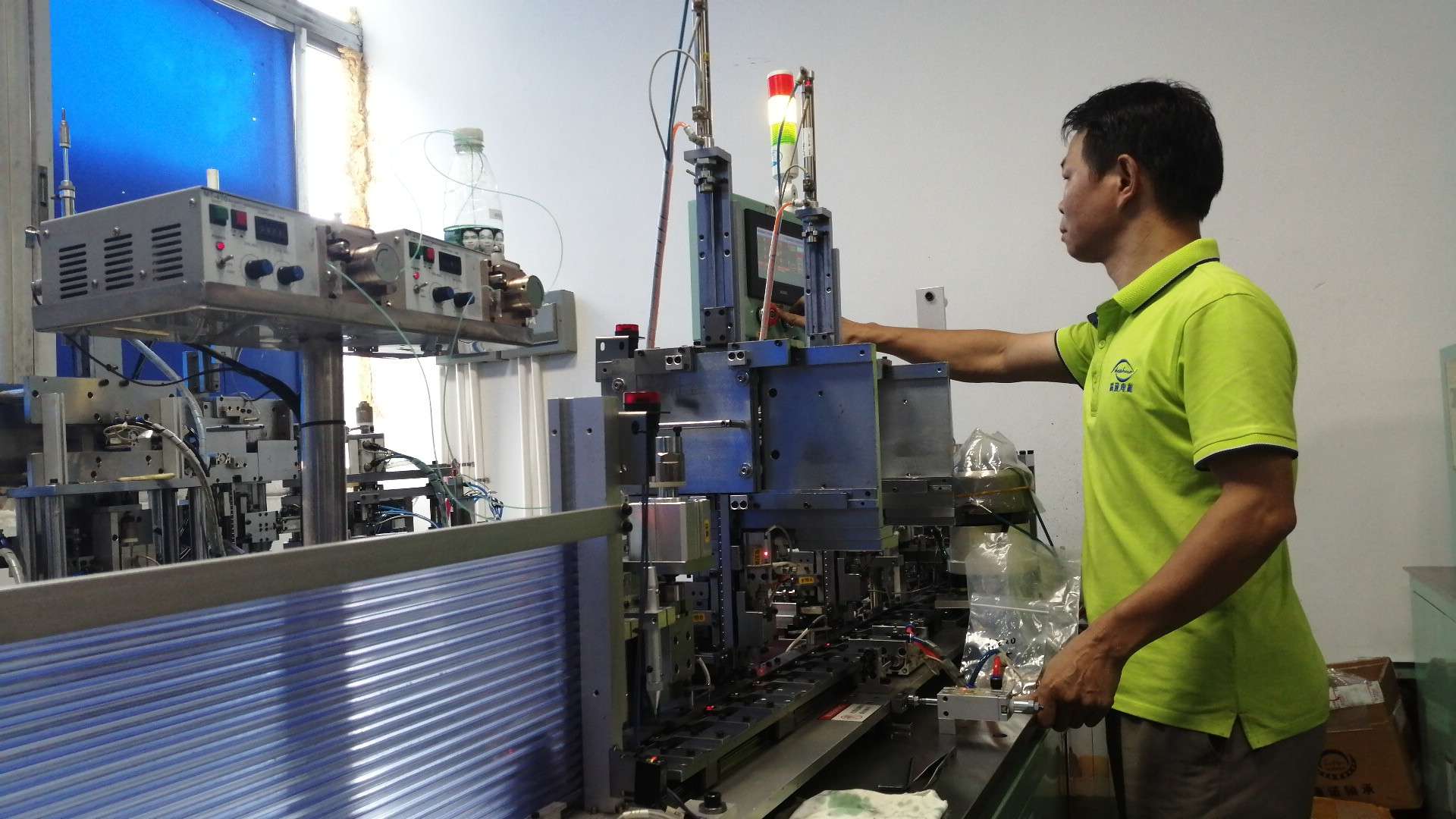
Dynamic Thermal Aging
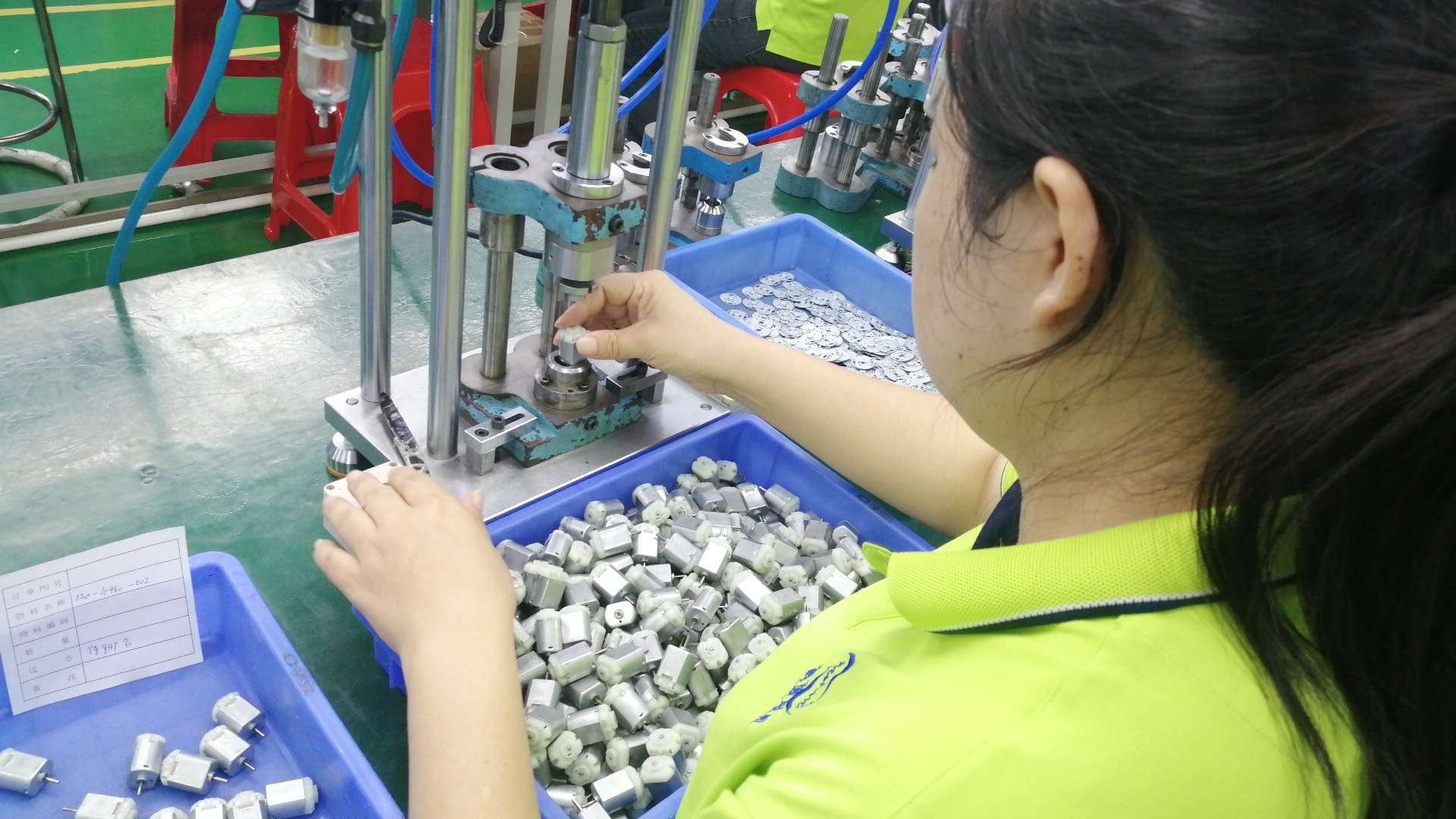
Laser-Guided Inspection
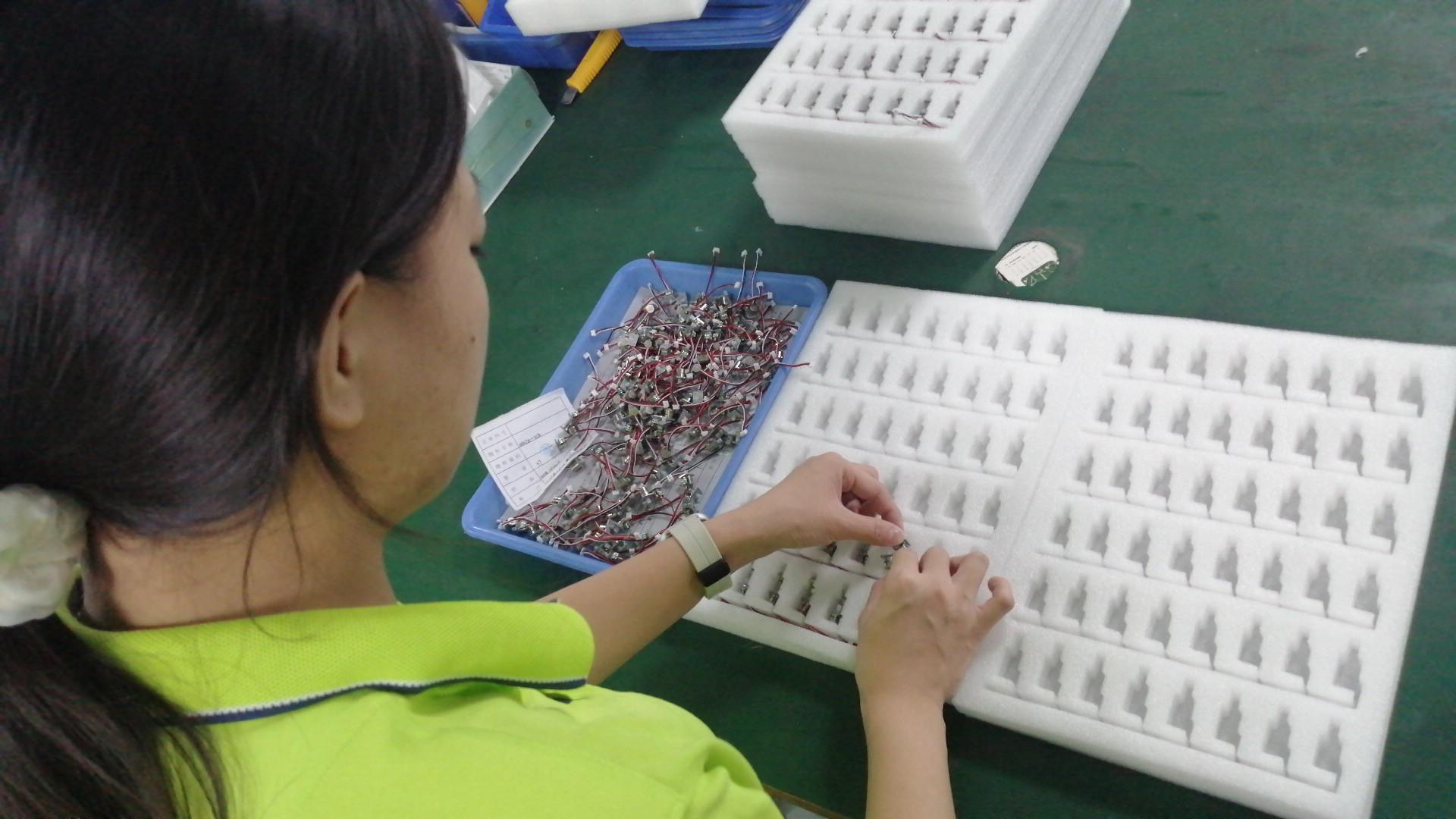
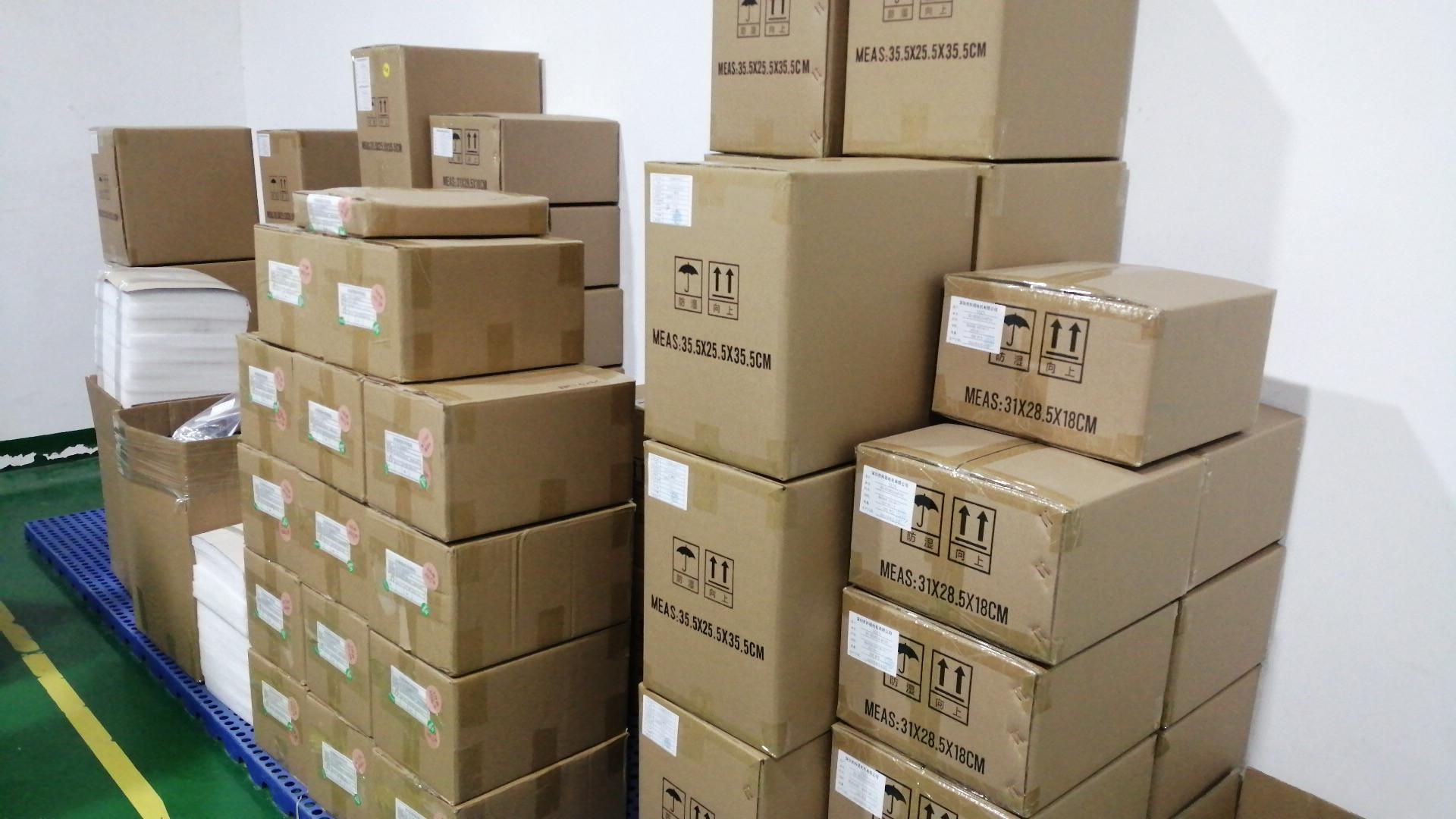
Industrial Export Packing
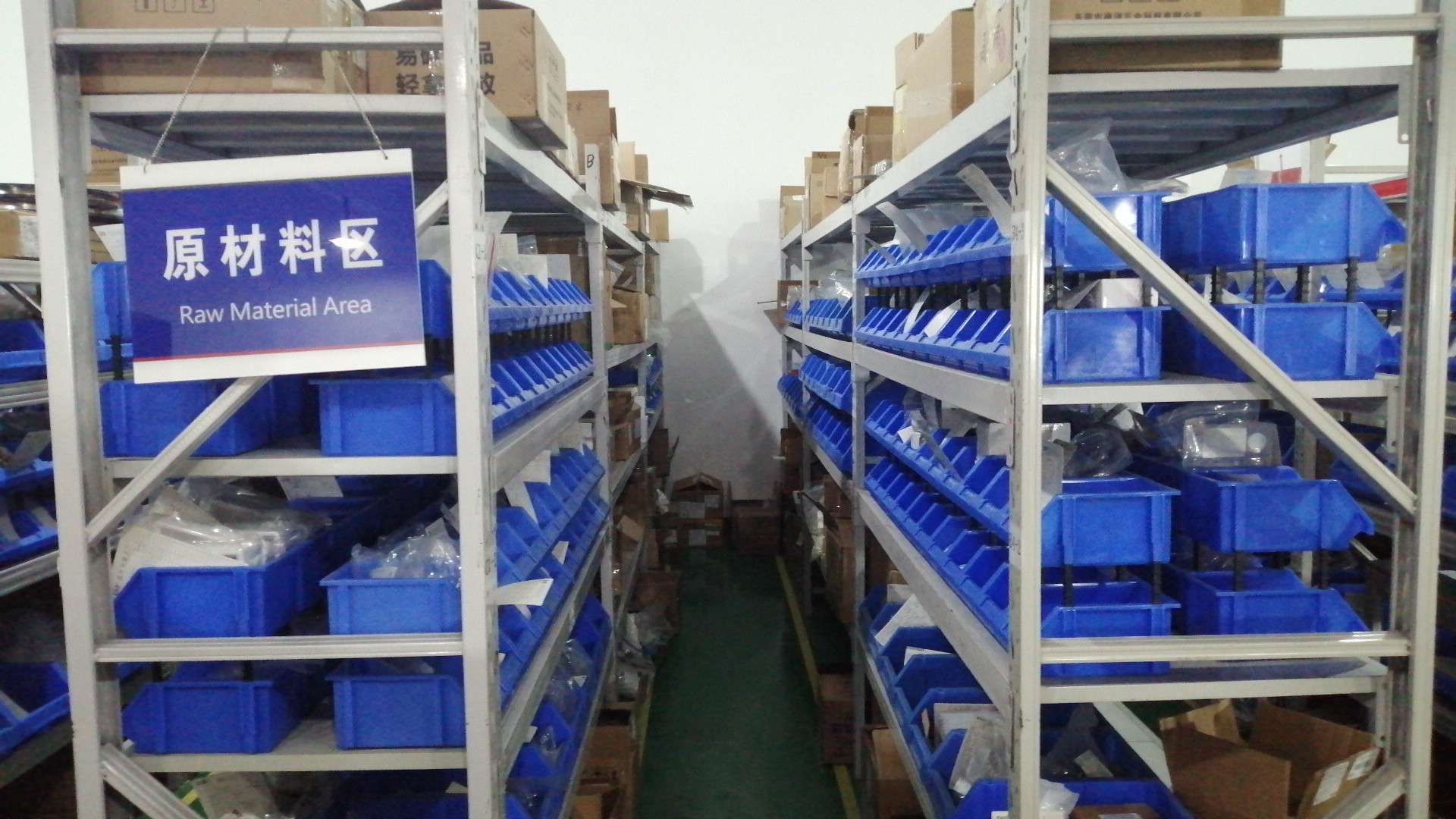
High-Grade Raw Materials
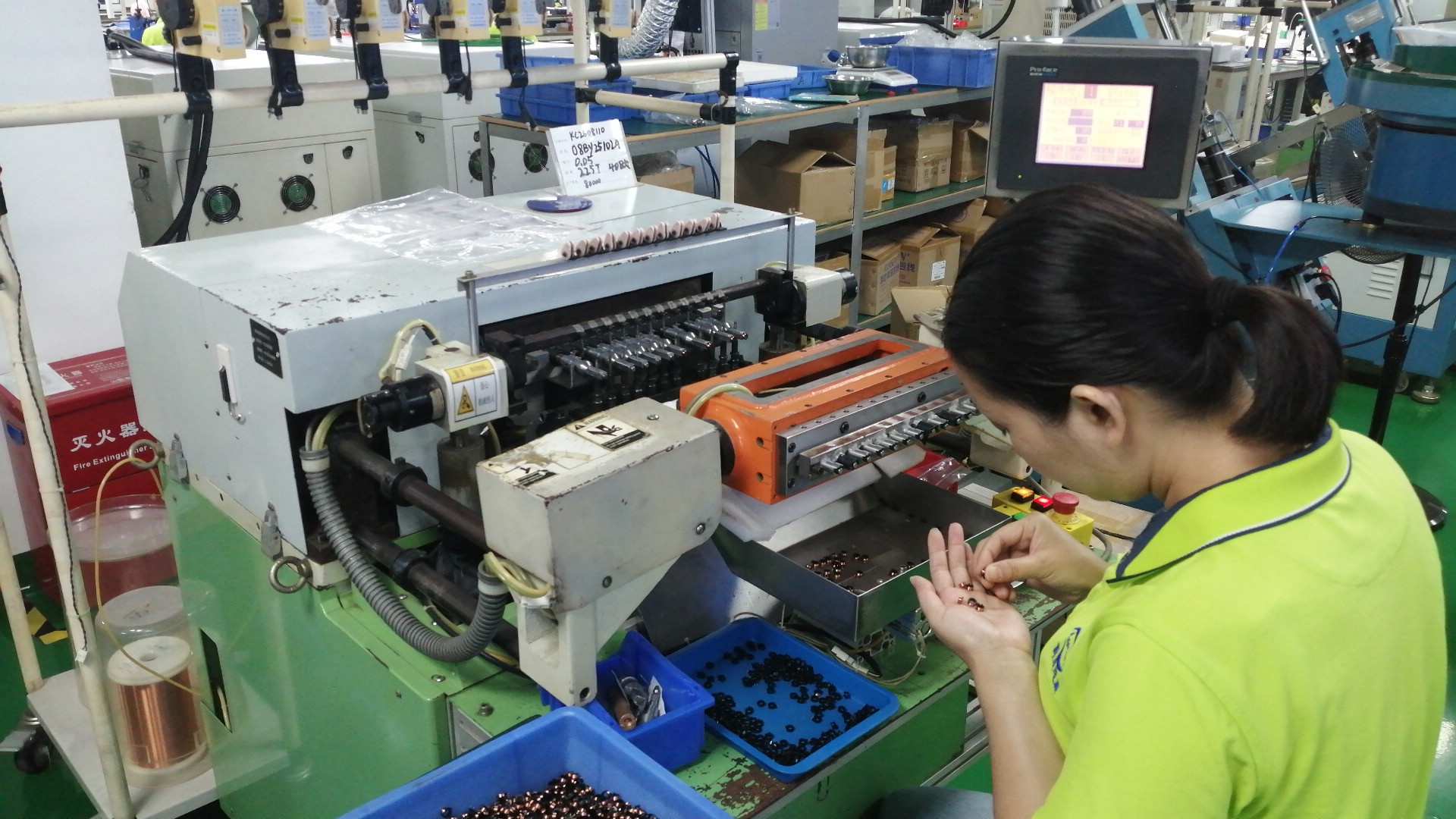
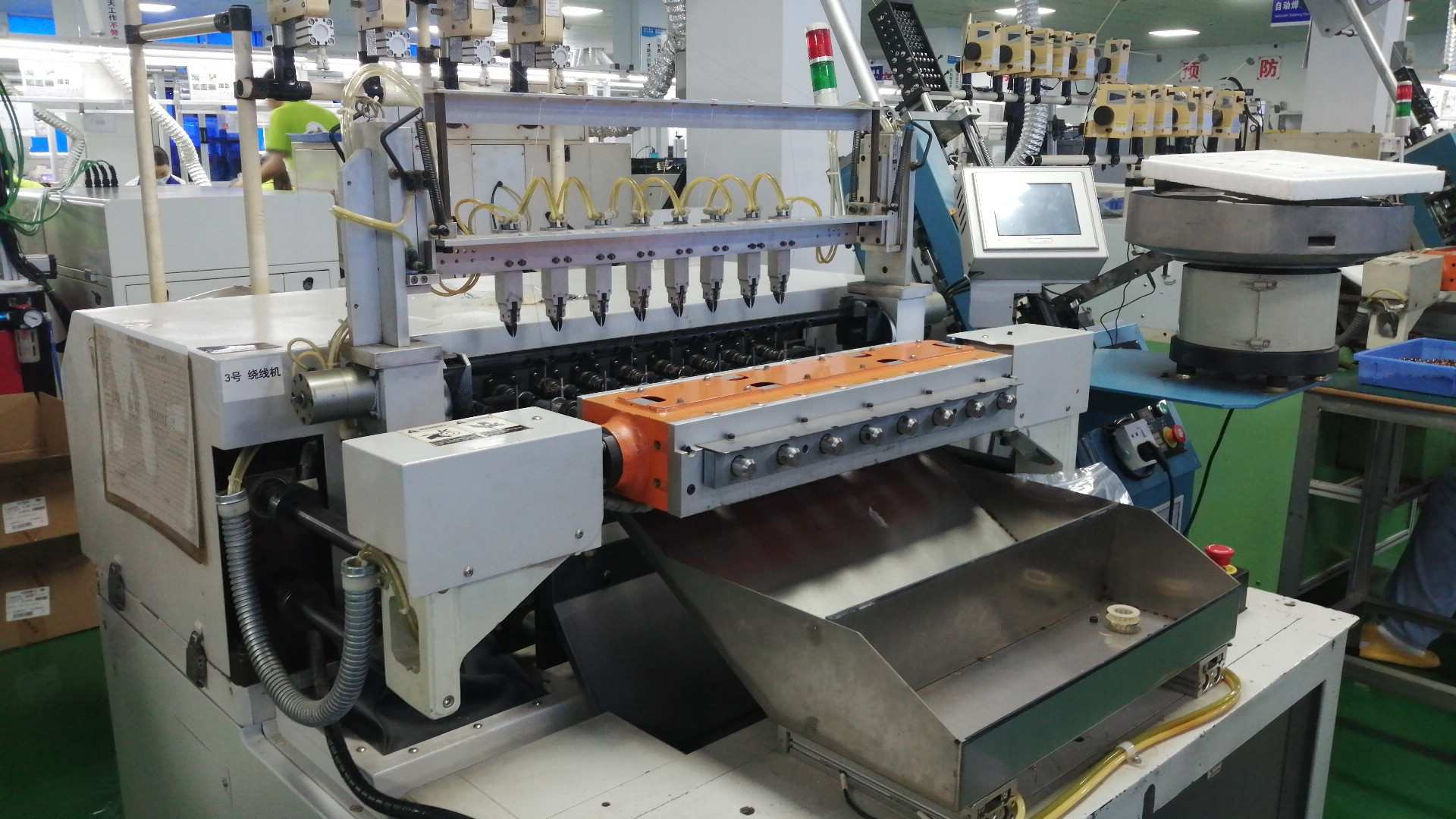
Precision Coil Winder
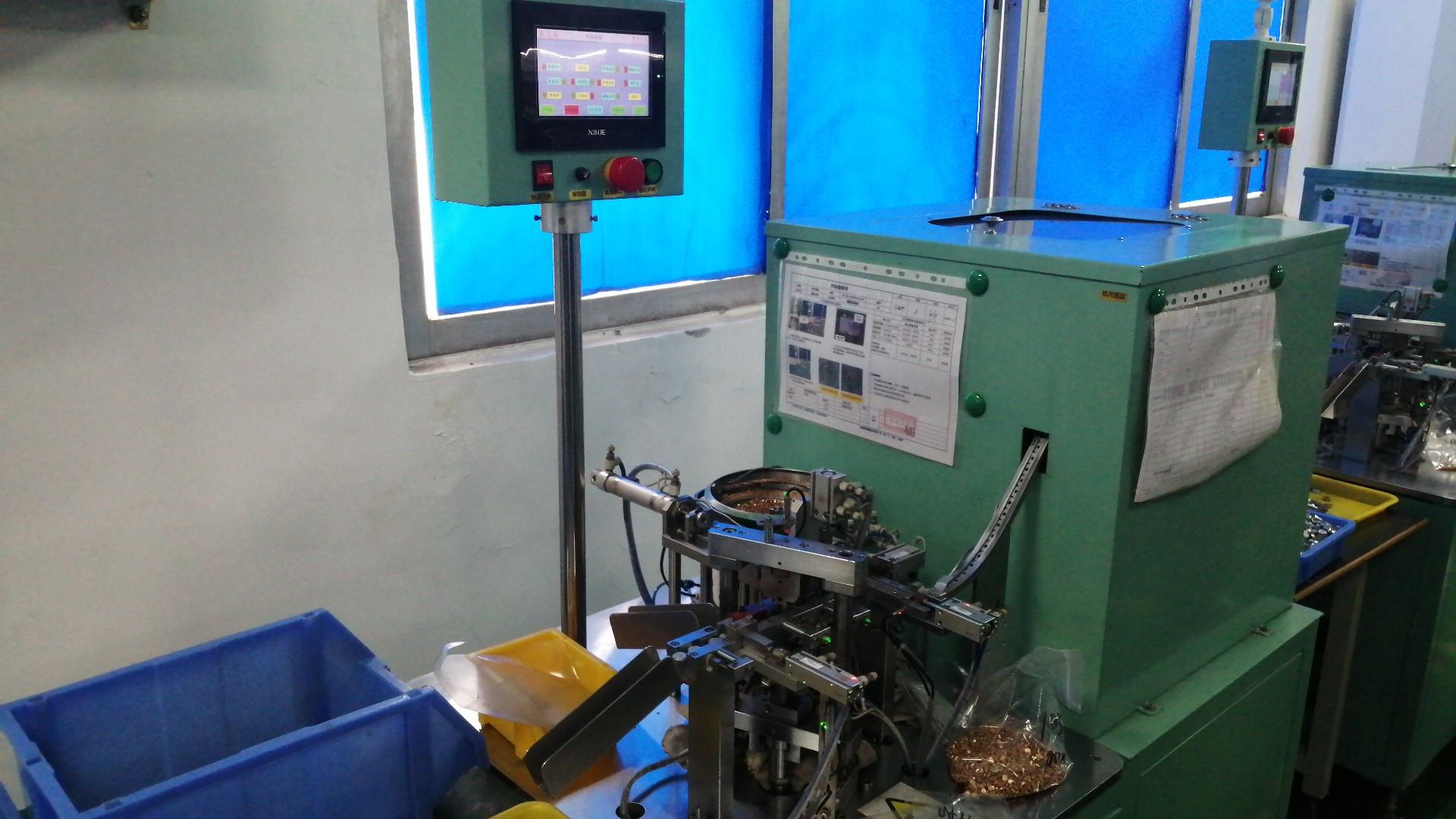
Automated Bearing Press
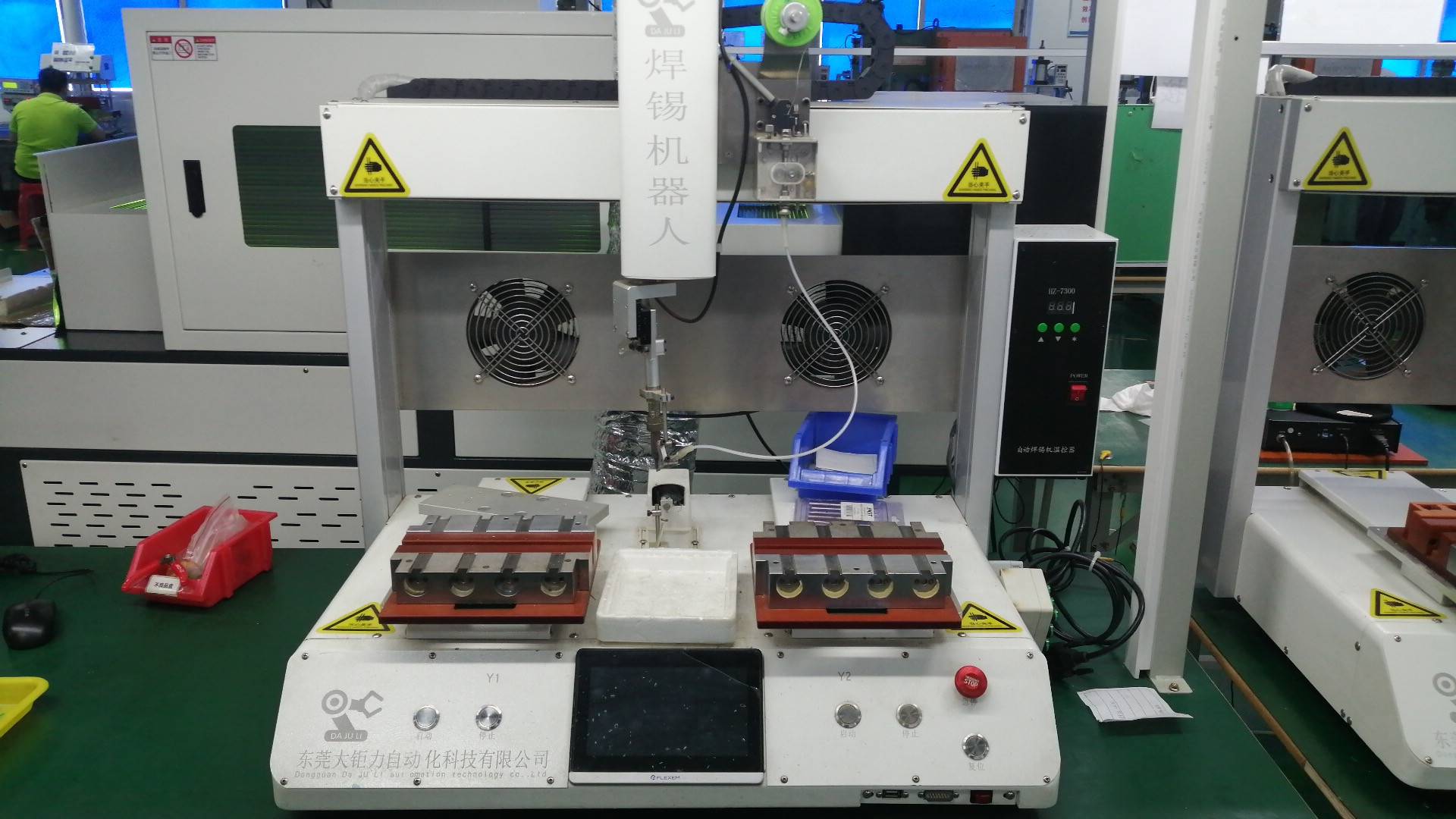
Robotic Soldering Unit
Shaft Precision Cutting
Ultrasonic Core Cleaning
Dimensional Stage 1 Check
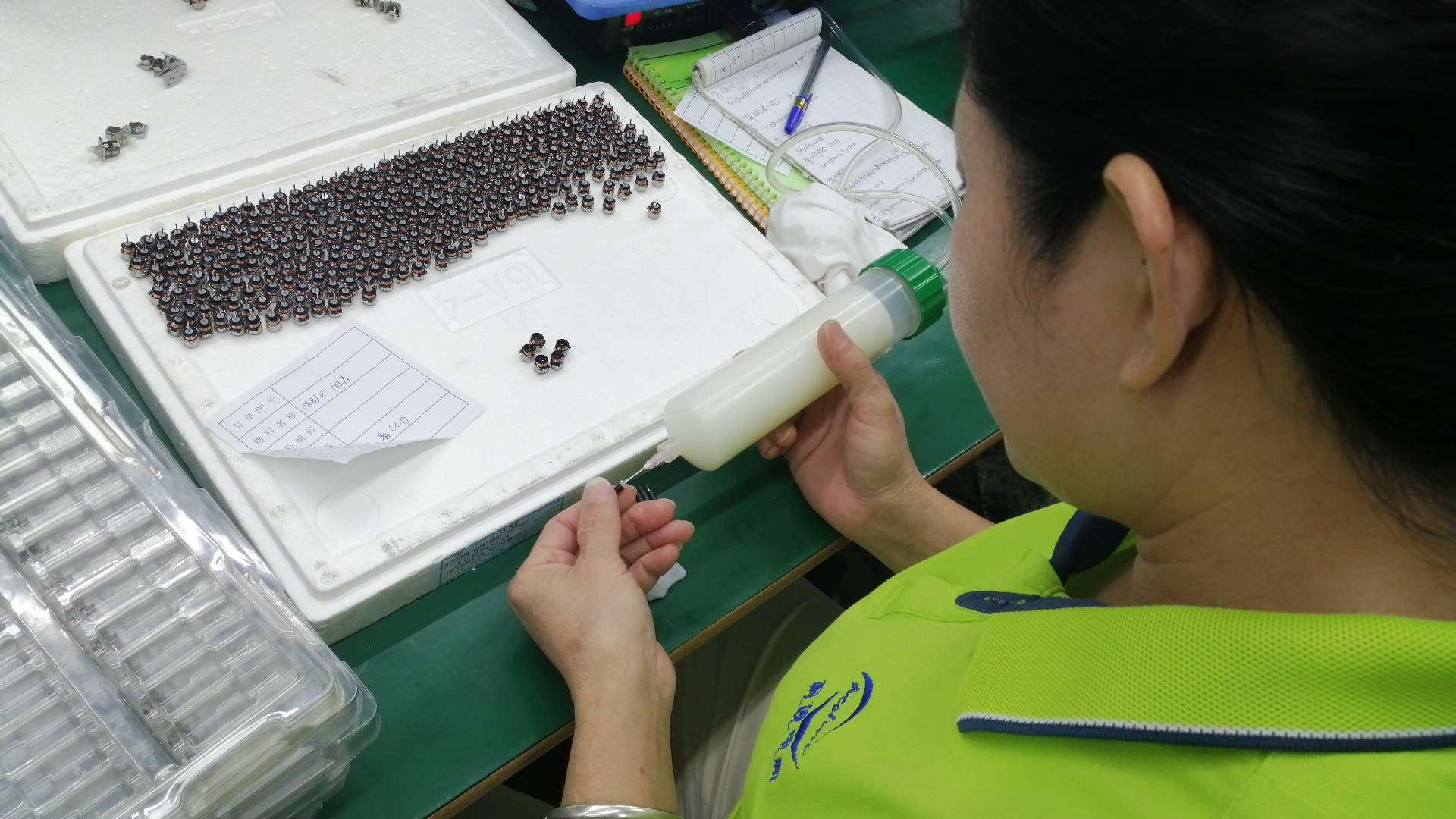
High-Temperature Gluing
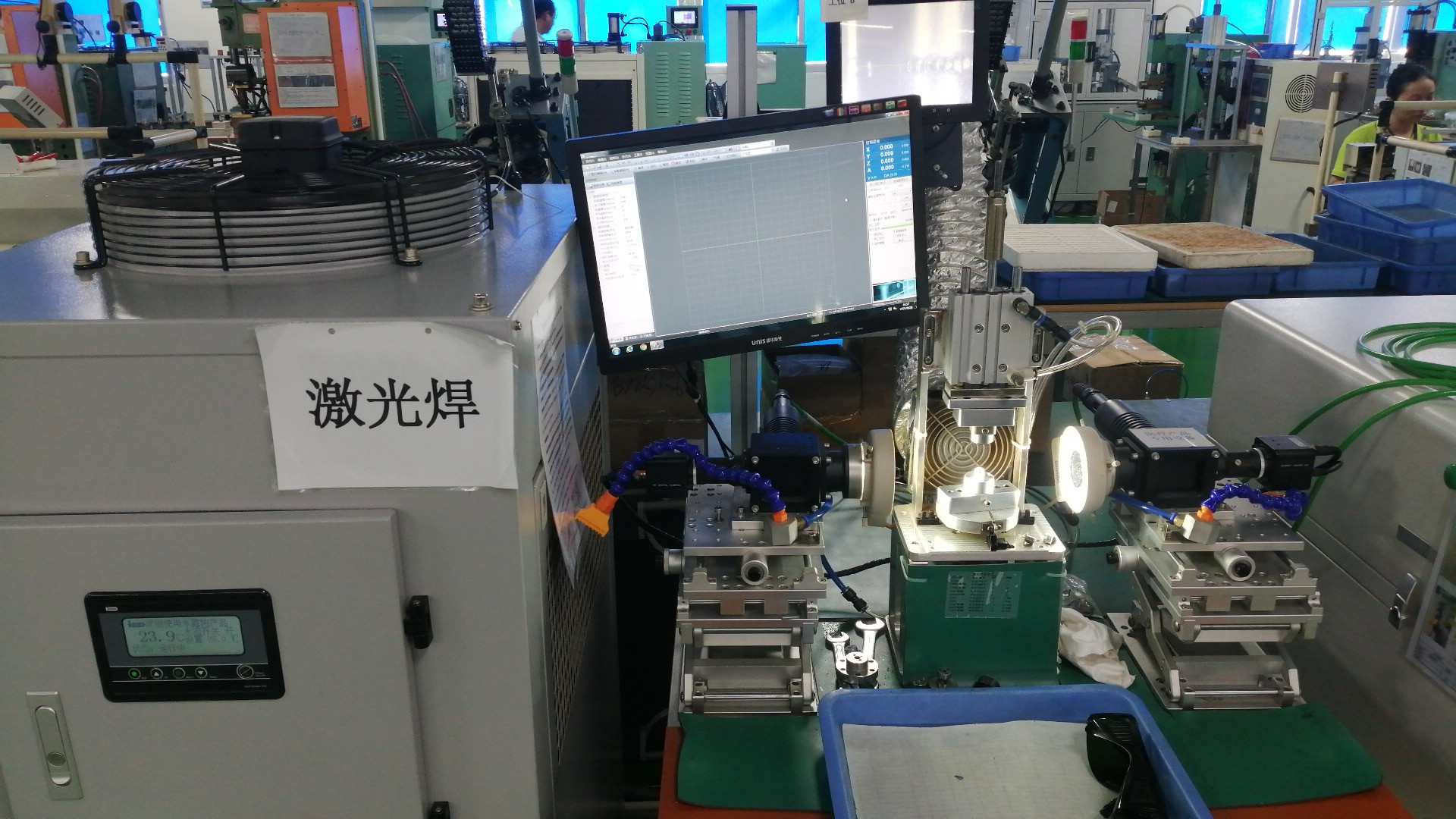
Precision Laser Spotwelder
Dynamic Inspection Stage 2
Acoustic Testing
Export Packaging Line
Finished Goods Warehouse
Multi-Axis Assembly Center
Coil CNC Winder
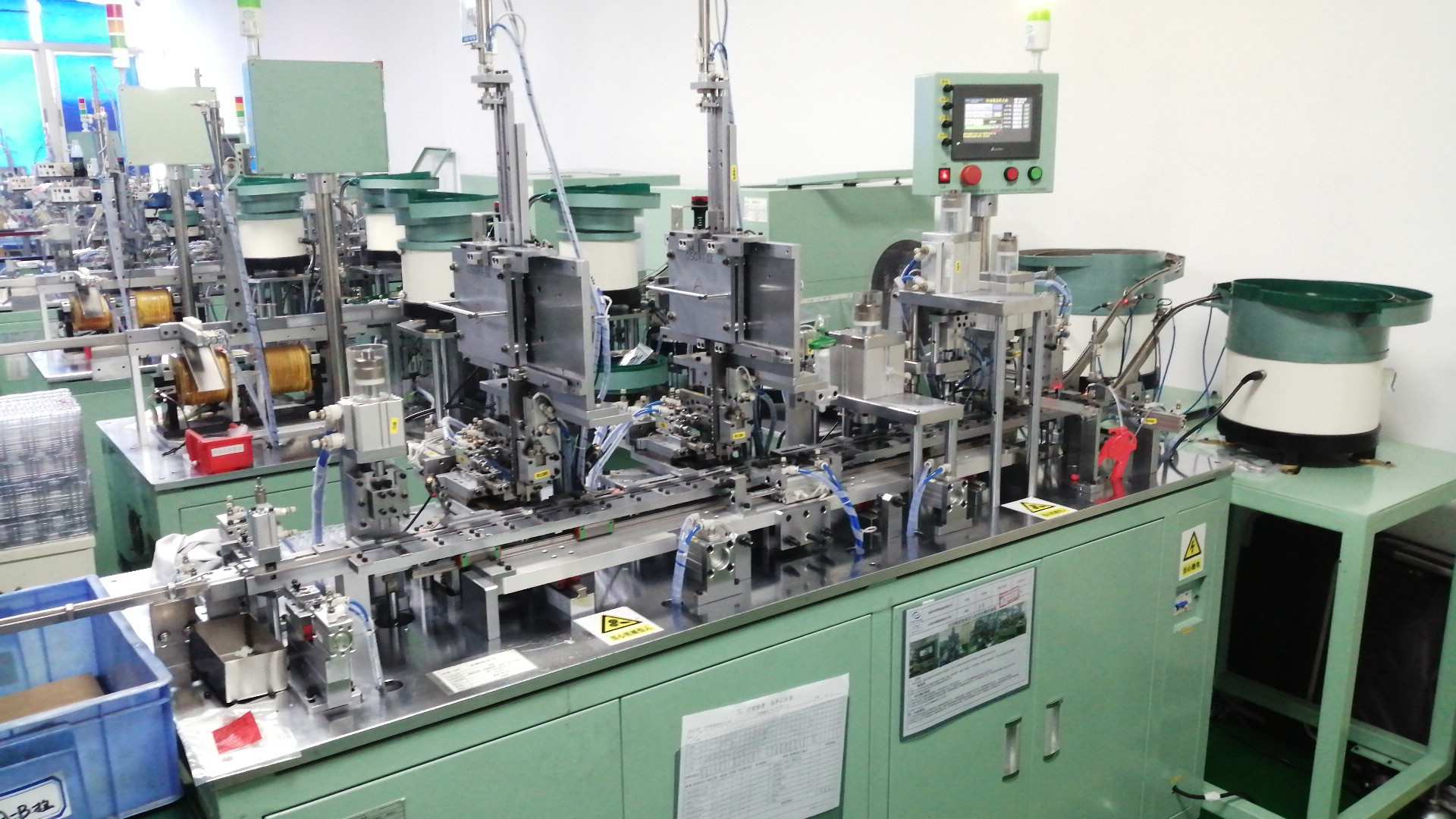
Automated Soldering Line
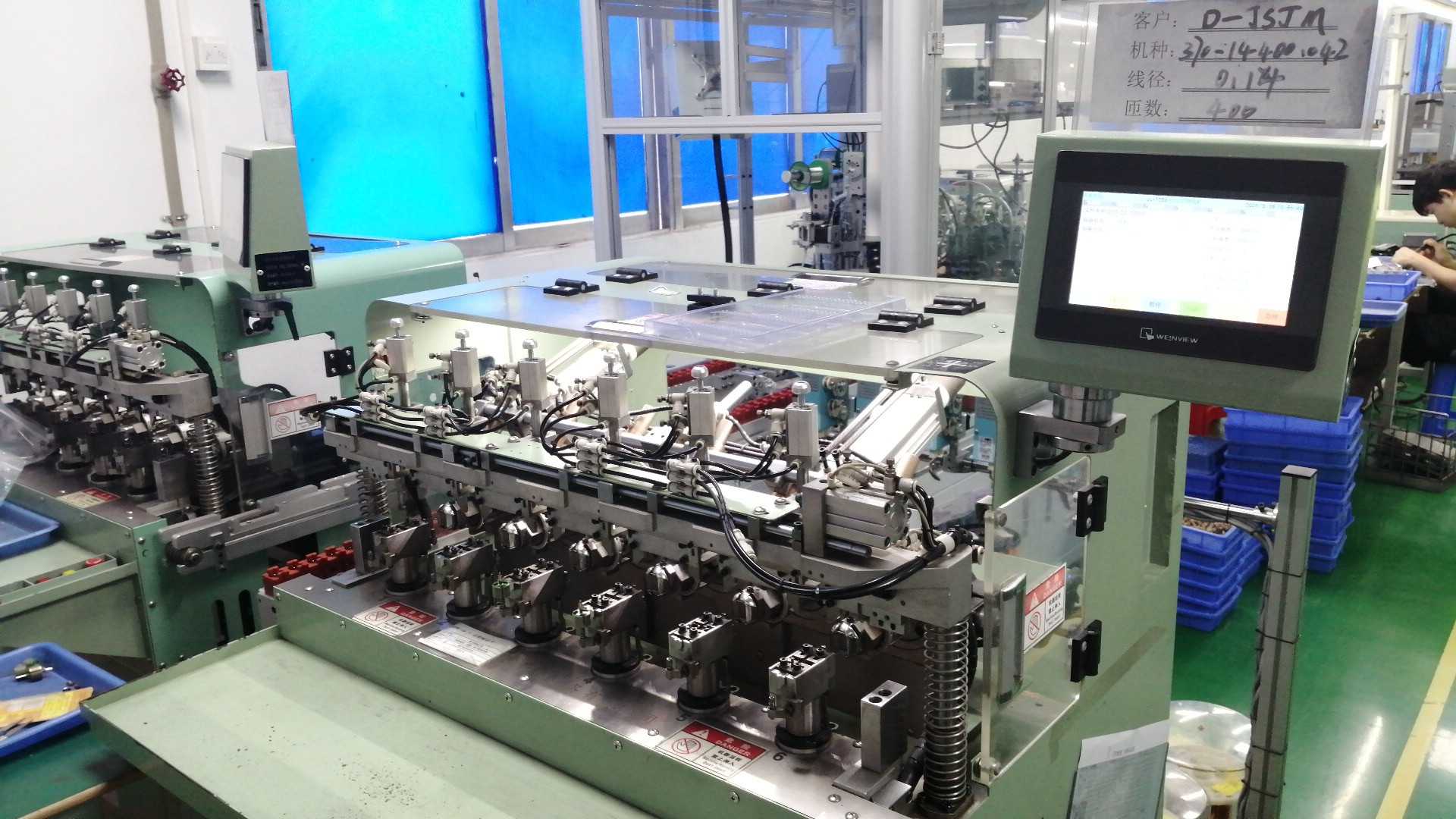
Fully Automated Line
Product Traceability Laser
Precision Hydraulic Press
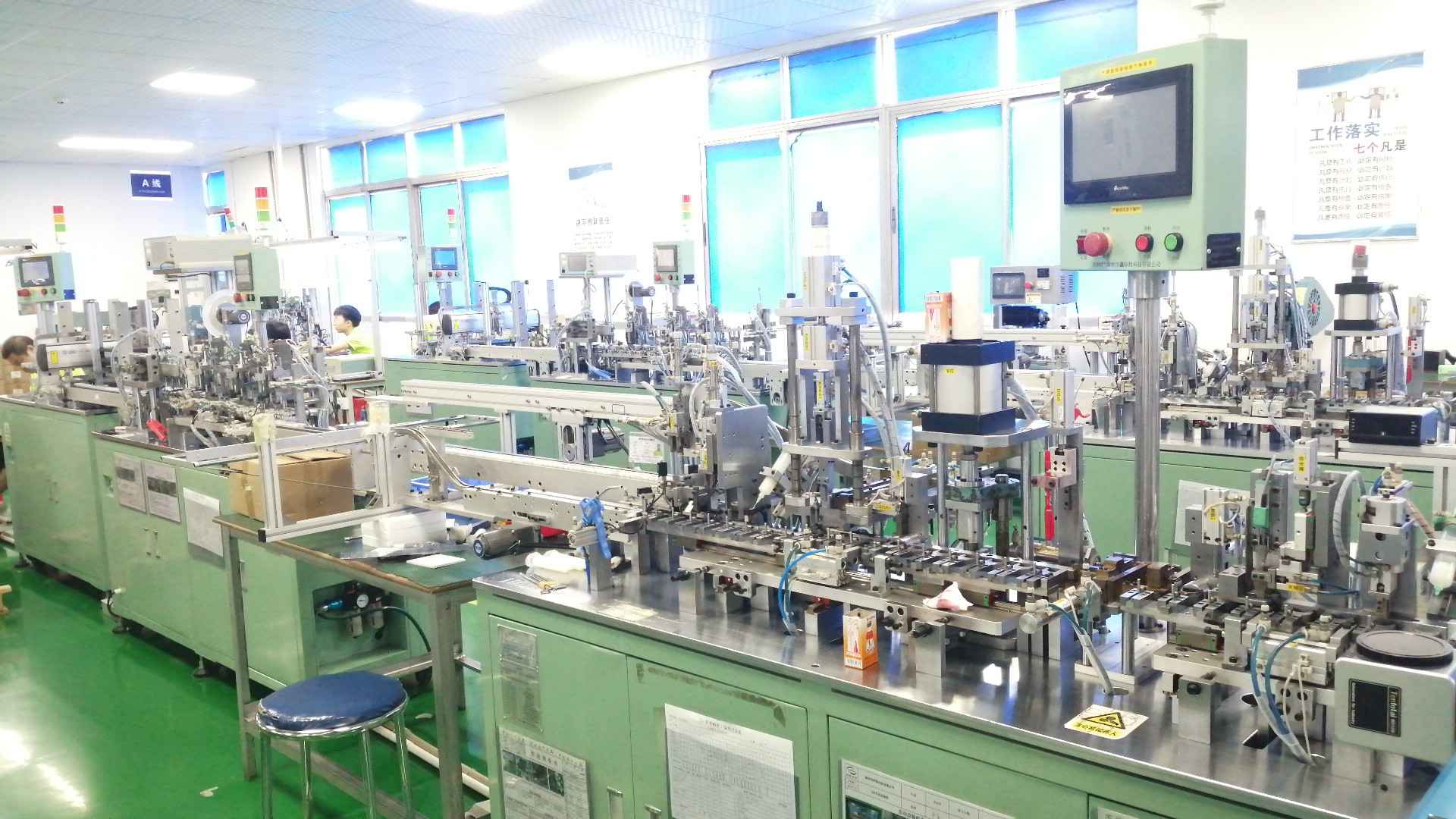
Terminal Spot Welder
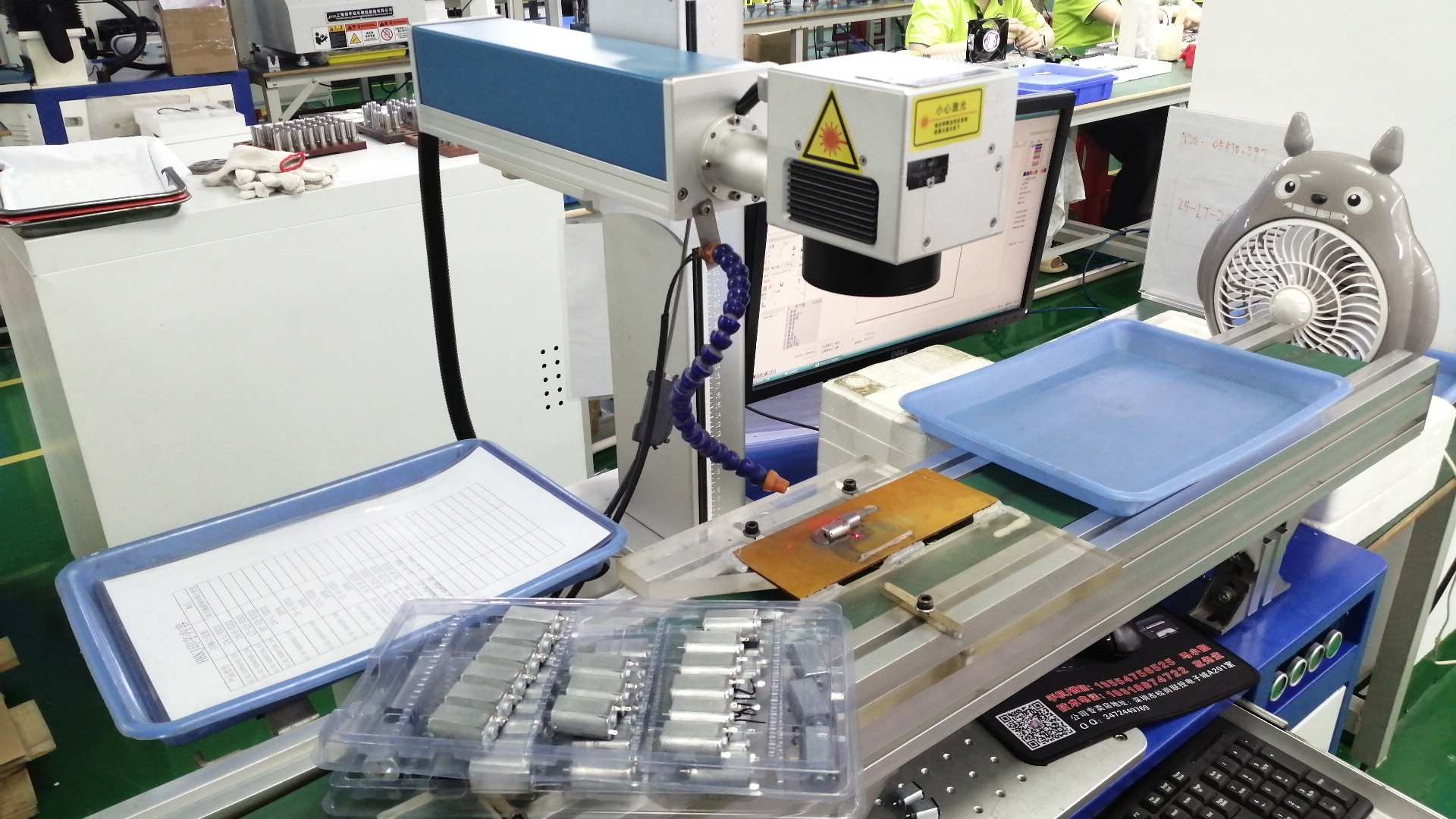
High-Density Coil Winder
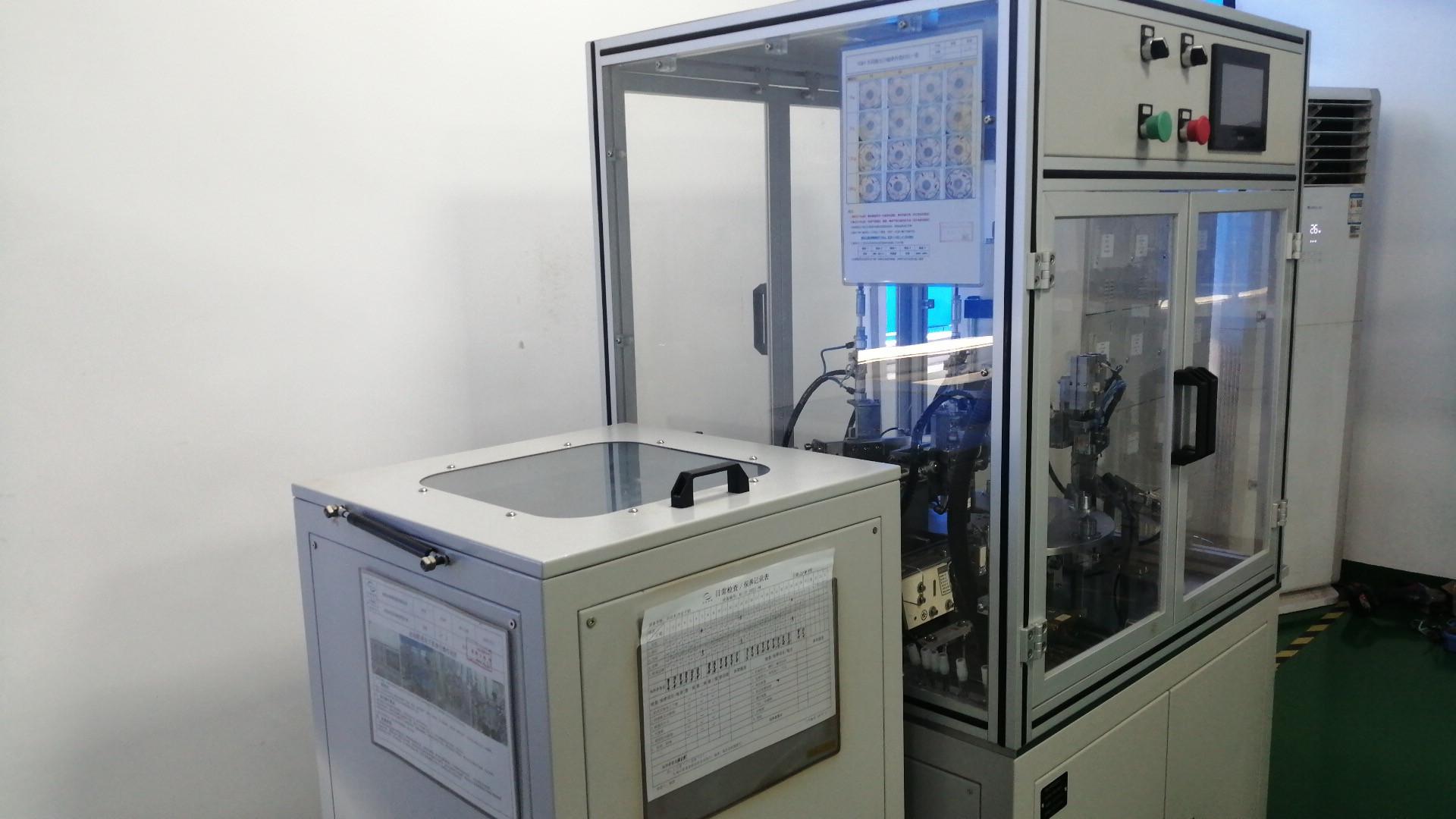
Terminal Pin Inserter
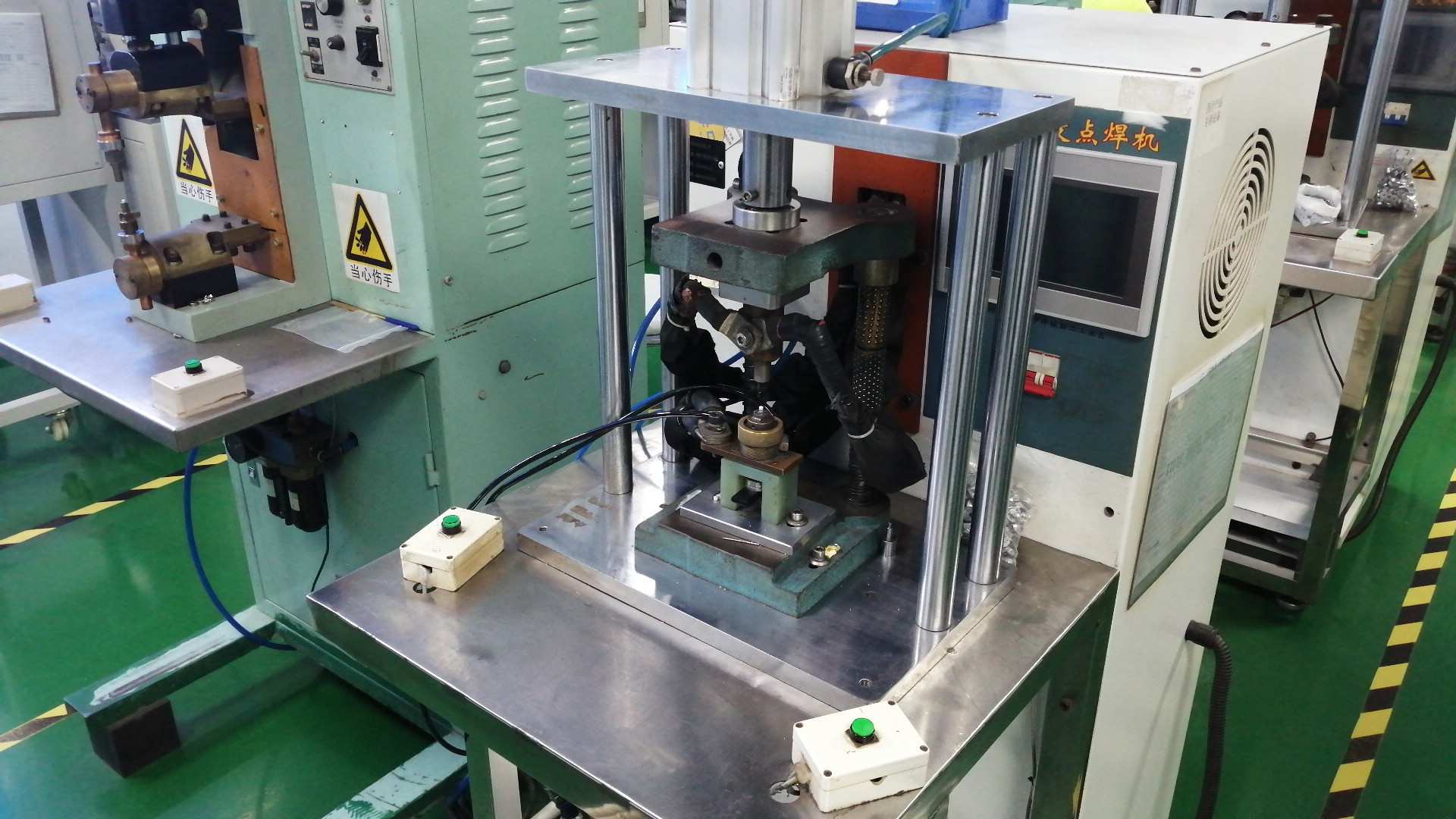
Robotic Laser Welding
Automated PCB Solderer
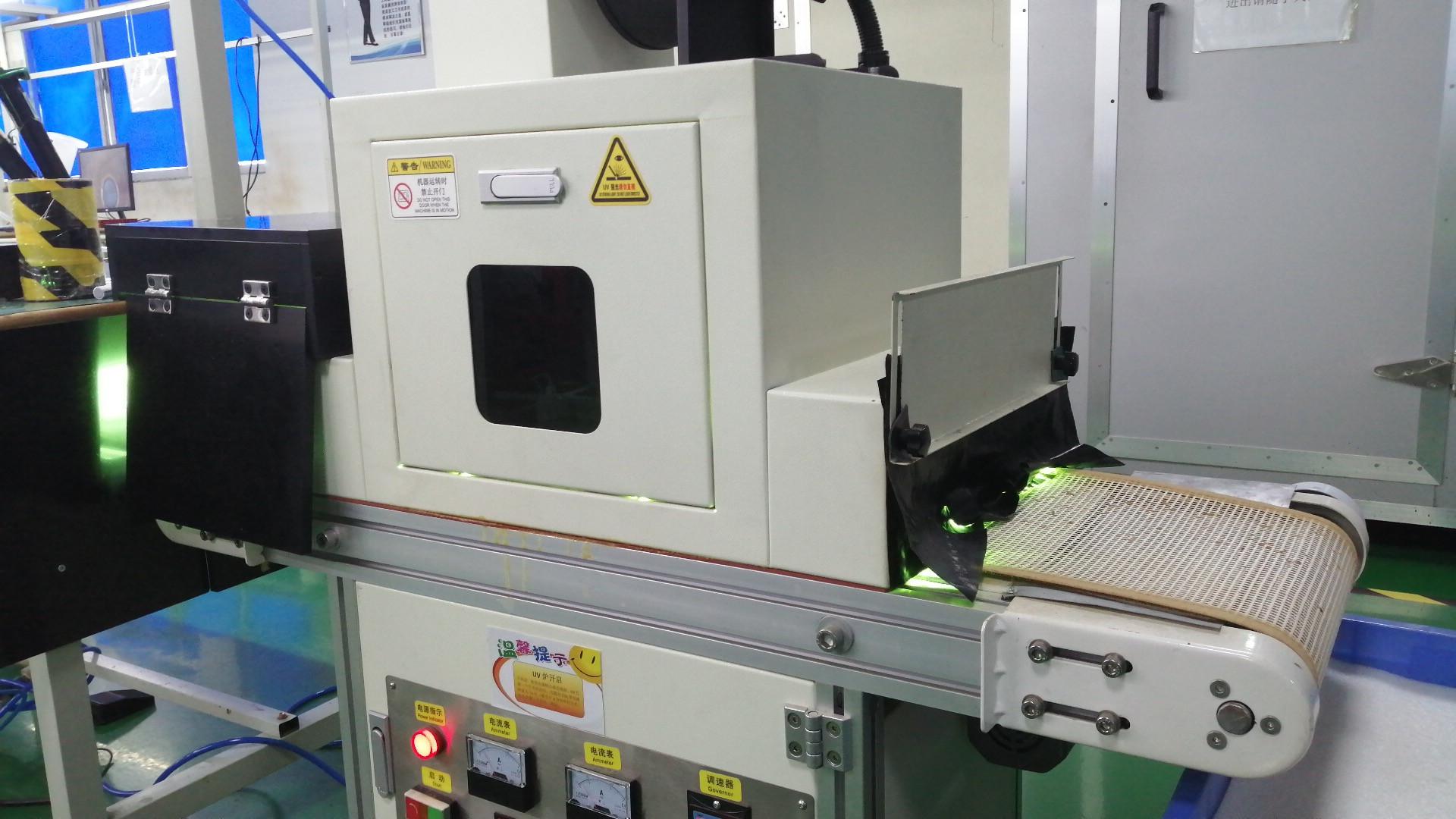
Low-Temp Curing Oven
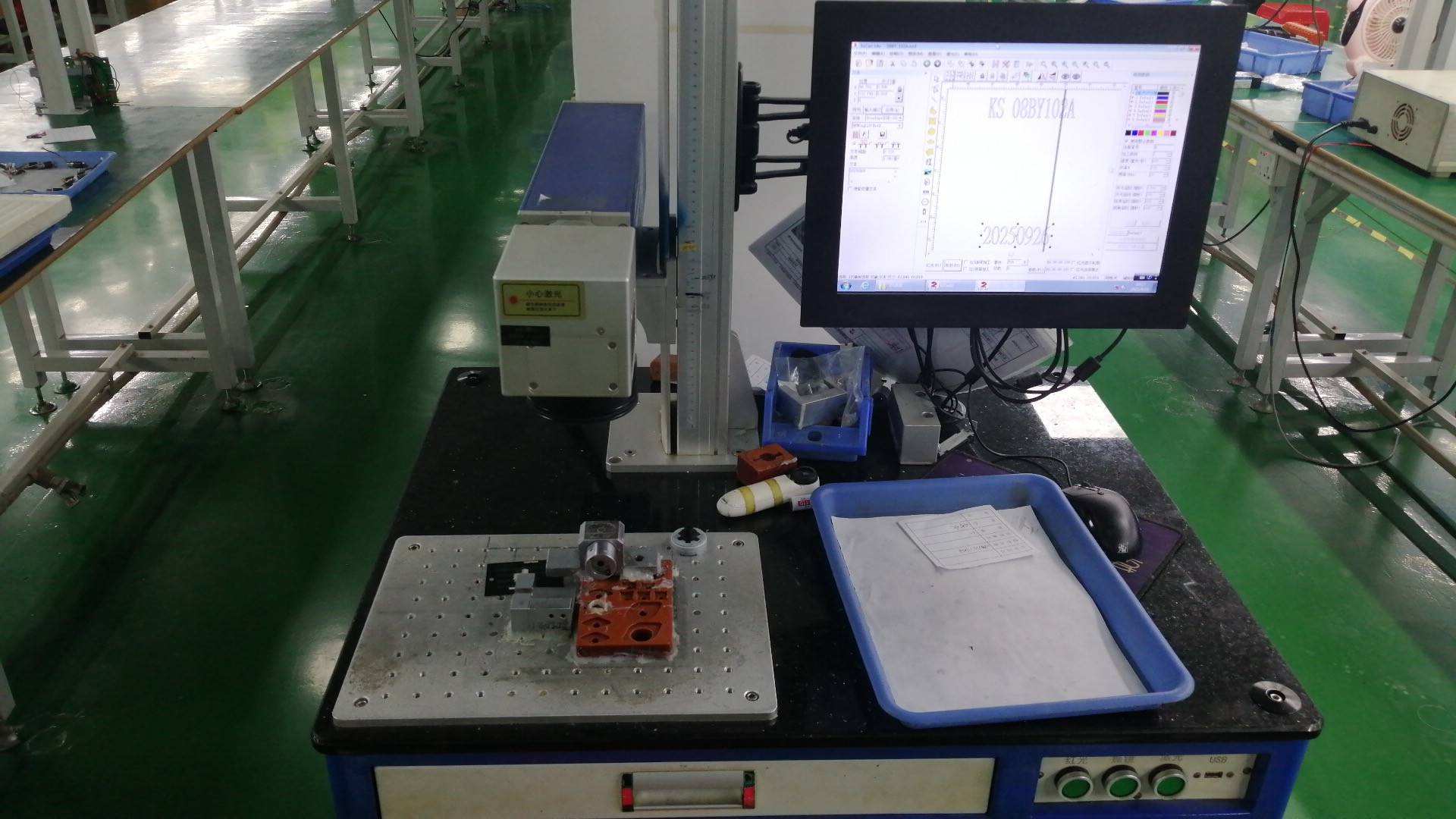
Laser Brand Engraving
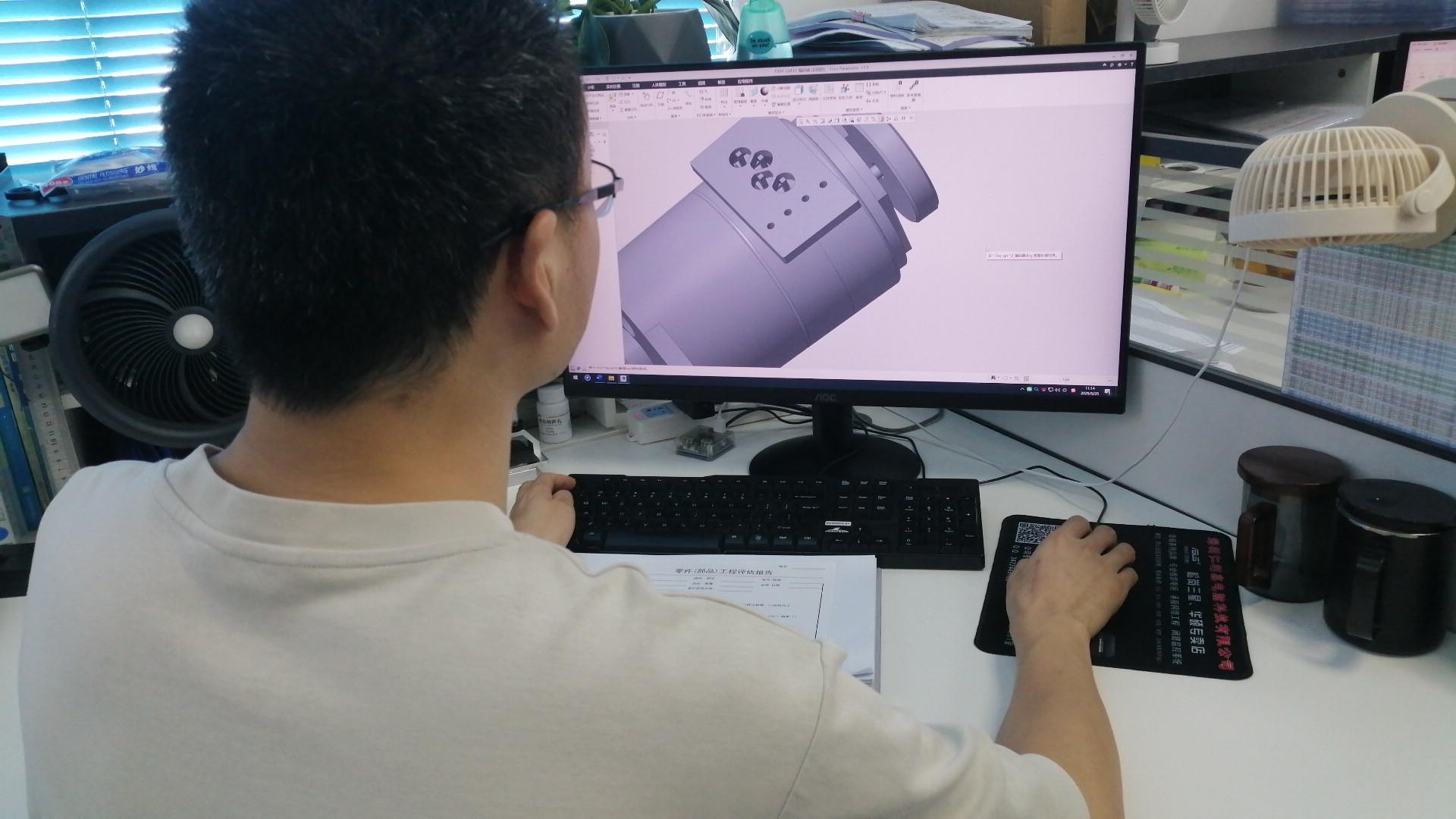
R&D and Motor Design
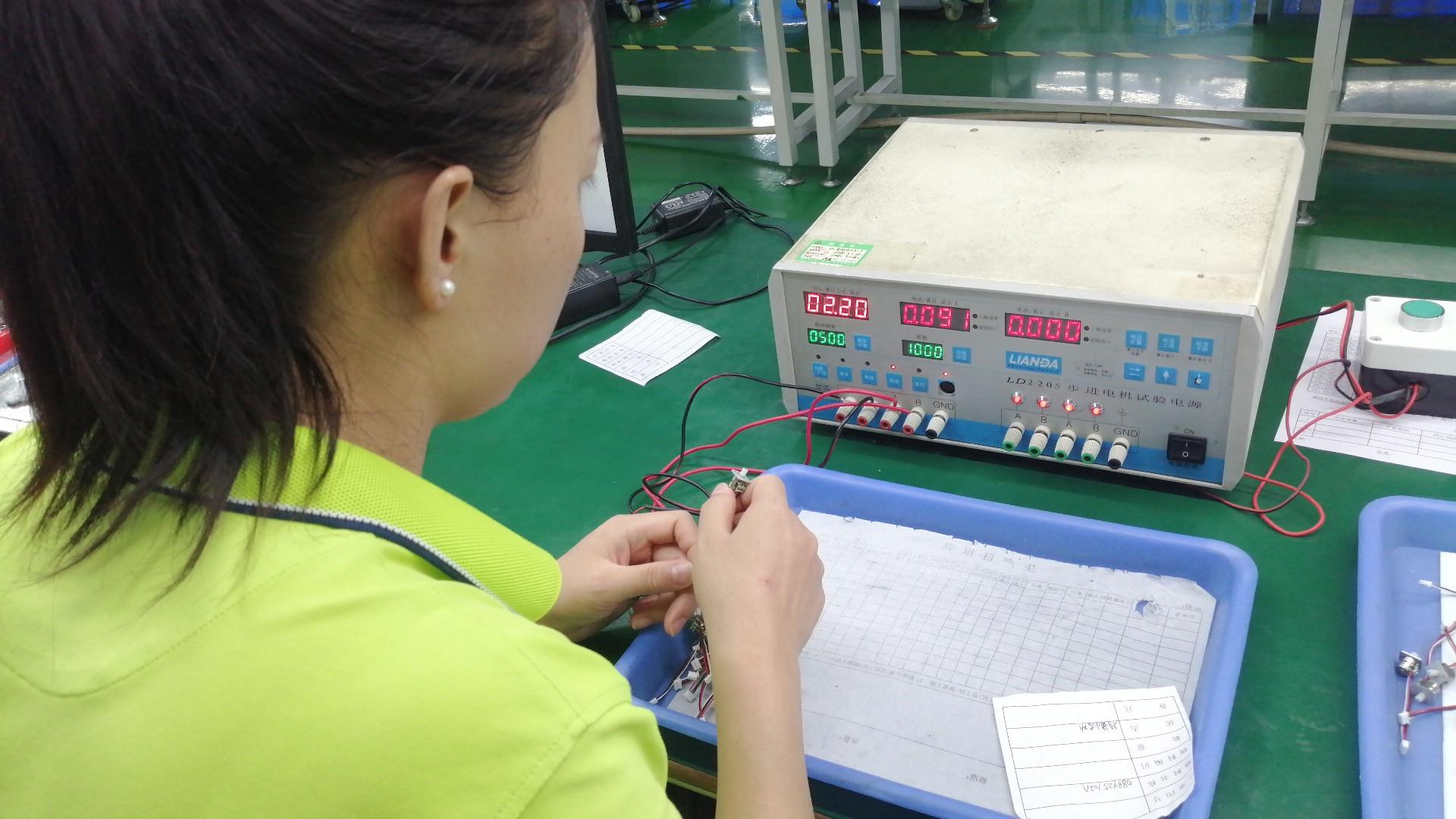
Equipped with imported laboratory testing instruments to verify tolerances, environmental ratings, and compliance.
Optical Inspection Center
Digital Metrology
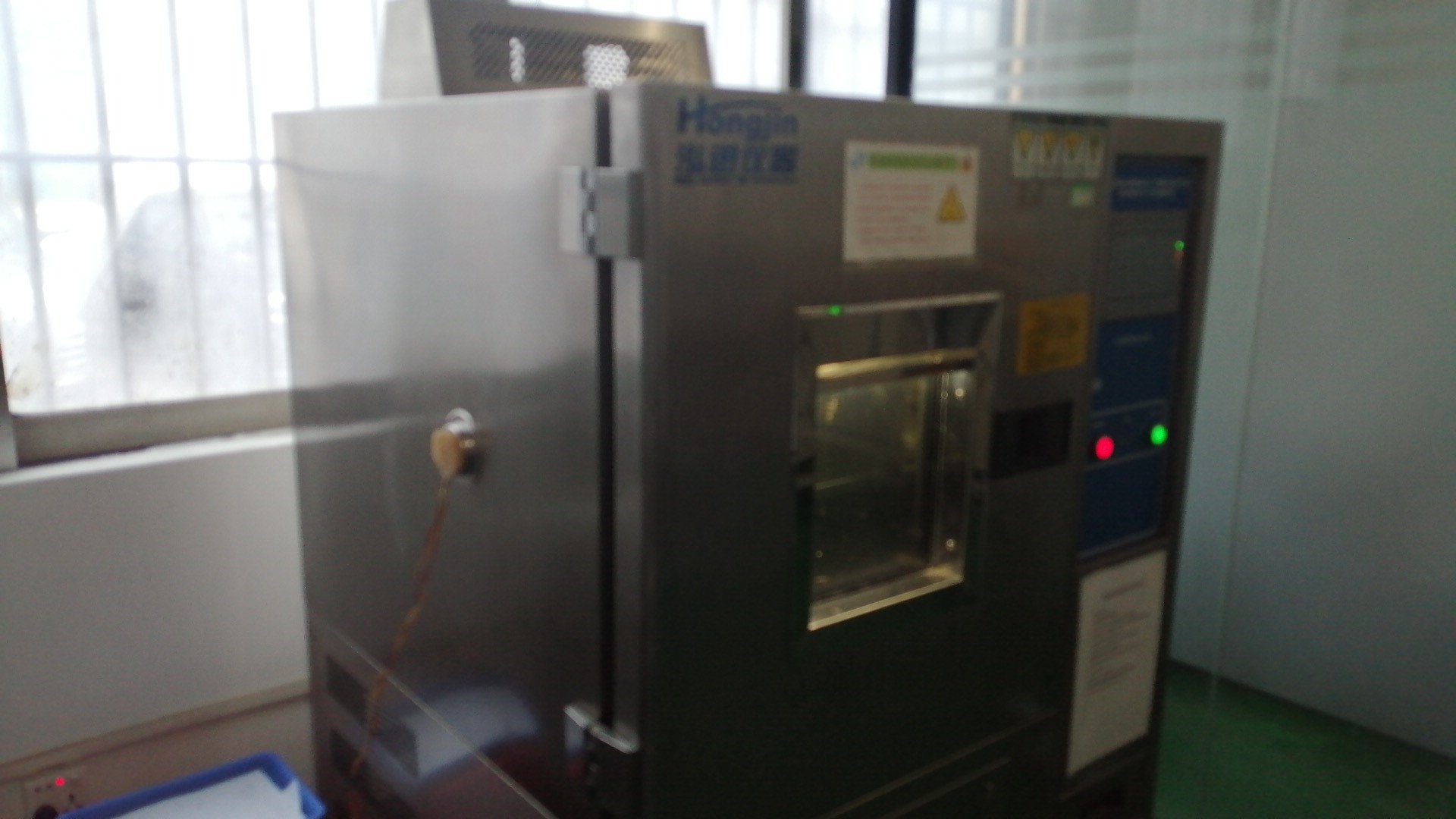
Environmental Chamber
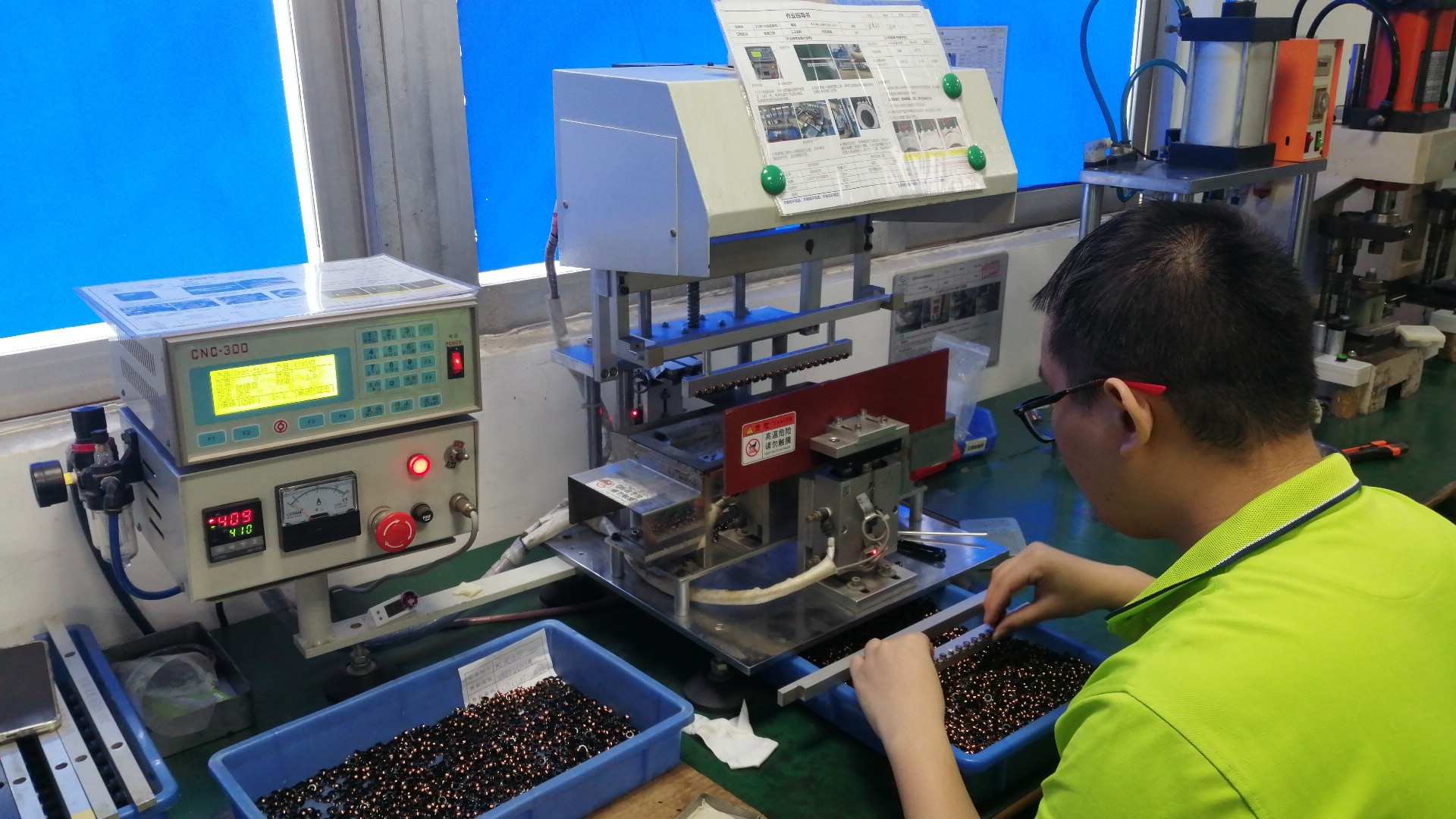
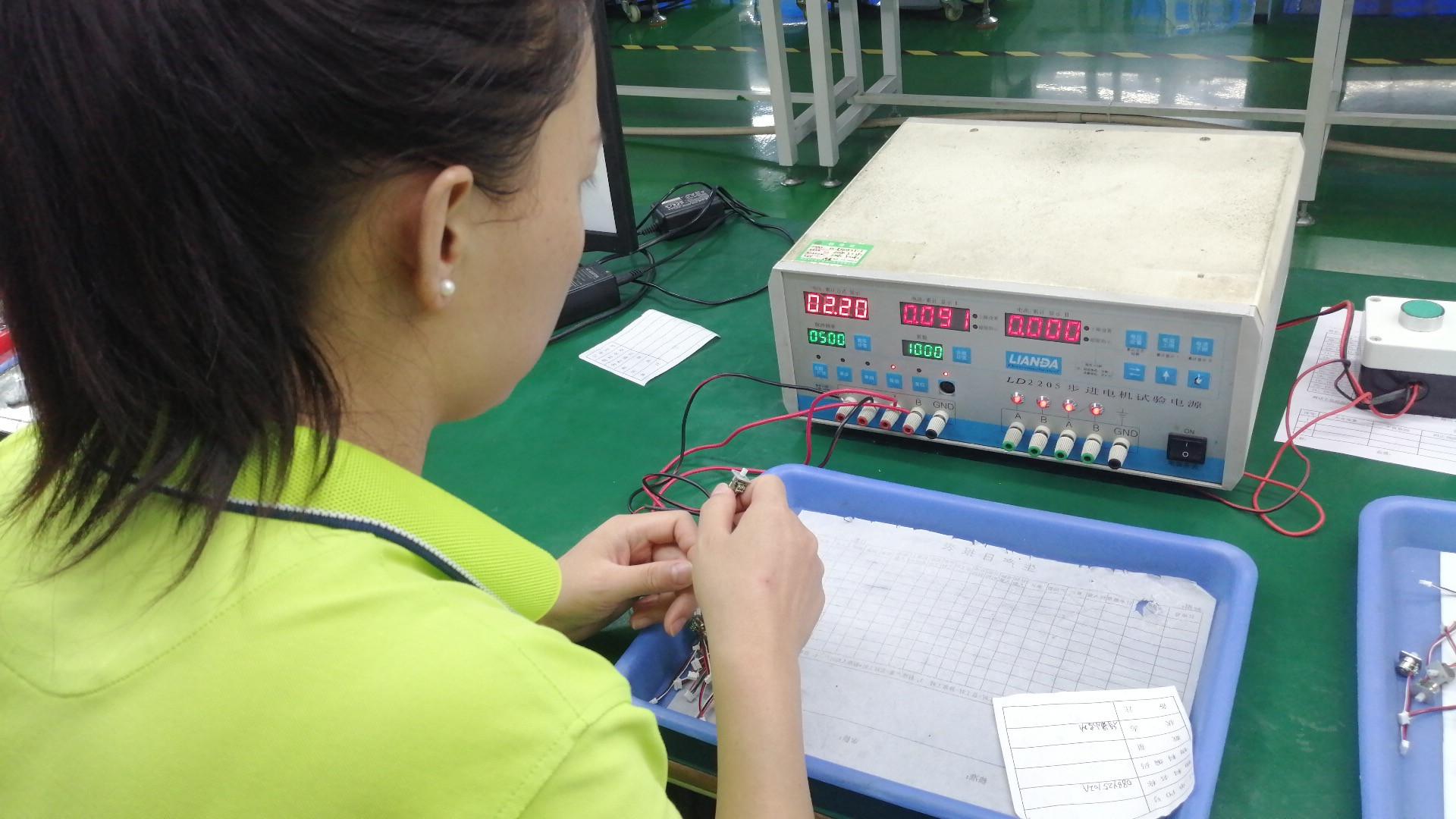
Dielectric Voltage Tester
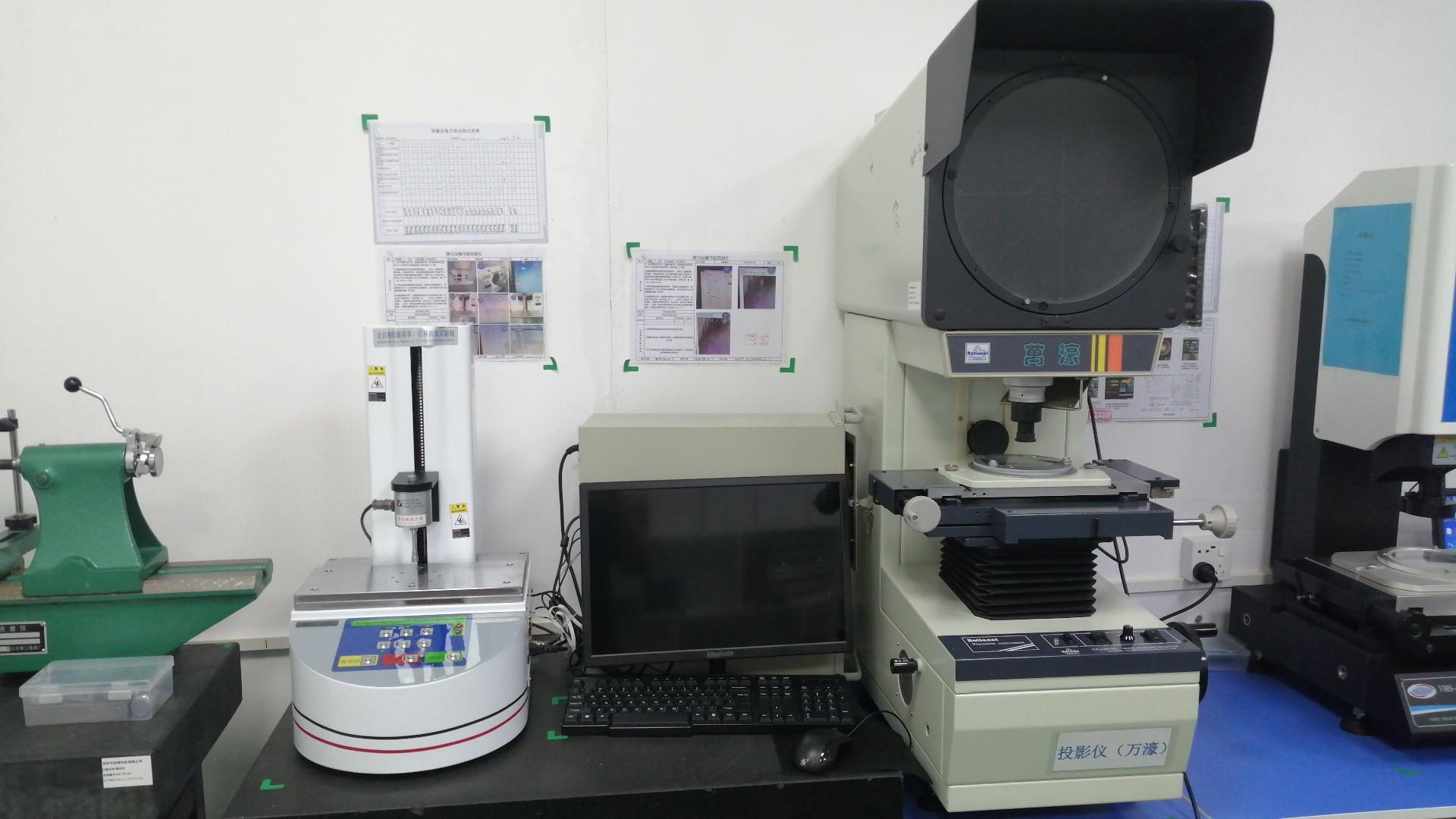
Optical Profile Projector
2D Image Projector
Mitutoyo Roundness Tester
Mitutoyo Roughness Meter
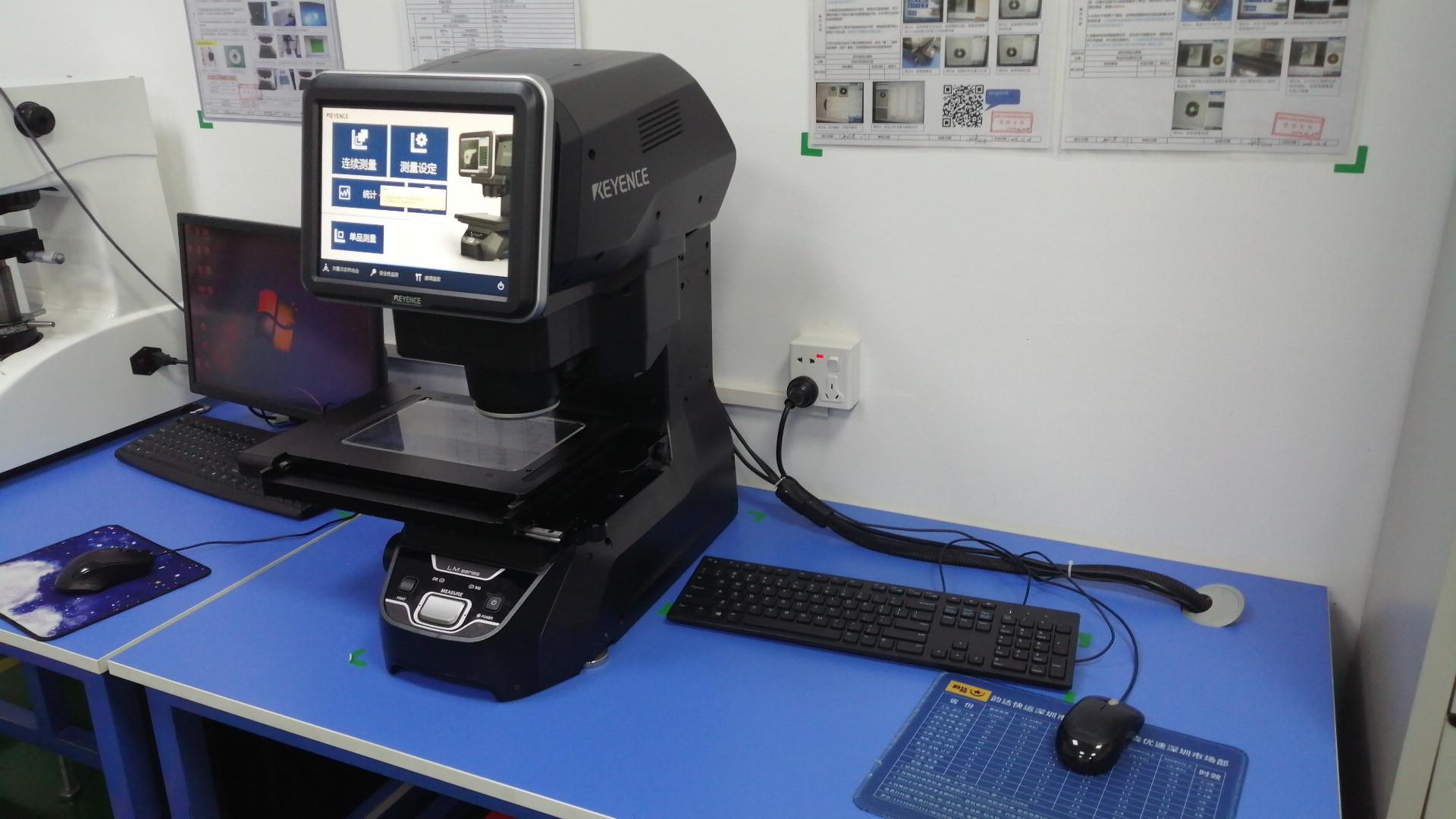
Keyence Laser Caliper
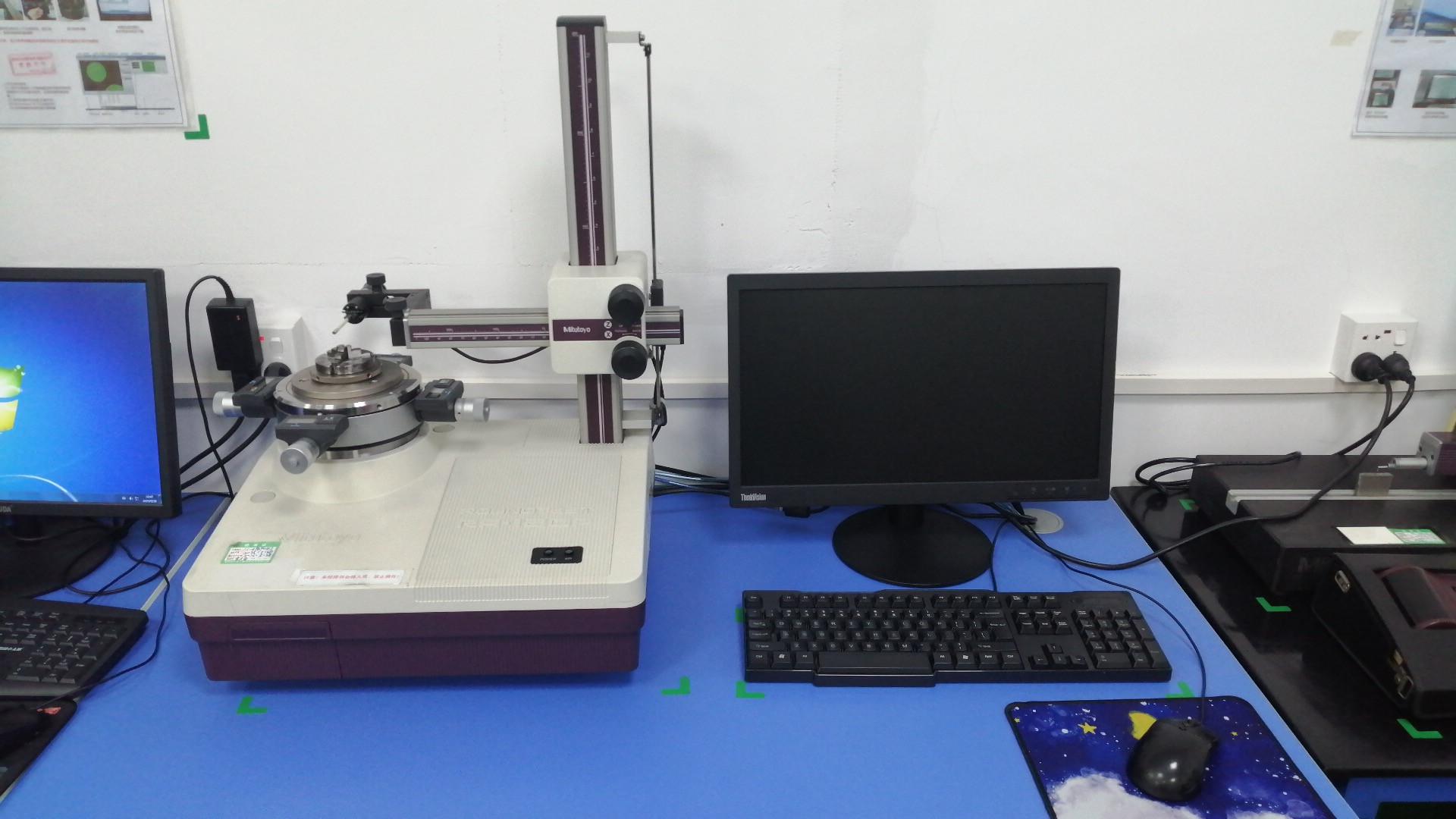
Vickers Hardness Tester
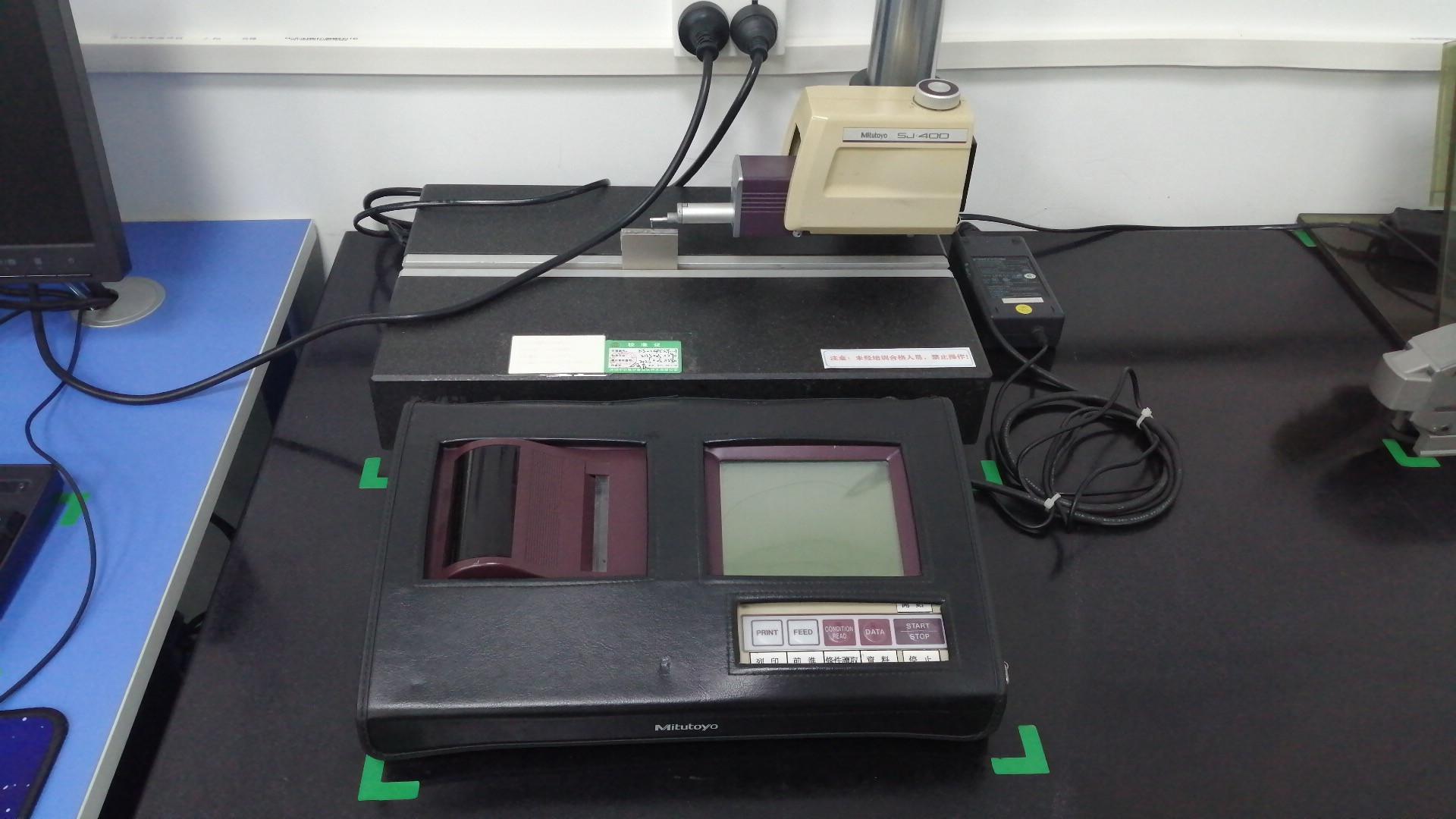
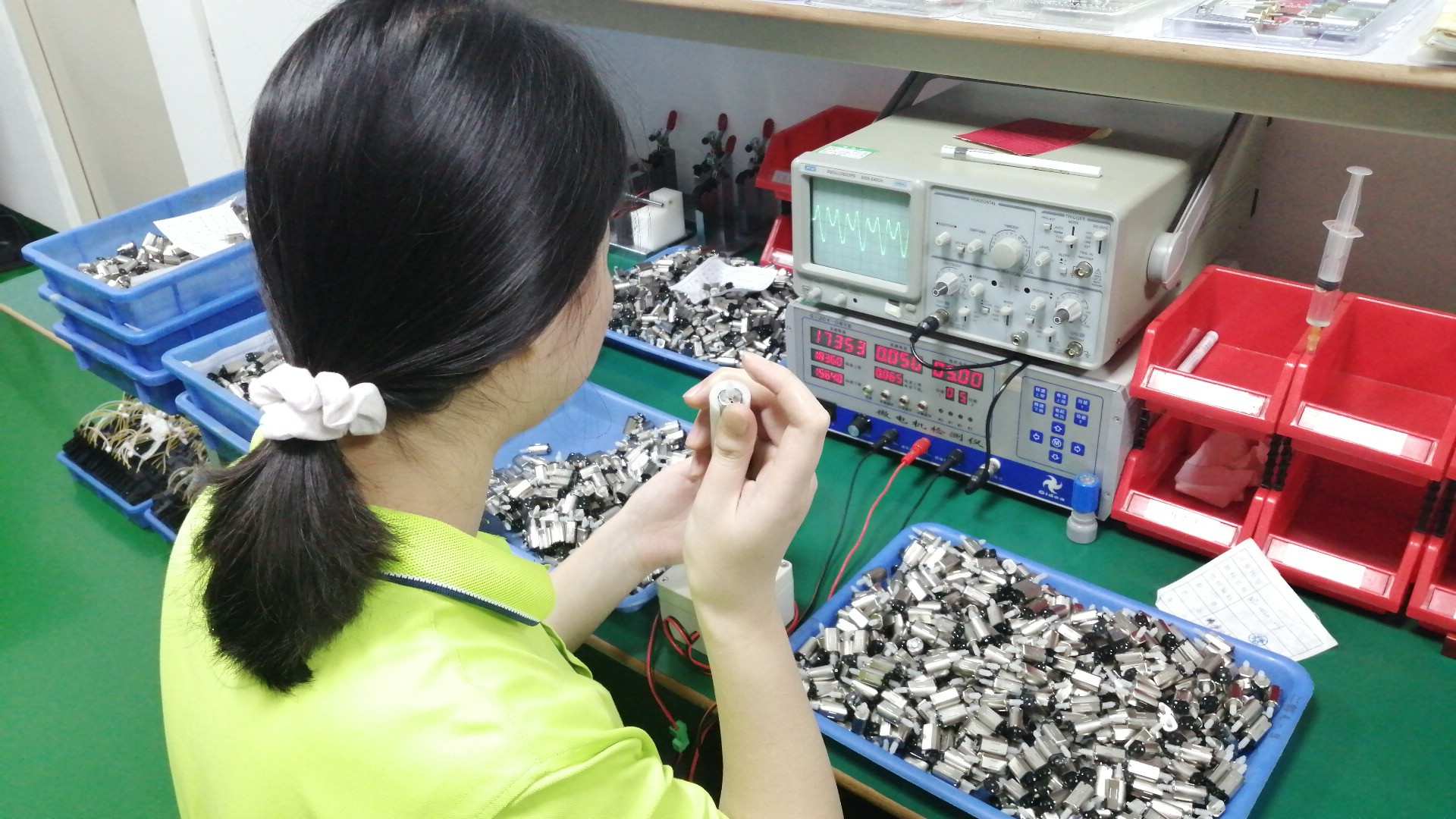
Signal Oscilloscope
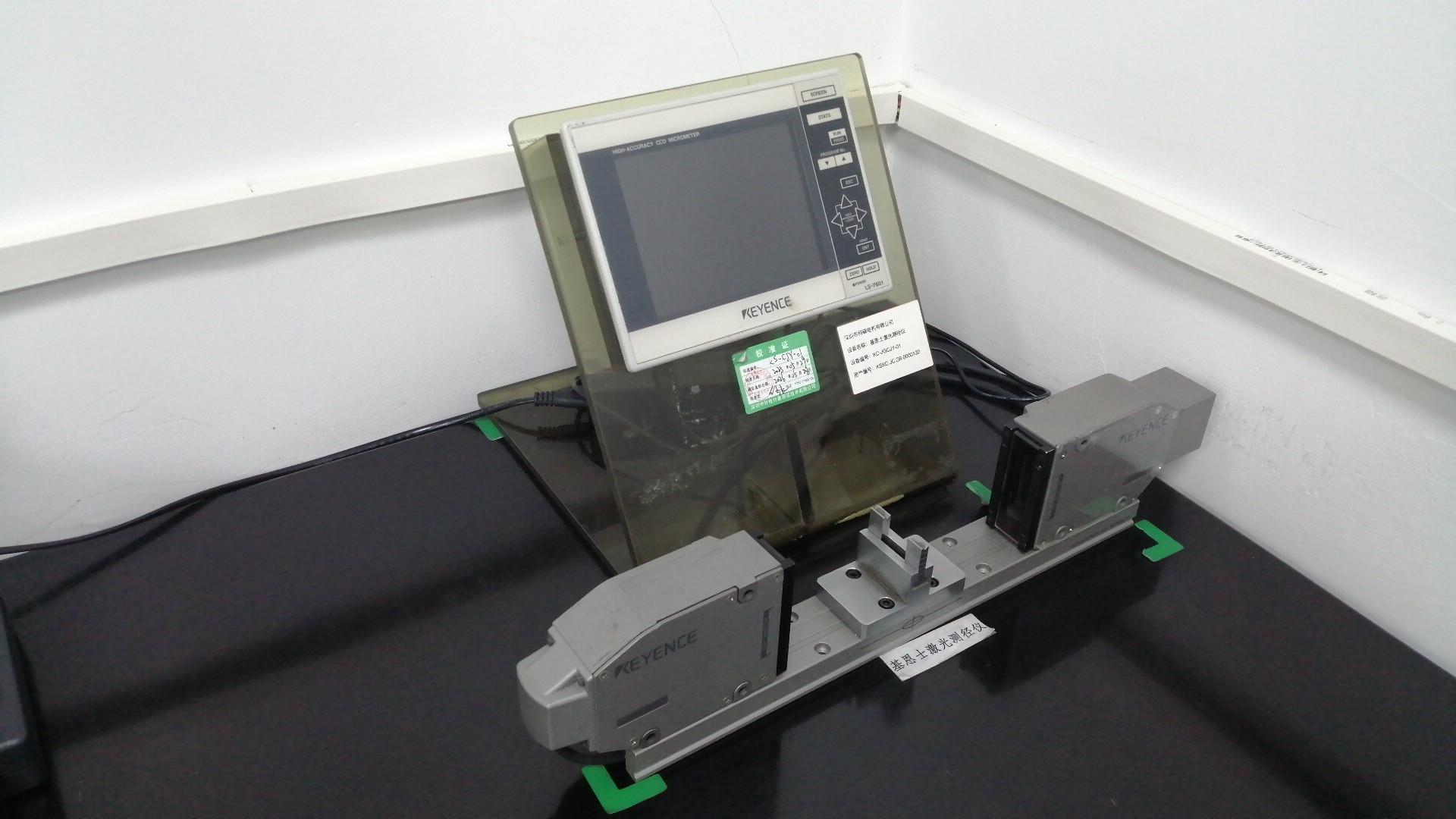
Stator Dynamic Tester
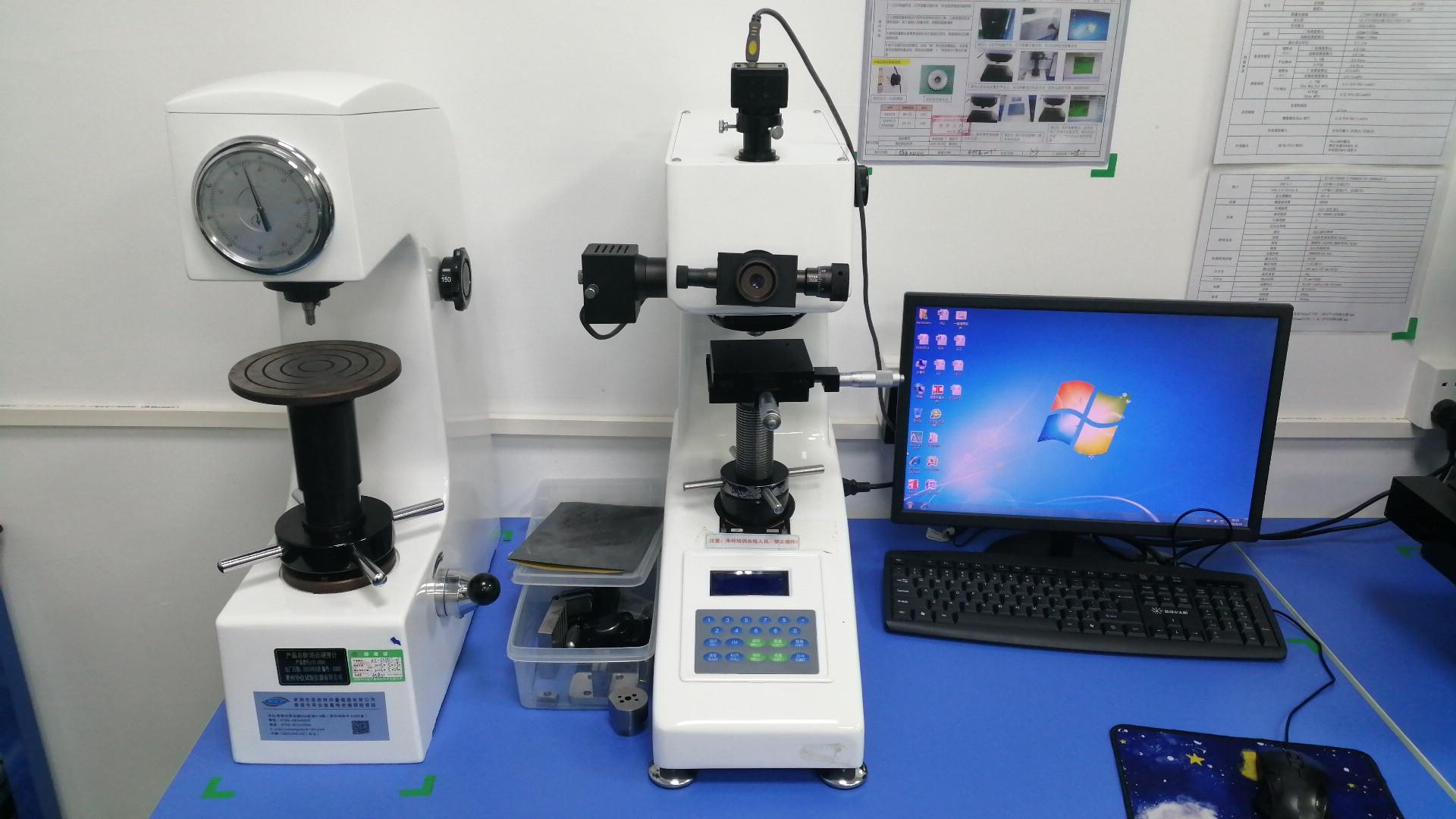
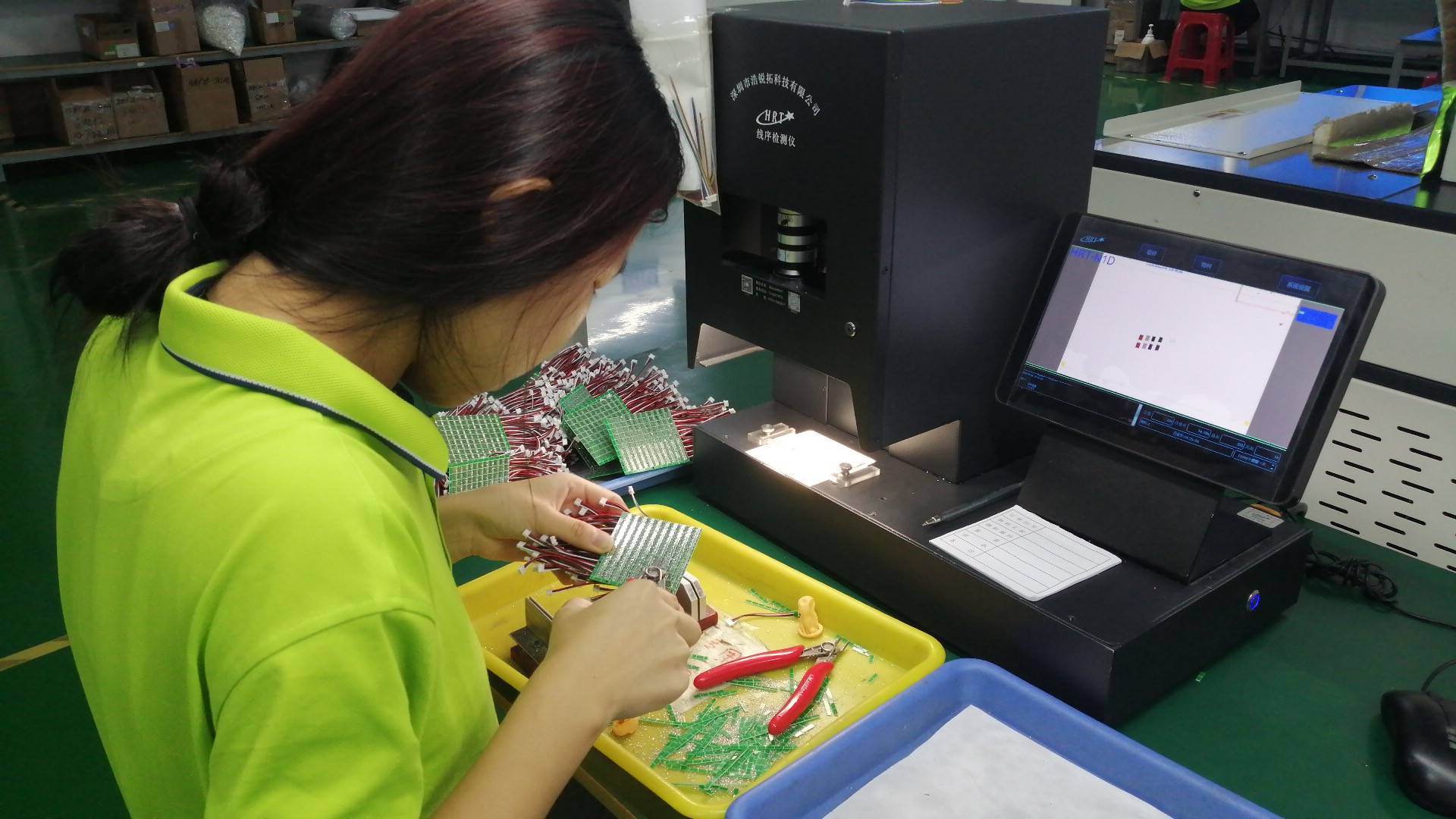
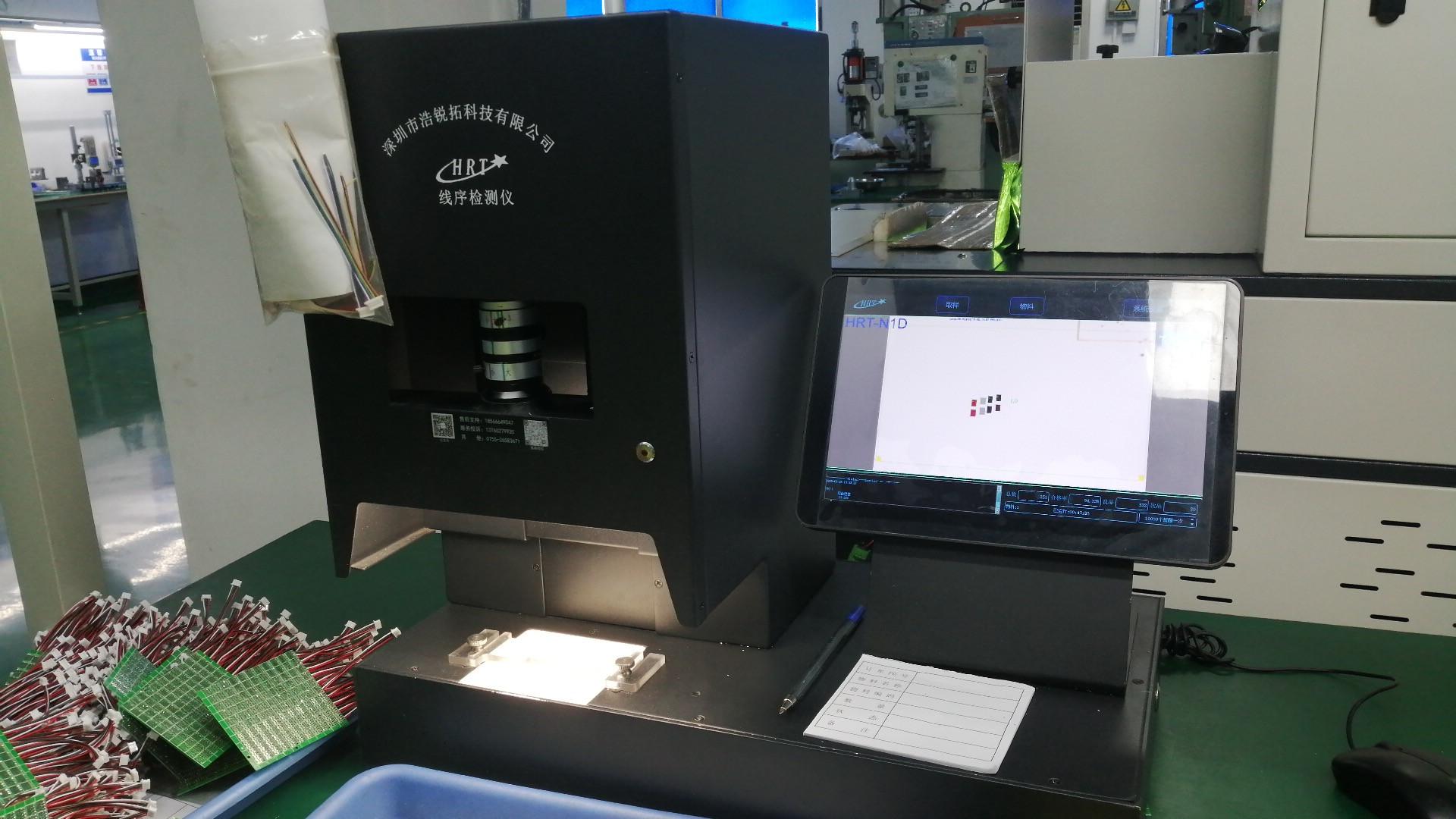
Line Sequence Detector
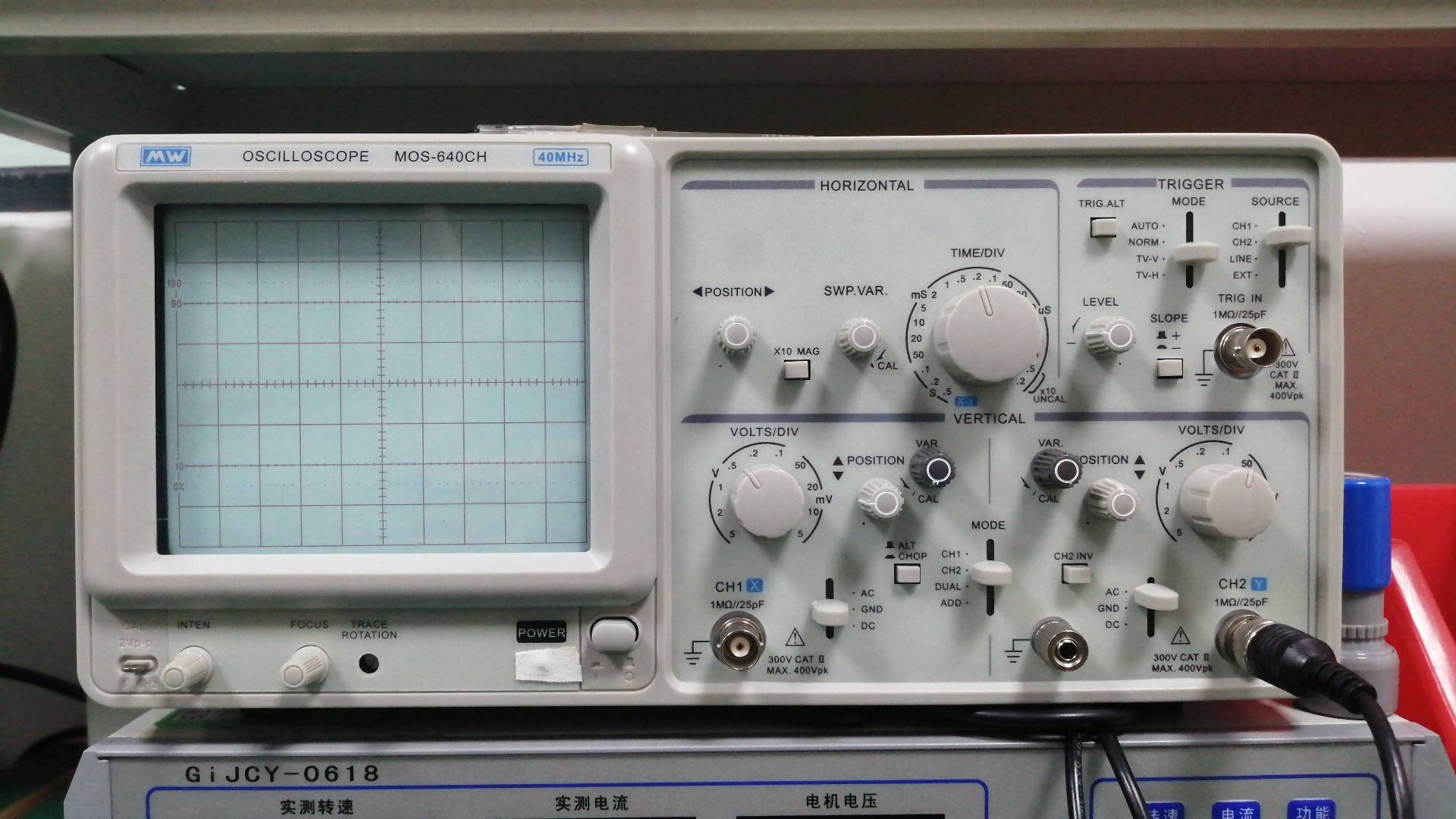
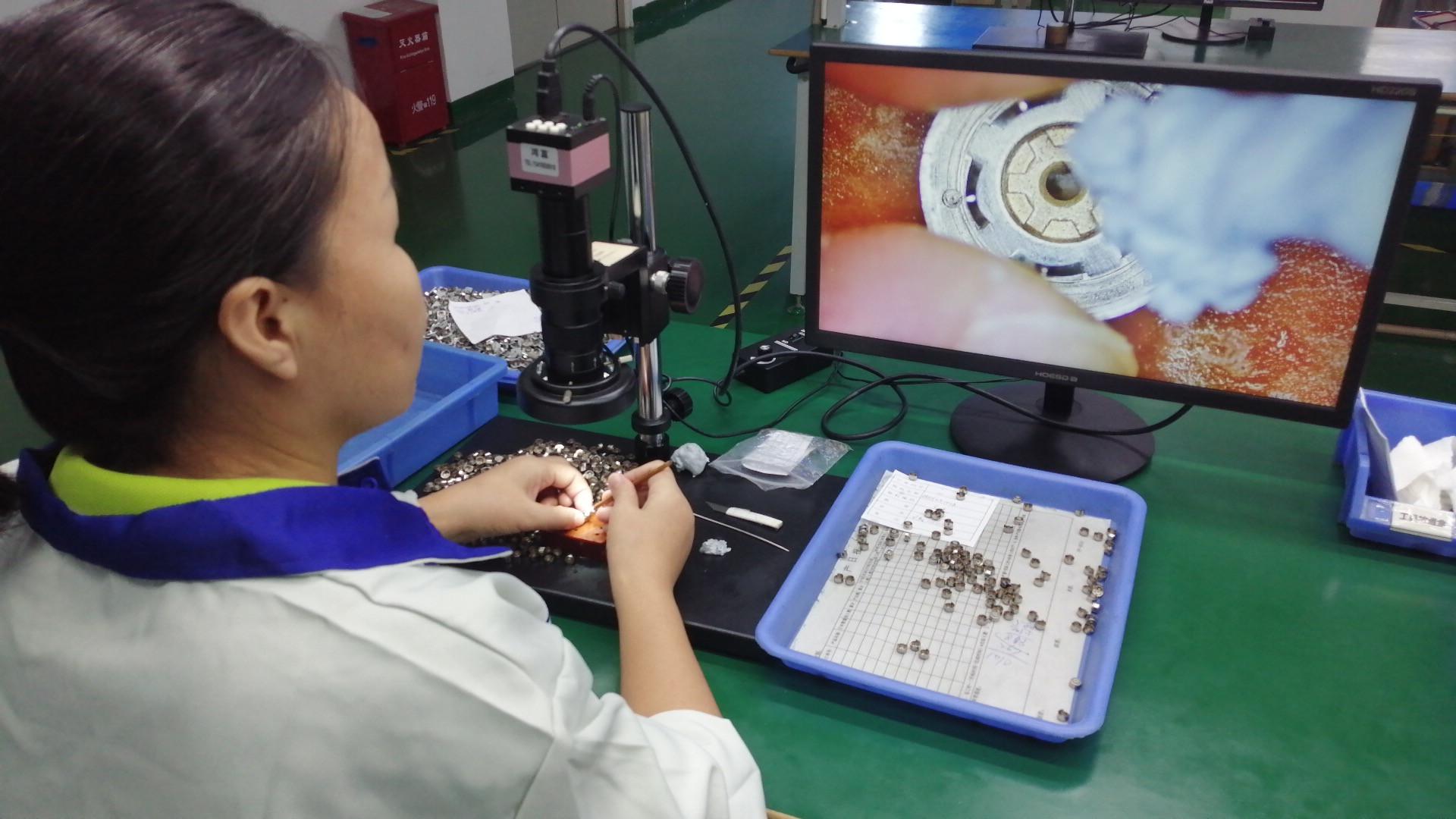
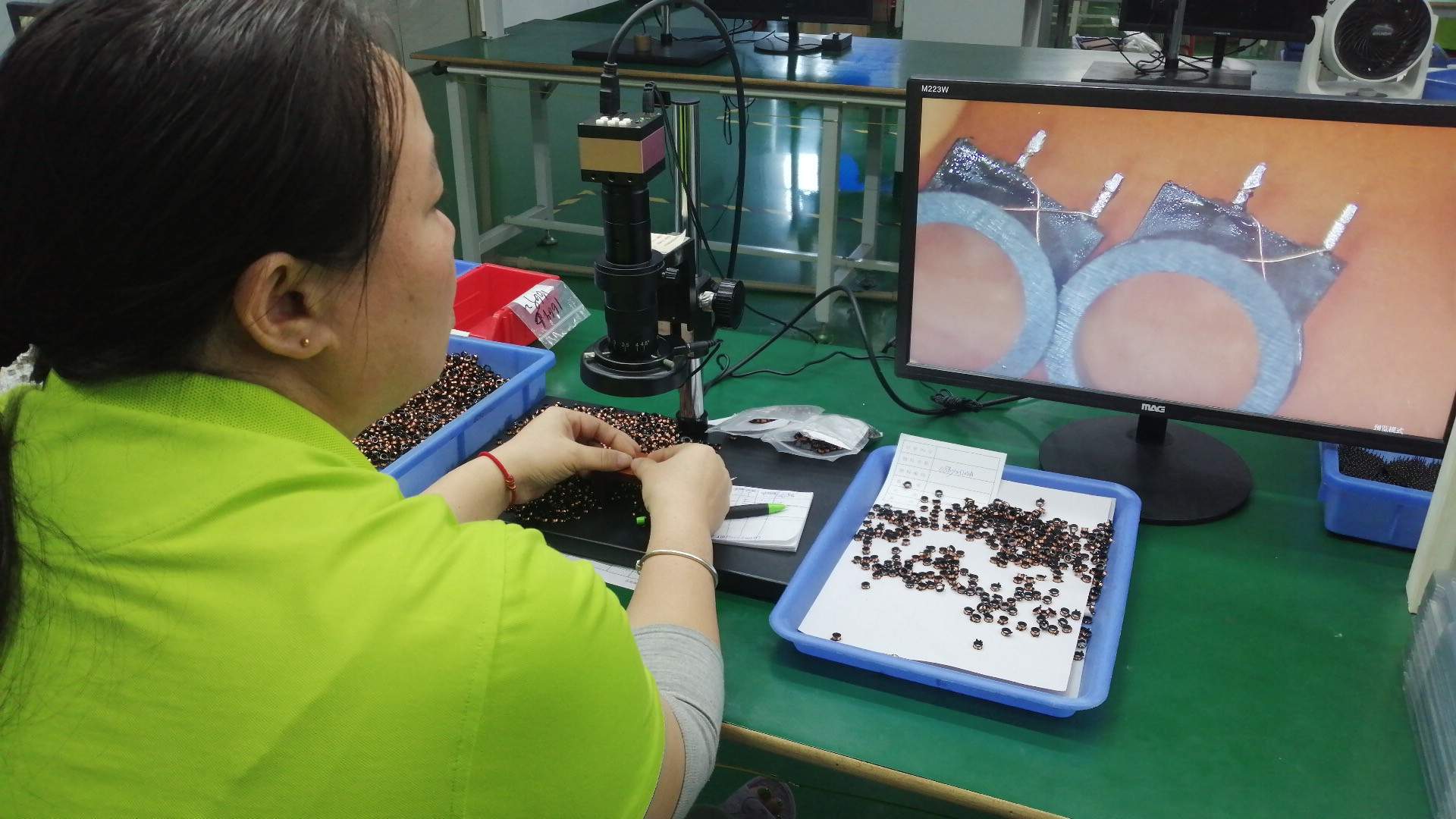
CCD Visual Quality Check
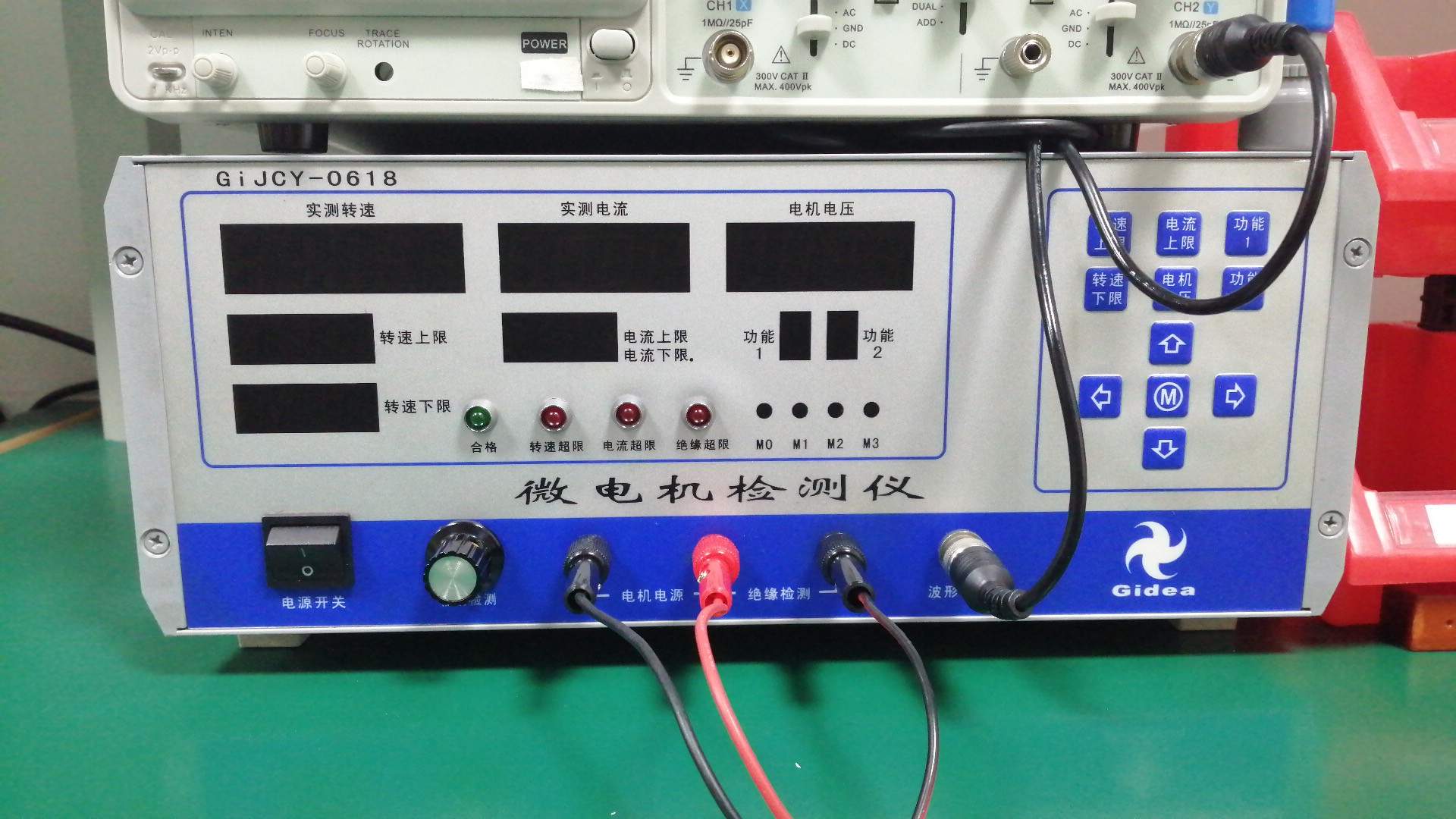
Insulation Resistance Tester
Transformer Parameter Tester
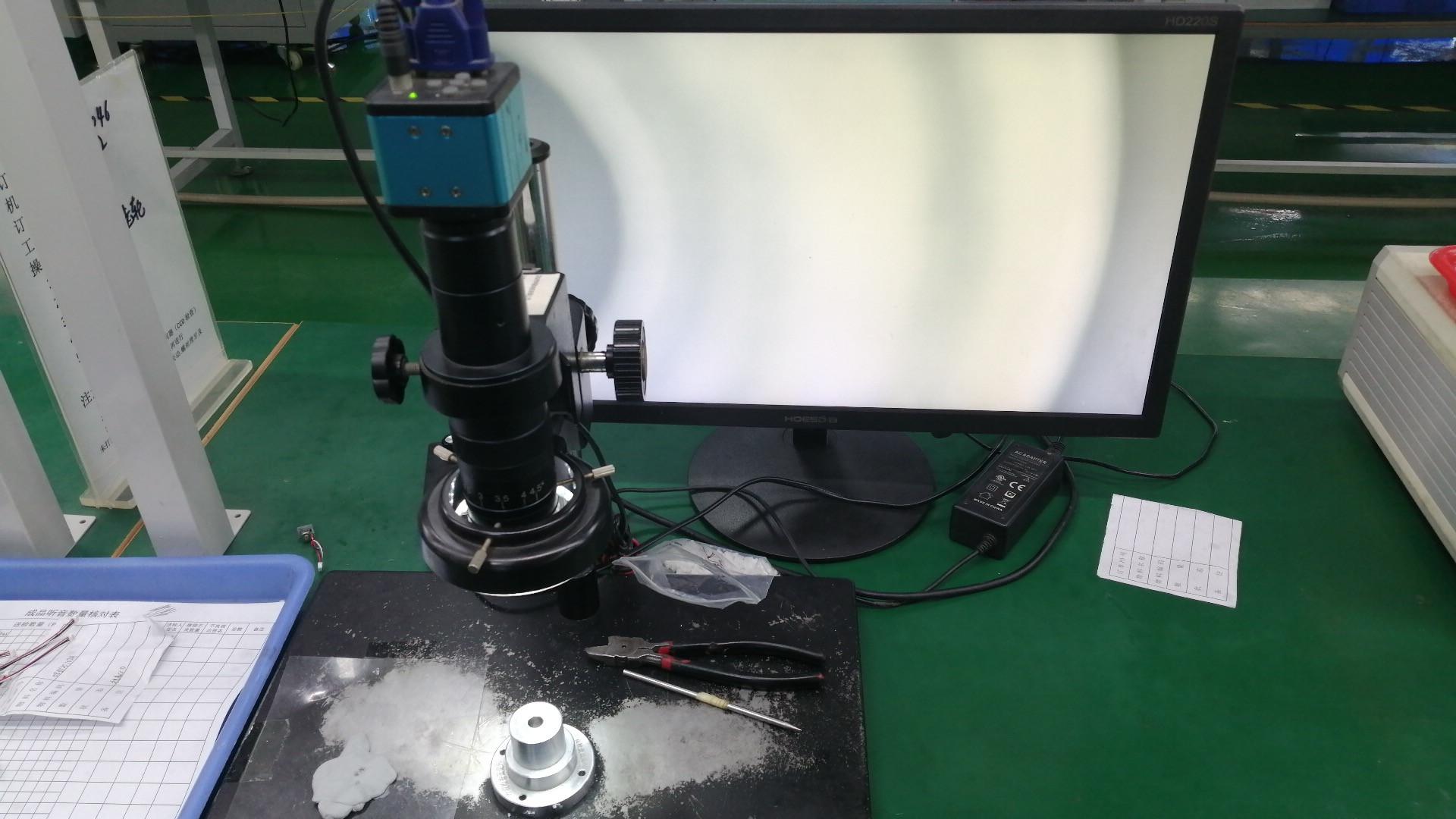
Acoustic Testing Studio
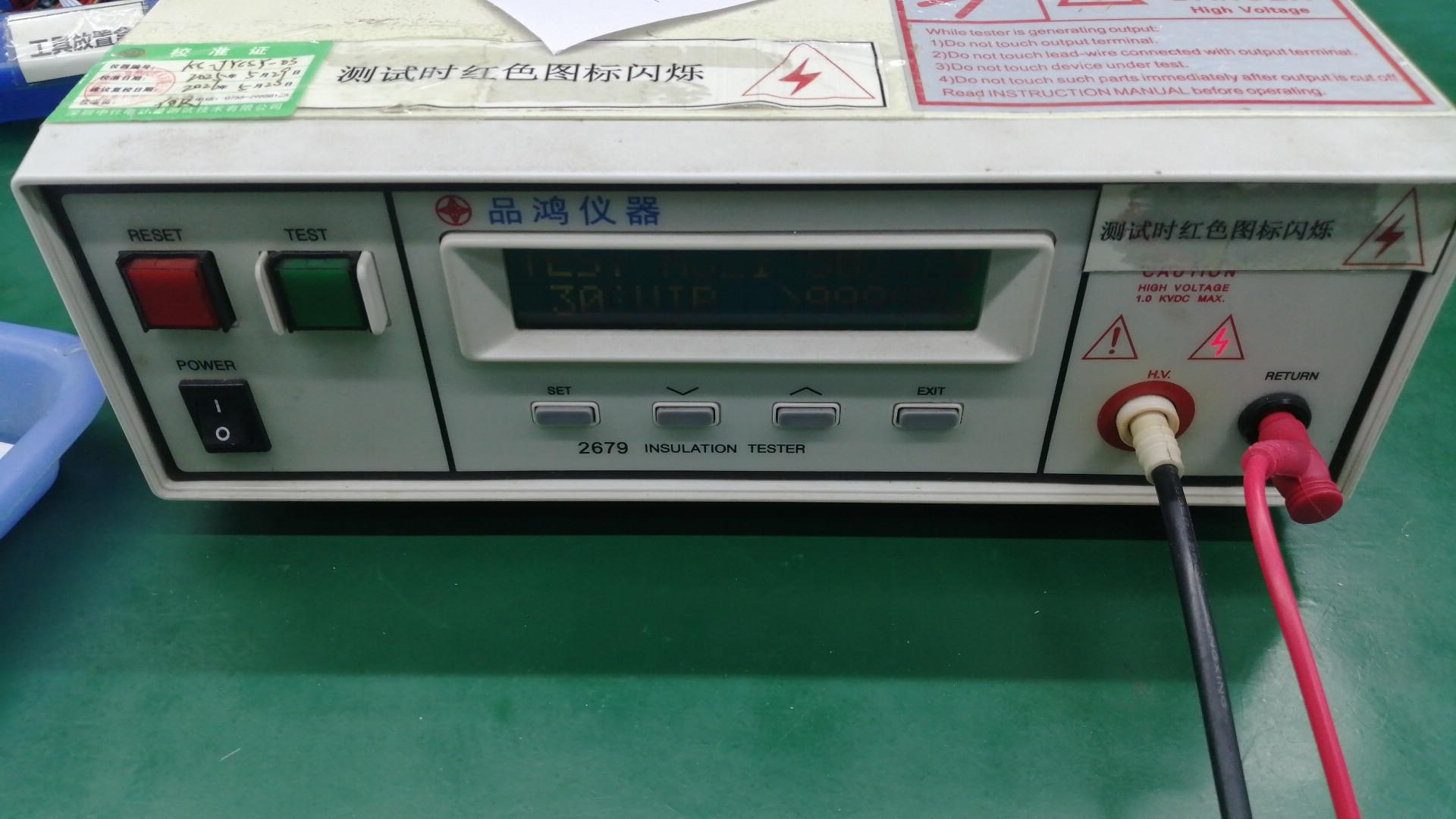
Stator Core Insulation Tester
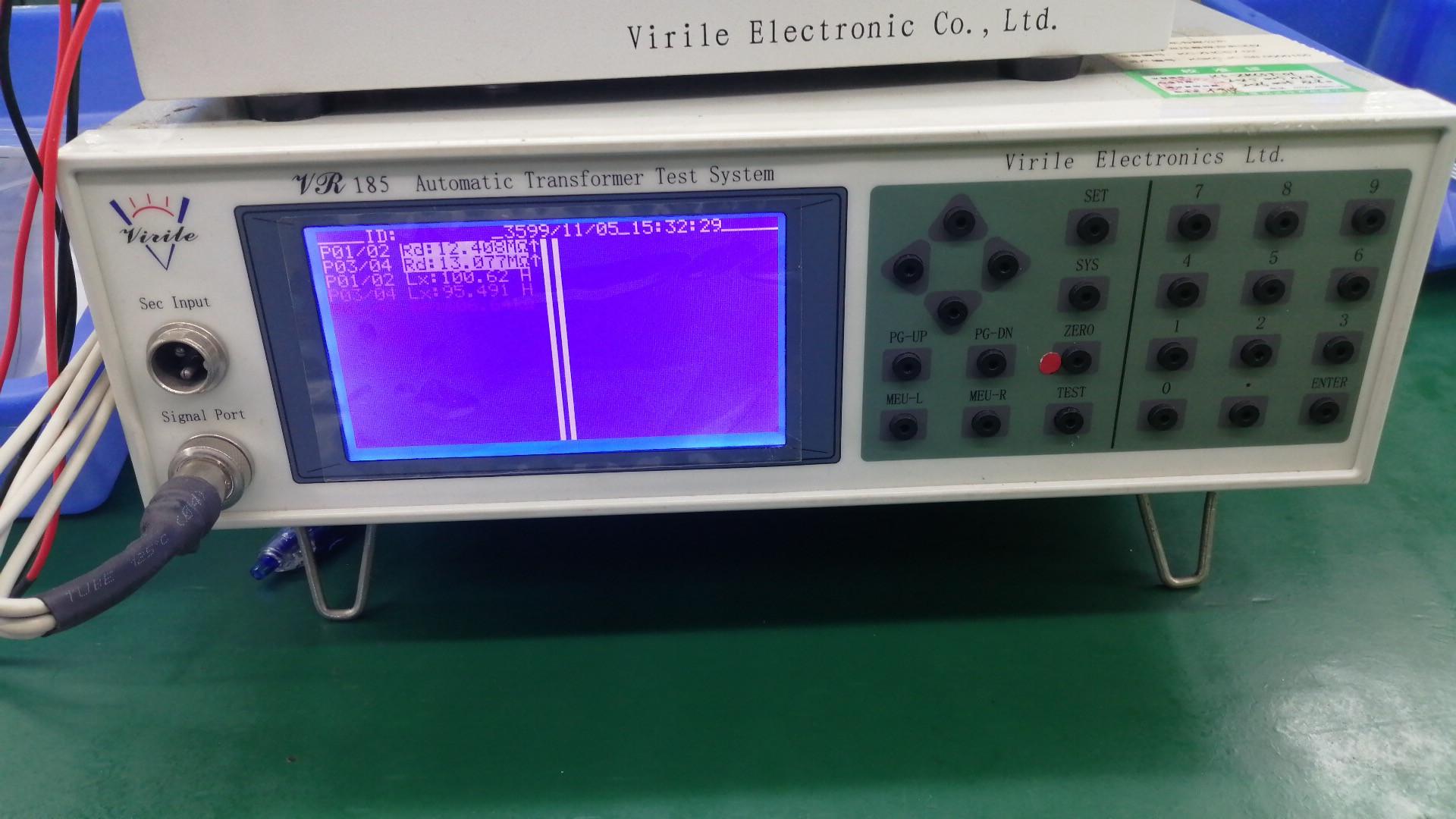
Automated Transformer Analysis
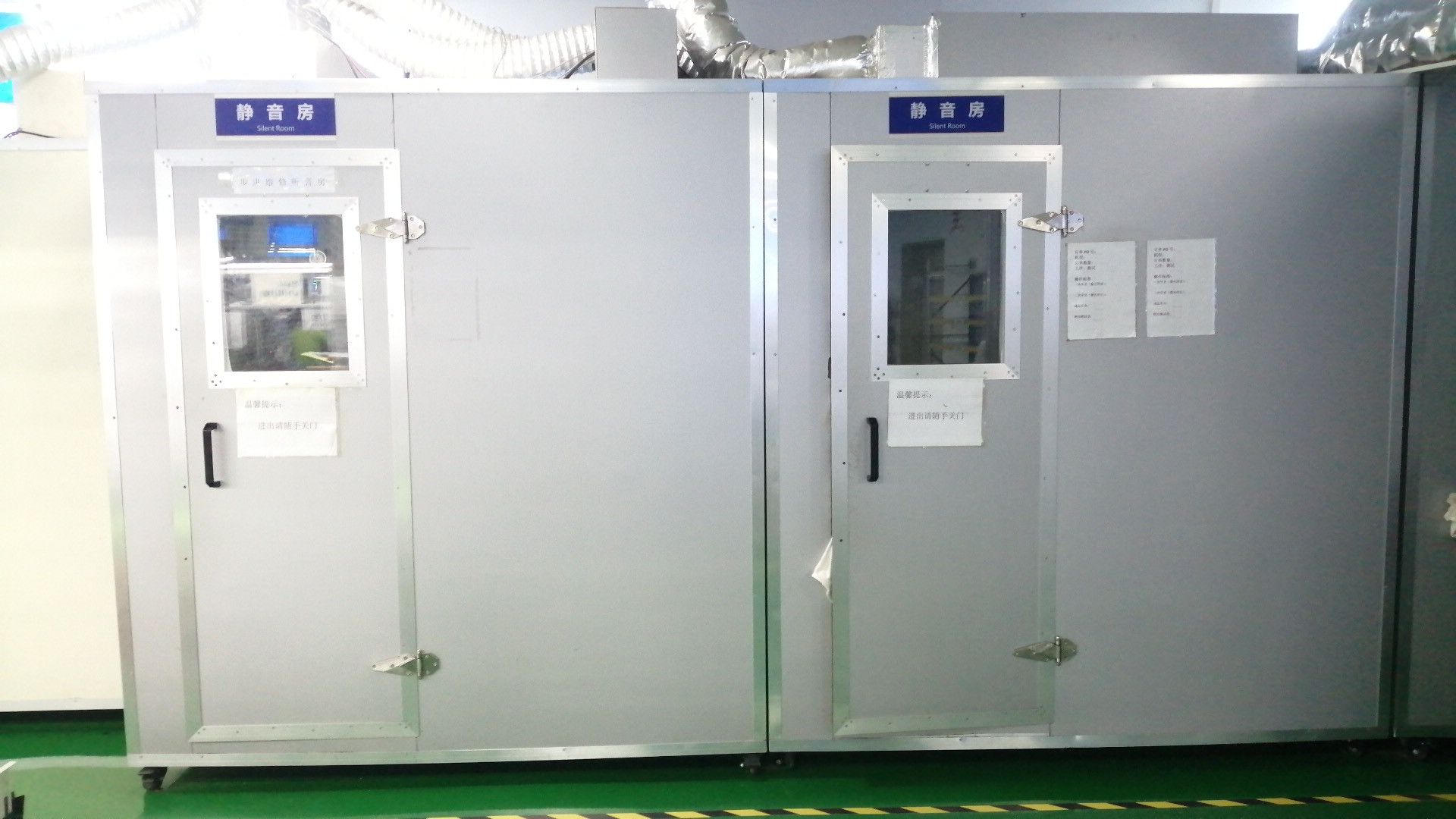
Anechoic Quality Testing
The micro-motion control sector is transitioning from traditional open-loop configurations to integrated closed-loop, smart communication nodes. For Sydney's engineering groups looking to future-proof their machine designs, our engineering department outlines three primary technological milestones:
Traditional open-loop steppers face torque drop-offs at higher speeds and risk losing steps when subjected to unexpected shock loads. By integrating ultra-thin magnetic or optical encoders directly onto the rear end-caps of NEMA 14 and NEMA 17 frames, we provide closed-loop control. This enables the motor to operate as a high-pole-count servo system, minimizing power consumption and heat generation.
In analytical laboratory devices, saving space is key. Standard NEMA 8 motors historically produced limited holding torque. Through improved stator geometry and high-performance Neodymium-Iron-Boron (NdFeB) permanent magnets, our next-generation NEMA 8 configurations deliver up to 35% higher torque density within the same physical footprint.
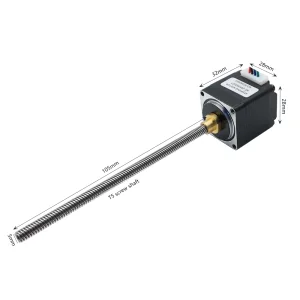
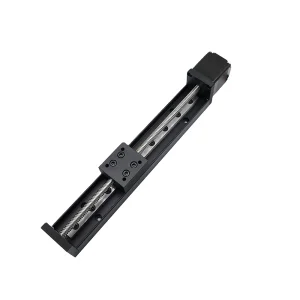
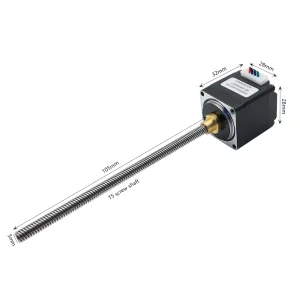
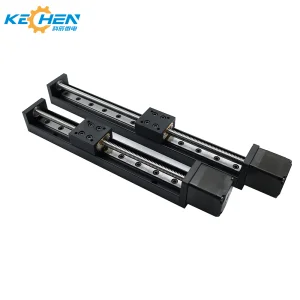
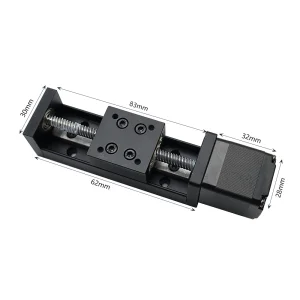
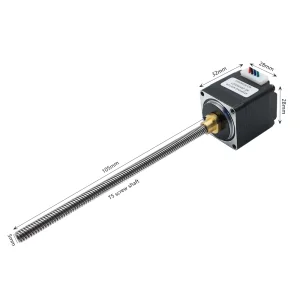
Traditional mechanical linkages—like separate lead screws connected via flexible couplings—add length, introduce backlash, and increase assembly time. By running the lead screw directly through the hollow rotor of a NEMA 11 or NEMA 17 frame, Brea Tech eliminates external couplings, providing a more compact, rigid linear drive with positioning repeatability down to ±0.01mm.
Exporting mechanical and electrical assemblies into the Australian market requires strict adherence to local regulatory frameworks. Brea Tech Micro Motor ensures that all imported components streamline your machine's path to compliance:
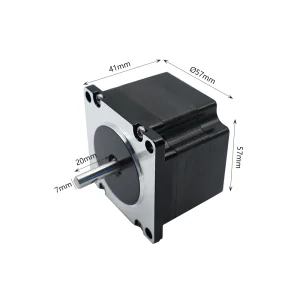
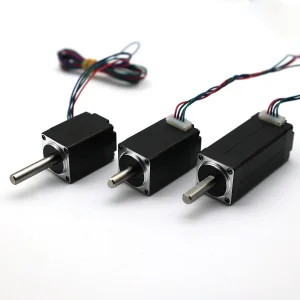
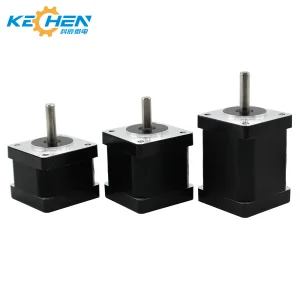
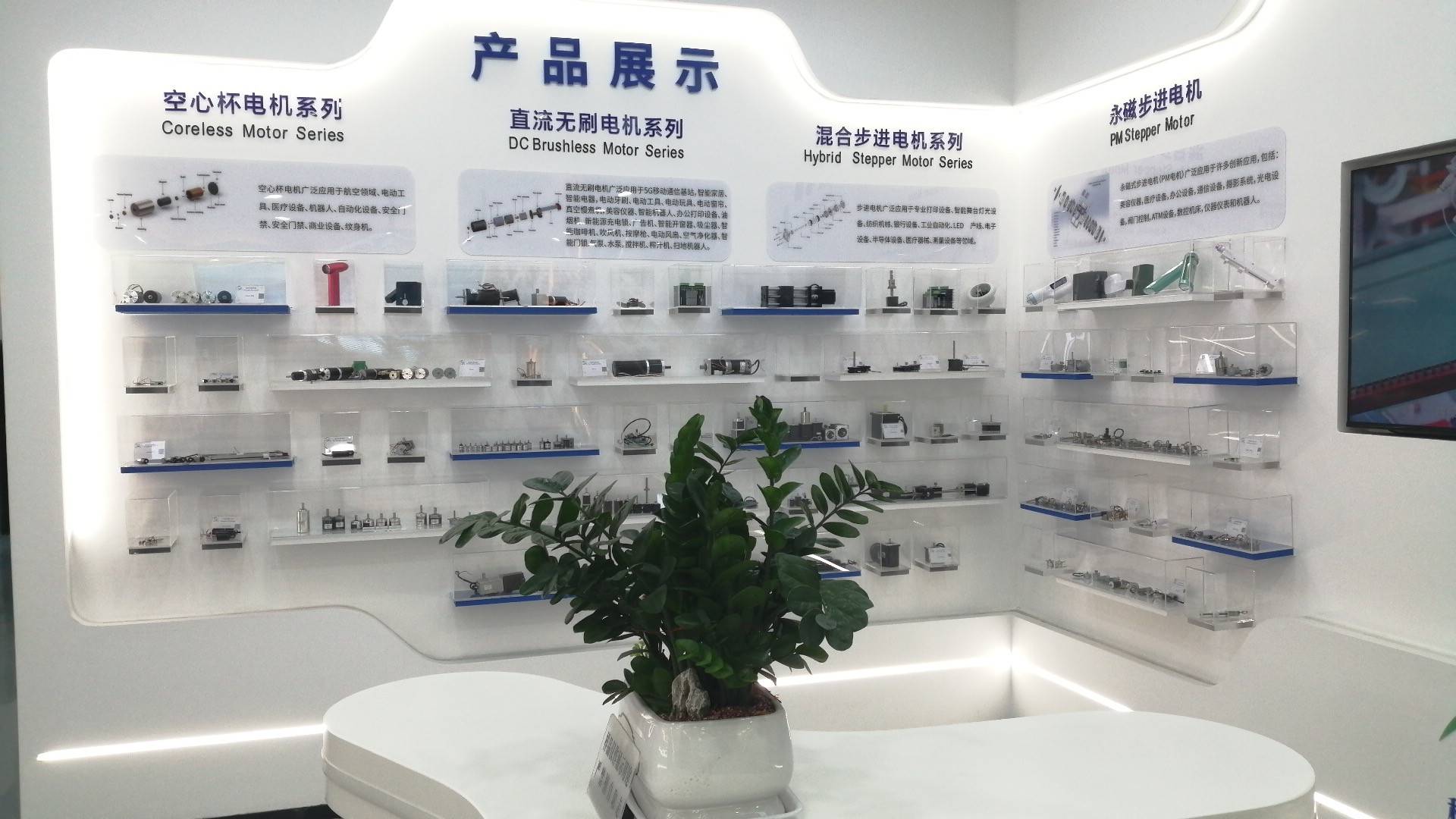
Our complete product range of NEMA motors, brushless systems, and linear actuators. Explore detailed specifications below.
Addressing technical concerns regarding stepper motor applications, customization, and deployment in the Australian market.
Hybrid stepper motors combine the design elements of both Permanent Magnet (PM) and Variable Reluctance (VR) technologies. This allows them to achieve very small step angles (typically 1.8° or 0.9°) compared to PM motors (which often operate at 7.5° to 15°). This result translates to higher positional resolution, greater holding torque, and high-frequency start-stop response capability—essential for CNC mills, 3D printers, and laboratory pumps used in Sydney's high-tech hubs.
Yes. As a factory-direct manufacturer, we customize components for batch orders. Options include single/double flat shafts (D-cuts), cross-drilled shafts, integrated helical gears, custom winding resistances matching specific driver power stages, and specialized cabling looms with connectors (JST, Molex, or Amphenol) to simplify your assembly line.
Custom prototypes are typically manufactured and dispatched within 10–15 working days. For bulk production shipments, transport options include air freight directly to Sydney Airport (Kingsford Smith) for fast turnarounds, or cost-effective sea shipping arriving via Port Botany for larger stock orders. We handle customs declarations and provide complete compliance documentation.
All motors leaving our factory are manufactured under ISO 9001 guidelines and comply fully with RoHS and REACH regulations. Since stepper motors are low-voltage DC brushless devices, they do not require standalone electrical safety approvals in Australia. However, we provide detailed test reports covering winding insulation, resistance, and dielectric strength, simplifying your final system's compliance path for CE or RCM markings.
Our standard motors feature Class B (up to 130°C) or Class F (up to 155°C) insulation ratings. Stepper motors are designed to run warm because they pull full current even when stationary to maintain holding torque. For heat-sensitive configurations (such as enclosed medical devices or automated lab enclosures), we can customize winding resistances to lower operating temperatures or optimize heat dissipation through custom heatsink mounts.
Contact our application engineering team today to request high-resolution CAD files, technical data sheets, or discuss custom shaft configurations for your next project.
Send Inquiry Now Brea Tech Micro Motor