The choice of NEMA 8 (Ø20mm) stepper motors is increasingly pivotal in various industrial applications. According to a recent market research report by Allied Market Research, the global stepper motor market is expected to reach $6.08 billion by 2027, growing at a CAGR of 5.3%. This signifies a rising demand for compact, accurate, and efficient motion control solutions.
NEMA 8 (Ø20mm) stepper motors stand out in this landscape. Their small form factor makes them ideal for applications in robotics, medical devices, and consumer electronics. With torque ratings that cater to high-precision needs, they drive numerous projects forward. For instance, in automated manufacturing, these motors assist in improving productivity while minimizing space usage. However, users must consider operational limits, as overheating can reduce the lifespan of these motors.
Experts note that meticulous attention to detail is vital when selecting stepper motors. While NEMA 8 (Ø20mm) motors offer excellent performance, issues like resonance and vibration can affect application results. Thus, a balanced approach to motor selection is essential for achieving optimal performance in specific environments. The intricate relationship between size, power, and application context should guide your decision.
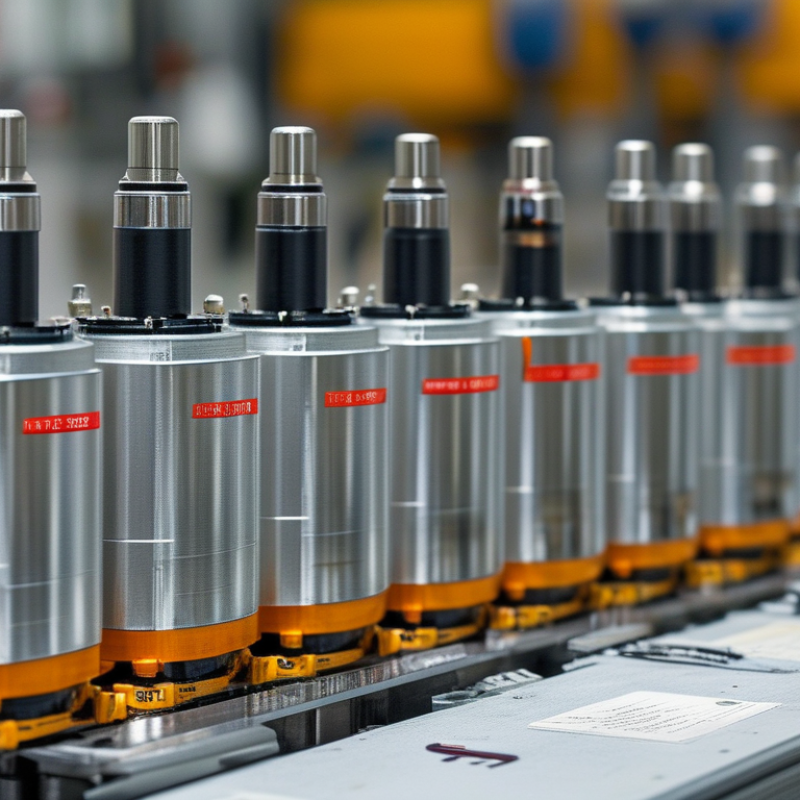
Overview of NEMA 8 Ø20mm Stepper Motors and Their Specifications
NEMA 8 Ø20mm stepper motors are gaining traction in various industries due to their compact design and versatility. These motors are typically used in applications requiring precision movement, such as robotics, 3D printing, and medical equipment. According to a market report by Allied Market Research, the global stepper motor market was valued at $1.58 billion in 2020 and is expected to grow by 5.1% annually. This growth reflects the rising demand for higher efficiency and performance in limited spaces.
With a diameter of just 20mm, NEMA 8 stepper motors offer substantial torque while maintaining a light weight. Typical specifications include a holding torque ranging from 4 to 12 Ncm. This range makes them suitable for tasks requiring fine control, such as positioning sensors or actuators. It’s important to note, however, that while these motors excel in precision, they may experience limitations in high-load and high-speed applications, where alternative motor types could be more effective.
Another critical factor is thermal management. These stepper motors generate heat during operation, which can affect performance and lifespan. Proper cooling mechanisms are essential to avoid overheating. Neglecting this aspect can lead to inefficiencies and potential system failures. As developers and engineers explore the NEMA 8 motors, ensuring reliable performance and longevity should be a priority.
Key Advantages of NEMA 8 Ø20mm Stepper Motors in Various Applications
NEMA 8 Ø20mm stepper motors are becoming increasingly popular in various applications due to their unique advantages. These motors offer a compact size while providing high torque and precision. According to recent industry reports, stepper motors are expected to dominate the market, with a projected growth rate of 7.5% through 2025. This makes NEMA 8 motors a wise choice for manufacturers seeking efficiency without sacrificing space.
The key benefit of NEMA 8 Ø20mm stepper motors lies in their versatility. They can be employed in robotics, automation, and medical equipment, delivering reliable performance in tight spaces. With a holding torque range averaging around 0.2 to 0.5 Nm, their strength makes them suitable for applications requiring fine control. However, users should be cautious about oversizing, which can lead to unnecessary power consumption and overheating.
Moreover, these motors excel in applications that require precise movement. They support microstepping, allowing for smoother operation and reduced vibration. According to studies, microstepping can enhance positioning accuracy by up to 30%. However, it’s essential to fine-tune drive settings, as improper configurations can negatively impact overall performance. Consequently, thorough testing and calibration are crucial for achieving optimal results with NEMA 8 stepper motors in practical applications.
Applications of NEMA 8 Ø20mm Stepper Motors in Industry and Robotics
NEMA 8 Ø20mm stepper motors are ideal for various applications in industry and robotics. Their compact size makes them suitable for tight spaces. These motors offer precision control, which is crucial for automation tasks. In robotics, they provide accurate positioning, enhancing robotic movements. Ideal for 3D printers, CNC machines, and medical devices, these motors excel where precision and control matter.
Using NEMA 8 stepper motors in automated systems can improve efficiency. With their ability to hold their position without needing power, they save energy in battery-operated devices. However, one must consider their torque limitations. In high-load scenarios, performance could wane.
Tips: Always evaluate the specific requirements of your project. Consider factors like load, speed, and available space. Testing under real-world conditions can help optimize performance. Each application may reveal unique challenges, so iterating on design is often necessary to achieve the best results.
Comparison of NEMA 8 Ø20mm Stepper Motors with Other Stepper Motor Types
When selecting stepper motors, understanding the differences is crucial. NEMA 8 Ø20mm stepper motors stand out due to their compact size and efficient performance. They offer high torque capabilities, especially in applications requiring precise motion control. According to industry data, NEMA 8 motors can deliver up to 0.4 Nm of torque at 1.5 A, making them ideal for small robotic systems and automation tasks.
In comparison to larger stepper motor types, NEMA 8 motors consume less power while maintaining operational efficiency. They are often more suitable for applications with limited space. Larger motors may provide higher torque, but they require more energy and can result in overheating issues. Moreover, the NEMA 8’s torque-to-size ratio allows for better placement in tight assemblies. However, their smaller size can sometimes mean a reduced maximum speed, which might not satisfy all industrial needs.
It's essential to evaluate these aspects when choosing motors. Smaller motors may not always be the most powerful. There are instances where applications could benefit from the higher torque of larger motors. Thus, balancing size and performance is a thought-provoking challenge for engineers. Properly assessing the requirements can lead to better engineering solutions and improved overall efficiency in designs.
Why Choose NEMA 8 Ø20mm Stepper Motors for Your Applications?
| Feature |
NEMA 8 Ø20mm Stepper Motor |
NEMA 17 Stepper Motor |
NEMA 23 Stepper Motor |
| Size (mm) |
20 |
42 |
57 |
| Torque (Nm) |
0.15 |
0.45 |
1.5 |
| Current Rating (A) |
1.0 |
2.0 |
3.0 |
| Step Angle (degrees) |
1.8 |
1.8 |
1.8 |
| Weight (g) |
50 |
400 |
900 |
| Typical Applications |
3D Printers, Robotics |
CNC Machines, Automation |
Industrial Equipment, Large CNC |
Factors to Consider When Selecting NEMA 8 Ø20mm Stepper Motors for Projects
When selecting NEMA 8 Ø20mm stepper motors, several critical factors must be considered. These motors offer high precision and good torque performance. They are often used in robotics, automation, and medical devices. According to industry reports, NEMA 8 motors have a holding torque that can range from 0.25 to 0.5 Nm. This torque range meets many application needs, but it’s essential to assess if this is sufficient for your specific project.
In addition to torque, evaluation of step angle is crucial. Many NEMA 8 motors have a typical step angle of 1.8 degrees, which translates into 200 steps per revolution. While this provides decent accuracy for many tasks, some applications may require finer positioning. Hence, engineers must weigh the benefits of precision against the drawbacks of potential oversizing. Furthermore, motor size must align with the spatial constraints of the installation environment. A regular analysis reveals that poor fitting can lead to heat build-up, adversely affecting performance and lifespan.
Also, environmental factors like temperature and humidity shouldn't be overlooked. These conditions can influence motor performance. A report in the Journal of Mechanical Engineering notes that motors can operate effectively within a temperature range of -20°C to +50°C. Users may need to implement cooling methods or protective housing to ensure reliability if conditions fluctuate excessively. Balancing these factors is key to successful deployment of NEMA 8 Ø20mm motors in any application.
Comparison of NEMA 8 Ø20mm Stepper Motors Specifications
FAQS
8 Ø20mm stepper motors used for?
The holding torque generally ranges from 4 to 12 Ncm, allowing for fine control in tasks.
They are compact, provide high torque, and maintain precision in limited spaces.
Heat during operation can affect performance and lifespan. Proper cooling prevents overheating.
Microstepping allows smoother operation and enhances positioning accuracy by up to 30%.
Improper configurations can lead to inefficiencies, so thorough testing and calibration are necessary.
NEMA 8 motors consume less power and fit better in tight spaces, but have a lower maximum speed.
Yes, smaller motors may not meet high torque needs, prompting careful application assessments.
Oversizing motors can lead to unnecessary power consumption and heat generation.
Balancing size and performance can improve efficiency and lead to better engineering solutions.
Conclusion
NEMA 8 (Ø20mm) stepper motors are compact and efficient solutions widely used in various applications, especially in the fields of automation and robotics. These motors are characterized by their precise motion control, high torque-to-size ratio, and versatility, making them ideal for tight spaces and intricate designs. Their specifications, including dimensions and electrical characteristics, contribute to their broad applicability across different sectors.
The advantages of NEMA 8 (Ø20mm) stepper motors are evident when compared to other stepper motor types, as they offer a harmonious balance between size, performance, and efficiency. Additionally, when selecting NEMA 8 (Ø20mm) stepper motors for specific projects, factors such as torque requirements, mounting options, and power consumption should be carefully considered to ensure optimal performance and integration into the desired application.

 Brea Tech Micro Motor