The NEMA 11 (Ø28mm) stepper motor is a compact yet powerful solution in the world of automation. Its design allows for precise control in various applications. With a size of just 28mm, this motor fits in tight spaces without sacrificing performance.
In robotics, the NEMA 11 (Ø28mm) plays a crucial role. It helps ensure accurate movements in devices requiring precise positioning. Whether in 3D printers or CNC machines, its reliability is often tested. Engineers appreciate its ease of integration into existing systems. However, users may encounter challenges with torque limitations in demanding applications. This prompts a constructive evaluation of motor selection and application suitability.
Overall, the NEMA 11 (Ø28mm) stepper motor represents a balance between size and capability. It serves as an efficient choice for technology that requires precision. Its applications are numerous, but engineers must remain aware of its limitations, ensuring it meets their specific requirements.
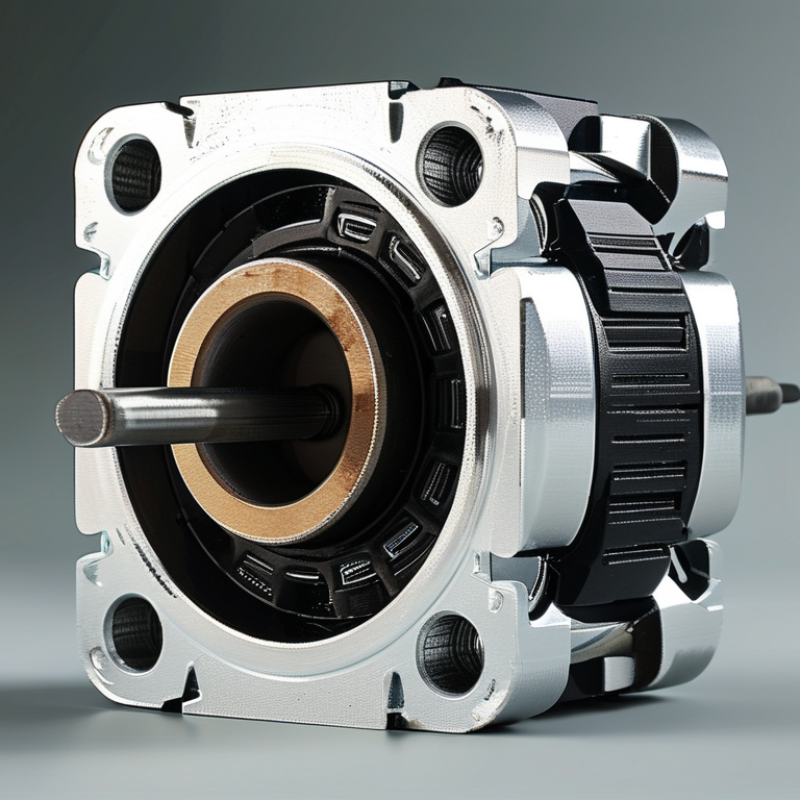
The NEMA 11 Ø28mm stepper motor is renowned for its compact size and precise control. With a step angle typically around 1.8 degrees, it allows for accurate positioning in numerous applications. This motor's design is particularly beneficial in robotics, 3D printing, and CNC machines, where space is limited and precision is paramount.
According to a recent report by ResearchAndMarkets, the demand for small stepper motors is projected to grow at a CAGR of 6.5% from 2023 to 2028. Such growth indicates their pivotal role in the automation industry. Many engineers favor the NEMA 11 for its balance of torque and size—around 0.45 Nm to 0.9 Nm. This range makes it suitable for handling small loads while maintaining performance.
Despite its advantages, users must consider heat dissipation, as improper handling may lead to overheating. Knowledge of power requirements is crucial. Inadequate power can compromise performance, leading to missed steps. Addressing these issues is essential for effective motor management.
The NEMA 11 stepper motor is a popular choice in various applications. With a diameter of 28mm and versatile design, it serves in automation, robotics, and 3D printing. Its compact size allows for integration in tight spaces, making it suitable for miniaturized projects.
Key features of the NEMA 11 motor include its step angle, which typically ranges from 1.8° to 0.9°. This precision enables accurate positioning in applications. Additionally, it has a holding torque of approximately 18 to 45 N·cm. This torque range is sufficient for many lightweight applications, but users should assess their specific needs. The motor usually operates at 12V.
Tip: When matching the motor to your project, consider the torque and speed requirements. An underpowered motor may lead to missed steps.
The NEMA 11 also has built-in thermal protection, preventing overheating during extended use. However, it is crucial to monitor operating conditions. Excessive heat can reduce lifespan. Adapting the cooling method can improve performance.
Tip: Use a heat sink for better thermal management, but ensure it doesn’t obstruct movement. Maintain a balance between size and cooling efficiency.
In conclusion, while the NEMA 11 offers impressive features, understanding its limitations is vital for successful implementation.
The NEMA 11 stepper motor, measuring Ø28mm, has found significant applications in various industrial sectors. These motors are compact yet powerful. They provide precise control for positioning tasks, making them ideal for robotics, CNC machines, and automation systems. According to a recent industry report, the demand for stepper motors in automation applications is projected to grow by over 8% annually through 2027.
In the medical industry, NEMA 11 motors are often used in imaging equipment and robotic surgical tools. Their reliability in precise movement enhances the safety and accuracy of medical procedures. Additionally, the consumer electronics sector employs these motors in devices like 3D printers and scanners. The need for precise layer positioning directly correlates with an increase in stepper motor usage. However, with the growing reliance on such motors, manufacturers must be mindful of potential overheating issues caused by prolonged use.
Moreover, the automotive industry benefits from NEMA 11 motors, especially in systems requiring continuous feedback and adjustments. While their versatility is commendable, they may not always be the best option for high-torque applications. This limitation signals a need for continual assessment of motor specifications in engineering projects. Thus, industry players must remain adaptable, ensuring they choose the right motor for specific applications.
When we compare the NEMA 11 Ø28mm stepper motor with other types, some distinctions emerge. This motor is known for its compact size and moderate torque. It is often used in applications where space is a constraint, like 3D printers or small robotics. Unlike larger stepper motors, the NEMA 11 is not capable of delivering high torque levels. Its physical dimensions limit its capabilities in certain high-load situations, which can be a drawback when using it in demanding applications.
On the other hand, larger stepper motors, like NEMA 17, offer greater torque and load capacity. They are more suitable for industrial automation and heavier equipment. However, the increased size and weight may not fit compact designs. The NEMA 11 stands out in applications that require precision and compactness. Yet, users might find its performance lacking in speed and torque compared to its larger counterparts.
In addition, energy efficiency is another factor to consider. The NEMA 11 can be more efficient in low-power applications. Still, in scenarios requiring sustained high power, it may fall short. Users should weigh these aspects carefully when selecting a motor type for their specific projects. Understanding these nuances can lead to better decision-making and improved project outcomes.
Proper installation and maintenance of NEMA 11 Ø28mm stepper motors are crucial for optimal performance. These motors, known for their precision and torque, require specific attention during setup. Ensure the motor is aligned correctly with the drive mechanism. Misalignment can lead to excessive wear, resulting in reduced efficiency. According to industry reports, a misaligned motor can decrease lifespan by up to 25%.
Regular maintenance is equally vital. Dust and debris can accumulate, affecting motor performance. A clean environment significantly enhances longevity. It’s advisable to inspect wiring and connections periodically. Faulty wiring may lead to overheating, a common issue in stepper motors. Data indicates that routine checks can prevent 40% of common failures.
In addition, monitoring operating temperatures is essential. An increase beyond recommended levels could signal an underlying issue. Proper mounting techniques, using vibration dampening materials, can mitigate such risks. Even minor neglect can lead to major setbacks. Addressing these details ensures that the NEMA 11 motors operate reliably and efficiently over time.
| Parameter | Value |
|---|---|
| Step Angle | 1.8° |
| Holding Torque | 0.4 Nm |
| Rated Current | 1.2 A/Phase |
| Voltage | 5-24 V |
| Weight | 0.45 kg |
| Length | 40 mm |
| Common Applications | 3D Printers, CNC Machines, Robotics |
| Maintenance Tips | Regular lubrication, check wiring, avoid overheating |
11 stepper motor?
It is suitable for automation, robotics, and 3D printing.
The step angle typically ranges from 1.8° to 0.9°.
It has a holding torque of approximately 18 to 45 N·cm.
It prevents overheating during extended use, which could reduce lifespan.
Ensure the motor is correctly aligned with the drive mechanism to avoid wear.
Regularly check for dust, debris, and inspect wiring to enhance longevity.
It may signal an underlying issue that needs to be addressed promptly.
Using a heat sink can help, but it should not obstruct movement.
An underpowered motor may lead to missed steps during operation.
The NEMA 11 (Ø28mm) stepper motor is a versatile component widely used in various industrial applications due to its compact size and reliable performance. Characterized by key features such as a holding torque that ensures precise control, this motor is commonly utilized in robotics, CNC machinery, and 3D printers. Its specifications highlight its efficiency in converting electrical energy into mechanical motion, making it an ideal choice for projects requiring accuracy and responsiveness.
When comparing the NEMA 11 (Ø28mm) to other stepper motor types, its moderate torque and smaller footprint distinguish it, allowing for integration in space-constrained settings. To ensure optimal performance, understanding proper installation techniques and maintenance practices is crucial. Regular checks and adherence to manufacturer guidelines can enhance longevity and reliability, confirming the NEMA 11 (Ø28mm) as a key player in the realm of motion control systems.

Brea Tech Micro Motor