Selecting the right NEMA 14 (Ø35mm) connectors is crucial for ensuring safety and reliability in your projects. Industry reports indicate that over 70% of electrical failures can be traced back to poor connector choices. Experts highlight the importance of compatibility and durability in connectors to enhance overall system performance. Renowned electrical engineer John Smith states, "Choosing the right connectors can make or break a project."
Understanding the specifications and applications of NEMA 14 (Ø35mm) connectors is essential. These connectors are popular in various fields, including renewable energy and industrial automation. Their standardization ensures interoperability across different devices. However, a significant number of professionals overlook essential installation guidelines. This oversight can lead to inefficiencies and potential hazards.
Furthermore, relying solely on brand reputation can be misleading. Some lesser-known manufacturers produce high-quality connectors that outperform established names. As users, it is vital to assess not only specifications but also user reviews and performance metrics. Incorporating a more holistic approach while choosing NEMA 14 (Ø35mm) connectors may prevent future complications.
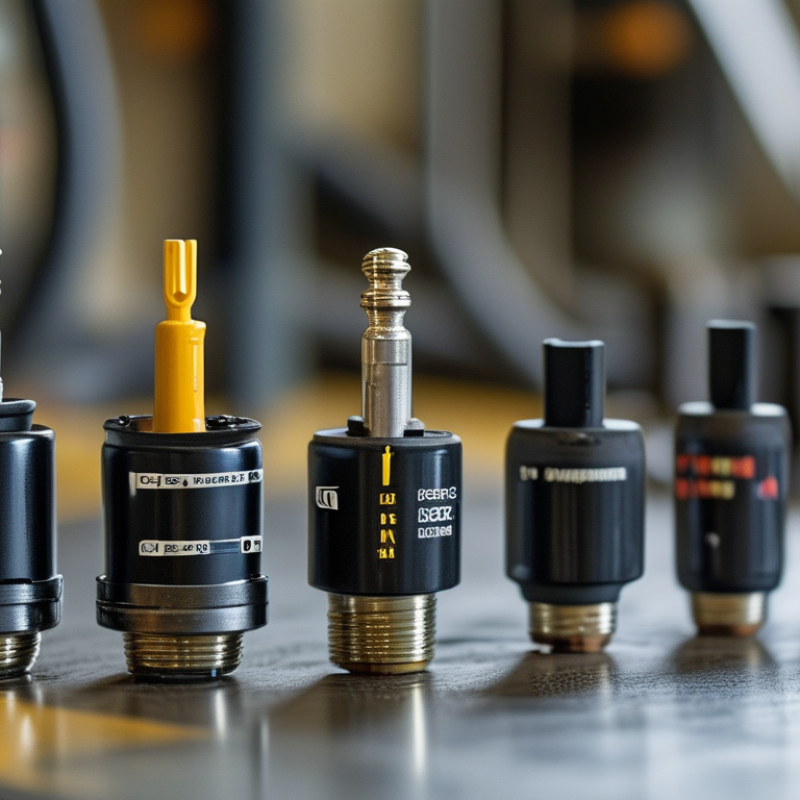
NEMA 14 Ø35mm connectors are essential in various electrical applications. Understanding their specifications is vital for any project. These connectors typically support a voltage rating of up to 600 volts and handle current ratings of 15 or 20 amps. This versatility makes them suitable for diverse environments.
An industry report from Electrical Components Research indicates that demand for reliable connectors has surged by 25% in the past three years. This increase highlights the necessity for robust connectors that meet high safety standards. The NEMA 14 standard ensures compatibility with multiple devices, reducing the risk of interconnectivity issues.
However, potential users must be cautious. Not all connectors labeled as NEMA 14 are created equal. It’s crucial to verify their specifications. Mismatched voltage or current ratings can lead to overheating or failure. Researching reputable suppliers and reviewing certifications can mitigate these risks. Ensuring the connectors meet industry standards is non-negotiable for safety and performance.
: Check the current rating carefully. Ratings range from 15A to 30A. Choose one that fits your project's needs.
Environmental ratings indicate resistance to moisture, dust, and temperatures. For outdoor use, select connectors with robust insulation.
A reliable locking mechanism ensures a secure connection. Flimsier designs may fail under stress, leading to costly interruptions.
Durable plastics or metals are ideal. Quality materials resist corrosion and enhance reliability and longevity.
Check the specifications for compliance with safety standards. Poor-quality connectors can cause project failures.
Knowing voltage and current needs is crucial. Mismatched ratings can lead to overheating or reduced lifespan of connectors.
Reviews provide insights about performance and reliability. Look for feedback on connection stability and installation issues.
Minor design flaws can impact efficiency. Be open to adjustments based on feedback to enhance your project outcomes.
Yes, consulting experts can clarify uncertainties about specifications. Their insights contribute to better compatibility and safety.
They can lead to failures and unexpected interruptions. It's vital to prioritize quality for successful project execution.
NEMA 14 (Ø35mm) connectors are essential components in various electrical projects, offering versatility and reliability. Understanding their key specifications—including current rating, voltage capacity, and environmental tolerance—is crucial for selecting the right connectors for specific applications. These connectors find utility in a range of scenarios, from industrial equipment to residential installations, making them a popular choice for both professionals and DIY enthusiasts.
When sourcing NEMA 14 (Ø35mm) connectors, it's important to prioritize quality to ensure safety and performance. Tips for finding reliable suppliers and assessing connector quality can greatly enhance project outcomes. Additionally, following best practices during installation, such as proper torque settings and environmental considerations, helps ensure the longevity and effectiveness of the connectors used in any electrical system.

 Brea Tech Micro Motor