Why Choose a Hybrid Stepper Motor for Your Applications?

Time:2026-07-01 Author:Amelia
0%

A Hybrid Stepper Motor combines the best features of stepper motors and servo systems. This unique design offers precision and reliability, making it a preferred choice in various applications. These motors deliver high torque at low speeds and excellent performance for automated tasks.

Many engineers opt for Hybrid Stepper Motors because they provide flexibility. Users can often work with straightforward control systems. In robotics, for example, these motors enhance movement accuracy and speed. Their cost-effectiveness also appeals to budget-conscious projects. Yet, some challenges arise. For instance, managing heat dissipation can be tricky.

Overall, the choice of a Hybrid Stepper Motor can significantly impact your project's success. By understanding its advantages and limitations, you can make informed decisions. Careful evaluation is essential as not every application may reap the full benefits.
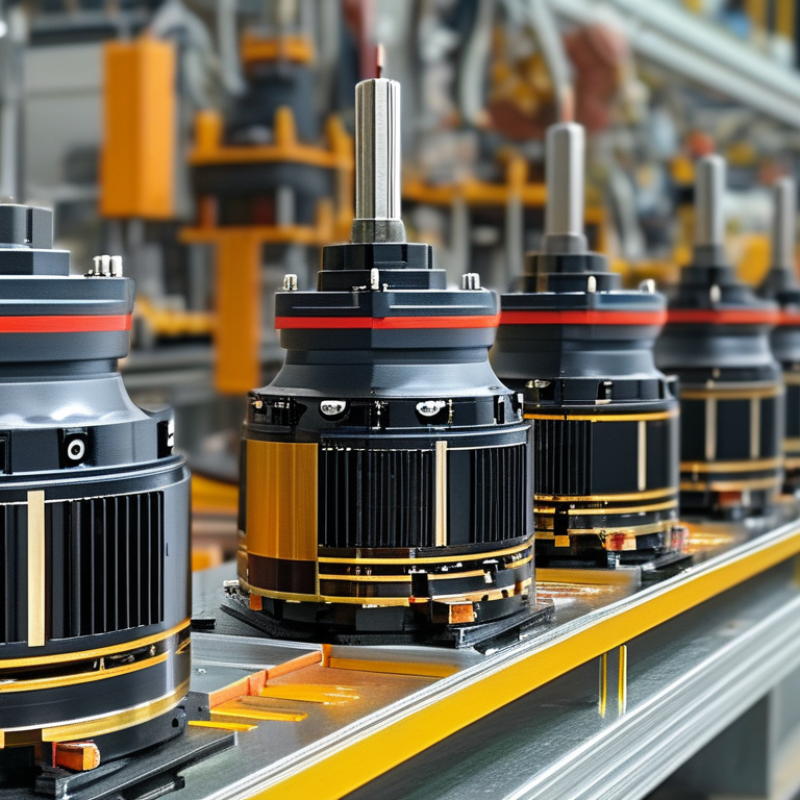
Why Choose a Hybrid Stepper Motor for Your Applications?

Understanding Hybrid Stepper Motors: An Overview

Hybrid stepper motors combine the advantages of both permanent magnet and variable reluctance motors. They offer high torque and precise control, making them ideal for various applications. For instance, they are widely used in 3D printers, CNC machines, and robotics. According to industry reports, hybrid stepper motors account for approximately 35% of the total stepper motor market due to their performance capabilities.

The design of hybrid stepper motors incorporates features that enhance reliability. They operate effectively across a broad range of speeds and can achieve remarkable accuracy. A report from a prominent mechanical engineering journal highlights that these motors maintain position with minimal power consumption. This efficiency is critical in applications where battery life and energy use are paramount.

However, challenges exist. Some users report that hybrid stepper motors can experience resonance issues at certain speeds. Fine-tuning may be required to optimize performance in specific tasks. Additionally, while these motors are efficient, they may generate heat during prolonged operation, which could affect nearby components. Thus, while they offer numerous advantages, careful consideration is necessary to avoid potential pitfalls.

Why Choose a Hybrid Stepper Motor for Your Applications?

Dimension Value
Holding Torque (N·cm) 0.4 - 12.0
Motor Type Hybrid Stepper
Step Angle (degrees) 1.8
Phase Current (A) 1.2 - 4.0
Voltage (V) 24 - 48
Suggested Driver Microstepping Driver
Application Areas 3D Printers, CNC Machines, Robotics
Control Method Open Loop/Closed Loop

Key Advantages of Hybrid Stepper Motors in Industrial Applications

Hybrid stepper motors stand out in industrial applications due to their unique advantages. Their construction merges features of both permanent magnet and variable reluctance stepper motors. This design offers high torque and excellent holding capabilities. As a result, they provide precise control for various tasks. In automation and robotics, this precision is crucial for efficiency.

One notable benefit is their ability to maintain performance in demanding environments. They often outshine traditional stepper motors in speed and torque efficiency. Additionally, they deliver smoother operation at lower speeds. This makes them ideal for applications requiring fine adjustments. However, users must ensure their control systems can keep up.

Another key aspect is their reliability. With minimal maintenance, hybrid stepper motors can last longer under heavy loads. This longevity translates into reduced downtime for operations. Nonetheless, understanding the specific requirements of each application is essential. Overlooking these details can lead to performance issues or failures. Investing in hybrid stepper motors can yield great results, but decision-makers should approach with careful consideration.

Comparing Hybrid Stepper Motors to Other Motor Types

When comparing hybrid stepper motors to other motor types, it's essential to consider their unique advantages and disadvantages. Hybrid stepper motors combine features of both permanent magnet and variable reluctance motors. This design offers higher torque and better control over movement. In fact, according to a report by the International Electromechanical Commission, hybrid steppers can deliver torque levels that are up to 30% higher than traditional stepper motors. This makes them ideal for applications that require precise positioning and high torque in a compact size.

However, hybrid stepper motors are not without their challenges. They often experience greater heating compared to other motor types, such as servos, especially during prolonged operation. This can lead to potential performance issues if not properly managed. Additionally, while hybrid stepper motors provide excellent control, they can be complex to implement within existing systems, requiring careful calibration. For instance, a recent study indicated that approximately 15% of engineers reported difficulties in integrating hybrid motors with legacy hardware.

Moreover, the market is evolving. New developments in control algorithms and materials are being researched to enhance performance. Yet, challenges like cost-effectiveness and reliability remain prevalent. Reports suggest that about 20% of existing applications still rely on older motor technologies due to perceived difficulties in transitioning to hybrids. As industries continue to innovate, understanding both the strengths and weaknesses of hybrid stepper motors will be key for engineers and designers alike.

Why Choose a Hybrid Stepper Motor for Your Applications?

This chart compares the performance metrics of hybrid stepper motors against DC motors and servo motors in terms of precision, torque, speed, control, and cost. Hybrid stepper motors generally offer excellent precision and control, making them suitable for a variety of applications.

Factors to Consider When Choosing a Hybrid Stepper Motor

When selecting a hybrid stepper motor, several essential factors come into play. One primary consideration is torque requirements. Hybrid stepper motors are known for their high torque output at low speeds. This feature can be crucial in applications like 3D printing and CNC machines. Understanding the required torque ensures your motor performs efficiently, avoiding potential stalls or overheating.

Another factor is the motor's step angle. A smaller step angle allows for finer control and smoother motion, which is important in robotics and automated systems. However, smaller step angles can lead to increased complexity in the control system. You must weigh the need for precision against the potential for challenges in your application. It is worth noting that different configurations may suit various systems better, so careful evaluation is critical.

Additionally, consider the motor's size and weight, especially in mobile applications. Compact designs fit in tighter spaces but may sacrifice power. It's often a balancing act between dimensions and capability. Be prepared to iterate and refine your choice as project requirements evolve. Making decisions based on these factors will lead to a more reliable and effective implementation.

Common Applications and Use Cases for Hybrid Stepper Motors

Hybrid stepper motors blend the best features of permanent magnet and variable reluctance motors. This combination makes them suitable for a wide range of applications. Their ability to provide precise control and reliable performance is essential in many industries.

In automation, hybrid stepper motors excel in 3D printers. They offer high torque at low speeds, which is crucial for producing detailed prints. Robotics also benefits. These motors enable precise movements, allowing robots to perform delicate tasks. In CNC machines, they ensure accurate positioning, enhancing product quality.

Medical devices rely on the reliability of hybrid stepper motors. They help drive pumps and actuators, ensuring consistent performance. Although they have many advantages, hybrid stepper motors may produce noise and vibrations. This can be a concern in sensitive environments. Users should weigh these factors when choosing the right motor for their applications.

FAQS

: What are hybrid stepper motors known for?

: Hybrid stepper motors are known for high torque and precise movement control. They combine features of two motor types.

How do hybrid stepper motors compare in torque to traditional stepper motors?

Hybrid stepper motors can deliver torque levels up to 30% higher than traditional stepper motors.

What challenges do hybrid stepper motors face?

They often experience greater heating during prolonged operation, which can affect performance.

Is it easy to integrate hybrid stepper motors into existing systems?

No, about 15% of engineers find it difficult to integrate hybrid motors with legacy hardware.

What factors should be considered when choosing a hybrid stepper motor?

Key factors include torque requirements, step angle, and motor size. These impact efficiency and performance.

How important is step angle in hybrid stepper motors?

Smaller step angles allow for finer control but can complicate the control system. It's a trade-off.

Are there common applications for hybrid stepper motors?

Yes, they're used in 3D printing, robotics, CNC machines, and medical devices.

What issues might arise with hybrid stepper motors in sensitive environments?

They can produce noise and vibrations, which may affect functionality in sensitive settings.

How does motor size impact performance in hybrid stepper motors?

Compact designs fit small spaces but may reduce power. It's a balancing act between size and capability.

How can engineers ensure effective implementation of hybrid stepper motors?

Ongoing evaluation and iteration of choices are essential as project requirements change.

Conclusion

Hybrid stepper motors combine the benefits of permanent magnet and variable reluctance technologies, making them a popular choice in various industrial applications. They offer superior torque, precision, and control compared to traditional stepper motors, which enhances performance in automated systems. Additionally, their ability to operate smoothly at high speeds and maintain positioning accuracy makes them ideal for applications requiring fine movements.

When selecting a hybrid stepper motor, factors such as torque requirements, operational environment, and driver compatibility must be considered. Common applications for these motors include 3D printers, CNC machines, and robotics, where reliability and performance are crucial. Overall, the versatility and advantages of hybrid stepper motors make them an excellent solution for many technical applications.

Amelia

Amelia

Amelia is a seasoned marketing professional with a wealth of expertise in our company’s core offerings. With an unwavering passion for driving growth and innovation, she plays a pivotal role in shaping our marketing strategies and enhancing brand visibility. A key aspect of her responsibilities......