Choosing Electric Actuators for global sourcing is not just a price comparison. The right unit must deliver reliable motion in the actual machine, under its real operating conditions. A valve in a humid plant, for example, may need different enclosure protection from an actuator inside a clean assembly line. Even small differences in torque, stroke, duty cycle, voltage, or mounting dimensions can affect performance and installation time.
Datasheets are useful, but they do not tell the whole story. Check how the actuator behaves under expected loads, temperatures, and operating frequency. Confirm that its control signals and mounting interfaces match the equipment already in use. Ask suppliers for test reports, product traceability, warranty terms, and clear answers about spare parts. A sample run can reveal issues that a spreadsheet misses. It takes time. It may prevent a costly mismatch.
Global sourcing adds practical questions: Can the supplier maintain consistent specifications across production batches? Are lead times and packaging suitable for your shipping plan? Do product documents support the requirements of the destination market? Requirements vary, so verify them with qualified local professionals rather than relying on assumptions. A low quote can look persuasive. Yet if communication is slow or technical details remain vague, the savings may not last. There is no perfect checklist. Careful comparison, direct questions, and a willingness to revisit early assumptions help buyers choose Electric Actuators with greater confidence.
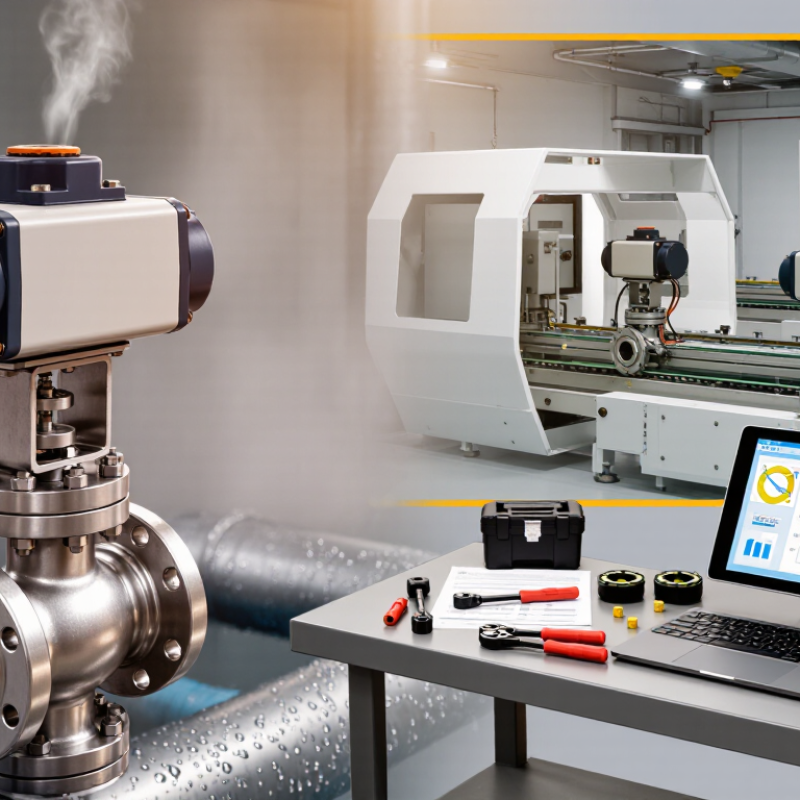
Before comparing suppliers, describe what the actuator must move, how far, and how often. A quarter-turn valve, sliding gate, and louver impose different loads and motion profiles. Record required torque or thrust, stroke, travel time, starts per hour, and expected service life. Measure the load at the mechanism, not only from a catalog estimate. Small details matter. A valve that sticks after months of service may need more breakaway torque than its clean, new condition suggests.
Then map operating conditions: supply voltage and frequency, control signal, ambient temperature, moisture, dust, vibration, and available mounting space. Specify whether the unit must hold position or move to a safe position after power loss; that choice affects actuator design and backup needs. Note manual override, feedback, and wiring access for maintenance. For global sourcing, put these details in a common specification and ask suppliers to state assumptions, test conditions, and tolerances. Do not hide uncertainty. Field conditions are rarely tidy, and an oversized unit can be costly while a marginal one may stall. When possible, validate the shortlist under the actual load.
Electric actuators generally fall into three groups: linear, quarter-turn, and multi-turn. Linear models push or pull loads, making them useful for dampers, slides, and positioning tables. Quarter-turn units rotate a shaft through a limited angle, often about 90 degrees. Multi-turn designs provide repeated rotation for mechanisms that require it. They are not interchangeable. Match the motion to the equipment before comparing prices.
Compare rated force or torque, travel, speed, and duty cycle. A fast actuator may overheat if it runs frequently. Check starting torque too. Tight seals or cold lubricant can increase resistance. Voltage and control signals also matter when sourcing across regions. Confirm the available supply and whether the unit supports on/off, analog, or network commands. Specify position feedback when operators need confirmation. A clear wiring diagram can save hours during commissioning.
Check the enclosure rating against the actual installation. Dust, washdown, vibration, and temperature swings affect selection. IP ratings help, but they do not describe every site risk. Ask suppliers for test conditions and performance data, not just catalog figures. One trade-off is easy to overlook: extra capacity may seem safer, yet an oversized actuator can waste energy and complicate control. Compare the full specification against the real load and operating cycle.
Global sourcing demands more than a low unit price. Start with the actuator’s mounting interface, enclosure rating, voltage, duty cycle, and operating temperature.
ISO 5211 helps specify flange connections for quarter-turn actuators, while IEC 60529 defines IP enclosure ratings. Check that the rating suits the real installation, including dust, washdown, and cable entry.
The ISO Survey 2022 reported 1,265,216 ISO 9001 certificates worldwide. That number shows the standard’s reach, not that every certified factory makes reliable actuators.
Paperwork is not proof.
Ask for the supplier’s valid ISO 9001 certificate and confirm its scope covers the manufacturing site and relevant processes. Request recent inspection records for output torque, travel time, leakage protection, and electrical performance. Match the report to the exact model and configuration you plan to buy.
A sample test is useful, but it cannot replace consistent production checks. Review how the supplier handles nonconforming units, corrective actions, and traceability by batch. An independent audit can help verify what documents alone cannot.
It is easy to overvalue a polished certificate; actual test records deserve equal attention. Keep a small gap for judgment: a supplier’s first answer may be incomplete, so ask for clarification before approval.
Choosing an electric actuator for global sourcing means comparing more than the unit price. Calculate the landed cost: actuator, mounting hardware, freight, duties, commissioning, and likely maintenance. A low quote can look attractive until a heavy shipment needs special handling. Check torque, stroke, duty cycle, supply voltage, and control signals against the actual application. Ask for test records and clear performance limits. Small details matter.
Logistics can reshape the purchase. Confirm package dimensions, shipping weight, lead time, and whether spare seals or limit switches can travel with the main order. Request consistent product labels and installation documents in the language your technicians use. Track how transit delays or missing paperwork could affect a planned shutdown. It is easy to underestimate this part.
After-sales support should be assessed before placing the order. Ask who handles technical questions, typical response times, and whether remote fault diagnosis is available. Confirm warranty coverage, exclusions, and the process for obtaining replacement parts. Keep written records of configuration and test results. A supplier may answer promptly during evaluation, yet support can feel different after delivery; that uncertainty deserves a direct conversation.
A shortlist is only a hypothesis. Request samples from the same production configuration you plan to buy, including the motor, gearbox, feedback device, and connector. On a bench, record stroke, speed, current draw, backlash, and temperature after repeated cycles. Test the actuator under the real load, not just in free air. Check what happens after a power interruption. Small differences matter.
Ask suppliers for a traceable test report, component change history, and written confirmation of spare-part availability. Verify the sample’s dimensions against your mounting drawing; a few millimeters can force a costly bracket redesign. McKinsey Global Institute’s 2020 analysis estimated that supply-chain disruptions could erase 45% of one year’s profits over a decade. That figure covers broad supply-chain risks, not actuator failure specifically, but it makes a practical case for checking single-source parts and replacement lead times.
Keep one sample for independent inspection, and compare its serial and revision details with the quotation. A paper certificate is useful, but it cannot prove that every delivered unit will match. Ask for clarification when the data sheet omits duty cycle or ambient-temperature limits. I would not treat a passing sample as certainty; production variation still needs monitoring. One more check. Record acceptance limits before testing, so a borderline result does not become an argument later.
Linear models push or pull loads, such as slides and dampers. Quarter-turn units rotate a shaft about 90 degrees. Multi-turn models rotate repeatedly. Match the motion to the equipment. They are not interchangeable.
Check rated force or torque, travel, speed, and duty cycle. Starting torque matters too. Tight seals or cold lubricant can increase resistance. Compare against the real load, not a guess.
A fast actuator may overheat when it runs often. Check the operating cycle and temperature after repeated runs. Faster is not always better. Easy to overlook.
Verify the available voltage and control signals. Confirm whether the actuator supports on/off, analog, or network commands. Position feedback helps operators confirm movement. A clear wiring diagram can save commissioning time.
Consider dust, washdown, vibration, and temperature swings. Check the enclosure rating, but ask about its test conditions. An IP rating alone may not cover every site risk.
Request the same configuration planned for purchase, including its motor, gearbox, feedback device, and connector. Test it under the real load. Record stroke, speed, current draw, backlash, and temperature.
Ask for a traceable test report, component change history, and written spare-part availability. Check single-source parts and replacement lead times. A sample passing once is not certainty.
Compare sample dimensions with the mounting drawing; a few millimeters can require a new bracket. Match serial and revision details to the quotation. Set acceptance limits before testing. Production variation still needs watching.
Choosing Electric Actuators for global sourcing starts with a clear understanding of the application: the required motion, load, speed, duty cycle, environment, control method, and installation constraints. Compare actuator types and specifications against these needs, including force or torque, stroke, accuracy, power requirements, protection ratings, and expected service life. A well-matched actuator can improve performance while avoiding unnecessary complexity or capacity.
Before selecting a supplier, review relevant standards, certifications, quality processes, and documentation. Compare the total cost of ownership—not just the purchase price—by considering shipping, lead times, maintenance, spare parts, and after-sales support. Shortlist suitable options, then validate them with samples or practical tests. Also check supplier communication, production consistency, delivery risks, and contingency plans so the final choice meets both technical requirements and sourcing priorities.

Brea Tech Micro Motor