DC Gear Motors are essential components in various applications. They combine the benefits of a traditional DC motor with a gear system, offering increased torque and controlled speed. Whether used in robotics, automotive, or industrial automation, these motors play a crucial role.
Choosing a DC Gear Motor presents unique advantages. These motors provide reliability and efficiency. They can operate under heavy loads while maintaining precise control. However, proper selection is vital. Not all applications have the same requirements, and understanding the unique needs of your project is essential.
Investing in a DC Gear Motor can elevate your application. Their compact design allows for integration in tight spaces. Despite their benefits, one must consider factors like gear ratios and motor size. Mistakes in selection can lead to underperformance. Reflecting on the specific requirements ensures the best outcomes in your projects.
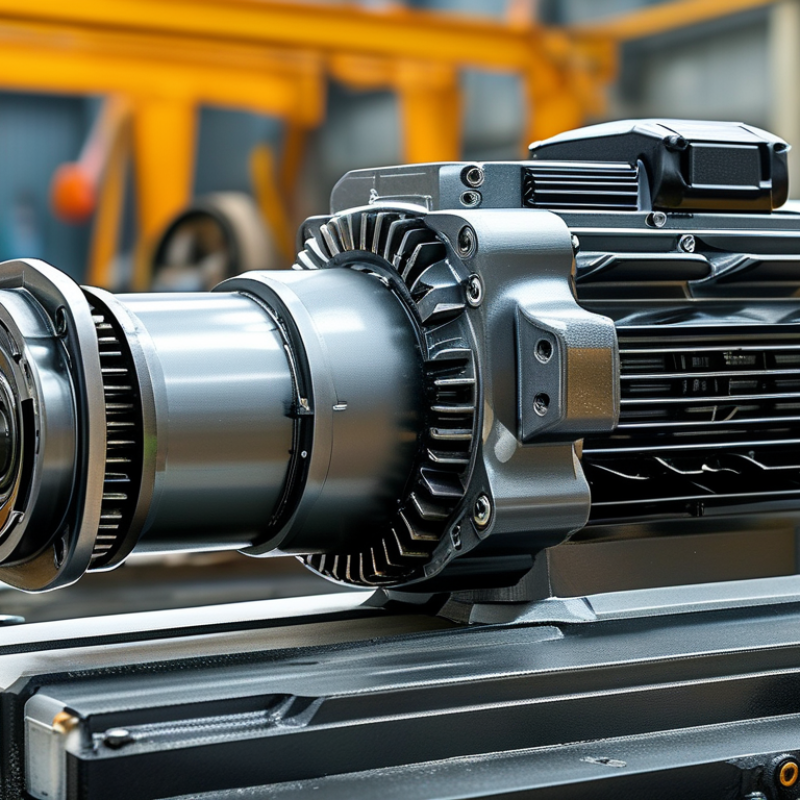
DC gear motors present numerous advantages that make them suitable for various applications. One of the key benefits is their ability to provide high torque at low speeds. According to industry reports, a DC gear motor can deliver torque levels that are several times higher than that of regular DC motors. This characteristic is essential in applications like robotics and conveyor systems, where precise control over speed and torque is critical.
Another significant advantage of DC gear motors is their compact design. The integration of gears allows for a reduction in size while still delivering the needed power. For instance, research from the American Society of Mechanical Engineers indicates that using a gear reduction can lead to a size decrease of up to 40% in some applications. However, this compactness can present challenges in heat management. In confined spaces, excess heat may build up, impacting performance.
Efficiency is also a critical factor. DC gear motors generally operate at higher efficiency levels compared to their AC counterparts. Studies show efficiencies can exceed 90%, which is advantageous for battery-operated devices. However, not all DC gear motors are created equal, and quality variance exists. It's essential to choose motors designed for specific loads to avoid inefficient operations and premature wear. This underscores the need for careful selection and potential reevaluation of design specifications during implementation.
This bar chart illustrates the key advantages of using DC gear motors in various applications. Each advantage is rated on a scale from 1 to 10, highlighting their significance in terms of performance and reliability.
DC gear motors are versatile components used in various applications, enhancing efficiency and precision. These motors are particularly valuable in robotics, where precise movement is crucial. They can easily control angle and speed, allowing robots to perform complex tasks. For instance, autonomous vehicles rely on DC gear motors for steering and navigation. This level of control is essential for safety and effectiveness.
In industrial automation, DC gear motors play a significant role. They drive conveyor belts, packaging machines, and assembly line equipment. Their ability to maintain consistent torque ensures smooth operation in demanding environments. In medical devices, such as prosthetics and surgical robots, DC gear motors provide the reliability needed for critical tasks. These motors can adapt to various loads, making them suitable for sensitive applications.
Using DC gear motors does present challenges. For example, sizing the motor correctly can be complicated. Oversized motors may waste energy, while undersized ones might fail to deliver required performance. Regular maintenance is also essential, as wear can lead to decreased efficiency. Understanding these factors can improve the effectiveness of your application significantly.
When selecting DC gear motors, understanding the technical specifications is crucial. One of the primary aspects to consider is torque. Torque defines the motor's ability to apply rotational force. It must align with the application’s needs. If the torque is too low, the motor may underperform, leading to inefficiency.
Another important specification is the gear ratio. The gear ratio determines the speed and torque characteristics of the motor. A higher gear ratio provides more torque but less speed. Evaluate your project requirements carefully. Sometimes a balance between speed and torque is necessary.
Efficiency ratings also play a vital role. A more efficient motor can operate cooler and conserve energy. This is essential for long-term operation. Additionally, size and weight can significantly impact installation. Ensure your chosen motor fits well within the design constraints. Ultimately, attention to these technical details can enhance performance and longevity in your applications.
DC gear motors are becoming increasingly popular for various applications due to their cost-efficiency. These motors offer significant savings on operational costs. Their design allows for efficient energy usage, which minimizes energy bills over time. Moreover, they are often simpler to integrate into systems, reducing installation expenses.
Longevity is another attractive feature of DC gear motors. They are built to endure heavy loads and continuous operation. Many models feature robust gear systems that mitigate wear over time. This durability translates into lower maintenance costs, as fewer parts need replacement. However, one challenge is ensuring proper alignment during installation. Misalignment can cause accelerated wear, reducing the overall lifespan of the motor.
Choosing DC gear motors means considering reliability in performance. The right selection can lead to a substantial reduction in downtime. But, mistakes can happen. Selecting an inadequate motor for a specific task may lead to inefficiencies. It's crucial to assess not just initial costs, but long-term performance data to make informed decisions. In the end, understanding these motors' capabilities can greatly enhance operational efficiency in various settings.
DC gear motors are favored for their efficiency and torque capabilities. Compared to AC motors, they deliver higher torque at lower speeds. According to a report by the International Energy Agency, DC motors can achieve up to 25% greater efficiency in specific applications. This attribute makes them ideal for robotics and automotive systems, where precision and power are vital.
When contrasting DC gear motors with stepper and servo motors, efficiency remains a key differentiator. Servo motors, for instance, offer advanced control but require complex feedback systems and are often more costly. Data from the National Renewable Energy Laboratory highlights that DC gear motors can reduce energy consumption by 15% in applications requiring continuous operation. The simplicity of DC gear motors contributes to their reliability. However, they can struggle with heat dissipation under heavy loads, necessitating careful thermal management.
The choice between these motors also depends on specific application needs. While DC gear motors excel in cost-effectiveness and ease of use, they may not always provide the precision that servo motors offer. What’s critical is assessing the operational requirements. Balancing torque, speed, and control will be essential for making the right decision. The industry is slowly recognizing this dynamic, highlighting a need for continuous evaluation of motor performance across various applications.
| Motor Type | Torque | Speed | Efficiency | Control | Cost |
|---|---|---|---|---|---|
| DC Gear Motor | High | Medium | Good | Easy | Moderate |
| AC Induction Motor | Medium | High | Fair | Difficult | Low |
| Stepper Motor | Low | Low to Medium | Excellent | Moderate | High |
| Brushless DC Motor | Medium | High | Very Good | Complex | High |
: DC gear motors provide precise movement and control over angle and speed, essential for complex robotic tasks.
They drive conveyor belts and packaging machines, ensuring smooth operation with consistent torque in demanding environments.
Correct sizing is complicated. Oversized motors can waste energy, while undersized ones may not perform well.
Their efficient energy usage leads to significant savings on operational costs and lower installation expenses.
Proper alignment during installation is crucial. Misalignment can increase wear and shorten the motor’s lifespan.
They deliver higher torque at lower speeds, making them more efficient by up to 25% for certain applications.
Servo motors offer advanced control but are more complex and costly, while DC gear motors are simpler and more cost-effective.
It's vital to balance torque, speed, and control based on the specific requirements of the application.
Regular maintenance is needed to prevent decreased efficiency from wear and tear. Oversights can lead to costly repairs.
Long-term performance data is important. Mistakes in selection can result in inefficiencies and increased downtime.
DC Gear Motors offer several key advantages that make them an excellent choice for various applications. Their compact design and high torque output enable them to efficiently power devices in environments where space is limited. Common applications include robotics, automation, and automotive systems, where precise control and reliability are paramount. When selecting a DC Gear Motor, it is essential to consider technical specifications such as voltage, torque, and speed to ensure optimal performance for specific tasks.
Additionally, DC Gear Motors are known for their cost-efficiency and longevity, making them a preferred option over other motor types. Their durability means they can effectively withstand continuous operation, leading to lower maintenance costs over time. By comparing DC Gear Motors to alternative motor solutions, one can identify their suitability for a range of applications, ultimately ensuring better performance and reliability in various mechanical systems.

Brea Tech Micro Motor