In the realm of modern engineering, the choice of motors can significantly impact project efficiency and performance. Brushless DC Motors have gained traction due to their superior reliability and efficiency. According to a report by MarketsandMarkets, the Brushless DC Motor market is projected to grow from $16.97 billion in 2020 to $24.93 billion by 2025. This growth reflects the increasing demand in sectors such as automotive and robotics.
Industry expert Dr. Ellen Walker states, "The shift towards Brushless DC Motors is not just a trend; it's a revolution in how we approach design and efficiency." These motors eliminate brushes, reducing wear and increasing lifespan, which is critical for demanding applications. However, not every project may fit this technology. Initial costs can be higher, and the complexity of control systems may deter some designers.
Adopting Brushless DC Motors could lead to remarkable energy savings and reduced maintenance, but it's essential to evaluate specific needs carefully. Engineers must balance efficiency with cost and complexity. The promise of Brushless DC Motors is significant, but careful consideration is paramount.
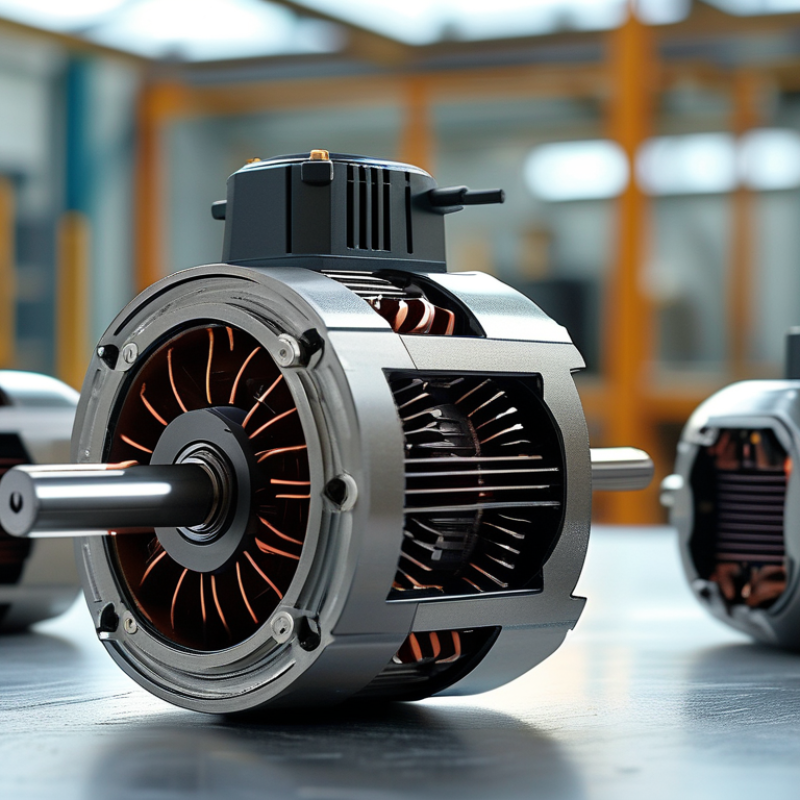
Advantages of Brushless DC Motors Over Traditional Motors
Brushless DC motors offer several advantages over traditional brushed motors. One significant benefit is their higher efficiency. These motors use electronic commutation, which minimizes energy loss. This results in less heat generation. With lower heat, the longevity of these motors can improve. They reduce wear and tear dramatically compared to their brushed counterparts.
Another key advantage is reduced maintenance. Brushless motors do not have brushes that wear out over time. This means less frequent replacements and downtime. The reliability of brushless motors is also noteworthy. They provide smooth operation, making them ideal for sensitive applications. Additionally, their compact design allows for greater flexibility in project design, making them easier to integrate into various systems.
However, the upfront costs can be higher. This can deter some projects from choosing brushless options. Not every application may warrant this investment. Engineers should carefully evaluate their specific needs. The balance of cost against performance and longevity remains crucial. This reflection can guide the best choice for your next project.
Key Applications of Brushless DC Motors in Various Industries
Brushless DC motors are gaining traction across diverse industries due to their efficiency and reliability. In the automotive sector, they play a crucial role in electric vehicles. These motors provide smooth operation and enhanced performance. They reduce energy consumption significantly, making them ideal for long-range driving.
In the medical field, precision is vital. Brushless DC motors are commonly used in surgical tools and robotics. Their accurate control allows for delicate procedures. It’s essential to ensure that these motors maintain performance over time. Any failure could be detrimental in a surgical setting.
The aerospace industry also benefits from brushless DC motors. They power various systems, from actuators to ventilation fans. Weight reduction is critical here. These motors are lightweight yet powerful. However, designing for optimal reliability is a constant challenge. Engineers must continuously improve their designs to enhance durability.
Understanding the Technology Behind Brushless DC Motors
Brushless DC motors, or BLDC motors, represent a significant advancement in motor technology. Unlike traditional brushed motors, they use electronic controllers for their operation. This eliminates the friction and wear associated with brushes. As a result, BLDC motors generally offer higher efficiency and longevity. Their design allows for smoother operation, which is essential in applications requiring precise control, like robotics or HVAC systems.
The technology behind brushless DC motors includes permanent magnets and stators. The magnets create a magnetic field that interacts with the stator coils. When electric current flows through these coils, it induces motion without any brushes. The need for less maintenance and the potential for silent operation are notable benefits. However, one might find the initial cost higher due to the advanced technology required for control systems.
Investing in brushless DC motors can yield long-term advantages. However, it’s crucial to understand the specific requirements of your project. Often, engineers face challenges when integrating these motors into existing systems. The electronic control might be complex for some applications. Exploring these dynamics will lead to better-informed decisions and successful project outcomes.
Factors to Consider When Selecting a Brushless DC Motor
When selecting a brushless DC motor for your project, multiple factors come into play. One essential consideration is the motor's efficiency. According to a report by the International Electrotechnical Commission, brushless DC motors can achieve efficiencies greater than 90%. This high efficiency can lead to substantial energy savings in the long run, particularly in applications with continuous operation.
Another vital factor is the torque-to-weight ratio. Brushless designs offer a higher torque density compared to traditional brushed motors. In some cases, these motors deliver 30% more torque while being 20% lighter. This advantage is crucial in applications like drones and electric vehicles, where weight reduction enhances overall performance. However, keep in mind that the more compact design can complicate heat dissipation, requiring careful thermal management in your planning.
Furthermore, the control system for these motors needs attention. While many modern controllers are user-friendly, the complexity can increase with motor size and application scope. It’s important to assess your project's technical capabilities before proceeding. Underestimating these aspects can lead to implementation challenges. Selecting the right brushless DC motor demands thorough analysis and strategy, focusing on these key factors.
Cost-Effectiveness and Energy Efficiency of Brushless DC Motors
Brushless DC motors (BLDC) have gained popularity for their cost-effectiveness and energy efficiency. Unlike traditional motors, they use electronic controllers to manage energy, reducing wasted power. This leads to lower operational costs. Designers and engineers recognize the savings over time. They see potential in various applications, from electric vehicles to home appliances.
Energy efficiency is a major advantage of BLDC motors. They operate with minimal energy loss, converting almost all input energy into usable power. This is not just an attractive feature; it can significantly lower energy bills. A team developing a product may initially overlook this, but later realize the long-term benefits. Users appreciate the reduced need for frequent replacements, further extending savings.
However, there can be a learning curve when integrating these motors. Some may find the initial investment higher than expected. It's essential to weigh upfront costs against potential savings. Each project will have unique needs. The decision to use BLDC motors depends on many factors, including application, availability, and future growth. Careful consideration can lead to successful outcomes.
FAQS
: They offer higher efficiency, reduced maintenance, and longer lifespan due to less heat generation.
Brushless motors convert almost all input energy into usable power, which significantly lowers energy bills.
Yes, they provide smooth operation and experience less wear and tear, enhancing reliability.
Consider efficiency, torque-to-weight ratio, control systems, and your project's technical capabilities.
Yes, compact designs can complicate heat dissipation, which requires careful thermal management planning.
Yes, initial costs can be higher, but this may be offset by long-term operational savings.
Unique project needs, application suitability, and long-term growth potential are crucial.
No, they require less maintenance since they don't have brushes that wear out over time.
The complexity of integration and control systems can lead to potential implementation challenges.
A higher torque-to-weight ratio enables better performance, crucial for applications like drones and electric vehicles.
Conclusion
Brushless DC Motors (BLDC) have emerged as a superior alternative to traditional motors due to their numerous advantages, including higher efficiency, reduced maintenance needs, and quieter operation. Their technological design eliminates brushes, which not only enhances performance but also prolongs the motor’s lifespan. As a result, BLDC motors find critical applications in various industries, such as automotive, aerospace, and consumer electronics, where precision and reliability are essential.
When selecting a Brushless DC Motor for a project, several factors should be considered, including torque requirements, size constraints, and control methods. Additionally, the cost-effectiveness and energy efficiency of these motors make them an attractive choice for both small-scale and large-scale applications. With their growing relevance in modern engineering, Brushless DC Motors are poised to play a vital role in driving innovation across multiple sectors.

 Brea Tech Micro Motor