As the demand for precision motion control grows, NEMA 17 (Ø42mm) stepper motors have become essential across various industries. According to a recent market research report, the global market for stepper motors is projected to reach $5 billion by 2026. This trend is driven by advancements in automation and robotics, where NEMA 17 motors play a crucial role in applications like 3D printers and CNC machines.
China has emerged as a leading manufacturer of NEMA 17 stepper motors, providing competitive pricing and high-quality products. Industry experts highlight that these motors can deliver superior torque and reliable performance, making them a preferred choice among global buyers. However, quality inconsistencies may arise among different suppliers. It’s vital for buyers to assess product specifications and supplier credentials closely.
Despite the promising projections, not all manufacturers guarantee reliable performance. Investigating certifications and customer reviews becomes imperative. The landscape of NEMA 17 (Ø42mm) stepper motors includes both innovation and reliability challenges. Buyers must navigate these complexities to secure the best options for their needs in 2026 and beyond.
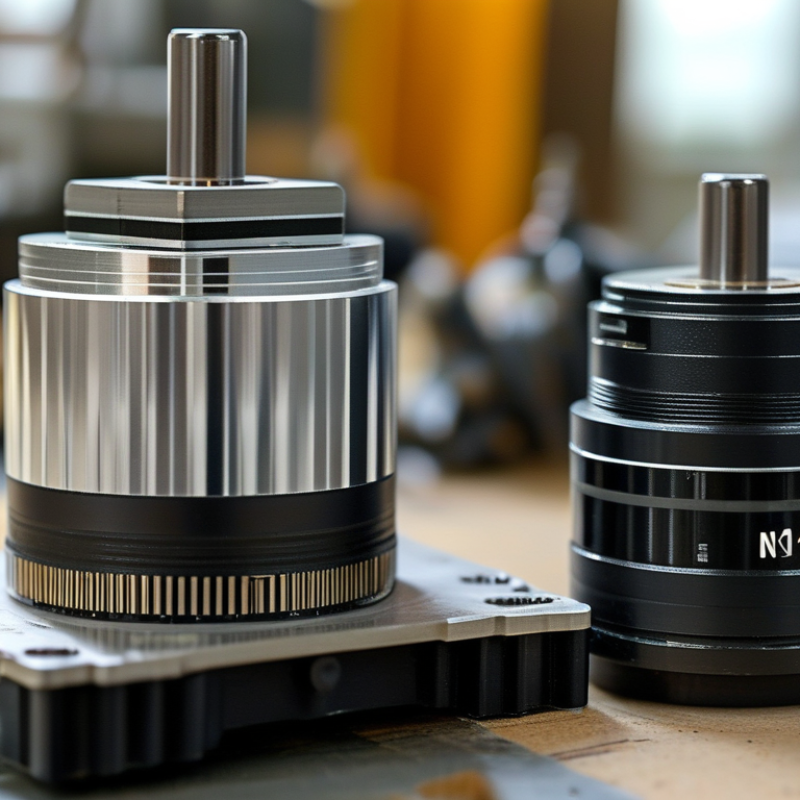
Overview of NEMA 17 Stepper Motors and Their Applications
NEMA 17 stepper motors are widely recognized for their versatility in various applications. Their compact size and efficient performance make them ideal for 3D printers, CNC machines, and robotics. This motor type typically features a 1.7 x 1.7 inch faceplate and offers up to 45 Ncm of holding torque, making them a reliable choice for precise movements.
In recent years, the stepper motor market has seen significant growth. According to a recent industry report, the global stepper motor market is projected to reach $6.89 billion by 2026, growing at a compound annual growth rate (CAGR) of 7.5%. This indicates a rising demand for NEMA 17 motors, particularly in automation and manufacturing sectors.
When selecting NEMA 17 motors, consider the application requirements carefully. Not all motors offer the same torque or speed capabilities. Technical specifications can vary widely among models. Ensure compatibility with your control system to optimize performance.
For optimal efficiency, keep in mind that running a stepper motor at full torque continuously can lead to overheating. Implementing cooling solutions, such as heat sinks and fans, can enhance lifespan. Additionally, regular inspections can prevent unexpected failures and maintain operational efficiency.
Key Features and Specifications of Top NEMA 17 Stepper Motors
NEMA 17 stepper motors are gaining traction in various global markets, driven by their versatility and reliability. These motors typically offer a standard size of 1.7 x 1.7 inches, making them ideal for compact applications. They often provide a holding torque ranging from 40 to 60 Ncm, crucial for maintaining precise positioning. Reports indicate an anticipated growth rate of 6.3% in the stepper motor market, reflecting increased automation in industries such as robotics and 3D printing.
Key features of top NEMA 17 stepper motors include step angle accuracy, usually around 1.8 degrees. This precise control translates to smoother movements and less vibration, a requirement for high-quality output in demanding applications. Thermal management is another critical aspect. Many motors are designed with heat dissipation in mind, which prevents thermal issues that could lead to reduced lifespan or performance degradation.
However, potential buyers should consider features beyond specifications. Some motors may have suboptimal driver compatibility. This often results in performance issues and can complicate integration into existing systems. Additionally, sourcing quality components remains a challenge. Ensuring that every part meets the needed standards can impact overall reliability and functionality in the long run.
China Top NEMA 17 Stepper Motors for Global Buyers 2026
| Model |
Holding Torque (N·cm) |
Step Angle (°) |
Rated Current (A) |
Voltage (V) |
Weight (kg) |
| NEMA 17-1 |
40 |
1.8 |
1.5 |
12 |
0.45 |
| NEMA 17-2 |
45 |
1.8 |
1.7 |
24 |
0.48 |
| NEMA 17-3 |
50 |
1.8 |
2.0 |
24 |
0.52 |
| NEMA 17-4 |
55 |
1.8 |
2.2 |
36 |
0.55 |
Leading Chinese Manufacturers of NEMA 17 Stepper Motors in 2026
In 2026, NEMA 17 stepper motors continue to gain massive traction among global buyers. Chinese manufacturers are at the forefront of this trend. Their expertise in engineering and manufacturing provides high-quality options for various applications. From 3D printing to robotics, these motors are indispensable in modern technology.
One key advantage of leading Chinese manufacturers is their innovative approaches. Many companies focus on optimizing performance and energy efficiency. This ensures that buyers receive reliable and powerful motors. Attention to detail in quality control is vital. However, some manufacturers may struggle with consistency, leading to quality fluctuations. It is essential for purchasers to conduct thorough research to identify trustworthy suppliers.
The growing demand for NEMA 17 stepper motors reveals a dynamic market landscape. Some businesses excel, while others face challenges. Buyers must remain vigilant and investigate suppliers' backgrounds to ensure durable and efficient products. The competitive nature of this industry means that potential buyers should be cautious and informed throughout their purchasing journey.
Market Trends and Demands for NEMA 17 Stepper Motors Globally
As the demand for precision engineering solutions grows, NEMA 17 stepper motors are increasingly sought after. These motors play a crucial role in robotics, 3D printing, and CNC machinery. Their popularity stems from their reliable performance and versatility. Buyers globally are looking for high-quality options that meet specific requirements.
When considering NEMA 17 motors, it’s essential to focus on torque, speed, and size. A torque that matches the application can prevent motor overheating. Also, it's worth noting that not all applications demand the same specifications. For example, a 3D printer may require different motor characteristics than a robotic arm.
Tips for selection: Always check the manufacturer's specifications. Seek out reviews from other users. Keep an eye on the latest technological advancements. Understanding your needs thoroughly can save you time and money. Additionally, consider energy efficiency, as this can impact long-term costs.
In a rapidly evolving market, staying informed is vital. Trends indicate a shift towards more compact and efficient designs. Buyers need to adapt and choose wisely. Balancing cost and quality is key, as cheaper options may compromise performance. Reflect on your choices and aim for a solution that meets both current and future demands.
Future Prospects for NEMA 17 Stepper Motors in Various Industries
The NEMA 17 stepper motor is gaining traction across multiple industries. Its flexibility makes it suitable for robotics, automation, and 3D printing. These motors provide precise control, which enhances the performance of machines. Their compact size allows them to fit into limited spaces, making them ideal for various applications.
In robotics, NEMA 17 motors drive movements with precision. They play a crucial role in ensuring that robotic arms operate smoothly. In 3D printing, they help achieve accurate layering. However, manufacturers face challenges. Motor heating can affect efficiency. Proper cooling solutions need consideration to avoid performance drops.
Looking to the future, industries such as automotive and aerospace may increasingly rely on these motors. Growing automation demands will drive innovation in motor design and efficiency. Still, it’s essential to navigate potential supply chain issues. Manufacturers must reflect on sustainability while meeting these rising needs. The balance of performance and environmental impact is crucial for future developments.
Conclusion
The article discusses the significance and applications of NEMA 17 (Ø42mm) stepper motors, which are widely used in various industries due to their precise control and reliability. It highlights key features and specifications that make these motors suitable for diverse applications, including robotics, 3D printing, and CNC machining. The leading Chinese manufacturers are examined, showcasing their advancements and capabilities in producing high-quality NEMA 17 stepper motors.
Additionally, the article explores market trends and global demands for this motor type, noting an increased interest in automation and precision engineering. Future prospects look promising, with growing requirements across various sectors suggesting sustained development and innovation in the NEMA 17 stepper motor market throughout 2026 and beyond.

 Brea Tech Micro Motor