In the global market of automation and robotics, the NEMA 16 (Ø39mm) stepper motor stands out due to its balanced performance and compact design. Dr. Emily Zhang, a renowned expert in motion control systems, emphasizes, “The NEMA 16 (Ø39mm) motor combines efficiency with precision.” Such motors are crucial for applications like 3D printing, CNC machines, and robotics, where space and power efficiency matter.
However, the choice of the right NEMA 16 (Ø39mm) motor can be challenging. Buyers must consider torque ratings, stepping angles, and driver compatibility. Each specific application may have varying needs, making universal recommendations difficult. It is essential to evaluate these factors carefully to avoid potential mismatches.
Additionally, while many manufacturers offer NEMA 16 (Ø39mm) motors, quality can vary greatly. Some brands promise performance but fail to deliver in real-world scenarios. Feedback from users often highlights the importance of reliability over mere specifications. Selecting a trusted supplier with a proven track record is vital.
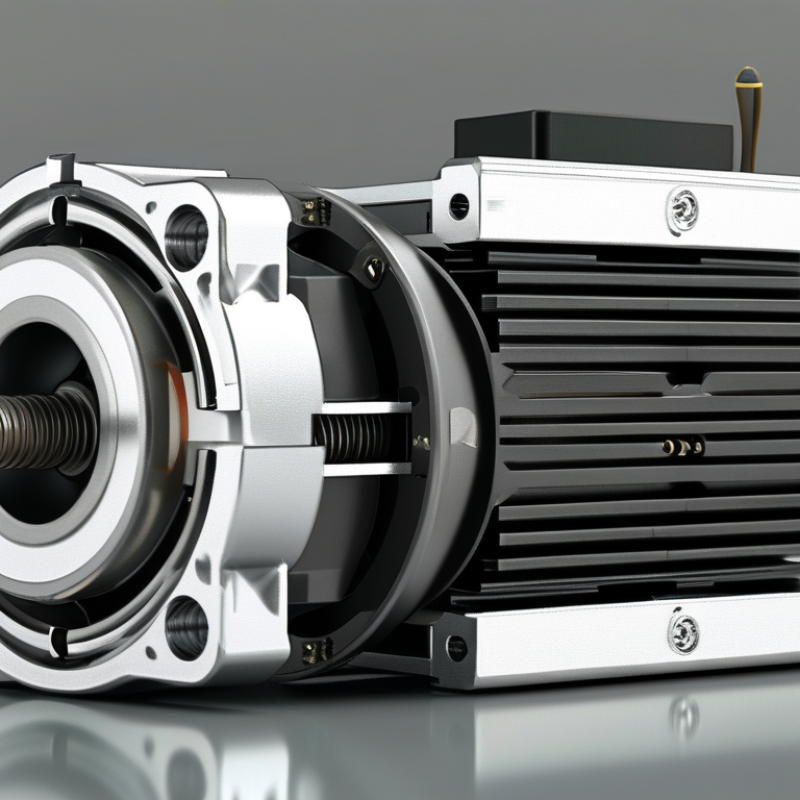
NEMA 16 stepper motors have gained popularity due to their compact size and reliable performance. With a diameter of 39mm, they are often used in various applications such as 3D printers, robotics, and CNC machines. The straightforward design allows for easy installation, making them accessible for hobbyists and professionals alike. Their ability to provide precise control makes them perfect for intricate tasks.
These motors operate with a series of electrical pulses, resulting in the rotation of the shaft in defined steps. This mechanism enhances accuracy, allowing for exact positioning without the need for encoders. Although they are versatile, NEMA 16 motors can struggle with high torque at higher speeds. This limitation can lead to missed steps and compromised performance. Users should evaluate their specific needs and consider using additional gears or belts to improve efficiency.
When selecting a NEMA 16 stepper motor, understanding the specifications is crucial. Factors such as holding torque, current rating, and step angle impact overall performance. It's essential to choose a motor that aligns with your project requirements. Many buyers find that trial and error helps refine their choice. Be prepared for adjustments during the setup phase, as every project may present unique challenges.
The NEMA 16 stepper motor, measuring Ø39mm, is gaining traction among global buyers. Its compact size and efficiency make it suited for various applications, particularly in robotics and automation. According to industry reports, the stepper motor market is projected to grow at a CAGR of 6.4% from 2021 to 2026. This growth is driven by the increasing adoption of automation in manufacturing processes.
Key specifications of NEMA 16 motors include a holding torque ranging from 0.2 to 2.0 Nm. They often operate at a voltage of 12 to 48V, catering to different needs. In many designs, they feature a step angle of 1.8 degrees. This precision allows for fine control, making these motors ideal for printing and CNC applications. However, overheating can occur if these motors are not adequately rated or managed.
Despite their advantages, NEMA 16 motors do have limitations. They can be less efficient than other motor types at high speeds. Additionally, they may experience resonance issues without proper drivers. Global buyers need to consider these factors when choosing a stepper motor for specific applications. Engaging with reputable suppliers can help mitigate these challenges. Supplier testing reports and quality assurance certifications remain critical for reliable motor performance.
NEMA 16 stepper motors are versatile components in many industries. Their compact size, with a diameter of 39mm, makes them suitable for tight spaces. In the robotics sector, these motors enable precise movements and control. They are often used in robotic arms and automated guided vehicles. The accuracy of NEMA 16 motors enhances workflow efficiency.
In the medical field, NEMA 16 stepper motors play a crucial role. They power equipment like MRI machines and surgical robots. These motors ensure precise operation and reliability, which are critical in healthcare. However, it’s important to note that motor performance can vary based on specific applications and conditions.
Industrial automation also benefits from NEMA 16 motors. They are commonly found in conveyor systems and CNC machines. Their ability to maintain torque at various speeds makes them effective in manufacturing processes. Yet, the installation and tuning need careful adjustment. Any miscalibration can lead to operational issues, affecting overall productivity.
Sourcing products from China offers many benefits for global buyers, especially when it comes to components like stepper motors. These motors are essential in robotics, automation, and various machines. China's manufacturing prowess ensures a wide array of high-quality options, enabling buyers to find precisely what they need.
One notable benefit is cost efficiency. Production costs in China are often lower than in many other countries. This can lead to significant savings when purchasing in bulk. However, navigating the supply chain can be challenging. Language barriers and differences in business practices can create misunderstandings. Buyers must be diligent in communication.
Quality control is another crucial aspect. While many manufacturers adhere to international standards, this is not universal. Conducting thorough inspections before finalizing purchases is essential. Buyers should also consider forming relationships with reputable suppliers. Trust is built over time, and a solid partnership can lead to better products and services.
When selecting NEMA 16 stepper motors, several factors hold significant importance. The size and torque specifications are vital. A NEMA 16 motor typically has a frame size of 39mm. Its torque can range from 0.4 to 1.5 N·m, affecting the application suitability. Higher torque ratings can directly increase performance and efficiency in various tasks.
Thermal management is another crucial consideration. Motors can overheat during prolonged use, especially in high-load applications. Standard operating temperatures should ideally remain below 80°C to avoid damage. Monitoring these metrics helps prolong the motor's life and efficacy, ensuring reliable outputs.
Additionally, the stepping resolution impacts performance. Common resolutions include full step, half step, and microstepping configurations. Microstepping can improve positioning accuracy, leading to smoother operations. However, it also complicates the control systems. Therefore, understanding the specific application requirements is key to making an informed choice.
16 stepper motor?
Their compact design makes them ideal for tight spaces in various applications.
The holding torque ranges from 0.2 to 2.0 Nm.
They enable precise movements and enhance workflow efficiency within robotic systems.
Buyers should consider potential overheating and resonance issues before making a choice.
They ensure precise operation in equipment like MRI machines and surgical robots.
No, they can be less efficient compared to other motor types at higher speeds.
Miscalibration can lead to operational issues, impacting productivity significantly.
Engaging with reputable suppliers and checking quality certifications is advisable.
Yes, performance can differ based on specific applications and environmental conditions.
The article provides a comprehensive overview of NEMA 16 (Ø39mm) stepper motors, highlighting their key specifications and features that make them a popular choice in various applications. These motors are known for their precise control and reliable performance, making them suitable for industries such as robotics, automation, and 3D printing.
Additionally, the piece discusses the benefits of sourcing NEMA 16 stepper motors from China, emphasizing factors such as cost-effectiveness, a wide range of options, and efficient supply chains. Buyers are encouraged to consider essential factors when choosing these motors, ensuring they select the best fit for their specific needs and applications.

Brea Tech Micro Motor