In the realm of engineering, the evolution of the Coreless Motor has sparked significant interest among global buyers. Renowned expert Dr. Jennifer Lee, a leading figure in the motor technology industry, states, "Coreless Motors offer unparalleled efficiency and versatility." This statement encapsulates the multitude of benefits these motors bring to various applications.
Coreless Motors are lightweight and compact, making them ideal for consumer electronics and robotics. Their design minimizes energy loss, enhancing performance. This efficiency translates to longer battery life and reduced operational costs, making them a smart choice for global buyers. Yet, it is essential to acknowledge potential limitations. While Coreless Motors excel in numerous areas, their higher initial costs can be a hurdle for some manufacturers.
Adopting Coreless Motor technology can lead to innovative advancements. However, companies must carefully assess their specific needs and applications before making a switch. Balancing cost with performance remains a crucial consideration. As the industry evolves, embracing this technology could be a game-changer for many businesses.
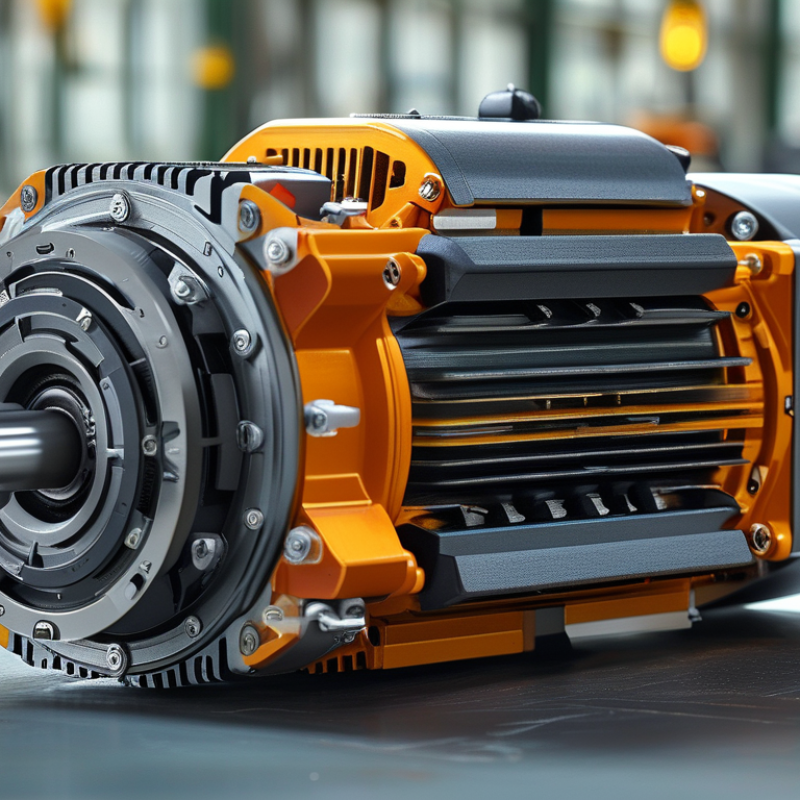
Understanding Coreless Motors and Their Unique Construction
Coreless motors stand out due to their unique construction. Unlike traditional motors, coreless motors lack an iron core. This design leads to reduced inertia, allowing for faster response times. Additionally, the absence of a core minimizes cogging torque. This results in smoother operation, which is critical for precision applications.
The lightweight nature of coreless motors enhances their efficiency. They require less energy to operate effectively, making them ideal for battery-powered devices. Many industries, such as robotics and medical equipment, benefit from this efficiency. However, the production of coreless motors can be complex and costly. This may limit their accessibility in some markets.
It's important to note that not all applications will benefit equally from coreless motors. Their performance can be influenced by factors like load and operating conditions. While they are excellent for specific uses, buyers should evaluate their needs carefully. Some users may find it challenging to transition from traditional motors. Understanding these nuances helps in making informed decisions.
Key Advantages of Coreless Motors Over Traditional Designs
Coreless motors are gaining traction due to their unique design and functionality. Unlike traditional motors, coreless motors omit the iron core, resulting in a lighter and more efficient unit. This design drastically reduces inertia, allowing for rapid acceleration and deceleration. In fact, coreless motors can achieve speeds up to 20% faster than conventional motors, making them ideal for applications requiring precision and responsiveness.
Advanced industry reports indicate that coreless motors provide up to 75% energy efficiency in some applications. This is a significant improvement over traditional designs, which typically hover around 60% efficiency. The reduced energy consumption not only helps lower operational costs but also minimizes heat generation, extending the lifespan of the motor. Users can expect reliable performance with less maintenance required.
Consider the following when choosing coreless motors. First, assess the specific application demands. These motors excel in environments where weight and speed are critical. Additionally, think about the ease of integration into existing systems. Compatibility can be a challenge, so detailed planning is essential. Coreless motors offer an innovative solution, but they may require adaptation for some users. Embrace the change while being mindful of your operational needs.
What Are the Benefits of Coreless Motors for Global Buyers? - Key Advantages of Coreless Motors Over Traditional Designs
| Advantage |
Coreless Motor |
Traditional Motor |
| Weight |
Lighter |
Heavier |
| Efficiency |
Higher efficiency |
Lower efficiency |
| Response Time |
Faster |
Slower |
| Size |
Compact design |
Larger design |
| Noise Level |
Quieter operation |
Noisier operation |
| Customization |
Easier customization |
Limited customization |
| Cooling |
Better heat dissipation |
More heat retention |
Applications of Coreless Motors in Various Industries
Coreless motors are becoming increasingly popular in various industries due to their unique advantages. These motors are lightweight, compact, and highly efficient. Their design allows for faster acceleration and deceleration. This makes them ideal for applications requiring quick response times, such as robotics and precision instruments. The absence of an iron core contributes to lower inertia, enabling smoother operation.
In the automotive sector, coreless motors find use in electric vehicles and advanced driver-assistance systems. They support precise control, enhancing the overall driving experience. In medical technology, these motors power devices like surgical robots and portable diagnostic tools. Their reliability is essential, as any malfunction could have serious consequences.
However, some challenges persist. Manufacturing coreless motors can be more complex than traditional varieties. This might lead to higher costs and longer production times. Users must weigh these factors against the benefits. The growing demand highlights the need for continuous innovation and improvement in this field.
Cost-Effectiveness and Sustainability in Coreless Motor Usage
Coreless motors have gained traction for their impressive cost-effectiveness and sustainable design. A market analysis by International Data Corporation notes that coreless motors can reduce energy consumption by up to 30% compared to traditional motors. This efficiency is particularly beneficial for applications requiring prolonged operation, like robotics and medical devices. Reduced energy use translates to lower operational costs over time, making these motors an attractive choice for businesses.
Sustainability is a pressing concern in the manufacturing sector. Coreless motors generate less waste during production due to simpler designs. They often use fewer raw materials, aligning with global sustainability goals. A report from the Global Sustainability Institute indicates that the adoption of energy-efficient technologies can significantly decrease carbon footprints. However, it’s important to assess the entire lifecycle of these motors to ensure they truly offer sustainable benefits.
Despite these advantages, coreless motors are not flawless. The upfront costs can be higher than traditional motors, which may deter some manufacturers. Additionally, they may require specialized knowledge for proper integration into existing systems. Product reliability can vary, leading to concerns about long-term performance. As buyers weigh their options, a careful approach to evaluating coreless motors is essential to maximize both financial and environmental benefits.
Future Trends and Innovations in Coreless Motor Technology
Coreless motors are gaining traction due to their unique design and efficiency. The absence of a central core reduces weight and ensures a more compact form. Industry reports suggest that coreless motors can achieve up to 97% efficiency in certain applications. This is significant, especially in fields like aerospace and medical devices, where every gram counts. As global buyers seek lightweight solutions, coreless motors align perfectly with this demand.
Looking ahead, innovations in coreless motor technology are set to redefine performance standards. Advances in materials, such as the use of advanced magnetic materials, create opportunities for higher torque and improved thermal management. These developments are expected to drive the growth rate of the coreless motor market by at least 6% annually over the next five years. However, some challenges remain. Costs associated with innovative materials can limit accessibility for smaller manufacturers. Balancing performance with affordability is crucial.
The integration of smart technology into coreless motors is also on the rise. IoT capabilities can lead to enhanced monitoring and control in real-time. This could make coreless motors even more appealing to a range of industries. Nevertheless, there are concerns about cybersecurity and data integrity. As this technology evolves, addressing these issues will be essential for gaining buyer trust.
Benefits of Coreless Motors for Global Buyers
This chart illustrates the various benefits of coreless motors for global buyers. The scores reflect how these advantages—such as efficiency, size and weight reduction, torque density, and cost-effectiveness—contribute to the overall appeal of coreless motor technology in various applications.
Conclusion
Coreless motors are specialized electrical devices characterized by their unique construction, which eliminates the heavier iron core found in traditional motors. This design leads to enhanced efficiency, lower inertia, and improved performance, making coreless motors particularly advantageous in applications requiring rapid response and high precision. Industries such as robotics, aerospace, and medical devices benefit significantly from the lighter weight and compact form factor of coreless motors.
Moreover, coreless motors offer cost-effectiveness and sustainability advantages, as they generally consume less power and have a longer lifespan due to reduced wear and tear. As technology advances, we can expect further innovations in coreless motor design, enhancing their capabilities and expanding their applications across various sectors. This aligns with the growing demand for energy-efficient and environmentally friendly solutions in modern manufacturing and engineering processes.

 Brea Tech Micro Motor