In the rapidly evolving landscape of automation, the demand for PM Stepper Motors continues to rise. According to a recent market analysis by MarketsandMarkets, the global stepper motor market is projected to reach USD 6.15 billion by 2026, growing at a CAGR of 6.3%. This growth is fueled by increasing applications in 3D printing, robotics, and CNC machines.
However, buyers must navigate various trends impacting the PM Stepper Motor industry. Key trends include advances in technology, such as integrated drivers and intelligent control systems. Additionally, energy efficiency is becoming a critical factor, with manufacturers focusing on low-power solutions to meet sustainability goals. Yet, despite these advancements, challenges remain, such as production cost fluctuations and supply chain disruptions.
Understanding these dynamics is crucial for global buyers in making informed decisions. As the market continues to evolve, staying updated on the latest trends and technologies will empower buyers to leverage PM Stepper Motors effectively in their projects.
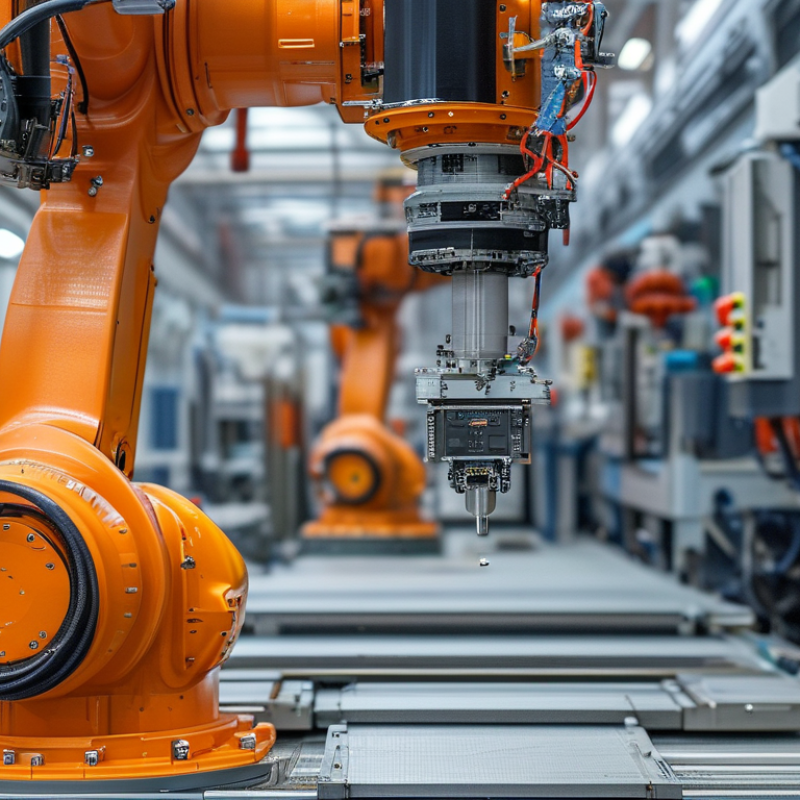
Top Market Trends for PM Stepper Motors in 2026
The market for Permanent Magnet (PM) stepper motors is evolving rapidly, especially for 2026. As per a recent report by MarketsandMarkets, the global PM stepper motor market is expected to reach USD 4.02 billion by 2026, growing at a CAGR of 10.2%. This rapid growth is driven by the increasing demand for automation in various sectors, including manufacturing and robotics. The quest for precise control in motion applications continues to push the boundaries of technology.
One noteworthy trend is the rise of hybrid stepper motors, combining features of both traditional and PM stepper motors. These hybrids offer enhanced torque, improved performance, and energy efficiency. The adoption of IoT-enabled motors also gains traction. These smart motors allow for remote monitoring and real-time adjustments, significantly reducing downtime. However, there are challenges. The production costs associated with advanced features can deter small manufacturers, leading to market fragmentation.
Sustainability concerns influence the industry too. Companies face pressure to minimize waste and energy consumption. Reports suggest that PM stepper motors with recyclable materials can reduce the overall carbon footprint. While the future looks promising, stakeholders must navigate these practical hurdles. Maintaining competitive pricing while enhancing quality will be crucial for success in this dynamic market.
Key Innovations Driving PM Stepper Motor Technology
The landscape of permanent magnet (PM) stepper motor technology is evolving rapidly. Key innovations are shaping its trajectory. These advancements aim to enhance precision, efficiency, and overall performance. One significant trend is the integration of advanced materials. Manufacturers are exploring new composites that improve durability and reduce weight. This not only increases energy efficiency but also allows for more compact designs.
Another trend is the rise of smart motor technology. With built-in sensors, these motors can monitor their performance in real time. This data facilitates proactive maintenance, reducing downtime. Moreover, they can adapt to changing load conditions, ensuring optimal performance consistently. However, these innovations require investment in technology and expertise, which might not be feasible for all manufacturers.
There’s also a growing interest in wireless communication capabilities. Motors that can be controlled and monitored remotely offer significant advantages, particularly in automation. Yet, there are challenges related to cybersecurity that need to be addressed. As the industry moves forward, the balance between innovation and security remains crucial. It’s a complex journey, reflecting the need for ongoing reflection and adaptation.
Sustainability and Eco-Friendly Practices in PM Stepper Motor Production
Sustainability is now a core value in the production of PM stepper motors. Many manufacturers are shifting towards eco-friendly practices. They focus on reducing energy consumption during production. This shift not only benefits the environment but also attracts conscious buyers.
Recycling materials plays a crucial role in sustainable manufacturing. Some manufacturers reuse metal components, minimizing waste. However, the process can be challenging. Efficient recycling methods are still evolving, and many companies face hurdles in implementing these practices. There is a need for innovation and improvement in this area.
Moreover, the supply chain needs attention. Sourcing sustainable materials can be difficult, as they might not always meet performance standards. Producers often balance quality and sustainability. This ongoing challenge prompts companies to rethink their strategies continuously. Developing better practices will take time, but it is necessary for long-term success.
2026 Top PM Stepper Motor Trends for Global Buyers
Regional Analysis: PM Stepper Motor Demand Across Global Markets
The demand for PM stepper motors is witnessing varied trends across different global markets.
North America shows robust growth due to advancements in
automation and robotics. Many industries are increasingly adopting PM stepper motors for
precise control applications. This increase reflects a broader trend towards automation in manufacturing processes.
However, challenges persist.
Supply chain issues and fluctuating raw material costs can hinder growth.
In Europe, the demand is driven by the automotive and aerospace sectors.
Companies are adapting to green technologies, creating an urge for more efficient motors.
Yet, not all regions within Europe are equal. Some areas face stricter regulations, complicating market entry for new players.
In Asia, particularly in China and India, growth potential remains high.
Manufacturers are scaling up production to meet local demand. But, technology gaps
and quality control issues reflect areas needing improvement.
As markets evolve, understanding these dynamics will be essential for any buyer.
Future Applications of PM Stepper Motors in Various Industries
In recent years, permanent magnet (PM) stepper motors have gained traction in various industries, revolutionizing automation and control systems. The global PM stepper motor market is projected to reach $7.1 billion by 2026, showcasing a significant growth rate of approximately 7% annually. This growth is driven by increased demand in robotics, CNC machinery, and medical devices.
In the medical field, PM stepper motors enhance precision in surgical instruments and imaging equipment. For instance, their use in MRI machines ensures accurate positioning. Meanwhile, the robotics sector relies on these motors for smooth movements, crucial for tasks like assembly and packaging. According to a report by MarketsandMarkets, the industrial automation segment is expected to remain a key contributor, with the demand for smart manufacturing increasing.
However, challenges remain in optimizing performance and efficiency. Many systems struggle with heat dissipation, which can lead to reduced lifespan and performance inconsistencies. Additionally, some users report issues with torque fluctuations at low speeds. These factors necessitate ongoing research and development to improve PM stepper motor technology. The future applications of these motors will heavily depend on addressing such limitations while meeting evolving industry standards.
2026 Top PM Stepper Motor Trends for Global Buyers
| Application Area |
Growth Rate (%) |
Key Features |
Industry Adoption (%) |
| Industrial Automation |
8.5 |
Precision Control, High Torque |
65% |
| Robotics |
10.2 |
High Responsiveness, Compact Design |
70% |
| Medical Equipment |
7.8 |
Reliability, Low Noise |
60% |
| 3D Printing |
15.0 |
Precision Layering, Fast Speed |
75% |
| Textile Machinery |
6.9 |
Energy Efficiency, Smooth Operation |
55% |
FAQS
: Innovations include advanced materials, smart motor technology, and wireless communication capabilities.
They improve durability and reduce weight, enhancing energy efficiency and enabling compact designs.
Smart motors have built-in sensors for real-time performance monitoring and proactive maintenance.
Remote control and monitoring enhance automation and operational efficiency significantly.
They require substantial investment and expertise, which may not be accessible to all manufacturers.
North America is growing due to automation, while Europe focuses on automotive and aerospace sectors.
Supply chain problems and fluctuating raw material costs hinder robust market expansion.
It helps buyers navigate varying demands and challenges as markets continue to evolve.
Technology gaps and quality control issues need addressing, despite high growth potential.
Yes, some regions have stringent regulations, making it tougher for new companies to enter.
Conclusion
The article "2026 Top PM Stepper Motor Trends for Global Buyers" explores the evolving landscape of PM stepper motors, highlighting key market trends expected to shape the industry in the coming years. Innovations in technology are driving advancements in PM stepper motors, resulting in enhanced performance and efficiency. Additionally, sustainability practices are becoming increasingly important in manufacturing processes, with a focus on eco-friendly production methods.
A regional analysis indicates varying demand for PM stepper motors across global markets, showcasing the diverse applications of these motors in several industries such as robotics, automotive, and manufacturing. As the demand for precision and reliability grows, the future applications of PM stepper motors are likely to expand, paving the way for new opportunities in automation and beyond.

 Brea Tech Micro Motor