In the rapidly evolving world of healthcare, the demand for reliable Medical Equipment Motors has surged. These motors play a critical role in various medical devices, ensuring they operate efficiently and safely. As global buyers seek the best options, it’s essential to understand what distinguishes top-performing motors from the rest.
The year 2026 brings new innovations and challenges in the medical equipment sector. Buyers are often overwhelmed by choices and technical specifications. Some products are marketed with impressive features, but not all deliver. Identifying quality motors requires a keen eye and a solid understanding of industry standards. Reliability is paramount, as devices powered by these motors directly impact patient care.
However, the landscape is not without its flaws. Many products may lack adequate documentation or proven track records. It is crucial for buyers to evaluate vendors carefully. Transparency in manufacturing processes can indicate the reliability of Medical Equipment Motors. In the quest for quality, buyers must navigate through marketing claims to find genuinely innovative solutions.
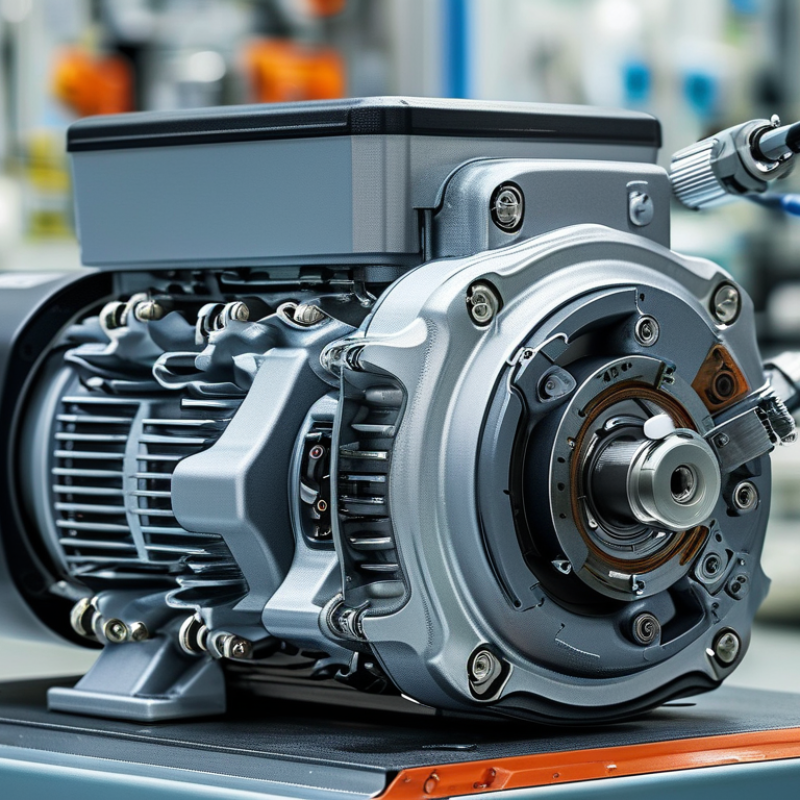
Overview of Medical Equipment Motors and Their Applications
The medical equipment motor industry is evolving rapidly. Motors play a critical role in enhancing the functionality of various medical devices. From diagnostic tools to surgical instruments, these components ensure precision and reliability. According to industry reports, the medical motors market is projected to reach $2 billion by 2026, indicating strong demand for innovation.
Various applications require specialized motors. For instance, imaging equipment, such as MRI machines, relies on high-torque motors for accurate positioning. Additionally, electric surgical instruments utilize compact and efficient motors for optimal performance. However, there remain challenges in balancing efficiency with power. Not every motor currently meets the demanding specifications required in a clinical setting. This gap highlights the need for continued research and development.
Market analysis shows that the shift towards electric and robotic-assisted devices is significant. With the rise of telemedicine and AI-driven solutions, the role of motors will only expand. It is essential for manufacturers to adapt. They must consider factors like energy efficiency, noise reduction, and miniaturization. Staying ahead in this competitive market could require overcoming several technical hurdles. The need for innovative solutions remains high.
2026 Best Medical Equipment Motors Usage in Various Applications
Key Features to Consider When Selecting Medical Equipment Motors
When selecting motors for medical equipment, several key features demand attention. Efficiency is crucial. High-efficiency motors minimize energy use, reducing operational costs. Look for motors with a proven track record. Reliability is equally important. Medical environments require equipment that consistently performs without failure.
Speed control is another vital feature. Precision in speed adjustments can enhance the functionality of medical devices. Additionally, consider the motor's torque characteristics. Different applications may necessitate varying torque levels for optimal performance. Often, buyers overlook maintenance requirements. Choosing a motor that is easy to service can save time and resources.
Noise level might seem trivial but can impact patient experience. Quiet operation is essential in sensitive settings, like operating rooms. Careful consideration of these factors ensures the selected motors meet the stringent demands of medical applications. Balancing these needs with budget constraints can lead to difficult choices. It's important to weigh priorities and reflect on what matters most in your specific scenario.
Top 2026 Medical Equipment Motor Brands and Their Offerings
The medical equipment industry is evolving rapidly. This shift is largely driven by advancements in technology. When choosing motors for medical devices, several factors come into play. Efficiency, reliability, and precision are key components. Brands are competing to offer motors that enhance patient care.
Top brands in this space focus on innovation. They emphasize compliance with safety standards and performance metrics. Customization is increasingly becoming a priority. Some manufacturers offer motors designed for specific applications, like surgical instruments or diagnostic equipment. However, the challenge is balancing cost with performance. Many facilities find themselves struggling to meet budget constraints.
Buyers need to consider warranty and support services. Trustworthy manufacturers provide comprehensive training resources. They understand the importance of reliable motors in critical environments. Yet, not all are equipped with robust after-sales support. This can lead to additional stress for healthcare providers. Ultimately, the right motor can significantly impact operational efficiency. Investing time in research is essential.
Global Supply Chain Trends Affecting Medical Equipment Motors
The global supply chain for medical equipment motors is increasingly complex. A recent report by MarketsandMarkets highlighted a projected growth rate of over 6% in the medical equipment motors market through 2026. This growth is driven by rising healthcare demands and technological advancements. Supply chain disruptions in the past few years highlighted vulnerabilities, pushing manufacturers to rethink their sourcing strategies.
Many companies are now prioritizing local suppliers to mitigate risks. The rise of near-shoring is notable, as it reduces transportation time and costs. However, finding reliable local partners remains challenging. In this regard, industry studies reveal that over 30% of medical equipment manufacturers faced difficulties in maintaining quality when switching suppliers. The stakes are high, as compromised quality can directly impact patient safety.
Moreover, sustainability has emerged as a key focus in the supply chain. According to a report by Grand View Research, 47% of industry players are investing in eco-friendly motor technologies. However, balancing cost, quality, and environmental impact requires careful planning. The medical equipment motors industry must navigate these trends to ensure resilience while maintaining high standards of performance and safety.
Future Innovations in Medical Equipment Motor Technology
The future of medical equipment motor technology is poised for significant advancements, driven by innovations in design and efficiency. According to a recent report by MarketsandMarkets, the global market for medical motors is expected to grow at a CAGR of 7.5% through 2026. This growth highlights a pressing need for more reliable and resilient motor technologies in medical devices, especially as healthcare systems increasingly rely on automation.
One key area of innovation involves miniaturization. Smaller motors enable the development of compact devices that enhance portability and ease of use. For instance, advancements in brushless DC motors allow for quieter operations and greater energy efficiency, which is critical in sensitive environments like surgical theaters. However, the move towards miniaturization also poses challenges. Ensuring that these smaller motors maintain performance while minimizing heat generation requires continuous research and testing.
Additionally, the integration of IoT technologies into medical equipment is transforming motor functionalities. Smart motors can provide real-time data on performance, facilitating predictive maintenance. This innovation, however, raises concerns about data security and system reliability. As medical devices become more interconnected, ensuring robust cybersecurity measures must become a priority to protect patient data and safety. Thus, while innovation opens new avenues for enhancement, it also demands careful scrutiny and proactive management strategies to mitigate potential risks.
2026 Best Medical Equipment Motors for Global Buyers - Future Innovations in Medical Equipment Motor Technology
| Motor Type |
Power Rating (W) |
Efficiency (%) |
Weight (kg) |
Application |
Future Trends |
| Brushless DC Motor |
250 |
90 |
1.2 |
Surgical Tools |
Integration with AI |
| Stepper Motor |
200 |
85 |
0.8 |
Imaging Devices |
Miniaturization |
| AC Induction Motor |
500 |
80 |
3.0 |
Diagnostic Equipment |
Increased Reliability |
| Servo Motor |
300 |
95 |
1.5 |
Robotic Surgery |
Adaptive Control |
| Piezoelectric Motor |
120 |
88 |
0.5 |
Optical Systems |
High Precision |
FAQS
: Efficiency is crucial. High-efficiency motors minimize energy use and reduce operational costs.
Medical settings require equipment that consistently performs without failure, ensuring patient safety.
Precision in speed adjustments enhances the functionality of medical devices significantly.
Maintenance requirements can be overlooked. Choosing easy-to-service motors saves time and resources.
Quiet operation is essential in sensitive areas like operating rooms to improve patient experience.
Global supply chain complexities are increasing, pushing manufacturers to rethink sourcing strategies.
Finding reliable local partners is challenging, with many struggling to maintain quality during the transition.
Sustainability is a key focus, with many companies investing in eco-friendly motor technologies, balancing cost and quality.
Innovations such as miniaturization and integration of IoT technologies are expected to drive significant changes.
Data security and system reliability become critical as medical devices become more interconnected.
Conclusion
The article "2026 Best Medical Equipment Motors for Global Buyers" provides a comprehensive overview of Medical Equipment Motors, emphasizing their critical applications in the healthcare sector. It highlights essential features to consider when selecting these motors, such as efficiency, reliability, and compatibility with various medical devices. The discussion extends to emerging global supply chain trends that significantly impact the availability and distribution of Medical Equipment Motors, showcasing how economic and technological developments are shaping this market.
Furthermore, the article explores future innovations in Medical Equipment Motor technology, hinting at advancements that promise to enhance performance and sustainability. By understanding the evolving landscape of Medical Equipment Motors, buyers can make informed decisions that align with both current needs and future advancements in medical technology.

 Brea Tech Micro Motor